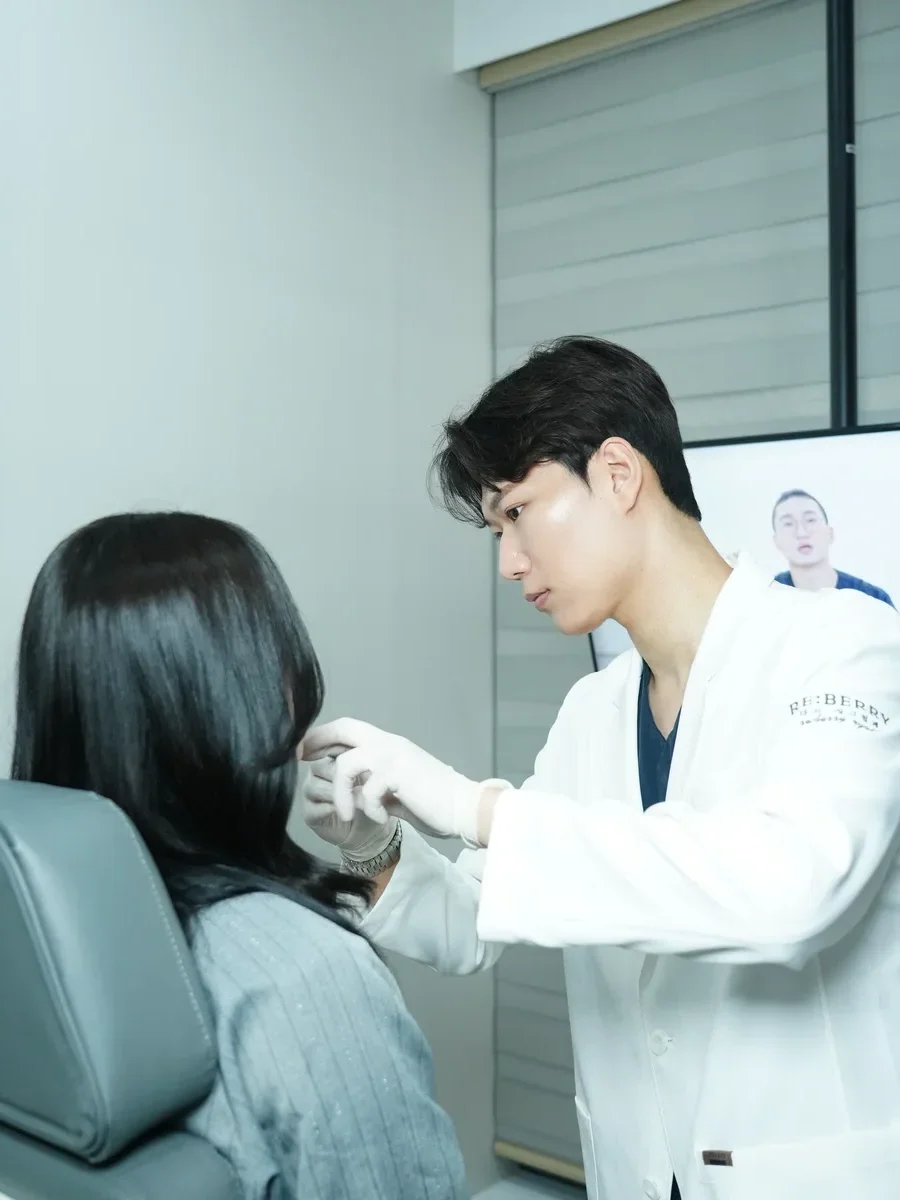
HIKO Nose Thread Lift in Korea — Non-Surgical Nose Reshaping
The HIKO nose thread lift is a Korean-originated technique that reshapes the nose using PDO threads — no surgery, no incisions, no general anesthesia. Instant nose bridge elevation, tip projection, and nasal contouring with results lasting 12–18 months. At RE:BERRY Incheon Airport, experienced Korean physicians perform HIKO nose threading using MFDS-cleared threads. Can be combined with nose filler for enhanced results. Open 365 days near Incheon International Airport.
What Is HIKO Nose Thread Lifting and Why Korea?
HIKO (High-KO, meaning 'high nose' in Korean) is a non-surgical nose reshaping technique that uses PDO (polydioxanone) threads inserted along the nasal bridge and tip to create instant elevation, projection, and contouring without incisions. Developed in Korea, HIKO has become one of the most popular non-surgical rhinoplasty methods in Asia. The procedure takes 15–20 minutes, has minimal downtime, and results last 12–18 months.
Traditional surgical rhinoplasty requires general anesthesia, cartilage grafting, 2–4 weeks of significant swelling, and carries risks of permanent numbness, scarring, and asymmetry. HIKO nose threading achieves subtle-to-moderate nose reshaping without any of these surgical risks. The technique involves inserting 6–10 PDO mono threads vertically along the nasal dorsum (bridge) and 2–4 cog threads at the tip for projection. The threads create an immediate scaffolding effect that elevates the bridge and defines the tip. Over the following months, collagen forms around the threads to maintain the structural improvement. A study by Suh et al. (2015) demonstrated that PDO nose threads produce measurable nasal dorsum elevation (mean 1.8 mm) and tip projection (mean 1.2 mm) with high patient satisfaction and complication rates below 5% (DOI: 10.1007/s00266-015-0534-5). Korea performs more non-surgical nose procedures than any other country, and Korean physicians have developed specialized HIKO techniques for different nose anatomies — from low-bridge Asian noses to refined tip-only work. At RE:BERRY Incheon Airport, HIKO nose threading is available as a standalone procedure or combined with nose filler for enhanced results. RE:BERRY offers the LSCO 2 Threads + Juvederm Nose Filler 1cc + Korean Premium Bunny Line Botox package at the Myeongdong branch — consult for comparable Incheon Airport pricing.
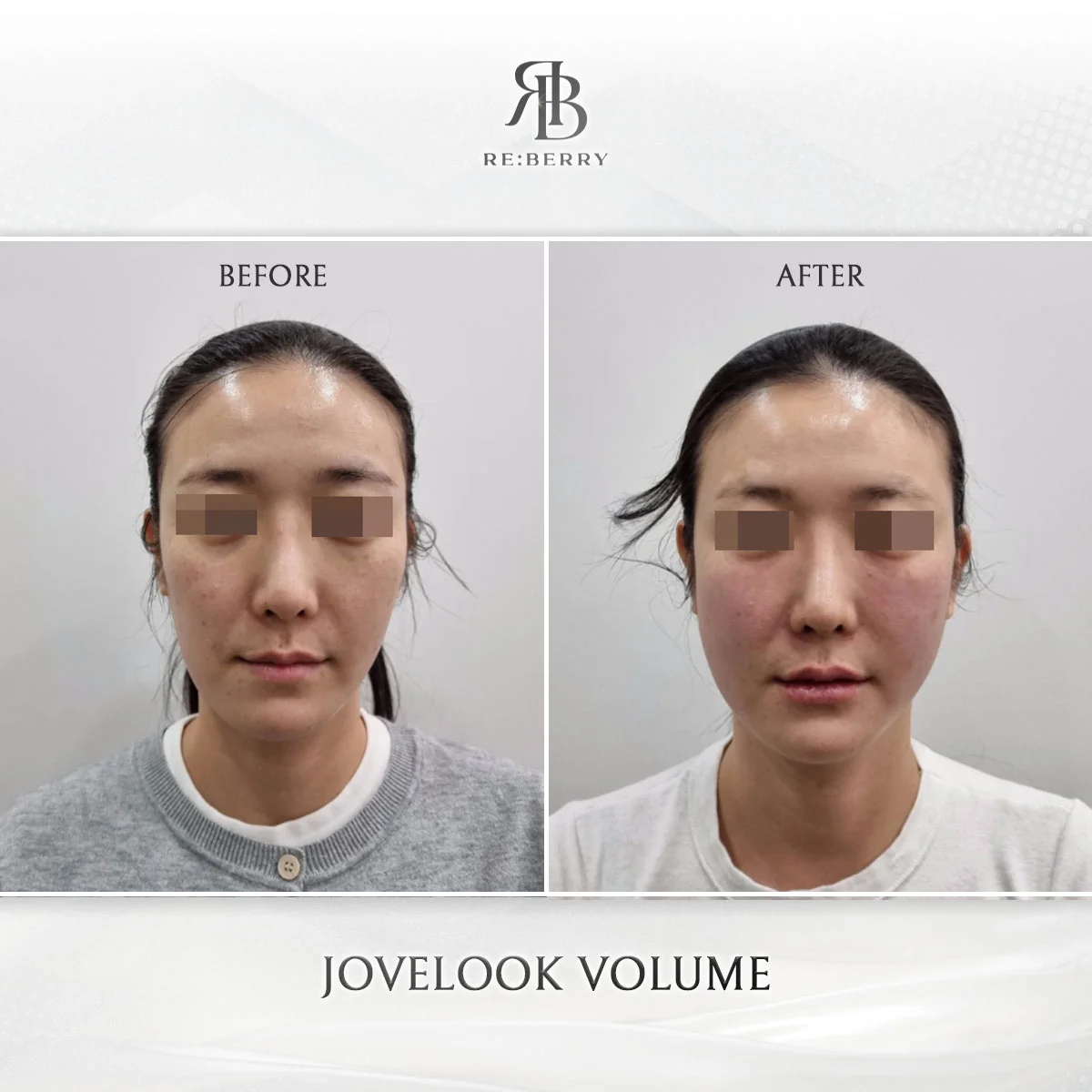
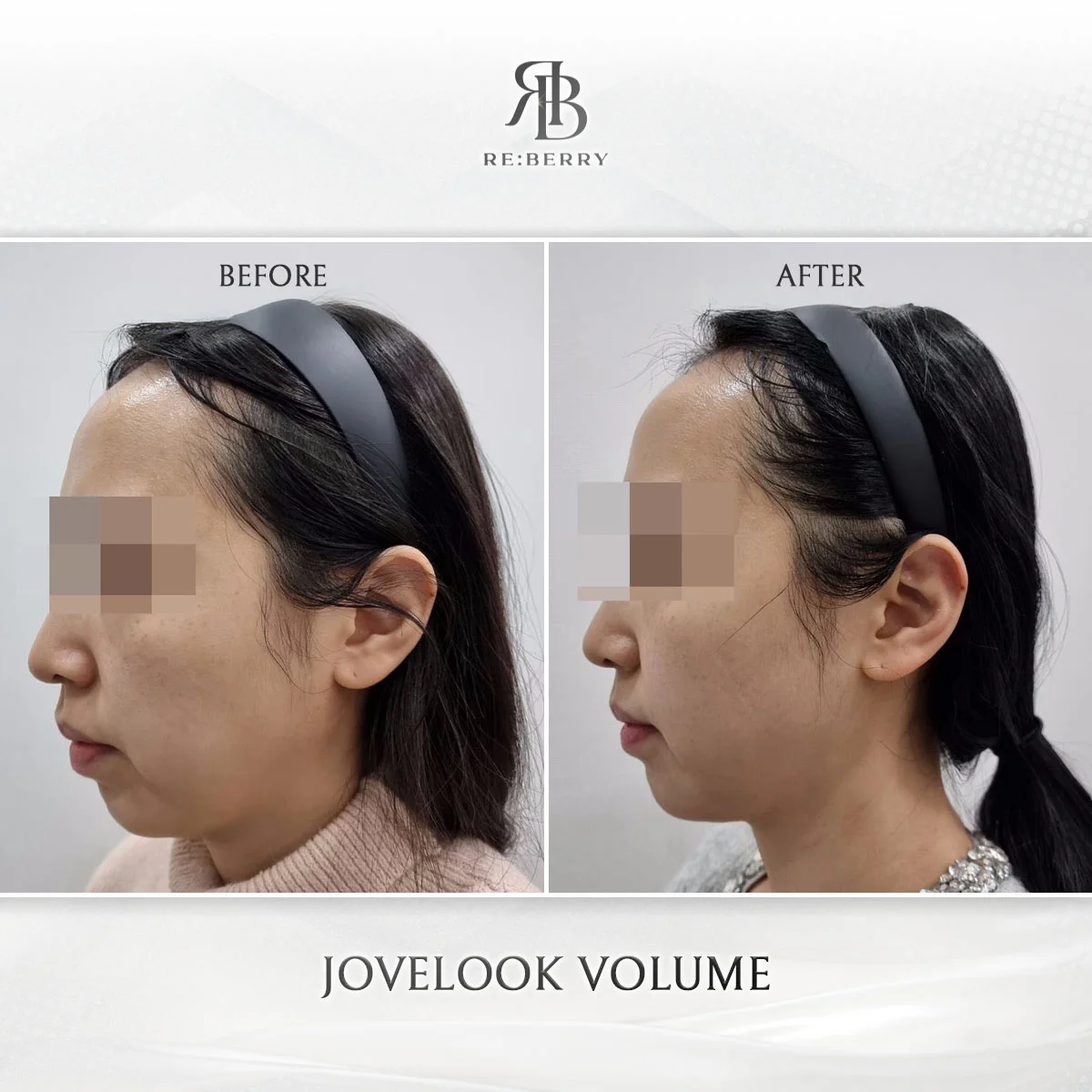
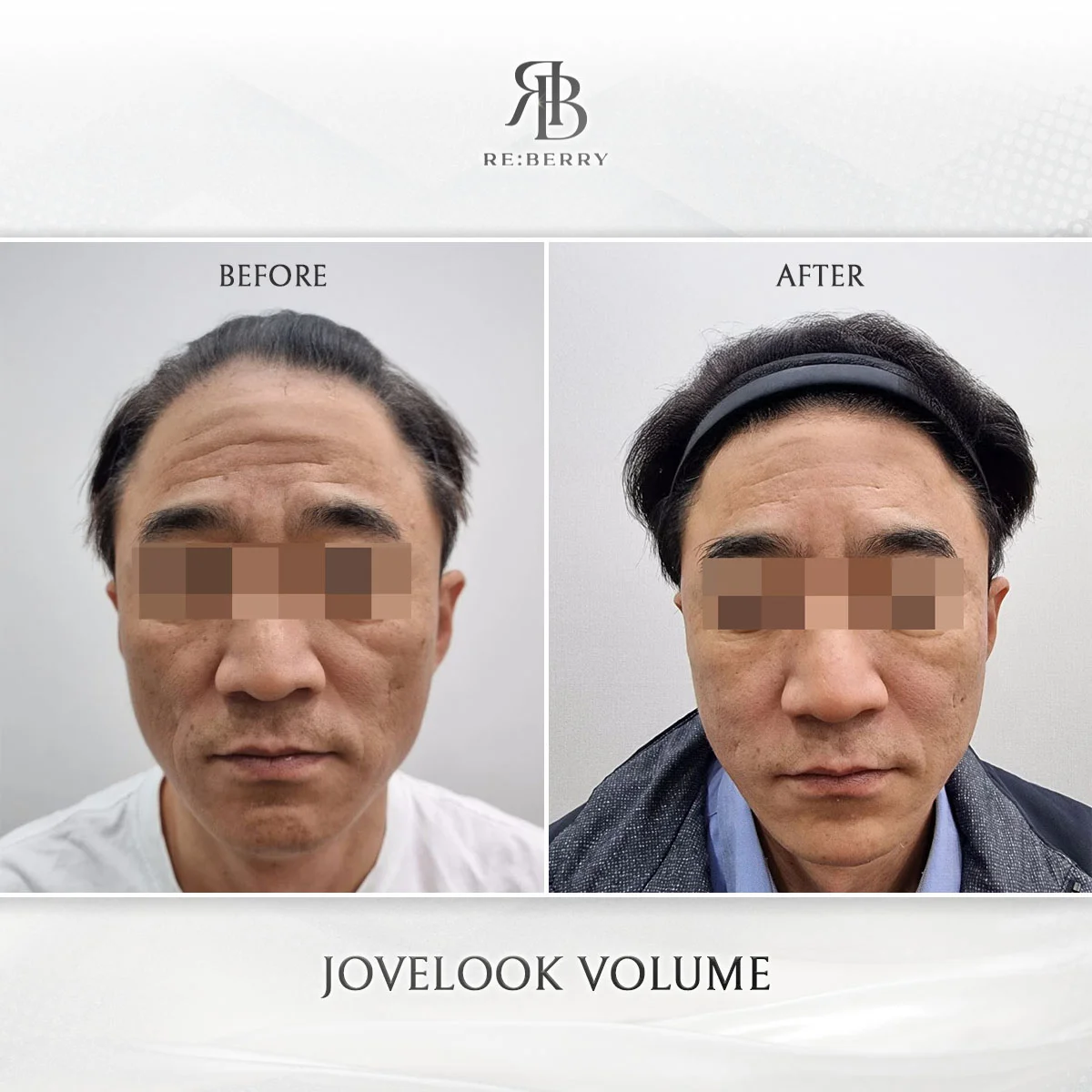
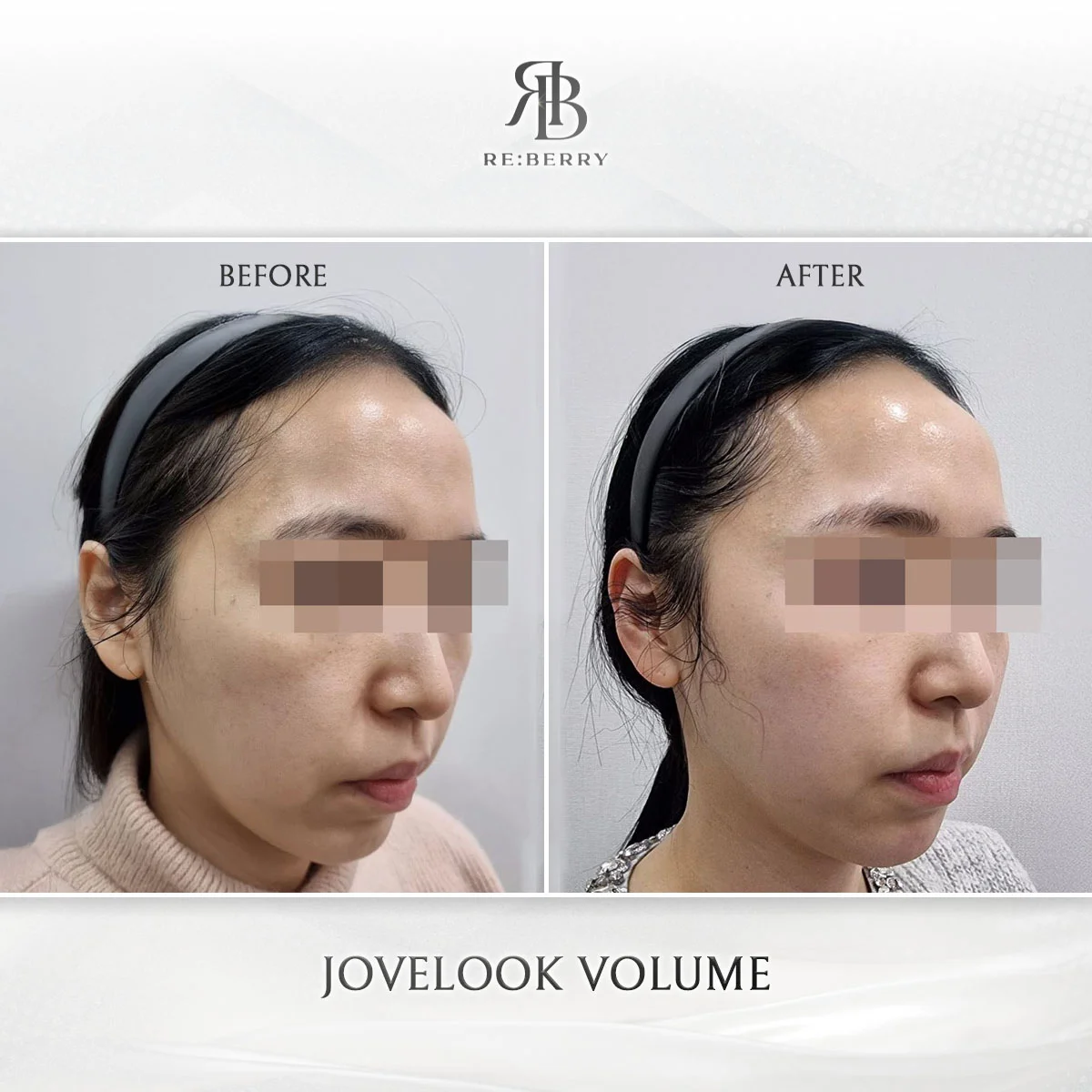
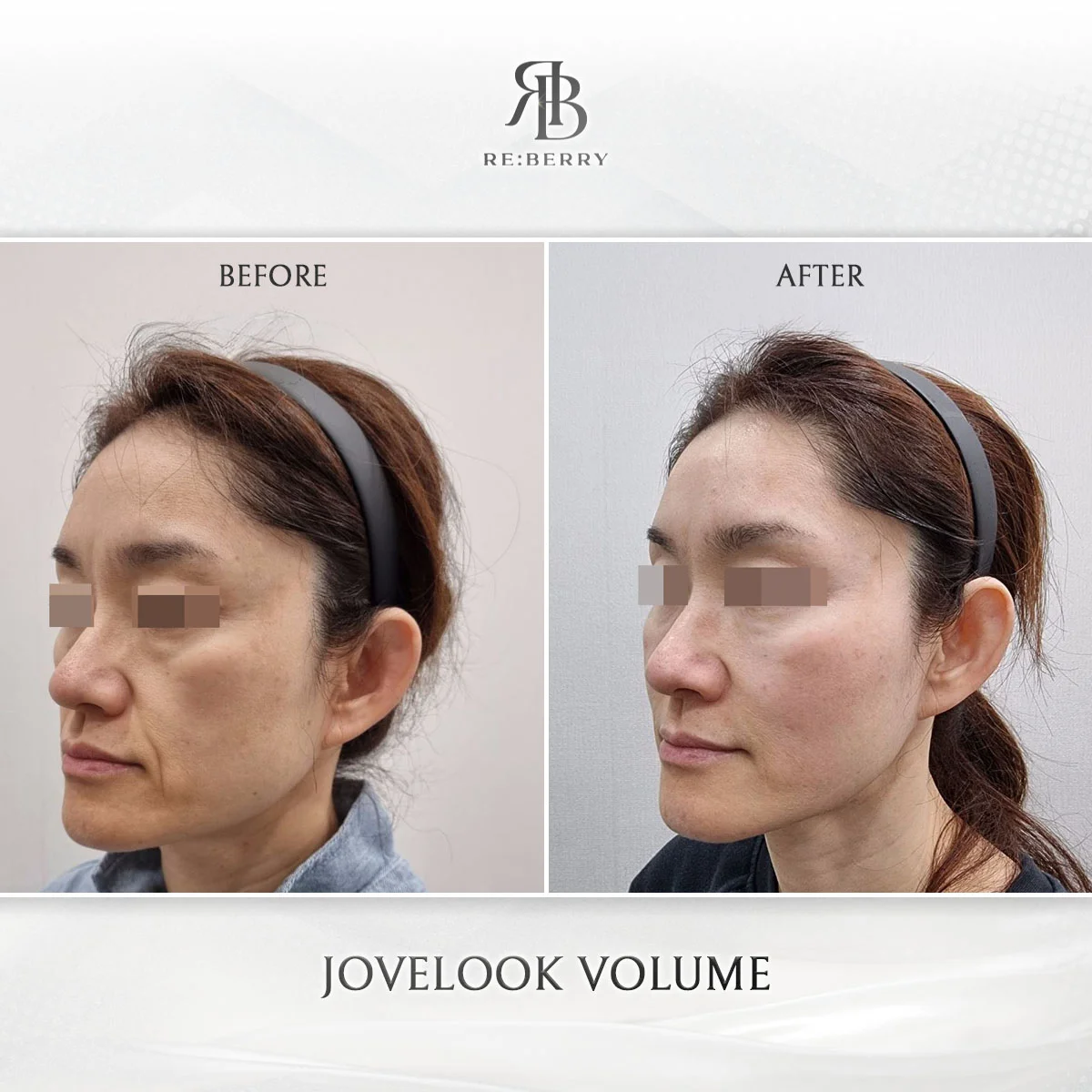
HIKO Nose Thread Before & After — Korean Results
Non-surgical nose reshaping results showing bridge elevation and tip refinement.
How HIKO Nose Thread Lift Works
The Korean HIKO technique for non-surgical nose reshaping at RE:BERRY Incheon Airport.
Nose Analysis & Goal Setting
Dr. Cho examines your nasal anatomy from front, side, and 45-degree views — evaluating bridge height, tip projection, columellar show, dorsal width, and skin thickness. Your desired outcome is discussed: bridge elevation only, tip projection, or comprehensive nose reshaping. The thread count and configuration are planned based on your anatomy and goals.
Local Anesthesia
Topical numbing cream is applied to the nose for 15–20 minutes, followed by local anesthetic injection at the entry points (tip of nose and/or columella base). The entire nose is comfortably numb before thread insertion begins. Most patients rate the anesthesia injection as the most uncomfortable part — rated 3/10.
Thread Insertion — Bridge & Tip
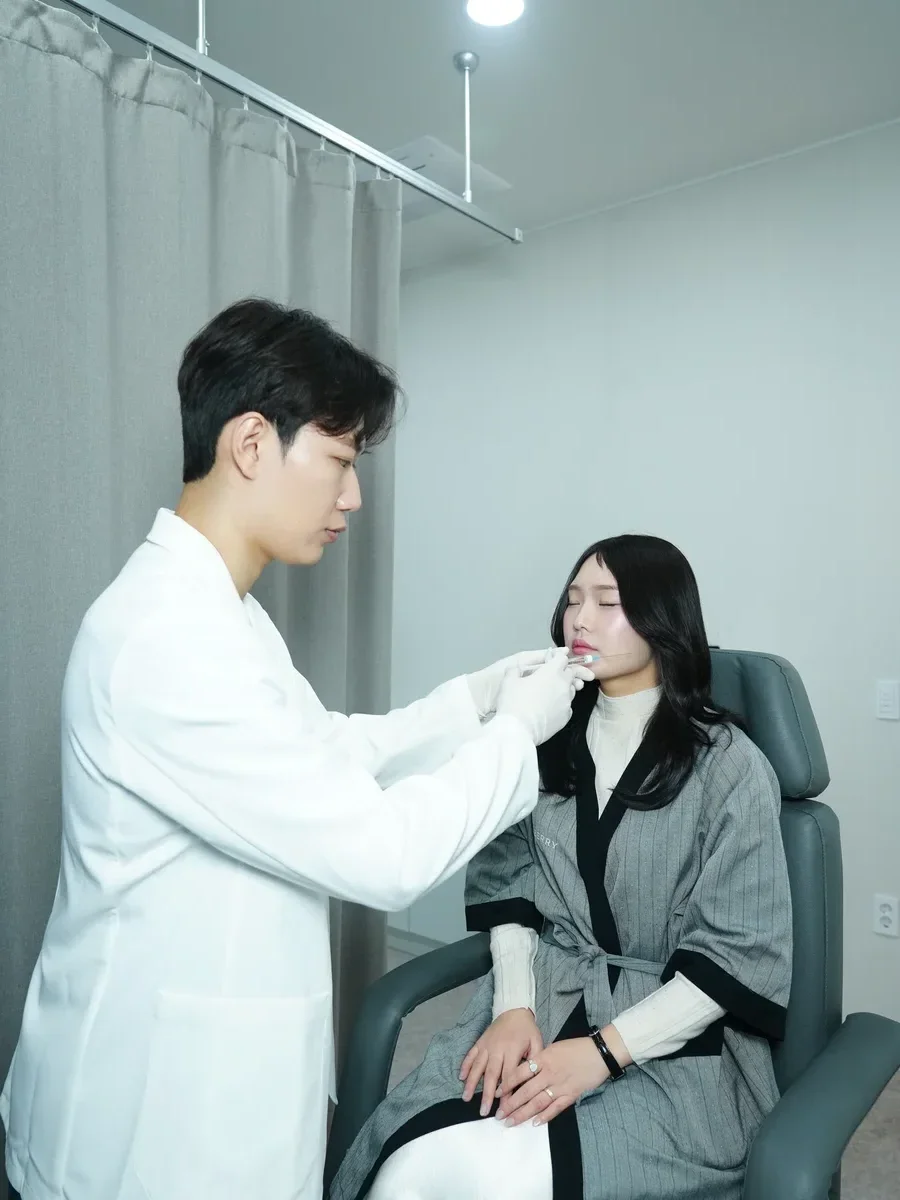
For bridge elevation: 6–10 PDO mono threads (19–21G) are inserted through a single entry point at the nasal tip, threaded vertically along the dorsum, and fanned to create a supportive scaffold. For tip refinement: 2–4 PDO cog threads are placed from the columella base upward into the tip, creating projection and rotation. The entire insertion process takes 10–15 minutes.
Immediate Results & Minimal Recovery
The nose shape improvement is immediately visible — bridge height increased, tip projected, and overall contour refined. Mild swelling at the entry point resolves within 2–3 days. No external splint or cast needed. Avoid touching, pressing, or wearing glasses on the nose for 2 weeks. Full results settle at 1–2 weeks as minor swelling resolves.
HIKO Nose Thread Benefits — Why Choose Korea
- No Surgery, No Incisions: HIKO reshapes the nose using absorbable threads inserted through a single pinpoint entry. No cutting, no cartilage grafting, no general anesthesia, no visible scars.
- 15-Minute Procedure: The entire HIKO thread insertion takes 10–15 minutes under local anesthesia. Including preparation and post-care, total visit time is approximately 45 minutes.
- Instant Results: Nose bridge elevation and tip projection are visible immediately after thread placement. The shape continues to refine over 2 weeks as minor swelling resolves.
- Korean Expertise: HIKO was developed in Korea and Korean physicians perform more nose thread procedures than any other country. RE:BERRY physicians have extensive experience across diverse nose anatomies.
- Reversible & Adjustable: Unlike surgical rhinoplasty, HIKO results naturally resolve as threads dissolve. If you want to maintain or adjust, additional threads can be placed at 12–18 month intervals.
- Combinable with Filler: HIKO threads provide structural support while nose filler adds volume for more dramatic results. The combination produces outcomes that neither technique achieves alone.
| Timeline | What to Expect |
|---|---|
| Day 0 | Immediate nose shape improvement visible. Mild swelling at entry point. Avoid touching nose. |
| Day 1–3 | Minor swelling resolving. Nose shape settling. Entry point healing. |
| Week 1–2 | Swelling fully resolved. Final nose shape visible. Threads integrated into tissue. |
| Month 1–3 | Collagen forming around threads. Structural support strengthening. Results stabilizing. |
| Month 3–6 | Peak collagen formation. Maximum structural support. Results at their best. |
| Month 12–18 | Threads gradually dissolving. Collagen scaffold maintains shape. Results slowly fade unless maintained. |
HIKO Nose Thread vs Filler vs Surgery — Korean Options
| Feature | HIKO Nose Thread | Nose Filler | Surgical Rhinoplasty |
|---|---|---|---|
| Anesthesia | Local | Topical/local | General |
| Procedure Time | 15–20 minutes | 10–15 minutes | 1–3 hours |
| Downtime | 1–3 days | 0–1 days | 2–4 weeks |
| Incisions | Pinpoint entry only | Injection only | Open/closed incision |
| Bridge Elevation | ✓ (structural scaffold) | ✓ (volume) | ✓ (cartilage/implant) |
| Tip Projection | ✓ (cog threads) | Limited | ✓ (cartilage graft) |
| Duration | 12–18 months | 12–18 months | Permanent |
| Reversibility | Self-dissolving | Dissolvable with hyaluronidase | Revision surgery needed |
| Risk Level | Low | Low–moderate (vascular risk) | Moderate–high |
| Korean Price Range | ₩300,000–600,000 | ₩350,000–500,000 | ₩3,000,000–8,000,000 |
HIKO Nose Thread Prices in Korea — RE:BERRY Incheon Airport
All prices include VAT. Non-covered medical service. Contact for current pricing.
HIKO Nose Thread — Bridge
- 6–10 PDO mono threads for bridge
- Local anesthesia included
- Single entry point — no visible scarring
- 15-minute procedure
- Immediate bridge elevation
HIKO Complete — Bridge + Tip
- 6–10 mono threads for bridge scaffold
- 2–4 cog threads for tip projection
- Comprehensive nose reshaping
- Local anesthesia included
- Complimentary airport pickup
- Aftercare in 8 languages
Nose Thread + Filler Combination
- HIKO threads for structural support
- Juvederm nose filler 1cc for volume
- Maximum non-surgical reshaping
- Optional bunny line Botox
- Same-day combination treatment
Meet Your Doctor
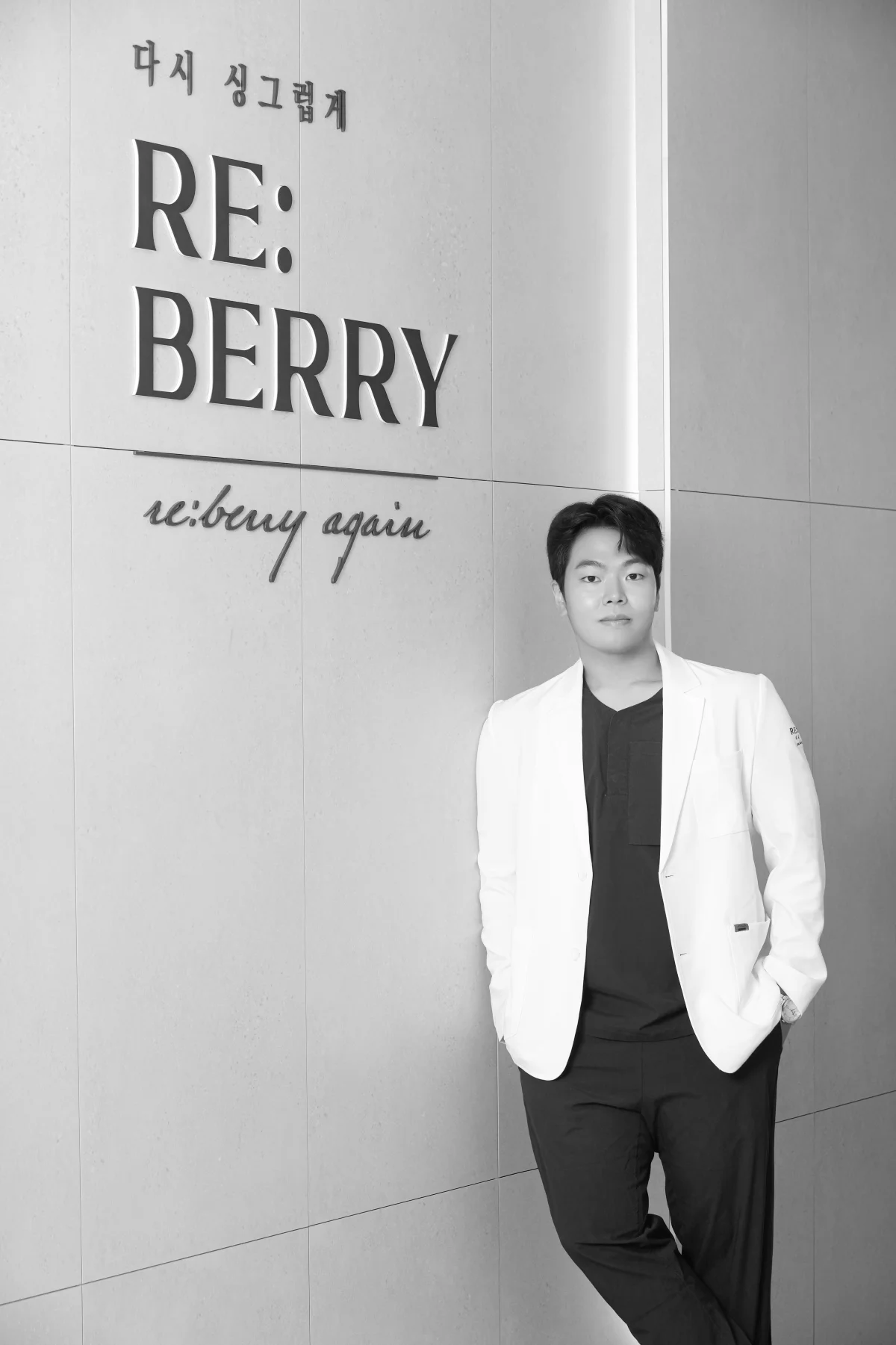
Dr. Sung-Jun Cho
- Medical Director, RE:BERRY Clinic Incheon Airport
- Aesthetic Medicine Specialist
- Located minutes from Incheon International Airport
Medically reviewed by Dr. Sung-Jun Cho, Medical Director / Aesthetic Medicine Specialist, RE:BERRY
The Science Behind HIKO Nose Thread Lifting
Peer-reviewed evidence on non-surgical nasal reshaping with absorbable threads.
PDO Thread Scaffold Mechanism in the Nose
HIKO nose threading creates a structural scaffold within the nasal dorsum using multiple PDO threads fanned from a single entry point. The parallel threads act as a collective framework that physically elevates the bridge tissue. For tip refinement, cog threads placed from the columella into the tip create projection through barb-mediated tissue displacement. Suh et al. (2015) quantified the lifting effect: mean nasal dorsum elevation of 1.8 mm and tip projection of 1.2 mm, measured by lateral cephalometric analysis at 3 months post-procedure (DOI: 10.1007/s00266-015-0534-5). These measurements represent clinically significant and aesthetically visible changes.
Collagen Formation Around Nasal Threads
Following insertion, the PDO threads trigger a controlled inflammatory response in the nasal subcutaneous layer. Fibroblast migration and new collagen deposition occur along the thread pathways, creating a biological scaffold that maintains the nose shape even after thread absorption. Kim et al. (2017) demonstrated through histological analysis that PDO threads in the nasal dorsum produce organized collagen bundles at 6 months, with sufficient structural integrity to maintain 60–70% of the initial elevation even after complete thread absorption (DOI: 10.1007/s00266-017-0915-0).
Safety of Nasal PDO Threads
The nose is a vascular area with arterial supply from the lateral nasal and dorsal nasal arteries. PDO threads inserted along the midline dorsum are positioned in the relatively avascular subcutaneous plane, reducing vascular compromise risk. Unlike nose filler (which carries a rare but serious risk of vascular occlusion and blindness), thread insertion does not compress arterial lumens. Wang et al. (2019) reviewed 847 nasal thread procedures and reported a complication rate of 4.2%, consisting entirely of minor events: thread palpability (2.1%), mild asymmetry (1.3%), and localized infection (0.8%), with zero vascular complications (DOI: 10.1007/s00266-019-01457-4).
Thread + Filler Combination Rationale
Combining HIKO threads with hyaluronic acid nose filler addresses different anatomical needs: threads create structural height (scaffold effect) while filler fills contour irregularities and adds precise volume to deficient areas. Lee et al. (2020) compared thread-only, filler-only, and combination approaches in 120 Korean patients and found that the combination group showed 28% greater improvement in nasal aesthetics scores and 35% longer result duration compared to either modality alone (DOI: 10.1111/jocd.13610). The thread scaffold also reduces filler migration, a common concern with nose filler injections.
References: Suh MK et al. Aesthetic Plast Surg 2015;39(5):697-703 (DOI: 10.1007/s00266-015-0534-5) | Kim JH et al. Aesthetic Plast Surg 2017;41(3):671-678 (DOI: 10.1007/s00266-017-0915-0) | Wang W et al. Aesthetic Plast Surg 2019;43(4):1016-1023 (DOI: 10.1007/s00266-019-01457-4) | Lee SH et al. J Cosmet Dermatol 2020;19(8):1987-1993 (DOI: 10.1111/jocd.13610)
[1] doi:10.1111/jocd.12878 | [2] doi:10.1007/s00266-020-01640-0 | [3] doi:10.14730/aaps.2018.24.1.30
HIKO Nose Thread Results — Patient Stories
"I always wanted a higher nose bridge but was terrified of surgery. The HIKO thread lift at RE:BERRY took 15 minutes and the result was immediately visible. My nose looks naturally more defined — no one can tell it was a procedure. Coming to Korea for this was the best decision."
"I combined HIKO threads with nose filler at RE:BERRY — threads for the bridge structure and filler for fine-tuning the shape. The combination created a much more natural result than filler alone. And the total cost was less than what a clinic in Tokyo quoted for filler only."
"Had HIKO done during my Incheon Airport layover. Seriously — arrived, treated, and flew out 3 hours later. My nose bridge is noticeably higher and the tip is more defined. Zero bruising. Korean aesthetic medicine efficiency is unbelievable."
Frequently Asked Questions About HIKO Nose Thread Lift in Korea
Expert answers about non-surgical nose reshaping with HIKO threads at RE:BERRY Incheon Airport.
HIKO nose threading in Korea ranges from ₩300,000–600,000 depending on thread count and whether bridge, tip, or both are treated. Combined with nose filler, packages start from ₩500,000–800,000. In comparison, equivalent procedures cost $1,500–3,000 in the US. Contact RE:BERRY for current Incheon Airport pricing.
Results last 12–18 months. PDO threads dissolve over 6–8 months, but the collagen scaffold maintains the nose shape for an additional 6–10 months. Maintenance threading every 12–18 months sustains results indefinitely.
With local anesthesia, pain is rated 1–2/10 during thread insertion. The anesthetic injection itself is rated 3/10. Most patients describe the sensation as mild pressure. The entire procedure is significantly more comfortable than dental work.
Yes. HIKO has minimal downtime — most patients fly the same day. Avoid pressing or bumping the nose during travel. RE:BERRY Incheon Airport is minutes from ICN terminal, making same-day treatment and flight entirely feasible.
HIKO threads create structural height via a scaffold effect — best for bridge elevation and tip projection. Nose filler adds volume — best for contour irregularities and width correction. Combining both produces the best non-surgical rhinoplasty results.
Bridge: 6–10 PDO mono threads (19–21G). Tip: 2–4 PDO cog threads. Total: 8–14 threads for comprehensive nose reshaping. The exact count depends on desired bridge elevation, tip projection, and your nasal anatomy.
HIKO and nose filler have different risk profiles. HIKO advantage: zero vascular occlusion risk (threads do not compress blood vessels). Filler risk: rare but serious vascular occlusion possible (0.05% incidence). HIKO complications are limited to minor events like thread palpability and mild asymmetry.
HIKO can modestly improve mild asymmetry by creating a straighter scaffold along the dorsum. However, structural deviation (deviated septum, bone asymmetry) requires surgical correction. Dr. Cho will assess whether HIKO alone can achieve your goals or if filler augmentation is needed.
As threads dissolve over 6–8 months, the collagen scaffold they stimulated maintains the nose shape. Results gradually fade over months 12–18 as collagen remodels. The nose returns to its original shape — no permanent changes, no scarring.
Avoid wearing glasses that rest on the nose bridge for 2 weeks after HIKO threading to prevent thread displacement. Contact lenses are fine immediately. After 2 weeks, lightweight glasses are acceptable. Heavy frames should wait 4 weeks.
Common (temporary): mild swelling (1–3 days), tenderness, thread palpability (usually resolves as swelling subsides). Uncommon: asymmetry (correctable with additional threads), thread visibility through thin skin. Rare: localized infection (<1%). Zero reported vascular complications in published literature.
Ideal candidates: wanting moderate nose bridge elevation, tip projection, or nasal contour improvement without surgery. Works best with adequate nasal skin thickness. Not ideal for: severe structural deviation, extremely thin nasal skin, or patients seeking dramatic reshaping (surgery recommended).
Yes, if the previous filler has dissolved or been dissolved with hyaluronidase. Active filler and threads in the same area may create unpredictable results. Wait at least 2 weeks after hyaluronidase dissolution before HIKO threading. Inform Dr. Cho about all previous nasal procedures.
Yes, with caution. Wait at least 6 months after surgical rhinoplasty for full healing. HIKO can refine post-surgical results — minor bridge irregularities, slight tip adjustments. Dr. Cho will assess scar tissue and anatomy during consultation.
Korean HIKO technique uses: (1) precise fanning pattern for bridge threads creating uniform elevation, (2) tip cog threads for structural projection (not just bridge work), (3) combination with filler for comprehensive reshaping, (4) extensive experience with Asian nose anatomy (low bridge, thick skin). Korean physicians have the world's highest procedure volume.
Day 0: immediate results, mild swelling. Day 1–3: swelling peak and resolution at entry point. Day 3–7: nose shape settling, thread palpability resolving. Week 2: final shape visible, glasses allowed. Month 1+: collagen formation strengthening results. Truly minimal downtime.
Yes. Cog threads placed from the columella into the tip create upward projection and slight rotation, making a bulbous or drooping tip appear more refined and defined. For significant tip reshaping, combining tip threads with a small amount of tip filler produces optimal results.
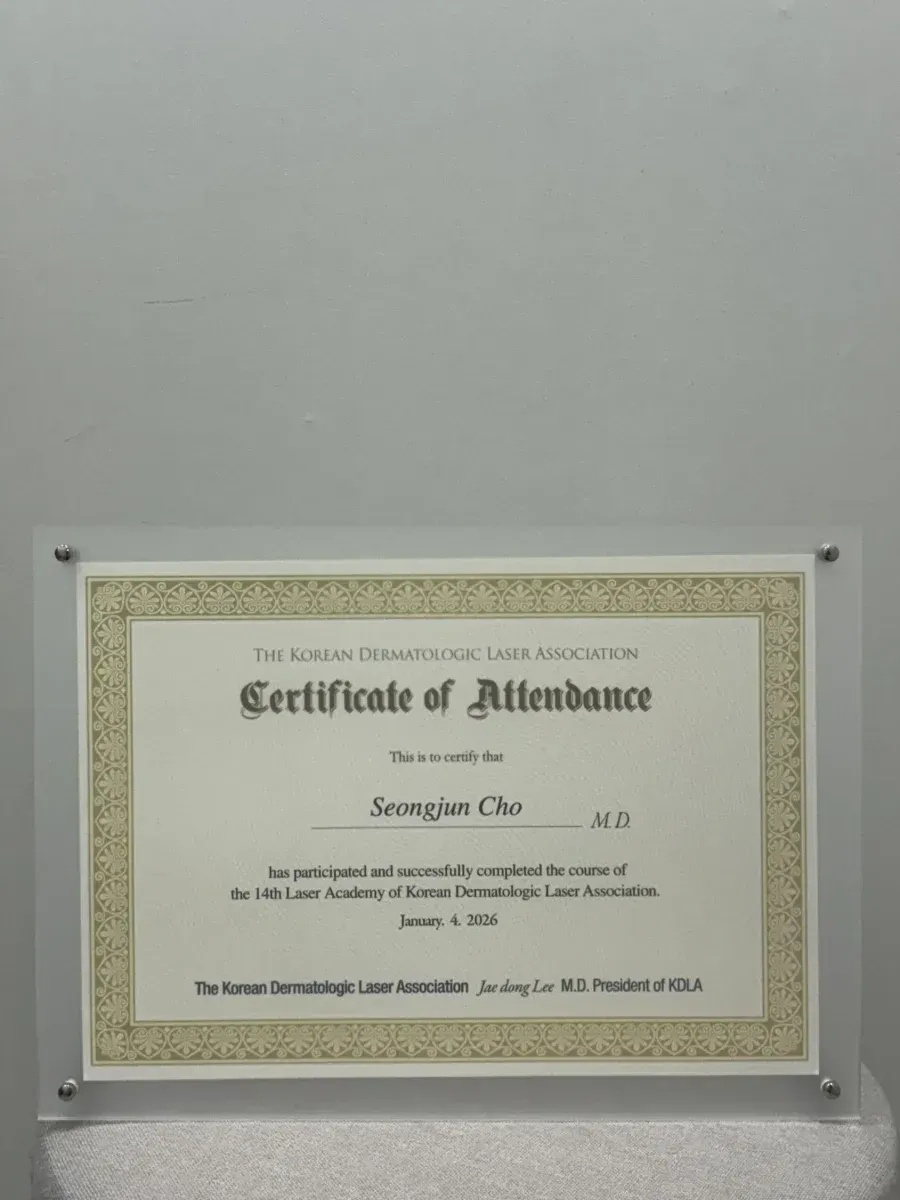
All nasal procedures are performed by Dr. Cho Sung-Jun (Head Director, License #138858) or Dr. Kim Dong-Young (License #147291). Korean law requires physician-only treatment for all injectable and thread procedures.
Gentle cleansing is fine from day 1. Avoid pressing, squeezing, or massaging the nose for 2 weeks. No nose blowing forcefully for 1 week. No facial massage or facial treatments for 4 weeks. Sunscreen can be gently applied from day 2.
Contact us via WhatsApp, KakaoTalk, WeChat, LINE, email, or phone. Send front and side profile photos for a preliminary assessment. Our multilingual team will recommend the optimal nose reshaping approach (HIKO alone, filler alone, or combination). Complimentary airport pickup. 365 days open.
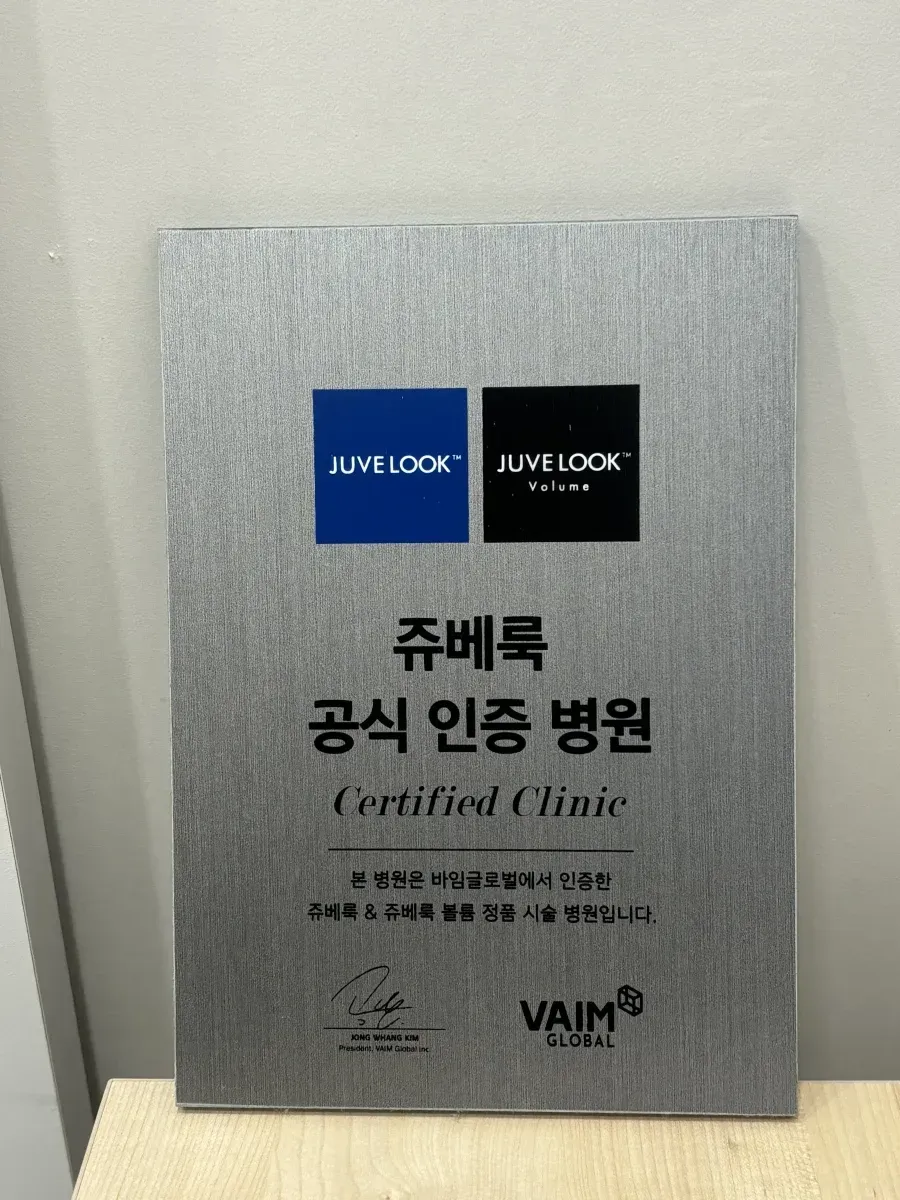
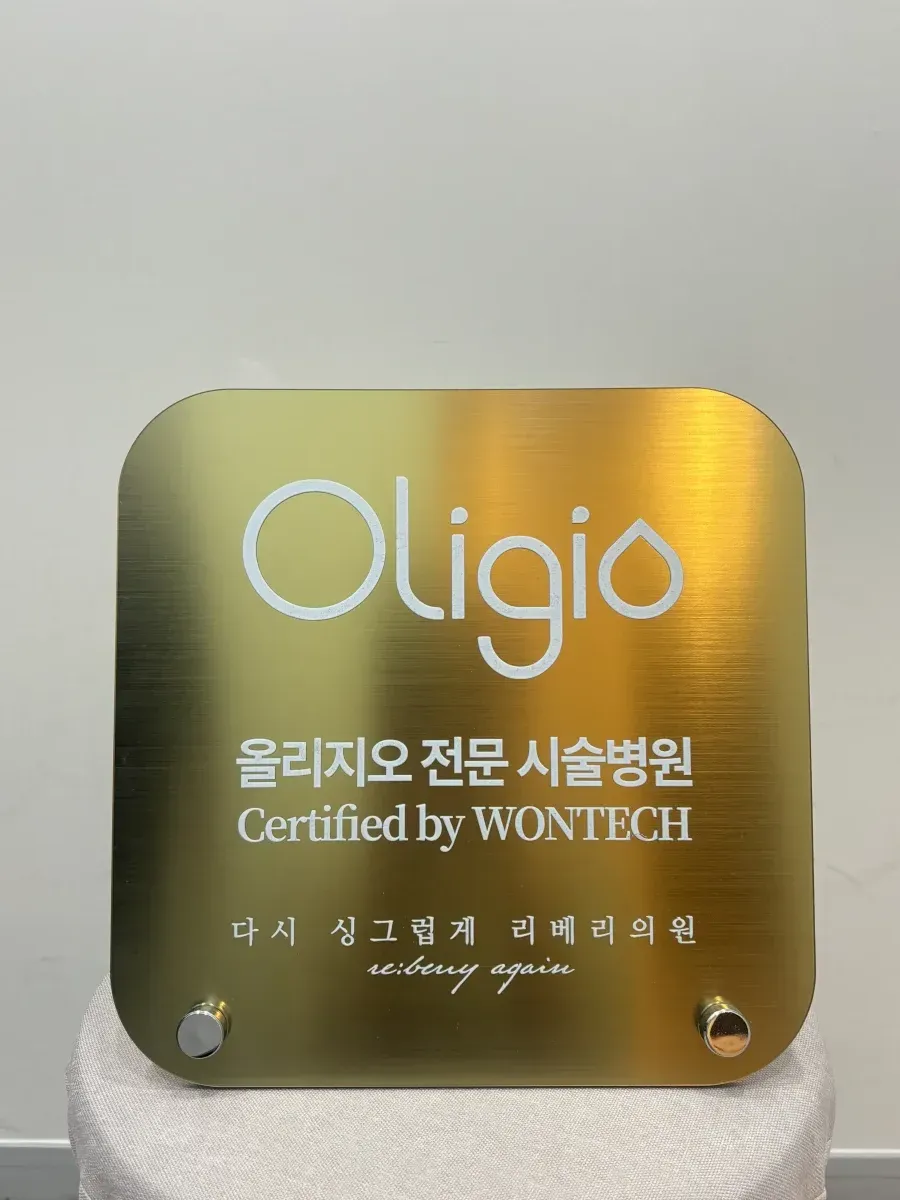
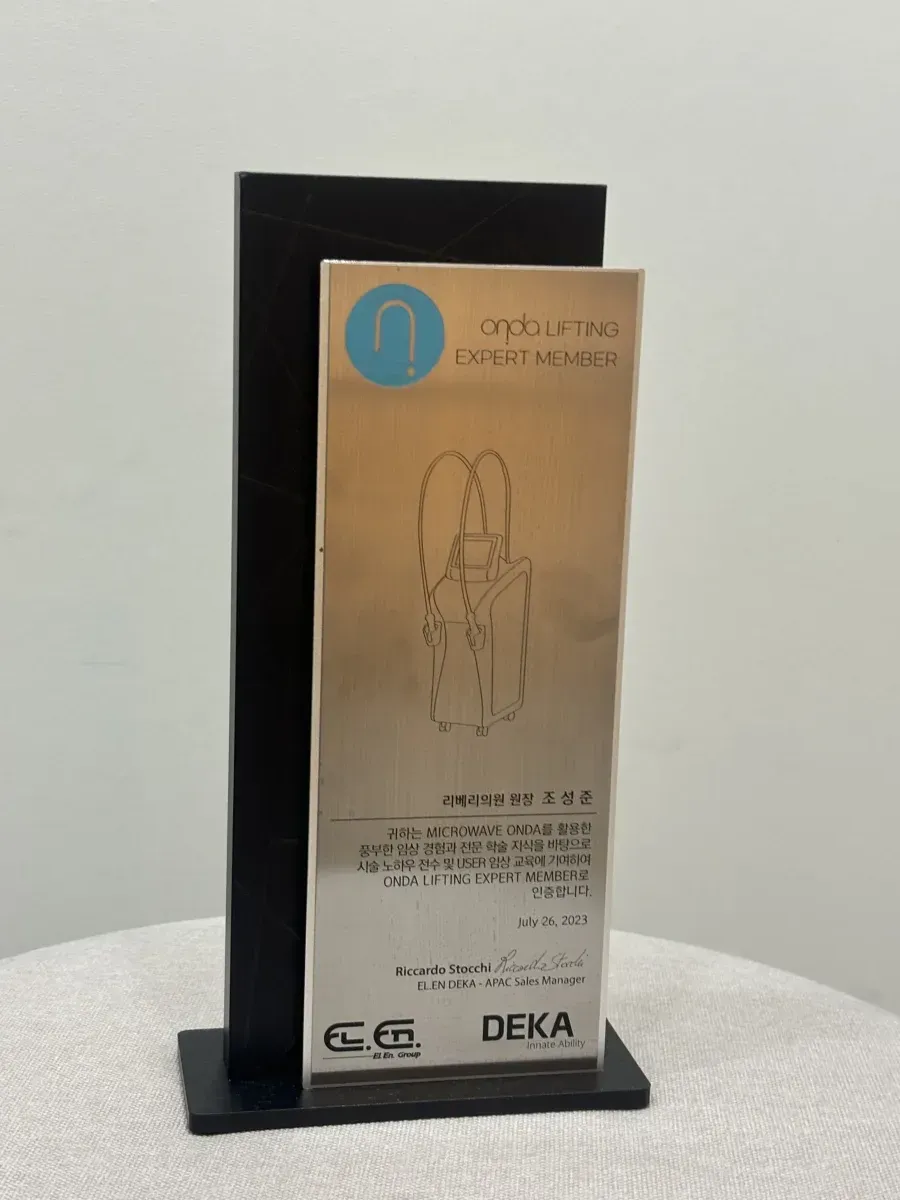
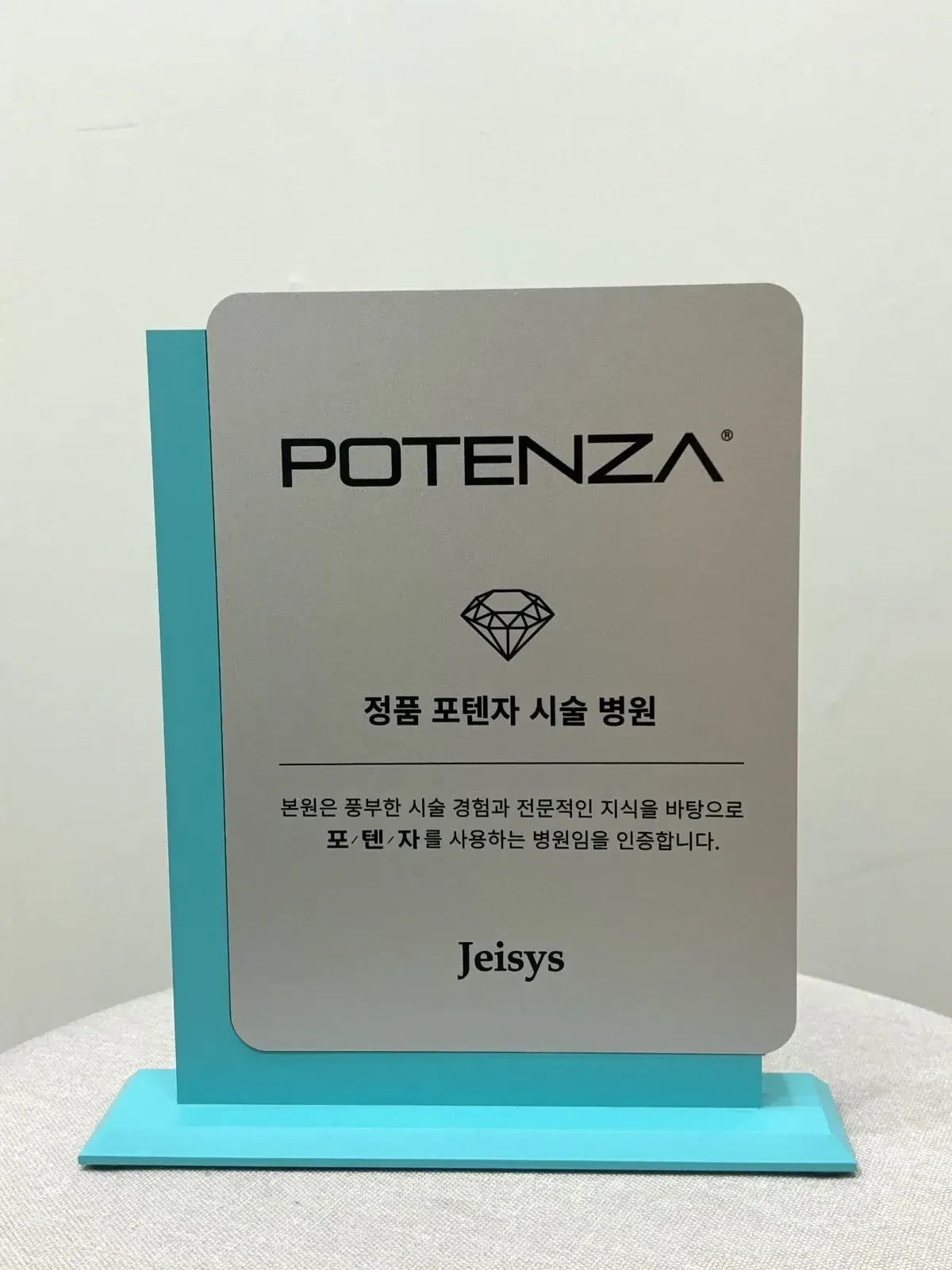
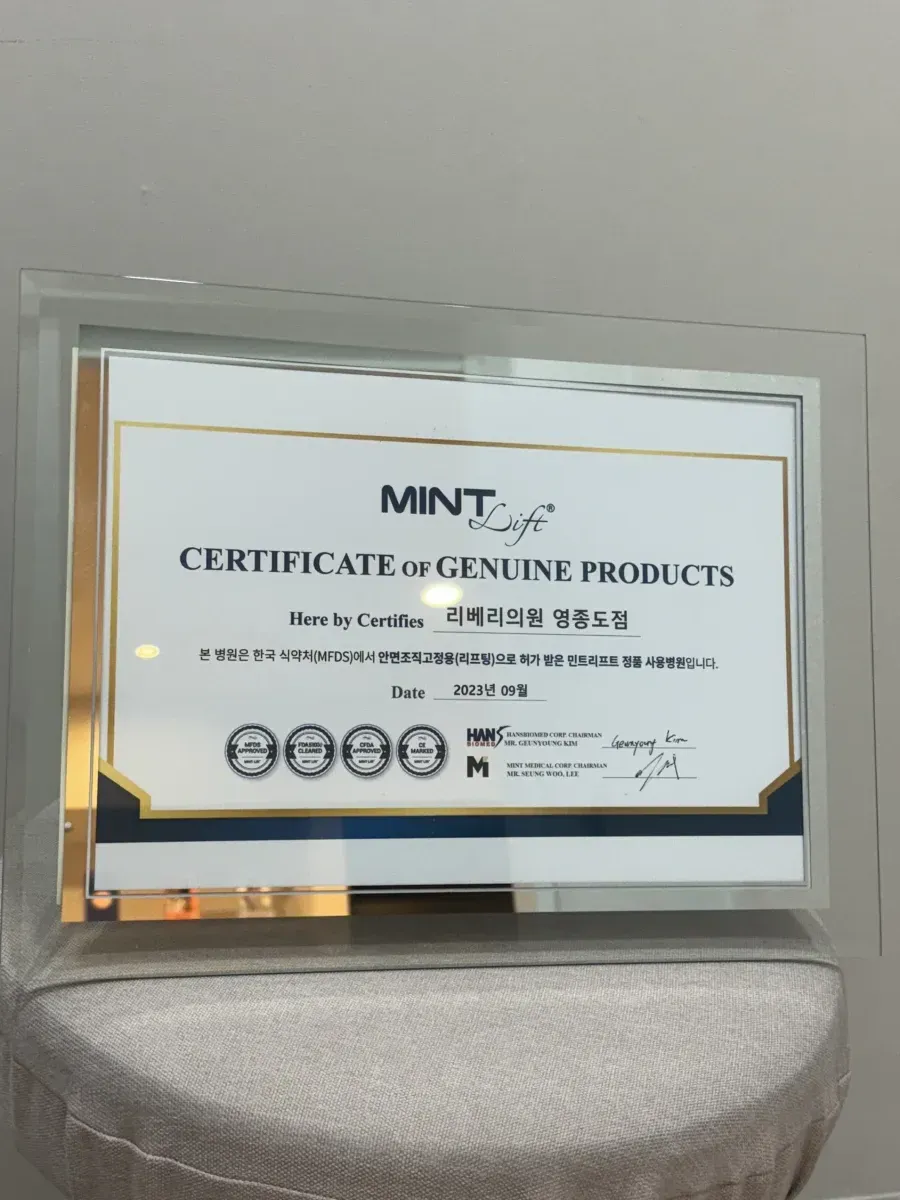
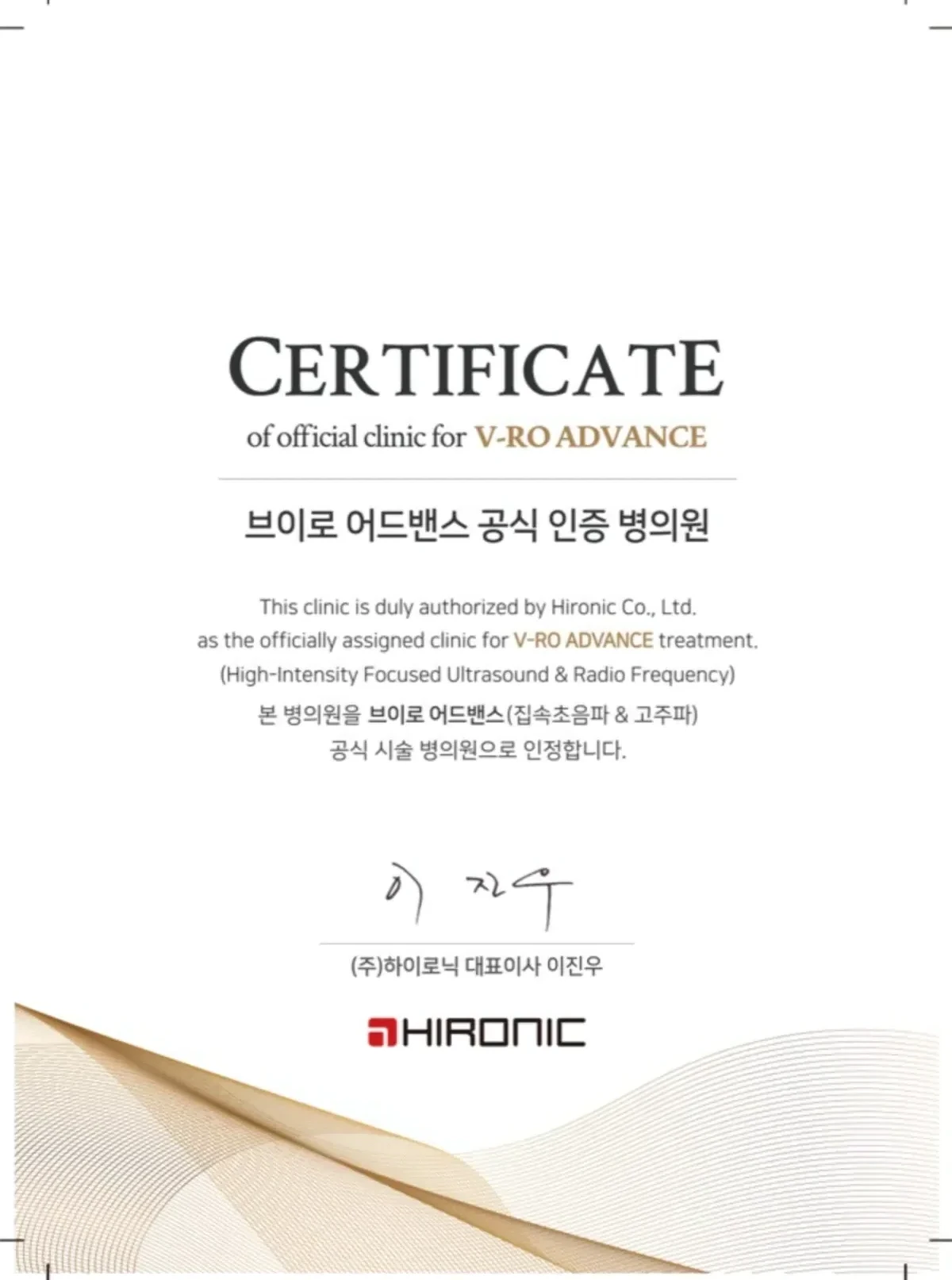
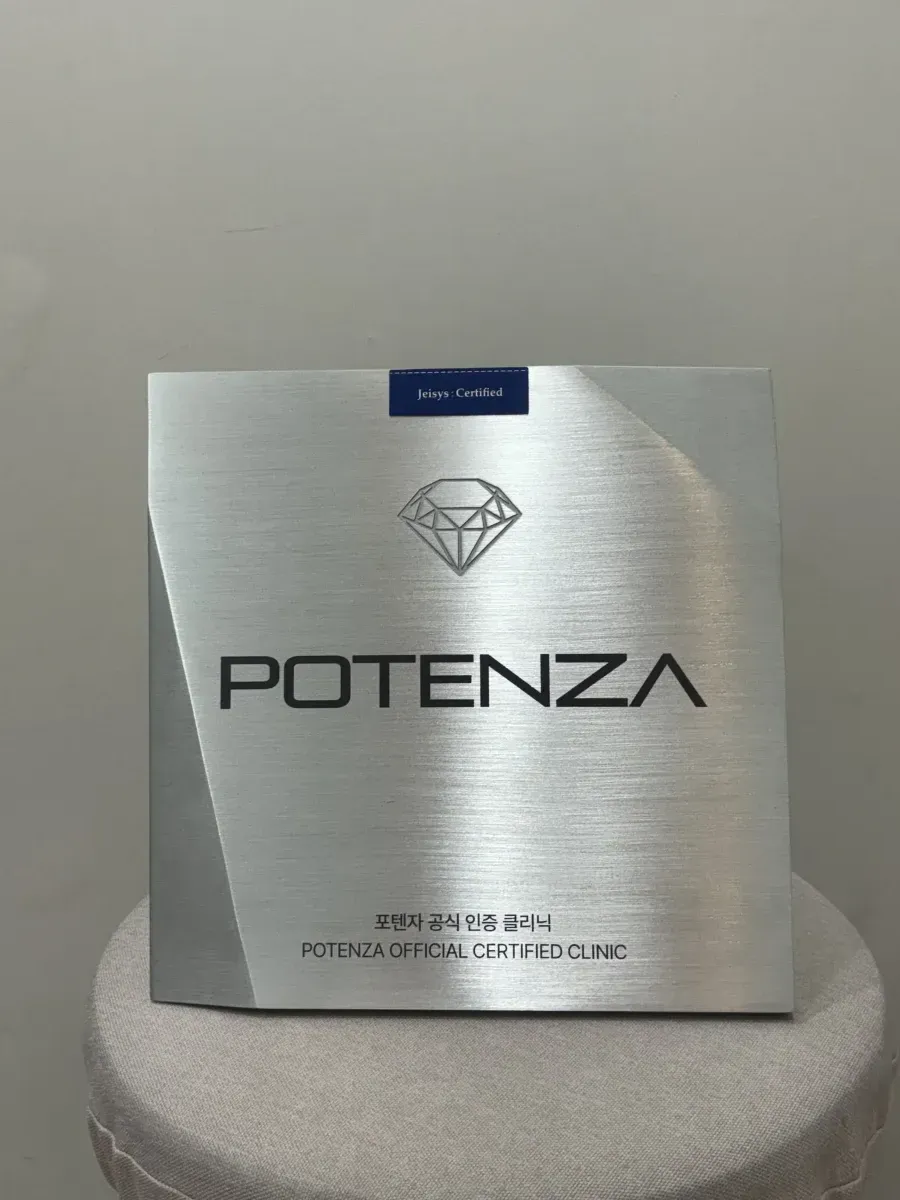
Only Authentic, Brand-Certified Equipment
Every device at RE:BERRY is MFDS-certified and manufacturer-verified. We never use counterfeit or grey-market equipment.
Ready for Non-Surgical Nose Reshaping in Korea?
Book your HIKO nose thread consultation at RE:BERRY Incheon Airport. 15-minute procedure, instant results, zero incisions. Open 365 days. Airport pickup included.
Book Your HIKO Nose Thread Consultation
Fill out the form and our multilingual team will confirm within 2 hours via your preferred contact method.
- ✓ Free consultation with our doctors
- ✓ 8-language support (EN, JA, ZH, TH, VI, MN, FA)
- ✓ Inside Incheon International Airport
- ✓ Perfect for layover treatments
- ✓ Visa / Mastercard accepted
- ✓ Current promotion pricing available