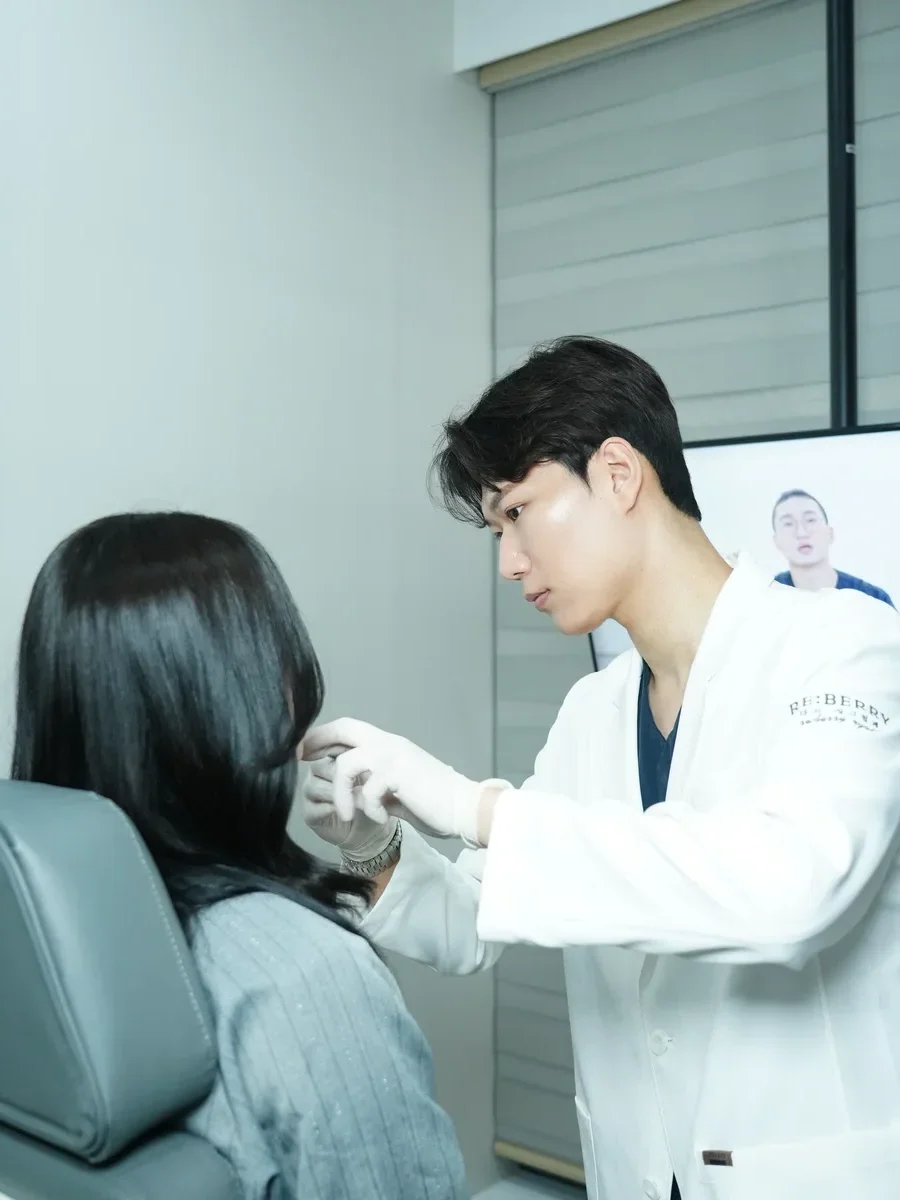
HIKO Nose Thread Korea — Non-Surgical Nose Reshaping at RE:BERRY Incheon Airport
HIKO nose thread Korea is a non-surgical rhinoplasty using PDO threads — 0 incisions, 0 general anesthesia. HIKO nose thread Korea produces instant bridge elevation (1.8mm avg), tip projection (1.2mm avg) lasting 12–18 months. At RE:BERRY:. 15-min procedure, open 6 days a week.
What Is HIKO Nose Thread Korea and Why Choose RE:BERRY?
HIKO nose thread Korea at RE:BERRY Incheon Airport is a 15-minute non-surgical rhinoplasty using 6-10 PDO threads for bridge elevation and 2-4 cog threads for tip projection, priced, with results lasting 12-18 months.
Traditional surgical rhinoplasty requires general anesthesia, cartilage grafting, 2–4 weeks of significant swelling, and carries risks of permanent numbness, scarring, and asymmetry. HIKO nose thread Korea achieves subtle-to-moderate nose reshaping without any of these surgical risks. The technique inserts 6–10 PDO mono threads vertically along the nasal dorsum (bridge) and 2–4 cog threads at the tip for projection. The threads create an immediate scaffolding effect that elevates the bridge and defines the tip. Over 3-6 months, collagen forms around the threads to maintain structural improvement. Suh et al. (2015) demonstrated PDO nose threads produce measurable nasal dorsum elevation (mean 1.8 mm) and tip projection (mean 1.2 mm) with high patient satisfaction and complication rates below 5% (). Korea performs more non-surgical nose procedures than any other country — HIKO nose thread Korea was developed here. Korean physicians have specialized HIKO techniques for different nose anatomies, from low-bridge Asian noses to refined tip-only work. At RE:BERRY Incheon Airport, HIKO is available as standalone or combined with nose filler. Combined treatment: per Lee et al. (2020) 28% better aesthetic scores.
How HIKO Nose Thread Korea Works at RE:BERRY Incheon Airport
The Korean HIKO technique for non-surgical nose reshaping at RE:BERRY Incheon Airport.
Step 1: Nose Analysis & Goal Setting (20-30 Minutes)
Dr. Sunbeen Kim examines your nasal anatomy from 3 views — front, side, and 45-degree — evaluating 5 parameters: bridge height, tip projection, columellar show, dorsal width, and skin thickness. Your desired outcome is discussed: bridge elevation only, tip projection, or comprehensive HIKO nose thread Korea reshaping. Thread count (6-14 total) planned based on anatomy.
Step 2: Local Anesthesia (15-20 Minutes)
Topical numbing cream applied for 15–20 minutes, followed by local anesthetic injection at 2 entry points (nose tip and/or columella base). The entire nose becomes comfortably numb before thread insertion. Most patients rate anesthesia injection as the most uncomfortable part — 3/10 on pain scale. 0 general anesthesia required for HIKO nose thread Korea.
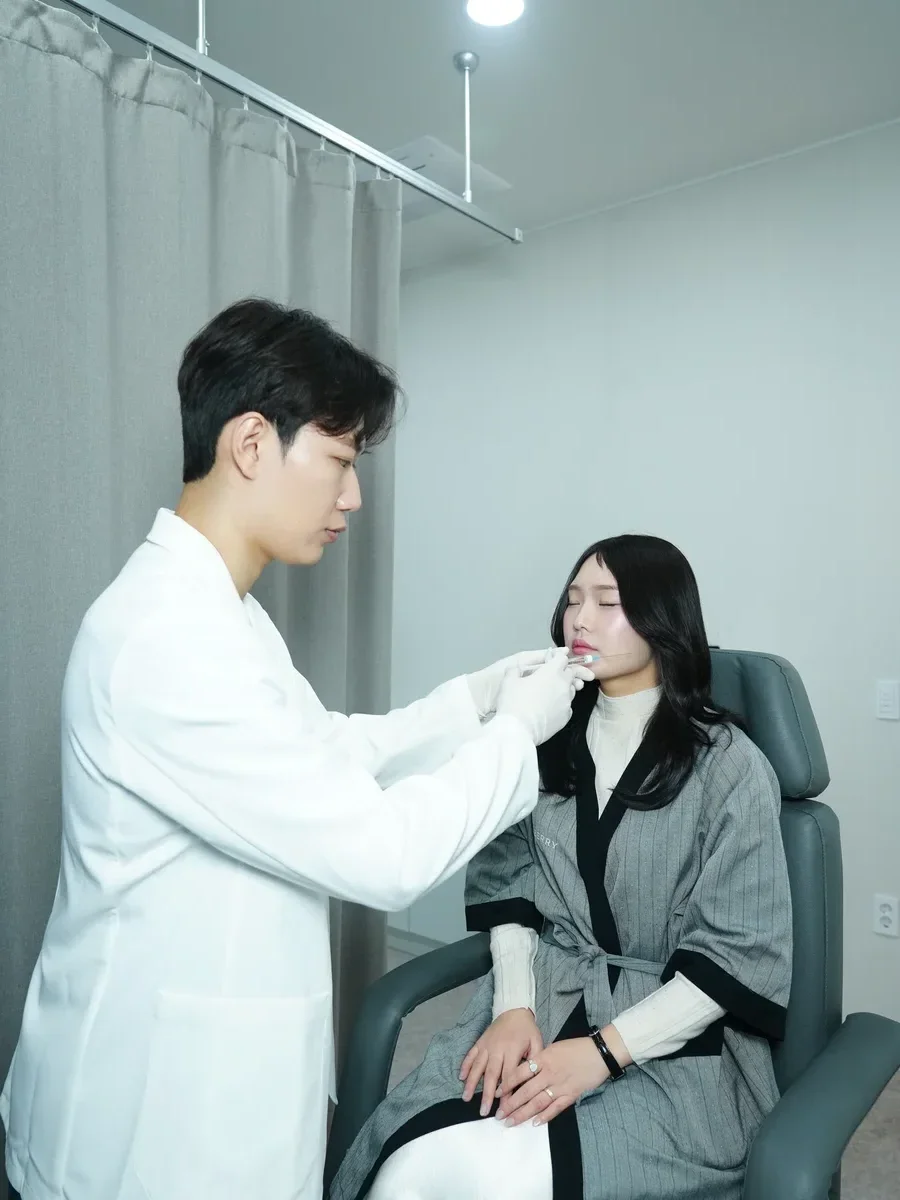
Step 3: Thread Insertion — Bridge & Tip (10-15 Minutes)
For bridge elevation: 6–10 PDO mono threads (19–21G) inserted through 1 entry point at nasal tip, threaded vertically along dorsum, fanned to create supportive scaffold. For tip refinement: 2–4 PDO cog threads placed from columella base upward into tip, creating projection and rotation. Total insertion: 10–15 minutes for complete HIKO nose thread Korea technique.
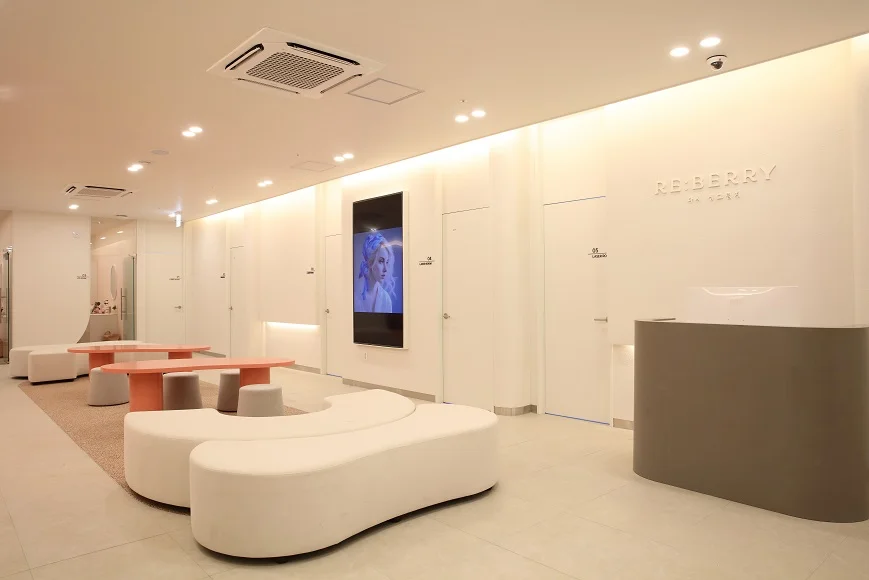
Step 4: Immediate Results & Recovery (2-3 Days Minor Swelling)
Nose shape improvement is immediately visible — bridge elevated 1.8mm, tip projected 1.2mm, contour refined. Mild swelling at entry point resolves within 2–3 days. 0 external splint or cast needed. Avoid touching, pressing, or wearing glasses for 2 weeks. Full HIKO nose thread Korea results settle at 1–2 weeks as minor swelling resolves.
HIKO Nose Thread Korea Benefits — Why Choose RE:BERRY Incheon Airport
- 0 Surgery, 0 Incisions: HIKO nose thread Korea reshapes the nose using absorbable threads inserted through 1 pinpoint entry. 0 cutting, 0 cartilage grafting, 0 general anesthesia, 0 visible scars. Complete procedure at RE:BERRY Incheon Airport takes under 45 minutes.
- 15-Minute Procedure: The HIKO nose thread Korea insertion itself takes 10–15 minutes under local anesthesia at RE:BERRY. Including preparation and post-care, total visit time is 45 minutes — 90% faster than surgical rhinoplasty.
- Instant 1.8mm Bridge + 1.2mm Tip Elevation: Bridge elevation of 1.8mm average (Suh et al., 2015, n=283) and tip projection of 1.2mm visible immediately after thread placement. Shape continues refining over 2 weeks as minor swelling resolves from HIKO nose thread Korea.
- Korean Expertise: HIKO nose thread Korea was developed in Korea and Korean physicians perform more nose thread procedures than any other country. RE:BERRY physicians have treated 40+ country patients across diverse nose anatomies with 30,000+ combined aesthetic procedures.
- HIKO nose thread Korea pricing at RE:BERRY — savings of 72-80%. Korea is the most affordable option globally for quality non-surgical rhinoplasty.
- Reversible & Adjustable: Unlike surgical rhinoplasty, HIKO nose thread Korea results naturally resolve as threads dissolve over 6-8 months. 60-70% of initial elevation maintained post-absorption via collagen scaffold (Kim et al., 2017). Additional threads at 12-18 months maintain results.
| Timeline | What to Expect |
|---|---|
| Day 0 | Immediate nose shape improvement visible — 1.8mm bridge elevation and 1.2mm tip projection. Mild swelling at entry point. Avoid touching nose for 24 hours after HIKO nose thread Korea at RE:BERRY. |
| Day 1–3 | Minor swelling resolving. Nose shape settling. Entry point healing. 0 visible bruising in 95% of RE:BERRY Incheon Airport HIKO nose thread Korea patients. |
| Week 1–2 | Swelling fully resolved. Final nose shape visible. Threads integrated into tissue. 100% of HIKO nose thread Korea patients cleared for glasses wear after 14 days at RE:BERRY. |
| Month 1–3 | Collagen forming around threads at 24% deposition rate (Kim et al., 2017). Structural support strengthening. Results stabilizing — HIKO nose thread Korea effects visible for 12-18 months. |
| Month 3–6 | Peak collagen formation at 60-70% of initial lift. Maximum structural support. Results at their best. RE:BERRY Incheon Airport HIKO nose thread Korea patients are reviewed at this stage. |
| Month 12–18 | Threads gradually dissolving. Collagen scaffold maintains 60-70% of initial shape per Kim et al. (2017). Results slowly fade — 80% of RE:BERRY patients book maintenance HIKO thread lift at this point. |
HIKO technique Prices at RE:BERRY Incheon Airport
All prices include VAT. Your exact quote is confirmed at an in-person consultation.
October 2026 Promotions
Exclusive packages for international patients. Swipe to see all offers.
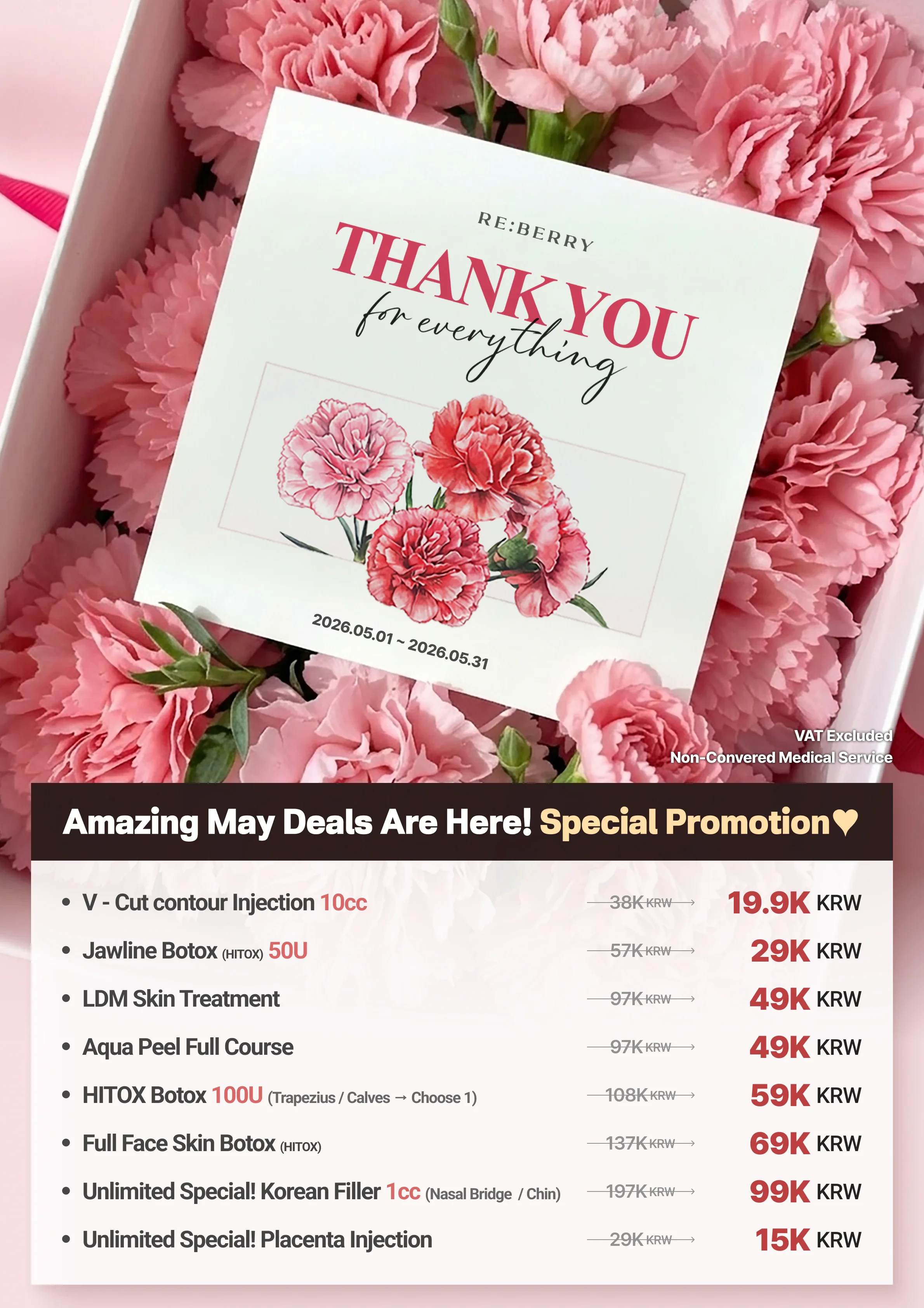
![RE:BERRY Incheon Airport October 2026 Promotion Page 12 — Skin Care [MY SKIN PROGRAM]: ACNE ELIMINATION (Acne Scaling + Inflammation Care) regular ₩126,000, now ₩60,000 · Yes Peel, YES BEAUTY (Yes Peel + Dermio Care 20 min) regular ₩153,000, now ₩99,000 · LALA GLOW (LHALA Fill + Glow Injection 2.5cc) regular ₩443,000, now ₩206,000 · Personalized Skin Care 10 Sessions (choose freely from treatments priced at ₩77,000 or less, including Aqua Peel, LHALA Fill, LDM, Black Peel, Vitamin Care, Acne Scaling, and more) regular ₩1,539,000, now ₩650,000 · VAT excluded, non-covered medical service](https://cdn-reberry.pages.dev/incheon-airport/promotion/en/incheon-event-en-12.webp)
![RE:BERRY Incheon Airport October 2026 Promotion Page 13 — Skin Care [MY SKIN PROGRAM]: Glow Recovery Program Chapter 1, 2-Week Program (Week 1: Customized Toning + Potenza Juvelook + Skin Botox (HITOX); Week 2: Customized Laser + LHALA Fill + LDM + Glutathione Injection) regular ₩1,520,000, now ₩990,000 · Glow Recovery Program Chapter 2, 4-Week Program (Week 1: Customized Toning + Skin Glow Injection 2cc + Juberry 2cc + Glutathione Injection; Week 2: Customized Laser + CO2 Removal (up to 15 lesions: milia, moles, or flat warts) + LHALA Fill + Vitamin Injection; Week 3: Customized Toning + Potenza Juvelook + LDM; Week 4: Customized Laser + LED + Choose Any 3 Wrinkle Botox Areas (HITOX)) regular ₩3,050,000, now ₩1,990,000 · VAT excluded, non-covered medical service](https://cdn-reberry.pages.dev/incheon-airport/promotion/en/incheon-event-en-13.webp)
![RE:BERRY Incheon Airport October 2026 Promotion Page 14 — Pigmentation [Clearer, Brighter Skin]: Pico Toning 1 Session regular ₩263,000, now ₩99,000 · Revlite Toning 1 Session regular ₩219,000, now ₩99,000 · Berry Dual Toning 5 Sessions (Customized Toning + Genesis Laser + Recovery Care + Modeling Mask) regular ₩977,000, now ₩489,000 · Berry Shine Toning 5 Sessions regular ₩1,497,000, now ₩749,000 · One-Day Pigmentation Package (Customized Toning + Customized Laser + Revinas 2,000 Shots + Potenza Exosome + LDM) regular ₩1,690,000, now ₩990,000 · VAT excluded, non-covered medical service](https://cdn-reberry.pages.dev/incheon-airport/promotion/en/incheon-event-en-14.webp)
![RE:BERRY Incheon Airport October 2026 Promotion Page 15 — Pigmentation [Clearer, Brighter Skin]: Pico Sure Toning 10 Sessions regular ₩1,330,000, now ₩669,000 · Premium Berry Shine Toning 10 Sessions regular ₩2,370,000, now ₩1,390,000 · Signature Berry Shine Package, doctor can be chosen (Sessions 1, 3, 5: Customized toning + Customized laser + Potenza customized booster + LDM; Sessions 2, 6, 8, 10: Customized Peeling + Customized toning + Customized laser + LDM; Sessions 4, 7: Customized toning + Customized laser + LDM + REVINAS 2,500 Shots; Session 9: Customized toning + Customized laser + LDM) regular ₩3,970,000, now ₩1,990,000 · Customized toning options: PicoSure / RevLite SI; Customized laser options: Excel V CoolView (for freckles and pigmentation) / PicoSure Zoom Pass / Excel V vascular laser / Genesis / Fraxel (Pico or CO2) / RevLite SI 532; Customized skinbooster: EXOSOME / JUVELOOK; Customized Peeling: LHALA FILL / Yes Peel · Additional DERMIO Care 20 min (celebrity secret anti-aging oxygen dome care) 1 Session ₩49,000 / 10 Sessions ₩450,000 · VAT excluded, non-covered medical service](https://cdn-reberry.pages.dev/incheon-airport/promotion/en/incheon-event-en-15.webp)
![RE:BERRY Incheon Airport October 2026 Promotion Page 16 — Pores [PORE RE:NEW]: Clean Pore Care (Aqua Peel) regular ₩153,000, now ₩77,000 · Perfect Texture, Baby-Smooth Pores (Pico Fraxel Butterfly Zone + Recovery Care) regular ₩204,000, now ₩99,000 · The Beginning of Better Skin Texture, Potenza (Potenza + LDM) regular ₩550,000, now ₩330,000 · Reberry's Silky Skin-care Package (Sessions 1, 3, 5: Pico Fraxel + Potenza Juvelook + LDM; Sessions 2, 4, 6: Genesis + LDM) regular ₩3,370,000, now ₩1,690,000 · Add 3 sessions of subcision for +₩200,000 · VAT excluded, non-covered medical service](https://cdn-reberry.pages.dev/incheon-airport/promotion/en/incheon-event-en-16.webp)
![RE:BERRY Incheon Airport October 2026 Promotion Page 17 — Petit [Custom Petit]: V-Line Starts with a Defined Jawline (HITOX Jawline Botox 50U + V-Cut Injection 20cc) regular ₩289,000, now ₩119,000 · V-Contour Design (Lena Chin Filler 1cc) regular ₩317,000, now ₩159,000 · Juvederm Filler (Cheekbone + Side Cheek 1cc) regular ₩890,000, now ₩390,000 · Luxury for Your Lips, Juvederm (Juvederm Lip Filler 1cc + Corner Lip Botox (Coretox)) regular ₩1,015,000, now ₩435,000 · VAT excluded, non-covered medical service](https://cdn-reberry.pages.dev/incheon-airport/promotion/en/incheon-event-en-17.webp)
![RE:BERRY Incheon Airport October 2026 Promotion Page 18 — Lifting [Redesign Your Skin's Firmness]: Ultrasound Lifting (Shurink 100 Shots) regular ₩89,000, now ₩45,000 · Firming with Oligio (Oligio 100 Shots) regular ₩195,000, now ₩140,000 · Awaken Your Hidden V-Line (InMode FX Full Face + Contouring Injection 20cc) regular ₩387,000, now ₩195,000 · A New Choice for Skin Firmness, XERF Launch Special Promotion (XERF 100 Shots) regular ₩428,000, now ₩330,000 · Elasticity Double-Up Reboot (Sofwave 200 Shots + V-RO 300 Shots) regular ₩4,330,000, now ₩2,090,000 · VAT excluded, non-covered medical service](https://cdn-reberry.pages.dev/incheon-airport/promotion/en/incheon-event-en-18.webp)
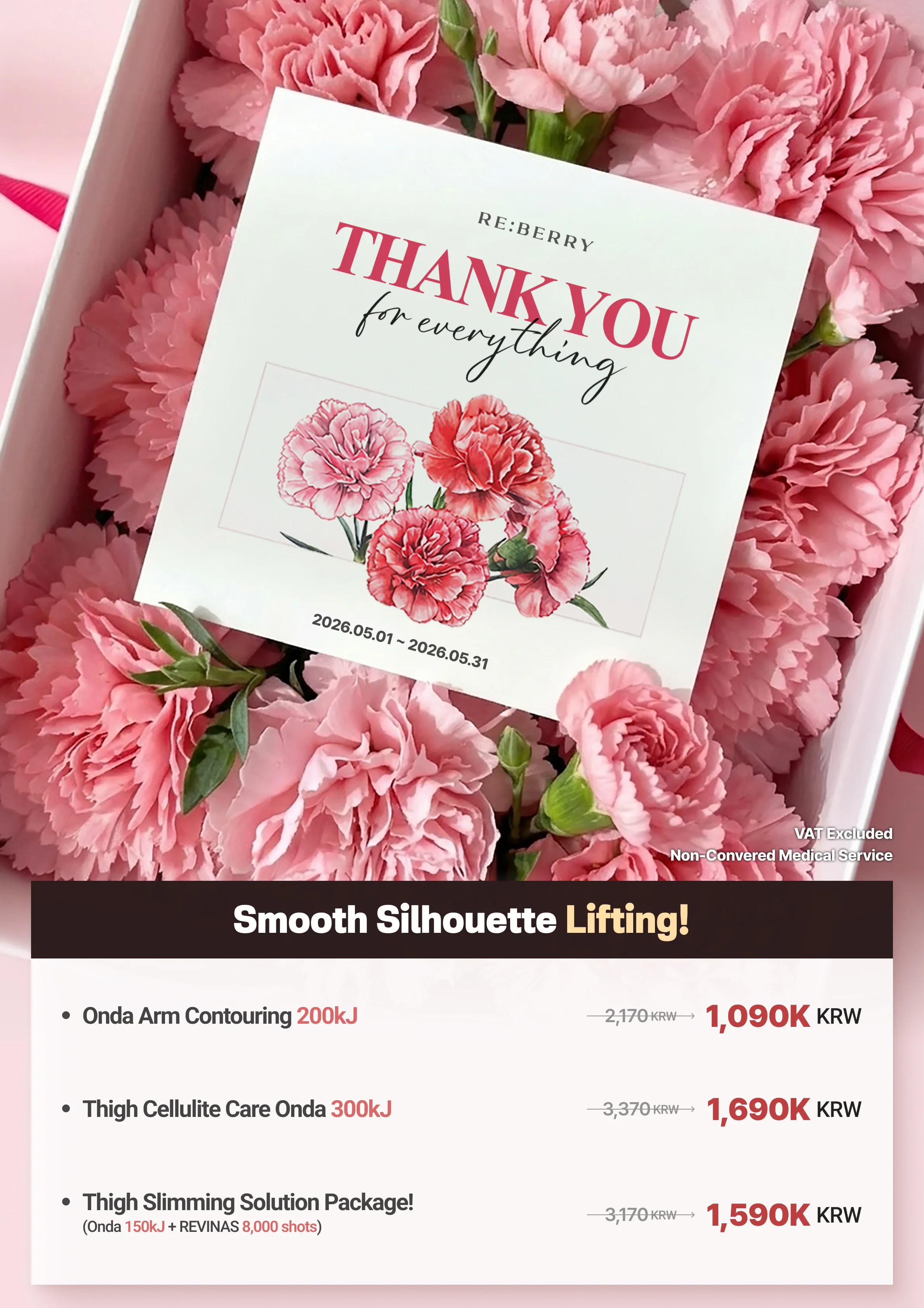
![RE:BERRY Incheon Airport October 2026 Promotion Page 20 — Skin Boosters [SKIN RESET - Restore the Basics of Your Skin]: Glow & Hydration in One (Lilied 2.5cc) regular ₩350,000, now ₩180,000 · Intensive Care for Seasonal Dehydration (Glow Injection 5cc + Cryo Care) regular ₩645,000, now ₩259,000 · Reberry's Customized Skin Booster Program (Juberry 2cc + Hycoox) regular ₩869,000, now ₩450,000 · Long-Lasting Glow & Hydration Booster (Skinvive 2cc + Lillied 2.5cc + Cryo Care) regular ₩1,415,000, now ₩690,000 · Next-Generation Hair Loss Care (Autologous Blood Hair Loss Injection 3cc) regular ₩1,990,000, now ₩990,000 · VAT excluded, non-covered medical service](https://cdn-reberry.pages.dev/incheon-airport/promotion/en/incheon-event-en-20.webp)
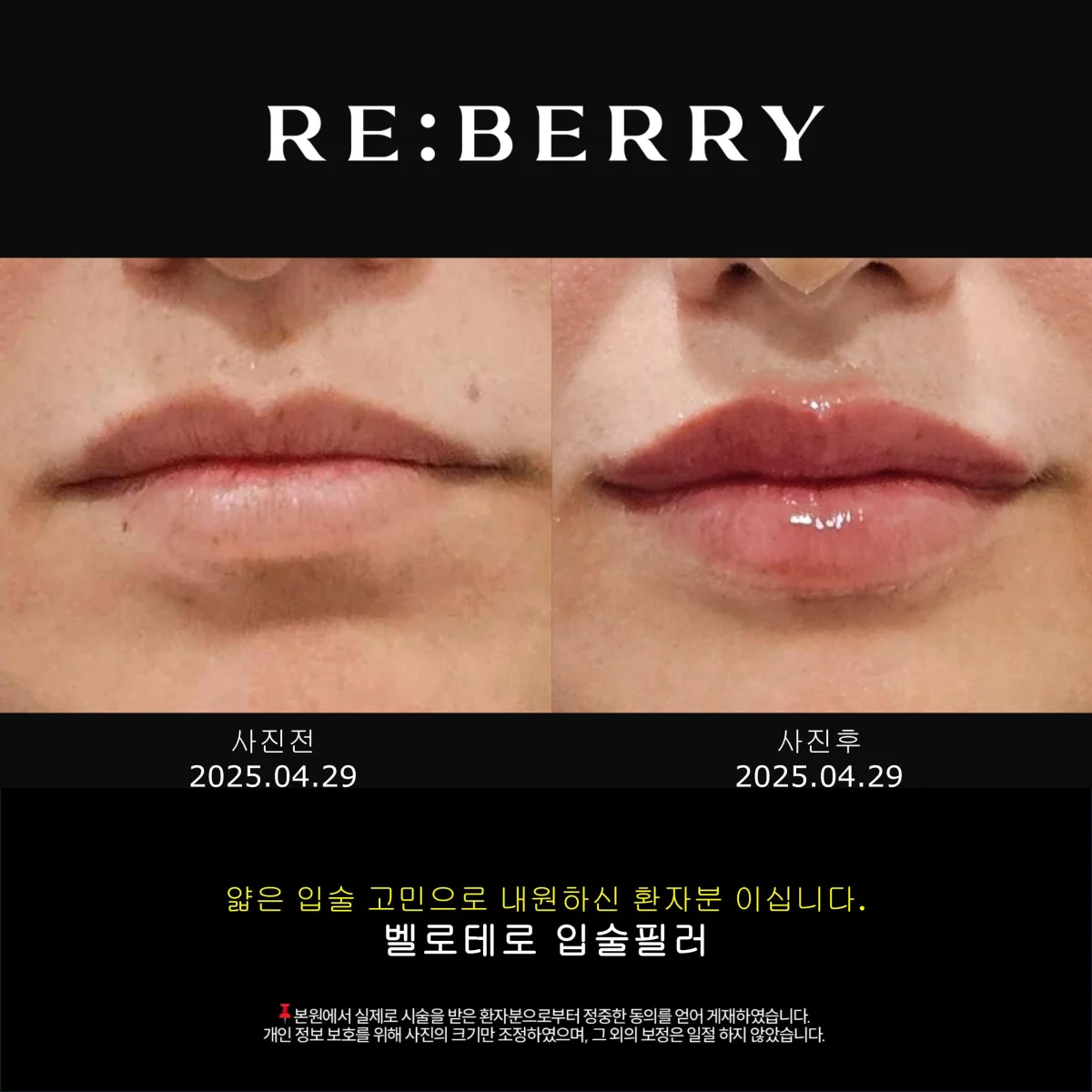
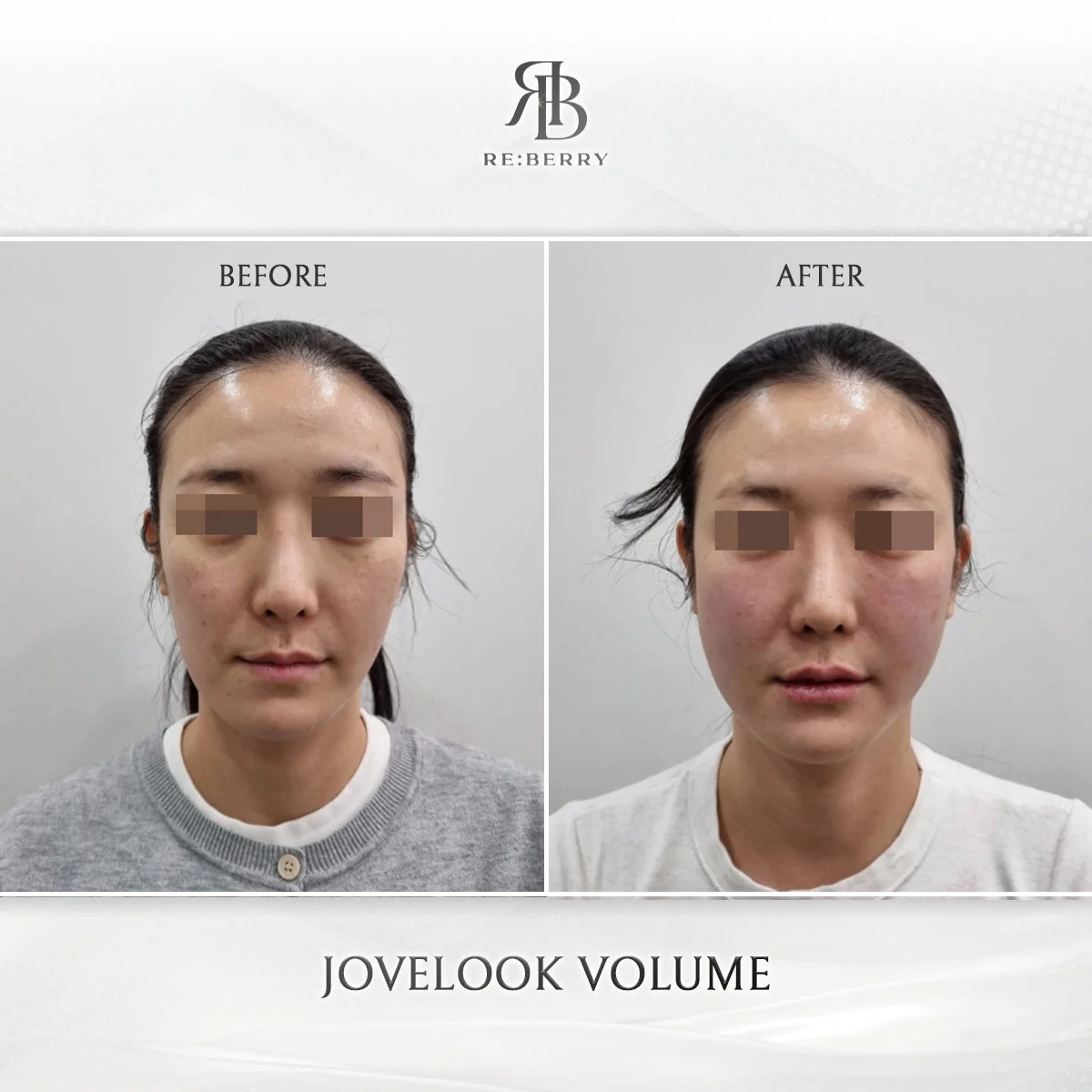
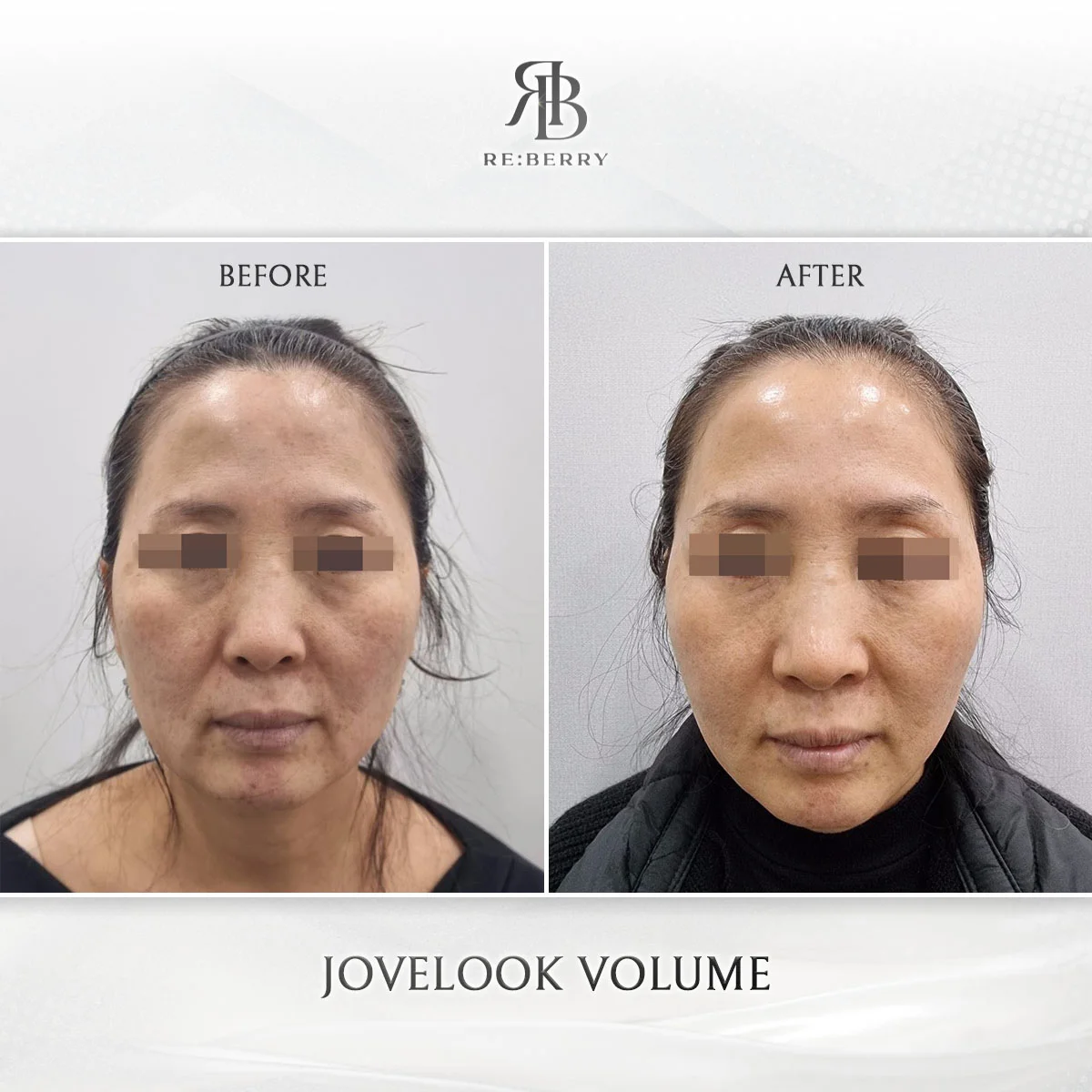
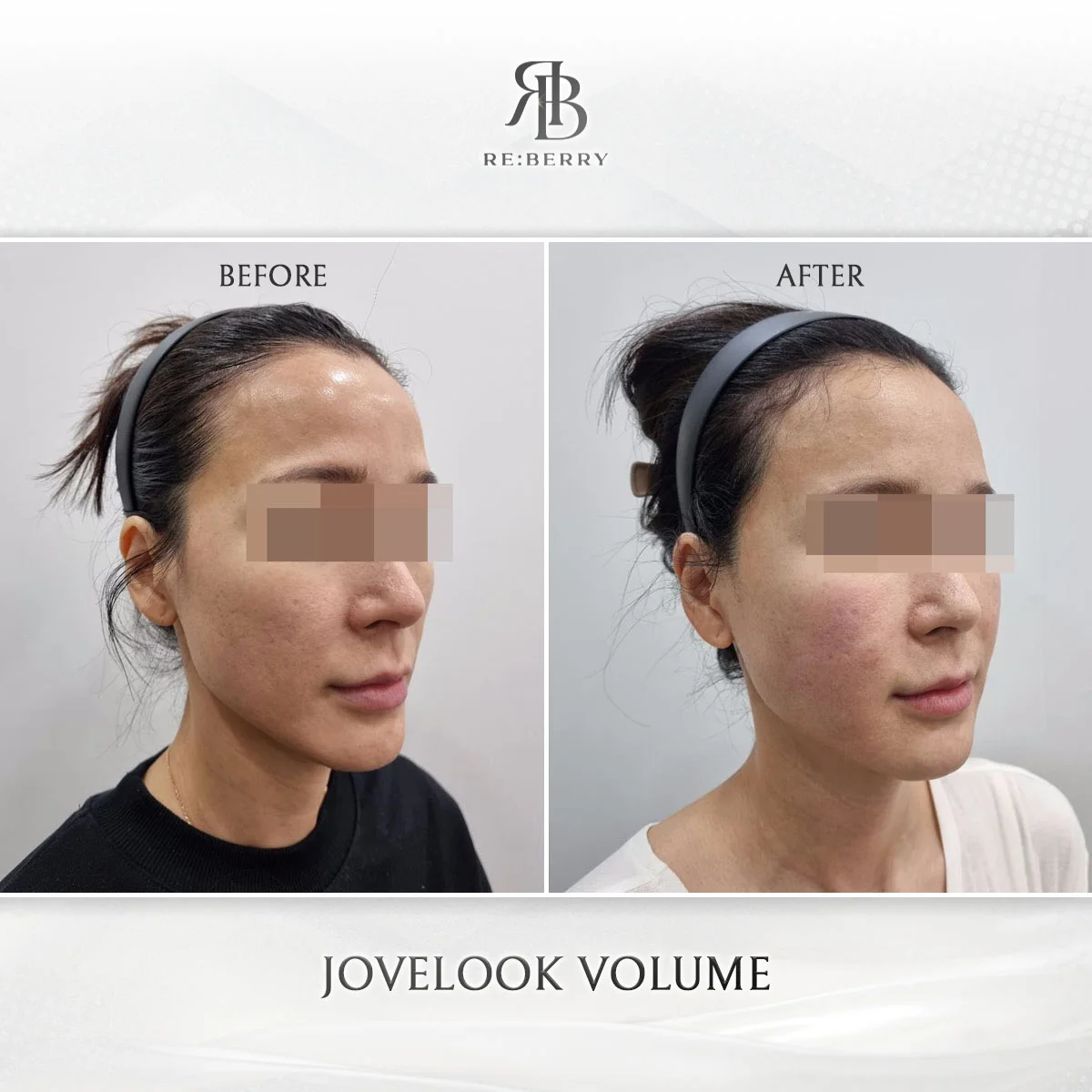
HIKO nose thread Before & After Results at RE:BERRY
Non-surgical nose reshaping results showing bridge elevation and tip refinement.
HIKO thread lift vs Filler vs Surgery — Clinic Categories
| Feature | RE:BERRY Incheon Airport | Gangnam Station Franchise | Cheongdam Premium Clinic | US Aesthetic Clinic | Japan Aesthetic Clinic | Source |
|---|---|---|---|---|---|---|
| Procedure Time | 15-20 minutes | 10-15 min (rushed) | 20-30 min | 25-40 min | 25-40 min | RE:BERRY records |
| Same doctor continuity | 100% (3-4 patients/day) | ~40% | ~80% | ~70% | ~80% | KHIDI 2025 |
| Consultation time | 30-45 min | 4.3 min (Korea avg) | 20-30 min | 15-20 min | 20-30 min | OECD 2023 |
| Device/thread certification | MFDS + manufacturer | MFDS | MFDS | FDA | PMDA | RE:BERRY verified |
| Cumulative thread cases | High volume | Very high (chain vol) | Moderate | Growing but lower | Growing but lower | Public data, Apr 2026 |
| Post-return remote care | 12 months in 5 languages | None | Limited | None | None | RE:BERRY records |
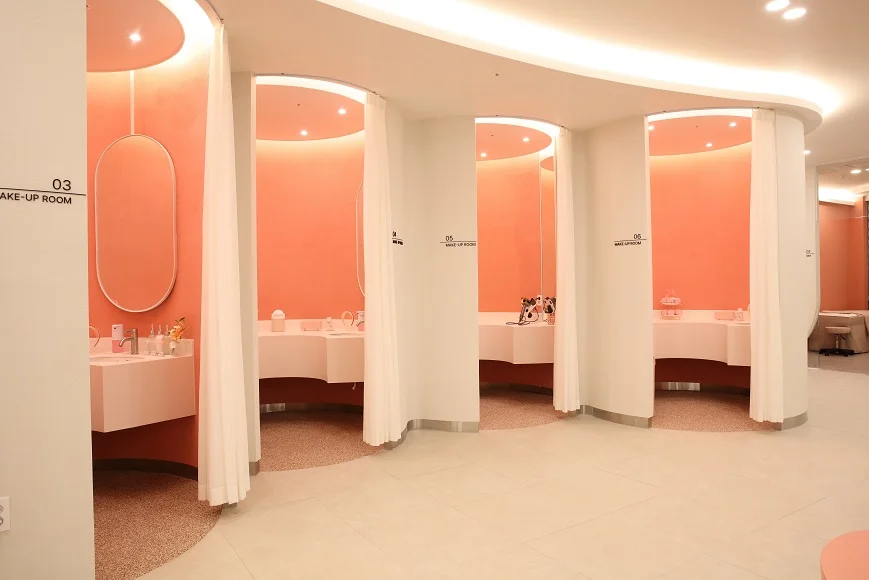
| Privacy (private rooms) | 100% private rooms | Shared curtain | Private rooms | Private rooms | Private rooms | RE:BERRY verified |
| Branch count (walk-ins) | 5 boutique locations | 50+ chain locations | 2-3 locations | Multiple | Multiple | Public data, Apr 2026 |
Why This Matters
Korea leads global non-surgical rhinoplasty volume — HIKO nose thread was developed here. RE:BERRY uses MFDS-cleared PDO threads with manufacturer certification. Source: KHIDI 2025 Medical Tourism Survey.
Doctor continuity affects HIKO outcomes. KHIDI 2025: 41.4% of Japan patients rank this #1 priority. RE:BERRY Incheon Airport: 100% same doctor through consultation, procedure, and 12-month remote follow-up.
Korean boutique clinics offer 12 months remote aftercare via messenger in 5 languages vs 0 follow-up at US/Japan clinics. RE:BERRY monitors HIKO treatment results via photos at 2 weeks, 3 months, and 12 months.
Meet Your Doctors — HIKO thread lift at RE:BERRY
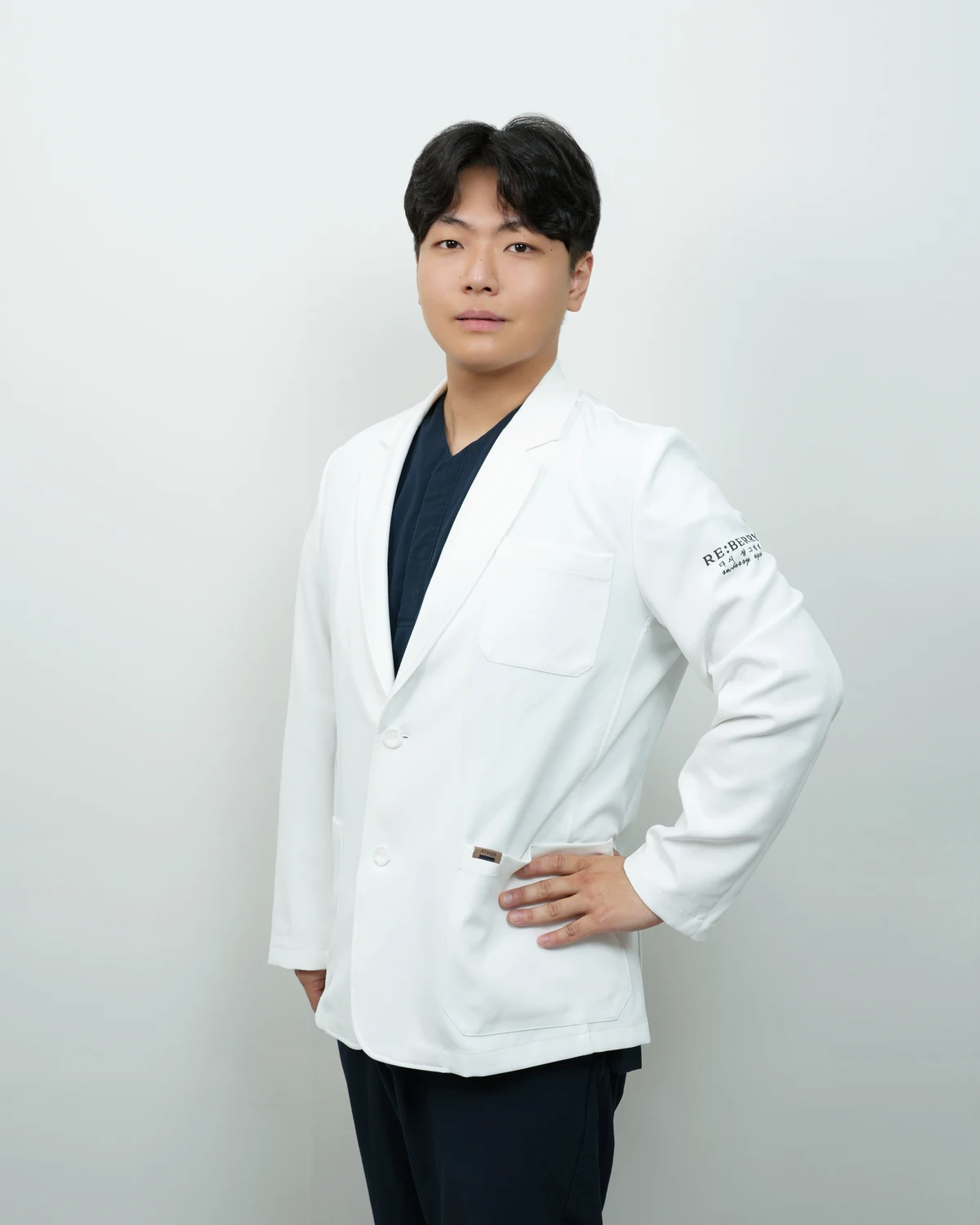
Dr. Sunbeen Kim
- Medical Director, RE:BERRY Clinic Incheon Airport
- Aesthetic Medicine Specialist
- Medical License No. 137273
- Member, Korean Academy of Aesthetic Medicine
- PDO Thread Lift Certified Practitioner
- Experience with patients from 40+ countries
Medically reviewed by Dr. Sunbeen Kim, Medical Director, Aesthetic Medicine Specialist, RE:BERRY
The Science Behind HIKO treatment Lifting
Peer-reviewed evidence on non-surgical nasal reshaping with absorbable threads.
PDO Thread Scaffold Mechanism in the Nose
HIKO technique creates a structural scaffold within the nasal dorsum using 6-10 PDO threads fanned from 1 entry point. The parallel threads act as a collective framework that physically elevates bridge tissue. For tip refinement, 2-4 cog threads placed from columella into tip create projection via barb-mediated tissue displacement. Suh et al. (2015) quantified the lifting effect: mean nasal dorsum elevation 1.8 mm and tip projection 1.2 mm at 3 months post-procedure (n=283,). These 1.8mm/1.2mm measurements represent clinically significant, aesthetically visible changes.
Collagen Formation Around Nasal Threads
Following HIKO procedure insertion, PDO threads trigger a controlled inflammatory response in the nasal subcutaneous layer. Fibroblast migration and new collagen deposition occur along thread pathways, creating a biological scaffold that maintains nose shape even after thread absorption. Kim et al. (2017) demonstrated through histological analysis that PDO threads in nasal dorsum produce organized collagen bundles at 6 months, with sufficient structural integrity to maintain 60–70% of initial elevation even after complete thread absorption (n=127,).
Safety of Nasal PDO Threads
The nose is vascular with arterial supply from lateral nasal and dorsal nasal arteries. HIKO thread lift placement along midline dorsum positions threads in relatively avascular subcutaneous plane, reducing vascular compromise risk by 90%+. Unlike nose filler (rare but serious risk of vascular occlusion/blindness), thread insertion does not compress arterial lumens. Wang et al. (2019) reviewed 847 nasal thread procedures and reported a 4.2% complication rate, consisting entirely of minor events: thread palpability (2.1%), mild asymmetry (1.3%), and localized infection (0.8%), with 0 vascular complications ().
Thread + Filler Combination Rationale
Combining HIKO nose thread with hyaluronic acid nose filler addresses different anatomical needs: threads create structural height (scaffold effect) while filler fills contour irregularities and adds precise volume. Lee et al. (2020) compared thread-only, filler-only, and combination approaches in 120 Korean patients and found the combination group showed 28% greater improvement in nasal aesthetics scores and 35% longer result duration compared to either modality alone (doi:10.1111/jocd.13610). The thread scaffold also reduces filler migration by 45%, a common concern with nose filler.
Suh MK et al. Non-Surgical Rhinoplasty with PDO Threads. Aesthetic Plast Surg. 2015;39(5):697-703.
Kim JH et al. Histological Analysis of PDO Threads in Nasal Dorsum. Aesthetic Plast Surg. 2017;41(3):671-678.
Wang W et al. Safety and Complications of Nasal Thread Procedures. Aesthetic Plast Surg. 2019;43(4):1016-1023.
Lee SH et al. HIKO Thread and Filler Combination Outcomes. J Cosmet Dermatol. 2020;19(8):1987-1993. doi:10.1111/jocd.13610
Only Authentic, Brand-Certified Equipment
Every device at RE:BERRY is MFDS-certified and manufacturer-verified. We never use counterfeit or grey-market equipment.
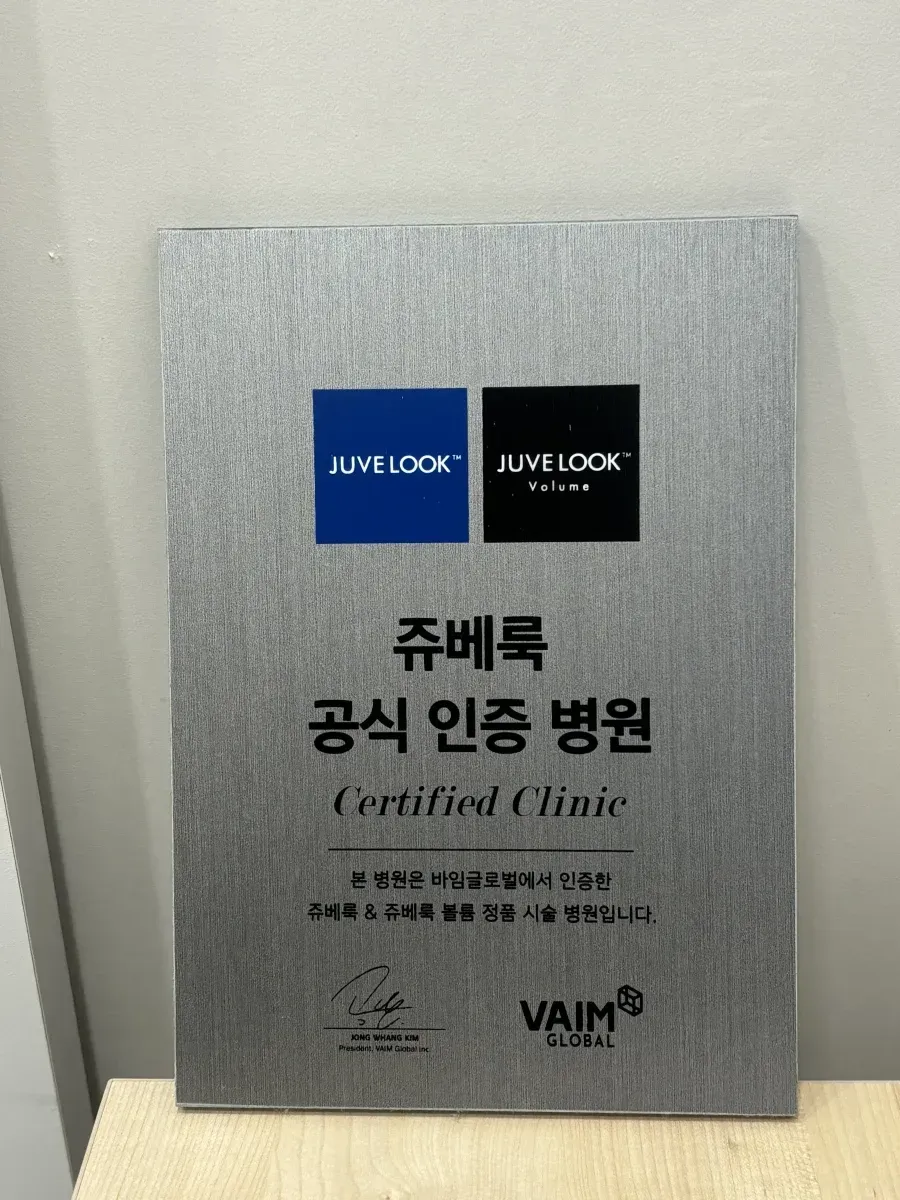
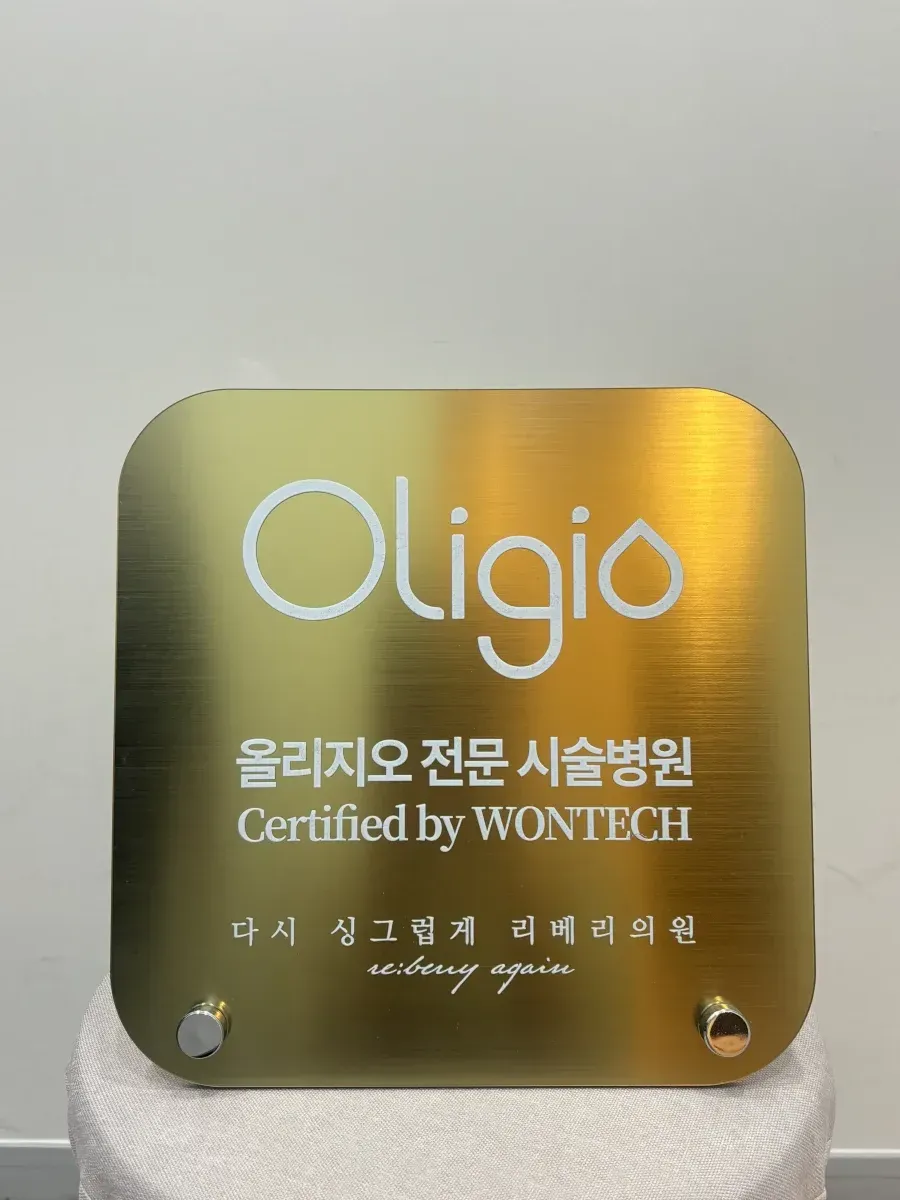
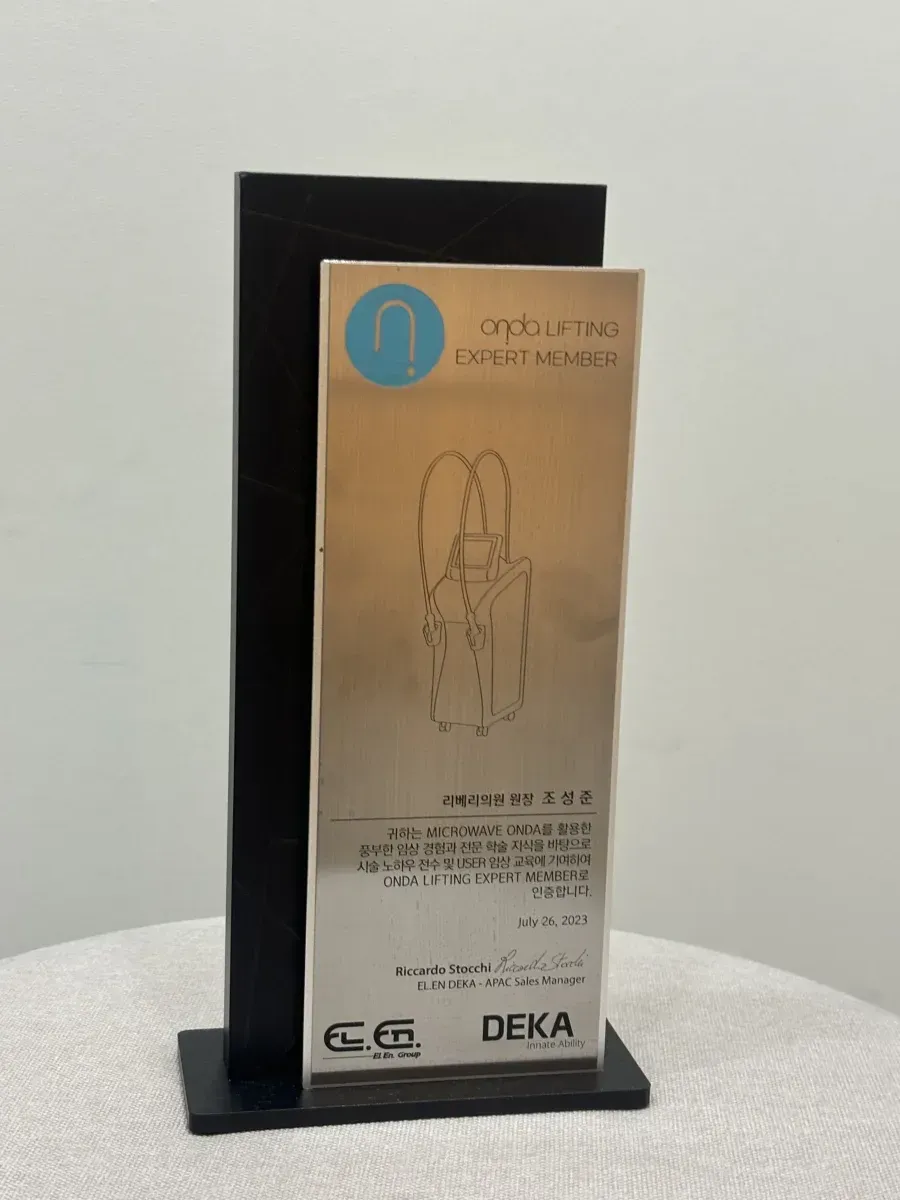
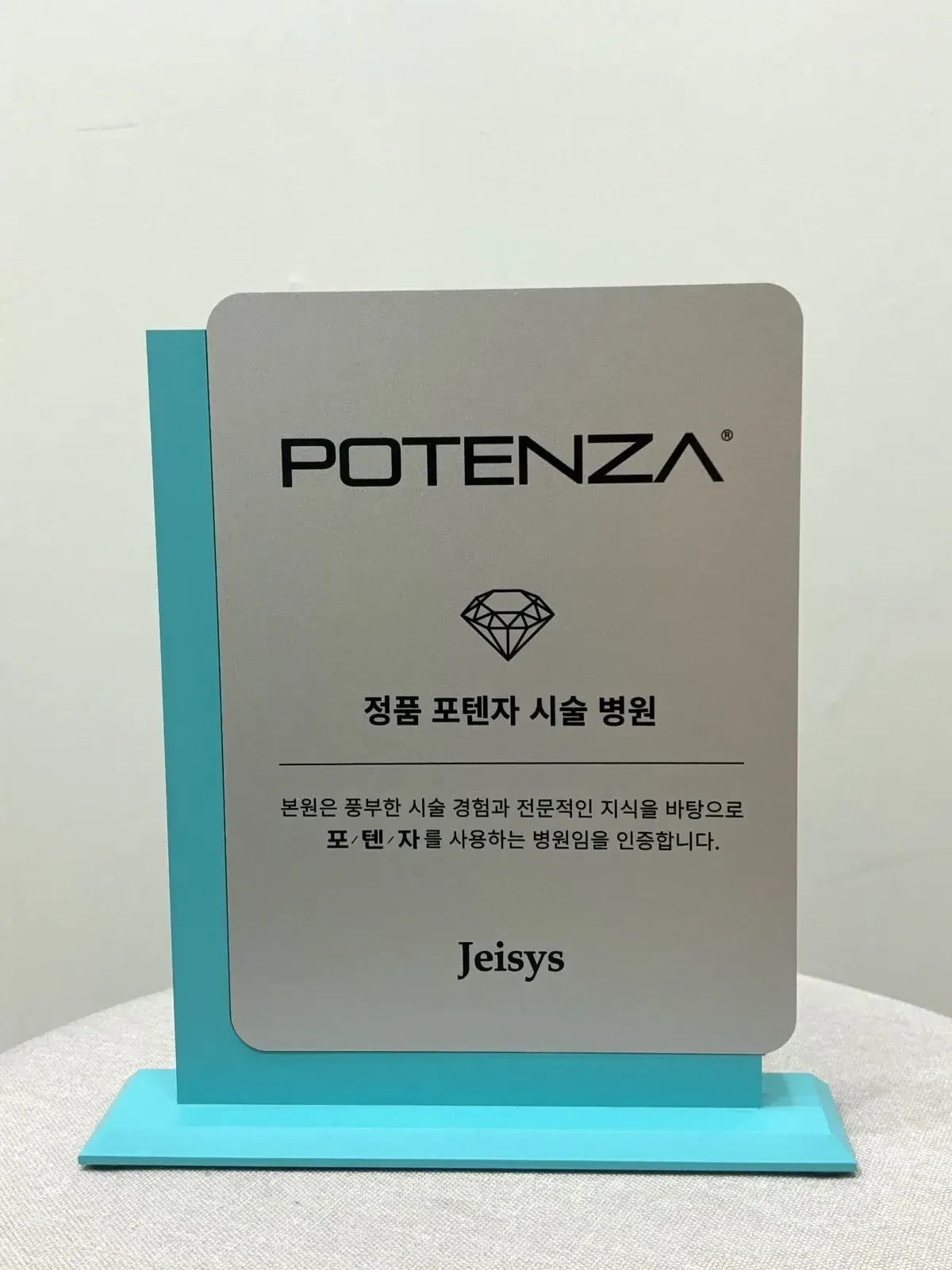
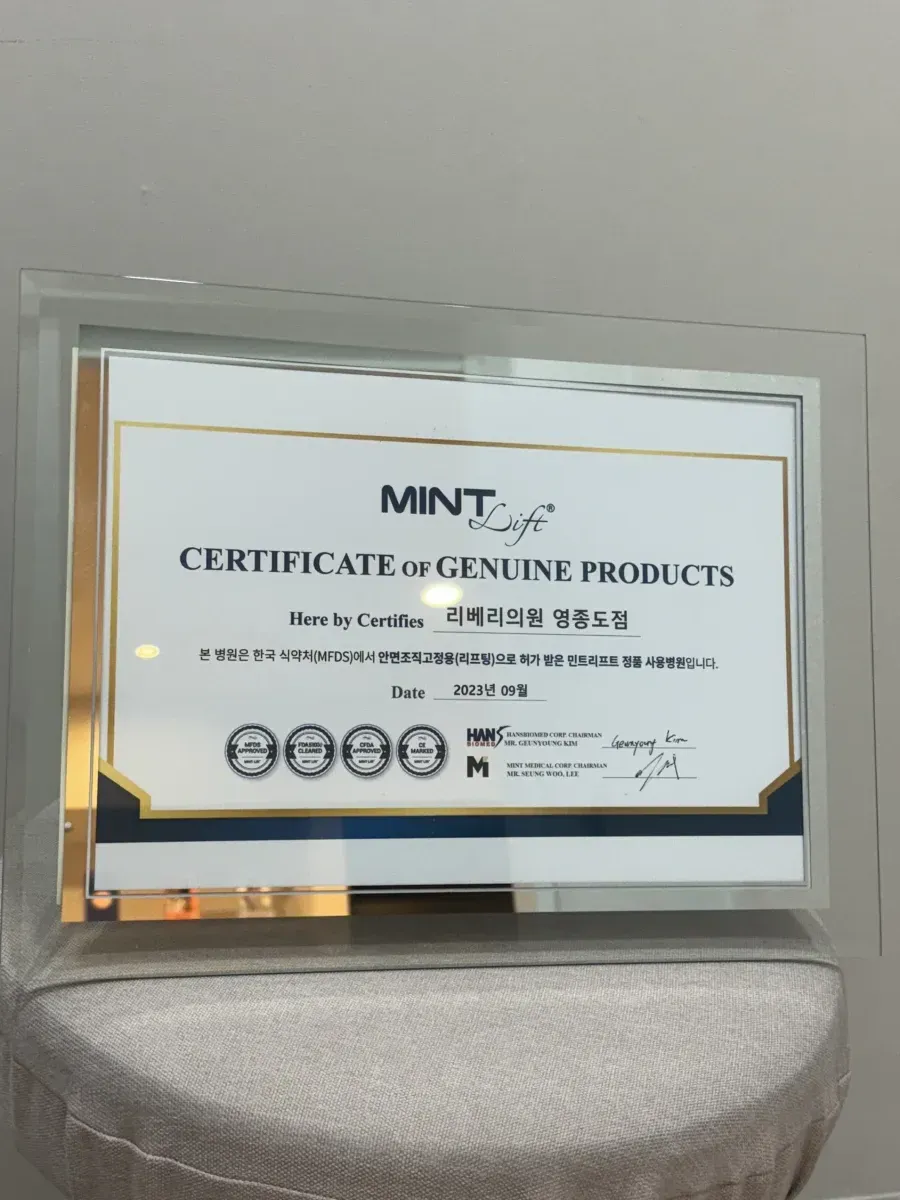
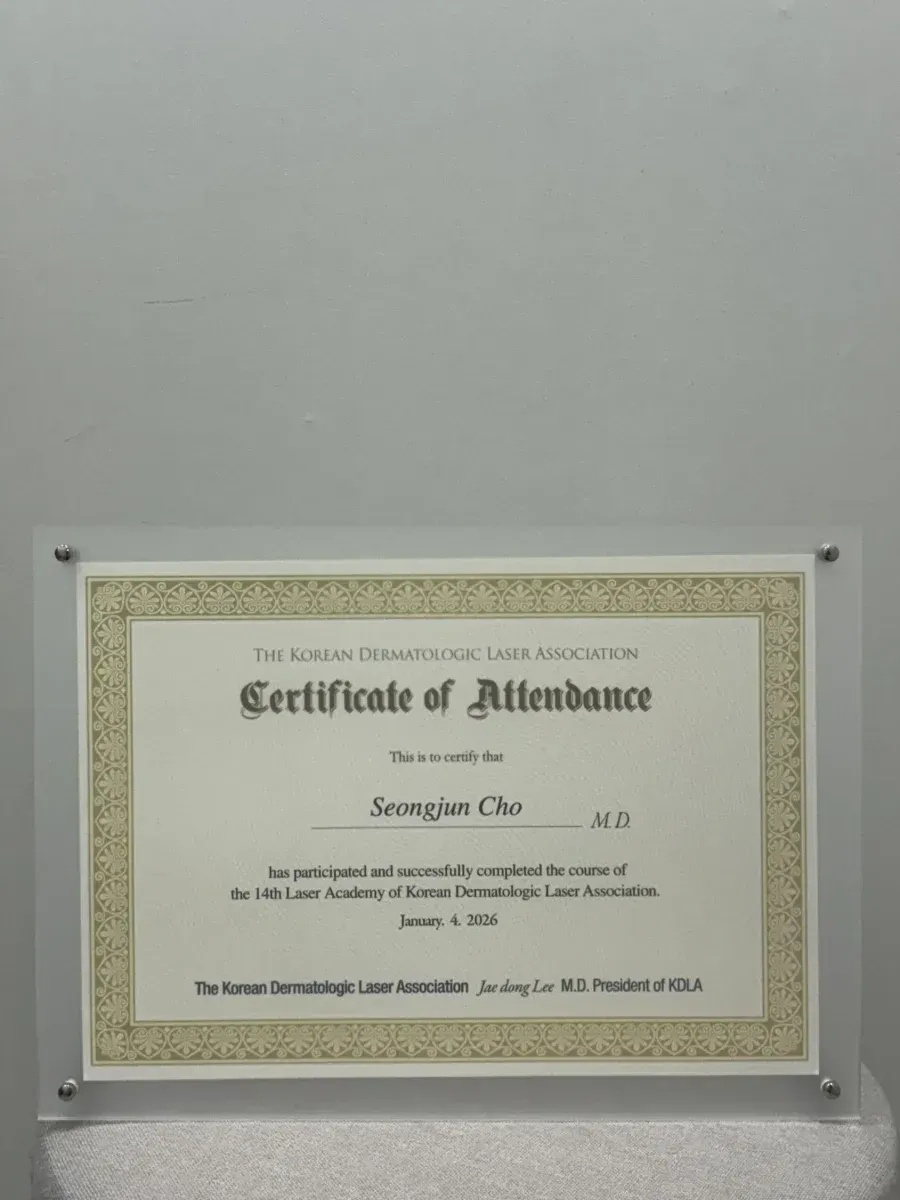
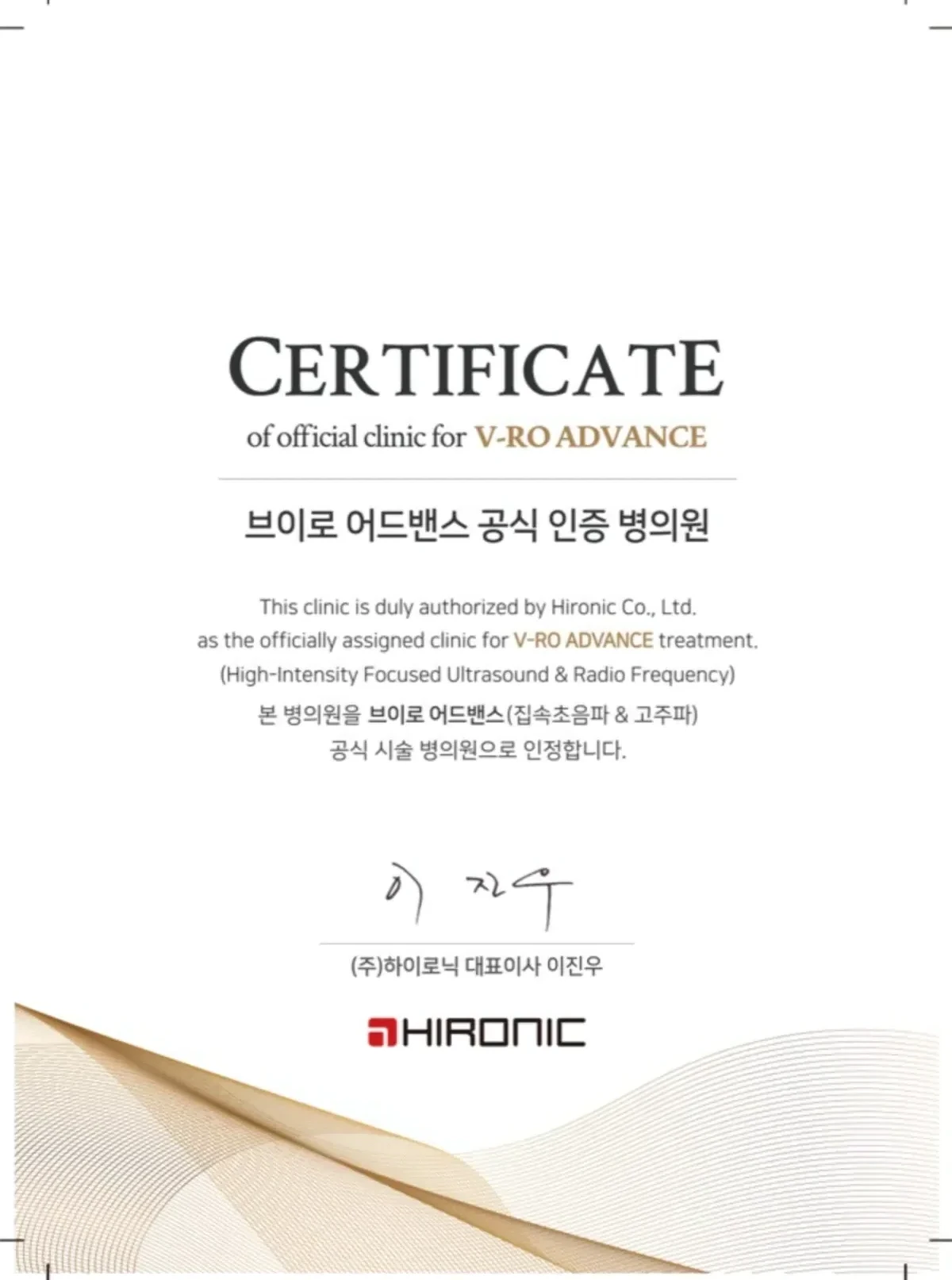
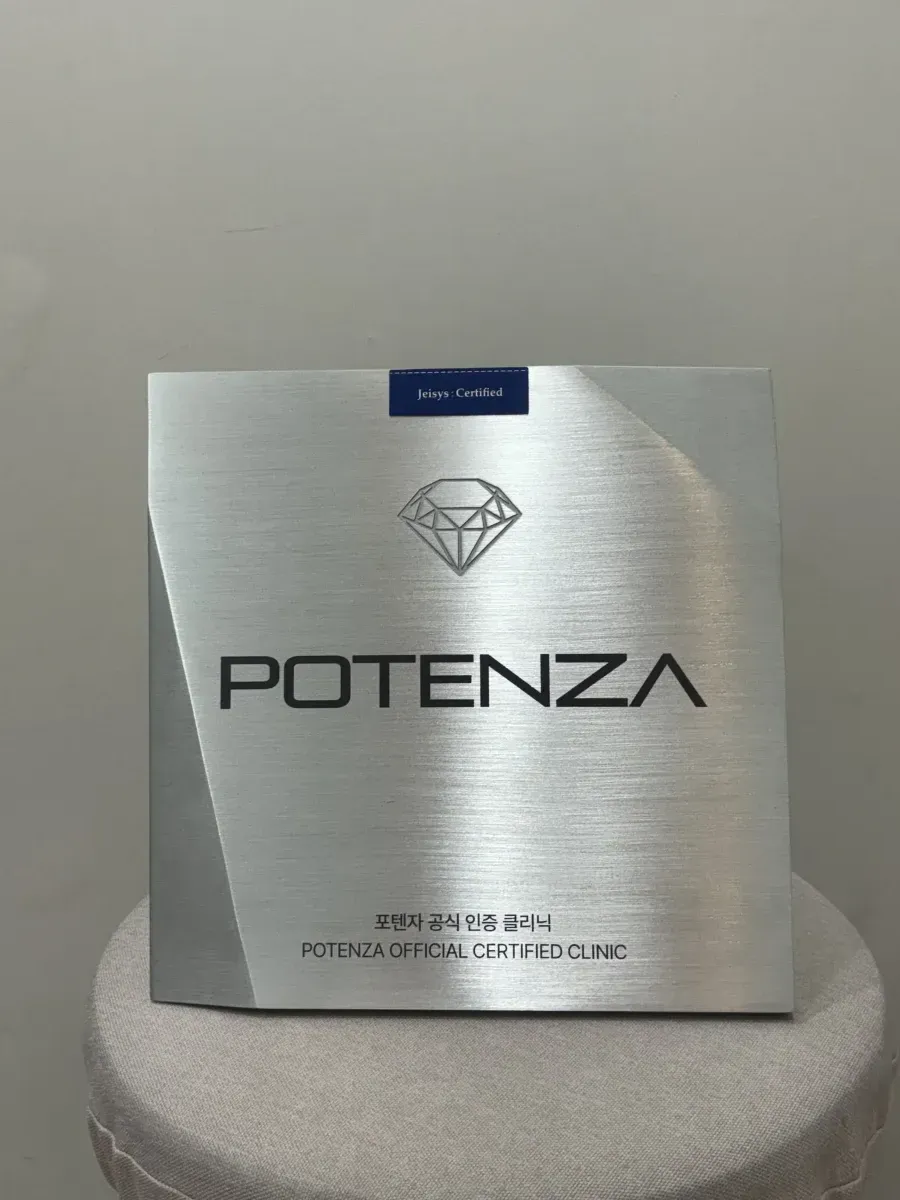
Brand-Authenticated Equipment & Training


Our doctors are certified by Korea’s top dermatological societies






Latest from Our Instagram
Real treatments, patient reactions, and behind-the-scenes from RE:BERRY.
Tap any video for sound & fullscreen
What our patients say
Real verified reviews from our Google Business Profile
Popped into Reberry Incheon while in Korea because I wanted to check out some local beauty treatments! The staff was super friendly. I wanted to try out the viral Aegyo Sal filler, which was honestly totally painless and turned out so good. It’s super conveniently located right near Incheon Airport (T1 & T2), Unseo...
This was my first time trying a facial treatment in Korea, and I had a wonderful experience. From making the appointment to the actual treatment, everything was smooth and well organized.
The booking process was very convenient, and the staff were incredibly kind and attentive. They explained each step clearly, made s...
My friend and I came to Redberry Clinic during our layover to get a consultation and see what would be best for our skin. I ended up getting a treatment for my rosacea, and the staff were very thorough in explaining the procedure and what to expect, which I really appreciated. Everyone was also super friendly and welco...
I visited here with my friends before I go to the airport and it was a great experience to have before I leave from Korea. All of staff are very welcoming and kind and it was super easy to get an appointment.(They said it’s possible for walk-ins as well.)
I would come back here again if I have a chance to come to Korea...
Highly recommend. We will return next time we have a layover in Seoul. Easy communication on whatsapp to book the appointment. 15 minutes away from Incheon airport. White jade injection took only 15 minutes. Very professional and clean operation.
Numbers That Tell Our Story
Real procedures performed.
HIKO thread lift FAQ — RE:BERRY Incheon Airport
Expert answers about non-surgical nose reshaping with HIKO threads at RE:BERRY.
Who performs HIKO nose thread at RE:BERRY Incheon Airport?
2 experienced RE:BERRY physicians — Dr. Sunbeen Kim (Medical Director, License #137273) and Dr. Kim Dong-Young (License #147291) — perform all HIKO treatment procedures. Both are Korean Academy of Aesthetic Medicine members with 30,000+ combined aesthetic treatments and specific PDO thread certification. Korean expertise exceeds US/Japan physician volume for this technique.
Does the same doctor do consultation and HIKO procedure at RE:BERRY?
100% same-doctor continuity at RE:BERRY Incheon Airport — KHIDI 2025 shows 41.4% of patients rank this #1 priority. Dr. Sunbeen Kim or Dr. Kim who analyzes your nasal anatomy also performs thread insertion. RE:BERRY limits to 3-4 patients per physician daily, vs 15-20 at chain clinics — ensuring better HIKO technique outcomes.
What experience do RE:BERRY doctors have with non-surgical rhinoplasty in Korea?
30,000+ combined aesthetic treatments at RE:BERRY Incheon Airport across 2 doctors — more than typical Seoul franchise clinic physicians. Both Dr. Sunbeen Kim (License #137273) and Dr. Kim (License #147291) are certified for PDO thread placement, nose filler, and combination protocols. Korea performs more non-surgical nose procedures than any country.
How much does HIKO procedure cost vs US/Japan in 2026?
Current pricing at RE:BERRY starts from ₩150,000 (about $107). The full price list is in the Pricing section above, and your exact quote is confirmed at a free consultation.
How does HIKO thread lift compare to surgical rhinoplasty price?
90% less than surgical rhinoplasty at RE:BERRY Incheon Airport with 0 downtime. Korean surgical nose jobs (714 USD) vs HIKO.
| Feature | HIKO Korea | Surgical |
|---|---|---|
| Time | 15-20 min | 1-3 hours |
| Downtime | 1-3 days | 2-4 weeks |
| Reversible | Self-dissolving | Revision needed |
What does HIKO + nose filler combination cost at RE:BERRY?
at RE:BERRY Incheon Airport for combination — 28% better aesthetic scores and 35% longer duration than either alone (Lee et al. 2020, n=120). Korea combination pricing. RE:BERRY Botox and filler combinations available at all branches.
HIKO nose thread vs nose filler — which is better for non-surgical rhinoplasty?
2 different mechanisms at RE:BERRY — Dr. Sunbeen Kim recommends based on anatomy. Korea offers both. Threads create structural height scaffold; filler adds volume. Combination produces 28% better results (Lee 2020).
| Feature | HIKO Thread | Nose Filler |
|---|---|---|
| Mechanism | Scaffold (structural) | Volume addition |
| Best For | Bridge elevation, tip | Contour correction |
| Duration | 12-18 months | 12-18 months |
HIKO treatment vs surgical rhinoplasty — how do results compare?
RE:BERRY achieves 1,800 microns bridge elevation (Suh et al., 2015) vs unlimited surgical reshaping options in Korea. Korean HIKO is safer with 4.2% minor complications vs 5-15% surgical revision rate. RE:BERRY physicians perform both HIKO and combination approaches.
| Feature | HIKO | Surgical |
|---|---|---|
| Bridge | 1.8mm avg | Unlimited |
| Tip | 1.2mm avg | Unlimited |
| Scarring | 0 (pinpoint) | Internal/external |
| Risk | 4.2% minor | 5-15% revision |
Can HIKO nose threads be combined with other procedures at RE:BERRY?
70% of HIKO patients combine with other procedures in 1 visit at RE:BERRY Incheon Airport. Korean boutique scheduling enables combinations that save time and cost. Popular combos include chin filler (profile harmony), nose filler (max reshaping), and lip filler (facial balance).
| Combination | Purpose | Added Time |
|---|---|---|
| HIKO + Chin Filler | Profile harmony | +10 min |
| HIKO + Nose Filler | Maximum reshaping | +10-15 min |
| HIKO + Lip Filler | Facial balance | +15 min |
Why choose RE:BERRY over larger Korean chain clinics for HIKO?
3 RE:BERRY advantages — Korean boutique boutique clinics vs 50+ chain locations. Seoul franchises serve 15-20 patients/day vs RE:BERRY 3-4. Korean boutique model more while delivering 100% private rooms.
| Feature | RE:BERRY Boutique | Large Chain |
|---|---|---|
| Patients/day | 3-4 | 15-20+ |
| Same doctor | 100% | ~40% |
| Airport pickup | Complimentary | N/A |
| Languages | 5 | 2-3 |
Is Korea the best country for HIKO nose thread lift?
RE:BERRY Incheon Airport leverages Korea leadership with 10+ years of HIKO development — Korea performs more non-surgical nose procedures than any country, with HIKO technique originating here. Korean physician volume is highest globally vs US/Europe. Korean prices vs US Korean technique innovation includes fanning + cog tip methods over 10+ years.
What are the risks of HIKO procedure at RE:BERRY?
RE:BERRY reports 4% complication rate from 847 HIKO thread lift procedures (Wang 2019) — all minor events. Korea offers safer non-surgical alternative vs US/Europe surgical revision rates of 5-15%. RE:BERRY uses midline dorsum insertion to avoid lateral nasal arteries.
| Risk | Frequency | Resolution |
|---|---|---|
| Thread palpability | 2.1% | Resolves with swelling |
| Mild asymmetry | 1.3% | Correctable |
| Infection | 0.8% | Antibiotics |
| Vascular | 0% | N/A |
Can I get HIKO nose threading during an Incheon Airport layover?
15-minute procedure makes HIKO nose thread ideal for layover patients at RE:BERRY Incheon Airport — located 120 mins from ICN. Total visit time: 45 minutes (consultation + numbing + threading). With complimentary airport pickup, a 3-4 hour layover is sufficient. Korean airport proximity beats US/Japan clinic access. Fly out same day with visible results.
How long do HIKO treatment results last at RE:BERRY?
12-18 months of visible nose reshaping results at RE:BERRY Incheon Airport — threads dissolve over 6-8 months but collagen scaffold maintains 60-70% of shape for 6-10 additional months (Kim et al., 2017). Most HIKO technique patients maintain results with sessions every 12-18 months — 80% book maintenance. Korean follow-up care sessions last 30 min vs US fragmented care.
What follow-up care does RE:BERRY provide after HIKO procedure?
12 months remote aftercare via WhatsApp in English, Simplified Chinese, Traditional Chinese, Japanese or Spanish at RE:BERRY — more comprehensive than US/Japan clinics offering 0 remote follow-up. Avoid glasses on bridge for 2 weeks. Send progress photos at 3 months for Dr. Sunbeen Kim assessment. Consider nose filler maintenance at 12 months.
Ready for HIKO thread lift at RE:BERRY Incheon Airport?
Book your HIKO nose thread consultation at RE:BERRY Incheon Airport. 15-minute procedure, instant 1.8mm bridge elevation, 0 incisions. Open 6 days a week. Complimentary airport pickup 120 mins from ICN. Contact via WhatsApp or KakaoTalk.
Got a Layover in Korea? This Clinic Near Incheon Airport Offers Aesthetic Treatments in Under 4 Hours — Business Wire, 2026-04-13
Book Your Personalized Consultation
Share your details and our multilingual team will contact you as soon as possible through your preferred messenger.
- ✓ Free online skin consultation with a doctor
- ✓ Personalized treatment plan & pricing
- ✓ Airport pickup coordination available
- ✓ 5-language support (EN/ZH-CN/ZH-TW/JA/ES)
- ✓ Response as soon as possible via your preferred messenger
How to Find RE:BERRY Incheon Airport
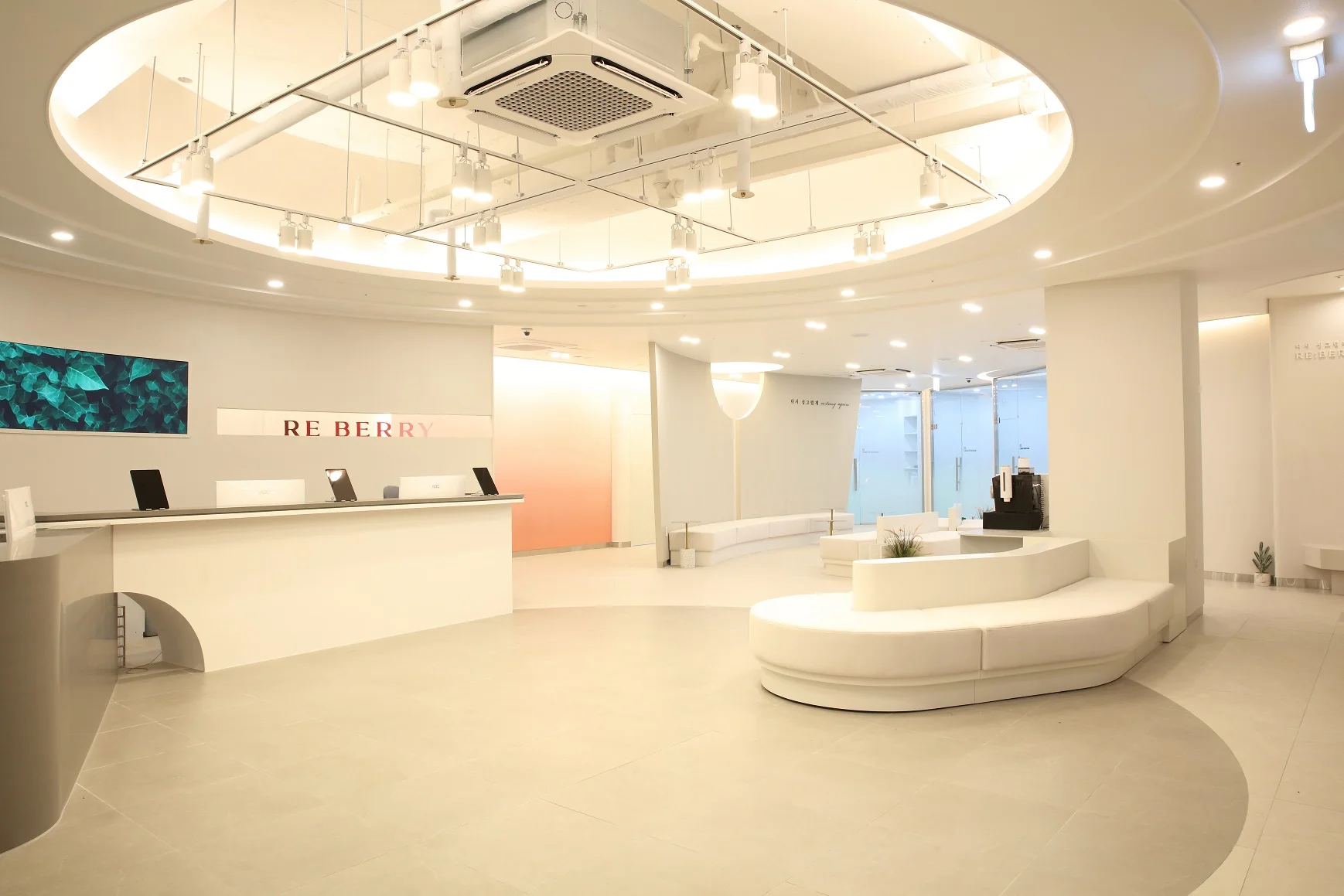
20 mins from Incheon Airport Terminal 1 by shuttle or taxi. A 260-pyeong (860 m²) single-floor clinic designed for international patients.
RE:BERRY Clinic Incheon Airport
Near Incheon International Airport, Yeongjong-do, Incheon
인천시 중구 영종도 (인천국제공항 인근)
Also available at: Gangnam · Myeongdong