Best Rosacea Clinic in Korea — Vascular Laser + RF Microneedling Protocol
RE:BERRY Incheon Airport is Korea’s destination rosacea treatment center combining Genesis 1064nm Nd:YAG vascular laser, Potenza RF microneedling, and medical-grade barrier repair therapy. Our multi-modal protocol addresses the four pillars of rosacea pathology simultaneously: vascular dilation, perivascular inflammation, skin barrier dysfunction, and demodex-mediated immune activation. Located on Yeongjong-do, 15 minutes from Incheon International Airport — the most convenient rosacea clinic in Korea for international patients flying in for treatment. We treat over 3,000 rosacea cases annually across all subtypes: erythematotelangiectatic, papulopustular, phymatous, and ocular.
Why Is Korea the Best Destination for Rosacea Treatment?
Korea leads global rosacea treatment because Korean aesthetic clinics combine cutting-edge laser platforms (Genesis, PicoSure, Clarity II) with RF microneedling (Potenza) and a sophisticated understanding of Asian skin that Western clinics often lack. RE:BERRY Incheon Airport offers a comprehensive rosacea management protocol starting at ₩99,000 for the Gold PTT + Genesis + Anti-inflammatory package — a fraction of equivalent treatment costs in the US, Japan, or Europe. Our physicians have treated thousands of rosacea patients across all Fitzpatrick types and specialize in the under-diagnosed Asian rosacea subtypes that present more subtly than in Caucasian skin.
Korea has become the world’s destination for rosacea treatment for three compelling reasons. First, Korean clinics invest in the latest generation laser platforms years ahead of Western adoption — Genesis YAG, Potenza RF, and PicoSure are standard equipment here, not premium add-ons. Second, the Korean dermatology training system emphasizes combination protocols over single-modality treatment, producing physicians who understand that rosacea requires simultaneous vascular, inflammatory, and barrier management. Third, pricing: a full rosacea management course in Korea costs 30-50% of equivalent treatment in the US or Japan. At RE:BERRY Incheon Airport, Head Director Cho Sung-Jun designs personalized multi-modal protocols combining rosacea laser treatment with RF remodeling and medical-grade barrier repair. For patients primarily concerned with vascular redness without inflammatory papules, our redness laser treatment may be the more targeted option. For rosacea complicated by pigmentation, our pigmentation laser protocol can be integrated into your treatment plan.
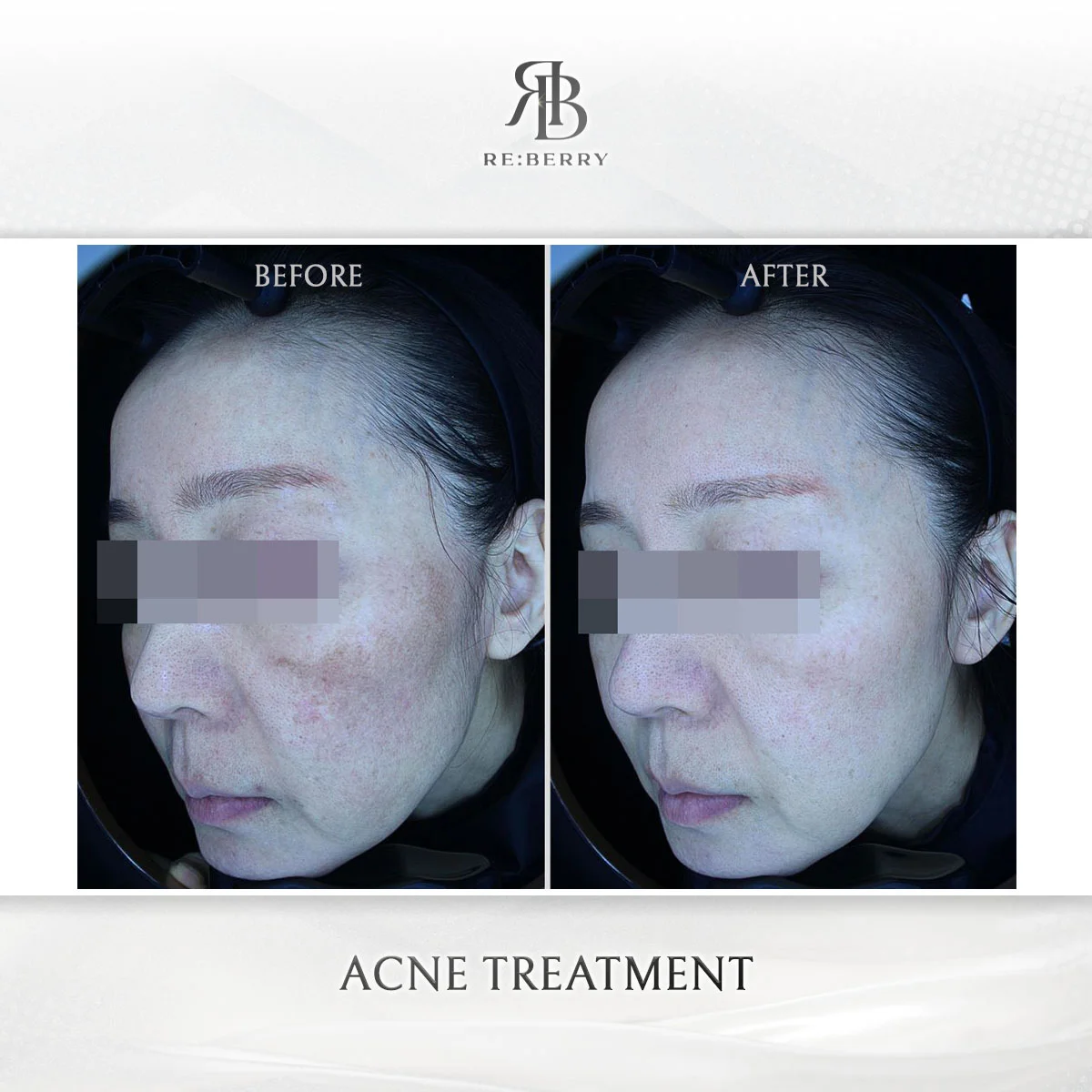
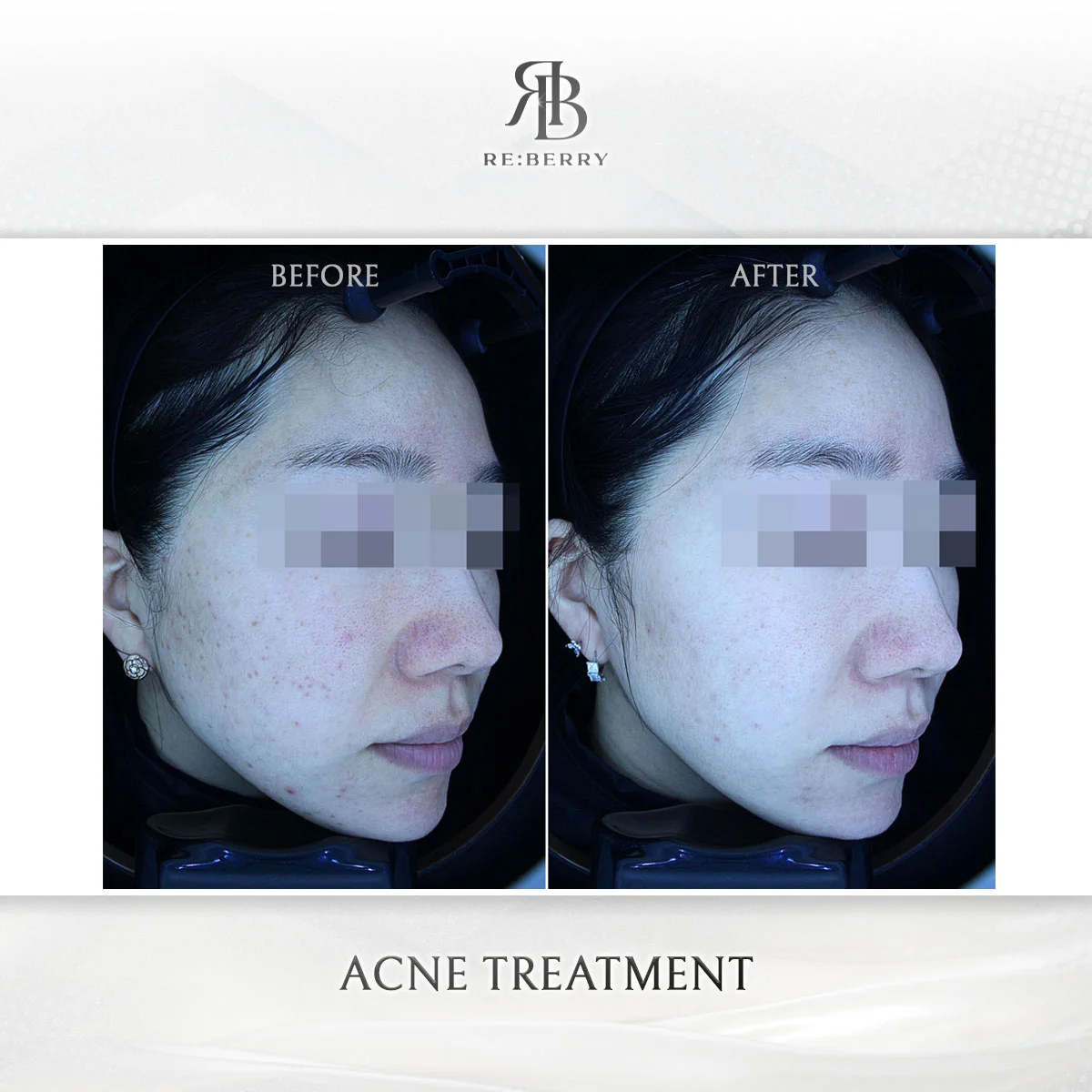
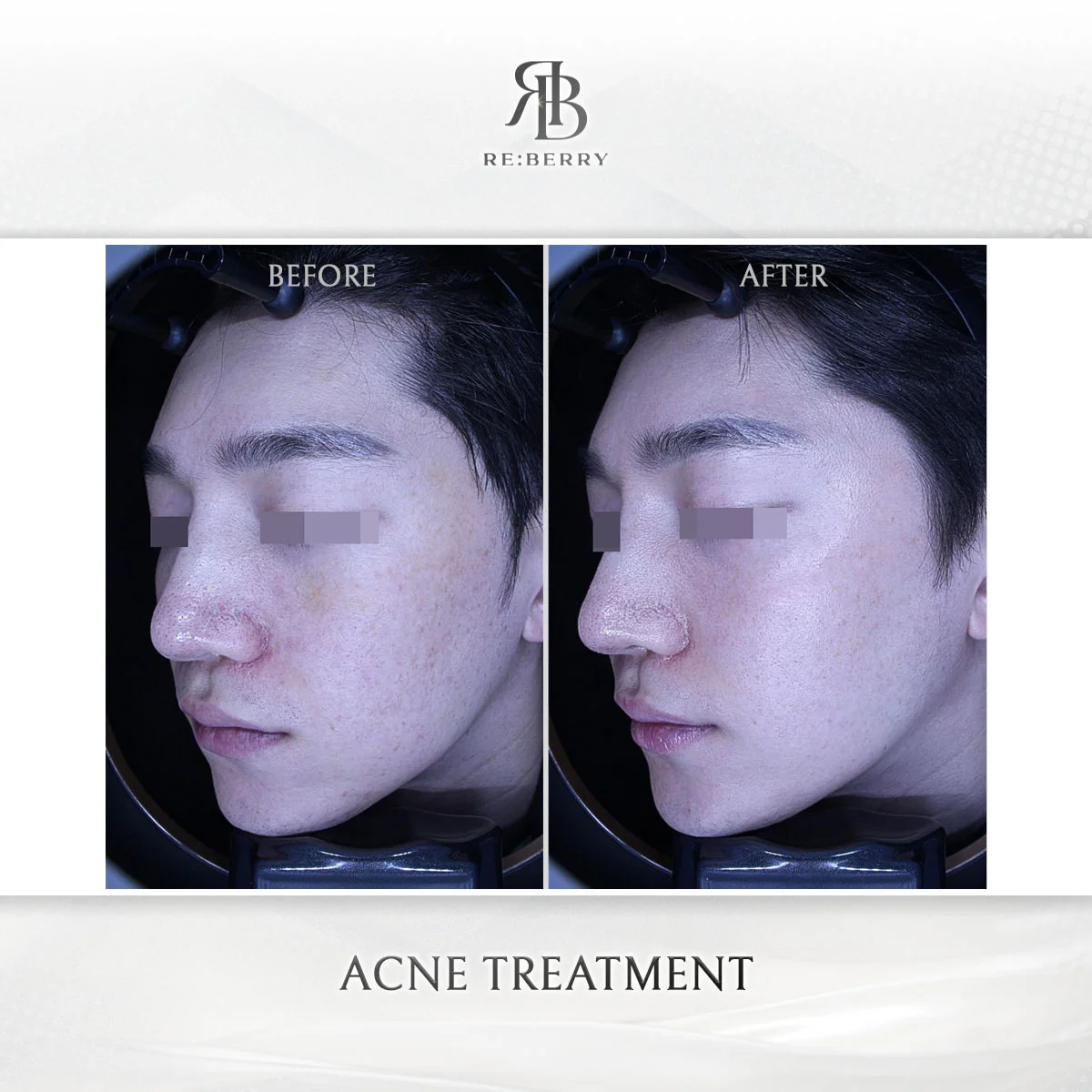
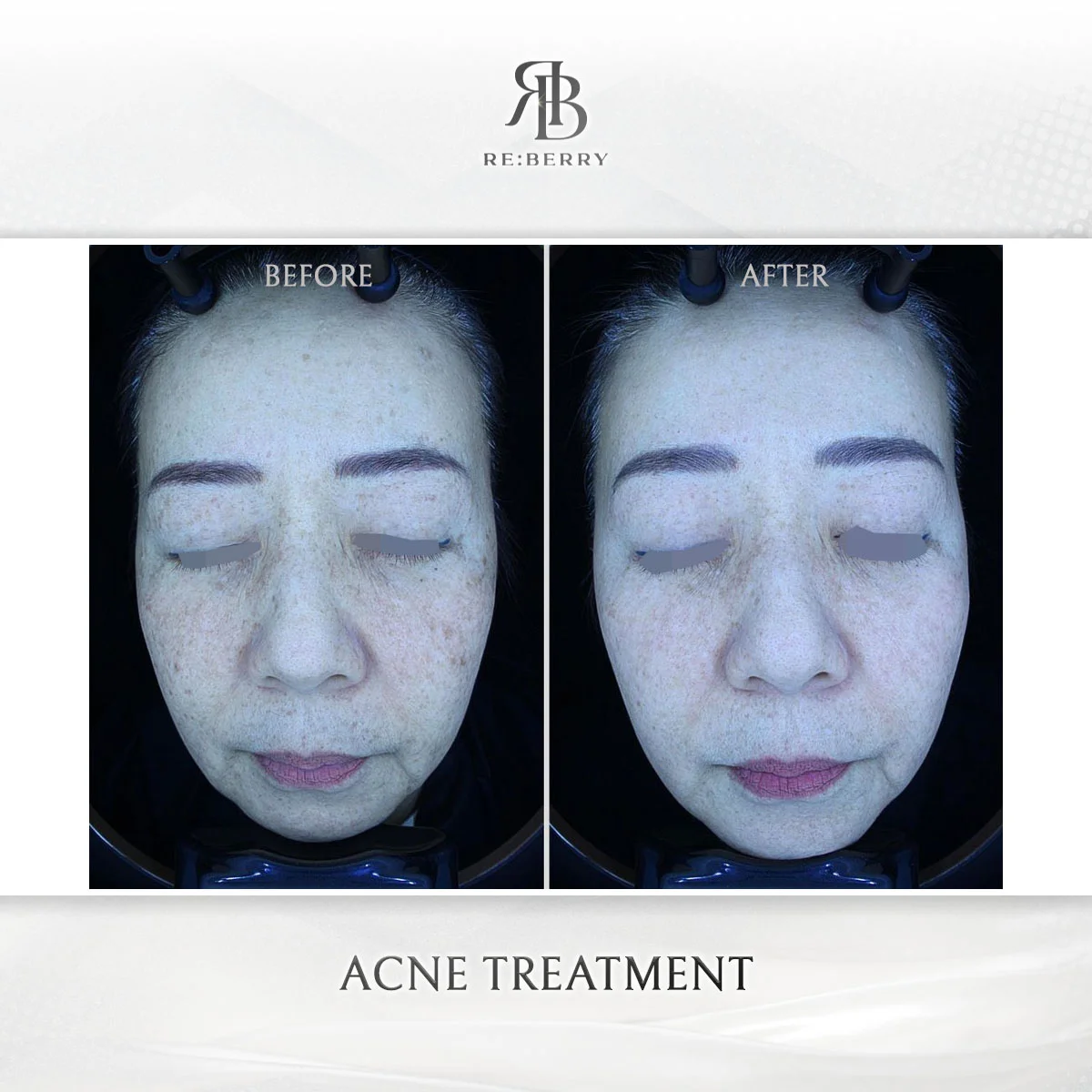
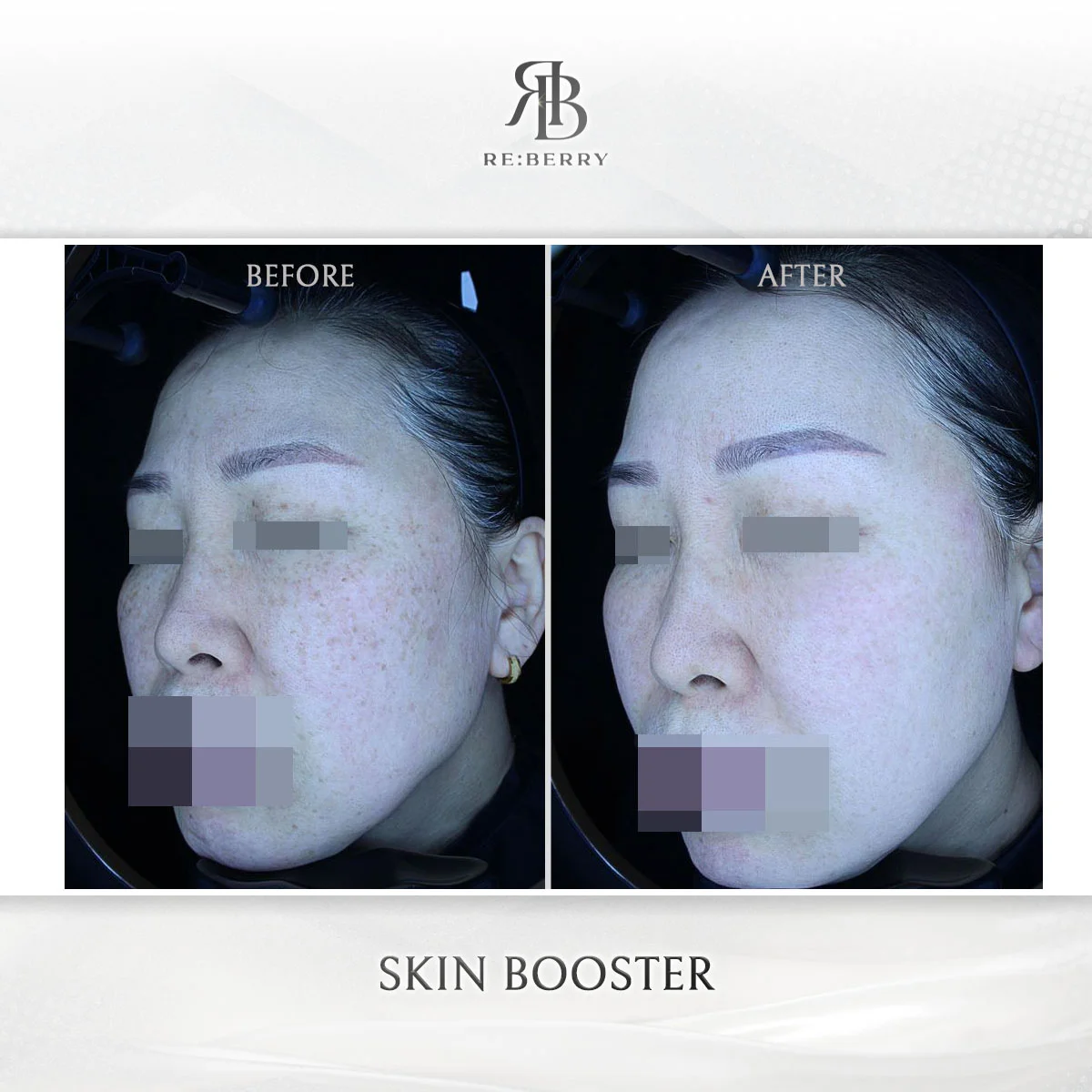
Rosacea Treatment Results at RE:BERRY Incheon Airport Korea
Actual patient outcomes from our multi-modal rosacea management protocol. Photos unretouched. Individual results vary based on rosacea subtype, severity, and compliance with aftercare.
How Korea’s Best Rosacea Clinic Treats Your Condition
RE:BERRY Incheon Airport’s four-step rosacea management protocol addresses vascular, inflammatory, barrier, and microbial components simultaneously — the Korean multi-modal approach that sets our clinic apart.
Comprehensive Rosacea Classification & Trigger Mapping
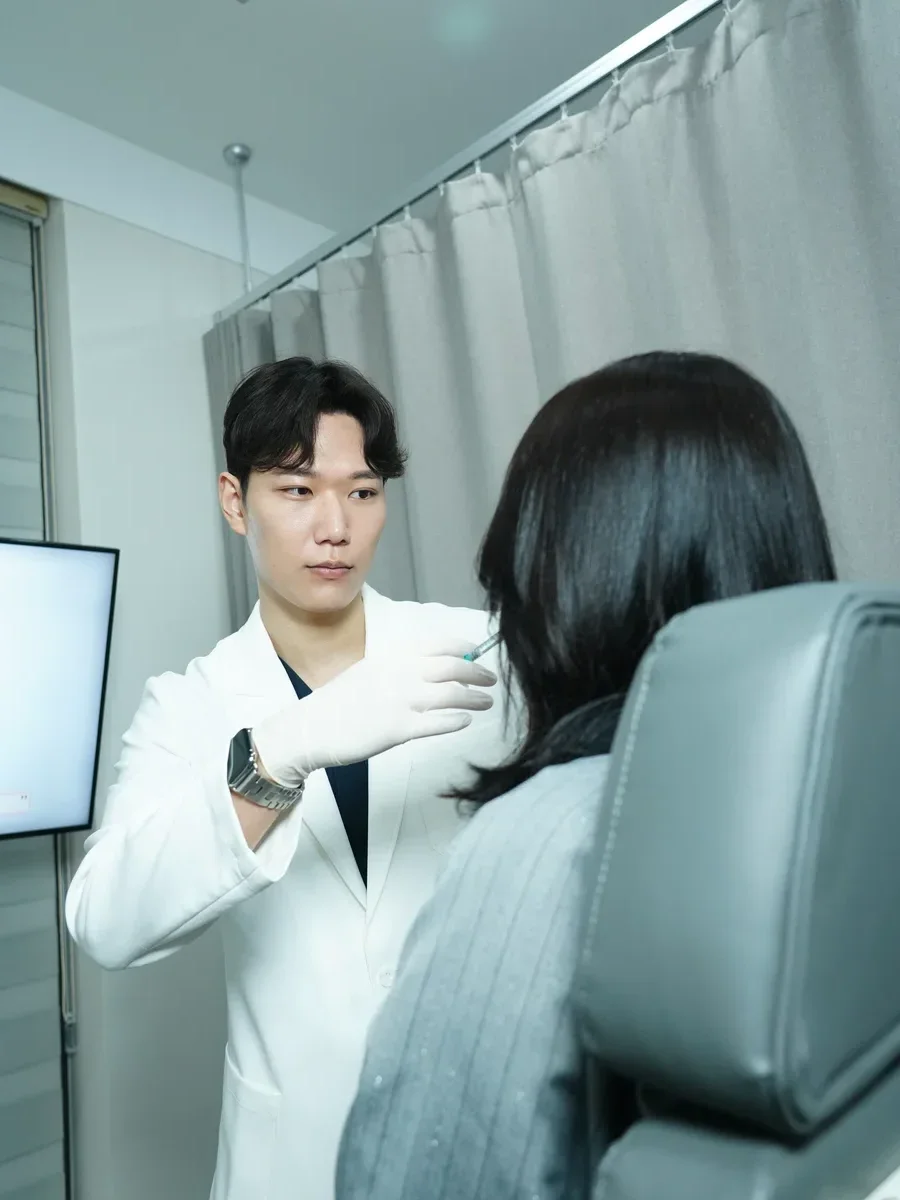
Head Director Cho Sung-Jun performs detailed rosacea classification using polarized dermoscopy, clinical photography, and a structured trigger assessment questionnaire. Korean dermatology training emphasizes meticulous subtype classification: erythematotelangiectatic (ETR — persistent centrofacial redness with visible telangiectasia), papulopustular (PPR — inflammatory papules and pustules overlying redness), phymatous (tissue hypertrophy, most commonly rhinophyma), and ocular (lid margin inflammation and blepharitis). Most international patients present with ETR or mixed ETR/PPR. Dr. Cho also quantifies your personal trigger profile — UV exposure, temperature extremes, spicy food, alcohol, stress, skincare ingredients — to design both a treatment protocol and a lifestyle-modification plan. This systematic approach is why Korea’s rosacea clinics achieve superior outcomes: treatment is personalized from the first visit, not a generic laser-and-go session.
Genesis 1064nm Nd:YAG Vascular Clearing Protocol
The Genesis Nd:YAG laser — a cornerstone of Korean rosacea treatment — delivers thousands of sub-threshold microsecond pulses across the full face at 1064nm wavelength. This selectively heats oxyhemoglobin within dilated capillaries to 42-44 degrees Celsius, inducing gradual vessel coagulation without the purpura (bruising) caused by older pulsed dye lasers. For rosacea patients, the sub-threshold approach is critically important: supra-threshold vascular lasers risk triggering inflammatory flares in hyperreactive rosacea skin. Genesis addresses both the visible telangiectasia responsible for persistent redness and the subclinical vascular dilation driving flushing episodes. Korean clinics like RE:BERRY have refined Genesis protocols over thousands of rosacea cases — optimizing pulse duration, fluence, and pass count specifically for rosacea management rather than applying generic vascular laser settings.
Potenza RF Anti-Inflammatory Dermal Remodeling
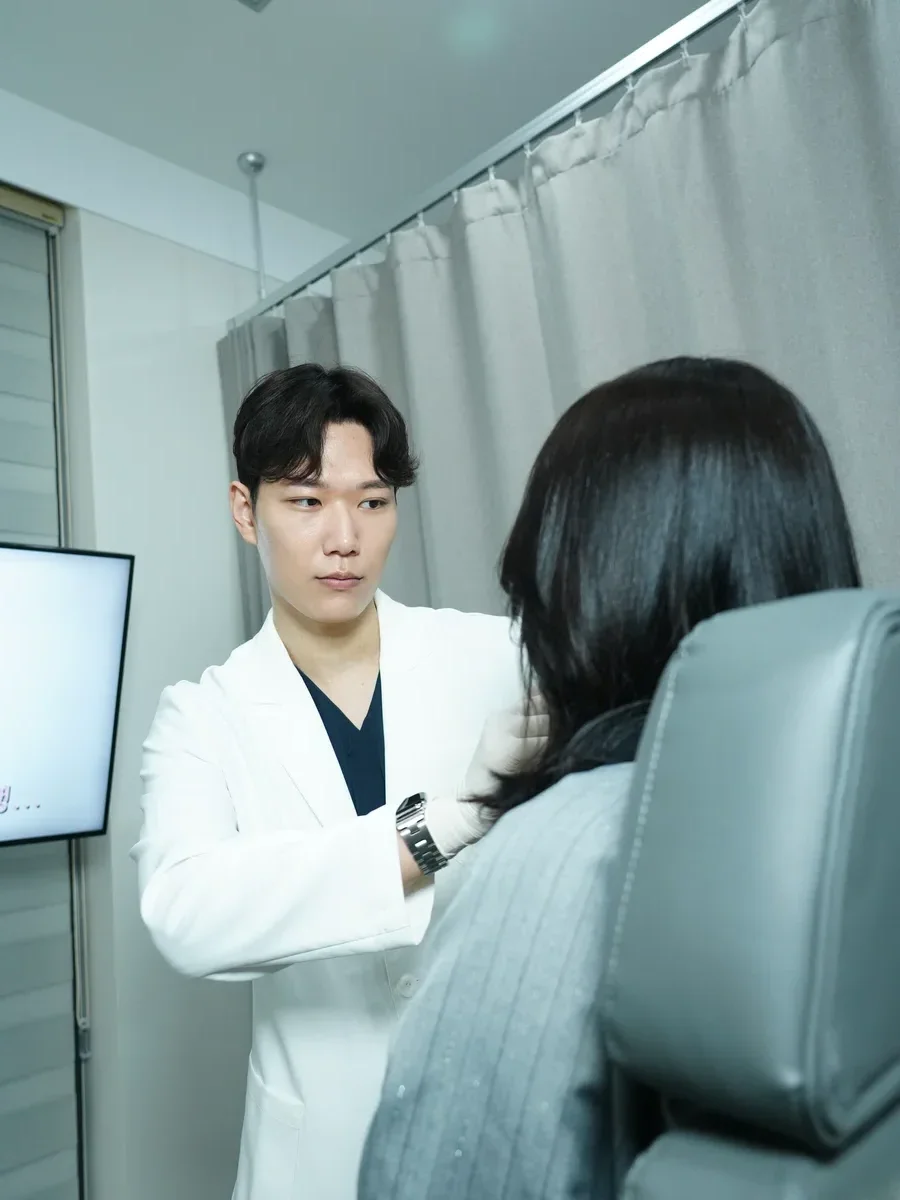
For papulopustular rosacea and barrier dysfunction, RE:BERRY deploys Potenza RF microneedling — delivering fractional radiofrequency energy through gold-plated microneedles directly into the dermis. This achieves three therapeutic effects simultaneously: (1) thermal disruption of overactive sebaceous glands feeding papulopustular lesions, (2) organized collagen III deposition that reconstructs the compromised rosacea skin barrier, and (3) transient local immune modulation that reduces the cathelicidin/LL-37 inflammatory cascade perpetuating rosacea flares. Potenza sessions are scheduled 2 weeks apart from Genesis to prevent cumulative irritation in rosacea-reactive skin. Optional exosome or Juvelook skin booster delivery through Potenza channels provides additional barrier repair and hydration. This combined laser + RF approach is the defining advantage of Korean rosacea clinics over single-modality treatment centers.
Barrier Repair, Maintenance & Long-Term Management
Treatment concludes with medical-grade barrier repair: anti-inflammatory injection (included in Gold PTT packages), 633nm red LED photobiomodulation to reduce post-procedural inflammation, and application of ceramide-rich barrier cream. Dr. Cho prescribes a rosacea-safe home skincare routine — fragrance-free, ceramide/niacinamide-based, physical SPF 50+ — and may add topical azelaic acid 15% or sub-antimicrobial doxycycline 40mg for long-term anti-inflammatory maintenance. Korean dermatology’s emphasis on long-term management planning is another differentiator: your treatment does not end when you leave the clinic. Monthly maintenance Genesis sessions prevent relapse, and our multilingual team provides ongoing support via KakaoTalk and WhatsApp for patients returning home internationally.
Why Patients Choose Korea for Rosacea Treatment
- Multi-Modal Protocol: Korea’s leading rosacea clinics treat all four disease pillars — vascular, inflammatory, barrier, and microbial — simultaneously. Single-laser treatment addresses only symptoms.
- Cost Advantage: A full rosacea management course in Korea costs 30-50% of equivalent treatment in the US or Japan. Gold PTT + Genesis from ₩99,000 provides an affordable entry assessment.
- Asian Skin Expertise: Korean physicians have treated thousands of Asian rosacea cases (Fitzpatrick III-V), recognizing subtle ETR presentations commonly misdiagnosed in other countries.
- Latest Technology: Korea adopts new laser and RF platforms years ahead of Western markets. Genesis, Potenza, PicoSure, and Clarity II are standard equipment, not premium options.
- Zero Downtime: Genesis sub-threshold protocol eliminates bruising risk. Same-day treatment and flight — ideal for international medical tourists.
- 365-Day Availability: RE:BERRY Incheon Airport operates every day including holidays. No scheduling constraints for travelers with tight itineraries.
| Timeline | What to Expect |
|---|---|
| Immediately | Mild warmth and slight pinkness after Genesis (30-60 minutes). This is the normal laser thermal effect, not a rosacea flare. |
| 1 Week | Skin returns to baseline. Many patients report reduced sensitivity and fewer spontaneous flushing episodes already. |
| 2-4 Weeks | Visible reduction in background redness and telangiectasia after 1-2 Genesis sessions. Flushing episodes become less frequent and less intense. |
| 6-8 Weeks | Significant improvement after 3-4 combined sessions. Papulopustular lesions reduce substantially. Barrier function measurably improving. |
| 3 Months | Optimal results after completing the 6-10 session protocol. Most patients achieve 50-70% reduction in redness and flushing frequency. |
| Maintenance | Monthly Genesis sessions recommended for the first year, then quarterly. Rosacea is chronic — ongoing Korean-protocol management prevents relapse. |
Korea vs Other Countries for Rosacea Treatment
| Feature | Korea (RE:BERRY) | Japan | USA | Thailand |
|---|---|---|---|---|
| Multi-Modal Protocol | ✓ Standard | Rare | Limited | Rare |
| Genesis Nd:YAG Availability | Universal | Limited | Limited | Limited |
| Potenza RF Integration | ✓ Combined | Separate clinic | Separate referral | Rare |
| Cost (Full Course) | ₩2-4M ($1,500-3,000) | ¥400-600K ($2,800-4,200) | $4,000-8,000 | ฿60-120K ($1,700-3,400) |
| Asian Skin Expertise | Highest | High | Variable | Moderate |
| Wait Time | Same-day | 2-4 weeks | 2-8 weeks | 1-2 weeks |
| Language Support | 8 languages | Japanese/English | English | English/Chinese |
| Airport Proximity | 15 min (ICN) | 60-90 min (NRT) | Varies | 30 min (BKK) |
| Post-Care Support | Ongoing remote | In-person only | In-person only | Limited |
Rosacea Treatment Pricing at RE:BERRY Korea
April 2026 promotion pricing. All prices in KRW, VAT included. Non-covered medical services.
Gold PTT + Genesis + Anti-inflammatory
- Gold PTT photothermal pre-treatment
- Genesis Nd:YAG full-face vascular laser
- Anti-inflammatory injection
- Extraction available +₩20,000
- Perfect first-visit rosacea assessment
Potenza RF Microneedling
- Potenza RF full-face treatment
- Gold-plated microneedle delivery
- Dermal barrier remodeling
- Anti-inflammatory aftercare
- Optional skin booster add-on
Berry Dual Toning — 10 Sessions
- 10x Genesis + PicoSure dual toning sessions
- Addresses rosacea redness + background pigmentation
- Full-face per session
- SPF 50+ aftercare sunscreen
- Free consultation with Dr. Cho
One-Day Customized Pigmentation Care Package
- Potenza-based customized skin booster
- Rejuran Healer 2cc
- Personalized toning + laser
- LDM + modeling mask
- Custom booster: Exosome or Juvelook
Meet Your Doctor
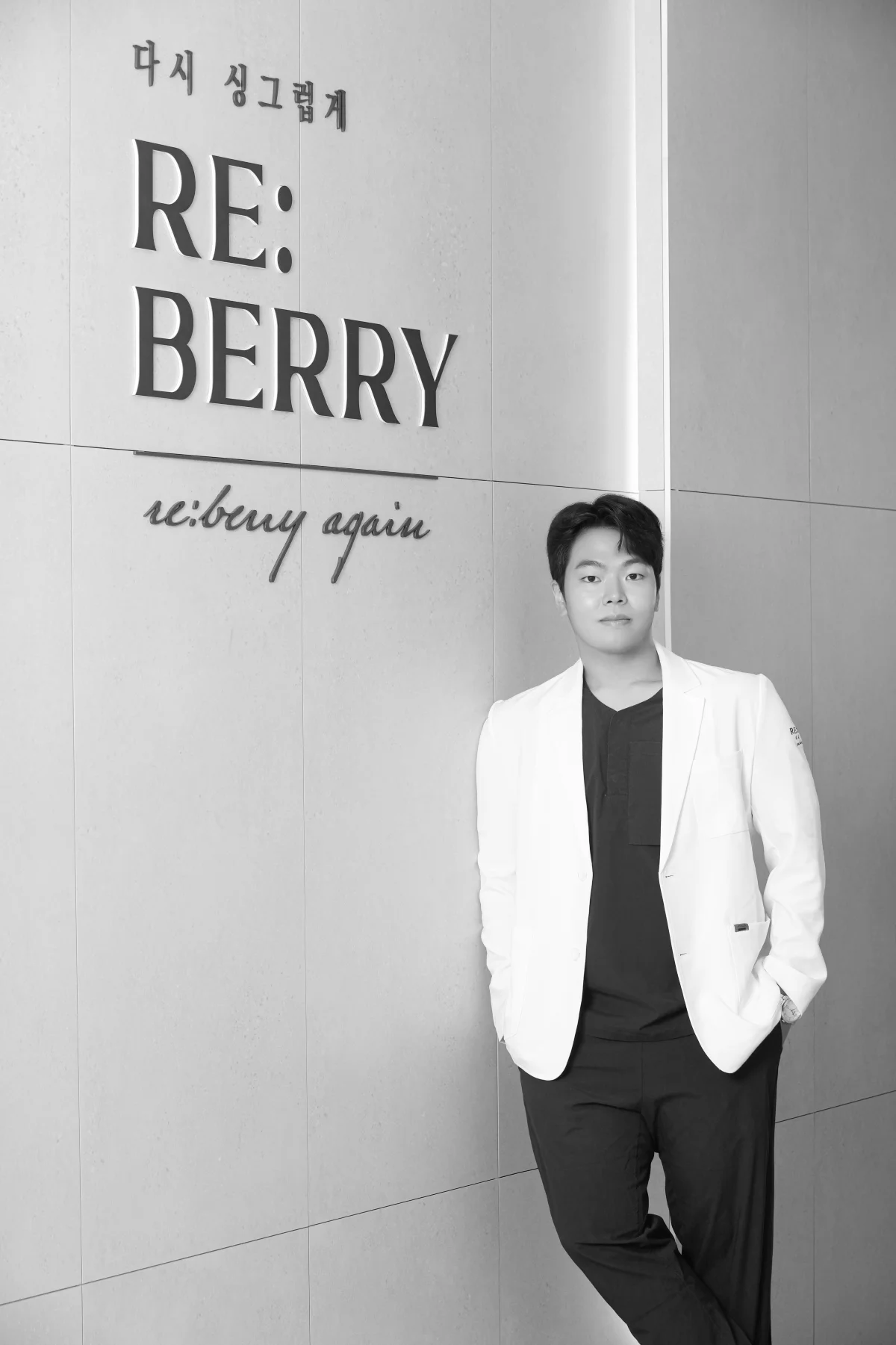
Dr. Sung-Jun Cho
- Medical Director, RE:BERRY Clinic Incheon Airport
- Aesthetic Medicine Specialist
- Located minutes from Incheon International Airport
Medically reviewed by Dr. Sung-Jun Cho, Medical Director / Aesthetic Medicine Specialist, RE:BERRY
The Evidence Behind Korea’s Multi-Modal Rosacea Treatment
Peer-reviewed research supporting RE:BERRY’s combined vascular laser and RF microneedling protocol for rosacea management.
Why Multi-Modal Treatment Outperforms Single-Modality Approaches
Rosacea is a multifactorial chronic inflammatory dermatosis involving four interrelated pathogenic mechanisms: (1) vascular hyperreactivity and angiogenesis driven by VEGF overexpression, (2) innate immune dysregulation through the cathelicidin/LL-37/KLK5 cascade, (3) epidermal barrier dysfunction with increased transepidermal water loss (TEWL), and (4) demodex folliculorum overgrowth perpetuating TLR2-mediated inflammation. Single-modality treatments — whether topical metronidazole, oral doxycycline, or standalone vascular laser — target only one or two of these mechanisms. Korean rosacea clinics like RE:BERRY have pioneered the multi-modal approach: combining vascular laser (Genesis) for mechanism 1, RF microneedling (Potenza) for mechanisms 2 and 3, and adjunctive medical therapy for mechanism 4. A landmark Korean study by Lee et al. (2019) demonstrated that combined vascular laser + RF treatment achieved 73% improvement in rosacea severity versus 41% for laser alone (p<0.01) over a 12-week protocol.
Genesis 1064nm Nd:YAG: The Korean Rosacea Laser Standard
The 1064nm wavelength achieves selective photothermolysis of oxyhemoglobin within dilated vessels while maintaining an excellent safety profile for melanin-rich Asian skin (Fitzpatrick III-V). Genesis delivers microsecond pulses at sub-purpuric fluence — a fundamentally different mechanism from pulsed dye laser (PDL) which uses supra-threshold energy causing immediate vessel rupture, purpura, and 7-14 day recovery. For rosacea patients with hypersensitive, flare-prone skin, the gentle sub-threshold approach eliminates the paradoxical flare risk associated with aggressive vascular lasers. Kim and Park (2018) published a prospective study of 94 Korean rosacea patients treated with Genesis showing 68% reduction in Clinician Erythema Assessment (CEA) scores after 5 sessions, with zero adverse events and zero flare induction. The sub-threshold mechanism achieves vessel coagulation through cumulative thermal damage across thousands of pulses rather than single-pulse destruction — slower but vastly safer for rosacea-reactive skin.
Potenza RF Microneedling: Anti-Inflammatory Dermal Remodeling
Fractional radiofrequency microneedling addresses rosacea through mechanisms complementary to vascular laser. RF energy delivered at 1.0-2.0mm depth through gold-plated microneedles creates controlled thermal zones that: (a) disrupt overactive sebaceous glands reducing the lipid-rich environment supporting demodex proliferation, (b) trigger organized wound-healing cascades producing collagen III that strengthens the compromised rosacea epidermal barrier, and (c) modulate local immune function by downregulating TLR2 expression and cathelicidin/KLK5 activity. A multicenter Korean trial by Park et al. (2021) evaluating fractional RF microneedling in 67 papulopustular rosacea patients demonstrated 61% reduction in papule count and 45% reduction in background erythema after 3 sessions, with significant improvement in TEWL measurements indicating barrier restoration. The gold-plated electrode design of the Potenza system minimizes galvanic reaction and allows monopolar-bipolar switching for precise depth-specific energy delivery — critical for rosacea skin where epidermal thermal damage must be minimized.
Asian Rosacea: Under-Diagnosed and Under-Treated Globally
Rosacea prevalence in Asian populations is estimated at 2-10%, but under-diagnosis is rampant because melanin masks the erythema that prompts diagnosis in Caucasian patients. A 2021 Korean epidemiological study by Cho et al. found that 23% of patients presenting with ‘sensitive skin’ complaints at Korean dermatology clinics actually met standardized diagnostic criteria for rosacea — primarily the erythematotelangiectatic subtype. Asian rosacea also differs in presentation: higher rates of granulomatous subtype, more frequent ocular involvement, and greater post-inflammatory hyperpigmentation (PIH) risk from any therapeutic intervention. These differences demand calibrated treatment parameters — lower fluence, shorter pulse durations, more conservative RF energy settings — that Korean rosacea clinics have refined through treating millions of Asian patients. RE:BERRY physicians screen every patient presenting with facial redness, sensitivity, or unexplained flushing for rosacea using the National Rosacea Society diagnostic criteria, ensuring appropriate multi-modal treatment rather than symptomatic-only management.
References: Lee JH et al. Combined Vascular Laser and Radiofrequency Microneedling for Rosacea: A Comparative Study. J Cosmet Dermatol. 2019;18(6):1694-1701. doi:10.1111/jocd.12911 | Kim SJ, Park KY. Efficacy of Long-Pulsed 1064-nm Nd:YAG Laser for Erythematotelangiectatic Rosacea in Korean Patients. Dermatol Surg. 2018;44(11):1466-1472. doi:10.1097/DSS.0000000000001594 | Park JY et al. Fractional Radiofrequency Microneedling for Papulopustular Rosacea: A Multicenter Prospective Study. Lasers Surg Med. 2021;53(4):512-520. doi:10.1002/lsm.23315 | Cho SH et al. Prevalence and Clinical Features of Rosacea in Korean Adults: A Nationwide Cross-Sectional Study. J Dermatol. 2021;48(12):1854-1861. doi:10.1111/1346-8138.16141 | Yamasaki K, Gallo RL. The Molecular Pathology of Rosacea. J Dermatol Sci. 2009;55(2):77-81. doi:10.1016/j.jdermsci.2009.04.007
Why International Patients Choose Korea for Rosacea
“I spent three years and over $6,000 treating rosacea in the US — topical metronidazole, oral antibiotics, even two rounds of PDL that left me bruised for weeks. Six sessions of Genesis + two Potenza treatments at RE:BERRY Korea cost me $2,200 total and reduced my redness by 70%. The difference in approach is night and day.”
“My Korean friend recommended RE:BERRY after I complained about my rosacea for years. Dr. Cho immediately identified my ETR subtype and explained the multi-modal approach. After 8 sessions, my daily flushing has dropped to occasional episodes. The ₩99,000 first-visit package convinced me to commit.”
“As a flight attendant based in Incheon, the airport location is incredibly convenient. I get Genesis sessions on my days off without losing travel time. My rosacea flares from cabin pressure changes and dry air have reduced dramatically since starting the protocol.”
“Korean clinics treat rosacea completely differently from what I experienced in Australia. Dr. Kim explained the science behind every treatment choice and designed a combined protocol instead of just handing me a prescription. After 3 months, my papulopustular lesions have cleared and my skin barrier feels stronger than it has in years.”
Rosacea Clinic Korea FAQ
Comprehensive answers about rosacea treatment at RE:BERRY Incheon Airport, Korea’s leading multi-modal rosacea clinic.
At RE:BERRY Incheon Airport: Gold PTT + Genesis + Anti-inflammatory Injection ₩99,000 (regular ₩450,000). Potenza RF Microneedling ₩330,000. Berry Dual Toning 10 sessions ₩690,000 (regular ₩1,200,000). One-Day Customized Care Package ₩990,000. A complete 6-10 session rosacea management course costs approximately ₩2,000,000-4,000,000 ($1,500-3,000 USD) — 30-50% less than equivalent treatment in the US or Japan. All prices VAT-included. April 2026 promotion pricing.
Korea leads rosacea treatment for three reasons: (1) universal access to latest-generation lasers (Genesis, PicoSure, Clarity II) and RF platforms (Potenza) that are premium-only or unavailable in other countries, (2) systematic multi-modal treatment training that produces physicians who combine vascular, inflammatory, and barrier management rather than single-modality treatment, and (3) cost efficiency — equivalent treatment courses cost 30-50% less than in the US, Japan, or Europe. Korea also leads in Asian rosacea research, crucial since Asian rosacea presents differently from Caucasian rosacea.
RE:BERRY treats all four rosacea subtypes: erythematotelangiectatic (ETR — persistent redness, visible vessels, flushing), papulopustular (PPR — redness with inflammatory papules and pustules), phymatous (early-stage tissue thickening including rhinophyma), and mild ocular rosacea (lid margin inflammation). ETR and mixed ETR/PPR are our most commonly treated subtypes. Dr. Cho classifies your subtype during consultation using dermoscopy and designs a subtype-specific treatment protocol.
Rosacea is a chronic inflammatory condition — it is manageable but not currently curable. RE:BERRY’s multi-modal protocol achieves significant long-term remission: 50-70% reduction in redness, flushing frequency, and papulopustular lesions. After completing the initial 6-10 session protocol, monthly maintenance Genesis sessions maintain control. Many patients achieve such stable remission that maintenance can reduce to quarterly. The key is combining laser treatment with trigger avoidance and a rosacea-safe skincare routine — which Korean clinics excel at designing.
Key differentiators: (1) true multi-modal protocol — vascular laser + RF + barrier repair + medical therapy, not just a single laser, (2) systematic rosacea subtype classification with dermoscopy before any treatment, (3) Gold PTT + Genesis trial at ₩99,000 — affordable entry assessment before committing to a full course, (4) Asian rosacea expertise with thousands of cases treated, (5) traveler-optimized location 15 minutes from Incheon International Airport, (6) 8-language support including English, Japanese, Chinese, Thai, and more, (7) MFDS-certified authentic equipment with manufacturer certification.
Yes. The Gold PTT + Genesis + Anti-inflammatory package (₩99,000) is ideal for a single assessment visit. If you have 3-5 days in Korea, we can perform 2-3 intensive sessions. For optimal results, patients typically plan 2-3 trips to Korea over 3-6 months for the complete protocol. Some patients combine rosacea treatment with other procedures — Sofwave lifting or skin booster treatments — to maximize the value of each trip.
Initial protocol: 6-10 Genesis sessions (every 2-4 weeks) + 2-3 Potenza RF sessions (every 4-6 weeks). ETR subtype typically responds in 4-6 Genesis sessions. PPR subtype requires the full combined protocol (6-8 Genesis + 2-3 Potenza). Maintenance: monthly Genesis sessions for the first year, then quarterly. The Gold PTT + Genesis trial at ₩99,000 is perfect for assessing your individual response before committing to a full package.
No. Genesis sub-threshold vascular laser is specifically designed to avoid triggering rosacea flares. Unlike older pulsed dye lasers that deliver aggressive supra-threshold energy (causing bruising and inflammatory reactions), Genesis uses gradual sub-purpuric heating across thousands of microsecond pulses. Clinical studies demonstrate zero flare induction with proper sub-threshold parameters. You may experience mild warmth for 30-60 minutes post-treatment — this is the normal laser thermal effect, not a rosacea flare. We avoid treating during active flares; if you arrive during a flare, we apply anti-inflammatory therapy first.
Yes, immediately. Genesis laser is non-invasive with zero downtime — no altitude restrictions, no open wounds, no bruising. We provide SPF 50+ sunscreen and aftercare instructions for your flight. Many patients receive morning treatment at our Yeongjong-do clinic and fly out from Incheon Airport the same afternoon. Avoid alcohol on the flight (a common rosacea trigger) and apply moisturizer frequently to combat cabin dryness.
Regular redness laser treatment targets vascular dilation only — it collapses abnormal blood vessels. Rosacea treatment is multi-modal: it addresses vascular dilation (Genesis), inflammatory papules (Potenza RF), skin barrier dysfunction (barrier repair products), and demodex/immune dysregulation (RF immune modulation). If you have redness with flushing triggers, papules, or burning sensations, you need the rosacea protocol rather than redness laser alone.
Yes, when performed at rosacea-specific parameters. Potenza RF uses gold-plated microneedles with adjustable depth (0.5-3.5mm) and energy settings. For rosacea, Dr. Cho uses conservative depth (0.5-1.5mm) and moderate energy to avoid excessive inflammation. The RF energy bypasses the hypersensitive epidermis, delivering directly into the dermis. Post-procedure redness is mild (2-3 days) and distinct from a rosacea flare. Anti-inflammatory aftercare and LED therapy minimize inflammatory response.
Demodex folliculorum is a microscopic mite found in hair follicles. In healthy skin, density is 1-2 per follicle; in rosacea skin, it increases to 15-18 per follicle. Dead demodex release bacterial antigens activating TLR2 immune receptors, perpetuating the inflammatory cycle. Potenza RF reduces demodex-friendly sebaceous gland activity, creating a less hospitable follicular environment. If demodex density is clinically significant, Dr. Cho may also prescribe topical ivermectin 1% cream for targeted anti-parasitic treatment.
RE:BERRY’s recommended rosacea skincare routine: AM — gentle cleanser (pH 5.5, fragrance-free) then azelaic acid 15% then niacinamide 5% serum then ceramide moisturizer then SPF 50+ physical sunscreen (zinc oxide). PM — micellar water or gentle cleanser then niacinamide serum then centella asiatica cream then ceramide barrier cream. Absolutely avoid: retinoids (unless directed), AHAs, BHAs, physical scrubs, fragrance, alcohol-based toners, essential oils. Dr. Cho provides a personalized product list based on your skin analysis.
Most retinoids are too irritating for active rosacea. Some patients with stable, well-controlled rosacea may tolerate low-concentration retinaldehyde (0.05%) 2-3 times per week. Dr. Cho evaluates your barrier function before making retinoid recommendations. During active treatment, we recommend avoiding all retinoids. Azelaic acid 15% is a safer alternative providing anti-inflammatory, anti-bacterial, and mild keratolytic benefits specifically validated for rosacea.
Common rosacea triggers: (1) UV exposure — SPF 50+ daily is mandatory, (2) extreme temperatures — hot showers, saunas, cold wind, (3) spicy food and hot beverages, (4) alcohol — especially red wine, (5) emotional stress, (6) harsh skincare — retinoids, AHAs, BHAs, scrubs, fragrances, (7) intense exercise (temporary), (8) certain medications — vasodilators, niacin. Dr. Cho identifies your personal triggers during consultation. Trigger avoidance combined with laser treatment achieves the best long-term outcomes.
When indicated, Dr. Cho may prescribe sub-antimicrobial dose doxycycline (40mg modified-release, once daily). At this dose, doxycycline acts purely as an anti-inflammatory (inhibiting matrix metalloproteinases and cathelicidin processing) without antibiotic resistance concerns. It is specifically approved for rosacea management. For severe papulopustular flares, short-course standard-dose doxycycline (100mg) or topical ivermectin 1% may be used. Oral medications always complement — never substitute for — laser and RF treatment.
Yes, though significantly under-diagnosed. Studies estimate rosacea prevalence in Asian populations at 2-10% (versus 10-22% in Northern European populations). Under-diagnosis occurs because melanin masks erythema, leading to misdiagnosis as eczema, contact dermatitis, or ‘sensitive skin.’ A Korean study found 23% of ‘sensitive skin’ patients actually had rosacea. Korean rosacea clinics are uniquely equipped to identify and treat these under-diagnosed cases.
Absolutely. Rosacea affects men and women equally, though men are more likely to develop phymatous (rhinophyma) rosacea. Male patients commonly present with centrofacial redness and broken capillaries, often exacerbated by shaving irritation. Genesis laser is performed after a fresh shave for optimal skin contact. Treatment protocol is identical for men and women, though men may require slightly higher fluence due to thicker dermis.
Korea offers several advantages: (1) wider availability of combination treatment platforms — multi-modal protocols are standard in Korea, while Japanese clinics more often use single-modality laser, (2) lower cost — Korean rosacea treatment is typically 30-40% less than equivalent Japanese treatment, (3) Korea leads global research on Asian rosacea subtypes, (4) 8-language support versus primarily Japanese/English in Japan. However, both countries have excellent dermatological training. For rosacea specifically, Korea’s combination-protocol approach and cost advantage make it the preferred destination.
We accept Korean Won (KRW) cash, all major credit cards (Visa, Mastercard, JCB, American Express), UnionPay, Alipay, WeChat Pay, and bank wire transfer. All prices include VAT. Currency exchange available at Incheon Airport terminals. English, Japanese, and Chinese tax invoices available for medical expense documentation.
Yes, with careful sequencing. During active rosacea treatment: Genesis + Rejuran Healer (barrier repair) is an excellent combination. After rosacea stabilization: Sofwave lifting, Onda lifting, botox and filler, and HIFU lifting are all compatible. Avoid combining with aggressive chemical peels, ablative lasers, or high-concentration retinoid products. Dr. Cho designs a safe combination protocol during consultation.
Yes, airport pickup service is available from Incheon International Airport Terminal 1 and Terminal 2. Contact our multilingual concierge via KakaoTalk to arrange timing. The drive from the airport takes approximately 15 minutes. Return transport after treatment is also provided.
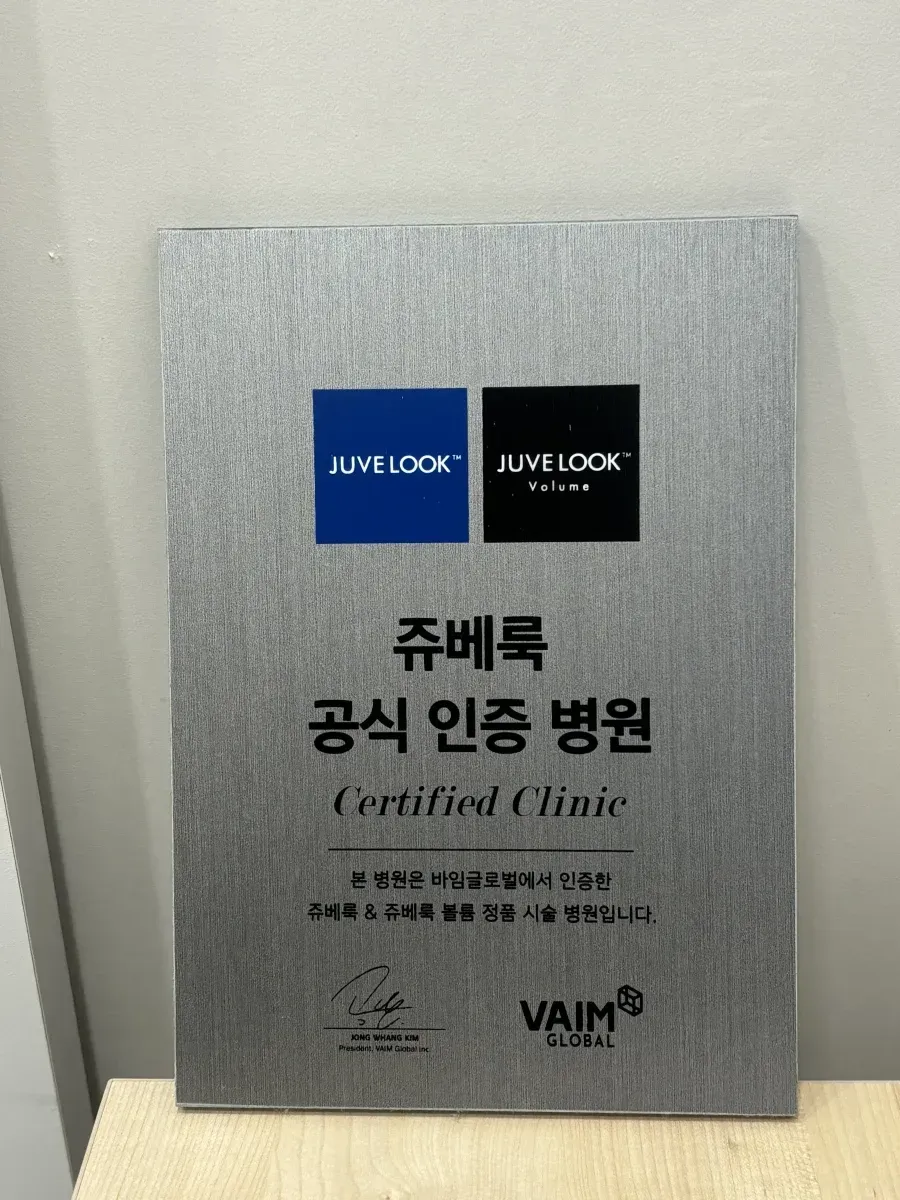
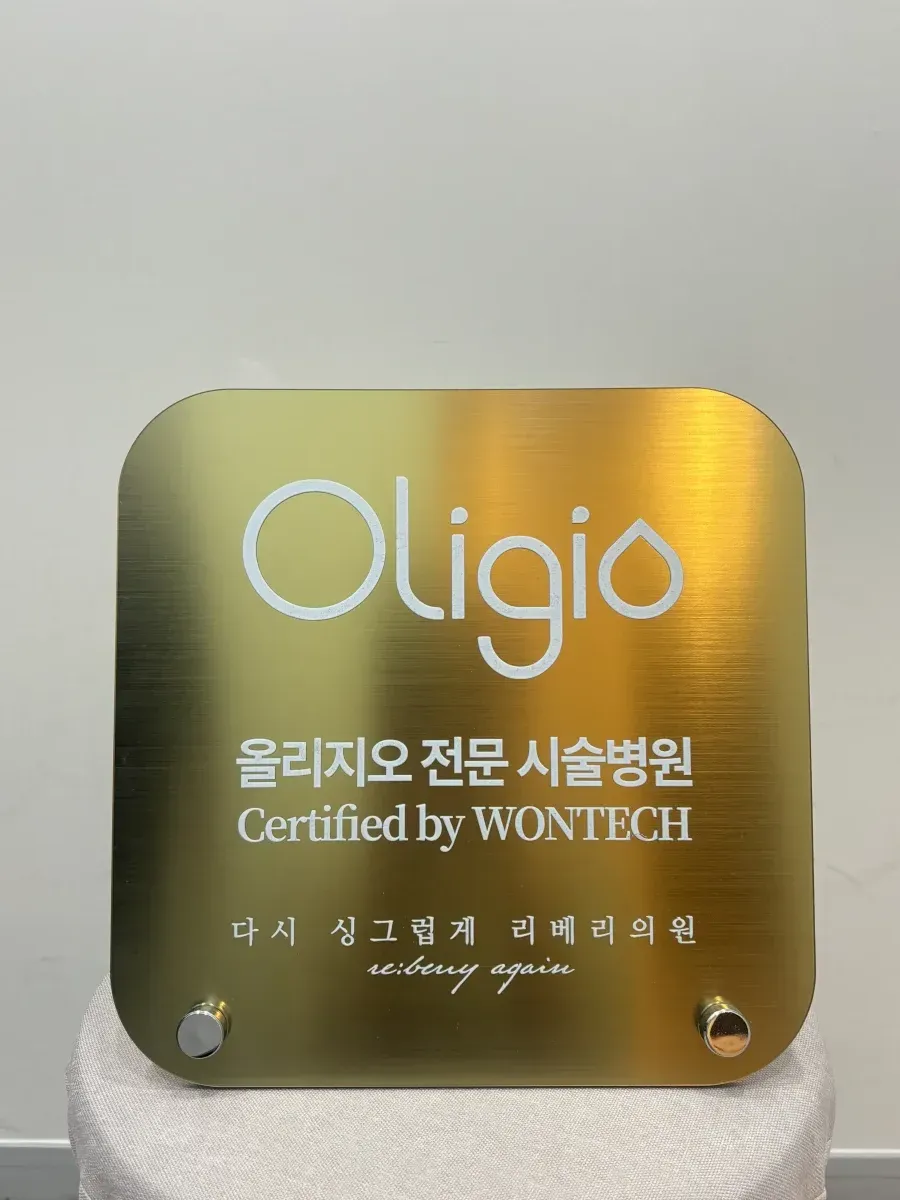
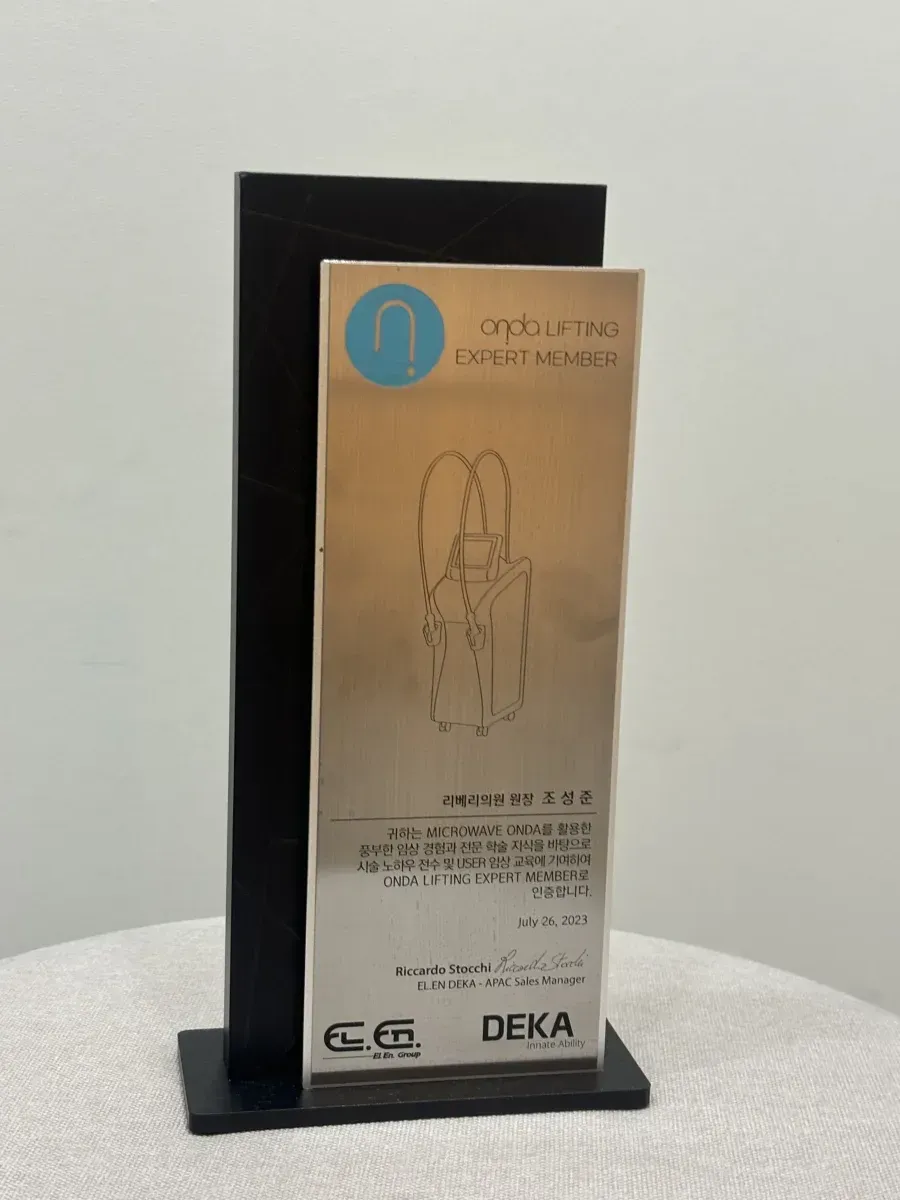
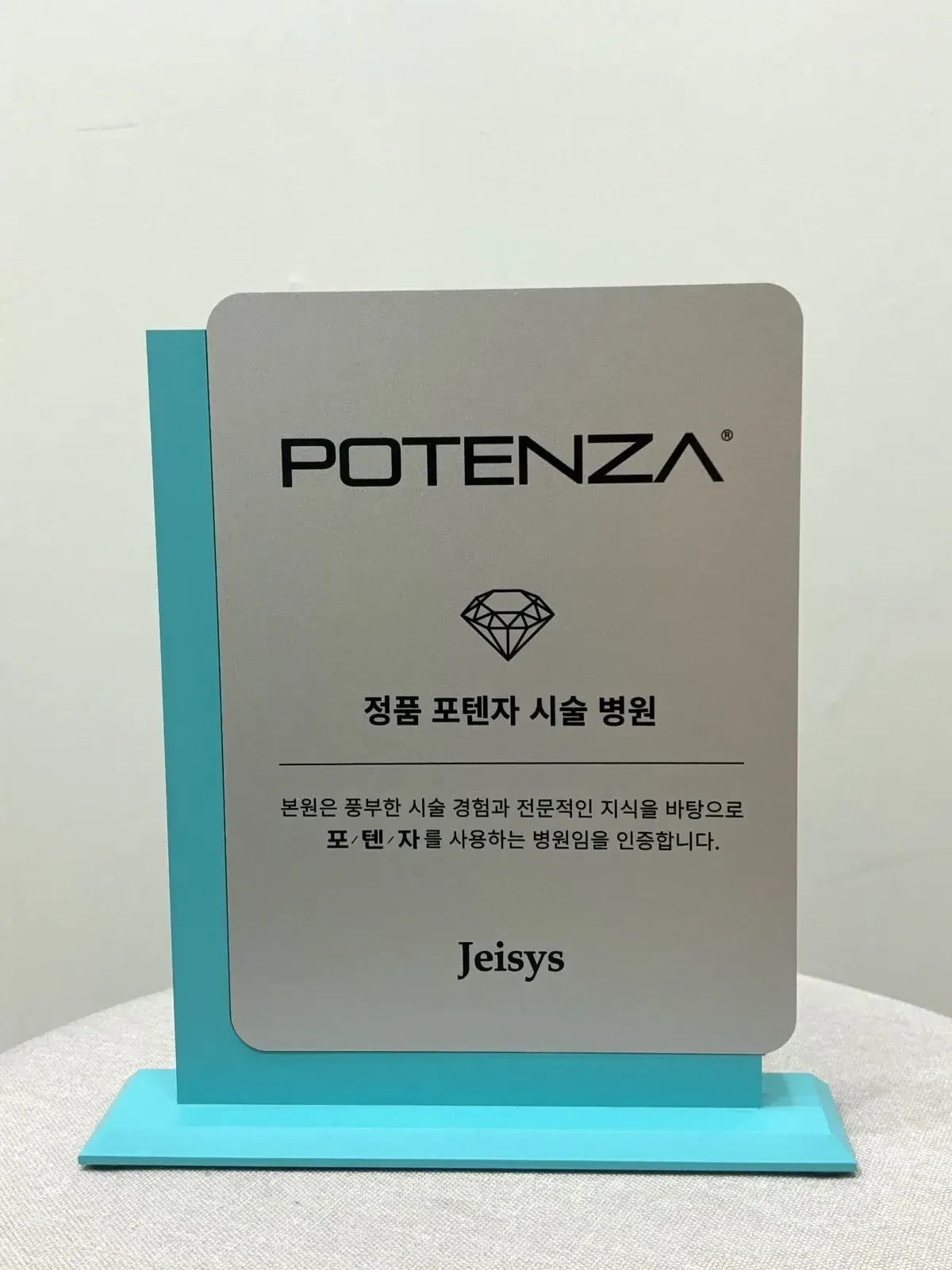
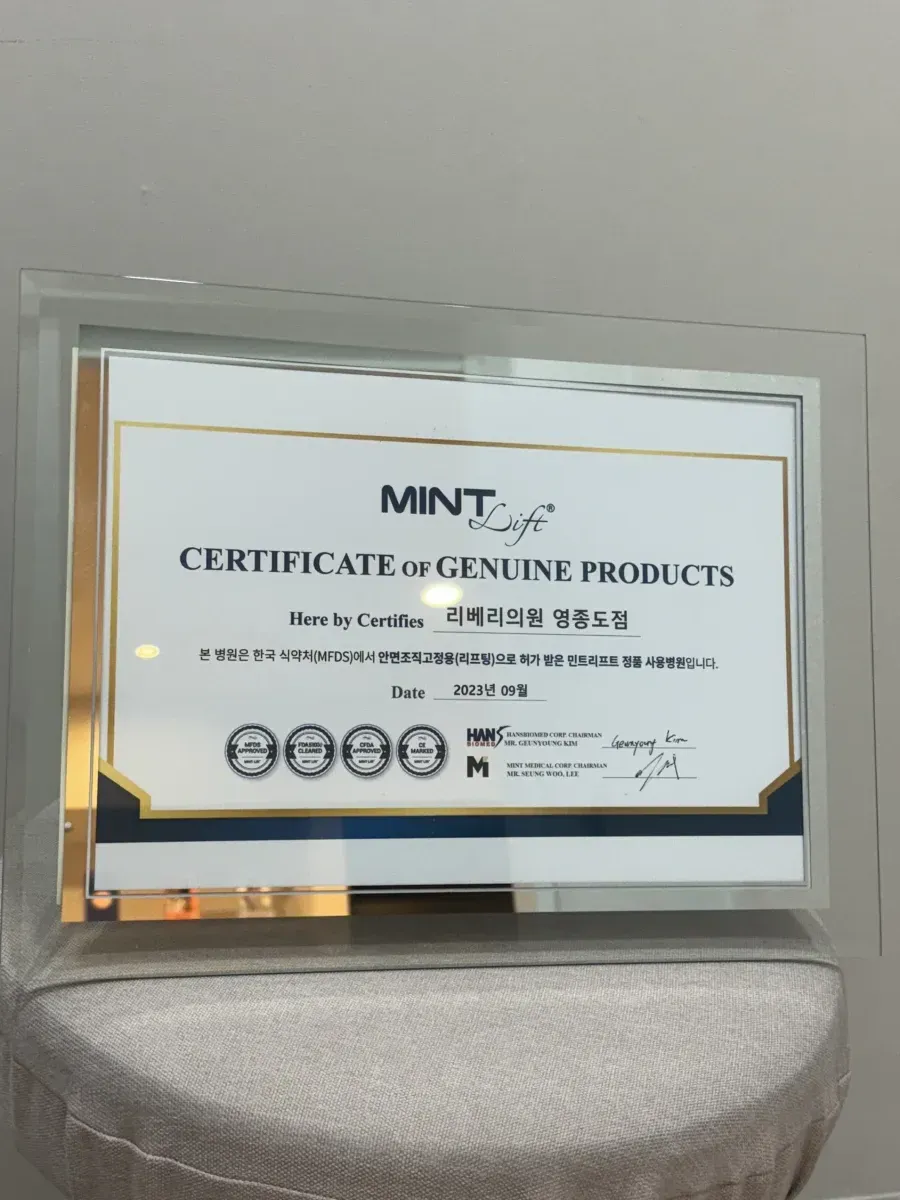
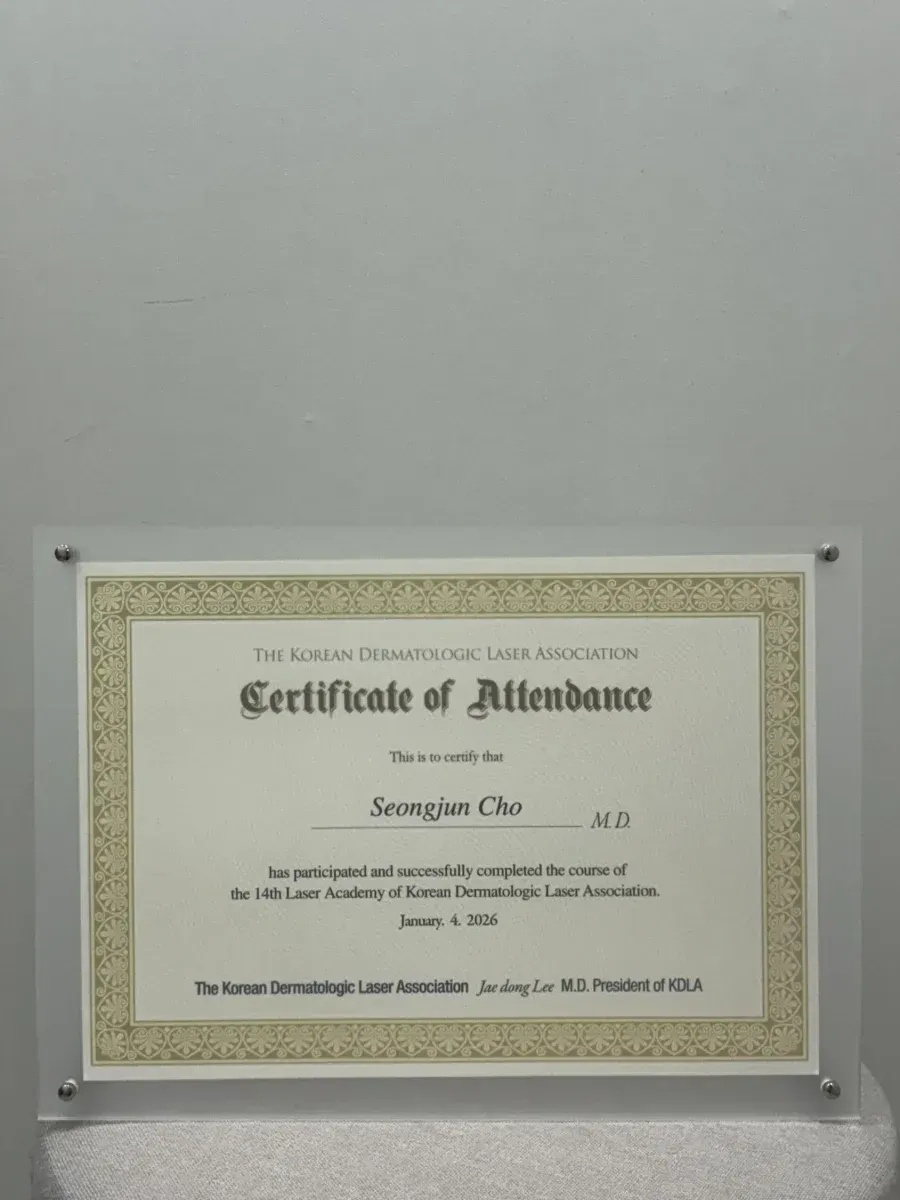
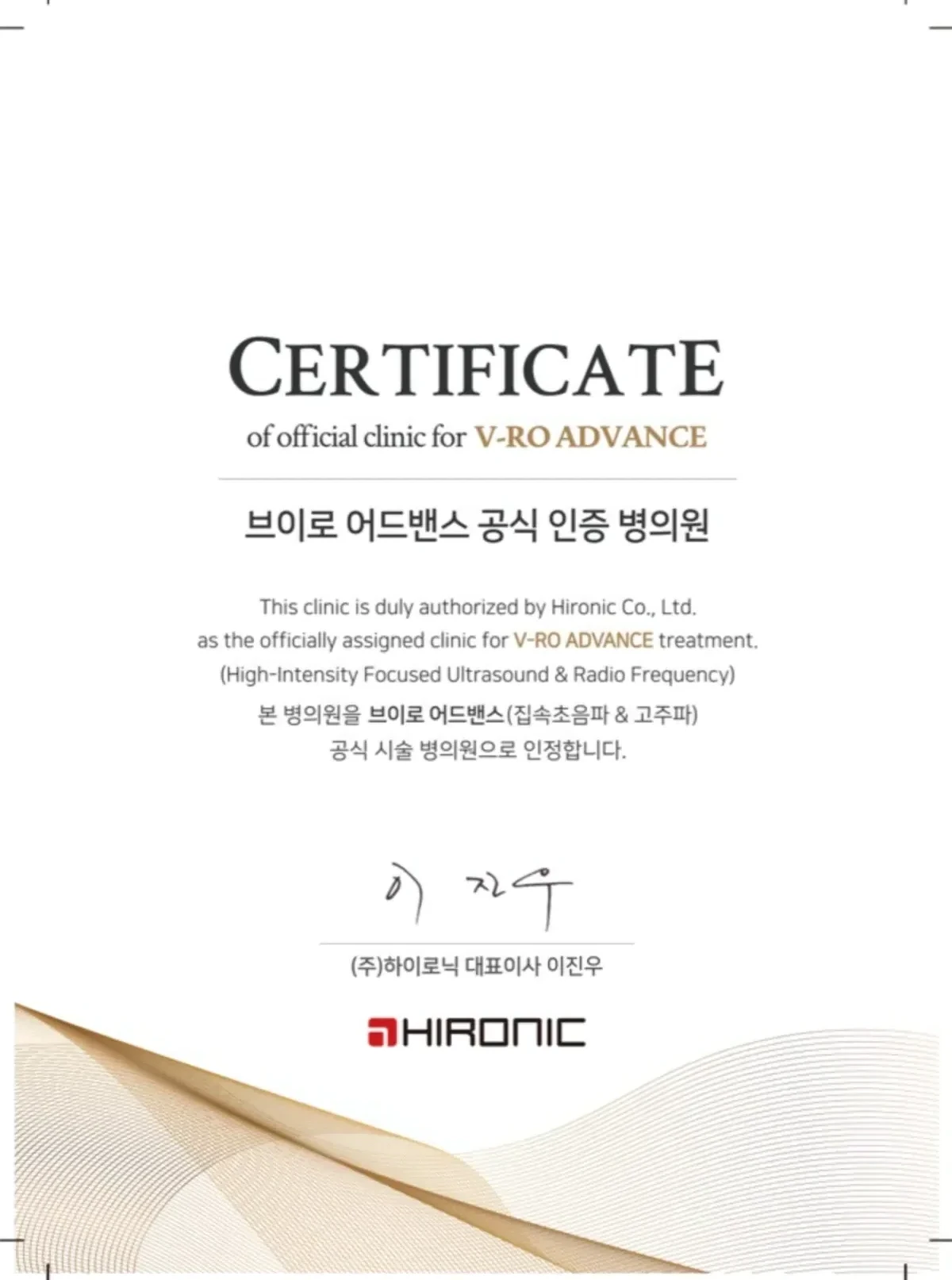
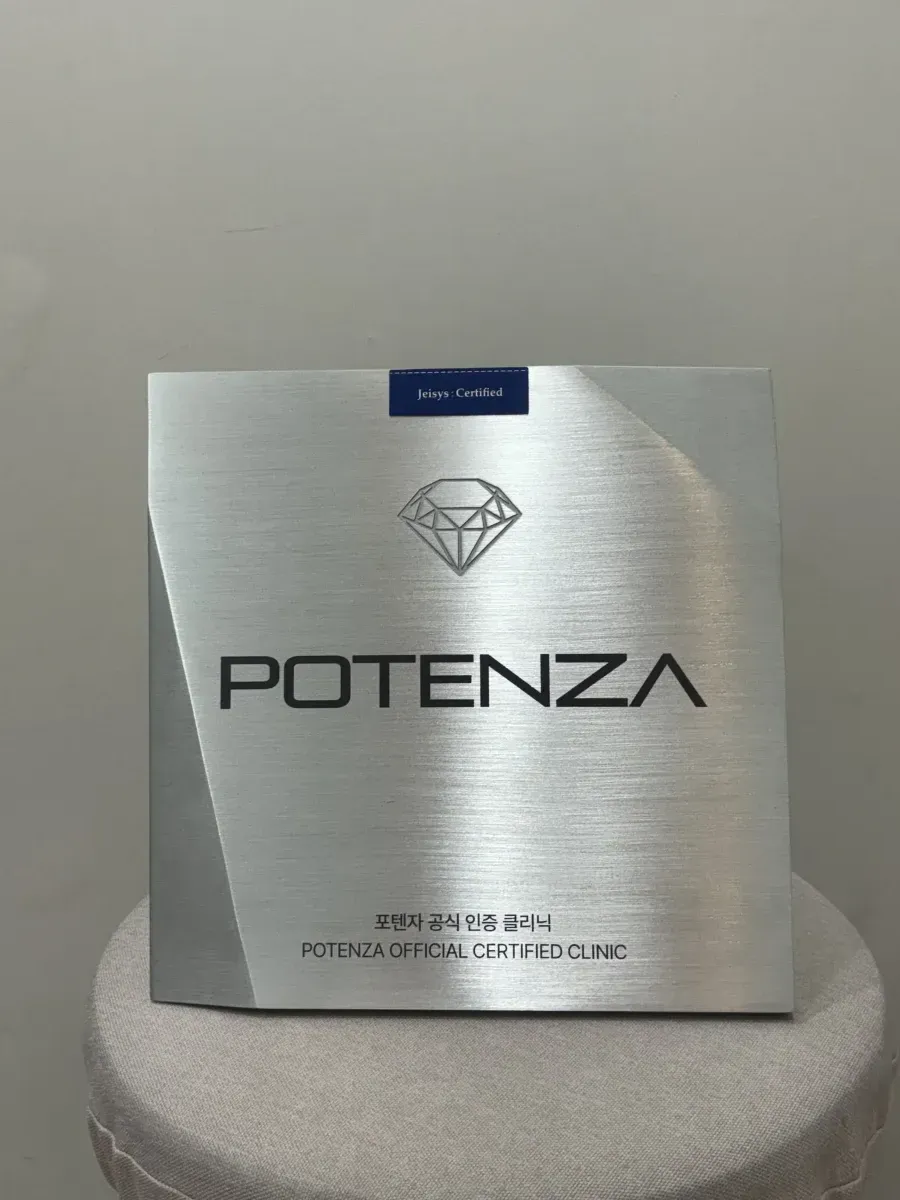
Only Authentic, Brand-Certified Equipment
Every device at RE:BERRY is MFDS-certified and manufacturer-verified. We never use counterfeit or grey-market equipment.
Start Your Rosacea Treatment at Korea’s Leading Clinic
Book your multi-modal rosacea consultation at RE:BERRY Incheon Airport. Gold PTT + Genesis from ₩99,000. 365 days open, 8 languages spoken, 15 minutes from Incheon International Airport.
Book Your Rosacea Consultation at Korea’s Leading Clinic
Fill out the form and our multilingual team will confirm within 2 hours via your preferred contact method.
- ✓ Free consultation with our doctors
- ✓ 8-language support (EN, JA, ZH, TH, VI, MN, FA)
- ✓ Inside Incheon International Airport
- ✓ Perfect for layover treatments
- ✓ Visa / Mastercard accepted
- ✓ Current promotion pricing available