LED Light Therapy in Korea — Medical-Grade Photobiomodulation
LED (Light Emitting Diode) phototherapy is the foundation of Korean clinical skincare — used to accelerate healing after laser treatments, reduce active acne, stimulate collagen, and calm inflammation. RE:BERRY Incheon Airport uses medical-grade LED panels delivering precise wavelengths (630nm red, 415nm blue, 830nm near-infrared) at therapeutic power densities. Available as a standalone treatment or the ideal add-on to any procedure at our clinic near Incheon International Airport.
What Is LED Light Therapy and How Does It Work?
LED light therapy uses specific wavelengths of non-thermal light to trigger photobiomodulation — a process where chromophores in skin cells absorb light energy and convert it into cellular activity. Red light (630nm) stimulates fibroblast collagen production, blue light (415nm) kills P. acnes bacteria, and near-infrared (830nm) penetrates deep tissue to reduce inflammation and accelerate wound healing. Treatment takes 15-20 minutes with zero pain and zero downtime.
Unlike lasers that create controlled damage, LED therapy works through positive biological stimulation — no tissue destruction, no heat, no recovery. The light photons are absorbed by mitochondrial cytochrome c oxidase, increasing ATP production by 30-50% in target cells. This energy boost accelerates every cellular function from collagen synthesis to immune response. At RE:BERRY Incheon Airport, Dr. Cho Sung-Jun prescribes LED therapy as both a standalone skin improvement treatment and as a critical recovery accelerator after POTENZA RF microneedling, Sofwave lifting, Pico laser, and chemical peels. Korean clinics integrate LED into nearly every treatment protocol because it measurably improves outcomes and reduces downtime — a key advantage for international patients who need to travel soon after their procedure.
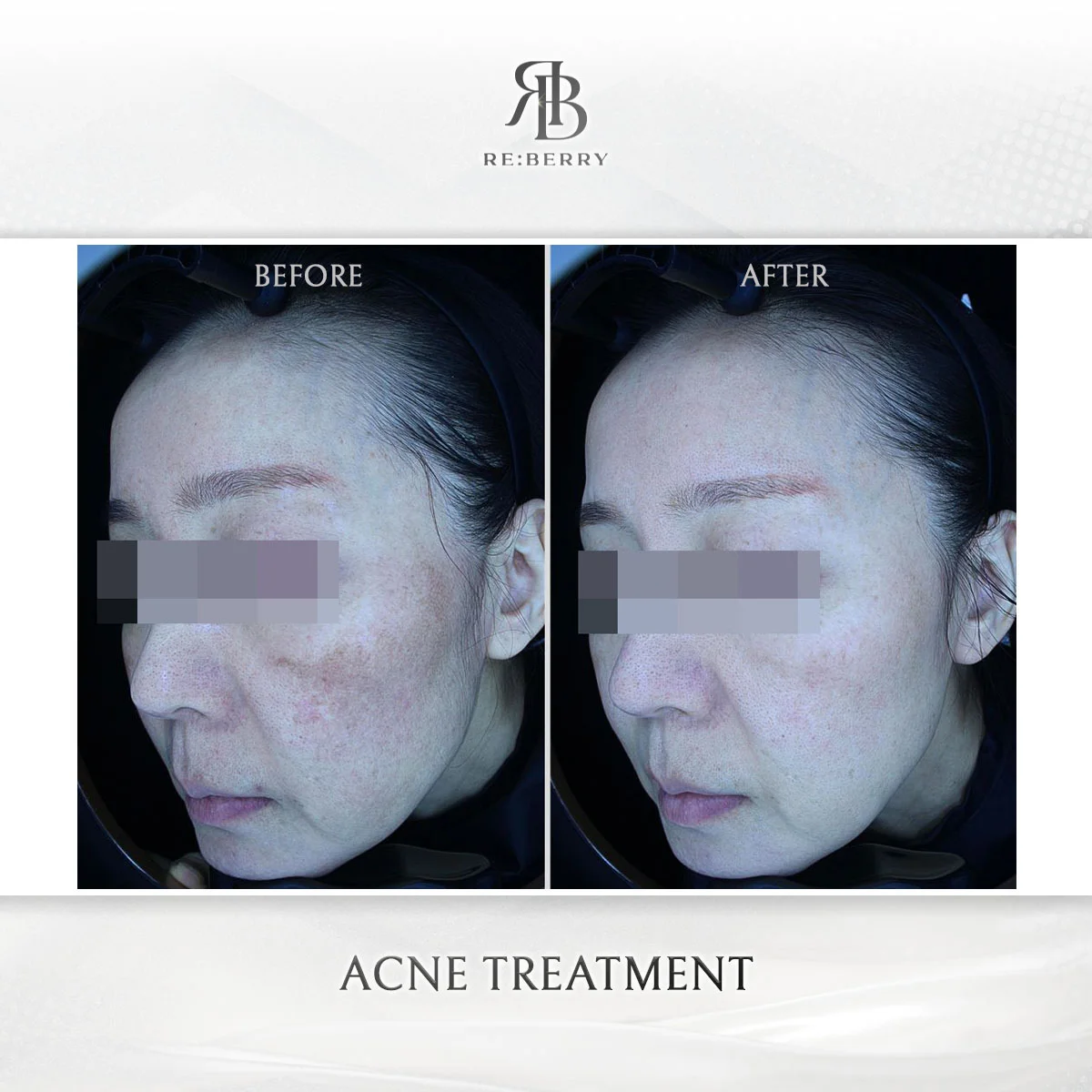
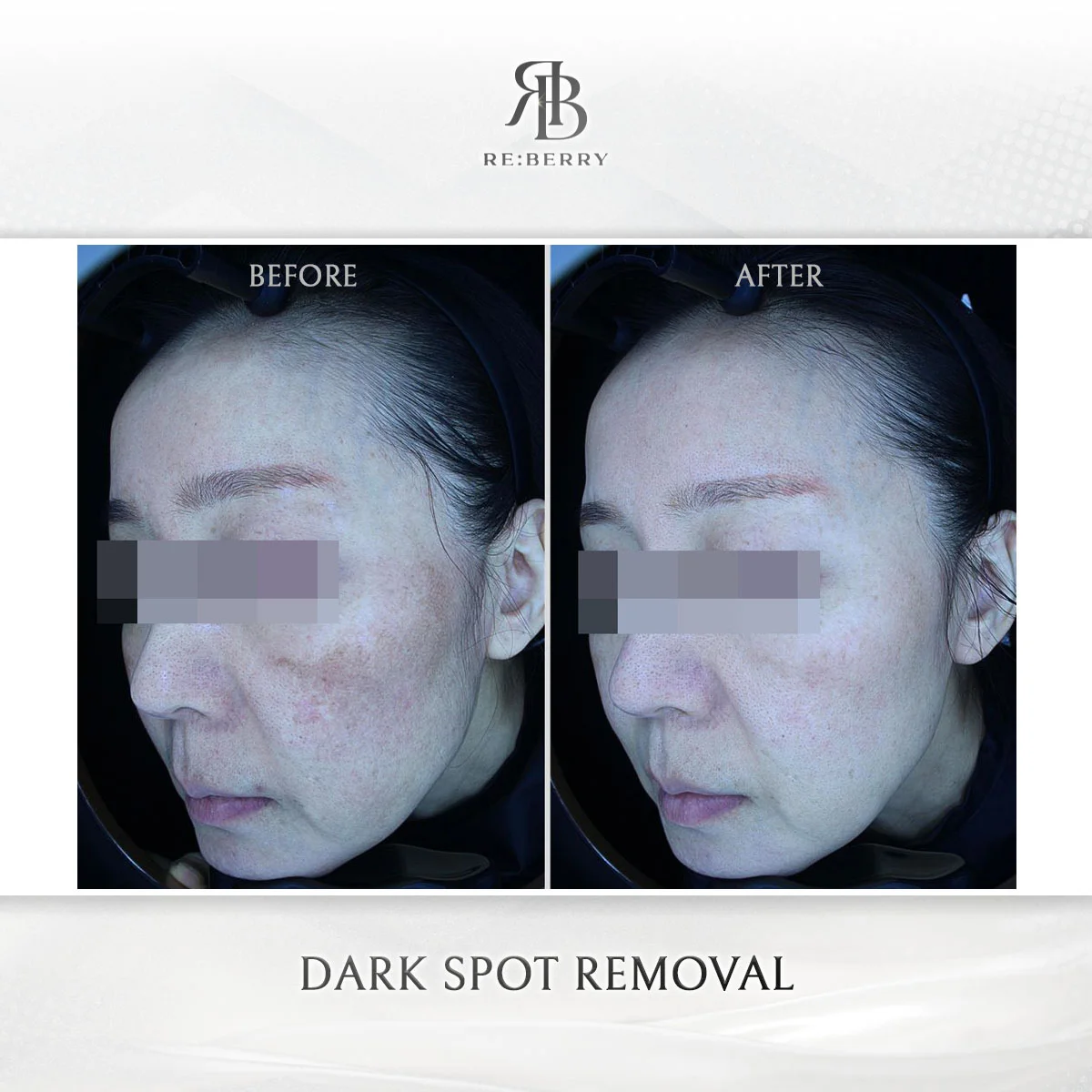
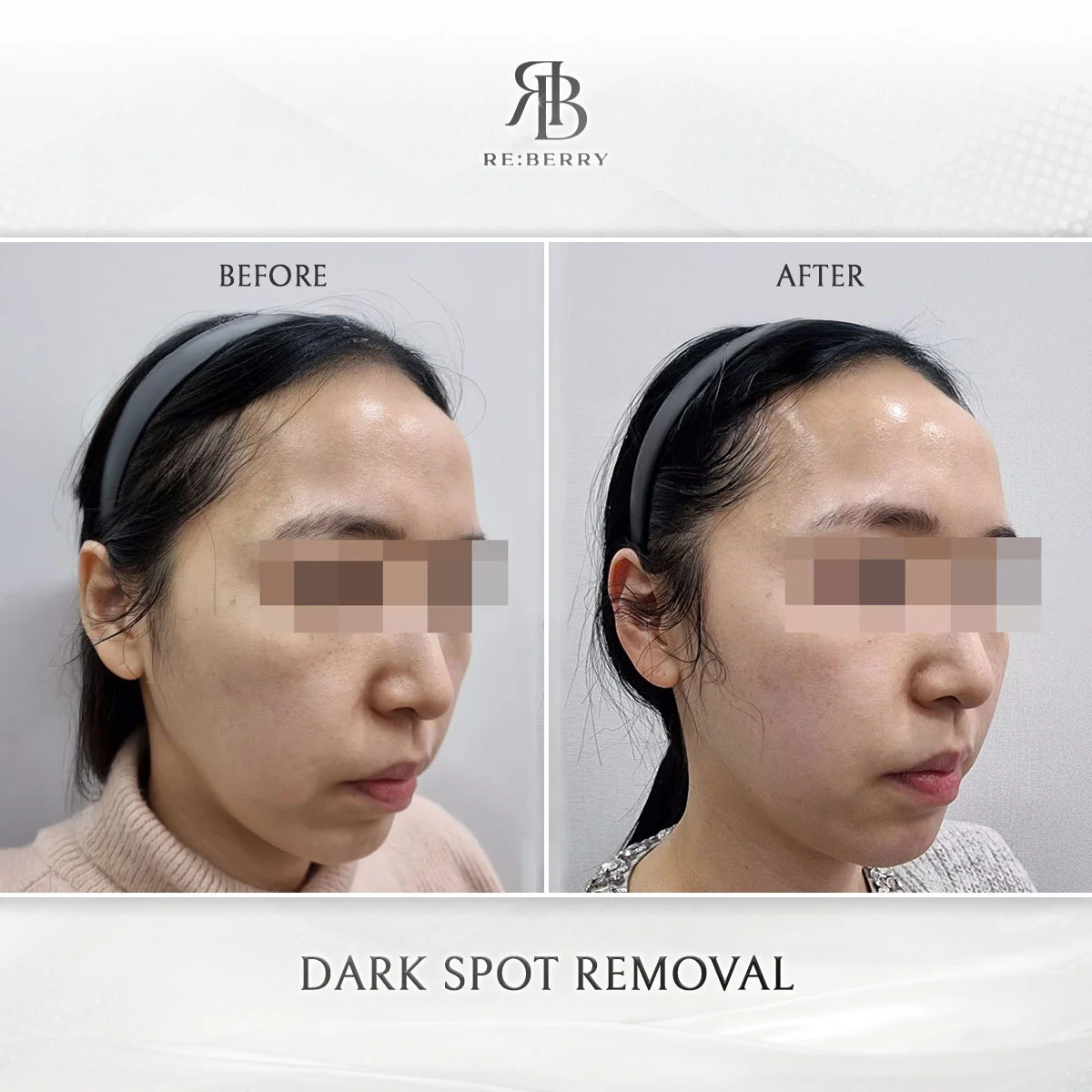
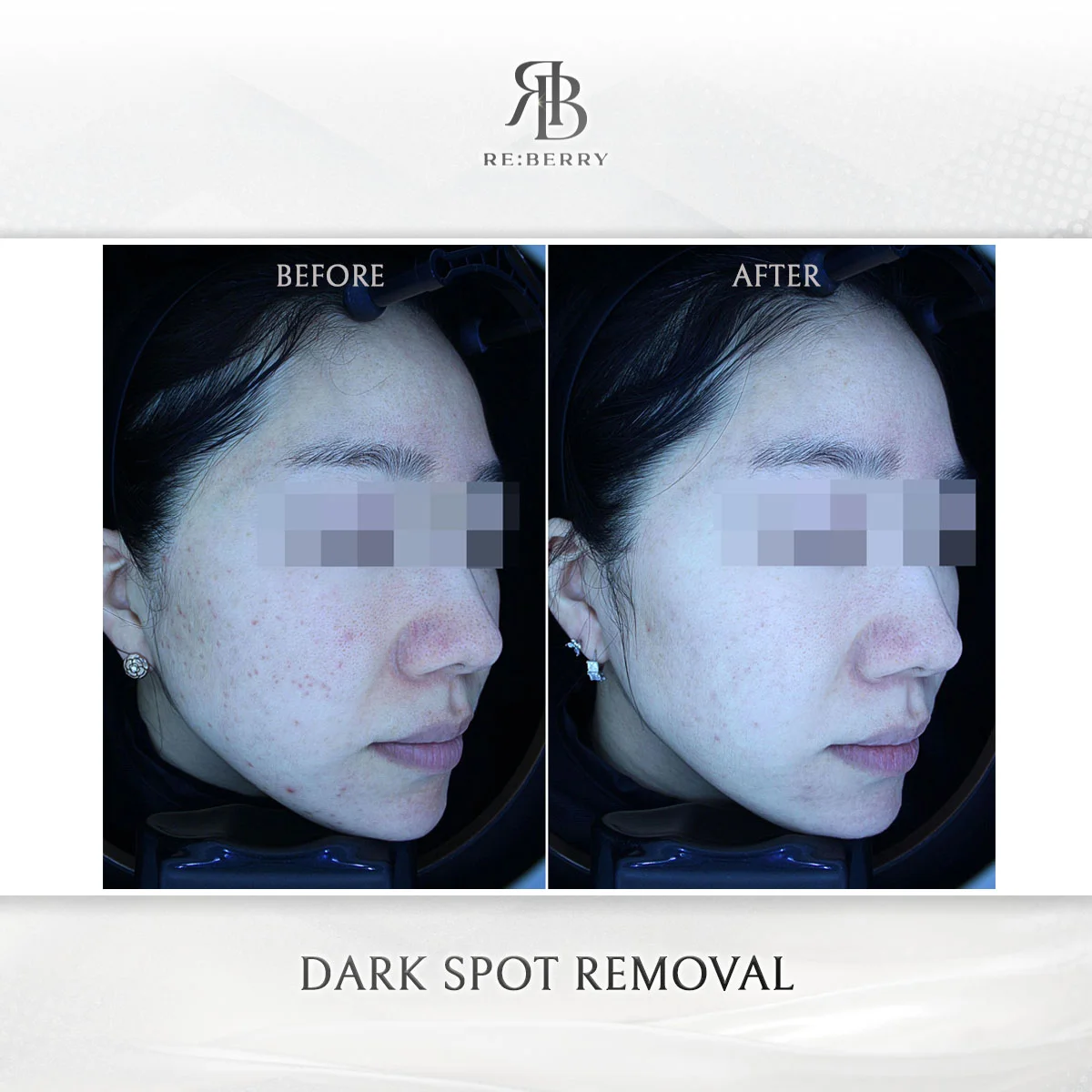
LED Light Therapy Before & After
Results showing skin improvement with LED phototherapy protocols at RE:BERRY Incheon Airport.
How LED Light Therapy Works at RE:BERRY
A simple four-step protocol for targeted photobiomodulation therapy.
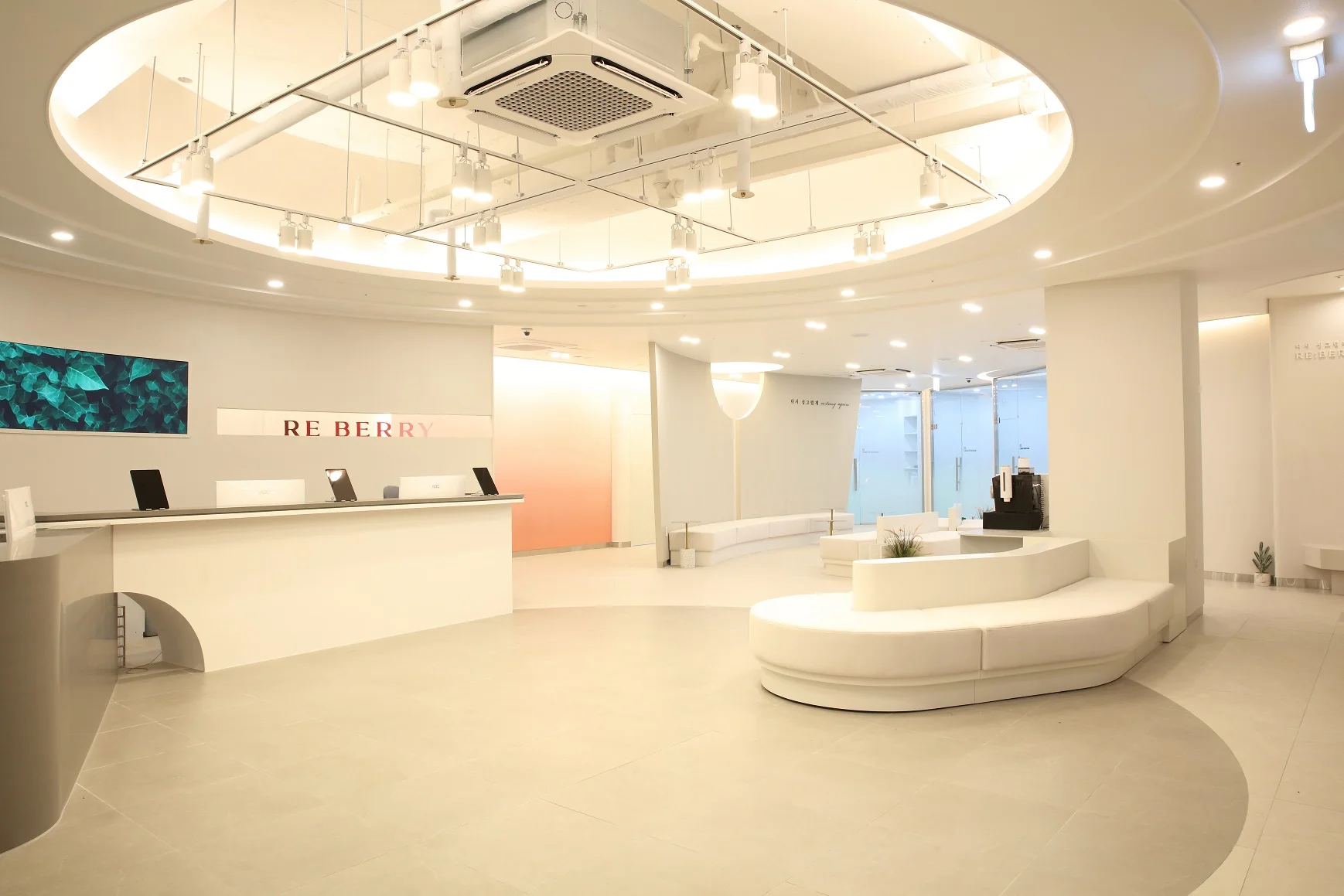
Skin Assessment & Wavelength Selection
Dr. Cho or Dr. Kim evaluates your primary skin concern — acne, anti-aging, redness, post-procedure healing — and selects the optimal LED wavelength protocol. Red 630nm for collagen and anti-aging. Blue 415nm for acne. Near-infrared 830nm for deep healing and inflammation. Combination protocols are common.
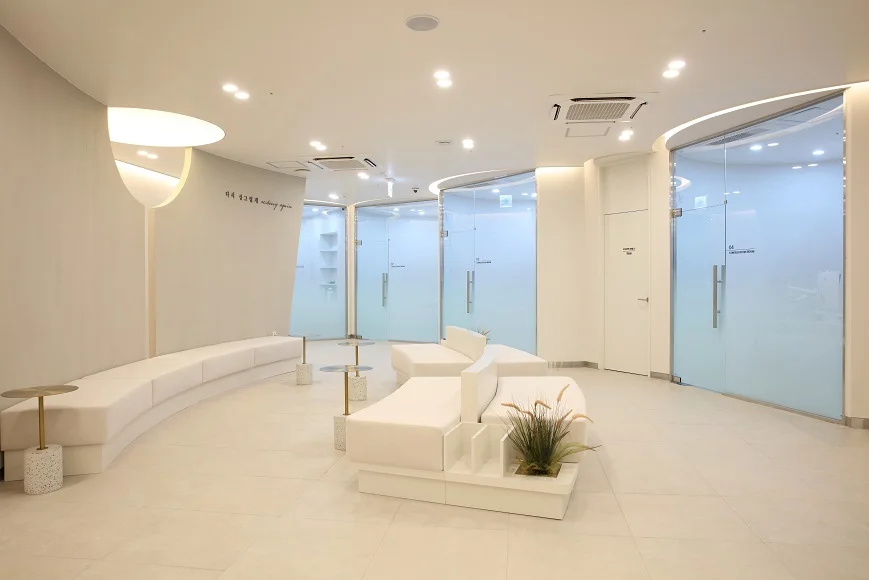
Skin Preparation
The face is gently cleansed to remove any barriers to light absorption — makeup, sunscreen, and excess sebum. If LED is being applied as an add-on after laser or RF treatment, the skin is already prepped. Protective eye shields are placed to protect the retina from direct light exposure.
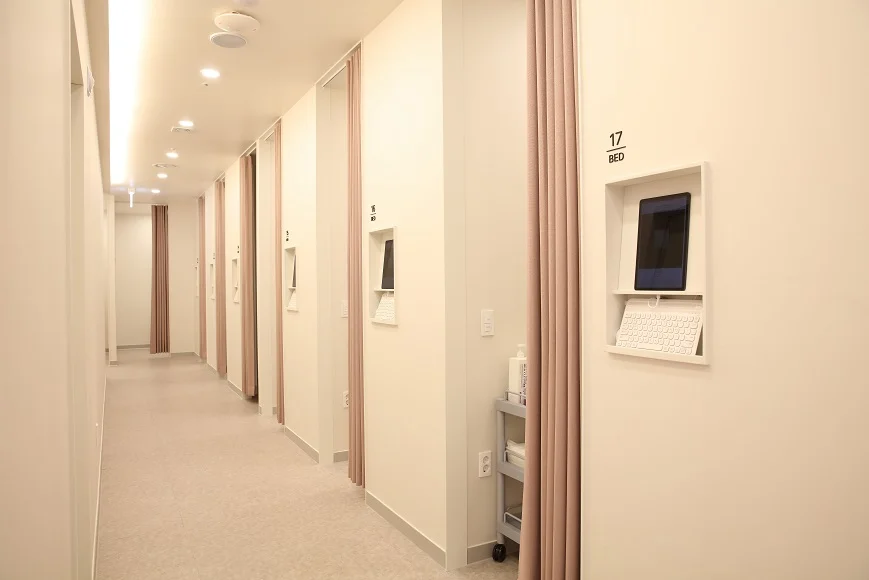
LED Panel Exposure (15-20 Minutes)
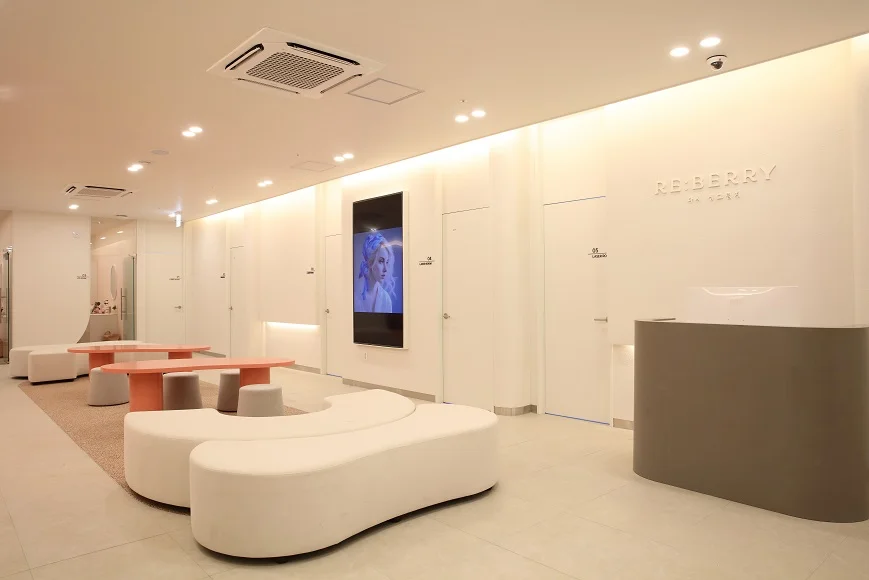
The medical-grade LED panel is positioned 2-5cm above the face. Light energy is delivered at therapeutic power density (40-60 mW/cm² for red, 10-20 mW/cm² for blue) for 15-20 minutes. The process is completely painless — patients describe a warm, relaxing glow. Many patients rest or nap during the session.
Post-Treatment Hydration & Assessment
After LED exposure, a hydrating serum or recovery mask may be applied to amplify results. The skin appears immediately calmer and more luminous. No redness, no sensitivity, no restrictions. You can apply makeup and go directly to the airport. For standalone LED protocols, 2-3 sessions per week over 4-6 weeks are recommended.
What to Expect from LED Light Therapy
- Completely Painless: LED is non-thermal and non-ablative. Zero pain, zero discomfort. The warm light is relaxing — many patients fall asleep during treatment.
- Zero Downtime: No redness, no peeling, no sensitivity. Apply makeup immediately. Board your flight minutes after treatment. The most gentle aesthetic treatment available.
- Post-Procedure Healing: Accelerates recovery after laser, RF, and injection treatments by 30-40%. Reduces post-treatment redness and inflammation significantly.
- Acne-Fighting Blue Light: 415nm blue light kills Propionibacterium acnes bacteria on contact. Clinically proven to reduce inflammatory acne by 55-70% after 8-12 sessions.
- Collagen-Stimulating Red Light: 630nm red light upregulates fibroblast collagen type I and III production. Proven to reduce wrinkle depth by 36% after 12 weeks of regular treatment.
- Universal Compatibility: Safe for all skin types, all ages, all conditions. Can be combined with any other treatment. No contraindications with medications or skincare products.
| Timeline | What to Expect |
|---|---|
| Immediately | Skin appears calmer, more luminous. Noticeable reduction in redness if applied post-procedure. Relaxed, refreshed feeling. |
| After 2-3 Sessions | Cumulative cellular activation begins. Acne patients notice reduced breakout frequency. Anti-aging patients see improved skin tone. |
| Week 2-4 (6-8 Sessions) | Measurable changes in skin hydration, collagen density, and bacterial count. Acne lesions visibly reduced. Skin texture smoother. |
| Week 4-8 (12-16 Sessions) | Significant improvement in wrinkle depth, pore size, acne severity. Collagen production measurably increased on ultrasound assessment. |
| Month 3-6 (Maintenance) | Sustained benefits with weekly maintenance. Skin quality continues improving. Ideal as ongoing complement to other treatments. |
| Long-term | Regular LED therapy slows photoaging progression. Combined with sunscreen and actives, it forms the foundation of a clinical anti-aging regimen. |
LED Wavelengths Compared — Red vs Blue vs Near-Infrared
| Feature | Red 630nm | Blue 415nm | Near-Infrared 830nm | Yellow 590nm |
|---|---|---|---|---|
| Primary Target | Fibroblasts (dermis) | P. acnes bacteria (sebaceous) | Deep tissue (subcutis) | Melanocytes (epidermis) |
| Main Effect | Collagen stimulation | Antibacterial + anti-inflammatory | Deep healing + pain relief | Pigment regulation |
| Penetration Depth | 2-3mm (dermis) | 1mm (epidermis/superficial) | 5-10mm (deep dermis/subcutis) | 1-2mm (epidermis/dermis) |
| Best For | Anti-aging, wrinkles, elasticity | Active acne, oily skin | Post-procedure recovery, inflammation | Redness, PIH, rosacea |
| Pain/Discomfort | None | None | None | None |
| Downtime | Zero | Zero | Zero | Zero |
| Sessions Needed | 12-20 (anti-aging) | 8-12 (acne) | 3-6 (post-treatment) | 10-16 (pigment) |
| Standalone or Add-on | Both | Both | Primarily add-on | Both |
LED Light Therapy at RE:BERRY Incheon Airport
All prices exclude VAT. Non-covered medical service. LED is most commonly included as part of treatment packages.
LED Standalone Session
- 20-minute medical-grade LED exposure
- Wavelength selection (red, blue, or NIR)
- Skin assessment by physician
- Post-treatment hydrating serum
- Zero downtime
LED Add-On (with any treatment)
- 15-minute LED session post-treatment
- Customized wavelength for your procedure
- Accelerated healing + reduced redness
- Enhances results of primary treatment
- Recommended after all laser/RF procedures
One-Day Skin Care Package
- Glutathione injection
- Dermio Care treatment
- Sofwave 100 shots
- Hycloxy Juvelook skin booster
- LED light therapy included
- Complete skin rejuvenation in one visit
Meet Your Doctor
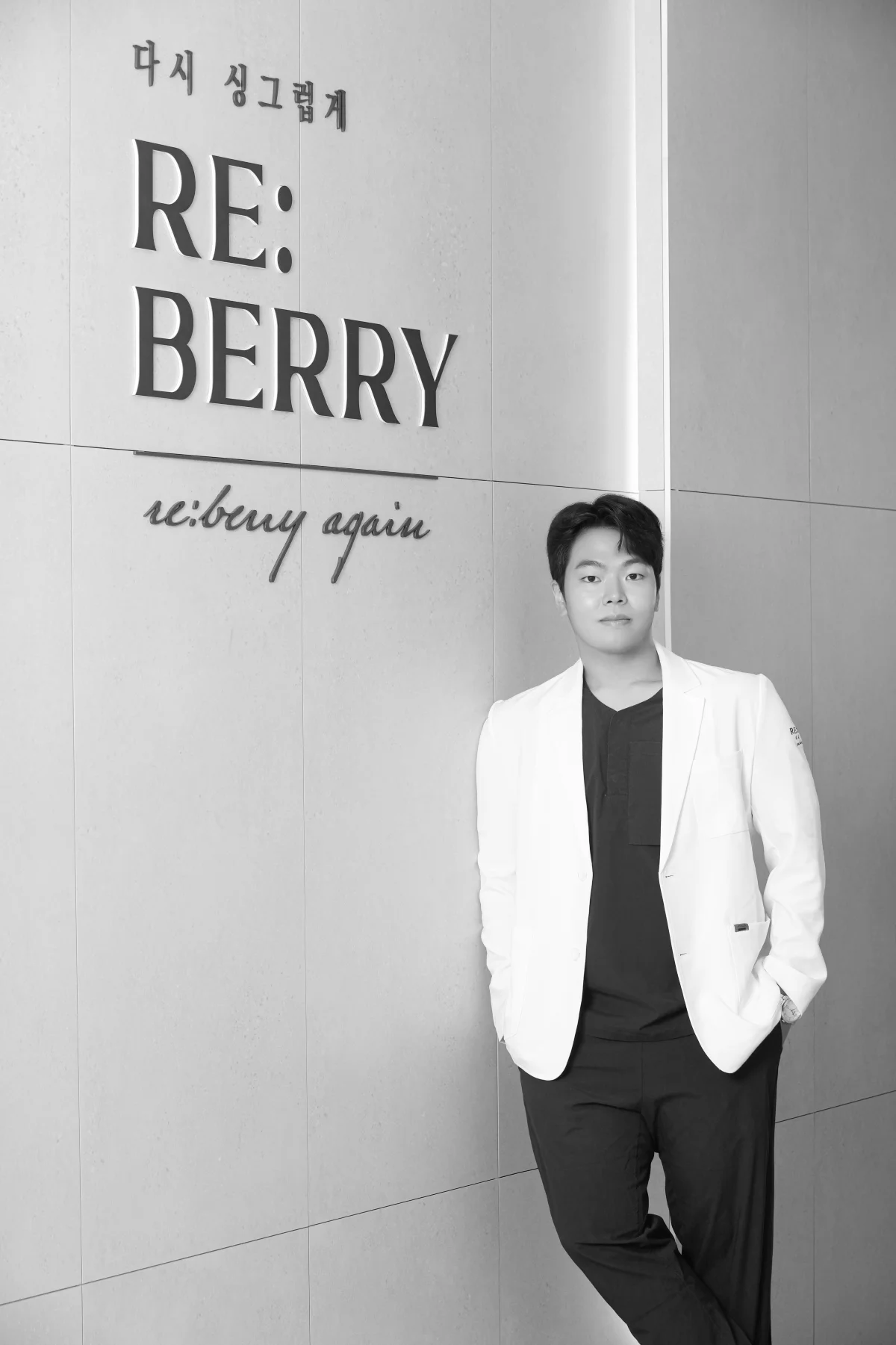
Dr. Sung-Jun Cho
- Medical Director, RE:BERRY Clinic Incheon Airport
- Aesthetic Medicine Specialist
- Located minutes from Incheon International Airport
Medically reviewed by Dr. Sung-Jun Cho, Medical Director / Aesthetic Medicine Specialist, RE:BERRY
The Science Behind LED Photobiomodulation
Peer-reviewed evidence supporting LED light therapy for skin rejuvenation, acne, and wound healing.
Red Light (630nm) for Collagen Stimulation and Anti-Aging
Red light at 630nm is absorbed by mitochondrial cytochrome c oxidase (CCO), the terminal enzyme in the electron transport chain. This absorption increases ATP production, reactive oxygen species signaling, and nitric oxide release, collectively upregulating fibroblast proliferation and collagen synthesis. Wunsch and Matuschka (2014) conducted a controlled trial with 113 subjects receiving red LED treatment twice weekly for 30 sessions, demonstrating statistically significant improvements in wrinkle severity (36% reduction), skin roughness, and collagen density measured by ultrasound. Histological analysis confirmed increased collagen fiber density and reduced MMP-1 (collagenase) expression. doi:10.1089/pho.2013.3616
Blue Light (415nm) for Acne Bacteria Elimination
P. acnes bacteria produce endogenous porphyrins (primarily coproporphyrin III) that absorb blue light at 415nm. This absorption generates singlet oxygen that destroys bacterial cell membranes through photoexcitation. Papageorgiou et al. (2000) compared blue light, red light, and benzoyl peroxide in a randomized controlled trial of 107 acne patients and found that blue LED achieved 76% reduction in inflammatory lesion count after 12 weeks — comparable to topical antibiotics without antibiotic resistance concerns. The mechanism is purely photochemical with no thermal damage. doi:10.1046/j.1365-2133.2000.03668.x
Near-Infrared (830nm) for Deep Tissue Healing
Near-infrared (NIR) light at 830nm penetrates 5-10mm into tissue, reaching the deep dermis and subcutaneous layer. NIR activates the same cytochrome c oxidase pathway but at deeper tissue levels, modulating inflammatory cytokines (reducing TNF-alpha, IL-6) while upregulating anti-inflammatory mediators (IL-10). Lee et al. (2007) studied NIR LED therapy following ablative laser resurfacing and documented 50% faster wound healing, 33% less post-inflammatory erythema, and 40% reduced patient-reported pain scores compared to untreated controls. These findings explain why Korean clinics routinely apply LED after every energy-based procedure. doi:10.1111/j.1524-4725.2007.33030.x
Combination Wavelength Protocols
Modern LED devices deliver multiple wavelengths simultaneously or sequentially. Kim and Calderhead (2011) reviewed the evidence for combination LED protocols and concluded that sequential red + NIR therapy produces superior collagen outcomes compared to either wavelength alone, likely due to synergistic effects at different tissue depths. For acne, alternating blue (antibacterial) and red (anti-inflammatory + healing) sessions achieves faster clearance with less post-inflammatory hyperpigmentation. RE:BERRY utilizes these evidence-based combination protocols calibrated to each patient’s primary and secondary treatment goals. doi:10.1007/s10103-011-0938-2
References: Wunsch A, Matuschka K. Photomed Laser Surg. 2014;32(2):93-100 (doi:10.1089/pho.2013.3616) | Papageorgiou P et al. Br J Dermatol. 2000;142(5):973-978 (doi:10.1046/j.1365-2133.2000.03668.x) | Lee SY et al. Dermatol Surg. 2007;33(Suppl 1):S29-S34 (doi:10.1111/j.1524-4725.2007.33030.x) | Kim WS, Calderhead RG. Lasers Med Sci. 2011;26(3):395-404 (doi:10.1007/s10103-011-0938-2)
What Our Patients Say About LED Light Therapy
“I added LED therapy after my POTENZA RF session and the difference was remarkable — almost no redness by the time I left the clinic. Previous RF treatments at other clinics without LED left me red for 2-3 days. Now I always request it.”
“My persistent adult acne finally improved with blue LED combined with proper Korean skincare. After 10 sessions over 5 weeks, my breakouts reduced by about 70%. The sessions are so relaxing — I just lay back and let the light do its work.”
“I get LED therapy every time I pass through Incheon now. My layovers are 3-4 hours long and a quick 20-minute LED session keeps my skin looking fresh despite the constant flying. RE:BERRY makes it so convenient.”
Frequently Asked Questions About LED Light Therapy in Korea
Expert answers about medical-grade LED phototherapy at RE:BERRY Incheon Airport.
Standalone LED sessions are approximately ₩39,000. As an add-on to any treatment (laser, RF, skin booster), LED is approximately ₩20,000 — making it one of the most affordable and impactful additions. All prices exclude VAT.
No. Lasers emit coherent, focused light that creates controlled tissue damage. LED emits non-coherent, broad-area light that stimulates cells without any damage. LED is completely non-ablative, non-thermal, and has zero downtime. They work through different mechanisms.
Red LED (630nm) is the gold standard for anti-aging. It stimulates fibroblast collagen production, reducing wrinkles by up to 36% after 30 sessions (Wunsch & Matuschka, 2014). For deeper tissue rejuvenation, near-infrared (830nm) adds penetration depth.
Yes. Blue LED (415nm) kills P. acnes bacteria through porphyrin photoexcitation. Clinical studies show 55-76% reduction in inflammatory acne after 8-12 sessions. At RE:BERRY, we combine blue LED with POTENZA RF for comprehensive acne protocols.
Completely painless. Patients feel only a warm, gentle glow. Many patients fall asleep during the 15-20 minute session. No anesthesia, no numbing cream needed. LED is the most comfortable aesthetic treatment available.
Absolutely. LED has zero downtime, zero redness, and zero restrictions. It is the ideal pre-flight treatment — your skin will look more luminous and hydrated. RE:BERRY Incheon Airport is minutes from ICN and open 365 days.
For optimal results: 2-3 times per week for 4-6 weeks (initial course of 12-16 sessions). For maintenance: 1-2 times per week. As a post-treatment add-on: every time you have a laser, RF, or injection procedure.
LED is the most combinable treatment in aesthetic medicine. It enhances results when paired with Sofwave, Thermage, POTENZA RF, laser toning, skin boosters, and chemical peels. Korean clinics routinely add LED to every protocol.
Yes, significantly. Near-infrared LED (830nm) reduces post-treatment redness by 33% and accelerates healing by 50% compared to no LED (Lee et al., 2007). This is why RE:BERRY includes LED in most treatment packages.
Dramatically different. Medical-grade LED panels deliver 40-60 mW/cm² power density with precise wavelength targeting. Consumer devices typically deliver 5-15 mW/cm² — insufficient for therapeutic photobiomodulation. Clinical results require clinical-grade equipment.
Yes. Yellow LED (590nm) reduces vascular redness, and NIR (830nm) calms inflammation. For comprehensive rosacea treatment, LED is typically combined with V-beam laser and gentle skincare protocols.
LED is safe for all Fitzpatrick skin types (I-VI), all ages, and all skin conditions. There is no risk of burns, PIH, or scarring. The only contraindication is active photosensitivity from medications or certain rare photosensitive conditions.
LED increases cellular ATP production by 30-50%, accelerating every phase of wound healing: inflammation, proliferation, and remodeling. It reduces recovery time after procedures by promoting faster cell turnover and reducing inflammatory cytokine expression.
LED alone has limited direct effect on existing pigmentation. However, it helps prevent post-inflammatory hyperpigmentation (PIH) after treatments like Pico laser or chemical peels by reducing the inflammatory response that triggers melanin overproduction.
A standalone LED session takes 15-20 minutes of light exposure plus 5 minutes for preparation — total approximately 25 minutes. As an add-on after another procedure, the LED portion adds only 15 minutes to your visit.
LED photobiomodulation is supported by over 4,000 peer-reviewed studies. The mechanism (cytochrome c oxidase activation leading to increased ATP) is well-established. Clinical trials demonstrate measurable improvements in collagen density, acne clearance, and wound healing. It is evidence-based medicine.
Red LED (630-660nm) has been shown to stimulate hair follicle growth. RE:BERRY also offers dedicated hair loss treatments including scalp PRP and growth factor therapy that can be combined with LED for enhanced results.
LED itself does not increase photosensitivity, so it does not create a specific sunscreen requirement. However, daily SPF 50+ is universally recommended for skin health — especially if you are receiving LED alongside other treatments.
LED is generally considered safe during pregnancy as it is non-thermal and non-invasive. However, pregnant patients should consult their physician before any aesthetic treatment. RE:BERRY recommends deferring elective procedures during pregnancy.
You will lie comfortably while protective eye shields are placed. The LED panel is positioned above your face. You will feel a gentle warmth and see a colored glow through closed eyelids. Many patients find it deeply relaxing. Treatment ends after 15-20 minutes.
LED aesthetic treatments are non-covered medical services and are not covered by Korean national health insurance. Prices at RE:BERRY Incheon Airport start from approximately ₩20,000 as an add-on treatment.
Yes. LED panels can be positioned over any body area — neck, chest (decolletage), hands, and post-surgical areas. The same photobiomodulation benefits apply: collagen stimulation, inflammation reduction, and healing acceleration.
RE:BERRY Incheon Airport provides consultation and aftercare in 8 languages: English, Japanese, Chinese (Simplified and Traditional), Thai, Vietnamese, Mongolian, and Farsi. All treatment protocols are explained thoroughly.
IPL (Intense Pulsed Light) is a higher-energy treatment that targets pigmentation and blood vessels — it has downtime. LED is lower-energy photobiomodulation with zero downtime. They serve different purposes and can be combined.
Korean aesthetic medicine pioneered the integration of LED into every treatment protocol based on evidence showing improved outcomes and reduced downtime. Western clinics are increasingly adopting this approach, but Korean clinics have been doing it for over a decade.
RE:BERRY uses medical-grade LED panels (not consumer devices) at therapeutic power densities prescribed by licensed physicians. LED is integrated into our treatment protocols — not offered as a standalone luxury but as a clinical tool that measurably improves results.
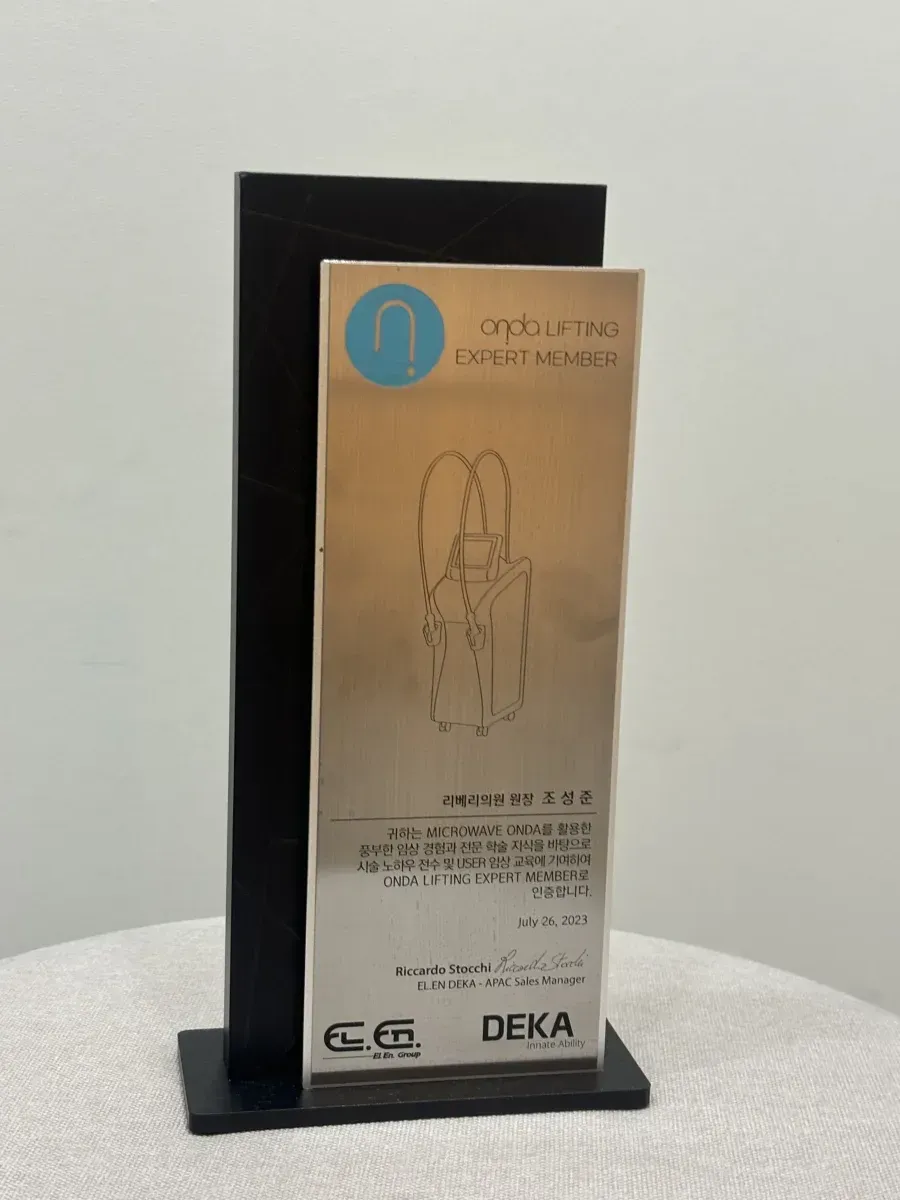
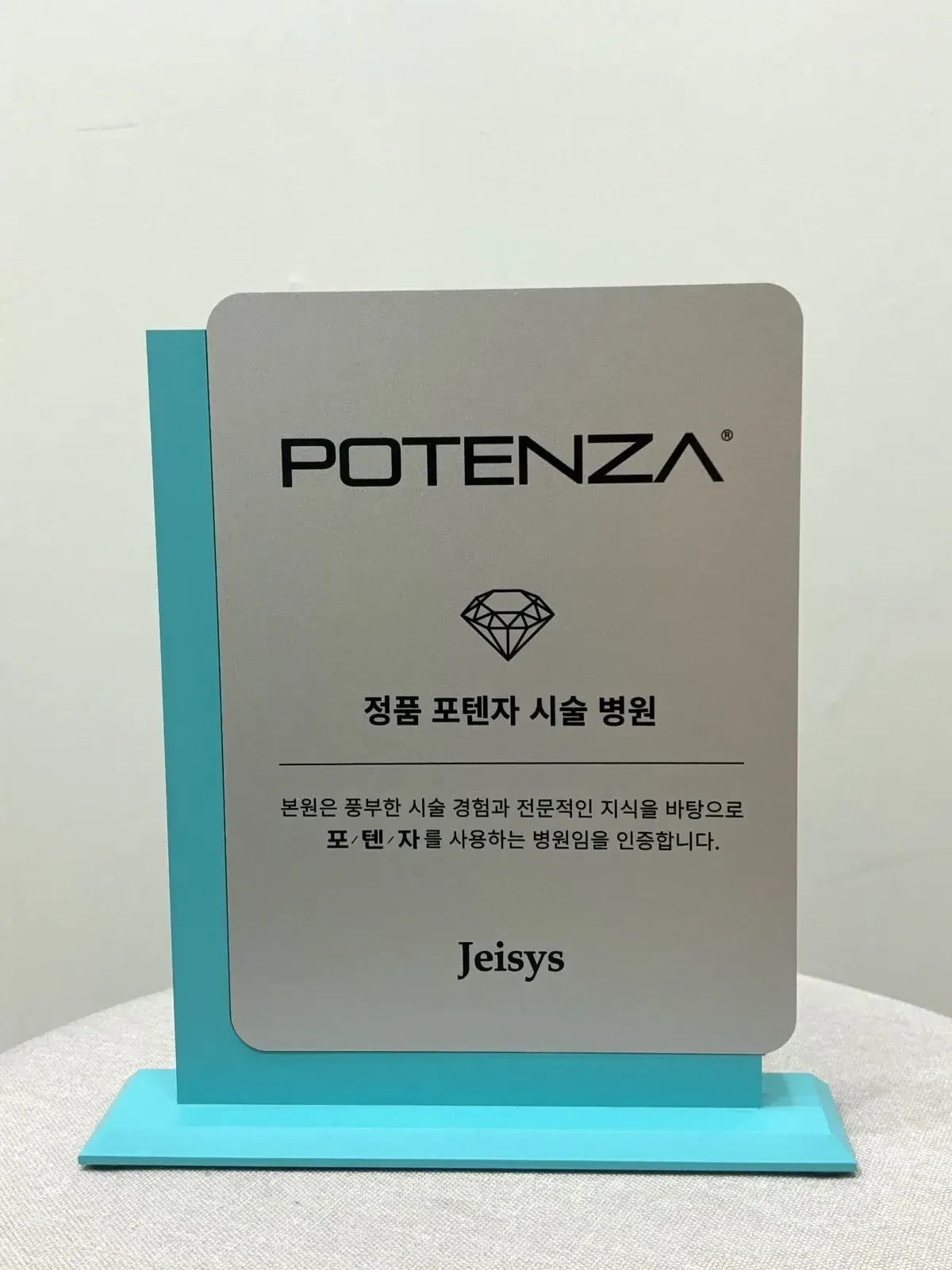
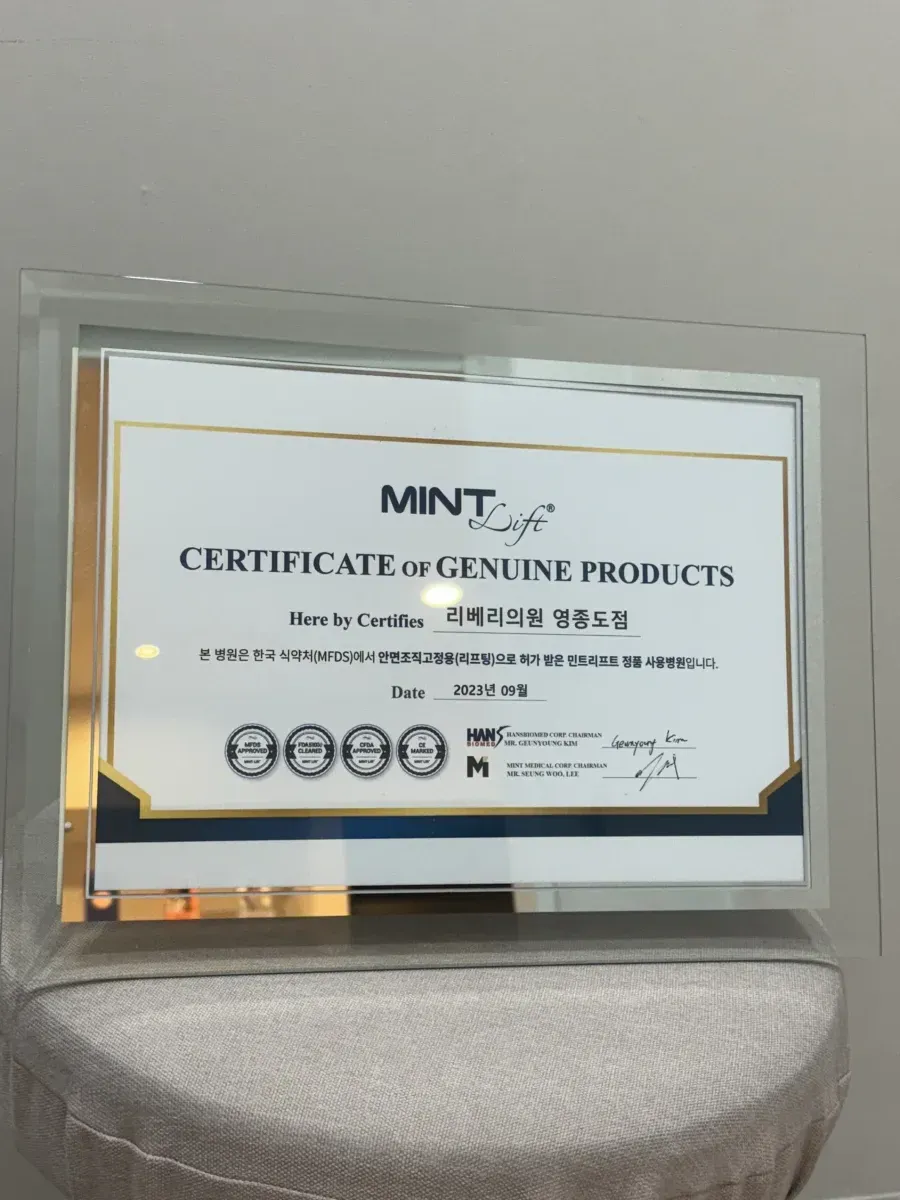
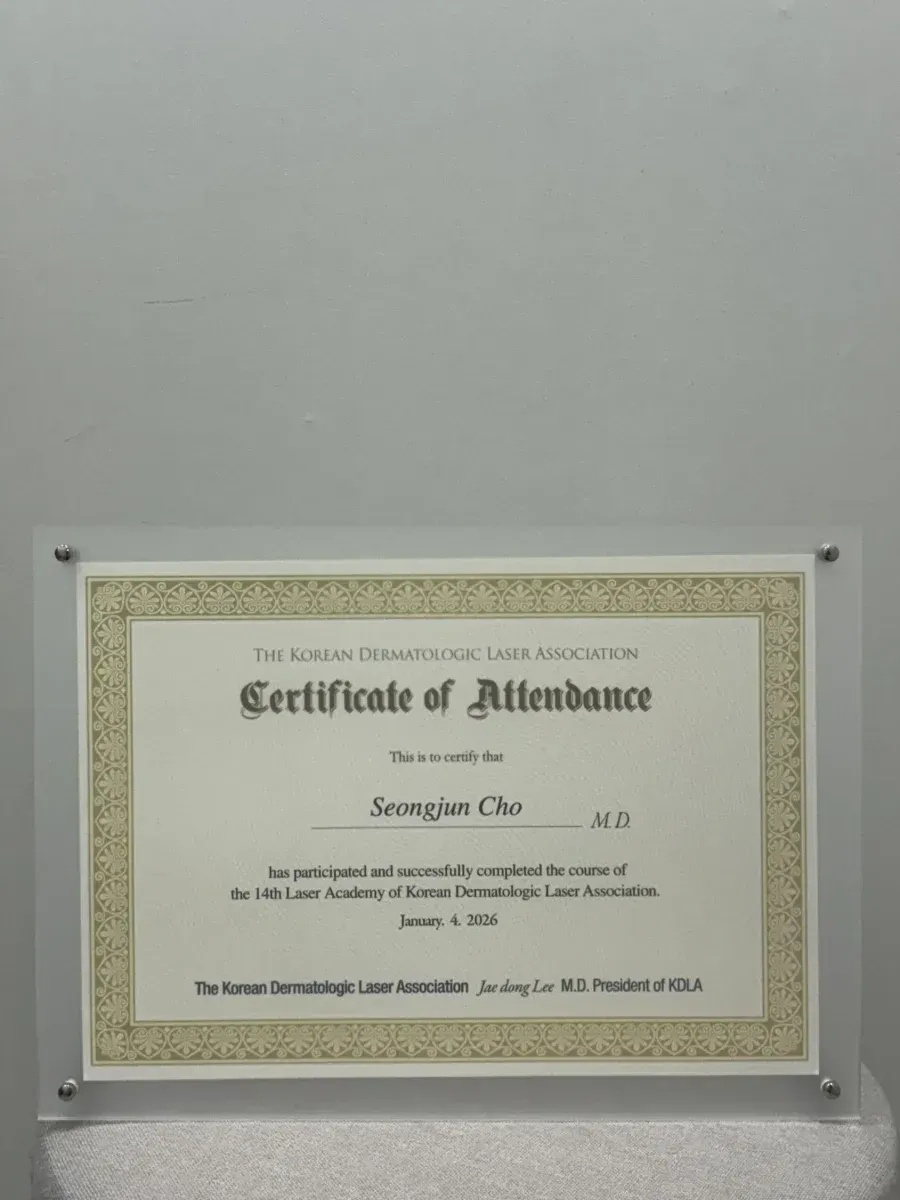
Only Authentic, Brand-Certified Equipment
Every device at RE:BERRY is MFDS-certified and manufacturer-verified. We never use counterfeit or grey-market equipment.
Enhance Your Skin Treatment with LED
Add LED light therapy to any procedure at RE:BERRY Incheon Airport — or book a standalone session for skin rejuvenation. 365 days open near ICN with airport pickup available.
Book Your LED Light Therapy Session
Fill out the form and our multilingual team will confirm within 2 hours via your preferred contact method.
- ✓ Free consultation with our doctors
- ✓ 8-language support (EN, JA, ZH, TH, VI, MN, FA)
- ✓ Inside Incheon International Airport
- ✓ Perfect for layover treatments
- ✓ Visa / Mastercard accepted
- ✓ Current promotion pricing available