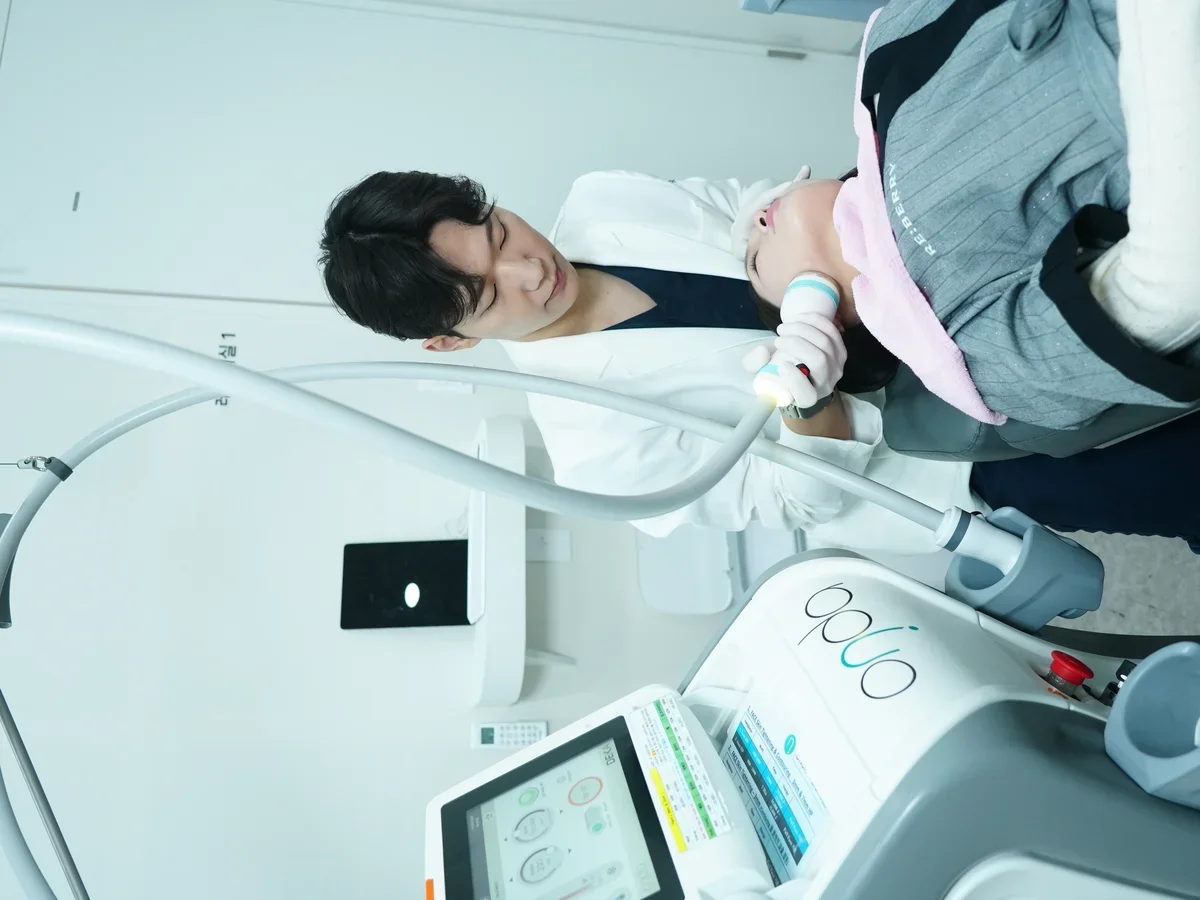
PDO Thread Lift in Korea — Incheon Airport Clinic
Korea originated the modern PDO thread lift and remains the global leader in absorbable thread technology. At RE:BERRY Incheon Airport, experienced physicians use MFDS-cleared polydioxanone (PDO) threads to deliver instant mechanical lifting with long-term collagen stimulation. Jawline definition, mid-face lifting, neck tightening — all with minimal downtime. Open 365 days, minutes from Incheon International Airport.
What Is a PDO Thread Lift and Why Get It in Korea?
A PDO (polydioxanone) thread lift is a minimally invasive procedure that uses absorbable barbed or smooth threads inserted beneath the skin to mechanically lift sagging tissue and stimulate collagen production. Korea invented modern thread lift techniques and produces most of the world's MFDS-cleared PDO threads, giving Korean physicians unmatched expertise with the widest selection of thread types, gauges, and configurations.
Polydioxanone is a biocompatible, absorbable suture material that has been used in cardiovascular and orthopedic surgery for over 30 years. In aesthetic medicine, PDO threads are inserted into the subcutaneous layer using thin cannulas or needles, where they create an immediate mechanical lifting effect. Over the following 6–8 months, the threads stimulate a foreign-body response that generates new Type I and Type III collagen along the thread pathway, producing sustained tightening even after the threads dissolve. A landmark study by Savoia et al. (2014) demonstrated that PDO thread lifts produce statistically significant improvement in facial laxity with minimal complications, particularly in the lower face and jawline (DOI: 10.1097/DSS.0000000000000095). Korean manufacturers like Meta Biomed, N-Finders, and Medytox produce the majority of the world's PDO thread supply, and Korean physicians perform more thread lift procedures per capita than any other nation. At RE:BERRY Incheon Airport, Dr. Cho Sung-Jun holds thread lift certification and uses a range of cog, barbed, and mono threads tailored to each patient's anatomy and lifting goals. Combined with Korean pricing — significantly lower than Western clinics for the same materials — Korea offers the optimal destination for PDO thread lift treatment.
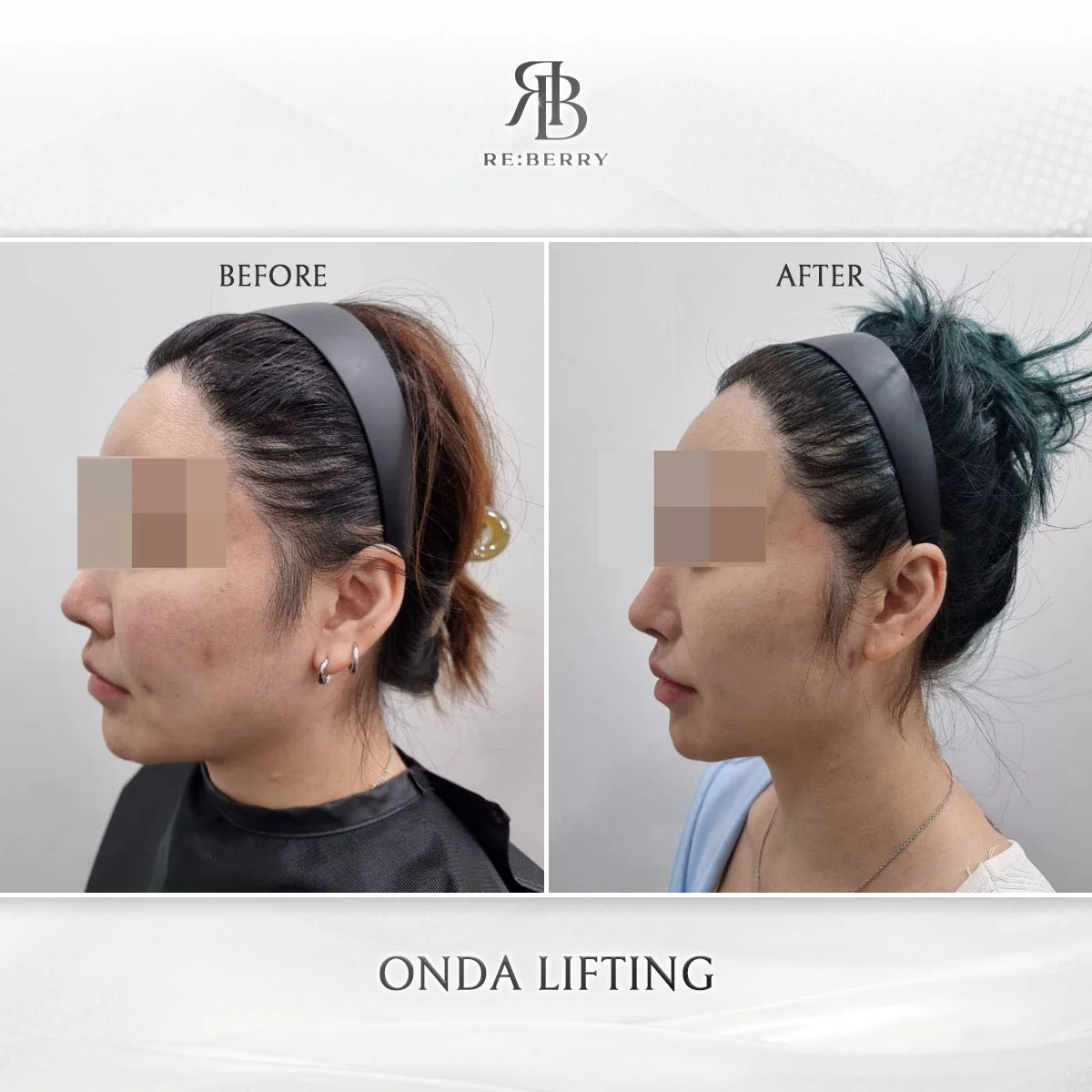
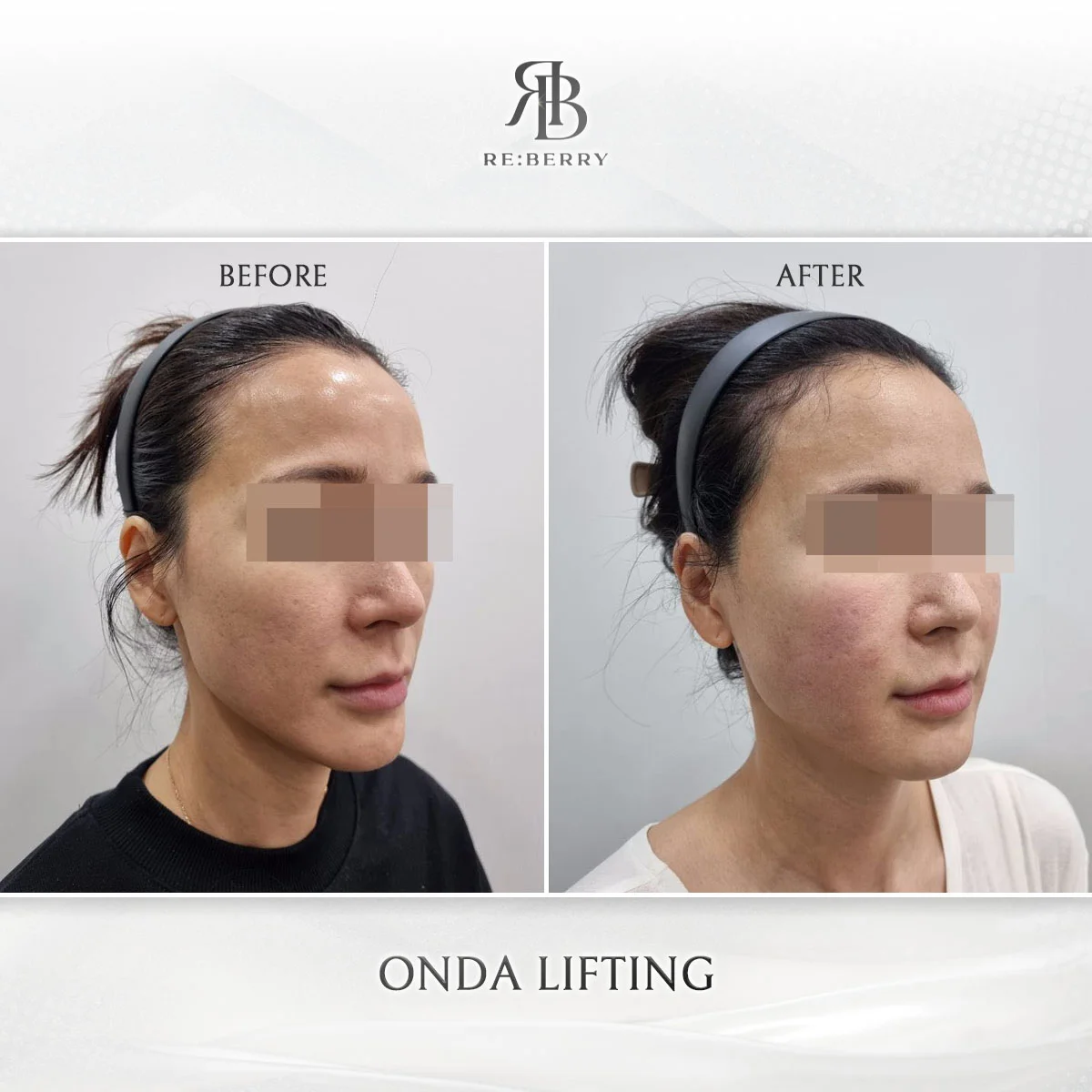
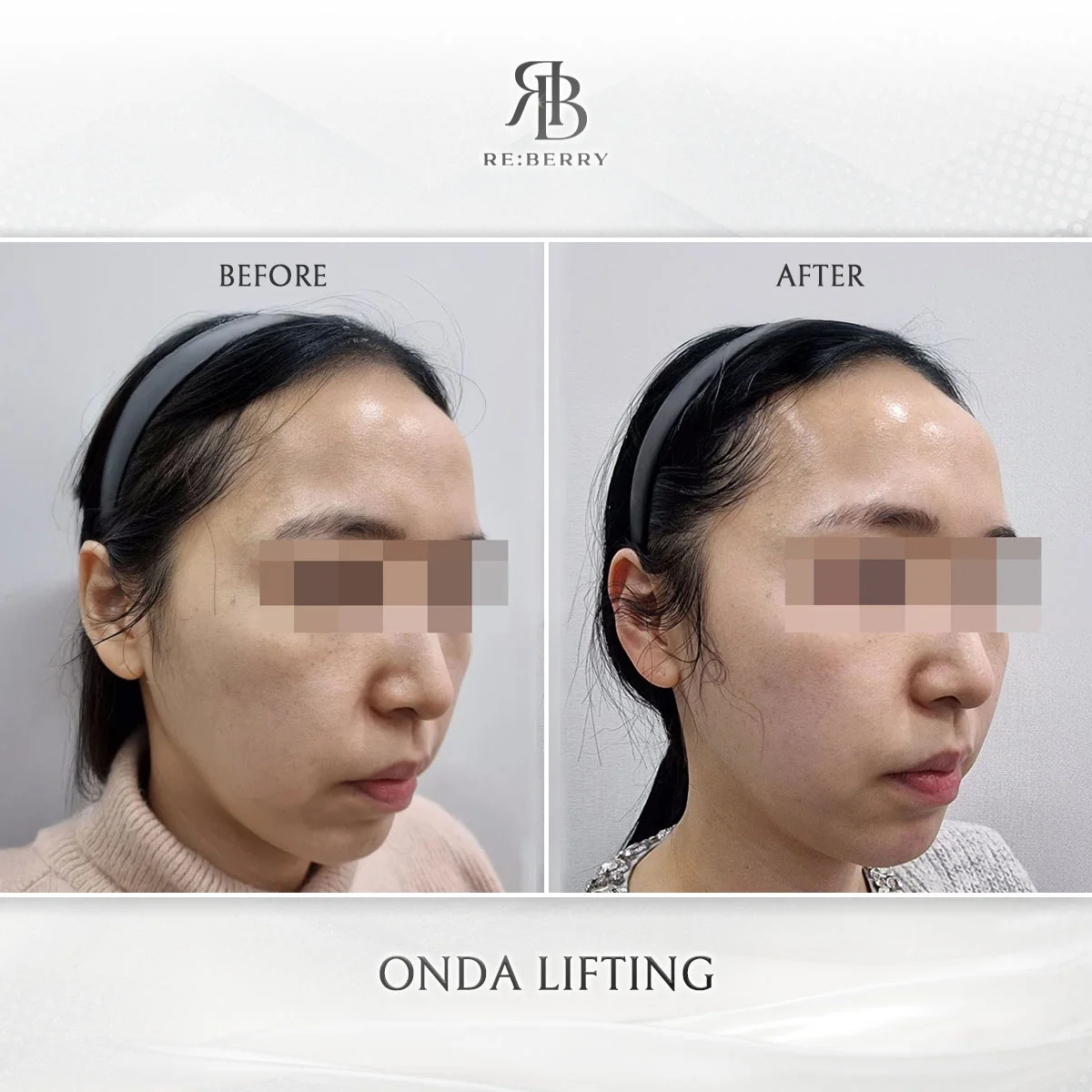
PDO Thread Lift Before & After — Korean Clinic Results
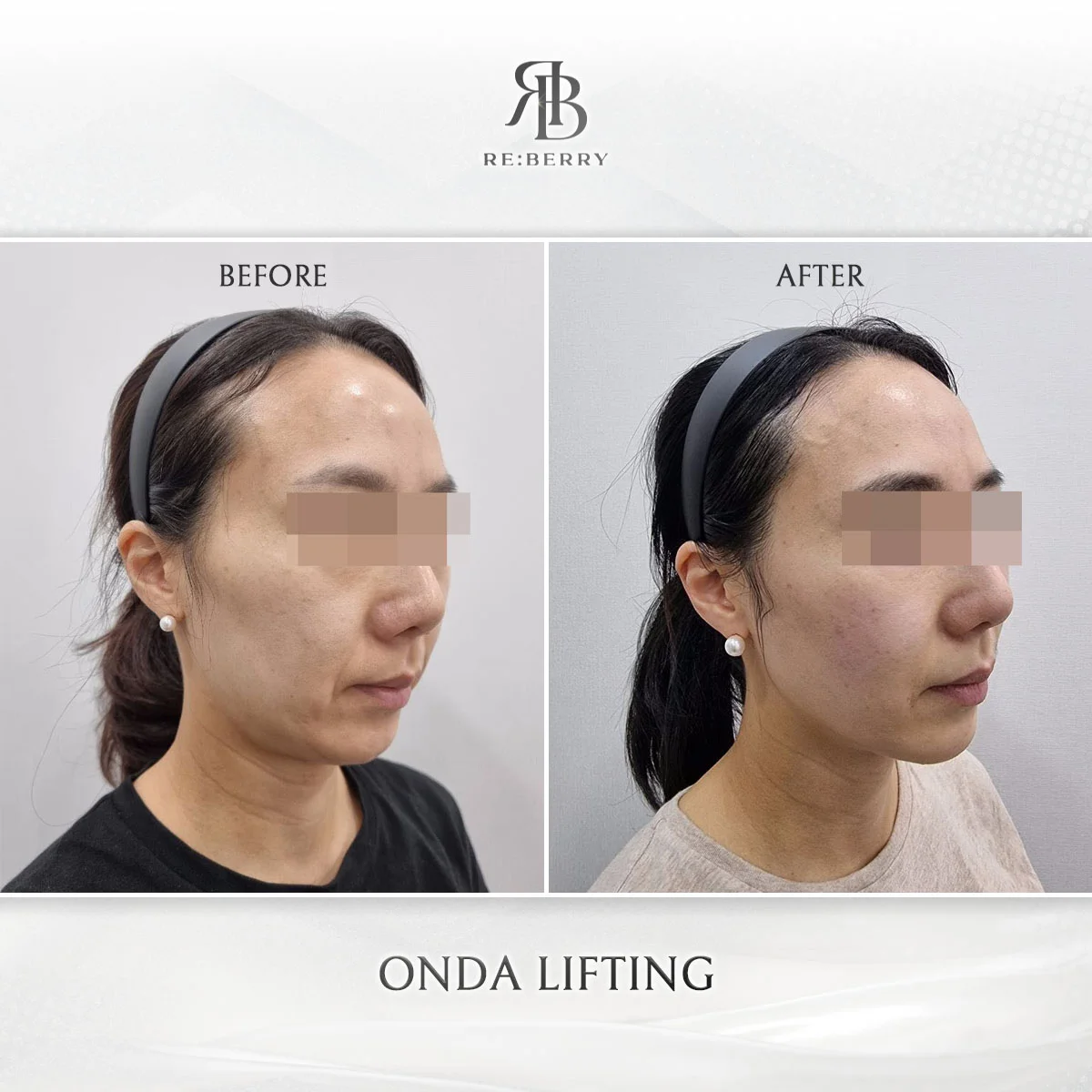
Actual patient results from RE:BERRY Incheon Airport showing immediate lifting and progressive collagen remodeling.
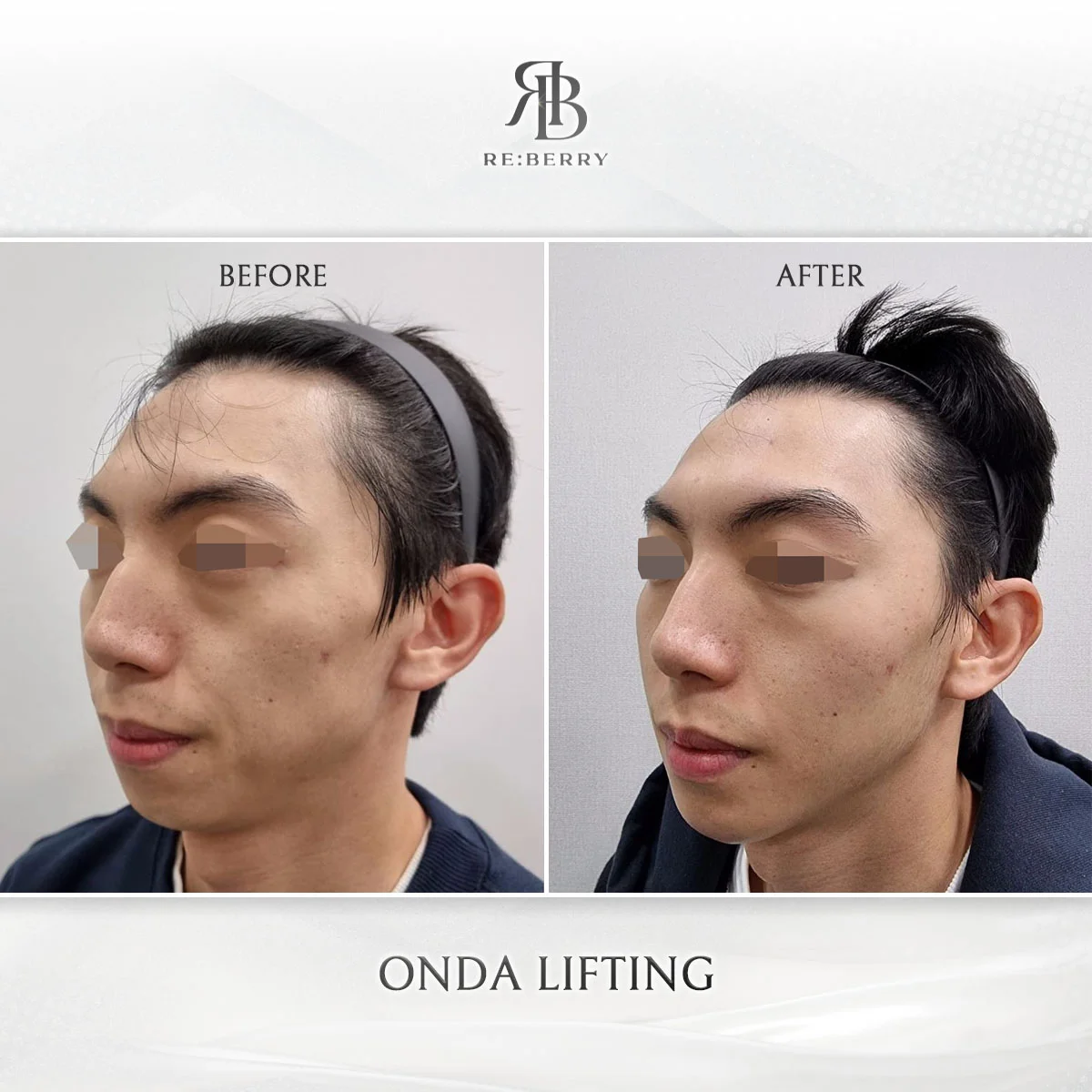
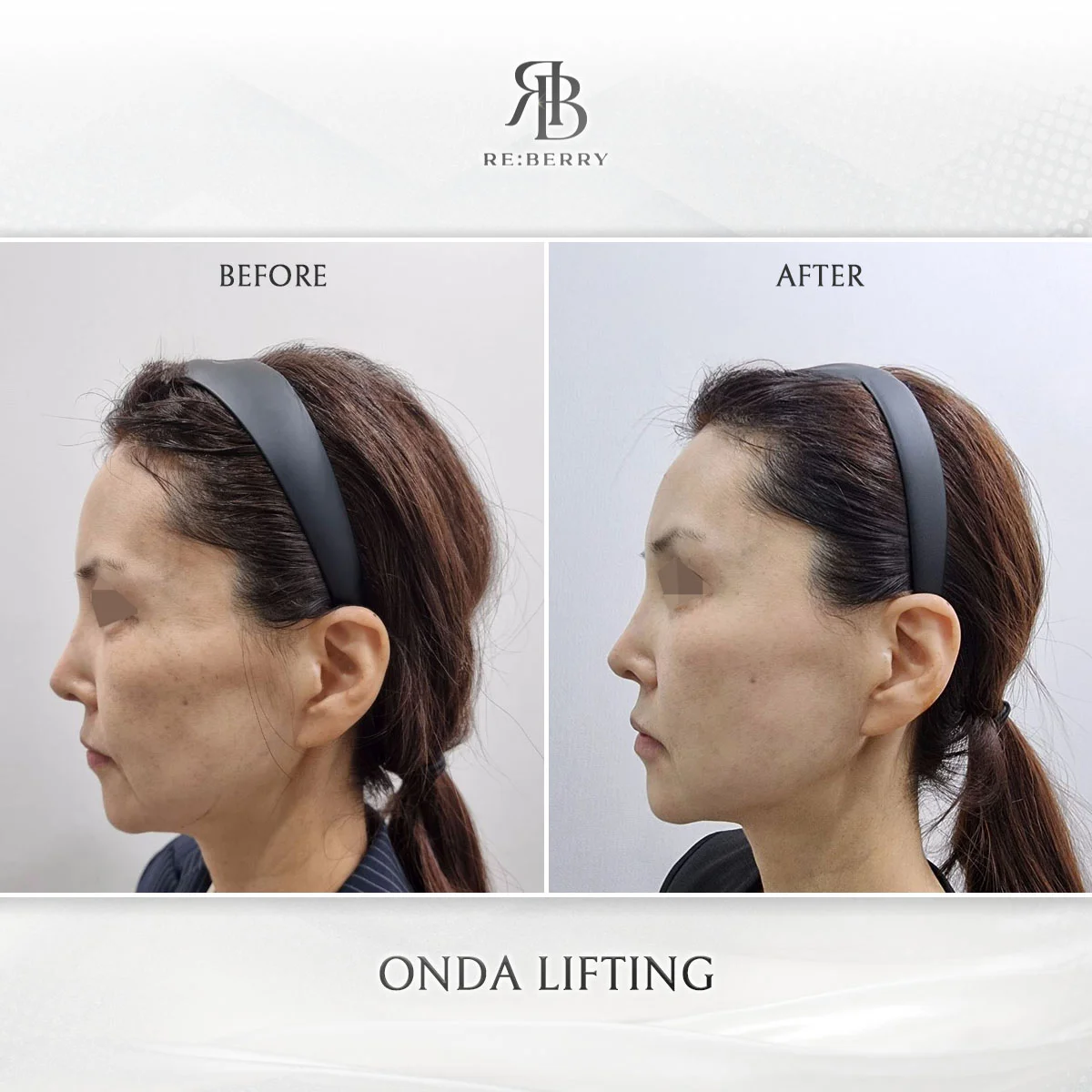
How PDO Thread Lift Works at RE:BERRY Korea
A step-by-step look at the Korean thread lift procedure, from consultation to recovery.
Facial Assessment & Thread Selection
Dr. Cho evaluates your facial anatomy — skin thickness, fat pad distribution, degree of ptosis, and bone structure. Based on assessment, the optimal thread type is selected: cog threads (barbed) for maximum lifting, screw threads for volume and mid-face support, or mono threads for skin tightening. Entry points and vector angles are mapped for symmetrical, natural-looking results.
Local Anesthesia & Marking
Local anesthetic (lidocaine) is injected at the entry points and along the thread pathways. The face is marked with precise insertion vectors based on the pre-determined lifting plan. Korean thread lift technique emphasizes minimal entry points with maximum vector coverage, reducing bruising and achieving symmetrical results.
Thread Insertion & Anchoring
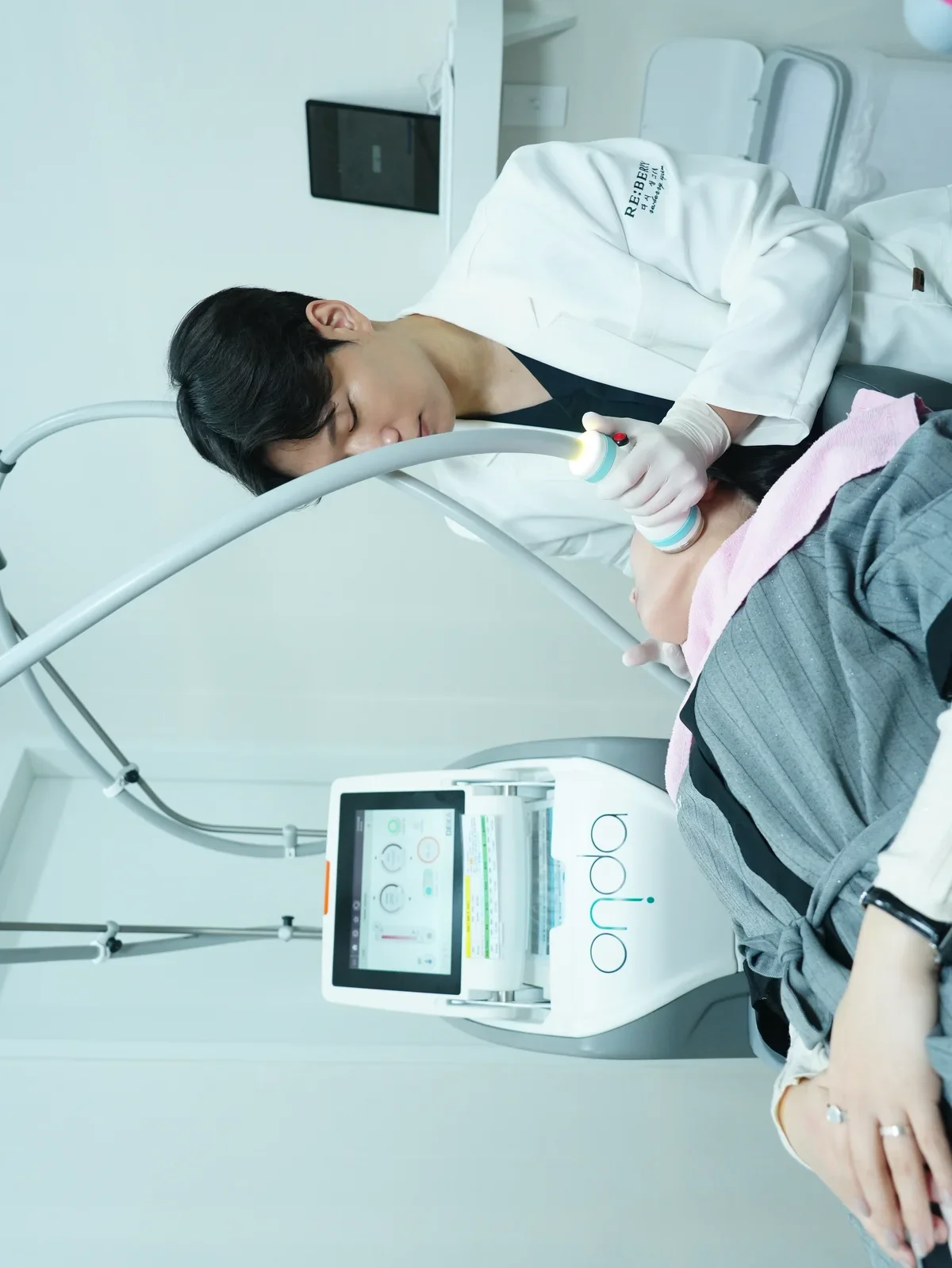
Using thin cannulas (18–21G), the physician inserts PDO threads along the subcutaneous plane. Cog threads are positioned along pre-mapped vectors and anchored at the temporal fascia for maximum lifting power. The barbs engage surrounding tissue, creating an immediate scaffolding effect. Multiple threads are placed bilaterally for symmetrical results. The entire insertion process takes 30–45 minutes.
Immediate Results & Recovery Protocol
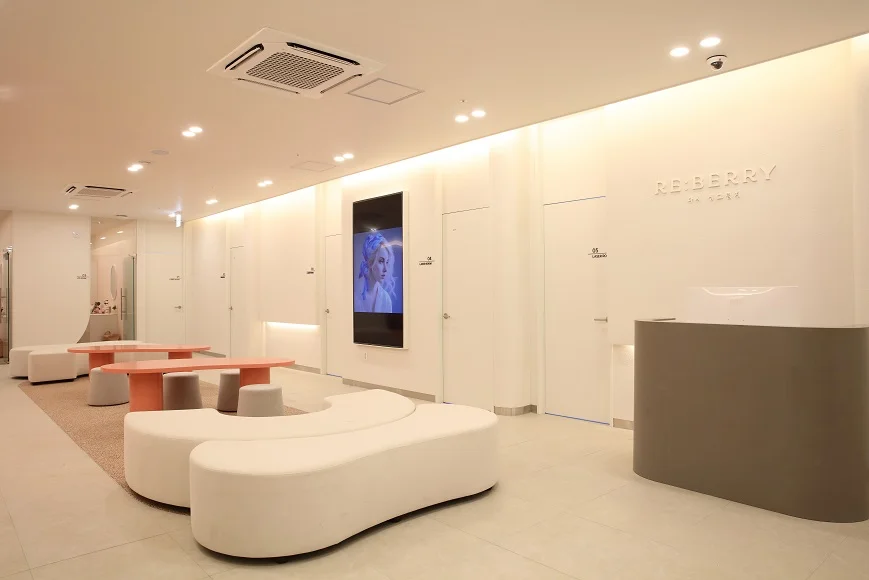
Lifting is visible immediately after thread placement. Mild swelling and bruising peak at 48–72 hours and resolve within 7–10 days. Avoid wide mouth opening, facial massage, and strenuous exercise for 2 weeks. Sleep face-up for 1 week. Collagen stimulation around the threads continues for 6–8 months, providing progressive tightening even after threads dissolve.
PDO Thread Lift Benefits — Why Korea
- Immediate Mechanical Lift: Barbed cog threads physically reposition sagging tissue the moment they are placed. No waiting period — visible lifting from day one.
- Long-Term Collagen Stimulation: PDO threads trigger a controlled foreign-body response that generates new collagen along thread pathways for 6–8 months, producing sustained tightening even after thread absorption.
- Korean Thread Technology: Korea manufactures the majority of the world's PDO threads and Korean physicians have pioneered advanced techniques including multi-directional cog placement, V-line contouring, and nose thread lifting.
- Minimally Invasive: No general anesthesia, no incisions, no scars. Procedure takes 30–60 minutes under local anesthesia. Most patients resume normal activities within 3–5 days.
- Cost Advantage: PDO thread lifts in Korea cost 40–60% less than equivalent procedures in the US, UK, or Japan, using the same MFDS-cleared materials from Korean manufacturers.
- Customizable: Different thread types (cog, screw, mono, MINT, HIKO) for different goals: jawline lifting, mid-face volume, neck tightening, nose reshaping, brow lifting, or skin rejuvenation.
| Timeline | What to Expect |
|---|---|
| Day 0 | Immediate lifting visible. Mild swelling at entry points. Local tenderness. |
| Day 3–7 | Peak swelling/bruising. Gradual resolution begins. Avoid wide mouth opening. |
| Week 2–3 | Swelling resolved. Threads settling into final position. Natural appearance emerges. |
| Month 1–2 | Active collagen formation around threads. Progressive tightening beyond initial mechanical lift. |
| Month 3–6 | Peak collagen production. Maximum combined lifting from mechanical + biological effects. |
| Month 6–18 | Threads fully dissolved. Collagen scaffold maintains lifting effect. Results sustained 12–18 months total. |
PDO Thread Types Available in Korea — Comprehensive Comparison
| Feature | Cog Threads (Barbed) | Screw Threads | Mono Threads | MINT Threads |
|---|---|---|---|---|
| Primary Effect | Maximum lifting power | Volume + moderate lift | Skin rejuvenation | Strong lifting + longevity |
| Mechanism | Barbs anchor and reposition tissue | Spiraled thread creates volume | Stimulates collagen along path | Molded bidirectional barbs |
| Best For | Jawline, jowls, mid-face | Cheeks, nasolabial folds | Fine lines, skin quality | Heavy lifting, severe laxity |
| Thread Count | 6–12 threads typical | 10–20 threads typical | 20–40 threads typical | 4–8 threads typical |
| Duration | 12–18 months | 8–12 months | 6–8 months | 18–24 months |
| Downtime | 5–7 days | 3–5 days | 1–2 days | 5–7 days |
| Pain Level | Moderate (with anesthesia: 3/10) | Low–moderate (2–3/10) | Low (1–2/10) | Moderate (3–4/10) |
| Korean Price Range | ₩200,000–300,000/line | ₩100,000–200,000/thread | ₩50,000–100,000/thread | ₩300,000–400,000/line |
PDO Thread Lift Prices in Korea — RE:BERRY Incheon Airport
All prices include VAT. Non-covered medical service. April 2026 promotion prices.
Thread Lifting Per Line
- Premium PDO cog or barbed thread
- Local anesthesia included
- Physician-only insertion (Dr. Cho or Dr. Kim)
- Post-procedure care instructions
- Follow-up consultation available
V-Line Thread Lift Package
- 8–12 cog threads for jawline lifting
- Chin thread repositioning
- Combined with Botox jaw slimming option
- Customized vector mapping
- Complimentary airport pickup
- 8-language aftercare support
Spring Contouring Package
- Shurink 300 shots (HIFU deep lifting)
- InMode FX (RF surface tightening)
- Shurink Tightening Band
- Can combine with thread lift
- Same-day treatment available
Meet Your Doctor
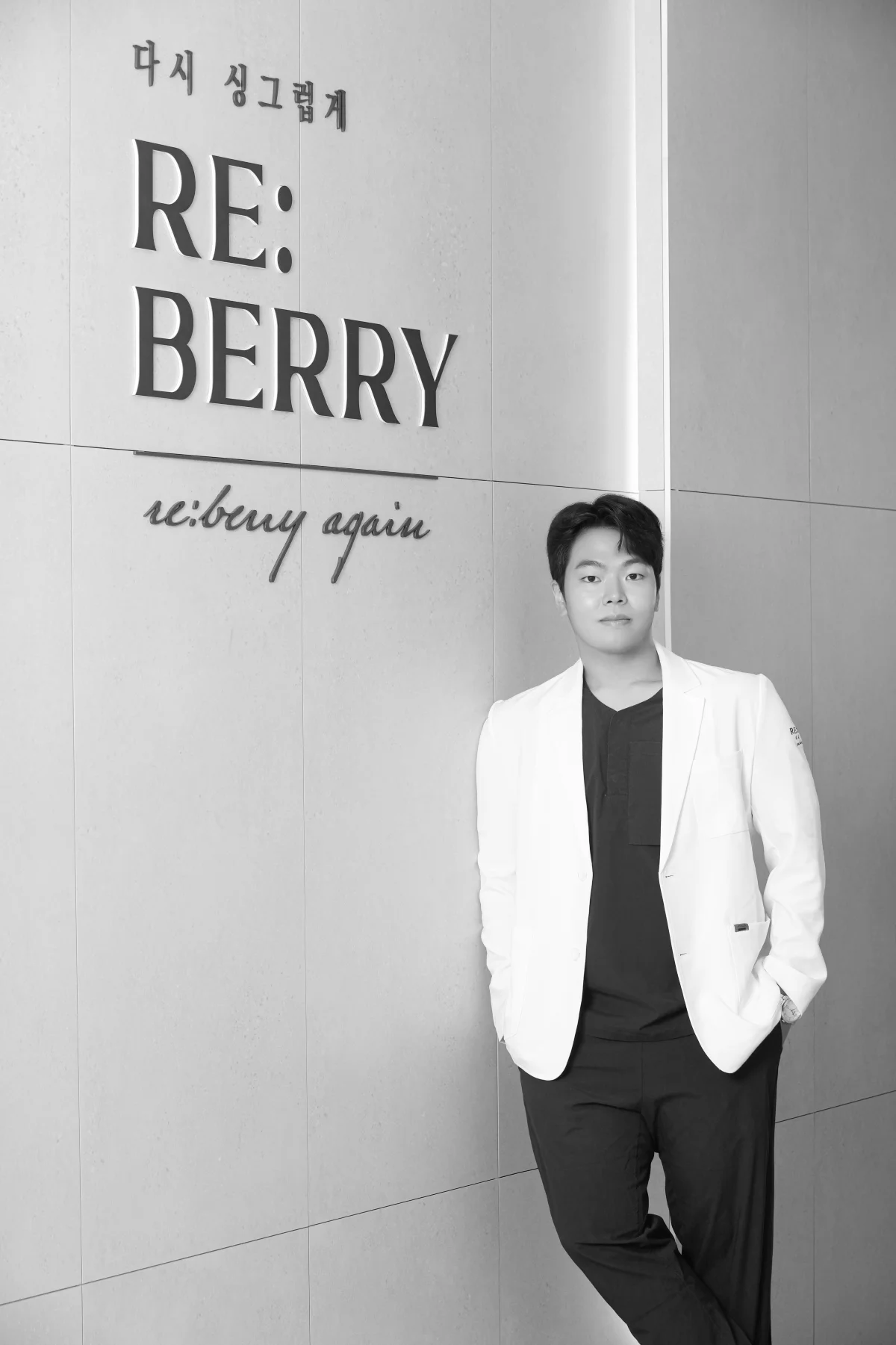
Dr. Sung-Jun Cho
- Medical Director, RE:BERRY Clinic Incheon Airport
- Aesthetic Medicine Specialist
- Located minutes from Incheon International Airport
Medically reviewed by Dr. Sung-Jun Cho, Medical Director / Aesthetic Medicine Specialist, RE:BERRY
The Science Behind PDO Thread Lifting
Peer-reviewed evidence on polydioxanone thread lifts and collagen stimulation mechanisms.
Polydioxanone: Material Science
Polydioxanone (PDO) is a synthetic absorbable polymer that has been used in surgical sutures since the 1980s. It degrades via hydrolysis over 6–8 months, with mechanical strength retained for approximately 60–90 days. In aesthetic applications, PDO threads are manufactured with various configurations: smooth (mono), barbed (cog), spiral (screw), and molded (MINT). The material is biocompatible, non-immunogenic, and produces a predictable foreign-body response that stimulates fibroblast migration and collagen synthesis. Sulamanidze et al. (2002) first described the use of barbed sutures for facial rejuvenation, establishing the foundation for modern thread lift techniques (DOI: 10.1097/00006534-200204150-00024).
Dual Mechanism: Mechanical Lift + Collagen Induction
PDO thread lifts produce results through two complementary mechanisms. The immediate mechanical lift occurs as barbed or cogged threads anchor into subcutaneous tissue and physically reposition ptotic structures along pre-determined vectors. The biological response — neocollagenesis — begins within 2–4 weeks as the body recognizes the foreign PDO material and initiates a controlled inflammatory cascade. Fibroblasts migrate to the thread site, depositing Type I and Type III collagen that forms a supportive scaffold persisting well beyond thread absorption. Yoon et al. (2019) demonstrated through histological analysis that PDO threads increase dermal collagen density by 31% at 6 months post-insertion, with collagen scaffolding maintaining structural support for up to 12–18 months (DOI: 10.1007/s00266-018-1265-z).
Barbed Thread Biomechanics
Modern cog threads feature bidirectional barbs cut at specific angles (typically 150–160°) that engage surrounding tissue to resist gravitational descent. The biomechanical lifting force of a single cog thread has been measured at 5–8 N, with clinical protocols using 6–12 threads to achieve cumulative lifting forces sufficient to reposition facial fat pads and tighten the SMAS layer. Savoia et al. (2014) reported significant improvement in facial laxity with barbed PDO threads, noting particularly strong results in the jawline and lower face, with patient satisfaction rates of 85% at 12-month follow-up (DOI: 10.1097/DSS.0000000000000095).
Korean Innovation in Thread Technology
Korean manufacturers have driven innovation in thread design, producing increasingly sophisticated configurations including the MINT (Minimally Invasive Nonsurgical Thread) with molded barbs for stronger tissue engagement, HIKO nose threads for non-surgical rhinoplasty, and multi-directional cog threads for complex vector lifting. Korean clinical research has contributed significantly to optimizing insertion techniques, vector planning, and combination protocols. Kim et al. (2017) published a comprehensive Korean study on thread lift complications and prevention strategies, demonstrating that physician expertise and proper technique reduce adverse events to below 3% (DOI: 10.1007/s00266-017-0848-7).
Thread Lift + Energy Device Combinations
Current Korean protocols often combine thread lifts with energy-based devices for enhanced results. RF energy (Potenza, Oligio) applied 2–4 weeks after thread placement amplifies collagen stimulation around the thread scaffold. HIFU (Shurink, Ultherapy) targets the SMAS layer at depths complementary to thread placement. Abraham et al. (2018) showed that combining thread lifts with radiofrequency treatment produces statistically superior lifting outcomes compared to either modality alone (DOI: 10.1097/DSS.0000000000001561).
References: Sulamanidze MA et al. Plast Reconstr Surg 2002;109(6):2074-2078 (DOI: 10.1097/00006534-200204150-00024) | Yoon JH et al. Aesthetic Plast Surg 2019;43(2):524-530 (DOI: 10.1007/s00266-018-1265-z) | Savoia A et al. Dermatol Surg 2014;40(12):1308-1313 (DOI: 10.1097/DSS.0000000000000095) | Kim JH et al. Aesthetic Plast Surg 2017;41(5):1178-1184 (DOI: 10.1007/s00266-017-0848-7) | Abraham RF et al. Dermatol Surg 2018;44(8):1078-1084 (DOI: 10.1097/DSS.0000000000001561)
[1] doi:10.1111/jocd.12878 | [2] doi:10.1007/s00266-020-01640-0 | [3] doi:10.14730/aaps.2018.24.1.30
What International Patients Say About Thread Lifts in Korea
"I came to Korea specifically for a thread lift because this is where the technique was perfected. Dr. Cho placed 10 cog threads along my jawline and the results were immediate. Six months later, the collagen effect has made it even better. The cost was a third of what I was quoted in London."
"As someone in my early 40s with moderate jowling, the thread lift was the perfect middle ground between fillers and surgery. The Korean technique uses very precise vector planning — my face looks lifted but completely natural. No one can tell I had anything done."
"I combined a thread lift with Potenza RF at RE:BERRY during a 3-day visit to Korea. The synergy between the two treatments is remarkable — the threads provide structure while the RF stimulates collagen around them. Best aesthetic investment I have ever made."
Frequently Asked Questions About PDO Thread Lift in Korea
Expert answers about polydioxanone thread lifting at Korean clinics, including costs, techniques, and recovery.
At RE:BERRY Incheon Airport, thread lifting starts at ₩200,000 per line. A full jawline lift (8–12 threads) ranges from ₩1,600,000–2,400,000. In comparison, the same procedure costs $3,000–6,000 in the US, £2,500–4,500 in the UK, and ¥300,000–500,000 in Japan. Korea offers 40–60% savings with MFDS-cleared threads.
Korean clinics use the widest variety of threads globally: cog/barbed threads (maximum lift), screw threads (volume + moderate lift), mono/smooth threads (skin quality), MINT threads (molded barbs, long-lasting), and HIKO threads (nose reshaping). All are MFDS-cleared and manufactured in Korea.
PDO threads dissolve over 6–8 months, but the collagen scaffold they create maintains lifting for 12–18 months. MINT threads (molded barbs) can last 18–24 months. Annual maintenance with additional threads extends results indefinitely.
With proper local anesthesia (lidocaine injection), pain is rated 2–3/10 during the procedure. You may feel mild pressure or pulling sensation as threads are positioned. Post-procedure tenderness lasts 3–5 days and is managed with standard pain medication.
Swelling peaks at 48–72 hours and resolves within 7–10 days. Bruising (if any) resolves in 5–7 days. Most patients resume normal activities at day 3–5. Avoid wide mouth opening, facial massage, and intense exercise for 2 weeks. Sleep on your back for 1 week.
We recommend waiting 24–48 hours before flying to allow initial swelling to stabilize. Short flights (under 4 hours) are typically fine after 24 hours. RE:BERRY Incheon Airport is minutes from ICN terminal — ideal for scheduling around your travel.
Thread lifts offer moderate lifting with minimal downtime (5–7 days vs 2–4 weeks for surgery), no general anesthesia, no scars, and lower cost. Results last 12–18 months vs 5–10 years for surgery. Thread lifts are ideal for mild-to-moderate laxity; severe sagging may require surgical intervention.
Yes. Popular Korean combinations include thread lift + RF lifting (Potenza/Oligio for enhanced collagen stimulation), thread lift + Botox (jaw slimming), thread lift + fillers (volume restoration), and thread lift + skin boosters (skin quality). Sequential treatments spaced 2–4 weeks apart.
Jawline (jowls), mid-face (cheek sagging), nasolabial folds, marionette lines, brow lifting, neck, double chin, nose (HIKO threads), and periorbital area. Each zone requires different thread types and techniques.
Typical thread counts: jawline 8–12 cog threads, mid-face 6–10 cog threads, neck 6–8 mono threads, brow 2–4 cog threads. Total full-face protocol: 20–30 threads. Dr. Cho determines the exact count during consultation based on your anatomy and goals.
Yes. Korean PDO threads undergo rigorous MFDS (Ministry of Food and Drug Safety) clearance — equivalent to FDA approval. PDO has a 30+ year safety record in surgical sutures. Complication rates are below 3% with experienced physicians (Kim et al., 2017, DOI: 10.1007/s00266-017-0848-7).
Common (temporary): swelling, bruising, mild pain, sensation of tightness. Uncommon: asymmetry (correctable), thread palpability (resolves as threads absorb), dimpling (technique-dependent). Rare: infection (<0.5%), thread migration. All risks are minimized by physician expertise and sterile technique.
Ideal candidates: ages 30–60 with mild-to-moderate facial laxity, loss of jawline definition, early jowling, or nasolabial fold deepening. Not ideal for: severe skin laxity (surgery recommended), very thin skin, active skin infections, pregnancy, or autoimmune conditions.
Korean physicians use advanced vector planning, minimal entry points, bidirectional cog placement, and multi-layer threading. The Korean approach emphasizes natural facial contours (V-line aesthetic) rather than an overly pulled appearance. Higher treatment volumes in Korea create superior physician expertise.
Stop blood-thinning medications and supplements (aspirin, ibuprofen, fish oil, vitamin E, ginkgo) 1 week before. Avoid alcohol 48 hours before. No dental work 2 weeks before or after. Arrive with clean skin. Bring any prior facial treatment records.
Threads can moderately improve double chin by lifting the submental area. For significant submental fat, combining thread lift with fat-dissolving injections (Very Slim Contour at ₩69,000/10cc) or Onda Coolwaves produces better results. Dr. Cho will recommend the optimal approach.
The Spring Contouring Package (₩219,000) includes Shurink 300 shots + InMode FX + Tightening Band. Done 2–4 weeks after thread placement, the HIFU and RF energy amplify collagen production around the threads, enhancing and extending the lifting effect.
When performed by experienced Korean physicians using proper vector planning, thread lifts look completely natural. The goal is restoration of youthful facial contour, not an artificially pulled appearance. Dr. Cho's approach prioritizes subtle, natural results.
Mechanical lifting is visible immediately after the procedure. Final results emerge at 2–3 weeks once swelling resolves and threads settle into position. Collagen-stimulated improvement continues for 3–6 months, making results progressively better over time.
For sustained results, maintenance threads every 12–18 months are recommended. Interim treatments like RF lifting or Sofwave can extend results between thread sessions. Many Korean patients follow an annual thread maintenance protocol.
Contact us via WhatsApp, KakaoTalk, WeChat, LINE, email, or phone. Our multilingual team (8 languages) will schedule your consultation, recommend the optimal thread protocol, and arrange complimentary airport pickup. RE:BERRY is open 365 days, 10 AM – 8 PM.
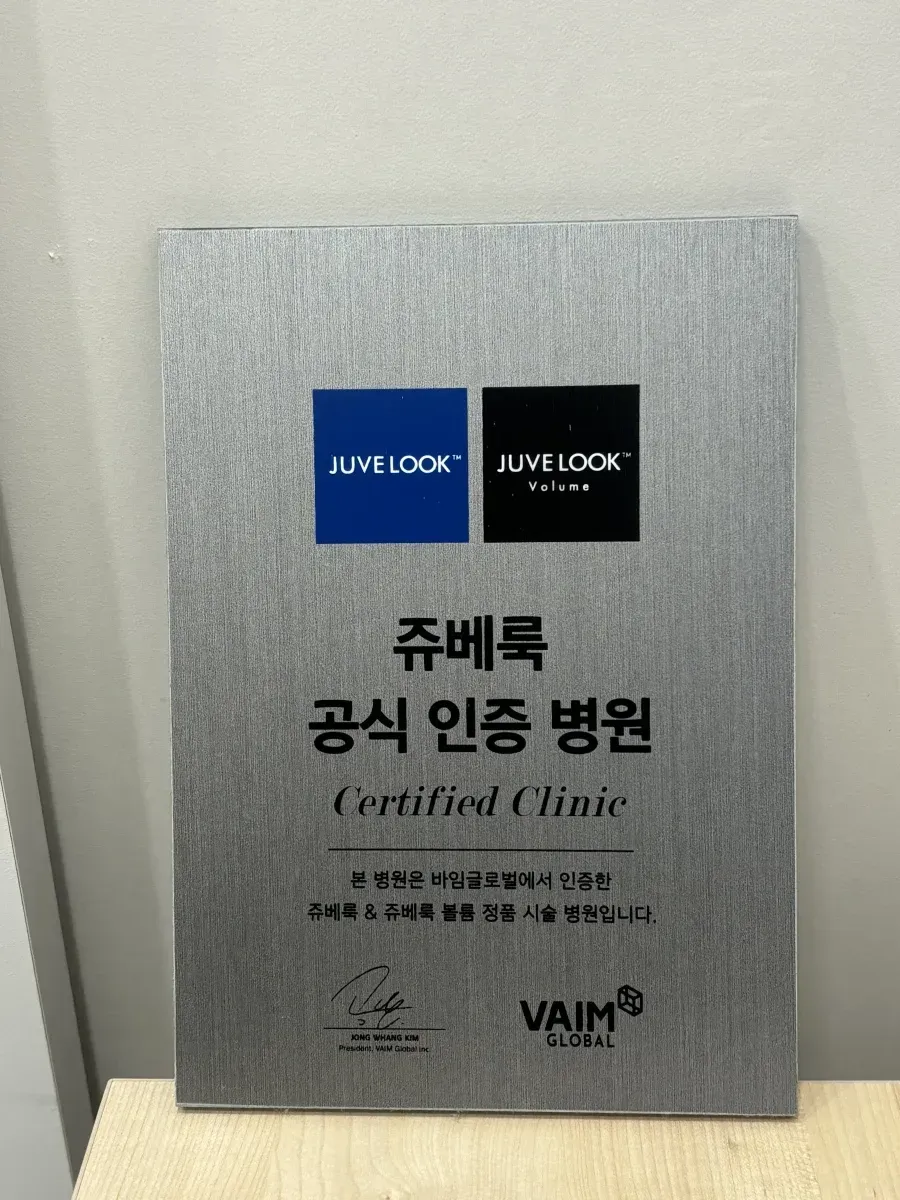
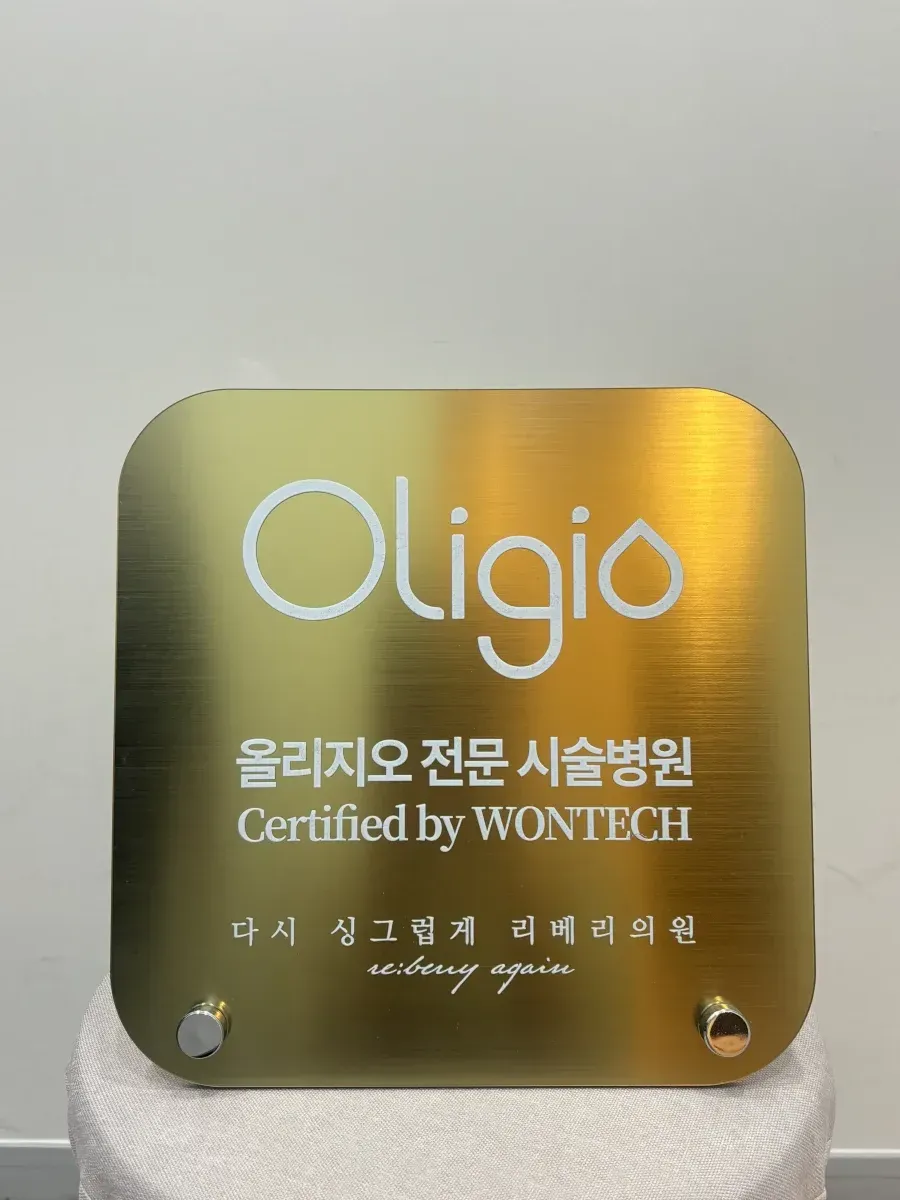
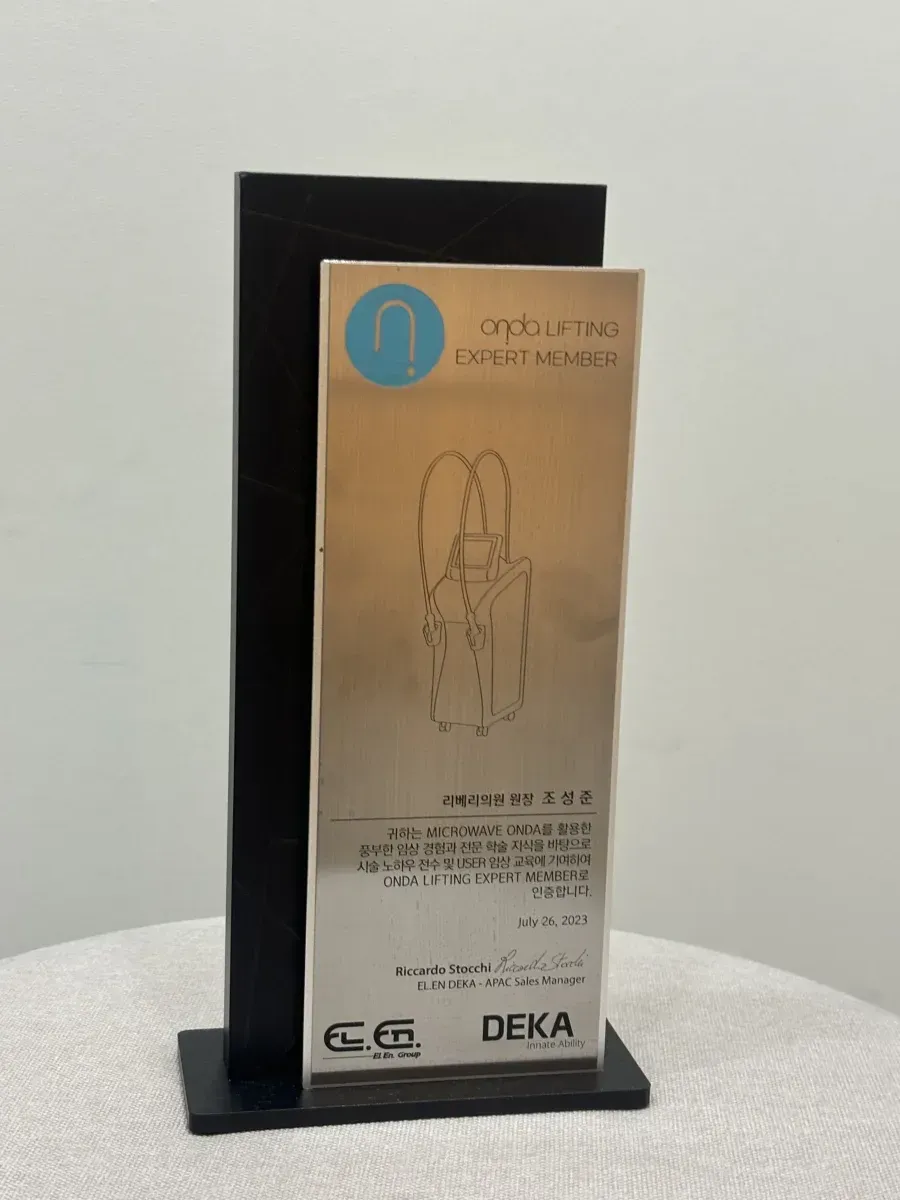
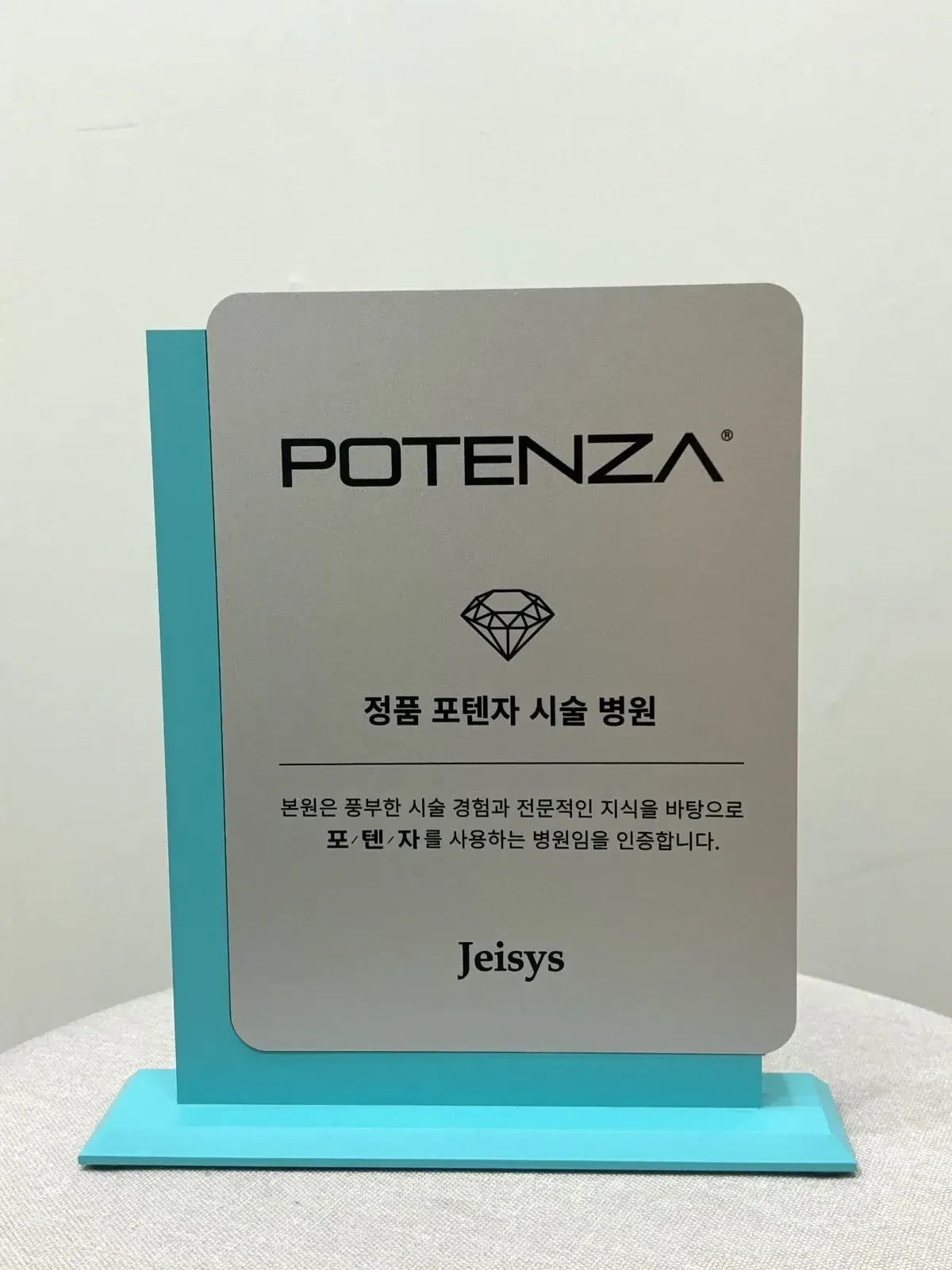
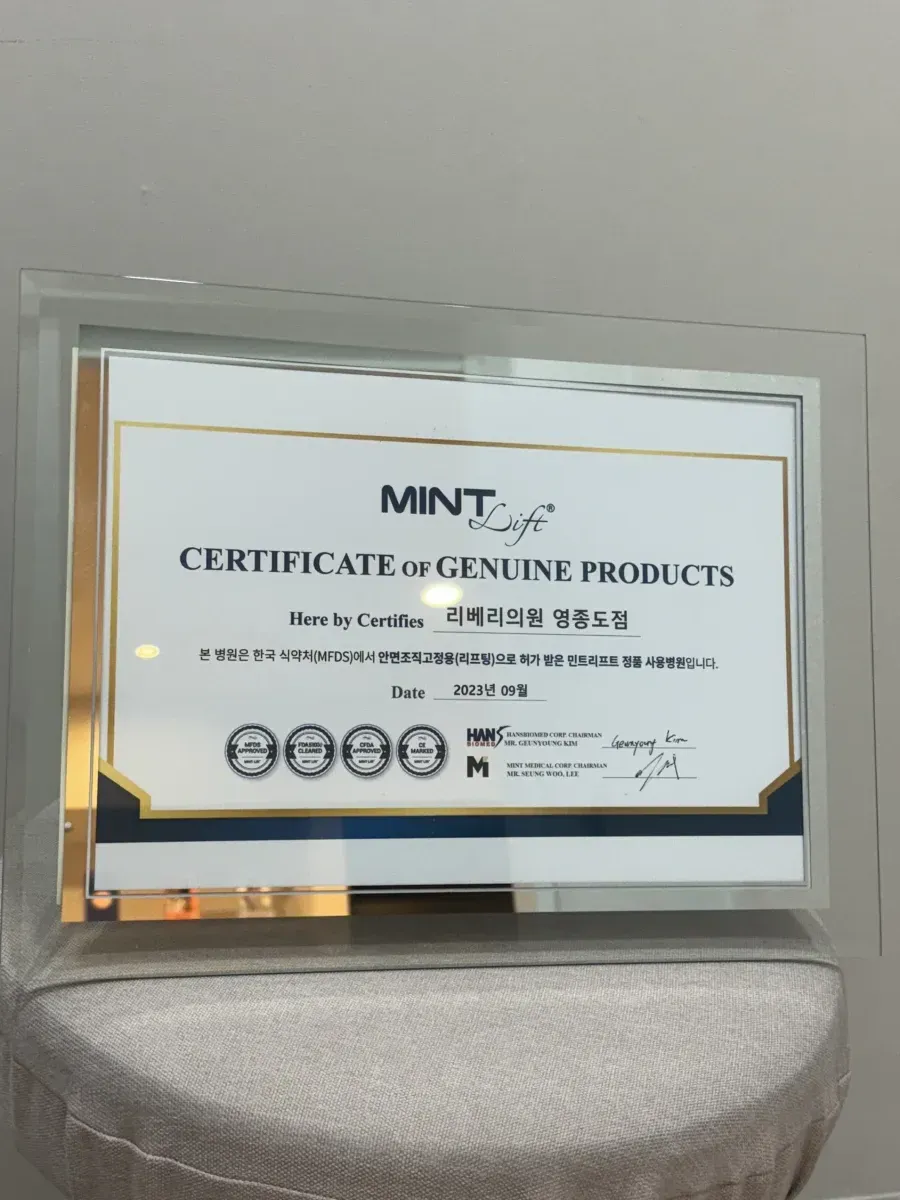
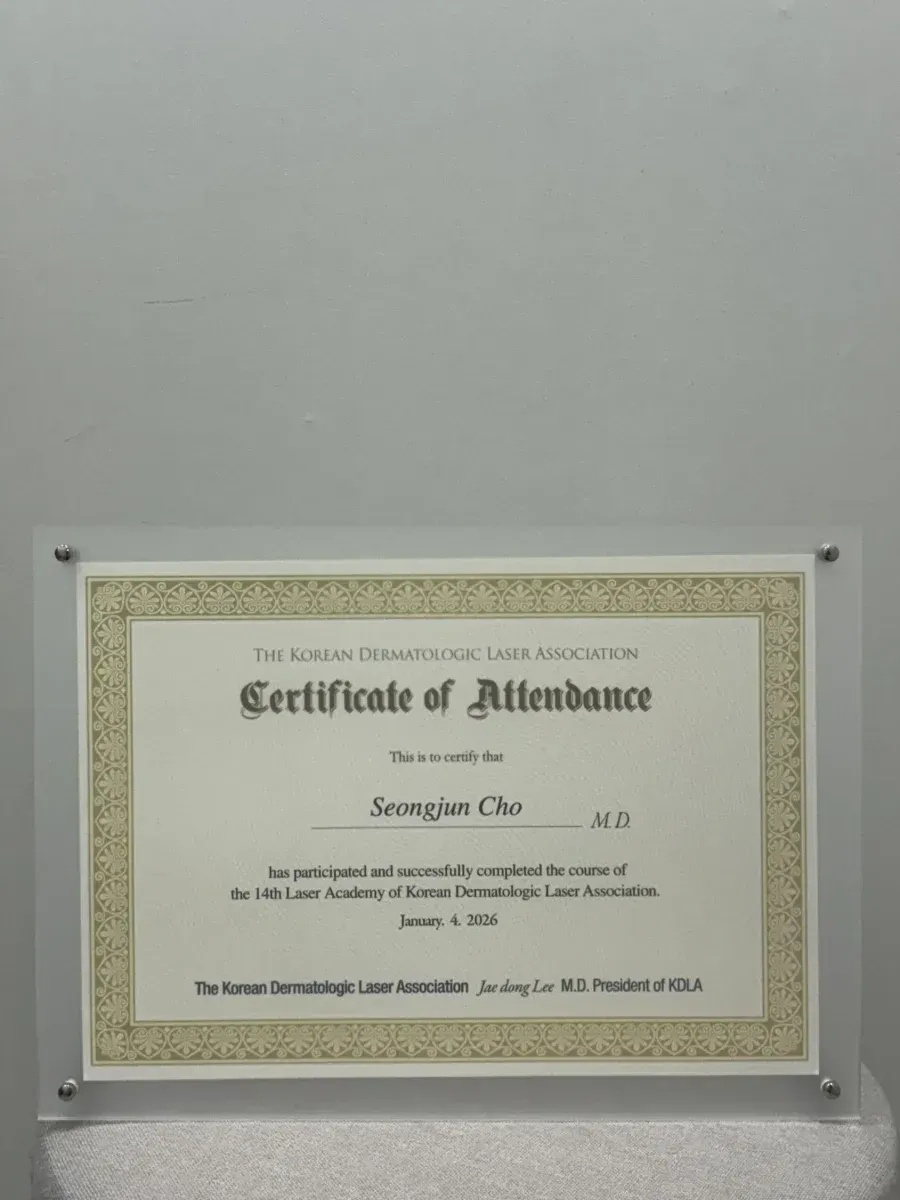
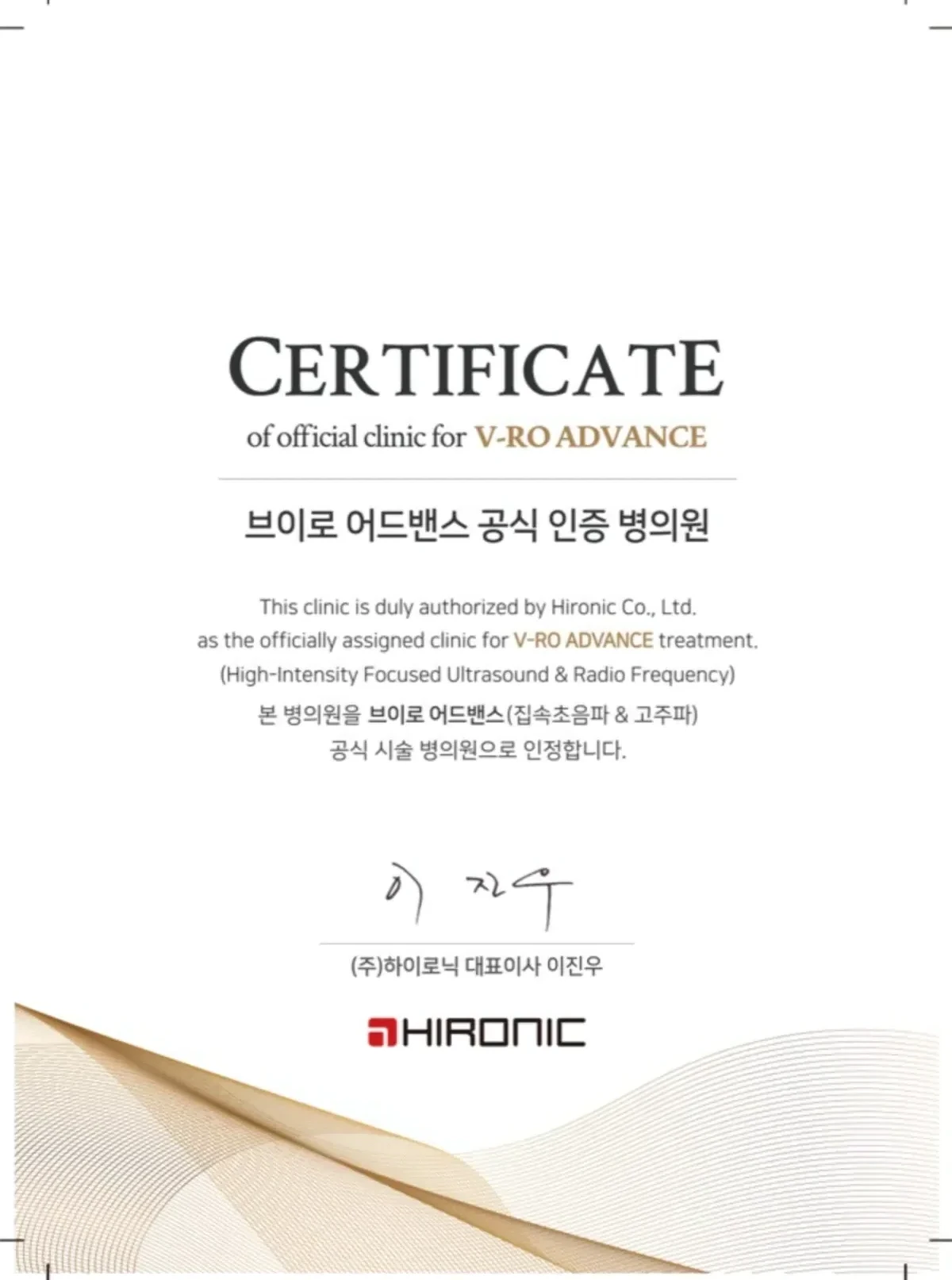
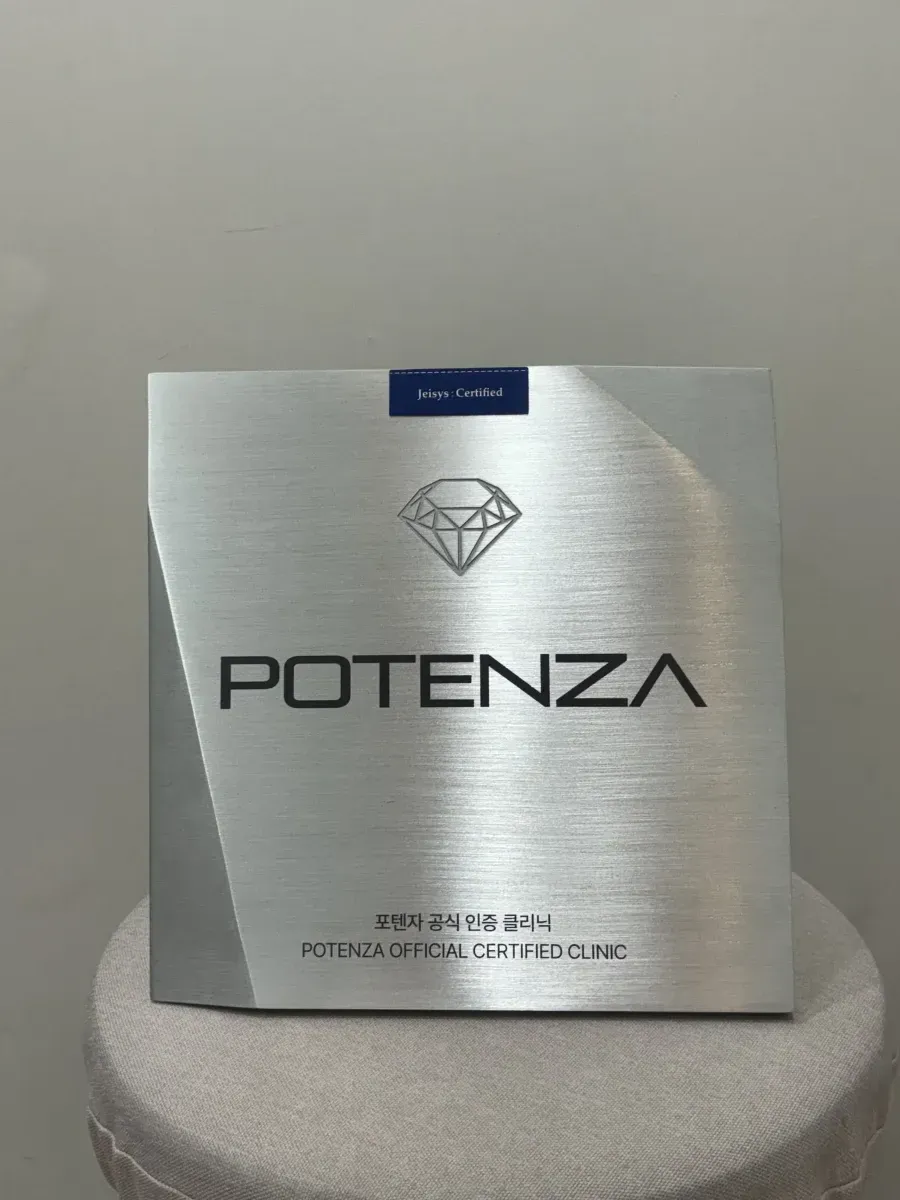
Only Authentic, Brand-Certified Equipment
Every device at RE:BERRY is MFDS-certified and manufacturer-verified. We never use counterfeit or grey-market equipment.
Ready for a PDO Thread Lift in Korea?
Book your thread lift consultation with Dr. Cho Sung-Jun at RE:BERRY Incheon Airport. MFDS-cleared threads, physician-only treatment, 365 days open. Complimentary airport pickup.
Book Your PDO Thread Lift Consultation in Korea
Fill out the form and our multilingual team will confirm within 2 hours via your preferred contact method.
- ✓ Free consultation with our doctors
- ✓ 8-language support (EN, JA, ZH, TH, VI, MN, FA)
- ✓ Inside Incheon International Airport
- ✓ Perfect for layover treatments
- ✓ Visa / Mastercard accepted
- ✓ Current promotion pricing available