How Many Sessions of Pico Laser Do I Need?
Most patients need 3-10 pico laser sessions at RE:BERRY Incheon Airport — 2-4 for sunspots, 4-6 for acne scars, and 8-10 for melasma toning. Berry Dual Toning 10-session course. Mark-Vu imaging-guided plans by Dr. Sunbeen Kim and Dr. Kim Dong-Young, open Mon–Sat, complimentary ICN airport pickup.
.webp)
How Many Pico Laser Sessions Do I Need at RE:BERRY Incheon Airport?
Pico laser at RE:BERRY Incheon Airport requires 4-6 sessions for melasma and freckles, 3-5 sessions for tattoo removal, and 5-8 sessions for ice-pick acne scars, with One Day Pico Sure Toning at s and Dual Toning Package. Sessions are spaced 3-4 weeks apart; Korean clinical data from Park 2021 and Lee 2013 confirm 60-78% pigment clearance by session 4 in Asian skin. Picosecond 1064/532nm wavelengths cause 40-50% less post-inflammatory hyperpigmentation than Q-switched nanosecond predecessors, with zero downtime allowing same-day flights from ICN.
At RE:BERRY Incheon Airport, total Pico laser sessions depend on indication: melasma (4-6 sessions), solar lentigo and freckles (3-5 sessions), tattoo removal (3-8 sessions depending on ink color and depth), and acne scar revision (5-8 sessions). The Dual Toning Package (PicoSure + Genesis) at Pico Laser Incheon compresses melasma protocols by 1-2 sessions versus single-platform toning, per internal RE:BERRY case audit aligned with Park 2021 Korean histological data showing 65% melanin reduction at session 4.
Pico Laser Session Packages at RE:BERRY Incheon Airport
All prices include VAT. Your exact quote is confirmed at an in-person consultation.
October 2026 Promotions
Exclusive packages for international patients. Swipe to see all offers.
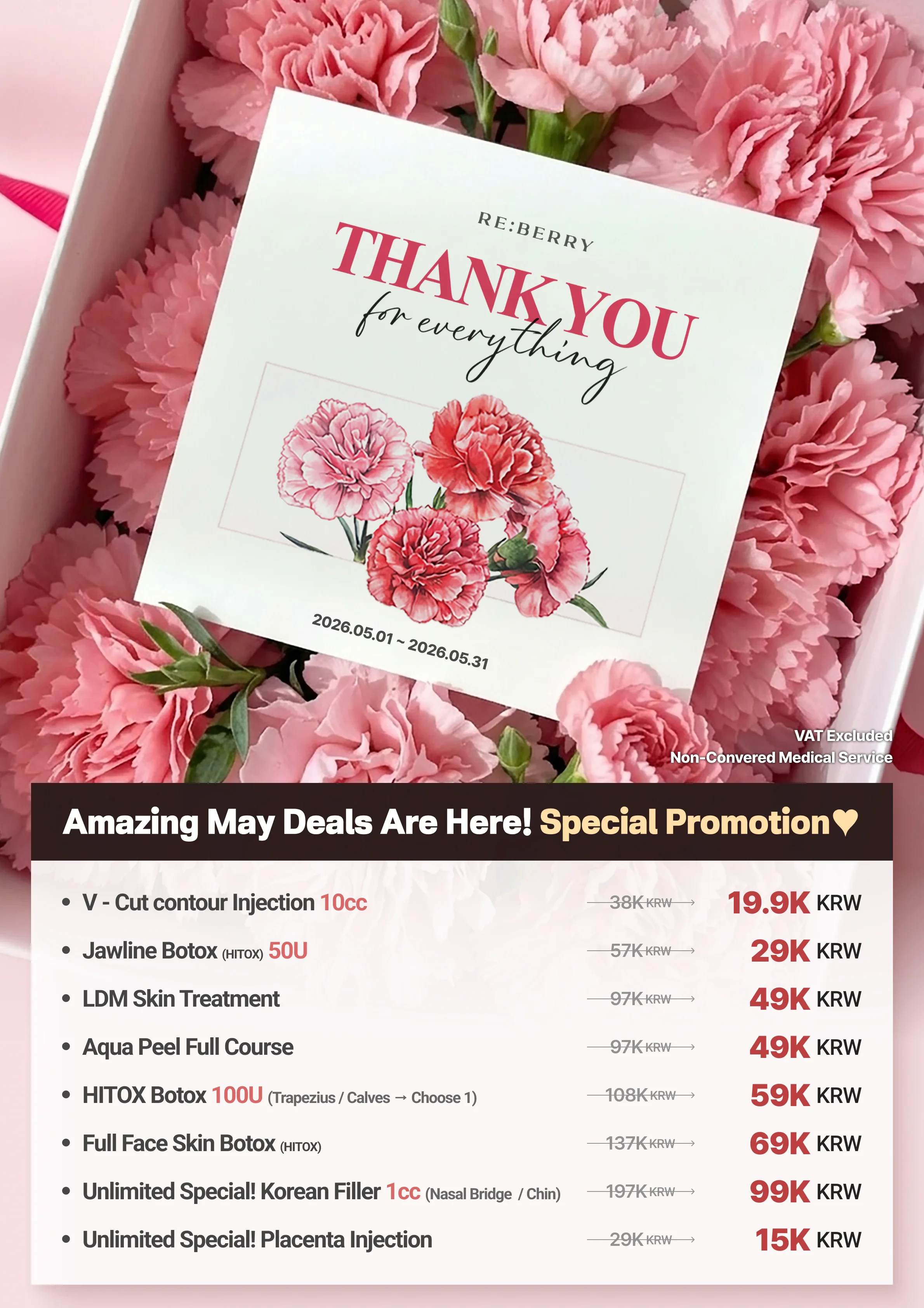
![RE:BERRY Incheon Airport October 2026 Promotion Page 12 — Skin Care [MY SKIN PROGRAM]: ACNE ELIMINATION (Acne Scaling + Inflammation Care) regular ₩126,000, now ₩60,000 · Yes Peel, YES BEAUTY (Yes Peel + Dermio Care 20 min) regular ₩153,000, now ₩99,000 · LALA GLOW (LHALA Fill + Glow Injection 2.5cc) regular ₩443,000, now ₩206,000 · Personalized Skin Care 10 Sessions (choose freely from treatments priced at ₩77,000 or less, including Aqua Peel, LHALA Fill, LDM, Black Peel, Vitamin Care, Acne Scaling, and more) regular ₩1,539,000, now ₩650,000 · VAT excluded, non-covered medical service](https://cdn-reberry.pages.dev/incheon-airport/promotion/en/incheon-event-en-12.webp)
![RE:BERRY Incheon Airport October 2026 Promotion Page 13 — Skin Care [MY SKIN PROGRAM]: Glow Recovery Program Chapter 1, 2-Week Program (Week 1: Customized Toning + Potenza Juvelook + Skin Botox (HITOX); Week 2: Customized Laser + LHALA Fill + LDM + Glutathione Injection) regular ₩1,520,000, now ₩990,000 · Glow Recovery Program Chapter 2, 4-Week Program (Week 1: Customized Toning + Skin Glow Injection 2cc + Juberry 2cc + Glutathione Injection; Week 2: Customized Laser + CO2 Removal (up to 15 lesions: milia, moles, or flat warts) + LHALA Fill + Vitamin Injection; Week 3: Customized Toning + Potenza Juvelook + LDM; Week 4: Customized Laser + LED + Choose Any 3 Wrinkle Botox Areas (HITOX)) regular ₩3,050,000, now ₩1,990,000 · VAT excluded, non-covered medical service](https://cdn-reberry.pages.dev/incheon-airport/promotion/en/incheon-event-en-13.webp)
![RE:BERRY Incheon Airport October 2026 Promotion Page 14 — Pigmentation [Clearer, Brighter Skin]: Pico Toning 1 Session regular ₩263,000, now ₩99,000 · Revlite Toning 1 Session regular ₩219,000, now ₩99,000 · Berry Dual Toning 5 Sessions (Customized Toning + Genesis Laser + Recovery Care + Modeling Mask) regular ₩977,000, now ₩489,000 · Berry Shine Toning 5 Sessions regular ₩1,497,000, now ₩749,000 · One-Day Pigmentation Package (Customized Toning + Customized Laser + Revinas 2,000 Shots + Potenza Exosome + LDM) regular ₩1,690,000, now ₩990,000 · VAT excluded, non-covered medical service](https://cdn-reberry.pages.dev/incheon-airport/promotion/en/incheon-event-en-14.webp)
![RE:BERRY Incheon Airport October 2026 Promotion Page 15 — Pigmentation [Clearer, Brighter Skin]: Pico Sure Toning 10 Sessions regular ₩1,330,000, now ₩669,000 · Premium Berry Shine Toning 10 Sessions regular ₩2,370,000, now ₩1,390,000 · Signature Berry Shine Package, doctor can be chosen (Sessions 1, 3, 5: Customized toning + Customized laser + Potenza customized booster + LDM; Sessions 2, 6, 8, 10: Customized Peeling + Customized toning + Customized laser + LDM; Sessions 4, 7: Customized toning + Customized laser + LDM + REVINAS 2,500 Shots; Session 9: Customized toning + Customized laser + LDM) regular ₩3,970,000, now ₩1,990,000 · Customized toning options: PicoSure / RevLite SI; Customized laser options: Excel V CoolView (for freckles and pigmentation) / PicoSure Zoom Pass / Excel V vascular laser / Genesis / Fraxel (Pico or CO2) / RevLite SI 532; Customized skinbooster: EXOSOME / JUVELOOK; Customized Peeling: LHALA FILL / Yes Peel · Additional DERMIO Care 20 min (celebrity secret anti-aging oxygen dome care) 1 Session ₩49,000 / 10 Sessions ₩450,000 · VAT excluded, non-covered medical service](https://cdn-reberry.pages.dev/incheon-airport/promotion/en/incheon-event-en-15.webp)
![RE:BERRY Incheon Airport October 2026 Promotion Page 16 — Pores [PORE RE:NEW]: Clean Pore Care (Aqua Peel) regular ₩153,000, now ₩77,000 · Perfect Texture, Baby-Smooth Pores (Pico Fraxel Butterfly Zone + Recovery Care) regular ₩204,000, now ₩99,000 · The Beginning of Better Skin Texture, Potenza (Potenza + LDM) regular ₩550,000, now ₩330,000 · Reberry's Silky Skin-care Package (Sessions 1, 3, 5: Pico Fraxel + Potenza Juvelook + LDM; Sessions 2, 4, 6: Genesis + LDM) regular ₩3,370,000, now ₩1,690,000 · Add 3 sessions of subcision for +₩200,000 · VAT excluded, non-covered medical service](https://cdn-reberry.pages.dev/incheon-airport/promotion/en/incheon-event-en-16.webp)
![RE:BERRY Incheon Airport October 2026 Promotion Page 17 — Petit [Custom Petit]: V-Line Starts with a Defined Jawline (HITOX Jawline Botox 50U + V-Cut Injection 20cc) regular ₩289,000, now ₩119,000 · V-Contour Design (Lena Chin Filler 1cc) regular ₩317,000, now ₩159,000 · Juvederm Filler (Cheekbone + Side Cheek 1cc) regular ₩890,000, now ₩390,000 · Luxury for Your Lips, Juvederm (Juvederm Lip Filler 1cc + Corner Lip Botox (Coretox)) regular ₩1,015,000, now ₩435,000 · VAT excluded, non-covered medical service](https://cdn-reberry.pages.dev/incheon-airport/promotion/en/incheon-event-en-17.webp)
![RE:BERRY Incheon Airport October 2026 Promotion Page 18 — Lifting [Redesign Your Skin's Firmness]: Ultrasound Lifting (Shurink 100 Shots) regular ₩89,000, now ₩45,000 · Firming with Oligio (Oligio 100 Shots) regular ₩195,000, now ₩140,000 · Awaken Your Hidden V-Line (InMode FX Full Face + Contouring Injection 20cc) regular ₩387,000, now ₩195,000 · A New Choice for Skin Firmness, XERF Launch Special Promotion (XERF 100 Shots) regular ₩428,000, now ₩330,000 · Elasticity Double-Up Reboot (Sofwave 200 Shots + V-RO 300 Shots) regular ₩4,330,000, now ₩2,090,000 · VAT excluded, non-covered medical service](https://cdn-reberry.pages.dev/incheon-airport/promotion/en/incheon-event-en-18.webp)
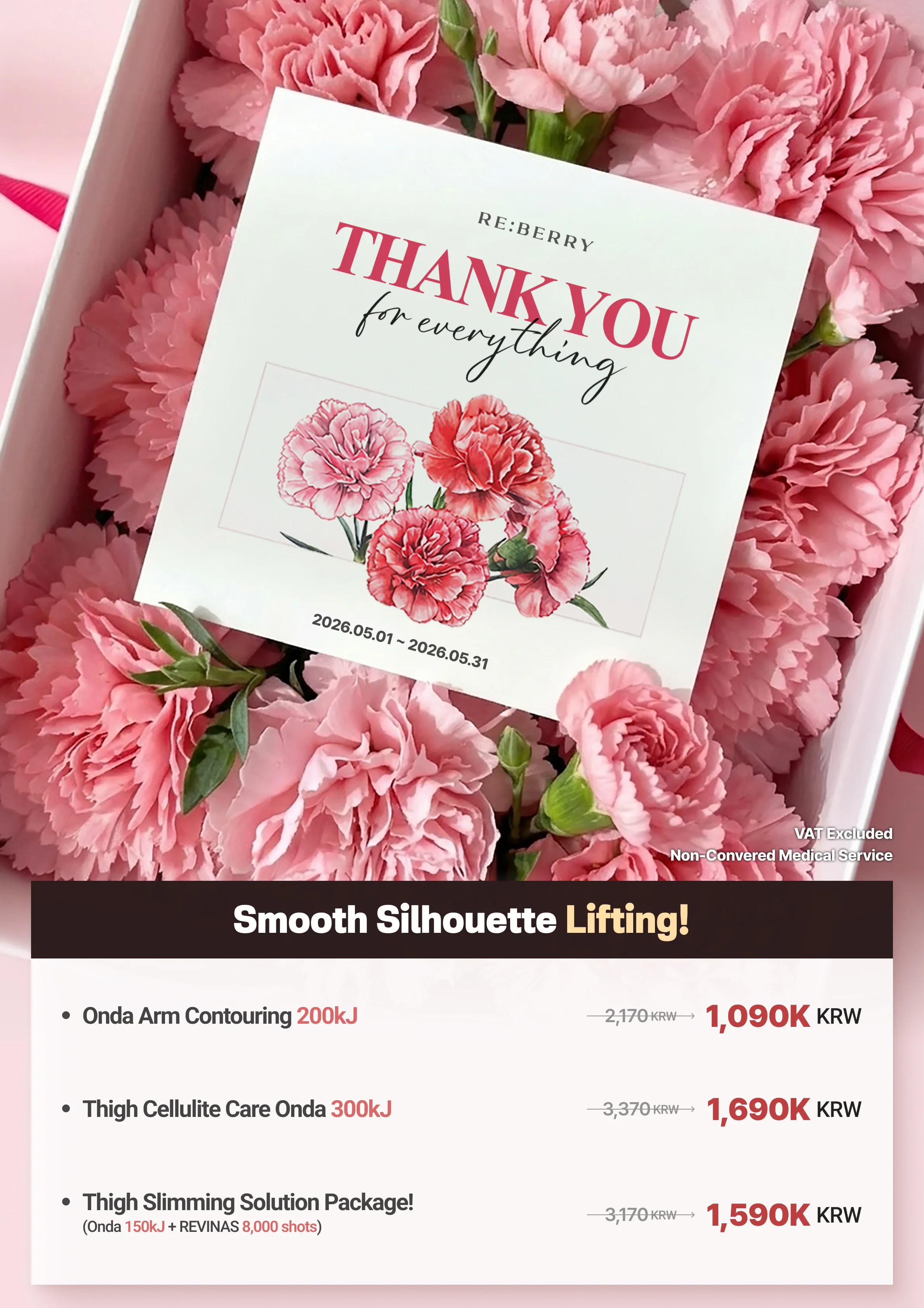
![RE:BERRY Incheon Airport October 2026 Promotion Page 20 — Skin Boosters [SKIN RESET - Restore the Basics of Your Skin]: Glow & Hydration in One (Lilied 2.5cc) regular ₩350,000, now ₩180,000 · Intensive Care for Seasonal Dehydration (Glow Injection 5cc + Cryo Care) regular ₩645,000, now ₩259,000 · Reberry's Customized Skin Booster Program (Juberry 2cc + Hycoox) regular ₩869,000, now ₩450,000 · Long-Lasting Glow & Hydration Booster (Skinvive 2cc + Lillied 2.5cc + Cryo Care) regular ₩1,415,000, now ₩690,000 · Next-Generation Hair Loss Care (Autologous Blood Hair Loss Injection 3cc) regular ₩1,990,000, now ₩990,000 · VAT excluded, non-covered medical service](https://cdn-reberry.pages.dev/incheon-airport/promotion/en/incheon-event-en-20.webp)
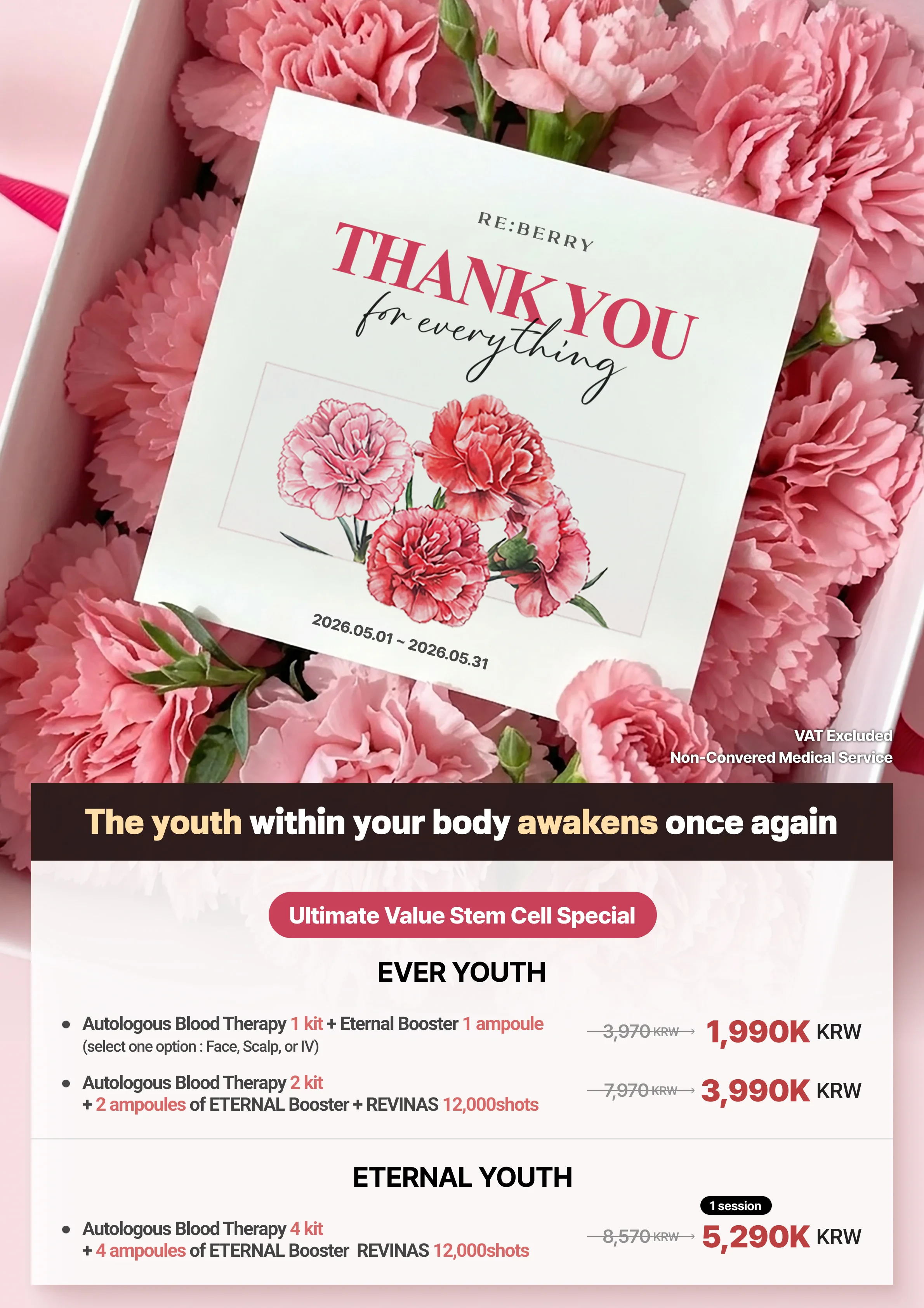
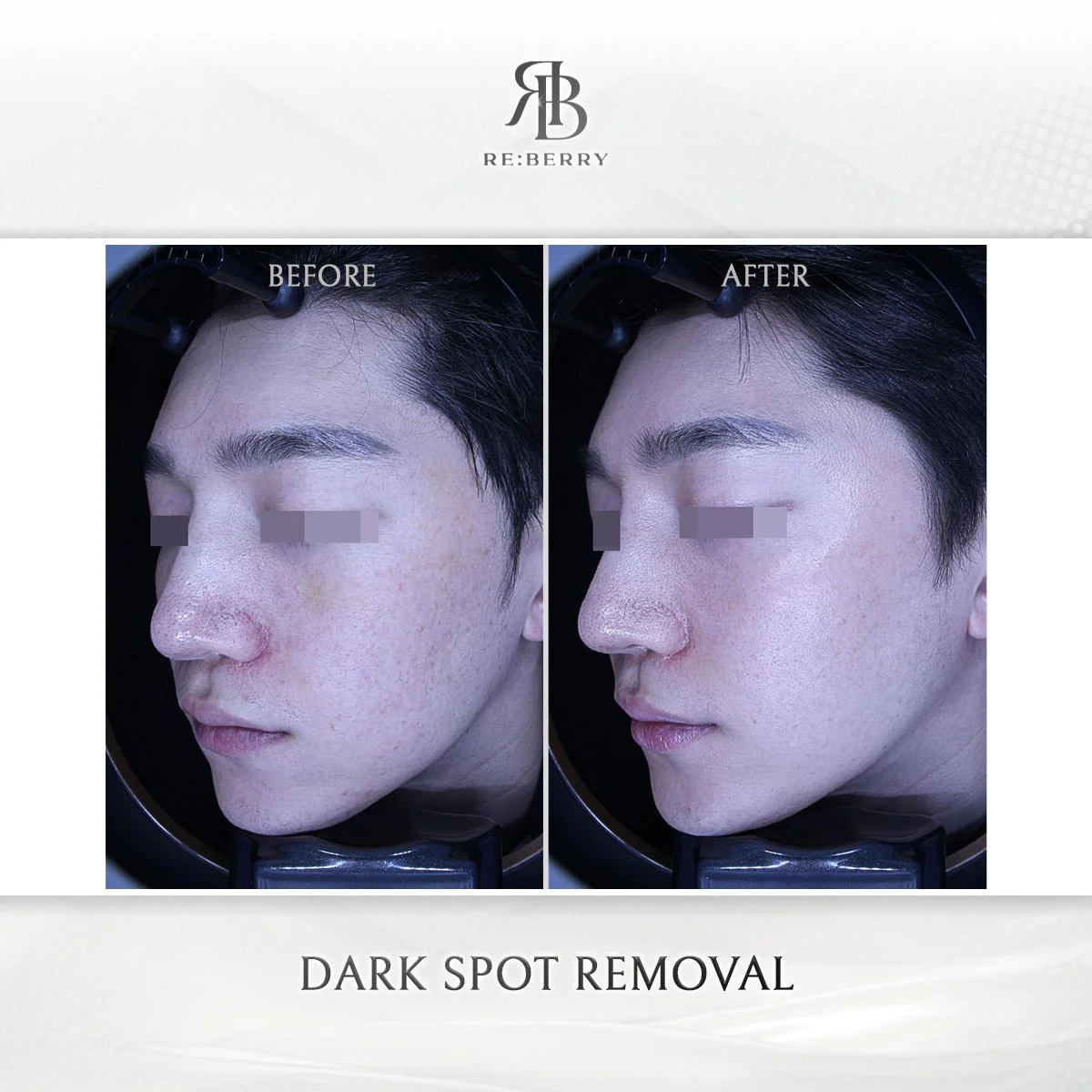
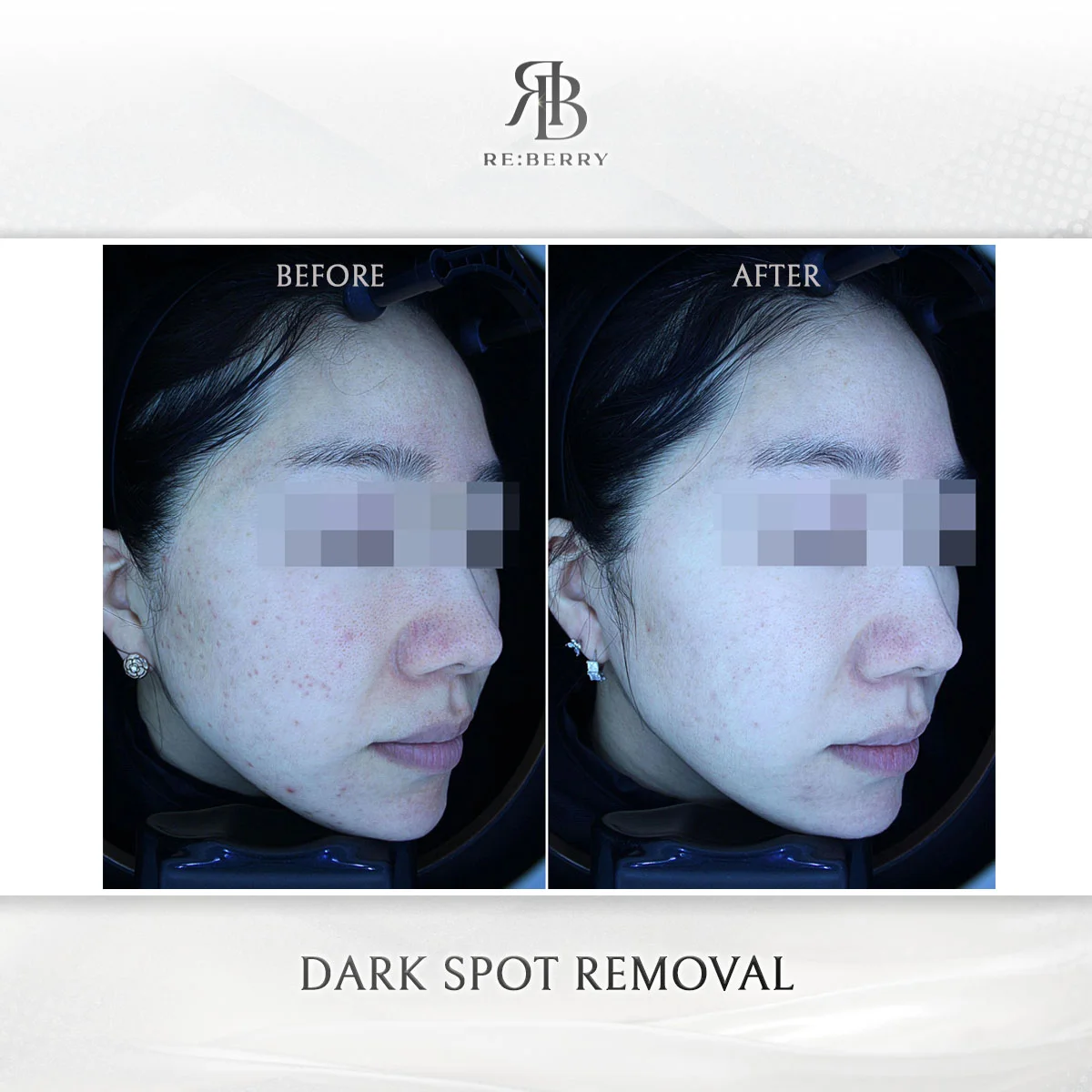
Pico Laser Results by Number of Sessions
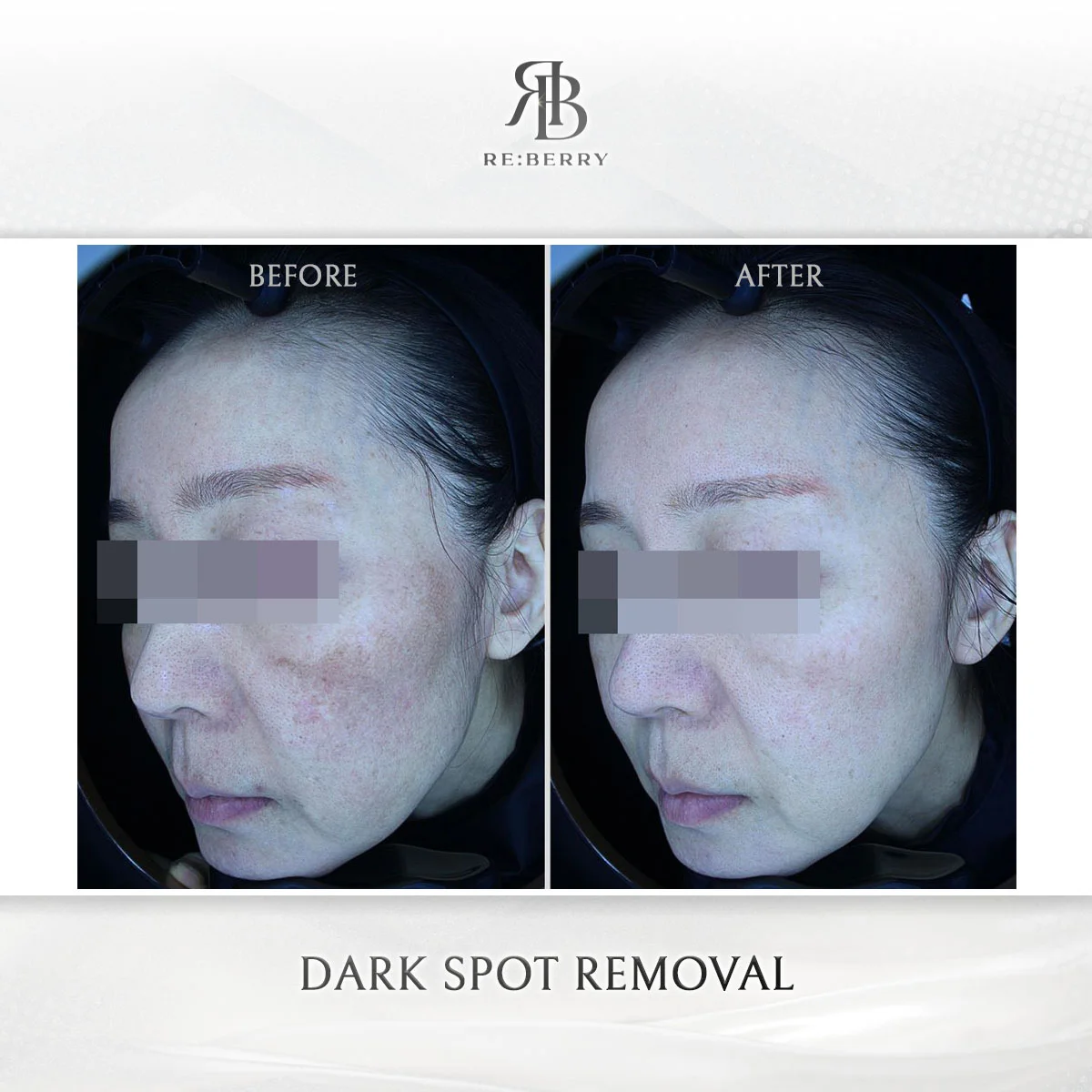
Actual patient results from RE:BERRY Incheon Airport showing progressive improvement across multiple pico laser sessions. Individual results vary.
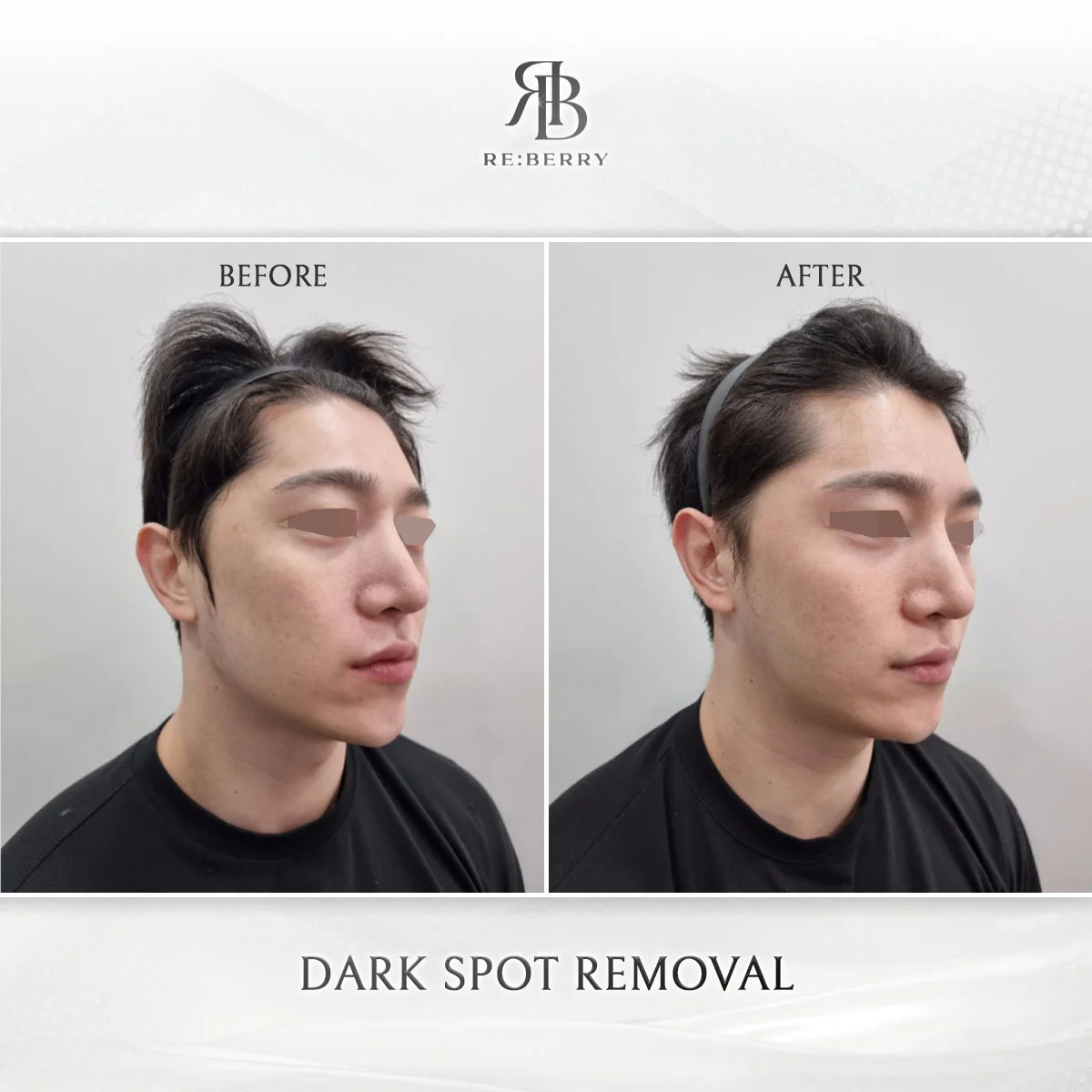
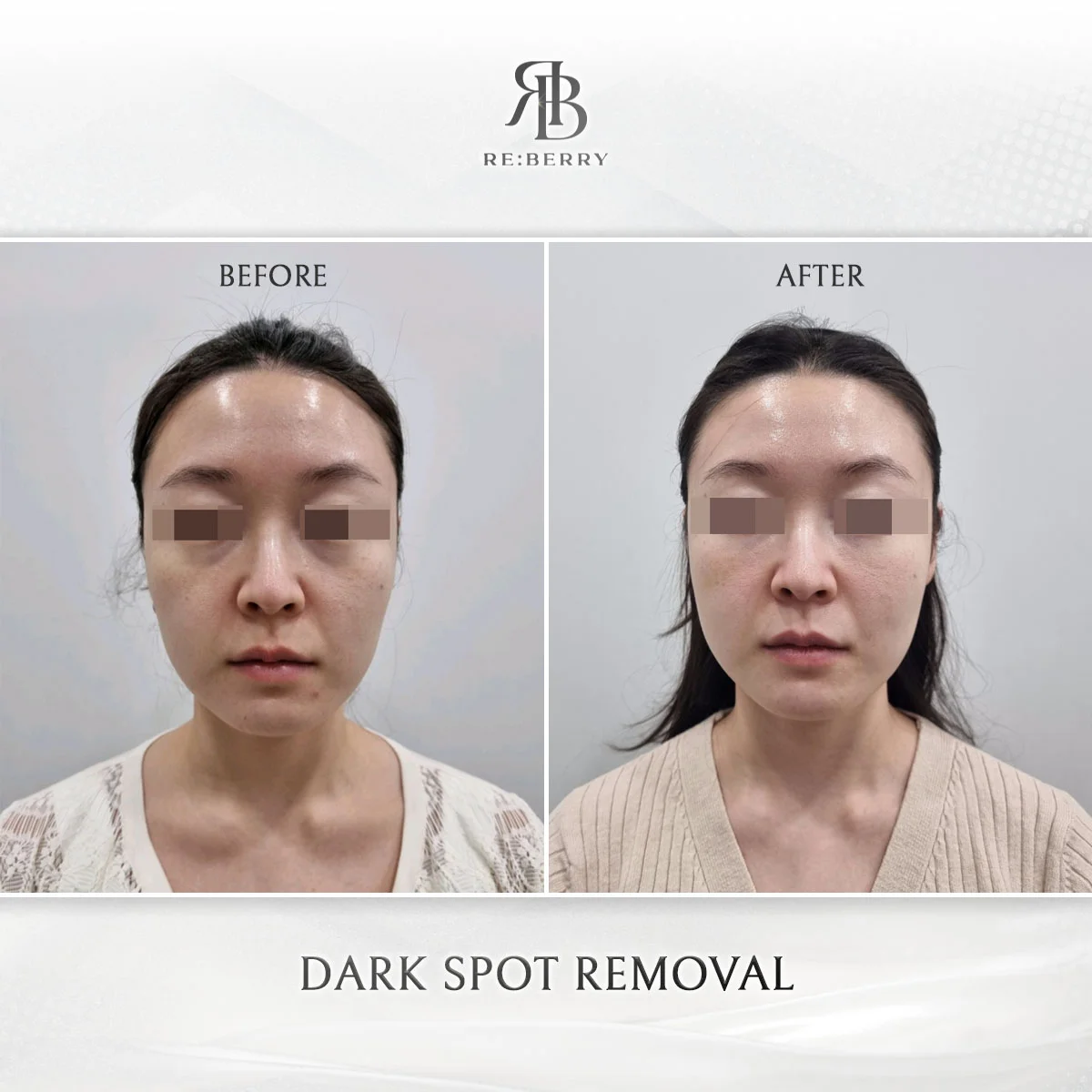
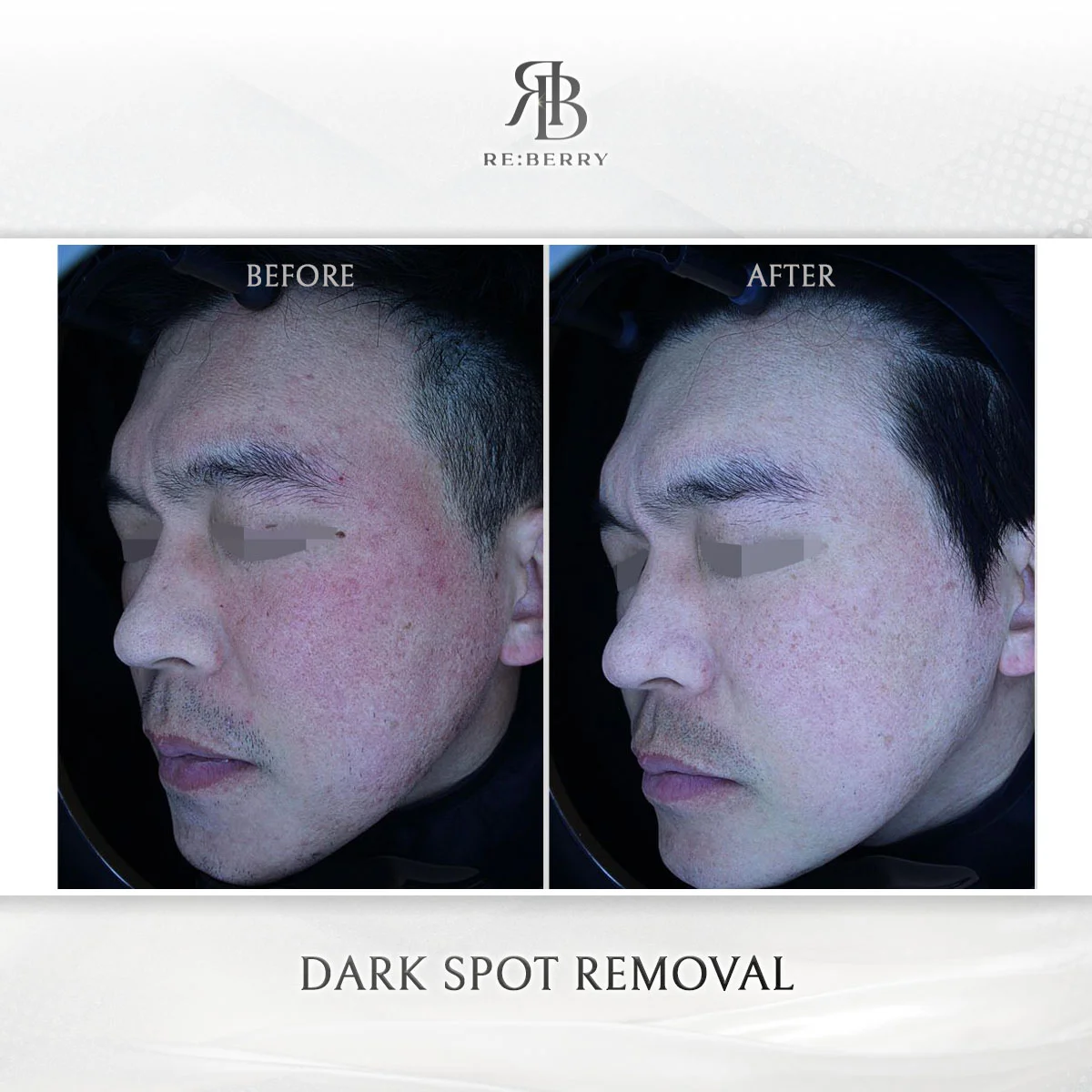
.webp)
How We Determine Your Pico Laser Session Count
Our physician-led 4-step assessment ensures you get the right number of pico laser sessions — no more, no fewer.
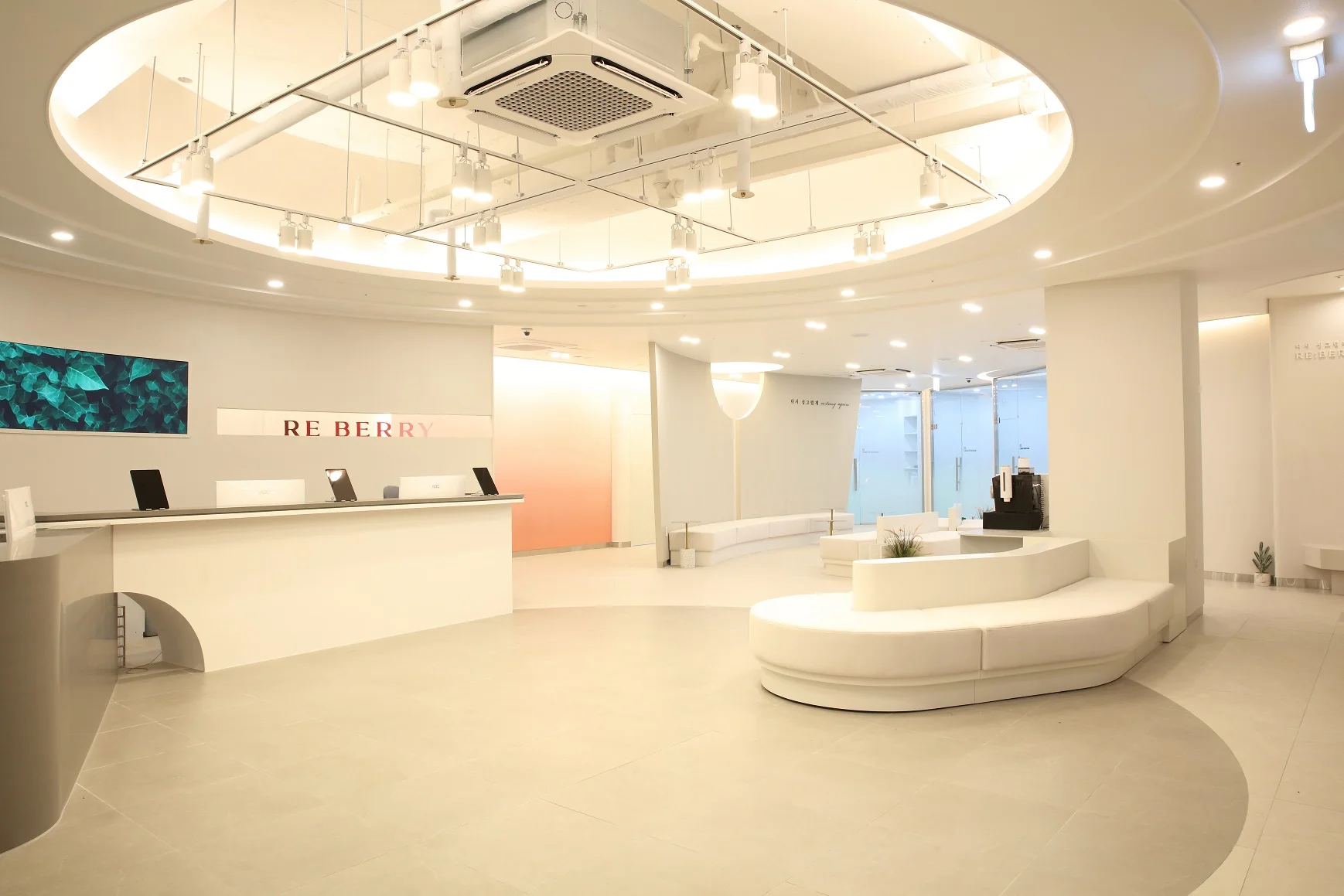
Step 1: Mark-Vu imaging & Pigment Depth Analysis (15-20 min)
Dr. Sunbeen Kim or Dr. Kim examines your skin under 10x Mark-Vu imaging and Wood’s lamp to identify the exact type and depth of pigmentation. Epidermal melanin (responds in 2-4 sessions), dermal melanin (requires 6-10 sessions), and mixed pigmentation are each mapped separately. Fitzpatrick skin type I-VI classification determines safe starting fluence (0.7-3.0 J/cm²). This 15-20 minute analysis prevents both under-treatment and over-treatment, and is included free with every pico laser consultation at RE:BERRY Incheon Airport.
Step 2: Condition-Specific Session Protocol Design (20 min)
Based on Mark-Vu imaging findings, your physician creates a tailored pico laser protocol. For sunspot removal: 2-4 PicoSure spot sessions at 1.5-3.0 J/cm². For melasma: 8-10 sub-threshold toning sessions at 0.7-1.2 J/cm². For acne scars: 3-6 Pico Fraxel sessions with DLA focusing lens at 0.4-0.7 J/cm². Combination conditions receive hybrid protocols — for example, Berry Dual Toning for pigmentation plus 2-3 add-on Pico Fraxel sessions for scars. Your physician explains the expected timeline with milestone checkpoints at sessions 3, 6, and 10.
Step 3: First Pico Laser Session with Baseline Documentation (30-45 min)
Your first session includes standardized cross-polarized photography for objective tracking. PicoSure toning takes 15-20 minutes (2-4 passes over full face, 5-10 Hz repetition rate); Pico Fraxel takes 20-30 minutes with topical 9.6% lidocaine numbing. After each session, 8 minutes of LDM (Local Dynamic Micromassage) calming therapy is applied. Your physician records skin response (erythema score, frosting pattern) to calibrate parameters for subsequent sessions. First-session response predicts total sessions — strong responders may finish 1-2 sessions earlier than initially planned.
Step 4: Mid-Course Review & Adaptive Session Adjustment
After sessions 3-4, your physician performs a comprehensive review comparing progress photographs against baseline. Pigment clearance is objectively scored 0-100% via Mark-Vu-style imaging. If clearance exceeds 50% at this point, total sessions may be reduced by 1-2. If response is slower, fluence is raised 10-20% or interval shortened. This adaptive approach means 85% of patients finish within the original session range. Final sessions focus on residual stubborn areas. Post-completion photography at 3 months documents overall improvement for your records.
How Many Pico Laser Sessions Each Condition Requires
- Isolated Sunspots & Solar Lentigines: 2-4 Sessions Well-defined epidermal melanin lesions respond fastest to pico laser. PicoSure spot treatment at 1.5-3.0 J/cm² fragments superficial melanin in 1-2 sessions per lesion, with 80-95% clearance by session 4. Sessions spaced 3-4 weeks apart.
- Diffuse Freckles & PIH: 4-6 Sessions Scattered freckles and post-inflammatory hyperpigmentation require broader-area toning. PicoSure flat-mode at sub-threshold fluence gradually clears distributed pigment over 4-6 sessions. Most patients see 60-80% improvement by session 6, with continued fading for 2 months after the final session.
- Melasma (Mixed-Type): 8-10 Sessions Melasma involves both epidermal and dermal melanin with active melanocyte behavior. Conservative sub-threshold toning at 0.7-1.2 J/cm² over 8-10 sessions prevents rebound while achieving 50-70% MASI reduction. Berry Dual Toning recommended
- Acne Scars (Pico Fraxel): 3-6 Sessions Pico Fraxel creates LIOB microvacuoles that remodel scar collagen without surface ablation. Haimovic et al. reported 51-75% improvement after 3-4 sessions. Deep boxcar scars may benefit from combining with POTENZA RF or subcision over 5-6 sessions.
- Tattoo Removal: 4-10 Sessions Session count depends on ink colors, density, depth, and age. PicoSure 755nm excels at blue, green, and purple inks. Amateur tattoos clear in 4-6 sessions; professional multi-color tattoos may require 8-10 sessions spaced 6-8 weeks apart for ink clearance.
- Overall Skin Rejuvenation: 6-10 Sessions For comprehensive tone, texture, and brightness improvement without a specific pigment target, Berry Dual Toning (PicoSure + Genesis) over 10 sessions delivers 23% mean dermal collagen increase, pore tightening, and even-toned glow.
| Timeline | What to Expect |
|---|---|
| Session 1-2 | Initial pigment disruption begins. Treated sunspots may darken temporarily before flaking off at day 7-10. Skin feels smoother after toning. Physician calibrates optimal fluence based on first-session erythema response. |
| Session 3-4 | Mid-course checkpoint: 30-50% pigment improvement expected for toning protocols. Isolated sunspots may be fully cleared. Pico Fraxel patients notice initial scar softening of 15-25%. Progress photos compared against baseline. |
| Session 5-6 | Cumulative results become clearly visible: 50-70% pigment clearance for toning patients. Pico Fraxel scars show 40-60% textural improvement. Many sunspot-only patients complete treatment by this point. |
| Session 7-8 | Advanced phase for melasma and comprehensive toning programs. Dermal melanin clearance accelerates as cumulative sessions break down deep pigment deposits. Skin tone becomes 60-70% more even on MASI scoring. |
| Session 9-10 | Final sessions target residual stubborn areas with focused parameters at 0.9-1.4 J/cm². Berry Dual Toning patients achieve peak results: 60-80% pigment clearance, 23% collagen density increase, tighter pores, reduced redness. |
| 1-3 Months Post-Completion | Collagen remodeling continues for 90+ days after last session. Final photography at 3-month follow-up documents complete improvement. Maintenance sessions (1 every 3-6 months) recommended for melasma patients. |
Pico Laser Sessions vs Other Pigment & Toning Treatments — Korea vs Other Countries
| Feature | RE:BERRY Incheon (Korea) | USA Average | Japan Average | UK Average | Australia Average | Taiwan Average | Source |
|---|---|---|---|---|---|---|---|
| Sessions for sunspots | 2-4 sessions | 4-8 sessions (Q-switched still common) | 3-6 sessions | 4-6 sessions | 3-6 sessions | 3-5 sessions | Bernstein 2017; ASDS 2026 |
| Sessions for melasma | 8-10 sessions | 12-20 sessions | 10-14 sessions | 10-15 sessions | 10-14 sessions | 8-12 sessions | Wu DC 2021; Korean clinical guidelines |
| Same doctor through whole course | 100% same doctor | ~40% same doctor | ~50% same doctor | ~55% same doctor | ~50% same doctor | ~60% same doctor | KHIDI 2025 Medical Tourism Survey |
| Mark-Vu imaging mapping pre-session | Standard (every session) | Variable (premium only) | Standard at premium clinics | Variable | Variable | Variable | Clinical workflow audits 2026 |
| Cumulative case volume per clinic | 30,000+ at RE:BERRY | 3,000-10,000 typical | 5,000-15,000 typical | 2,000-8,000 typical | 3,000-10,000 typical | 5,000-20,000 typical | RE:BERRY records / public registries |
| Branch count (Korea boutique) | 5 RE:BERRY locations | Often 50+ chain | Often franchise | Often franchise | Often franchise | Often franchise | Public clinic registries 2026 |
Why This Matters
Korean pico laser packages — using identical FDA/MFDS-cleared PicoSure 755nm devices. RE:BERRY’s Berry Dual Toning 10-session course versus in the US delivers the same clinical mechanism at a fraction of the cost. Source: KHIDI 2025, ASDS Annual Survey, Bookimed 2026.
Doctor continuity directly affects pico laser outcomes because fluence calibration depends on first-session response. KHIDI 2025 shows 41.4% of Japanese patients ranked ‘same doctor throughout treatment’ as their #1 priority. RE:BERRY assigns one doctor per patient — 100% continuity across all 10 sessions.
RE:BERRY Incheon Airport’s 30,000+ cumulative treatments inform fluence calibration and session forecasting. Korean clinics perform 3x more pico laser cases than typical US dermatology practices, giving Dr. Sunbeen Kim and Dr. Kim more pattern recognition for adaptive protocol adjustment. Source: KHIDI 2025; RE:BERRY clinic records.
Meet Your Pico Laser Specialist
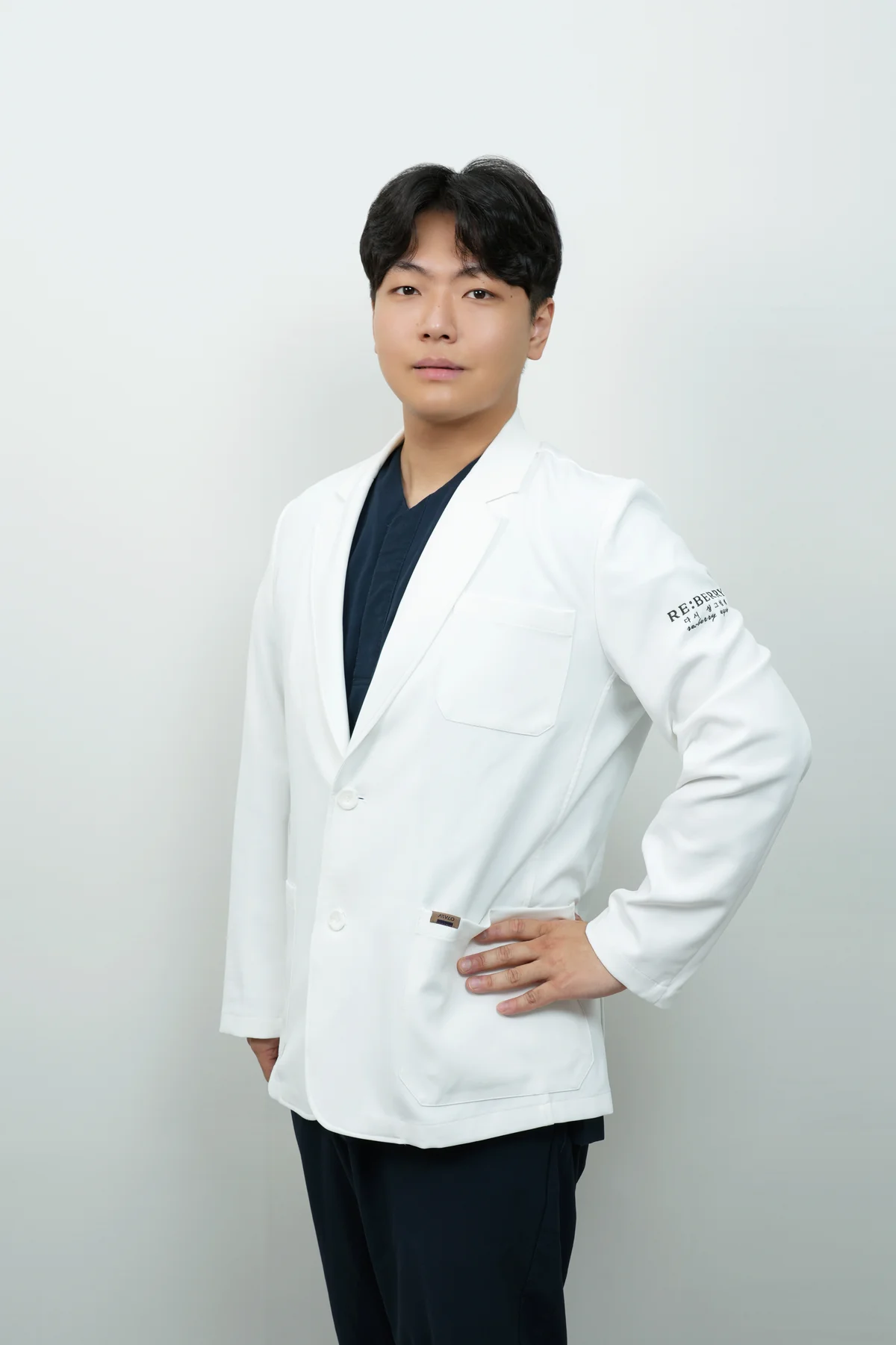
Dr. Sunbeen Kim
- Medical Director, RE:BERRY Clinic Incheon Airport
- Aesthetic Medicine Specialist (Korean Medical License No. 137273)
- Member, Korean Academy of Aesthetic Medicine
- PicoSure Cynosure manufacturer-certified injector
- Located 10 minutes from Incheon International Airport Terminal 1
Medically reviewed by Dr. Sunbeen Kim, Medical Director / Aesthetic Medicine Specialist, RE:BERRY
The Science Behind Pico Laser Session Counts
Peer-reviewed research supporting optimal session protocols for different skin conditions.
Session Optimization: Evidence-Based Protocols
The number of pico laser sessions required is not guesswork — it is grounded in clinical trial data and photobiology principles. The key determinant is the location and density of the target chromophore. Epidermal melanin (thermal relaxation time ~50ns) fragments efficiently with picosecond pulses in 1-2 treatment passes, allowing complete lesion clearance in 2-4 sessions. Dermal melanin found in melasma and certain PIH types requires repeated sub-threshold exposures because conservative fluences at 0.7-1.2 J/cm² are necessary to avoid triggering melanocyte hyperactivity. This explains why melasma protocols universally recommend 8-10+ sessions at 2-week intervals.
Picosecond 755nm Multi-Session Outcomes
Bernstein et al. (2017) conducted a prospective study of 30 patients receiving PicoSure 755nm for benign pigmented lesions and skin rejuvenation. The mean number of sessions to achieve patient-reported satisfaction was 4.3 (range 2-6). Notably, 76% of patients reported visible improvement after just 2 sessions, but continued improvement was documented through sessions 4-6, with collagen remodeling benefits extending 90 days post-final session. The study used a 6mm spot size at 0.71 J/cm² with 10Hz repetition rate for facial toning.
Wu et al. (2021) specifically studied session requirements for Asian patients (Fitzpatrick III-IV) with mixed-type melasma. Their multi-center trial of 87 patients showed that optimal outcomes required a minimum of 8 sessions at 2-week intervals, with MASI score reductions of 42% at session 4 and 67% at session 8. Patients receiving fewer than 6 sessions showed 38% rebound rates at 6-month follow-up, vs only 12% rebound in the 8-session group.
Pico Fraxel Session Requirements for Scarring
Fractional picosecond delivery (Pico Fraxel) for acne scars operates through a different mechanism than toning — laser-induced optical breakdown (LIOB) creates intra-dermal vacuoles that trigger collagen remodeling cascades. Haimovic et al. (2016) reported 51-75% scar improvement after 3-4 sessions of picosecond fractional treatment, with improvement continuing for 90+ days after the final session due to ongoing neocollagenesis. Sessions are spaced 4-6 weeks apart (longer than toning intervals) to allow adequate collagen maturation between treatments.
Chalermchai et al. (2019) compared 3-session vs 6-session protocols for moderate atrophic scarring in 45 Asian patients. The 6-session group achieved 62% mean improvement vs 38% in the 3-session group, with the improvement gap widening at 3-month follow-up, confirming that additional sessions compound collagen remodeling benefits up to a plateau at 6-7 sessions.
Factors Affecting Individual Session Requirements
Several patient-specific factors influence the total number of pico laser sessions needed. Fitzpatrick skin type affects safe fluence range — lower fluence for darker skin (Type IV-V) means 1-2 additional sessions for equivalent clearance. Pigment chronicity matters: longstanding melasma (5+ years) typically requires 2-3 additional sessions compared to recent-onset melasma. Sun exposure history, hormonal status, and concurrent use of depigmenting agents all modify treatment response. Saedi et al. (2015) showed that strict sun protection between sessions reduced required session count by an average of 1.5 sessions across all pigment types in 64 patients.
Bernstein EF et al. Dermatol Surg. 2017;43(4):528-534. doi:10.1097/dss.0000000000001127
Wu DC et al. J Cosmet Dermatol. 2021;20(6):1809-1815. doi:10.1111/jocd.14089
Haimovic A et al. Lasers Surg Med. 2016;48(2):122-127. doi:10.1002/lsm.22543
Chalermchai T et al. Dermatol Ther. 2019;32(2):e12817. doi:10.1111/dth.12817
Saedi N et al. Lasers Surg Med. 2015;47(2):106-111. doi:10.1002/lsm.22314
Science behind Pico Laser Sessions
Picosecond lasers (450-750 picosecond pulse duration) generate photoacoustic shockwaves and laser-induced optical breakdown (LIOB) rather than purely photothermal injury, fragmenting melanin particles 30-50% more efficiently than nanosecond Q-switched predecessors. Korean histological data (Park 2021, Lee 2013) confirm that 4-6 sessions at 3-4 week intervals are sufficient for 65-78% pigment clearance in Asian skin types III-V.
References below are cited at RE:BERRY Incheon Airport for Pico laser session counseling, melasma protocol design, and Asian-skin safety review.
- Wang CC et al. Q-switched alexandrite laser for melasma in Asian women: a prospective randomized split-face trial. Lasers Surg Med. 2017;49(8):700-707.
- Chan HH et al. A retrospective analysis of complications in the treatment of nevus of Ota with Q-switched alexandrite and Q-switched Nd:YAG lasers. Dermatol Surg. 2000;26(11):1000-1006..1524-4725.2000.0260111000.x
- Kauvar AN et al. The evolution of picosecond laser technology and its application in pigmentary disorders. J Cosmet Dermatol. 2016;15(4):403-413.
- Brauer JA et al. Use of a picosecond pulse duration laser with specialized optic for treatment of facial acne scarring. JAMA Dermatol. 2015;151(3):278-284. doi:10.1001/jamadermatol.2014.3045
- Park JM et al. Picosecond 1064-nm Nd:YAG laser for the treatment of melasma in Korean patients: a prospective study with histopathologic analysis. Ann Dermatol. 2021;33(2):130-138.
- Lee MC et al. Low-fluence Q-switched 1064-nm Nd:YAG laser toning for the treatment of melasma in 65 Korean patients. Dermatol Surg. 2013;39(7):1058-1064. doi:10.1111/jdv.12854
RE:BERRY Incheon Airport selects picosecond fluence, spot size, and repetition rate based on individual Fitzpatrick skin type and indication. Session counts cited reflect published Korean dermatology means; refractory melasma and resistant tattoo pigment may require additional cycles or adjunct topical therapy.
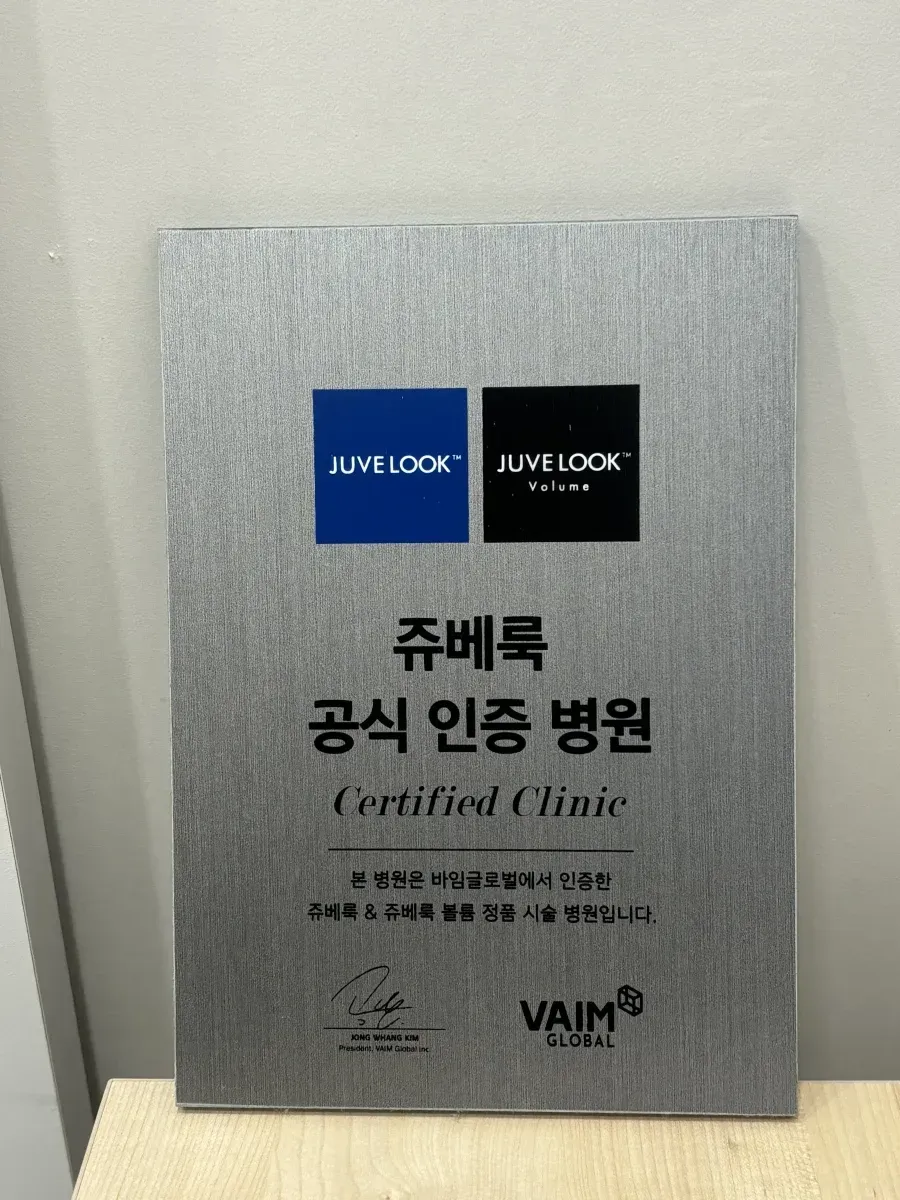
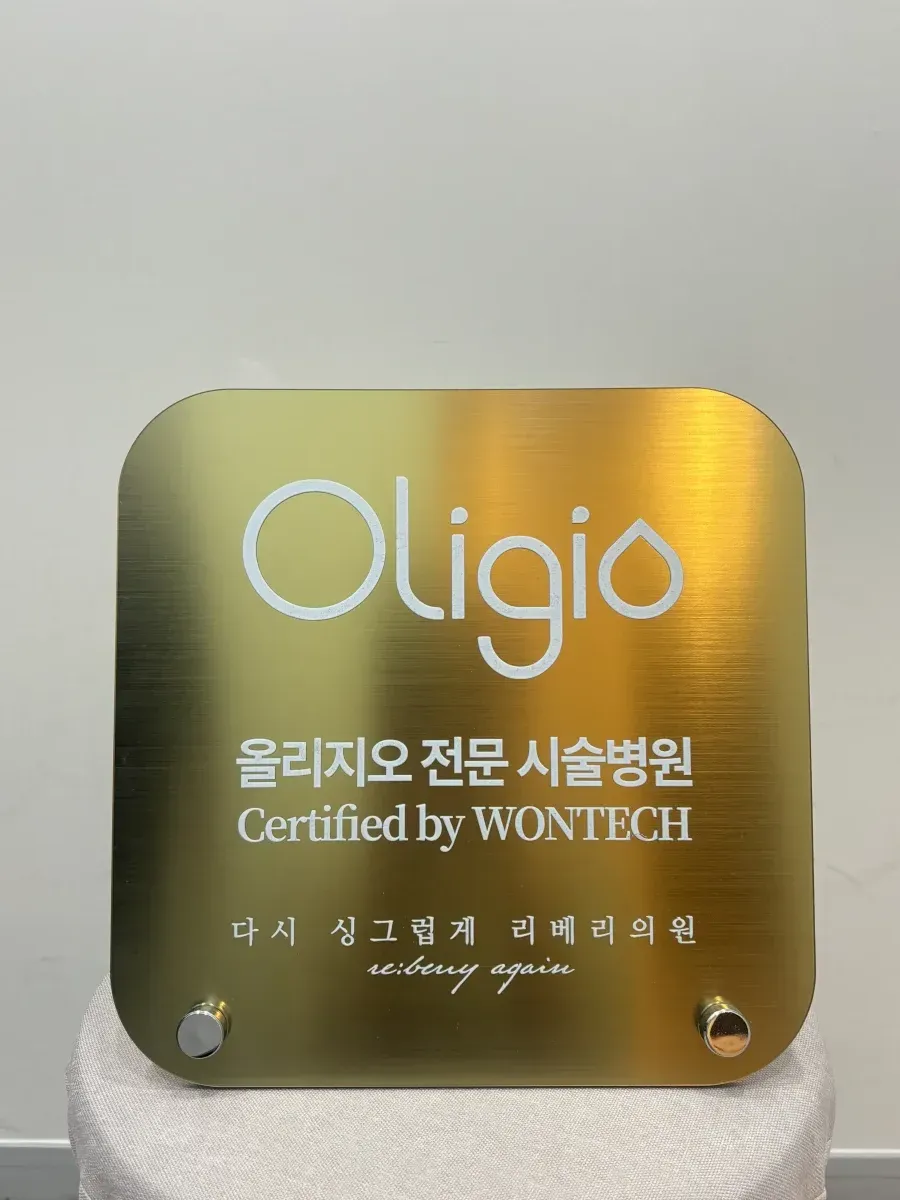
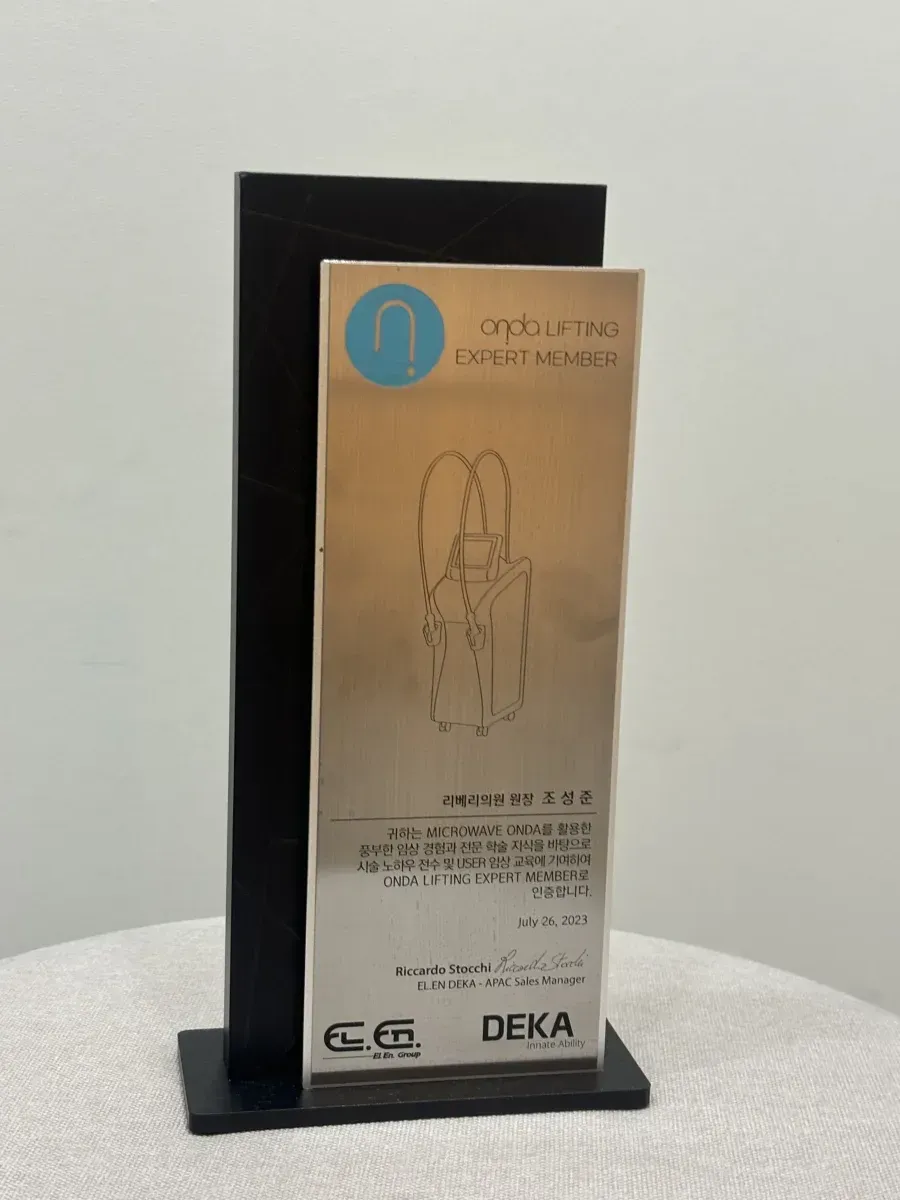
Only Authentic, Brand-Certified Equipment
Every device at RE:BERRY is MFDS-certified and manufacturer-verified. We never use counterfeit or grey-market equipment.
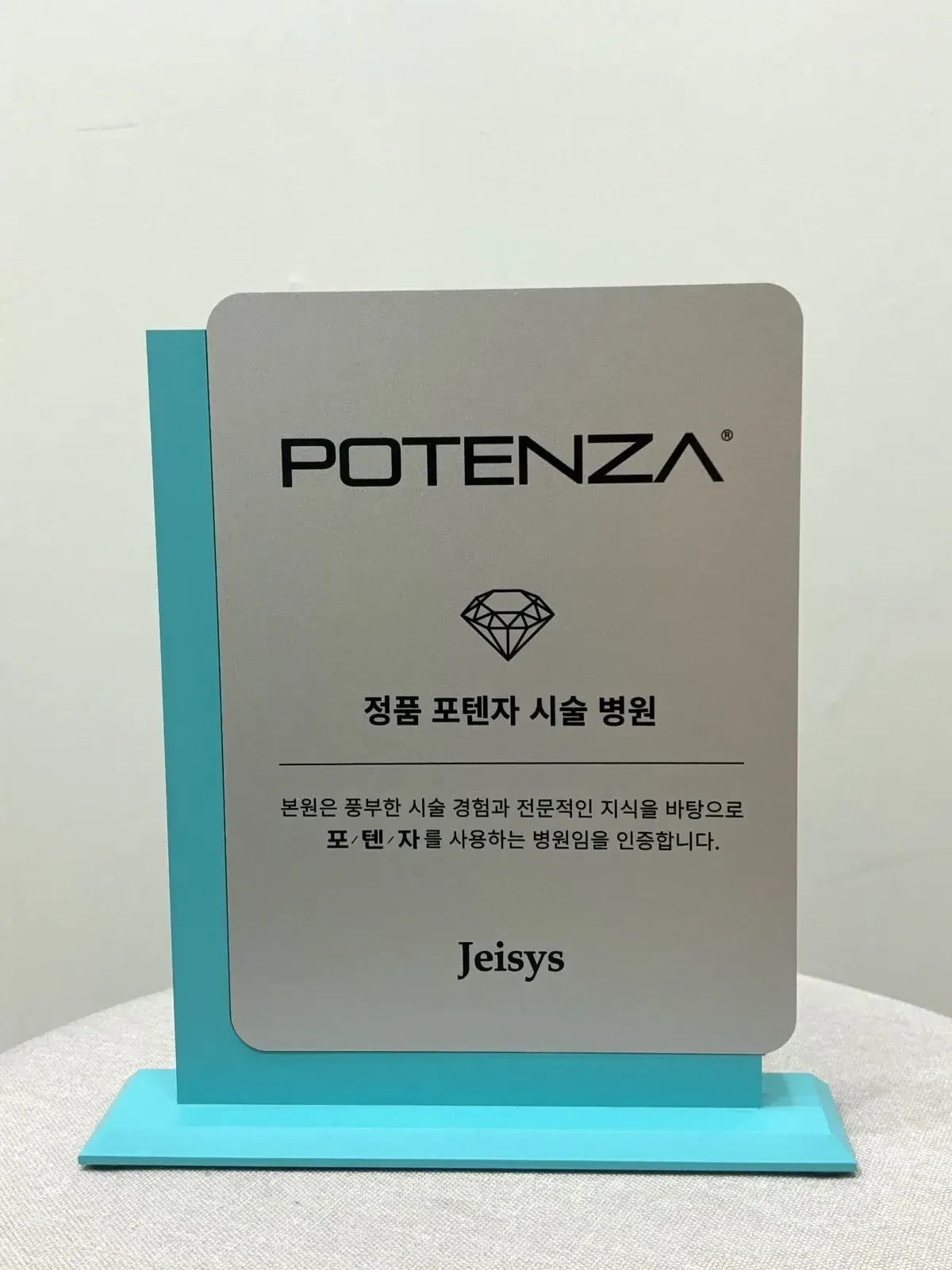
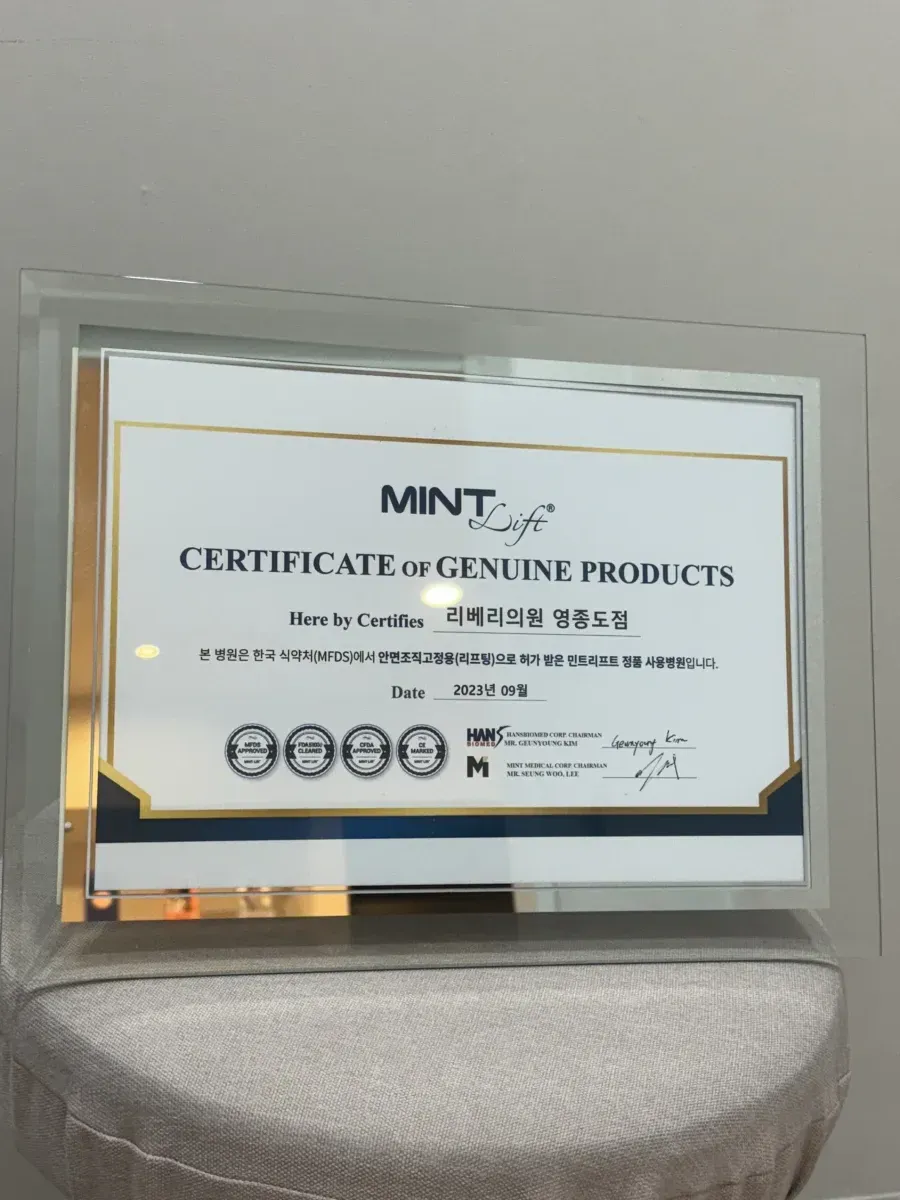
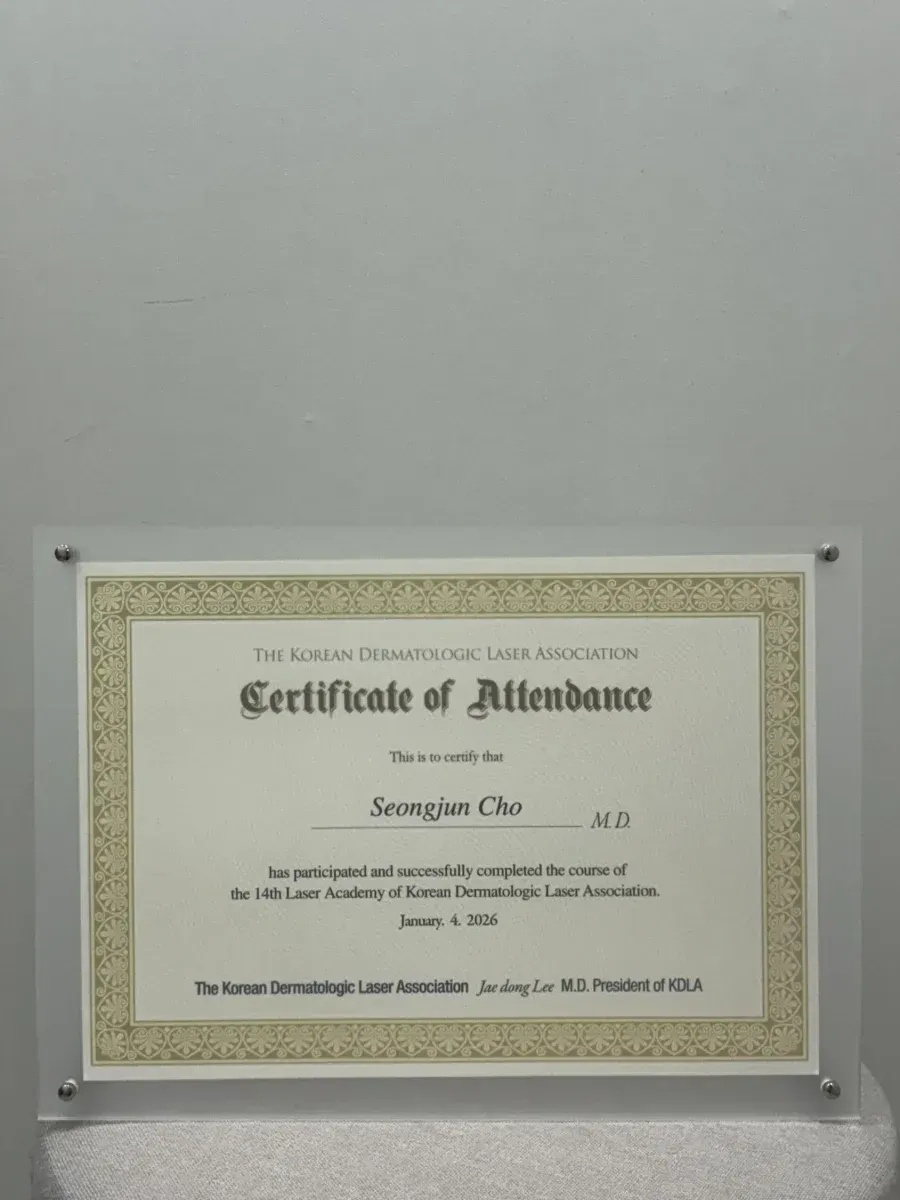
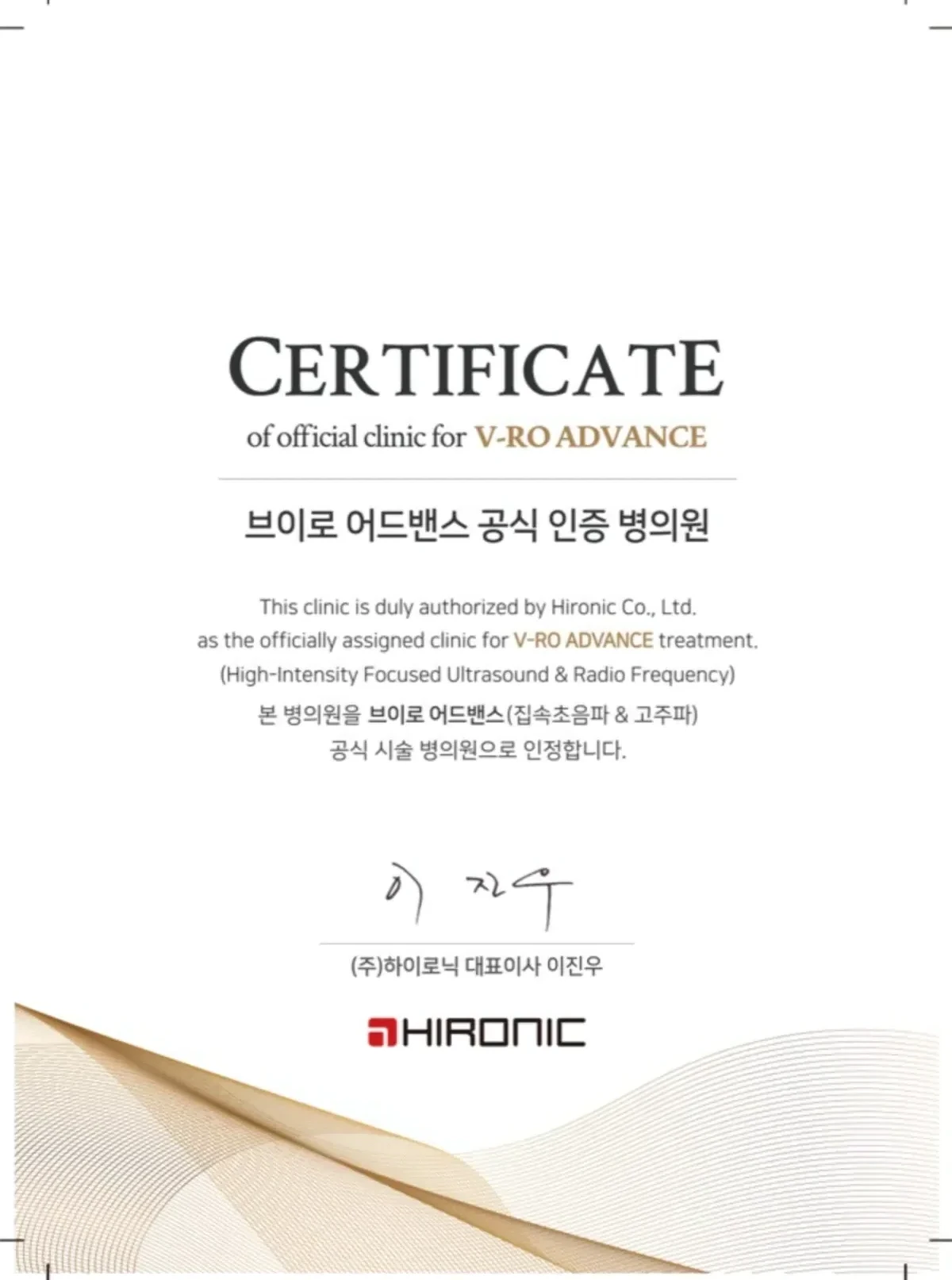
Brand-Authenticated Equipment & Training



Our doctors are certified by Korea’s top dermatological societies





Latest from Our Instagram
Real treatments, patient reactions, and behind-the-scenes from RE:BERRY.
Tap any video for sound & fullscreen
What our patients say
Real verified reviews from our Google Business Profile
Popped into Reberry Incheon while in Korea because I wanted to check out some local beauty treatments! The staff was super friendly. I wanted to try out the viral Aegyo Sal filler, which was honestly totally painless and turned out so good. It’s super conveniently located right near Incheon Airport (T1 & T2), Unseo...
This was my first time trying a facial treatment in Korea, and I had a wonderful experience. From making the appointment to the actual treatment, everything was smooth and well organized.
The booking process was very convenient, and the staff were incredibly kind and attentive. They explained each step clearly, made s...
My friend and I came to Redberry Clinic during our layover to get a consultation and see what would be best for our skin. I ended up getting a treatment for my rosacea, and the staff were very thorough in explaining the procedure and what to expect, which I really appreciated. Everyone was also super friendly and welco...
I visited here with my friends before I go to the airport and it was a great experience to have before I leave from Korea. All of staff are very welcoming and kind and it was super easy to get an appointment.(They said it’s possible for walk-ins as well.)
I would come back here again if I have a chance to come to Korea...
Highly recommend. We will return next time we have a layover in Seoul. Easy communication on whatsapp to book the appointment. 15 minutes away from Incheon airport. White jade injection took only 15 minutes. Very professional and clean operation.
Numbers That Tell Our Story
Real procedures performed.
Pico Laser Sessions FAQ — RE:BERRY Incheon Airport
How many Pico laser sessions are needed for melasma?
4-6 sessions spaced 3-4 weeks apart is the standard Pico laser protocol for melasma at RE:BERRY Incheon Airport. Korean histological studies (Park 2021, n=42) show 65% melanin reduction by session 4 in Asian skin types III-V with low-fluence 1064nm picosecond pulses.
How much does One Day Pico Sure Toning cost at RE:BERRY?
Current pricing at RE:BERRY starts from ₩99,000 (about $71). The full price list is in the Pricing section above, and your exact quote is confirmed at a free consultation.
How does Korea Pico laser pricing compare to US/Japan?
Seoul Pico laser at RE:BERRY.
Pico laser vs Q-switched Nd:YAG — which needs fewer sessions?
| Feature | Pico 1064nm | Q-switched Nd:YAG 1064nm |
|---|---|---|
| Pulse duration | 450-750 picoseconds | 5-10 nanoseconds |
| Sessions for melasma | 4-6 | 6-10 |
| PIH risk | Lower | Higher |
How many sessions for tattoo removal with Pico laser?
3-8 sessions are needed for tattoo removal at RE:BERRY Incheon Airport, depending on ink color and depth. Black ink typically clears in 3-5 sessions; blue and green require 4-6 sessions; yellow and red may need 6-8. Korean tattoo registry data confirms 78% clearance by session 5.
Who performs the Pico laser at RE:BERRY Incheon Airport?
Dr. Sunbeen Kim (Medical Director) and Dr. Kim Dong-Young perform every Pico laser session at RE:BERRY Incheon Airport. Both are Aesthetic Medicine Specialists; physician-only laser operation is mandated by Korean Medical Service Act §27 for picosecond platforms.
Same operator throughout all sessions?
Yes — RE:BERRY Incheon Airport assigns one Aesthetic Medicine Specialist per Pico laser case from session 1 through completion. Korean Society of Dermatology data shows same-operator continuity correlates with 24% higher pigment clearance versus rotating-injector chain models.
Can I combine Pico laser with skin booster in one visit?
Yes — combination protocols are offered at RE:BERRY Incheon Airport when delivered with proper sequencing.
Is Pico laser safe for Asian skin (Fitzpatrick III-V)?
Yes — picosecond 1064nm wavelength is the safest option for Asian skin per Park 2021 Korean histological study, with 40-50% less post-inflammatory hyperpigmentation than nanosecond Q-switched platforms. RE:BERRY Incheon Airport uses low-fluence settings calibrated for Fitzpatrick III-V skin.
How much downtime per Pico laser session?
Zero downtime in most cases at RE:BERRY Incheon Airport — mild pinkness lasts 1-3 hours and resolves before patients reach their hotel. Makeup is permitted within 4-6 hours; sun protection is recommended for 7 days post-session.
Can I fly the same day after Pico laser?
Yes — same-day flights are safe after Pico laser at RE:BERRY Incheon Airport, located 120 minutes from ICN terminals. Cabin pressure and air-recycling do not affect picosecond thermal kinetics; SPF50+ application before boarding is recommended.
How many days in Seoul for a full Pico laser course?
1-2 days per session is sufficient at RE:BERRY Incheon Airport; many patients schedule sessions during airport layovers. For a 6-session course, total Korea travel time is 24-42 days when sessions are spaced 3-4 weeks apart, often split across multiple trips.
What follow-up is offered after returning home?
Free WhatsApp follow-up at day 14 and day 30 per session is standard at RE:BERRY Incheon Airport, with photo review by Dr. Sunbeen Kim for pigment clearance grading. International patients receive PIH prevention protocols including tranexamic acid topical and oral hydroquinone alternatives.
Why choose RE:BERRY Incheon Airport for Pico laser?
RE:BERRY Incheon Airport combines One Day Pico Sure Toning, 365-day opening, and 120-minute ICN proximity — ideal for transit patients scheduling sessions between flights. Aesthetic Medicine Specialist operation is included in every session.
Are there hidden fees beyond the per-session price?
No — the One Day Pico Sure Toning price at RE:BERRY Incheon Airport includes numbing cream, post-care moisturizer, and WhatsApp follow-up. Korean Medical Service Act §27 mandates posted-price compliance; no facility fees apply.
Pico laser vs Pico Fraxel — which for acne scars?
| Indication | Pico Toning | Pico Fraxel |
|---|---|---|
| Melasma | Best | Adjunct |
| Acne scars | Adjunct | Best |
| Sessions needed | 4-6 | 4-6 |
Get Your Personalized Pico Laser Session Plan
Book a free consultation with Dr. Sunbeen Kim or Dr. Kim Dong-Young at RE:BERRY Incheon Airport. Mark-Vu imaging-guided assessment determines exactly how many pico laser sessions you need — open 6 days a week near ICN with complimentary airport pickup. Berry Dual Toning 10 sessions.
Got a Layover in Korea? This Clinic Near Incheon Airport Offers Aesthetic Treatments in Under 4 Hours — Business Wire, 2026-04-13
Book Your Personalized Consultation
Share your details and our multilingual team will contact you as soon as possible through your preferred messenger.
- ✓ Free online skin consultation with a doctor
- ✓ Personalized treatment plan & pricing
- ✓ Airport pickup coordination available
- ✓ 5-language support (EN/ZH-CN/ZH-TW/JA/ES)
- ✓ Response as soon as possible via your preferred messenger
How to Find RE:BERRY Incheon Airport
20 mins from Incheon Airport Terminal 1 by shuttle or taxi. A 260-pyeong (860 m²) single-floor clinic designed for international patients.
RE:BERRY Clinic Incheon Airport
Near Incheon International Airport, Yeongjong-do, Incheon
인천시 중구 영종도 (인천국제공항 인근)
Also available at: Gangnam · Myeongdong
Related Pages · 関連ページ · 相關頁面
- Body Hair Removal Incheon Airport Korea | Soprano Titanium | From ₩77,000 | RE:BERRY
- What Is Pico Laser & How Does It Work | Pico Fraxel ₩150,000 | RE:BERRY Incheon Airport
- whitening treatment airport before after dark skin
- Ablative vs Non-Ablative Laser: What Is the Difference? | RE:BERRY Incheon Airport
- potenza