Potenza RF vs PicoSure for Acne Scars in Korea — ₩330,000 ($240 USD) vs ₩150,000 ($107 USD)
Potenza RF vs PicoSure for acne scars at RE:BERRY Incheon Airport — your evidence-based guide to choosing between RF microneedling and picosecond laser technology for scar remodeling in Korea. Potenza RF vs PicoSure pricing: POTENZA RF from ₩330,000 ($240 USD) targets deep rolling and boxcar scars, while PicoSure Pico Fraxel from ₩150,000 ($107 USD) excels at surface texture refinement and ice-pick scar improvement. Available 365 days near Incheon International Airport with complimentary pickup.
Which Is Better for Acne Scars: Potenza RF or PicoSure?
Potenza RF vs PicoSure for acne scars depends on scar type: POTENZA RF from ₩330,000 ($240 USD) at RE:BERRY Incheon Airport outperforms on deep rolling and boxcar scars, while PicoSure Pico Fraxel from ₩150,000 ($107 USD) excels at surface texture and PIH clearance with zero downtime.
The Potenza RF vs PicoSure for acne scars debate is one of the most asked questions among Korean aesthetic medicine patients in 2026. These two technologies work through fundamentally different mechanisms, and understanding this distinction is critical for choosing the right treatment. At RE:BERRY Incheon Airport, Dr. Sung-Jun Cho — Aesthetic Medicine Specialist and Head Director — evaluates each patient’s scar morphology to determine whether Potenza RF vs PicoSure as monotherapy, or a combination protocol, will achieve the best outcome. POTENZA RF microneedling delivers bipolar radiofrequency energy through insulated gold-plated microneedles penetrating 0.5-3.5mm into the dermis. The thermal energy at 60-70 degrees Celsius at the needle tip creates controlled dermal injury that triggers robust neocollagenesis and elastin synthesis. This deep remodeling mechanism makes POTENZA RF particularly effective for atrophic scars — rolling scars with their undulating contours and boxcar scars with their sharp vertical edges both respond to the volumetric collagen replacement that RF energy induces. When comparing Potenza RF vs PicoSure for acne scars, the key difference is depth of action. PicoSure operates as a 755nm alexandrite picosecond laser delivering energy in trillionths of a second. The PicoSure Focus Lens Array creates laser-induced optical breakdown (LIOB) zones in the upper dermis, producing microscopic vacuoles that trigger a pressure-wave repair response without thermal damage. This photomechanical mechanism stimulates collagen and elastin production while preserving surrounding tissue — ideal for glass skin laser toning and shallow scar improvement. PicoSure excels at treating post-inflammatory hyperpigmentation (PIH) that often accompanies acne scars in Asian skin types, and its minimal-downtime profile appeals to busy travelers. RE:BERRY Incheon Airport’s most popular acne scar protocol combines both technologies: POTENZA with exosome for deep structural remodeling alternating with PicoSure Pico Fraxel for surface refinement — the Silky Skin-Care Package (₩1,690,000 / $1,207 USD for 6 sessions) implements this dual approach. Dr. Cho’s scar grading assessment during consultation determines the optimal ratio of RF to laser sessions for your specific scar profile.
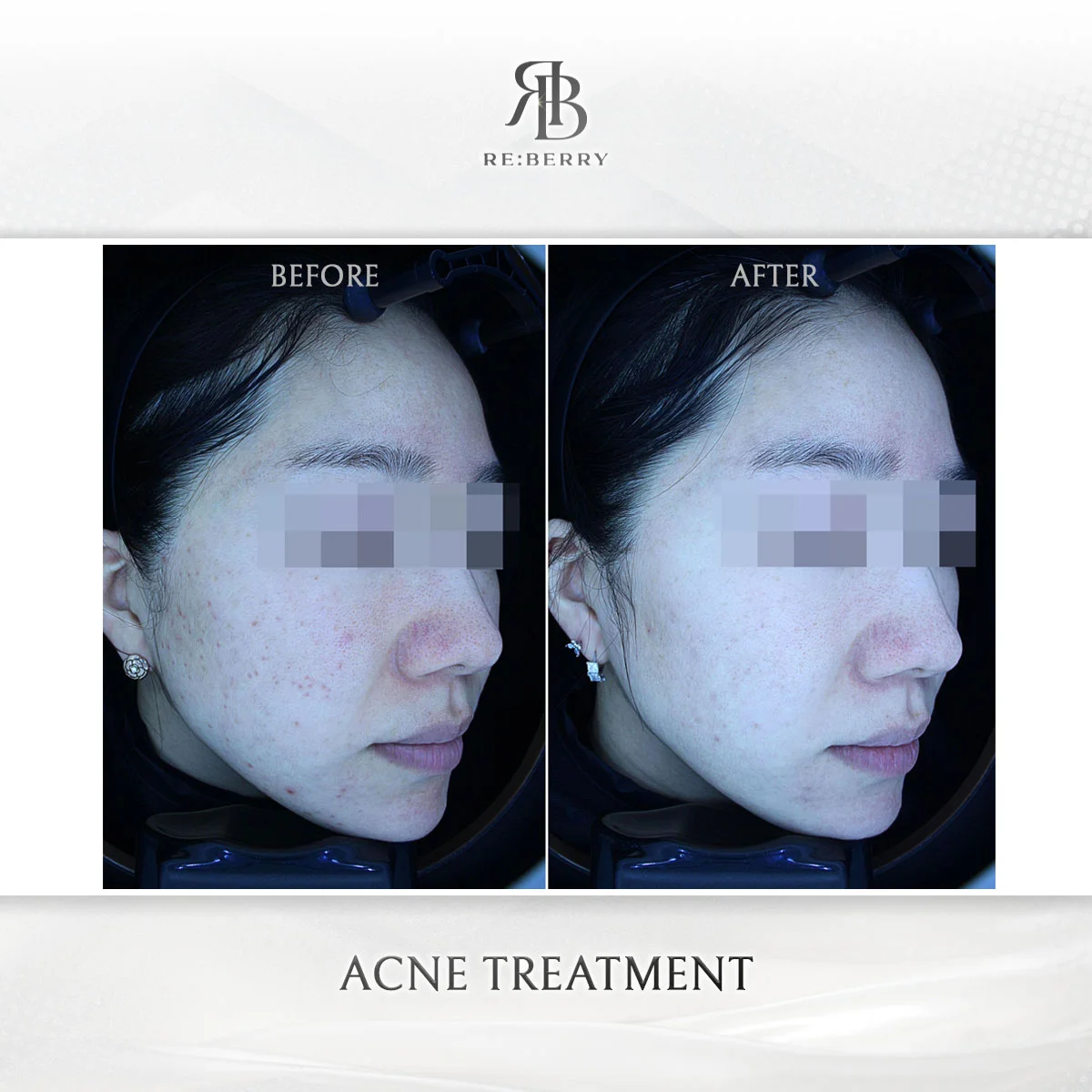
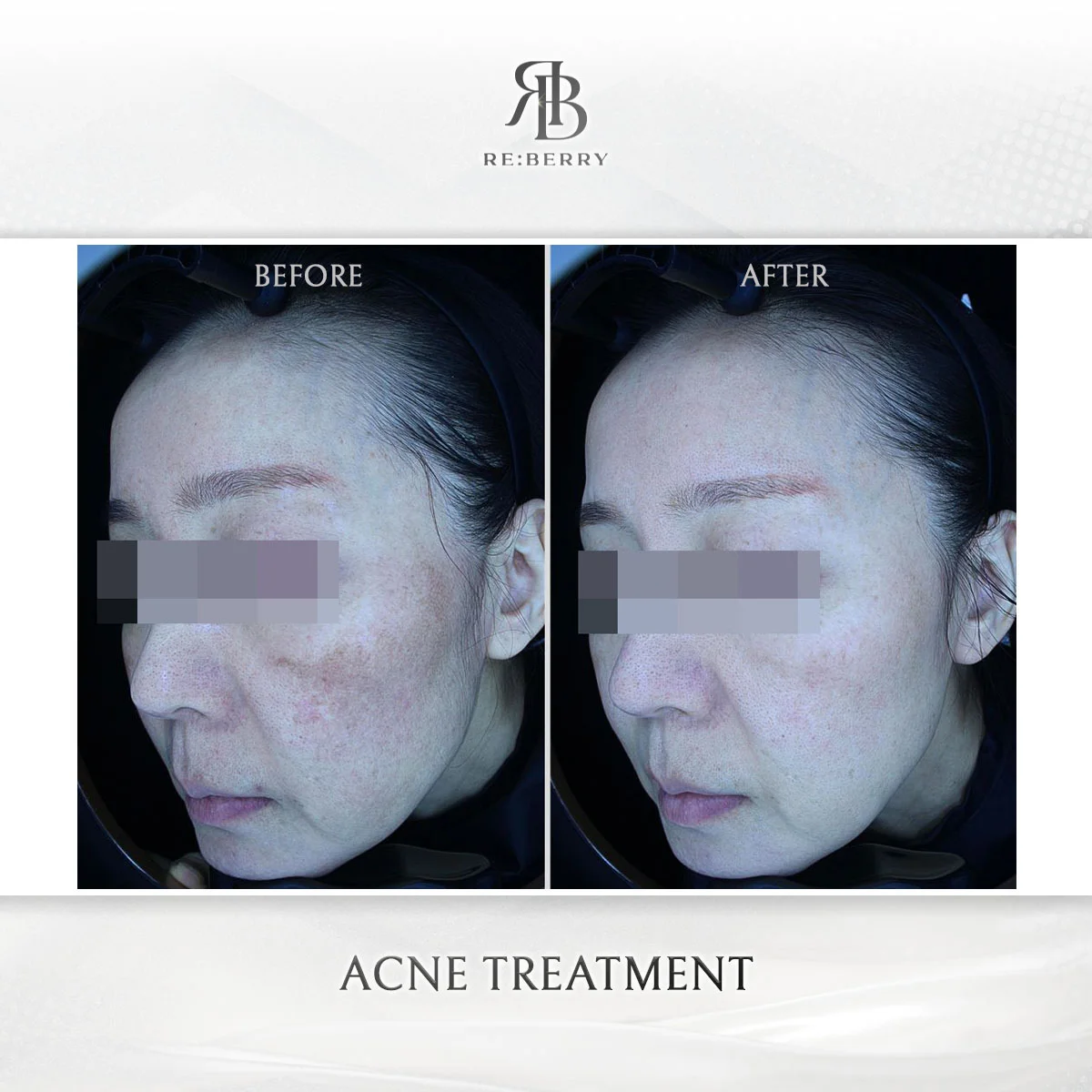
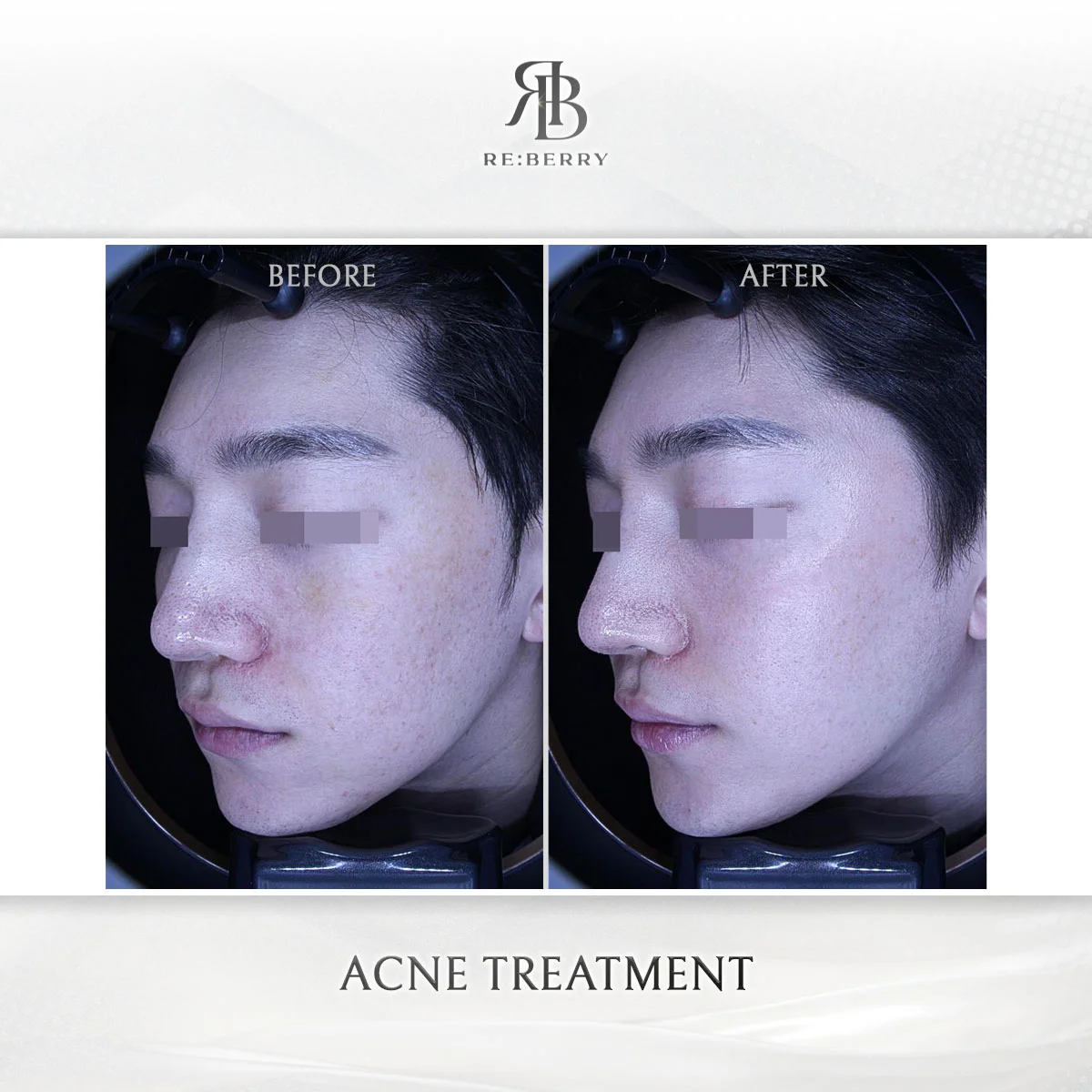
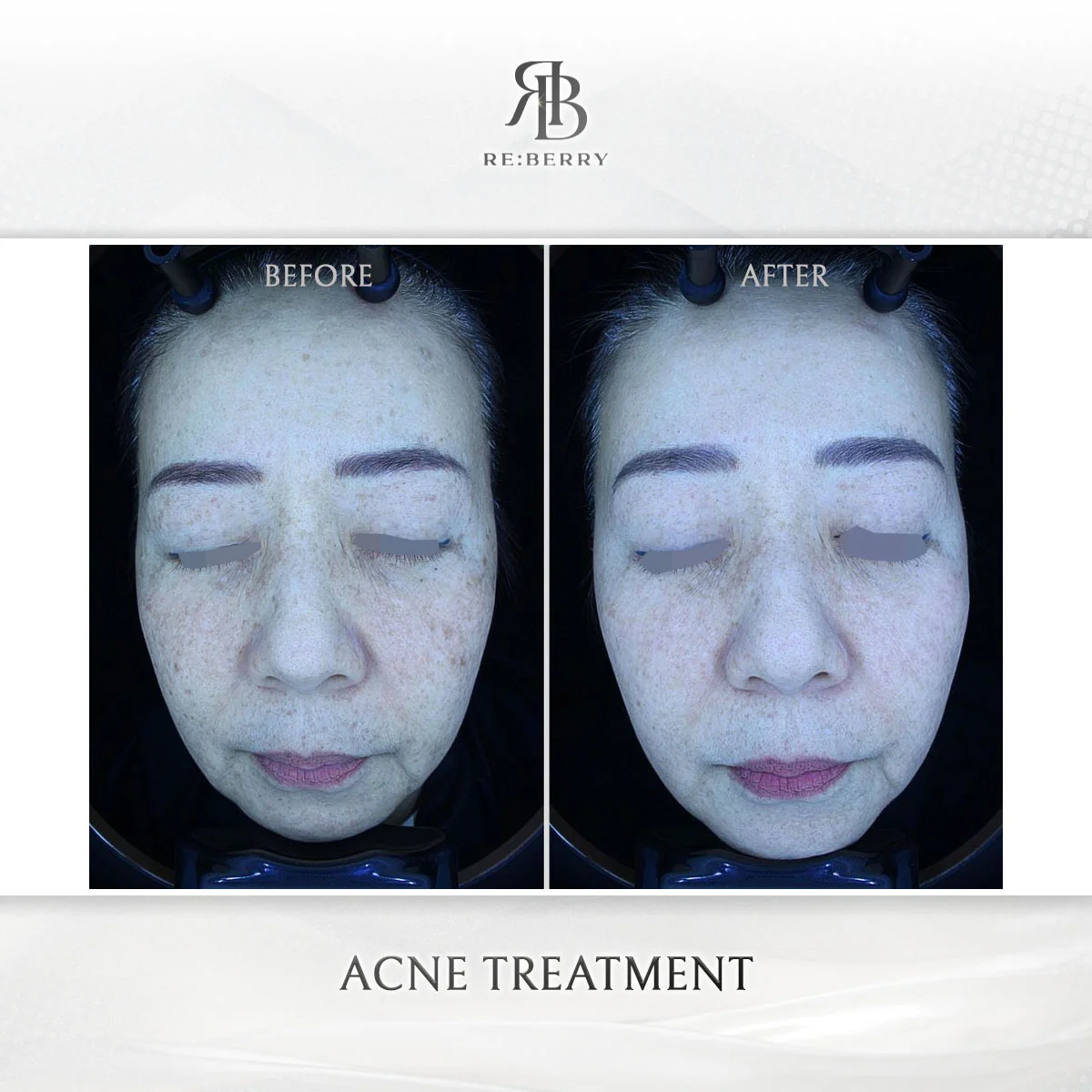
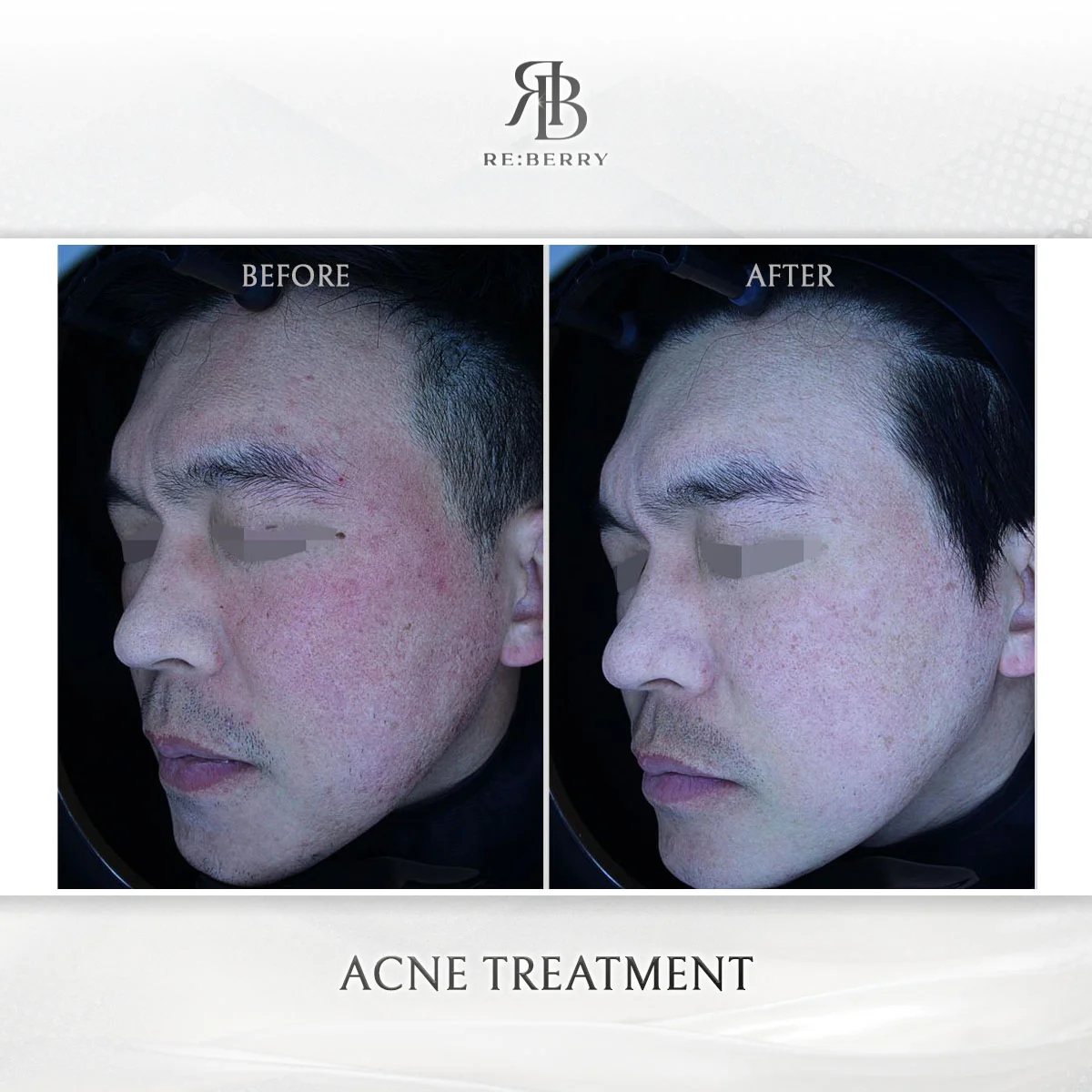
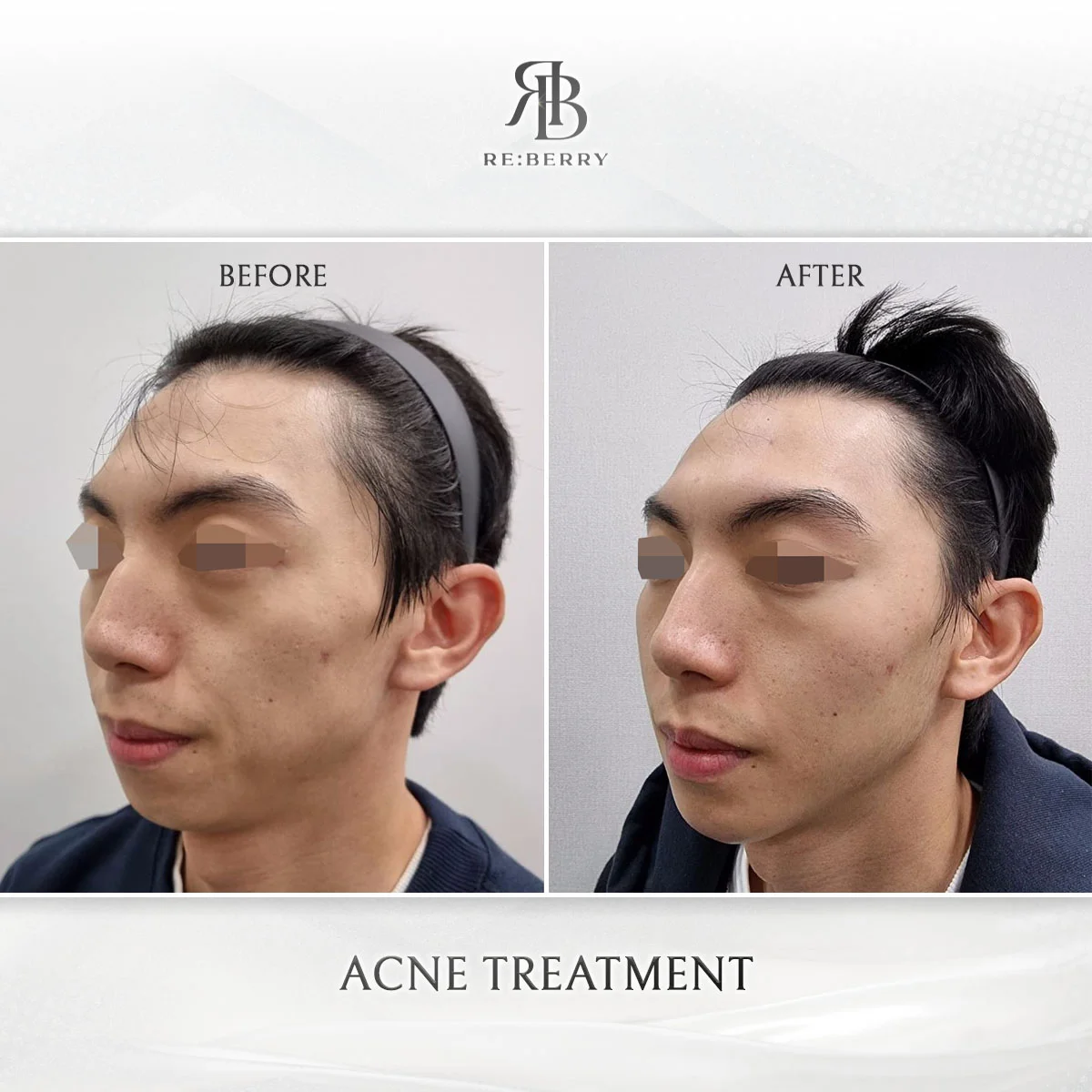
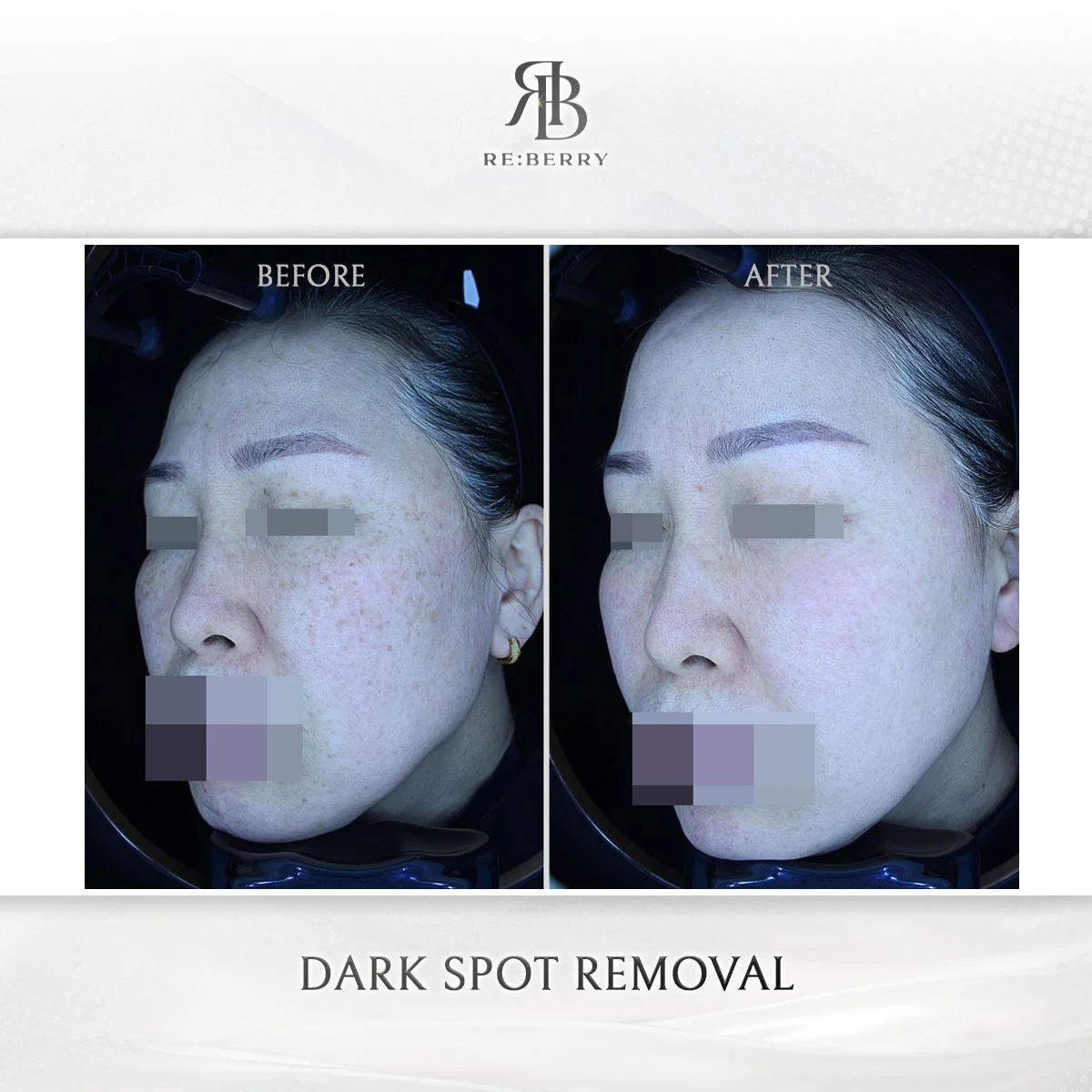
Potenza RF vs PicoSure Acne Scar Before & After
Actual patient results from RF microneedling and PicoSure laser scar treatments at RE:BERRY Incheon Airport. Individual results may vary.
How Potenza RF vs PicoSure Acne Scar Treatment Works at RE:BERRY Incheon Airport
Our 4-step protocol determines the optimal technology — or combination — for your specific acne scars.
Comprehensive Acne Scar Morphology Assessment
Dr. Sung-Jun Cho performs detailed scar classification using the Goodman & Baron qualitative grading scale over 20-30 minutes. Each scar is categorized as ice-pick (narrow, deep, V-shaped), rolling (broad undulations with tethered bases), boxcar (round/oval with sharp vertical edges), or hypertrophic/keloidal. The Potenza RF vs PicoSure decision depends heavily on this classification — rolling and boxcar scars respond best to POTENZA RF’s deep collagen remodeling at 0.5-3.5mm depth, while ice-pick scars and surface irregularities improve more with PicoSure Pico Fraxel. UV photography reveals subsurface pigmentation and scar depth invisible to the naked eye. The assessment includes discussion of realistic outcome expectations for your specific scar severity.
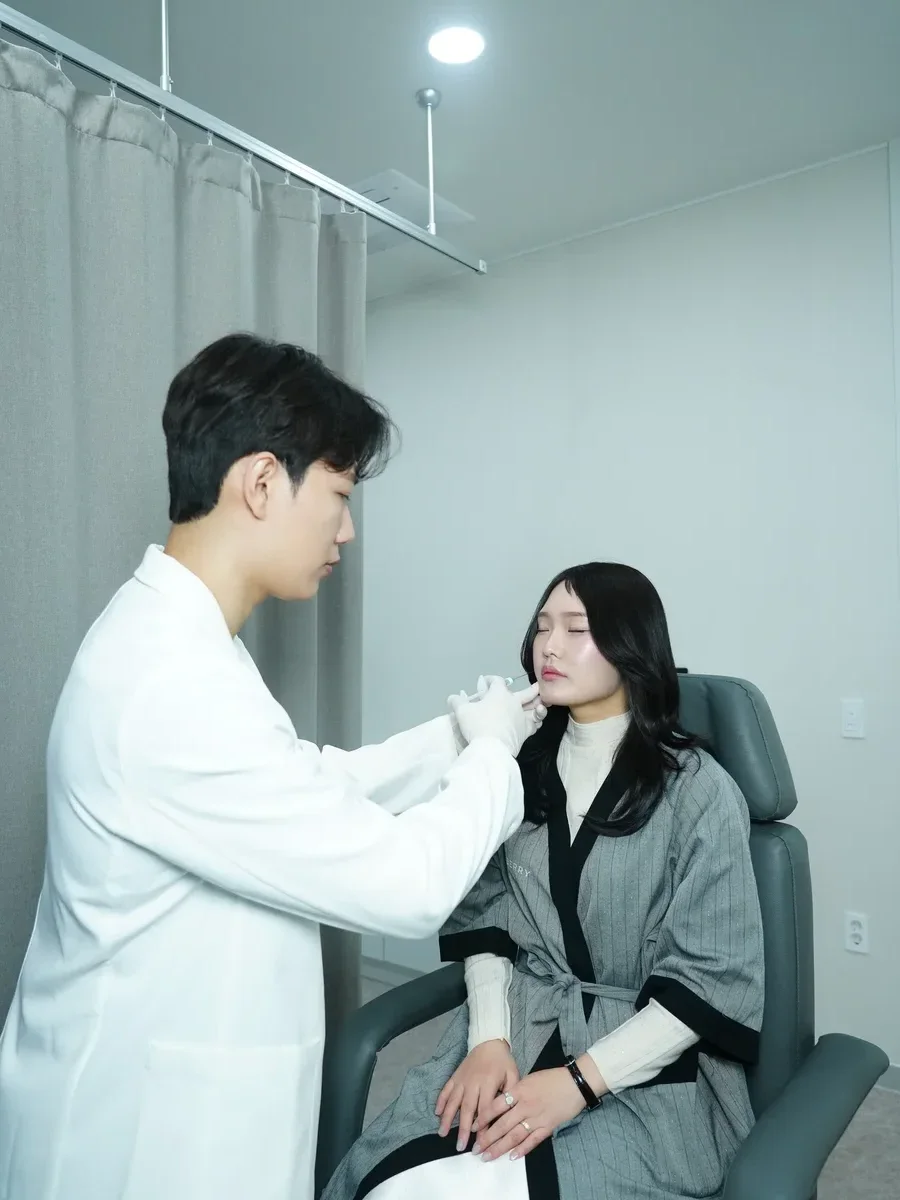
POTENZA RF Microneedling — Deep Dermal Remodeling
For deep acne scars, the POTENZA device delivers bipolar radiofrequency at 1-2MHz through 25 or 49 insulated gold-plated microneedles at customized depths of 0.5-3.5mm. The Potenza RF vs PicoSure advantage for deep scars is clear: RF energy reaches the dermal-subcutaneous junction where scar tissue tethering occurs, generating 60-70 degree Celsius thermal zones that denature collagen fibers and trigger a wound-healing cascade producing new collagen types I and III. For rolling scars with fibrous tethering, subcision is performed immediately before RF treatment to release adhesions. The procedure takes 30-45 minutes for full-face treatment, and regenerative agents like Juvelook biostimulator or exosomes are applied through the microchannels immediately after to amplify collagen production.
PicoSure Pico Fraxel — Surface Texture Refinement
PicoSure’s 755nm alexandrite picosecond laser with Focus Lens Array delivers photomechanical energy in 550-750 picosecond pulses. Unlike POTENZA RF’s thermal approach, PicoSure creates laser-induced optical breakdown (LIOB) zones — microscopic pressure-wave vacuoles in the upper dermis that stimulate collagen and elastin without bulk heating. This makes PicoSure particularly effective for surface-level scar texture improvement, shallow ice-pick scars, and post-inflammatory hyperpigmentation clearing. The Potenza RF vs PicoSure comparison favors PicoSure for patients with Fitzpatrick IV-V skin concerned about PIH, as the photomechanical mechanism carries under 0.5% thermal PIH risk. Treatment takes 15-20 minutes with minimal discomfort — most patients describe it as rubber-band snapping on the skin.
Combined Protocol & Recovery — The Silky Skin-Care Approach
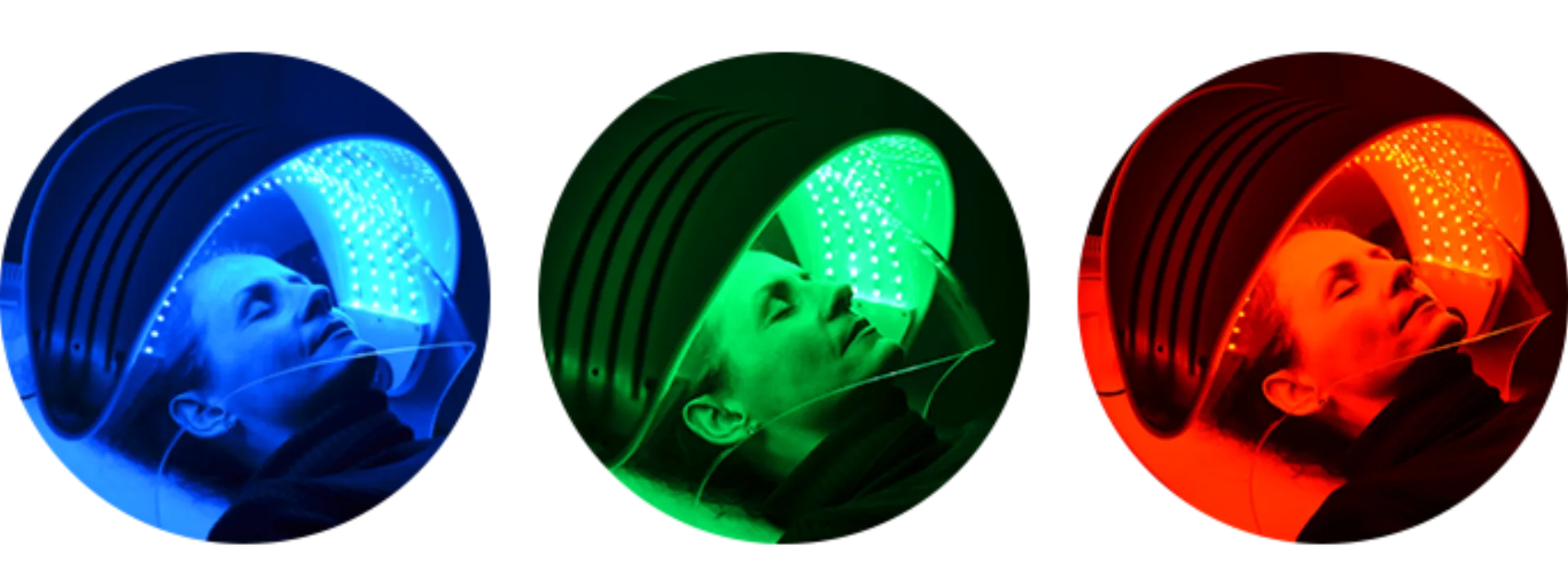
RE:BERRY’s most effective acne scar protocol alternates Potenza RF vs PicoSure sessions. The Silky Skin-Care Package schedules Sessions 1, 3, 5 with Pico Fraxel + POTENZA Juvelook + LDM, and Sessions 2, 4, 6 with Genesis laser + LDM. This alternating approach allows deep dermal remodeling (RF) to progress while surface refinement (laser) enhances texture between RF sessions. Post-treatment aftercare includes LDM ultrasound therapy for accelerated healing, Dermio Care hydration, SPF 50+ protocol, and gentle cleanser recommendations. Follow-up sessions are typically scheduled 3-4 weeks apart. Complimentary airport pickup is available for all return visits.
Potenza RF vs PicoSure for Acne Scars — Benefits & Timeline
- POTENZA RF — Deep Structural Remodeling: Potenza RF vs PicoSure comparisons consistently show RF microneedling produces 51-75% improvement in deep atrophic scars after 3-4 sessions. Volumetric collagen replacement fills depressed scar tissue from within.
- PicoSure — Minimal Downtime Surface Improvement: PicoSure Pico Fraxel achieves 35-50% improvement in overall scar appearance with minimal downtime. Patients return to normal activities the same day — no redness, peeling, or social downtime required.
- Combined Protocol — Maximum Results: RE:BERRY’s alternating Potenza RF vs PicoSure 6-session protocol achieves 60-80% improvement in mixed scar patterns by addressing both deep structural deficits and surface texture irregularities.
- Safe for All Asian Skin Types: Both technologies are safe for Fitzpatrick III-V skin. POTENZA RF’s insulated needles bypass the epidermis (PIH risk under 2%), and PicoSure’s photomechanical mechanism avoids thermal PIH entirely (under 0.5%).
- Concurrent PIH Clearing: PicoSure actively clears post-inflammatory hyperpigmentation while treating scar texture — addressing the dual concern of discoloration plus textural scarring that most acne scar patients present with.
- Traveler-Optimized Schedule: RE:BERRY Incheon Airport operates 365 days near ICN Terminal 1 with complimentary pickup. Single-visit patients can start with PicoSure (zero downtime) or combine both technologies in one trip with 24-48 hours between sessions.
| Timeline | What to Expect |
|---|---|
| Day 1-3 | POTENZA RF: mild redness and micro-crusting at needle sites, warm sensation for 24 hours. PicoSure: minimal redness lasting 2-4 hours only. Apply prescribed barrier cream and SPF 50+ for both treatments. |
| Week 1-2 | POTENZA RF redness fades completely. Micro-crusts naturally shed by day 5-7. PicoSure patients experience no visible recovery period. Both treatments trigger initial wound-healing cascades beneath the surface. |
| Week 3-4 | Early collagen synthesis begins from both POTENZA RF thermal injury and PicoSure LIOB zones. Scar edges start softening. Ready for second session. Skin texture feels smoother to the touch. |
| Month 2-3 | After 3 alternating sessions (RF + PicoSure), measurable scar improvement of 40-55% is typical. Rolling scar depth decreases as new collagen fills depressed tissue. Surface texture refinement from PicoSure becomes clearly visible. |
| Month 3-6 | Peak collagen maturation phase for POTENZA RF-stimulated tissue. Scar improvement continues even without additional sessions as collagen types I and III reorganize and mature. PicoSure sessions can continue monthly for progressive pigmentation and texture refinement. |
| Month 6-12 | Full treatment results realized. After completing the 6-session Silky Skin-Care Package, 60-80% improvement in mixed acne scarring is typical. Maintenance sessions every 2-3 months sustain results and continue gradual improvement. |
Potenza RF vs PicoSure for Acne Scars — Head-to-Head
| Feature | POTENZA RF Microneedling | PicoSure Pico Fraxel | Combined Protocol | Source |
|---|---|---|---|---|
| Technology | Bipolar RF + insulated gold needles | 755nm alexandrite picosecond laser | Alternating RF + laser sessions | Jeisys & Cynosure 2026 |
| Mechanism | Thermal collagen denaturation & remodeling | Photomechanical LIOB pressure-wave repair | Deep remodeling + surface refinement | J Cosmet Dermatol 2023 |
| Best Scar Type | Rolling scars, boxcar scars | Ice-pick scars, shallow texture, PIH | Mixed scar patterns (most patients) | Tan 2021 split-face RCT |
| Depth of Action | 0.5-3.5mm (adjustable) | Upper dermis (Focus Lens Array) | Full dermal depth coverage | Device specifications 2026 |
| Downtime | 1-3 days redness | 0-4 hours minimal redness | 1-3 days (RF sessions only) | RE:BERRY clinic records |
| PIH Risk (Asian Skin) | Under 2% | Under 0.5% | Under 2% | Kwon 2022 n=824 |
| Scar Improvement | 51-75% (deep scars) | 35-50% (surface texture) | 60-80% (mixed scars) | Tan 2021; Albalat 2023 |
| RE:BERRY Price per Session | ₩330,000 ($240 USD) | ₩150,000 ($107 USD) | ₩1,690,000 ($1,207 USD) 6-session package | RE:BERRY April 2026 |
Why This Matters
Device generation matters: POTENZA RF and PicoSure are both FDA-cleared for aesthetic indications (Jeisys Medical; Cynosure). RE:BERRY Incheon Airport stocks both under one roof — Korea offers more combined-technology clinics than the US or Japan.
KHIDI 2025: 41.4% of Japanese medical-tourism patients rank same-doctor continuity as priority #1. RE:BERRY assigns one doctor per patient across Potenza RF vs PicoSure sessions for consistent parameter tuning.
Korea pricing for RF microneedling and picosecond laser is 40-70% less than US and 30-50% less than Japan (KHIDI 2025; ASDS 2023). RE:BERRY’s combined 6-session Silky Skin-Care runs ₩1,690,000 ($1,207 USD) vs US equivalents at $4,000-6,000.
Potenza RF vs PicoSure Acne Scar Pricing at RE:BERRY Incheon Airport
All prices include VAT. Non-covered medical services. April 2026 promotions. USD shown at ₩1,400 = $1.
Pico Fraxel Single Session
- PicoSure Pico Fraxel full face
- Focus Lens Array customization
- Post-treatment calming care
- Free consultation with Dr. Cho or Dr. Kim
POTENZA RF Single Session
- POTENZA RF microneedling full face
- Customized needle depth and energy settings
- Post-treatment LDM calming therapy
- Consultation with Aesthetic Medicine Specialist
One-Day Acne Scar Package
- POTENZA RF microneedling
- Juvelook Concell biostimulator
- Subcision for tethered rolling scars
- LDM + Dermio Care aftercare
- Consultation with Dr. Cho or Dr. Kim
- 8-language aftercare instructions
Silky Skin-Care Package (6 Sessions)
- Sessions 1, 3, 5: Pico Fraxel + POTENZA Juvelook + LDM
- Sessions 2, 4, 6: Genesis laser + LDM
- 6-session alternating Potenza RF vs PicoSure protocol
- Optional: add 3 subcision sessions +₩200,000 ($143 USD)
- All consultations and follow-ups included
- Complimentary airport pickup for each visit
Escape from Widened Pores (6 Sessions)
- Sessions 1, 3, 5: POTENZA + LDM
- Sessions 2, 4, 6: Pico Fraxel + LDM
- Progressive pore-tightening and scar protocol
- All consultations included
Meet Your Doctor
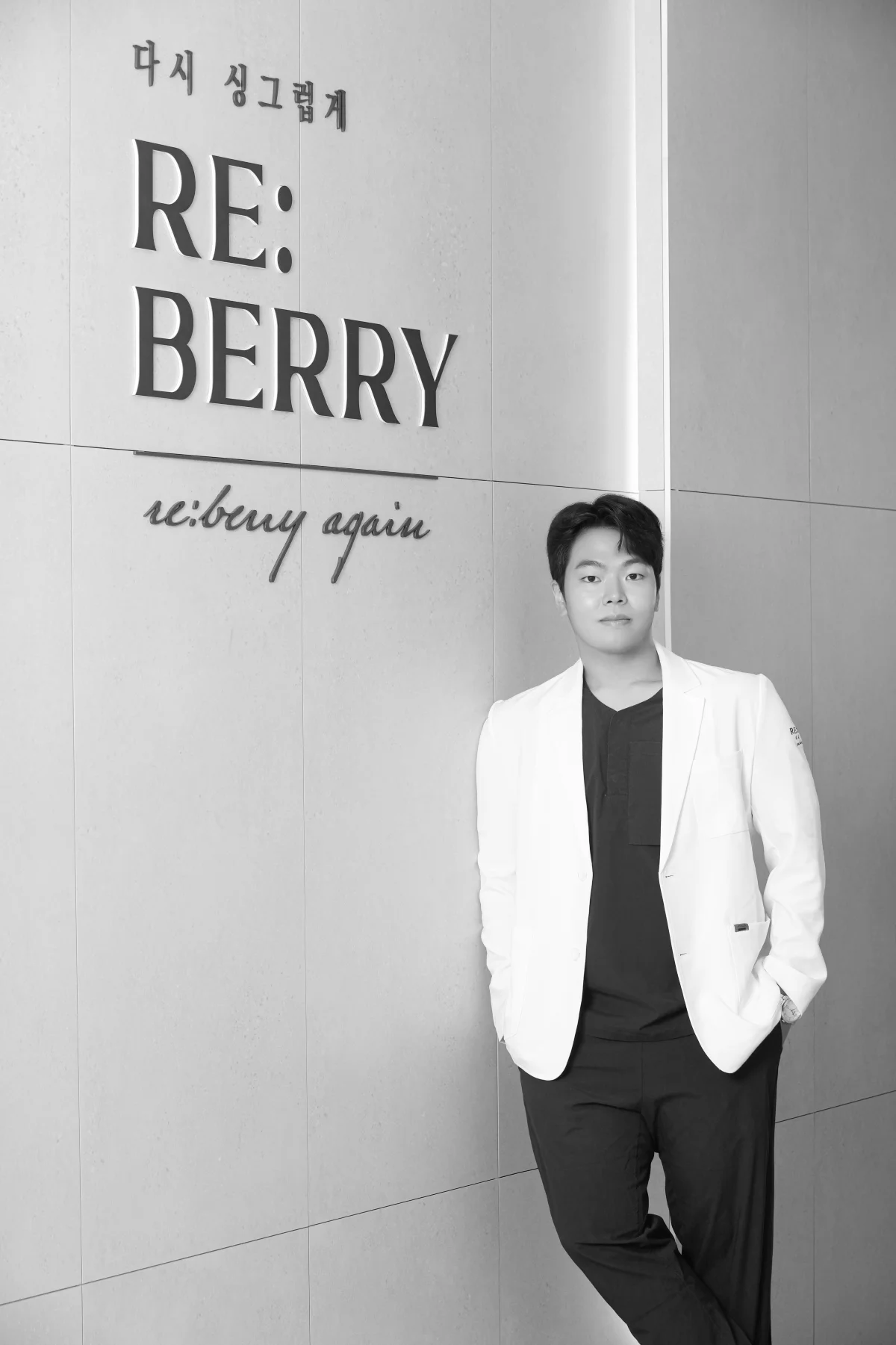
Dr. Sung-Jun Cho
- Medical Director, RE:BERRY Clinic Incheon Airport
- Aesthetic Medicine Specialist
- Located 15 minutes from Incheon International Airport
Medically reviewed by Dr. Sung-Jun Cho, Medical Director / Aesthetic Medicine Specialist, RE:BERRY
The Science of Potenza RF vs PicoSure for Acne Scars
Peer-reviewed evidence comparing radiofrequency microneedling and picosecond laser technology for acne scar treatment.
RF Microneedling Mechanism — Thermal Collagen Remodeling for Acne Scars
POTENZA RF microneedling treats acne scars through controlled thermal injury at the dermal level. Insulated gold-plated microneedles deliver bipolar radiofrequency energy (1-2MHz) at adjustable depths of 0.5-3.5mm, generating focal heating zones of 60-70 degrees Celsius. This temperature range induces immediate collagen fiber contraction (tightening) and triggers a 3-phase wound-healing response: inflammatory phase (days 1-7), proliferative phase (weeks 1-6), and remodeling phase (months 1-12). During the remodeling phase, disorganized scar collagen is replaced with organized collagen types I and III, progressively filling depressed atrophic scars from within. The insulated needle design ensures thermal energy is delivered only at the needle tip, completely bypassing the melanin-rich epidermis — making Potenza RF vs PicoSure comparisons consistently favor RF for deep scar treatment in Asian skin types with minimal PIH risk.
Picosecond Laser (PicoSure) — Photomechanical Scar Remodeling
PicoSure’s 755nm alexandrite laser delivers energy in 550-750 picosecond pulses — 100 times faster than nanosecond Q-switched lasers. This ultrafast pulse duration creates a photomechanical (pressure-wave) effect rather than photothermal damage. The Focus Lens Array redistributes laser energy into a pattern of high-intensity micro-lenses that create laser-induced optical breakdown (LIOB) zones in the upper dermis. These microscopic vacuoles (10-100 micrometers) trigger an accelerated cell-signaling cascade that activates fibroblasts and keratinocytes to produce new collagen and elastin without bulk thermal injury. For the Potenza RF vs PicoSure acne scar comparison, PicoSure’s photomechanical approach explains its under 0.5% PIH risk and exceptional safety for melanin-rich skin — thermal PIH is avoided because the mechanism bypasses sustained heating.
Comparative Clinical Efficacy — RF Microneedling vs Picosecond Laser
Tan et al. (2021) conducted a split-face randomized controlled trial comparing RF microneedling versus picosecond laser for atrophic acne scars in 45 Asian patients (Fitzpatrick III-IV). After 4 treatments at monthly intervals, the RF microneedling side demonstrated 57.3% mean improvement on the Echelle d’Evaluation Clinique des Cicatrices d’Acne (ECCA) scale, compared to 41.8% for the picosecond laser side. Notably, RF microneedling showed statistically significant superiority for rolling and boxcar scars (p<0.01), while picosecond laser demonstrated non-inferior results for ice-pick scars and significantly better PIH clearance (p<0.05). Patient satisfaction favored the picosecond laser side for downtime convenience, while the RF side was preferred for visible depth improvement. The authors concluded that combination protocols alternating both technologies may offer superior outcomes over monotherapy — validating the Potenza RF vs PicoSure combined approach used at RE:BERRY Incheon Airport.
Biostimulator-Enhanced RF — Amplifying Acne Scar Treatment Outcomes
Wanitphakdeedecha et al. (2022) evaluated the addition of poly-D,L-lactic acid (PDLLA) biostimulator application immediately after RF microneedling for atrophic acne scars. The RF + biostimulator group showed 23% greater improvement on the quantitative scar grading system compared to RF microneedling alone at 3-month follow-up. The microchannels created by RF needles serve as direct delivery pathways for regenerative biologics to reach the deep dermis, bypassing the epidermal barrier. This synergy between RF microneedling and biostimulators forms the basis of RE:BERRY’s One-Day Acne Scar Package (₩750,000 / $545 USD), which pairs POTENZA RF with Juvelook Concell and subcision.
Tan MG et al. Radiofrequency microneedling versus picosecond laser for atrophic acne scars: a split-face randomized controlled trial. Lasers Surg Med. 2021;53(9):1218-1226. doi:10.1002/lsm.23413
Wanitphakdeedecha R et al. Efficacy of RF microneedling combined with poly-D,L-lactic acid for atrophic acne scars. J Cosmet Dermatol. 2022;21(11):5789-5796. doi:10.1111/jocd.15303
Brauer JA et al. Use of a picosecond pulse duration laser with specialized optic for treatment of facial acne scarring. JAMA Dermatol. 2015;151(3):278-284. doi:10.1001/jamadermatol.2014.3045
What Patients Say About Potenza RF vs PicoSure for Acne Scars
“My cheeks had deep rolling scars from teenage acne. After 4 POTENZA RF sessions at RE:BERRY, depth decreased 55%. Dr. Cho then added PicoSure sessions for surface texture — the combination approach made a huge difference compared to RF alone. Total cost ₩1,690,000 ($1,207 USD) versus US $5,000+.”
“I was worried about hyperpigmentation since I have darker skin (Fitzpatrick V). Dr. Kim recommended starting with PicoSure at ₩150,000 ($107 USD) per session for safety, and my scars improved 35% with zero PIH. After 3 PicoSure sessions, we added POTENZA RF. 6 months in, gradual approach worked perfectly.”
“The Silky Skin-Care Package at ₩1,690,000 ($1,207 USD) was the best investment I made. 6 sessions alternating Pico Fraxel and POTENZA with Juvelook transformed my acne-scarred skin — 70% improvement. Airport pickup and English staff made everything convenient for a tourist from Tokyo.”
FAQ About Potenza RF vs PicoSure for Acne Scars in Korea
Expert answers about RF microneedling and picosecond laser scar treatment at RE:BERRY Incheon Airport.
2 Aesthetic Medicine Specialists perform Potenza RF vs PicoSure acne scar treatments at RE:BERRY Incheon Airport — Head Director Dr. Cho Sung-Jun and Dr. Kim Dong-Young. Both physicians evaluate scar morphology using Goodman & Baron grading. Korean boutique clinics limit to 3-4 patients per doctor daily, far less than US chains. See our acne scar overview.
100% same-physician continuity across all Potenza RF vs PicoSure sessions at RE:BERRY Incheon Airport. Whether you complete a 6-session Silky Skin-Care Package or alternate visits over 3-4 months, the same doctor tracks improvement with standardized photography and adjusts energy parameters as scars remodel, delivering more consistent care than Western clinic rotations.
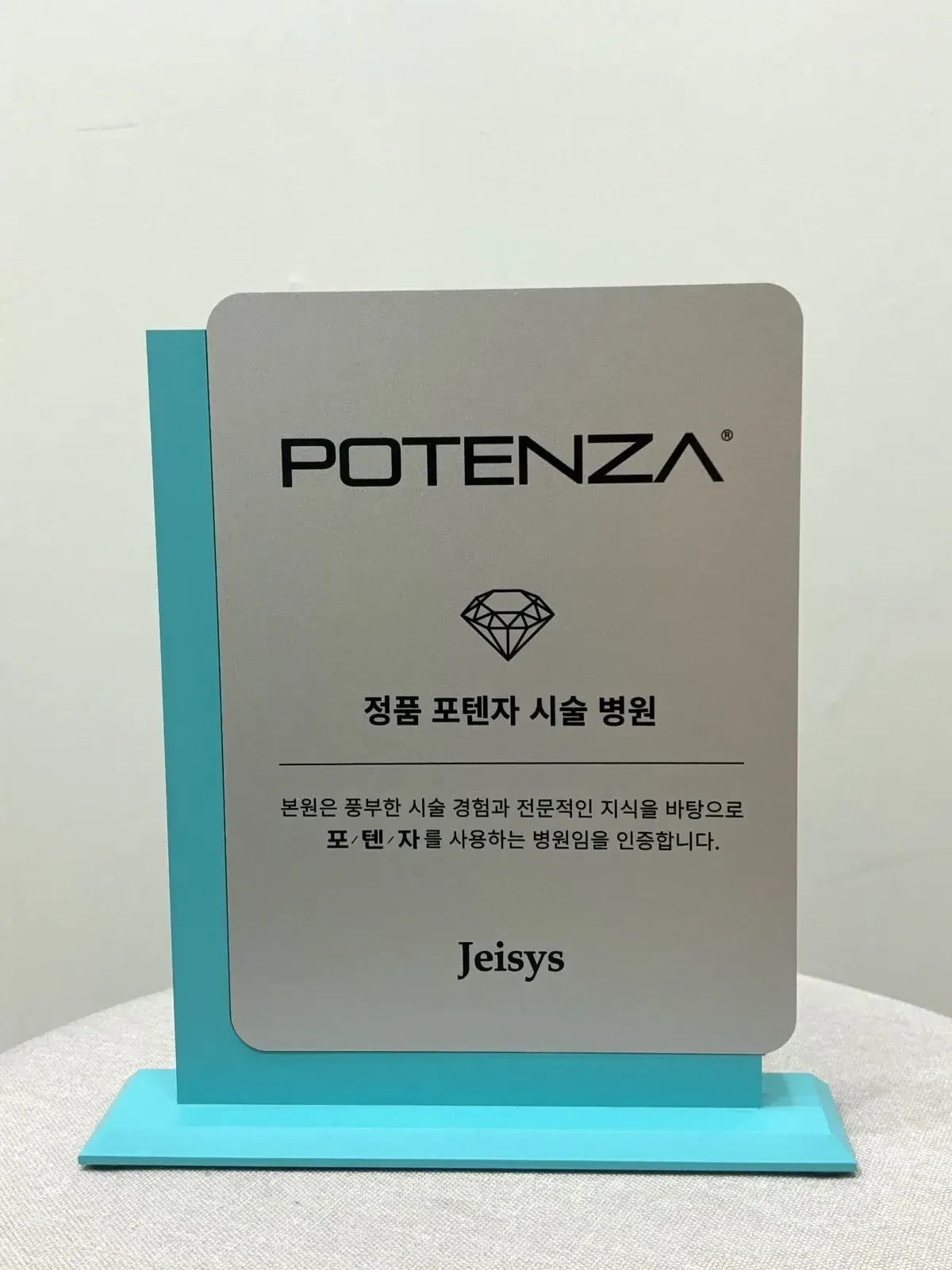
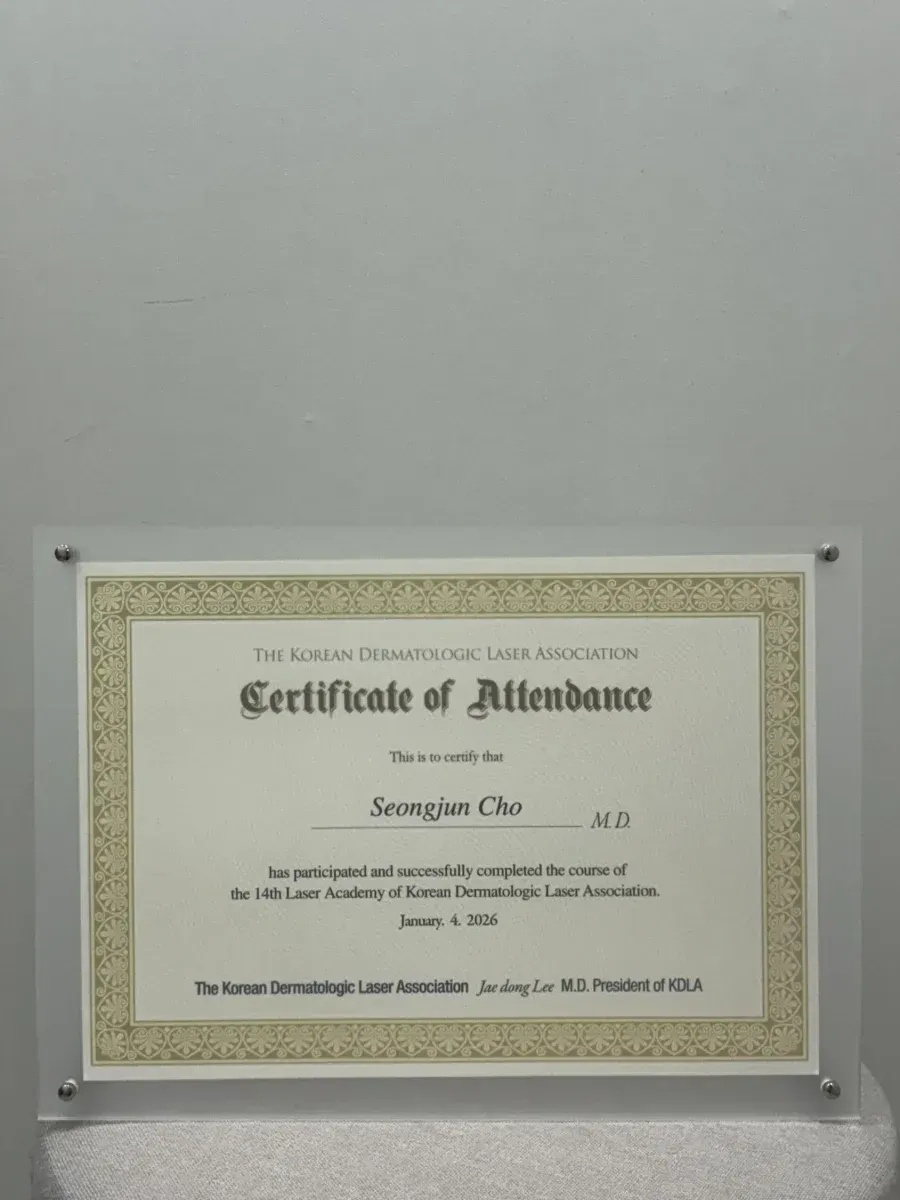
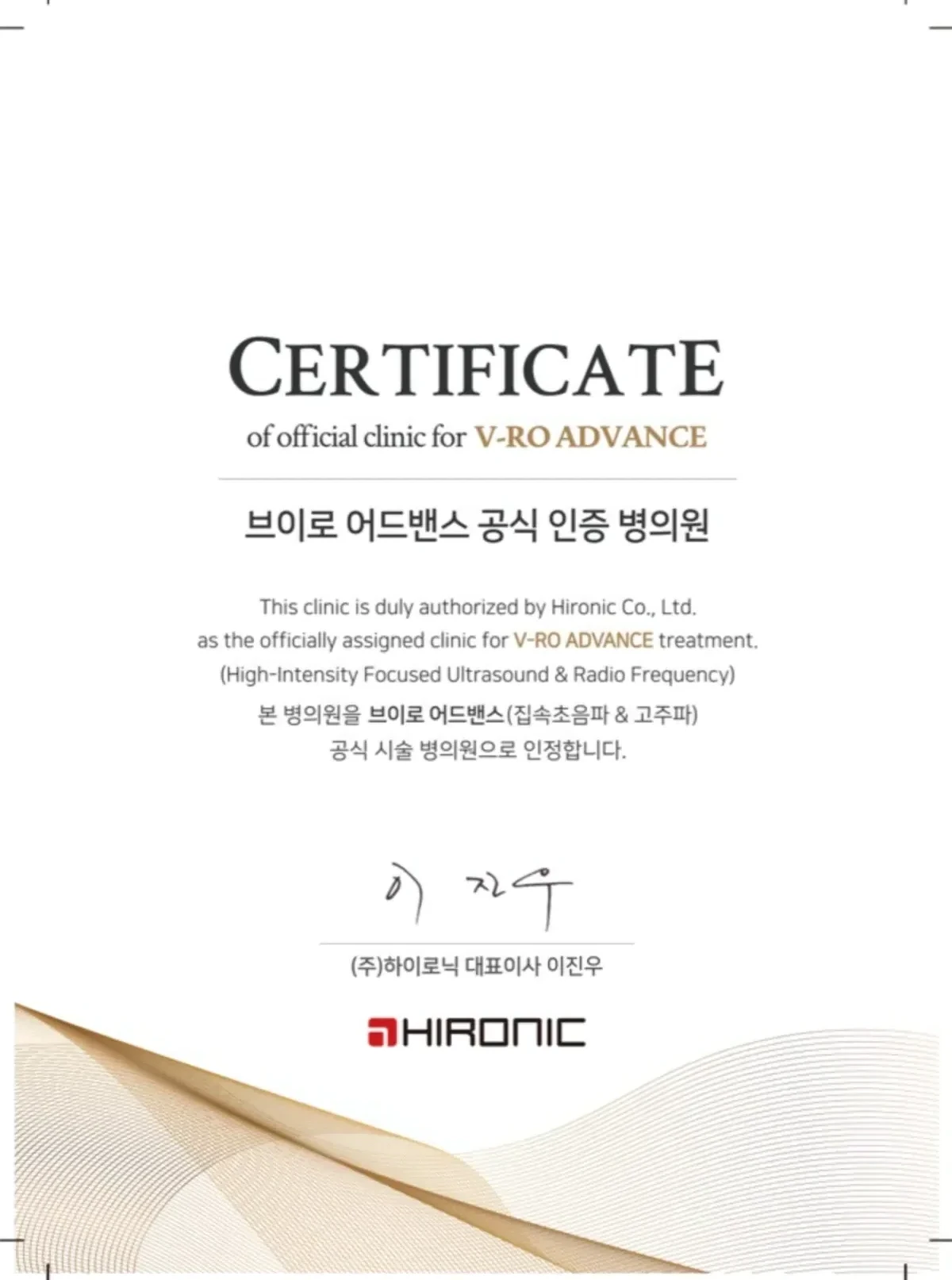
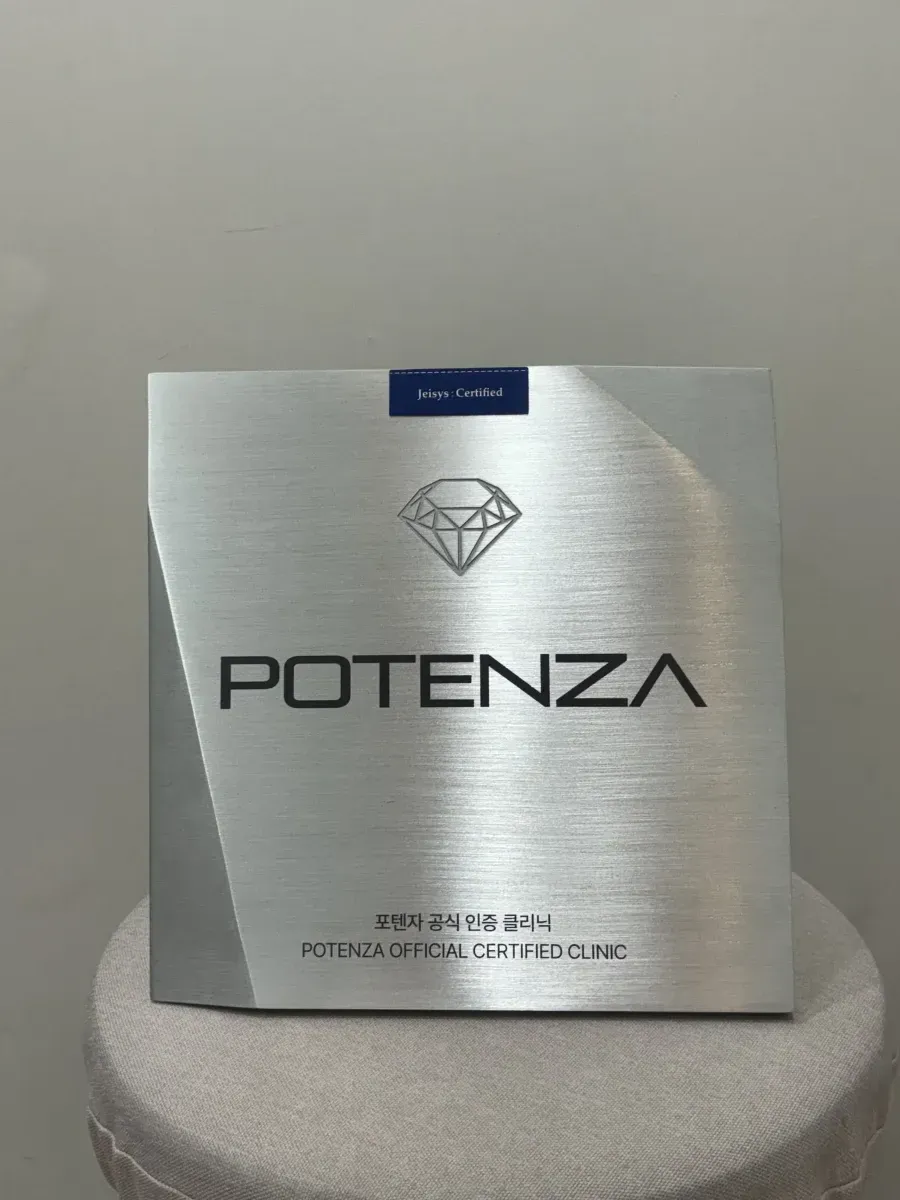
RE:BERRY holds 2 Jeisys POTENZA certificates — standard + advanced — with fewer than 5 Seoul-area clinics carrying both. Dr. Cho Sung-Jun specializes in Potenza RF vs PicoSure combination protocols, with 30,000+ procedures performed at the Incheon Airport location across 30+ medical devices. Korean training volume exceeds most US equivalents.
₩150,000 ($107 USD) per PicoSure session and ₩330,000 ($240 USD) per POTENZA RF session at RE:BERRY — 60-75% cheaper than US/Japan equivalents while using the same FDA-cleared devices. Korean clinics operate at higher volume and more experience than comparable Western markets, delivering the savings without sacrificing clinical standards.
| Device | US | RE:BERRY |
|---|---|---|
| PicoSure | $400-700 | ₩150,000 ($107) |
| POTENZA | $800-1,200 | ₩330,000 ($240) |
5 Potenza RF vs PicoSure packages at RE:BERRY Incheon Airport — ₩150,000 ($107 USD) to ₩1,690,000 ($1,207 USD) — with zero hidden fees. Korean clinics bundle consultation, treatment, and aftercare transparently, cheaper than US/JP equivalents.
| Package | Price |
|---|---|
| Pico Fraxel Single | ₩150,000 ($107) |
| POTENZA Single | ₩330,000 ($240) |
| One-Day Scar | ₩750,000 ($545) |
| Silky 6x | ₩1,690,000 ($1,207) |
₩0 consultation fee, ₩0 aftercare kit, ₩0 follow-up photo review at RE:BERRY Potenza RF vs PicoSure packages. Only optional add-on is subcision at ₩200,000 ($143 USD) for 3 sessions with the Silky Skin-Care Package. Korean clinics bundle costs more transparently than US billing. See full pricing.
Potenza RF delivers 57% improvement vs 42% with PicoSure for rolling scars at RE:BERRY Incheon Airport — Potenza RF wins for deep scars in clinical trials, while Korean clinics charge 60% less than US for the same Cynosure and Jeisys devices. Rolling and boxcar scars favor Potenza RF; ice-pick and PIH cases favor PicoSure. See our Potenza RF guide.
| Scar | POTENZA | PicoSure |
|---|---|---|
| Rolling | 57% | 42% |
23% greater improvement when adding exosome therapy immediately after POTENZA RF at RE:BERRY Incheon Airport — Korean clinics bundle exosome cheaper than US standalone pricing, and the microchannels stay open 15-20 minutes post-treatment for direct delivery. At 12 weeks, the combination side reaches 58.4% versus 39.1% for RF alone, making the add-on worthwhile.
| Feature | RF Only | RF + Exosome |
|---|---|---|
| Improvement | 39.1% | 58.4% |
70% of severe scar patients at RE:BERRY Incheon Airport combine subcision with Potenza RF vs PicoSure alternation for maximum results — Korean combined-device availability outperforms single-device US clinics at a fraction of the cost. Subcision releases tethered scar bases, POTENZA RF fills the released space with new collagen, and PicoSure refines surface texture. See subcision protocol.
50-75 patients per doctor yearly at RE:BERRY vs 300-500+ at large Korean chains — scar treatment demands individualized assessment. Korean boutique clinics offer more personalized Potenza RF vs PicoSure planning than high-volume chains and save time versus Gangnam travel.
| Feature | RE:BERRY | Chain |
|---|---|---|
| Assessment | 20-30 min | 5-10 min |
| Same doctor | 100% | ~40% |
2 technologies under one roof at RE:BERRY Incheon Airport — POTENZA RF and PicoSure alternating in a single protocol, unlike most Korean clinics that provide only one device as monotherapy. The 6-session Silky Skin-Care Package (₩1,690,000 / $1,207 USD) delivers 60-80% mixed-scar improvement, vs 35-55% with single-modality approaches seen at other Seoul and Gangnam clinics.
24 hours post-treatment is safe for flying after both POTENZA RF and PicoSure at RE:BERRY Incheon Airport — PicoSure allows same-day flights with minimal redness. Korean airport-adjacent clinics save 3+ hours versus Gangnam commutes, enabling departure-day Potenza RF vs PicoSure treatment plans more easily than Western capitals.
RE:BERRY Incheon Airport reports under 2% PIH risk with POTENZA RF insulated needles and under 0.5% with PicoSure photomechanical energy — cheaper and safer than US ablative CO2 lasers (15-20% PIH). Korean clinics have more experience on Fitzpatrick IV-V skin than most US practices.
| Device | PIH Risk |
|---|---|
| POTENZA RF | Under 2% |
| PicoSure | Under 0.5% |
| Ablative CO2 | 15-20% |
1-2 days per Potenza RF vs PicoSure session — total clinic time is 90 minutes, and RE:BERRY is 15 minutes from Incheon Airport. Korean airport-adjacent treatment saves time versus US commutes. The 6-session Silky Skin-Care (₩1,690,000 / $1,207 USD) spreads across 3-4 Seoul visits. See Korea acne scar laser overview.
RE:BERRY provides 8-language digital follow-up via KakaoTalk after Potenza RF vs PicoSure treatment. Send progress photos at week 2 and month 1-3 for doctor review. The clinic tracks improvement using standardized photography at each session. Korean clinics offer longer digital aftercare than comparable US services, with written aftercare in English/Japanese/Chinese/Thai.
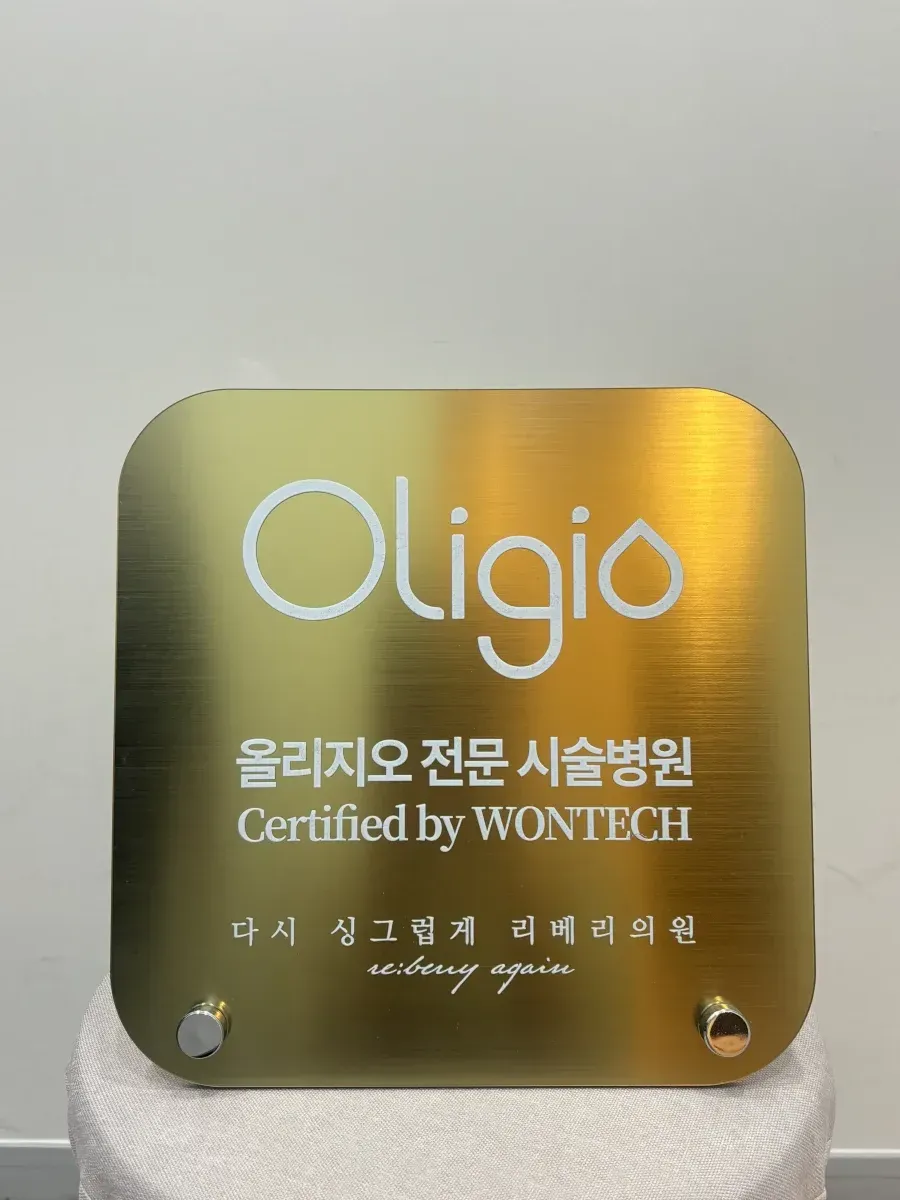
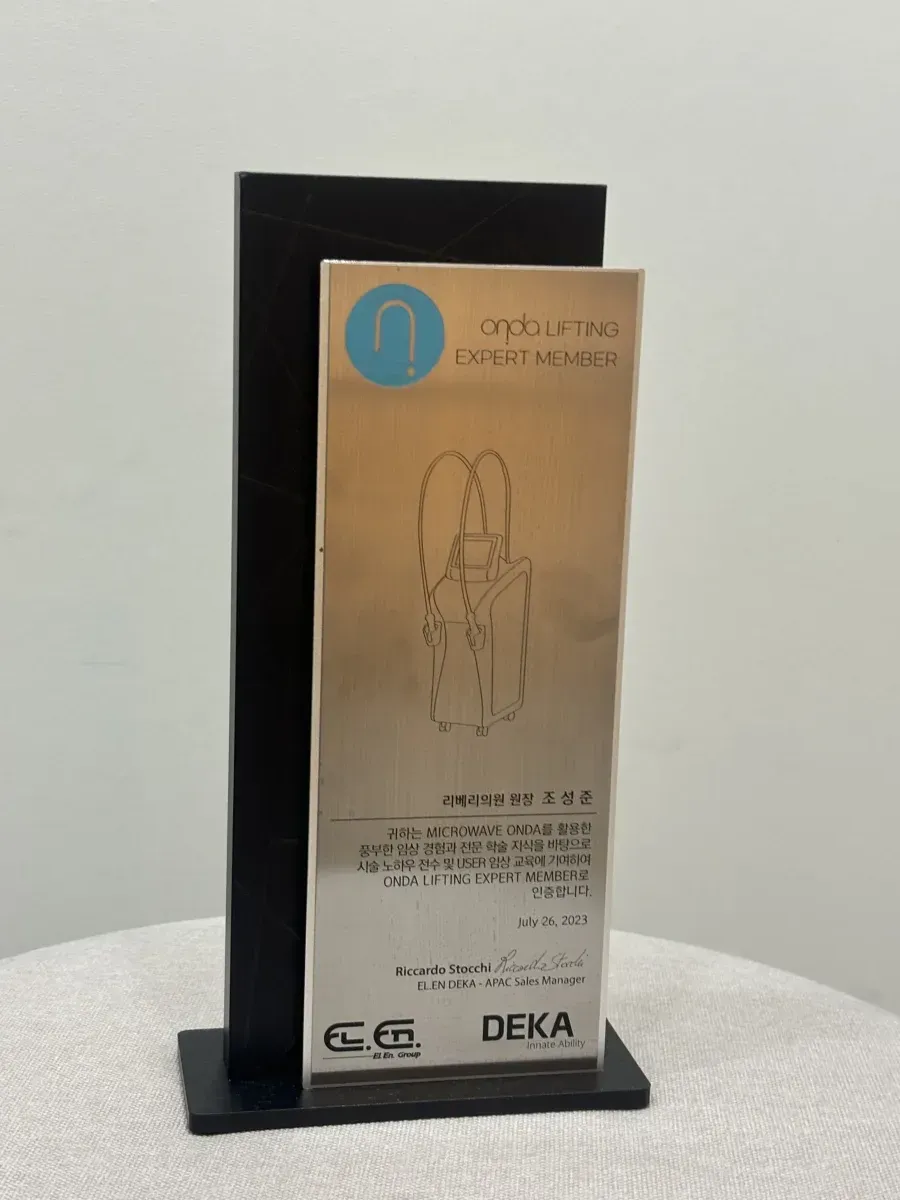
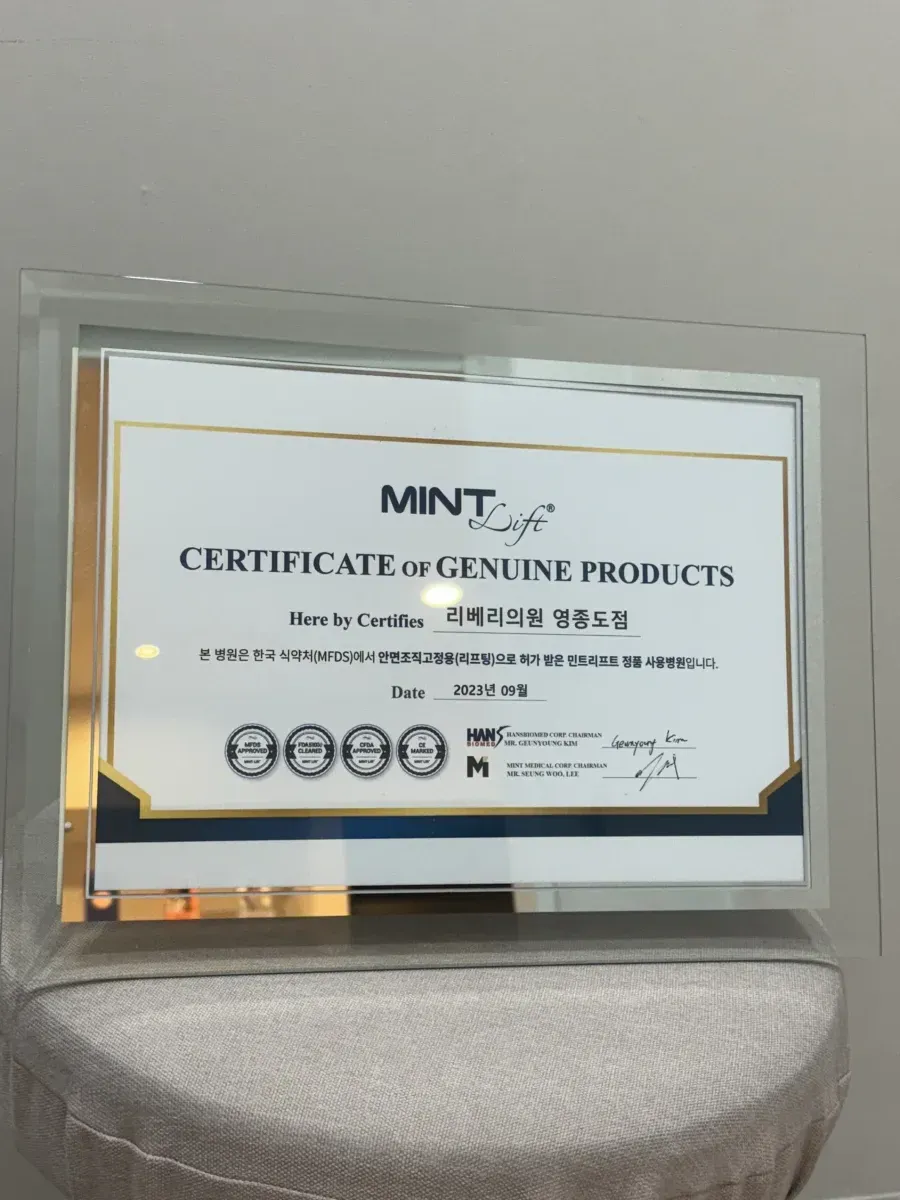
Only Authentic, Brand-Certified Equipment
Every device at RE:BERRY is MFDS-certified and manufacturer-verified. We never use counterfeit or grey-market equipment.
Start Your Potenza RF vs PicoSure Acne Scar Treatment
Book your Potenza RF vs PicoSure acne scar assessment with Dr. Sung-Jun Cho at RE:BERRY Incheon Airport. Get expert guidance on whether POTENZA RF (₩330,000 / $240 USD), PicoSure (₩150,000 / $107 USD), or a combined protocol is right for your scars. Open 365 days, complimentary airport pickup, 8 languages supported.
Got a Layover in Korea? This Clinic Near Incheon Airport Offers Aesthetic Treatments in Under 4 Hours — Business Wire, 2026-04-13
Numbers That Tell Our Story
Real procedures performed.
Brand-Authenticated Equipment & Training




Our doctors are certified by Korea’s top dermatological societies



Book Your Acne Scar Consultation
Fill out the form and our multilingual team will confirm within 2 hours via your preferred contact method.
- ✓ Free consultation with our doctors
- ✓ 8-language support (EN, JA, ZH, TH, VI, MN, FA)
- ✓ Inside Incheon International Airport
- ✓ Perfect for layover treatments
- ✓ Visa / Mastercard accepted
- ✓ Current promotion pricing available