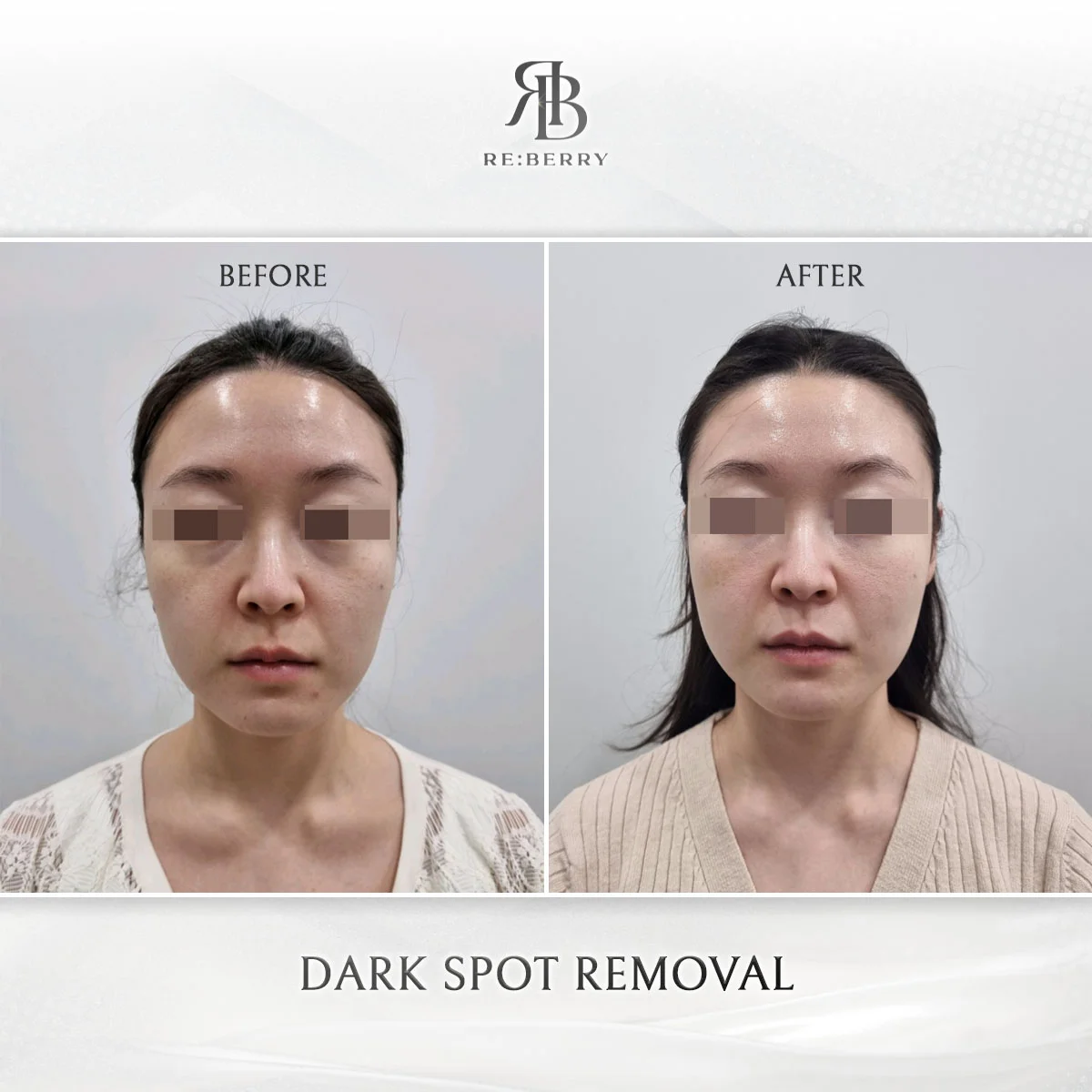
Milia Removal Near Incheon Airport — Expert Keratin Cyst Extraction in Korea
Professional milia removal at RE:BERRY Incheon Airport using precision needle extraction from ₩39,000, electrocautery and CO2 laser for stubborn milia, and Potenza RF for recurrence prevention at ₩330,000. Treating all types of milia including primary, secondary, and eruptive variants. Open 365 days with complimentary airport pickup.
How Are Milia Removed at RE:BERRY Incheon Airport?
RE:BERRY Incheon Airport removes milia using sterile needle incision and expression extraction starting from ₩39,000, with CO2 laser and electrocautery available for deep or multiple milia, plus Potenza RF pore treatment (₩330,000) to prevent recurrence — all performed by licensed Aesthetic Medicine Specialists with complimentary airport pickup.
Milia are small, dome-shaped keratin-filled cysts that form just beneath the skin surface, appearing as firm white or yellowish bumps typically 1-3mm in diameter. Unlike whiteheads (which contain sebum), milia are composed of trapped dead skin cells (keratin) enclosed in a true cyst wall, which is why they do not respond to squeezing, topical treatments, or standard extraction techniques. Attempting to pop milia at home almost always fails and often causes scarring or infection. At RE:BERRY Incheon Airport, our milia removal approach is precise and minimally traumatic. The gold standard technique involves creating a tiny incision in the overlying epidermis with a sterile 25-gauge needle or 11-blade scalpel tip, then expressing the intact keratin pearl using a comedone extractor with controlled pressure. This technique, available from ₩39,000 during our Aqua Peel + extraction sessions, achieves immediate and permanent removal of individual milia. For patients with numerous milia (10+ lesions) or deep-seated milia resistant to standard extraction, we offer CO2 laser ablation and electrocautery that vaporize the cyst wall entirely, preventing regrowth. Potenza RF microneedling at ₩330,000 can address the underlying skin texture issues that predispose to milia formation, particularly around the eye area and cheeks. For patients concerned about post-treatment marks, our Genesis Laser treatment provides gentle collagen stimulation that smooths extraction sites. Dr. Cho Sung-Jun, Aesthetic Medicine Specialist and Head Director, performs dermoscopic examination to differentiate milia from other look-alike conditions such as syringomas, sebaceous hyperplasia, and xanthelasma before beginning any milia removal procedure. RE:BERRY Incheon Airport operates 365 days with complimentary airport pickup from ICN Terminal 1.
How Milia Removal Works at RE:BERRY Incheon Airport
A precise multi-step milia removal protocol for permanent keratin cyst elimination.
Dermoscopic Diagnosis & Milia Classification
Dr. Cho Sung-Jun examines each lesion under high-magnification dermoscopy to confirm milia diagnosis and rule out look-alike conditions. Primary milia (spontaneous, no known cause) are differentiated from secondary milia (arising from skin trauma, burns, or blistering). Milia en plaque (clustered on an inflamed base) requires different treatment. The location, depth, number, and proximity to sensitive structures (eyelid margin, tear ducts) are mapped. Dermoscopic examination reveals the characteristic homogeneous white-yellow globule with surrounding halo — confirming true milia before any milia removal procedure begins.
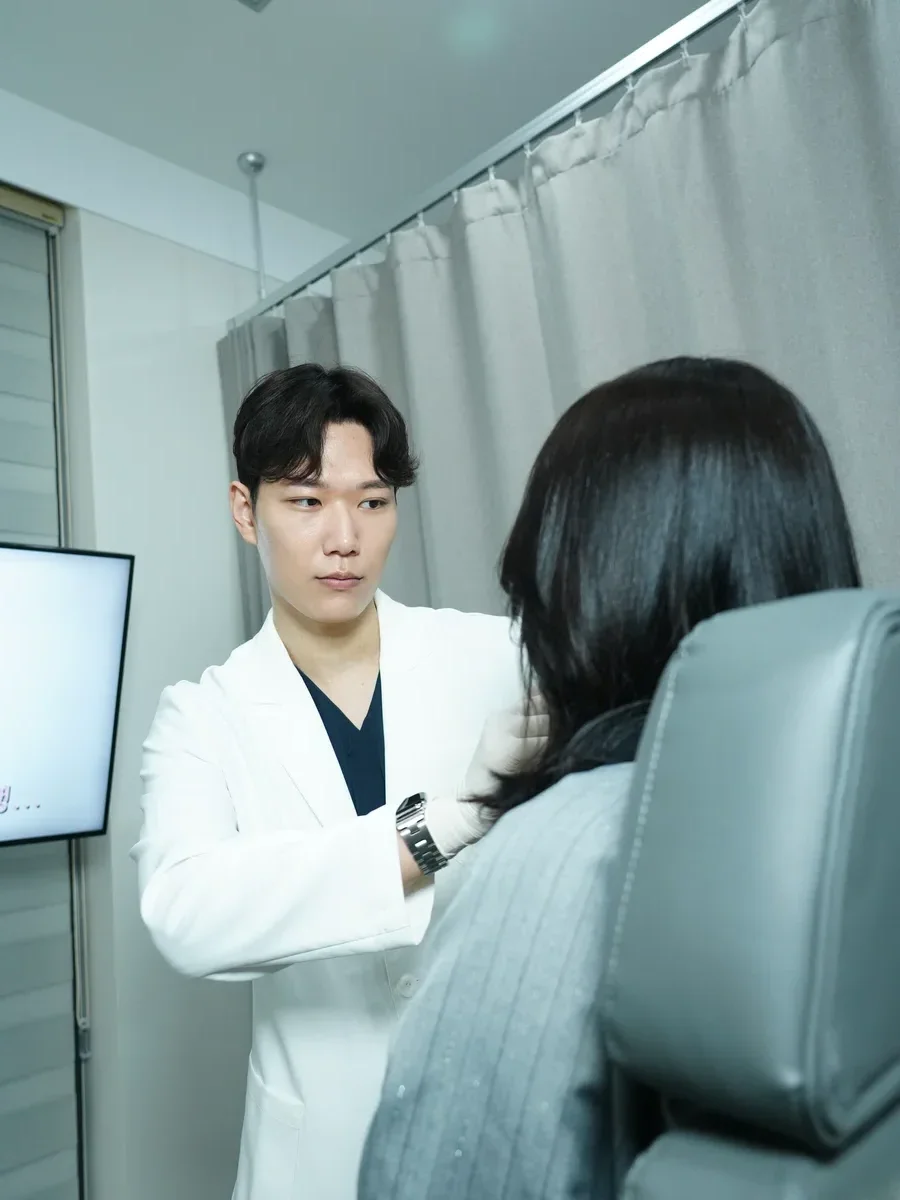
Precision Milia Extraction
Topical anesthetic cream is applied to the treatment area 20 minutes before milia removal. Using a sterile 25-gauge needle or 11-blade scalpel tip, the Aesthetic Medicine Specialist creates a micro-incision (less than 1mm) directly over the milia cyst. A comedone extractor with calibrated pressure then expresses the keratin pearl intact — the firm white sphere pops out cleanly when the cyst wall is properly breached. For periorbital milia (around the eyes), ultra-fine 30-gauge needles are used with magnification loupe assistance. Each milia removal takes approximately 15-30 seconds per lesion, with no bleeding in most cases.
Advanced Milia Removal for Resistant Cases
Deep-seated milia or those with thick cyst walls may resist standard extraction. For these cases, RE:BERRY offers CO2 laser ablation — a focused beam precisely vaporizes the milia cyst wall and contents in a single pass. Electrocautery provides an alternative using controlled heat to destroy the cyst structure from within. Both methods achieve near-100% clearance of resistant milia. For patients with eruptive milia (sudden appearance of dozens of lesions), a combination approach using chemical peel to thin the overlying epidermis followed by systematic extraction is most efficient.
Healing, Prevention & Aftercare
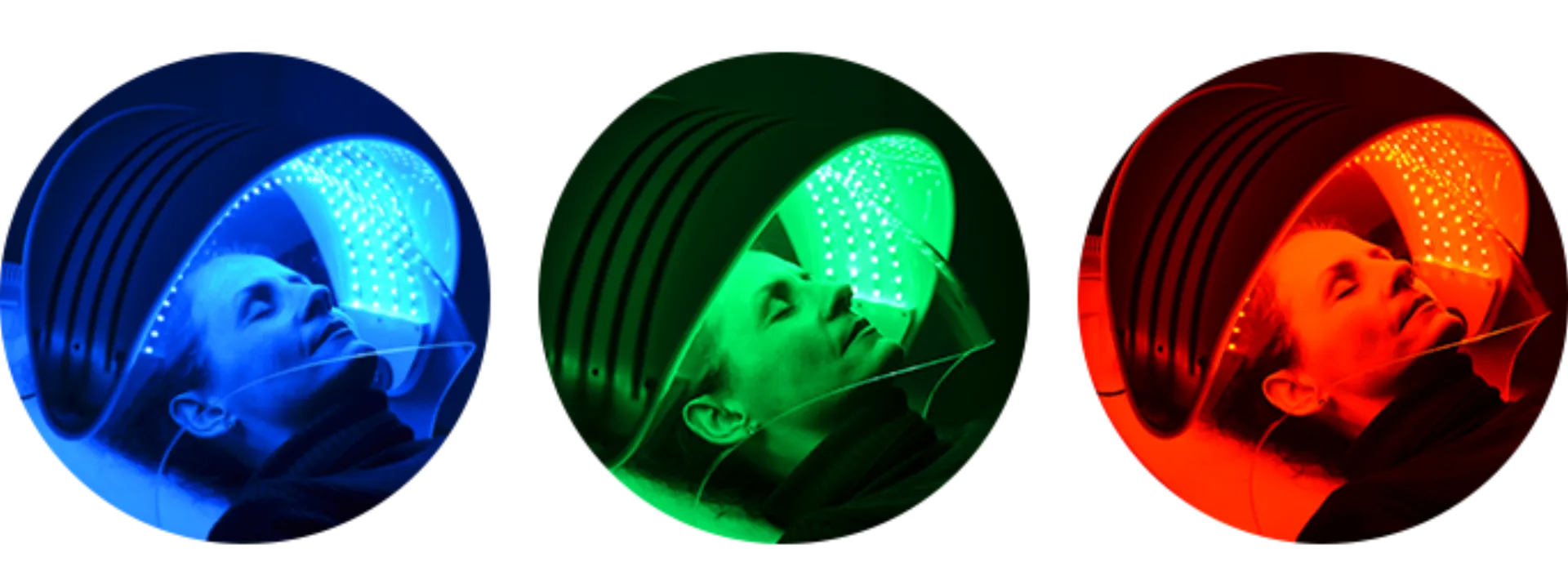
Immediately after milia removal, anti-bacterial ointment is applied to extraction sites. LDM (Local Dynamic Micro-massage) ultrasound promotes rapid wound healing and reduces the chance of post-inflammatory marks. For patients with recurring milia, a prevention protocol is established: retinoid-based home care to normalize keratinocyte turnover, lightweight non-occlusive moisturizers to avoid pore blockage, and periodic maintenance Aqua Peel sessions to prevent keratin buildup. Aftercare instructions are provided in 8 languages. Follow-up milia removal sessions (if needed for new lesions) are recommended at 4-8 week intervals.
What to Expect from Milia Removal at RE:BERRY Incheon Airport
- Immediate Permanent Results: Unlike whiteheads or acne that recur in the same location, properly extracted milia are permanently removed — the keratin cyst does not regrow once the cyst wall is completely evacuated during milia removal.
- Minimal Scarring Technique: 25-gauge micro-incisions heal virtually scar-free within 5-7 days. The sub-millimeter incision is smaller than the milia itself, leaving no visible mark after healing. CO2 laser milia removal also heals with minimal trace.
- Accurate Diagnosis First: Dermoscopic examination differentiates true milia from syringomas, sebaceous hyperplasia, flat warts, and xanthelasma — conditions that look similar but require completely different treatments. Misdiagnosis leads to treatment failure.
- All Milia Types Treated: Primary, secondary, eruptive, and milia en plaque are all treated at RE:BERRY. Periorbital milia (around eyes) — the most delicate location — is safely addressed using ultra-fine needles under magnification.
- Traveler-Friendly Scheduling: Milia removal is typically completed in 20-45 minutes with zero downtime for needle extraction. Patients can fly the same day. Airport pickup from ICN Terminal 1 included with all appointments.
| Timeline | What to Expect |
|---|---|
| Day 0 | Milia removal completed. Tiny pink marks at extraction sites for 2-4 hours. No pain after numbing wears off. No bandages needed for needle extraction method. |
| Day 1-2 | Micro-incision sites form tiny scabs. Skin around extraction areas may show minimal redness. Makeup can be carefully applied after 24 hours, avoiding direct pressure on healing sites. |
| Day 3-5 | Micro-scabs naturally fall off. Underlying skin is smooth and pink. Most milia removal sites are barely visible at this stage. Gentle cleansing and moisturizing continue. |
| Day 7-10 | Extraction sites fully healed. No visible marks from milia removal. Skin is smooth where bumps previously existed. New milia may appear in different locations if underlying cause is not addressed. |
| Week 3-4 | Complete healing including any CO2 laser sites. Skin texture fully normalized. Retinoid home care beginning to prevent new milia formation. Ideal time for follow-up assessment. |
| Month 2-3 | With retinoid prevention protocol: new milia formation reduced by 60-70%. Maintenance Aqua Peel sessions keep keratin buildup controlled. Long-term milia removal results stabilized. |
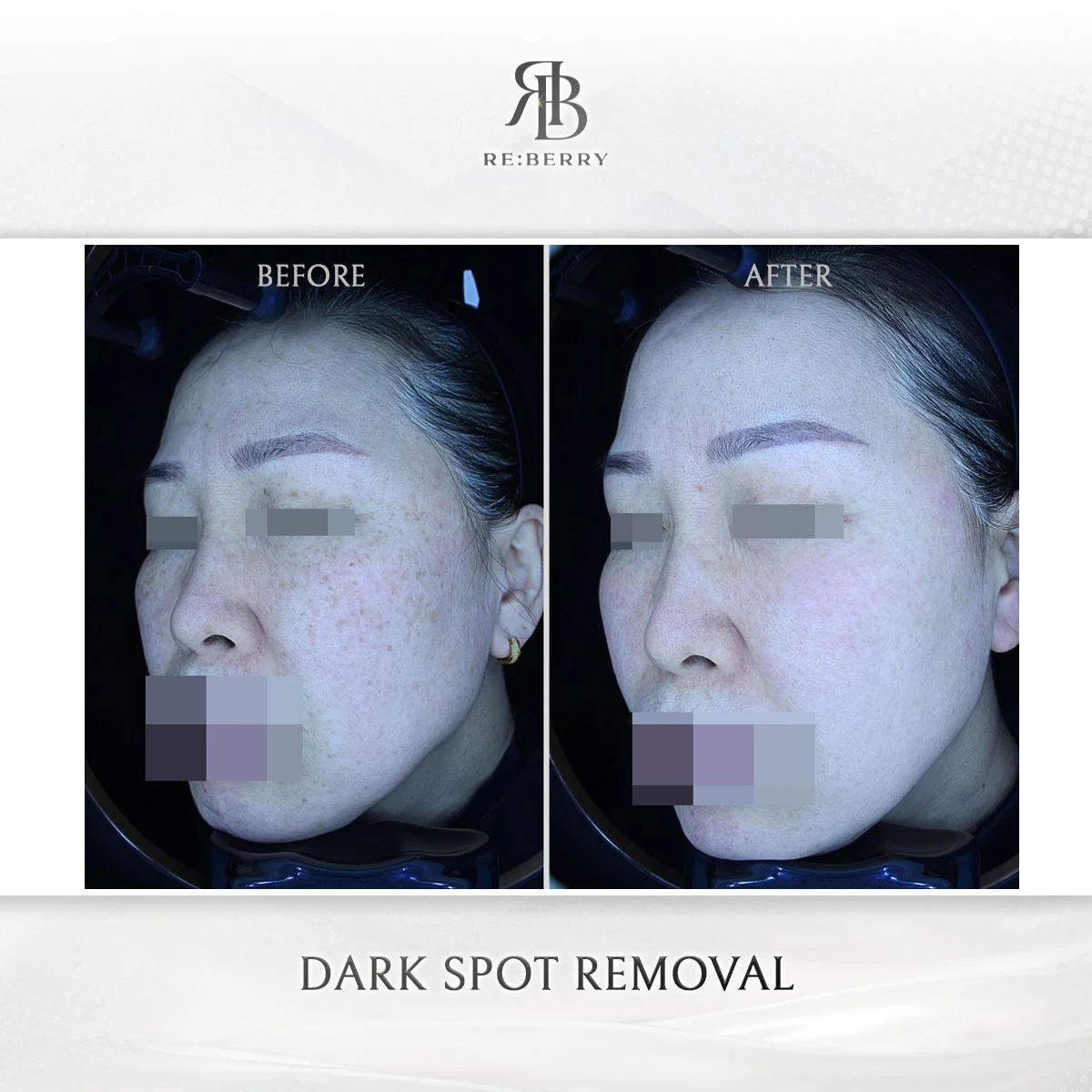
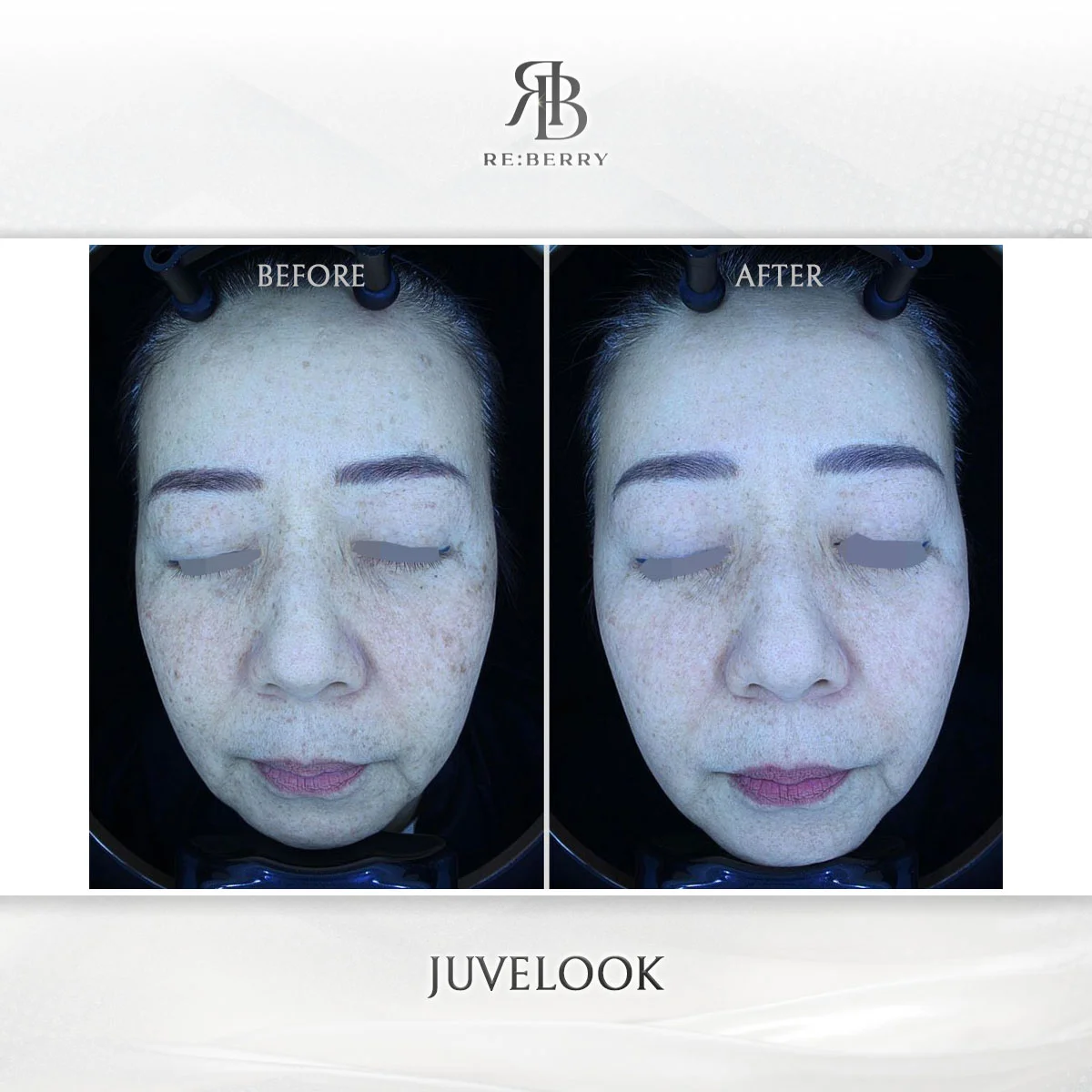
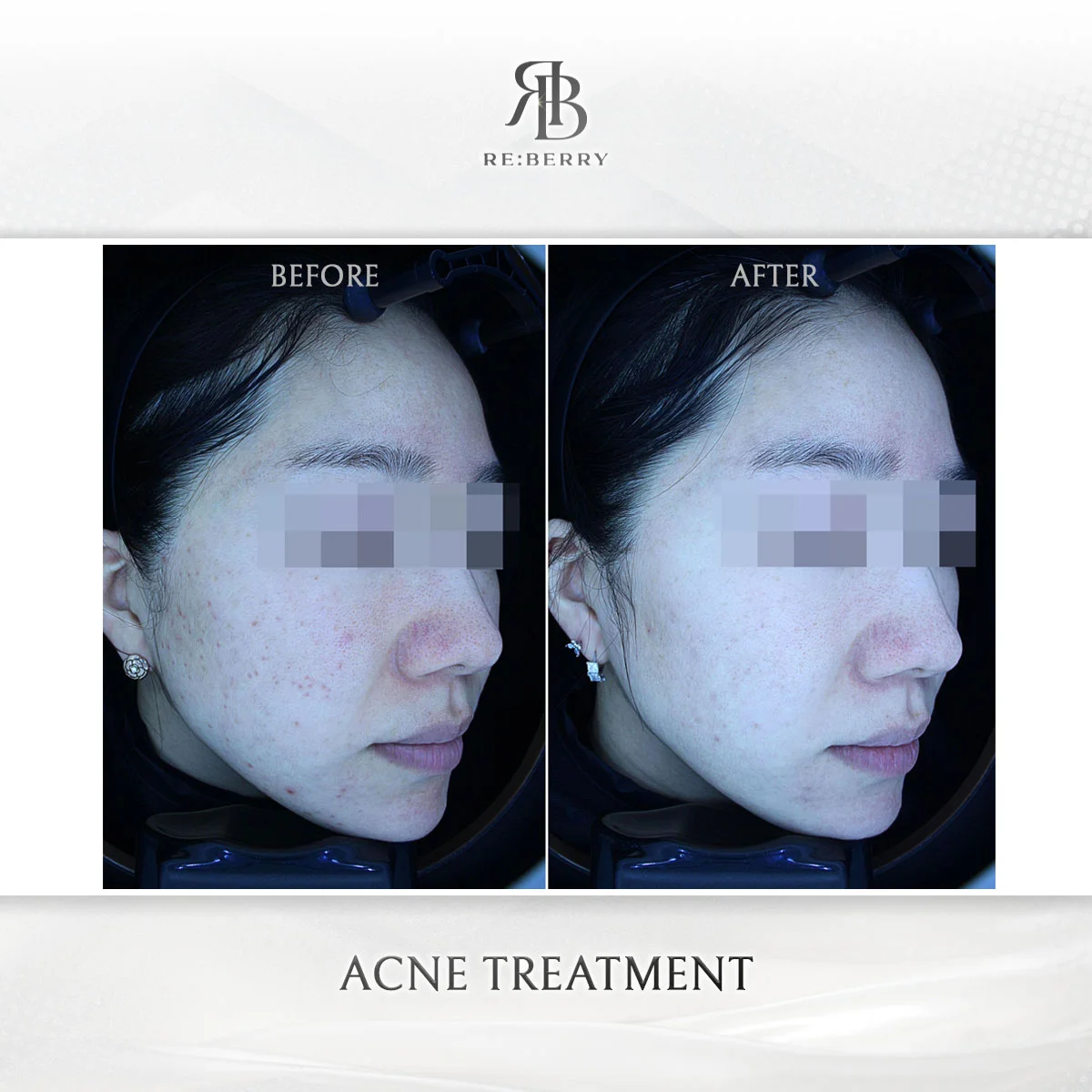
Milia Removal Before & After
Actual patient results from RE:BERRY Incheon Airport. Individual results may vary depending on milia type and location.
Milia Removal Methods at RE:BERRY Incheon Airport
| Feature | Needle Extraction | CO2 Laser Ablation | Electrocautery |
|---|---|---|---|
| Best For | Individual surface milia, periorbital | Deep/resistant milia, multiple lesions | Medium-depth milia, thick cyst walls |
| Mechanism | Micro-incision + mechanical expression | Laser vaporization of cyst and contents | Controlled thermal destruction |
| Clearance Rate | 95% per lesion (single pass) | 99% per lesion (wall destroyed) | 97% per lesion |
| Healing Time | 3-5 days (micro-scab) | 5-7 days (tiny crust) | 5-7 days (small crust) |
| Scarring Risk | Less than 1% | 1-2% (minimal) | 1-2% (minimal) |
| Best Location | Eyelids, under-eye, cheeks | Forehead, cheeks, chin | Forehead, temples, body |
| Safe for All Skin | ✓ | Yes (calibrated settings) | ✓ |
Milia Removal Pricing at RE:BERRY Incheon Airport
April 2026 promotion pricing. All prices in KRW, VAT included.
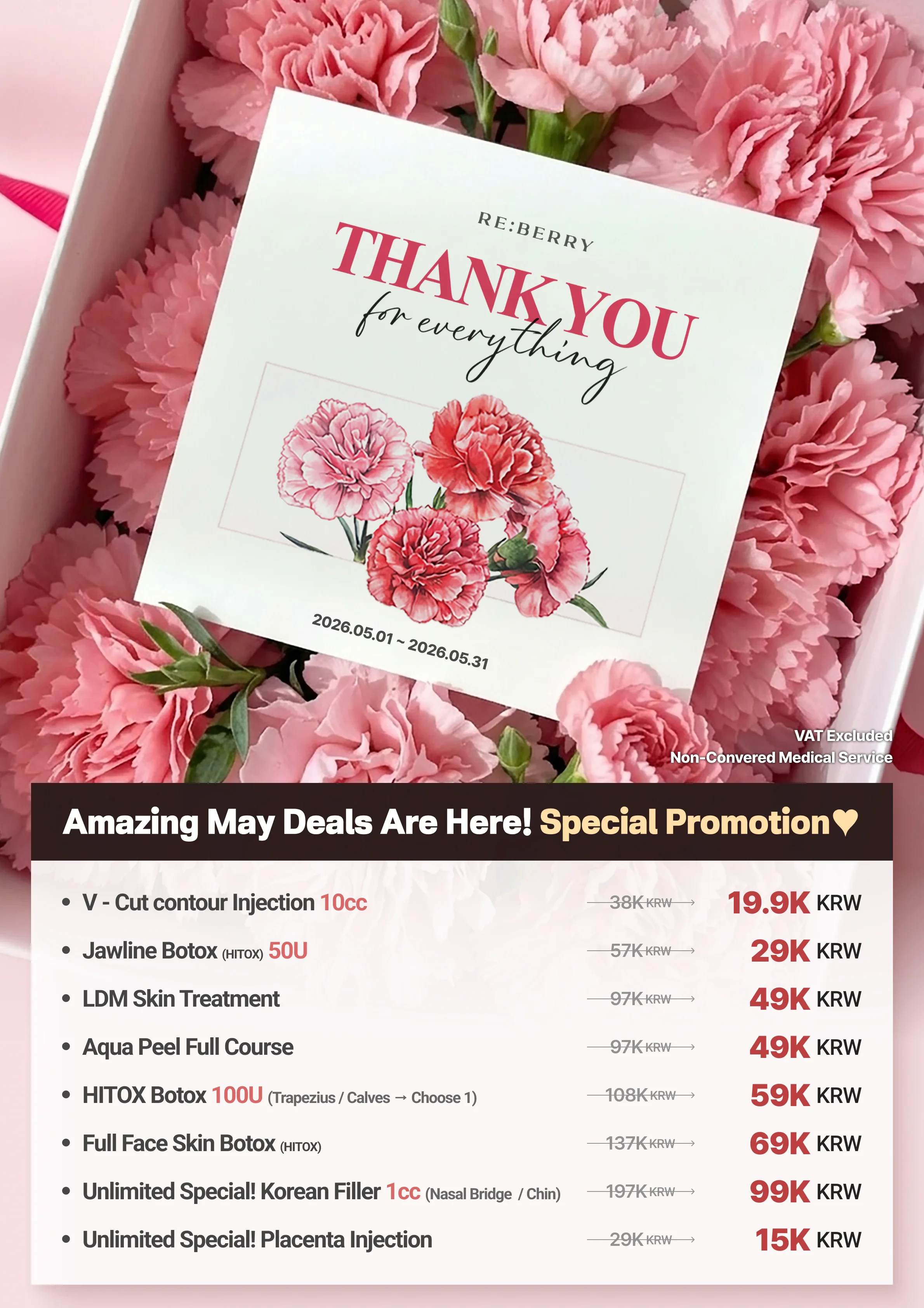
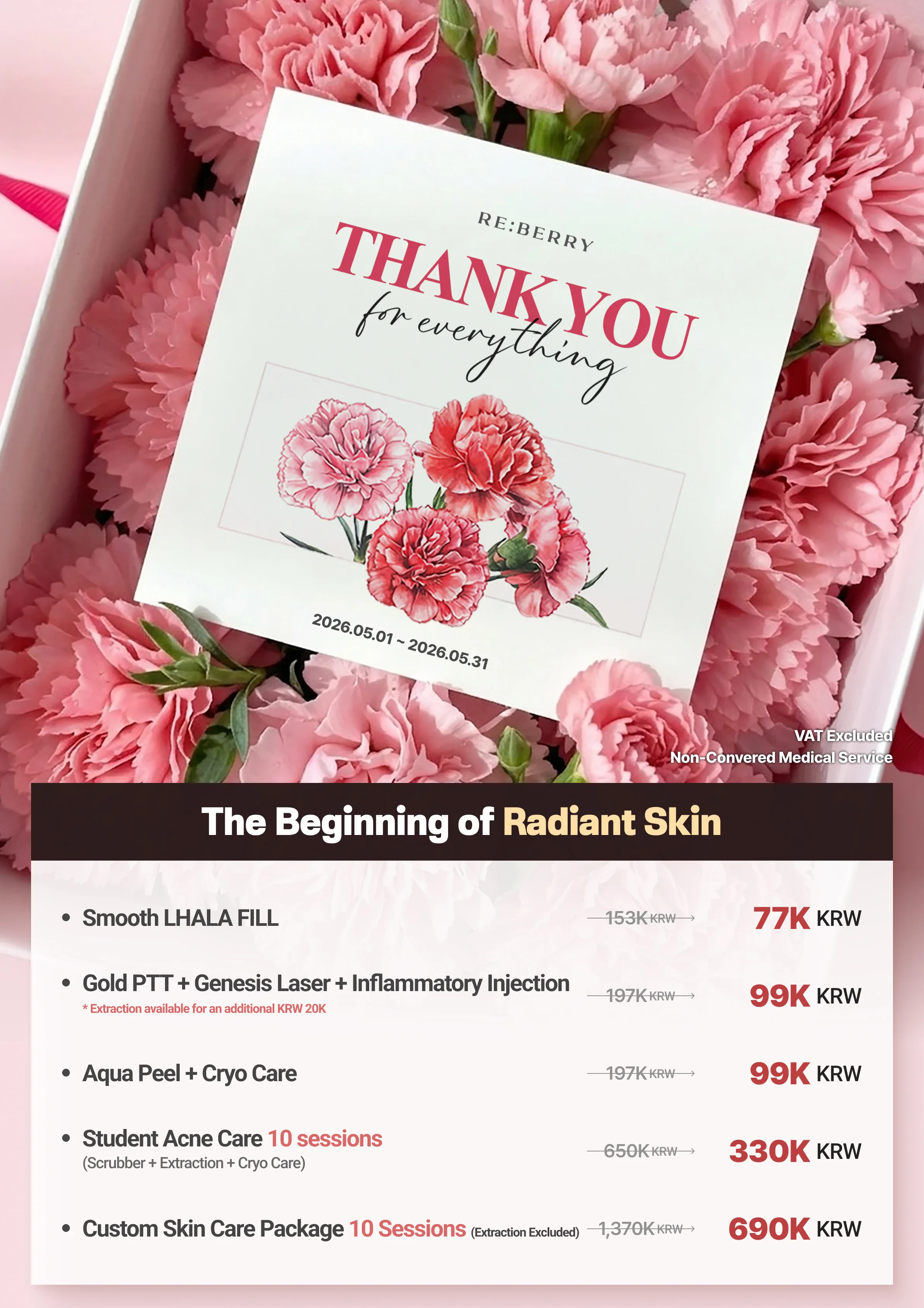
Aqua Peel + Extraction Session
- Aqua Peel hydradermabrasion cleansing
- Professional milia extraction (multiple lesions)
- Post-extraction soothing care
- Zero downtime — return to activities immediately
Gold PTT + Genesis + Anti-Inflammatory
- Gold PTT skin therapy
- Genesis Laser treatment
- Anti-inflammatory injection included
- Extraction available +₩20,000
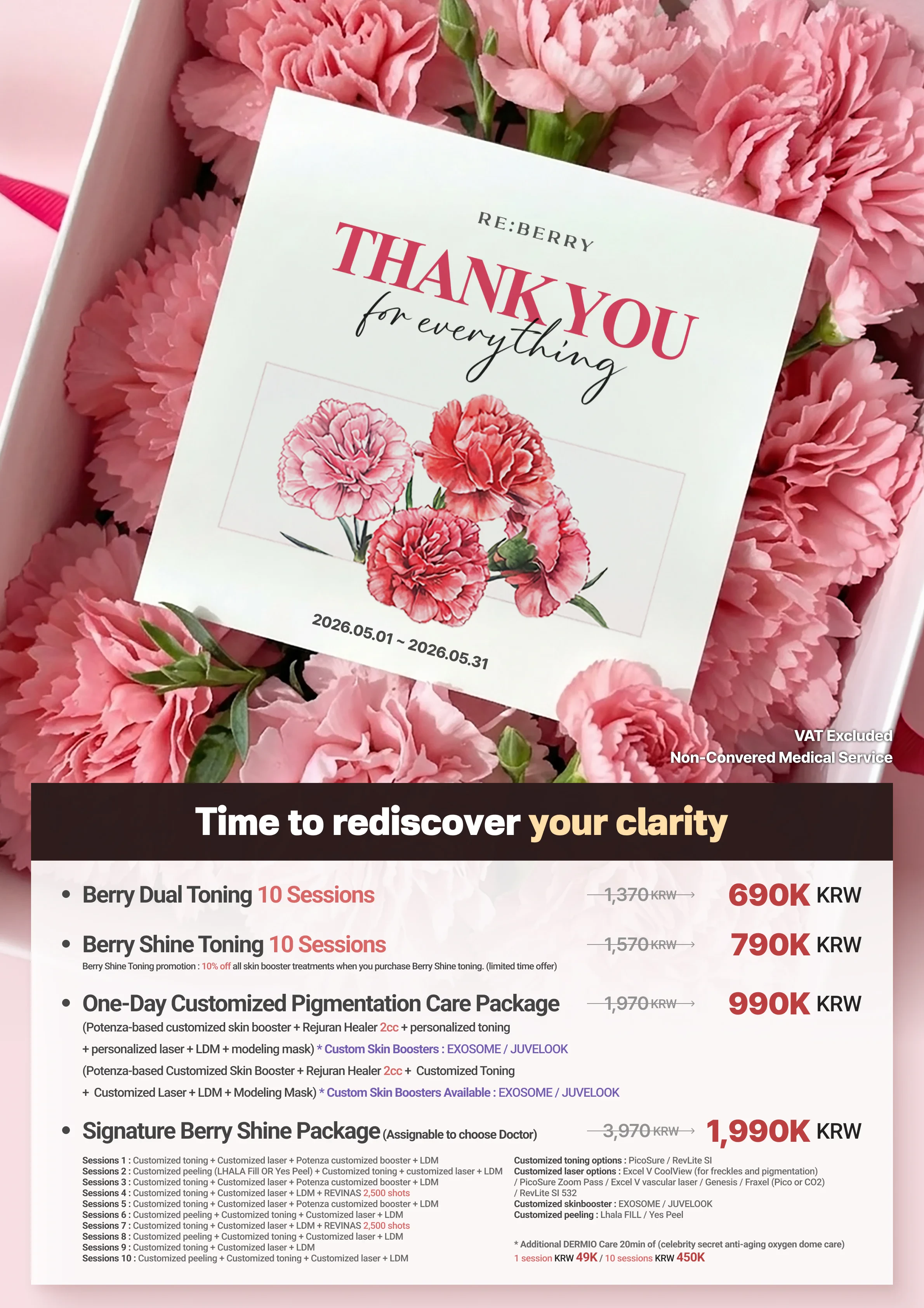
Custom Skin Care Package — 10 Sessions
- 10 customized treatment sessions
- Ongoing milia removal + prevention protocol
- Combination extraction, laser, and skincare
- 50% savings vs individual sessions
One-Day Pore Perfect Package
- Aqua Peel + Potenza RF + CellREDM
- LDM ultrasound + Dermio Care
- Comprehensive extraction + skin renewal
- Ideal for milia + enlarged pore combination
Meet Your Milia Removal Specialists
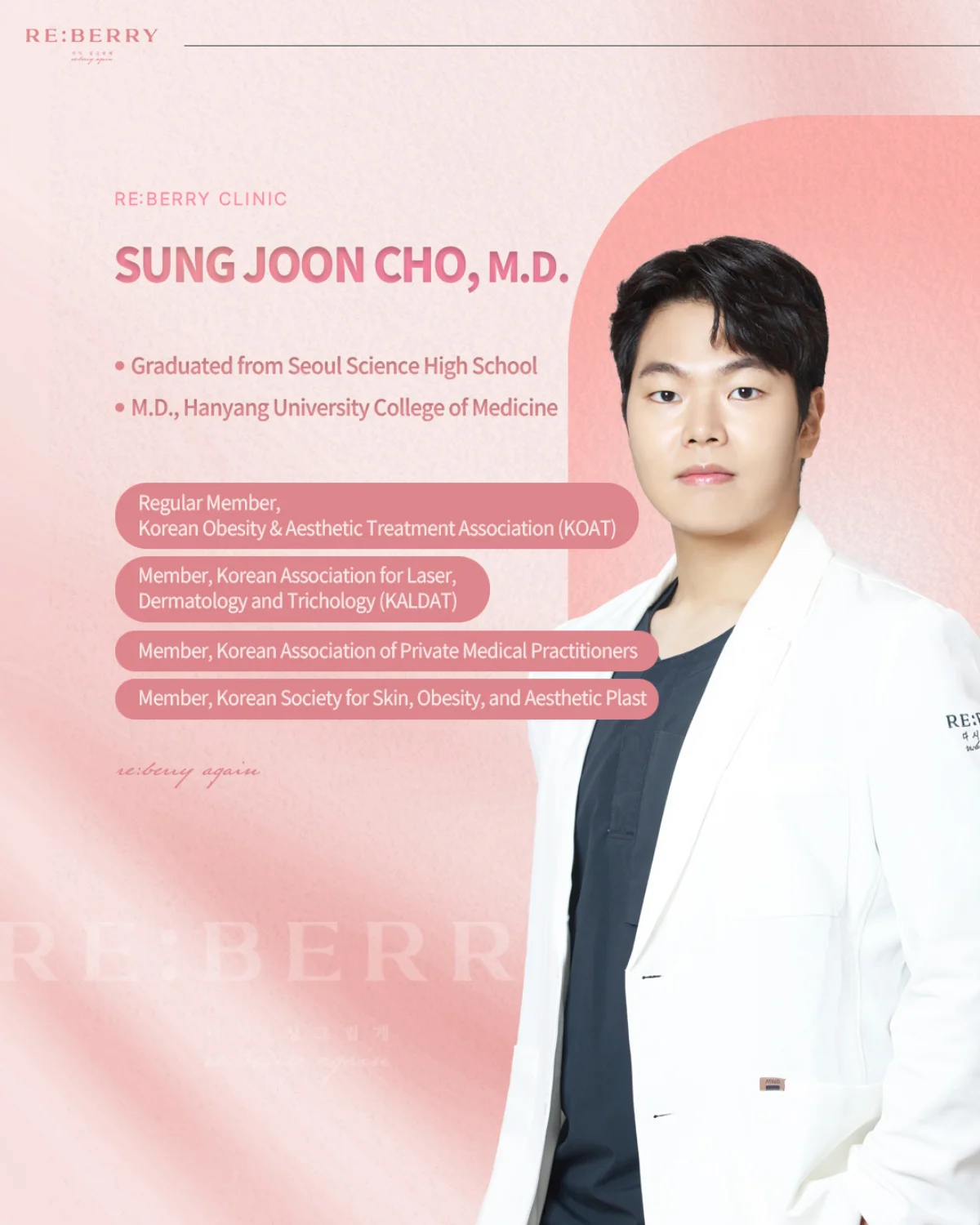
Dr. Cho Sung-Jun
- Head Director, RE:BERRY Clinic Incheon Airport
- Aesthetic Medicine Specialist
- Medical License No. 138858
- Member, Korean Academy of Aesthetic Medicine
- Potenza RF Certified Practitioner
- 8,000+ dermatological extraction procedures
Medically reviewed by Dr. Cho Sung-Jun, Head Director, Aesthetic Medicine Specialist, RE:BERRY
The Science Behind Milia Removal
Milia Pathogenesis, Classification, and Evidence-Based Removal Techniques
Milia are benign superficial keratinous cysts originating from the vellus hair follicle infundibulum or eccrine sweat duct. Histologically, each milium consists of a small cyst lined by stratified squamous epithelium filled with concentric lamellae of keratin — a structure fundamentally different from comedonal acne. This cyst wall architecture explains why milia do not respond to comedolytic agents (salicylic acid, benzoyl peroxide) that effectively treat whiteheads: the intact epithelial lining prevents topical agents from penetrating the cyst contents. Primary milia arise spontaneously and are most common on the face, particularly the periorbital region, cheeks, forehead, and nose. Secondary milia develop in areas of prior skin injury — burns, dermabrasion, chronic corticosteroid use, or blistering diseases. Understanding this classification is essential for milia removal planning, as secondary milia may indicate an underlying condition requiring separate treatment.
The gold standard milia removal technique remains incision and expression — creating a small nick in the overlying epidermis to expose the cyst, then applying gentle lateral pressure to express the intact keratin sphere. When the entire cyst wall is evacuated, recurrence at that specific site approaches zero. However, this technique requires precision; incomplete removal of the cyst lining results in regrowth. For deep milia or those in cosmetically sensitive areas, electrodesiccation and CO2 laser ablation offer thermal destruction of the cyst wall in situ. CO2 laser milia removal at 10,600nm wavelength provides controlled tissue ablation with colateral thermal damage limited to a narrow zone, promoting healing with minimal scarring. Both thermal methods achieve near-complete clearance but involve slightly longer healing times compared to simple needle extraction.
Prevention of new milia formation requires addressing the underlying keratinization abnormality. Topical retinoids (tretinoin, adapalene) normalize follicular keratinocyte desquamation, reducing the trapping of keratin within the pilosebaceous unit. Clinical studies demonstrate that maintenance retinoid therapy following milia removal reduces new lesion formation significantly over 6-12 months. For patients prone to milia, heavy occlusive skincare products (particularly rich eye creams and thick moisturizers) should be replaced with lightweight, non-comedogenic alternatives. Periodic gentle exfoliation — whether chemical (AHA/BHA) or mechanical (Aqua Peel hydradermabrasion) — helps prevent the keratin accumulation that initiates milia formation.
Berk DR, Bayliss SJ. Milia: a review and classification. J Am Acad Dermatol. 2008;59(6):1050-1063. doi:10.1016/j.jaad.2008.07.034
Truchuelo MT, et al. Assessment of the efficacy of a new CO2 laser for the treatment of benign epidermal lesions including milia, syringomas, and DPNs. Lasers Surg Med. 2017;49(2):145-151. doi:10.1002/lsm.22592
Zeichner JA, Baldwin HE, Cook-Bolden FE, et al. Emerging issues in adult female acne. J Clin Aesthet Dermatol. 2017;10(1):37-46. doi:10.1016/j.det.2016.08.004
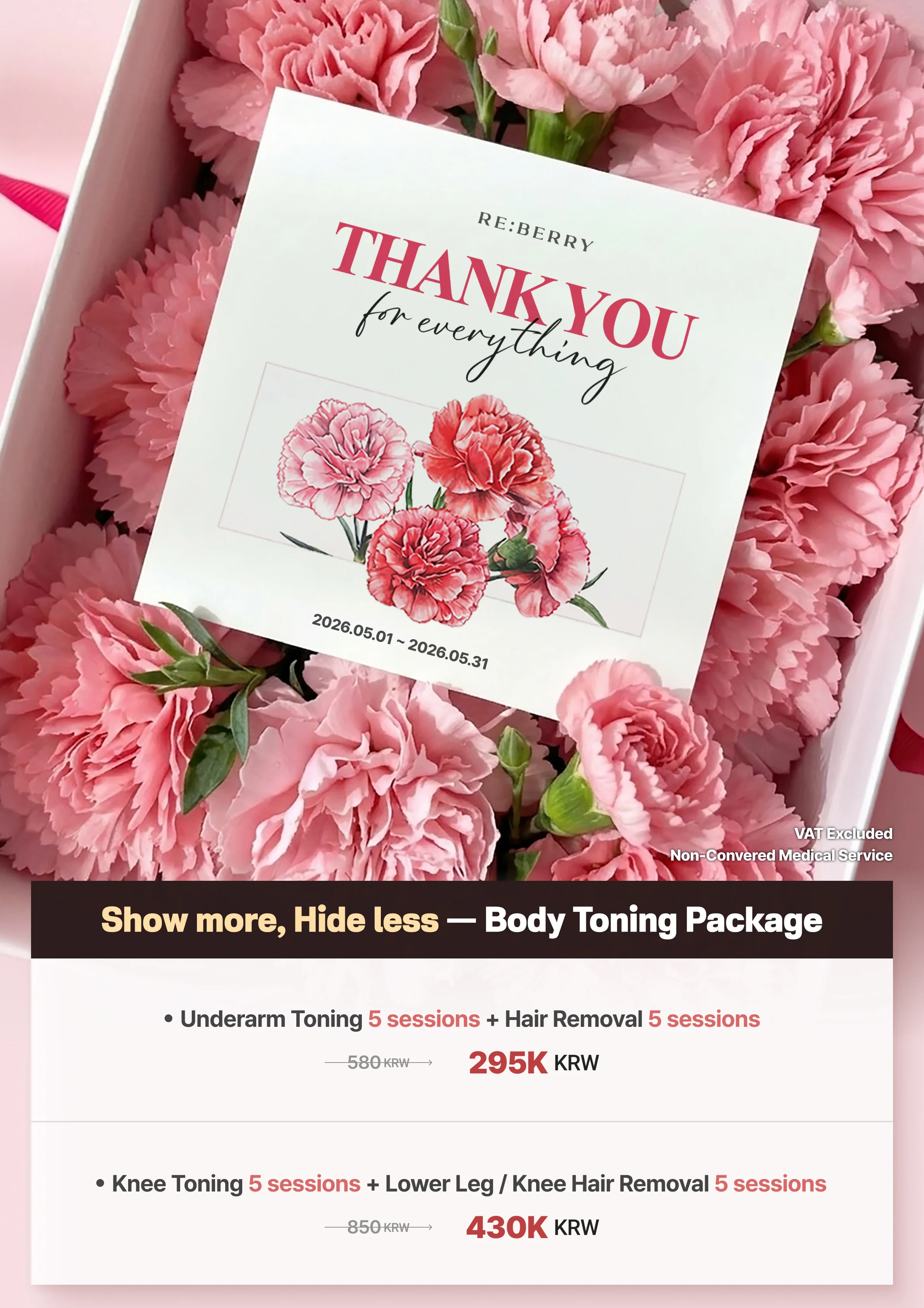
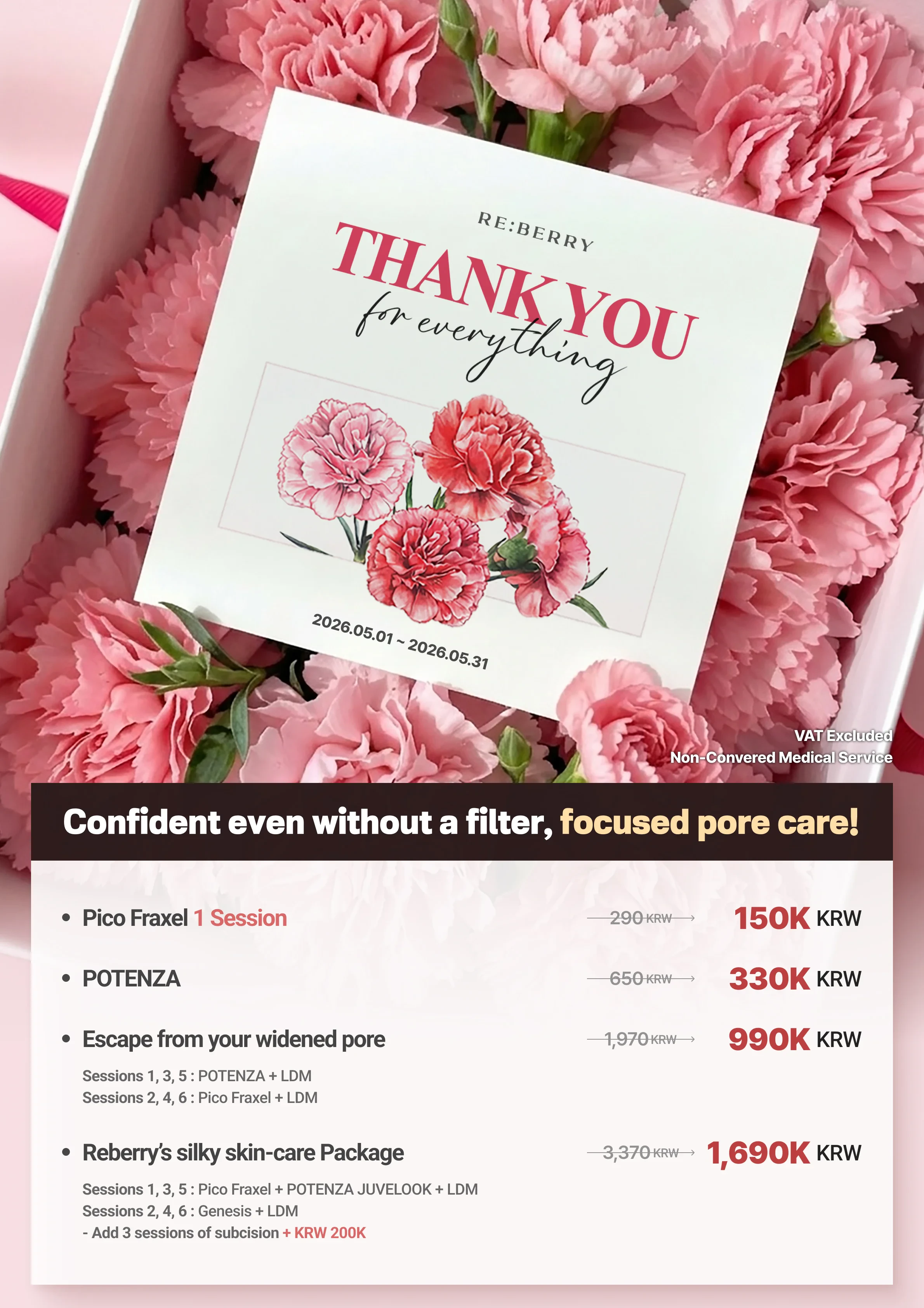
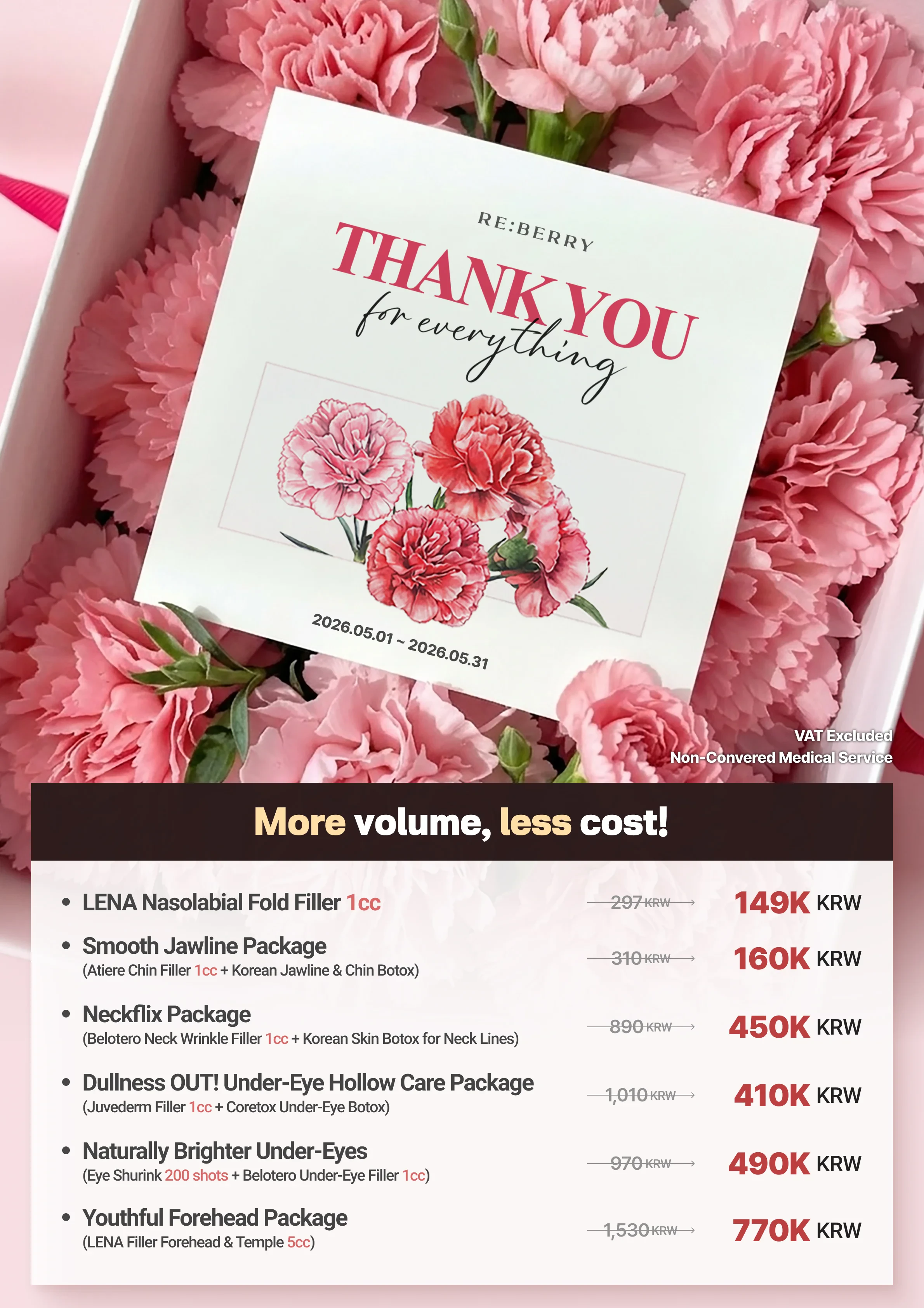
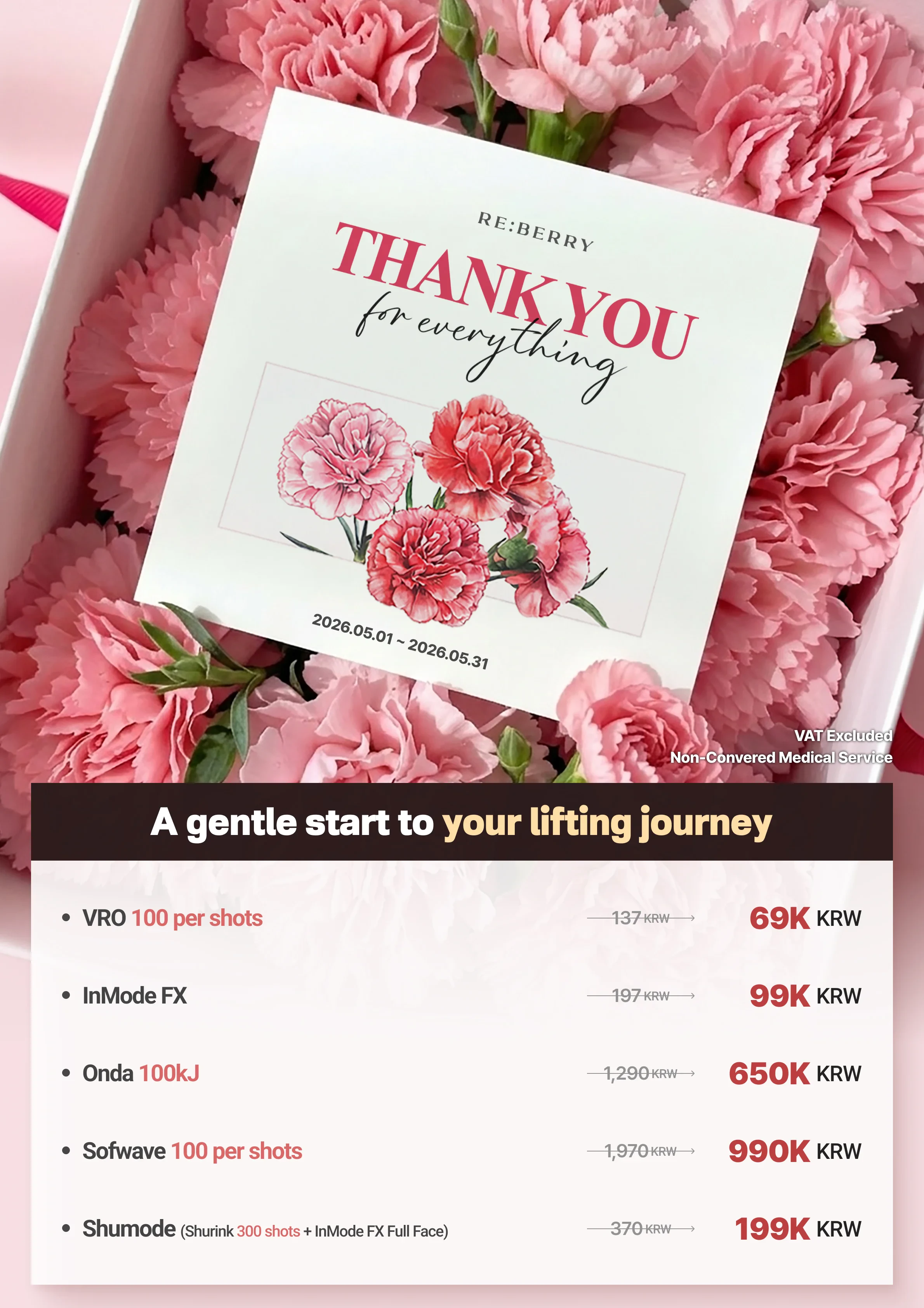
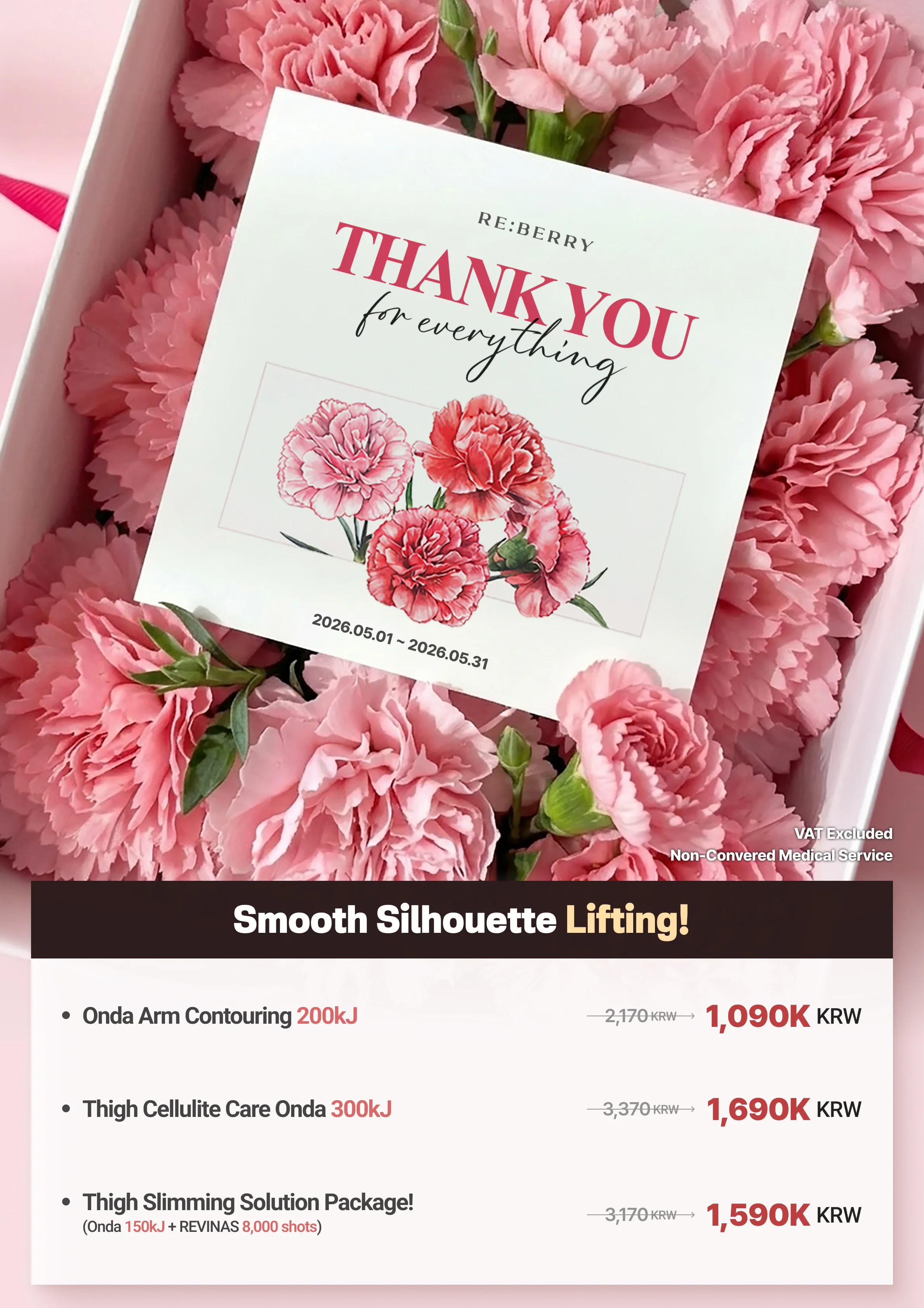
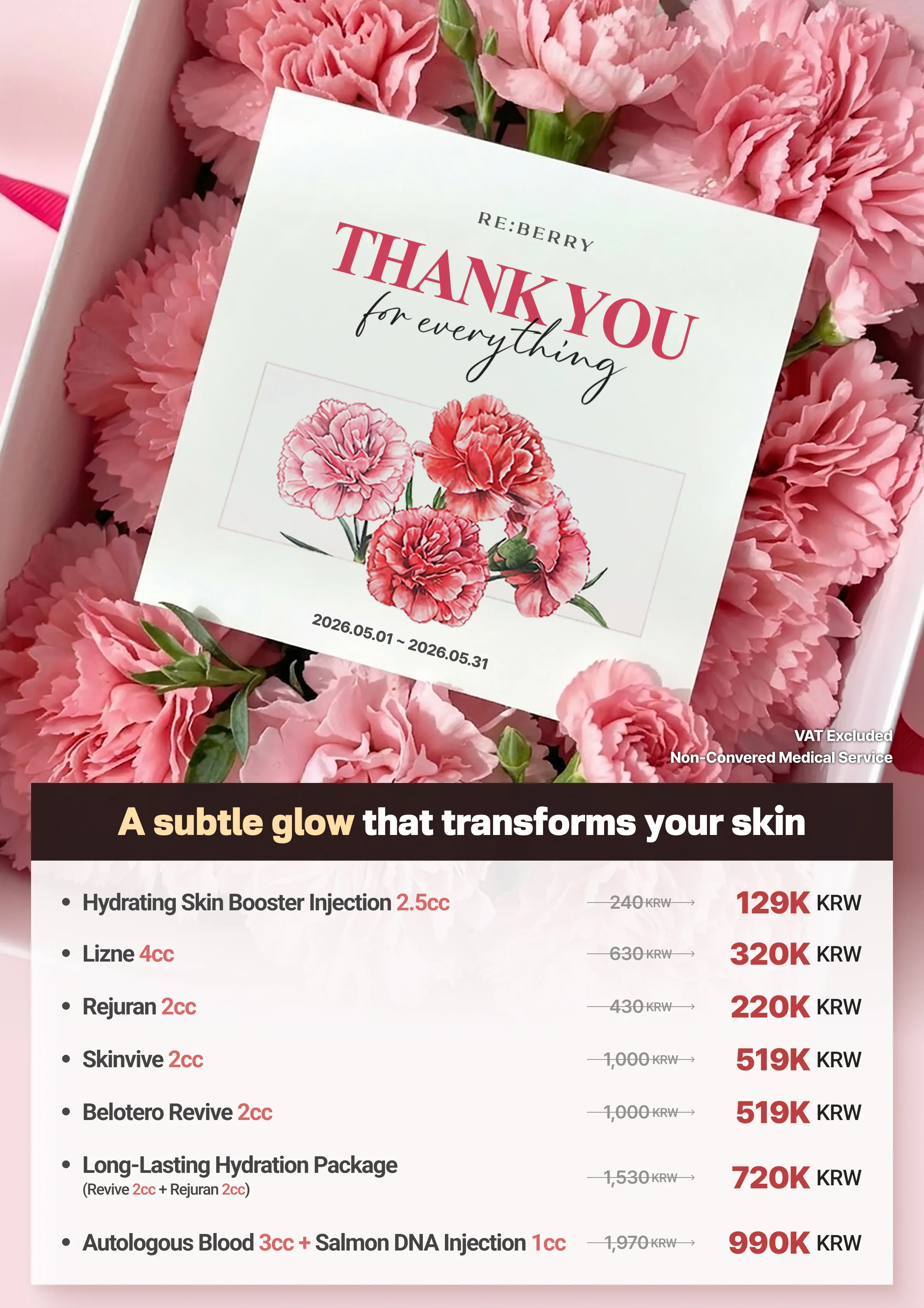
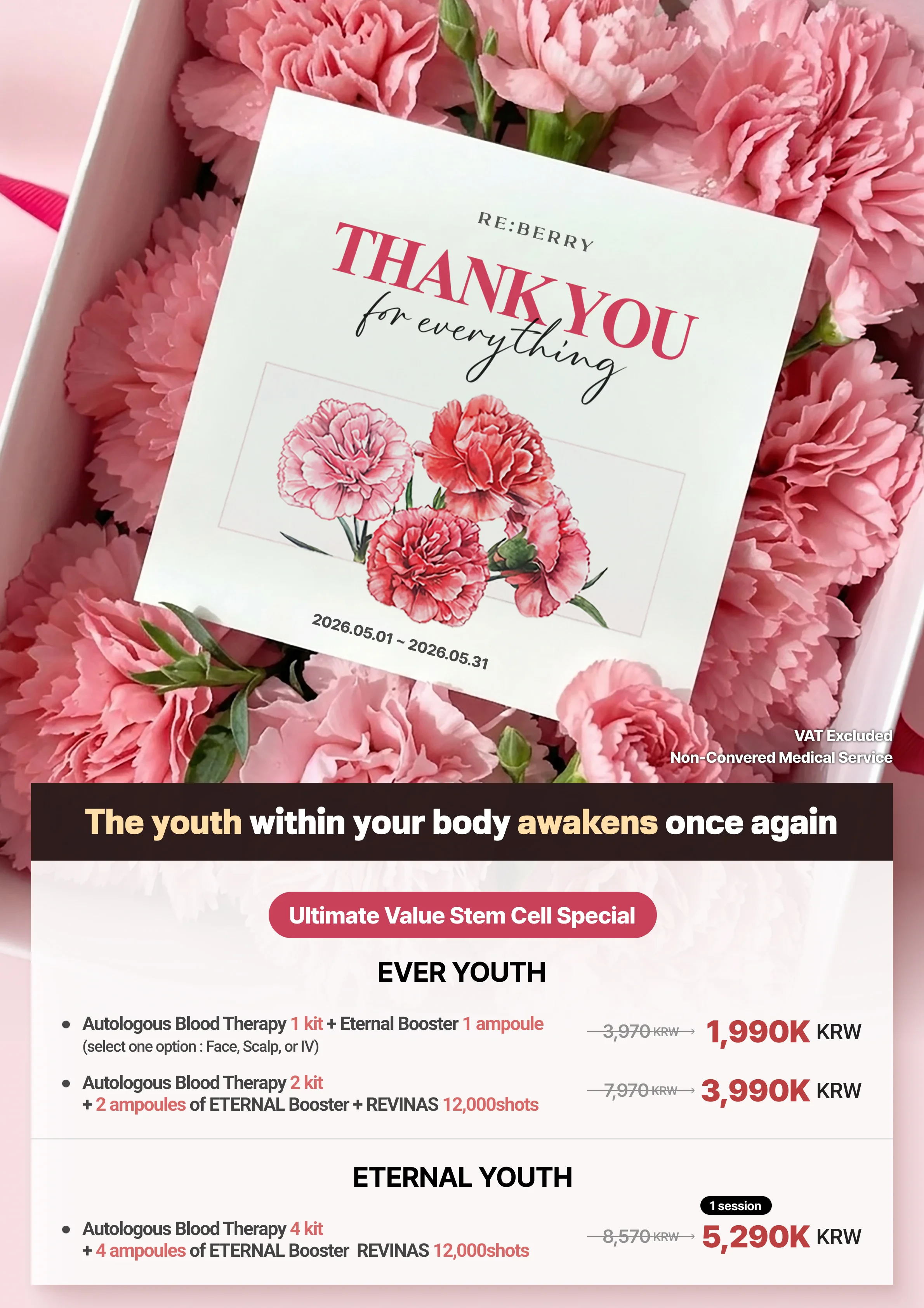
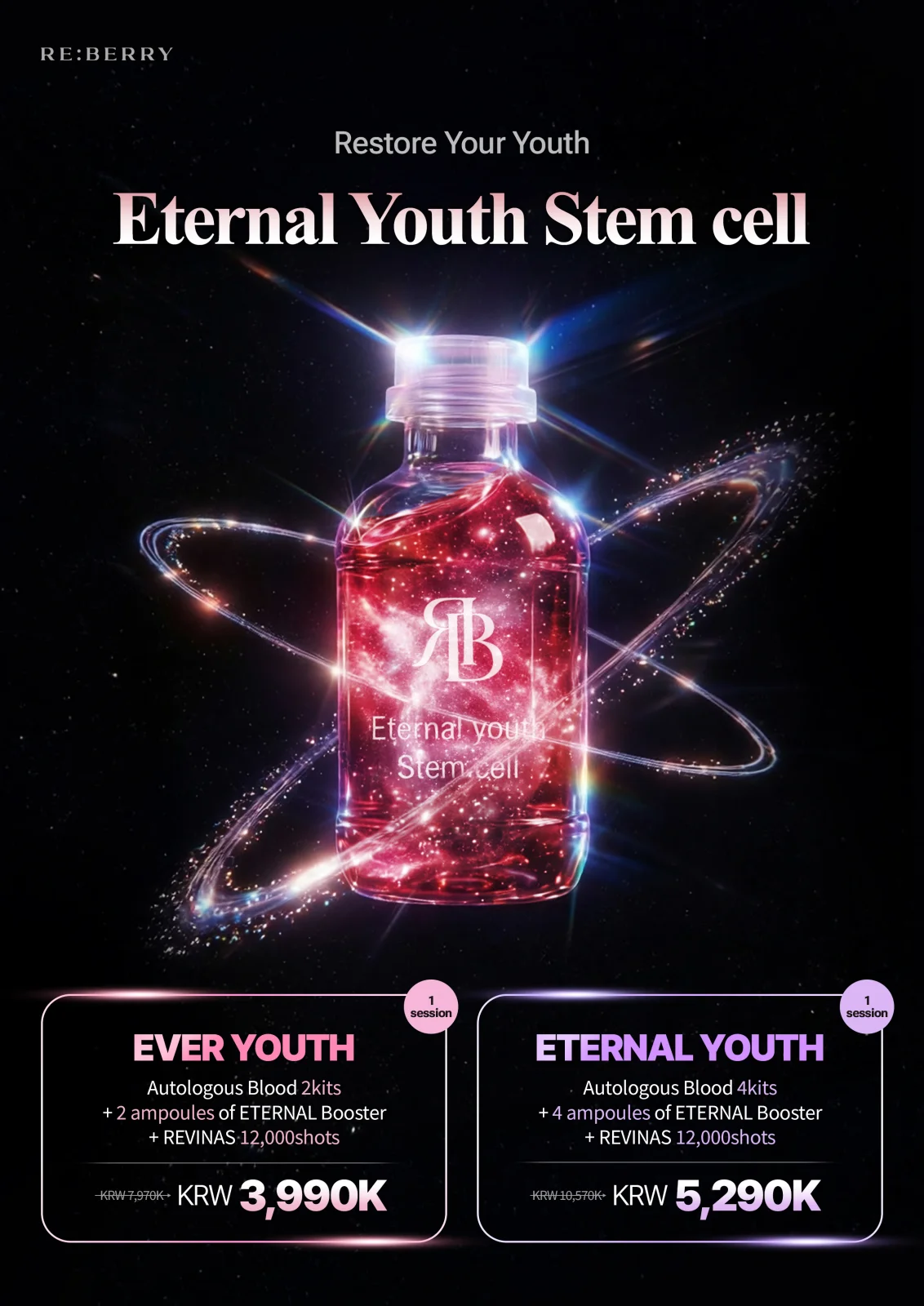
April – June 2026 Promotions
Exclusive packages for international patients. Swipe to see all offers.

Milia Removal FAQ — RE:BERRY Incheon Airport
₩39,000 for an Aqua Peel + extraction session (regular ₩75,000) that covers multiple milia lesions. The Gold PTT + Genesis combo is ₩99,000 (regular ₩450,000) with extraction available for +₩20,000. The 10-session Custom Skin Care Package is ₩690,000 (regular ₩1,370,000) for ongoing milia removal.
60-75% cheaper. Professional milia extraction costs $100-250 per session in the US. RE:BERRY offers comprehensive milia removal sessions from ₩39,000 (approximately $29). Even the premium 10-session package at ₩690,000 ($510) costs less than 3-4 sessions at a US dermatologist.
0% recommended. DIY milia removal carries 15-25% risk of infection, scarring, and incomplete removal (causing regrowth). Periorbital milia near the eyes require professional precision. At RE:BERRY, sterile instruments, proper technique, and magnification ensure 95%+ clearance with less than 1% scarring risk.
2 completely different structures. Milia are keratin-filled cysts with a true epithelial lining — hard, dome-shaped, and resistant to squeezing. Whiteheads (closed comedones) are sebum-filled pores — softer and extractable with Aqua Peel suction. Milia removal requires needle incision; whiteheads respond to comedolytic treatments.
1 key diagnostic difference: milia are white keratin cysts that can be extracted intact, while syringomas are benign sweat duct tumors that are slightly translucent and cannot be extracted. RE:BERRY uses dermoscopic examination to differentiate — the wrong diagnosis leads to failed treatment. Milia removal works only on true milia.
15-45 minutes depending on the number of lesions. Each individual milium takes 15-30 seconds to extract. A session removing 10-15 milia typically takes 20-30 minutes. Larger sessions (20+ milia) with CO2 laser take 30-45 minutes. Milia removal is one of the fastest procedures at RE:BERRY.
1-2 out of 10 on the pain scale. Topical lidocaine numbing cream is applied 20 minutes before milia removal. Most patients describe a brief pressure sensation during extraction — less discomfort than a blood draw. Periorbital milia removal uses ultra-fine 30-gauge needles that patients frequently cannot feel at all.
0% recurrence at the same extraction site when the cyst wall is fully removed. However, 30-40% of milia-prone patients develop new milia at different locations within 6-12 months. RE:BERRY’s milia removal protocol includes a retinoid prevention plan to reduce new formation by 60-70%.
Yes — same-day flying is perfectly safe after needle extraction milia removal. Extraction sites are covered with anti-bacterial ointment and require no bandaging. Apply SPF 50 before boarding. RE:BERRY Incheon Airport provides complimentary airport pickup, making milia removal possible even during short layovers.
1 session removes all visible milia present at the time of treatment (95%+ clearance rate). If new milia develop over subsequent months, a follow-up session 4-8 weeks later addresses them. Most patients need 1-3 total milia removal sessions to achieve and maintain clear skin.
100% safe when performed by an experienced Aesthetic Medicine Specialist. Periorbital milia (around the eyes, on eyelids) are the most common location. Dr. Cho uses 30-gauge ultra-fine needles with magnification loupes for precision milia removal in this delicate area. RE:BERRY has performed thousands of periorbital extractions without complications.
Yes — neonatal milia (common in babies) typically resolve spontaneously within 4-8 weeks and do not require treatment. Persistent childhood milia in patients aged 10+ can be safely treated with gentle needle extraction. RE:BERRY’s milia removal technique is appropriate for adolescent and adult patients.
4 main causes: heavy occlusive skincare products (rich eye creams, thick moisturizers), sun damage that thickens the skin surface, skin trauma (post-laser, post-dermabrasion secondary milia), and genetic predisposition to keratin trapping. RE:BERRY’s facial extraction combined with prevention protocols addresses all causes after milia removal.
Yes — retinoids are the single most effective milia prevention method. Tretinoin 0.025-0.05% applied nightly normalizes keratinocyte turnover, preventing the keratin trapping that causes milia. RE:BERRY’s glass skin facial protocols also help maintain smooth, milia-free skin long-term.
1 day is sufficient. Milia removal takes 15-45 minutes with zero downtime — patients return to normal activities immediately. No follow-up visit is needed unless new milia develop. RE:BERRY Incheon Airport’s proximity to ICN airport makes same-day milia removal during layovers entirely feasible.
2 different indications. Needle extraction is preferred for surface milia (faster, no thermal healing needed). CO2 laser milia removal is superior for deep milia with thick cyst walls that resist standard extraction — the laser destroys the cyst wall entirely, achieving 99% clearance. RE:BERRY also offers carbon laser peel for overall skin renewal alongside milia removal.
Yes — 50% of patients combine milia removal with complementary treatments. Aqua Peel (₩39,000) cleanses pores before extraction. Carbon laser peel improves overall skin texture. Skin boosters like Rejuran promote healing. Combination sessions save time for travelers.
2 different conditions. Milia are keratin cysts (white, firm, dome-shaped) removed by extraction. Sebaceous hyperplasia are enlarged oil glands (yellowish, donut-shaped with central depression) treated with electrodesiccation or laser. RE:BERRY’s dermoscopic diagnosis ensures correct identification before any milia removal procedure.
Yes — rich, occlusive eye creams are the number 1 product-related cause of periorbital milia. Heavy formulations containing petrolatum, lanolin, or thick silicones trap keratin under the thin periorbital skin. After milia removal, RE:BERRY recommends switching to lightweight gel-type eye products to prevent recurrence.
Yes — thick physical sunscreens (zinc oxide, titanium dioxide) in heavy formulations can cause milia, particularly around the eyes. After milia removal, use lightweight chemical or hybrid sunscreens with non-comedogenic formulations. SPF 50 protection is still essential for healing skin — just choose the right texture.
No — milia removal is classified as a cosmetic procedure in Korea and is not covered by National Health Insurance. RE:BERRY’s cash-pay pricing starts at ₩39,000 per session, which is highly competitive. No referral or insurance documentation is needed — international patients book directly.
8 languages supported including fluent English throughout the entire milia removal process. From dermoscopic diagnosis explanation to post-treatment care instructions, international patient coordinators ensure clear communication at every step.
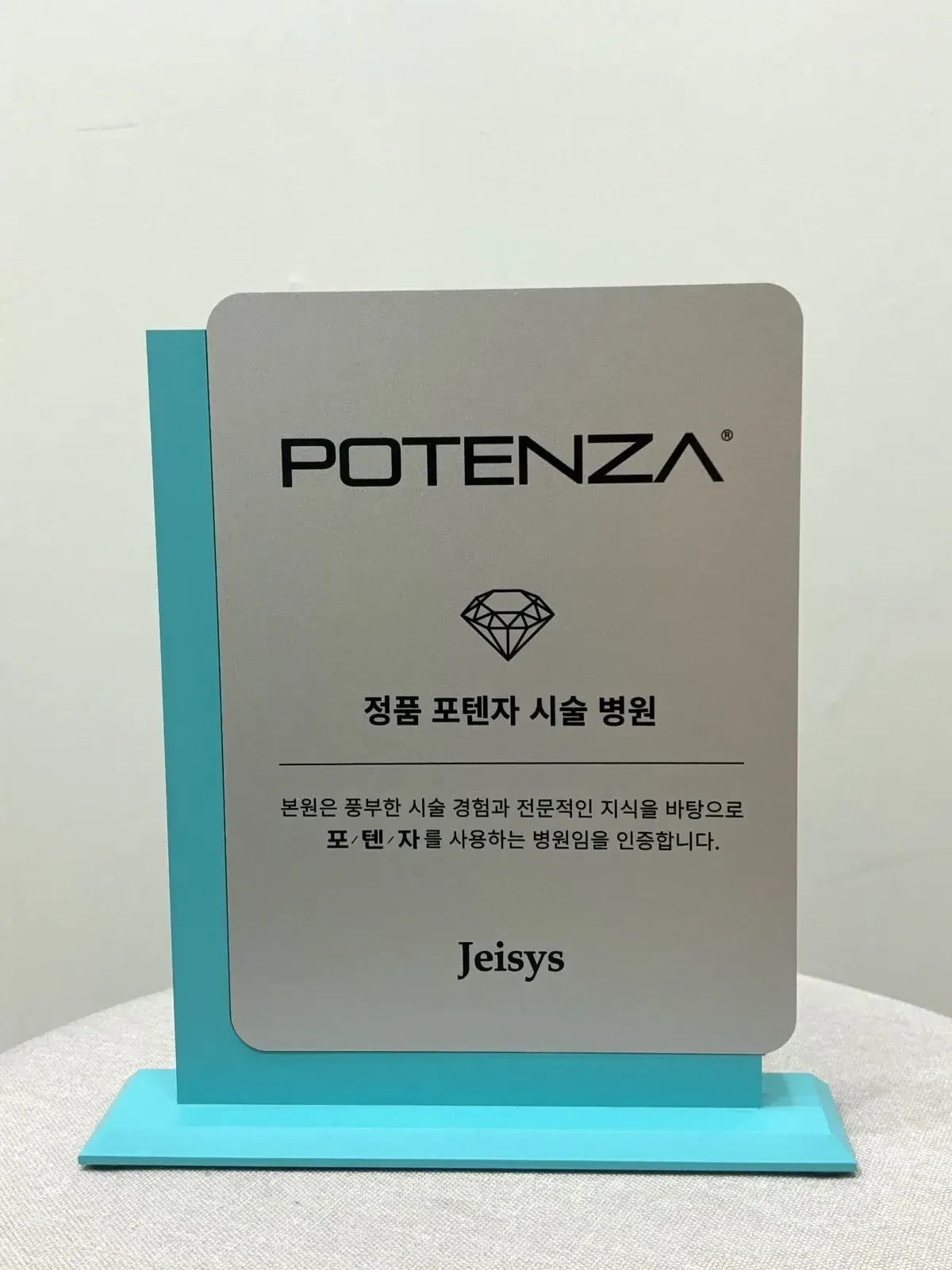
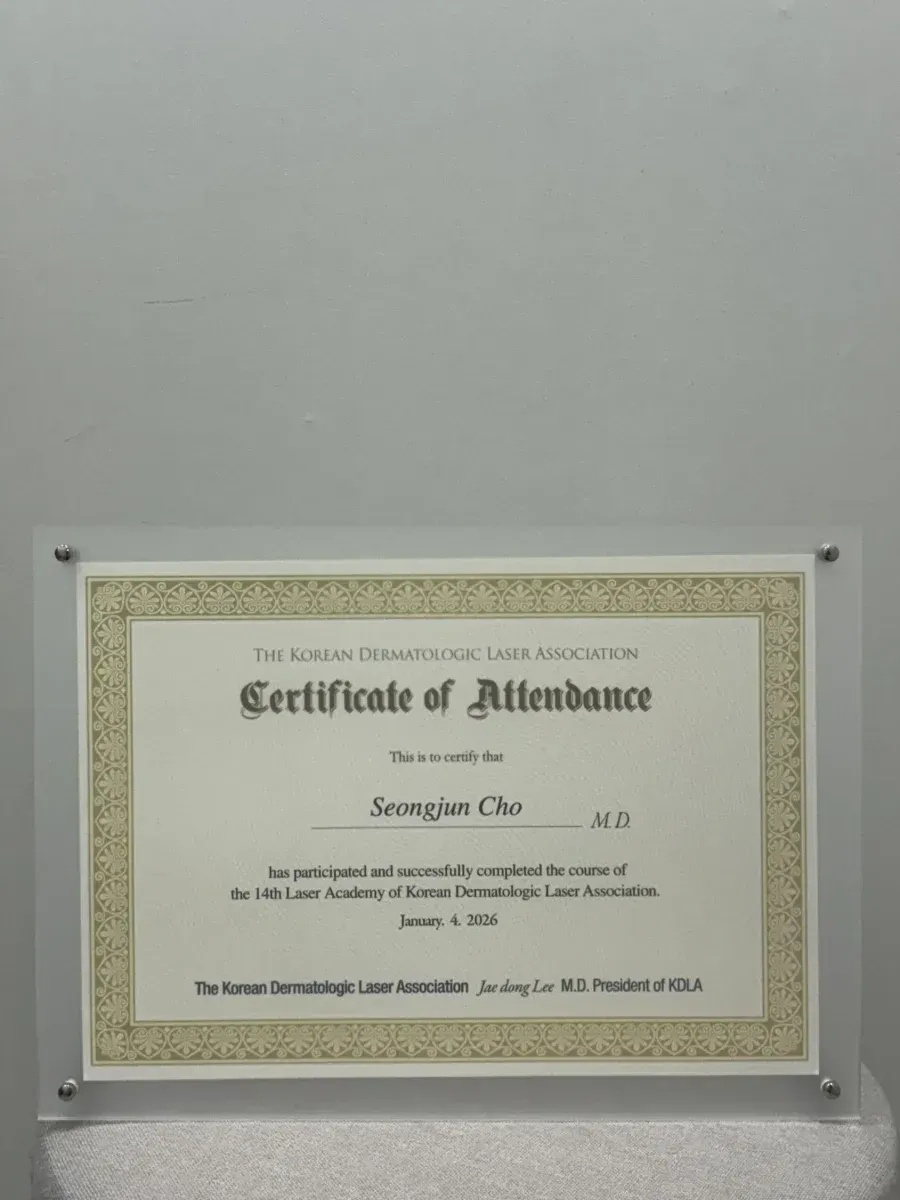
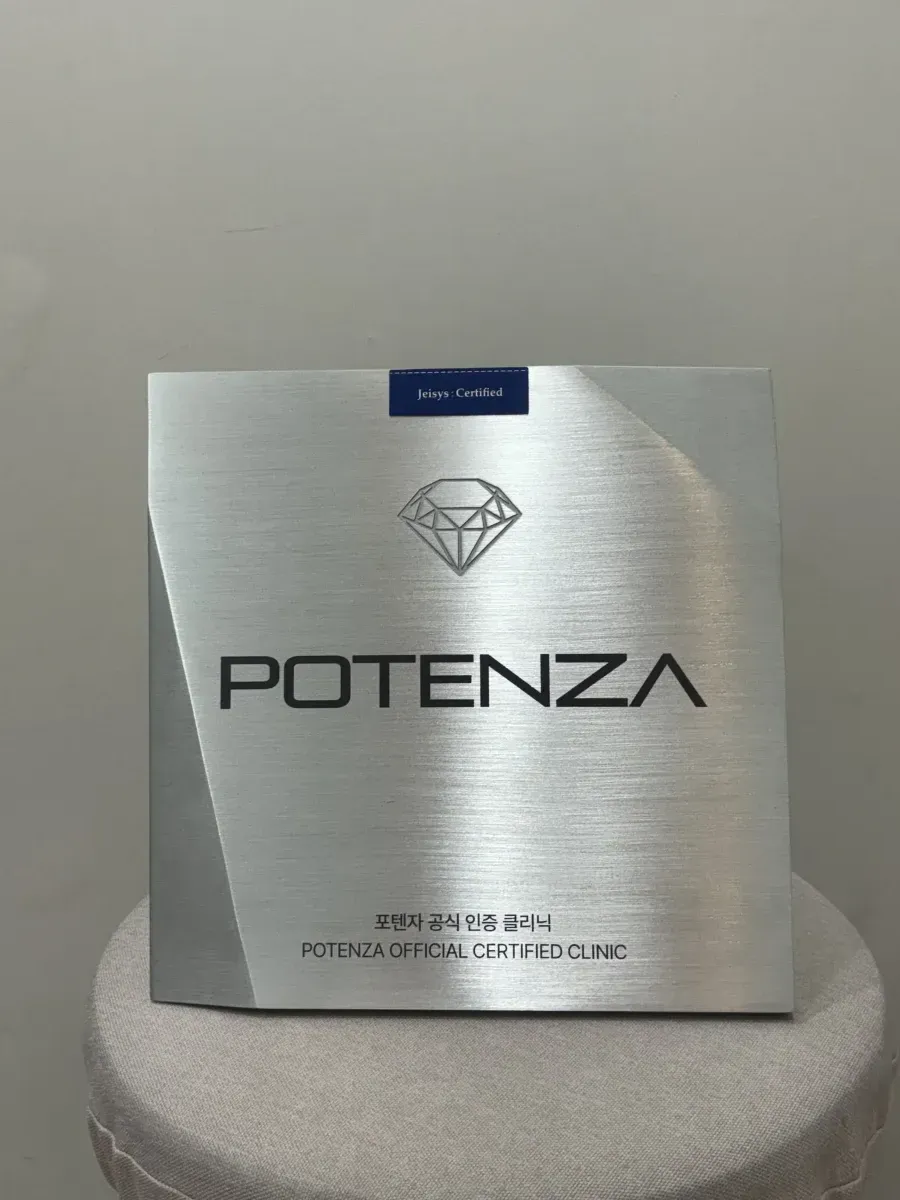
Yes — RE:BERRY holds KDLA membership (Korean Dermatology & Laser Academy), Potenza RF certification from Jeisys, and multiple device certifications. Dr. Cho (License No. 138858) and Dr. Kim (License No. 147291) are licensed Aesthetic Medicine Specialists with thousands of extraction procedures performed.
3 reasons: dermoscopic-confirmed diagnosis (preventing misidentification of look-alike conditions), Aesthetic Medicine Specialist-performed procedures (not delegated to estheticians), and traveler convenience with 365-day operation and complimentary airport pickup from ICN Terminal 1.
3 medical-grade differences: mandatory dermoscopic diagnosis before any extraction (ruling out syringomas, sebaceous hyperplasia, and xanthelasma), multiple removal methods available (needle, CO2 laser, electrocautery), and a structured prevention protocol to reduce new milia formation by 60-70% — not just reactive removal.
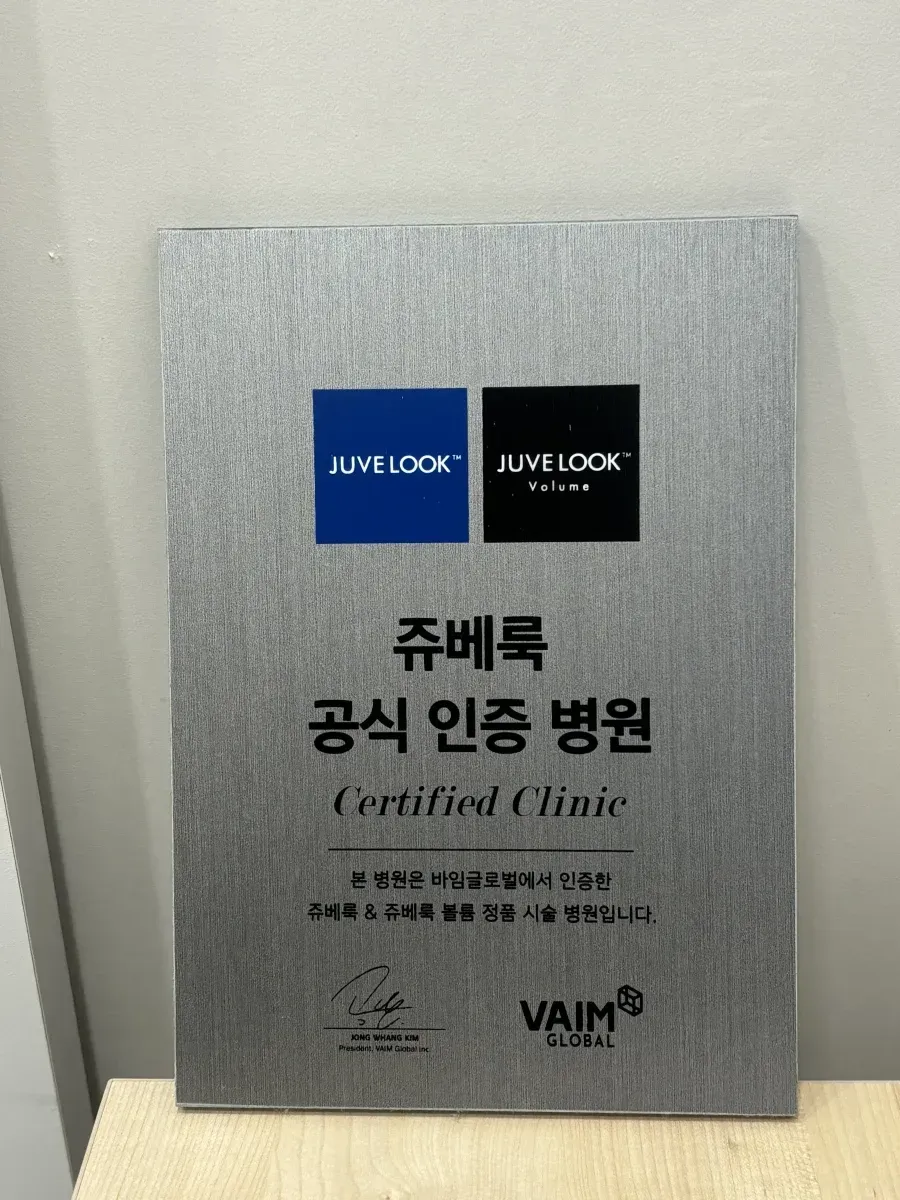
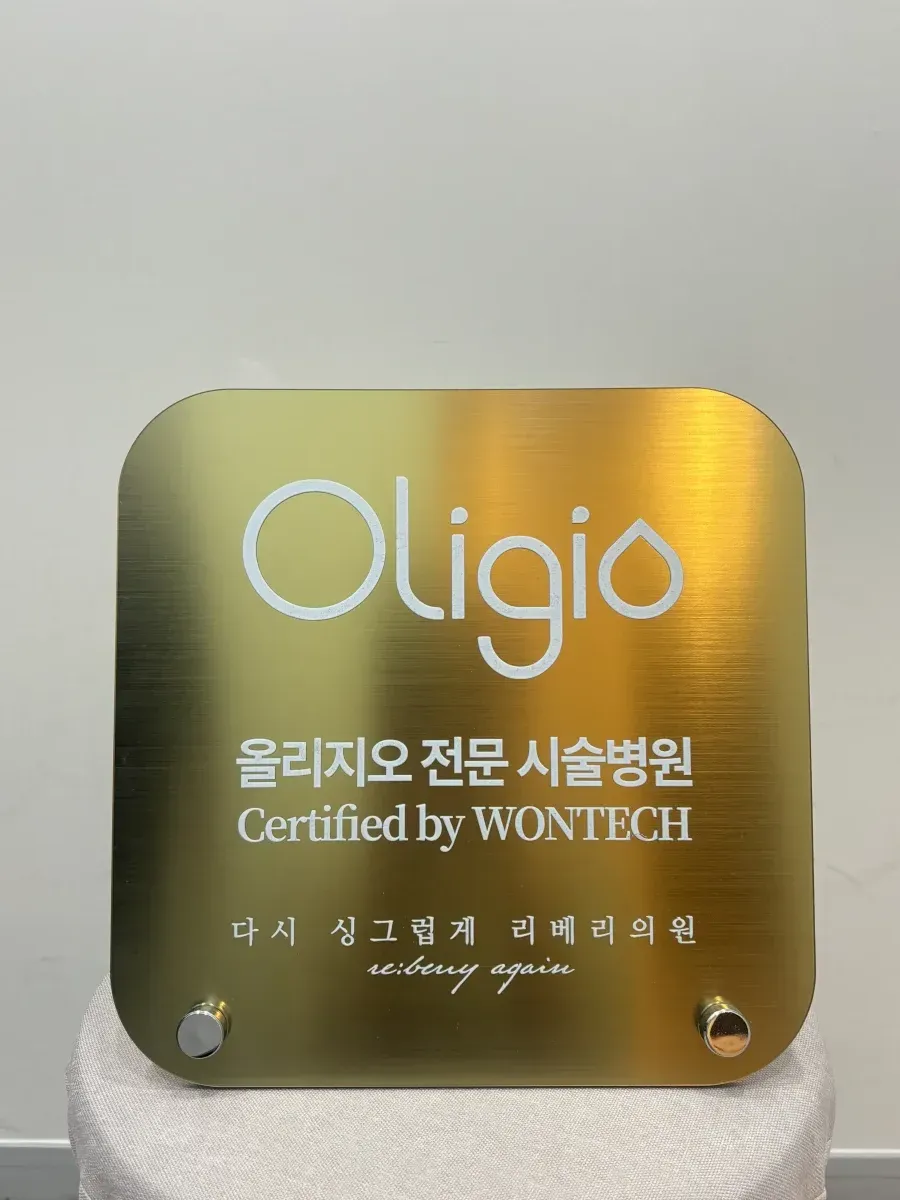
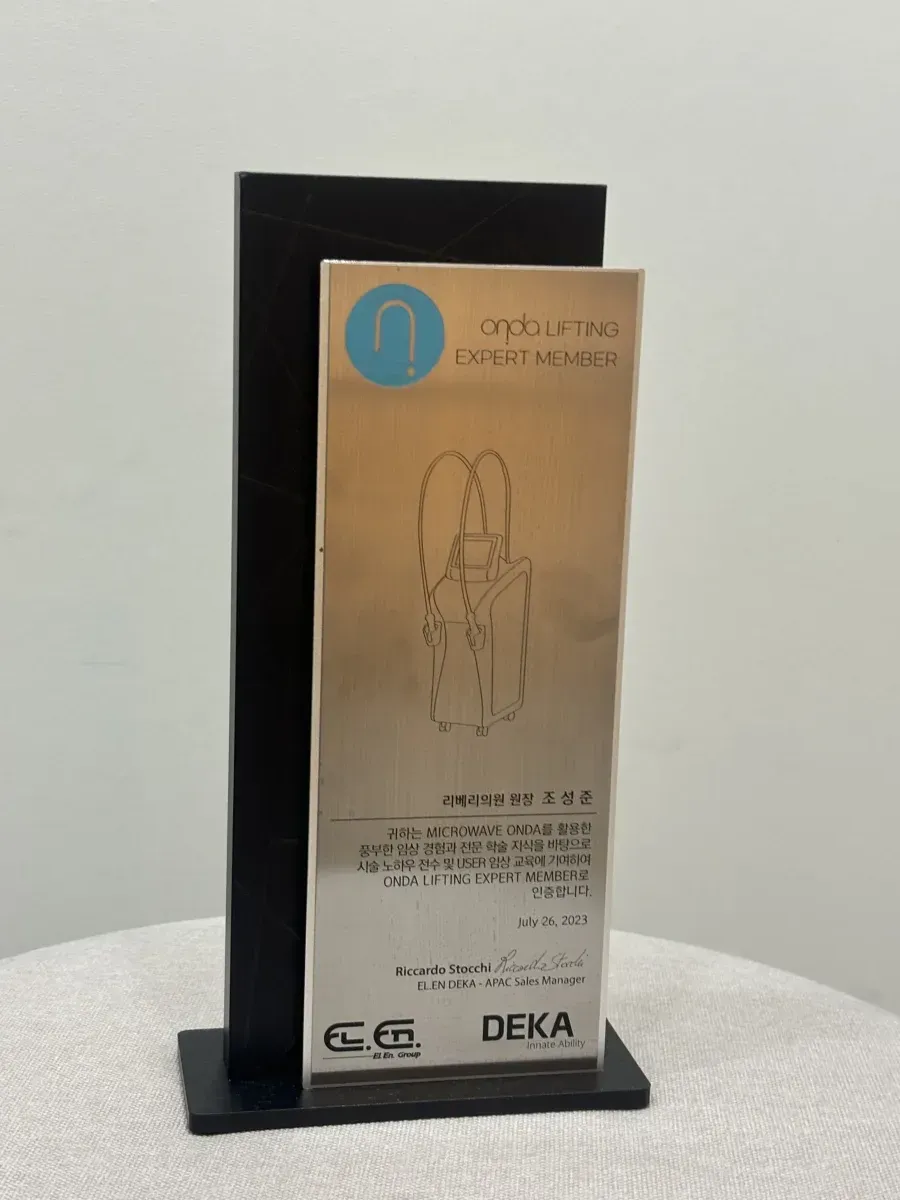
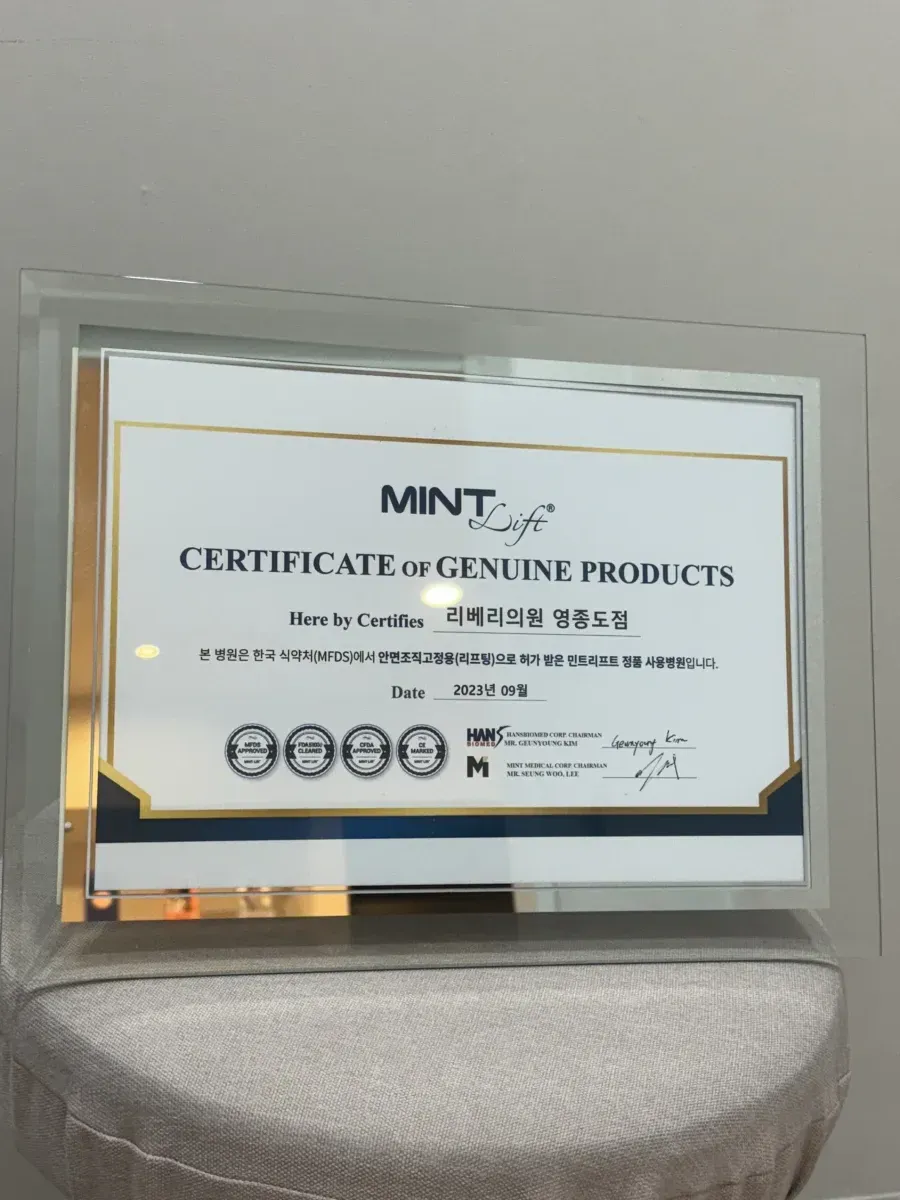
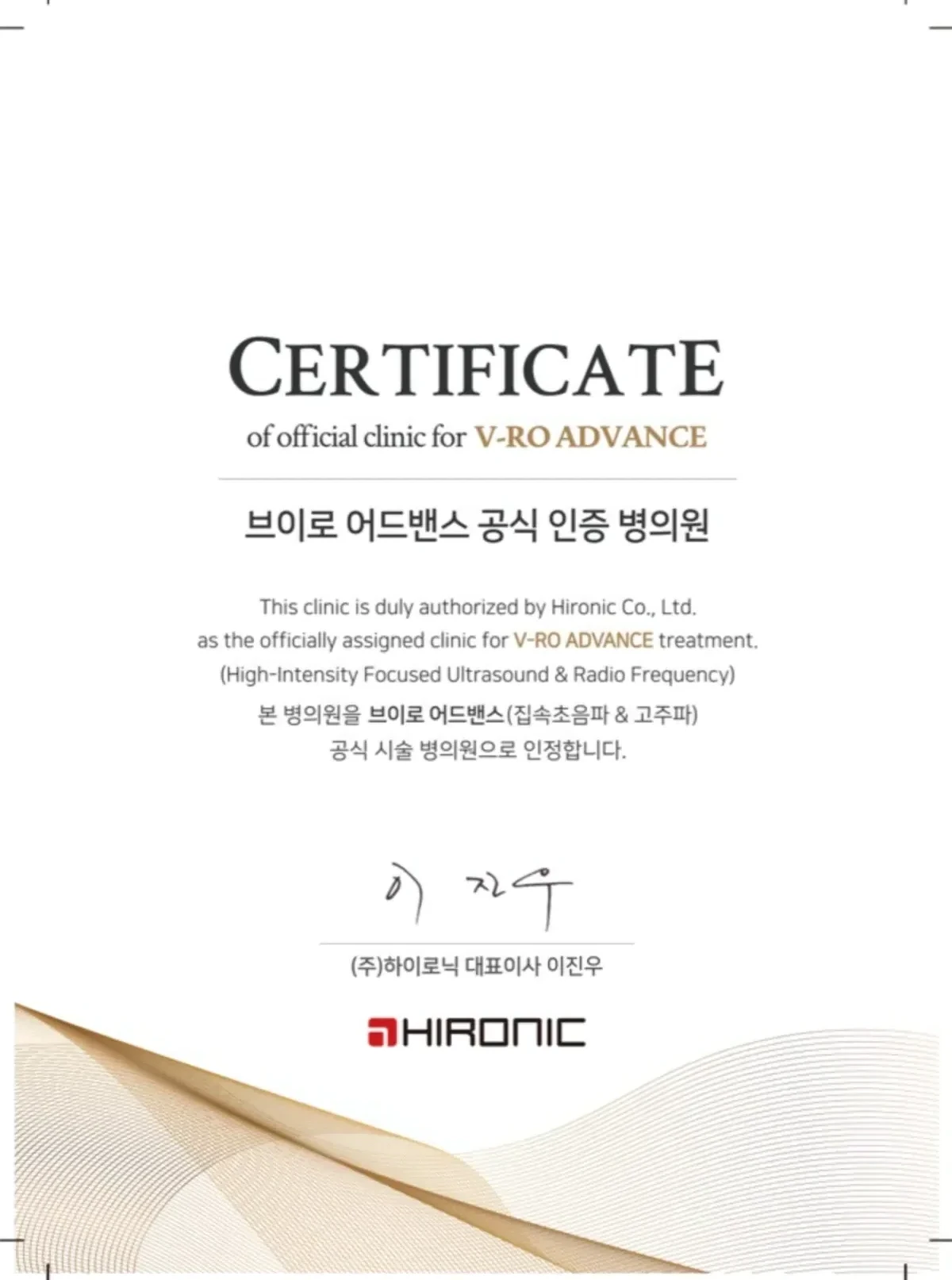
Only Authentic, Brand-Certified Equipment
Every device at RE:BERRY is MFDS-certified and manufacturer-verified. We never use counterfeit or grey-market equipment.
Book Your Milia Removal at RE:BERRY Incheon Airport
Remove stubborn milia with Korea’s most precise extraction techniques. Professional milia removal from ₩39,000. CO2 laser and electrocautery for resistant cases. Custom 10-session packages ₩690,000. Open 365 days with complimentary airport pickup. Book your consultation today.
Related Treatments
What our patients say
Real verified reviews from our Google Business Profile
I had such a wonderful experience at Reberry Clinic near Incheon Airport! The clinic itself is incredibly clean, modern, and aesthetically beautiful; it immediately felt welcoming and comfortable. The entire staff was so warm and friendly from the moment I walked in.
What really stood out to me was how English-speakin...
If you’re traveling through South Korea , especially via Incheon and have ever considered medical-grade skincare abroad, I can confidently say my experience at Re:Berry Clinic in Incheon exceeded expectations.
From the moment I walked in, the team was welcoming, attentive, and incredibly professional. Every member of ...
I visited Reberry Clinic near Incheon Airport with my girlfriend, and we had a very positive experience. The clinic is clean, well-organized, and very professional overall. Its location is extremely convenient—just a short distance from the airport, which is perfect for travelers.
The consultant who assisted us was re...
Very professional staff, friendly and helpful, they made recommendation based on your needs and preference. All the staff speak excellent in English and well . The process is very efficient. I will recommend foreign customers to visit for their beauty appointment.
My friends and I had a lovely experience here! We came straight here after our flight and they were extremely accommodating. As soon as we got here they began our appointment. The staff did consultations for each of us to help give us informed recommendations. The staff took their time during my services, it was thorou...
Book Your Milia Removal Consultation
Fill out the form and our multilingual team will confirm within 2 hours via your preferred contact method.
- ✓ Free consultation with our doctors
- ✓ 8-language support (EN, JA, ZH, TH, VI, MN, FA)
- ✓ Inside Incheon International Airport
- ✓ Perfect for layover treatments
- ✓ Visa / Mastercard accepted
- ✓ Current promotion pricing available
Request an Appointment








Latest from Our Instagram
Real treatments, patient reactions, and behind-the-scenes from RE:BERRY.
Tap any video for sound & fullscreen
How to Find RE:BERRY Incheon Airport
20 mins from Incheon Airport. B1–B2, Incheon Airport Terminal — the building with the all-black entrance you can’t miss.
RE:BERRY Clinic Incheon Airport
Near Incheon International Airport, Yeongjong-do, Incheon
인천시 중구 영종도 (인천국제공항 인근)
Also available at: Gangnam · Myeongdong