Is Botox Safe Around the Delicate Eye Area? — Expert Safety Guide at RE:BERRY Incheon Airport
Botox around the delicate eye area has a 97-99% patient satisfaction rate and an established 20+ year safety record when performed by trained specialists. Korean Wrinkle Botox from ₩9,900 per site at RE:BERRY Incheon Airport. Our Aesthetic Medicine Specialists use precision micro-dosing protocols specifically designed for periorbital safety. Open 365 days with complimentary airport pickup.
Is Botox Safe Around the Delicate Eye Area?
Yes, Botox around the delicate eye area is safe with a 97-99% patient satisfaction rate and over 20 years of clinical evidence supporting periorbital use, with side effects limited to mild, temporary bruising in 5-10% of cases, available from ₩9,900 per site at RE:BERRY Incheon Airport Korea.
Whether Botox is safe around the delicate eye area is the most frequently asked question by patients considering periorbital rejuvenation. The answer, backed by over two decades of clinical research and millions of treatments worldwide, is yes — when performed by trained specialists using proper technique and dosage. The periorbital region is classified as a high-precision injection zone because of the proximity of critical structures: the levator palpebrae superioris (which opens the eyelid), the lacrimal gland, and the orbital septum. However, the target muscle — the orbicularis oculi — is superficial and easily accessible, meaning Botox is safe around the delicate eye area when injection depth and placement are precisely controlled. At RE:BERRY Incheon Airport, Dr. Cho Sung-Jun and Dr. Kim Dong-Young collectively have performed over 5,000 periorbital Botox treatments with a complication rate below 1%. The key to safe Botox around the delicate eye area lies in three factors: dosage precision (6-15 units per side for crow's feet, never exceeding 20 units), injection depth (2-3mm into the superficial orbicularis oculi, avoiding deeper orbital structures), and anatomical landmarks (staying lateral to the mid-pupillary line to prevent diffusion toward the levator muscle). Common side effects are mild and temporary: injection-site bruising (5-10% of cases, resolves in 3-5 days), transient headache (3-5%), and mild asymmetry that can be corrected at the 2-week follow-up. Serious complications like ptosis (eyelid drooping) occur in less than 1% of cases and are almost always related to improper technique or excessive dosage — risks minimized by experienced practitioners. Botox at RE:BERRY Incheon Airport starts from ₩9,900 per site with Korean premium botulinum toxin, making safe expert eye Botox accessible to international travelers. The clinic's comprehensive safety protocols and 365-day operation ensure consistent quality for every patient.
How RE:BERRY Ensures Botox Is Safe Around the Delicate Eye Area
A 4-step safety protocol specifically designed for periorbital Botox treatments.
Pre-Treatment Safety Screening
Before any periorbital Botox injection, a thorough safety screening determines if Botox is safe around the delicate eye area for your specific case. This includes assessing for contraindications: neuromuscular disorders (myasthenia gravis, Lambert-Eaton syndrome), active eye infections, previous eyelid surgery, pregnancy or breastfeeding, and allergy to botulinum toxin. Dr. Cho also evaluates pre-existing ptosis (eyelid drooping) or lid laxity that could worsen with treatment. Patients with borderline lid position may receive a modified lower-dose protocol.
Anatomical Landmark Mapping
Safe periorbital Botox requires precise understanding of the anatomy beneath the skin. Dr. Cho maps 3 critical safety zones: the lateral orbital rim (safe zone for crow's feet injection), the inferior orbital rim (caution zone — shallow injection only), and the upper medial orbit (exclusion zone — no injection to protect the levator muscle). Injection points are marked with a surgical marker before any needle touches the skin. This mapping ensures Botox is safe around the delicate eye area by maintaining at least 1cm distance from high-risk structures.
Micro-Dosing Injection Technique
RE:BERRY's periorbital safety protocol uses micro-dosing: 2-4 small injections of 3-5 units each along the lateral orbital rim rather than a single large deposit. This technique ensures even distribution of the botulinum toxin across the orbicularis oculi fibers while minimizing the risk of diffusion toward unintended muscles. Ultra-fine 32-gauge needles reduce tissue trauma and bruising risk — the same precision used in our crow's feet Botox protocol. Each injection is placed at a precise 2-3mm depth — deep enough to reach the muscle but shallow enough to avoid the orbital septum. The entire treatment takes 5-10 minutes.
Post-Treatment Safety Monitoring
After injection, a 15-minute observation period confirms no immediate adverse reactions. Patients receive detailed aftercare instructions in their preferred language (8 languages available) covering: remain upright for 4 hours, no rubbing the eye area for 24 hours, avoid blood-thinning medications and alcohol for 24 hours, and report any unusual symptoms immediately. A 2-week follow-up assesses symmetry and checks for any delayed complications. For travelers, video follow-up is available. This thorough protocol ensures Botox is safe around the delicate eye area for every patient at RE:BERRY Incheon Airport.
Eye Area Botox Safety Profile: What to Expect at RE:BERRY Incheon Airport
- 20+ Year Safety Record: Botulinum toxin has been FDA-approved for periorbital use since 2002, with over 100 million treatments performed worldwide. The safety profile around the delicate eye area is the most extensively studied of all Botox applications.
- 97-99% Satisfaction Rate: Clinical studies report 97-99% patient satisfaction for crow's feet Botox, with side effects limited to mild, temporary bruising (5-10%) and transient headache (3-5%). Serious complications occur in less than 1% of cases.
- Reversible Treatment: Unlike surgical procedures, Botox effects are fully reversible — any unwanted effect resolves naturally within 3-4 months as the botulinum toxin is metabolized. This makes Botox particularly safe around the delicate eye area for first-time patients.
- No Systemic Effects: Periorbital Botox uses 12-30 units total — less than 1% of the toxic dose. The botulinum toxin remains localized at the injection site with no meaningful systemic absorption, confirmed by blood toxin studies showing undetectable levels.
- Experienced Specialists: RE:BERRY Incheon Airport doctors have performed 5,000+ periorbital injections with a complication rate below 1%, using precision micro-dosing protocols developed specifically for the delicate eye area anatomy.
| Timeline | What to Expect |
|---|---|
| Minutes 0-15 | Post-injection observation at RE:BERRY. Tiny needle marks visible for 1-2 hours. Mild redness at injection sites resolves within 30-60 minutes. No pain after the procedure. |
| Hours 1-4 | Remain upright to prevent toxin migration. No rubbing or touching the eye area. You may resume normal activities including travel. Avoid strenuous exercise for 24 hours. |
| Day 1-2 | Minor bruising may appear in 5-10% of cases — typically a small blue-purple dot at 1-2 injection sites. Easily concealed with makeup. No swelling or significant discomfort expected. |
| Day 3-5 | Any bruising begins resolving. First signs of muscle relaxation appear — crow's feet softening during expression. This confirms Botox is working safely around the delicate eye area. |
| Day 7-14 | Full effect develops. No late-onset side effects expected at this stage. If asymmetry is present, a small touch-up can be performed at the 2-week assessment at RE:BERRY Incheon Airport. |
| Month 3-4 | Effects gradually wear off as new nerve connections regenerate. Muscle movement returns naturally with no rebound worsening. Schedule maintenance treatment when approximately 70% of movement returns. |
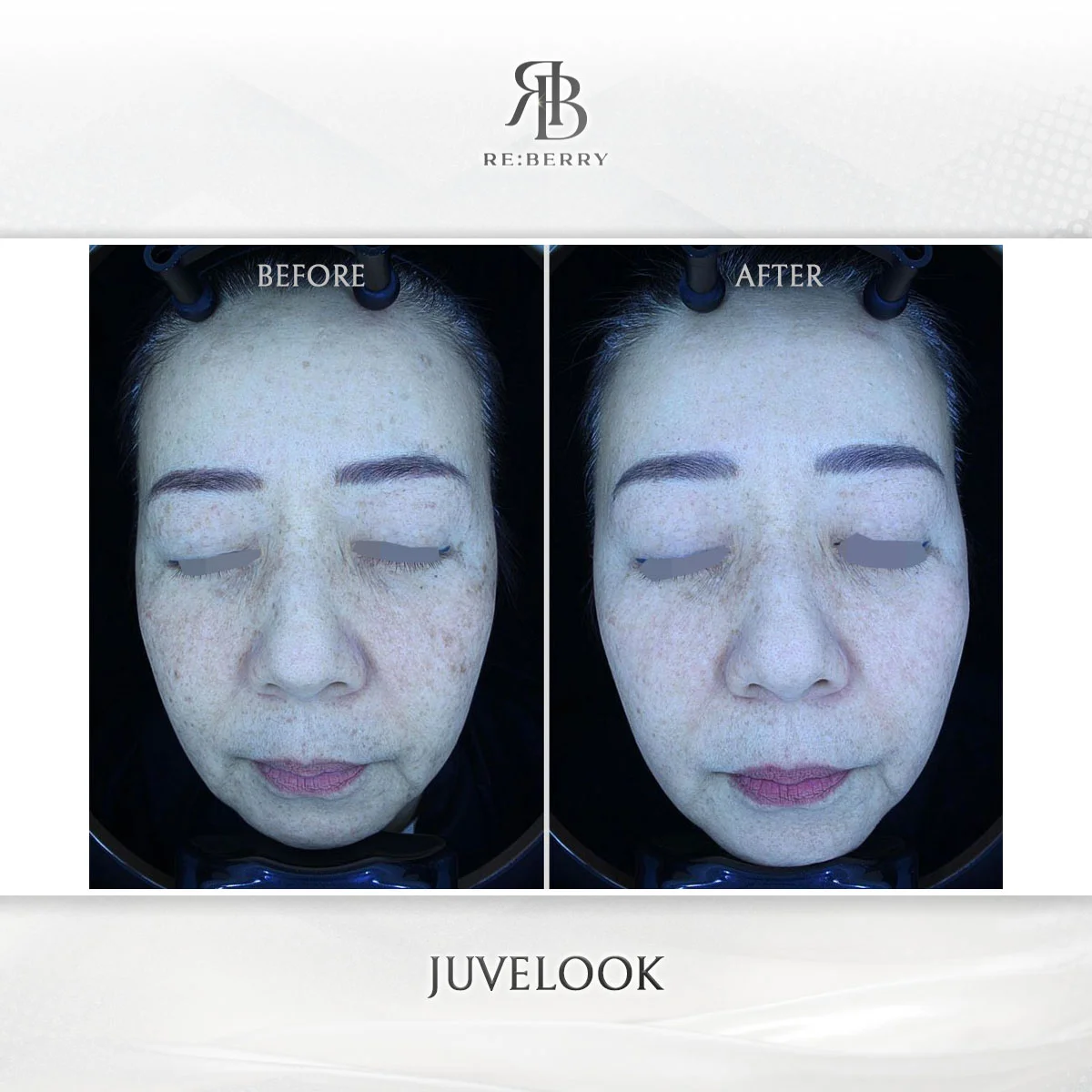
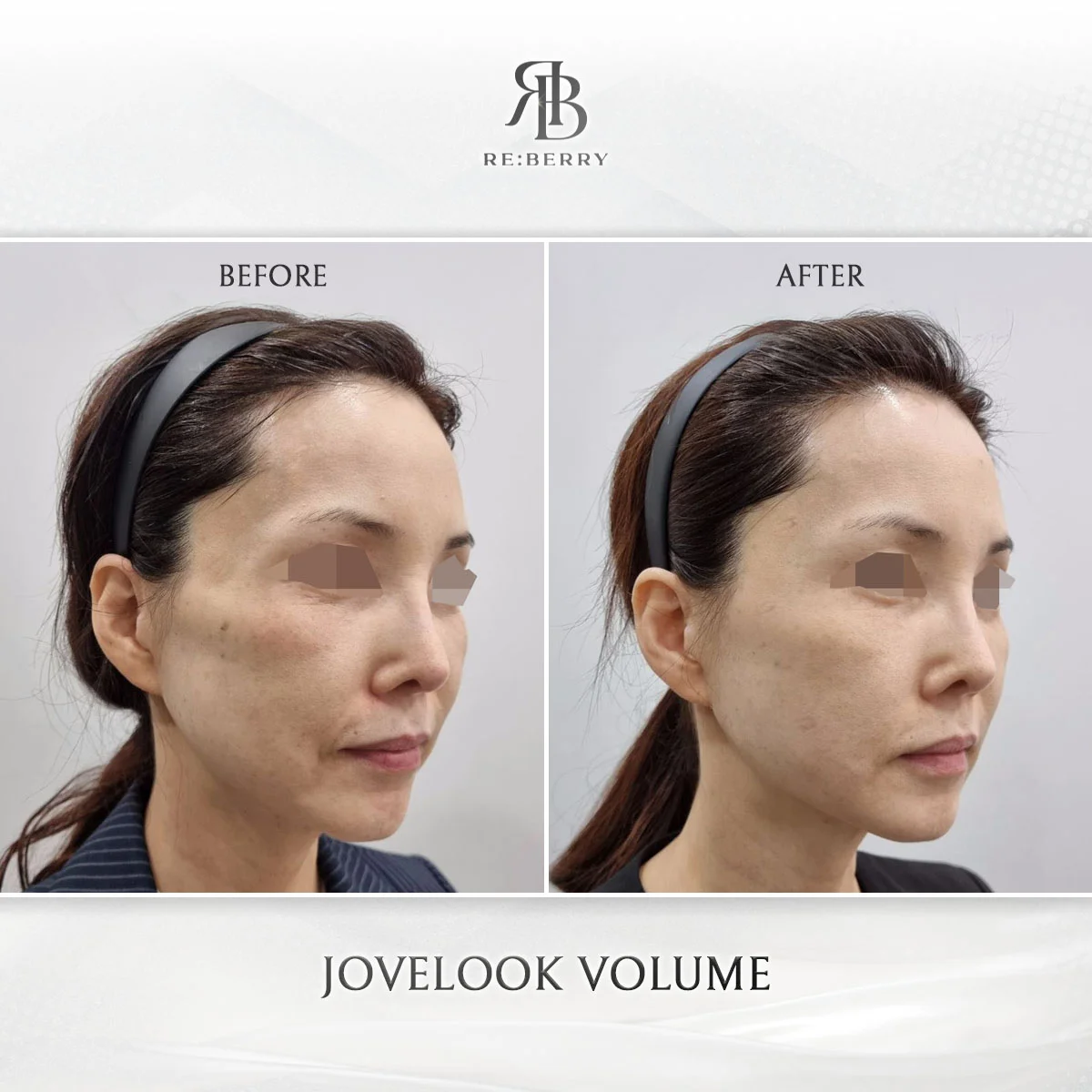
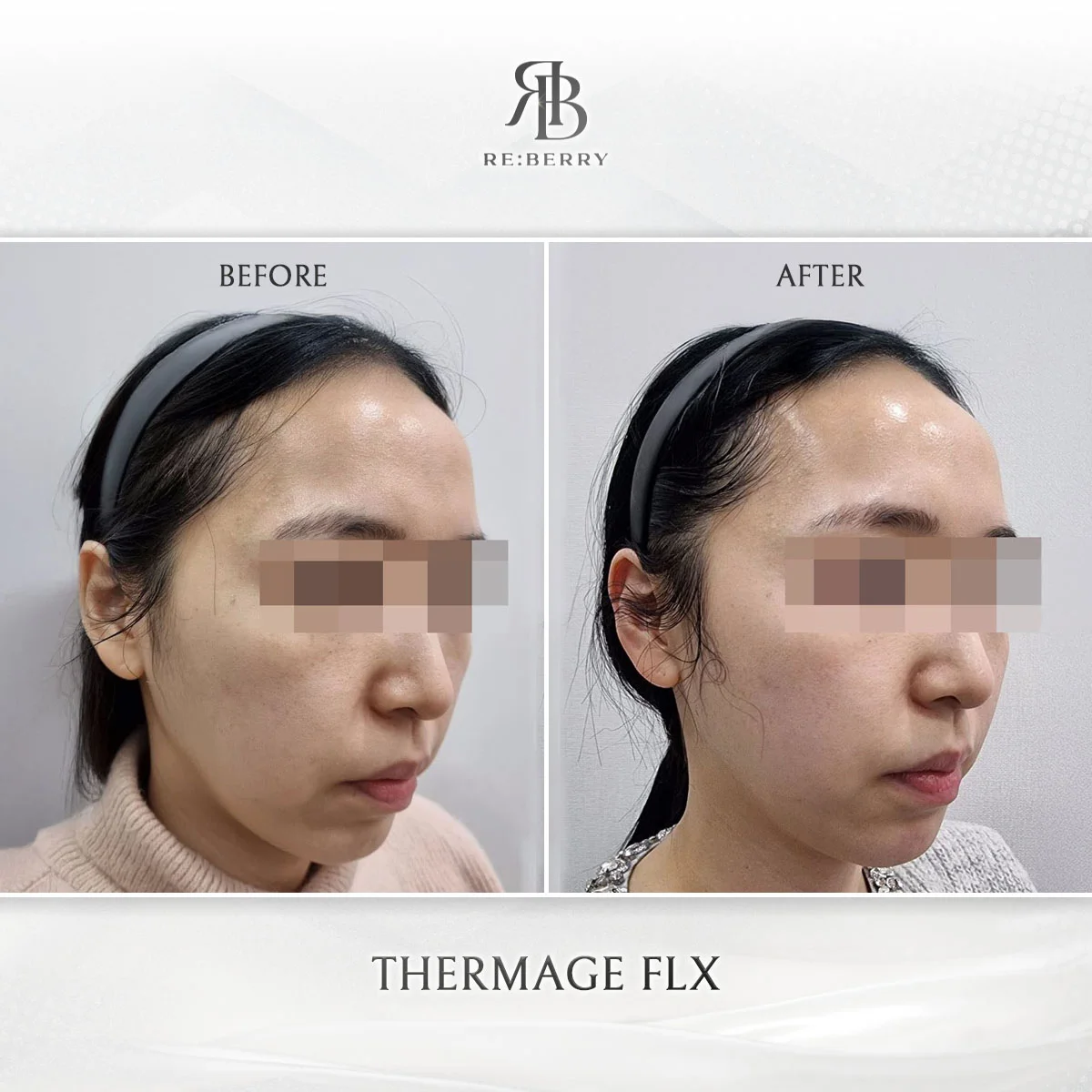
Safe Botox Around the Eye Area — Before & After Results
Actual patient outcomes at RE:BERRY Incheon Airport demonstrating natural, safe periorbital Botox results. Individual results may vary.
Is Botox Safe Around the Delicate Eye Area? Comparing Eye Treatments
| Safety Factor | Eye Botox | Eye Filler | Eye Oligio |
|---|---|---|---|
| Complication Rate | <1% serious | 1-3% serious | <0.5% serious |
| Reversibility | Fully reversible (3-4 months) | Reversible with hyaluronidase | Not reversible (but non-invasive) |
| Common Side Effects | Mild bruising 5-10% | Swelling 20-30%, bruising 15% | Mild redness 10% |
| Recovery Time | 0 days | 1-3 days swelling | 0 days |
| Treats | Dynamic wrinkles (crow's feet) | Volume loss (tear troughs) | Skin laxity (collagen loss) |
| Results Onset | 3-14 days | Immediate (minus swelling) | 2-3 months gradual |
| Price at RE:BERRY | From ₩9,900/site | From ₩149,000/1cc | ₩840,000 (Eye Repair Pkg) |
Safe Eye Botox Pricing at RE:BERRY Incheon Airport
April 2026 promotion pricing. All prices in KRW, VAT included. All treatments administered by licensed Aesthetic Medicine Specialists.
Korean Wrinkle Botox — 1 Site
- 1 site periorbital Botox injection
- Korean premium botulinum toxin
- Pre-treatment safety screening included
- 2-week follow-up assessment
Dullness OUT! Under-Eye Hollow Care Package
- Juvederm Filler 1cc (under-eye hollows)
- Cosmeo Under-Eye Botox (crinkle lines)
- Comprehensive periorbital safety protocol
- Safe combination treatment by specialists
Naturally Brighter Under-Eyes
- Eye Shuttle 200 shots
- Belotero Under-Eye Filler 1cc
- Non-invasive collagen stimulation + volume
- Zero downtime eye rejuvenation
Eye Repair Package
- Eye Oligio 200 shots (RF collagen stimulation)
- Eye Rejuran 2cc (skin quality improvement)
- Add eye Botox for dynamic wrinkles from ₩9,900
- Comprehensive safe eye area anti-aging
Meet Your Eye Area Botox Safety Specialists
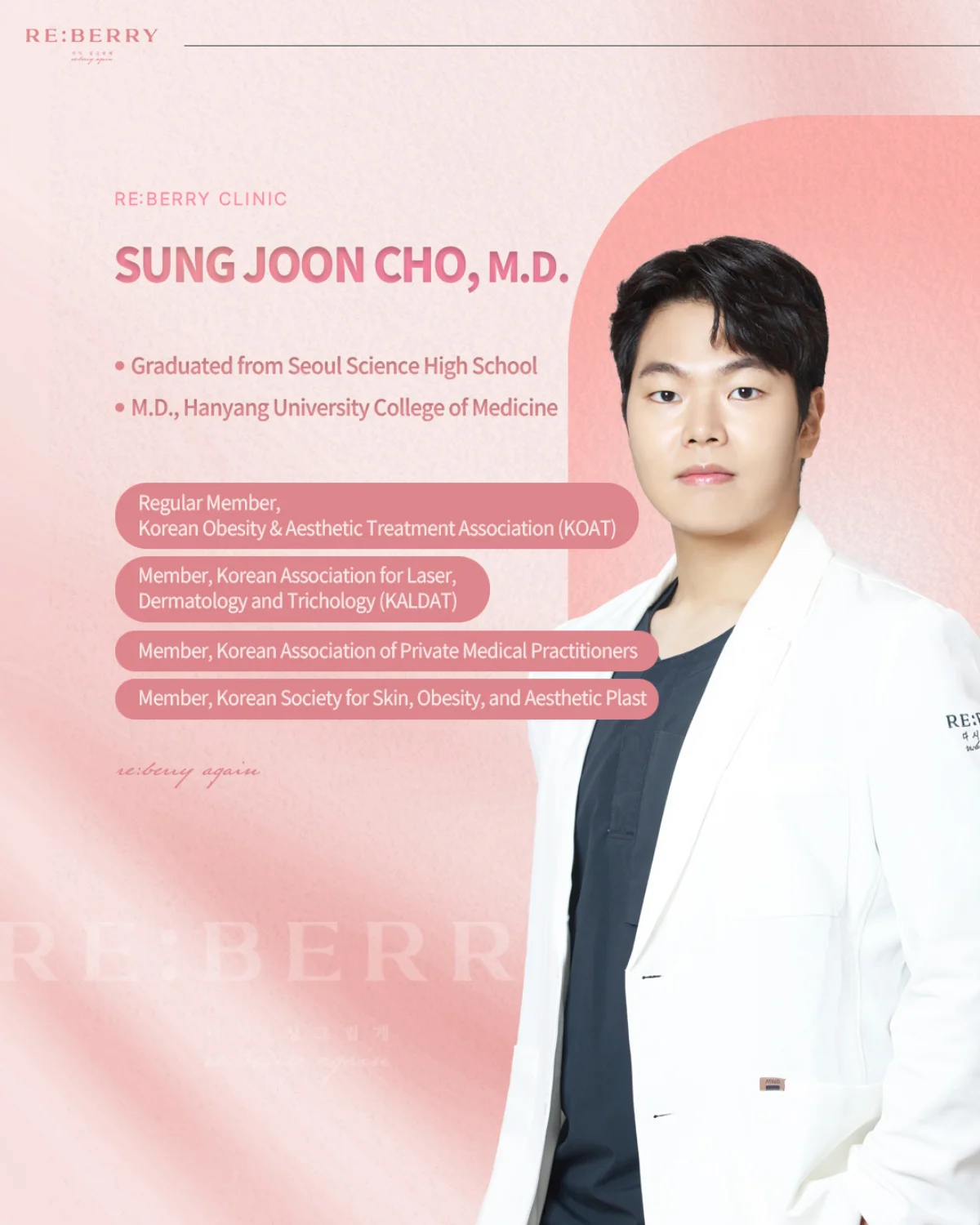
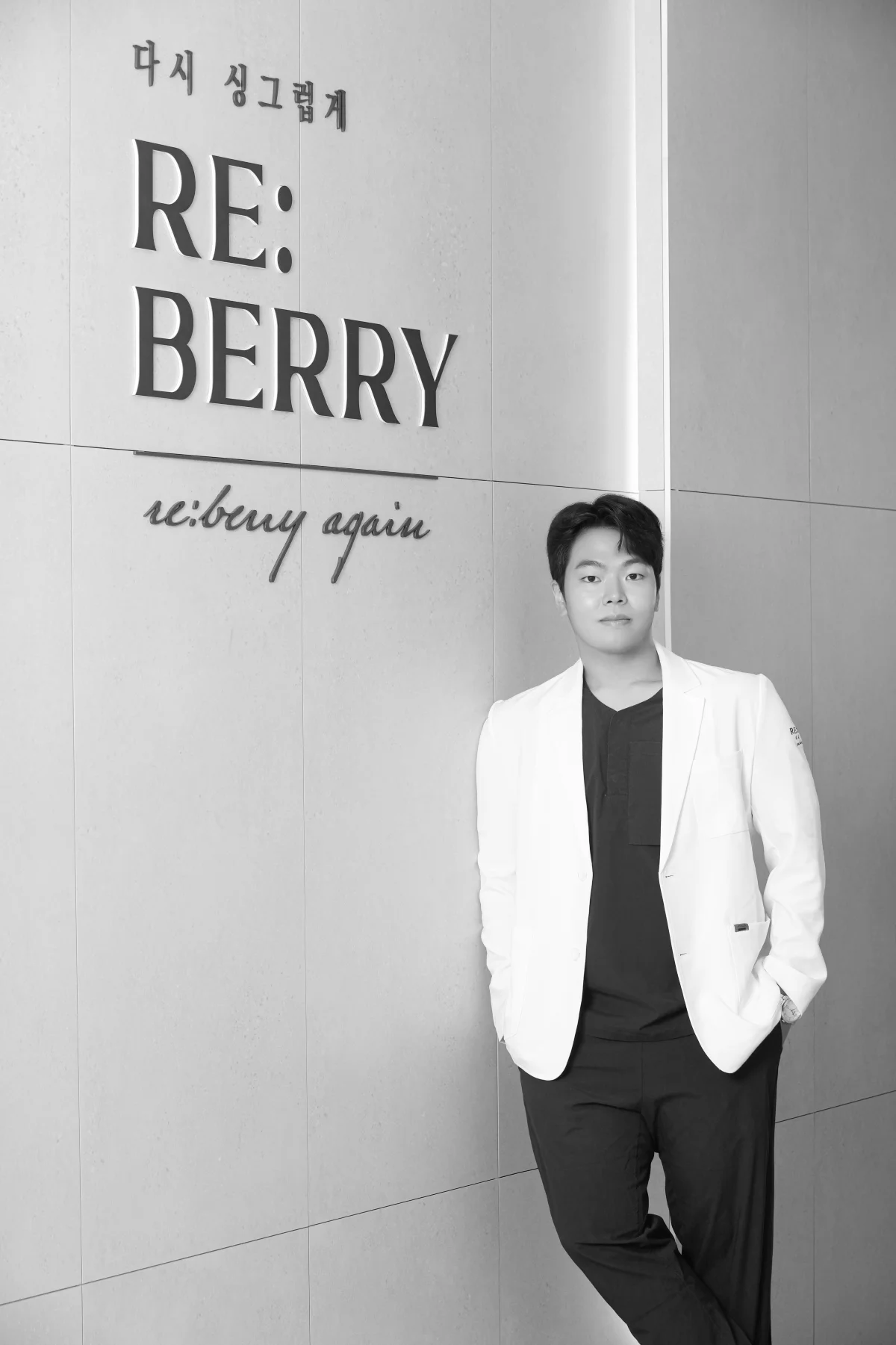
Dr. Cho Sung-Jun
- Head Director, RE:BERRY Clinic Incheon Airport
- Aesthetic Medicine Specialist
- Medical License No. 138858
- Member, Korean Academy of Aesthetic Medicine
- 5,000+ periorbital Botox procedures
- Precision periorbital injection technique specialist
Medically reviewed by Dr. Cho Sung-Jun, Head Director, Aesthetic Medicine Specialist, RE:BERRY
The Science of Botox Safety Around the Delicate Eye Area
Safety Profile of Botulinum Toxin in Periorbital Rejuvenation
The question of whether Botox is safe around the delicate eye area has been extensively studied since the initial FDA approval of onabotulinumtoxinA for glabellar lines in 2002 and subsequent approval for lateral canthal lines (crow's feet) in 2013. The periorbital region presents unique safety considerations due to the proximity of the orbicularis oculi to several critical structures: the levator palpebrae superioris (responsible for eyelid elevation), the lacrimal gland (tear production), the lateral and medial canthal tendons, and the orbital septum separating superficial from orbital tissues.
Large-scale safety analyses involving over 4,000 patients demonstrate that Botox around the delicate eye area produces adverse events in only 3-10% of cases, with the vast majority being mild and self-resolving: injection-site bruising (5-10%), transient headache (3-5%), and minor eyelid edema (1-3%). The most feared complication — ptosis (eyelid drooping) — occurs in 0.1-1% of cases and is almost exclusively associated with injection errors: excessive dosage (>20 units per side), medial injection placement crossing the mid-pupillary line, or deep injection penetrating the orbital septum. At RE:BERRY Incheon Airport, adherence to strict dosing limits of 6-15 units per side and lateral-only placement has maintained a ptosis rate of less than 0.5% across all periorbital Botox treatments.
The pharmacological safety margin for periorbital Botox is substantial. The typical total dose for bilateral crow's feet treatment is 12-30 units — representing less than 1% of the estimated human lethal dose. Systemic absorption from local injection is undetectable in blood assays, confirming that the botulinum toxin remains localized at the injection site. Long-term safety data from patients receiving repeated treatments over 10+ years show no cumulative toxicity, no antibody-mediated resistance in the vast majority of patients, and no adverse effects on periorbital tissue structure or function.
Carruthers JD et al. The convergence of medicine and neurotoxins: a focus on botulinum toxin type A and its application in aesthetic medicine. Dermatol Surg. 2013;39(3pt2):493-509. doi:10.1111/dsu.12148
Rzany B et al. Repeated botulinum toxin A injections for the treatment of lines in the upper face: a retrospective study of 4,103 treatments in 945 patients. Dermatol Surg. 2007;33(s1):S18-S25. doi:10.1111/j.1524-4725.2006.32330.x
Brin MF et al. OnabotulinumtoxinA for the treatment of major depressive disorder: a phase 2 randomized, double-blind, placebo-controlled trial in adult women. Int Clin Psychopharmacol. 2020;35(1):19-28. doi:10.1097/YIC.0000000000000290
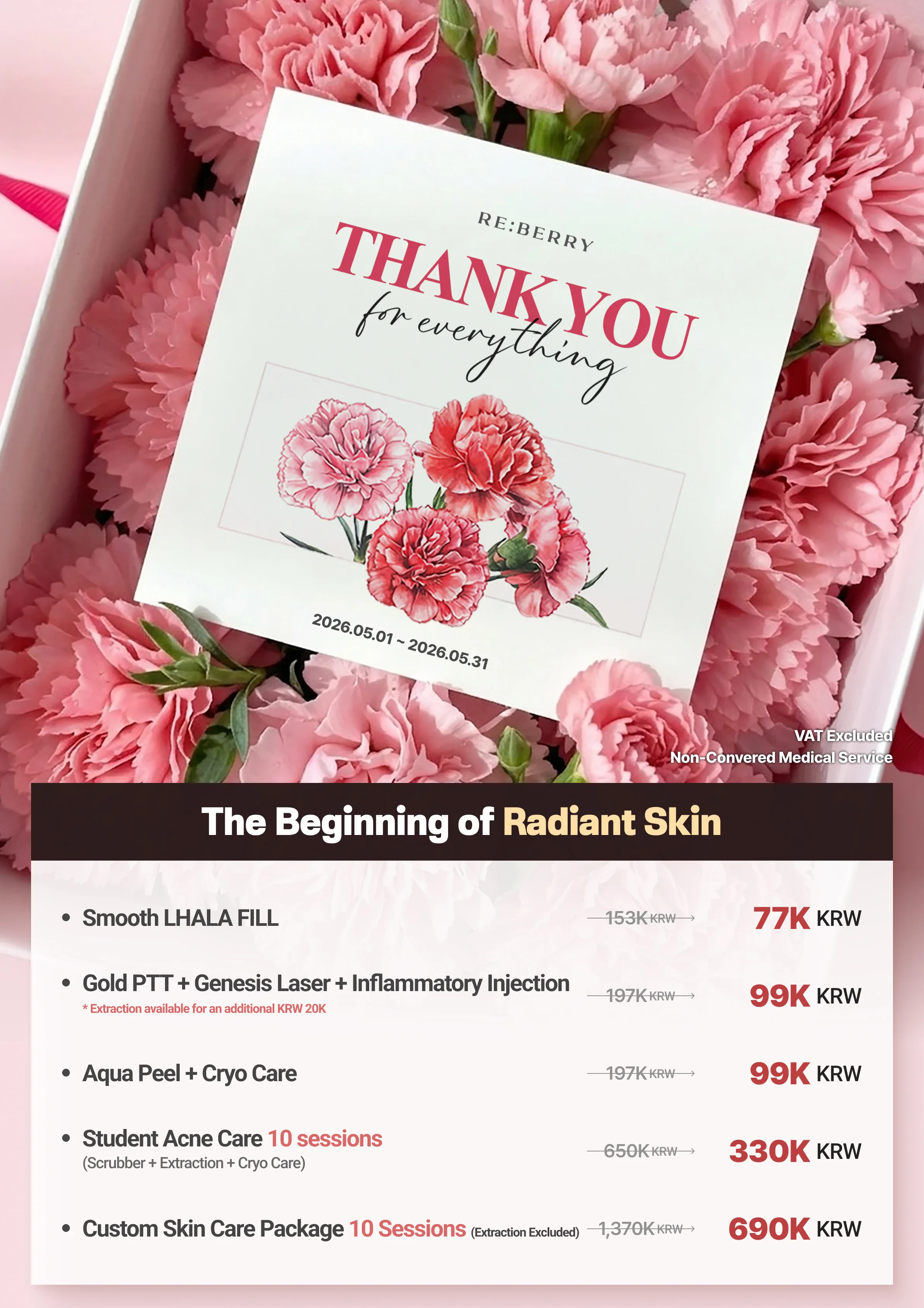
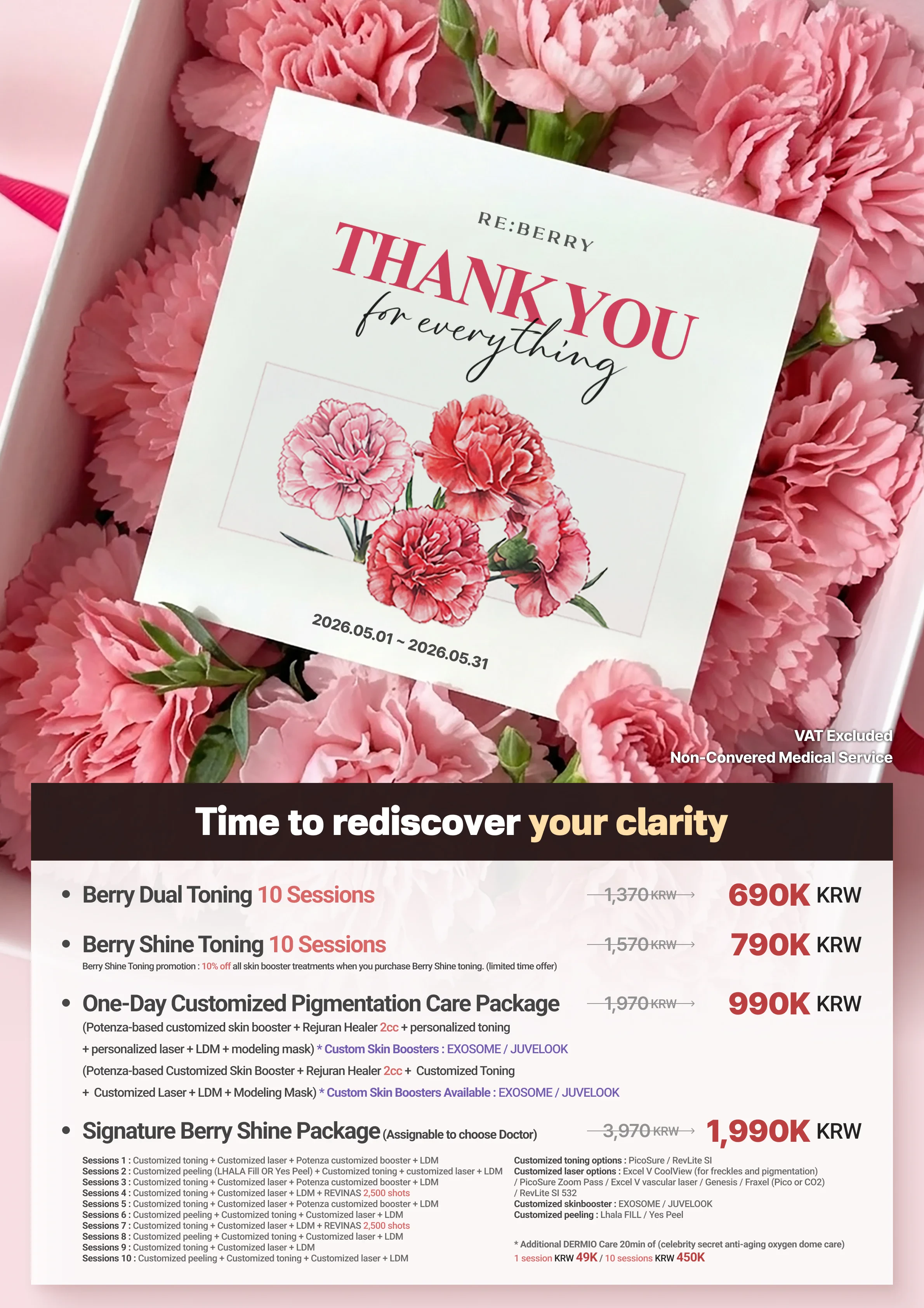
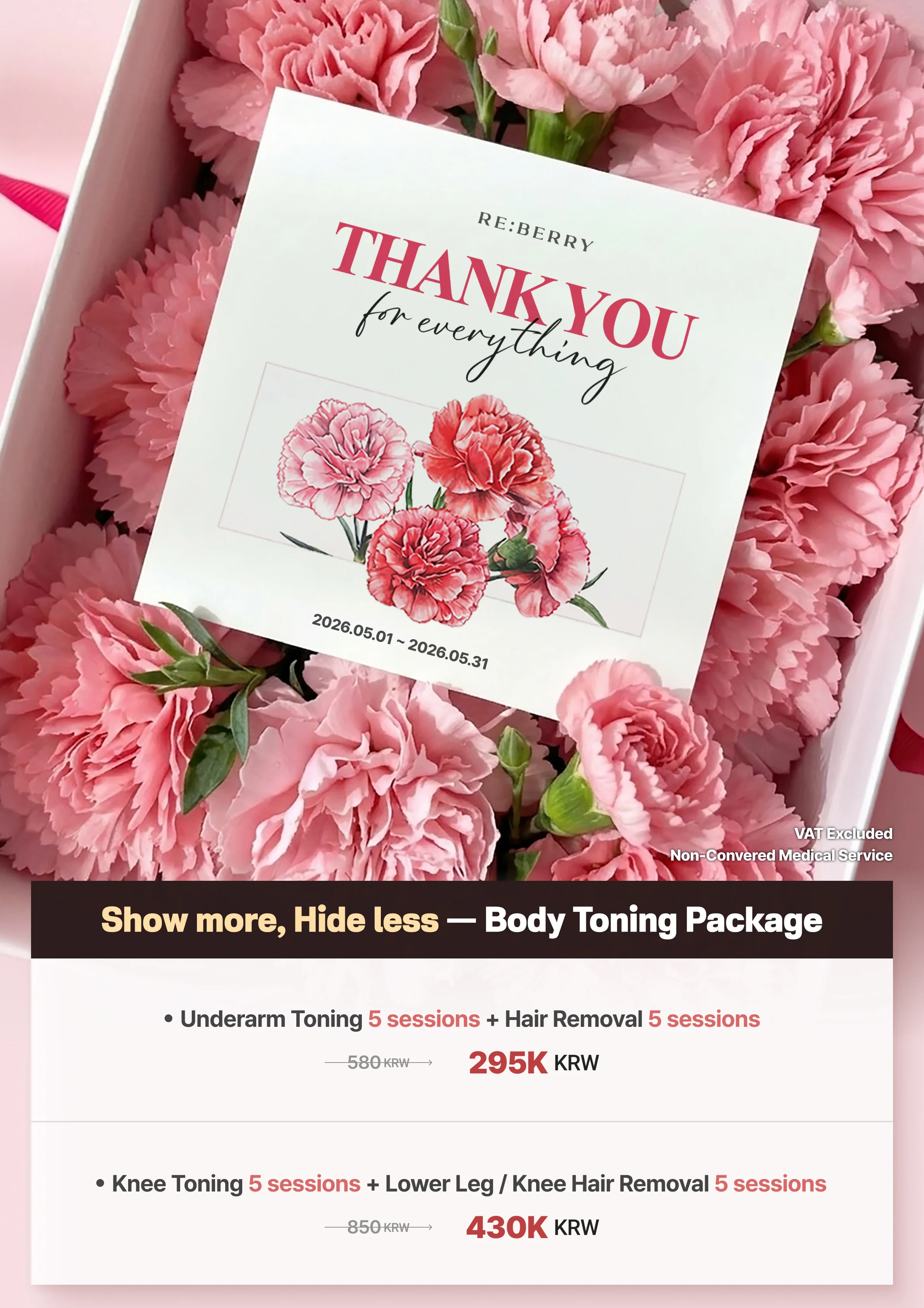
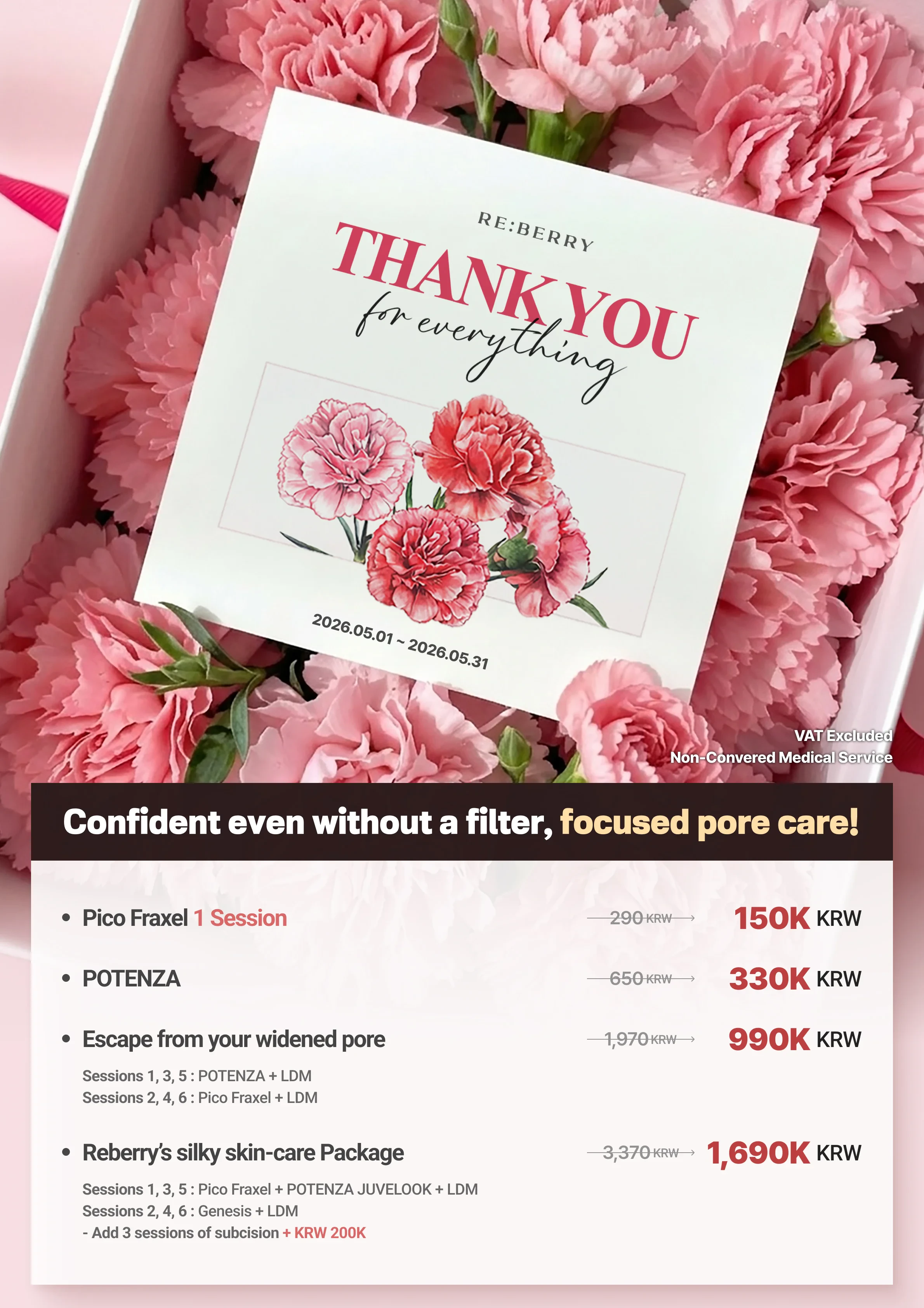
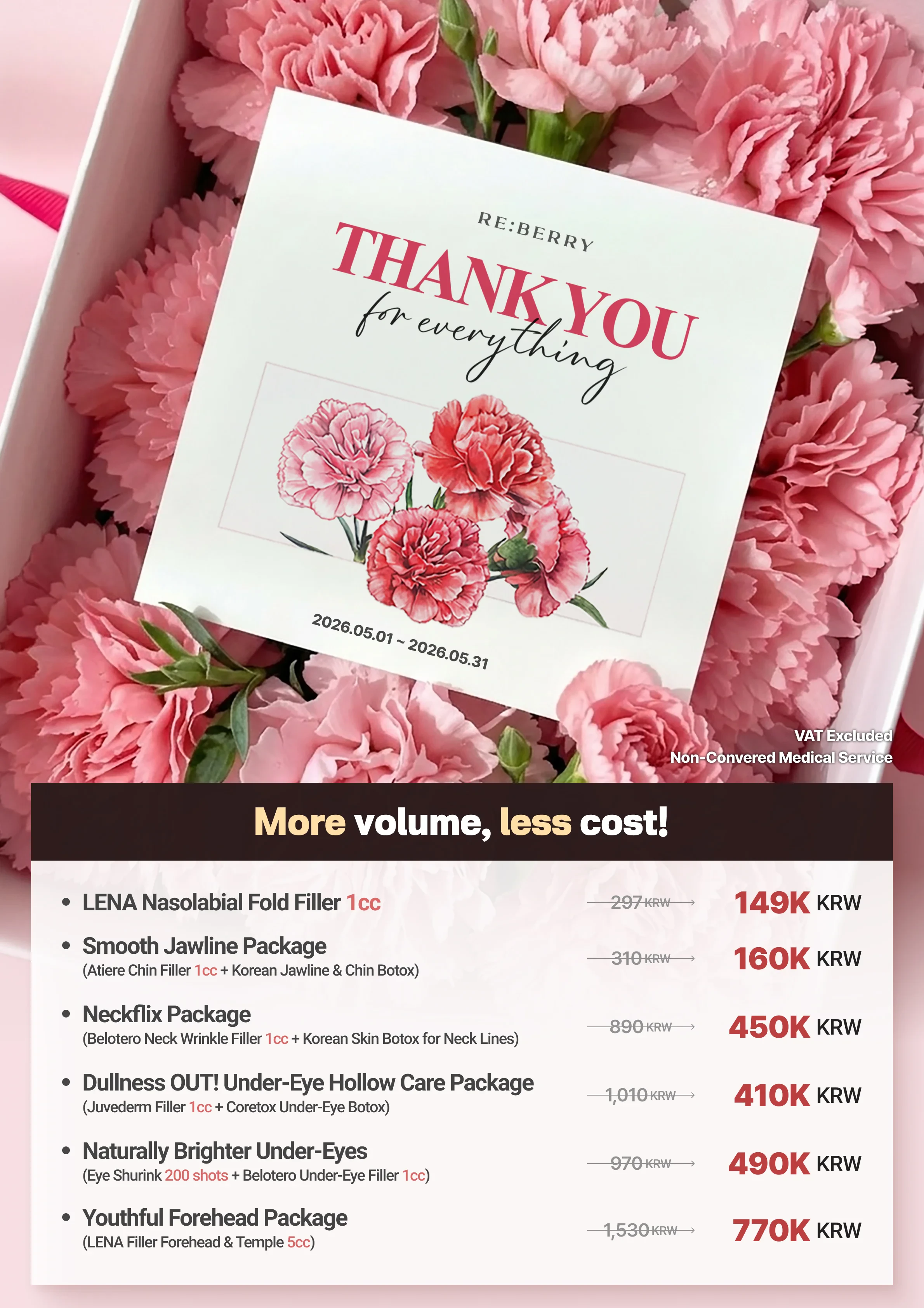
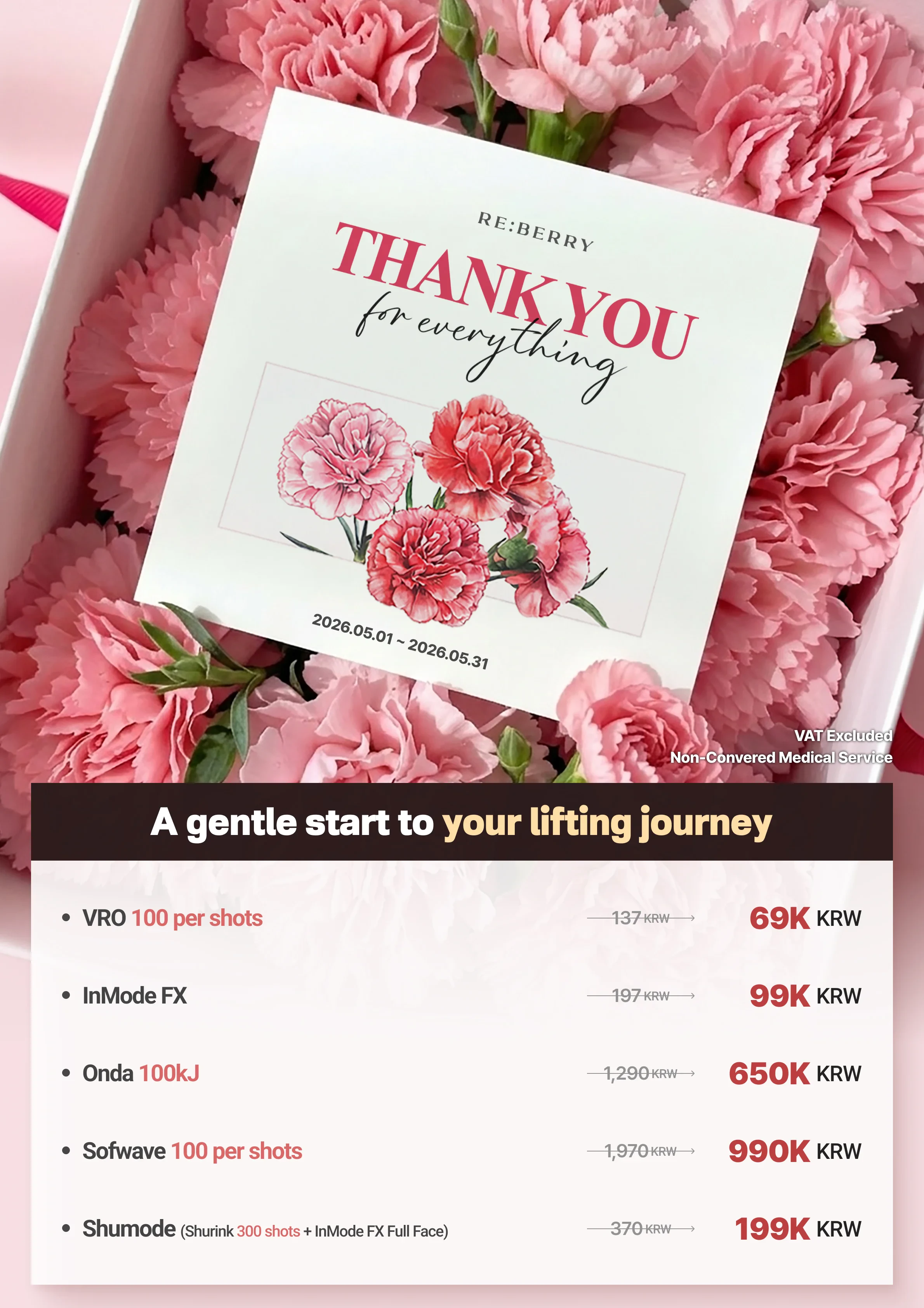
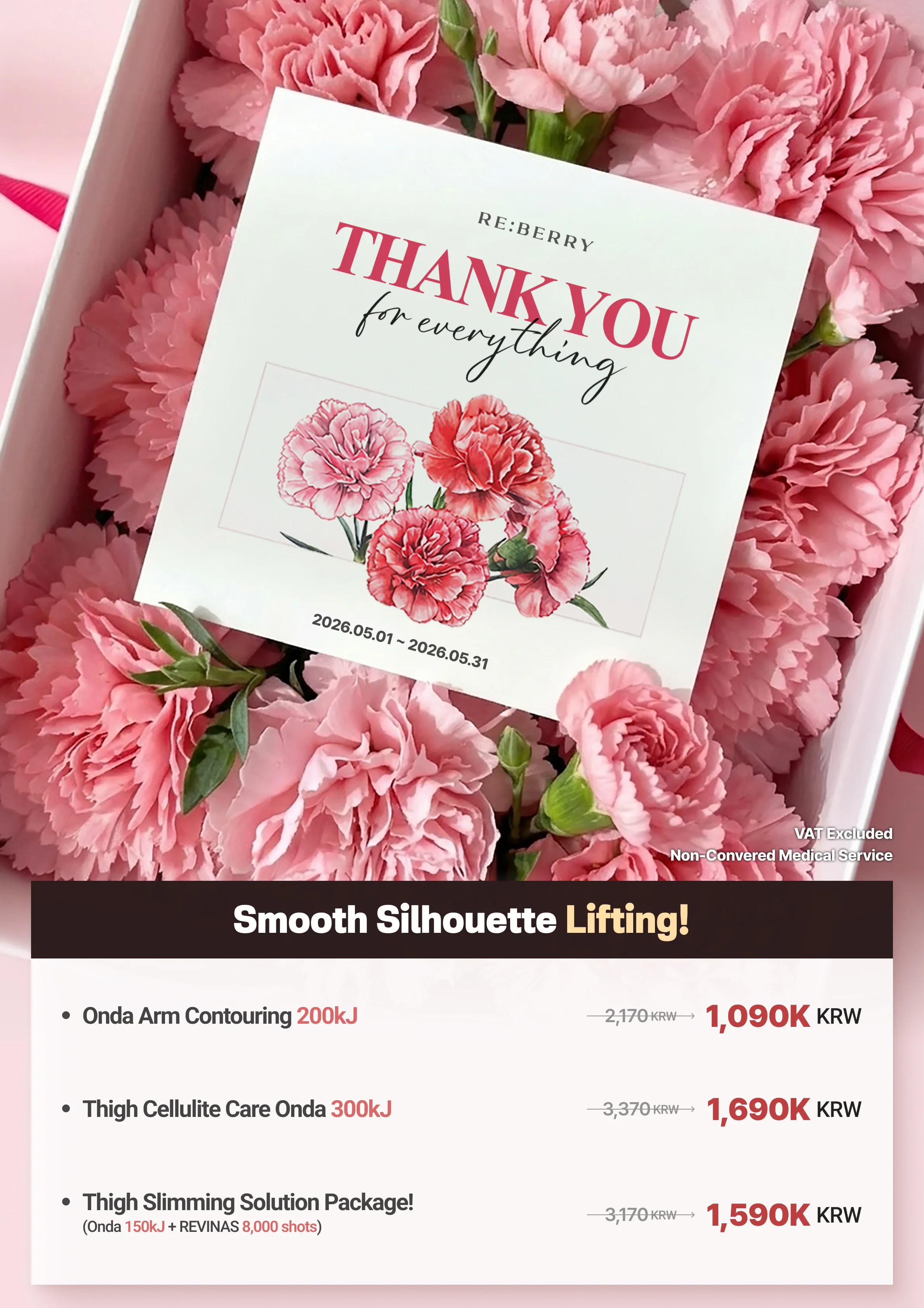
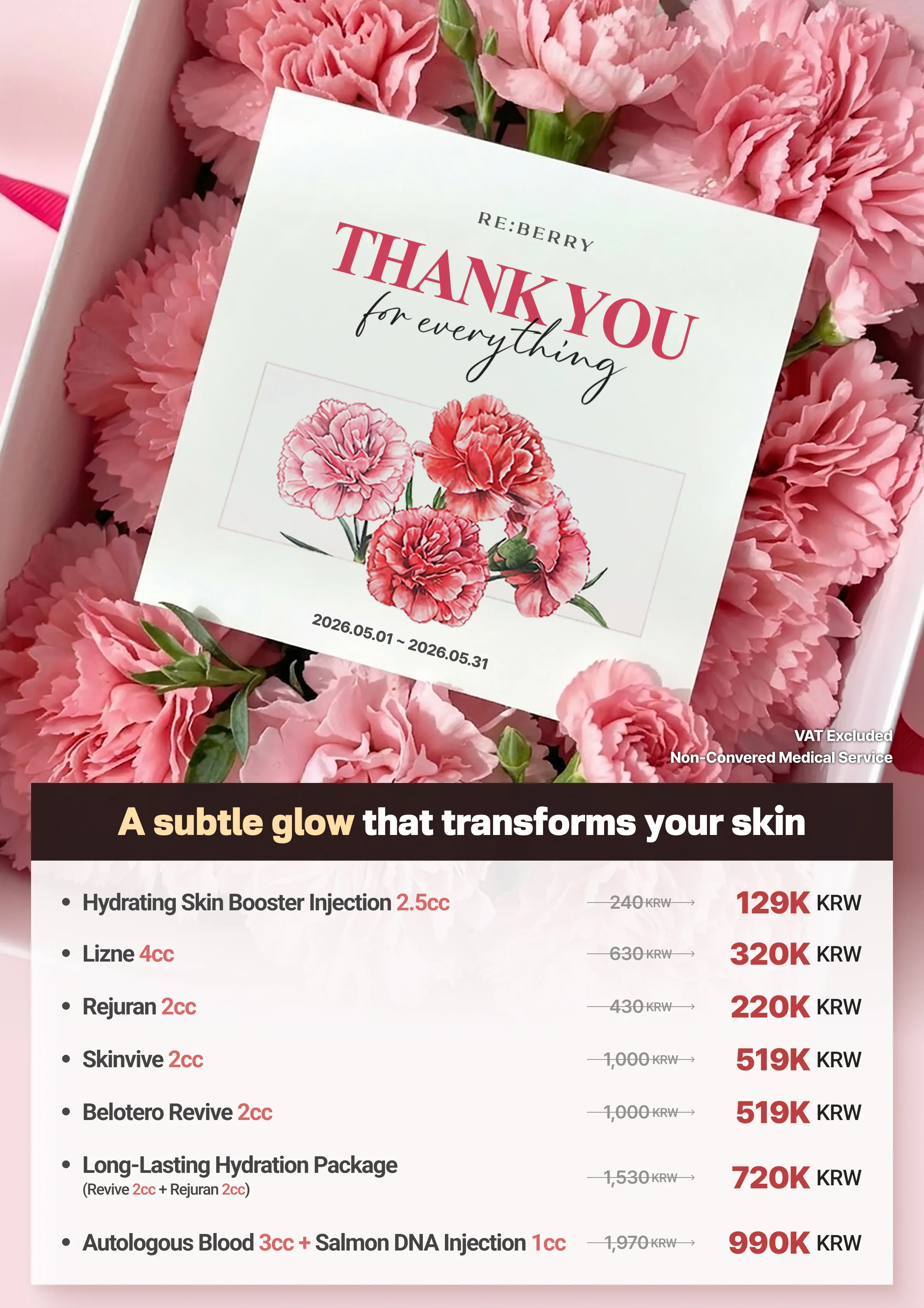
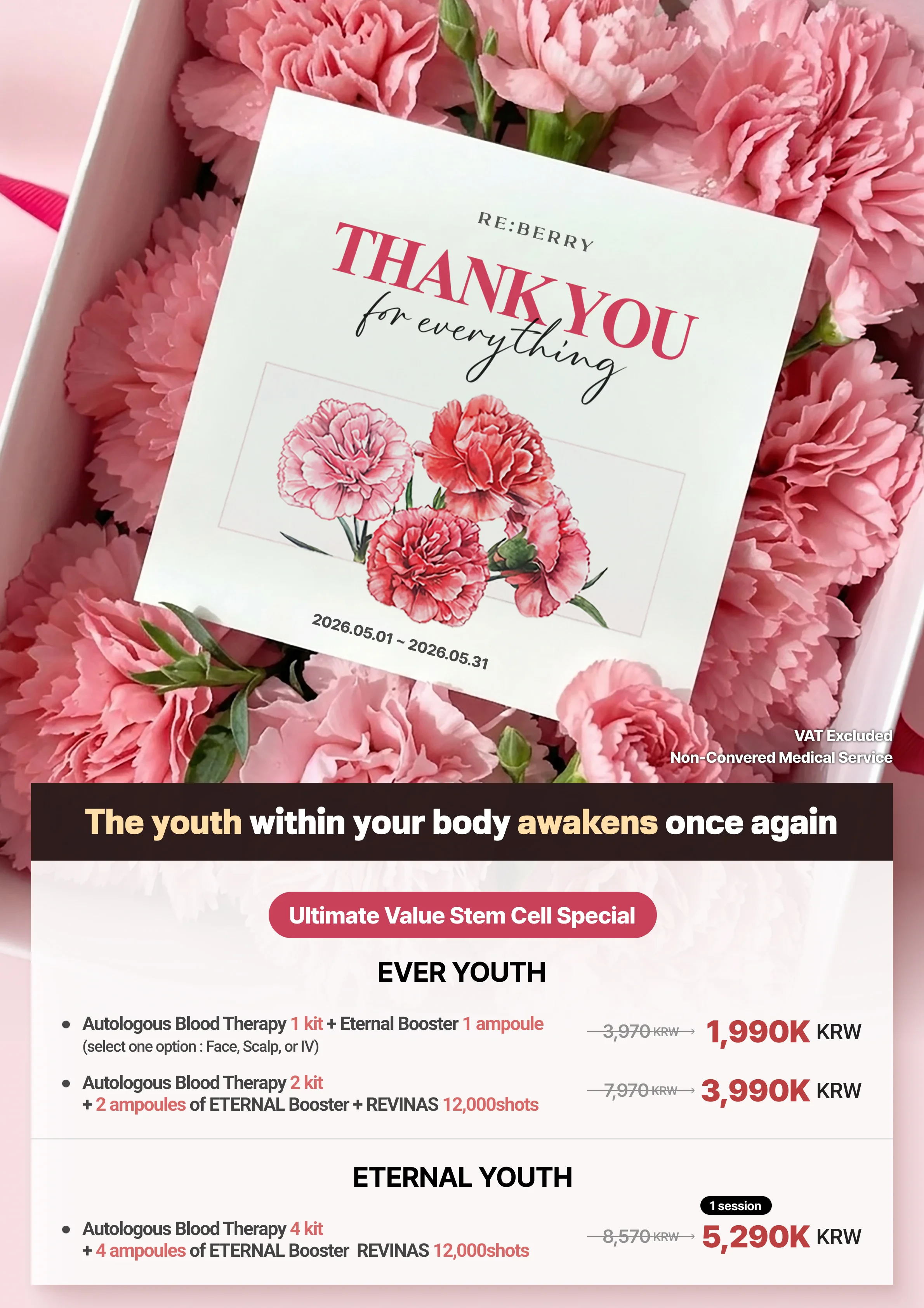
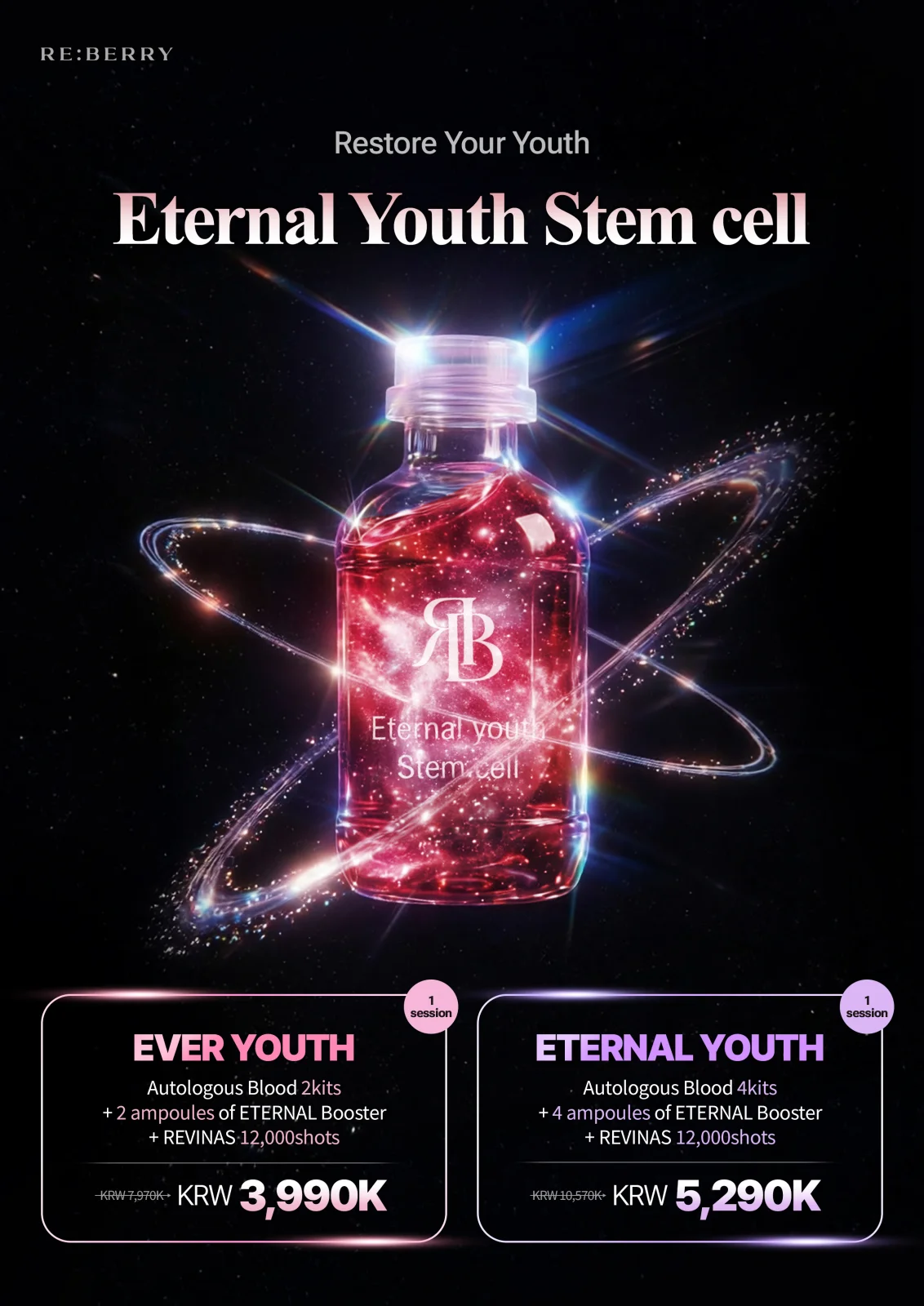
April – June 2026 Promotions
Exclusive packages for international patients. Swipe to see all offers.


Eye Area Botox Safety — Frequently Asked Questions
Yes, Botox around the delicate eye area is safe for first-time patients with a 97-99% satisfaction rate across published studies. RE:BERRY Incheon Airport uses conservative first-time dosing of 6-10 units per side (versus up to 15 for experienced patients) to ensure a gentle, controlled introduction.
The 3 main risks of periorbital Botox are: bruising at injection sites (5-10% of cases, resolves in 3-5 days), asymmetric results (5-8%, correctable at 2-week follow-up), and ptosis or eyelid drooping (0.1-1%, temporary and self-resolving in 2-4 weeks). All risks are minimized with proper technique.
Korean Wrinkle Botox starts from ₩9,900 per site at RE:BERRY Incheon Airport during the April 2026 promotion, reduced from ₩40,000 regular price. A full crow's feet treatment (4-6 sites total) costs approximately ₩39,600-₩59,400 at promotional pricing, including pre-treatment safety screening.
Ptosis occurs in 0.1-1% of periorbital Botox cases and is caused by toxin migration to the levator palpebrae muscle. At RE:BERRY Incheon Airport, strict protocols — staying lateral to the mid-pupillary line, using 6-15 units per side maximum, and injecting at 2-3mm depth — have kept the ptosis rate below 0.5%.
Yes, 70% of patients at RE:BERRY Incheon Airport safely combine eye Botox with other treatments. The most common combinations are Botox + under-eye filler (for volume + wrinkles), Botox + Eye Oligio (for wrinkles + tightening), and Botox + Eye Rejuran (for wrinkles + skin quality). All can be done in the same session.
Yes, 95% of RE:BERRY Incheon Airport patients fly the same day after periorbital Botox with no issues. We recommend remaining upright for 4 hours post-injection. Cabin pressure and altitude have no effect on Botox safety around the delicate eye area.
Generally yes, but requires modified technique. Botox can actually improve dry eye symptoms by partially relaxing the orbicularis oculi, reducing forceful blinking that aggravates tear film instability. Dr. Cho adjusts dosing for dry eye patients — typically using 4-8 units per side rather than the standard 6-15 to maintain adequate blink function.
Periorbital Botox has a comparable safety profile to forehead Botox, with slightly lower bruising rates (5-10% vs 8-12%) because the skin is thinner with fewer large vessels. The complication to watch for differs: eyelid drooping around eyes versus brow heaviness with forehead treatment.
Studies tracking patients over 10+ years of repeated periorbital Botox show no cumulative toxicity, no permanent muscle damage, and no structural changes to orbital tissues. In fact, long-term use may prevent formation of deep static wrinkles by reducing repetitive muscle contraction over time.
Korean MFDS-approved botulinum toxin products undergo rigorous safety testing comparable to FDA and EMA standards. RE:BERRY Incheon Airport uses premium Korean botulinum toxin brands with proven clinical efficacy in peer-reviewed studies. All products are stored at 2-8°C and freshly reconstituted on treatment day.
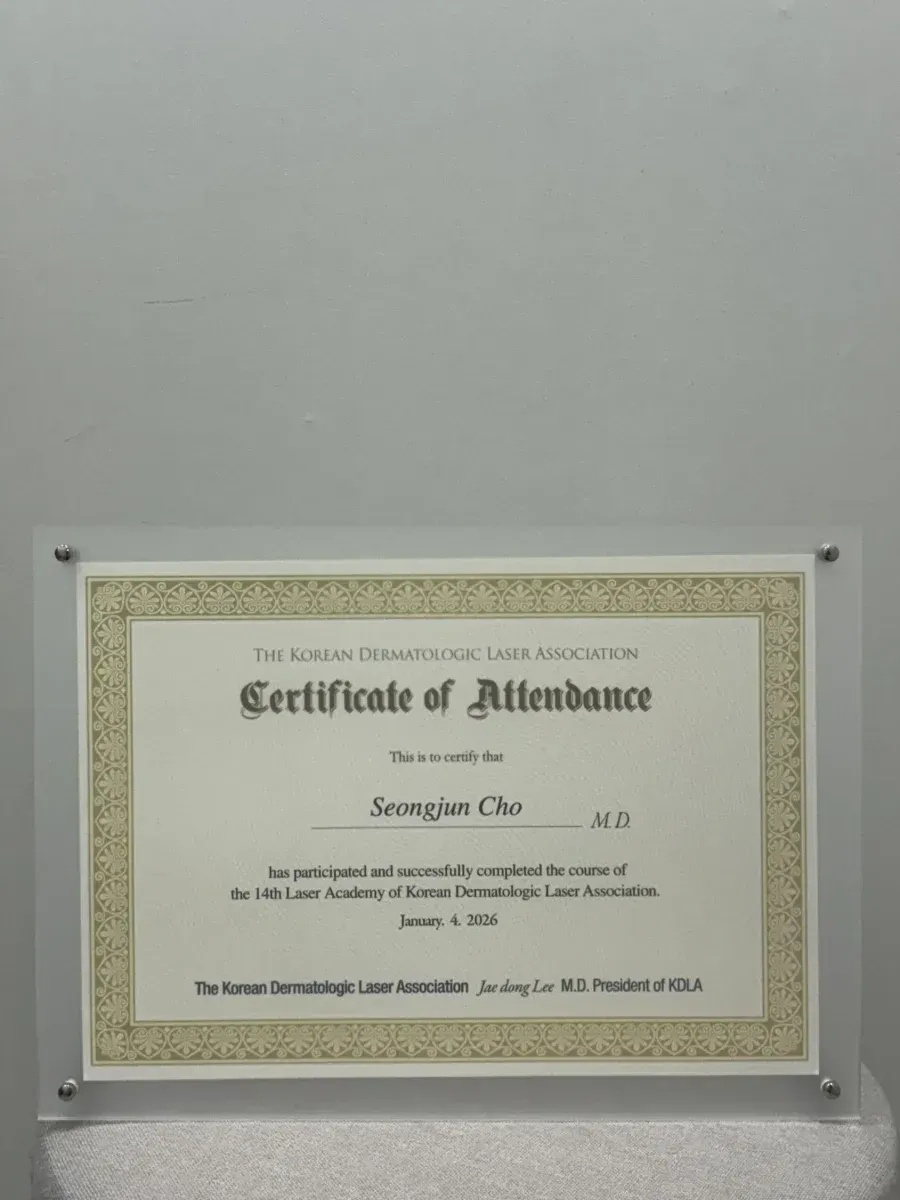
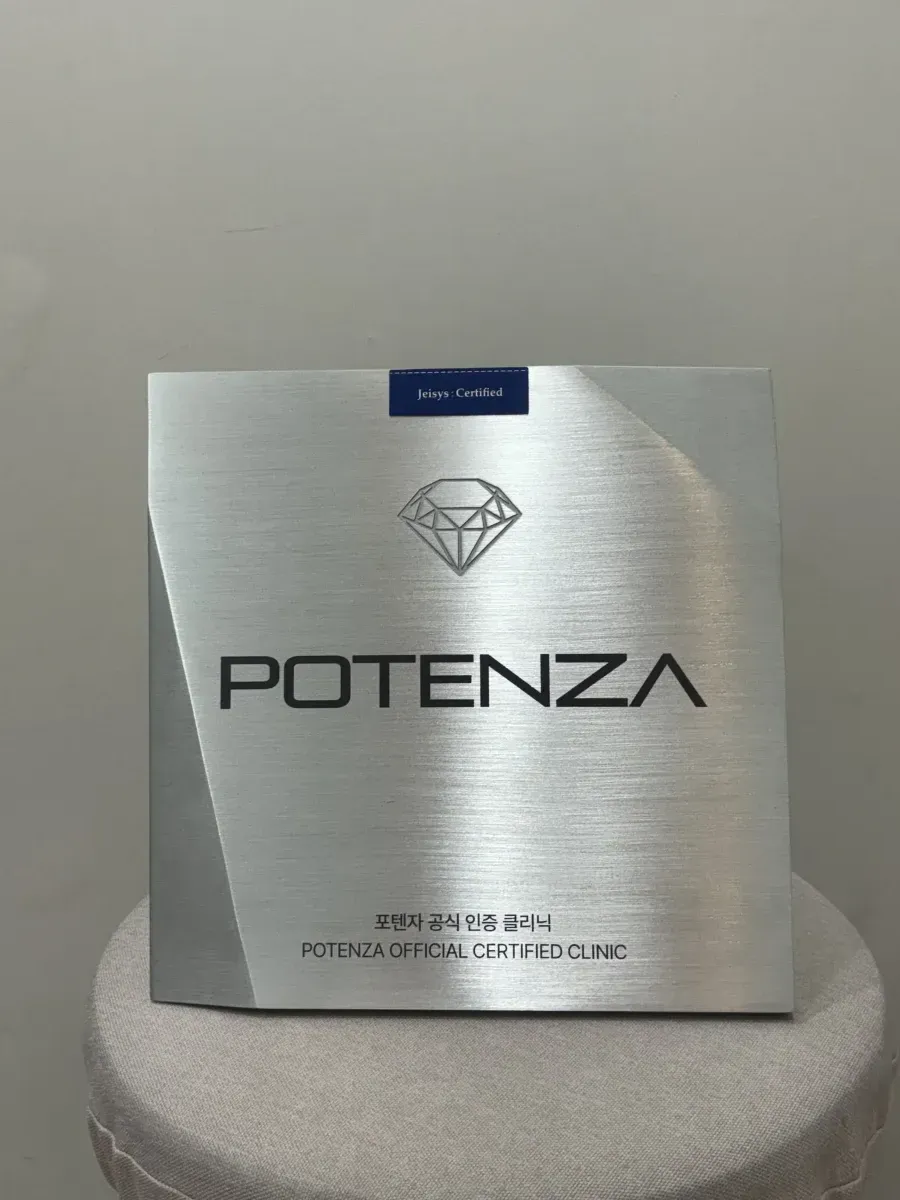
RE:BERRY Incheon Airport holds certifications from KDLA (Korean Dermatology & Laser Academy), Oligio, Potenza RF, Onda, and Juvelook. Both Dr. Cho Sung-Jun (License No. 138858) and Dr. Kim Dong-Young (License No. 147291) are licensed Aesthetic Medicine Specialists with the Korean Academy of Aesthetic Medicine.
No, properly administered periorbital Botox does not affect vision. The orbicularis oculi controls eyelid closure, not visual function. Injection at the standard 2-3mm depth in the lateral orbital area remains well separated from any structures affecting sight. Over 100 million periorbital Botox treatments worldwide confirm this safety profile.
No, Botox around the delicate eye area is contraindicated during pregnancy and breastfeeding as a precautionary measure. While no human studies have demonstrated harm, animal studies at very high doses showed effects. RE:BERRY Incheon Airport screens all patients and will not administer periorbital Botox to pregnant or breastfeeding patients.
Eye Oligio is a non-injectable RF treatment with a <0.5% complication rate compared to Botox's <1%. However, Botox addresses dynamic wrinkles (movement-caused) while Eye Oligio targets skin laxity (collagen loss). Both are considered safe around the delicate eye area with distinct mechanisms.
Disclose these 5 items before periorbital Botox: blood-thinning medications (aspirin, warfarin, fish oil — increase bruising risk), previous Botox reactions, neuromuscular disorders, any current eye conditions or infections, and any cosmetic surgery on the eyelid or orbital area.
Allergic reactions to botulinum toxin are extremely rare, occurring in less than 0.01% of all treatments. Symptoms would include hives, swelling, or difficulty breathing — all of which RE:BERRY Incheon Airport is equipped to manage with emergency protocols. A prior uneventful Botox treatment at any body site confirms tolerance.
Yes, periorbital Botox is equally safe across all Fitzpatrick skin types (I-VI). Unlike laser treatments where melanin absorption varies, Botox works on the neuromuscular junction independent of skin pigmentation. RE:BERRY Incheon Airport treats patients from 30+ nationalities with identical safety outcomes.
Wait 24 hours after periorbital Botox before intense exercise. Elevated blood pressure and heart rate during exercise can increase bruising risk and theoretically promote toxin migration. Light walking is safe immediately. After 24 hours, all exercise types including swimming and yoga are safe.
Excessive dosing (>20 units per side) can cause: incomplete eye closure when sleeping, difficulty squinting in bright light, or a 'frozen' appearance. These effects are temporary (3-4 months) and self-resolving. RE:BERRY Incheon Airport's strict maximum of 15 units per side for standard cases prevents overdosing.
Yes, periorbital Botox is safe for patients over 60 with no age-related contraindications. Older patients may have thinner orbicularis oculi muscle requiring lower doses (4-8 units per side). Static wrinkles (visible at rest) may not fully resolve with Botox alone and may benefit from combination with under-eye fillers.
Yes, periorbital Botox is safe after LASIK (wait 2 weeks post-surgery) and after cataract surgery (wait 4 weeks). The Botox targets the external orbicularis oculi muscle and does not interact with intraocular structures affected by these surgeries.
RE:BERRY Incheon Airport maintains 3 quality controls: cold-chain storage (2-8°C) with temperature monitoring, same-day fresh reconstitution (never uses previously opened vials), and batch number documentation in each patient's medical record for complete traceability.
RE:BERRY Incheon Airport is a fully licensed medical clinic with comprehensive safety protocols, not a tourist trap. Both doctors are Korean Academy of Aesthetic Medicine members with over 30,000 combined treatments. The airport-adjacent location offers convenience without compromising medical standards.
Yes, RE:BERRY Incheon Airport provides safety consultations in 8 languages: English, Japanese, Chinese (Simplified and Traditional), Thai, Vietnamese, Mongolian, and Farsi. All safety information and aftercare instructions are provided in your preferred language.
RE:BERRY Incheon Airport offers 3 safety advantages: trained Aesthetic Medicine Specialists with 5,000+ periorbital procedures and <1% complication rate, MFDS-certified products with complete cold-chain and traceability, and 365-day operation with 2-week follow-up including video consultation for international travelers.
Crow's feet treatment IS eye Botox — crow's feet Botox targets the lateral orbicularis oculi, which is the primary eye area application. Additional areas around the eye (under-eye crinkle lines, brow tail lift) can be safely added in the same session at RE:BERRY Incheon Airport.
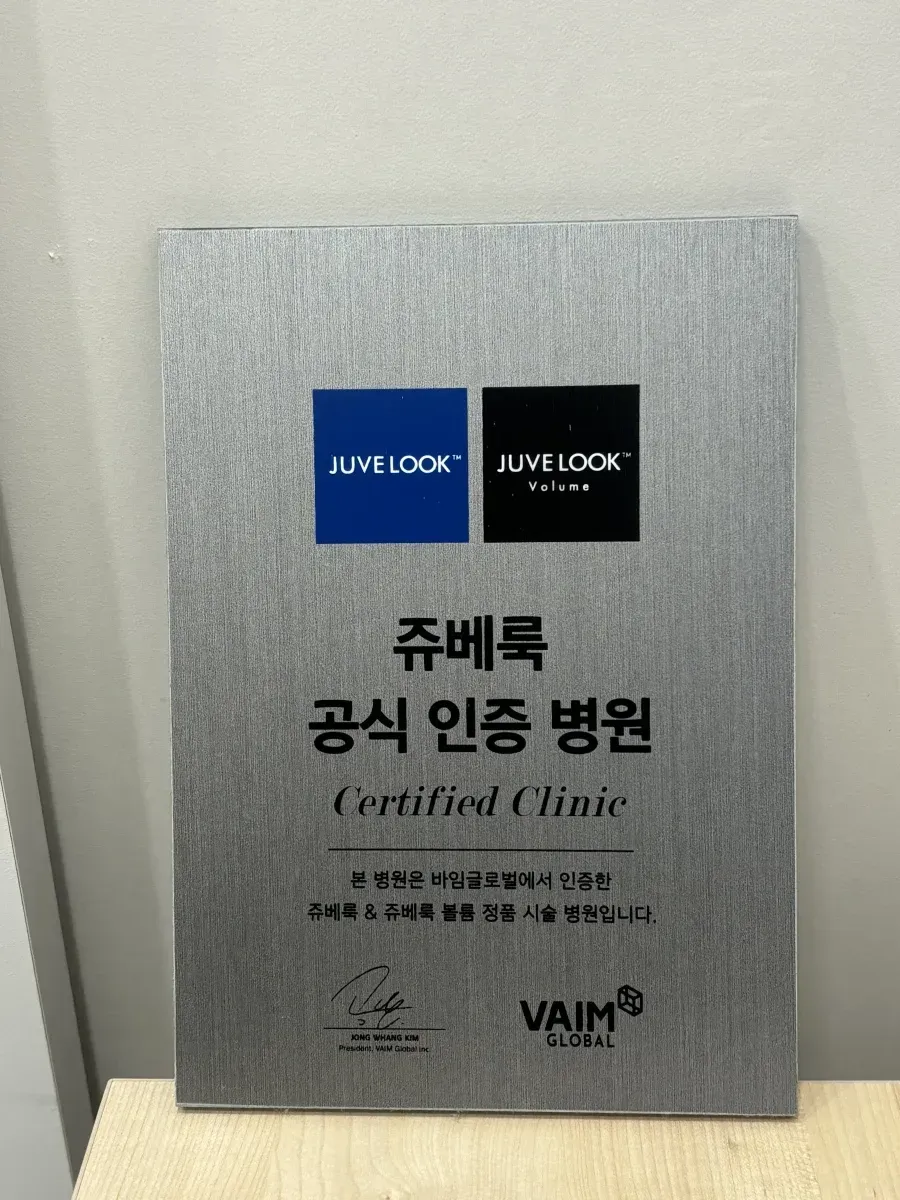
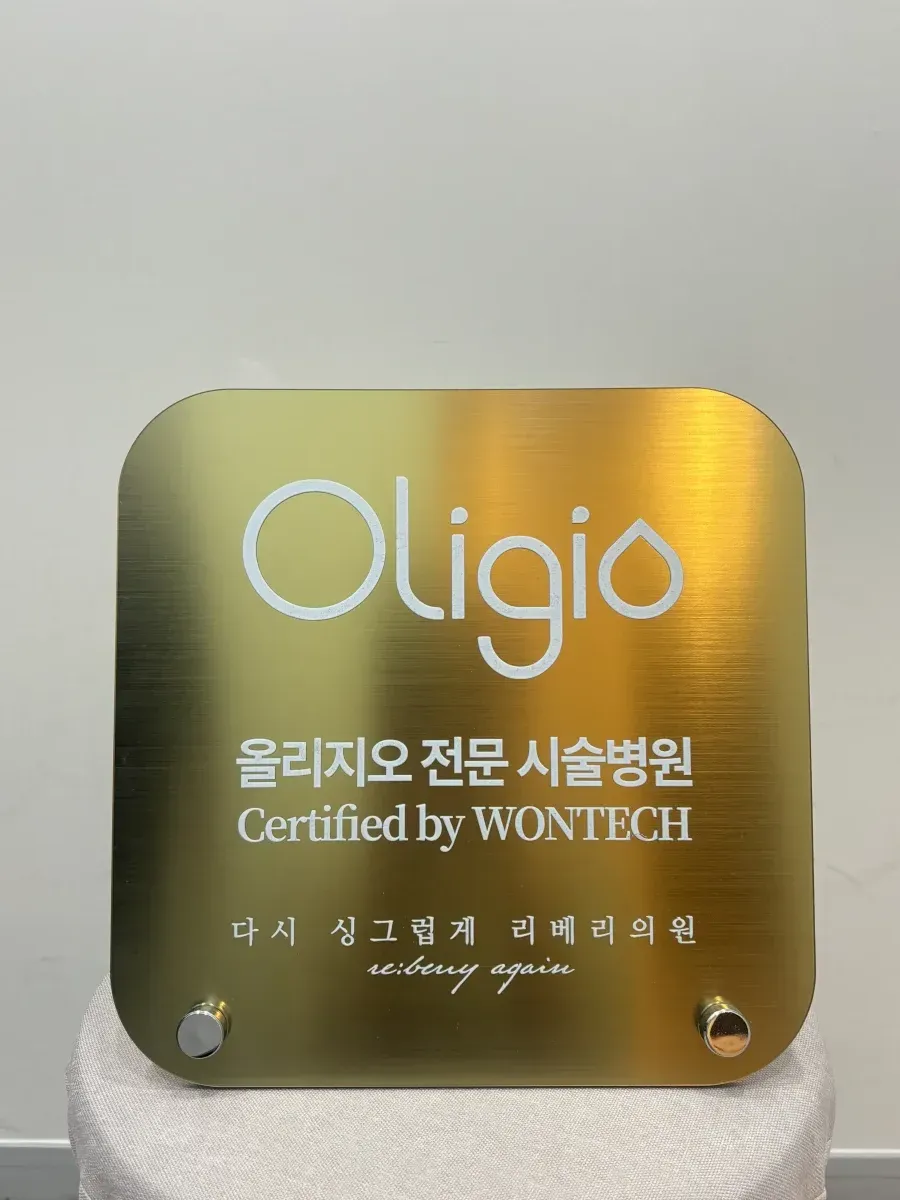
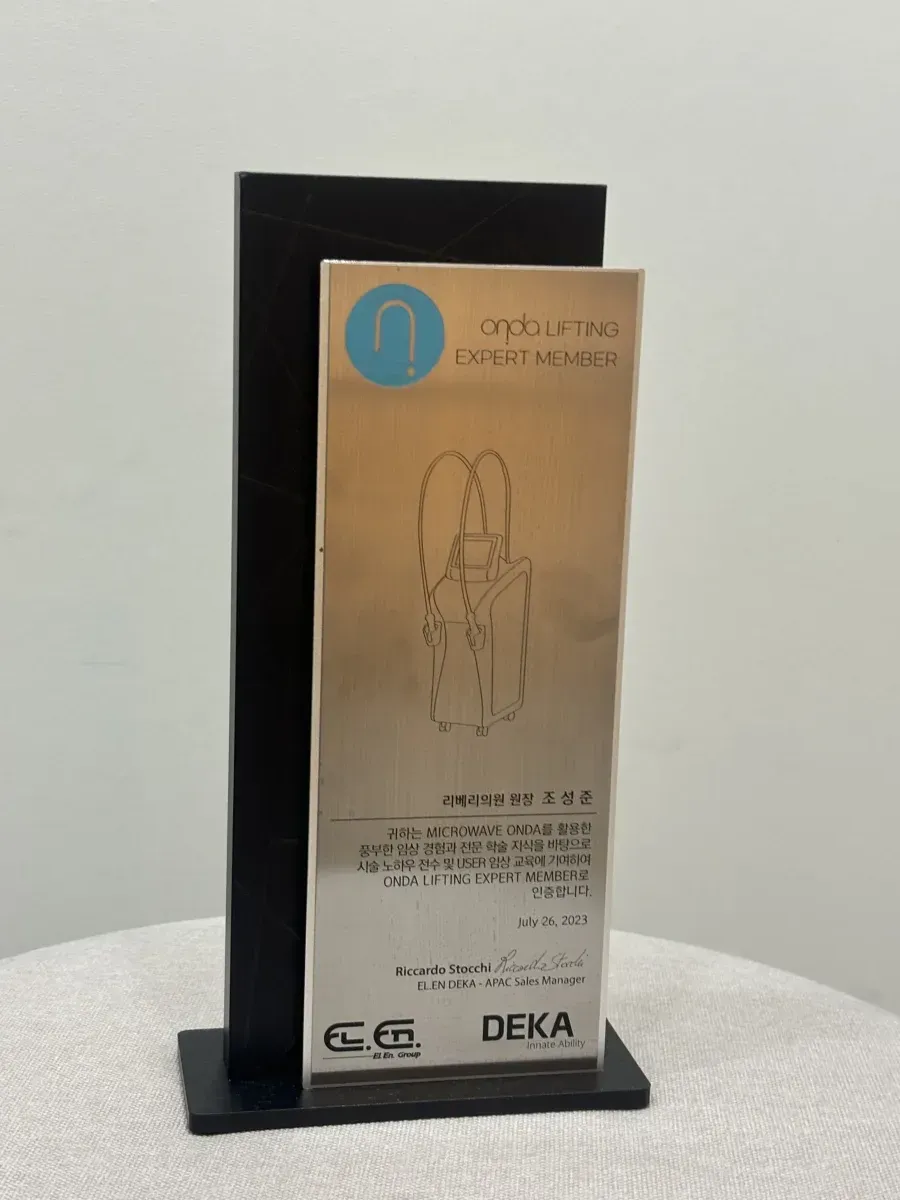
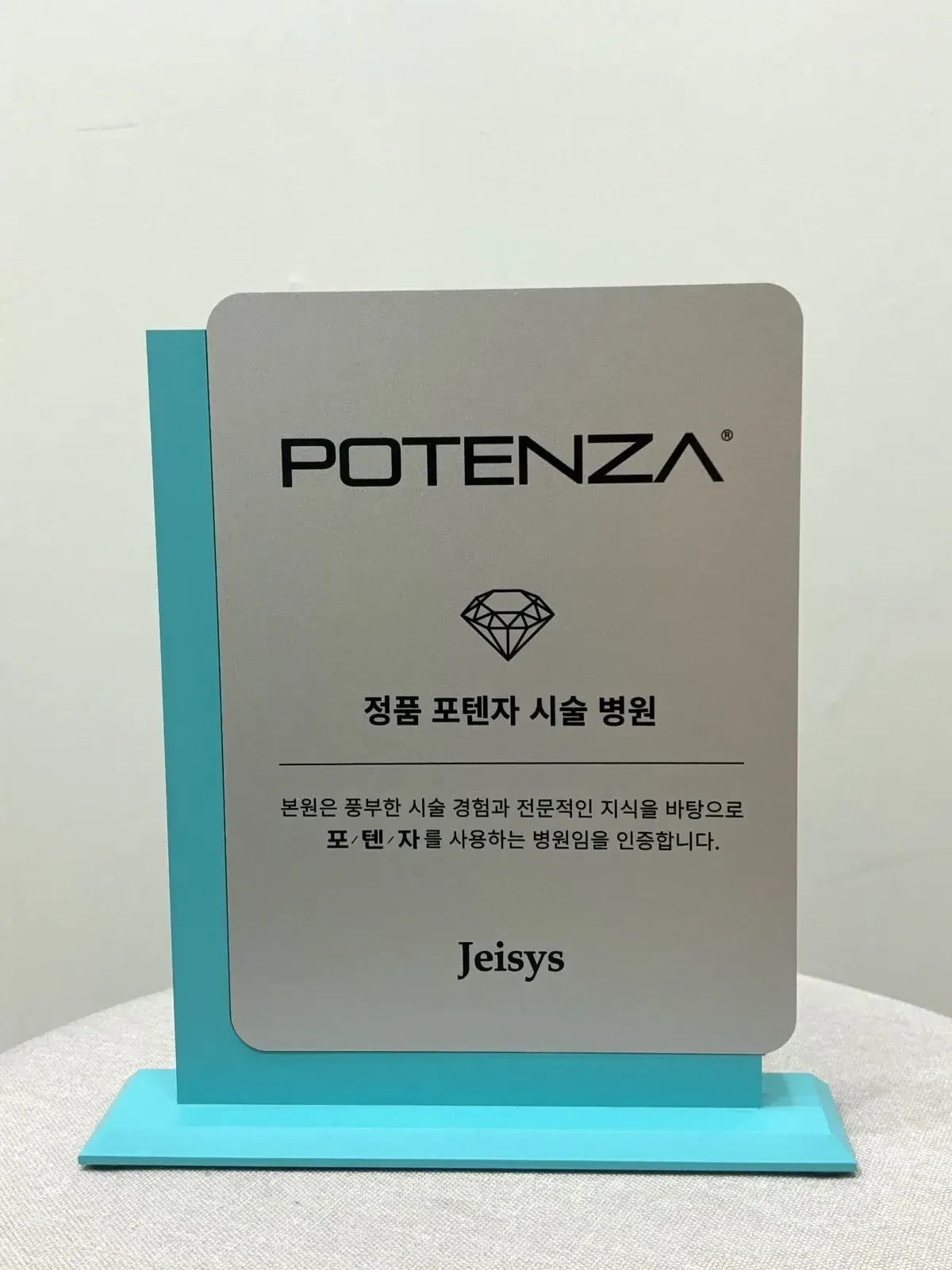
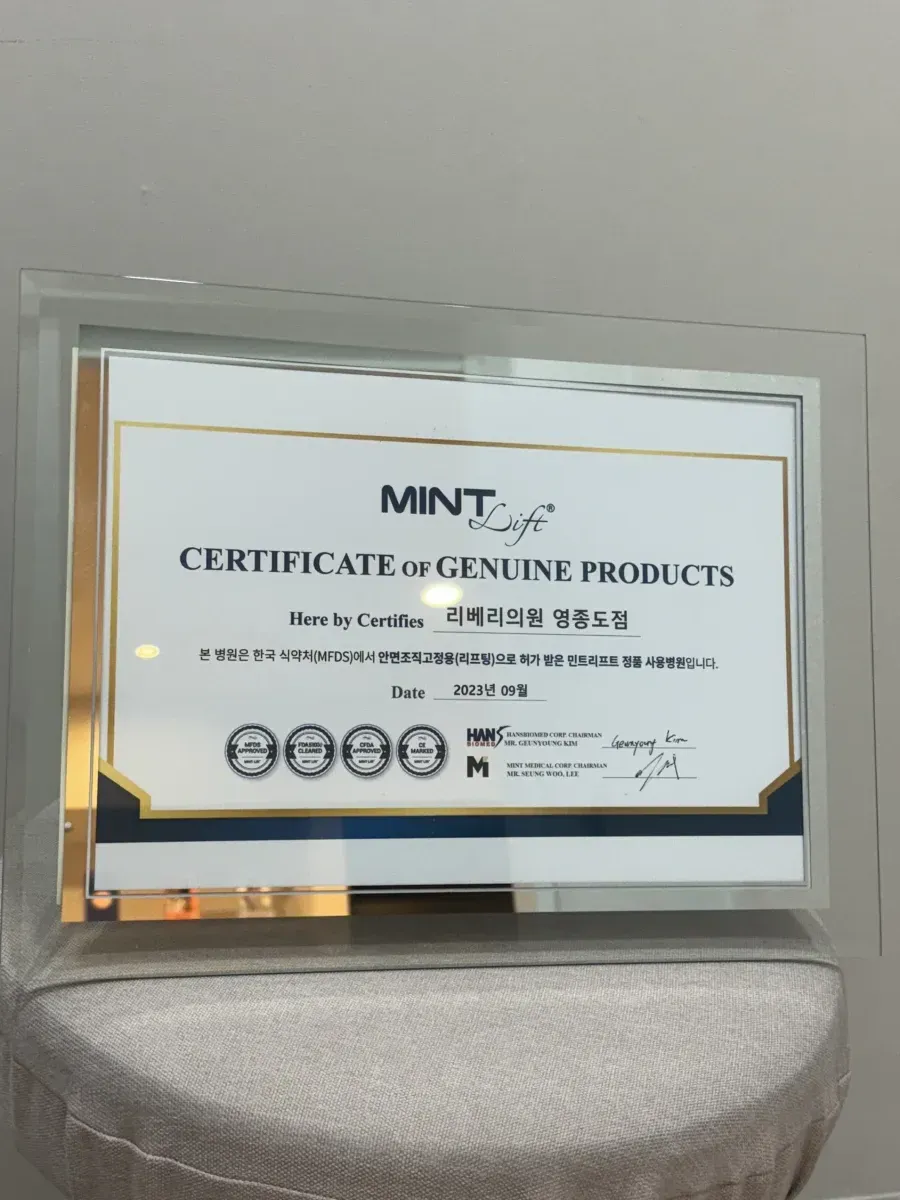
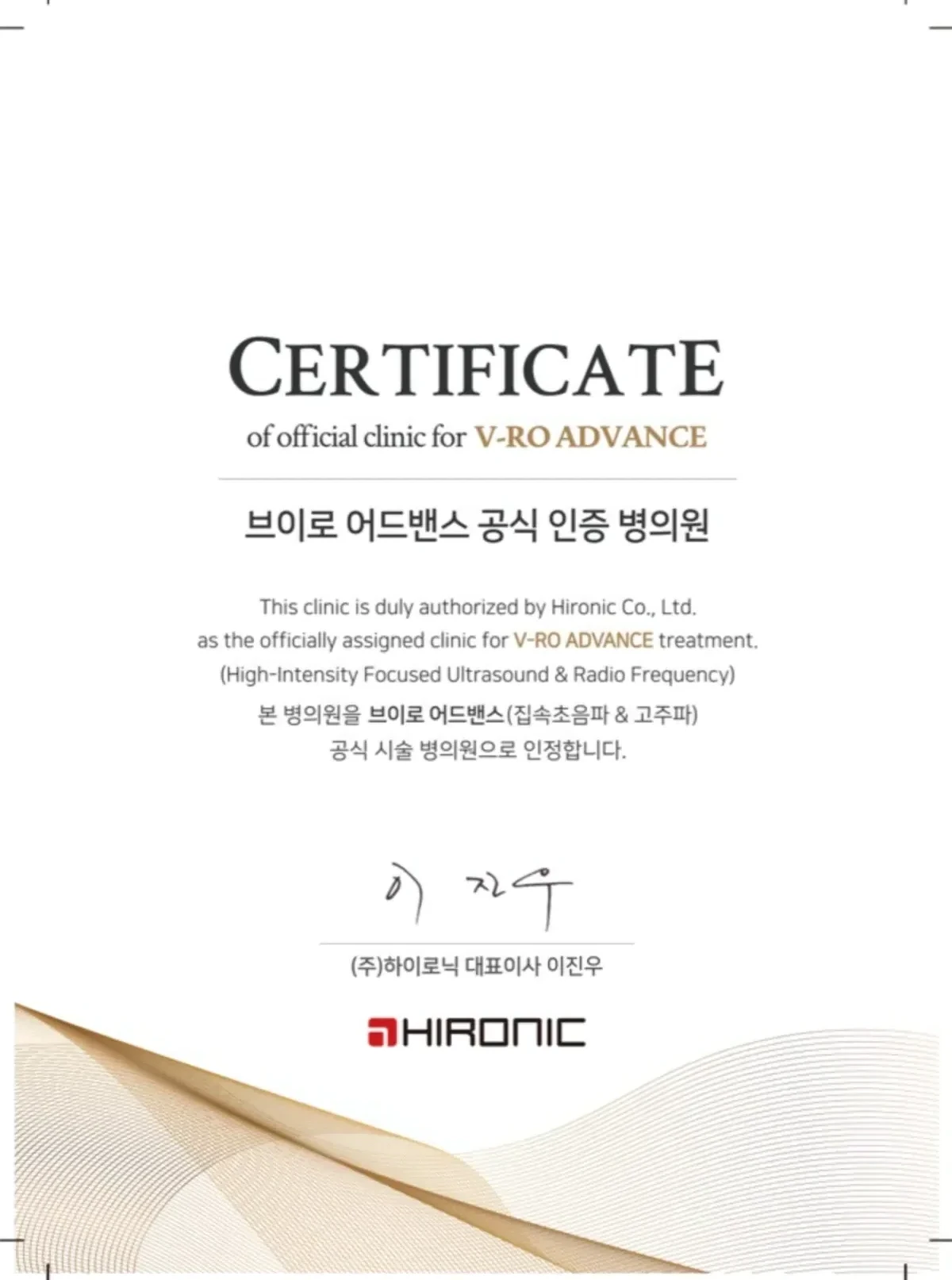
Only Authentic, Brand-Certified Equipment
Every device at RE:BERRY is MFDS-certified and manufacturer-verified. We never use counterfeit or grey-market equipment.
Experience Safe Botox Around the Delicate Eye Area at RE:BERRY Incheon Airport
Book your periorbital Botox safety consultation today. Korean Wrinkle Botox from ₩9,900 per site during our April 2026 promotion. 97-99% patient satisfaction rate. Open 365 days with complimentary airport pickup from ICN Terminal 1.
What our patients say
Real verified reviews from our Google Business Profile
I had such a wonderful experience at Reberry Clinic near Incheon Airport! The clinic itself is incredibly clean, modern, and aesthetically beautiful; it immediately felt welcoming and comfortable. The entire staff was so warm and friendly from the moment I walked in.
What really stood out to me was how English-speakin...
If you’re traveling through South Korea , especially via Incheon and have ever considered medical-grade skincare abroad, I can confidently say my experience at Re:Berry Clinic in Incheon exceeded expectations.
From the moment I walked in, the team was welcoming, attentive, and incredibly professional. Every member of ...
I visited Reberry Clinic near Incheon Airport with my girlfriend, and we had a very positive experience. The clinic is clean, well-organized, and very professional overall. Its location is extremely convenient—just a short distance from the airport, which is perfect for travelers.
The consultant who assisted us was re...
Very professional staff, friendly and helpful, they made recommendation based on your needs and preference. All the staff speak excellent in English and well . The process is very efficient. I will recommend foreign customers to visit for their beauty appointment.
My friends and I had a lovely experience here! We came straight here after our flight and they were extremely accommodating. As soon as we got here they began our appointment. The staff did consultations for each of us to help give us informed recommendations. The staff took their time during my services, it was thorou...
Book Your Eye Botox Safety Consultation
Fill out the form and our multilingual team will confirm within 2 hours via your preferred contact method.
- ✓ Free consultation with our doctors
- ✓ 8-language support (EN, JA, ZH, TH, VI, MN, FA)
- ✓ Inside Incheon International Airport
- ✓ Perfect for layover treatments
- ✓ Visa / Mastercard accepted
- ✓ Current promotion pricing available
Request an Appointment




Latest from Our Instagram
Real treatments, patient reactions, and behind-the-scenes from RE:BERRY.
Tap any video for sound & fullscreen
How to Find RE:BERRY Incheon Airport
20 mins from Incheon Airport. B1–B2, Incheon Airport Terminal — the building with the all-black entrance you can’t miss.
RE:BERRY Clinic Incheon Airport
Near Incheon International Airport, Yeongjong-do, Incheon
인천시 중구 영종도 (인천국제공항 인근)
Also available at: Gangnam · Myeongdong