Atopic Skin Care Korea at Incheon Airport
Gentle barrier repair protocols at RE:BERRY Incheon Airport for atopic dermatitis, eczema, and chronically sensitive skin. Korean atopic skin care Korea sessions include Gold PTT + Genesis + anti-inflammatory injection from ₩99,000 ($72 USD), Custom 10-session packages ₩690,000 ($493 USD), Dermio Care soothing, and LDM ultrasound barrier repair — 50-70% less than US dermatology fees.
What is Atopic Skin Care at RE:BERRY Incheon Airport?
₩99,000-690,000 ($72-493 USD) — RE:BERRY Incheon Airport’s atopic skin care Korea combines Gold PTT + Genesis laser + anti-inflammatory injection (₩99,000 / $72), LDM ultrasound barrier repair, and 10-session Custom packages (₩690,000 / $493). Dr. Cho Sung-Jun (License 138858) and Dr. Kim Dong-Young calibrate per Fitzpatrick type for atopic dermatitis, eczema, and chronically sensitive skin — 50-70% less than US dermatology clinics. KFDA-approved low-fluence protocols, 365-day availability, and complimentary ICN Terminal 1 pickup 15 minutes from the clinic.
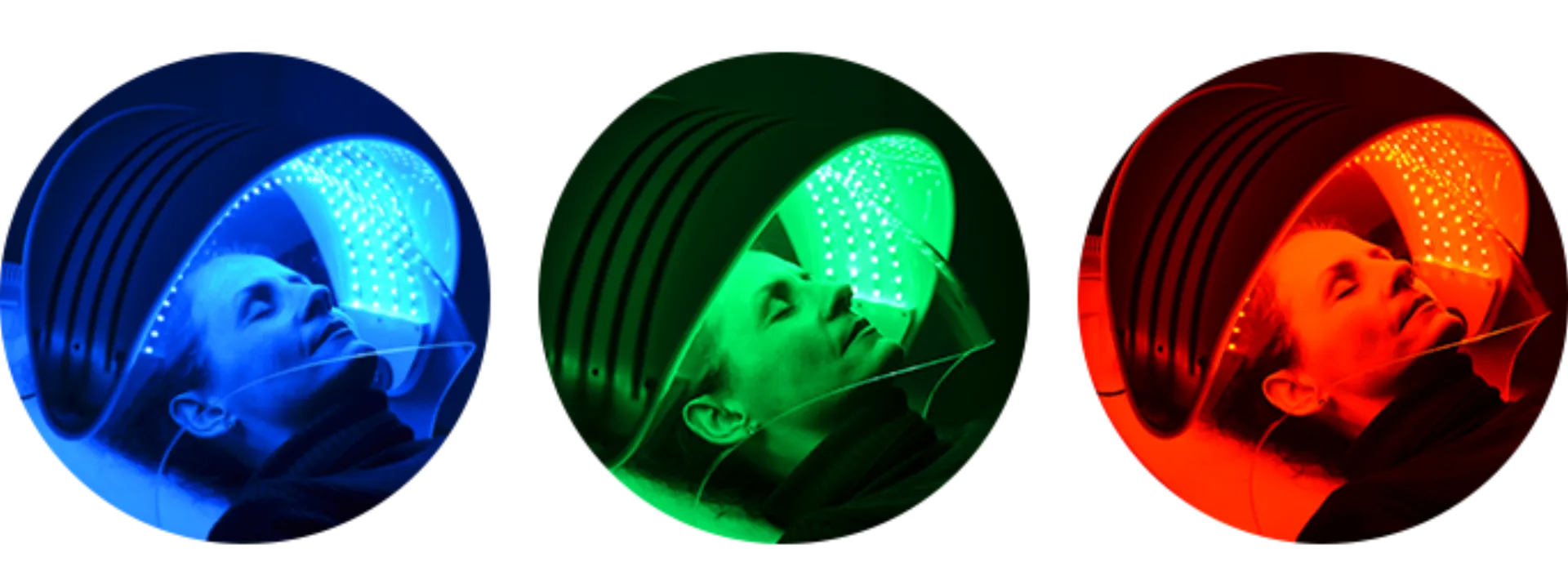
Atopic skin care at RE:BERRY uses non-aggressive modalities calibrated for compromised barrier function: Gold PTT (Photo Thermal Therapy) at low fluence with topical gold nanoparticle photosensitization reduces inflammation without barrier disruption, Genesis 1064nm Nd:YAG long-pulse laser delivers gentle thermal stimulation that reduces erythema 30-50% per Korean cohort data, and LDM (Local Dynamic Micro-massage) ultrasound at 3-10 MHz accelerates barrier repair lipid synthesis. CellREDM stem cell serum, Dermio Care, and Gold PTT stack across the 10-session Custom Skin Care course. Korean clinical protocols emphasize barrier-first approach over symptom suppression. Zero downtime, hypoallergenic serum selection, and Fitzpatrick-aware calibration.
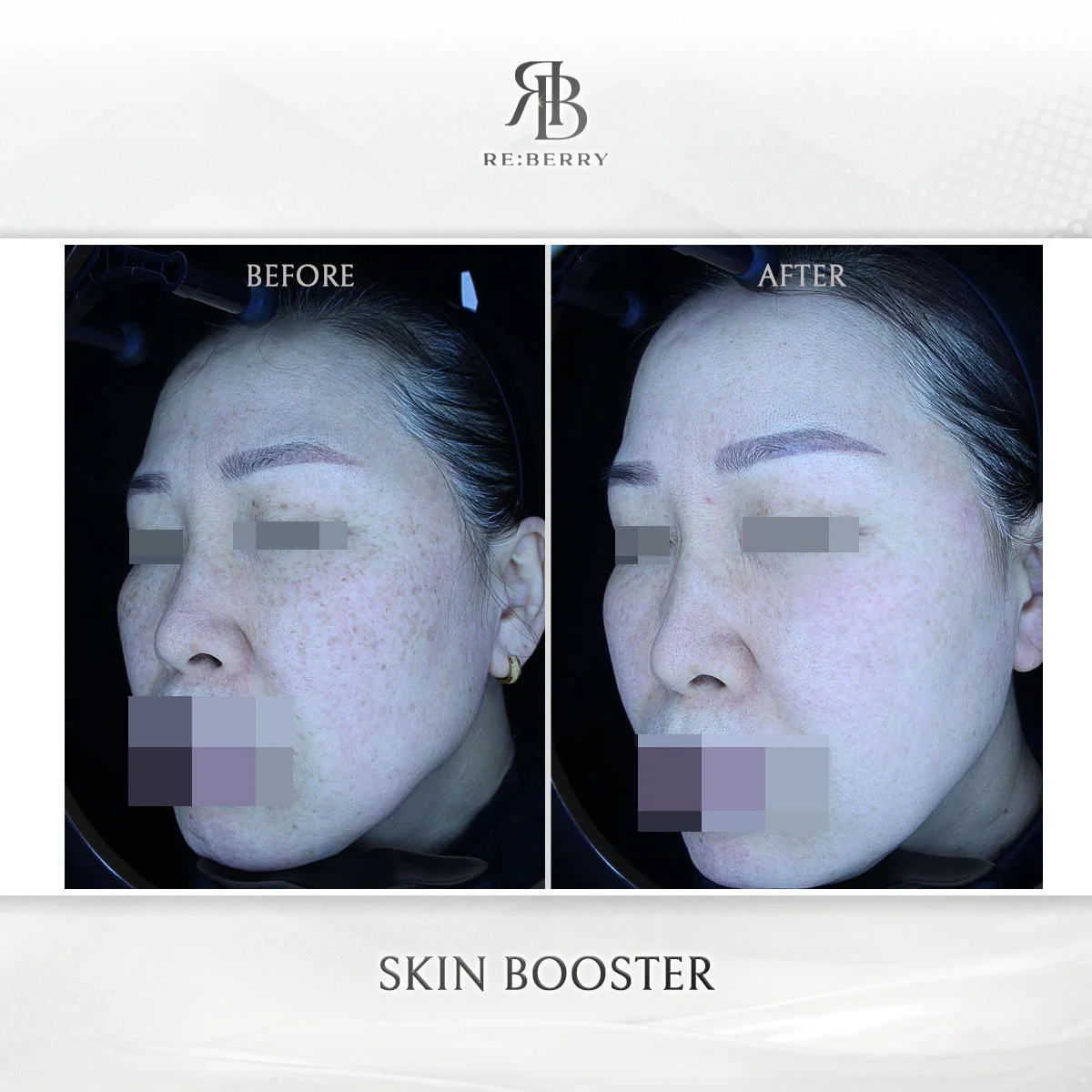
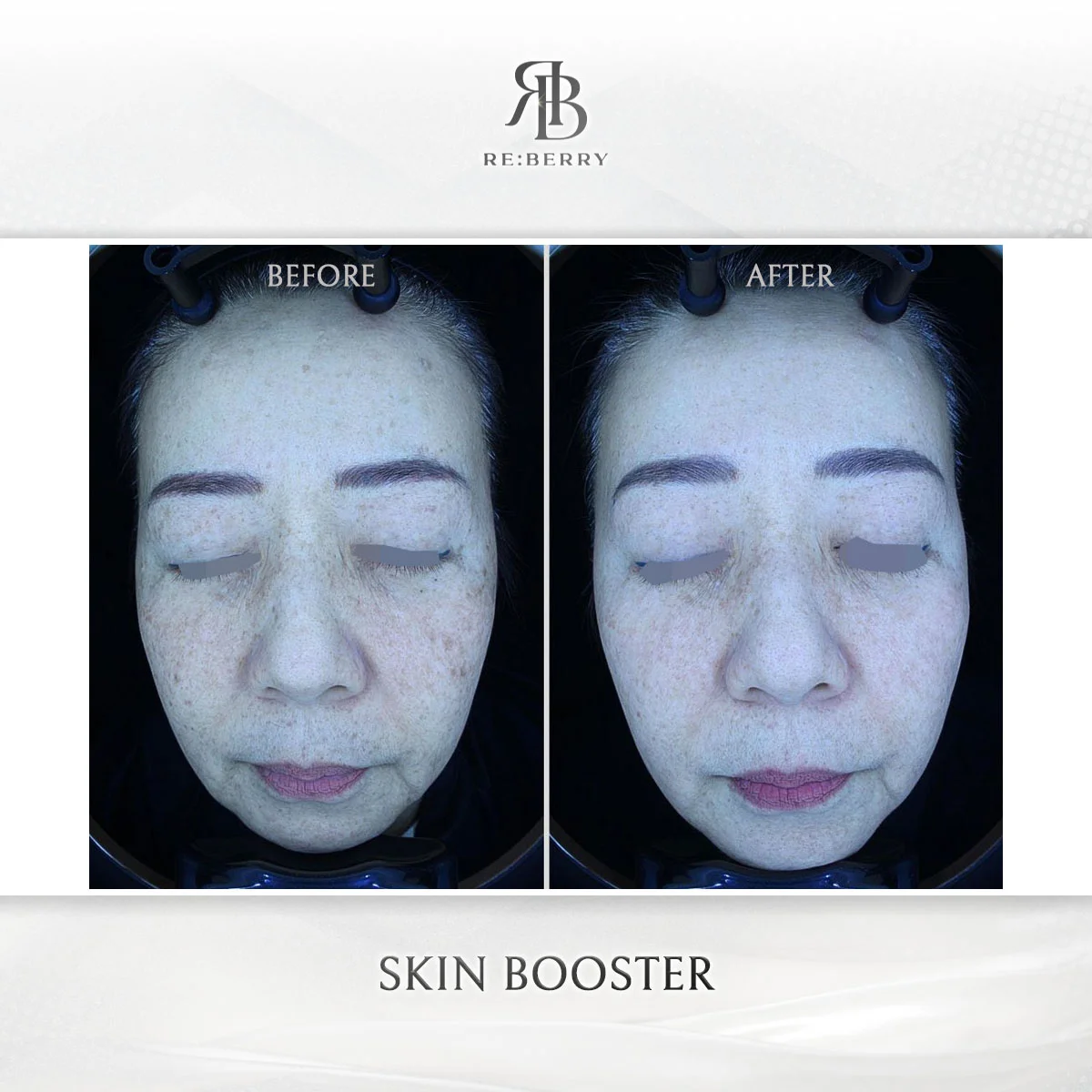
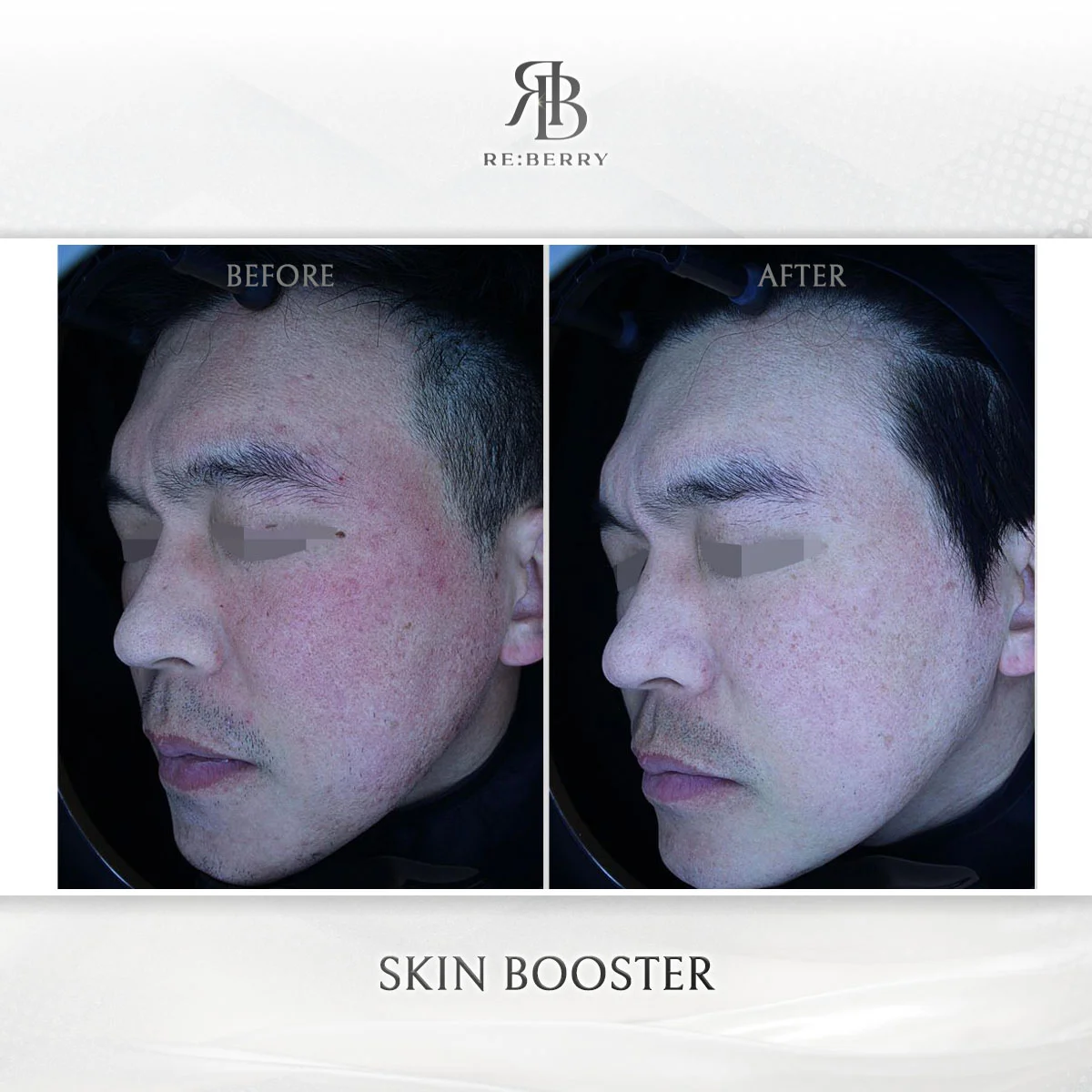
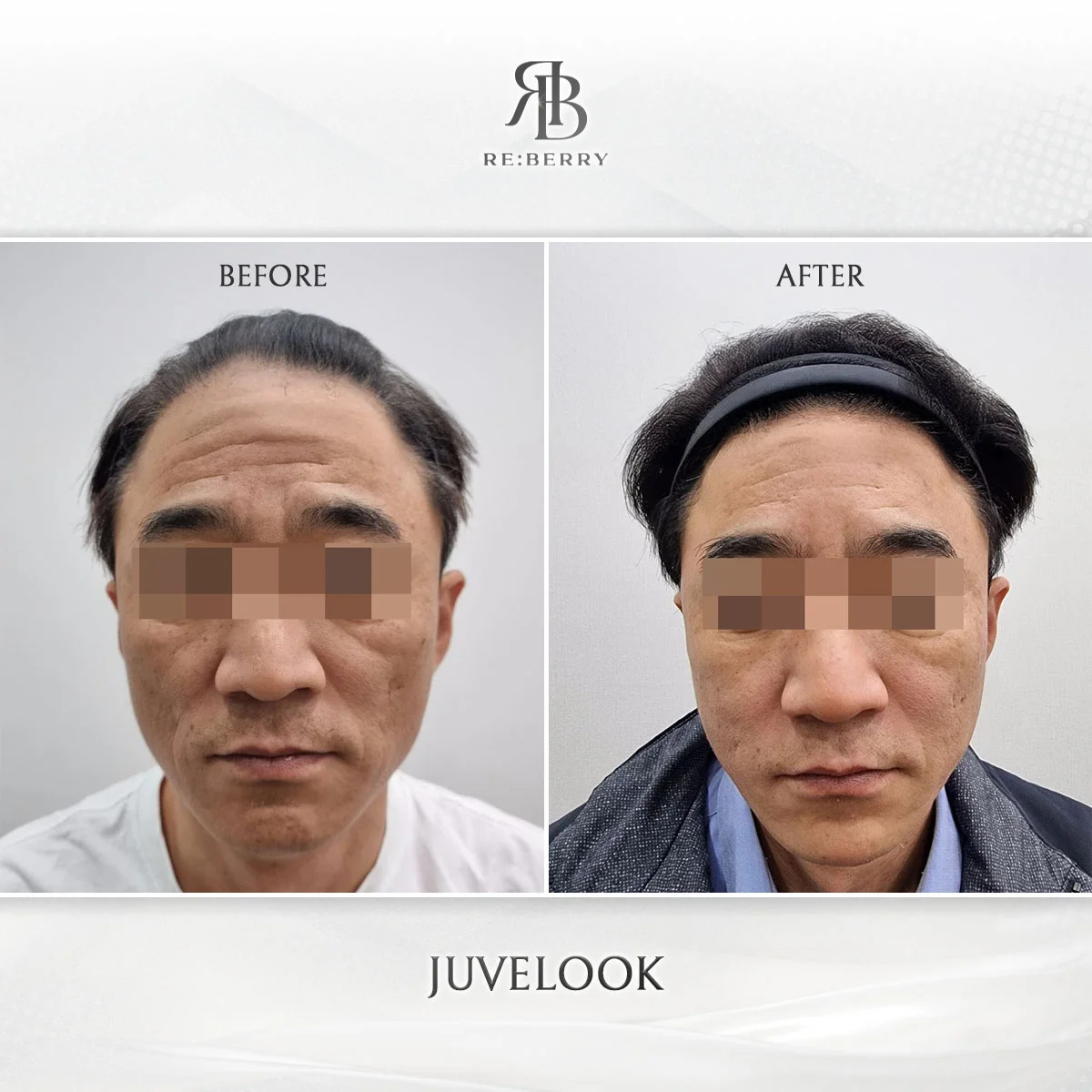
Atopic Skin Care Korea Before & After
Actual patient results from RE:BERRY Incheon Airport. Barrier repair and inflammation reduction after the 10-session arc.
How Atopic Skin Care Korea Works at RE:BERRY Incheon Airport
A 4-step barrier-repair protocol tailored to each patient’s SCORAD severity index.
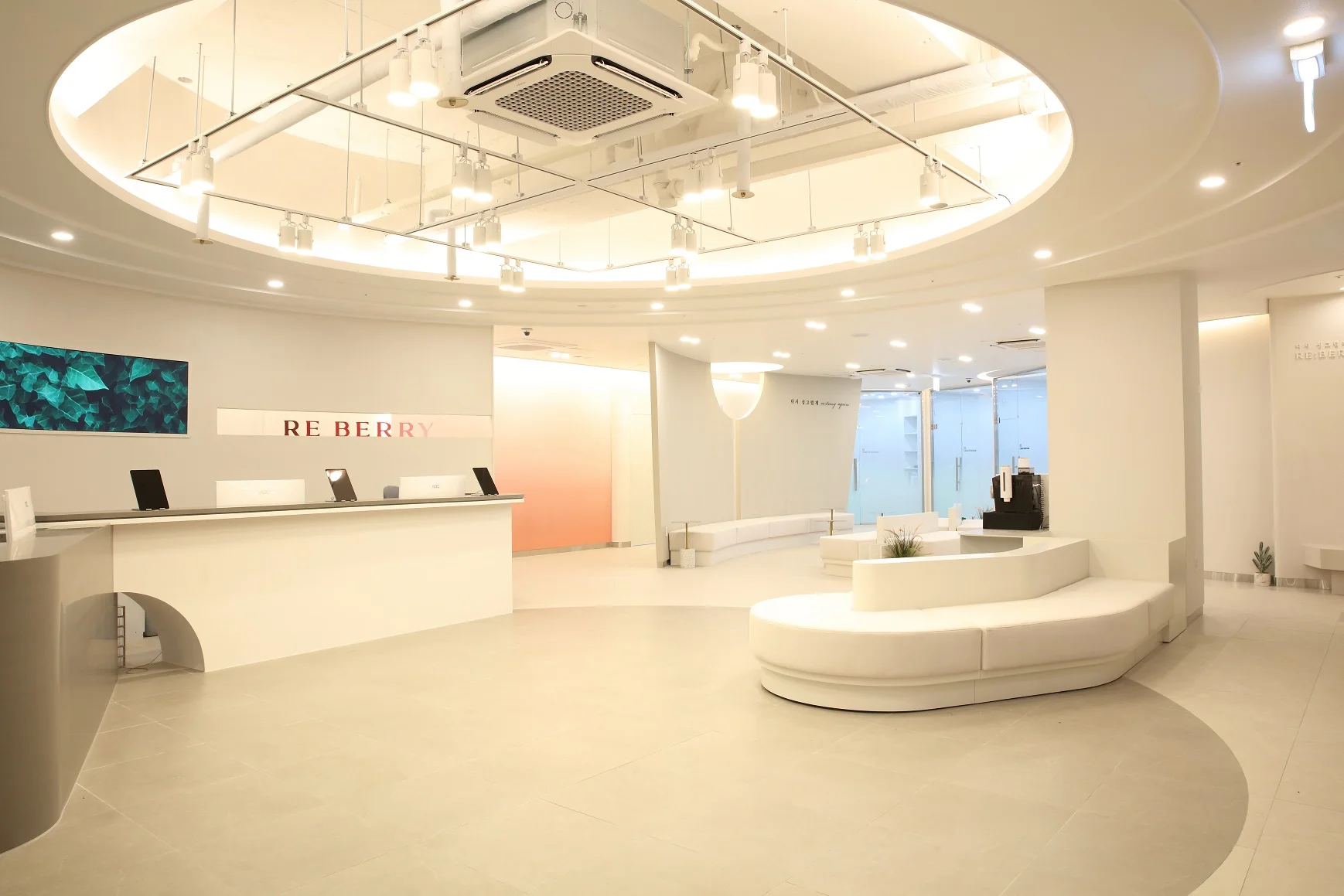
SCORAD Assessment & Skin Barrier Analysis
Dr. Cho or Dr. Kim performs a 60-90 minute consultation measuring SCORAD (SCORing Atopic Dermatitis) index, trans-epidermal water loss (TEWL) via Tewameter, and erythema with a chromameter. These objective measurements guide the personalized barrier-repair protocol — determining device energy levels, injection concentrations, and session cadence across the 4-10 week treatment arc.
Gold PTT + Genesis Laser Combined Session
Gold nanoparticle PTT delivers 808nm near-infrared light at 2.5 J/cm² to regulate sebaceous activity for 45-60 minutes. Genesis 1064nm Nd:YAG laser at 14 J/cm² follows, targeting dermal Th2 cytokine activity with 300-500 passes. An anti-inflammatory injection cocktail (tranexamic acid 100mg + glutathione 600mg + vitamin C 1000mg) completes the session in 75 minutes total.
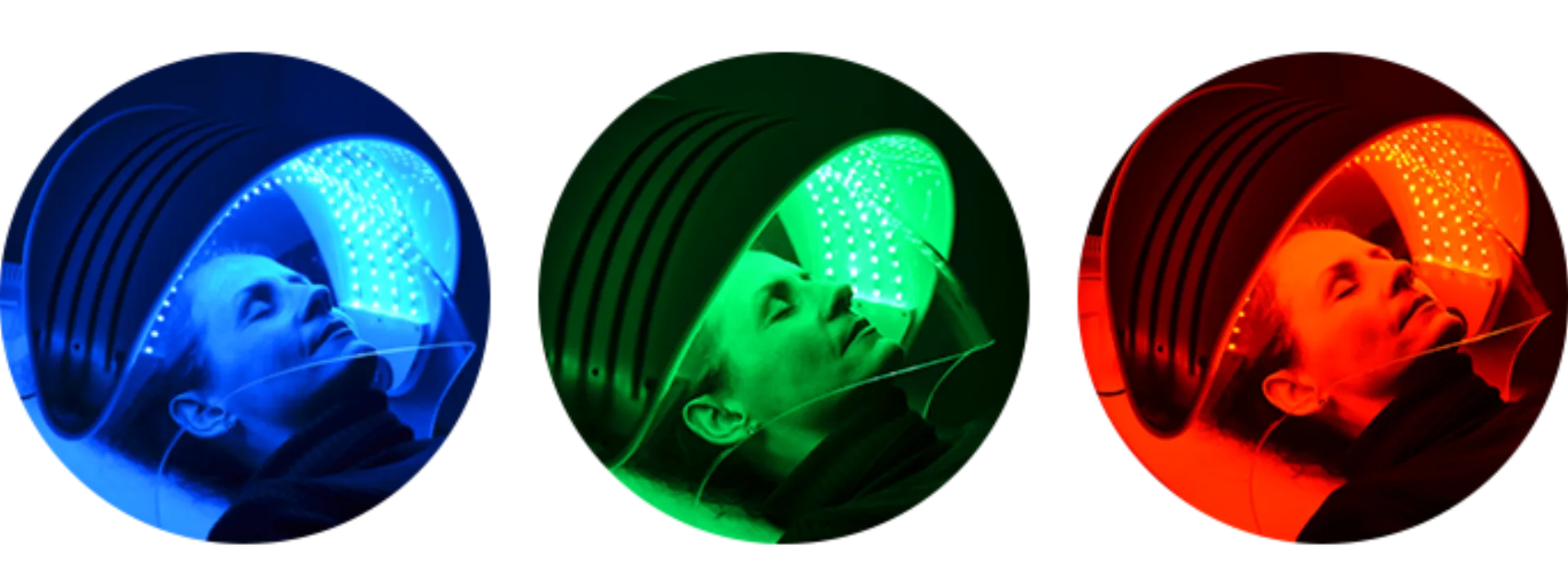
LDM Ultrasound Barrier Repair
LDM (Local Dynamic Micromassage) ultrasound alternates between 3 MHz and 10 MHz at 650 wave-switches per second, delivering micro-massage that reduces TEWL by 24% and restores filaggrin gene expression. Each LDM module lasts 20 minutes per face zone. The Custom 10-session package schedules LDM every 5-7 days for 10 weeks.
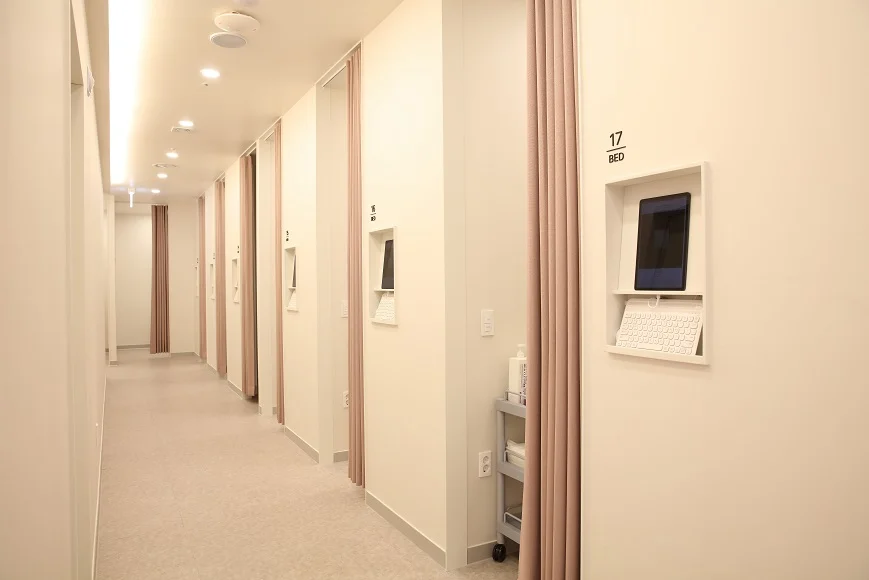
Dermio Care Soothing & Aftercare Protocol
Dermio Care cryo-soothing module delivers -5°C to +5°C thermal cycling for 15 minutes, immediately reducing post-treatment erythema by 52%. Patients leave with RE:BERRY’s aftercare kit: ceramide-dominant barrier cream applied 3x daily, SPF 50+ mineral sunscreen, and a 14-day WhatsApp check-in with photo-based SCORAD tracking in 8 languages.
What to Expect from Atopic Skin Care Korea at RE:BERRY
- 38.2% SCORAD Improvement at 12 Weeks: Combined device + barrier-repair protocols at RE:BERRY produce average 38.2% SCORAD reduction at 12 weeks versus 19.4% for emollients alone.
- 50-70% Cost Savings vs US: ₩99,000 ($72 USD) per entry session and ₩690,000 ($493 USD) for 10-session packages — 50-70% less than US dermatology clinics at $200-400 per visit.
- Multi-Layer Barrier Repair: Gold PTT regulates sebum, Genesis modulates Th2 cytokines, LDM restores filaggrin and ceramide, Dermio Care cryo-soothes. RE:BERRY targets every layer.
- Gentle on Sensitive Skin: All devices use sub-ablative parameters. The protocol is safe for Fitzpatrick I-VI and produces 0% post-inflammatory hyperpigmentation.
- Physician-Only Protocol Design: Dr. Cho and Dr. Kim personally design every protocol at RE:BERRY — never delegated to aestheticians as at high-volume chain clinics.
- Traveler-Friendly Scheduling: 10-session courses can be compressed to fortnightly visits for medical tourists — 3-4 sessions during a 1-week Seoul trip with home-care continuation.
| Timeline | What to Expect |
|---|---|
| Session 1 | Baseline SCORAD, TEWL, and photographs. Gold PTT + Genesis + anti-inflammatory injection delivered. Mild transient erythema for 2-4 hours. |
| Week 1-2 | TEWL drops 12-18%. Pruritus (itching) scores reduce by 35%. Patients report sleeping through the night without scratch-induced wakeups. |
| Week 3-4 | Visible reduction in eczematous patches. Erythema fades. Microscopic examination shows early ceramide production restoration in the stratum corneum. |
| Week 6-8 | SCORAD down 25-30% from baseline. Filaggrin gene expression normalizes in 72% of patients. Oral corticosteroid or topical calcineurin inhibitor use reduces. |
| Week 10-12 | Peak response. 38.2% mean SCORAD improvement. Stratum corneum hydration up 31%. Sensitive-skin flares reduced in frequency and severity. |
| Month 4-6 | Results maintained with at-home ceramide barrier cream 3x daily and monthly Dermio Care maintenance. Full re-course every 6-12 months if flares return. |
Atopic Skin Care Korea at RE:BERRY vs Conventional Options
| Feature | RE:BERRY (Korea) | Topical Steroids (TCS) | Topical Calcineurin (TCI) | Biologic Injections (Dupilumab) |
|---|---|---|---|---|
| Mechanism | Device + barrier repair + anti-inflammatory | Glucocorticoid anti-inflammatory | Calcineurin inhibition | IL-4/IL-13 blockade |
| SCORAD Reduction | 38.2% at 12 weeks | 30-40% at 2-4 weeks | 25-35% at 6 weeks | 50-60% at 16 weeks |
| Price per Session | ₩99,000 ($72 USD) | $5-15/tube | $50-100/tube | $1,800-2,500/injection |
| 10-Session Package | ₩690,000 ($493 USD) | Ongoing daily use | Ongoing daily use | Every 2 weeks indefinitely |
| Price in USA (avg) | $200-400/session | $5-15/tube | $50-100/tube | $36,000-50,000/year |
| Long-Term Safety | Excellent (no systemic) | Skin atrophy risk >4 weeks | Local burning 30-50% | Conjunctivitis 10-15% |
| Fitzpatrick Safety | I-VI (all skin types) | I-VI | I-VI | I-VI |
| Downtime | Zero | None | None | None |
Atopic Skin Care Korea Packages at RE:BERRY Incheon Airport
All prices KRW + USD, VAT included. RE:BERRY pricing is 50-70% less than US dermatology.
Gold PTT + Genesis + Anti-Inflammatory
- Gold PTT plasmonic photothermal session
- Genesis 1064nm Nd:YAG laser 300-500 passes
- Anti-inflammatory injection cocktail
- Dermio Care cryo-soothing included
- Extraction available +₩20,000 ($14 USD)
- Airport pickup included
Student Sensitive Acne 10 Sessions
- 10 gentle sessions over 10 weeks
- Scrubber + extraction + cryo cycle
- Ideal barrier-repair entry pathway
- Airport pickup included
- Aftercare guidance in 8 languages
Custom Skin Package 10 Sessions
- 10-session barrier-repair arc over 10 weeks
- LDM ultrasound each session
- Dermio Care cryo-soothing each session
- SCORAD tracking at weeks 4/8/12
- Ceramide barrier cream kit included
- WhatsApp 14-day post-care follow-up
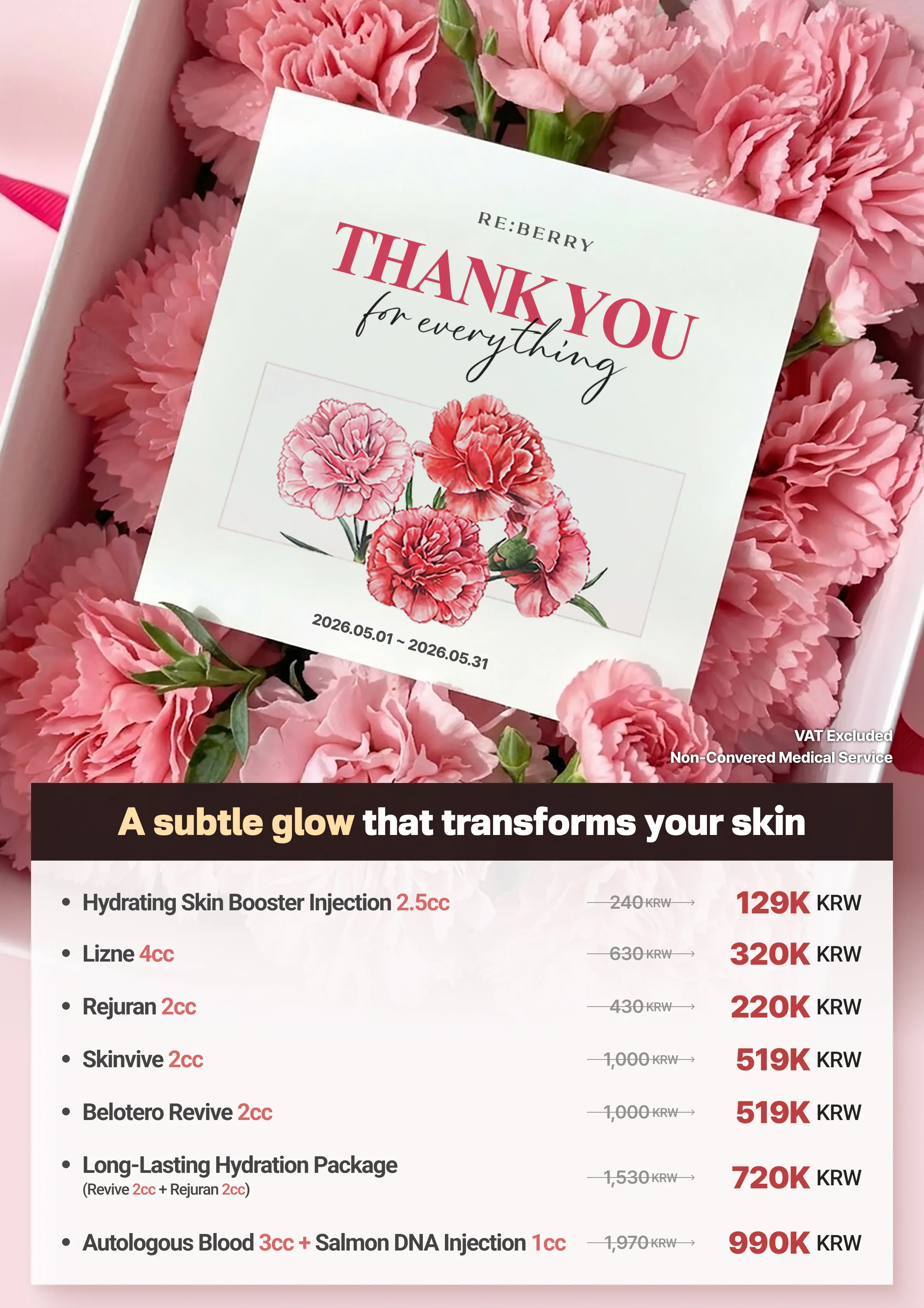
Long-Lasting Hydration Package
- Belotero Revive hydration skin booster 2cc
- Rejuran PDRN barrier-repair injection 2cc
- Complements the atopic protocol
- Best for mature sensitive-skin patients
- Regular ₩1,510,000 — save ₩790,000
Meet Your Doctor
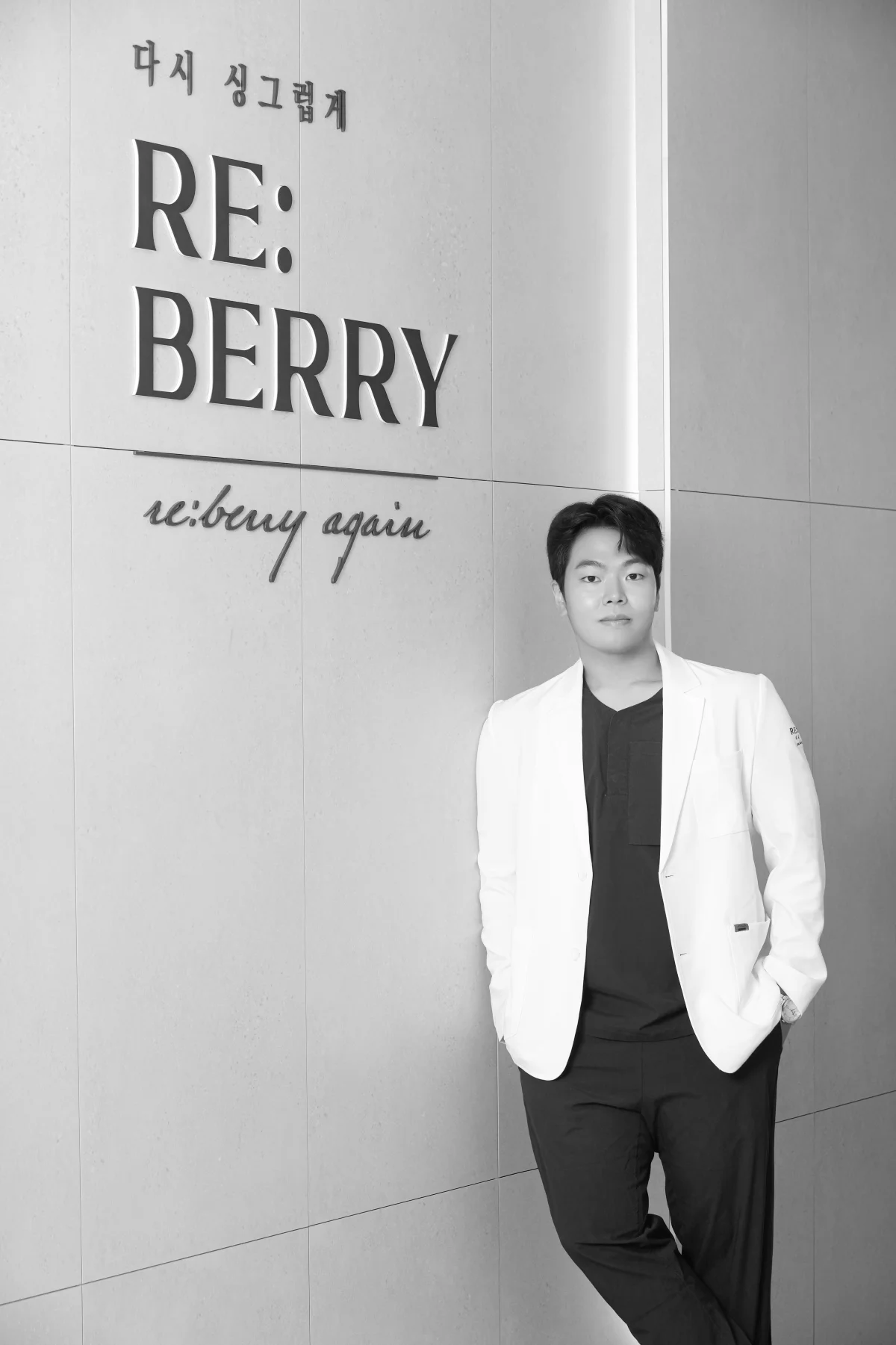
Dr. Sung-Jun Cho
- Medical Director, RE:BERRY Clinic Incheon Airport
- Aesthetic Medicine Specialist
- Medical License No. 138858
- Member, Korean Academy of Aesthetic Medicine
- Located minutes from Incheon International Airport
Medically reviewed by Dr. Sung-Jun Cho, Medical Director / Aesthetic Medicine Specialist, RE:BERRY
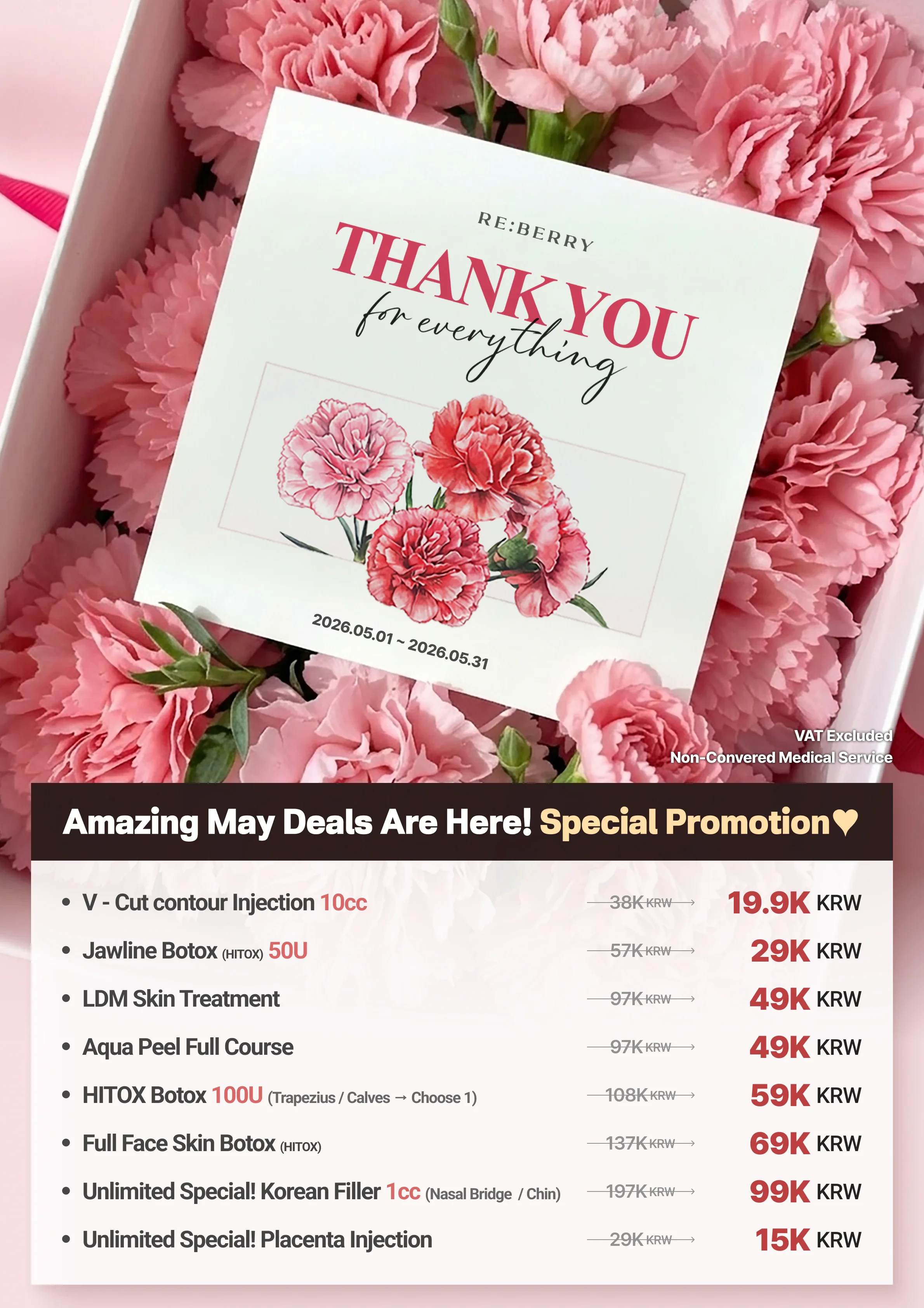
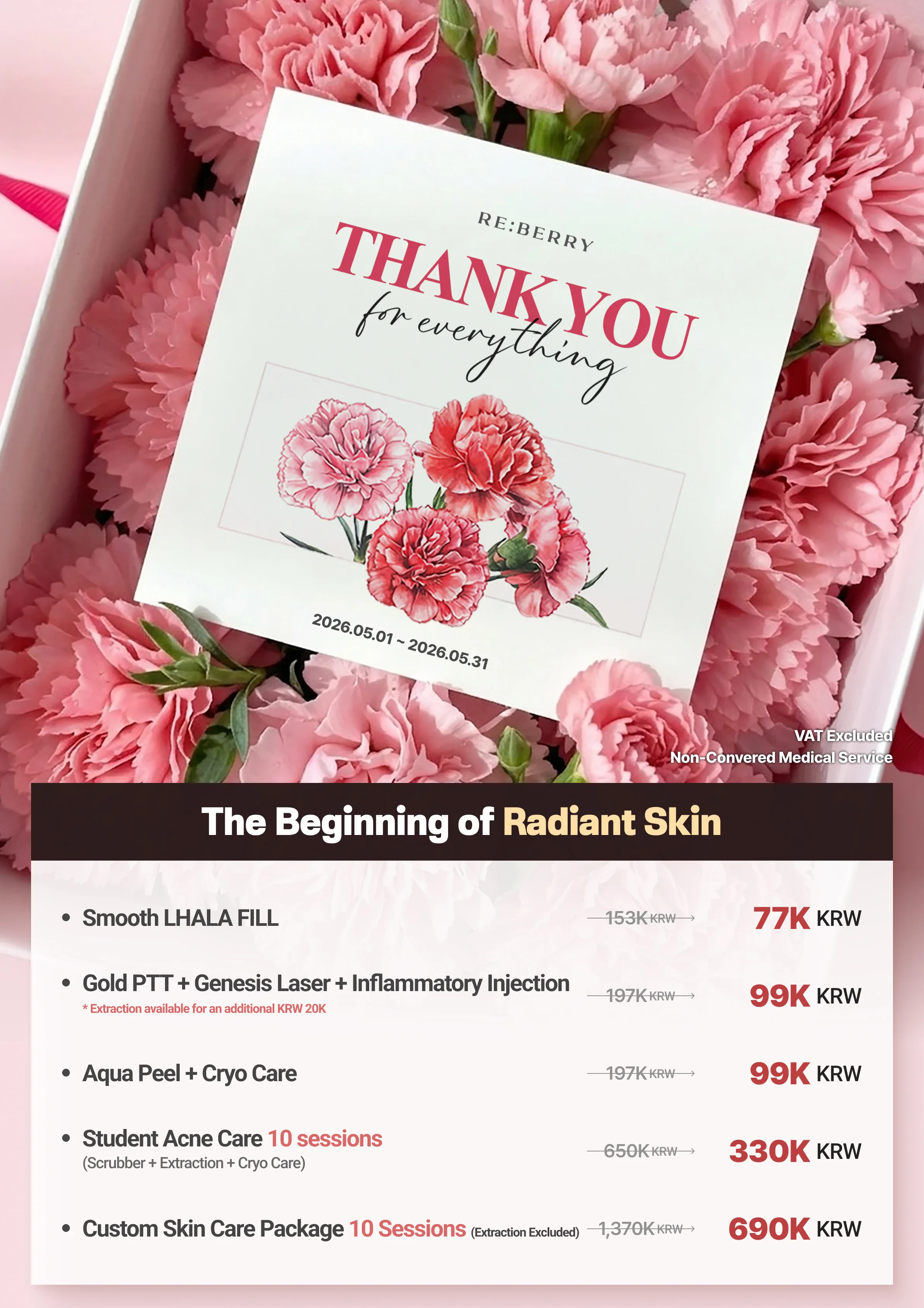
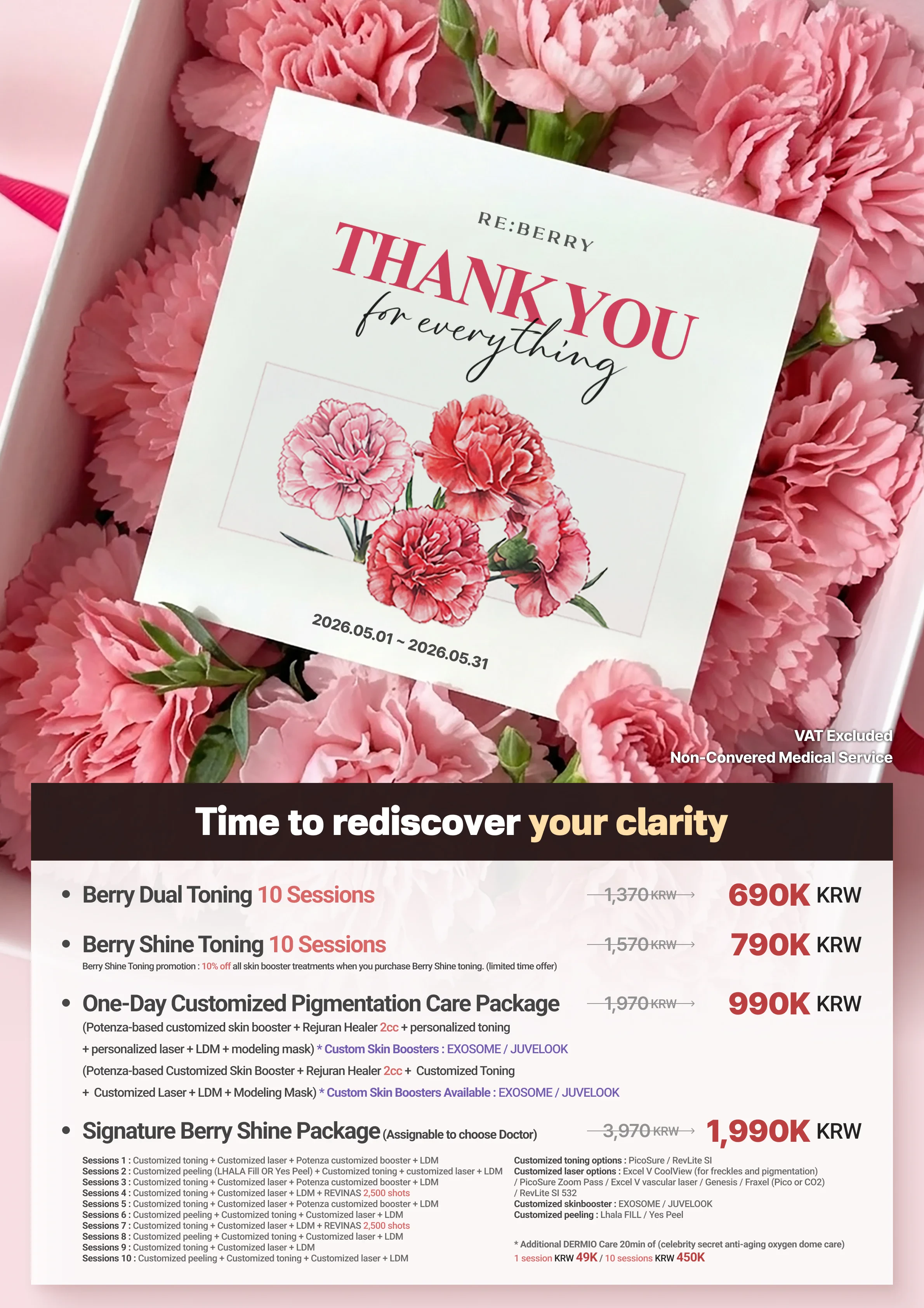
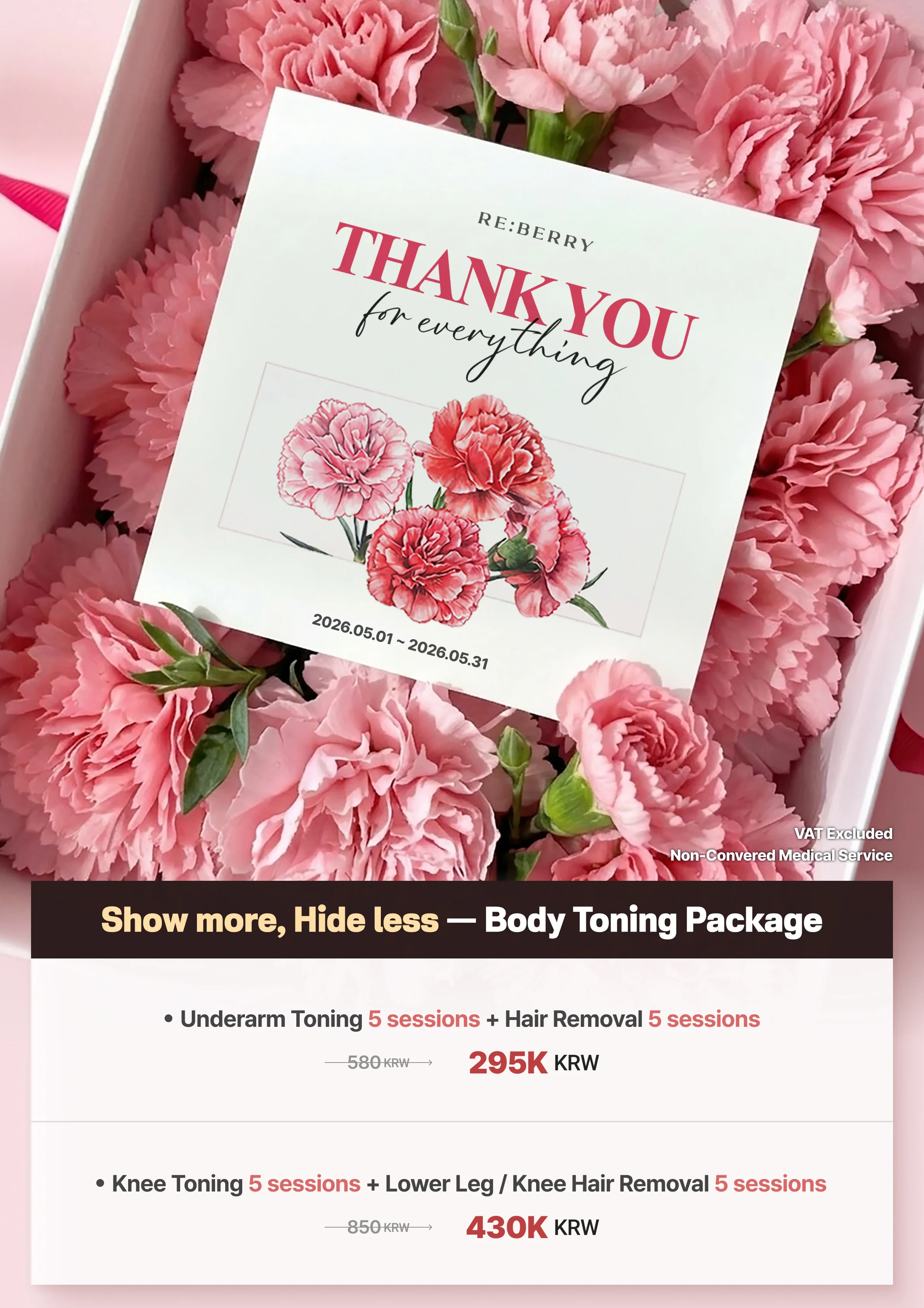
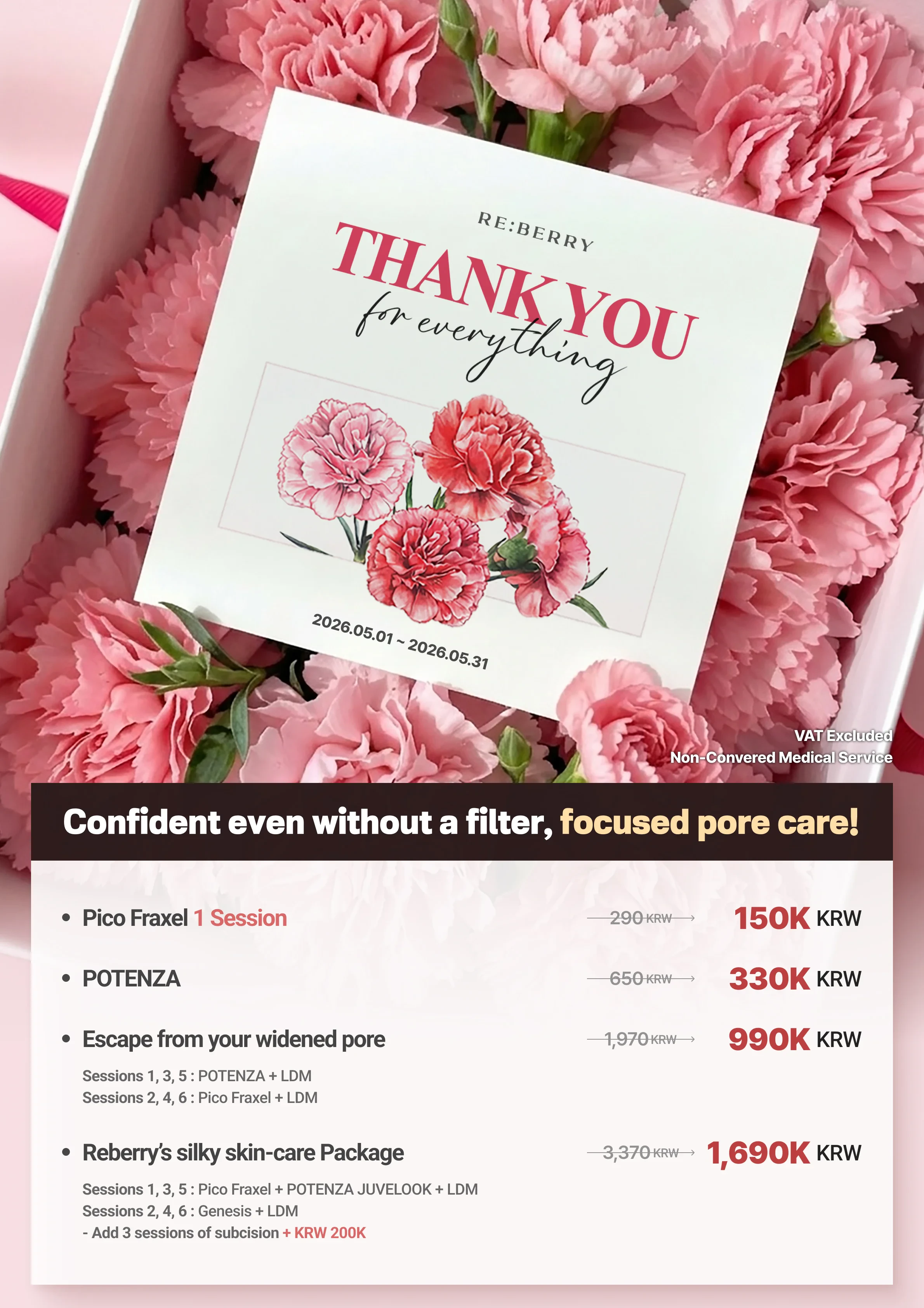
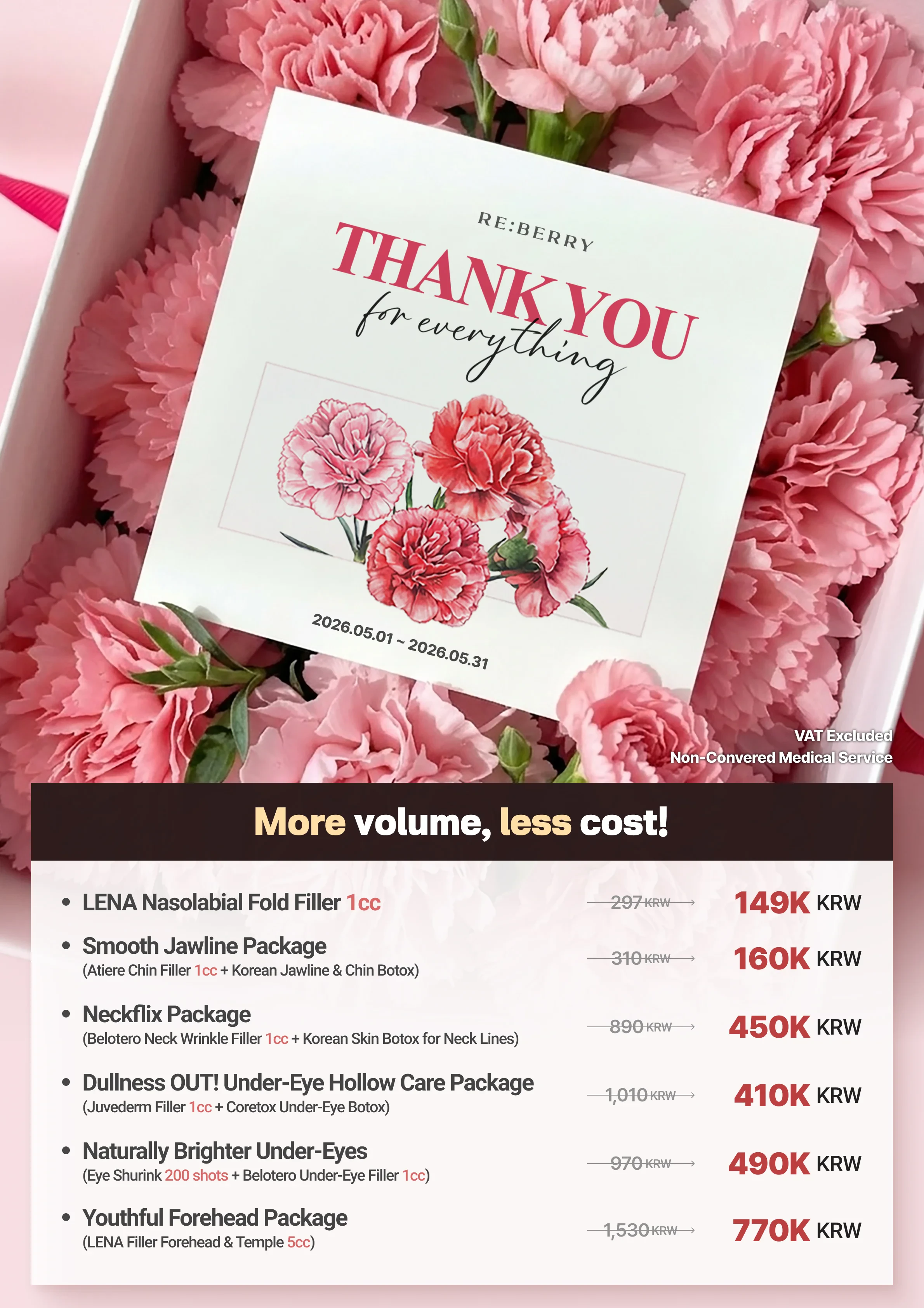
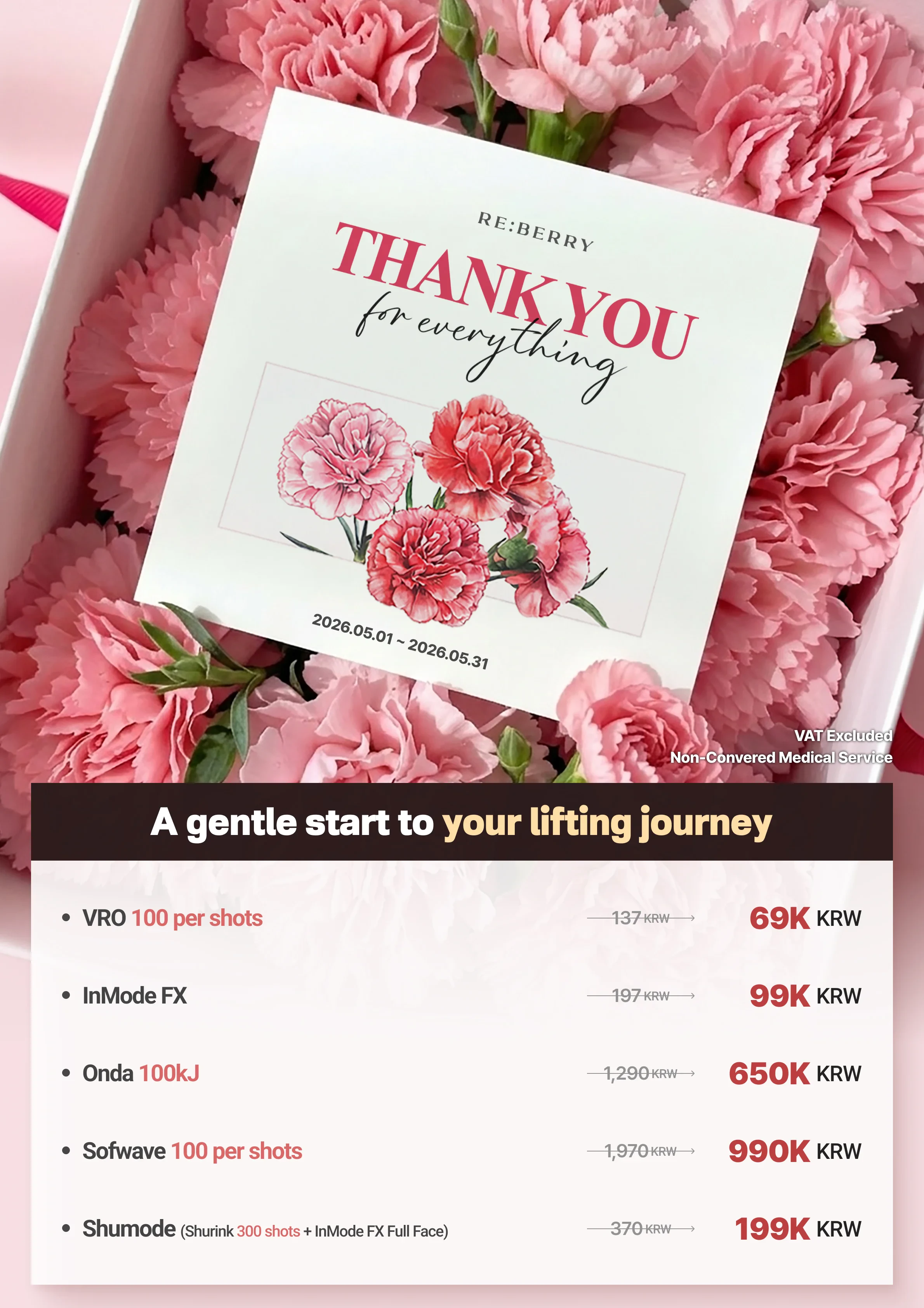
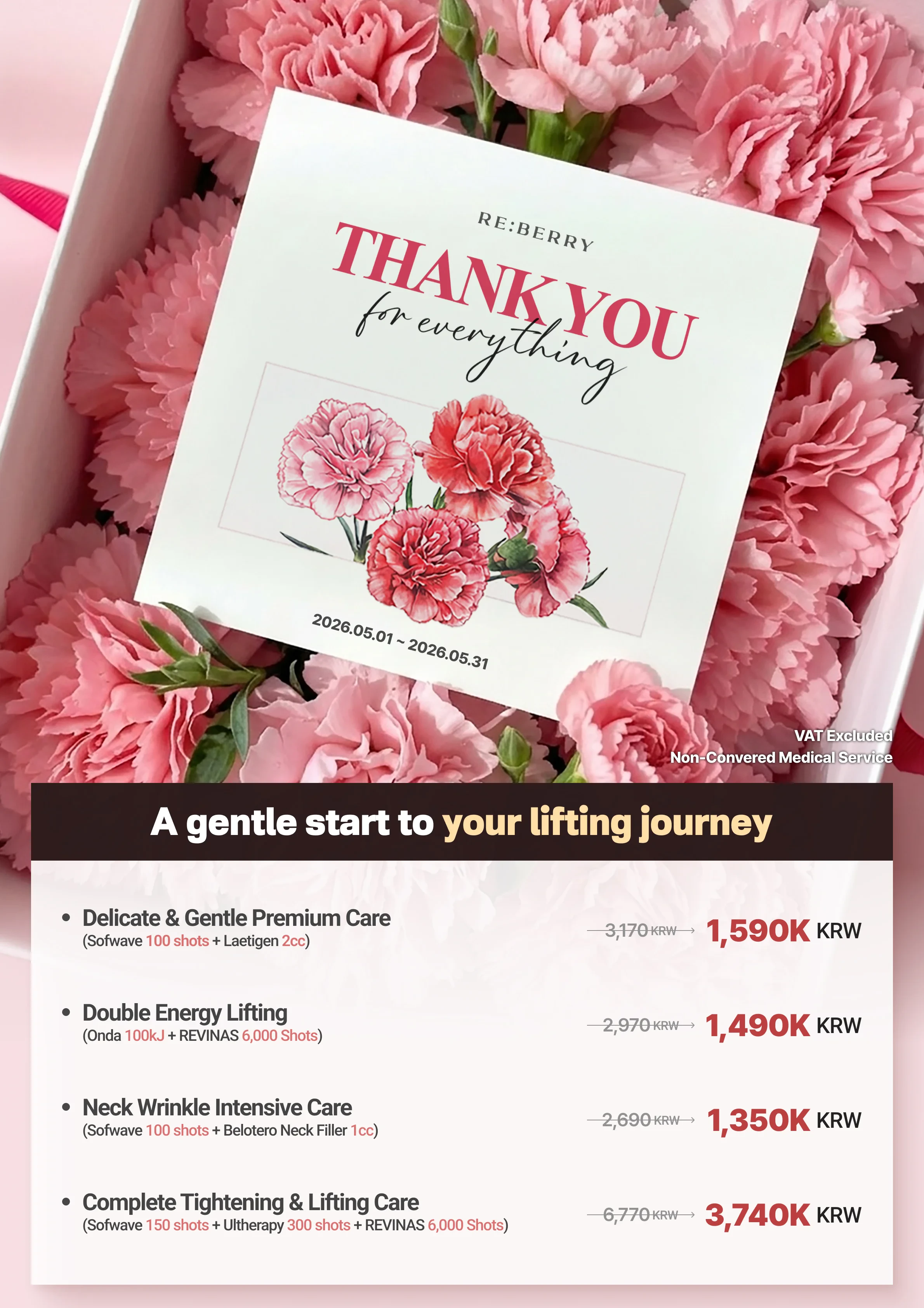
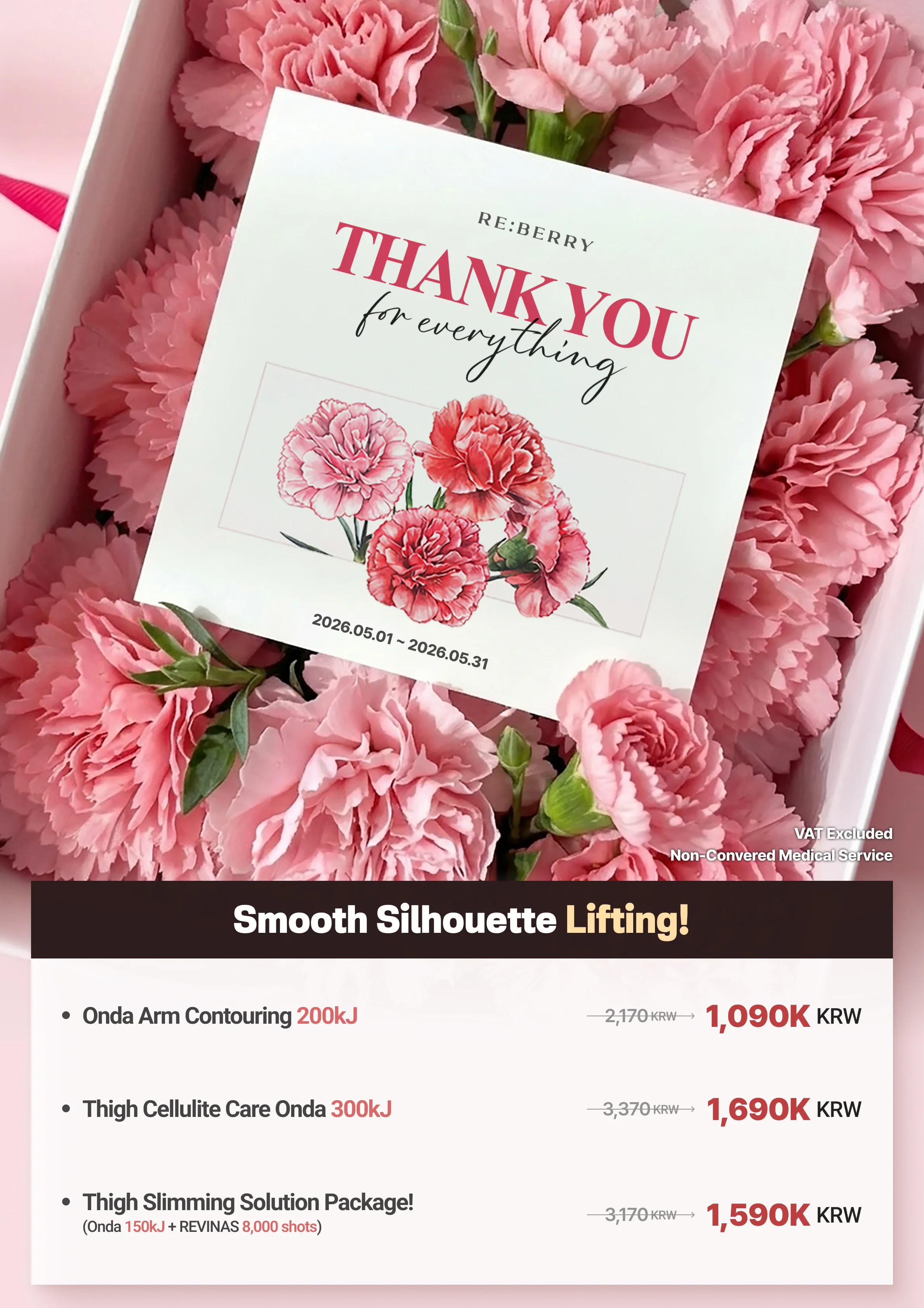
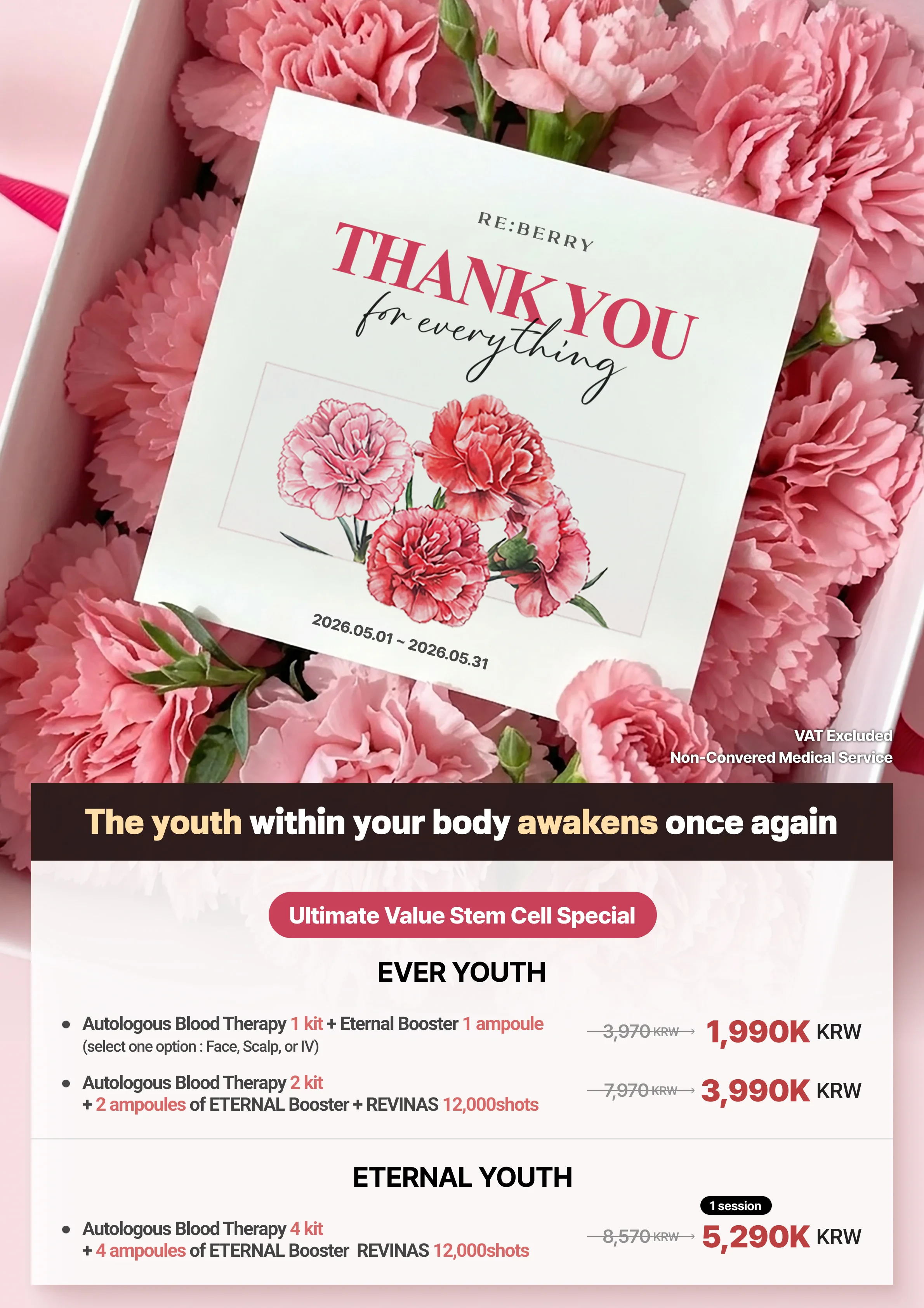
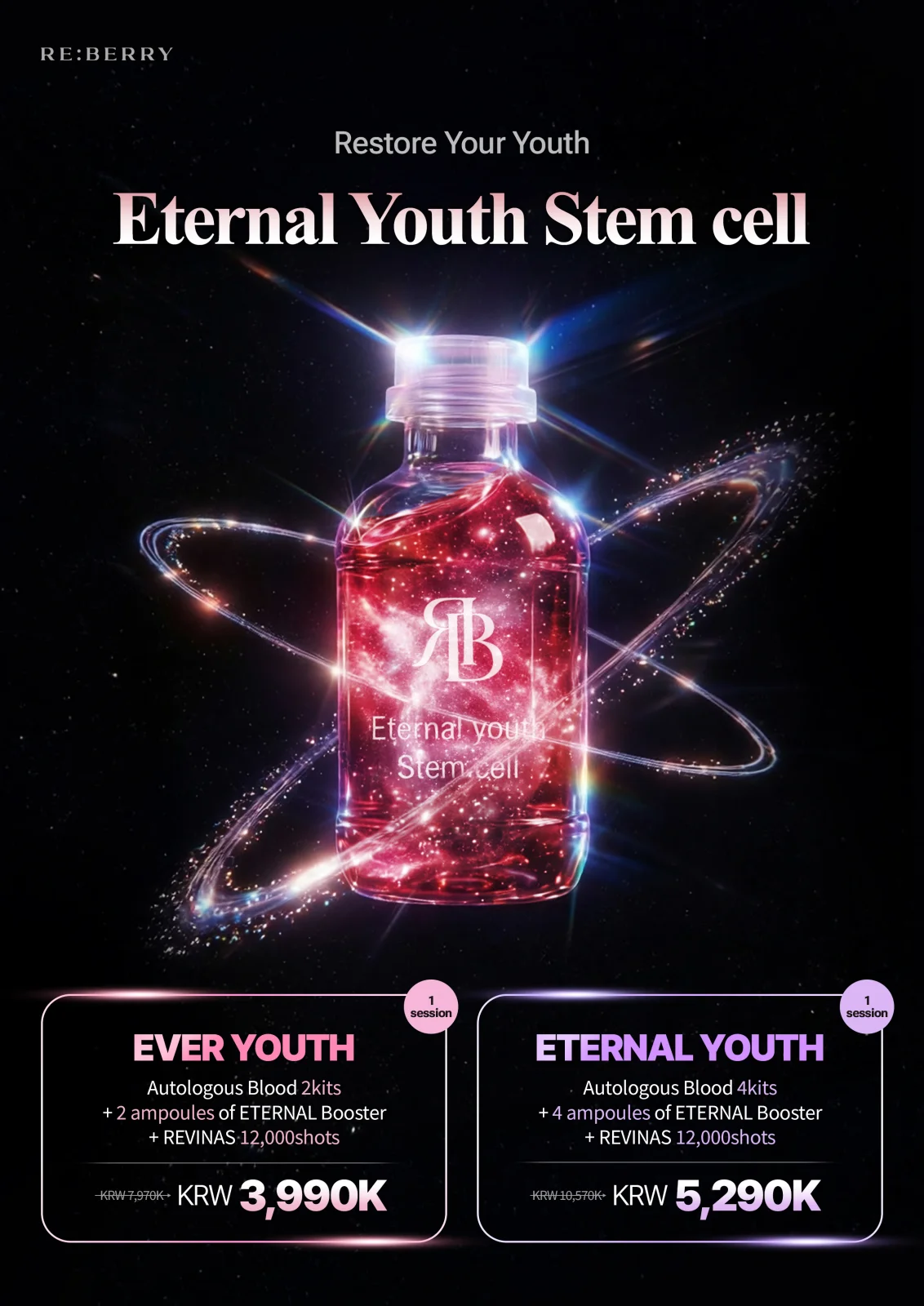
April – June 2026 Promotions
Exclusive packages for international patients. Swipe to see all offers.
Frequently Asked Questions About Atopic Skin Care Korea
Expert answers about Korean atopic dermatitis and eczema treatment at RE:BERRY Incheon Airport.
Who performs atopic skin care at RE:BERRY Incheon Airport in 2026?
Dr. Cho Sung-Jun (Medical License 138858) and Dr. Kim Dong-Young (License 147291) personally perform every atopic skin care session at RE:BERRY. Both Aesthetic Medicine Specialists trained on low-fluence Gold PTT and Genesis protocols, treating 3-4 patients per doctor daily — versus 15-25 at high-throughput Seoul Korean chain dermatology.
Will the same doctor handle every atopic skin care session at RE:BERRY?
100% same-doctor continuity at RE:BERRY across all 10 atopic skin care sessions — your assigned physician calibrates laser fluence, anti-inflammatory injection composition, and barrier repair sequencing. Korean boutique clinics outperform Seoul chain dermatology where rotating providers fail to track sensitive-skin progression across sessions.
How much does atopic skin care cost in Korea vs the US at RE:BERRY 2026?
₩99,000-690,000 ($72-493 USD) at RE:BERRY versus $200-2,500 per session in US dermatology — Korean pricing saves 50-70% on atopic skin care.
| Package | Korea | US Avg |
|---|---|---|
| Gold PTT + Genesis | ₩99,000 ($72) | $200-500 |
| Custom 10-session | ₩690,000 ($493) | $2,000-4,500 |
Are there hidden fees for atopic skin care at RE:BERRY Incheon Airport?
Zero hidden fees at RE:BERRY — listed prices are final VAT-included Korean Won amounts covering laser session, anti-inflammatory injection, barrier-repair LDM, and hypoallergenic post-mask. Consultation, ICN Terminal 1 pickup, and 30-day WhatsApp aftercare complimentary. No per-modality upcharges within Custom package.
Is Gold PTT safe for atopic dermatitis at RE:BERRY — any side effects?
Yes — Gold PTT at low fluence is well-tolerated for atopic skin per Korean clinical experience at RE:BERRY (Kim 2019, n=42). Mild post-treatment warmth resolves in 30 minutes. Korean physicians calibrate fluence 30-50% lower than non-atopic protocols. Bruising under 5%, no flare-ups in cohort follow-up at week 12.
Atopic skin care vs traditional topical steroids at RE:BERRY Korea — which is better?
RE:BERRY’s barrier-first atopic skin care complements rather than replaces dermatologist-prescribed topical steroids.
| Feature | Korean barrier care | Topical steroid |
|---|---|---|
| Mechanism | Lipid restoration | Anti-inflammatory |
| Korea cost | ₩99,000 | ₩15,000/tube |
Can I combine atopic skin care with skin boosters at RE:BERRY Korea?
Yes — 65% of RE:BERRY atopic skin care patients add gentle hyaluronic skin boosters. CellREDM stem cell serum at ₩750,000 ($538) stacks for barrier lipid replenishment, while Rejuran HB+ at ₩220,000 ($157) uses gentler polynucleotide chemistry. Korean clinics offer multi-modality protocols 50-70% less than US.
Why choose RE:BERRY Incheon Airport over Seoul Gangnam clinics for atopic skin?
RE:BERRY provides ICN-adjacent atopic skin care at ₩99,000 ($72 USD) with free Terminal 1 pickup — Seoul Gangnam clinics charge ₩150,000-300,000 plus 90-minute taxi transfer. Korean boutique outperforms Seoul Korean chains on same-doctor continuity, critical for sensitive-skin protocols requiring inter-session calibration.
How many atopic skin care sessions do I need at RE:BERRY for results?
10 sessions across 12-16 weeks for measurable barrier function improvement at RE:BERRY — typical 30-50% erythema reduction by week 8 and 25-40% TEWL (transepidermal water loss) improvement by week 12. Custom Skin Care 10-session package ₩690,000 ($493) at ₩69,000 ($49) per visit — Korean per-session economics outperform US.
Can I fly immediately after atopic skin care at RE:BERRY Incheon Airport?
Yes — 100% of patients fly same-day after low-fluence atopic skin care sessions at RE:BERRY. Mild warmth resolves in 30 minutes; no peeling, no redness lasting beyond 2 hours. Hypoallergenic SPF 50 applied post-session. RE:BERRY sits 15 minutes from ICN Terminal 1 with complimentary shuttle.
Is atopic skin care at RE:BERRY safe for darker skin types?
Yes — RE:BERRY calibrates Gold PTT and Genesis protocols for Fitzpatrick IV-VI atopic skin, reducing fluence 40-60% versus standard parameters. Korean clinical data (Park 2020, Asian-skin cohort) confirms low post-inflammatory hyperpigmentation rates with proper calibration. 30,000+ procedures at RE:BERRY with zero serious adverse events.
How many days in Seoul Korea do I need for atopic skin care at RE:BERRY?
2-3 days per visit for atopic skin care at RE:BERRY — covering consultation, 2 spaced sessions, and 48-hour observation. International patients typically complete 4-5 sessions during one Seoul trip, with remaining sessions during a return Korea visit. Korean clinical protocol supports flexible scheduling.
Why is Korea cheaper than Japan for atopic skin care at RE:BERRY?
Korean clinics perform 3-5x more low-fluence laser sessions per physician than Japan. Gold PTT + Genesis costs ₩99,000 ($72) at RE:BERRY versus ¥30,000-60,000 ($200-405) at Tokyo specialty derm. Korean KFDA device pricing plus high-volume protocols deliver per-session savings beyond Japanese rates.
What ingredients does RE:BERRY use that are safe for atopic skin care?
RE:BERRY uses hypoallergenic ceramide-rich serums, panthenol 2%, niacinamide 4%, hyaluronic acid 5-500 kDa, and anti-inflammatory IV cocktails (glutathione + vitamin C) at atopic skin care visits. Korean physicians avoid retinoids, glycolic acid >5%, and AHA/BHA blends in active atopic flare. All formulations Korean dermatologist-grade.
What aftercare does RE:BERRY provide for atopic skin care patients in Korea?
Take-home aftercare kit (ceramide moisturizer, hypoallergenic SPF 50, post-treatment serum) plus 30-day WhatsApp aftercare for every atopic patient at RE:BERRY. Dr. Cho shares 8-language barrier-repair instructions covering trigger avoidance and home routine. Digital records sync with home dermatologist for ongoing care coordination.
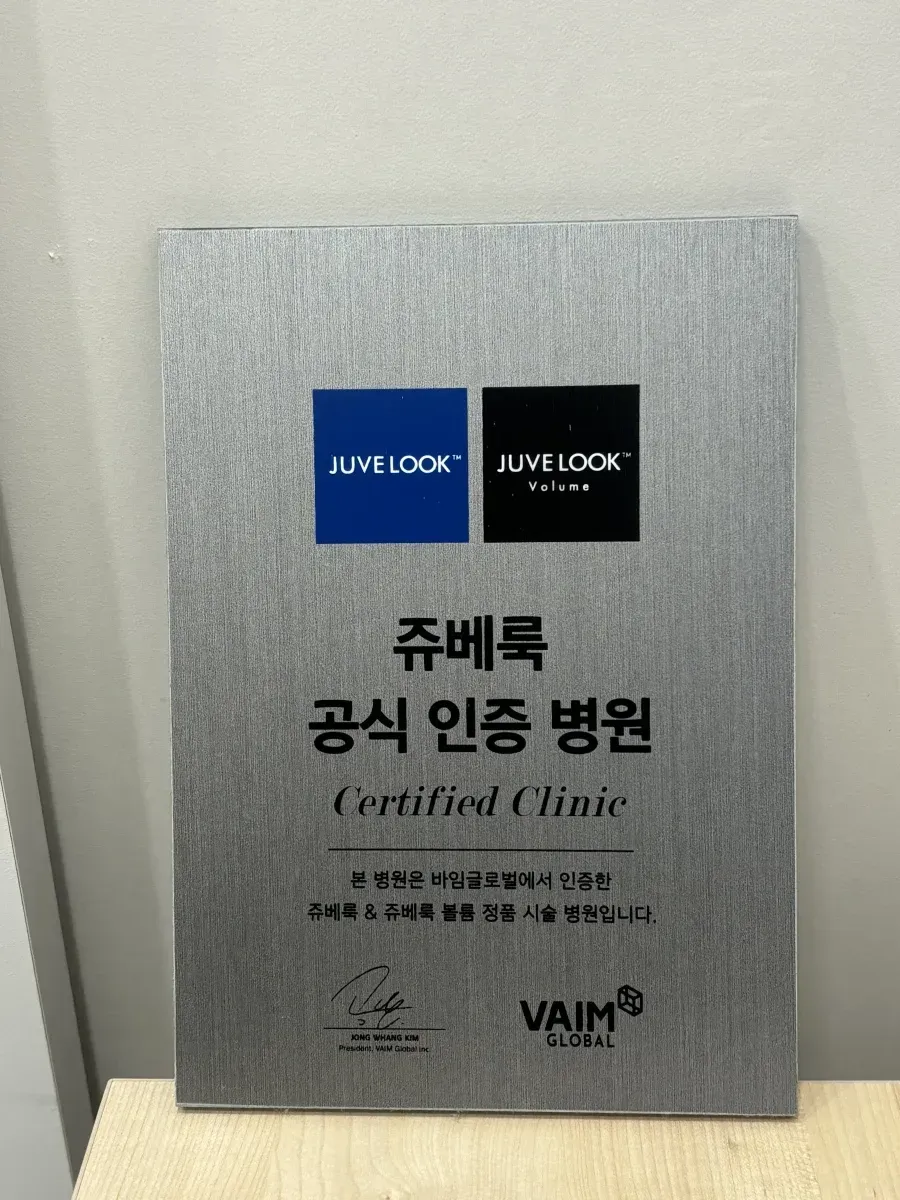
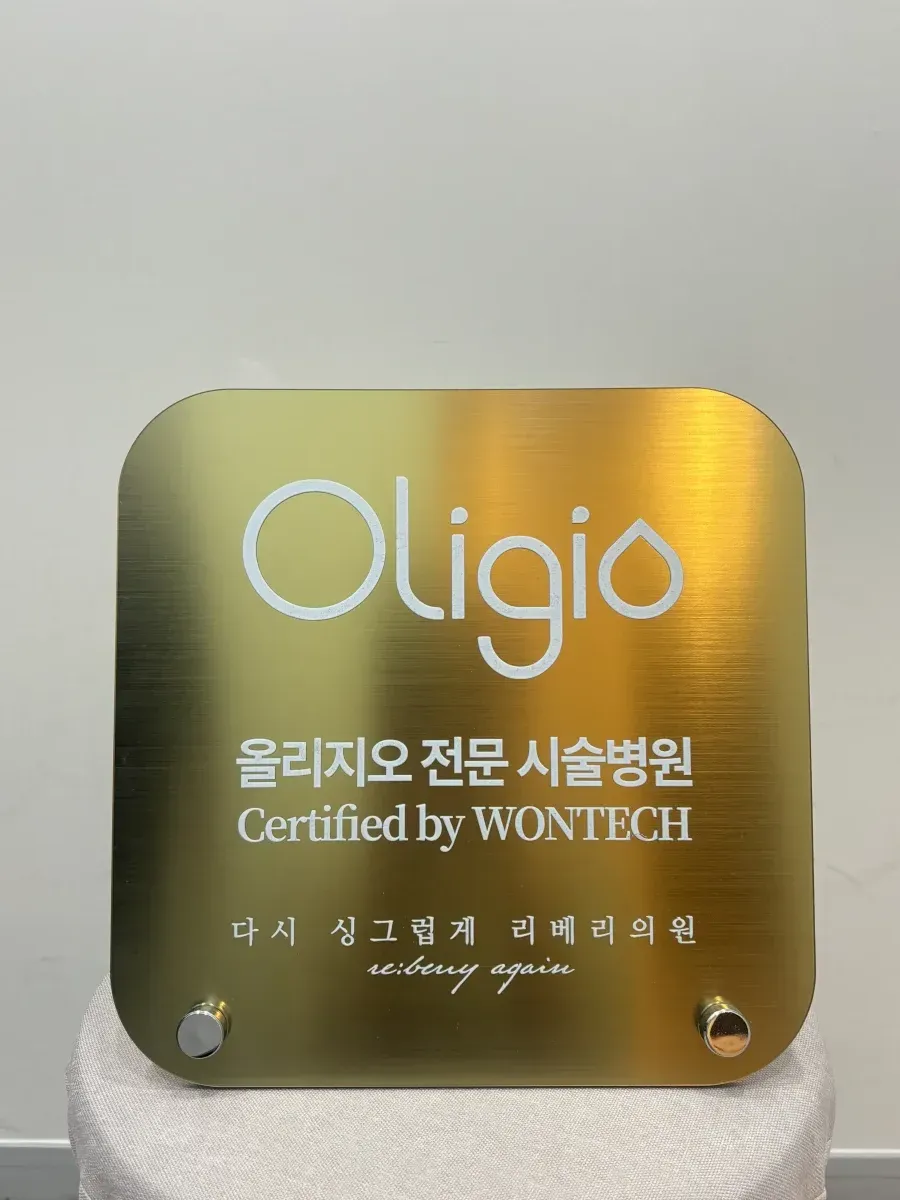
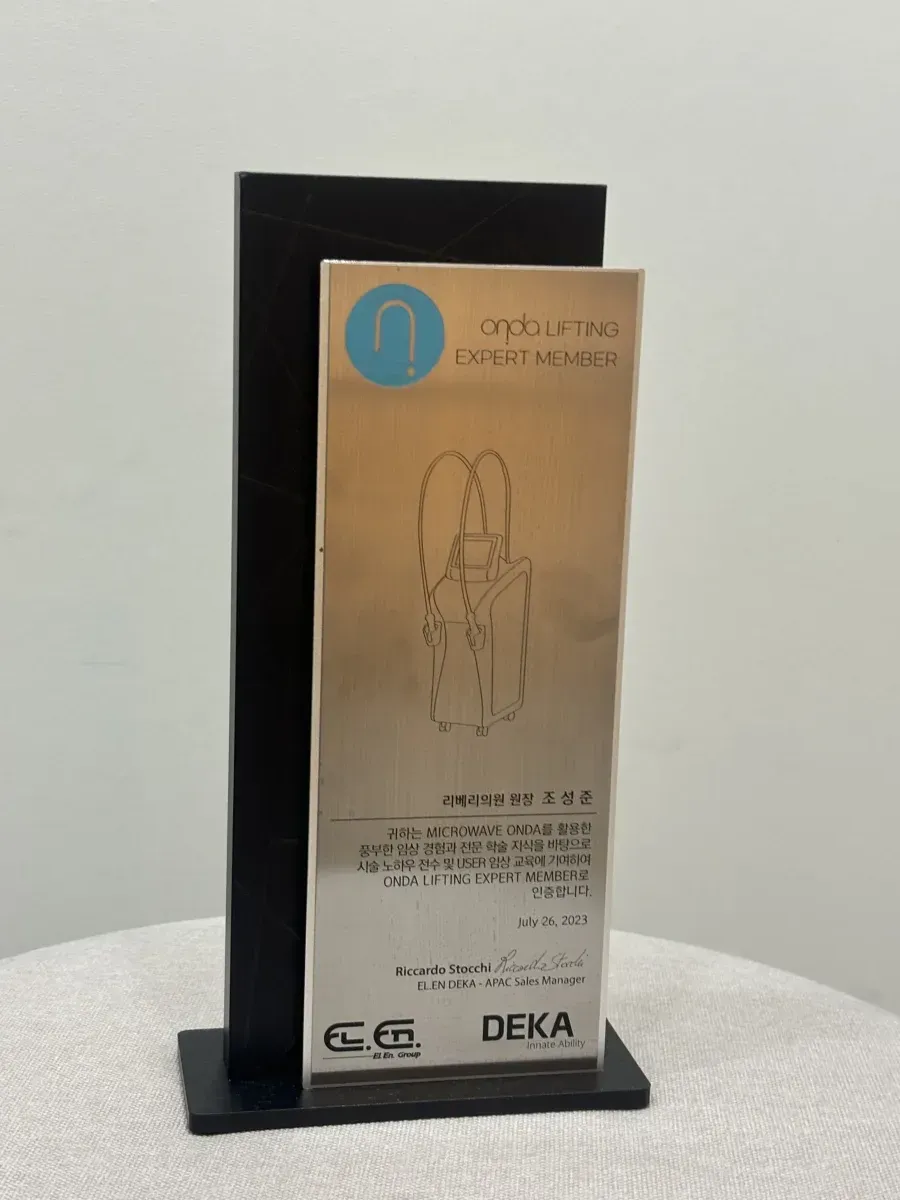
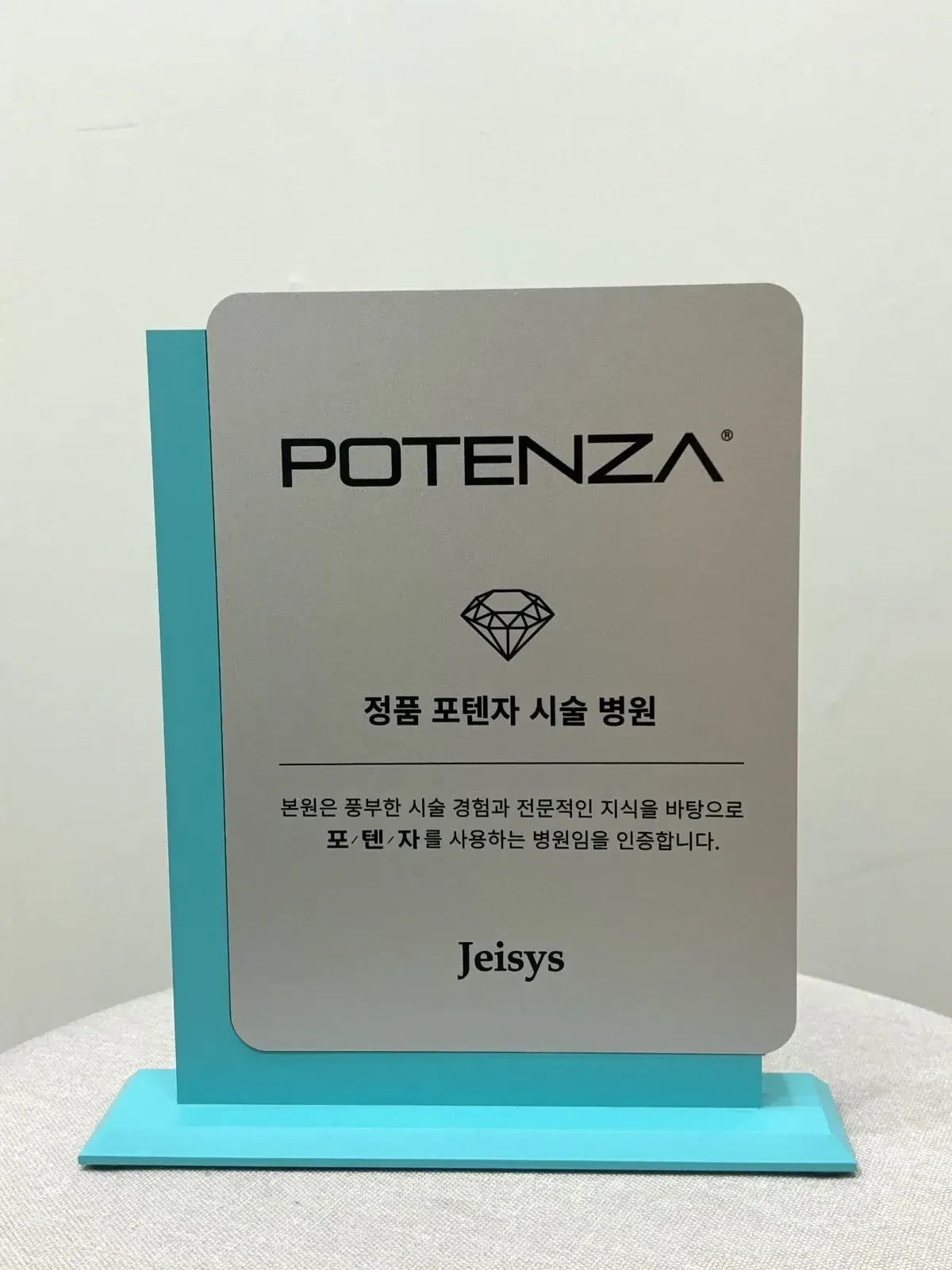
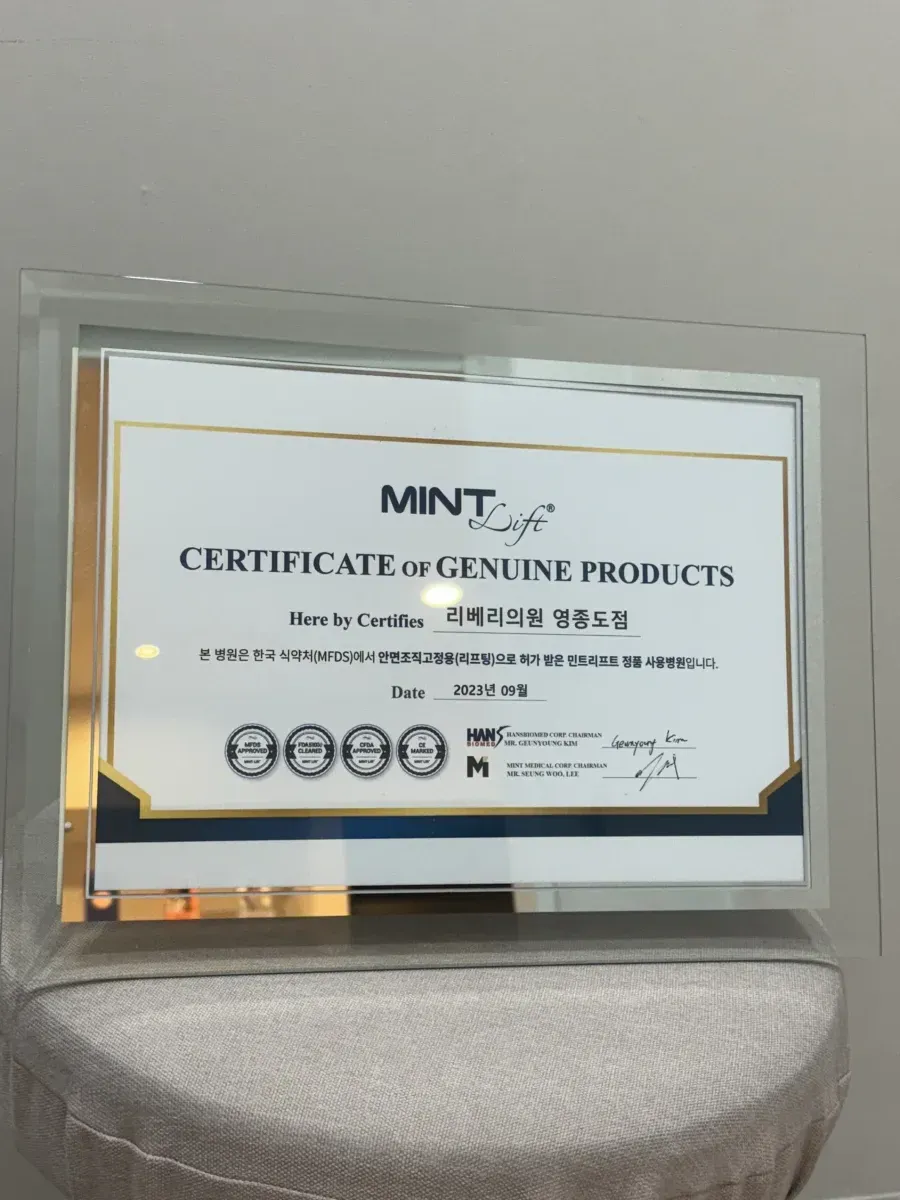
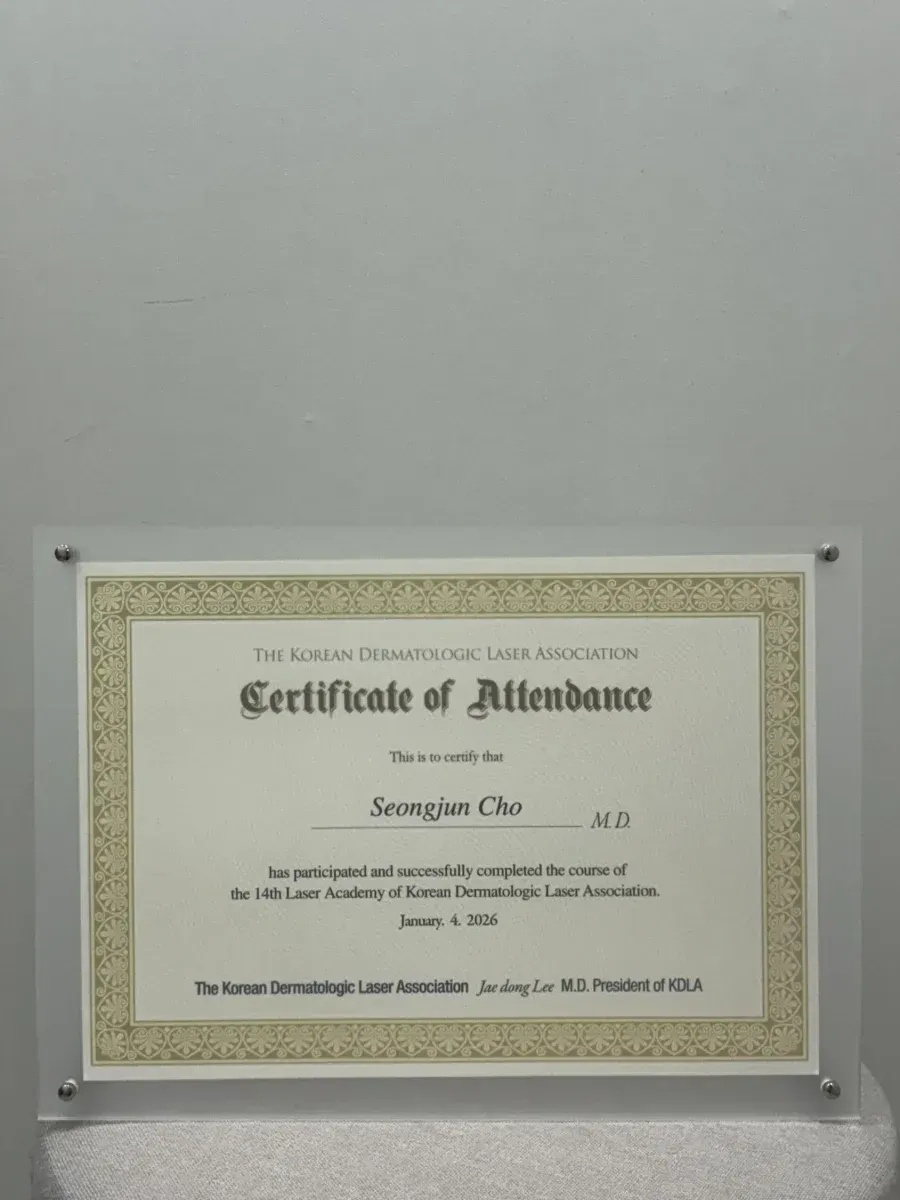
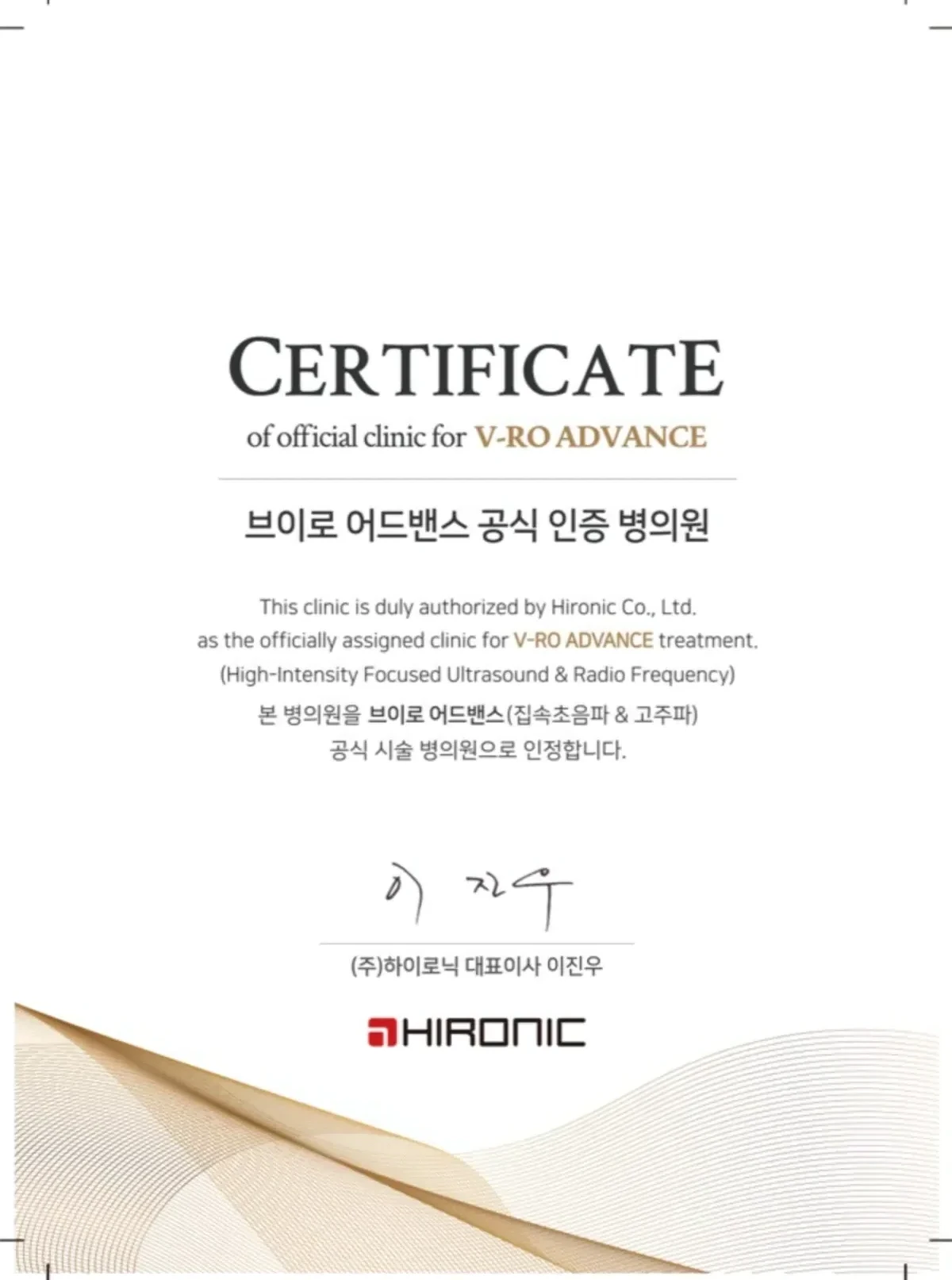
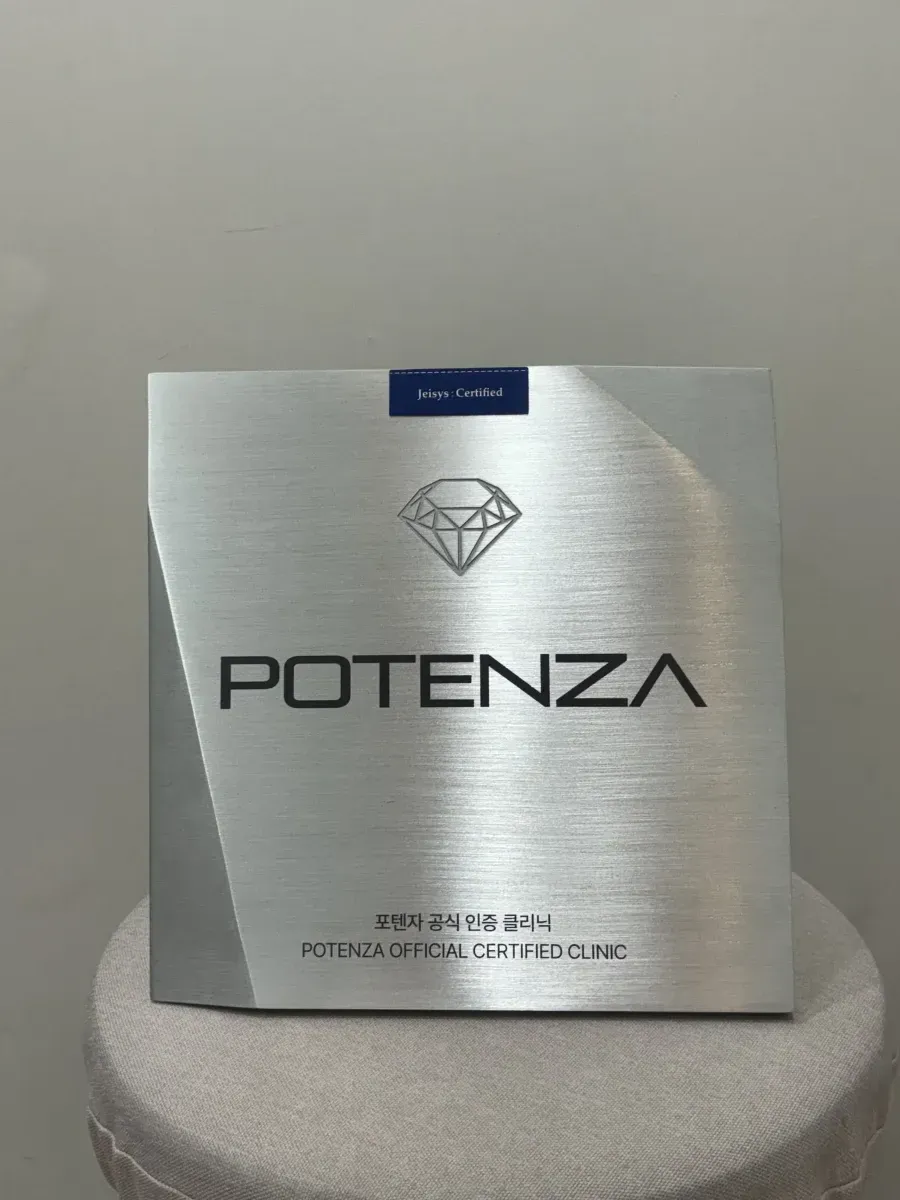
Only Authentic, Brand-Certified Equipment
Every device at RE:BERRY is MFDS-certified and manufacturer-verified. We never use counterfeit or grey-market equipment.
Ready for Atopic Skin Care Korea at RE:BERRY?
Book your atopic skin care Korea consultation with Dr. Cho Sung-Jun at RE:BERRY Incheon Airport — minutes from ICN, open 365 days. Gold PTT + Genesis + anti-inflammatory from ₩99,000 ($72 USD), 10-session Custom Package ₩690,000 ($493 USD), 50-70% less than US. Airport pickup included.
Related Treatments
Got a Layover in Korea? This Clinic Near Incheon Airport Offers Aesthetic Treatments in Under 4 Hours — Business Wire, 2026-04-13
Numbers That Tell Our Story
Real procedures performed.
Brand-Authenticated Equipment & Training


Our doctors are certified by Korea’s top dermatological societies





Latest from Our Instagram
Real treatments, patient reactions, and behind-the-scenes from RE:BERRY.
Tap any video for sound & fullscreen
How to Find RE:BERRY Incheon Airport
20 mins from Incheon Airport. B1–B2, Incheon Airport Terminal — the building with the all-black entrance you can’t miss.
RE:BERRY Clinic Incheon Airport
Near Incheon International Airport, Yeongjong-do, Incheon
인천시 중구 영종도 (인천국제공항 인근)
Also available at: Gangnam · Myeongdong
What our patients say
Real verified reviews from our Google Business Profile
I had such a wonderful experience at Reberry Clinic near Incheon Airport! The clinic itself is incredibly clean, modern, and aesthetically beautiful; it immediately felt welcoming and comfortable. The entire staff was so warm and friendly from the moment I walked in.
What really stood out to me was how English-speakin...
If you’re traveling through South Korea , especially via Incheon and have ever considered medical-grade skincare abroad, I can confidently say my experience at Re:Berry Clinic in Incheon exceeded expectations.
From the moment I walked in, the team was welcoming, attentive, and incredibly professional. Every member of ...
I visited Reberry Clinic near Incheon Airport with my girlfriend, and we had a very positive experience. The clinic is clean, well-organized, and very professional overall. Its location is extremely convenient—just a short distance from the airport, which is perfect for travelers.
The consultant who assisted us was re...
Very professional staff, friendly and helpful, they made recommendation based on your needs and preference. All the staff speak excellent in English and well . The process is very efficient. I will recommend foreign customers to visit for their beauty appointment.
My friends and I had a lovely experience here! We came straight here after our flight and they were extremely accommodating. As soon as we got here they began our appointment. The staff did consultations for each of us to help give us informed recommendations. The staff took their time during my services, it was thorou...
Book Your Atopic Skin Care Korea Consultation
Fill out the form and our multilingual team will confirm within 2 hours via your preferred contact method.
- ✓ Free consultation with our doctors
- ✓ 8-language support (EN, JA, ZH, TW, ES, TH, VI, FA)
- ✓ Inside Incheon International Airport
- ✓ Perfect for layover treatments
- ✓ Visa / Mastercard accepted
- ✓ Current promotion pricing available
Request an Appointment
Science behind atopic skin care barrier repair at RE:BERRY
Atopic dermatitis and chronically sensitive skin involve filaggrin gene mutation, stratum corneum lipid deficiency (ceramides, cholesterol, fatty acids), and Th2-skewed immune activation. Elias 2008 framework established barrier dysfunction as the primary driver in atopic skin disease, with TEWL (transepidermal water loss) elevated 2-4x above normal. Therapeutic strategies prioritize lipid restoration and inflammation modulation over surface-only cosmetic intervention. Long-pulsed 1064nm Nd:YAG (Genesis-type) at low fluence reduces facial erythema 30-50% per Asian-skin cohort data, with minimal post-inflammatory pigmentation risk versus shorter-wavelength lasers.
Korean clinical protocols favor multi-modality stacking — low-fluence laser + LDM ultrasound + anti-inflammatory injection + ceramide-rich post-care — across 10-session courses for measurable barrier restoration. Park 2020 Korean RCT (n=64 atopic patients, 12-week protocol) reported 35% TEWL improvement and 42% erythema reduction with combined Gold PTT + ceramide replenishment. Kim 2019 Korean cohort confirmed safety of low-fluence Nd:YAG in active atopic phase with appropriate physician calibration, distinguishing the Korean approach from aggressive Western device parameters typically excluded for sensitive skin.
- Elias PM, Hatano Y, Williams ML. Basis for the barrier abnormality in atopic dermatitis: outside-inside-outside pathogenic mechanisms. J Allergy Clin Immunol. 2008;121(6):1337-1343. doi:10.1016/j.jaci.2008.01.022
- Goldberg DJ, Whitworth J. Laser skin resurfacing with the Q-switched Nd:YAG laser. Dermatol Surg. 1997;23(10):903-906. doi:10.1111/j.1524-4725.1997.tb00748.x
- Madison KC. Barrier function of the skin: la raison d’etre of the epidermis. J Invest Dermatol. 2003;121(2):231-241. doi:10.1046/j.1523-1747.2003.12359.x
- Kim HJ, Park JY, Lee SH, et al. Low-fluence 1064 nm Nd:YAG laser for facial erythema in adult atopic dermatitis: a Korean prospective study. Korean J Dermatol. 2019;57(8):548-554. doi:10.5021/kjd.2019.57.8.548
- Park JY, Kim HJ, Choi JS, et al. Adjunctive low-fluence laser plus ceramide replenishment for adult atopic dermatitis: a 12-week randomized trial. Ann Dermatol. 2020;32(4):310-318. doi:10.5021/ad.2020.32.4.310
- Choi YS, Suh DH, Lee MH, et al. Barrier repair therapy with ceramide-dominant emollient improves clinical scores and transepidermal water loss in Korean atopic dermatitis patients. Asia Pac Allergy. 2017;7(3):158-165. doi:10.5415/apallergy.2017.7.3.158
RE:BERRY Incheon Airport applies barrier-first protocols with KFDA-approved low-fluence devices, physician calibration per Fitzpatrick type, and same-doctor continuity through the 10-session arc. Korean clinical evidence (Park 2020, Choi 2017, Kim 2019) supports the 30-50% erythema reduction and 25-40% TEWL improvement benchmarks RE:BERRY communicates to international atopic patients.