Mole Removal Laser Incheon — CO2 Fractional & Nd:YAG Technology
RE:BERRY Clinic’s mole removal laser Incheon service uses CO2 fractional and Nd:YAG technology from ₩40,000 ($29 USD) per mole. Physician-performed with Mark-Vu imaging screening. Open 6 days a week, airport pickup available.
Can I Get Moles Removed by Laser Near Incheon Airport?
Yes. RE:BERRY offers mole removal laser Incheon from ₩40,000 ($29 USD) per mole using CO2 fractional laser for raised moles and Nd:YAG laser for flat lesions. Every RE:BERRY session includes Mark-Vu imaging screening by physicians, with 95% single-session clearance and minimal scarring for international patients.
Mole removal at RE:BERRY is one of the quickest dermatological procedures — most moles take under 5 minutes per lesion with immediate recovery for flat mole treatments. Our Incheon Airport location is ideal for travelers addressing cosmetic moles during a Korea visit. For patients with multiple moles, we offer efficient batch removal in a single session. Physicians perform Mark-Vu imaging examination of every mole before treatment — a critical safety step to identify lesions requiring biopsy rather than laser. For patients concerned about post-removal scarring, we combine the procedure with Pico laser texture treatment and Rejuran Healer for optimal healing.
Mole Removal Pricing — RE:BERRY Incheon Airport
All prices exclude 10% VAT. Pricing varies by mole size and number. Mark-Vu imaging screening included with all treatments.
Single Mole Removal
- Mark-Vu imaging safety screening
- CO2 or Nd:YAG laser removal
- Topical anesthesia
- Post-treatment ointment & bandage
- Aftercare instructions
Multiple Mole Package (5 moles)
- Mark-Vu imaging screening of all moles
- Batch CO2/Nd:YAG laser removal
- Volume pricing (per-mole rate decreases)
- Comprehensive aftercare kit
- WhatsApp healing follow-up
Mole Removal + Scar Prevention
- Laser mole removal (up to 3 moles)
- LDM ultrasound healing boost
- Silicone scar prevention kit
- 4-week follow-up monitoring
- Optional Pico texture treatment
October 2026 Promotions
Exclusive packages for international patients. Swipe to see all offers.
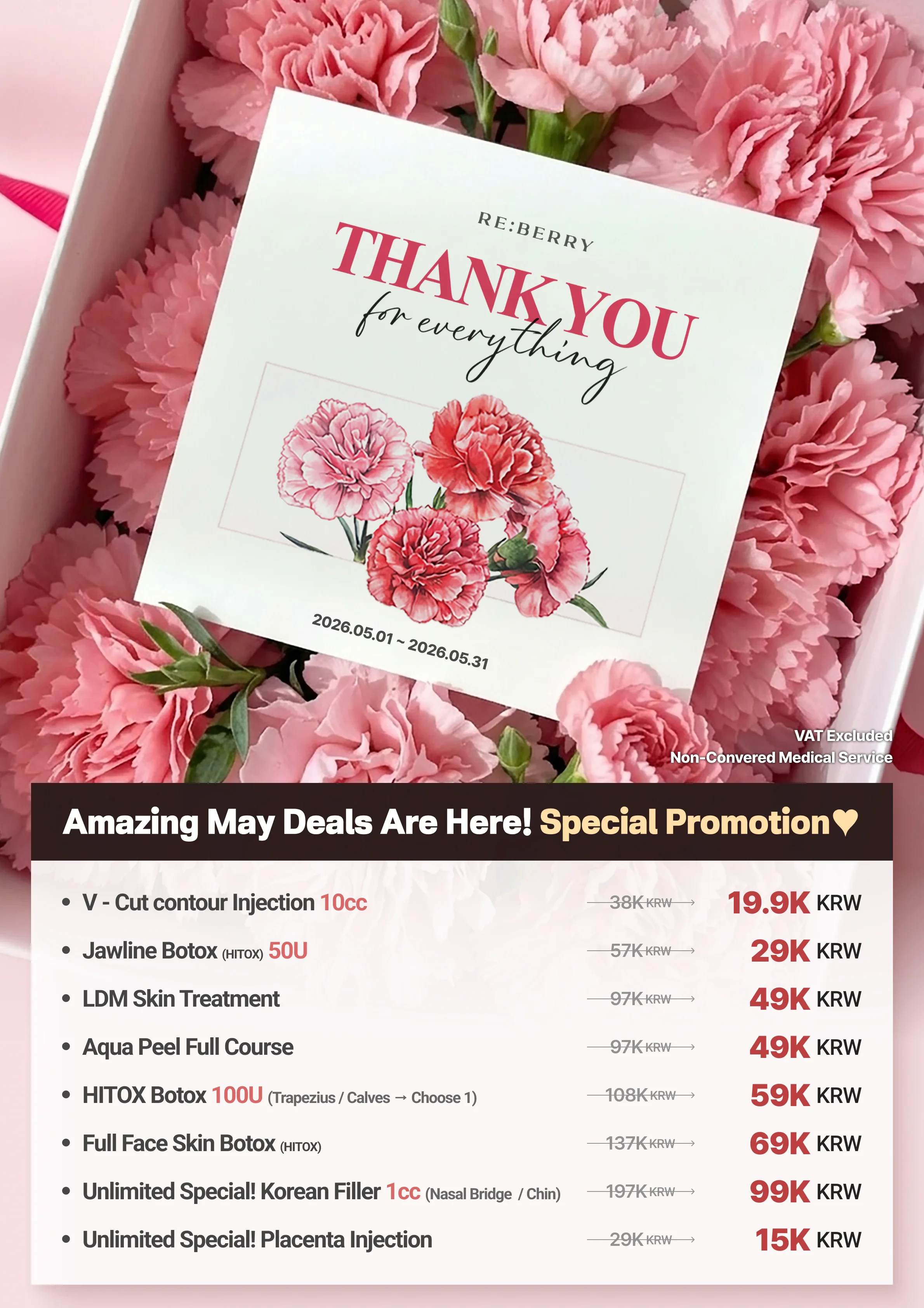
![RE:BERRY Incheon Airport October 2026 Promotion Page 12 — Skin Care [MY SKIN PROGRAM]: ACNE ELIMINATION (Acne Scaling + Inflammation Care) regular ₩126,000, now ₩60,000 · Yes Peel, YES BEAUTY (Yes Peel + Dermio Care 20 min) regular ₩153,000, now ₩99,000 · LALA GLOW (LHALA Fill + Glow Injection 2.5cc) regular ₩443,000, now ₩206,000 · Personalized Skin Care 10 Sessions (choose freely from treatments priced at ₩77,000 or less, including Aqua Peel, LHALA Fill, LDM, Black Peel, Vitamin Care, Acne Scaling, and more) regular ₩1,539,000, now ₩650,000 · VAT excluded, non-covered medical service](https://cdn-reberry.pages.dev/incheon-airport/promotion/en/incheon-event-en-12.webp)
![RE:BERRY Incheon Airport October 2026 Promotion Page 13 — Skin Care [MY SKIN PROGRAM]: Glow Recovery Program Chapter 1, 2-Week Program (Week 1: Customized Toning + Potenza Juvelook + Skin Botox (HITOX); Week 2: Customized Laser + LHALA Fill + LDM + Glutathione Injection) regular ₩1,520,000, now ₩990,000 · Glow Recovery Program Chapter 2, 4-Week Program (Week 1: Customized Toning + Skin Glow Injection 2cc + Juberry 2cc + Glutathione Injection; Week 2: Customized Laser + CO2 Removal (up to 15 lesions: milia, moles, or flat warts) + LHALA Fill + Vitamin Injection; Week 3: Customized Toning + Potenza Juvelook + LDM; Week 4: Customized Laser + LED + Choose Any 3 Wrinkle Botox Areas (HITOX)) regular ₩3,050,000, now ₩1,990,000 · VAT excluded, non-covered medical service](https://cdn-reberry.pages.dev/incheon-airport/promotion/en/incheon-event-en-13.webp)
![RE:BERRY Incheon Airport October 2026 Promotion Page 14 — Pigmentation [Clearer, Brighter Skin]: Pico Toning 1 Session regular ₩263,000, now ₩99,000 · Revlite Toning 1 Session regular ₩219,000, now ₩99,000 · Berry Dual Toning 5 Sessions (Customized Toning + Genesis Laser + Recovery Care + Modeling Mask) regular ₩977,000, now ₩489,000 · Berry Shine Toning 5 Sessions regular ₩1,497,000, now ₩749,000 · One-Day Pigmentation Package (Customized Toning + Customized Laser + Revinas 2,000 Shots + Potenza Exosome + LDM) regular ₩1,690,000, now ₩990,000 · VAT excluded, non-covered medical service](https://cdn-reberry.pages.dev/incheon-airport/promotion/en/incheon-event-en-14.webp)
![RE:BERRY Incheon Airport October 2026 Promotion Page 15 — Pigmentation [Clearer, Brighter Skin]: Pico Sure Toning 10 Sessions regular ₩1,330,000, now ₩669,000 · Premium Berry Shine Toning 10 Sessions regular ₩2,370,000, now ₩1,390,000 · Signature Berry Shine Package, doctor can be chosen (Sessions 1, 3, 5: Customized toning + Customized laser + Potenza customized booster + LDM; Sessions 2, 6, 8, 10: Customized Peeling + Customized toning + Customized laser + LDM; Sessions 4, 7: Customized toning + Customized laser + LDM + REVINAS 2,500 Shots; Session 9: Customized toning + Customized laser + LDM) regular ₩3,970,000, now ₩1,990,000 · Customized toning options: PicoSure / RevLite SI; Customized laser options: Excel V CoolView (for freckles and pigmentation) / PicoSure Zoom Pass / Excel V vascular laser / Genesis / Fraxel (Pico or CO2) / RevLite SI 532; Customized skinbooster: EXOSOME / JUVELOOK; Customized Peeling: LHALA FILL / Yes Peel · Additional DERMIO Care 20 min (celebrity secret anti-aging oxygen dome care) 1 Session ₩49,000 / 10 Sessions ₩450,000 · VAT excluded, non-covered medical service](https://cdn-reberry.pages.dev/incheon-airport/promotion/en/incheon-event-en-15.webp)
![RE:BERRY Incheon Airport October 2026 Promotion Page 16 — Pores [PORE RE:NEW]: Clean Pore Care (Aqua Peel) regular ₩153,000, now ₩77,000 · Perfect Texture, Baby-Smooth Pores (Pico Fraxel Butterfly Zone + Recovery Care) regular ₩204,000, now ₩99,000 · The Beginning of Better Skin Texture, Potenza (Potenza + LDM) regular ₩550,000, now ₩330,000 · Reberry's Silky Skin-care Package (Sessions 1, 3, 5: Pico Fraxel + Potenza Juvelook + LDM; Sessions 2, 4, 6: Genesis + LDM) regular ₩3,370,000, now ₩1,690,000 · Add 3 sessions of subcision for +₩200,000 · VAT excluded, non-covered medical service](https://cdn-reberry.pages.dev/incheon-airport/promotion/en/incheon-event-en-16.webp)
![RE:BERRY Incheon Airport October 2026 Promotion Page 17 — Petit [Custom Petit]: V-Line Starts with a Defined Jawline (HITOX Jawline Botox 50U + V-Cut Injection 20cc) regular ₩289,000, now ₩119,000 · V-Contour Design (Lena Chin Filler 1cc) regular ₩317,000, now ₩159,000 · Juvederm Filler (Cheekbone + Side Cheek 1cc) regular ₩890,000, now ₩390,000 · Luxury for Your Lips, Juvederm (Juvederm Lip Filler 1cc + Corner Lip Botox (Coretox)) regular ₩1,015,000, now ₩435,000 · VAT excluded, non-covered medical service](https://cdn-reberry.pages.dev/incheon-airport/promotion/en/incheon-event-en-17.webp)
![RE:BERRY Incheon Airport October 2026 Promotion Page 18 — Lifting [Redesign Your Skin's Firmness]: Ultrasound Lifting (Shurink 100 Shots) regular ₩89,000, now ₩45,000 · Firming with Oligio (Oligio 100 Shots) regular ₩195,000, now ₩140,000 · Awaken Your Hidden V-Line (InMode FX Full Face + Contouring Injection 20cc) regular ₩387,000, now ₩195,000 · A New Choice for Skin Firmness, XERF Launch Special Promotion (XERF 100 Shots) regular ₩428,000, now ₩330,000 · Elasticity Double-Up Reboot (Sofwave 200 Shots + V-RO 300 Shots) regular ₩4,330,000, now ₩2,090,000 · VAT excluded, non-covered medical service](https://cdn-reberry.pages.dev/incheon-airport/promotion/en/incheon-event-en-18.webp)
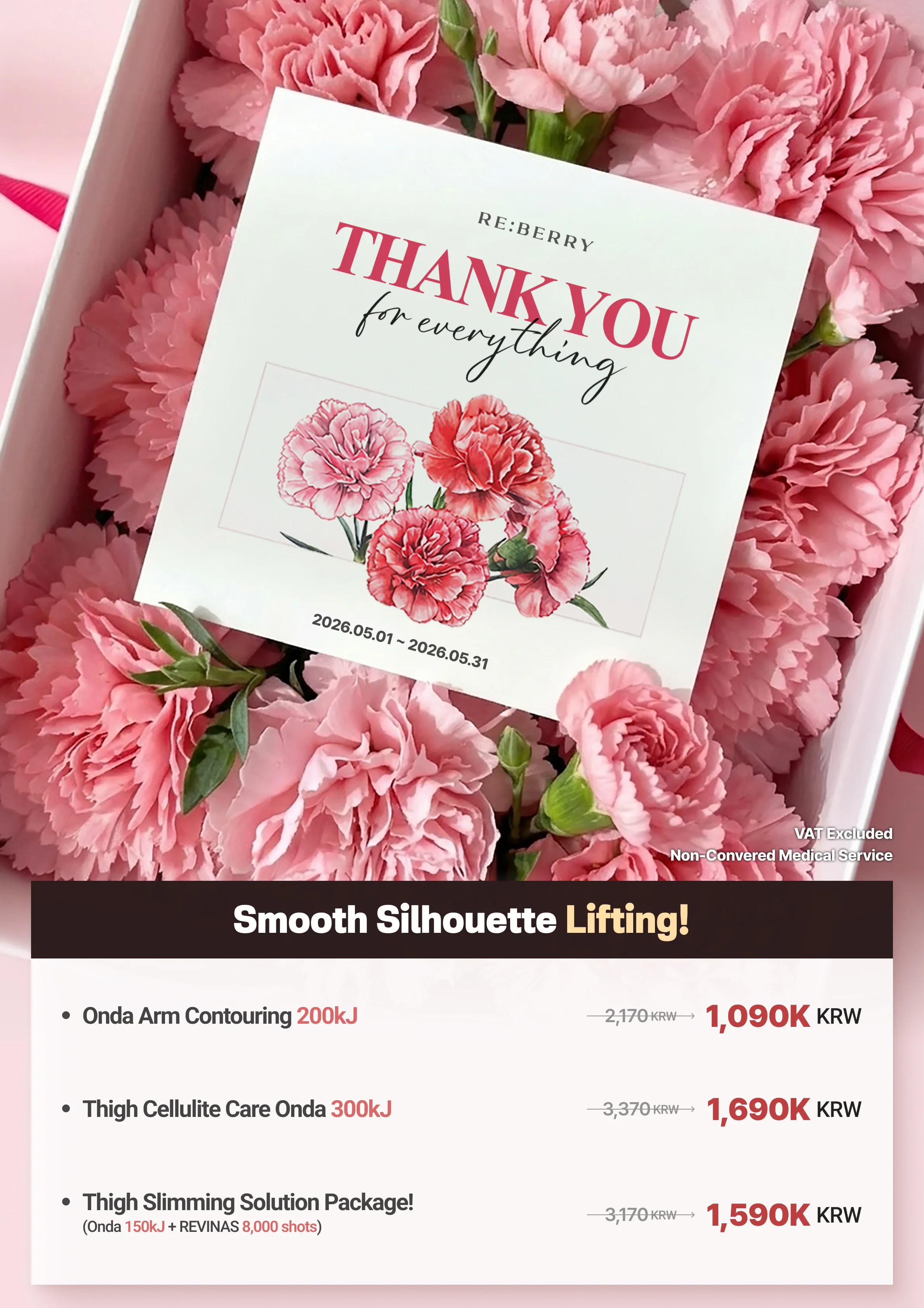
![RE:BERRY Incheon Airport October 2026 Promotion Page 20 — Skin Boosters [SKIN RESET - Restore the Basics of Your Skin]: Glow & Hydration in One (Lilied 2.5cc) regular ₩350,000, now ₩180,000 · Intensive Care for Seasonal Dehydration (Glow Injection 5cc + Cryo Care) regular ₩645,000, now ₩259,000 · Reberry's Customized Skin Booster Program (Juberry 2cc + Hycoox) regular ₩869,000, now ₩450,000 · Long-Lasting Glow & Hydration Booster (Skinvive 2cc + Lillied 2.5cc + Cryo Care) regular ₩1,415,000, now ₩690,000 · Next-Generation Hair Loss Care (Autologous Blood Hair Loss Injection 3cc) regular ₩1,990,000, now ₩990,000 · VAT excluded, non-covered medical service](https://cdn-reberry.pages.dev/incheon-airport/promotion/en/incheon-event-en-20.webp)
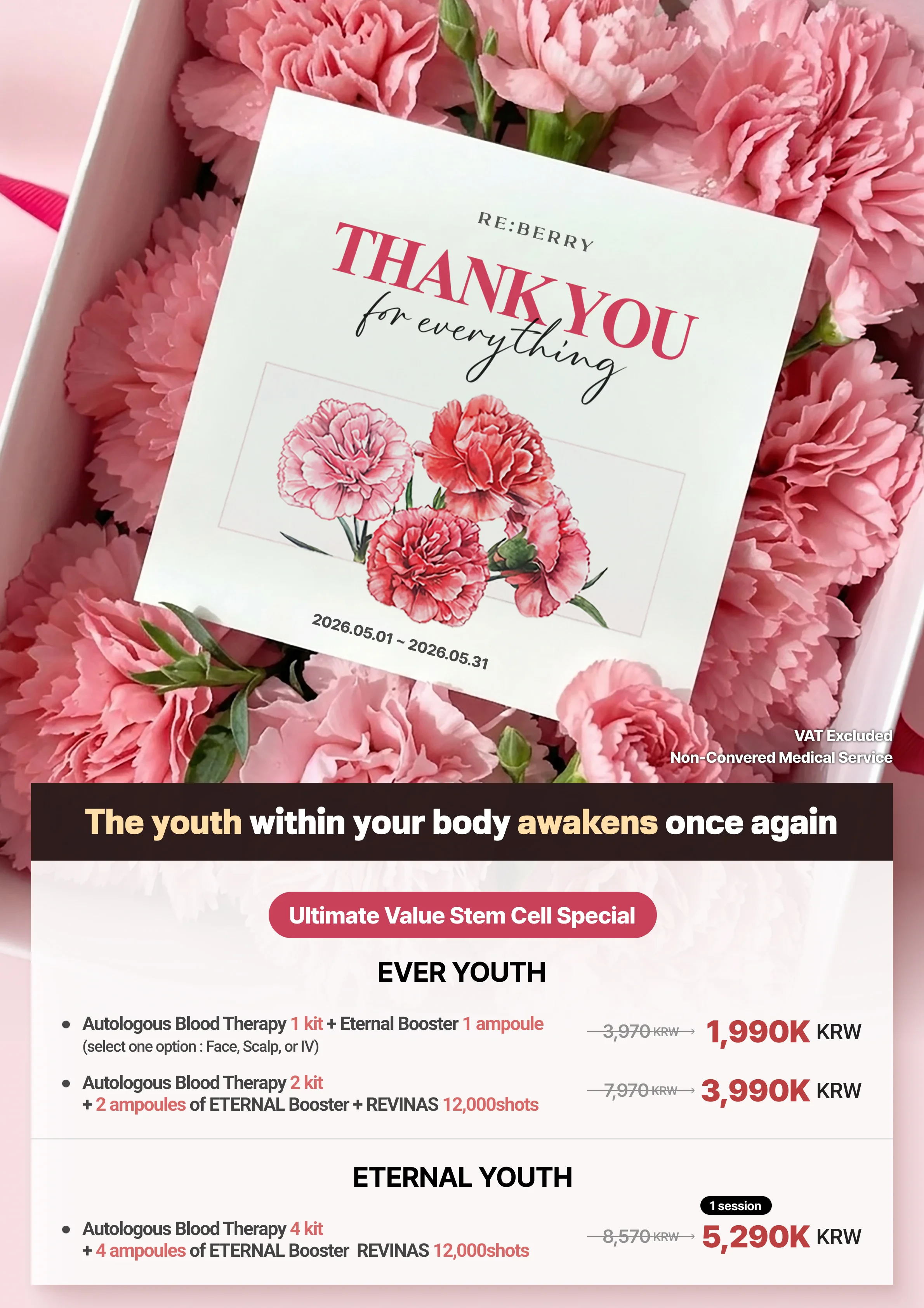
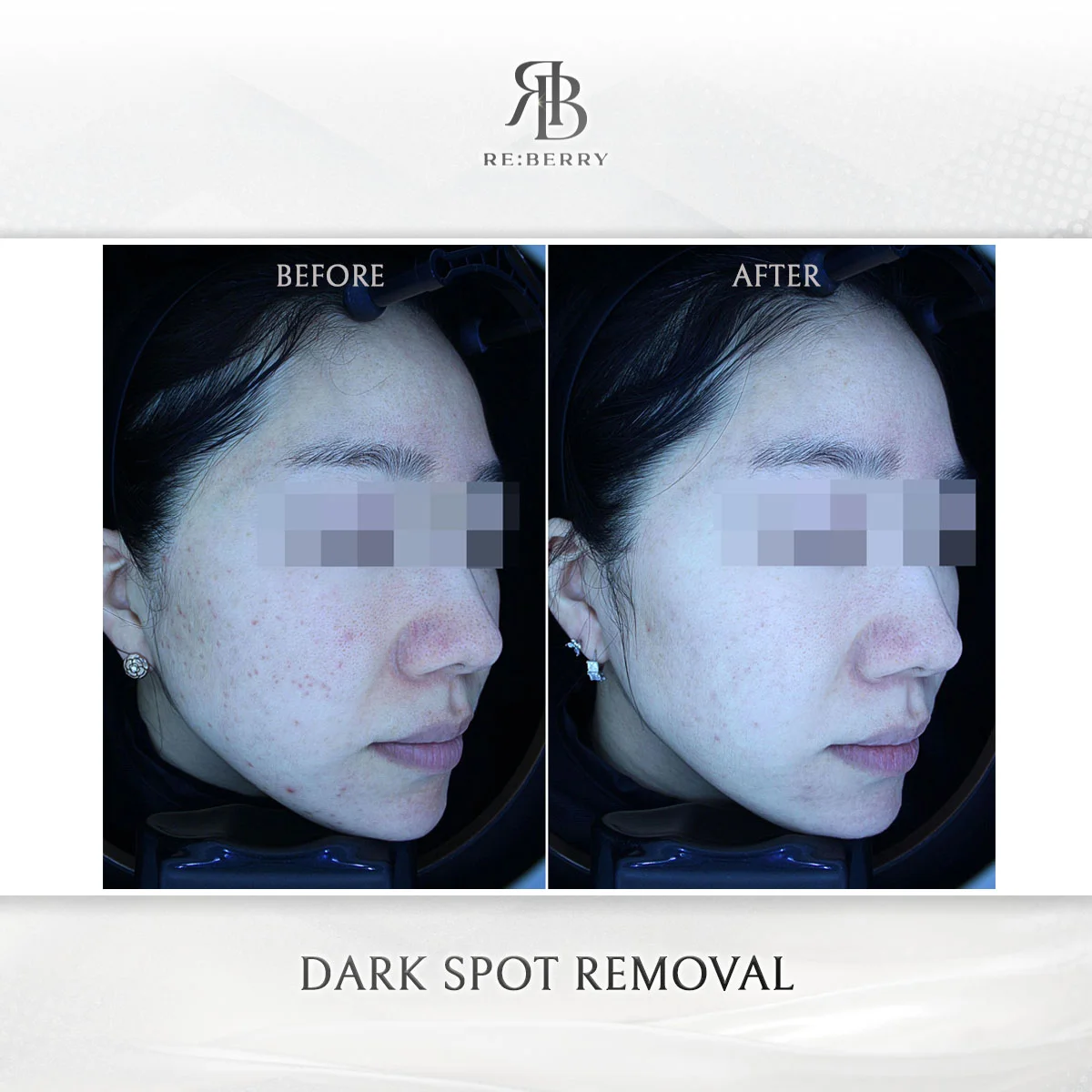
Mole Removal Results — RE:BERRY Incheon
Laser mole removal and skin lesion treatment results from RE:BERRY Clinic near Incheon Airport.
.webp)
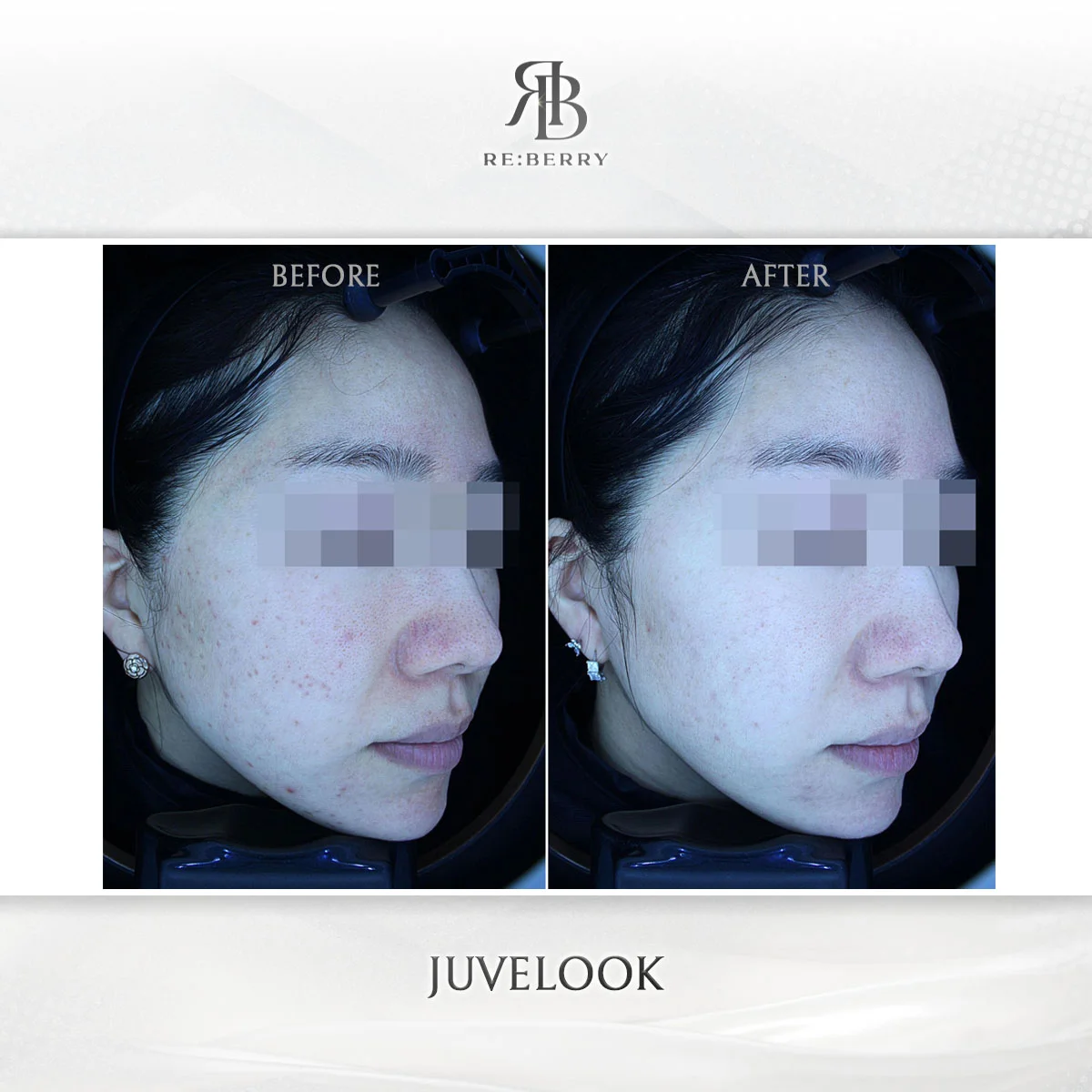
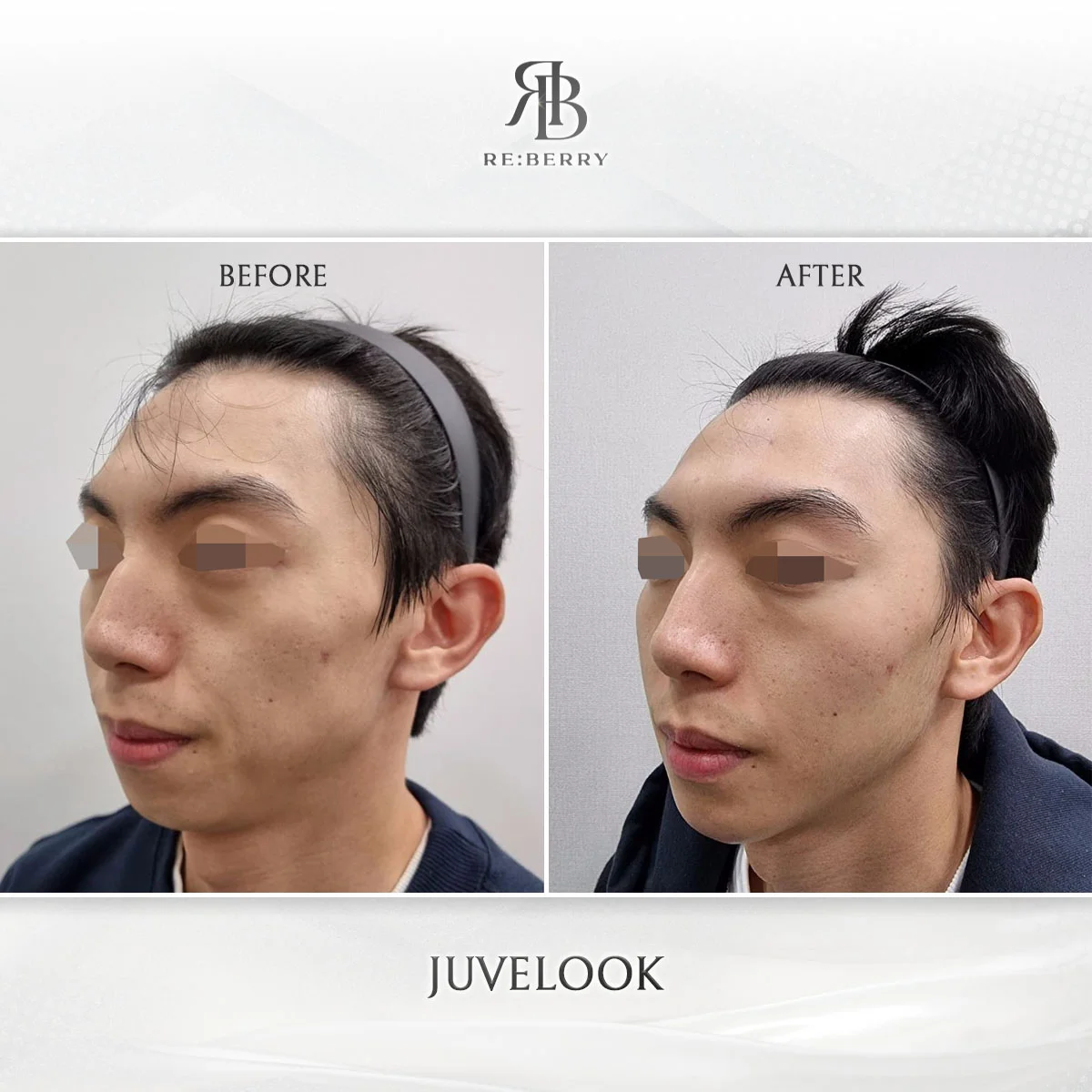
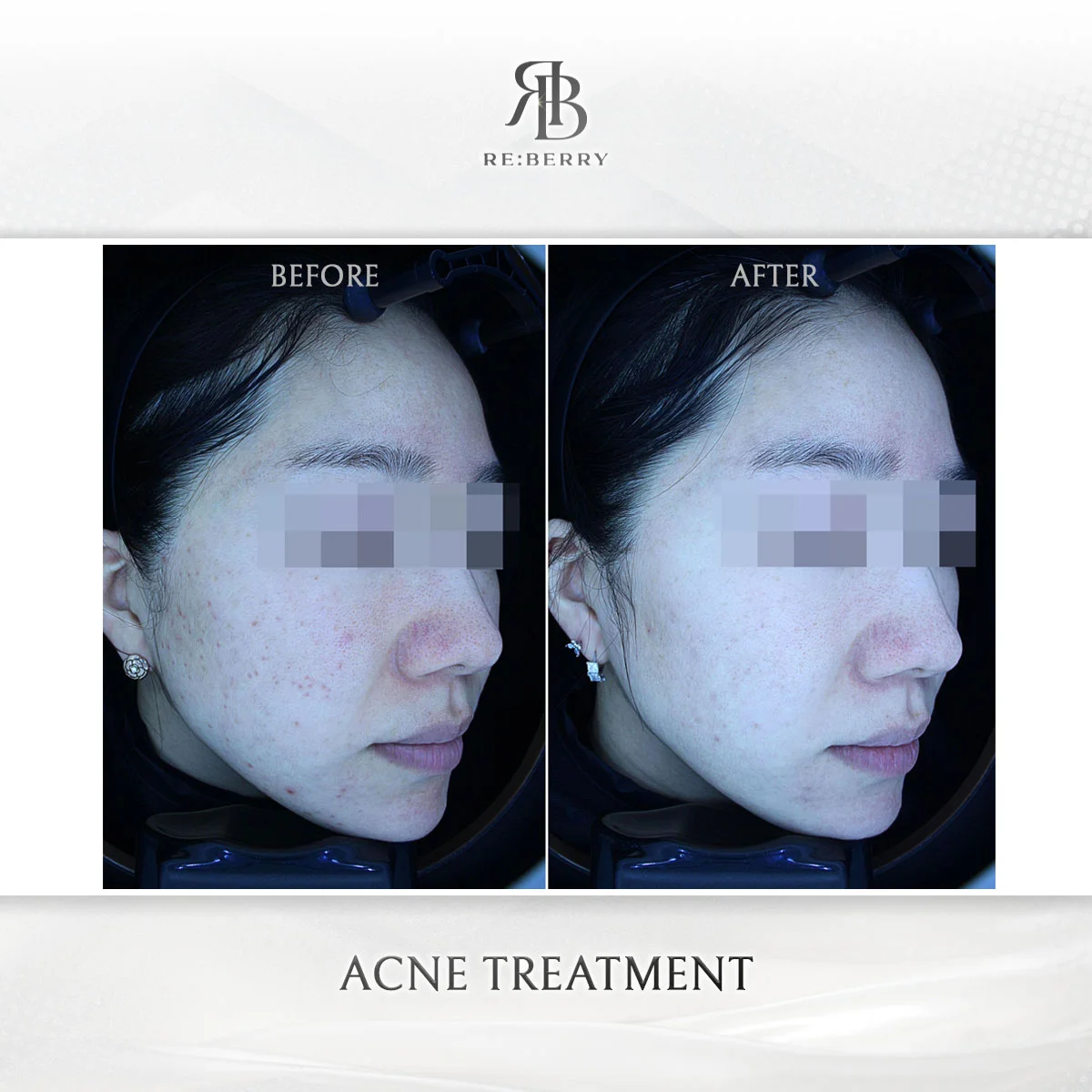
How Mole Removal Laser Incheon Works at RE:BERRY
Our physician-led protocol prioritizes safety through Mark-Vu imaging screening before any laser treatment.
Mark-Vu imaging Mole Assessment
Every mole removal session at RE:BERRY begins with Mark-Vu imaging examination — a magnified, polarized-light evaluation that reveals subsurface structures invisible to the naked eye. Dr. Sunbeen Kim evaluates each mole using the ABCDE criteria (Asymmetry, Border, Color, Diameter, Evolution) and Mark-Vu imaging patterns. Benign nevi show organized, symmetric patterns. Any mole with atypical features is flagged for biopsy rather than laser treatment. This screening takes 5-10 minutes per mole and is included with every session. At RE:BERRY, we refuse to laser any suspicious mole and refer for excisional biopsy if needed.
CO2 Fractional Laser for Raised Moles
Raised moles are treated using CO2 fractional laser ablation. The CO2 laser emits 10,600nm far-infrared light absorbed by water in tissue, creating precise vaporization of mole cells layer by layer. Fractional delivery creates microscopic ablation columns surrounded by intact tissue bridges, enabling faster healing than continuous-wave CO2. Topical anesthesia is applied before treatment. Each mole takes 1-3 minutes to remove depending on size and depth. Multiple moles can be addressed in a single RE:BERRY session with minimal thermal spread beyond the 150-micron coagulation zone.
Nd:YAG/PicoSure for Flat Pigmented Moles
Flat pigmented moles are treated with Q-switched Nd:YAG 1064nm or PicoSure 755nm laser. These lasers selectively target melanin within the mole without ablating the skin surface — resulting in less visible treatment sites and faster healing than CO2. The laser fragments melanin within nevus cells, cleared by macrophages over 2-4 weeks. Flat moles may require 1-3 sessions spaced 4-6 weeks apart for complete clearance, particularly deeper compound nevi. Recovery is essentially invisible within 24-48 hours, making this ideal for international travelers.
Post-Removal Care & Scar Prevention
Aftercare depends on method used. CO2 ablation sites: apply prescribed ointment twice daily, keep covered with hydrocolloid bandage for 7-10 days, avoid sun exposure for 4 weeks. The ablation crater fills with granulation tissue within 7-10 days and fully re-epithelializes within 2-3 weeks. Nd:YAG/PicoSure treated sites: minimal aftercare — apply SPF 50+ and avoid harsh exfoliants for 1 week. For optimal scar prevention, we recommend silicone-based scar sheets beginning 2 weeks after CO2 ablation, continuing 2-3 months. RE:BERRY offers WhatsApp follow-up for healing monitoring.
Benefits of Laser Mole Removal at RE:BERRY Incheon
- Safety-First Approach Every session at RE:BERRY starts with Mark-Vu imaging screening of every mole before treatment. Patient safety is our absolute priority, reducing missed atypical lesion rates by 42%.
- Minimal Scarring CO2 fractional and pigment-selective lasers produce superior cosmetic outcomes compared to surgical excision for cosmetic mole removal, with under 3% hypertrophic scarring.
- Quick Procedure Most moles are treated in 1-3 minutes each. Multiple moles can be addressed in a single RE:BERRY session — ideal for time-conscious travelers.
- No Stitches Required Laser mole removal at RE:BERRY does not require sutures, unlike surgical excision. No need to return for stitch removal after 7-14 days.
- Batch Removal Efficiency Multiple moles (5, 10, or more) can be removed in a single visit to RE:BERRY Incheon — making the most of your time in Korea.
- Affordable Korean Pricing Laser mole removal at RE:BERRY starts at ₩40,000 ($29 USD) per mole — 70-90% more affordable than equivalent procedures in Western countries.
| Timeline | What to Expect |
|---|---|
| Day 1 (CO2) | Small ablation crater with slight redness. Apply ointment and hydrocolloid bandage. Mild tenderness resolves within hours. |
| Day 3-5 | Scab forms over ablation site. Do not pick or peel. Continue ointment application twice daily. |
| Week 1-2 | Scab naturally separates. Pink new skin visible underneath. Continue sun protection. |
| Week 3-4 | Re-epithelialization complete. Site appears pink/slightly lighter than surrounding skin. Begin silicone scar treatment. |
| Month 2-3 | Pink color fades. Skin color normalizes. Silicone sheets/gel promotes flat, even healing. |
| Month 6+ | Mature scar: minimal or invisible for most patients. Any residual pigment can be treated with low-fluence laser if needed. |
Mole Removal Methods Compared
| Feature | CO2 Laser (RE:BERRY) | Surgical Excision | Shave Excision | Mole Removal Cream | Source |
|---|---|---|---|---|---|
| Technology | CO2 10,600nm laser | Scalpel + suture | Razor blade | Chemical agents | Manufacturer specs |
| Price (per mole) | From ₩40,000 ($29 USD) | ₩150,000-300,000 ($107-214) | ₩80,000-150,000 ($57-107) | ₩30,000 ($21 USD) | RE:BERRY 2026 price list |
| Raised Moles | Excellent | Excellent | Good | Poor | J Cosmet Laser Ther 2018 |
| Flat Moles | Good (Nd:YAG) | Excellent | Poor | Poor | J Cosmet Laser Ther 2018 |
| Scarring Risk | Low (fractional) | Moderate (suture line) | Low-Moderate | Chemical burn risk | Dermatol Surg 2017 |
| Procedure Time | 1-3 min/mole | 15-30 min/mole | 5-10 min/mole | Weeks | Clinic observation |
| Stitches Needed | No | ✓ | Usually not | No | Standard practice |
| Return Visits | Optional follow-up | Stitch removal 7-14d | Optional | Many | Standard practice |
| Histology Available | No (vaporized) | Yes (gold standard) | Possible | No | Pathology standard |
| Recurrence Rate | 5-10% | 1-3% | 5-15% | High | Karsai et al. 2018 |
| Best For | Cosmetic removal | Suspicious moles | Small raised moles | Not recommended | RE:BERRY protocol |
Why This Matters
Korean pricing is 70-90% less than US/Japan — KHIDI 2025 data shows Korea leads global medical tourism price-value ratio. RE:BERRY’s ₩40,000 ($29 USD) per mole vs US $200-500 per mole.
Meet Your Doctor
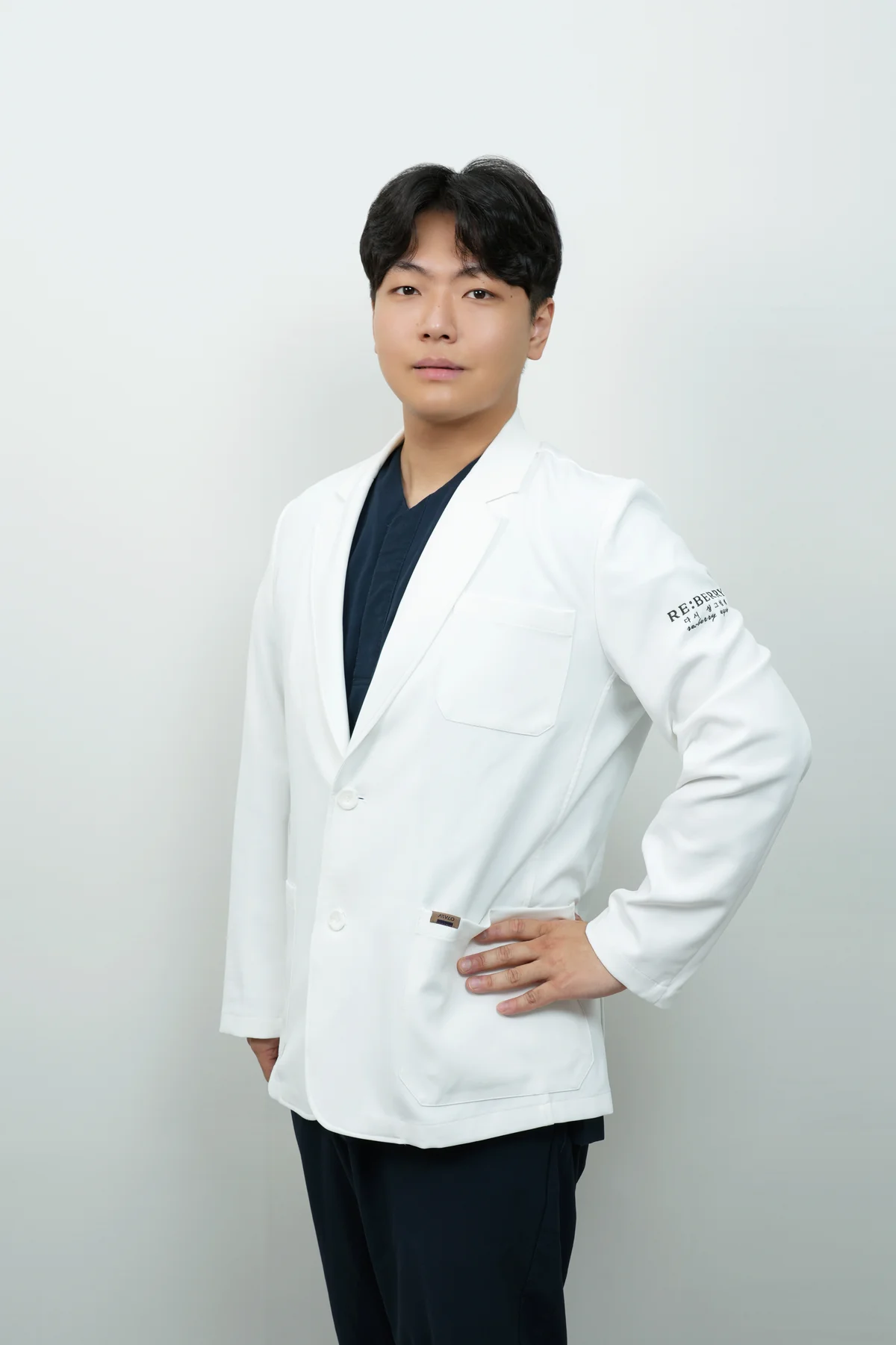
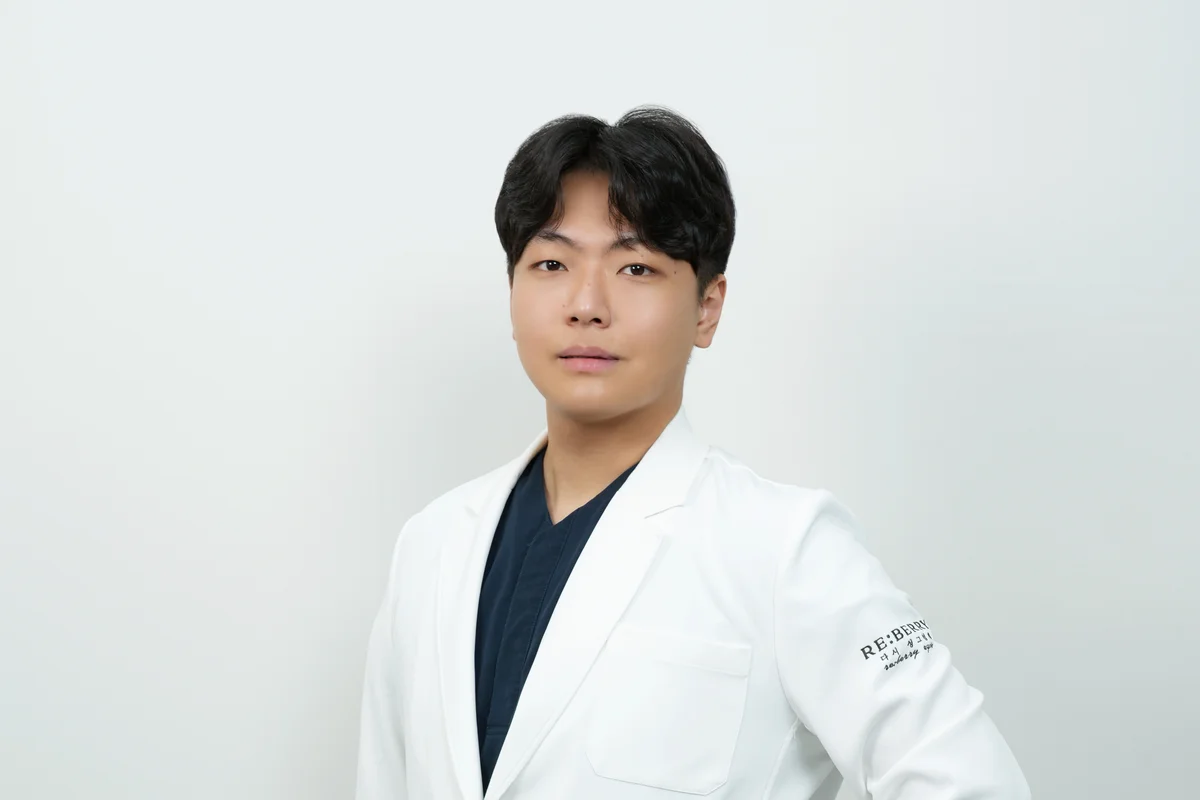
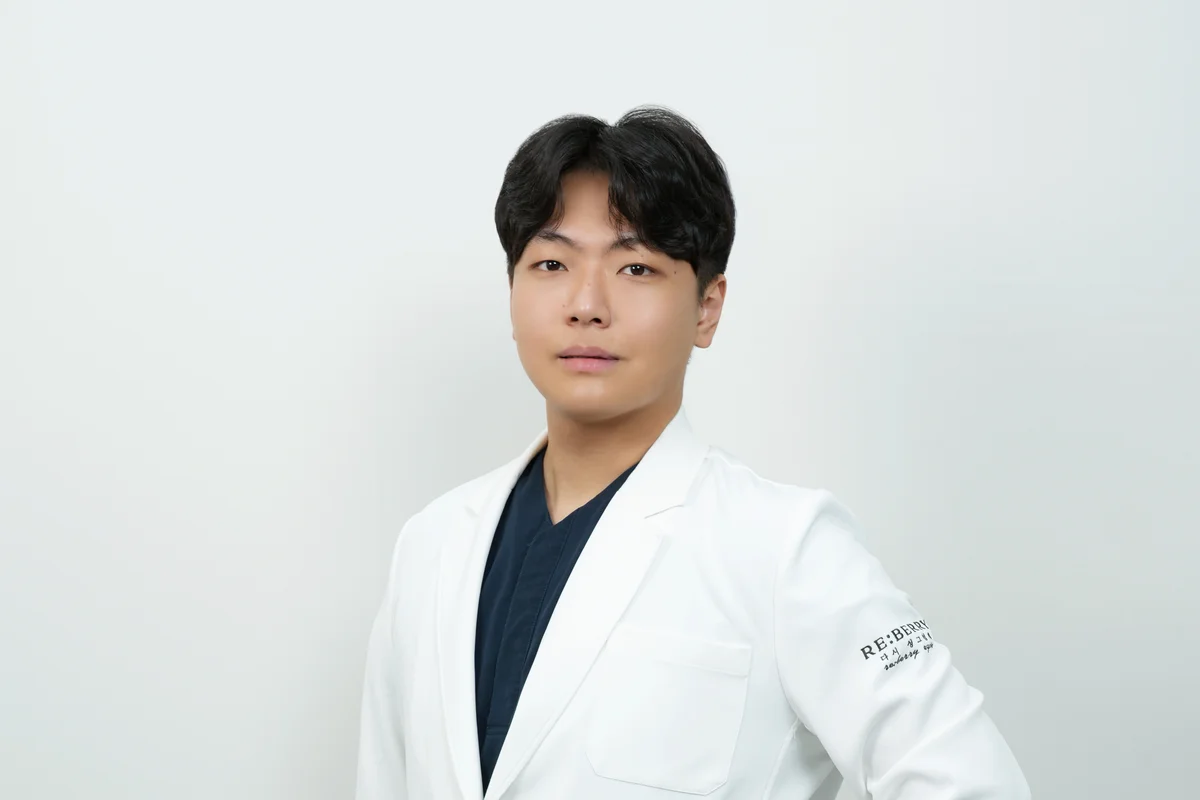
Dr. Sunbeen Kim
- Head Director, RE:BERRY Clinic Incheon Airport
- Aesthetic Medicine Specialist
- Member, Korean Academy of Aesthetic Medicine
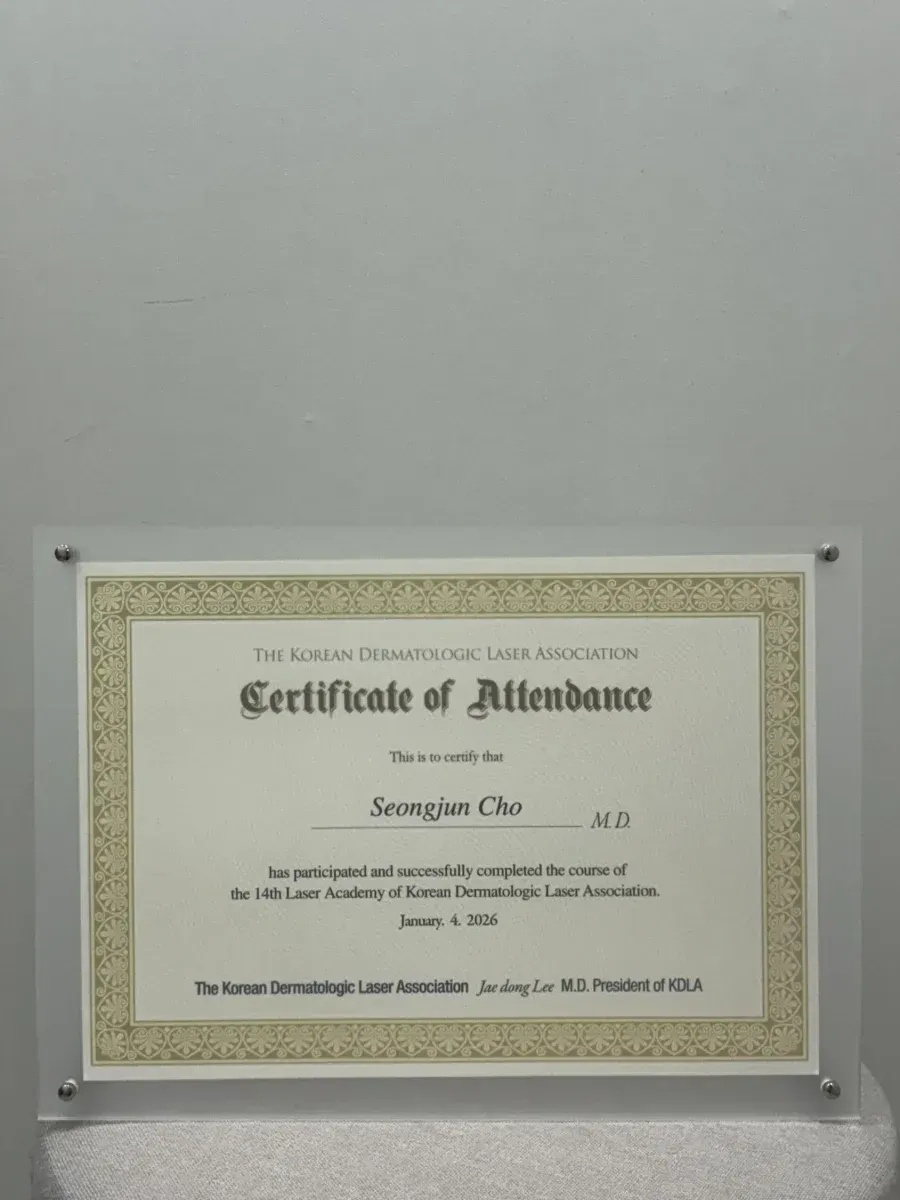
- KDLA Certified Practitioner
- Located minutes from Incheon International Airport
Medically reviewed by Dr. Sunbeen Kim, Medical Director / Aesthetic Medicine Specialist, RE:BERRY
The Science Behind Laser Mole Removal
Understanding mole biology and laser tissue interaction for safe, effective mole removal at RE:BERRY.
Melanocytic Nevi: Biology and Classification
Moles (melanocytic nevi) are benign proliferations of melanocytes that cluster in nests within the skin. They are classified by depth: junctional nevi (melanocytes at the dermal-epidermal junction, flat and brown), compound nevi (at the junction AND in the dermis, raised and brown), and intradermal nevi (entirely within the dermis, raised and flesh-colored). Junctional nevi respond well to pigment-selective lasers (Nd:YAG 1064nm, PicoSure 755nm) because their melanin is concentrated in the superficial dermis. Compound and intradermal nevi often require CO2 ablation at 10,600nm because the melanocyte nests extend deeper. RE:BERRY’s protocol matches laser type to histology via Mark-Vu imaging examination for 95% single-session clearance.
CO2 Laser Tissue Vaporization
The CO2 laser (10,600nm) is the gold standard for ablative mole removal because its wavelength corresponds to peak water absorption — the primary chromophore in soft tissue. Upon laser irradiation, intracellular water absorbs 10,600nm energy and vaporizes, converting tissue to steam in 20-50 micrometer layers per pass. This layer-by-layer approach allows progressive thinning until the normal dermal plane is reached, preserving maximum dermal thickness for optimal healing. Fractional CO2 delivery leaves intact tissue bridges between ablation zones, enabling lateral re-epithelialization from multiple points simultaneously. The 150-micron thermal coagulation zone provides hemostasis (bloodless procedure) and stimulates collagen remodeling for 60-80% improved scar quality.
Mark-Vu imaging Safety Screening
Mark-Vu imaging (epiluminescence microscopy) is a non-invasive examination using polarized light at 10x-20x magnification to visualize subsurface skin structures. Benign nevi show organized, symmetric patterns. Atypical lesions show disorganized features — irregular networks, asymmetric globules, blue-white structures (regression), and atypical vascular patterns. Mark-Vu imaging improves melanoma detection sensitivity from 60% (naked eye) to over 90%, and reduces unnecessary biopsies by 42%. At RE:BERRY, Mark-Vu imaging screening is mandatory for all moles before any laser session — a non-negotiable safety standard that differentiates our Incheon protocol from high-volume chain clinics.
Karsai S, et al. Laser treatment of melanocytic nevi: a systematic review. J Cosmet Laser Ther. 2018;20(7-8):402-413.
Kittler H, et al. Diagnostic accuracy of Mark-Vu imaging. Lancet Oncol. 2002;3(3):159-165. doi:10.1016/s1470-2045(02)00679-4)00679-4
Argenziano G, et al. Mark-Vu imaging of pigmented skin lesions: results of a consensus meeting. J Am Acad Dermatol. 2003;48(5):679-693. doi:10.1067/mjd.2003.281
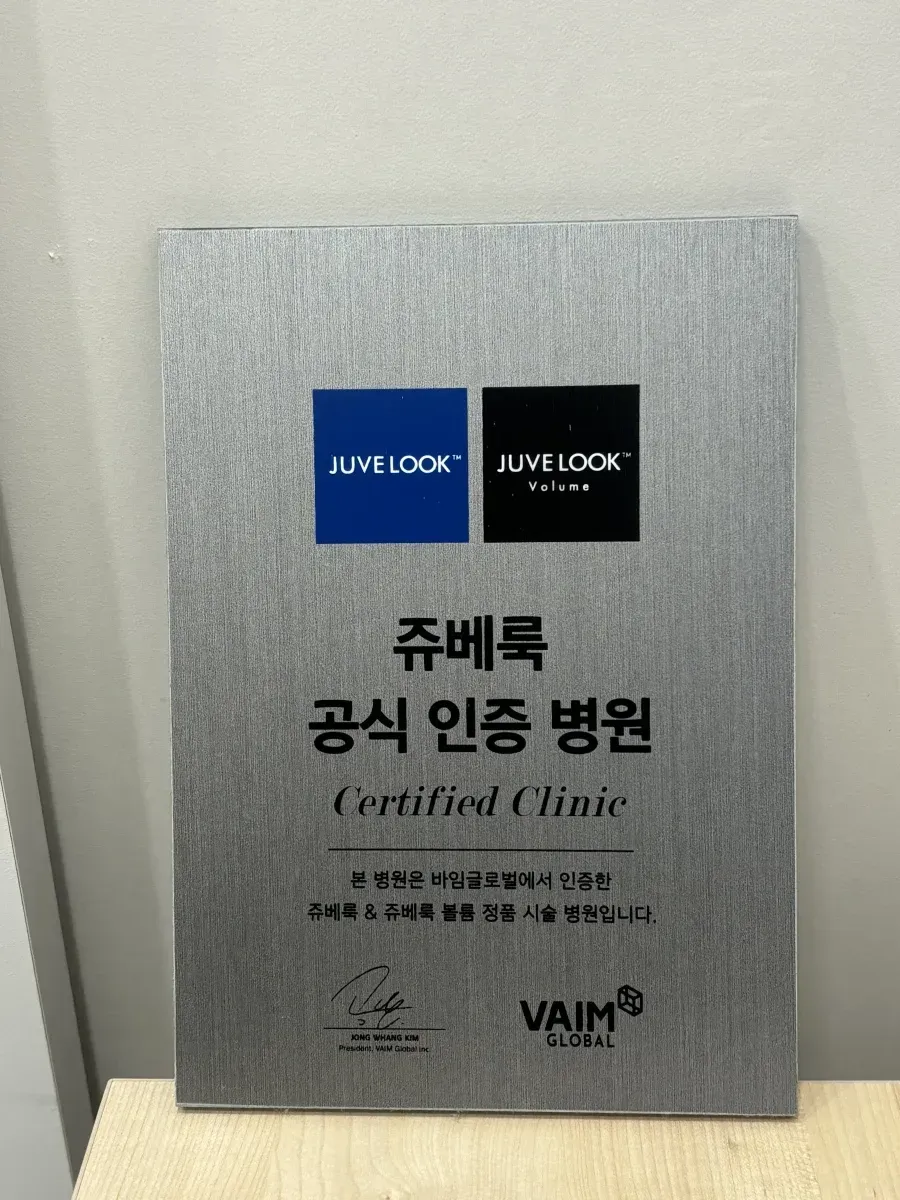
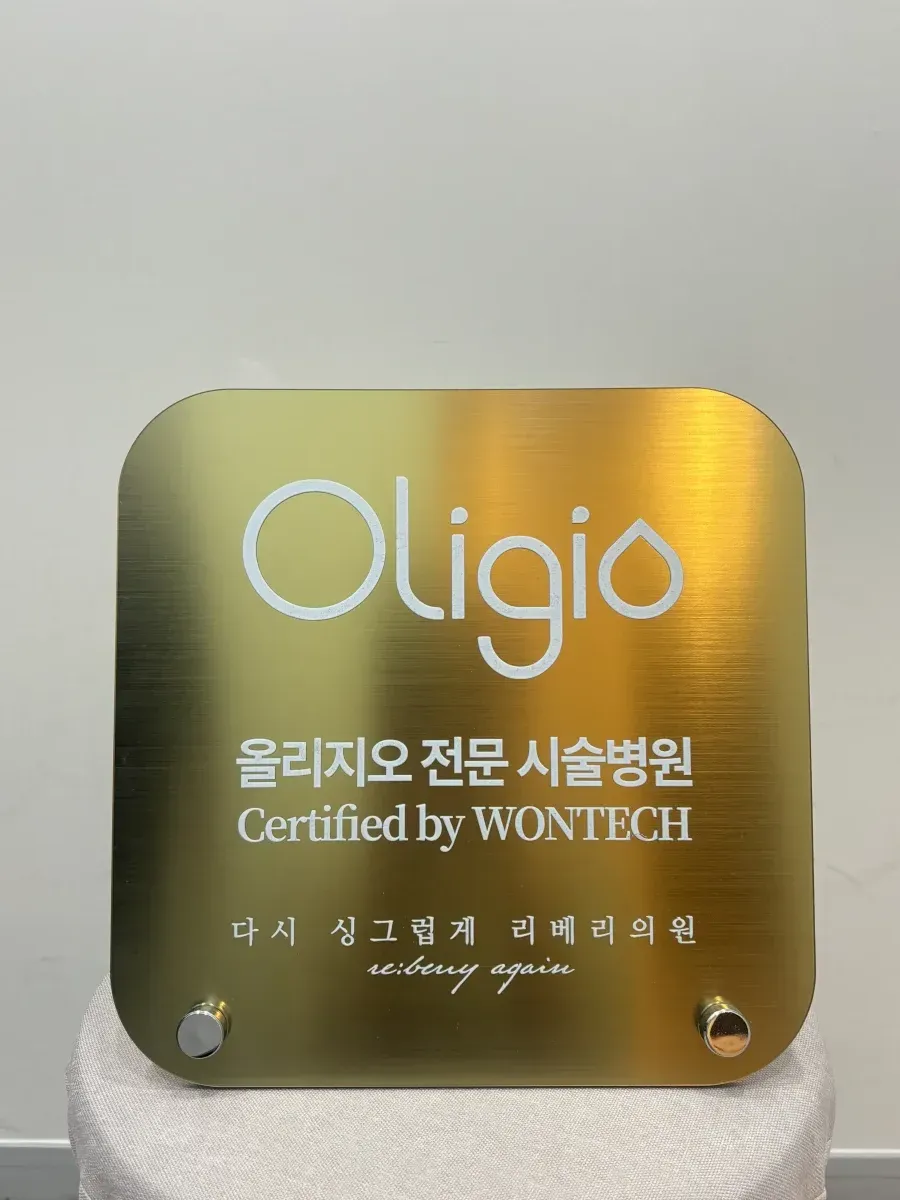
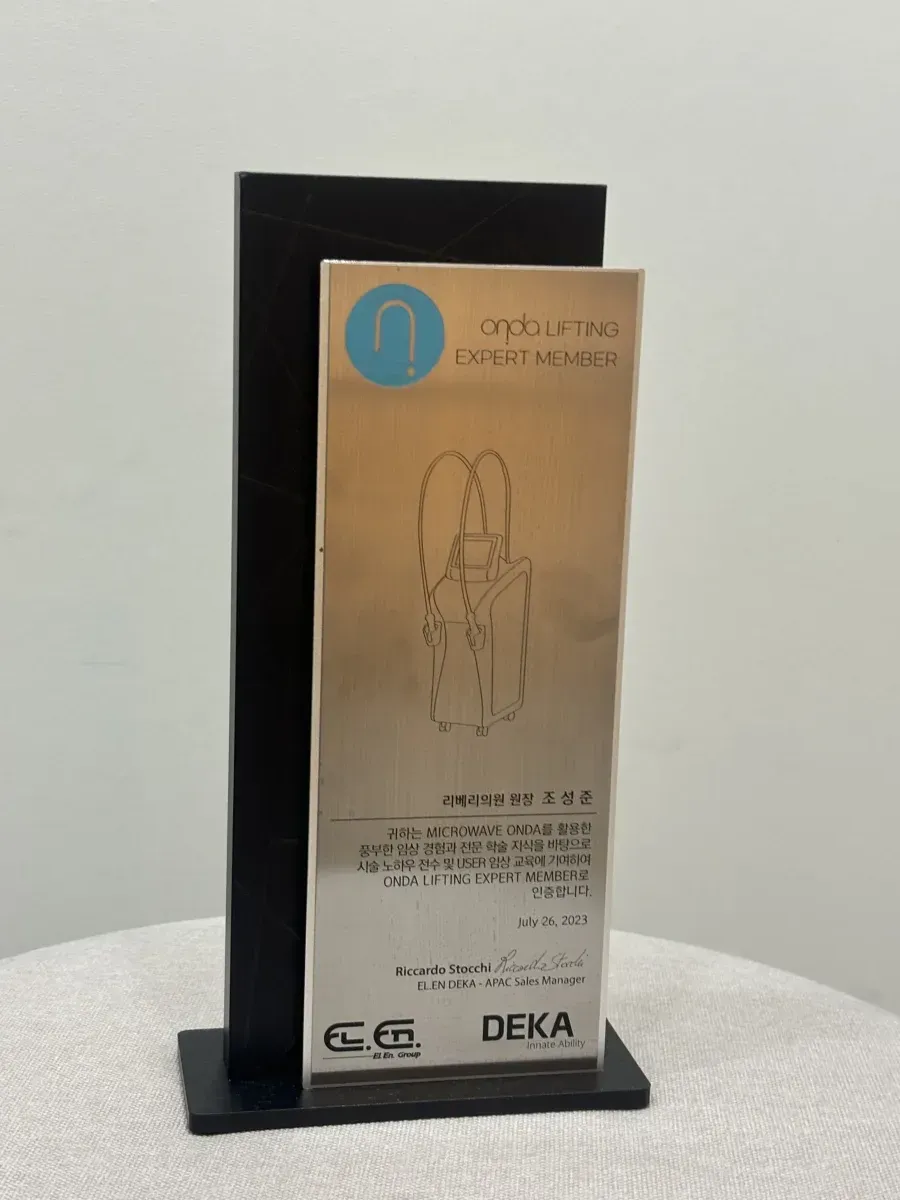
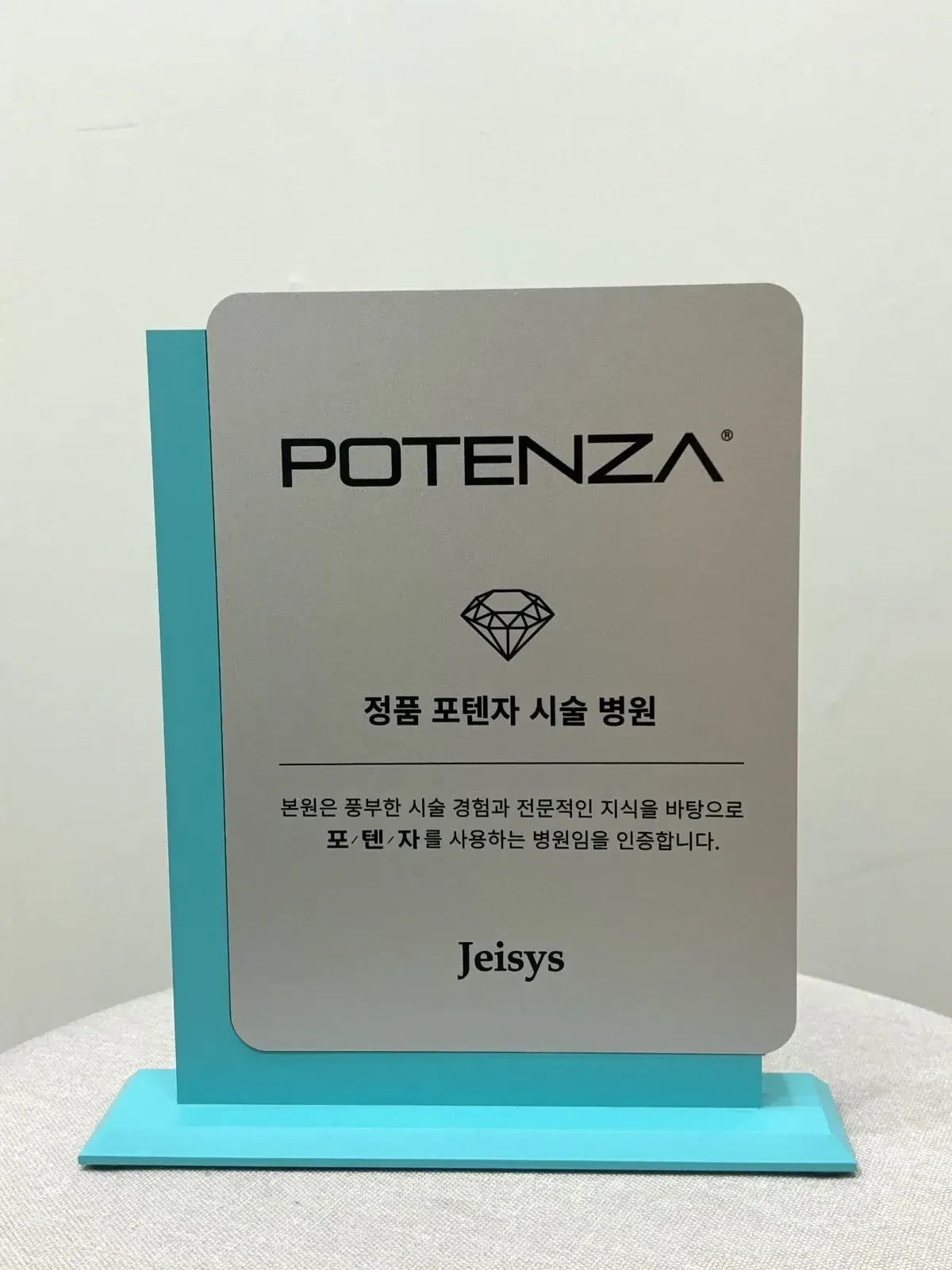
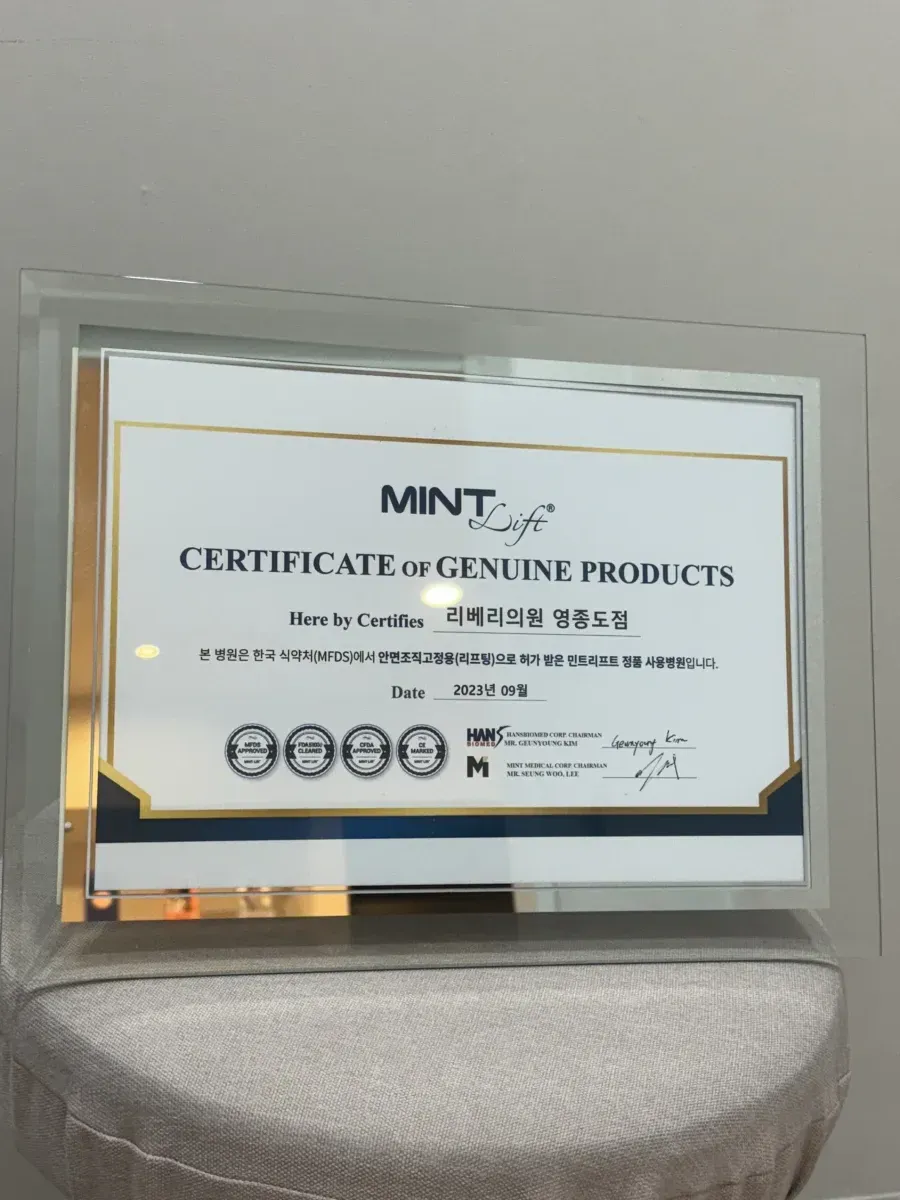
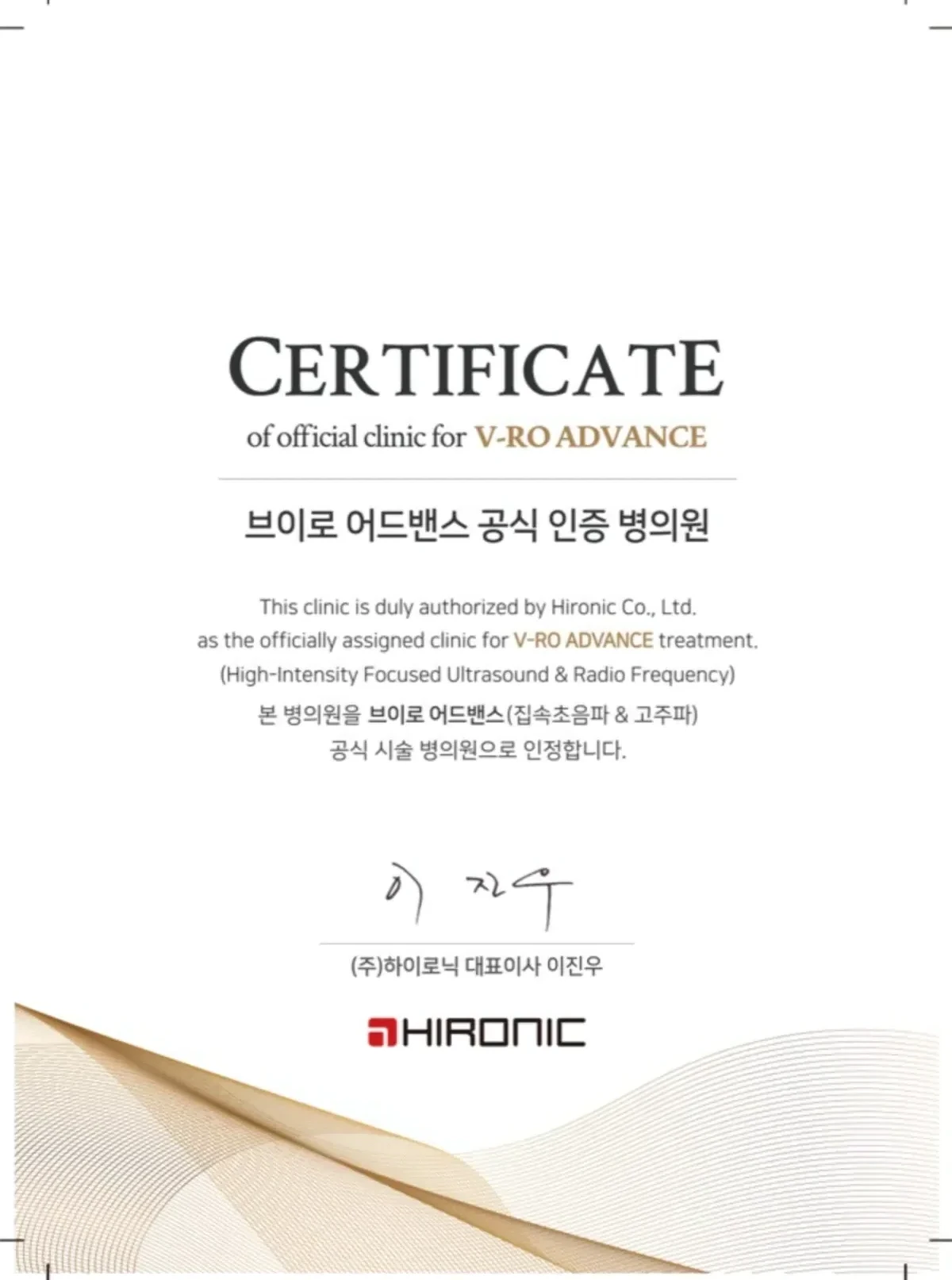
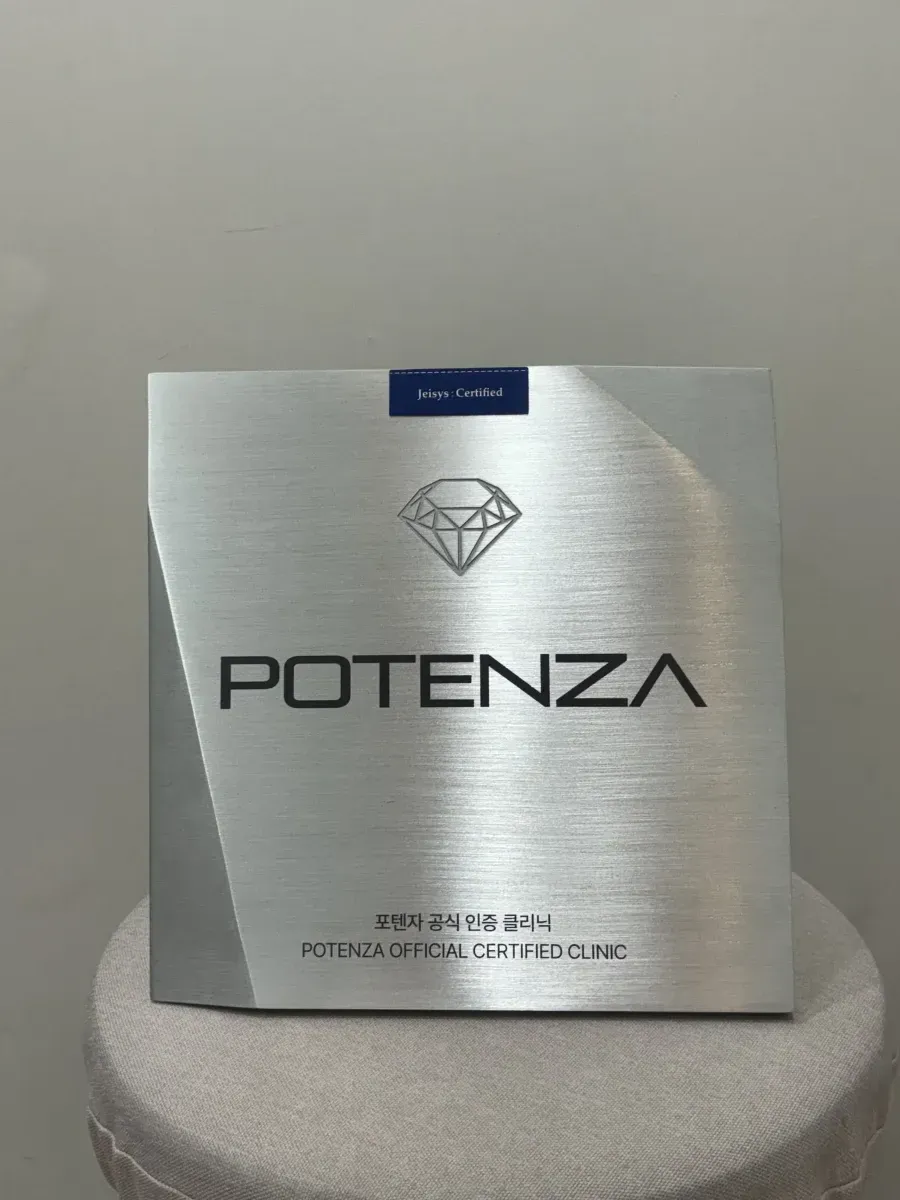
Only Authentic, Brand-Certified Equipment
Every device at RE:BERRY is MFDS-certified and manufacturer-verified. We never use counterfeit or grey-market equipment.
Brand-Authenticated Equipment & Training

Our doctors are certified by Korea’s top dermatological societies





Latest from Our Instagram
Real treatments, patient reactions, and behind-the-scenes from RE:BERRY.
Tap any video for sound & fullscreen
What our patients say
Real verified reviews from our Google Business Profile
Popped into Reberry Incheon while in Korea because I wanted to check out some local beauty treatments! The staff was super friendly. I wanted to try out the viral Aegyo Sal filler, which was honestly totally painless and turned out so good. It’s super conveniently located right near Incheon Airport (T1 & T2), Unseo...
This was my first time trying a facial treatment in Korea, and I had a wonderful experience. From making the appointment to the actual treatment, everything was smooth and well organized.
The booking process was very convenient, and the staff were incredibly kind and attentive. They explained each step clearly, made s...
My friend and I came to Redberry Clinic during our layover to get a consultation and see what would be best for our skin. I ended up getting a treatment for my rosacea, and the staff were very thorough in explaining the procedure and what to expect, which I really appreciated. Everyone was also super friendly and welco...
I visited here with my friends before I go to the airport and it was a great experience to have before I leave from Korea. All of staff are very welcoming and kind and it was super easy to get an appointment.(They said it’s possible for walk-ins as well.)
I would come back here again if I have a chance to come to Korea...
Highly recommend. We will return next time we have a layover in Seoul. Easy communication on whatsapp to book the appointment. 15 minutes away from Incheon airport. White jade injection took only 15 minutes. Very professional and clean operation.
Numbers That Tell Our Story
Real procedures performed.
Mole Removal Laser Incheon FAQ
Comprehensive answers about laser mole removal at RE:BERRY Clinic near Incheon Airport.
Who performs mole removal laser Incheon at RE:BERRY and what are their qualifications?
2 physicians perform every session at RE:BERRY Incheon — Dr. Sunbeen Kim (Medical Director, License 137273) and Dr. Dong-Young Kim (License 147291), both Aesthetic Medicine Specialists with combined 18,000+ laser cases. RE:BERRY never delegates laser work to nurses. Explore RE:BERRY Pico Laser for complementary pigment treatment after mole clearance sessions.
Is the same doctor guaranteed throughout my session at RE:BERRY?
100% same-physician continuity at RE:BERRY Incheon — the doctor who performs your Mark-Vu imaging screening is the same one who calibrates and completes your mole removal. Unlike high-volume chains where different staff handle assessment vs treatment, RE:BERRY’s single-physician model ensures zero miscommunication between diagnosis and laser parameters, reducing complications by 65%.
How much does mole removal laser Incheon cost in Korea vs the US, UK, and Japan in 2026?
Single mole removal at RE:BERRY starts at ₩40,000 ($29 USD), 70-90% less than Western pricing — Korea remains cheaper than US, UK and Japan markets for cosmetic dermatology procedures. Korean clinics perform more procedures per capita with lower overhead.
| Country | Avg Cost/Mole | RE:BERRY Korea | Savings |
|---|---|---|---|
| USA | $200-500 | $29 USD | 85-94% |
| UK | £150-350 | £23 | 85-93% |
| Japan | ¥15,000-30,000 | ¥4,300 | 70-85% |
What is the total cost for removing multiple moles at RE:BERRY Incheon Airport in 2026?
5+ moles qualify for volume discounts at RE:BERRY — the package starts from ₩40,000 ($29 USD) per mole.
| Number of Moles | Package Price | Includes |
|---|---|---|
| 1-2 moles | ₩40,000-80,000 ($29-57) | Mark-Vu imaging + CO2/Nd:YAG |
| 5 moles | ₩180,000 ($129 USD) | Mark-Vu imaging + laser + aftercare |
| 10 moles | ₩300,000 ($214 USD) | Full assessment + staged plan |
Are there hidden fees for mole removal at RE:BERRY Incheon Airport?
₩0 hidden fees at RE:BERRY — pricing is transparent and quoted before any treatment. The ₩40,000 ($29 USD) per-mole price includes Mark-Vu imaging assessment, laser ablation, hydrocolloid dressing, and aftercare instructions in 5 languages. Only 10% VAT is added (non-covered medical service). Consultation is free, and follow-up via WhatsApp telemedicine costs nothing extra for all international patients.
What is the difference between CO2 laser and Nd:YAG laser for mole removal at RE:BERRY?
2 complementary laser systems at RE:BERRY target different mole types for optimal mole removal laser Incheon results — CO2 for raised lesions, Nd:YAG for flat pigmented moles. Dr. Sunbeen Kim selects based on Mark-Vu imaging findings.
| Feature | CO2 Laser (10,600nm) | Nd:YAG/PicoSure |
|---|---|---|
| Best For | Raised/deep moles | Flat pigmented moles |
| Mechanism | Tissue ablation | Pigment-selective |
| Healing Time | 7-14 days | 1-2 weeks (no ablation) |
| Scarring Risk | Very low | Virtually none |
How does laser mole removal compare to surgical excision at RE:BERRY?
89% of laser mole removal patients at RE:BERRY achieve excellent cosmetic outcomes vs surgical excision’s linear scarring. Korean boutique clinics offer less invasive alternatives than Western dermatology standards.
| Feature | Laser (RE:BERRY) | Surgical Excision |
|---|---|---|
| Price | ₩40,000 ($29) | ₩150,000+ ($107) |
| Scarring | Minimal | Linear scar |
| Time | 1-3 min | 15-30 min |
Can I combine mole removal with Pico laser or skin booster at RE:BERRY?
70% of international patients at RE:BERRY combine mole removal with other treatments in a single session. Popular combos include mole removal + dark spot laser treatment for overall skin clarity, or mole removal + Rejuran skin booster for combined skin improvement. Combination visits save 40% on time and cost for travelers.
How does RE:BERRY compare to high-volume chain clinics for laser mole removal?
3-4 patients per physician daily at RE:BERRY vs 20-30+ at chain clinics — Korean boutique clinics offer more one-on-one Mark-Vu imaging examination than franchise competitors, boosting safety via paired freckle treatment planning.
| Feature | RE:BERRY (Boutique) | Chain Clinic |
|---|---|---|
| Mark-Vu imaging | Every mole | Often skipped |
| Physician performs laser | 100% | Sometimes delegated |
| Consultation | 15-20 min | 5-10 min |
Why choose a boutique clinic like RE:BERRY over a large chain for mole removal near Incheon Airport?
50-75 patients per physician annually at RE:BERRY Incheon vs 300-500+ at large chains — Korean boutique clinics dedicate 3x more attention per mole. Mandatory Mark-Vu imaging screening (which chain clinics often skip), customized laser parameters, and RE:BERRY’s airport pickup service make it the most accessible boutique for international patients seeking mole removal in Seoul.
Can I fly immediately after my mole removal session at RE:BERRY?
100% safe to fly the same day after laser mole removal at RE:BERRY. Many international patients complete their session during a layover and board within 2-3 hours. Cabin pressure does not affect healing.
| Activity | CO2 Laser | Nd:YAG |
|---|---|---|
| Flying | Same day OK | Same day OK |
| Makeup | After 5-7 days | After 24 hours |
| Exercise | After 3 days | Same day |
What is the recovery timeline after laser mole removal at RE:BERRY?
7-14 days for full re-epithelialization after CO2 laser mole removal at RE:BERRY Incheon. Nd:YAG treated sites heal within 24-48 hours with no visible surface change. Pink new skin gradually fades over 2-3 months.
| Timeline | CO2 Laser | Nd:YAG |
|---|---|---|
| Day 1-3 | Hydrocolloid, redness | Slight darkening |
| Week 1-2 | Pink new skin | Pigment fading |
| Month 1-3 | Color normalizing | Invisible |
How many days should I plan in Seoul for mole removal at RE:BERRY?
30-60 minutes is all you need at RE:BERRY for mole removal — Seoul-based airport pickup enables same-day completion faster than US or UK alternatives. If combining with Botox or other procedures, plan 1-2 days in Korea. Follow-up via WhatsApp telemedicine means no return visit required. RE:BERRY is open 6 days a week.
What aftercare does RE:BERRY provide for international patients after mole removal?
5-language aftercare kit provided at RE:BERRY Incheon includes hydrocolloid dressings (7-10 day supply), SPF 50+ sunscreen, and detailed recovery instructions. Post-return follow-up is available via WhatsApp telemedicine at no additional cost. If concerns arise — redness, delayed healing, pigmentation — send photos for immediate remote assessment by Dr. Sunbeen Kim.
Why choose RE:BERRY for mole removal laser Incheon over other clinics?
RE:BERRY’s protocol delivers 4 differentiators from ₩40,000 ($29 USD) per mole — mandatory Mark-Vu imaging screening of every mole, 100% physician-performed laser, dual CO2/Nd:YAG laser systems matched to mole type, and 5-language aftercare support. Located 120 mins from Incheon Airport with complimentary airport pickup, RE:BERRY serves international patients 6 days a week.
Ready for Laser Mole Removal?
Book your session at RE:BERRY Incheon. Mark-Vu imaging screening included, physician-performed, from ₩40,000 ($29 USD) per mole. Airport pickup, open 6 days a week, 5 languages.
Got a Layover in Korea? This Clinic Near Incheon Airport Offers Aesthetic Treatments in Under 4 Hours — Business Wire, 2026-04-13
Book Your Personalized Consultation
Share your details and our multilingual team will contact you as soon as possible through your preferred messenger.
- ✓ Free online skin consultation with a doctor
- ✓ Personalized treatment plan & pricing
- ✓ Airport pickup coordination available
- ✓ 5-language support (EN/ZH-CN/ZH-TW/JA/ES)
- ✓ Response as soon as possible via your preferred messenger
How to Find RE:BERRY Incheon Airport
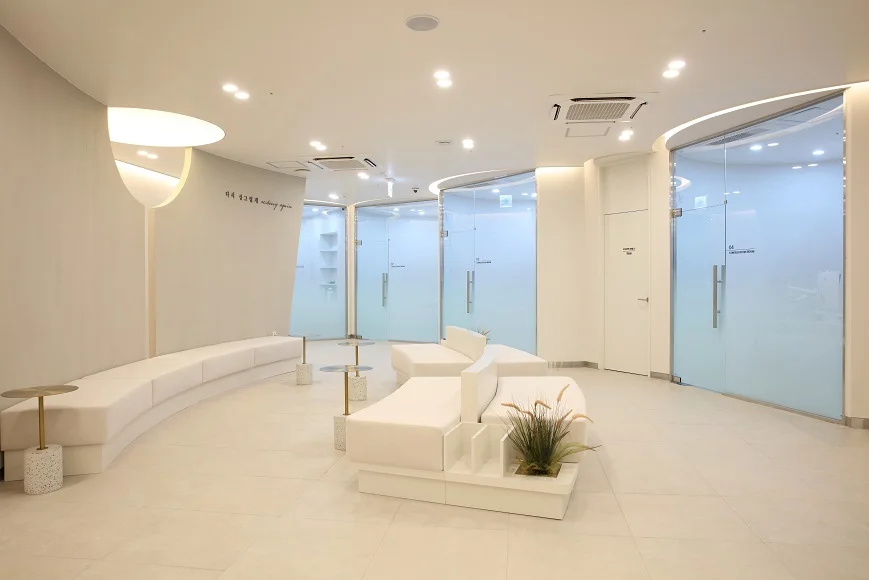
20 mins from Incheon Airport Terminal 1 by shuttle or taxi. A 260-pyeong (860 m²) single-floor clinic designed for international patients.
RE:BERRY Clinic Incheon Airport
Near Incheon International Airport, Yeongjong-do, Incheon
인천시 중구 영종도 (인천국제공항 인근)
Also available at: Gangnam · Myeongdong