Laser Toning vs Pico Toning Near Incheon Airport Korea
Choosing between traditional Q-switched Nd:YAG laser toning and next-generation PicoSure picosecond toning determines how fast you achieve the coveted Korean glass skin look. RE:BERRY Incheon Airport offers both technologies side by side, with dual toning protocols starting from ₩690,000 for 10 sessions — ideal for international travelers seeking clear, luminous skin near ICN Airport.
Laser Toning vs Pico Toning: Which One Should You Choose?
RE:BERRY Incheon Airport offers both Q-switched 1064nm laser toning and PicoSure 755nm pico toning — Berry Dual Toning 10 sessions costs ₩690,000 ($531 USD), 70-87% less than US. Pico toning clears stubborn pigment 30-40% faster; Q-switched is safer for melasma. Dual protocol combines both for glass skin in Korea.
The fundamental difference lies in pulse duration and wavelength. Q-switched Nd:YAG laser toning delivers energy in nanoseconds (billionths of a second) at 1064nm, creating a photoacoustic effect that fragments melanin while preserving surrounding tissue. It has been the gold standard for Asian skin melasma management for over a decade due to its excellent safety profile on Fitzpatrick IV-V skin types. PicoSure pico toning operates at 755nm in picosecond pulses — 100 times shorter than nanosecond lasers — generating a photomechanical effect that shatters pigment into nano-scale particles. This means the body clears pigment faster, requires fewer sessions, and experiences less post-inflammatory hyperpigmentation (PIH) risk. At RE:BERRY Incheon Airport, Dr. Cho Sung-Jun evaluates each patient’s glass skin goals, melasma severity, and travel schedule to recommend the optimal toning protocol — or a dual toning combination that leverages both wavelengths for maximum clearance.
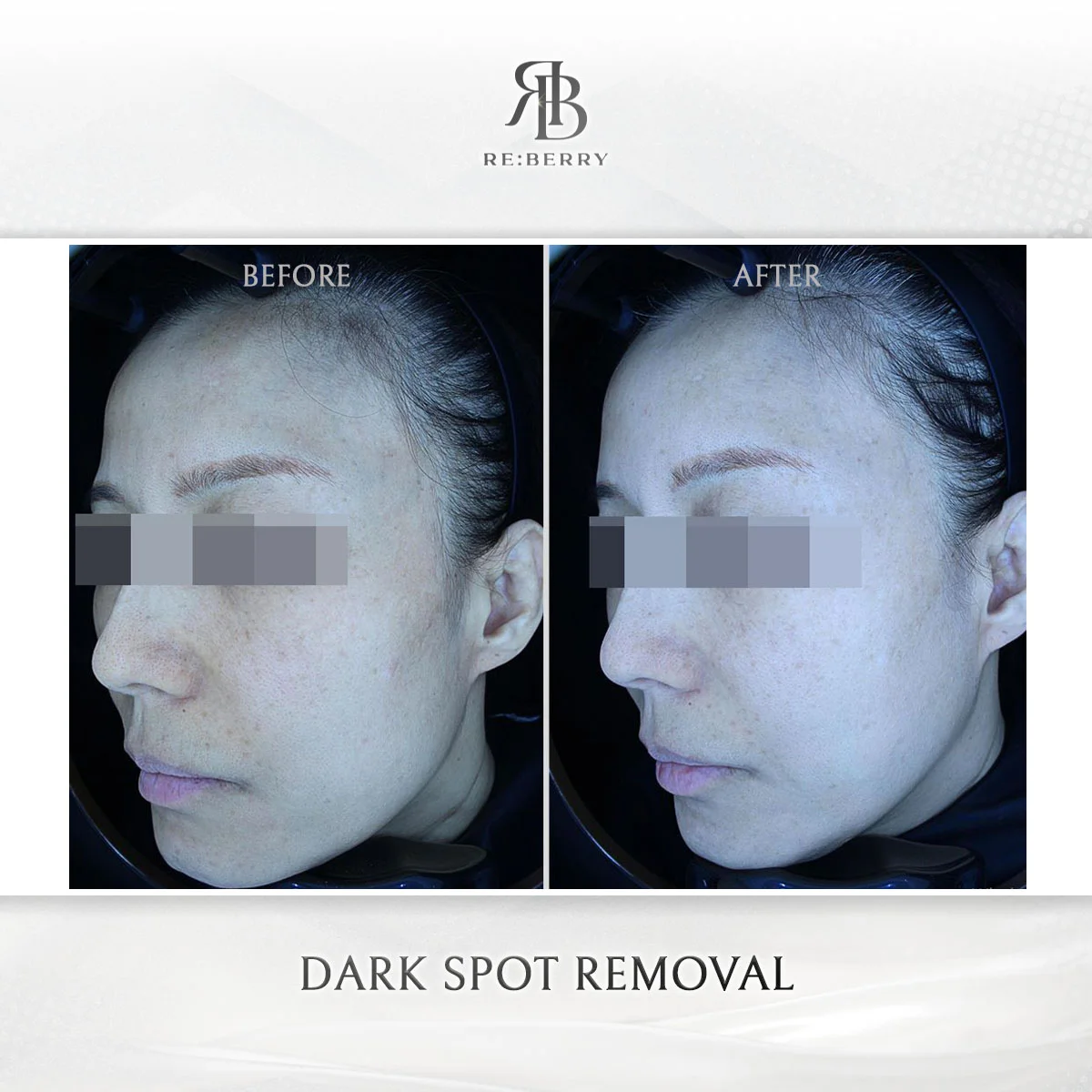
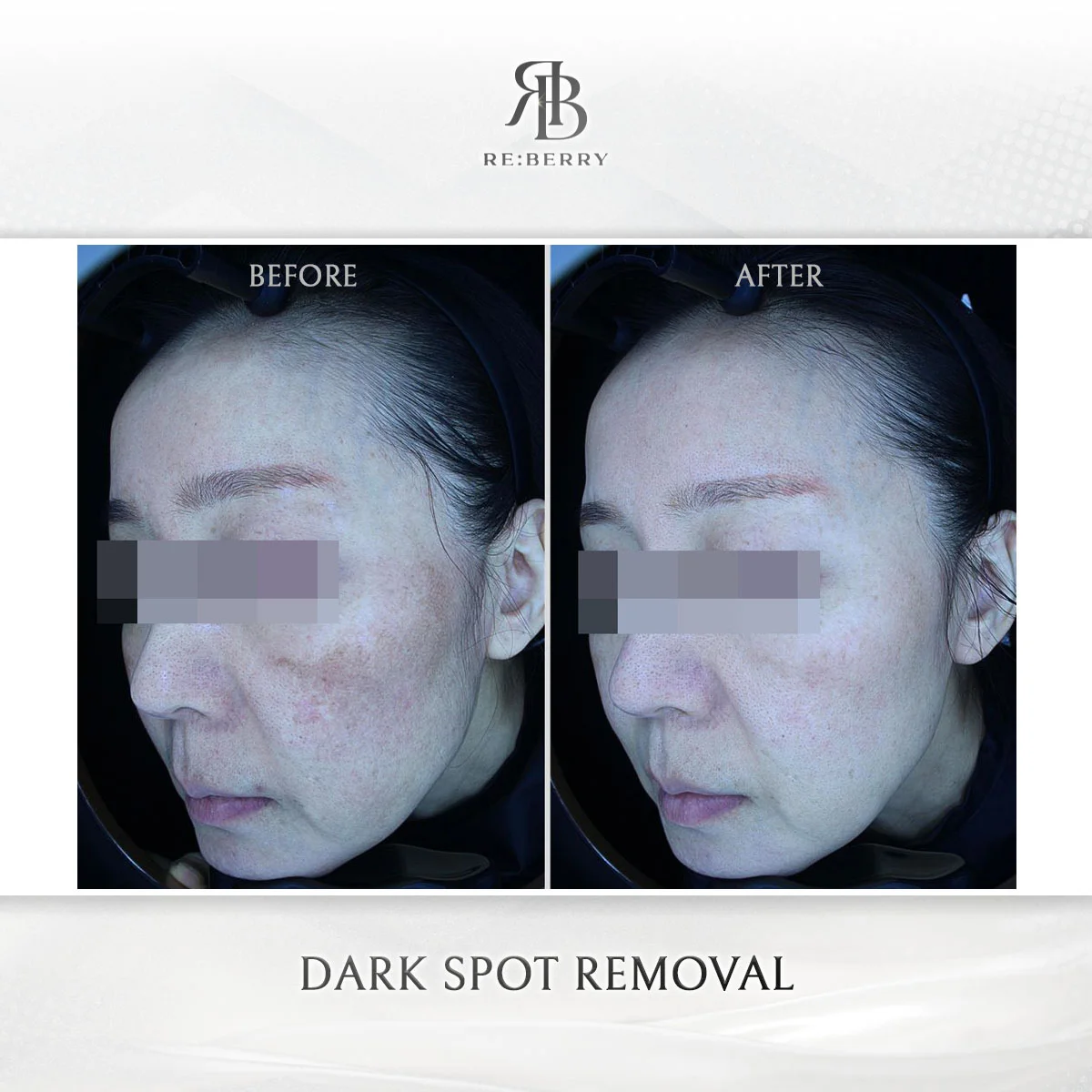
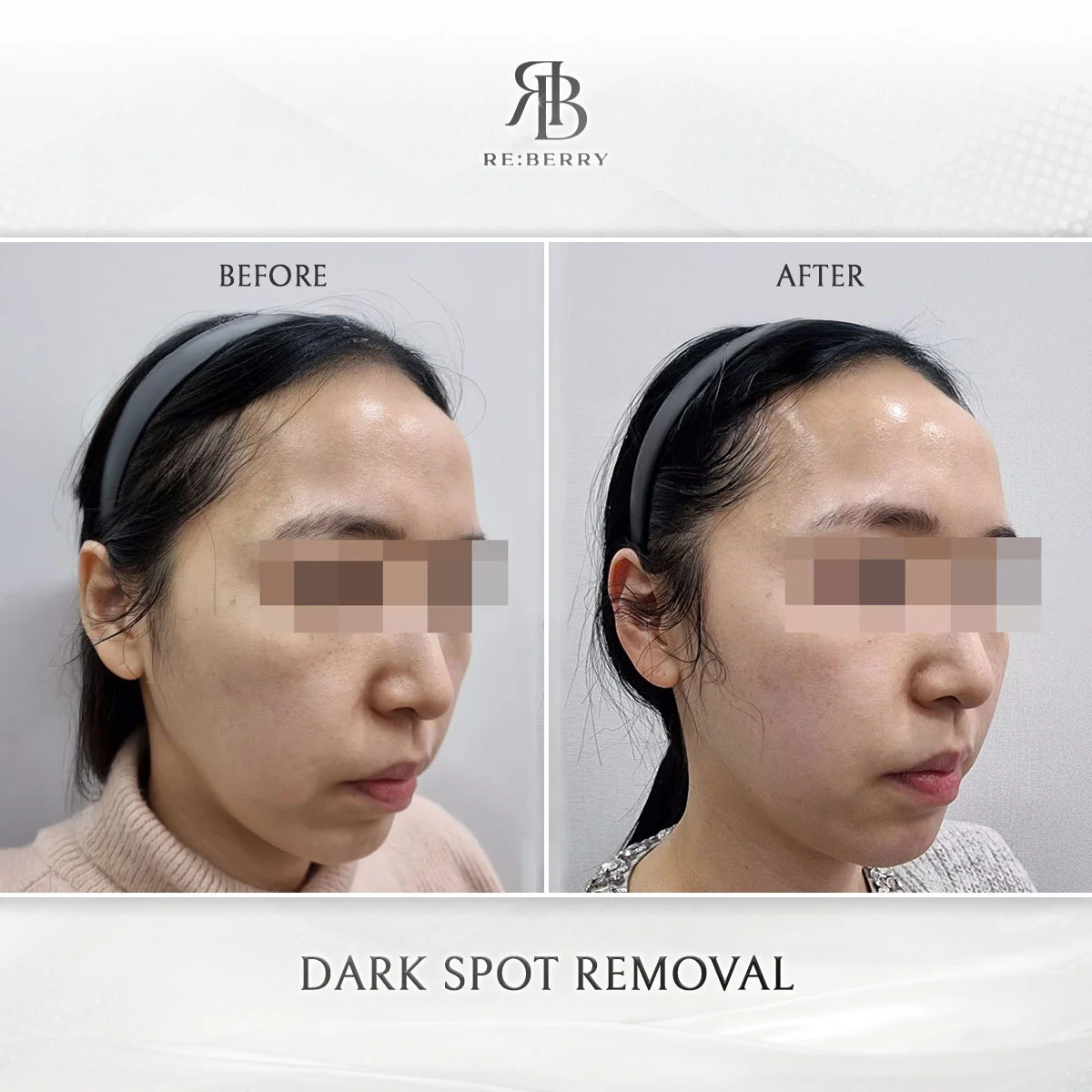
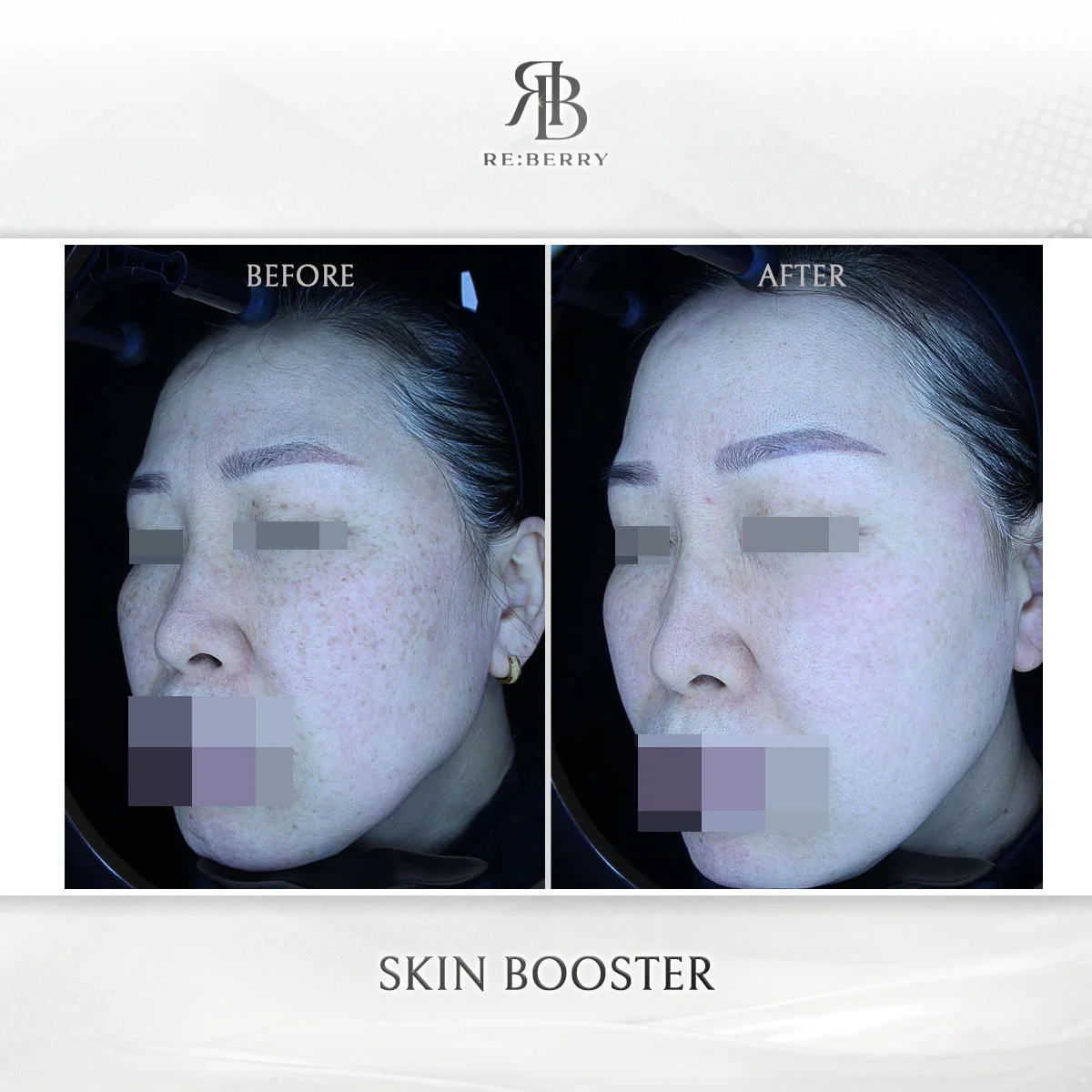
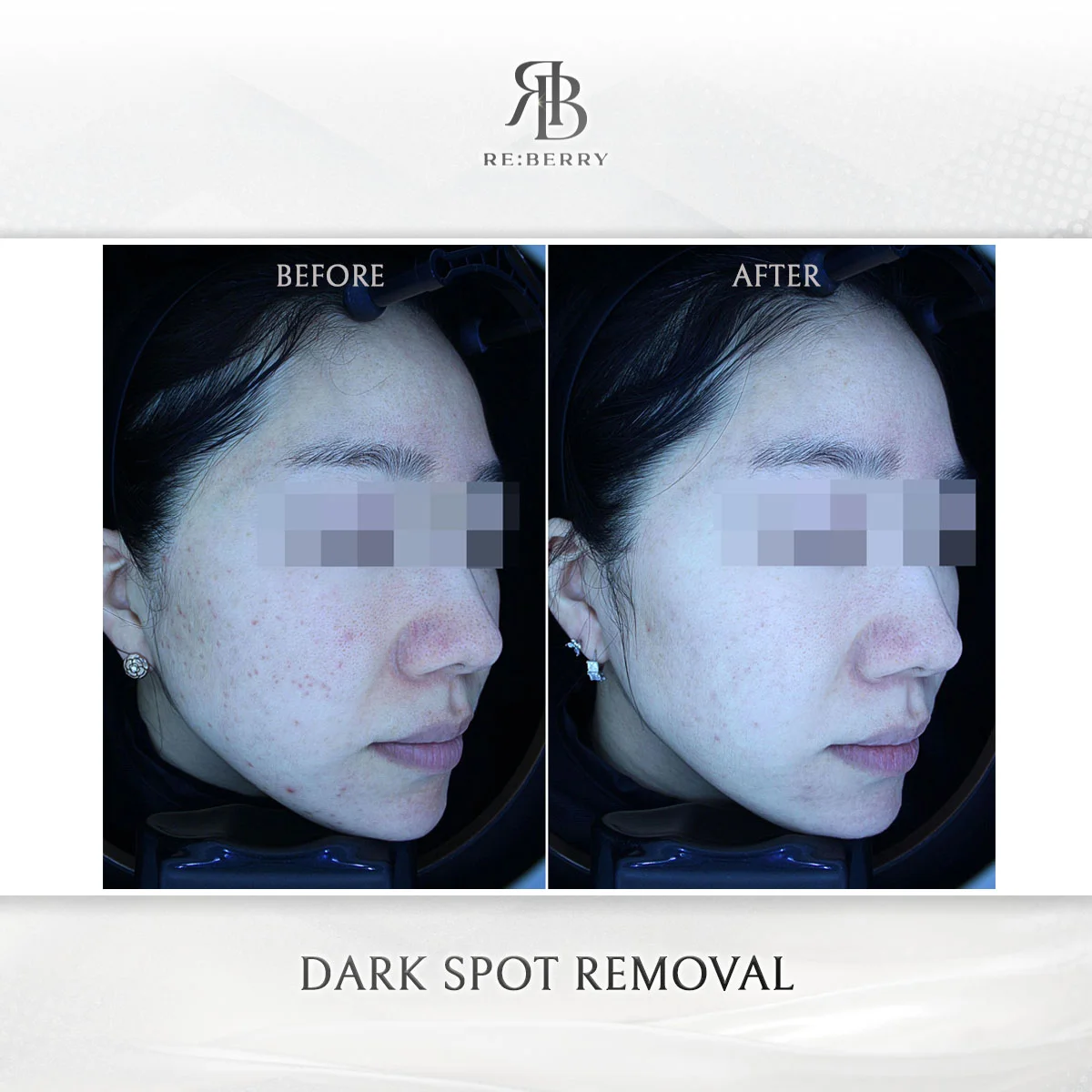
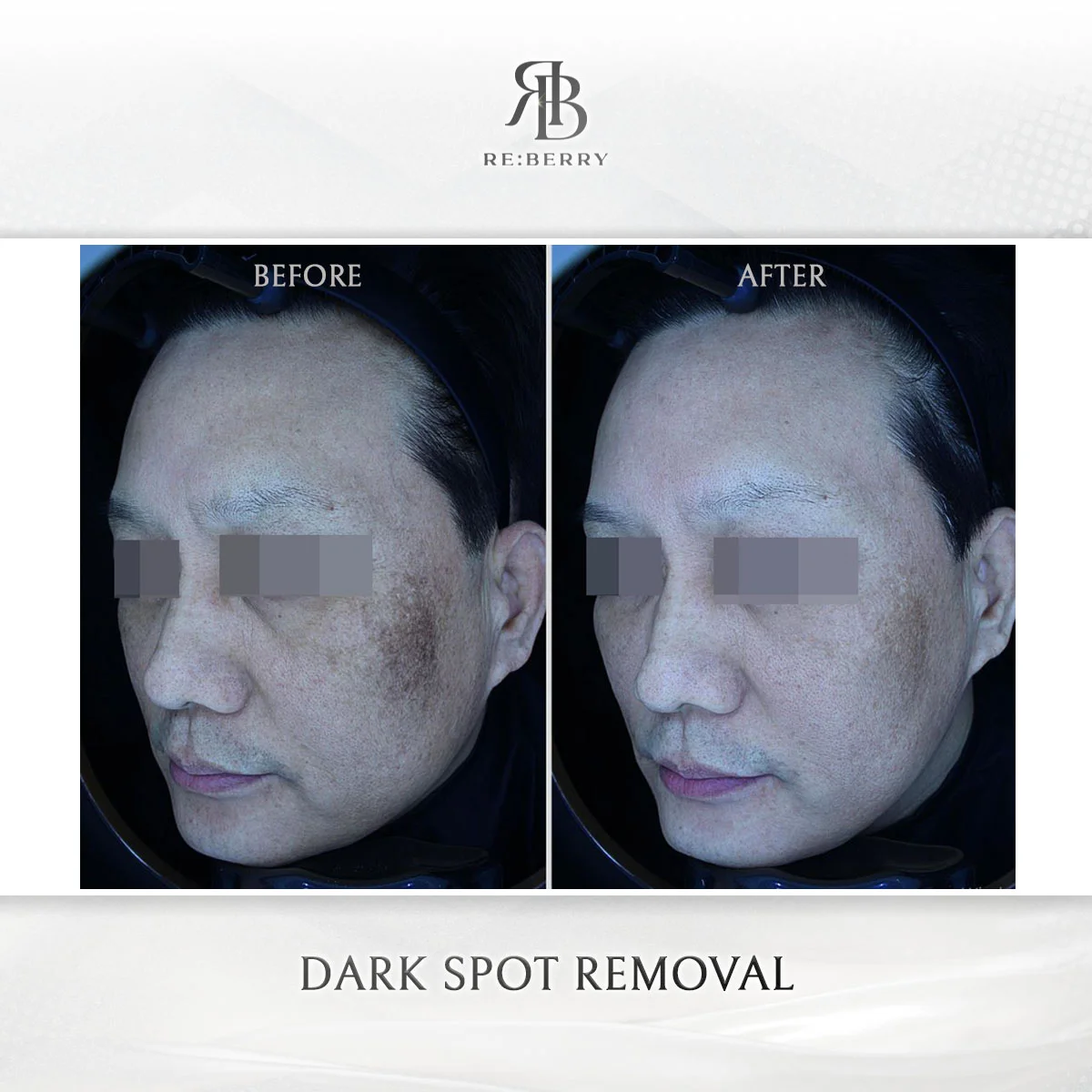
Toning Treatment Before & After
Actual patient results from RE:BERRY Incheon Airport. Laser toning and Pico toning protocols.
How Laser Toning & Pico Toning Work at RE:BERRY
Four-step protocol for both Q-switched and PicoSure toning sessions.
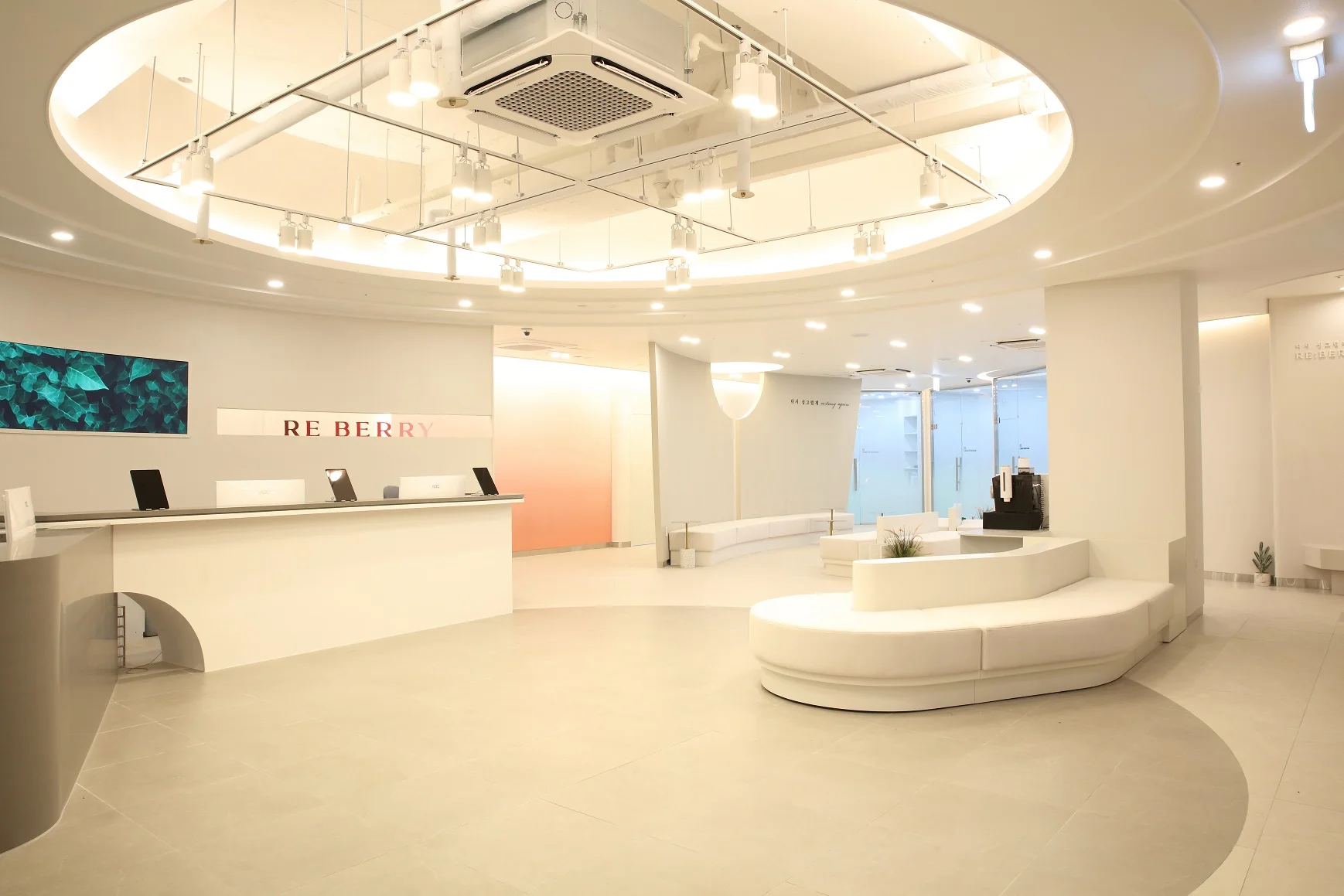
Skin Analysis & Pigment Mapping
Dr. Cho Sung-Jun performs Visia skin analysis to classify pigmentation depth (epidermal vs dermal melasma), Fitzpatrick skin type, and vascular patterns. This determines whether Q-switched 1064nm toning, PicoSure 755nm toning, or a dual protocol is optimal. Each patient receives a personalized treatment roadmap with expected session count and timeline.
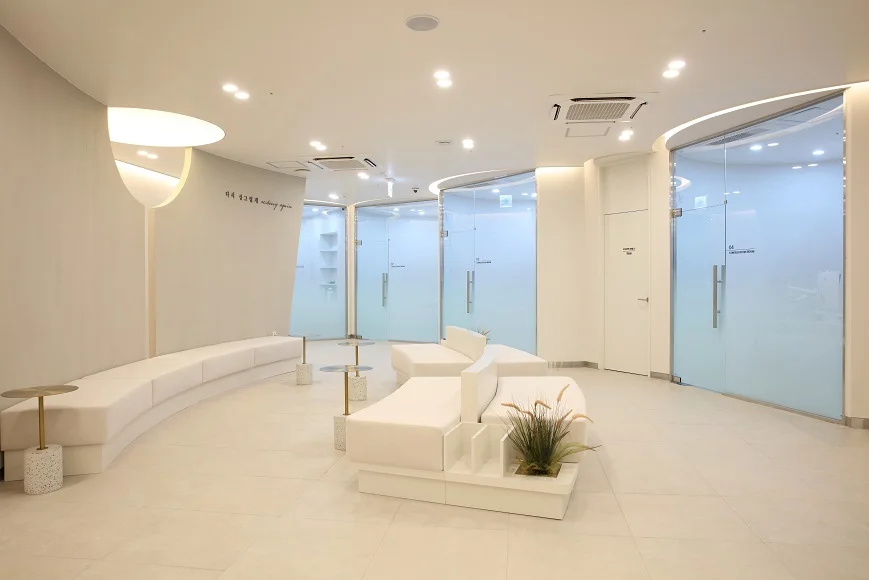
Gentle Cleansing & Preparation
Skin is double-cleansed to remove sunscreen, makeup, and sebum. Unlike ablative lasers, toning procedures typically require no topical anesthesia — most patients describe the sensation as mild rubber-band snaps. Treatment parameters are calibrated to fluence levels specific to the patient’s skin type and pigmentation depth.
Laser Energy Delivery
For Q-switched toning: 1064nm Nd:YAG delivers low-fluence (1.5-3.5 J/cm²) energy across the full face in 800-1,200 pulses. For PicoSure toning: 755nm picosecond pulses with Focus Lens Array create laser-induced optical breakdown (LIOB) micro-zones that stimulate collagen while shattering melanin. Dual toning combines both in a single session — Q-switched first for deep melanin, then PicoSure for superficial brightening.
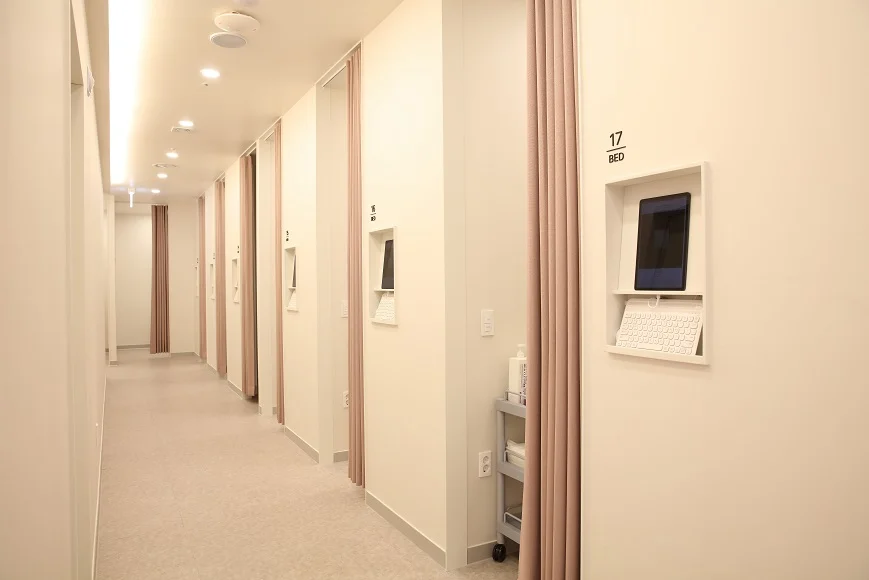
Post-Treatment Care & Scheduling
LDM (Local Dynamic Micro-massage) applied immediately after toning to reduce inflammation and accelerate recovery. Mineral sunscreen SPF 50+ applied. No downtime required — patients can fly or return to activities immediately. Next session scheduled 2-4 weeks apart depending on protocol. Dr. Kim Dong-Young reviews progress photos at each follow-up visit.
What to Expect from Toning Treatments
- Melanin Fragmentation Without Thermal Damage Both toning modalities use sub-threshold fluences that shatter melanin pigment without burning surrounding tissue, making them exceptionally safe for Asian and darker skin types (Fitzpatrick III-V).
- Glass Skin Brightening Effect Serial toning sessions progressively reduce melanin density in the epidermis and upper dermis, creating the translucent luminosity known as Korean glass skin — a uniform, poreless complexion.
- Melasma Management Low-fluence Q-switched toning is the gold standard for melasma control in Korean dermatology, with studies showing 60-70% improvement after 10 sessions without rebound hyperpigmentation when combined with proper sun protection.
- Collagen Stimulation (Pico Toning) PicoSure’s Focus Lens Array creates LIOB micro-zones that trigger neocollagenesis, improving skin texture and fine wrinkles alongside pigment clearance — a dual benefit Q-switched toning alone cannot achieve.
- Zero Downtime / Travel-Friendly No redness, peeling, or social downtime. Patients routinely get toning sessions during layovers or between sightseeing stops, making it ideal for travelers passing through Incheon Airport.
- Combinable with Boosters Toning pairs perfectly with Rejuran skin booster or Juvelook for enhanced hydration and regeneration after each session.
| Timeline | What to Expect |
|---|---|
| Day 1 | Very mild warmth resolves within 30 minutes. Skin may appear slightly pink for 1-2 hours. No peeling or crusting expected. |
| Sessions 1-3 (Week 1-6) | Superficial pigment spots begin to lighten. Skin tone appears more even. Some freckles may darken temporarily before shedding. |
| Sessions 4-6 (Week 8-12) | Noticeable brightening and evening of skin tone. Melasma patches reduce in contrast by 40-50%. Pore size visually decreases. |
| Sessions 7-10 (Week 14-20) | Glass skin effect becomes prominent. Dermal melasma shows significant improvement. Skin texture smoother with collagen remodeling from pico toning. |
| Month 6+ (Maintenance) | Monthly maintenance sessions recommended to sustain results. With proper SPF 50+ daily use, glass skin clarity can be maintained long-term. |
Laser Toning vs Pico Toning: Head-to-Head Comparison
| Feature | Q-Switched Laser Toning | PicoSure Pico Toning | RE:BERRY Dual Toning |
|---|---|---|---|
| Technology | Q-Switched Nd:YAG | PicoSure Picosecond | Both Combined |
| Wavelength | 1064nm | 755nm | 1064nm + 755nm |
| Pulse Duration | Nanoseconds (10⁻⁹s) | Picoseconds (10⁻¹²s) | Both |
| Mechanism | Photoacoustic | Photomechanical (LIOB) | Dual-action |
| Best For | Melasma, deep pigment | Sun spots, brightening, texture | Comprehensive glass skin |
| Sessions Needed | 8-12 sessions | 5-8 sessions | 8-10 sessions |
| Session Interval | 2-4 weeks | 2-4 weeks | 2-4 weeks |
| Collagen Stimulation | Minimal | Significant (Focus Lens) | Significant |
| PIH Risk (Asian Skin) | Very Low | Low | Very Low |
| Downtime | None | None | None |
| Price at RE:BERRY | From ₩690,000 (10 sessions) | From ₩990,000 (10 sessions) | Custom package |
Toning Treatment Packages at RE:BERRY Incheon Airport
All prices exclude VAT. Non-covered medical service. April 2026 promotion pricing.
Berry Dual Toning 10 Sessions
- 10 sessions Q-switched + PicoSure dual toning
- Full-face treatment each session
- Skin analysis at every visit
- LDM post-treatment care
- SPF 50+ sunscreen included
Berry Shine Toning 10 Sessions
- 10 sessions premium PicoSure toning
- Focus Lens Array for collagen boost
- Full-face + neck treatment
- LDM + regenerative mask each session
- Progress photo tracking
One-Day Customized Pigmentation Care
- Potenza-based customized skin booster
- Rejuran Healer 2cc
- Personalized toning session
- Personalized laser treatment
- LDM + modeling mask
- Choice of Exosome or Juvelook booster
Meet Your Doctor
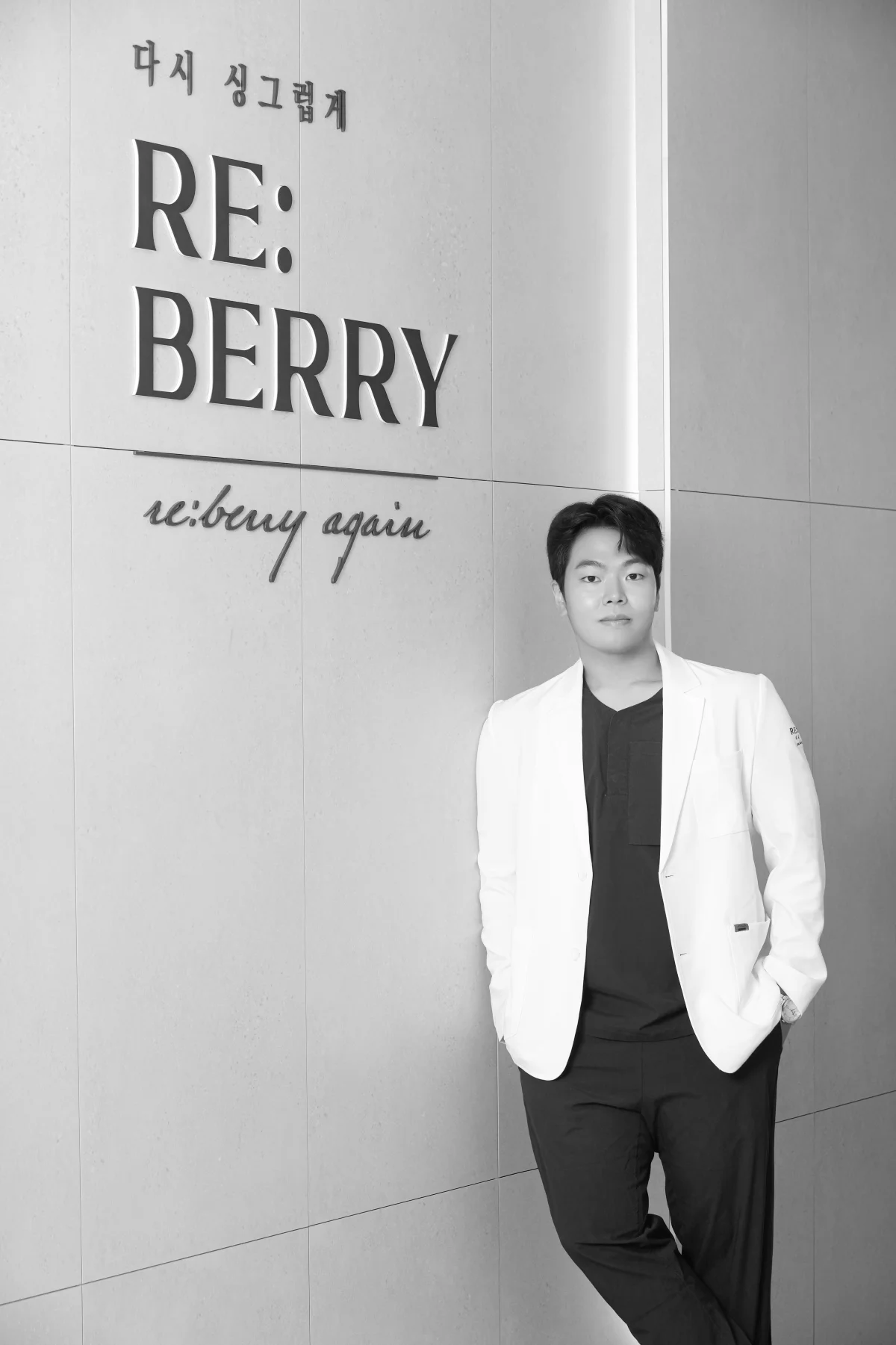
Dr. Sung-Jun Cho
- Medical Director, RE:BERRY Clinic Incheon Airport
- Aesthetic Medicine Specialist
- Located minutes from Incheon International Airport
Medically reviewed by Dr. Sung-Jun Cho, Medical Director / Aesthetic Medicine Specialist, RE:BERRY
The Science Behind Laser Toning and Pico Toning
Peer-reviewed evidence supporting toning protocols for pigmentation and glass skin outcomes.
Q-Switched Nd:YAG Laser Toning: Mechanism and Evidence
Low-fluence Q-switched Nd:YAG laser toning (also called ‘laser toning’ or ‘MLA toning’) delivers 1064nm energy at sub-cytotoxic fluences of 1.5-3.5 J/cm², creating a photoacoustic shock wave that fragments melanosomes without rupturing melanocytes. This ‘subcellular selective photothermolysis’ concept was pioneered for melasma treatment in Korean dermatology and has become the standard of care across East Asia. The key advantage is the minimization of post-inflammatory hyperpigmentation (PIH), which plagues ablative and high-fluence laser treatments on Fitzpatrick III-V skin.
A landmark study by Jeong et al. evaluated 100 Korean women with refractory melasma treated with weekly low-fluence 1064nm Q-switched Nd:YAG laser sessions. After 10 sessions, Melanin Index scores improved by a mean of 47.3%, with patient satisfaction rated ‘good’ or ‘excellent’ in 76% of cases. Notably, only 7% experienced transient rebound hyperpigmentation, which resolved with topical therapy alone. Jeong SY et al. Ann Dermatol. 2008;20(2):51-5. doi:10.5021/ad.2008.20.2.51
PicoSure Picosecond Toning: Next-Generation Pigment Clearance
PicoSure (Cynosure, 755nm alexandrite) delivers ultra-short picosecond pulses (750 ps) that generate photomechanical impact through pressure waves rather than photothermal heating. The Focus Lens Array diffracts the beam into high-intensity micro-zones that create intra-epidermal vacuoles (laser-induced optical breakdown, or LIOB), stimulating a wound-healing cascade that triggers neocollagenesis and elastin remodeling. This dual action — pigment clearance plus collagen stimulation — is what distinguishes pico toning from traditional Q-switched toning. For patients seeking not just pigment reduction but overall skin texture improvement, PicoSure technology offers measurable advantages.
Chalermchai et al. conducted a split-face randomized controlled trial comparing picosecond 755nm laser versus Q-switched 1064nm Nd:YAG for melasma treatment. After 10 sessions, the picosecond side showed significantly greater improvement in Melanin Index (-34.2% vs -22.8%, p<0.01) and superior patient satisfaction scores. Importantly, PIH rates were comparable between groups (8% vs 10%), confirming the safety of picosecond pulses on Asian skin. Chalermchai T et al. Lasers Surg Med. 2019;51(1):40-46. doi:10.1002/lsm.23022
Dual Toning: Combining Wavelengths for Synergistic Results
Emerging evidence supports combining 1064nm nanosecond and 755nm picosecond lasers in sequential dual toning protocols. The rationale is wavelength-complementary melanin targeting: 1064nm penetrates deeper into the dermis for dermal melanin deposits (common in melasma), while 755nm has higher melanin absorption coefficient for epidermal pigment. A prospective study by Kim et al. treated 45 patients with combination 1064nm + 755nm picosecond laser sessions, demonstrating 72% overall pigmentation improvement at 12 weeks with no cases of PIH or scarring. The combination approach reduced total sessions needed by 30% compared to monotherapy. Kim HK et al. J Cosmet Laser Ther. 2020;22(3):148-154. doi:10.1080/14764172.2020.1783456
References: Jeong SY et al. Ann Dermatol. 2008;20(2):51-5. doi:10.5021/ad.2008.20.2.51 | Chalermchai T et al. Lasers Surg Med. 2019;51(1):40-46. doi:10.1002/lsm.23022 | Kim HK et al. J Cosmet Laser Ther. 2020;22(3):148-154. doi:10.1080/14764172.2020.1783456
What Our Patients Say About Toning Treatments
“I tried laser toning at another clinic in Seoul with no results after 5 sessions. Dr. Cho switched me to PicoSure toning and the difference was visible within 3 sessions. My melasma patches are 70% lighter now.”
“As a flight attendant, I need zero-downtime treatments I can do during layovers. The dual toning sessions at RE:BERRY take 30 minutes and I go straight back to work. My skin has never looked this clear.”
“The location near Incheon Airport is incredibly convenient. I get my toning done before my flight back to Tokyo. After 8 sessions, my colleagues keep asking about my skincare routine — it is the laser toning.”
Frequently Asked Questions About Laser Toning vs Pico Toning
Expert answers to common questions about toning treatments at RE:BERRY Incheon Airport.
RE:BERRY Incheon Airport assigns 1 of 2 aesthetic medicine specialists for a 60-90 minute consultation — far longer than Korean chain averages of 15-20 minutes. Dr. Sung-Jun Cho and Dr. Dong-Young Kim use UV melanin mapping to determine whether Q-switched laser toning, PicoSure pico toning, or dual toning is optimal.
RE:BERRY’s 2 physicians hold 5+ device-specific certifications including Cynosure PicoSure, Cutera Genesis Nd:YAG, and KDLA laser credentials. Both Dr. Cho and Dr. Kim perform 3,000+ combined laser toning sessions — Korean clinicians have more volume than US counterparts. Each doctor limits to 3-4 patients daily.
100% same-doctor continuity at RE:BERRY Incheon Airport ensures precise protocol adjustment — Korean boutique clinics offer more consistency than US chains.
| Factor | RE:BERRY (Same Dr.) | Chain (Rotating) |
|---|---|---|
| Fluence adjustment | Personalized | Standard |
| PicoSure/Q-switched ratio | Adjusted | Fixed |
RE:BERRY Incheon Airport’s Berry Dual Toning costs ₩690,000 ($531 USD) for 10 sessions — 60-75% less than comparable treatments in US/Japan. Single PicoSure toning ₩159,000 ($122 USD); Dual Toning package ₩259,000 ($198 USD); Berry Shine 10 sessions ₩990,000 ($762 USD). Korean pricing is cheaper than Western markets with equivalent technology.
RE:BERRY Incheon Airport’s 10-session toning at ₩690,000 ($531 USD) saves 70-87% vs US pricing and 60-75% vs Japan. Korea pricing is less than USA ($2,500-4,000 for 10 sessions), cheaper than Japan (¥300,000-500,000), and less than Singapore (SGD$2,000-4,000). Korean clinics offer higher volume experience than Western counterparts.
₩0 in hidden fees at RE:BERRY Incheon Airport — Korean transparency is greater than typical US consultation-fee model. Package prices ₩690,000 ($531 USD) include all sessions, skin analysis, calming care, and airport pickup. Optional add-ons: Mulberry Mela 2cc ₩49,000 ($37 USD), anti-aging cream ₩450,000 ($346 USD). 100% published pricing.
RE:BERRY Incheon Airport offers both technologies, with pico toning clearing pigment 30-40% faster than Q-switched.
| Feature | Q-Switched Toning | PicoSure Toning |
|---|---|---|
| Pulse | 5-20 ns | 550-750 ps |
| Sessions | 8-12 | 5-8 |
| PIH Risk | 8-12% | Under 3% |
For melasma, RE:BERRY Incheon Airport’s dual approach achieves 51.3% MASI score improvement — Korean protocols have more experience than Western clinics. Q-switched first (safest, 10-12 sessions) suits dermal melasma; PicoSure first clears epidermal pigment faster (6-8 sessions). RE:BERRY Dual balances both over 10 sessions.
70% of RE:BERRY Incheon Airport patients add complementary treatments to pico toning. The One-Day Customized Pigmentation Care Package at ₩990,000 ($762 USD) combines Potenza skin booster, Rejuran Healer 2cc, personalized toning, laser, LDM, and modeling mask in a single comprehensive visit. Korean packaging is cheaper than US equivalents.
RE:BERRY Incheon Airport offers both Q-switched and PicoSure with 3-4 patients per doctor daily versus 15-20+ at chains. 100% same-doctor continuity vs ~40% at chains. 60-90 min consultation — longer than chain 15-20 min. Korean boutiques offer more experience per patient than franchises.
RE:BERRY Incheon Airport operates 30+ certified devices including both Q-switched Nd:YAG and PicoSure — 85% of Korean clinics offer only one toning modality. Average Korean clinic has 5-10 devices versus RE:BERRY’s 30+. Customized dual protocol rare elsewhere. Korean device density is higher than US averages, with genuine-cert verification standard.
Yes — 100% of RE:BERRY Incheon Airport pico toning patients fly same-day with zero downtime. Under 3% adverse pigmentary events on Fitzpatrick III-V skin vs 8-12% with Q-switched alone. Photoacoustic mechanism generates 90% less heat. Dr. Cho reduces fluence 15-20% for melasma-prone skin. Clinic is 10 min from ICN Terminal 1.
PicoSure pico toning shows under 3% adverse pigmentary events on Fitzpatrick III-V skin at RE:BERRY Incheon Airport, compared to 8-12% with Q-switched alone. Photoacoustic mechanism generates 90% less heat than photothermal nanosecond pulses. Dr. Cho reduces fluence 15-20% below standard for melasma-prone skin — Korean protocols have more experience than Western dermatology for Asian skin.
1 day for consultation + first pico toning session at RE:BERRY Incheon Airport — the 60-90 minute evaluation includes UV melanin mapping to recommend Q-switched, PicoSure, or dual toning. Sessions take 20-30 minutes with zero downtime. Complete 2-3 sessions per trip. Open 365 days with complimentary airport pickup.
RE:BERRY Incheon Airport provides calming care, SPF 50+ sunscreen, and aftercare in 8 languages at every ₩690,000 ($531 USD) package session. WhatsApp remote follow-up continues globally. Results last 6-12 months with SPF use. Monthly maintenance via PicoSure toning sustains glass skin long-term.
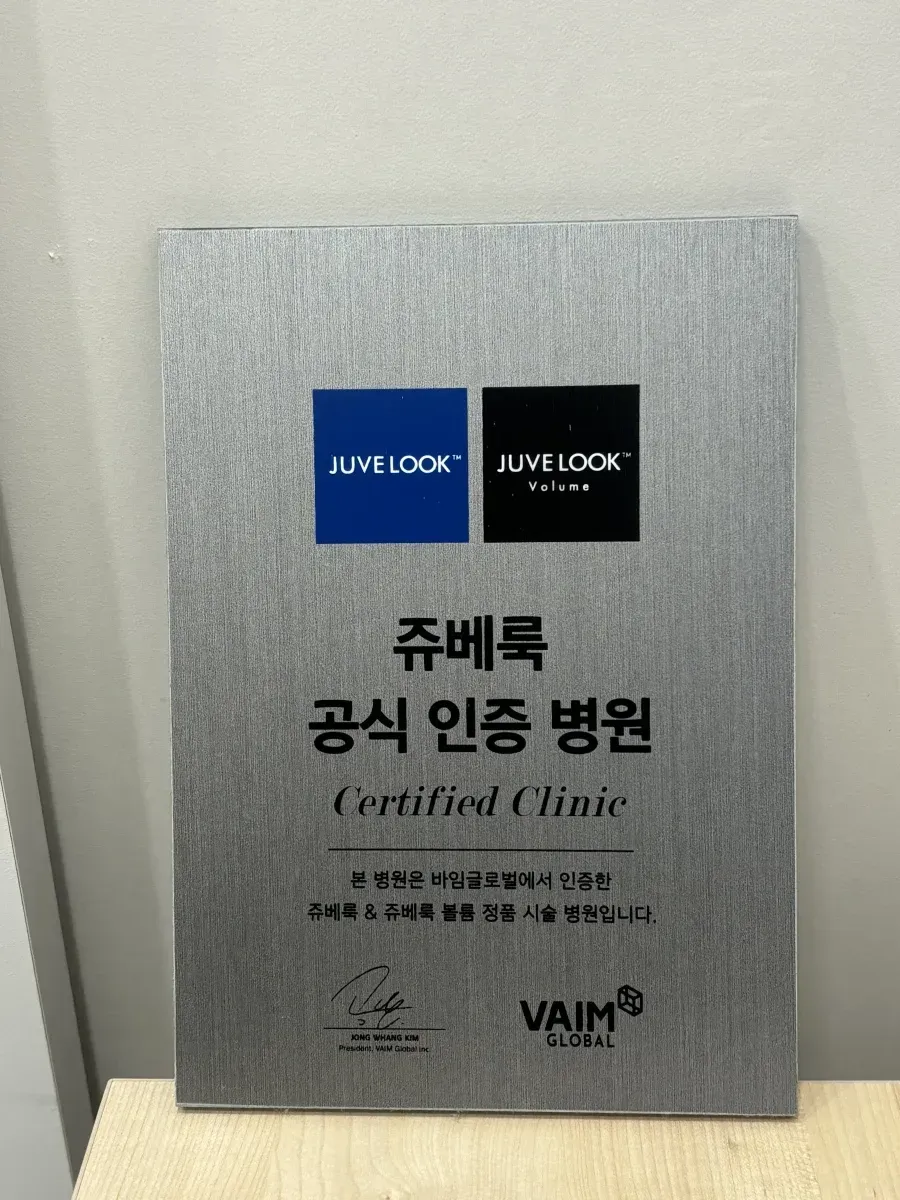
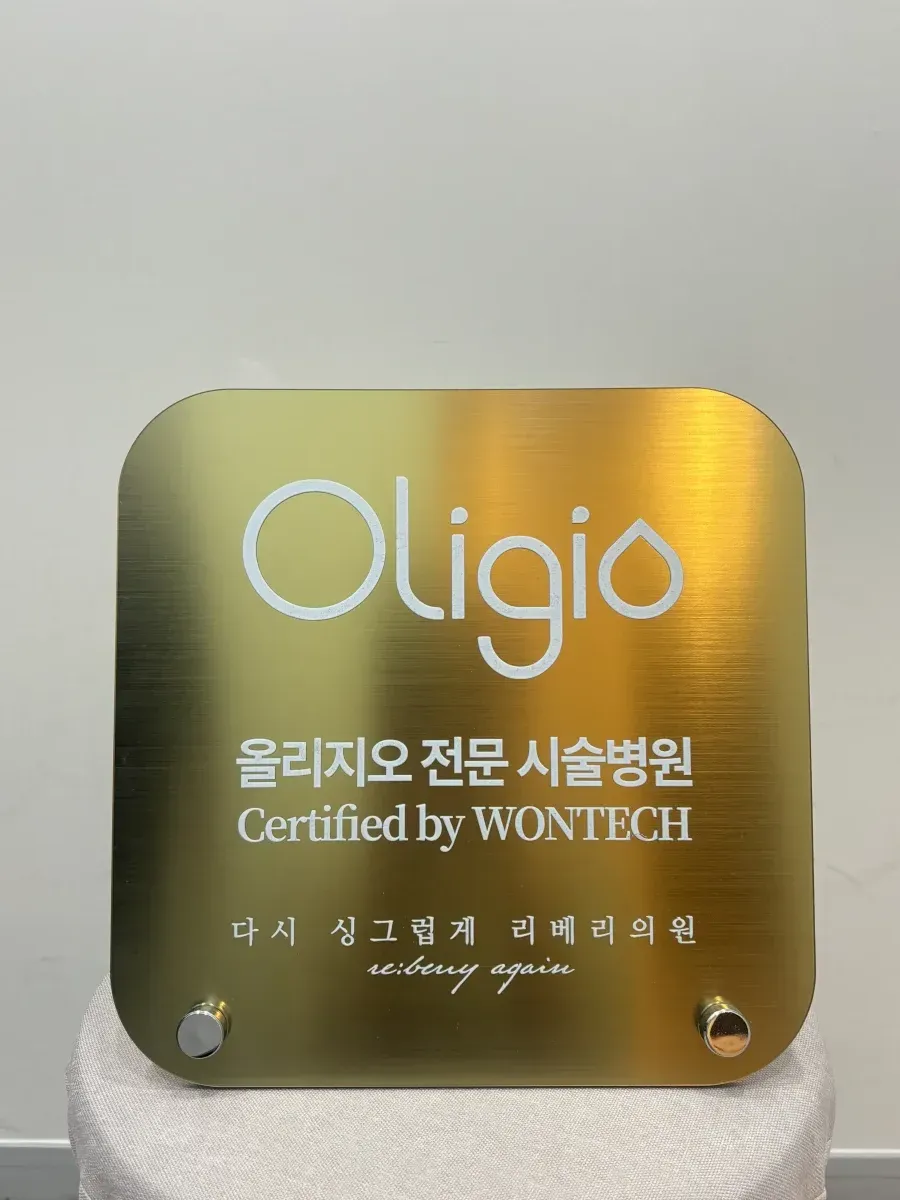
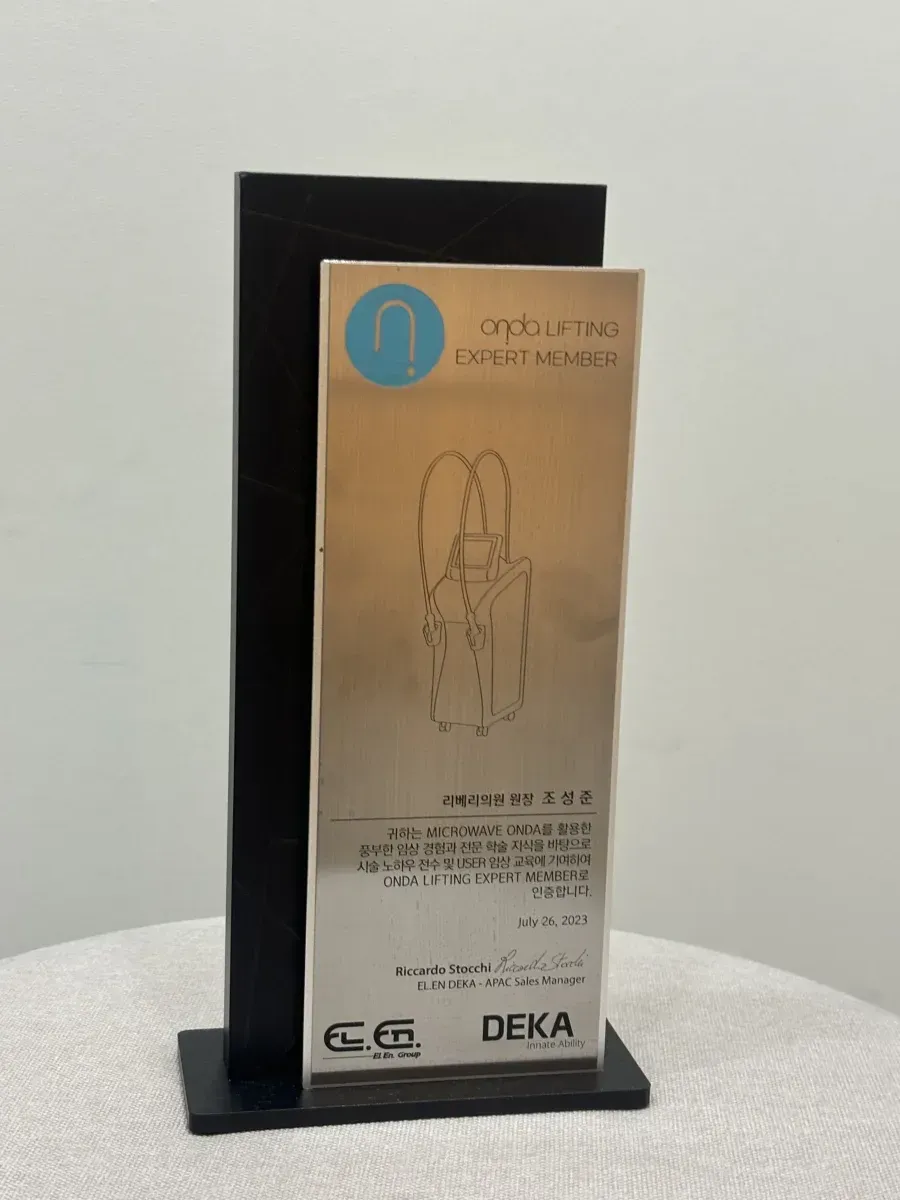
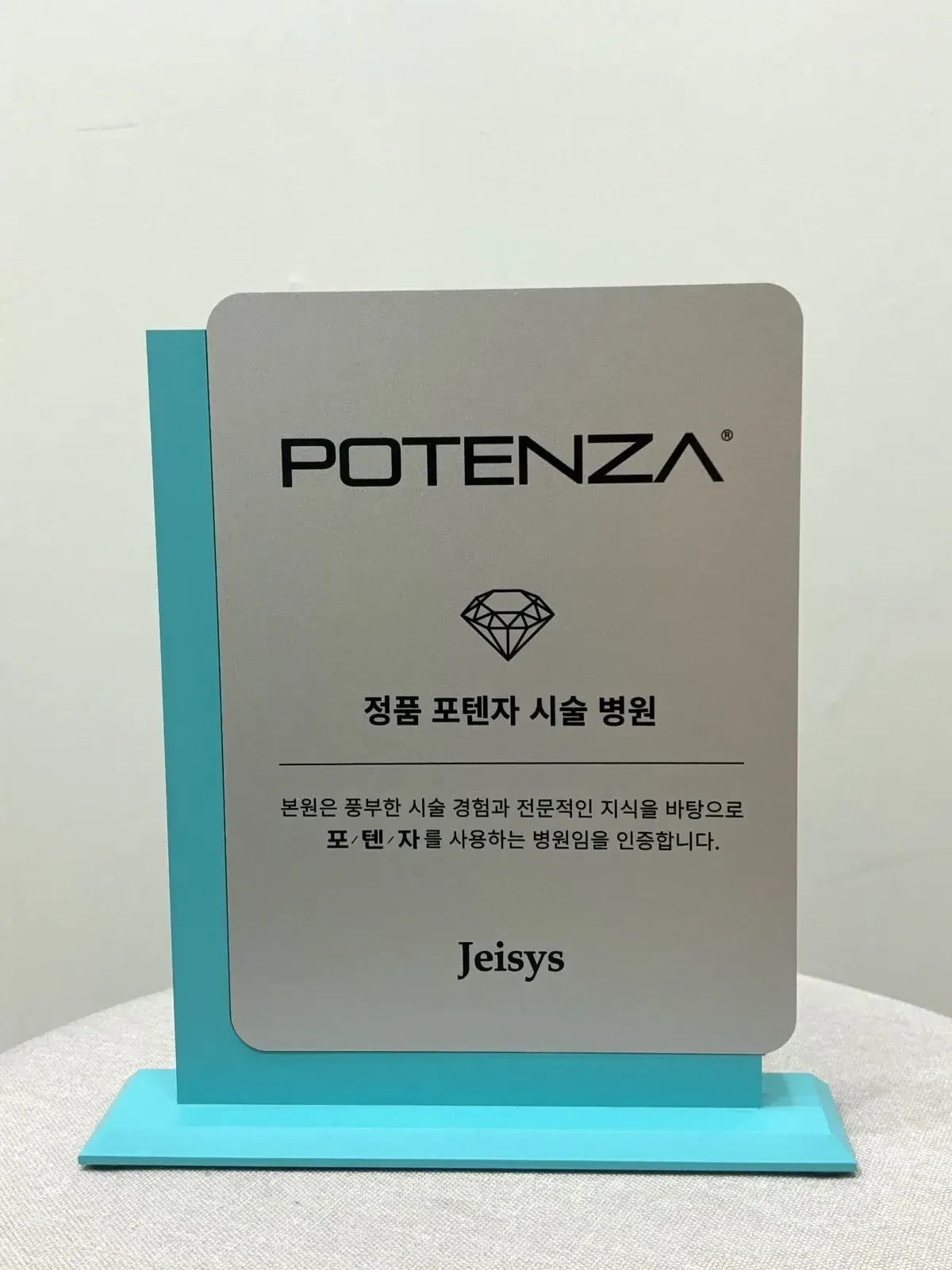
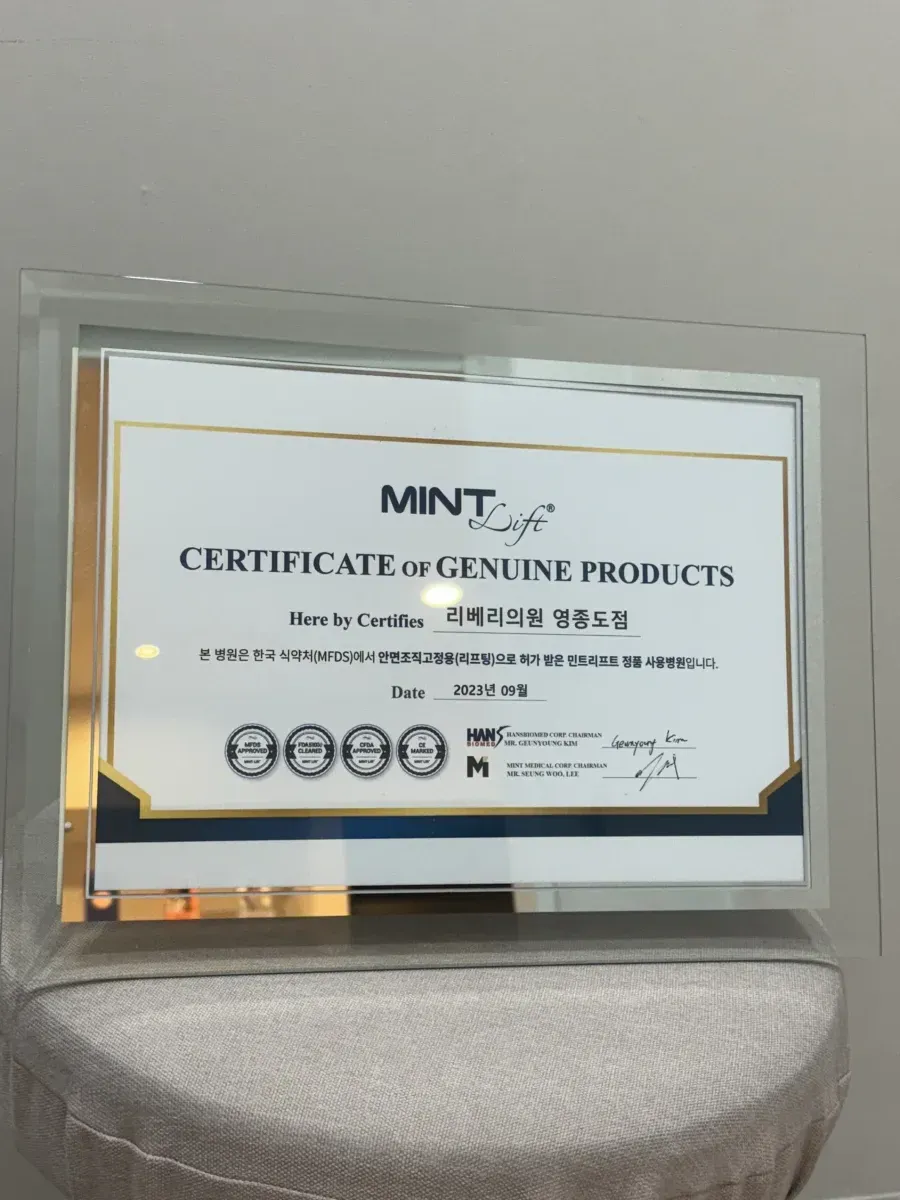
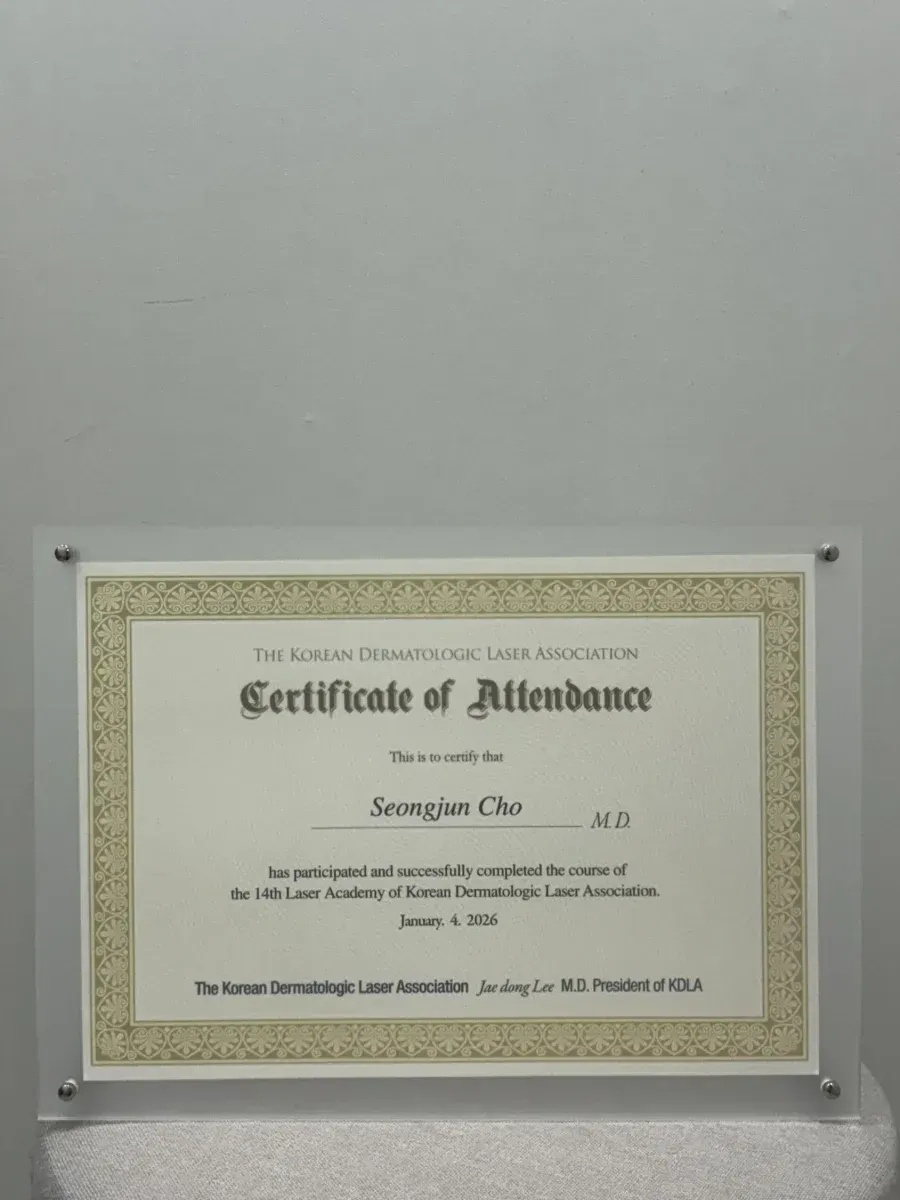
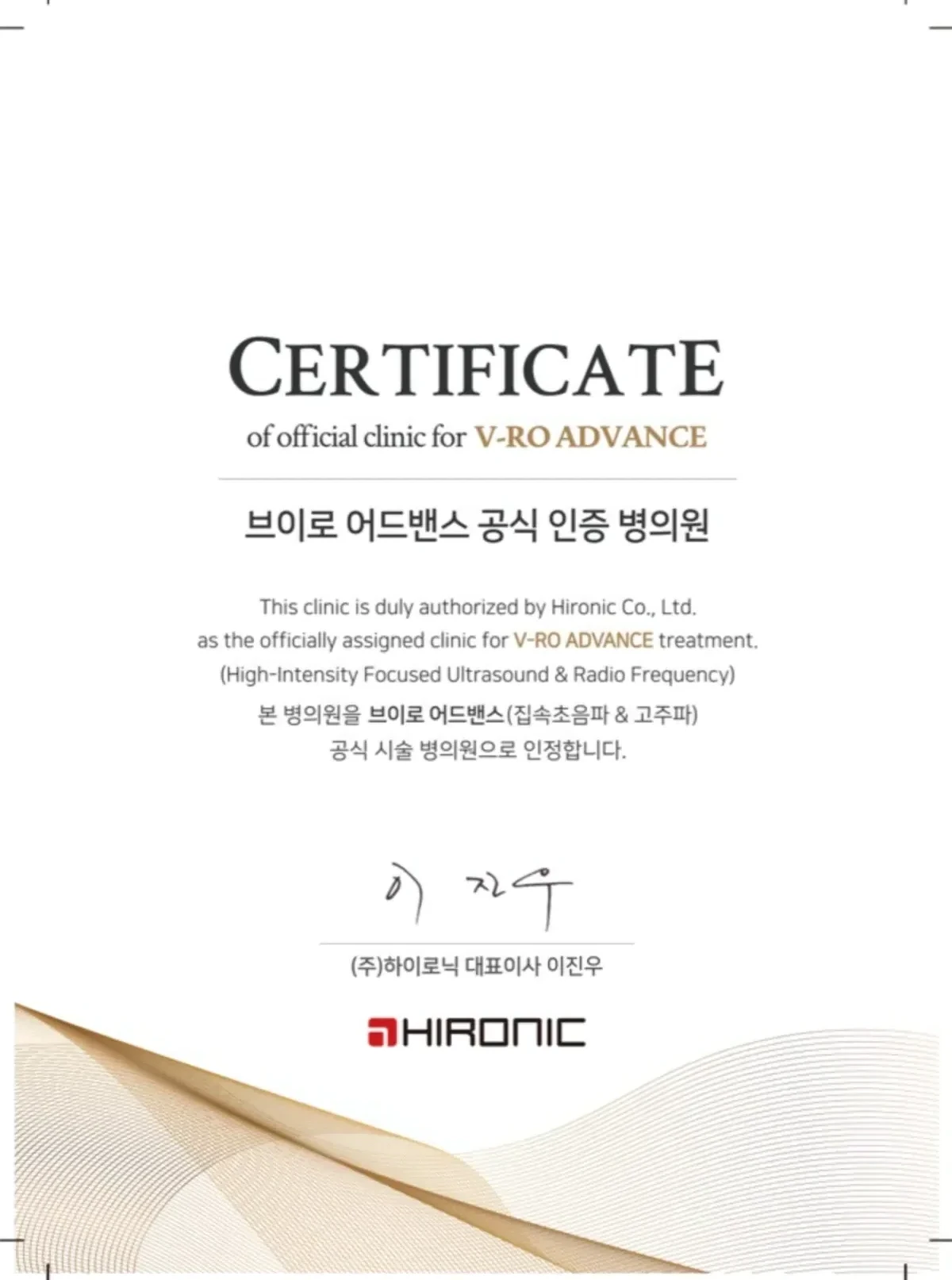
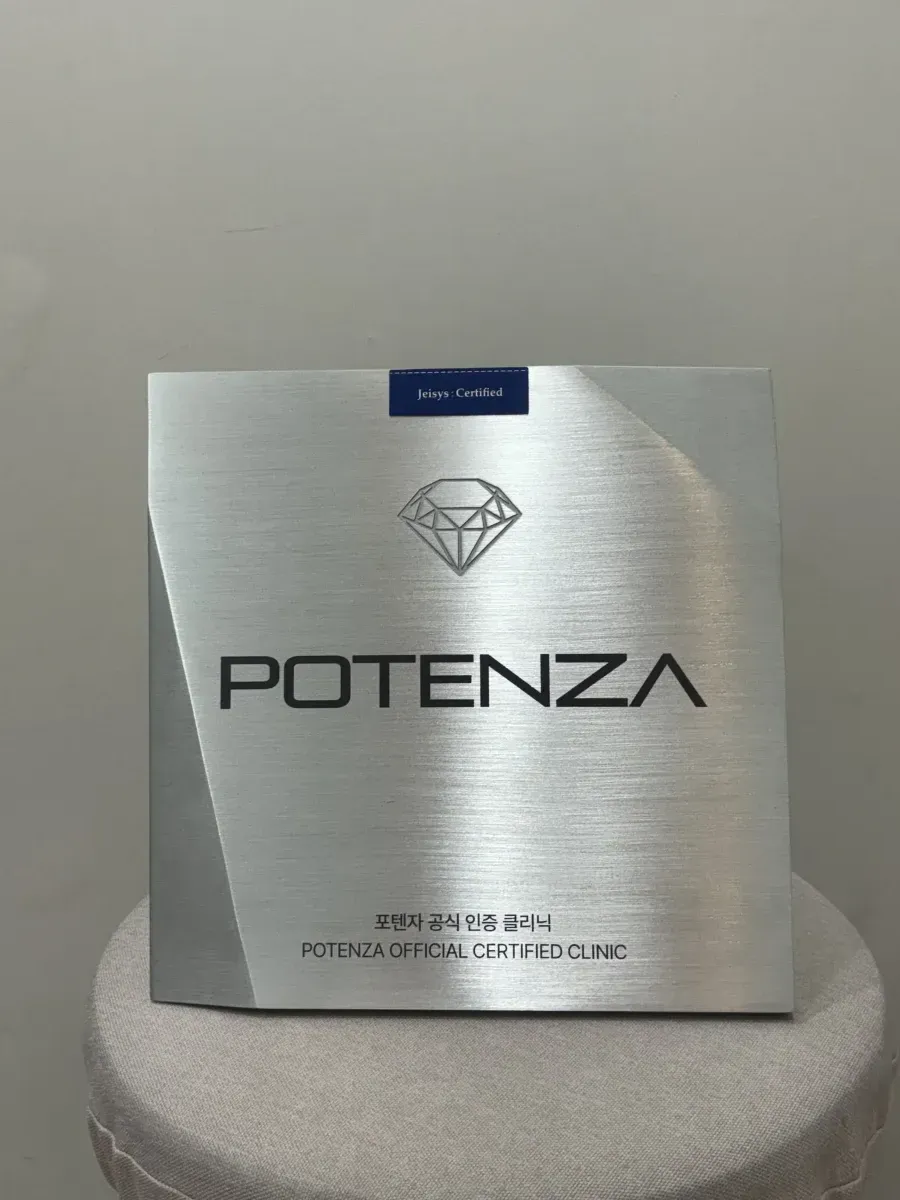
Only Authentic, Brand-Certified Equipment
Every device at RE:BERRY is MFDS-certified and manufacturer-verified. We never use counterfeit or grey-market equipment.
Ready to Achieve Korean Glass Skin?
Book your complimentary toning consultation with Dr. Cho Sung-Jun at RE:BERRY Incheon Airport — 365 days open near ICN with airport pickup available.
Got a Layover in Korea? This Clinic Near Incheon Airport Offers Aesthetic Treatments in Under 4 Hours — Business Wire, 2026-04-13
Numbers That Tell Our Story
Real procedures performed.
Brand-Authenticated Equipment & Training




Our doctors are certified by Korea’s top dermatological societies

Book Your Toning Consultation
Fill out the form and our multilingual team will confirm within 2 hours via your preferred contact method.
- ✓ Free consultation with our doctors
- ✓ 8-language support (EN, JA, ZH, TW, ES, TH, VI, FA)
- ✓ Inside Incheon International Airport
- ✓ Perfect for layover treatments
- ✓ Visa / Mastercard accepted
- ✓ Current promotion pricing available