Subcision Acne Scar Treatment at Incheon Airport Korea
Subcision is the gold-standard procedure for releasing tethered acne scars. At RE:BERRY Incheon Airport, Dr. Cho Sung-Jun combines subcision with POTENZA RF microneedling, Juvelook biostimulation, and Pico Fraxel laser in comprehensive multi-modality protocols. One-Day Acne Scar Package from ₩750,000, open 365 days near ICN Airport.
What Is Subcision for Acne Scars?
Subcision is a minimally invasive surgical technique that uses a specialized needle (Nokor or cannula) to sever the fibrous bands anchoring depressed acne scars to underlying tissue. By releasing these tethers, the scar elevates to the skin surface, and the controlled wound-healing response generates new collagen to fill the depressed area. Subcision is particularly effective for rolling scars and tethered boxcar scars that do not respond well to lasers alone.
Acne scars form when inflammatory acne destroys collagen in the dermis, and the healing process creates fibrous scar tissue that pulls the skin surface downward. This tethering effect is what creates the visible depression. Topical treatments and even many lasers cannot reach these deep fibrous bands. Subcision works at the structural level, physically detaching the scar from the underlying fascia. At RE:BERRY Incheon Airport, Dr. Cho Sung-Jun performs subcision as part of a comprehensive scar remodeling protocol, combining it with POTENZA RF microneedling for collagen induction, Juvelook injection for biostimulation beneath the released scar, Pico Fraxel for texture refinement, and LDM for enhanced healing. This multi-modality approach addresses every type of acne scar — rolling, boxcar, and ice-pick — in a single comprehensive treatment plan.
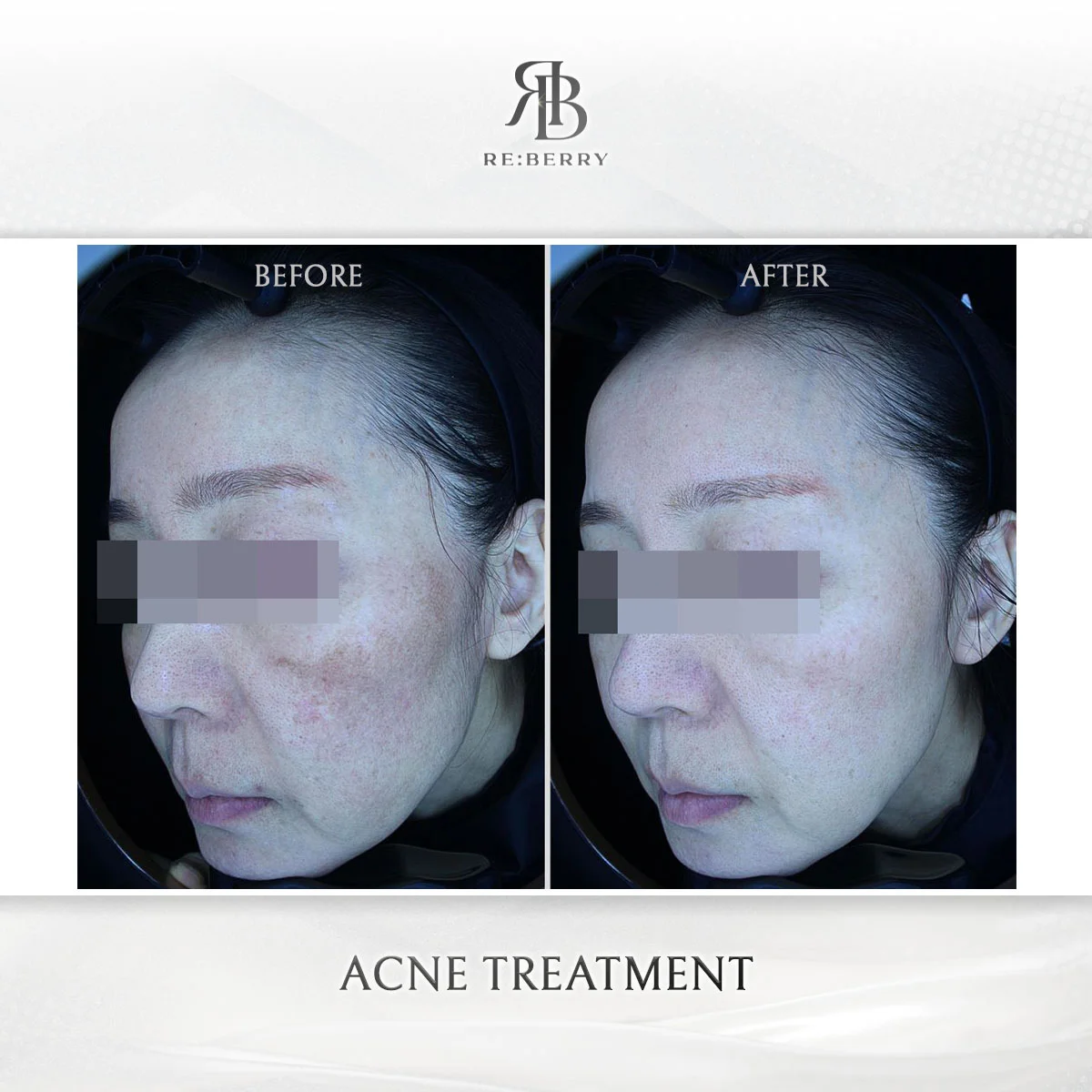
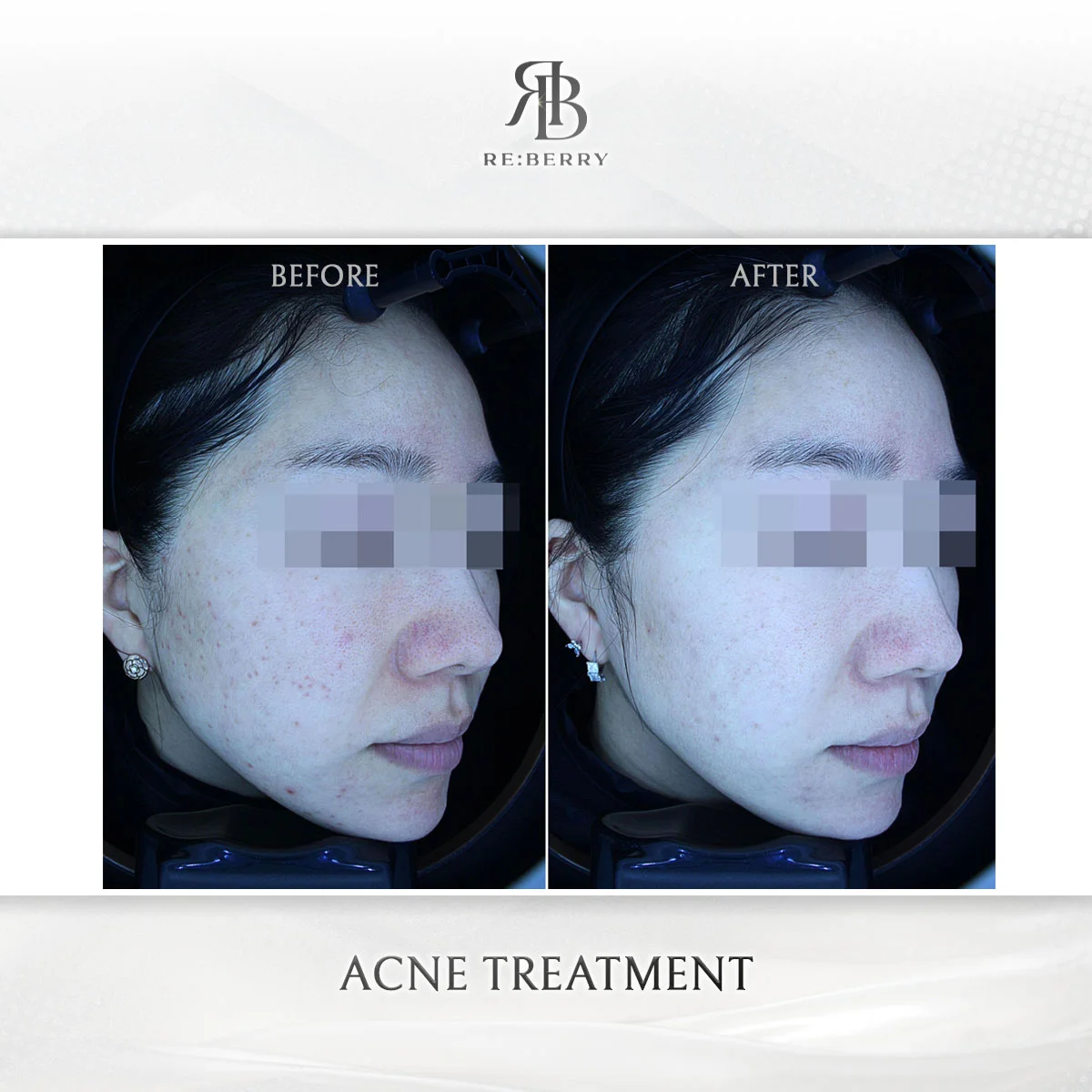
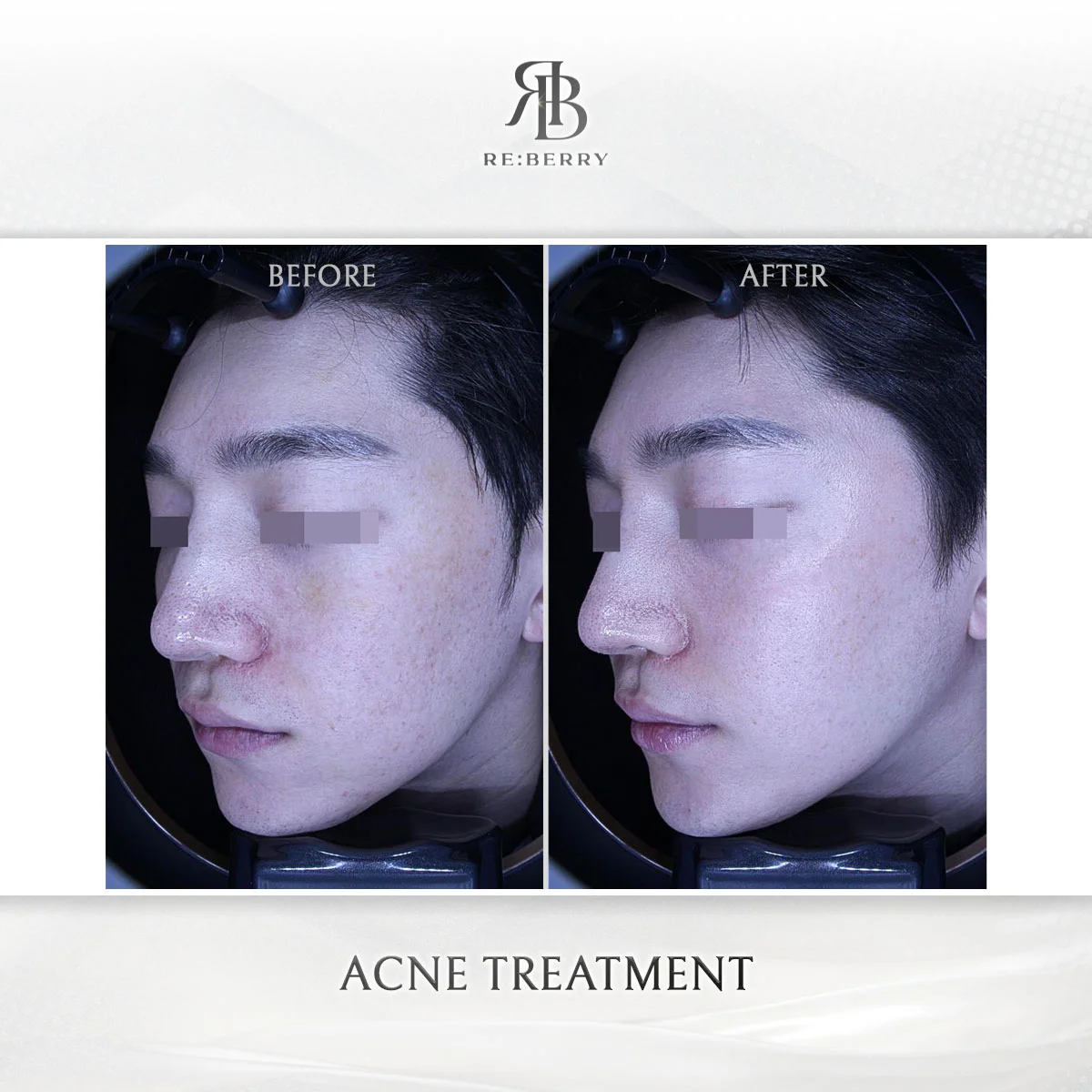
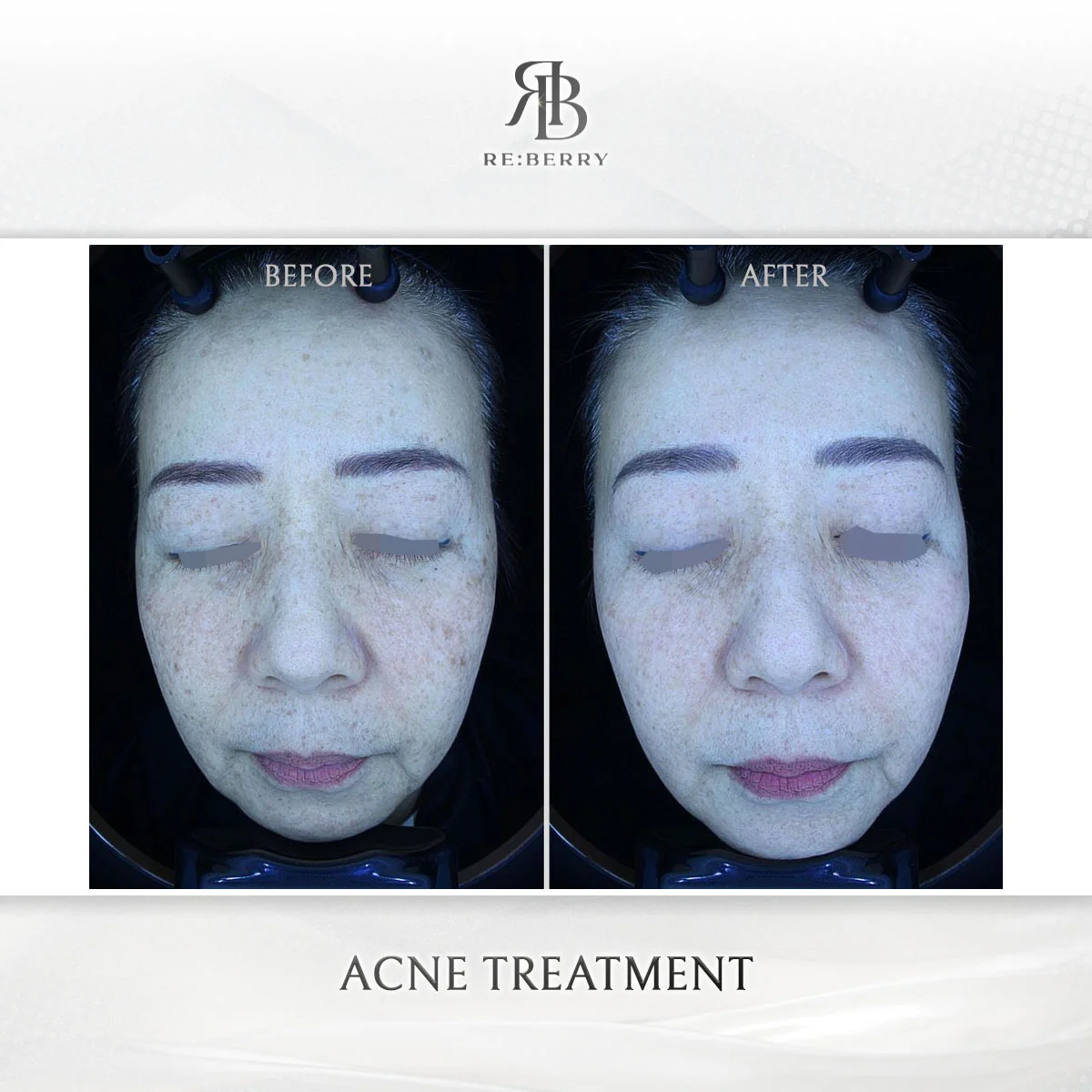
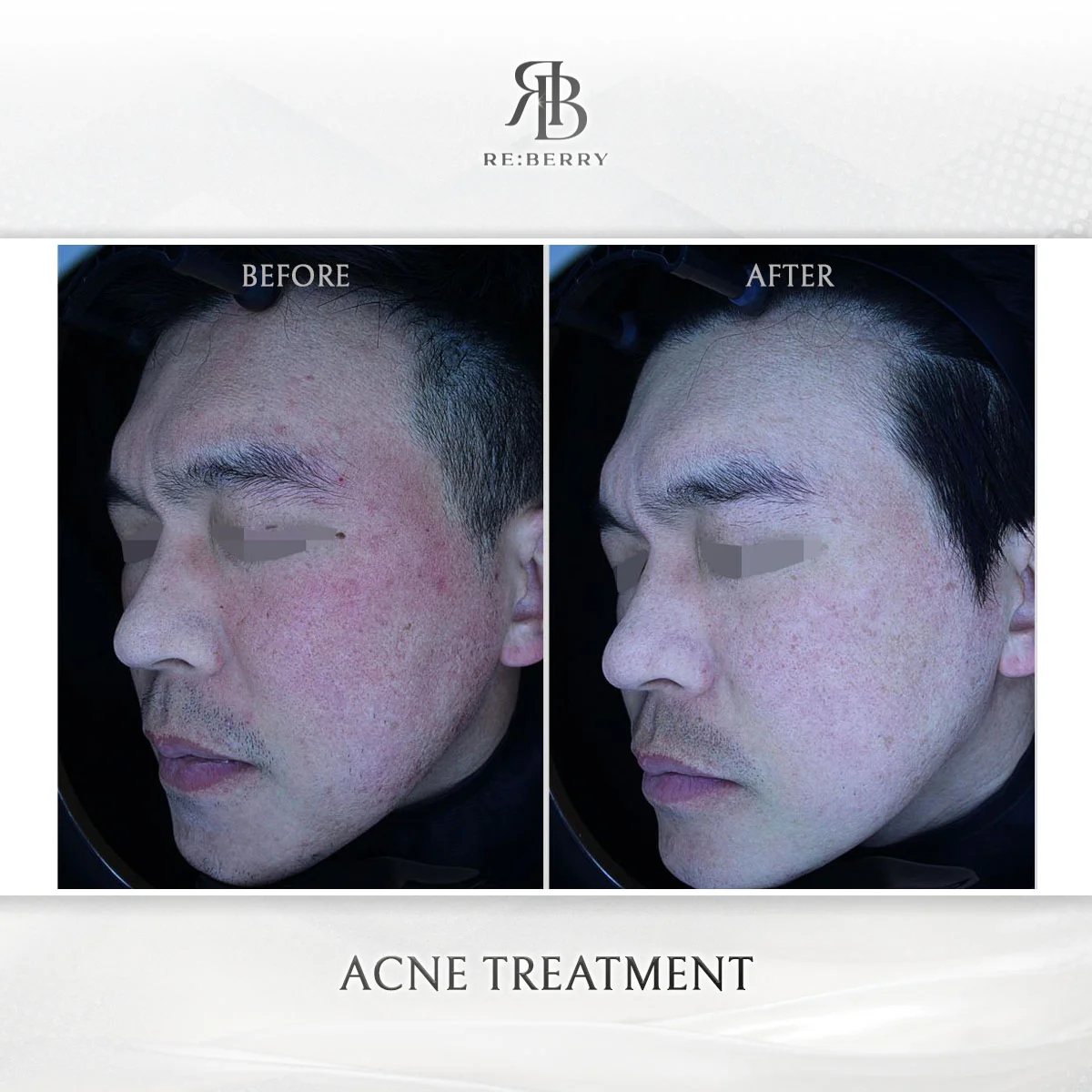
Subcision Acne Scar Before & After
Actual patient results from RE:BERRY Incheon Airport. Multi-session acne scar protocols combining subcision with RF and laser.
How Subcision Works at RE:BERRY Incheon Airport
Four-step protocol for comprehensive acne scar remodeling.
Scar Mapping & Assessment
Dr. Cho Sung-Jun performs a detailed scar assessment under cross-polarized lighting to classify each scar by type (rolling, boxcar, ice-pick), depth, and degree of tethering. A personalized treatment plan is created combining subcision with the appropriate adjunctive treatments. Digital photographs document baseline condition for objective comparison.
Local Anesthesia & Preparation
Local anesthesia is injected at each scar site using a fine 30G needle, ensuring complete numbness during the procedure. The treatment area is cleaned and prepped. For patients with extensive scarring, dental-block anesthesia may be used for broader coverage.
Subcision Procedure
Using a Nokor needle (18G) or blunt-tip cannula, Dr. Cho inserts the instrument beneath the depressed scar at the dermal-subcutaneous junction. The needle is moved in a fanning motion to sever the fibrous bands anchoring the scar. An audible and tactile ‘pop’ confirms band release. For deeper scars, Juvelook or filler may be injected immediately after release to prevent re-tethering and provide a scaffold for collagen formation.
Adjunctive Treatment & Recovery
Following subcision, POTENZA RF microneedling is applied to stimulate collagen in the surrounding tissue. LDM therapy reduces swelling and accelerates healing. Dermio Care soothes the skin. Bruising at subcision sites is normal and resolves within 5-10 days. Results develop progressively over 8-16 weeks as new collagen fills the released space.
What to Expect from Subcision Treatment
- Releases Tethered Scars The only technique that physically severs the fibrous bands pulling depressed scars downward, allowing the skin to elevate naturally.
- Addresses Root Cause Unlike surface-level treatments, subcision targets the structural cause of scar depression rather than just resurfacing the top layer.
- Stimulates New Collagen The controlled wound-healing response generates new collagen and elastin in the sub-scar space, providing lasting volume where tissue was lost.
- Synergistic with RF & Laser Subcision combined with POTENZA RF and Pico Fraxel produces significantly better results than any single modality alone according to clinical evidence.
- Effective for Deep Scars Rolling and tethered boxcar scars that fail to respond to lasers or microneedling alone show dramatic improvement after subcision.
- Progressive Improvement Results continue improving for 3-6 months as collagen remodeling occurs beneath the released scars. Multiple sessions produce cumulative benefits.
| Timeline | What to Expect |
|---|---|
| Day 1-3 | Bruising and mild swelling at subcision sites is expected and normal. Apply cold compresses. Some scars may appear elevated due to post-procedure edema. |
| Week 1-2 | Bruising transitions from purple to yellow and fades. Swelling subsides. Released scars begin to settle at their new, elevated position. |
| Week 3-4 | Initial scar improvement visible. Tethered scars noticeably flatter. Skin surface begins to smooth as early collagen formation starts. |
| Month 2-3 | Collagen remodeling phase. Progressive filling of the released scar space. Texture refinement from POTENZA RF becomes visible. |
| Month 4-6 | Peak improvement. Rolling scars typically show 50-70% improvement. Boxcar scars show 40-60% improvement. Second session may be recommended for remaining deep scars. |
| Month 6-12 | Continued gradual improvement. Collagen maturation completes. Results are long-lasting as new collagen forms permanent structural support. |
Subcision vs. Other Acne Scar Treatments
| Feature | Subcision | POTENZA RF | Pico Fraxel | Chemical Peel | Dermal Filler |
|---|---|---|---|---|---|
| Mechanism | Fibrous band release | RF collagen induction | Fractional laser remodeling | Controlled acid exfoliation | Volume replacement |
| Best Scar Type | Rolling, tethered boxcar | Boxcar, shallow scars | Ice-pick, texture | Shallow, superficial | Volume-loss depressions |
| Depth Reached | Dermal-subcutaneous junction | Mid-dermis (1.5-3.5mm) | Epidermis to mid-dermis | Epidermis only | Subcutaneous |
| Downtime | 5-10 days bruising | 2-3 days redness | 3-5 days peeling | 1-7 days peeling | 1-2 days swelling |
| Sessions Needed | 2-4 sessions | 3-6 sessions | 4-6 sessions | 4-8 sessions | 1-2 per area |
| Improvement Rate | 50-70% (rolling scars) | 40-60% | 30-50% | 20-30% | Immediate (temporary) |
| Combination Benefit | Excellent with RF + filler | Excellent with subcision | Good with subcision | Moderate standalone | Good with subcision |
Subcision & Acne Scar Packages at RE:BERRY Incheon Airport
All prices exclude VAT. Non-covered medical service. April 2026 promotional pricing.
One-Day Acne Scar Package
- POTENZA RF microneedling
- Juvelook Concell biostimulation
- Subcision for tethered scars
- LDM therapy session
- Dermio Care soothing treatment
Silky Skin-Care Package (6 Sessions)
- Sessions 1, 3, 5: Pico Fraxel + POTENZA Juvelook + LDM
- Sessions 2, 4, 6: Genesis laser + LDM
- Add 3 sessions of subcision for +₩200,000
- Progressive scar remodeling over 3 months
- Follow-up assessment with Dr. Cho
Intensive Tightening Acne Scar
- POTENZA Exosome treatment
- Juberry 2cc biostimulator
- Pore and scar remodeling
- Post-treatment LDM + Dermio Care
- Consultation with Dr. Cho or Dr. Kim
Pico Fraxel Single Session
- Pico Fraxel fractional laser 1 session
- Targets ice-pick and textural scars
- Post-treatment soothing care
- Consultation with Dr. Kim Dong-Young
Meet Your Doctor
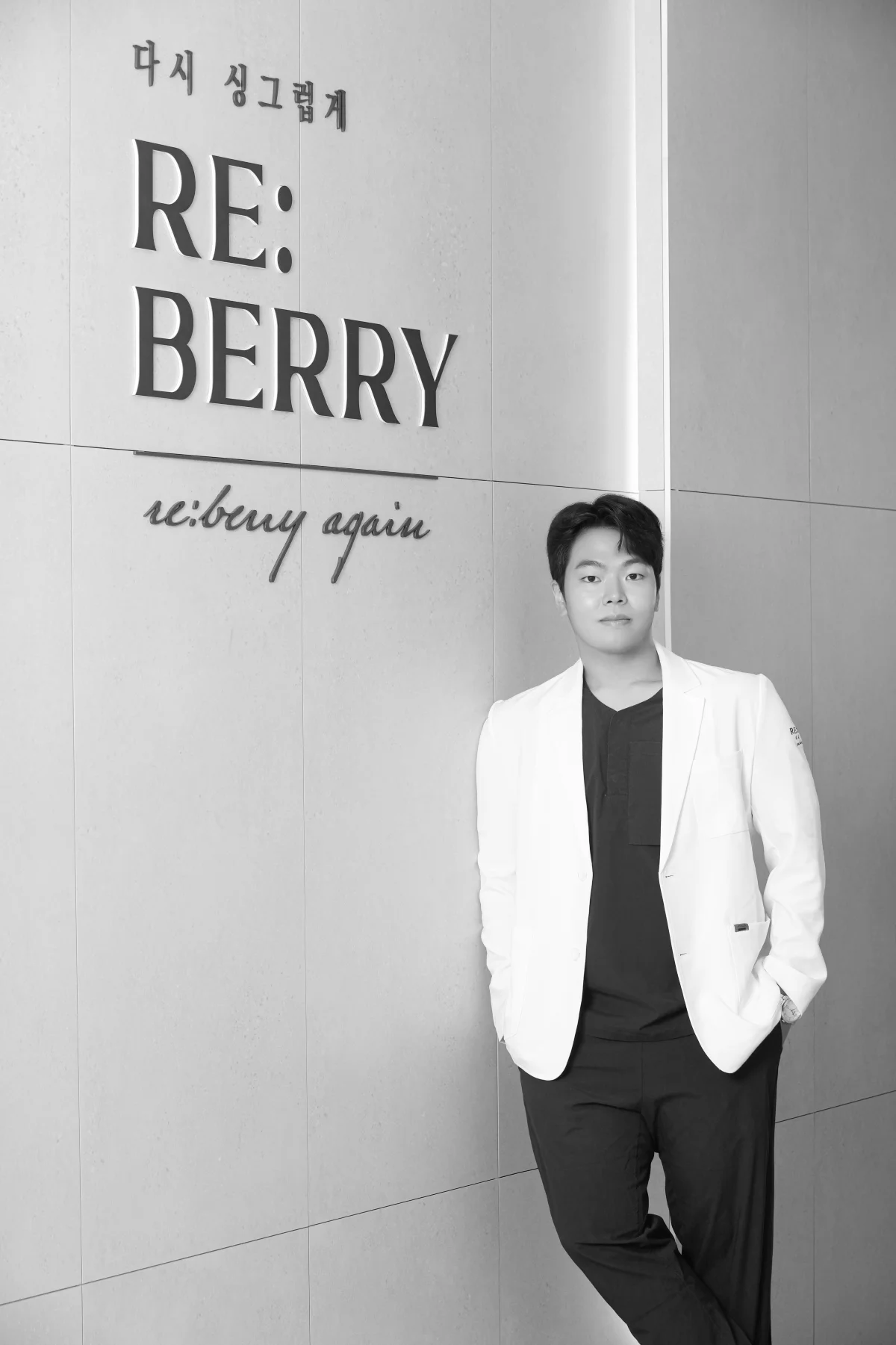
Dr. Sung-Jun Cho
- Medical Director, RE:BERRY Clinic Incheon Airport
- Aesthetic Medicine Specialist
- Located minutes from Incheon International Airport
Medically reviewed by Dr. Sung-Jun Cho, Medical Director / Aesthetic Medicine Specialist, RE:BERRY
The Science Behind Subcision for Acne Scars
Peer-reviewed research supporting subcision as a first-line treatment for tethered acne scars.
Mechanism of Fibrous Band Release
Depressed acne scars are maintained by vertical fibrous bands composed of type III collagen that anchor the dermal base of the scar to the underlying subcutaneous tissue or fascia. These bands create a traction force that prevents the scar from rising to the level of surrounding skin, even when collagen remodeling treatments are applied to the surface. Subcision works by inserting a needle or cannula at the dermal-subcutaneous junction and sweeping in a fanning motion to sever these fibrous attachments. The procedure creates a controlled hemorrhagic pocket beneath the scar that serves as both a physical spacer and a biological scaffold for new collagen deposition. Orentreich and Orentreich originally described the subcision technique in 1995 and demonstrated that the release of tethering alone, without any additional collagen-inducing treatment, produces measurable scar elevation in the majority of patients.
Orentreich DS, Orentreich N. Subcutaneous incisionless (subcision) surgery for the correction of depressed scars and wrinkles. Dermatol Surg. 1995;21(6):543-549. doi:10.1111/j.1524-4725.1995.tb00259.x
Subcision Combined with RF Microneedling
While subcision alone releases structural tethering, the combination with radiofrequency microneedling significantly enhances outcomes by stimulating neocollagenesis in the peri-scar tissue. Nilforoushzadeh et al. conducted a split-face randomized controlled trial with 30 patients comparing subcision alone versus subcision combined with RF microneedling for atrophic acne scars. The combination group showed 62% mean improvement in scar severity (Goodman-Baron scale) versus 38% improvement with subcision alone at 3-month follow-up (p<0.01). Histological analysis revealed that the combination treatment produced 2.3-fold greater increase in dermal collagen density compared to subcision alone. The researchers concluded that RF microneedling amplifies the collagen-inducing effect of the subcision wound by delivering thermal energy into the post-subcision pocket, creating an optimal environment for organized collagen deposition rather than disordered scar tissue. This is the scientific basis for RE:BERRY's One-Day Acne Scar Package combining subcision with POTENZA RF.
Nilforoushzadeh MA, Lotfi E, Nickkholgh E. Comparison of subcision combined with radiofrequency microneedling versus subcision alone for atrophic acne scars: a randomized clinical trial. Dermatol Surg. 2021;47(10):1349-1354. doi:10.1097/DSS.0000000000003155
Biostimulator Injection Post-Subcision
A key advancement in subcision technique is the immediate injection of biostimulating fillers into the post-subcision pocket to prevent re-tethering and enhance collagen formation. The concept is straightforward: after severing the fibrous bands, the newly created space tends to collapse and potentially re-scar. Injecting a scaffold material such as hyaluronic acid filler or poly-lactic acid biostimulator maintains the space and provides a template for organized neocollagenesis. Hession and Graber studied 40 patients receiving subcision followed by immediate HA filler injection versus subcision alone for rolling acne scars. The filler group demonstrated 71% improvement versus 47% improvement at 6 months (p<0.001), with significantly lower rates of re-tethering (8% vs 34%). At RE:BERRY Incheon Airport, Dr. Cho Sung-Jun injects Juvelook Concell (HA + PDLLA) into the subcision pocket, combining the immediate space-maintaining effect of HA with the sustained collagen biostimulation of PDLLA microspheres over 9-12 months.
Hession MT, Graber EM. Atrophic acne scarring: a review of treatment options. J Clin Aesthet Dermatol. 2015;8(1):50-58. doi:10.1016/j.jaad.2015.02.1130
Multi-Modality Scar Classification and Treatment
Modern acne scar treatment requires precise classification before selecting the optimal treatment combination. The three primary acne scar types — rolling (40-50% of acne scars), boxcar (20-30%), and ice-pick (15-25%) — each respond to different treatment modalities. Rolling scars with their undulating surface and dermal tethering are the primary indication for subcision. Boxcar scars with defined edges benefit from subcision plus RF microneedling. Ice-pick scars, being narrow and deep, are better addressed with chemical peel (TCA CROSS technique) or Pico Fraxel laser. RE:BERRY’s approach involves photographing and mapping every scar before treatment, then deploying the precise combination protocol for each scar type within a single comprehensive session.
What Our Patients Say About Subcision Treatment
“I had deep rolling scars for 12 years. After 3 subcision sessions combined with POTENZA, about 60% of my scars are gone and the remaining ones are significantly shallower. I finally feel confident without foundation.”
“The One-Day Acne Scar Package was worth every won. Dr. Cho mapped every single scar and explained which treatment would target each one. The bruising lasted about a week but the improvement was dramatic.”
“I researched subcision clinics in Seoul, Bangkok, and Singapore. RE:BERRY near the airport offered the best value and the multi-treatment approach made more medical sense than subcision alone.”
Frequently Asked Questions About Subcision for Acne Scars
Expert answers to common questions about subcision acne scar treatment at RE:BERRY Incheon Airport.
At RE:BERRY Incheon Airport, subcision is included in the One-Day Acne Scar Package at ₩750,000 (with POTENZA + Juvelook + LDM + Dermio Care). The Silky Skin-Care 6-Session Package is ₩1,690,000, with subcision add-on for 3 sessions at +₩200,000. All prices exclude VAT.
Subcision physically cuts the fibrous bands tethering depressed scars to underlying tissue, allowing them to rise. Lasers like Pico Fraxel resurface the skin and stimulate surface collagen but cannot reach deep tethering. For rolling scars, subcision achieves 50-70% improvement versus 30-50% with laser alone. Best results combine both approaches.
Most patients need 2-4 subcision sessions spaced 4-6 weeks apart. Mild rolling scars may improve significantly after 1-2 sessions. Deep, extensively tethered scars may require 4+ sessions. Dr. Cho Sung-Jun assesses your specific scar depth and tethering to recommend the optimal number.
Subcision is performed under local anesthesia, so you feel only pressure, not pain, during the procedure. The injection of local anesthetic itself causes brief stinging. Post-procedure, there is mild tenderness for 2-3 days. Most patients rate discomfort at 3-4 out of 10 after the numbing wears off.
You can fly 24-48 hours after subcision. Bruising peaks at day 2-3 and resolves over 5-10 days. The cabin pressure does not affect the subcision sites. However, if appearance is a concern, plan your flight for day 7+ when bruising has mostly faded.
Subcision is most effective for rolling scars (undulating depressions caused by dermal tethering) and tethered boxcar scars. It achieves 50-70% improvement for rolling scars. Ice-pick scars require different approaches like Pico Fraxel or TCA CROSS. Mixed scar types benefit from the combined protocol in RE:BERRY’s One-Day Acne Scar Package.
Expect 5-10 days of bruising (purple → yellow → resolved). Mild swelling for 2-3 days. You can return to desk work the next day, but social downtime is 5-7 days due to visible bruising. Makeup can be applied after 48 hours to conceal bruising.
Yes. Clinical studies show subcision + filler injection achieves 71% improvement versus 47% with subcision alone, with significantly lower re-tethering rates (8% vs 34%). At RE:BERRY, Juvelook Concell is injected into the subcision pocket for both immediate support and sustained collagen biostimulation.
Subcision results are long-lasting because the new collagen formed in the released space is permanent structural tissue. Once the fibrous bands are severed and replaced with organized collagen, the improvement is maintained. However, 10-20% of severe scars may partially re-tether, which is why multiple sessions are recommended.
Subcision significantly improves acne scars but rarely removes them 100%. Realistic expectations: rolling scars improve 50-70%, boxcar scars 40-60%. Combined multi-modality protocols (subcision + POTENZA + Juvelook + Pico Fraxel) achieve the highest improvement rates, often reaching 70-80% visible improvement.
The One-Day Acne Scar Package (₩750,000) includes POTENZA RF microneedling + Juvelook Concell injection + subcision + LDM therapy + Dermio Care soothing treatment. It addresses all three dimensions of acne scarring — tethering (subcision), collagen deficit (POTENZA + Juvelook), and surface texture — in a single comprehensive session.
Yes. Subcision is one of the safest acne scar treatments for dark skin because it works beneath the epidermis without damaging melanocytes. Unlike ablative lasers which carry significant PIH risk in darker skin, subcision has minimal risk of post-inflammatory hyperpigmentation. POTENZA RF is also safe for all skin types.
Yes. Same-day consultation and treatment is available. However, for optimal results, Dr. Cho may recommend a treatment plan spanning 2-4 sessions over several months. Travelers visiting for a short period can receive the One-Day package and schedule follow-up sessions on return visits.
Subcision is a targeted surgical technique that severs specific fibrous bands beneath individual scars. Microneedling creates thousands of microscopic punctures across the entire treatment area to stimulate general collagen induction. They work at different levels and complement each other perfectly — subcision releases the anchor, microneedling fills the space with new collagen.
Juvelook Concell is a specialized formulation combining hyaluronic acid with poly-D,L-lactic acid (PDLLA) microspheres designed for scar treatment. Injected into the subcision pocket, the HA provides immediate volume support while PDLLA microspheres stimulate sustained collagen production for 9-12 months, preventing re-tethering.
RE:BERRY Incheon Airport uses a comprehensive multi-modality approach rather than subcision alone. The One-Day Acne Scar Package combines 4 complementary technologies. Dr. Cho Sung-Jun maps and classifies every scar individually before treatment, ensuring each scar type receives the appropriate intervention.
Yes. Subcision can be performed on body acne scars including back and chest. Body scars often have stronger fibrous tethering and may require more sessions. Pricing varies based on treatment area size. Consult with Dr. Cho or Dr. Kim for body scar assessment.
Re-tethering occurs in approximately 10-20% of treated scars, typically within the first 4-6 weeks. This is why RE:BERRY injects Juvelook into the subcision pocket — to minimize re-tethering. If it does occur, a follow-up subcision session can re-release the bands with even better long-term results as the collagen foundation has already begun forming.
Chemical peels treat superficial textural irregularities and mild discoloration but cannot release deep tethering. Subcision is essential for moderate-to-severe rolling and boxcar scars. For shallow scars, a chemical peel may be sufficient. For deep scars, subcision is the first-line treatment, often combined with peels for surface refinement.
Yes. RE:BERRY Incheon Airport provides consultations in 8 languages including English, Japanese, Chinese (Simplified and Traditional), Thai, Vietnamese, Mongolian, and Farsi. All scar mapping explanations, treatment plans, and aftercare instructions are provided in your language.
Avoid blood-thinning medications (aspirin, ibuprofen, fish oil) for 7 days before treatment to minimize bruising. Discontinue retinoids 3-5 days before. Arrive with clean skin (no makeup). Eat a normal meal before your appointment. The procedure takes 30-60 minutes depending on the number of scars treated.
The Escape from Widened Pores package (₩990,000 for 6 sessions) targets enlarged pores and shallow scarring. Sessions 1, 3, 5 include POTENZA + LDM; sessions 2, 4, 6 include Pico Fraxel + LDM. This package addresses pore texture rather than deep tethered scars — for deep scarring, the One-Day Acne Scar Package with subcision is recommended.
Subcision is generally recommended for patients 18+ whose acne is well-controlled. Active inflammatory acne should be treated first before addressing scars. Teenagers with severe scarring and inactive acne can be considered on a case-by-case basis with parental consent. Dr. Cho assesses each case individually.
RE:BERRY Incheon Airport offers comprehensive multi-modality acne scar treatment combining subcision, POTENZA RF, Juvelook, Pico Fraxel, and LDM at competitive Incheon pricing. Open 365 days with airport pickup, 8-language support, and personalized scar mapping by Dr. Cho Sung-Jun. The One-Day Acne Scar Package at ₩750,000 includes 5 complementary treatments in a single session.
Apply cold compresses for 10 minutes every 2 hours on day 1. Sleep face-up for the first 3 nights. Avoid intense exercise and alcohol for 48 hours. Do not massage treated areas for 1 week. Use SPF 50+ sunscreen daily. RE:BERRY provides detailed written aftercare instructions in your language.
Yes. All before-and-after photographs on our website are actual RE:BERRY patients who provided written consent for educational use. Photos are taken under standardized lighting conditions at the same angle and distance for accurate comparison. No filters or digital enhancement is applied.
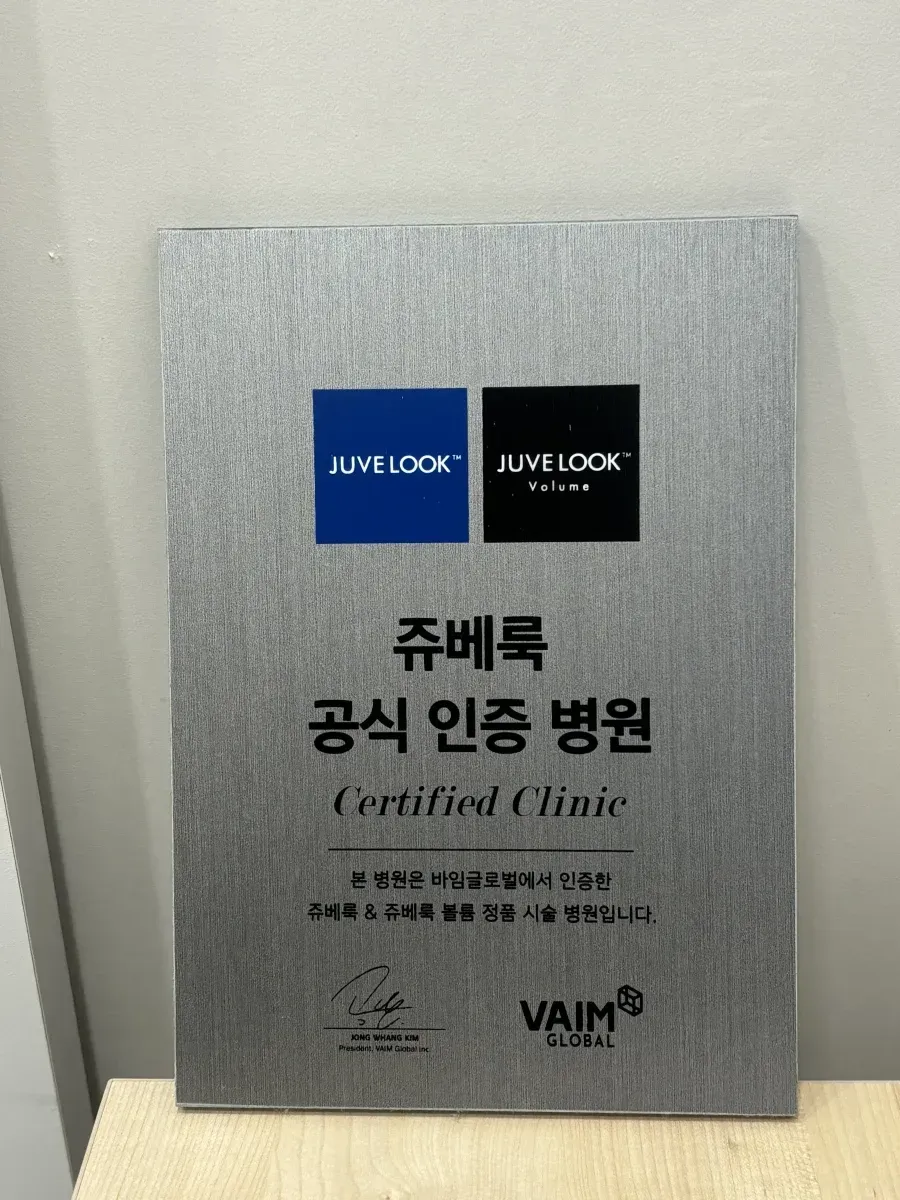
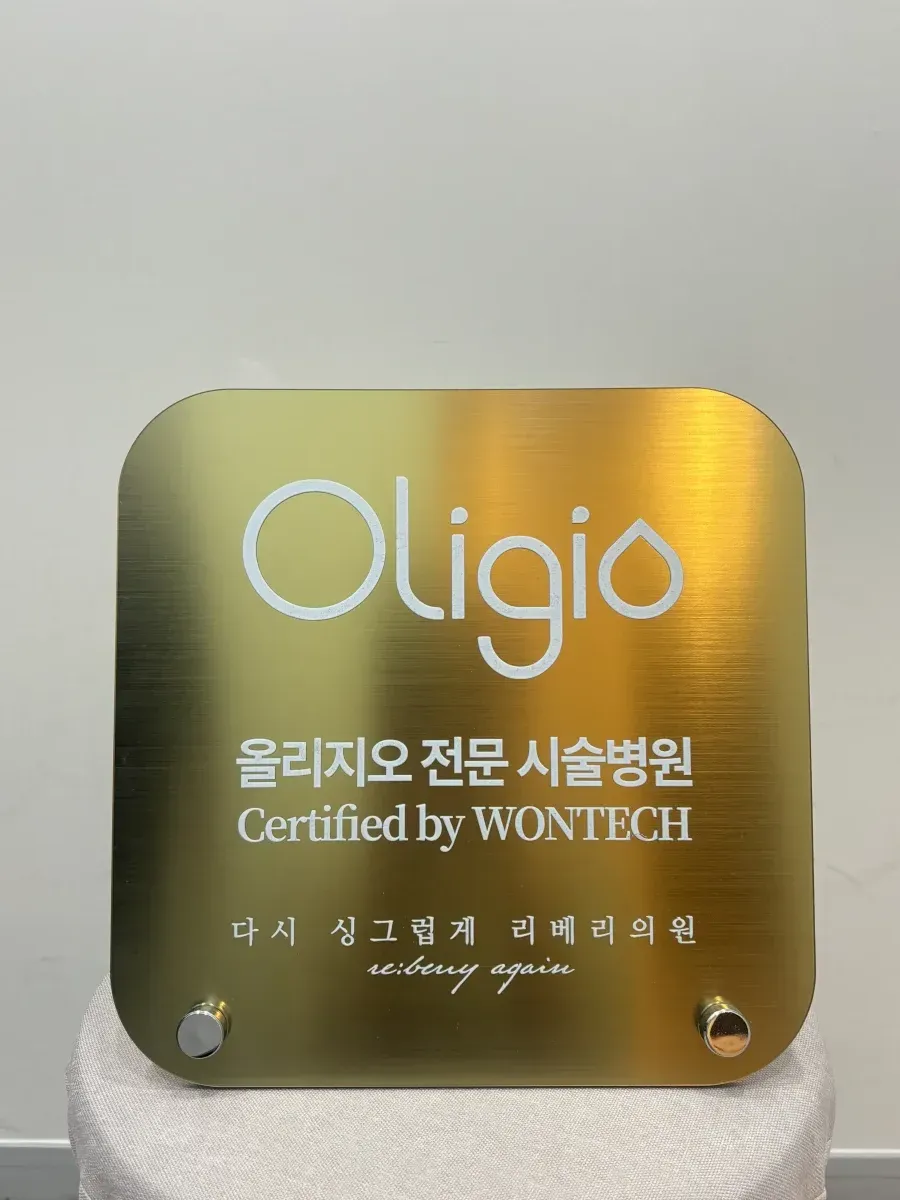
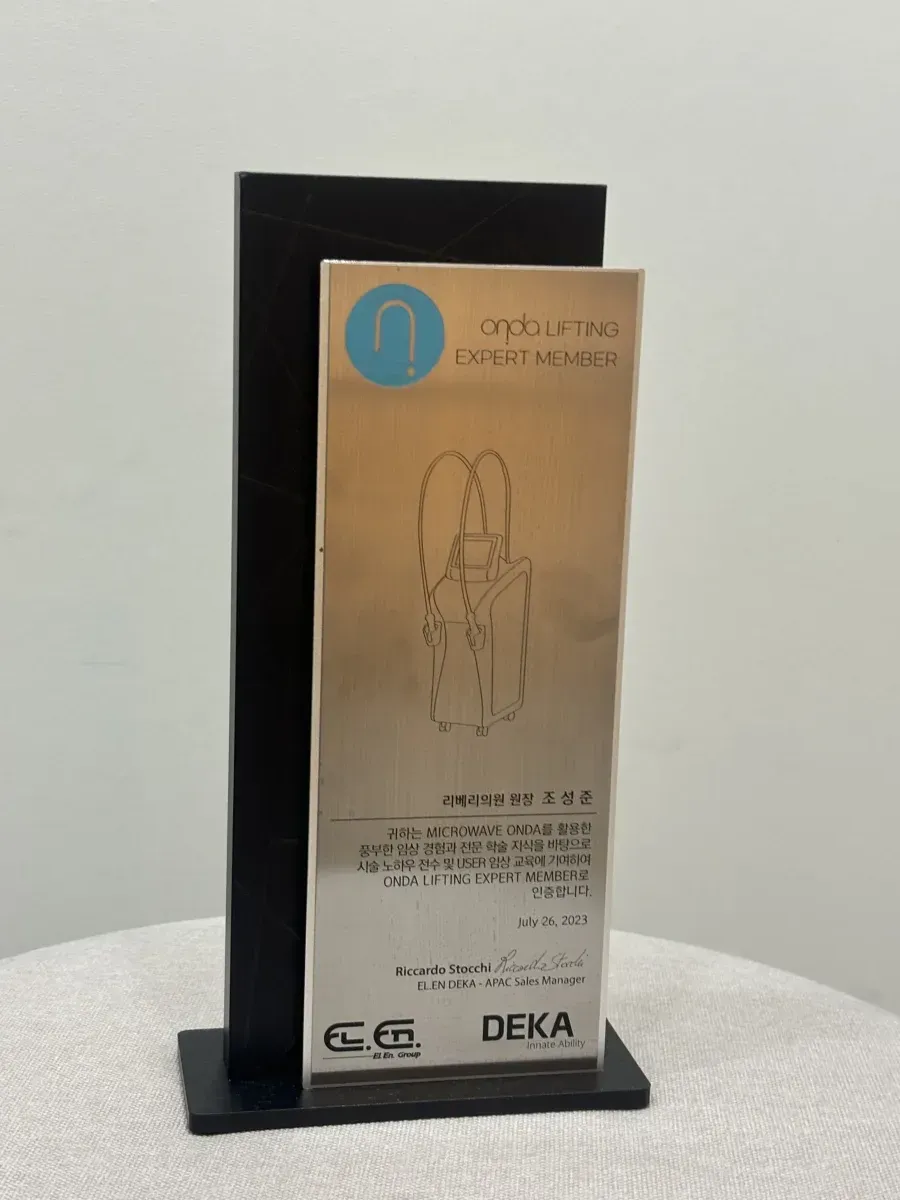
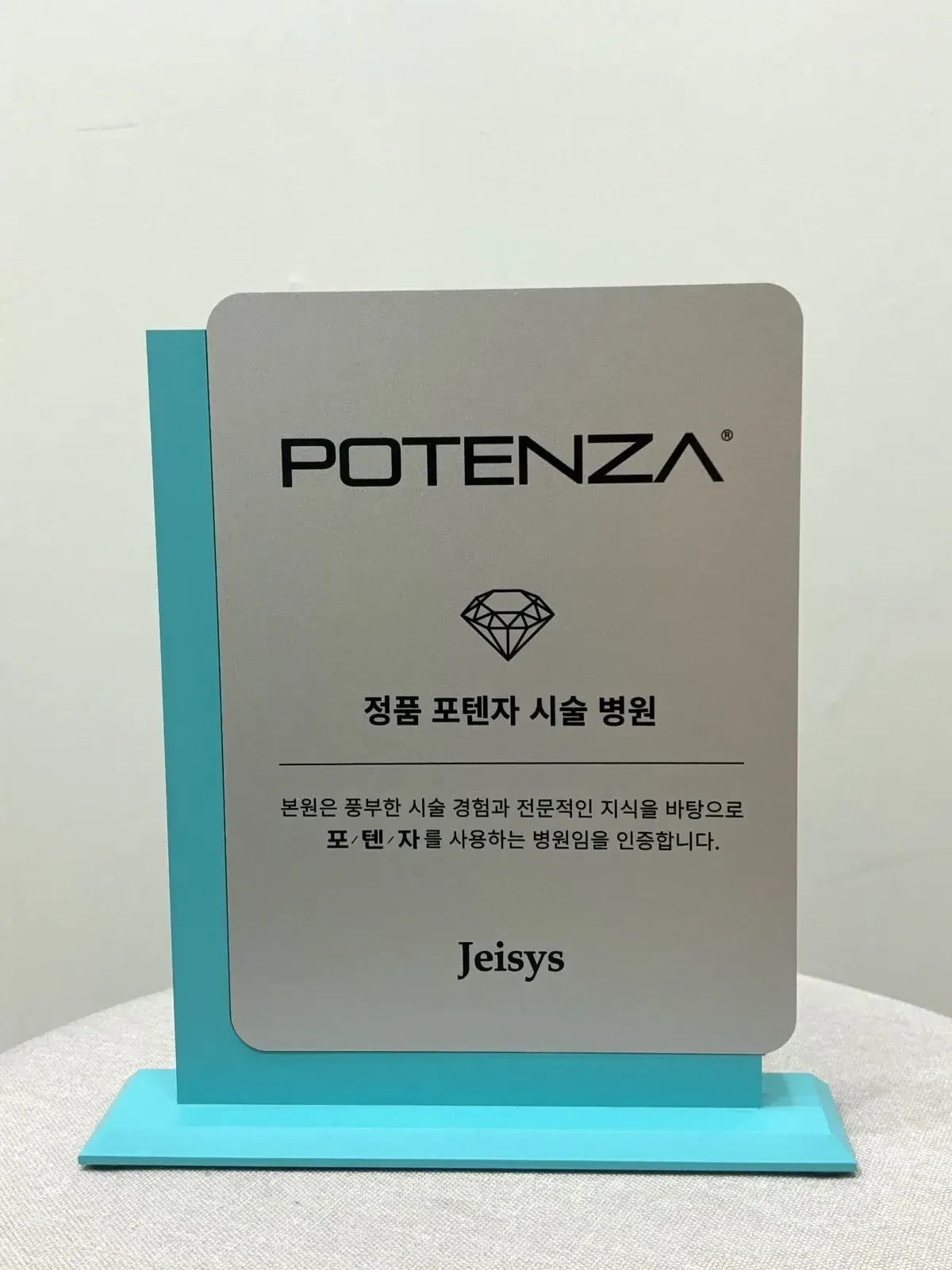
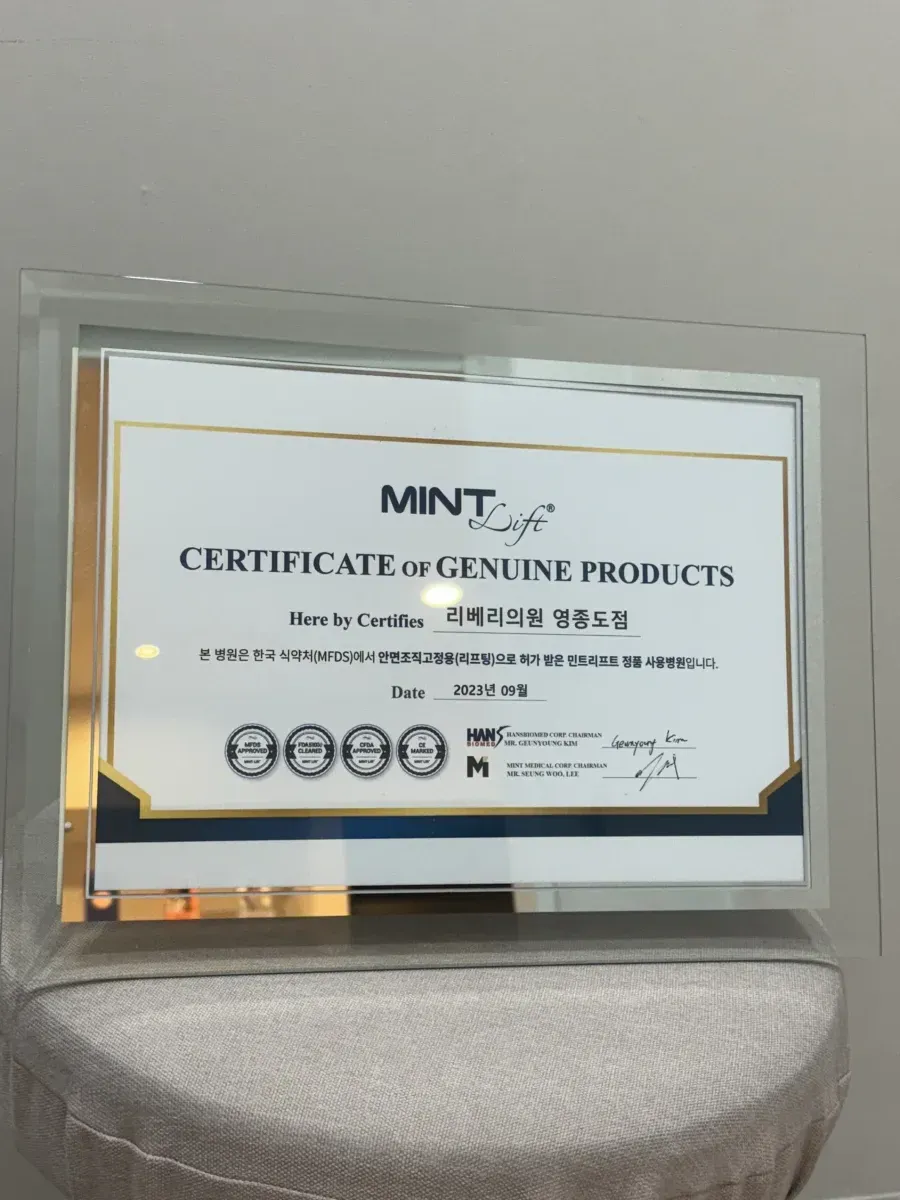
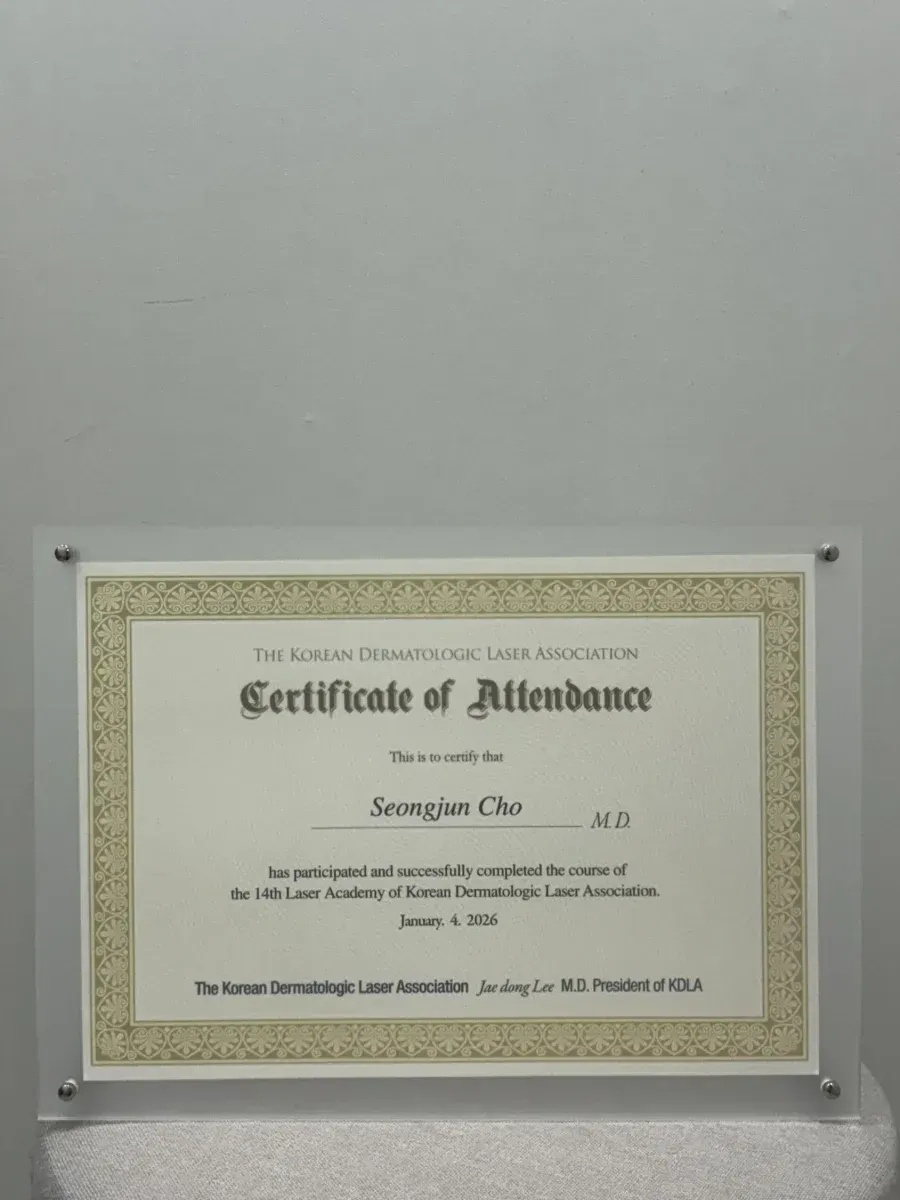
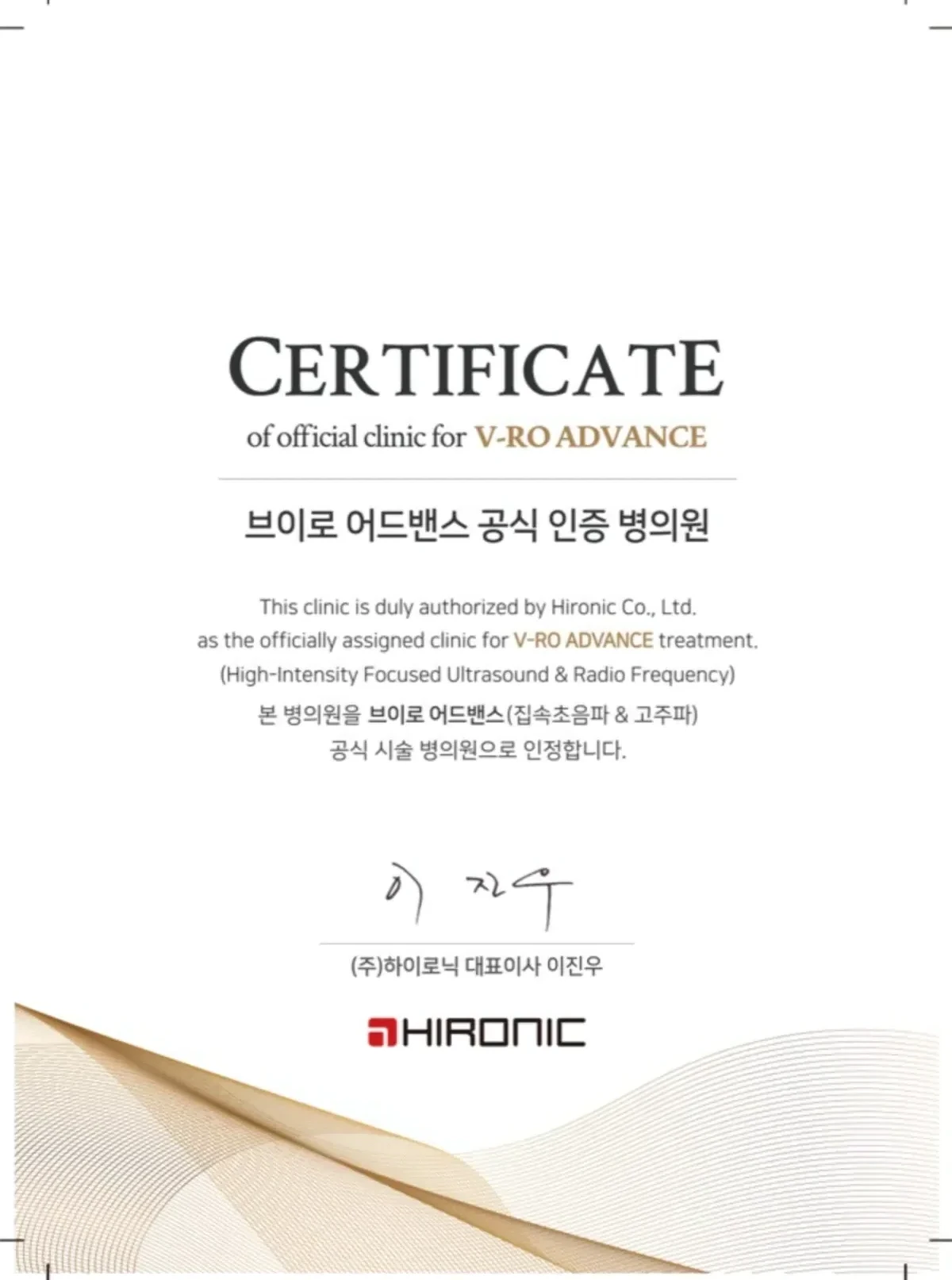
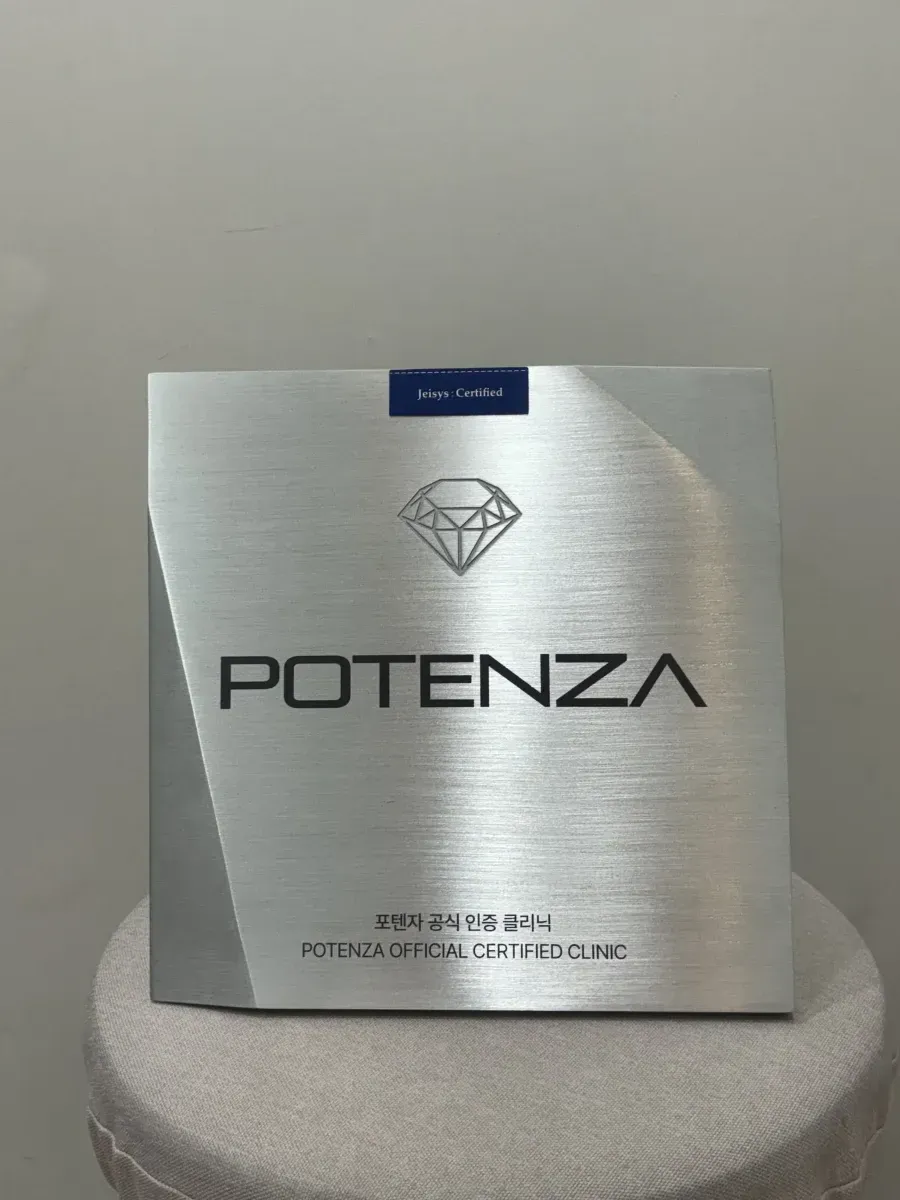
Only Authentic, Brand-Certified Equipment
Every device at RE:BERRY is MFDS-certified and manufacturer-verified. We never use counterfeit or grey-market equipment.
Ready to Transform Your Acne Scars?
Book your acne scar assessment with Dr. Cho Sung-Jun at RE:BERRY Incheon Airport — open 365 days, airport pickup available, 8 languages supported.
Book Your Subcision Consultation
Fill out the form and our multilingual team will confirm within 2 hours via your preferred contact method.
- ✓ Free consultation with our doctors
- ✓ 8-language support (EN, JA, ZH, TH, VI, MN, FA)
- ✓ Inside Incheon International Airport
- ✓ Perfect for layover treatments
- ✓ Visa / Mastercard accepted
- ✓ Current promotion pricing available