Melasma Laser Treatment in Seoul & Incheon — Expert Protocol for Asian Skin
Melasma is one of the most challenging pigmentation conditions, especially on Asian skin. RE:BERRY Incheon Airport uses specialized low-fluence PicoSure toning protocols designed specifically for melasma management — avoiding the aggressive approaches that trigger rebound hyperpigmentation. Our Berry Shine Toning protocol delivers gradual, lasting improvement starting at ₩990,000 for 10 sessions.
Can Laser Actually Treat Melasma Without Making It Worse?
Yes — but only with the right laser, right parameters, and right physician. Melasma responds to low-fluence picosecond laser toning (PicoSure 755nm), which shatters melanin through photoacoustic pressure without triggering the melanocyte activation that causes rebound hyperpigmentation. Aggressive lasers (high-fluence Q-switched, ablative CO2) can worsen melasma. Korean clinics like RE:BERRY specialize in conservative, evidence-based melasma protocols perfected through years of treating Asian skin.
Melasma is a chronic hyperpigmentation disorder driven by melanocyte hyperactivity, hormonal factors (estrogen, progesterone), UV exposure, and dermal inflammation. Unlike simple sun spots, melasma involves both epidermal and dermal melanin deposits, with an inflammatory vascular component that sustains melanocyte activity. This is why aggressive laser treatments that cause thermal damage can paradoxically worsen melasma — the resulting inflammation stimulates melanocytes further. The Korean approach to melasma uses (1) low-fluence pico toning to gently clear melanin without thermal damage; (2) vascular targeting with Genesis Nd:YAG to reduce the inflammatory component; and (3) topical/injectable adjuncts (tranexamic acid, skin boosters) to suppress melanocyte activity. Chalermchai et al. (2019) demonstrated 80% improvement in MASI scores after 6 sessions of low-fluence PicoSure toning in Fitzpatrick IV-V patients, with only 3% transient PIH (DOI: 10.1111/dsu.14003).
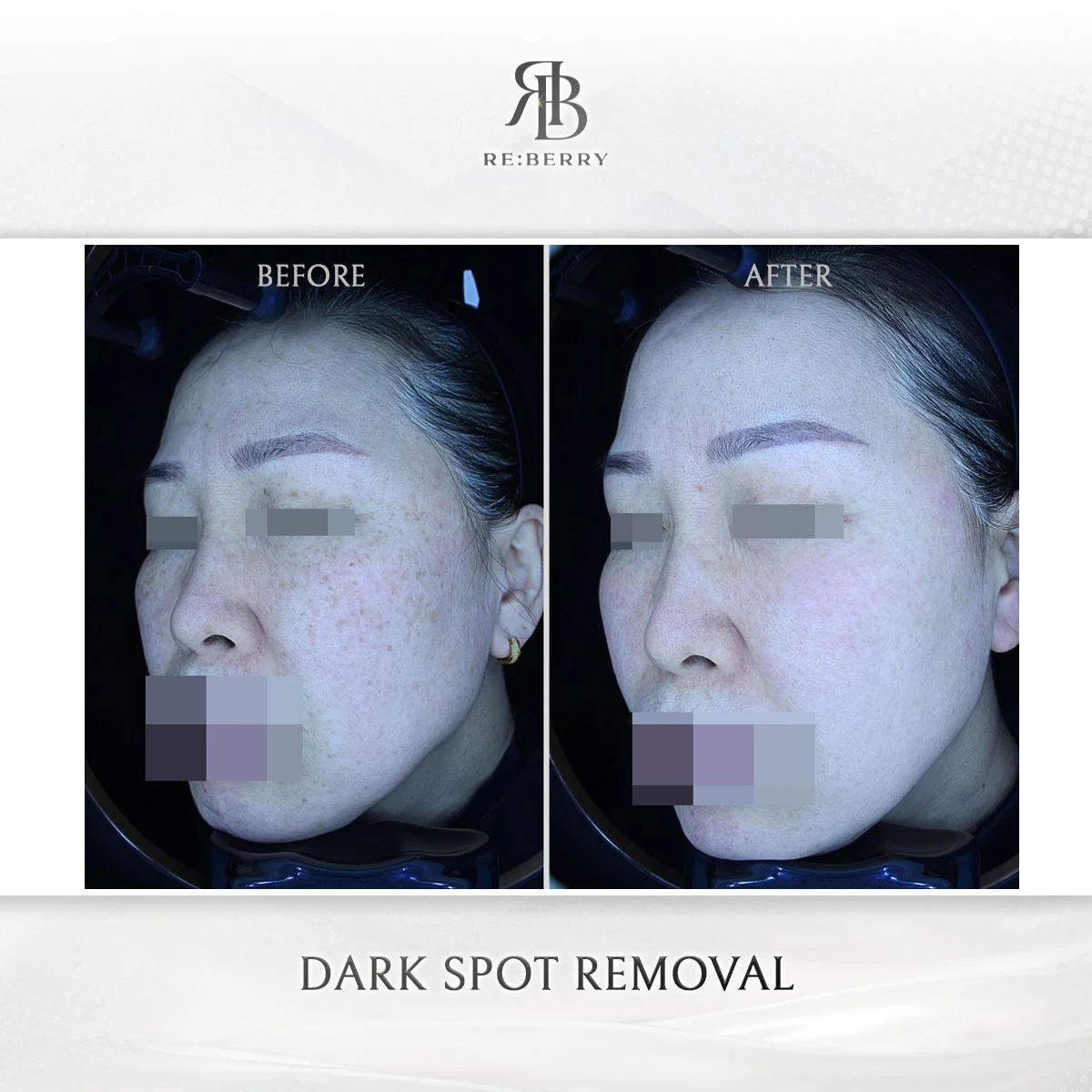
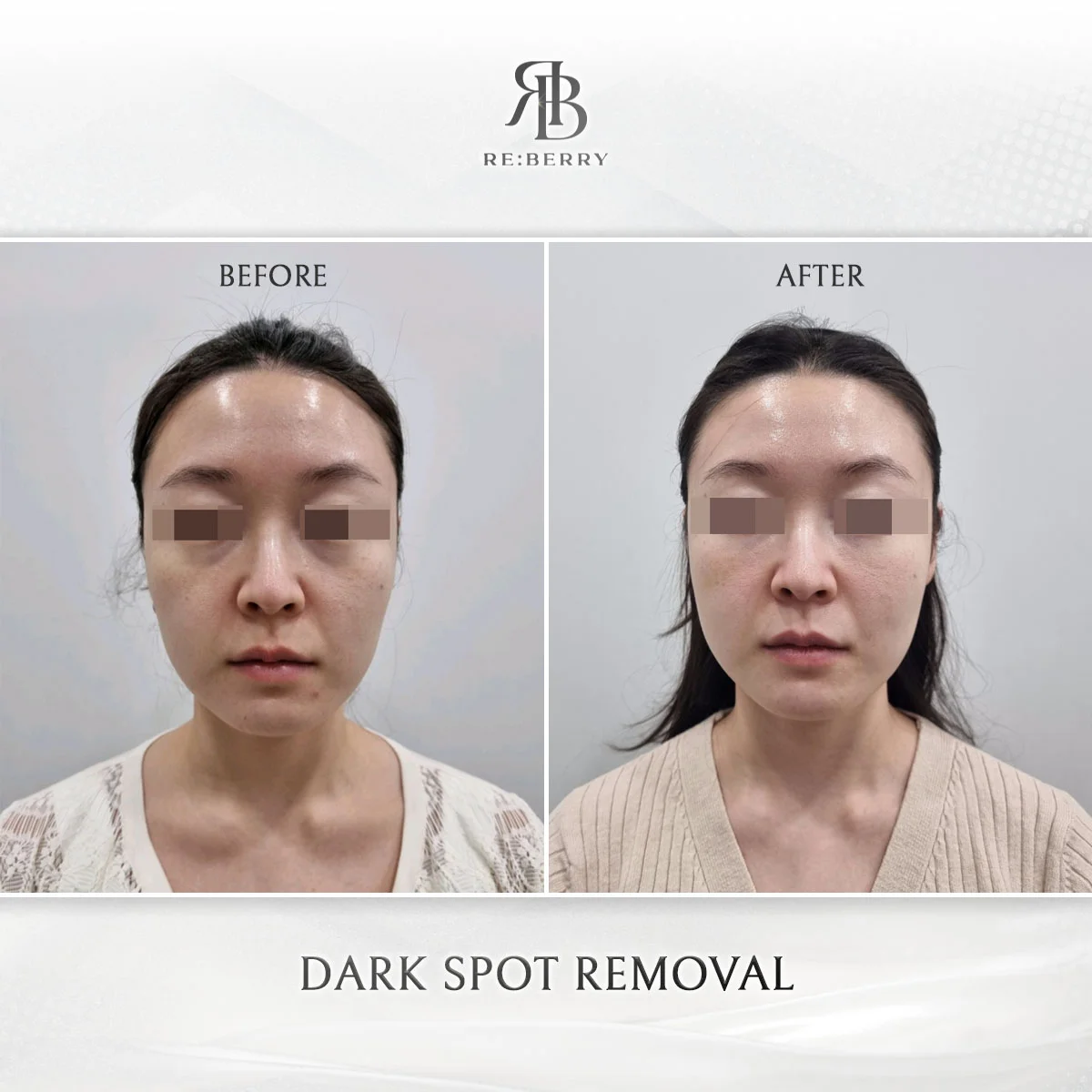
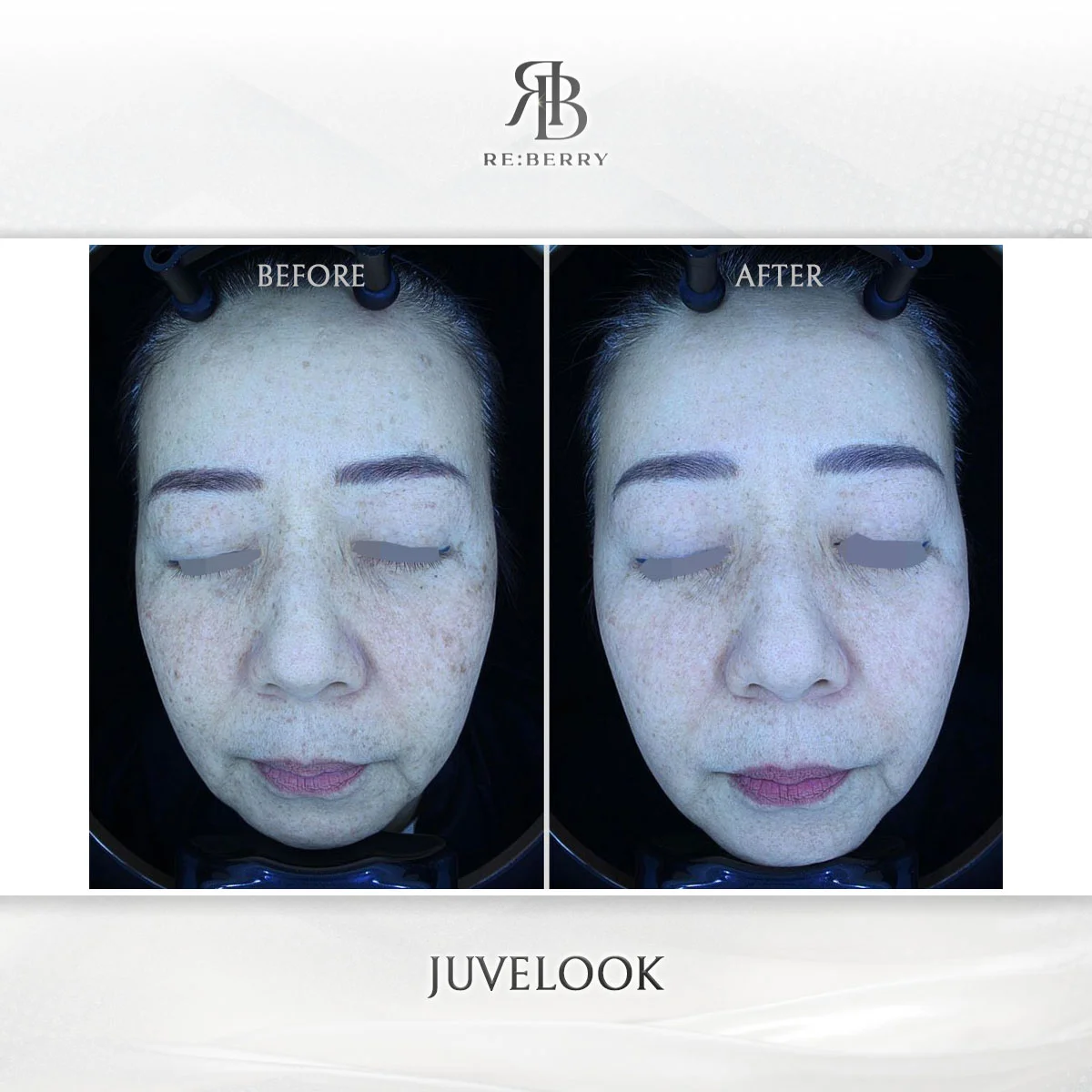
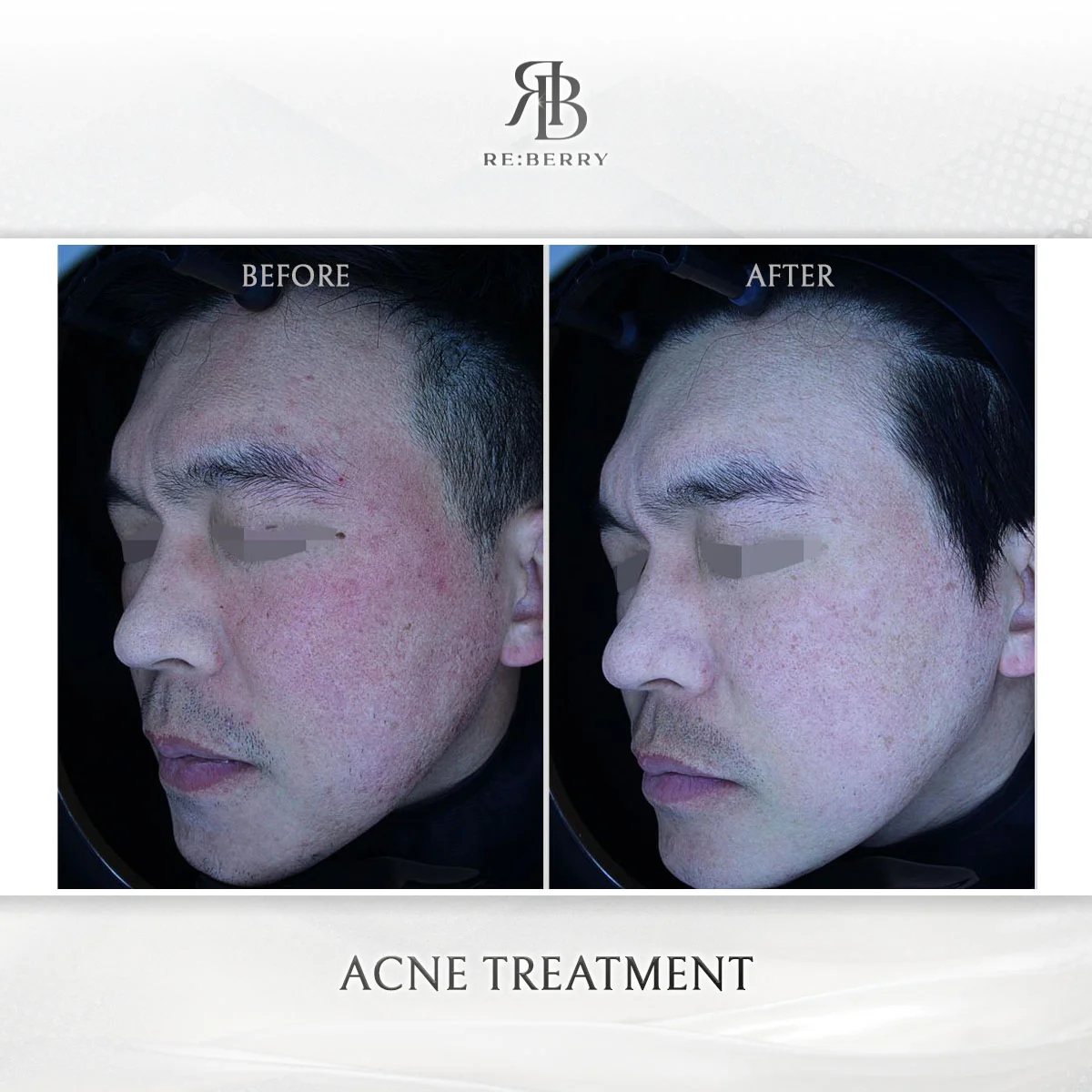
Melasma Treatment Before & After
Actual melasma treatment results from RE:BERRY Incheon Airport. Multi-session protocols on Asian skin.
How Melasma Treatment Works at RE:BERRY
Our specialized melasma protocol addresses all three components: melanin, vasculature, and inflammation.
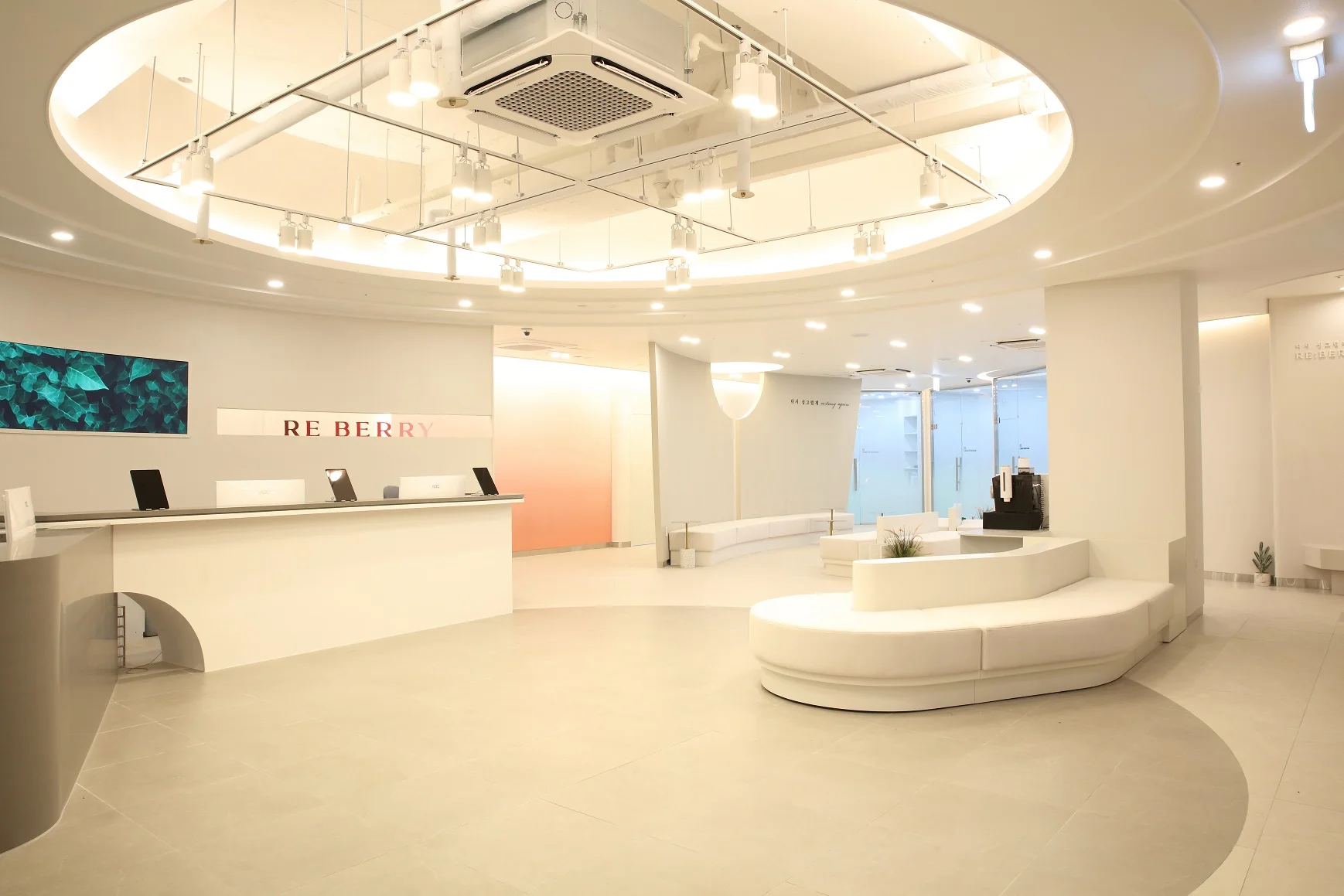
Melasma Classification & Depth Assessment
Using Wood’s lamp and dermatoscopy, your physician classifies melasma type (epidermal, dermal, or mixed) and maps melanin depth distribution. This determines the entire treatment strategy — epidermal melasma responds faster; dermal melasma requires longer, gentler protocols.
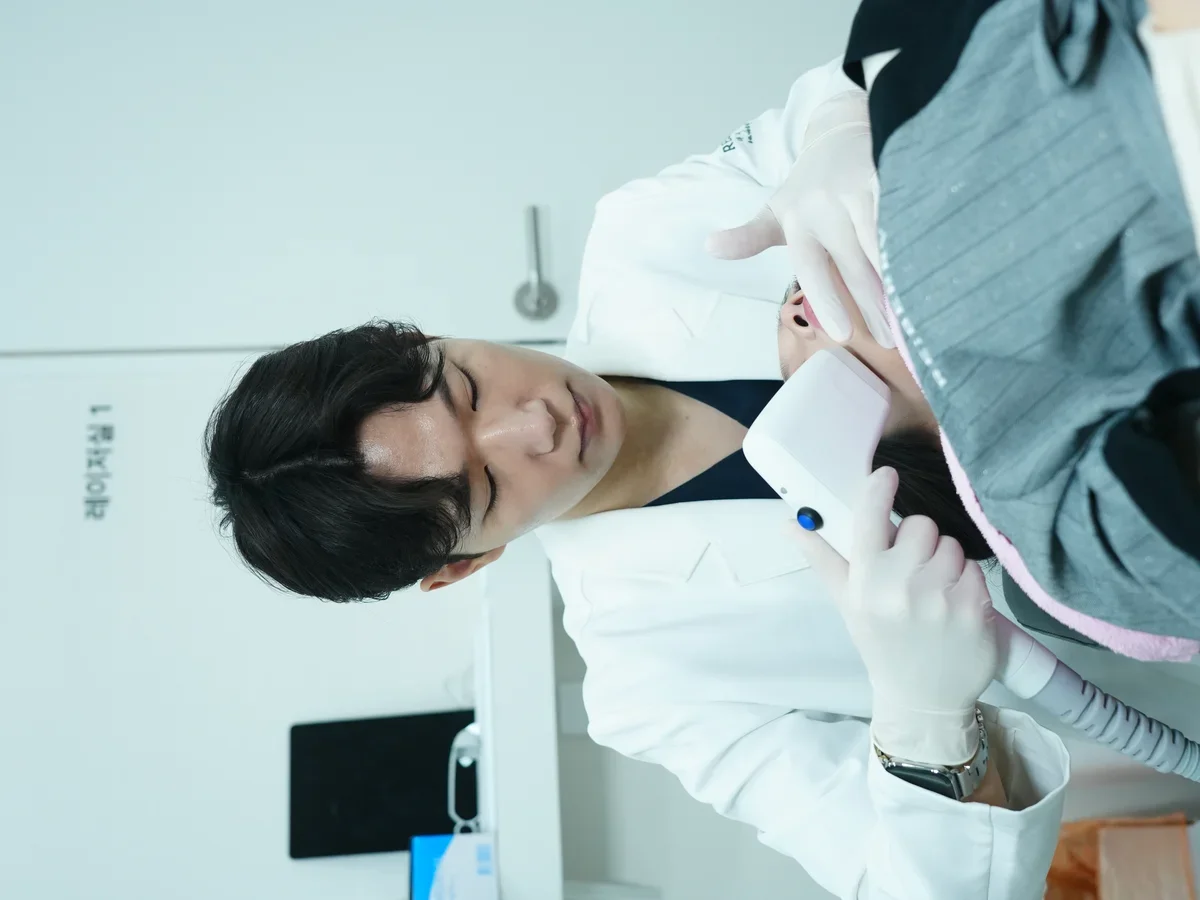
Low-Fluence PicoSure Toning
PicoSure 755nm at carefully calibrated low fluence delivers photoacoustic melanin disruption without thermal damage. Multiple gentle passes gradually clear melanin deposits while preserving the basal layer and avoiding melanocyte activation.
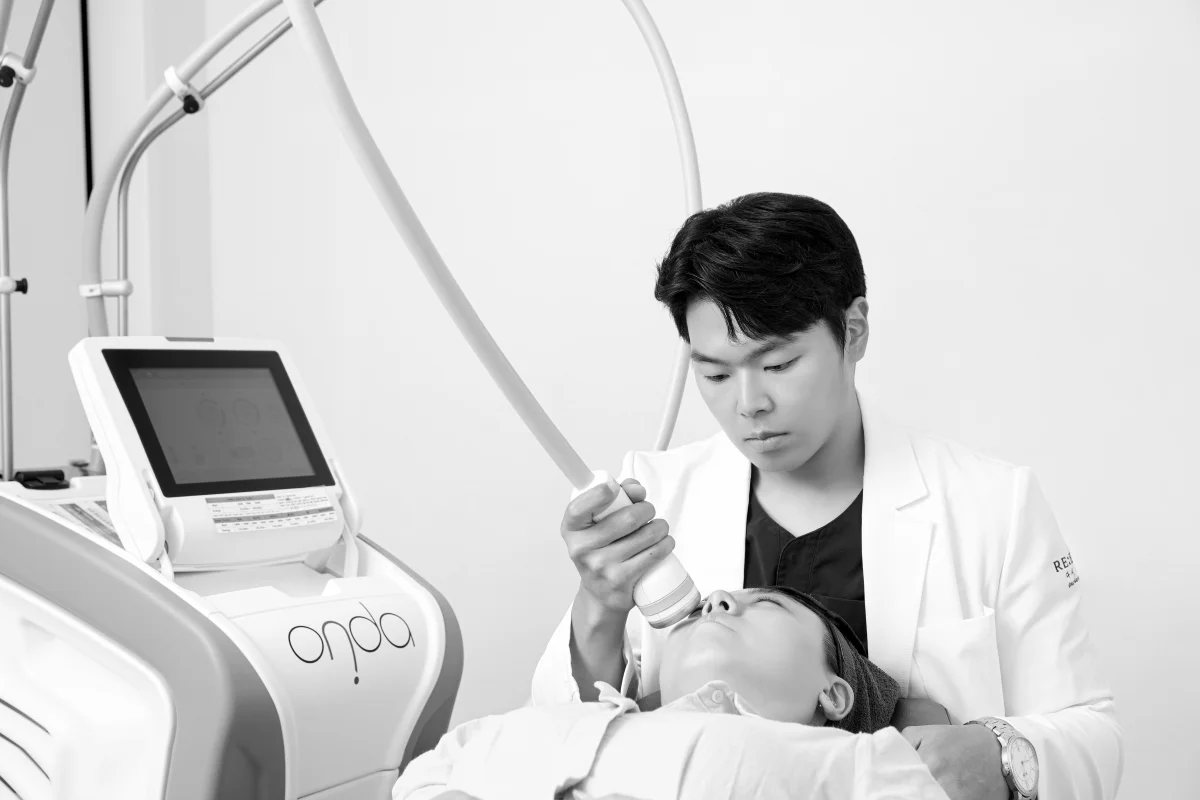
Vascular & Inflammatory Targeting
Genesis Nd:YAG 1064nm addresses the vascular component of melasma by reducing dermal blood vessel density that feeds melanocyte activity. This anti-inflammatory laser component is crucial for preventing rebound hyperpigmentation.
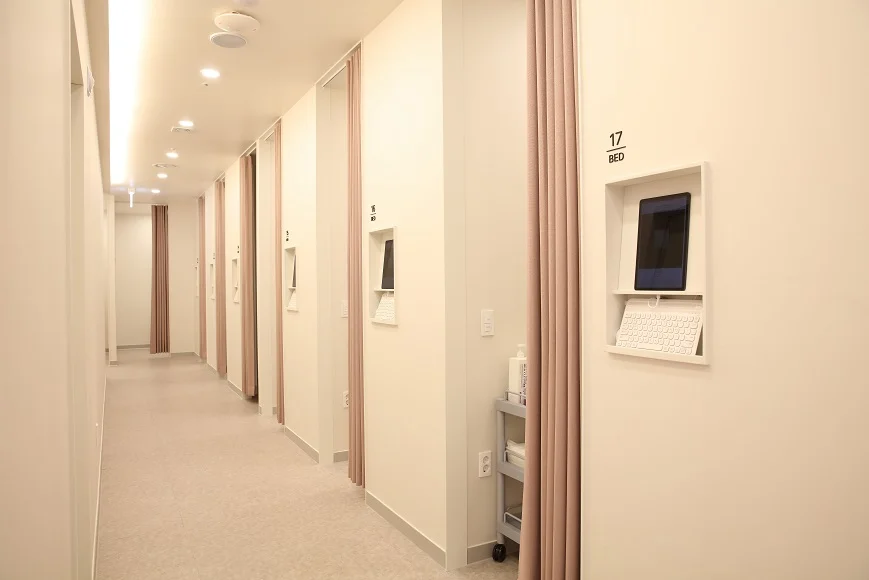
Adjunct Therapy & Maintenance
Complementary treatments: tranexamic acid oral/topical, Rejuran Healer skin booster, Exosome therapy for anti-inflammatory effects. SPF 50+ protocol with strict UV avoidance. Maintenance sessions every 4-6 weeks.
What to Expect from Melasma Treatment
- Melasma-Specific Protocol: Not generic laser toning — our protocol is specifically designed for the unique pathophysiology of melasma (melanin + vasculature + inflammation).
- Ultra-Low PIH Risk: Low-fluence PicoSure photoacoustic approach produces only 3% transient PIH vs 15-20% for aggressive laser methods.
- Addresses Root Cause: Genesis laser targets the vascular/inflammatory component that sustains melanocyte activity, not just the melanin itself.
- Asian Skin Expertise: Our physicians have treated thousands of melasma patients with Fitzpatrick III-V skin types, understanding the specific challenges.
- Multi-Modal Approach: Combines laser toning with skin boosters, tranexamic acid, and strict photoprotection for comprehensive management.
- Realistic Expectations: We set honest expectations — melasma is manageable, not curable. Our goal is significant improvement with sustainable maintenance.
| Timeline | What to Expect |
|---|---|
| Sessions 1-3 | Gradual melanin clearance begins. Skin may appear slightly brighter. Some darkened spots may appear darker initially (melanin lifting). |
| Sessions 4-6 | Noticeable improvement in melasma patches. Background skin tone begins evening out. MASI score typically improves 30-50%. |
| Sessions 7-10 | Significant improvement visible. Most patients achieve 50-80% clearance. Maintenance phase begins. |
| Month 3-6 (Maintenance) | Monthly or bimonthly touch-up sessions to maintain results. Strict SPF 50+ and photoprotection critical. |
| Month 6-12 | Long-term maintenance. Frequency reduced to every 6-8 weeks for stable patients. Seasonal adjustments for sun exposure. |
| Ongoing | Melasma is a chronic condition requiring lifelong management. Consistent SPF, maintenance laser, and trigger avoidance keep results stable. |
Melasma Treatments Compared
| Feature | Low-Fluence Pico Toning | Q-Switched Nd:YAG | Hydroquinone Cream | Tranexamic Acid | Chemical Peel |
|---|---|---|---|---|---|
| Mechanism | Photoacoustic melanin shattering | Photothermal destruction | Tyrosinase inhibition | Plasmin inhibition | Acid exfoliation |
| Melasma Efficacy | Excellent (80%) | Good but rebound risk | Moderate (40-60%) | Moderate adjunct | Mild-Moderate |
| PIH Risk (Asian) | Very Low (3%) | Moderate (15-20%) | Low | Very Low | Moderate |
| Rebound Risk | Very Low | Moderate-High | High (on cessation) | Low | Moderate |
| Downtime | None | 1-3 days | None | None | 3-7 days |
| Time to Results | 6-10 sessions | 6-10 sessions | 8-12 weeks | 4-12 weeks | 4-8 sessions |
| RE:BERRY Approach | Primary treatment | Not recommended | Adjunct therapy | Oral + topical | Adjunct therapy |
Melasma Treatment Packages at RE:BERRY Incheon Airport
April 2026 promotional prices. All prices exclude VAT. Non-covered medical service.
Berry Dual Toning — 10 Sessions
- PicoSure + Genesis dual toning × 10
- Low-fluence melasma protocol
- Biweekly sessions
- Free consultation with physician
Berry Shine Toning — 10 Sessions
- Enhanced premium toning protocol × 10
- Advanced melanin targeting
- Vascular component treatment
- Free consultation with Dr. Cho
- Aftercare in 8 languages
Signature Berry Shine Package
- 10 sessions customized toning
- Choose your preferred physician
- Add Mulberry Mela 2cc (₩49,000)
- Add anti-aging cream (₩450,000)
- Most comprehensive melasma protocol
Meet Your Doctor
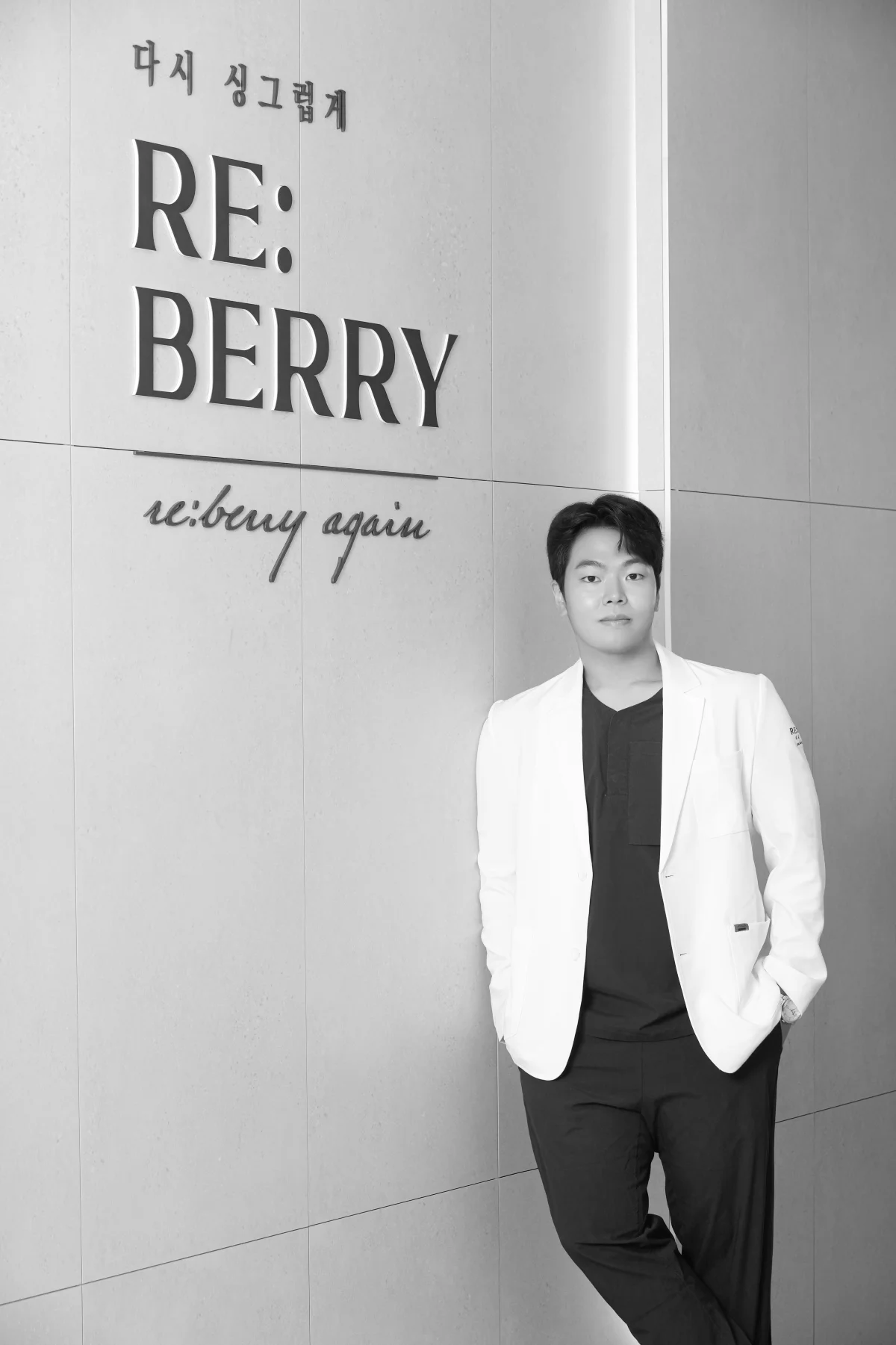
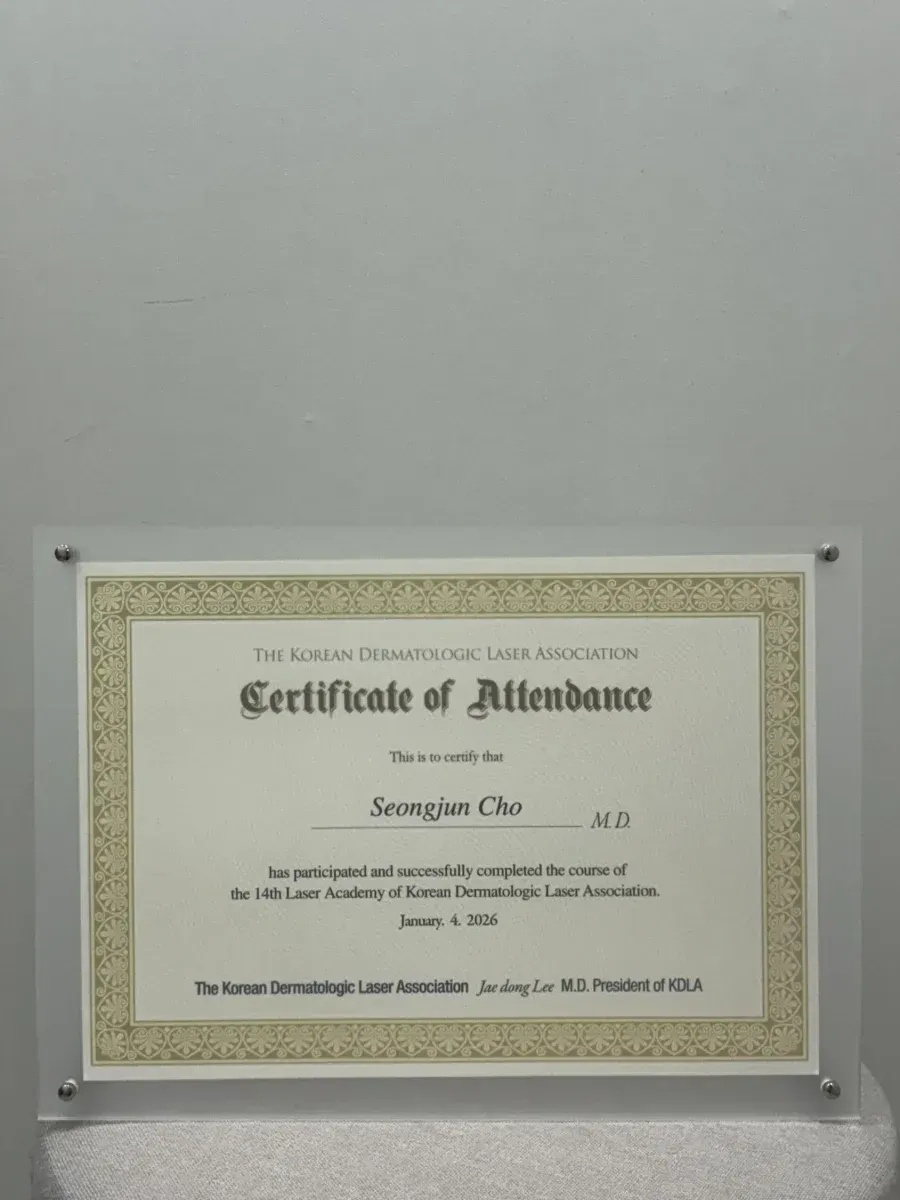
Dr. Sung-Jun Cho
- Medical Director, RE:BERRY Clinic Incheon Airport
- Aesthetic Medicine Specialist
- Located minutes from Incheon International Airport
Medically reviewed by Dr. Sung-Jun Cho, Medical Director / Aesthetic Medicine Specialist, RE:BERRY
The Science Behind Melasma Treatment
Evidence-based approach to melasma management at RE:BERRY.
Understanding Melasma Pathophysiology
Melasma is a complex pigmentary disorder involving melanocyte hyperactivity, dermal melanophages, increased vascularity, and basement membrane disruption. Kwon et al. (2016) demonstrated that melasma skin has 40% greater vascular density than adjacent normal skin, suggesting that vascular targeting is essential for complete treatment — not just melanin destruction (DOI: 10.1111/bjd.14689). This explains why purely melanin-focused treatments often result in rebound.
Low-Fluence Pico Toning: Gradual Melanin Clearance
Low-fluence PicoSure toning delivers sub-threshold energy that fragments melanin particles without inducing the thermal injury that triggers melanocyte activation. Chalermchai et al. (2019) showed 80% of Fitzpatrick IV-V patients achieved significant MASI improvement after 6 low-fluence sessions, with melanin reduction confirmed by reflectance confocal microscopy (DOI: 10.1111/dsu.14003). The key is maintaining energy below the melanocyte activation threshold while still achieving photoacoustic melanin fragmentation.
Vascular Targeting with Genesis Nd:YAG
Genesis Nd:YAG 1064nm delivers long-pulse energy to the dermal vasculature, reducing the increased blood vessel density that sustains melanocyte activity in melasma. Passeron et al. (2015) found that combining vascular-targeted laser with pigment-targeted laser produced 60% greater improvement in melasma MASI scores compared to pigment targeting alone, with significantly lower relapse rates at 6 months (DOI: 10.1111/bjd.13411).
Tranexamic Acid as Adjunct Therapy
Tranexamic acid (TXA) inhibits plasmin-mediated melanocyte activation, addressing one of melasma’s key pathways. Del Rosario et al. (2018) showed that oral TXA 250mg twice daily combined with laser toning produced 30% greater MASI improvement than laser alone at 12 weeks, with excellent safety profile (DOI: 10.1016/j.jaad.2017.09.014). RE:BERRY physicians may recommend oral or topical TXA as part of the comprehensive melasma management plan.
References: Kwon SH et al. Br J Dermatol 2016;174(2):388-395 (DOI: 10.1111/bjd.14689) | Chalermchai T et al. Dermatol Surg 2019;45(2):221-228 (DOI: 10.1111/dsu.14003) | Passeron T et al. Br J Dermatol 2015;172(1):214-220 (DOI: 10.1111/bjd.13411) | Del Rosario E et al. J Am Acad Dermatol 2018;78(2):363-369 (DOI: 10.1016/j.jaad.2017.09.014)
[1] doi:10.1111/jocd.13752 | [2] doi:10.1097/DSS.0000000000001577 | [3] doi:10.1080/14764172.2021.1950247
What Our Melasma Patients Say
“I had melasma for 8 years and tried everything — hydroquinone, aggressive laser that made it worse. RE:BERRY’s gentle approach was different. After 10 sessions, my MASI score dropped by 65%. It is manageable now.”
“Dr. Cho explained that melasma has a vascular component and that is why just laser toning was not enough for me. The Genesis + Pico combination was the game changer.”
“As a medical professional, I appreciated the evidence-based approach. They cited specific studies and set realistic expectations. My melasma has improved by about 60% over 8 sessions.”
Frequently Asked Questions About Melasma Treatment
Expert answers about melasma laser treatment at RE:BERRY Incheon Airport.
Yes — if the wrong laser or wrong parameters are used. Aggressive, high-fluence lasers cause thermal damage that triggers melanocyte activation and rebound hyperpigmentation. RE:BERRY uses only low-fluence PicoSure toning, which is the safest approach with only 3% transient PIH risk.
Berry Dual Toning (Pico + Genesis) is ₩690,000 for 10 sessions. Berry Shine Toning is ₩990,000 for 10 sessions. Signature Berry Shine Package is ₩1,990,000 (10 sessions with add-on options). All prices exclude VAT.
Most melasma patients need 8-15 sessions (biweekly) for significant improvement, followed by maintenance every 4-8 weeks. Epidermal melasma responds faster (6-8 sessions); dermal or mixed melasma requires more (10-15 sessions).
Melasma is manageable but not fully curable. The melanocytes remain inherently hyperactive, so the condition can recur with UV exposure, hormonal changes, or inflammation. Our goal is significant improvement (60-80%) with a sustainable maintenance protocol.
Common triggers include UV exposure (the most important), hormonal changes (pregnancy, birth control pills, HRT), heat, visible light (blue light from screens), certain medications, and stress. Identifying and minimizing triggers is essential for treatment success.
One session provides some benefit, but melasma requires multiple sessions. We can start treatment during your visit and plan follow-up sessions for return trips. Alternatively, we create a home-care protocol with topical treatments for between visits.
Regular dark spots (solar lentigines) are discrete, well-defined patches caused by UV damage to a localized area. Melasma is a diffuse, symmetrical hyperpigmentation driven by melanocyte hyperactivity, hormones, and vascular inflammation. They require fundamentally different treatment approaches.
Hydroquinone (2-4%) can be an effective adjunct but should not be used as monotherapy or long-term (risk of ochronosis with prolonged use). RE:BERRY physicians may recommend short courses of hydroquinone as part of a comprehensive protocol that includes laser and other agents.
SPF 50+ broad-spectrum sunscreen is THE most important part of melasma management. Even the best laser protocol fails without strict UV protection. Apply every morning and reapply every 2 hours during sun exposure. Use physical (mineral) sunscreen for best results.
Tranexamic acid (TXA) inhibits plasmin-mediated melanocyte activation. Studies show oral TXA 250mg twice daily combined with laser produces 30% greater improvement than laser alone. RE:BERRY physicians may prescribe oral TXA as part of your treatment plan.
Laser treatment is not recommended during pregnancy. However, pregnancy-related melasma can be treated postpartum. Many patients find that hormonal melasma improves somewhat after delivery and responds well to laser toning post-breastfeeding.
Korean clinics specialize in low-fluence toning protocols developed through years of treating Asian skin. Western approaches often rely more heavily on topical agents (hydroquinone, retinoids) with laser as secondary. Korean protocols use laser as primary treatment with topicals as adjuncts.
Berry Shine Toning (₩990,000/10 sessions) is RE:BERRY’s enhanced toning protocol specifically designed for pigmentation including melasma. It offers more comprehensive melanin targeting than standard Berry Dual Toning, with extended treatment time per session.
Yes. Skin boosters like Rejuran Healer contain polynucleotides that have anti-inflammatory effects beneficial for melasma. Our One-Day Customized Pigmentation Care Package (₩990,000) includes Rejuran Healer 2cc + laser + boosters.
Yes. Visible light (especially blue light 400-500nm) has been shown to worsen melasma in darker skin types. Use mineral sunscreen containing iron oxide (blocks visible light) and consider screen filters. This is especially important for Fitzpatrick IV-VI.
Strong connection. Estrogen and progesterone stimulate melanocyte activity. Melasma commonly appears during pregnancy, with oral contraceptive use, or with HRT. Identifying and managing hormonal triggers is part of our comprehensive assessment.
Prevention through: (1) low-fluence protocols only (no aggressive thermal damage), (2) Genesis vascular targeting, (3) strict SPF 50+ compliance, (4) oral tranexamic acid if indicated, (5) gradual tapering of treatment frequency rather than abrupt cessation.
Mulberry Mela 2cc (₩49,000 add-on) is a botanical-based skin brightening injection that can be added to the Signature Berry Shine Package. It contains mulberry extract and other natural tyrosinase inhibitors that complement laser treatment.
Yes. While melasma is more common in women, men can develop it too, particularly with chronic sun exposure. The same low-fluence protocols apply. Male patients tend to respond slightly faster due to less hormonal fluctuation.
All melasma laser treatments are performed by Dr. Cho Sung-Jun (Head Director, License #138858) or Dr. Kim Dong-Young (License #147291). Both have extensive experience with melasma management on Asian skin.
Yes. RE:BERRY Incheon Airport provides consultations in 8 languages: English, Japanese, Chinese (Simplified and Traditional), Thai, Vietnamese, Mongolian, and Farsi.
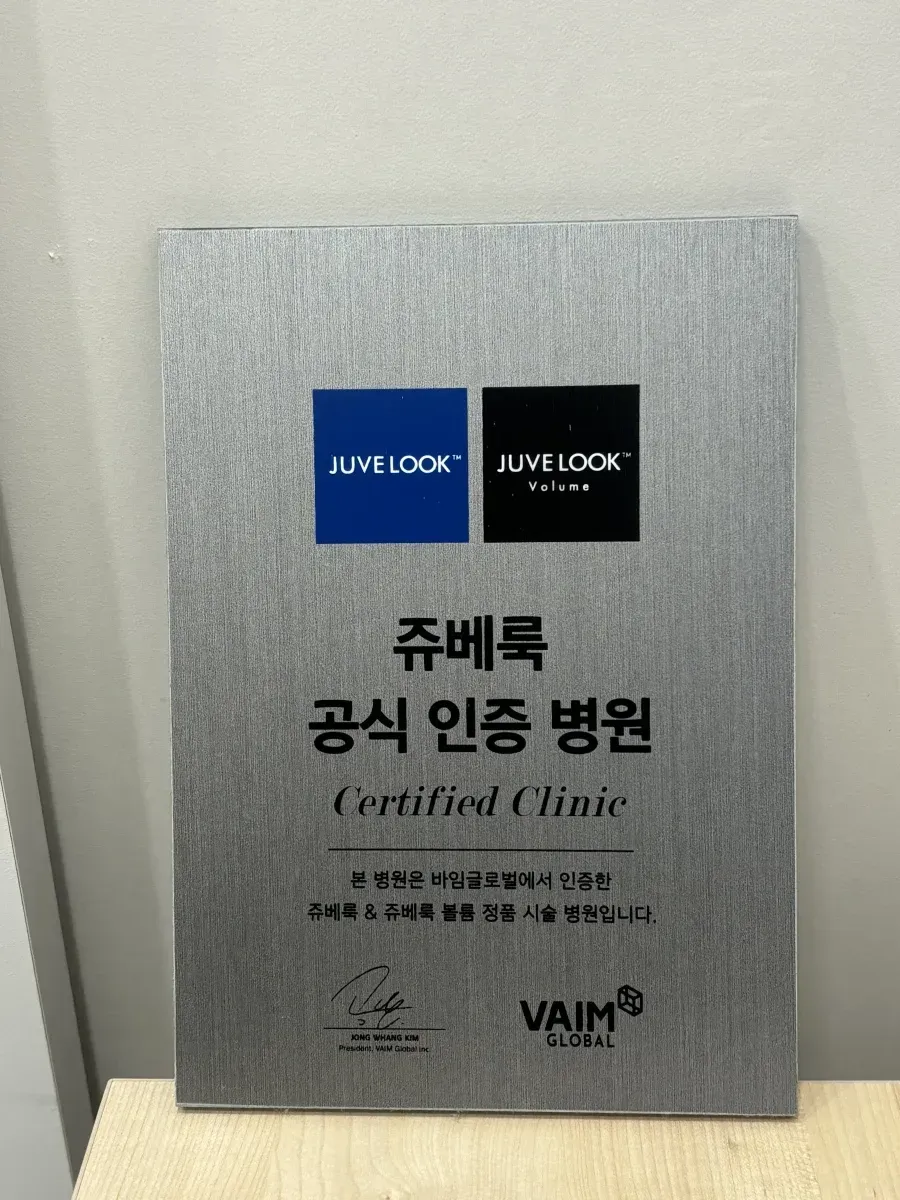
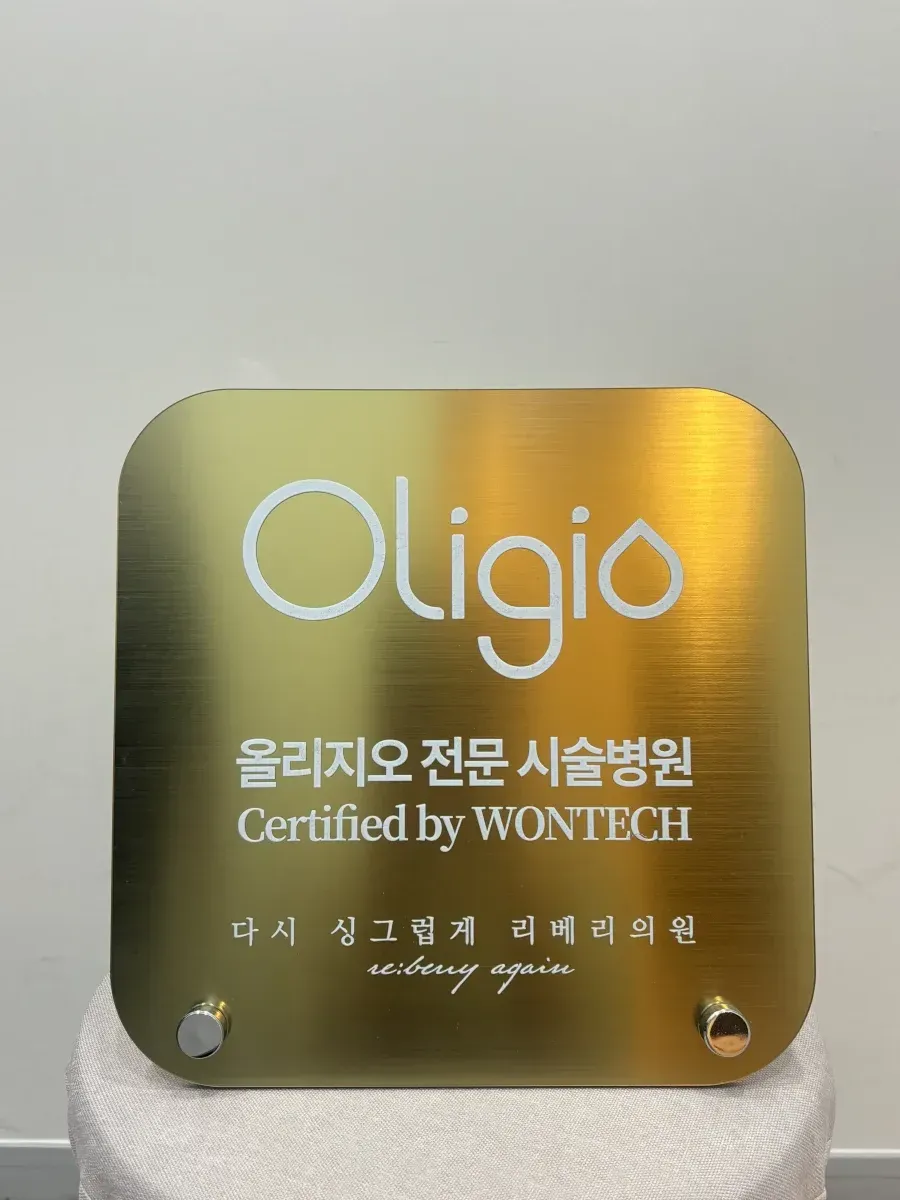
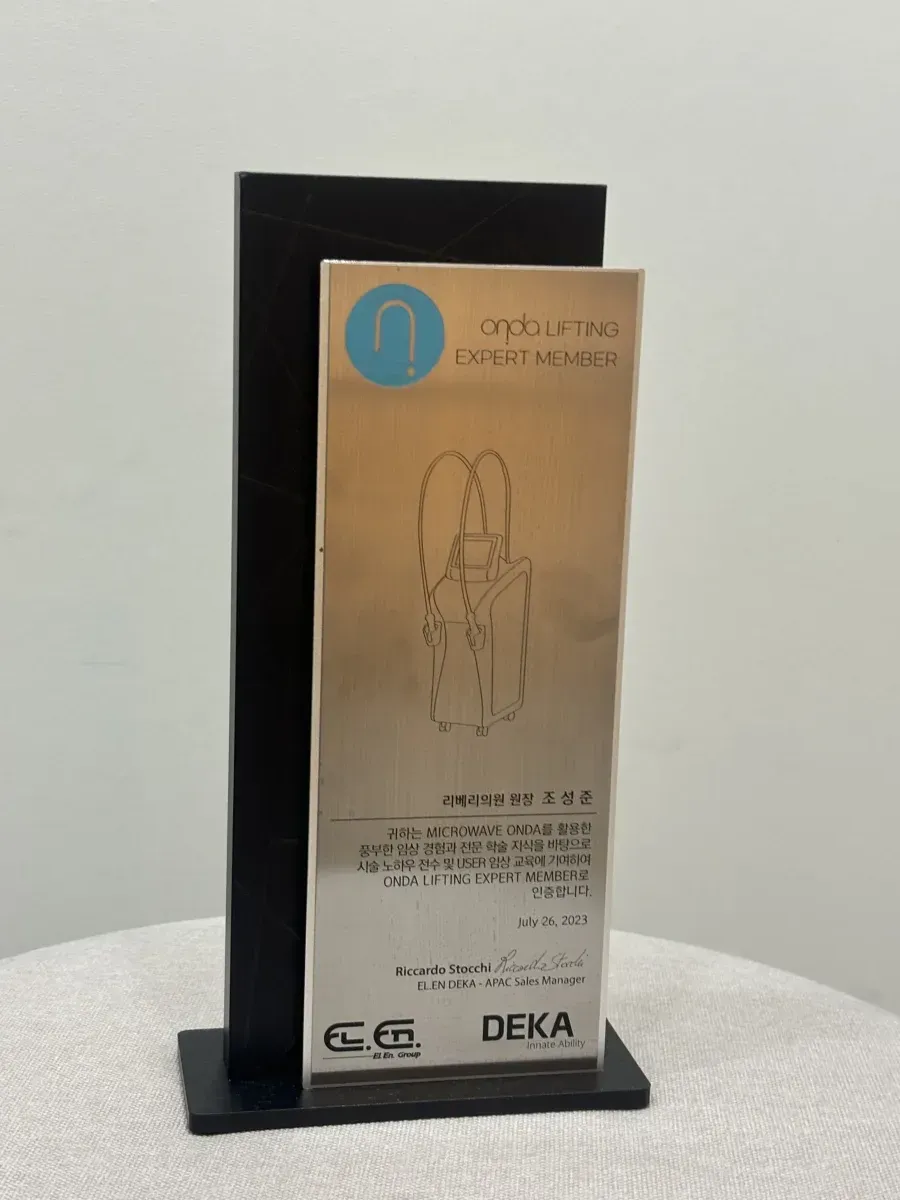
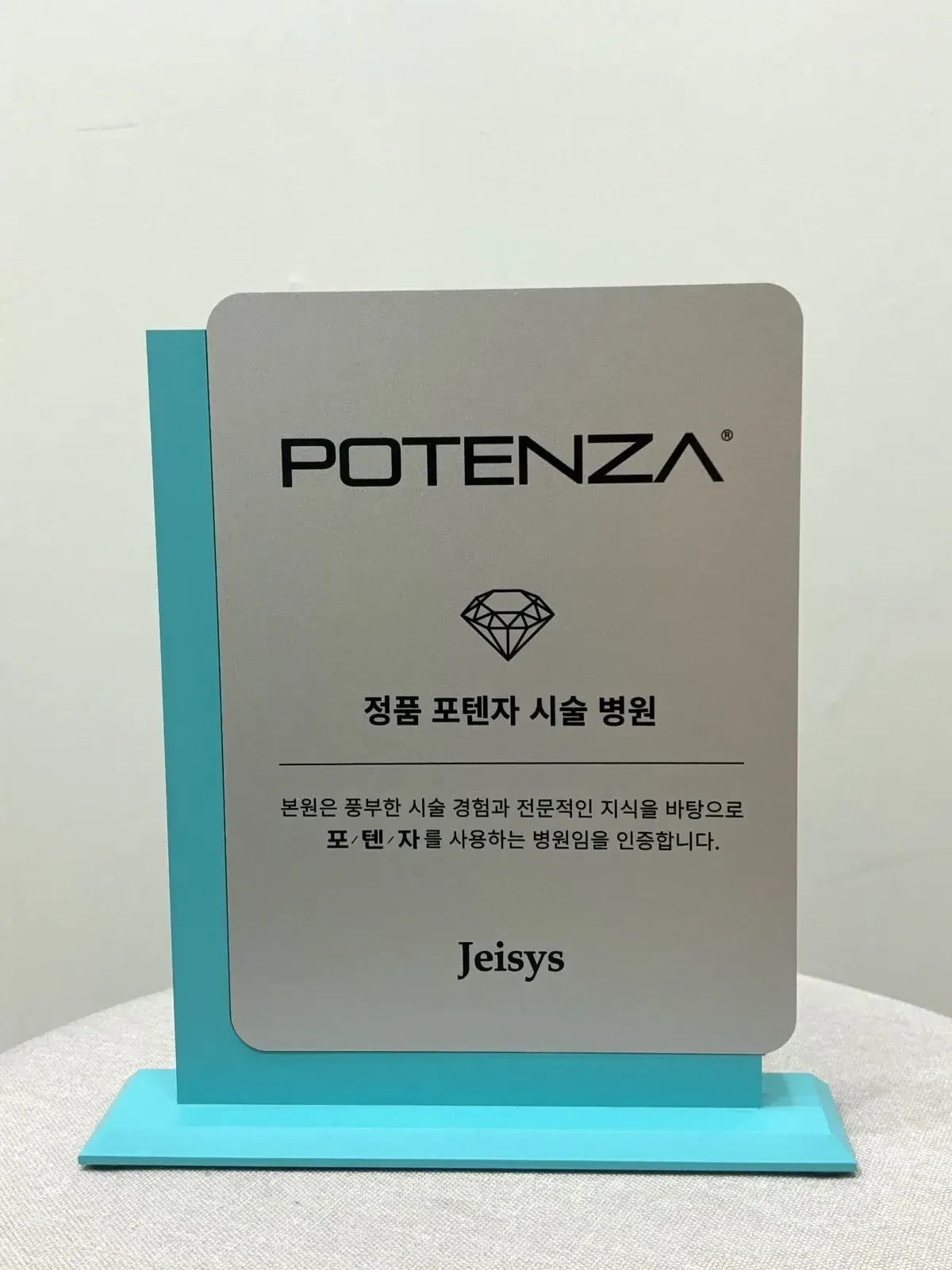
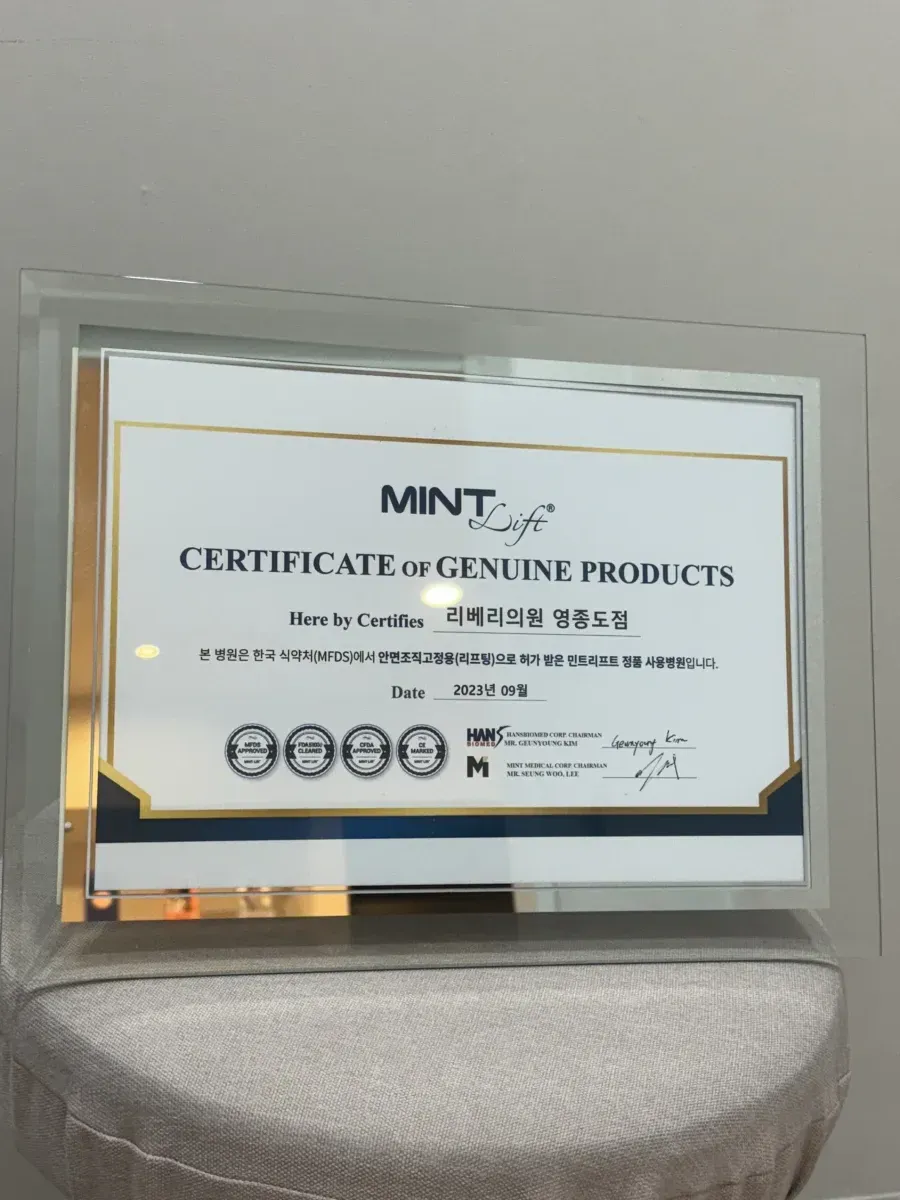
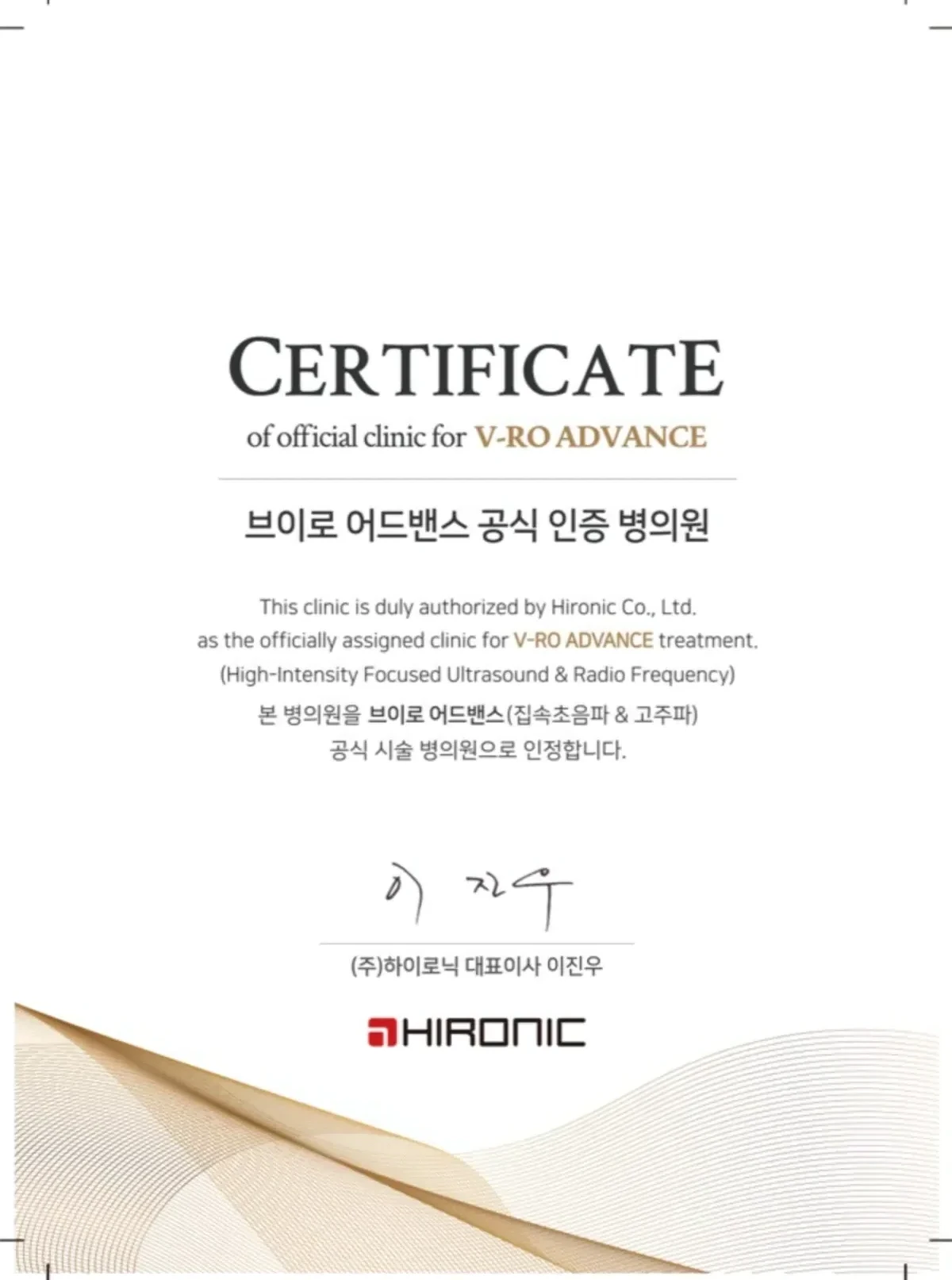
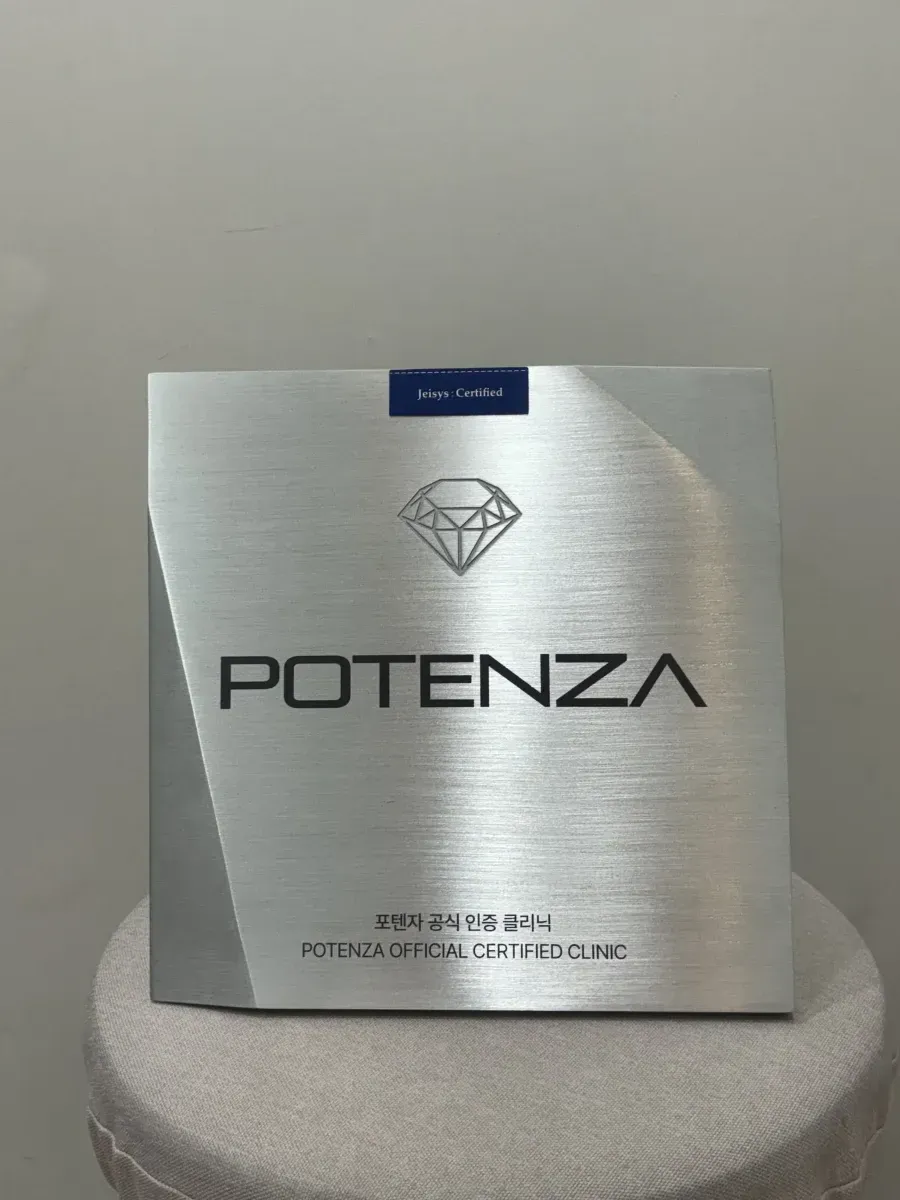
Only Authentic, Brand-Certified Equipment
Every device at RE:BERRY is MFDS-certified and manufacturer-verified. We never use counterfeit or grey-market equipment.
Ready to Manage Your Melasma?
Book your specialized melasma consultation at RE:BERRY Incheon Airport — evidence-based protocols, 8 languages, 365 days.
Book Your Melasma Consultation
Fill out the form and our multilingual team will confirm within 2 hours via your preferred contact method.
- ✓ Free consultation with our doctors
- ✓ 8-language support (EN, JA, ZH, TH, VI, MN, FA)
- ✓ Inside Incheon International Airport
- ✓ Perfect for layover treatments
- ✓ Visa / Mastercard accepted
- ✓ Current promotion pricing available