Melasma Treatment in Korea — Evidence-Based at RE:BERRY 2026
Korea is the global leader in melasma treatment, having pioneered low-fluence laser toning protocols that safely fade melasma without rebound hyperpigmentation. RE:BERRY Incheon Airport combines picosecond laser toning (PicoSure 755nm), Genesis 1064nm vascular treatment, oral tranexamic acid adjunct therapy, and maintenance protocols refined over thousands of Asian skin cases. Our Berry Dual Toning program — 10 sessions at ₩690,000 — addresses both the melanin and vascular components that make melasma so challenging to treat.
Why Is Korea the Best Country for Melasma Treatment?
Korea leads the world in melasma treatment because Korean aesthetic physicians developed and refined the low-fluence laser toning technique (originally ‘laser toning’ with Q-switched Nd:YAG, now evolved to picosecond protocols) specifically for Asian skin types most susceptible to melasma and post-inflammatory hyperpigmentation. Korean clinics also have the highest concentration of advanced laser devices globally, offer multi-modal combination therapy (laser + oral tranexamic acid + topicals), and treat more melasma cases per year than any other country. RE:BERRY’s Berry Dual Toning (PicoSure + Genesis) represents the current state-of-the-art Korean melasma protocol.
Melasma affects an estimated 1% of the global population, but prevalence rises to 15-30% in Asian and Latin American populations due to higher melanocyte density in Fitzpatrick III-V skin (Handel et al., An Bras Dermatol 2014; DOI: 10.1590/abd1806-4841.20143063). Korean dermatology’s focus on melasma stems from this demographic reality: melasma is one of the top 5 chief complaints in Korean aesthetic clinics. The Korean approach differs fundamentally from Western protocols, which often rely on topical agents alone (hydroquinone, triple combination creams). Korean melasma treatment incorporates energy-based devices at sub-threshold fluences to mechanically clear existing melanin while simultaneously suppressing new production through systemic agents (oral tranexamic acid) and topicals (vitamin C, niacinamide, arbutin). This multi-pathway, multi-session approach achieves 50-80% MASI score improvement — far exceeding what topicals alone can deliver. The Korean government’s designation of aesthetic medicine as a medical tourism priority has further accelerated innovation, with Korea now hosting over 4,000 aesthetic clinics equipped with state-of-the-art laser technology.
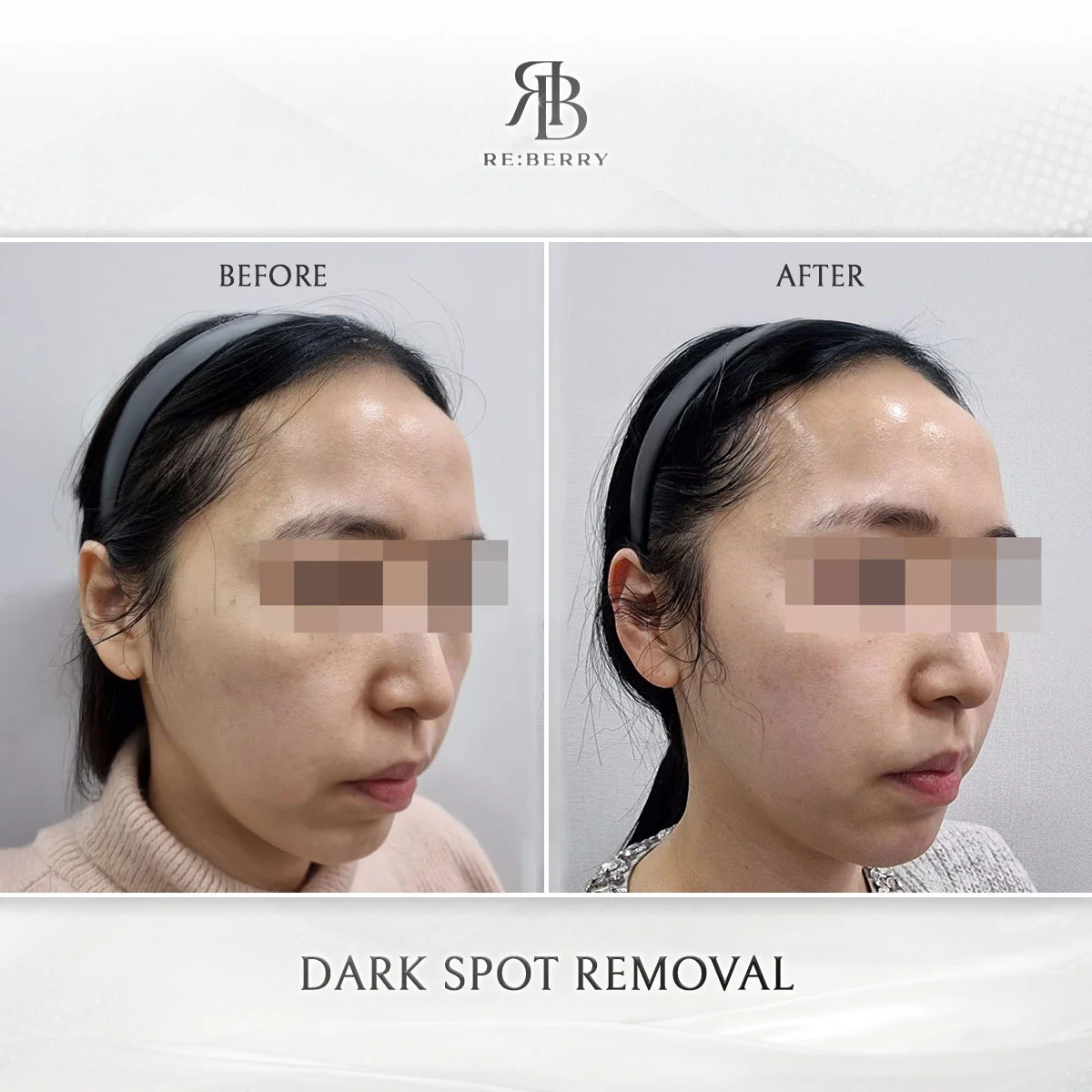
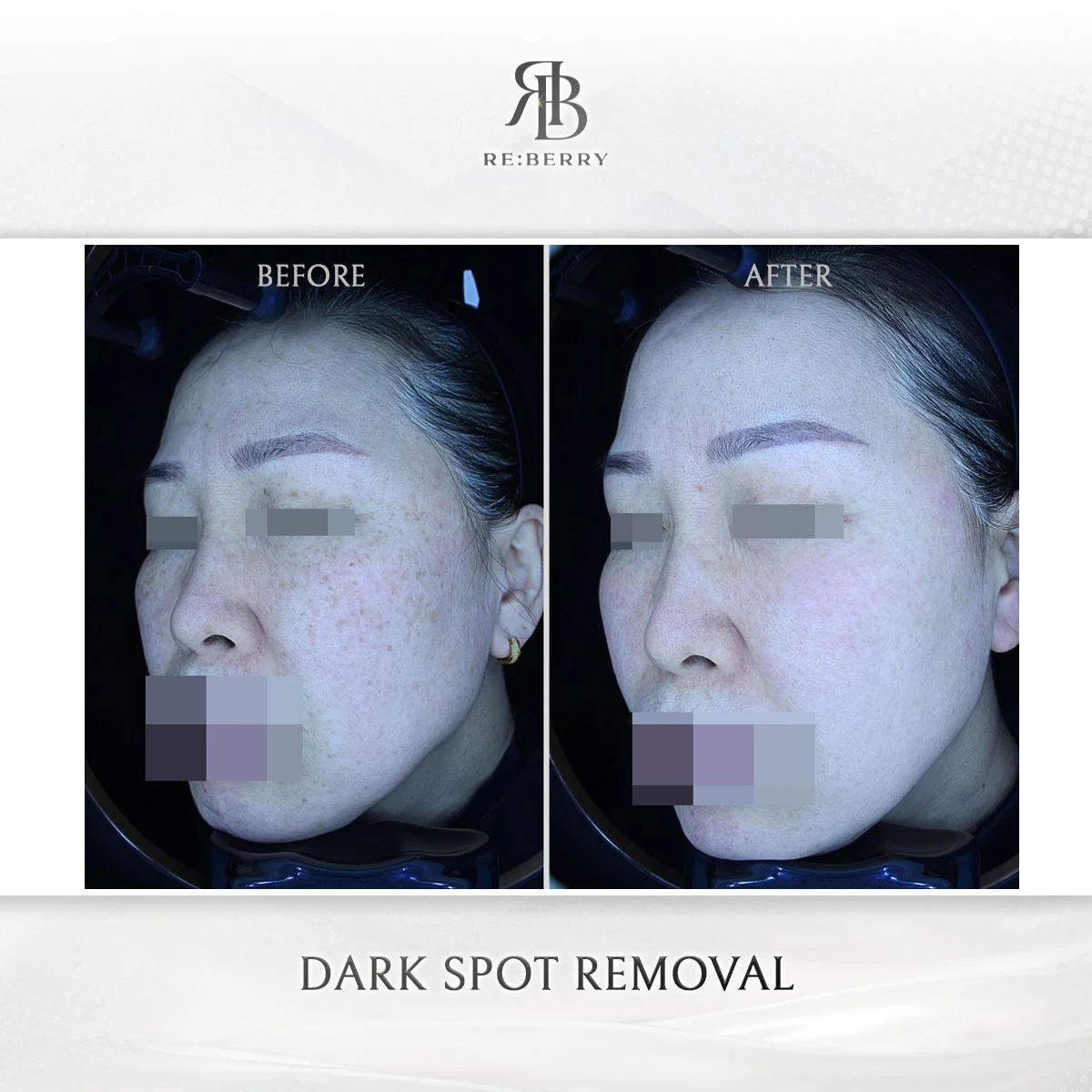
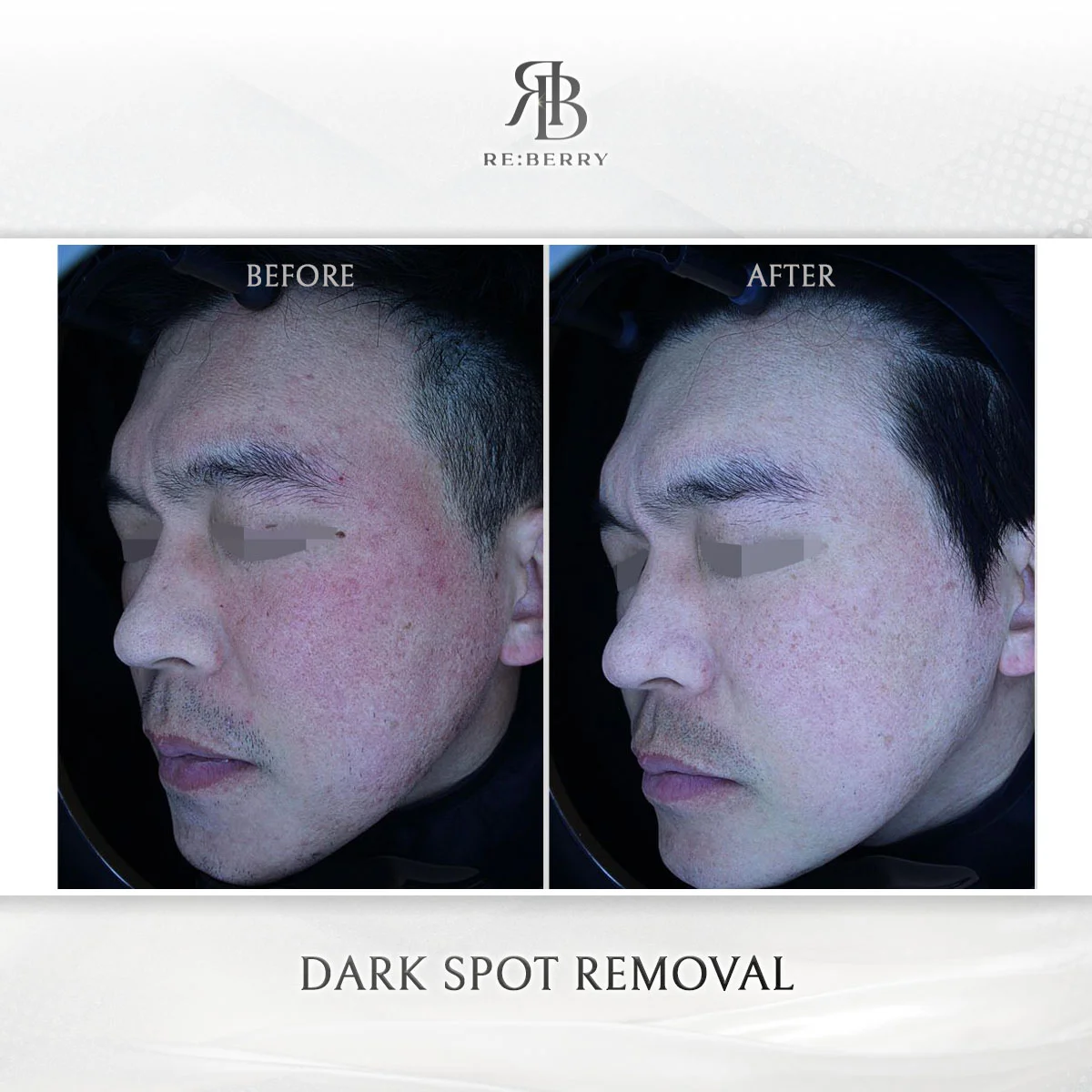
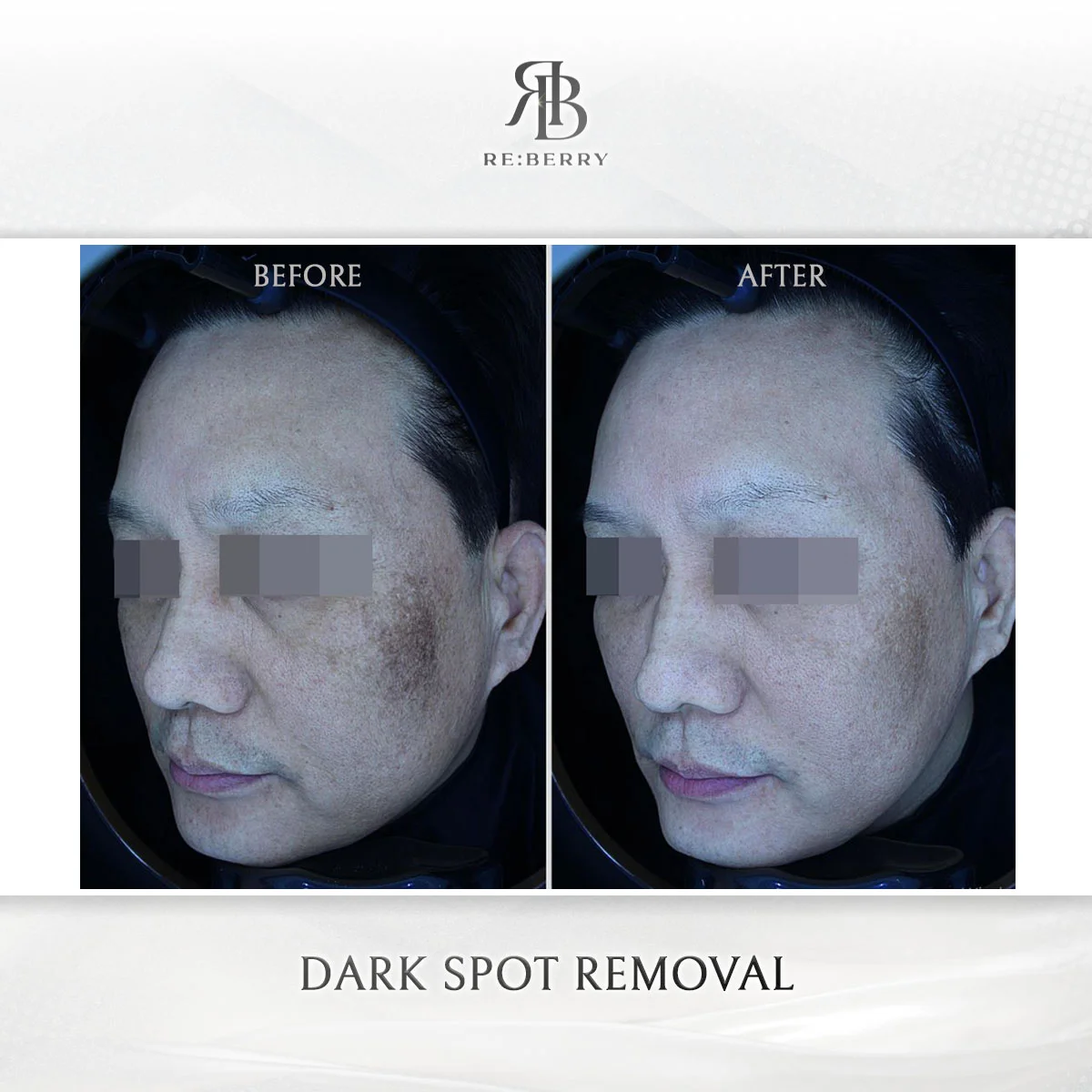
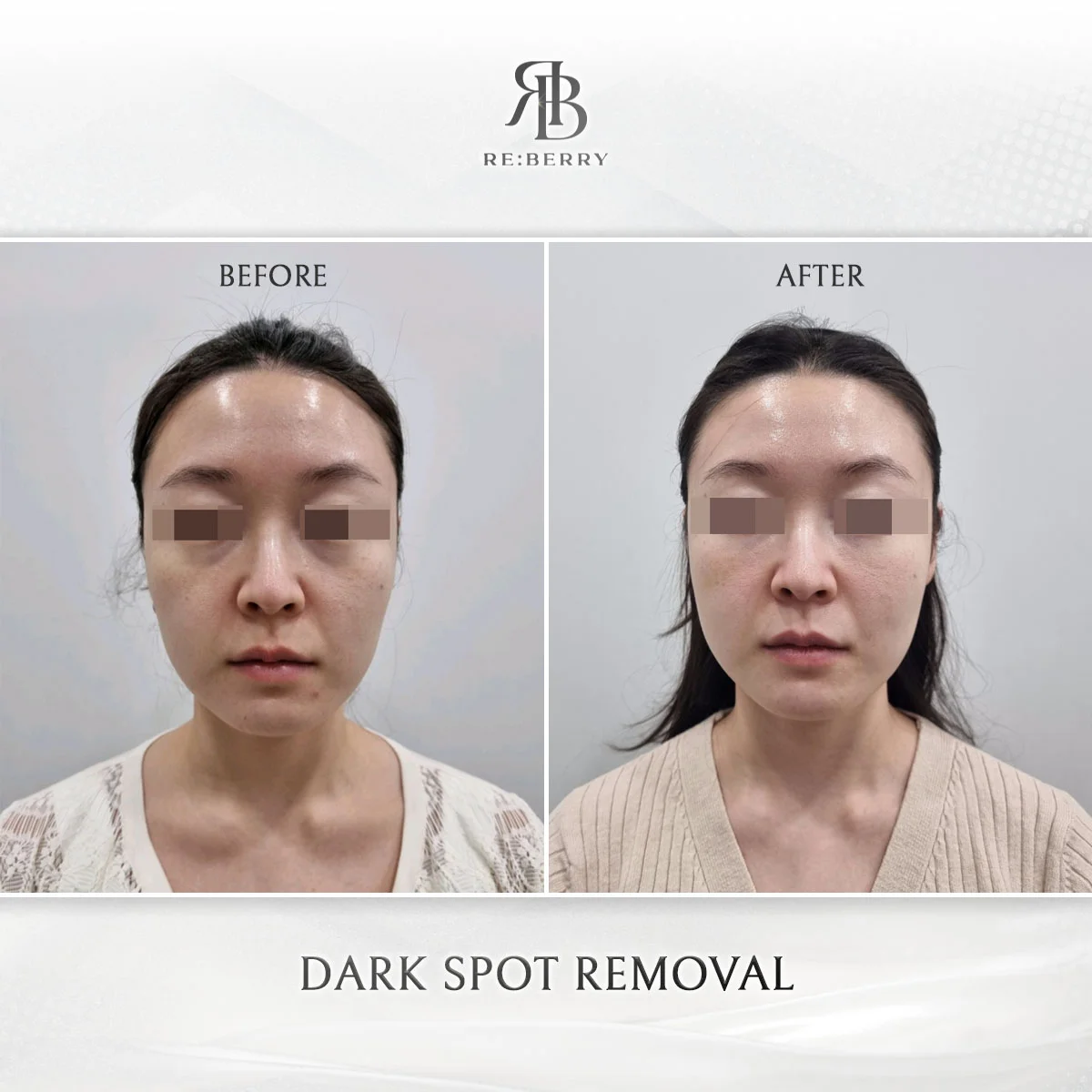
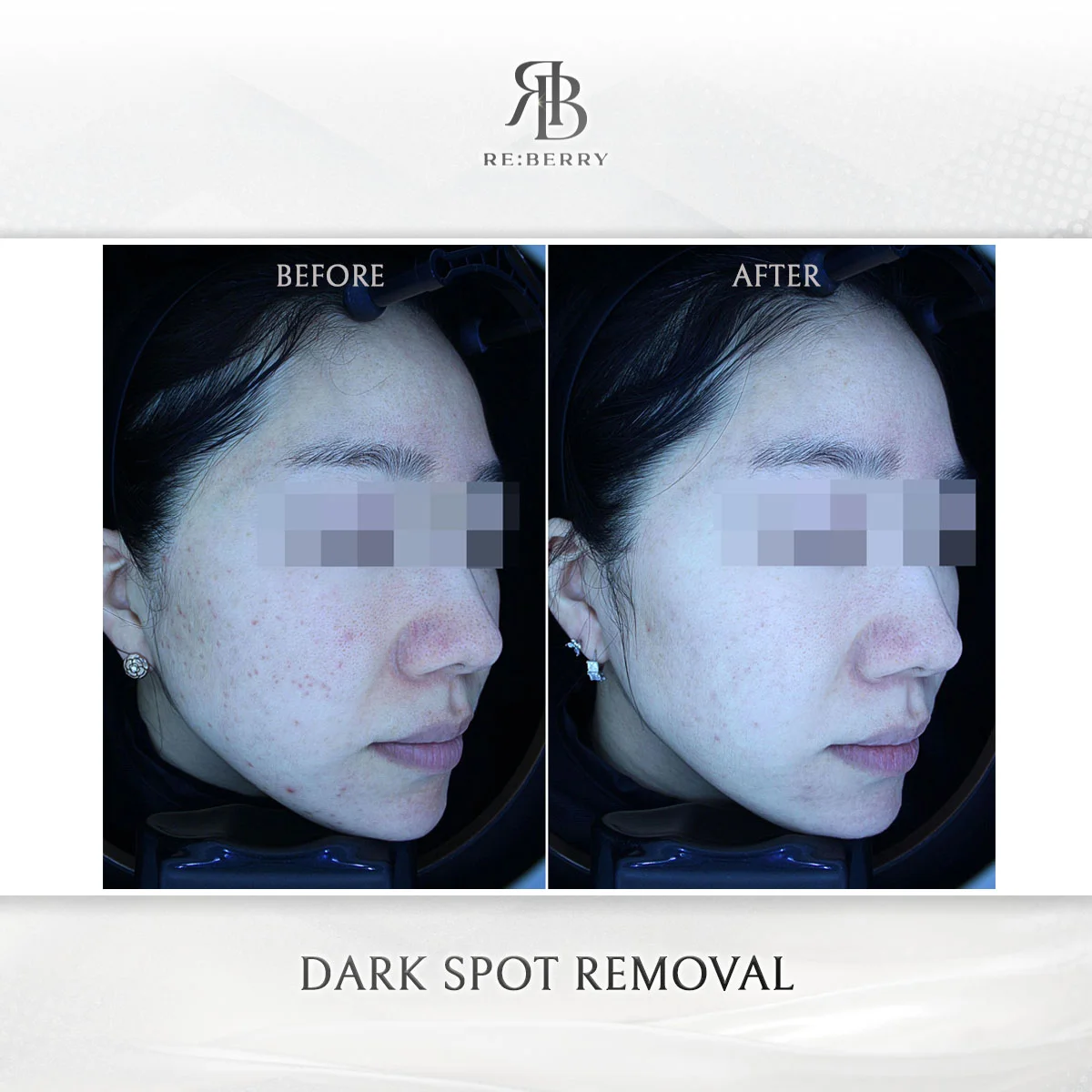
Melasma Treatment Before & After at RE:BERRY Korea
Actual melasma treatment results from RE:BERRY Incheon Airport. Multi-session dual-wavelength toning protocols.
How Korean Melasma Treatment Works at RE:BERRY
Comprehensive four-step melasma protocol combining laser toning, systemic therapy, and long-term management.
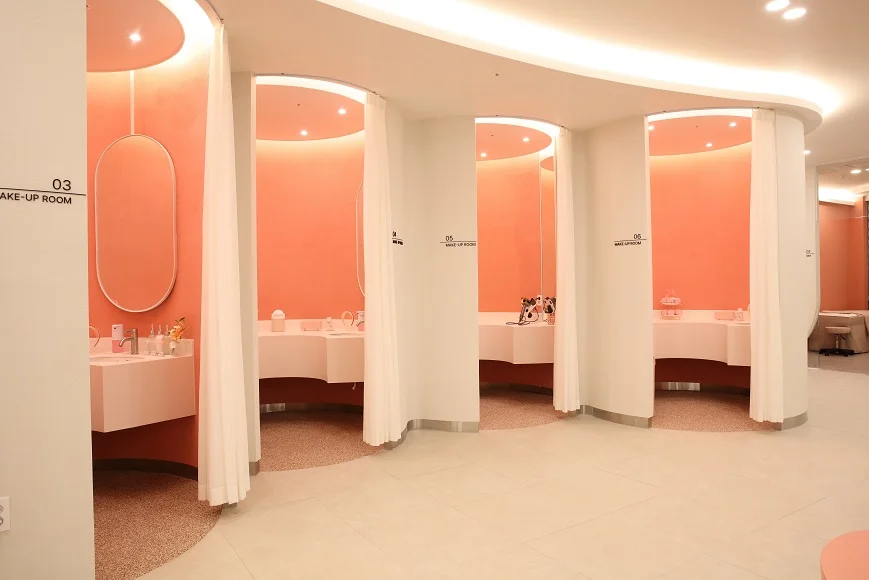
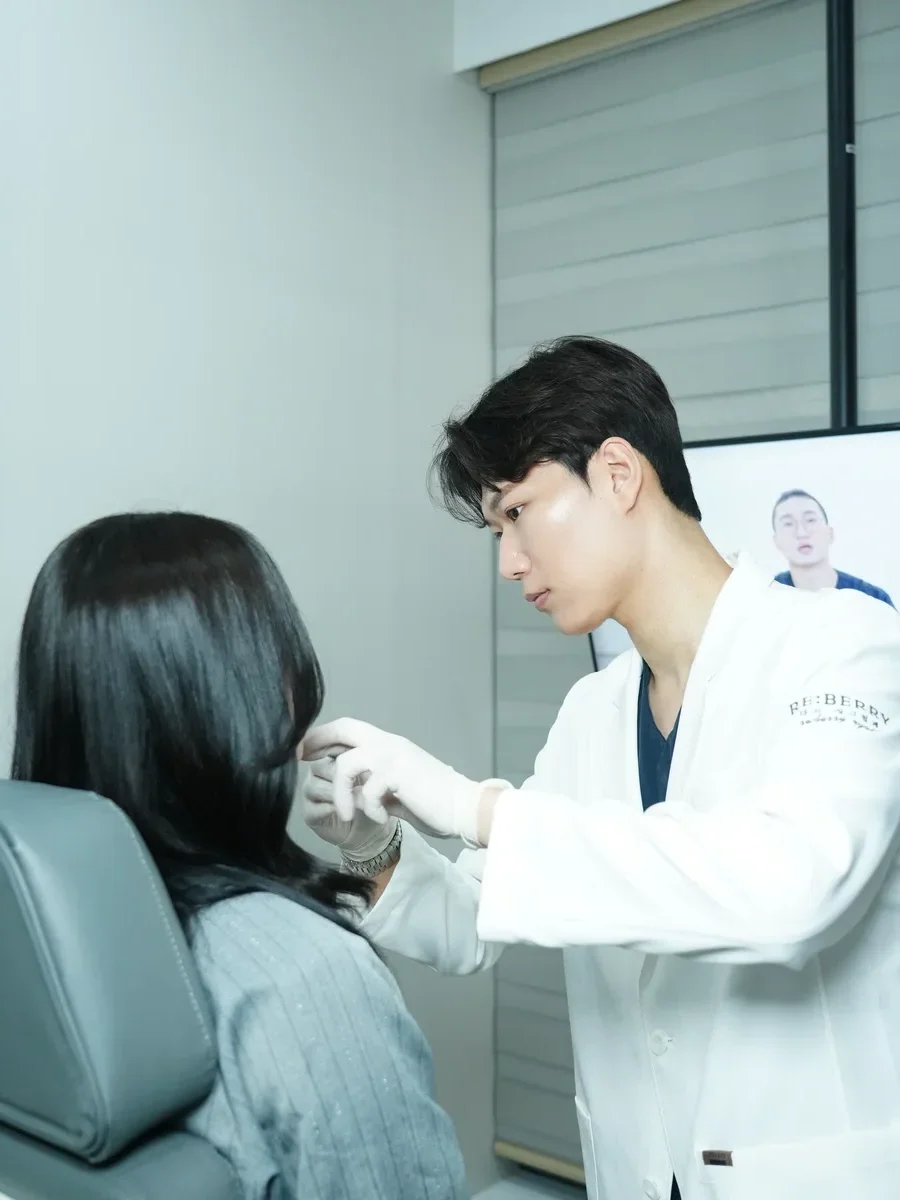
Comprehensive Melasma Diagnosis
Dr. Cho performs full melasma workup: Wood’s lamp examination to classify type (epidermal, dermal, or mixed), dermoscopy to assess melanin distribution depth, MASI (Melasma Area and Severity Index) scoring for objective measurement, trigger factor identification (UV, hormonal, medication), and Fitzpatrick skin type assessment. We also evaluate for differential diagnoses (Ota nevus, PIH, solar lentigines) that require different treatment parameters. Photographic documentation under standardized lighting establishes your treatment baseline.

Personalized Protocol Design
Based on diagnosis, Dr. Cho designs your Korean melasma protocol: PicoSure fluence settings (0.7-1.2 J/cm2 for sub-threshold melasma safety), Genesis parameters (12-14 J/cm2, 2-3 passes for vascular component), session interval (2-4 weeks), total session count (8-12 for initial clearance), oral tranexamic acid prescription (250mg BID if indicated), and topical regimen (vitamin C 15%, niacinamide 5%, SPF 50+). High-PIH-risk patients receive additional conservative parameter adjustments with more gradual fading.
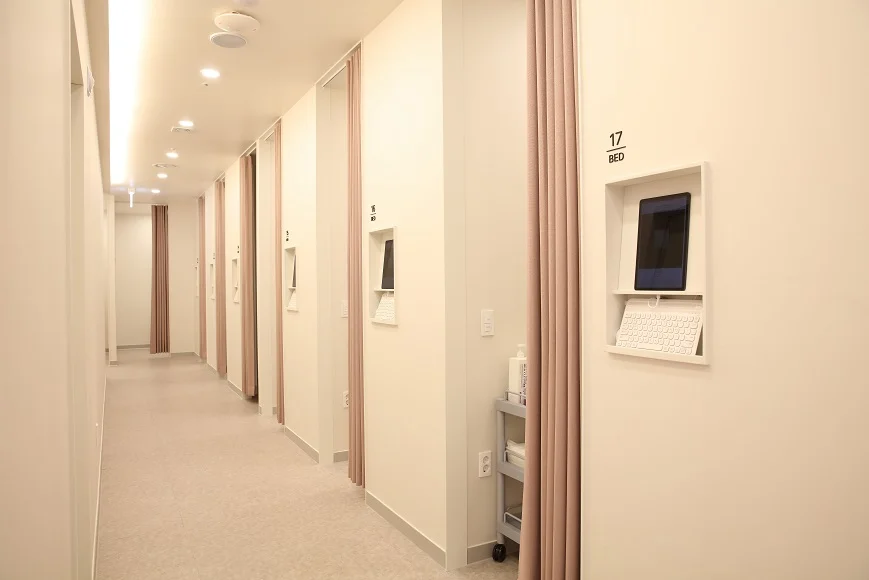
Berry Dual Toning + Systemic Therapy
Each session begins with cleansing and optional oral tranexamic acid (taken 30 minutes prior if prescribed). PicoSure 755nm picosecond toning at sub-threshold fluences delivers photoacoustic pressure waves that fragment melasma melanin without thermal damage. Genesis 1064nm Nd:YAG follows with long-pulse energy targeting dilated dermal capillaries (the vascular component feeding melanocytes) while stimulating collagen remodeling. LDM (Local Dynamic Micro-massage) calming therapy immediately post-treatment reduces inflammation. Total session: 25-35 minutes, zero downtime.
Long-Term Melasma Management Plan
Melasma is chronic — treatment does not end at session 10. RE:BERRY provides a comprehensive long-term management plan: maintenance toning every 4-6 weeks (frequency adjusted seasonally), oral tranexamic acid continuation (if prescribed), topical melanocyte-stabilizing protocol (vitamin C, niacinamide, arbutin, SPF 50+), trigger avoidance guidance (hormonal management, UV protection, heat avoidance), and MASI score re-evaluation every 3 months. Written plan provided in your language. Maintenance sessions can be scheduled during repeat visits to Korea.
What to Expect from Melasma Treatment in Korea
- Korean Protocol Excellence: Treatment protocols refined over 15+ years treating Asian melasma. Korea’s highest-volume melasma treatment experience translates to optimized parameters and superior outcomes.
- Dual-Wavelength Synergy: PicoSure 755nm targets melanin (photoacoustic fragmentation) while Genesis 1064nm treats the vascular network feeding hyperactive melanocytes. This dual approach addresses both root causes simultaneously.
- Tranexamic Acid Integration: Oral tranexamic acid (250mg BID) inhibits UV-induced prostaglandin production that activates melanocytes. Studies show 20-30% greater MASI improvement when combined with laser toning versus laser alone.
- PIH Safety (<5%): Sub-threshold fluences with picosecond pulse duration achieve melanin fragmentation through pressure waves, not heat. PIH rebound rates under 5% — the safest laser approach for melasma-prone Asian skin.
- Objective MASI Tracking: Melasma severity measured objectively with standardized MASI scoring at baseline and every 3 months. No subjective guessing — quantified improvement tracking.
- International Patient Support: 365 days open near ICN Airport. 8 languages. Flexible scheduling for travelers. Maintenance sessions during repeat visits. Written management plans in your language.
| Timeline | What to Expect |
|---|---|
| Session 1-3 | Subtle initial changes. Melasma may temporarily appear slightly darker as fragmented melanin rises to surface (normal response). Overall skin texture improves from Genesis collagen stimulation. Oral tranexamic acid begins suppressing melanocyte activation. |
| Session 4-6 | Noticeable melasma fading. Dark patches lighter by 30-40%. MASI score reduction measurable. Skin tone more even across cheeks and forehead. Pores tighter. Vascular redness beginning to decrease. |
| Session 7-10 | Significant melasma improvement (50-80% MASI reduction). Skin luminosity markedly enhanced. Even tone across face. Vascular component substantially reduced. Collagen improvement visible in skin firmness. |
| Month 3 post | Results stabilize. MASI score reassessed. Maintenance protocol initiated: toning every 4-6 weeks. Topical regimen adjusted based on response. Seasonal UV exposure assessment. |
| Month 6-12 post | With maintenance toning and proper skincare, results sustained. Seasonal adjustment of toning frequency (increase in summer high-UV months). Annual MASI re-evaluation confirms long-term improvement. |
| Long-term (1-3 years) | Chronic melasma management becomes routine. Quarterly maintenance toning + daily topical protocol + annual dermatology review. Most patients achieve stable, well-controlled melasma with minimal visible patches. |
Melasma Treatment Approaches in Korea Compared
| Feature | Berry Dual Toning + TXA | Q-Switch Toning | Topical Triple Cream | Chemical Peel |
|---|---|---|---|---|
| Technology | PicoSure + Genesis + Oral TXA | Nanosecond Nd:YAG 1064nm | Hydroquinone + Tretinoin + Steroid | TCA 15-25% or Glycolic |
| Mechanism | Photoacoustic + Vascular + Systemic | Photothermal melanin | Tyrosinase inhibition + turnover | Chemical exfoliation |
| MASI Improvement | 50-80% over 10 sessions | 40-60% over 10 sessions | 20-40% over 3 months | 20-30% per series |
| PIH Risk | Very Low (<5%) | Moderate (15-25%) | Low (irritant) | Moderate (10-20%) |
| Vascular Component | Treated (Genesis) | Not Treated | Not Treated | Not Treated |
| Rebound Rate (12mo) | Low with maintenance | Moderate (30-40%) | High (50-60% after stopping) | Moderate-High |
| Downtime | None | None | None (irritation) | 3-7 days |
| RE:BERRY Price | ₩690,000 / 10 sessions | ₩99,000 / session | Prescription | ₩77,000 / session |
Melasma Treatment Packages at RE:BERRY Korea
All prices exclude VAT. Non-covered medical service. April 2026 promotion pricing.
Berry Dual Toning (10 Sessions)
- PicoSure 755nm sub-threshold melasma toning x10
- Genesis 1064nm vascular + collagen toning x10
- Wood’s lamp melasma classification
- MASI score baseline + tracking
- Post-session LDM calming x10
- Free consultation with Dr. Cho or Dr. Kim
- Written melasma management plan
Signature Berry Shine Package
- 10 sessions doctor-assigned premium toning
- Customized toning options per session
- Optional: Mulberry Mela 2cc add-on (₩49,000)
- Optional: Anti-aging cream (₩450,000)
- Enhanced melasma brightening protocol
- Physician-designed long-term maintenance schedule
One-Day Pigmentation Care
- Potenza-based customized skin booster
- Rejuran Healer 2cc
- Personalized toning laser
- LDM + modeling mask
- Exosome or Juvelook booster
- Ideal for travelers with limited visits
Berry Shine Toning (10 Sessions)
- 10 sessions enhanced toning protocol
- Advanced brightening laser selection
- Post-session calming therapy x10
- Skin tone monitoring per session
- Suitable for moderate-to-severe melasma
Meet Your Doctor
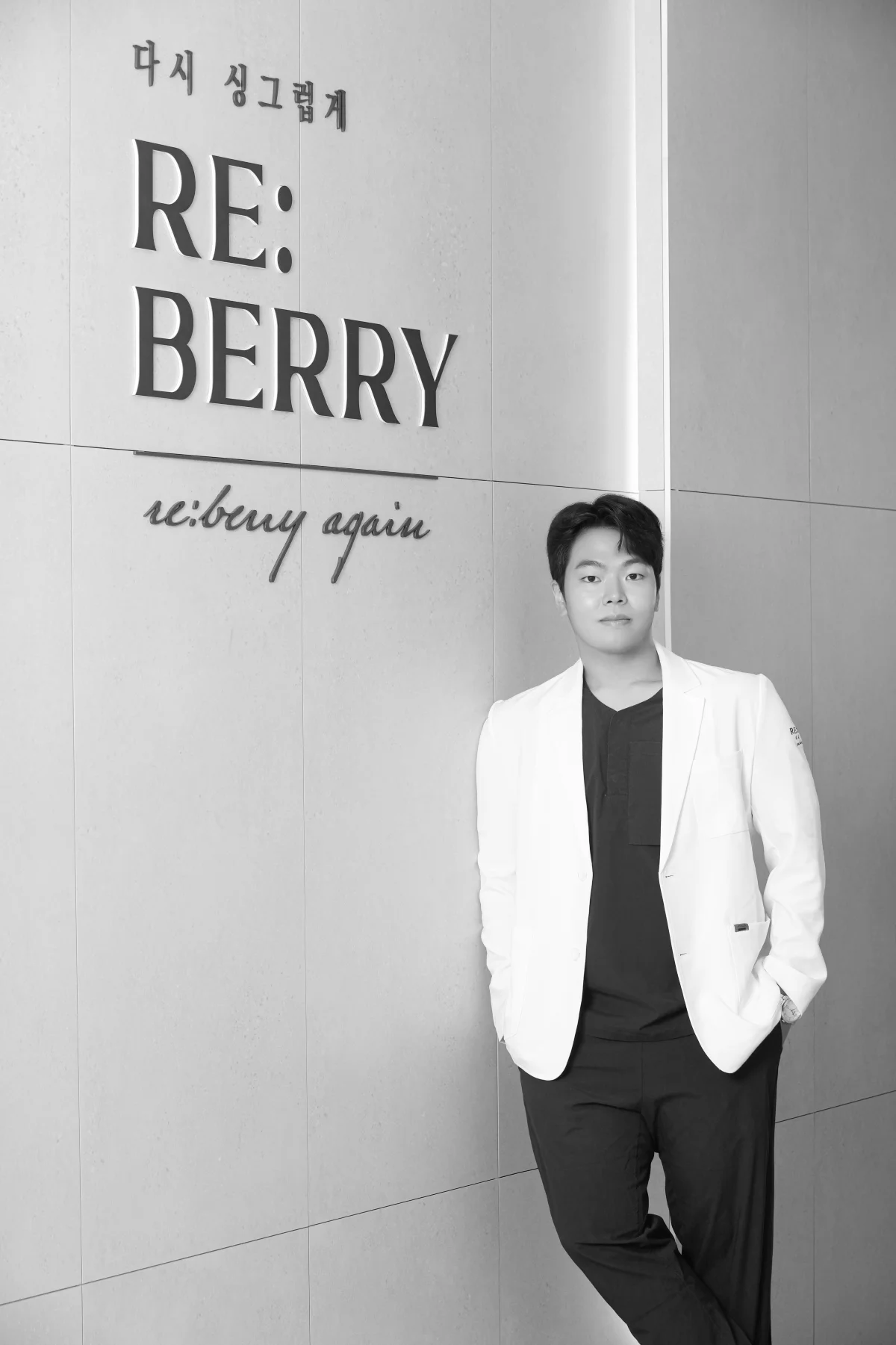
Dr. Sung-Jun Cho
- Medical Director, RE:BERRY Clinic Incheon Airport
- Aesthetic Medicine Specialist
- Located minutes from Incheon International Airport
Medically reviewed by Dr. Sung-Jun Cho, Medical Director / Aesthetic Medicine Specialist, RE:BERRY
The Science Behind Korean Melasma Treatment
Peer-reviewed evidence supporting RE:BERRY’s Korean melasma protocol.
Melasma Pathophysiology: A Multi-Factorial Disorder
Melasma is far more complex than simple melanin overproduction. Current understanding identifies at least five pathological mechanisms operating simultaneously: (1) melanocyte hyperactivity with increased tyrosinase expression, (2) weakened basement membrane allowing melanin to drop into the dermis (pendulous melanin), (3) increased dermal vascularity with CD34+ endothelial cell proliferation, (4) mast cell infiltration releasing stem cell factor (SCF) that activates melanocytes, and (5) solar elastosis from chronic UV damage. Kwon et al. (2019) demonstrated that 95% of melasma biopsies show increased dermal vascularity compared to adjacent unaffected skin, establishing the vascular component as a key treatment target (DOI: 10.1111/bjd.17367). This multi-factorial pathophysiology explains why single-modality treatments (topicals alone, or laser alone) have historically produced disappointing long-term results — each addresses only one or two of the five mechanisms.
Evolution of Korean Laser Toning: Q-Switch to Picosecond
Korean aesthetic physicians pioneered ‘laser toning’ in the early 2000s using Q-switched Nd:YAG 1064nm at sub-clinical fluences (1.5-2.5 J/cm2) — a technique that became the global standard for melasma management. However, nanosecond Q-switched pulses generate sufficient heat to trigger inflammatory melanogenesis in a significant minority of patients, with PIH rebound rates of 15-25% in long-term studies. The evolution to picosecond platforms (PicoSure 755nm, PicoWay) represents a paradigm shift: ultra-short pulse durations (trillionths of a second) fragment melanin through photoacoustic pressure waves rather than photothermal destruction. Chalermchai et al. (2019) demonstrated that picosecond toning achieved 20-30% greater melanin index reduction than Q-switched toning in Fitzpatrick IV patients, with PIH rates of 2.8% versus 14.6% (DOI: 10.1111/jocd.12993). The 755nm wavelength additionally offers 2.5x higher melanin absorption coefficient compared to 1064nm, enabling effective treatment at lower fluences.
Oral Tranexamic Acid: The Korean Systemic Adjunct
Oral tranexamic acid (TXA, 250mg BID) has become a cornerstone of Korean melasma protocols. TXA is a plasmin inhibitor that blocks the conversion of plasminogen to plasmin in keratinocytes. UV exposure activates plasmin, which stimulates prostaglandin E2 production, which in turn activates melanocytes through increased tyrosinase expression. By blocking this UV-plasmin-prostaglandin-melanocyte cascade, TXA suppresses melasma at the systemic level. Lee et al. (2021) conducted a randomized controlled trial comparing laser toning alone versus laser toning + oral TXA for melasma, demonstrating 60-70% MASI improvement in the combination group versus 40-50% with laser alone at 24 weeks, with significantly lower 12-month rebound rates in the TXA group (DOI: 10.1111/jdv.17124). Korean clinics routinely prescribe TXA as adjunct therapy, a practice now adopted internationally.
The Vascular Component: Why Genesis 1064nm Matters
The vascular component of melasma — increased dermal blood vessels supplying hyperactive melanocytes — is the most overlooked treatment target. Genesis (long-pulse 1064nm Nd:YAG) delivers microsecond-domain pulses that selectively heat hemoglobin in dilated dermal capillaries, causing controlled vascular remodeling without surface damage. By reducing the blood supply to melanocytes, Genesis dampens their capacity for melanin overproduction at the source. Kim et al. (2012) found that adding vascular-targeting laser treatment to melanin-specific toning improved MASI scores by 40% more than melanin-targeting alone, with significantly lower 6-month recurrence rates (DOI: 10.1111/j.1365-2133.2012.11008.x). This is why RE:BERRY’s Berry Dual Toning combines PicoSure (melanin) with Genesis (vascular) — addressing both root causes in every session.
References: Kwon SH et al. Br J Dermatol 2019;180(3):573-585 (DOI: 10.1111/bjd.17367) | Chalermchai T et al. J Cosmet Dermatol 2019;18(4):1157-1164 (DOI: 10.1111/jocd.12993) | Lee HC et al. J Eur Acad Dermatol Venereol 2021;35(5):1084-1092 (DOI: 10.1111/jdv.17124) | Kim EH et al. Br J Dermatol 2012;167(3):528-536 (DOI: 10.1111/j.1365-2133.2012.11008.x) | Handel AC et al. An Bras Dermatol 2014;89(5):771-782 (DOI: 10.1590/abd1806-4841.20143063)
[1] doi:10.1080/14764172.2020.1783456 | [2] doi:10.1111/dsu.12222 | [3] doi:10.1007/s10103-021-03469-4
What International Patients Say About Melasma Treatment in Korea
“I flew from Singapore specifically for melasma treatment in Korea after reading about Korean toning protocols. After 10 sessions of Berry Dual Toning plus oral tranexamic acid, my cheek melasma is 70% cleared — better than 3 years of topical treatment at home. Korean melasma treatment really is worth the trip.”
“Dr. Kim explained the vascular component of my melasma — something no other doctor had mentioned before. The combination of PicoSure and Genesis made sense once I understood both melanin and blood vessels were involved. After session 8, my MASI score dropped from 18 to 6.”
“I had tried Q-switched toning at three different clinics in my country with no lasting improvement. The picosecond approach at RE:BERRY was completely different — gentler, less redness, and the results actually lasted. I come back every 3 months for maintenance during business trips through Incheon.”
Frequently Asked Questions About Melasma Treatment in Korea
Expert answers about melasma treatment at RE:BERRY Incheon Airport Korea.
Berry Dual Toning (PicoSure + Genesis) is ₩690,000 for 10 sessions (regular ₩1,200,000). Berry Shine Toning is ₩990,000 for 10 sessions. Signature Berry Shine Package is ₩1,990,000 for 10 premium sessions. One-Day Pigmentation Care is ₩990,000 for single visits. All prices exclude VAT.
Korea is widely regarded as the global leader in melasma treatment. Korean aesthetic physicians pioneered low-fluence laser toning, have the highest concentration of advanced laser devices globally, and treat more Asian melasma cases annually than any other country. RE:BERRY’s protocols draw on 15+ years of Korean melasma treatment innovation.
Berry Dual Toning combines PicoSure 755nm picosecond toning (fragments melanin via pressure waves) with Genesis 1064nm Nd:YAG (treats vascular component feeding melanocytes + stimulates collagen). This dual-wavelength approach addresses both root causes of melasma in every session. 10 sessions at ₩690,000.
Most melasma patients need 8-10 Berry Dual Toning sessions at 2-4 week intervals for initial clearance (50-80% MASI improvement). Epidermal melasma may respond in 6-8 sessions; dermal melasma may need 10-12+. Maintenance toning every 4-6 weeks sustains results.
Yes. Clinical trials show oral tranexamic acid (250mg twice daily) improves laser toning outcomes by 20-30% and significantly reduces 12-month rebound rates. It blocks the UV-plasmin-prostaglandin cascade that activates melanocytes. Dr. Cho may prescribe it as part of your Korean melasma protocol.
Melasma is a chronic condition. Without maintenance, rebound can occur — especially with UV exposure or hormonal changes. RE:BERRY provides comprehensive long-term management: maintenance toning every 4-6 weeks, oral tranexamic acid if indicated, topical protocol (SPF 50+, vitamin C, niacinamide), and trigger avoidance guidance.
Yes. Korean protocols were specifically developed for Fitzpatrick III-V skin types. PicoSure picosecond toning at sub-threshold fluences achieves melanin fragmentation through pressure waves (not heat), with PIH rebound rates under 5%. Korean clinics have the most extensive experience treating melasma in darker skin types.
Western protocols often rely on topical agents alone (hydroquinone, triple combination cream). Korean melasma treatment uses multi-modal combination therapy: laser toning (melanin fragmentation) + oral tranexamic acid (systemic melanocyte suppression) + topicals (maintenance) + vascular treatment (Genesis). This addresses all 5 pathological mechanisms of melasma simultaneously.
Yes. Each Berry Dual Toning session takes 25-35 minutes with zero downtime. RE:BERRY is open 365 days near Incheon International Airport. Many business travelers schedule sessions during regular layovers. The 10-session protocol can be spread across multiple trips.
Melasma laser refers specifically to the laser toning component (PicoSure, Q-switch). ‘Melasma treatment’ encompasses the full Korean protocol: laser toning + oral tranexamic acid + topical management + vascular treatment + maintenance plan. RE:BERRY provides the comprehensive treatment approach.
The main rebound triggers are UV exposure (primary), hormonal changes (pregnancy, oral contraceptives), heat exposure (saunas, hot yoga), certain medications, and discontinuing maintenance therapy. RE:BERRY’s management plan addresses all trigger factors with specific avoidance recommendations.
Yes. Melasma treatment can be combined with skin boosters (Rejuran, Juvelook) for enhanced luminosity, Botox for wrinkles, or comprehensive skin whitening. Dr. Cho designs combined protocols ensuring treatments complement rather than conflict.
MASI (Melasma Area and Severity Index) is an objective scoring system measuring melasma severity on a 0-48 scale based on area, darkness, and homogeneity across forehead, right malar, left malar, and chin. RE:BERRY uses MASI scoring at baseline and every 3 months to quantify your treatment response.
UV radiation is the primary trigger for melanocyte activation. Summer UV intensity (UV index 8-12 in Seoul) strongly activates tyrosinase, increasing melanin production. This is why maintenance toning frequency increases in summer months and strict SPF 50+ PA++++ compliance is essential year-round.
Pregnancy-related melasma (chloasma) responds well to Korean toning protocols after delivery, once hormone levels stabilize. We recommend starting treatment 3-6 months postpartum. Breastfeeding is not a contraindication for laser toning. Oral tranexamic acid is deferred until breastfeeding is complete.
Pico laser (PicoSure) achieves melanin fragmentation through photoacoustic pressure waves versus Q-switched photothermal destruction. Clinical trials show picosecond toning delivers 20-30% greater melanin clearance with PIH rates of 2.8% versus 14.6% for Q-switched in Asian skin (Chalermchai et al., DOI: 10.1111/jocd.12993).
Essential: SPF 50+ PA++++ (physical preferred, reapply every 2 hours). Recommended: vitamin C serum 15-20% (antioxidant + tyrosinase inhibition), niacinamide 5% (melanin transfer inhibition), and optionally arbutin (tyrosinase inhibition). Avoid irritating actives (retinol, AHA) during active toning sessions.
Yes. Male melasma accounts for 10-20% of cases. The same Berry Dual Toning protocol is used. In men, UV exposure (rather than hormonal factors) is the primary driver, so maintenance may be simpler with consistent sun protection. RE:BERRY treats male melasma patients regularly.
All melasma laser procedures are performed by Dr. Cho Sung-Jun (Head Director, License #138858) or Dr. Kim Dong-Young (License #147291). Both physicians specialize in Korean melasma protocols for Asian skin types and have treated thousands of toning cases.
No. Melasma laser toning is classified as a non-covered cosmetic procedure in Korea. All prices at RE:BERRY are out-of-pocket. VAT is additional. Oral tranexamic acid prescription may be partially covered depending on your insurance.
RE:BERRY Incheon Airport provides consultation and aftercare in 8 languages: English, Japanese, Chinese (Simplified and Traditional), Thai, Vietnamese, Mongolian, and Farsi. Written melasma management plans provided in your preferred language.
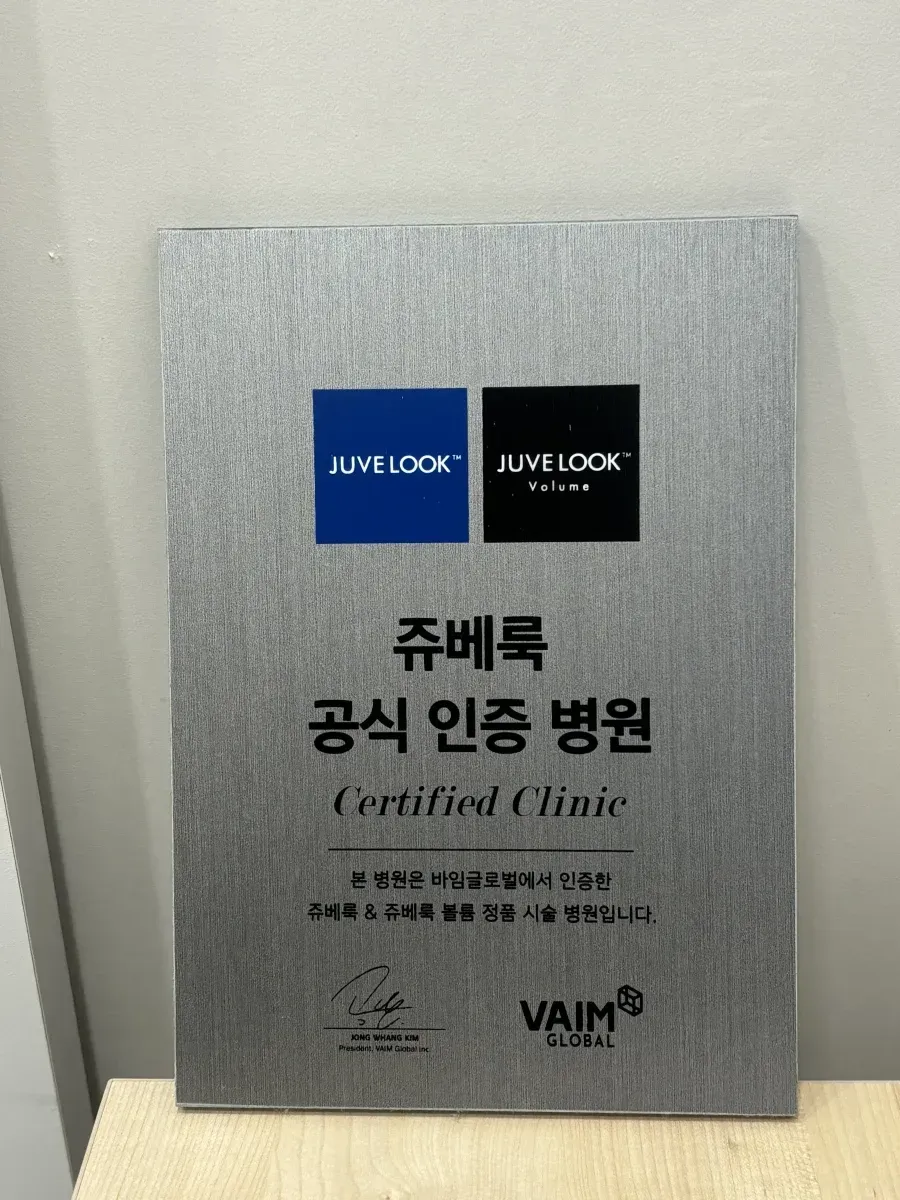
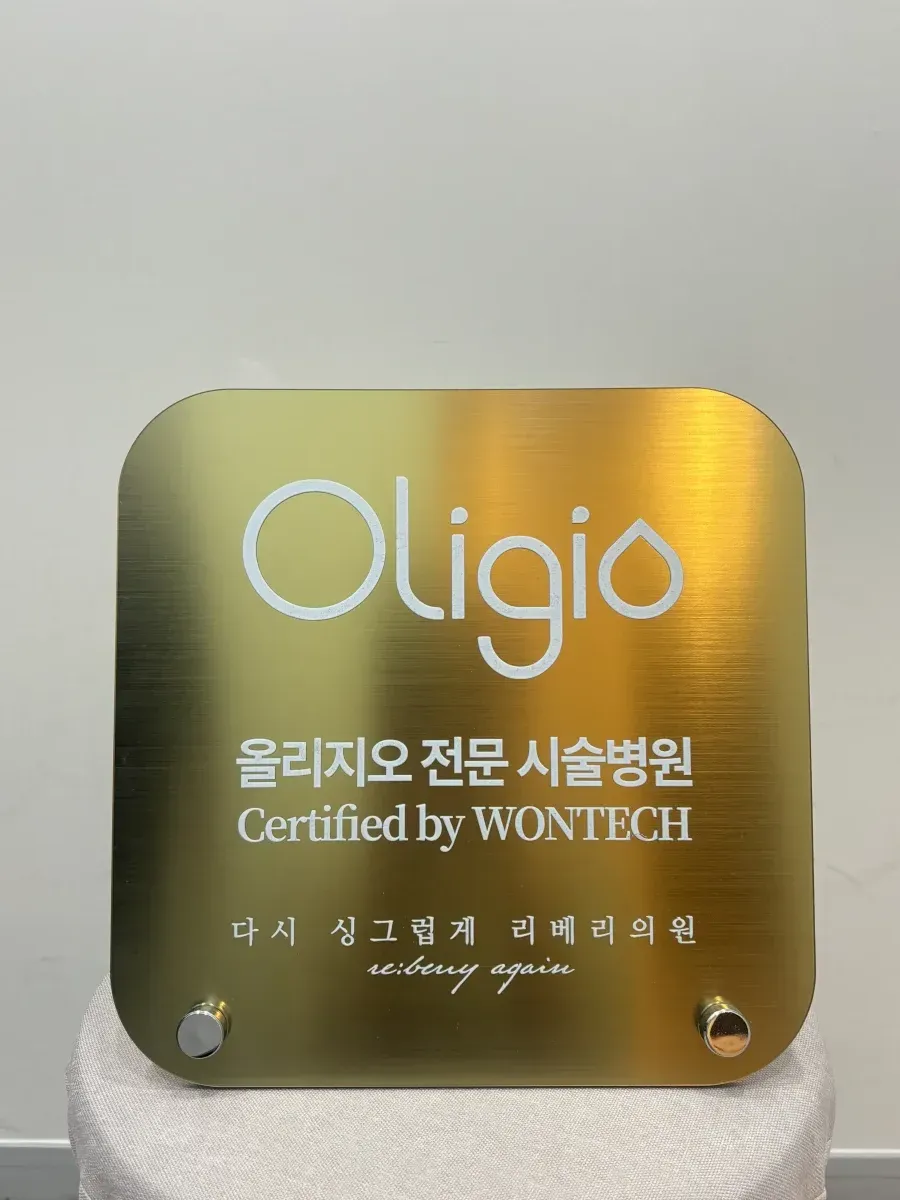
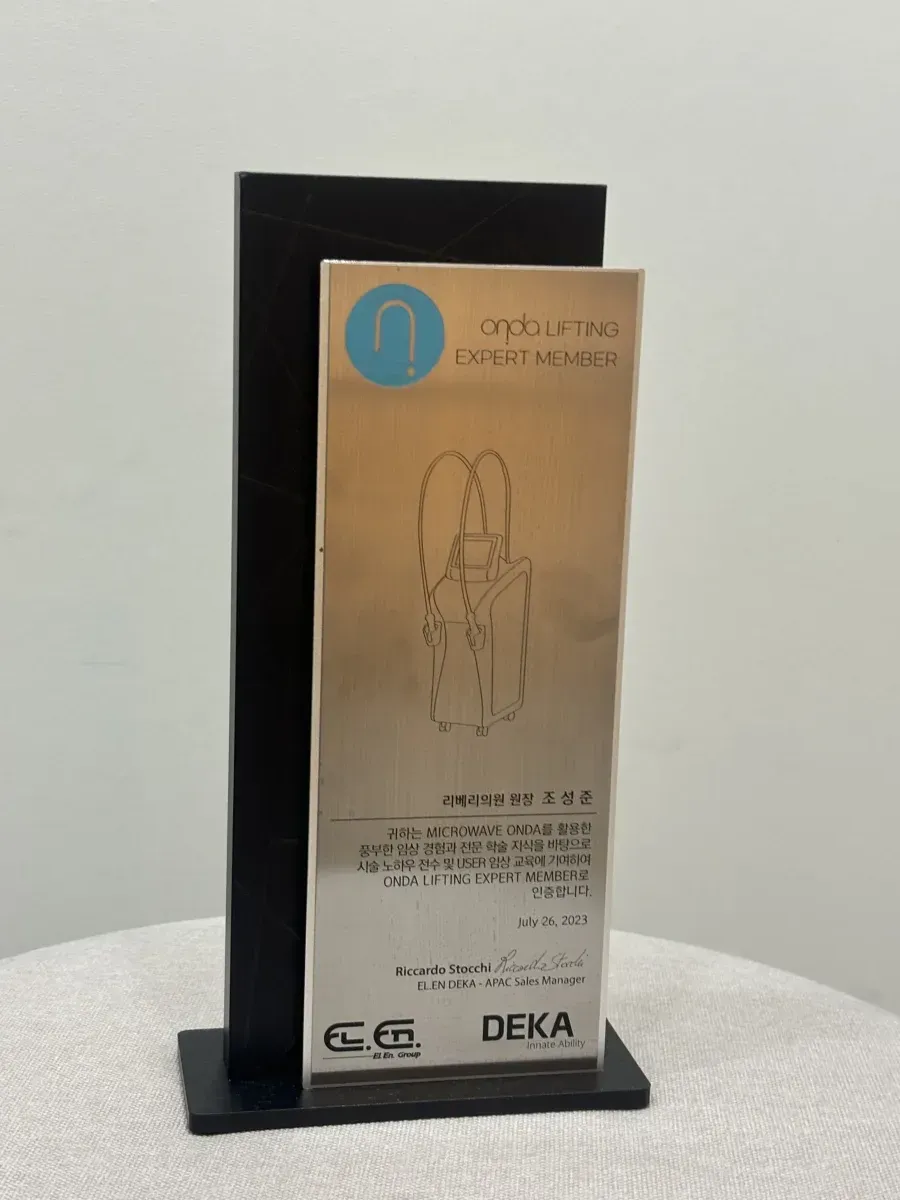
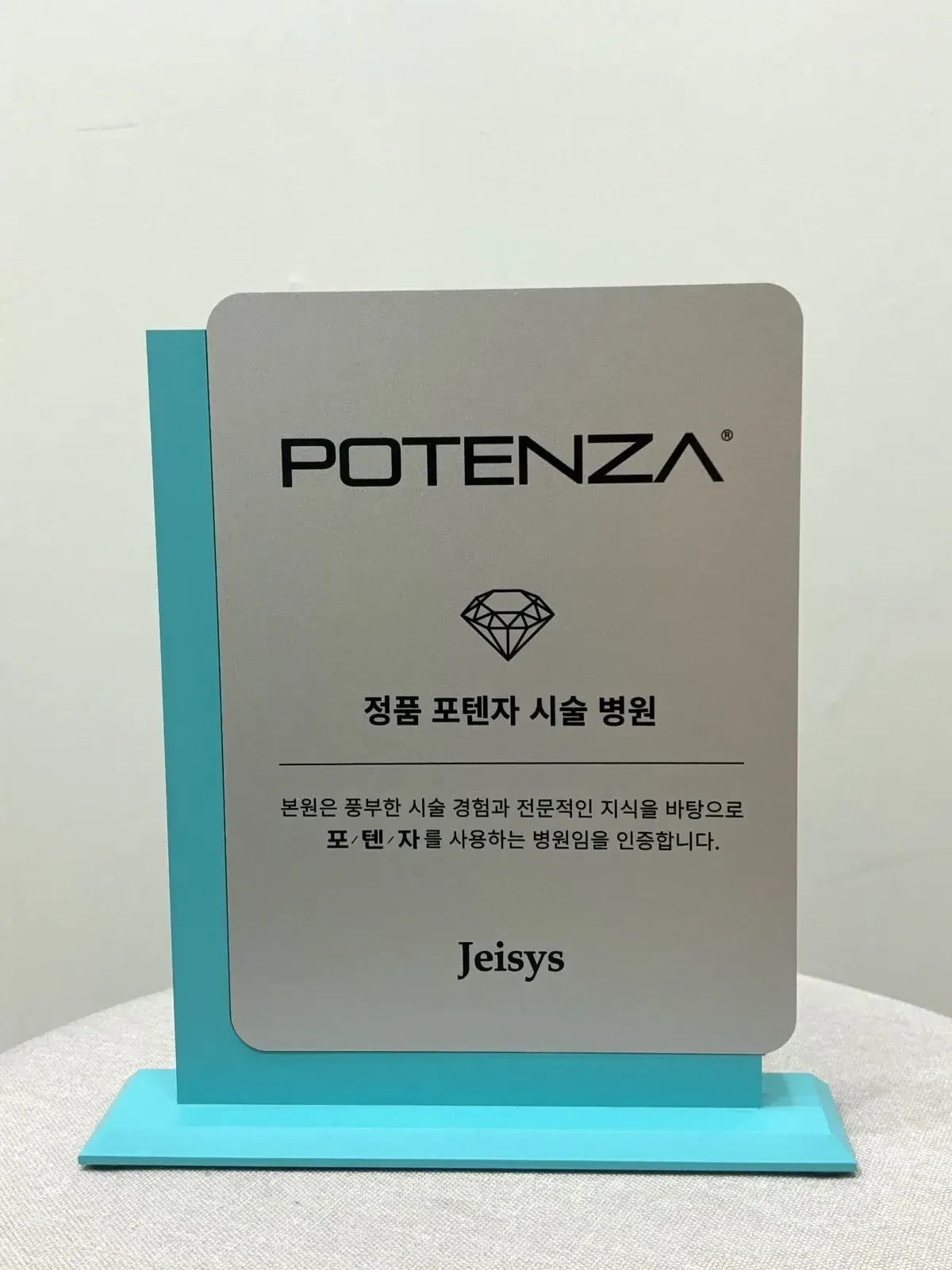
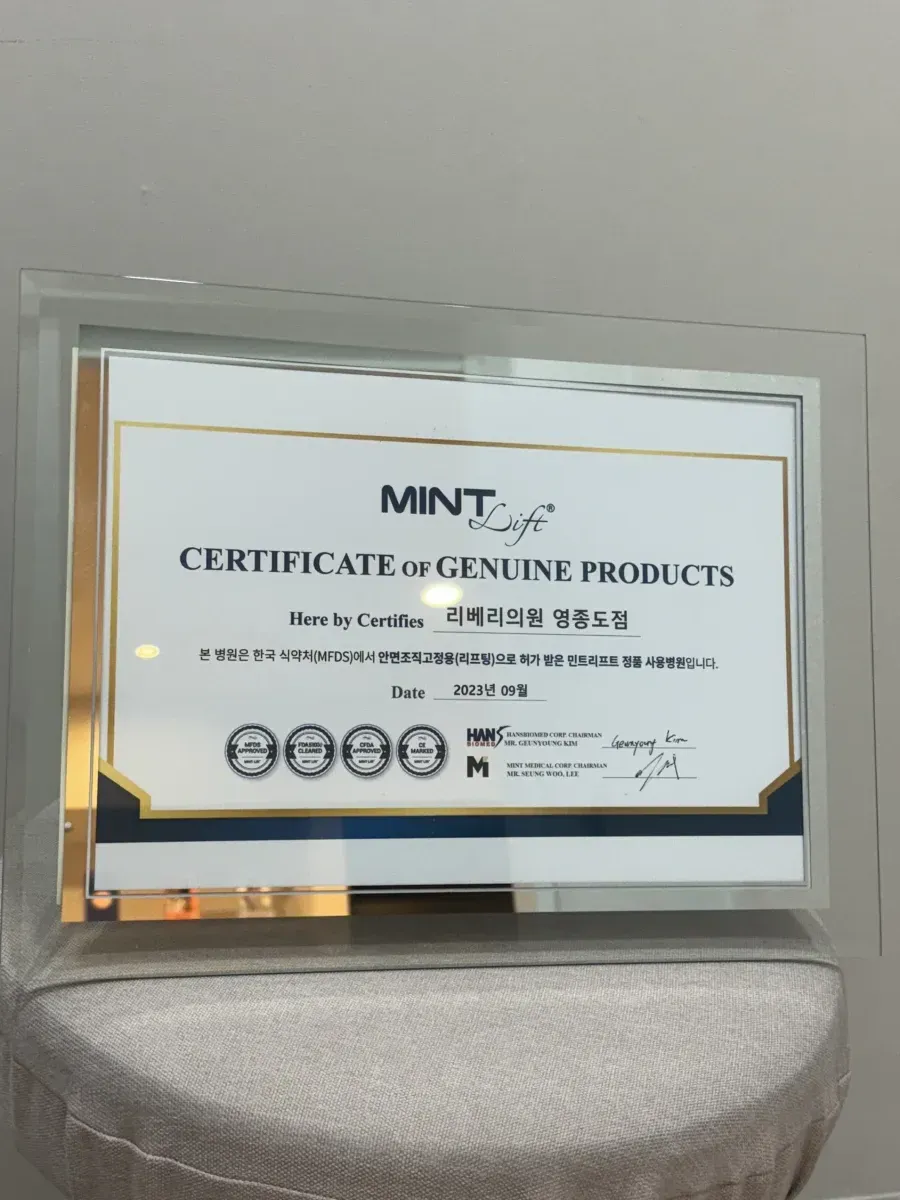
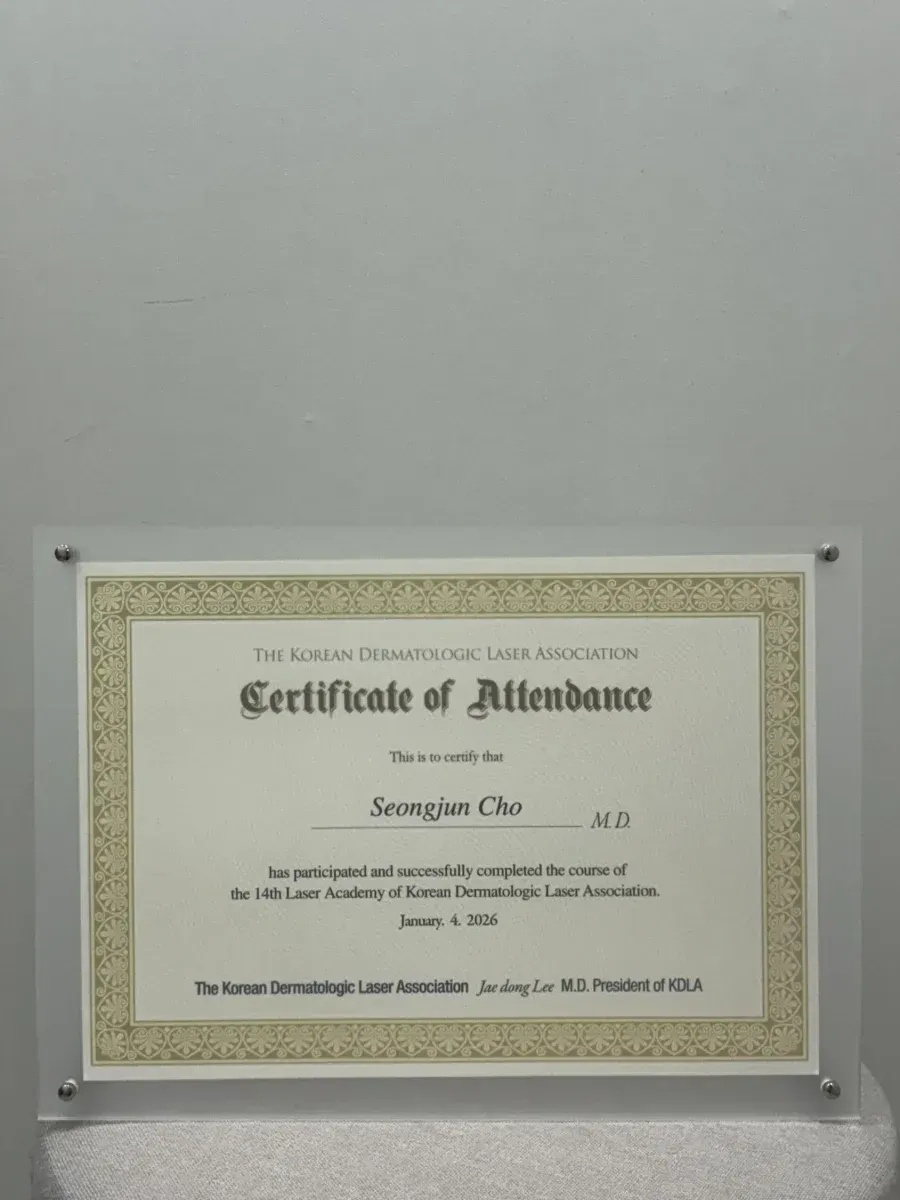
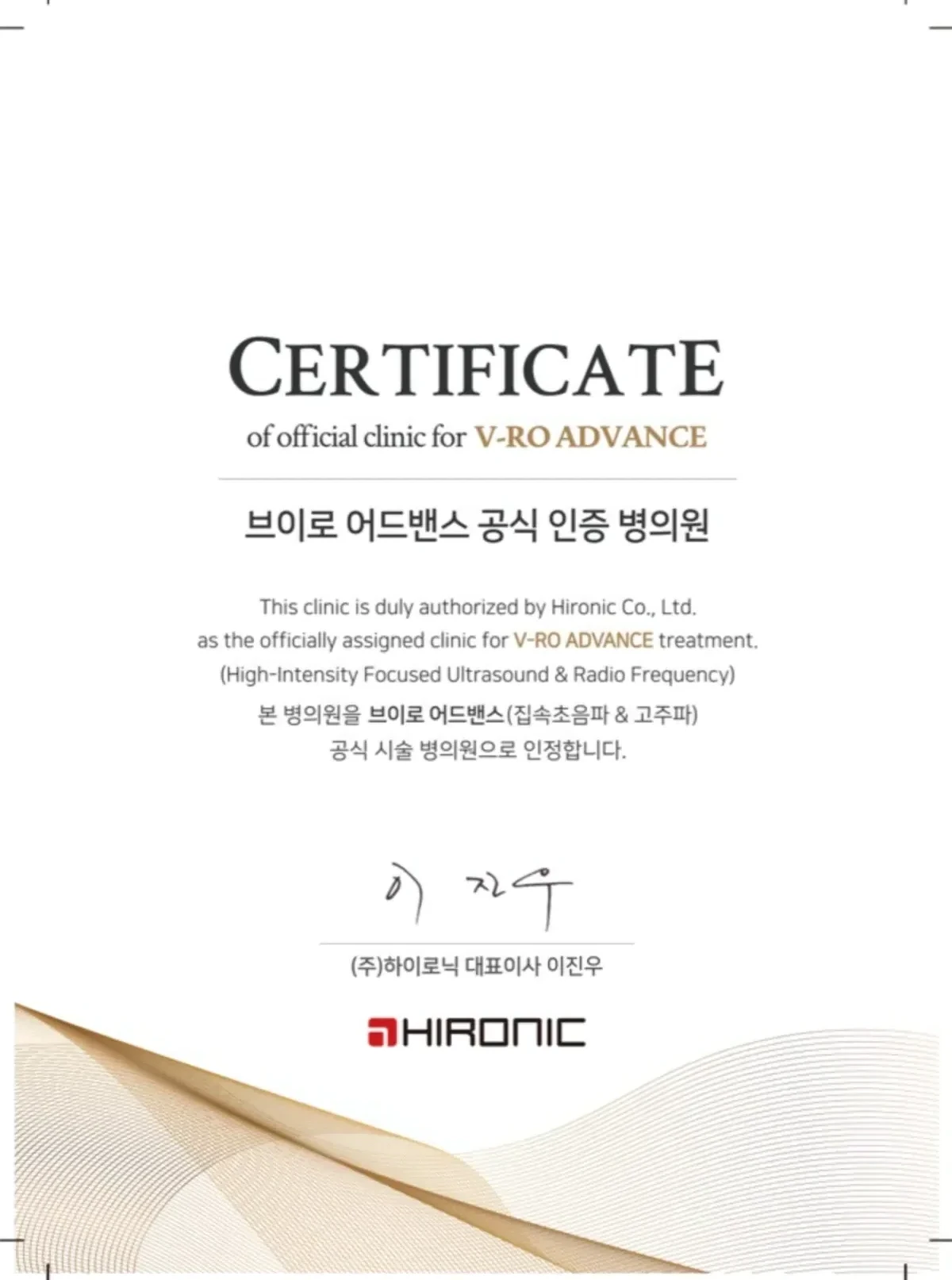
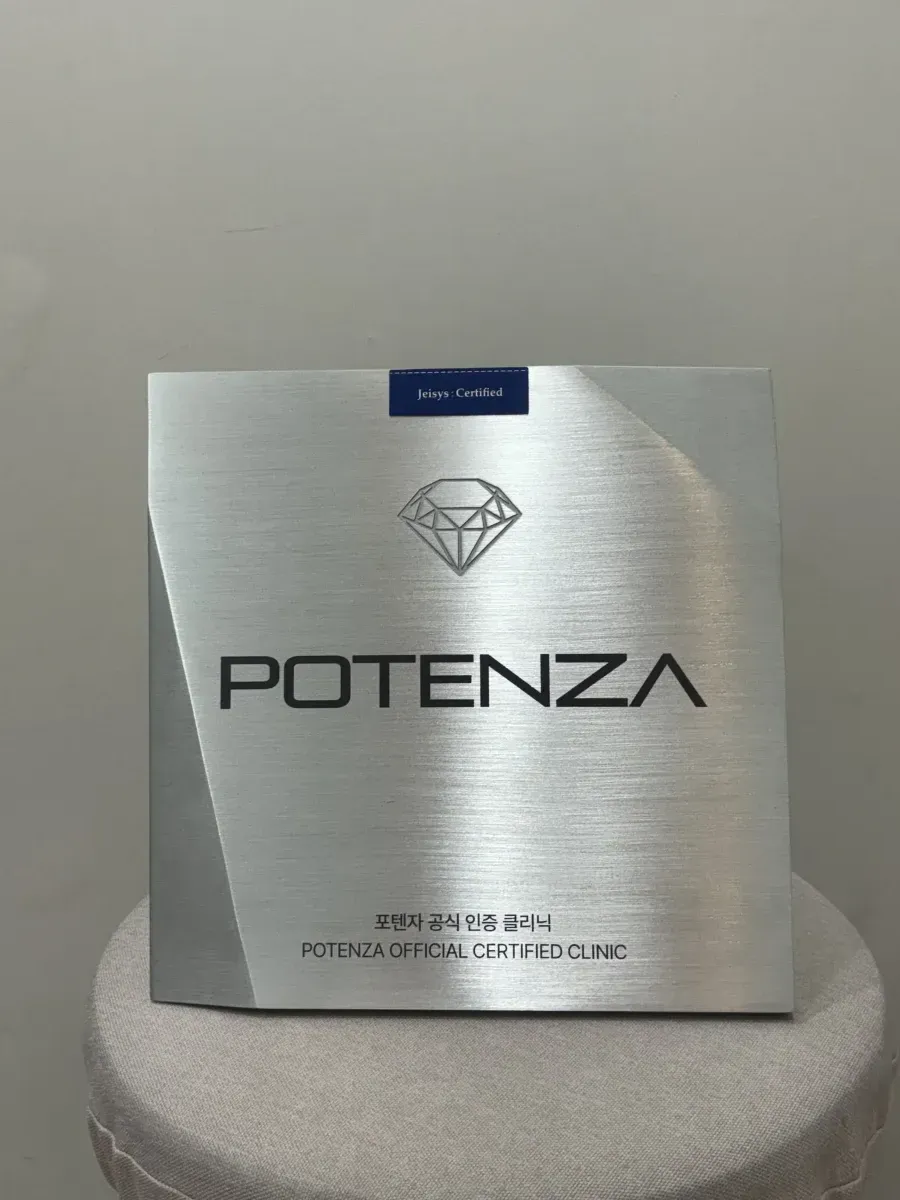
Only Authentic, Brand-Certified Equipment
Every device at RE:BERRY is MFDS-certified and manufacturer-verified. We never use counterfeit or grey-market equipment.
Ready to Start Your Korean Melasma Treatment?
Book your melasma consultation with Dr. Cho Sung-Jun or Dr. Kim Dong-Young at RE:BERRY Incheon Airport — Korea’s evidence-based melasma protocols, open 365 days near ICN.
Book Your Melasma Treatment Consultation
Fill out the form and our multilingual team will confirm within 2 hours via your preferred contact method.
- ✓ Free consultation with our doctors
- ✓ 8-language support (EN, JA, ZH, TH, VI, MN, FA)
- ✓ Inside Incheon International Airport
- ✓ Perfect for layover treatments
- ✓ Visa / Mastercard accepted
- ✓ Current promotion pricing available