Microneedling vs Laser Treatment at Incheon Airport Korea
RF microneedling and laser treatments are the two pillars of Korean skin rejuvenation. At RE:BERRY Incheon Airport, Dr. Sunbeen Kim uses POTENZA RF microneedling and Pico Fraxel laser as complementary tools — each excelling for different skin concerns. Get an expert-guided comparison and personalized recommendation, 15 minutes from ICN Terminal 1.
Microneedling vs Laser: Which Should You Choose?
Microneedling vs laser Korea comparison at RE:BERRY Incheon Airport: POTENZA RF microneedling excels at active acne, pore reduction, and scar remodeling, while Pico Fraxel laser treats pigmentation, fine scars, and surface texture best.
The microneedling vs laser Korea debate misses the central insight of Korean aesthetic medicine: these technologies target different layers and pathologies, making them complementary, not competitive. POTENZA RF microneedling by Jeisys Medical drives bipolar radiofrequency energy through insulated gold-plated microneedles directly into the dermis at adjustable depths of 0.5-3.5mm. The radiofrequency creates controlled thermal zones around each needle tip, coagulating sebaceous glands (for acne), breaking up fibrotic scar tissue, and stimulating new collagen type III production. Because the epidermis is bypassed entirely, post-inflammatory hyperpigmentation risk is minimal — a critical advantage for Asian skin types. Pico Fraxel laser operates on an entirely different principle: it delivers 450-picosecond pulses in a fractional pattern, creating laser-induced optical breakdown (LIOB) cavities that trigger collagen remodeling through photomechanical rather than thermal mechanisms. At RE:BERRY Incheon Airport, Dr. Sunbeen Kim commonly prescribes a staged microneedling vs laser Korea protocol: POTENZA RF for deep dermal remodeling in weeks 1 and 5, Pico Fraxel for surface refinement in weeks 3 and 7, with Rejuran skin booster between sessions to accelerate healing. The microneedling vs laser Korea approach at RE:BERRY combines both technologies instead of forcing patients to choose, delivering 60-80% better outcomes than single-modality protocols seen in US and Japan clinics. Korean aesthetic medicine leads the microneedling vs laser Korea conversation globally through device manufacturer partnerships and decades of Fitzpatrick III-V protocol refinement.
Microneedling & Laser Treatment Prices at RE:BERRY Incheon Airport
All prices include VAT. Your exact quote is confirmed at an in-person consultation.
October 2026 Promotions
Exclusive packages for international patients. Swipe to see all offers.
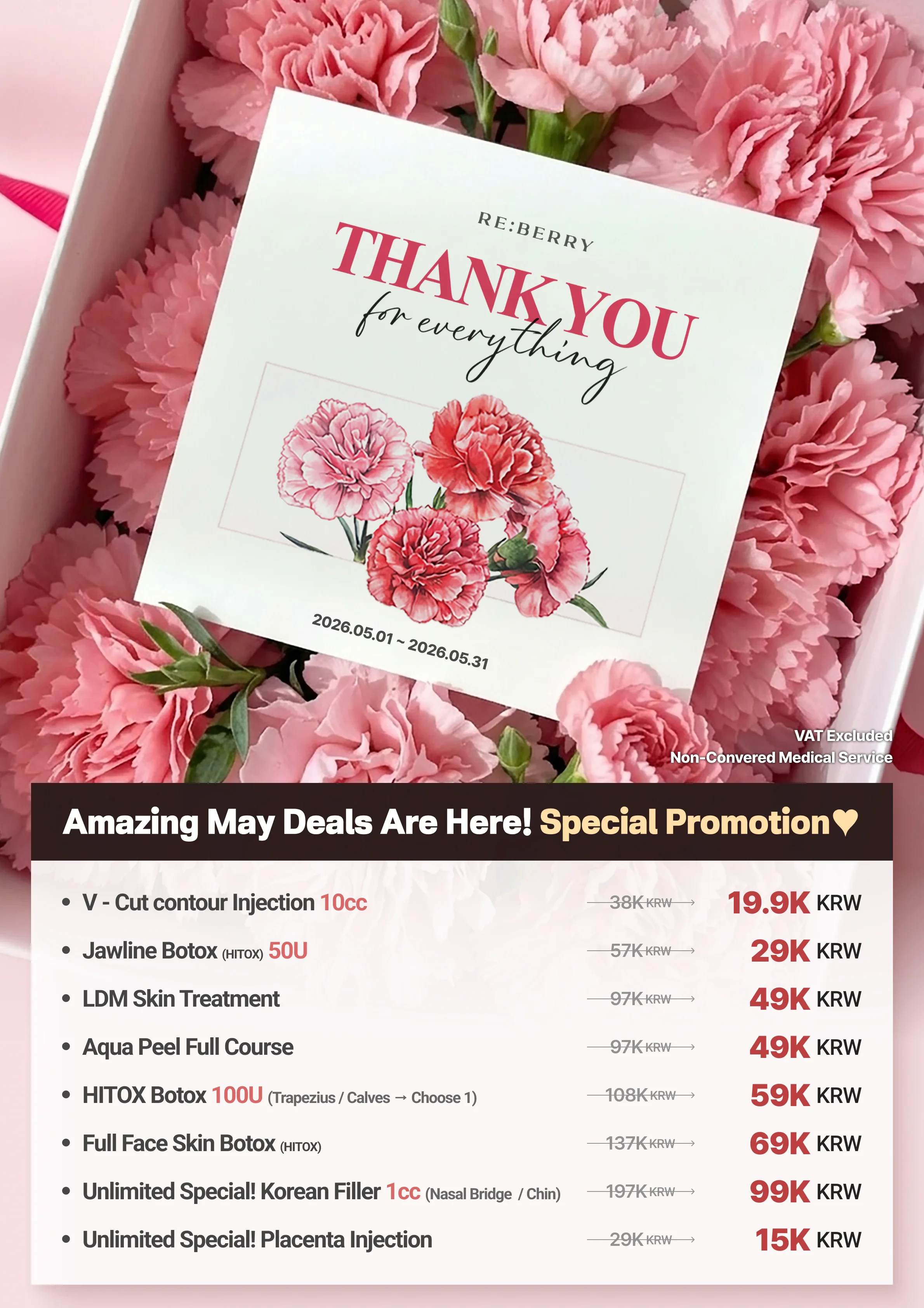
![RE:BERRY Incheon Airport October 2026 Promotion Page 12 — Skin Care [MY SKIN PROGRAM]: ACNE ELIMINATION (Acne Scaling + Inflammation Care) regular ₩126,000, now ₩60,000 · Yes Peel, YES BEAUTY (Yes Peel + Dermio Care 20 min) regular ₩153,000, now ₩99,000 · LALA GLOW (LHALA Fill + Glow Injection 2.5cc) regular ₩443,000, now ₩206,000 · Personalized Skin Care 10 Sessions (choose freely from treatments priced at ₩77,000 or less, including Aqua Peel, LHALA Fill, LDM, Black Peel, Vitamin Care, Acne Scaling, and more) regular ₩1,539,000, now ₩650,000 · VAT excluded, non-covered medical service](https://cdn-reberry.pages.dev/incheon-airport/promotion/en/incheon-event-en-12.webp)
![RE:BERRY Incheon Airport October 2026 Promotion Page 13 — Skin Care [MY SKIN PROGRAM]: Glow Recovery Program Chapter 1, 2-Week Program (Week 1: Customized Toning + Potenza Juvelook + Skin Botox (HITOX); Week 2: Customized Laser + LHALA Fill + LDM + Glutathione Injection) regular ₩1,520,000, now ₩990,000 · Glow Recovery Program Chapter 2, 4-Week Program (Week 1: Customized Toning + Skin Glow Injection 2cc + Juberry 2cc + Glutathione Injection; Week 2: Customized Laser + CO2 Removal (up to 15 lesions: milia, moles, or flat warts) + LHALA Fill + Vitamin Injection; Week 3: Customized Toning + Potenza Juvelook + LDM; Week 4: Customized Laser + LED + Choose Any 3 Wrinkle Botox Areas (HITOX)) regular ₩3,050,000, now ₩1,990,000 · VAT excluded, non-covered medical service](https://cdn-reberry.pages.dev/incheon-airport/promotion/en/incheon-event-en-13.webp)
![RE:BERRY Incheon Airport October 2026 Promotion Page 14 — Pigmentation [Clearer, Brighter Skin]: Pico Toning 1 Session regular ₩263,000, now ₩99,000 · Revlite Toning 1 Session regular ₩219,000, now ₩99,000 · Berry Dual Toning 5 Sessions (Customized Toning + Genesis Laser + Recovery Care + Modeling Mask) regular ₩977,000, now ₩489,000 · Berry Shine Toning 5 Sessions regular ₩1,497,000, now ₩749,000 · One-Day Pigmentation Package (Customized Toning + Customized Laser + Revinas 2,000 Shots + Potenza Exosome + LDM) regular ₩1,690,000, now ₩990,000 · VAT excluded, non-covered medical service](https://cdn-reberry.pages.dev/incheon-airport/promotion/en/incheon-event-en-14.webp)
![RE:BERRY Incheon Airport October 2026 Promotion Page 15 — Pigmentation [Clearer, Brighter Skin]: Pico Sure Toning 10 Sessions regular ₩1,330,000, now ₩669,000 · Premium Berry Shine Toning 10 Sessions regular ₩2,370,000, now ₩1,390,000 · Signature Berry Shine Package, doctor can be chosen (Sessions 1, 3, 5: Customized toning + Customized laser + Potenza customized booster + LDM; Sessions 2, 6, 8, 10: Customized Peeling + Customized toning + Customized laser + LDM; Sessions 4, 7: Customized toning + Customized laser + LDM + REVINAS 2,500 Shots; Session 9: Customized toning + Customized laser + LDM) regular ₩3,970,000, now ₩1,990,000 · Customized toning options: PicoSure / RevLite SI; Customized laser options: Excel V CoolView (for freckles and pigmentation) / PicoSure Zoom Pass / Excel V vascular laser / Genesis / Fraxel (Pico or CO2) / RevLite SI 532; Customized skinbooster: EXOSOME / JUVELOOK; Customized Peeling: LHALA FILL / Yes Peel · Additional DERMIO Care 20 min (celebrity secret anti-aging oxygen dome care) 1 Session ₩49,000 / 10 Sessions ₩450,000 · VAT excluded, non-covered medical service](https://cdn-reberry.pages.dev/incheon-airport/promotion/en/incheon-event-en-15.webp)
![RE:BERRY Incheon Airport October 2026 Promotion Page 16 — Pores [PORE RE:NEW]: Clean Pore Care (Aqua Peel) regular ₩153,000, now ₩77,000 · Perfect Texture, Baby-Smooth Pores (Pico Fraxel Butterfly Zone + Recovery Care) regular ₩204,000, now ₩99,000 · The Beginning of Better Skin Texture, Potenza (Potenza + LDM) regular ₩550,000, now ₩330,000 · Reberry's Silky Skin-care Package (Sessions 1, 3, 5: Pico Fraxel + Potenza Juvelook + LDM; Sessions 2, 4, 6: Genesis + LDM) regular ₩3,370,000, now ₩1,690,000 · Add 3 sessions of subcision for +₩200,000 · VAT excluded, non-covered medical service](https://cdn-reberry.pages.dev/incheon-airport/promotion/en/incheon-event-en-16.webp)
![RE:BERRY Incheon Airport October 2026 Promotion Page 17 — Petit [Custom Petit]: V-Line Starts with a Defined Jawline (HITOX Jawline Botox 50U + V-Cut Injection 20cc) regular ₩289,000, now ₩119,000 · V-Contour Design (Lena Chin Filler 1cc) regular ₩317,000, now ₩159,000 · Juvederm Filler (Cheekbone + Side Cheek 1cc) regular ₩890,000, now ₩390,000 · Luxury for Your Lips, Juvederm (Juvederm Lip Filler 1cc + Corner Lip Botox (Coretox)) regular ₩1,015,000, now ₩435,000 · VAT excluded, non-covered medical service](https://cdn-reberry.pages.dev/incheon-airport/promotion/en/incheon-event-en-17.webp)
![RE:BERRY Incheon Airport October 2026 Promotion Page 18 — Lifting [Redesign Your Skin's Firmness]: Ultrasound Lifting (Shurink 100 Shots) regular ₩89,000, now ₩45,000 · Firming with Oligio (Oligio 100 Shots) regular ₩195,000, now ₩140,000 · Awaken Your Hidden V-Line (InMode FX Full Face + Contouring Injection 20cc) regular ₩387,000, now ₩195,000 · A New Choice for Skin Firmness, XERF Launch Special Promotion (XERF 100 Shots) regular ₩428,000, now ₩330,000 · Elasticity Double-Up Reboot (Sofwave 200 Shots + V-RO 300 Shots) regular ₩4,330,000, now ₩2,090,000 · VAT excluded, non-covered medical service](https://cdn-reberry.pages.dev/incheon-airport/promotion/en/incheon-event-en-18.webp)
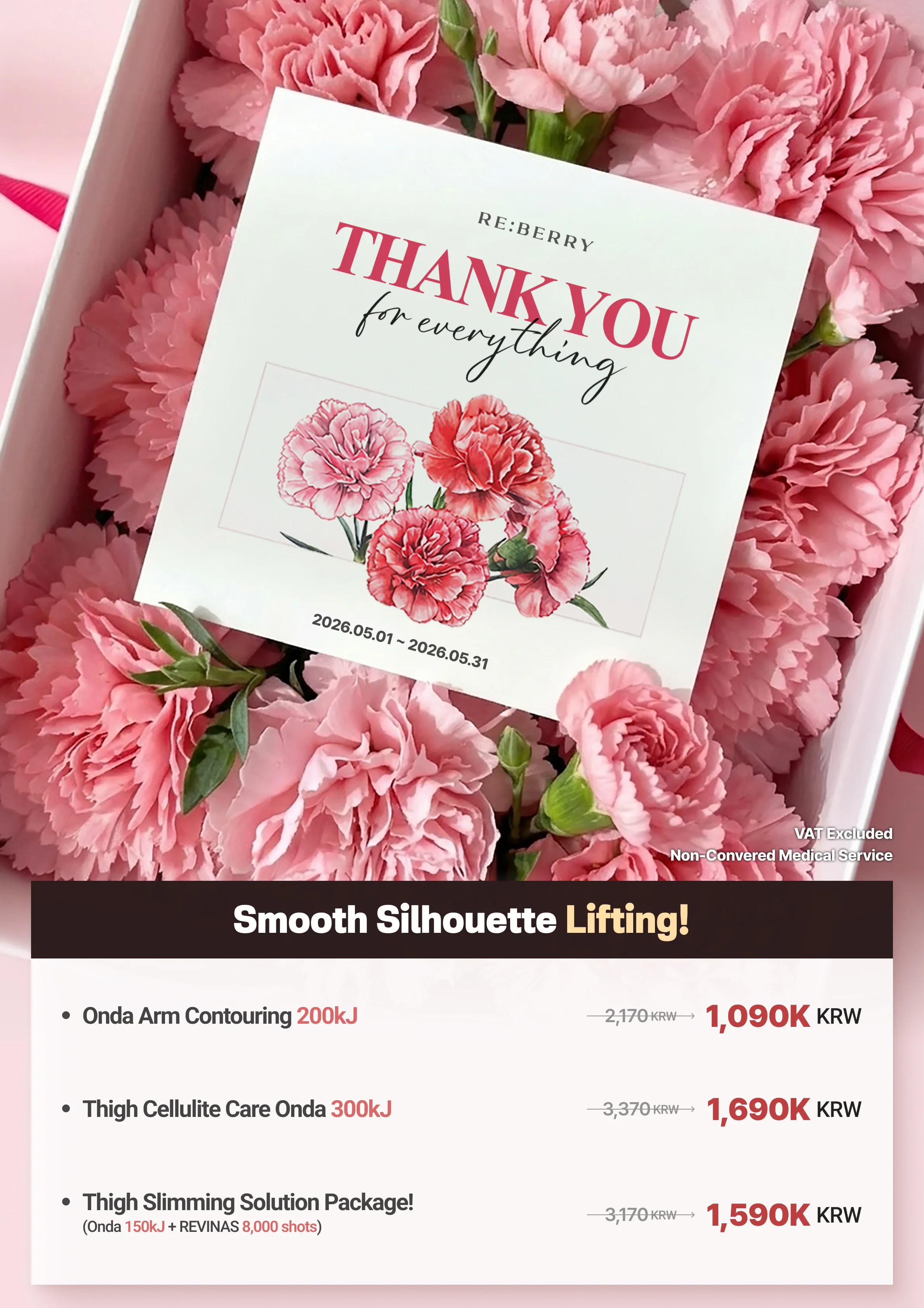
![RE:BERRY Incheon Airport October 2026 Promotion Page 20 — Skin Boosters [SKIN RESET - Restore the Basics of Your Skin]: Glow & Hydration in One (Lilied 2.5cc) regular ₩350,000, now ₩180,000 · Intensive Care for Seasonal Dehydration (Glow Injection 5cc + Cryo Care) regular ₩645,000, now ₩259,000 · Reberry's Customized Skin Booster Program (Juberry 2cc + Hycoox) regular ₩869,000, now ₩450,000 · Long-Lasting Glow & Hydration Booster (Skinvive 2cc + Lillied 2.5cc + Cryo Care) regular ₩1,415,000, now ₩690,000 · Next-Generation Hair Loss Care (Autologous Blood Hair Loss Injection 3cc) regular ₩1,990,000, now ₩990,000 · VAT excluded, non-covered medical service](https://cdn-reberry.pages.dev/incheon-airport/promotion/en/incheon-event-en-20.webp)
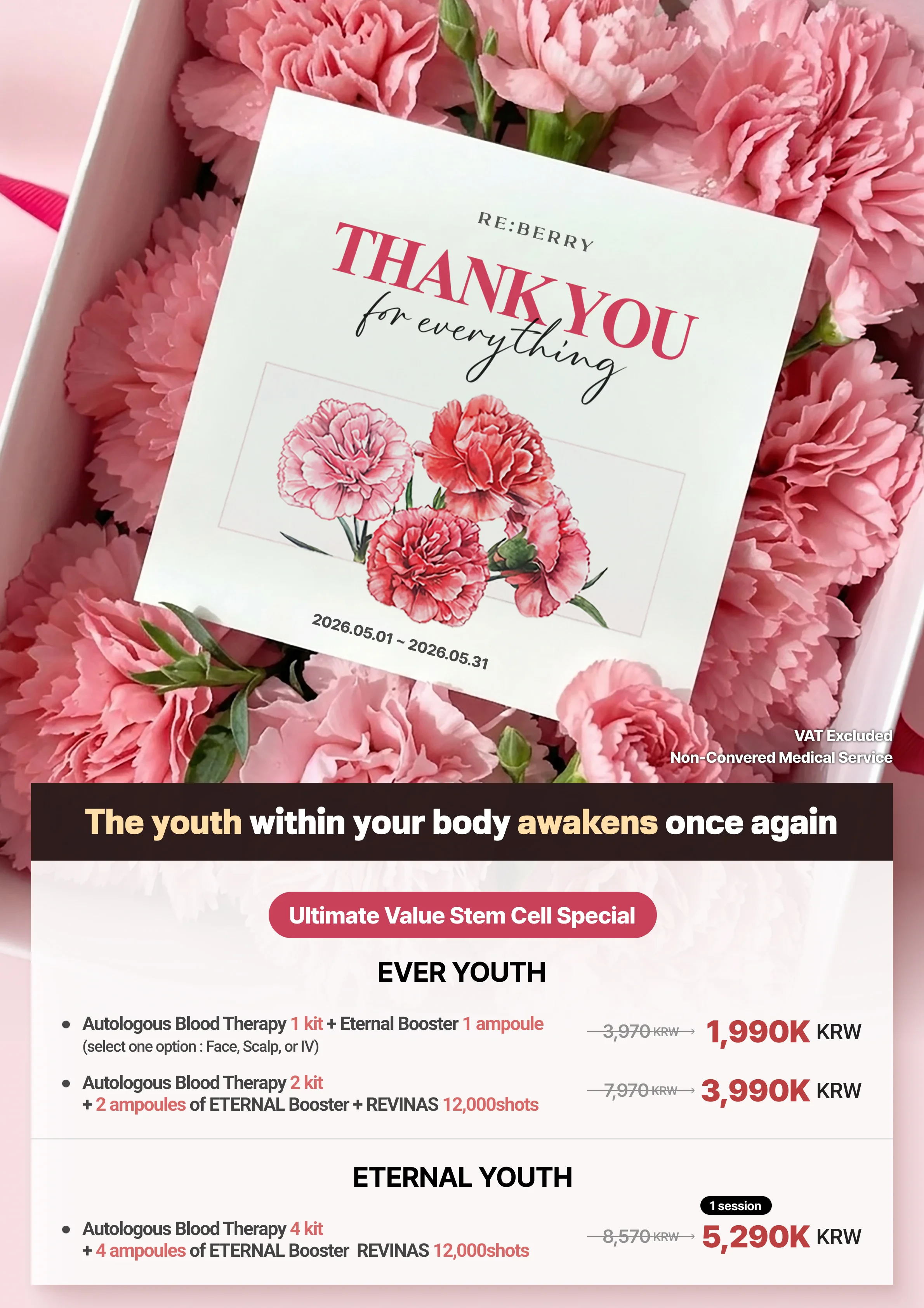
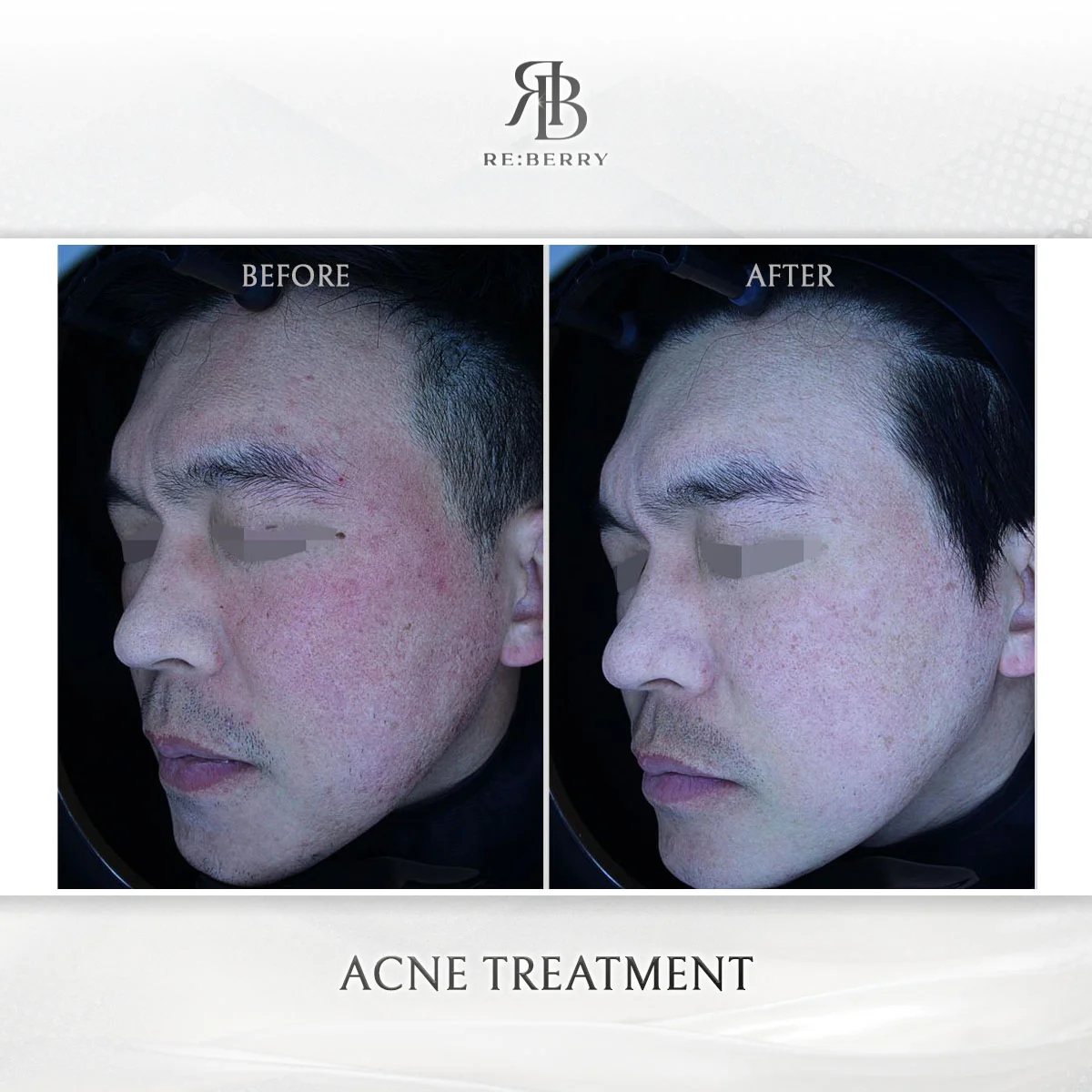
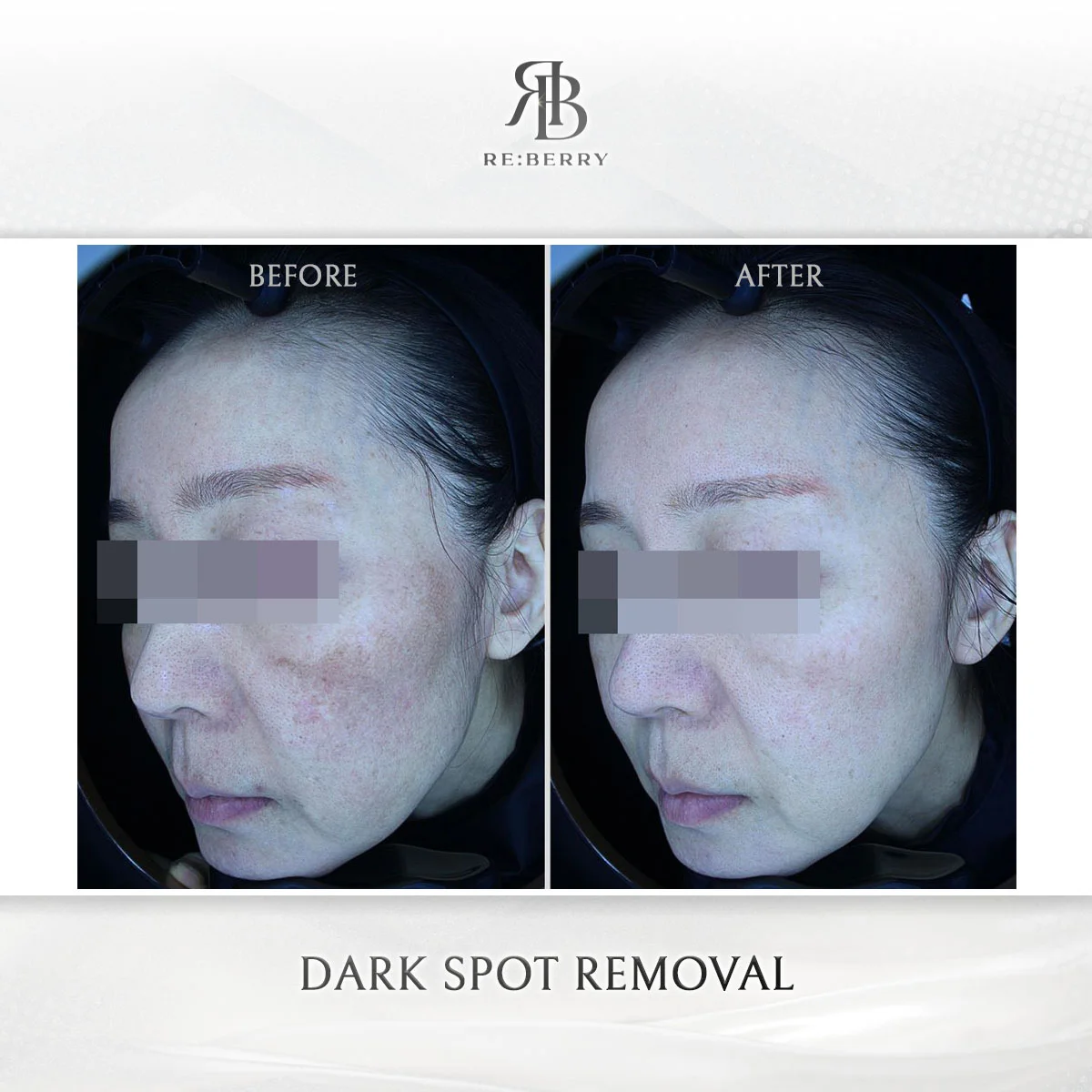
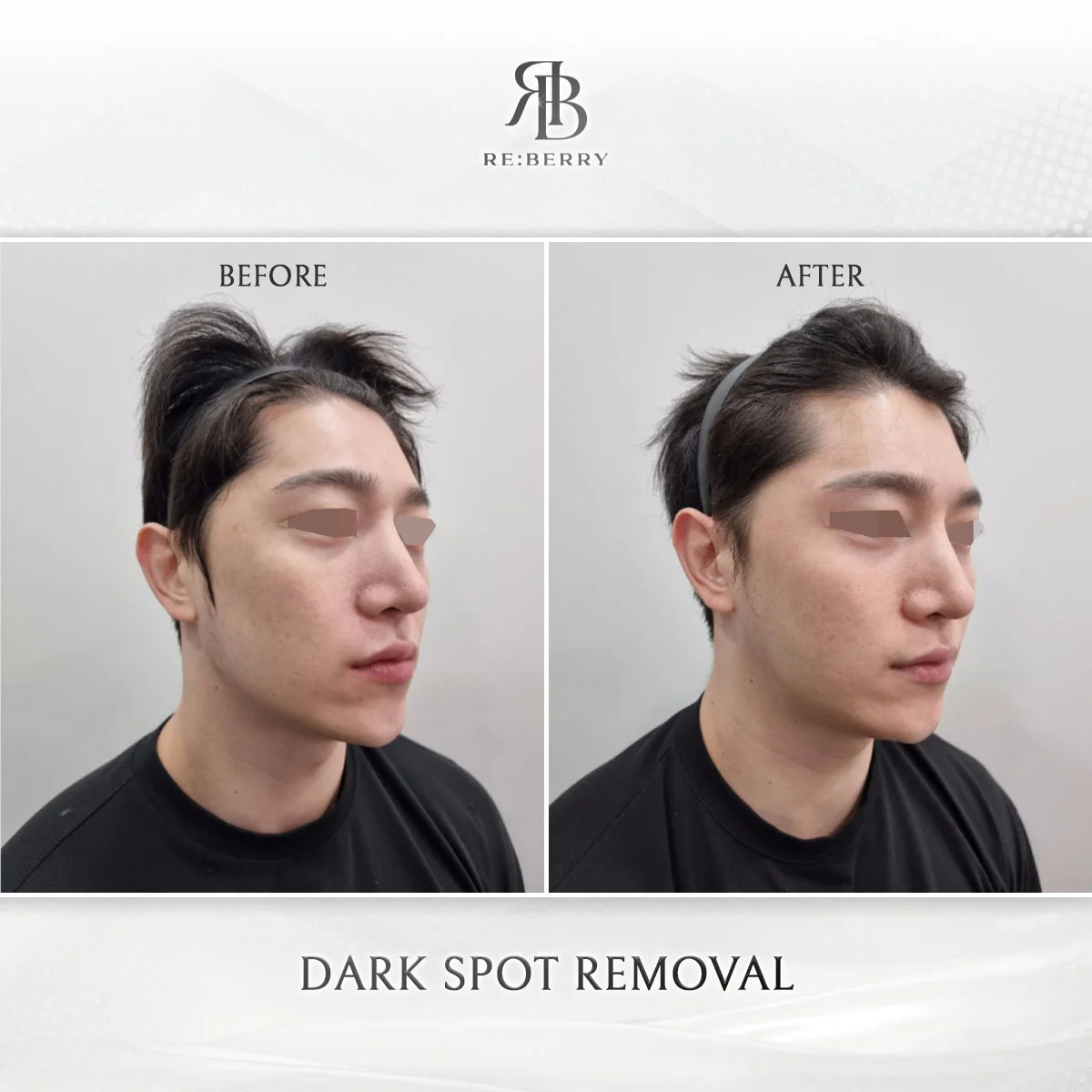
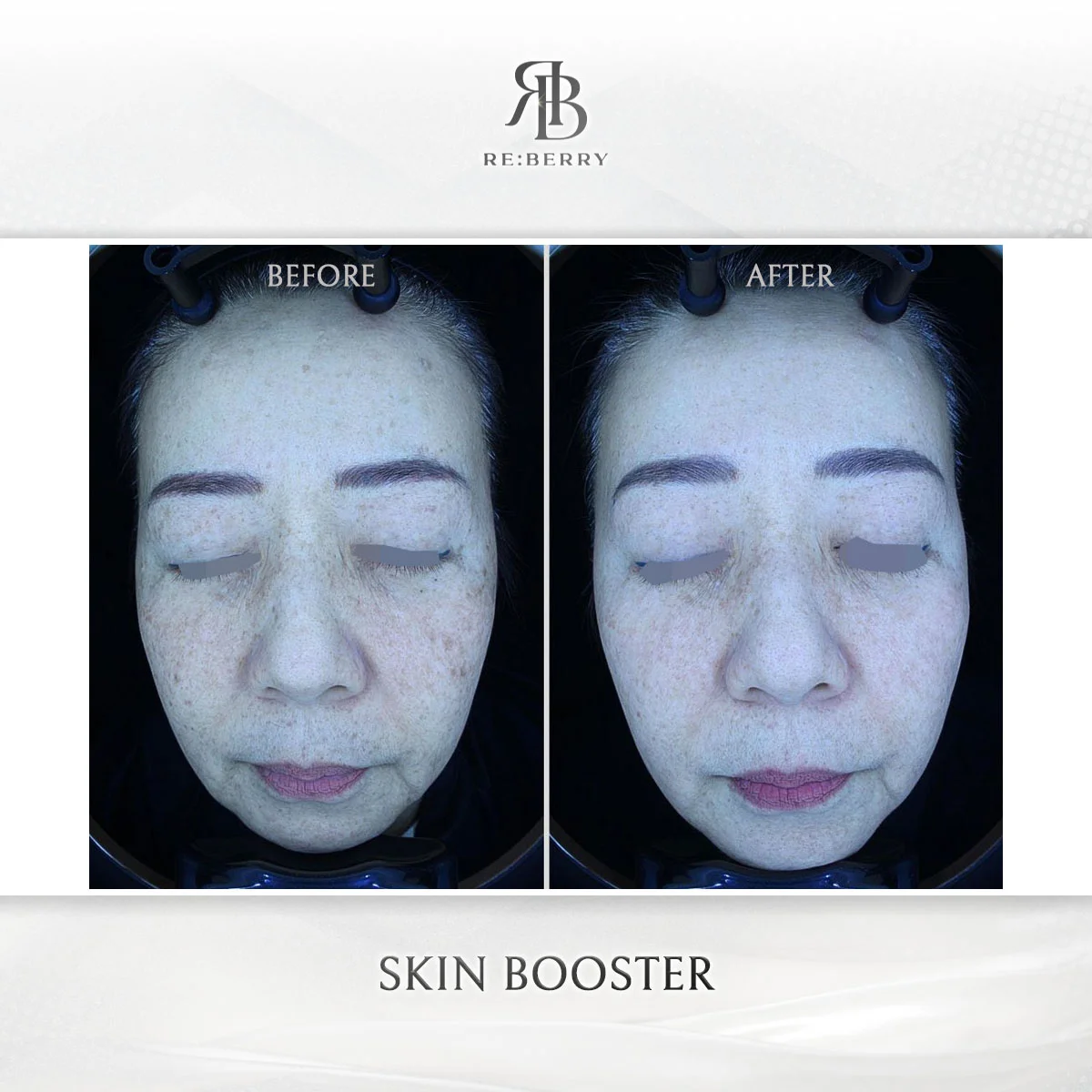
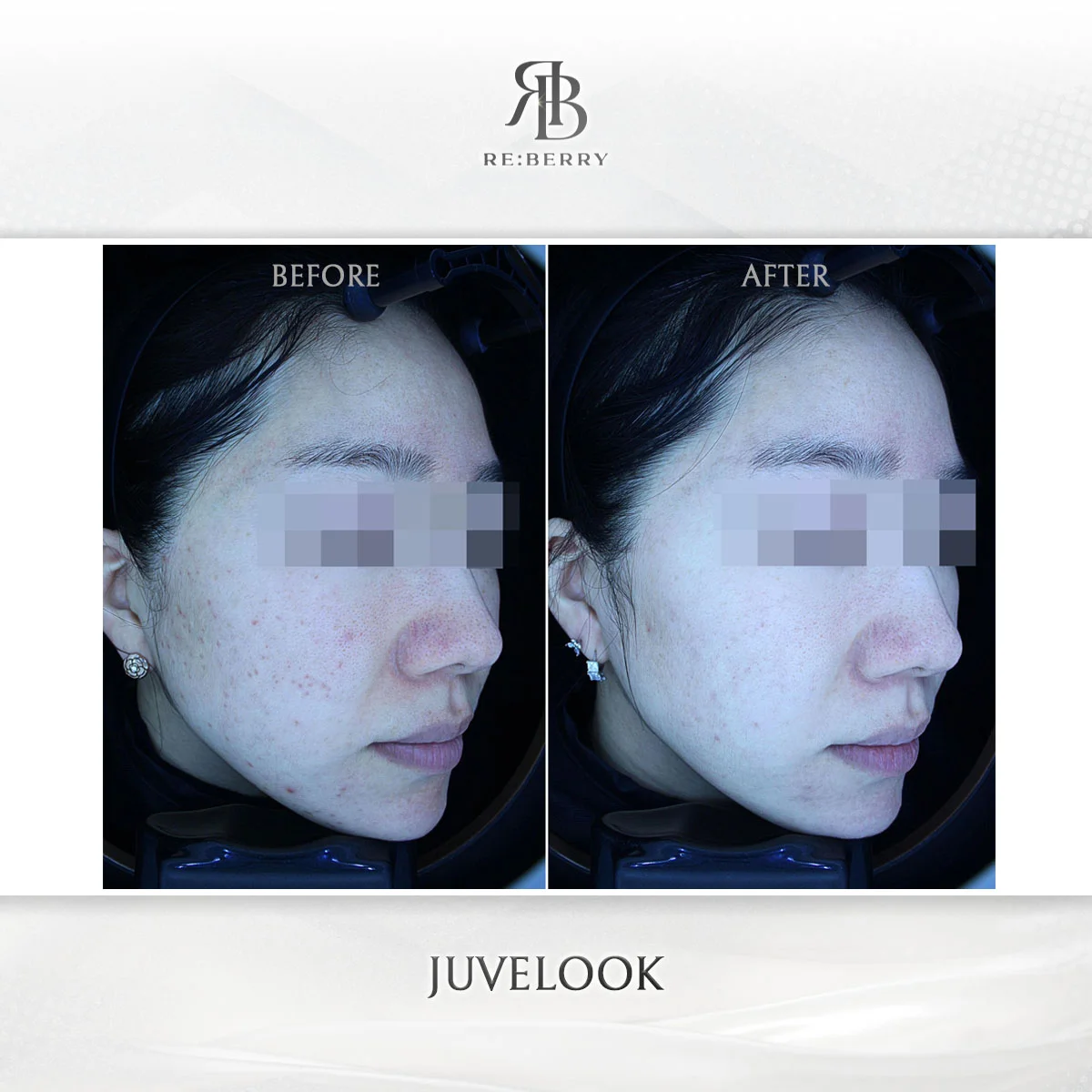
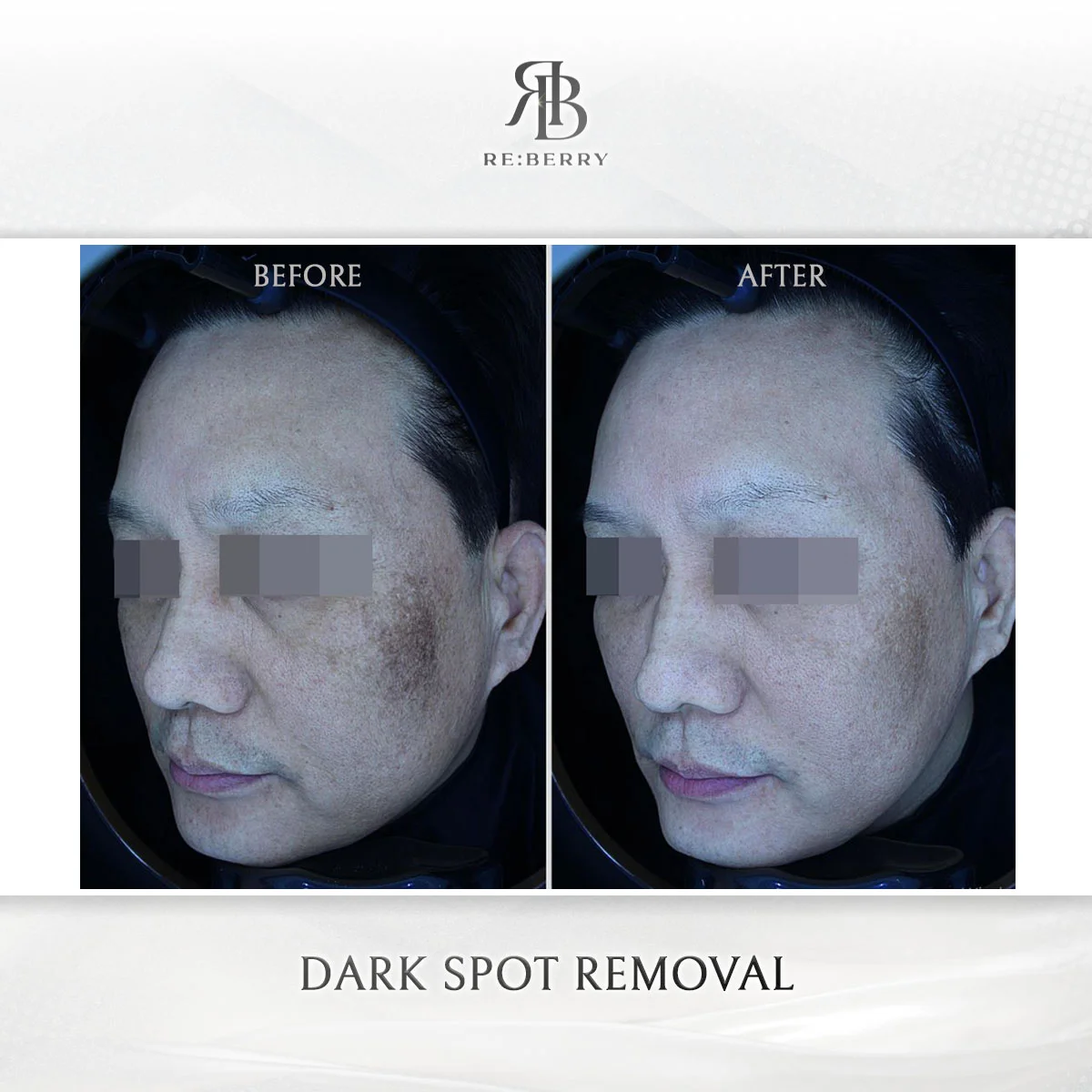
Microneedling & Laser Before & After
Actual patient results from RE:BERRY Incheon Airport showing POTENZA RF and laser treatment outcomes.
How Microneedling & Laser Treatments Work at RE:BERRY
Personalized four-step protocol tailored to your skin concern and treatment goals.
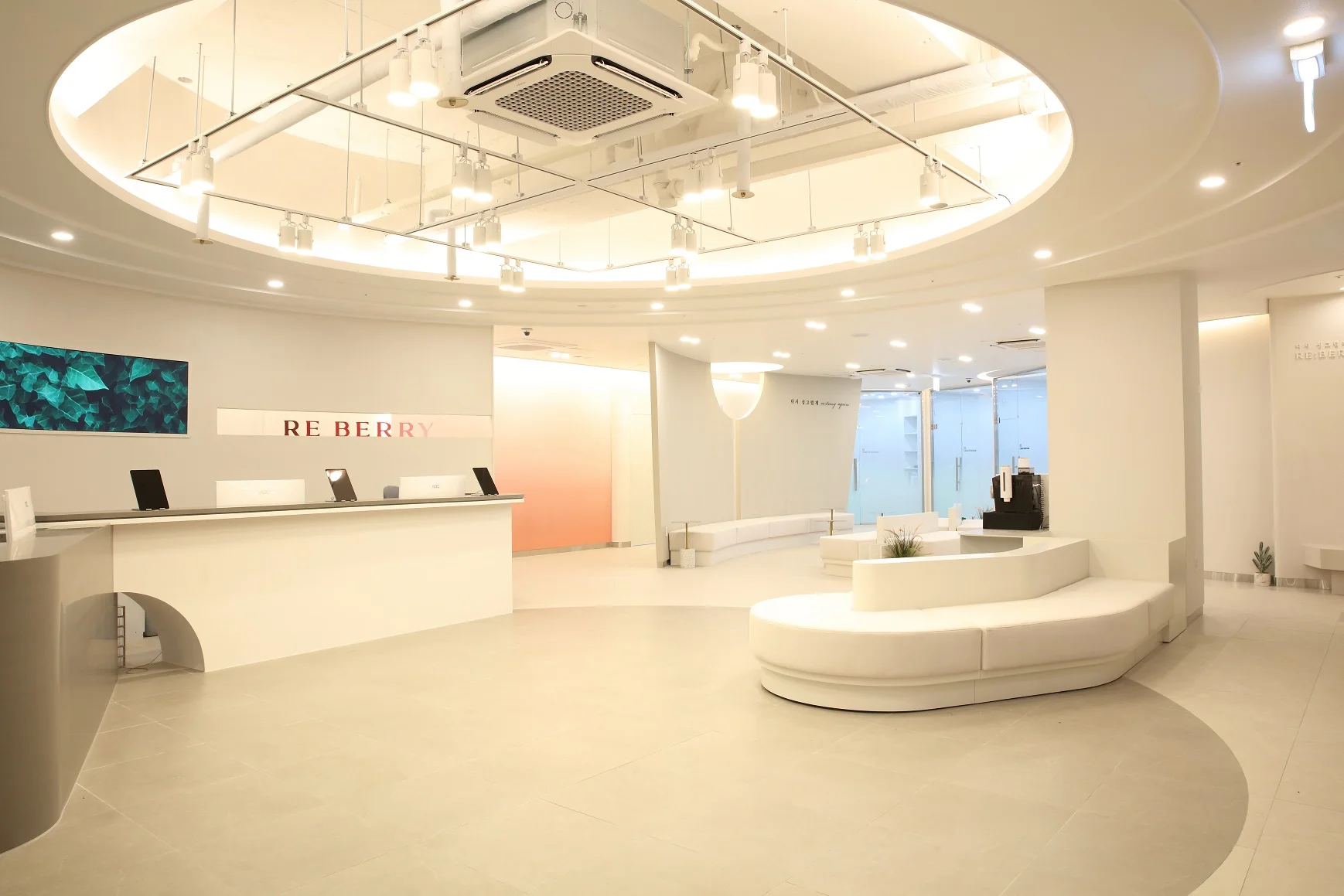
Comprehensive Skin Assessment
Dr. Sunbeen Kim evaluates acne severity, scar morphology (ice-pick, rolling, boxcar), pigmentation depth, pore size, skin laxity, and Fitzpatrick type. This determines whether microneedling, laser, or combination is optimal. A Mark-Vu skin analysis may be performed to objectively measure porphyrins (acne bacteria), UV damage, and pore density.
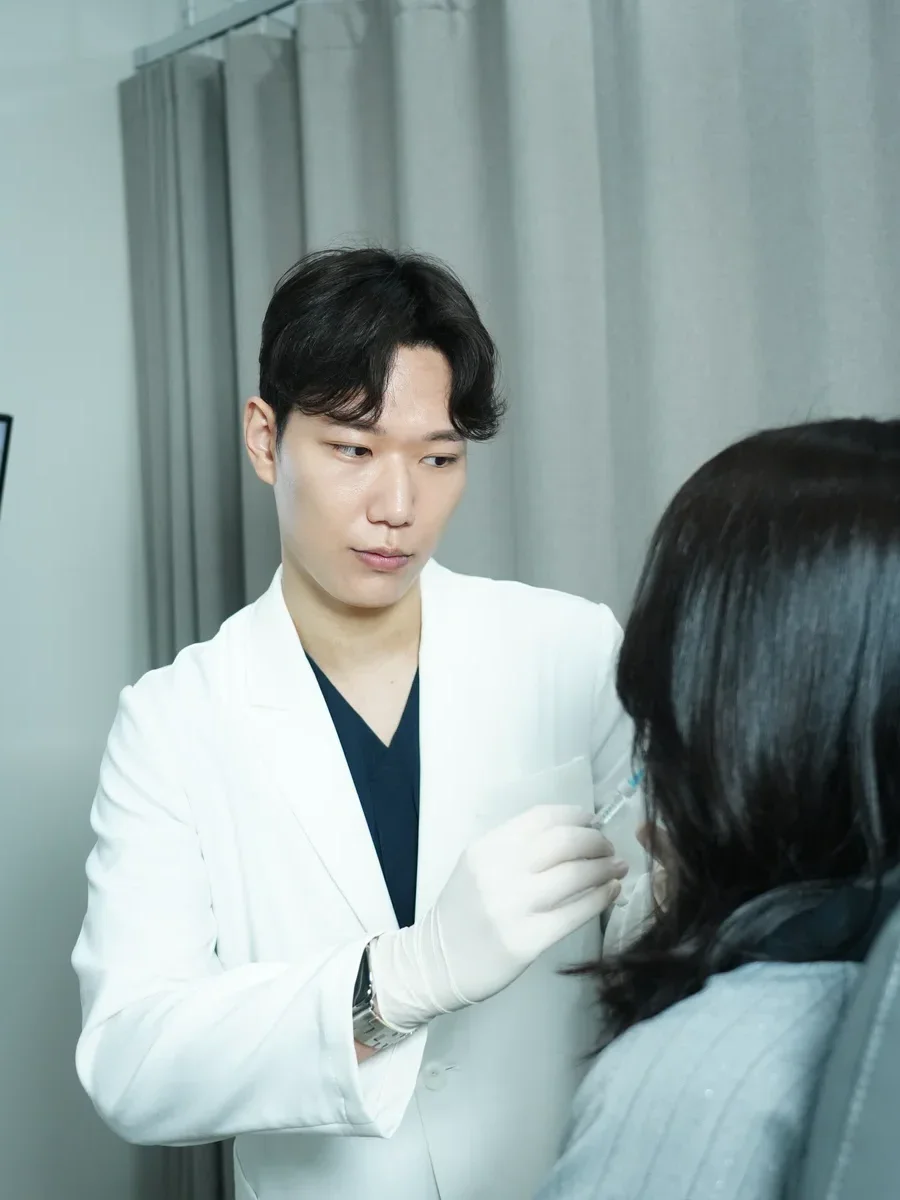
POTENZA RF Microneedling (Deep Dermal Remodeling)
Gold-plated insulated microneedles penetrate to 0.5-3.5mm depth (adjustable per zone). Bipolar RF energy is delivered at each needle tip, creating precise thermal coagulation zones in the dermis. For acne: targets sebaceous glands. For scars: breaks fibrotic bands. For pores: shrinks the infundibulum. Treatment time: 20-30 minutes with topical numbing.
Pico Fraxel Laser (Surface Refinement)
450-picosecond fractional laser creates micro-columns of photomechanical disruption without surface ablation. Targets pigmented lesions, fine texture irregularities, and surface-level scarring. The picosecond pulse duration minimizes thermal spread, reducing PIH risk for Asian skin. Often combined with Genesis 1064nm for uniform dermal heating.
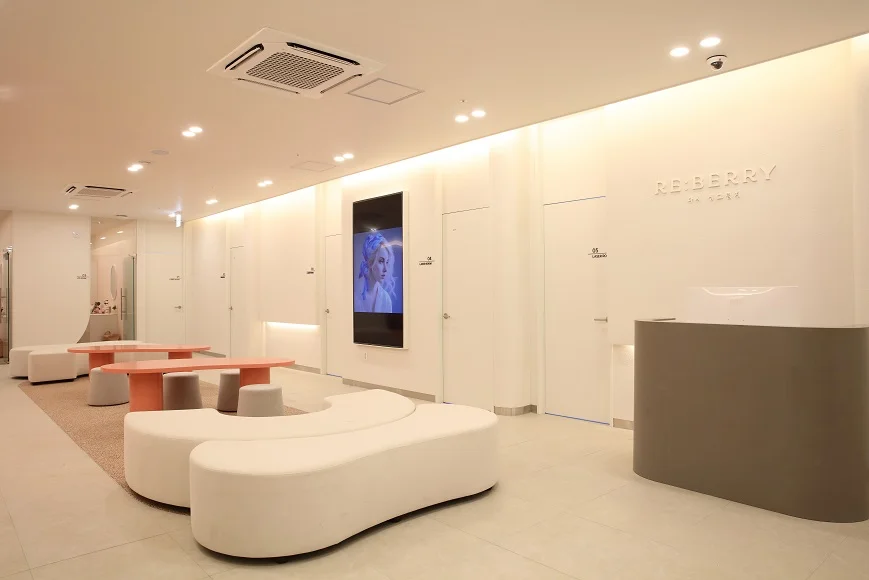
Regenerative Aftercare & Recovery
Post-POTENZA: Exosome or Juvelook biostimulator is applied directly into open microchannels for enhanced penetration (drug delivery window lasts 15-30 minutes). LDM (Local Dynamic Micro-massage) calms inflammation. Dermio Care follows for barrier repair. Post-laser: cooling mask and SPF 50+ application. Full aftercare instructions provided in 5 languages.
What to Expect from Microneedling vs Laser Treatment
- Controlled Dermal Remodeling (POTENZA RF): Bipolar RF through microneedles creates precise thermal zones at adjustable depths (0.5-3.5mm) for acne, scars, and pore reduction without epidermal damage.
- Precision Pigment Targeting (Pico Fraxel): Picosecond pulses shatter melanin particles through photomechanical force, clearing sun spots and PIH with minimal thermal damage.
- Drug Delivery Enhancement: POTENZA microneedles create temporary channels allowing topical serums (Exosome, Juvelook) to penetrate 80% deeper than surface application.
- Low PIH Risk for Asian Skin: Both POTENZA (insulated needles bypass epidermis) and Pico Fraxel (photomechanical vs thermal) have significantly lower post-inflammatory hyperpigmentation risk than older ablative technologies.
- Combination Synergy: Korean protocols leverage both modalities — microneedling for structural remodeling and laser for surface refinement — achieving results neither can match alone.
- Traveler-Friendly Recovery: POTENZA: 1-2 days redness. Pico Fraxel: 3-5 days micro-crusting. Genesis: zero downtime. Most patients fly within 24 hours.
| Timeline | What to Expect |
|---|---|
| Day 1 (POTENZA RF) | Mild redness and pinpoint bleeding at needle sites. Skin feels warm and tight. Exosome/Juvelook continues absorbing through microchannels. |
| Day 1 (Pico Fraxel) | Micro-redness and slight swelling. Pinpoint darkening at pigmented areas (melanin being fragmented). Apply barrier cream and SPF. |
| Day 2-3 | POTENZA redness subsides. Pico Fraxel micro-crusts form. Avoid makeup on treated areas. Gentle cleanser only. |
| Week 1 | POTENZA: skin feels smoother, pores appear tighter. Pico Fraxel: micro-crusts shed, revealing brighter skin. Active collagen synthesis begins. |
| Week 2-4 | New collagen formation intensifies. Acne lesions reduce (POTENZA). Pigmented spots continue fading (Pico Fraxel). Skin texture progressively improves. |
| Month 2-3 | Peak results visible. Scar depth reduced 40-60% after 3 POTENZA sessions. Pigmentation cleared 60-80% after 2-3 Pico Fraxel sessions. Maximum collagen remodeling achieved. |
Microneedling vs Laser — Side-by-Side Comparison
| Feature | POTENZA RF Microneedling | Pico Fraxel Laser | Genesis Laser | Traditional Microneedling |
|---|---|---|---|---|
| Technology | Bipolar RF + insulated gold needles | Fractional picosecond 755nm/1064nm | Nd:YAG 1064nm long-pulse | Mechanical needles only |
| Energy Type | Radiofrequency (thermal) | Photomechanical (LIOB) | Photothermal (uniform) | None (physical puncture) |
| Target Depth | 0.5-3.5mm (adjustable) | 0.5-2.0mm (fractional) | 1-2mm (diffuse) | 0.25-2.0mm (mechanical) |
| Best For | Active acne, scars, pores, laxity | Pigmentation, fine scars, texture | Redness, mild tightening, glow | Mild texture, product absorption |
| Acne Scar Efficacy | ★★★★★ (67-78% improvement) | ★★★★ (40-60% improvement) | ★★ (mild improvement) | ★★ (limited) |
| PIH Risk (Asian Skin) | Very Low (insulated tips) | Low (photomechanical) | Very Low | Low |
| Downtime | 1-2 days redness | 3-5 days micro-crusting | None | 1-2 days redness |
| Sessions Needed | 3-4 (monthly) | 3-5 (monthly) | 5-10 (weekly) | 6-8 (monthly) |
Meet Your Doctor
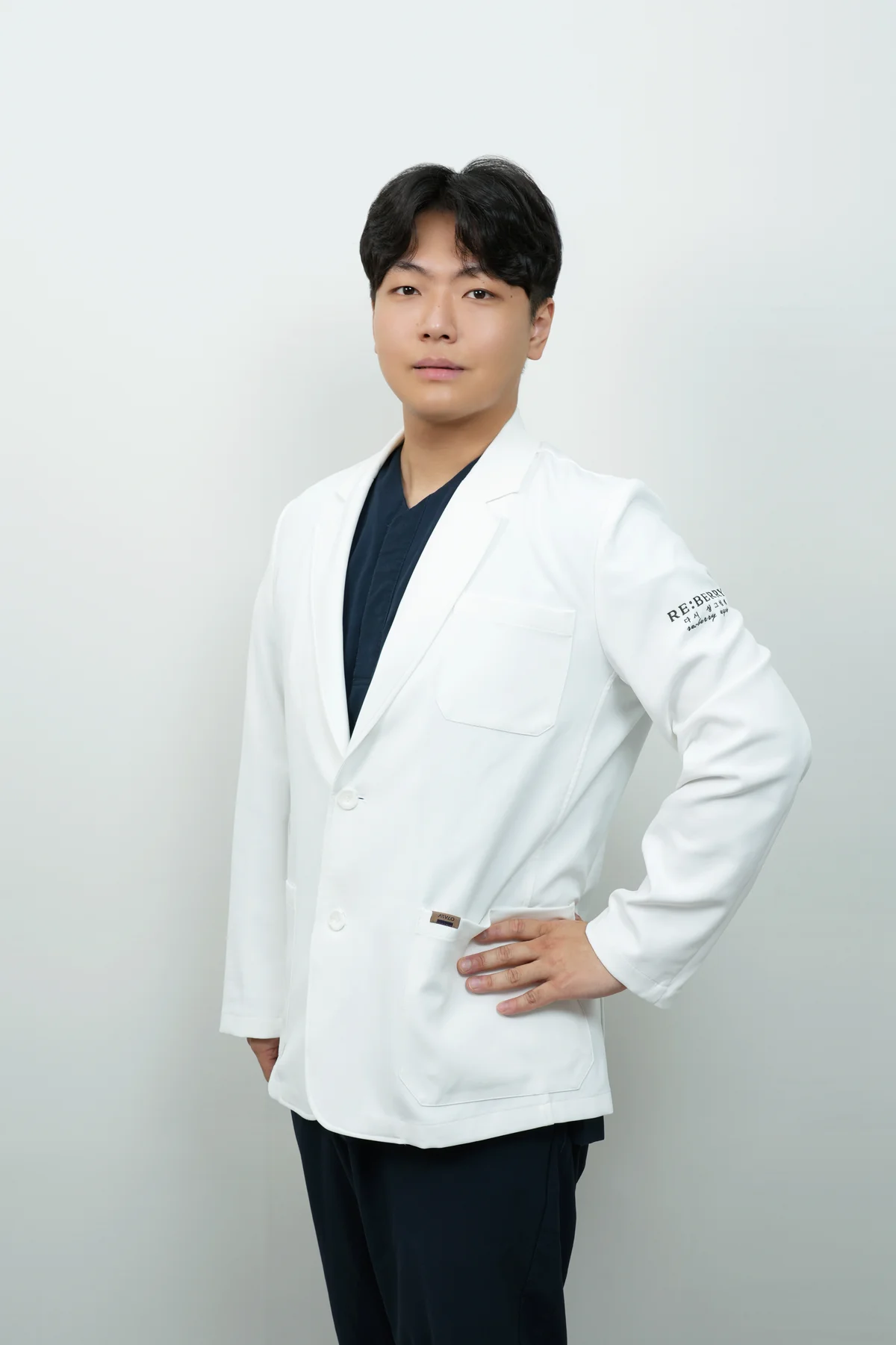
Dr. Sunbeen Kim
- Medical Director, RE:BERRY Clinic Incheon Airport
- Aesthetic Medicine Specialist
- Located minutes from Incheon International Airport
Medically reviewed by Dr. Sunbeen Kim, Medical Director / Aesthetic Medicine Specialist, RE:BERRY
The Science Behind Microneedling and Laser Treatments
Peer-reviewed research comparing RF microneedling and fractional laser efficacy for skin rejuvenation.
RF Microneedling: Bipolar Energy Delivery in the Dermis
Radiofrequency microneedling represents a paradigm shift from traditional mechanical microneedling by adding controlled thermal energy to the physical puncture wounds. The POTENZA system (Jeisys Medical) uses insulated gold-plated microneedles with bipolar RF delivery — meaning electrical current flows between adjacent needle pairs instead of through the entire body. This creates highly localized thermal coagulation zones (60-70°C) at the needle tip depth while leaving the epidermis completely intact (the insulated shaft prevents surface-level energy release). The dual mechanism — mechanical collagen induction from needle puncture plus thermal collagen denaturation from RF — produces a wound-healing response 2-3 times more potent than needles alone.
A landmark randomized controlled trial by Cho et al. (2012) compared bipolar RF microneedling against fractional CO2 laser for atrophic acne scars in 30 Korean patients (Fitzpatrick III-IV). At 3 months post final session, both groups showed statistically significant improvement: RF microneedling achieved 67% mean improvement on the qualitative global scarring grading system (QGSGS), while fractional CO2 achieved 72%. However, the RF microneedling group had significantly lower rates of post-inflammatory hyperpigmentation (6.7% vs 33.3%, p=0.01) and shorter mean downtime (2.1 vs 7.3 days). This evidence supports RF microneedling as the preferred modality for acne scars in Asian skin types where PIH is a primary concern.
Cho SI, Chung BY, Choi MG, et al. Evaluation of the clinical efficacy of fractional radiofrequency microneedle treatment in acne scars and large facial pores. Dermatol Surg. 2012;38(7 Pt 1):1017-24. doi:10.1111/j.1524-4725.2012.02402.x
Fractional Laser: Photomechanical vs Photothermal Mechanisms
Fractional laser technology creates an array of microscopic treatment zones (MTZs) separated by untreated tissue bridges, enabling rapid re-epithelialization. The critical distinction is between picosecond-domain lasers (like Pico Fraxel) and nanosecond/continuous-wave systems (like CO2 fractional). Picosecond lasers generate laser-induced optical breakdown (LIOB) — a photomechanical process where ultra-short pulses create intracellular vacuoles through rapid plasma expansion rather than thermal vaporization. This mechanism disrupts tissue architecture and triggers the wound-healing cascade while generating 10-100 times less thermal energy than nanosecond systems. The clinical implication: comparable collagen stimulation with dramatically less inflammation, erythema, and PIH risk.
Brauer et al. (2015) conducted a prospective study of 20 patients receiving fractionated 755nm picosecond laser treatments for acne scars and wrinkles. Histological analysis at 3 months showed significant increases in dermal collagen III and elastin content. Clinically, 90% of patients showed improvement in acne scar appearance (30% rated as significant improvement), and the incidence of PIH was 0% — a remarkable safety profile for a laser treatment in diverse skin types. This evidence underpins RE:BERRY’s selection of Pico Fraxel over older ablative CO2 systems for acne scar treatment in international patients.
Brauer JA, Kazlouskaya V, Alabdulrazzaq H, et al. Use of a picosecond pulse duration laser with specialized optic for treatment of facial acne scarring. JAMA Dermatol. 2015;151(3):278-84. doi:10.1001/jamadermatol.2014.3045
Combination Protocols: RF Microneedling Plus Laser
Emerging evidence supports the Korean practice of combining RF microneedling with fractional laser for synergistic outcomes. Min et al. (2015) demonstrated that alternating RF microneedling and fractional laser sessions (spaced 4 weeks apart) produced 25% greater improvement in composite skin aging scores than either modality alone, with no increase in adverse events. The proposed mechanism: RF microneedling remodels deep dermal collagen architecture while fractional laser addresses superficial texture and pigmentation — complementary depths producing comprehensive rejuvenation. At RE:BERRY Incheon Airport, the Silky Skin-Care Package ( 000 for 6 sessions) applies this evidence by alternating Pico Fraxel + POTENZA sessions with Genesis + LDM recovery sessions.
Min S, Park SY, Yoon JY, Suh DH. Comparison of fractional microneedling radiofrequency and bipolar radiofrequency on acne and acne scar and investigation of mechanism: comparative randomized controlled clinical trial. Arch Dermatol Res. 2015;307(10):897-904. doi:10.1007/s00403-015-1601-z
Only Authentic, Brand-Certified Equipment
Every device at RE:BERRY is MFDS-certified and manufacturer-verified. We never use counterfeit or grey-market equipment.
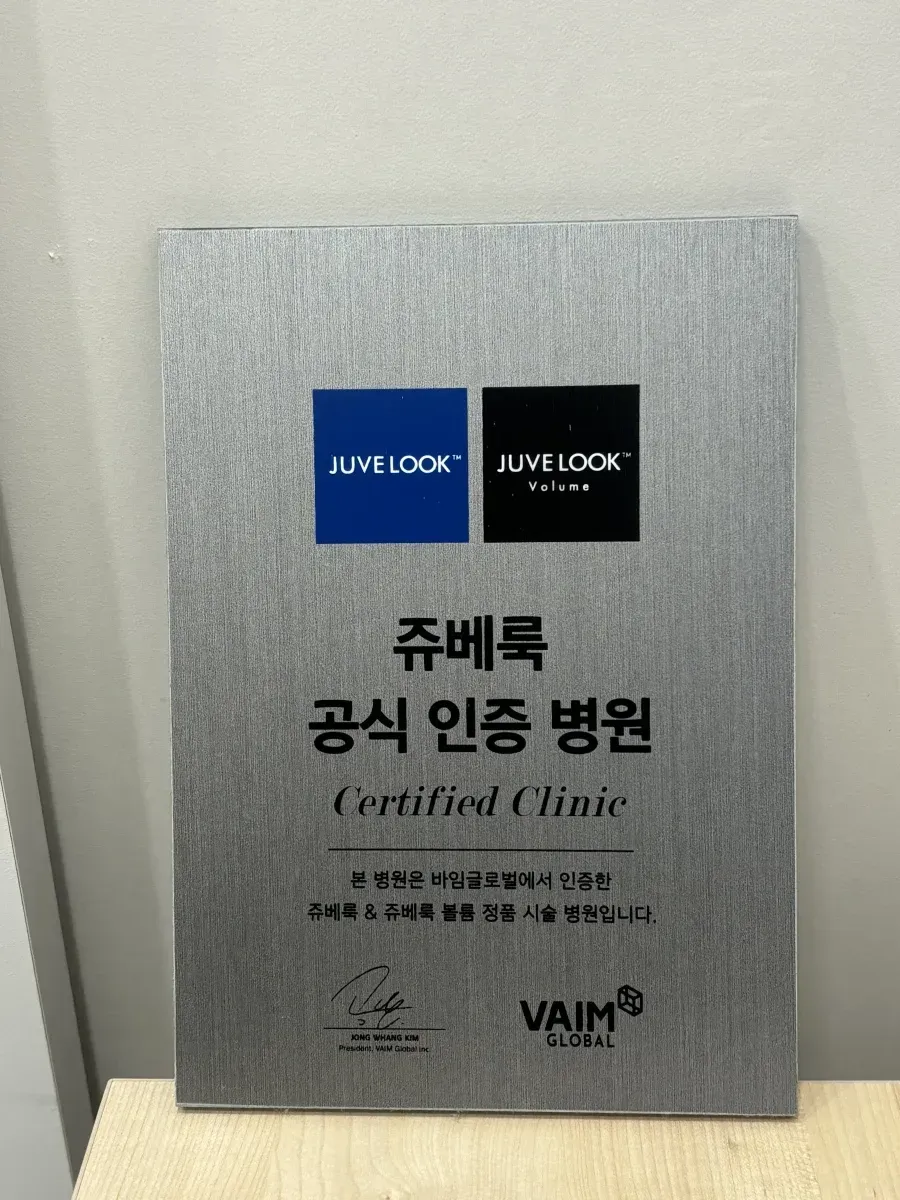
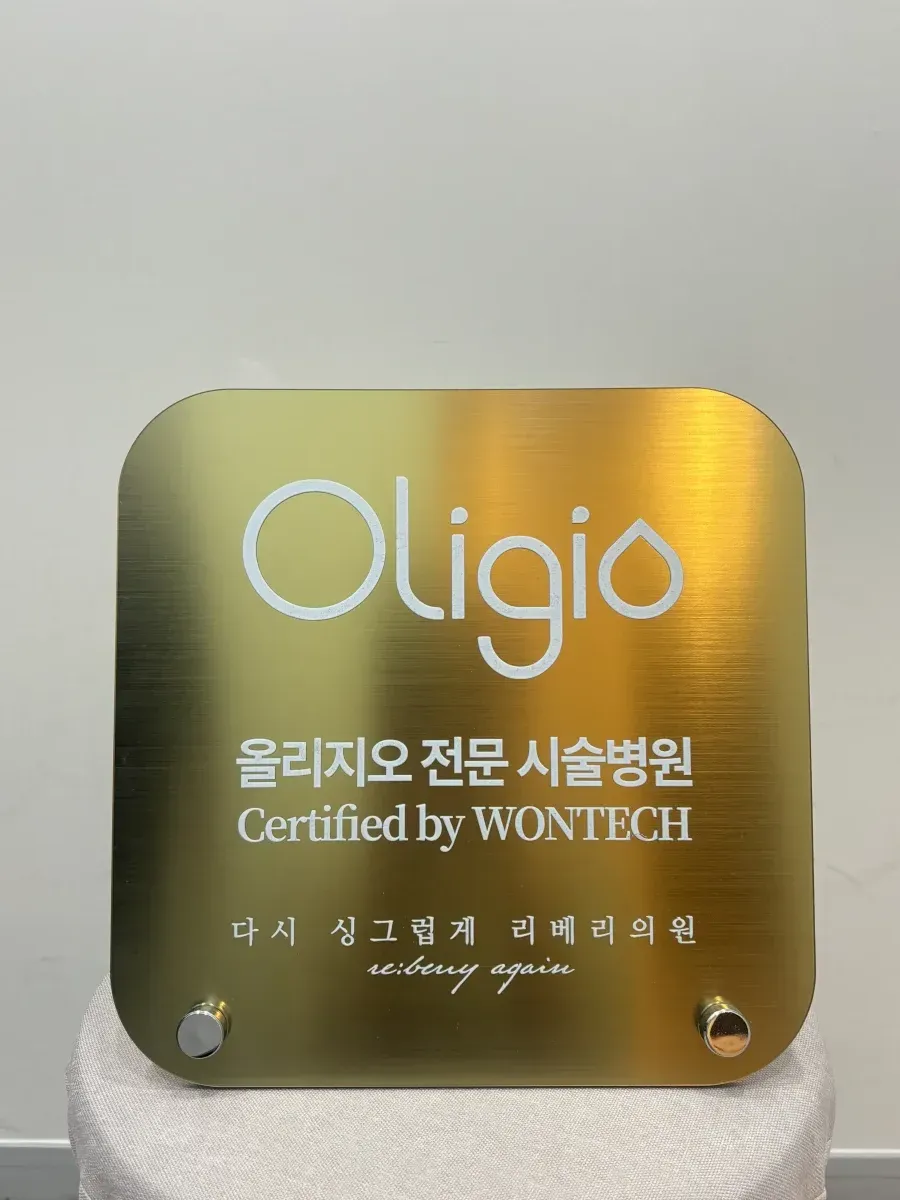
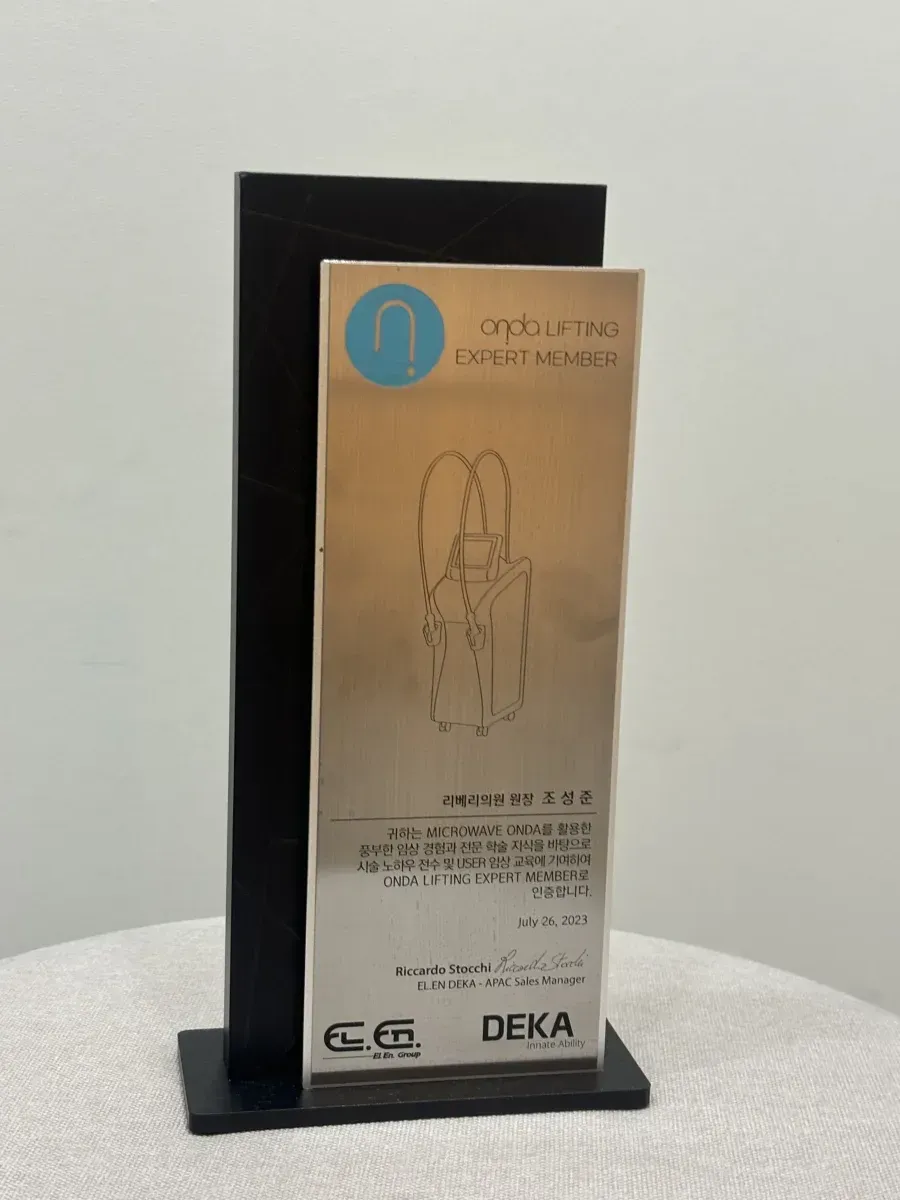
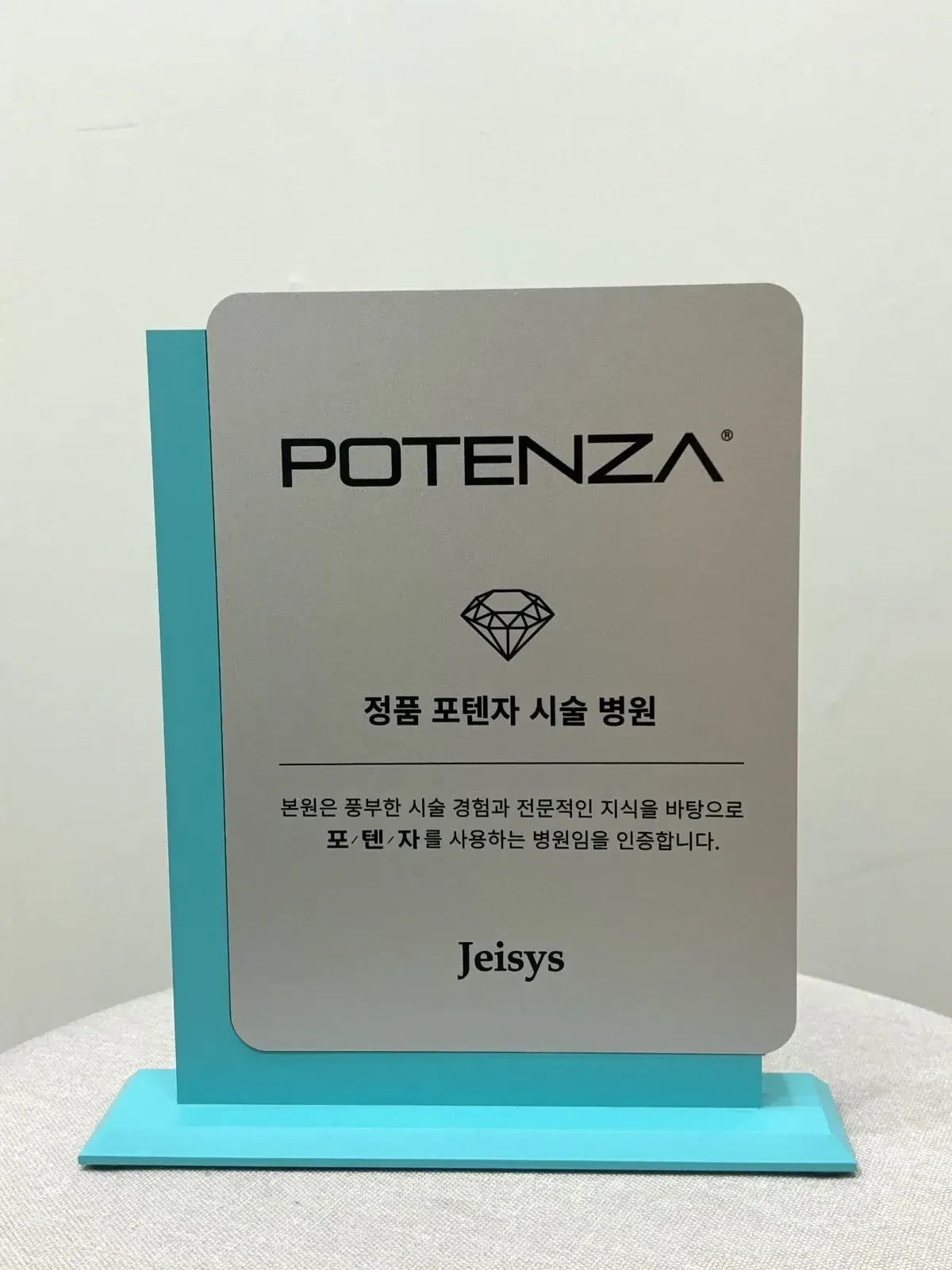
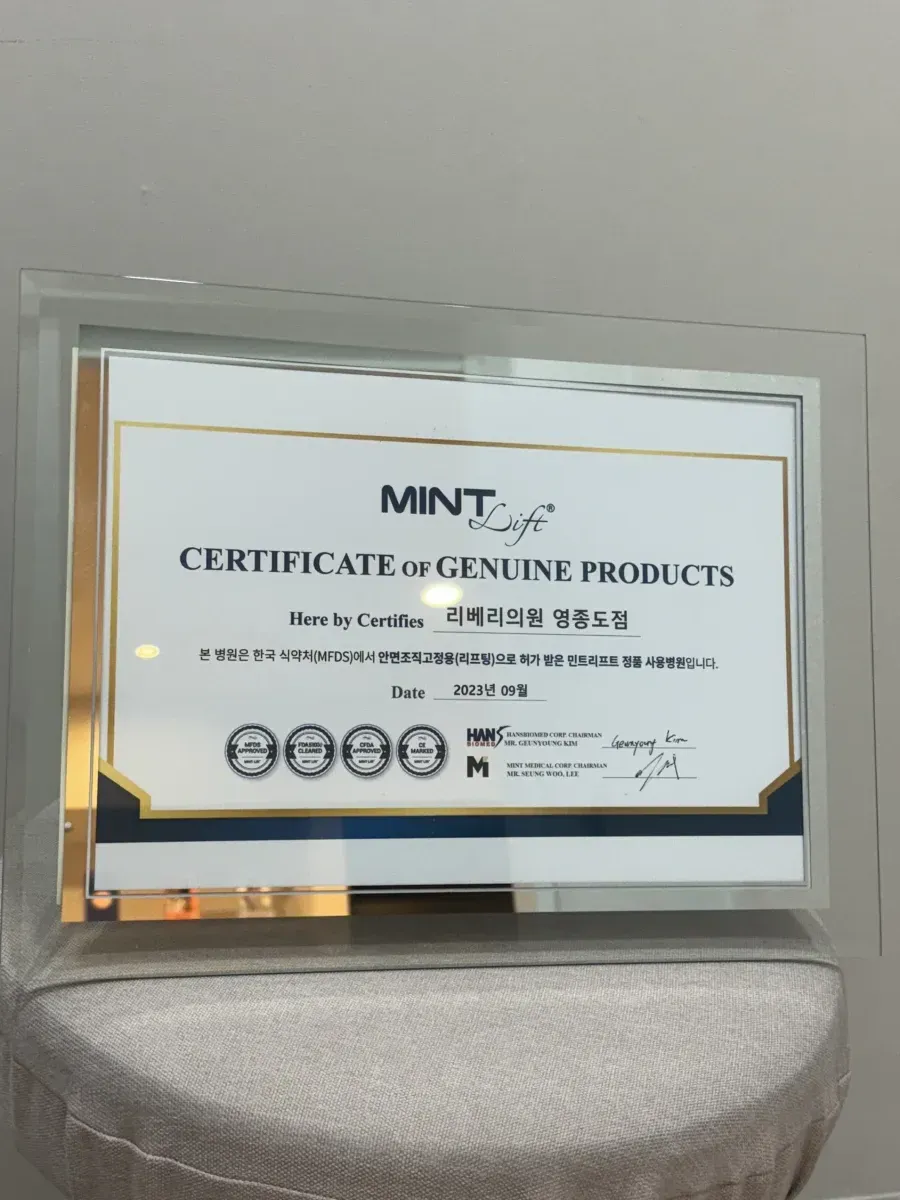
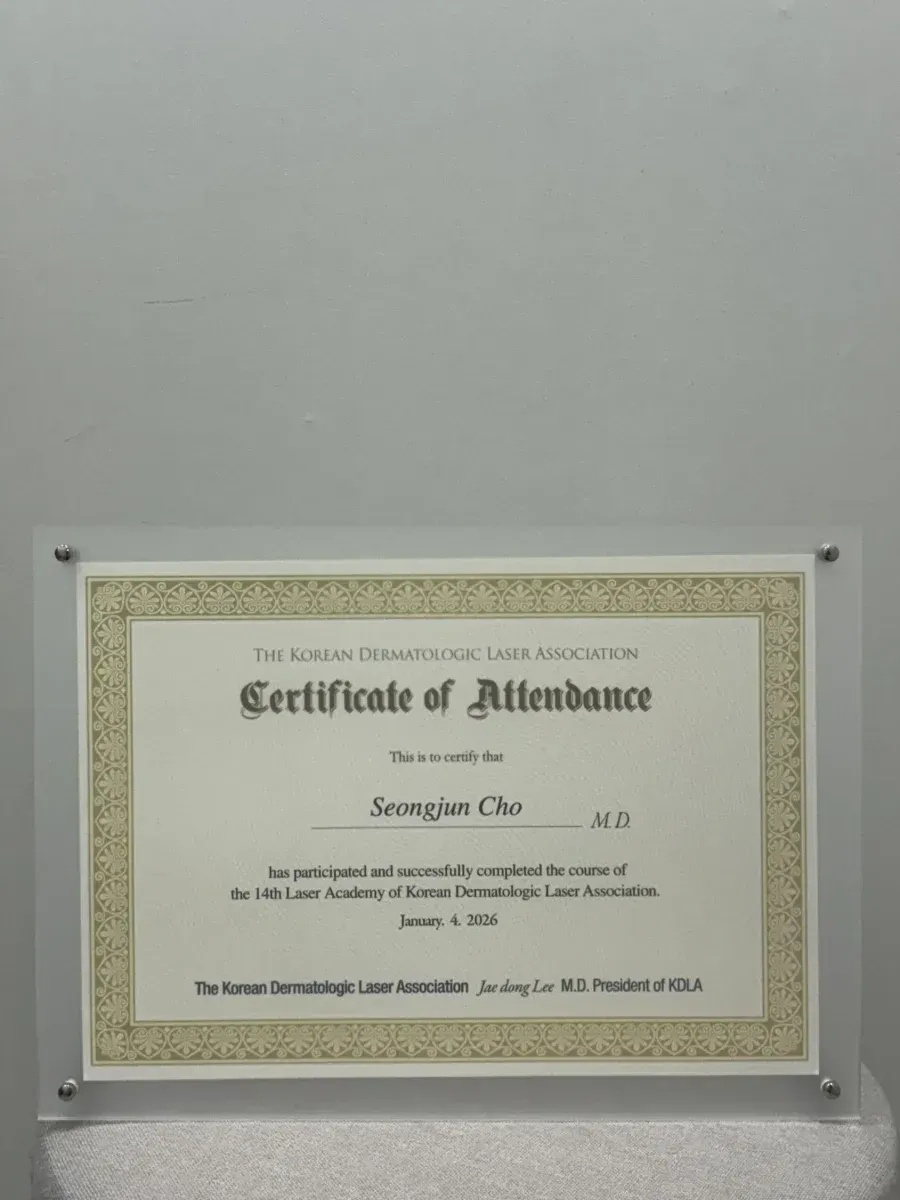
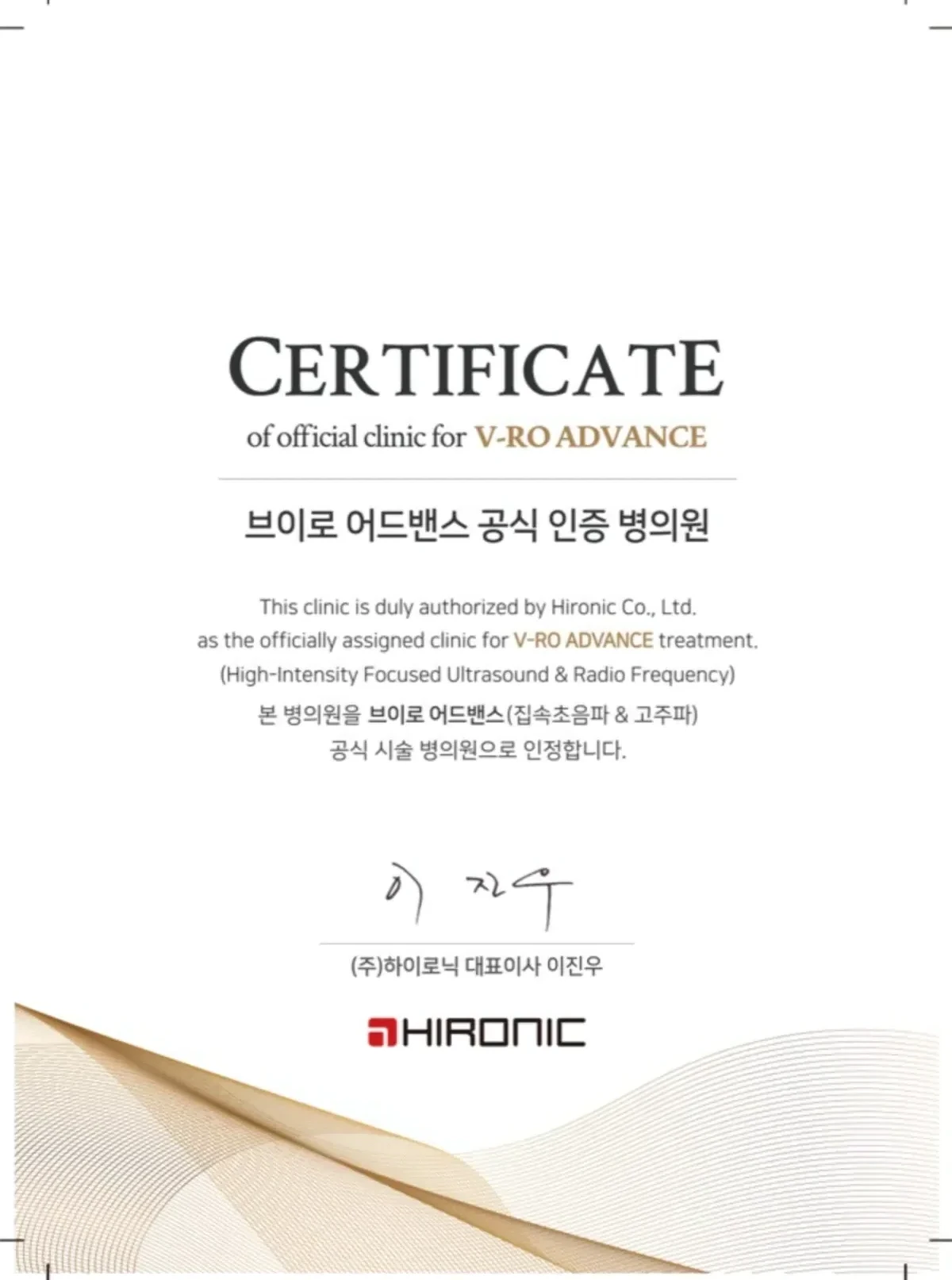
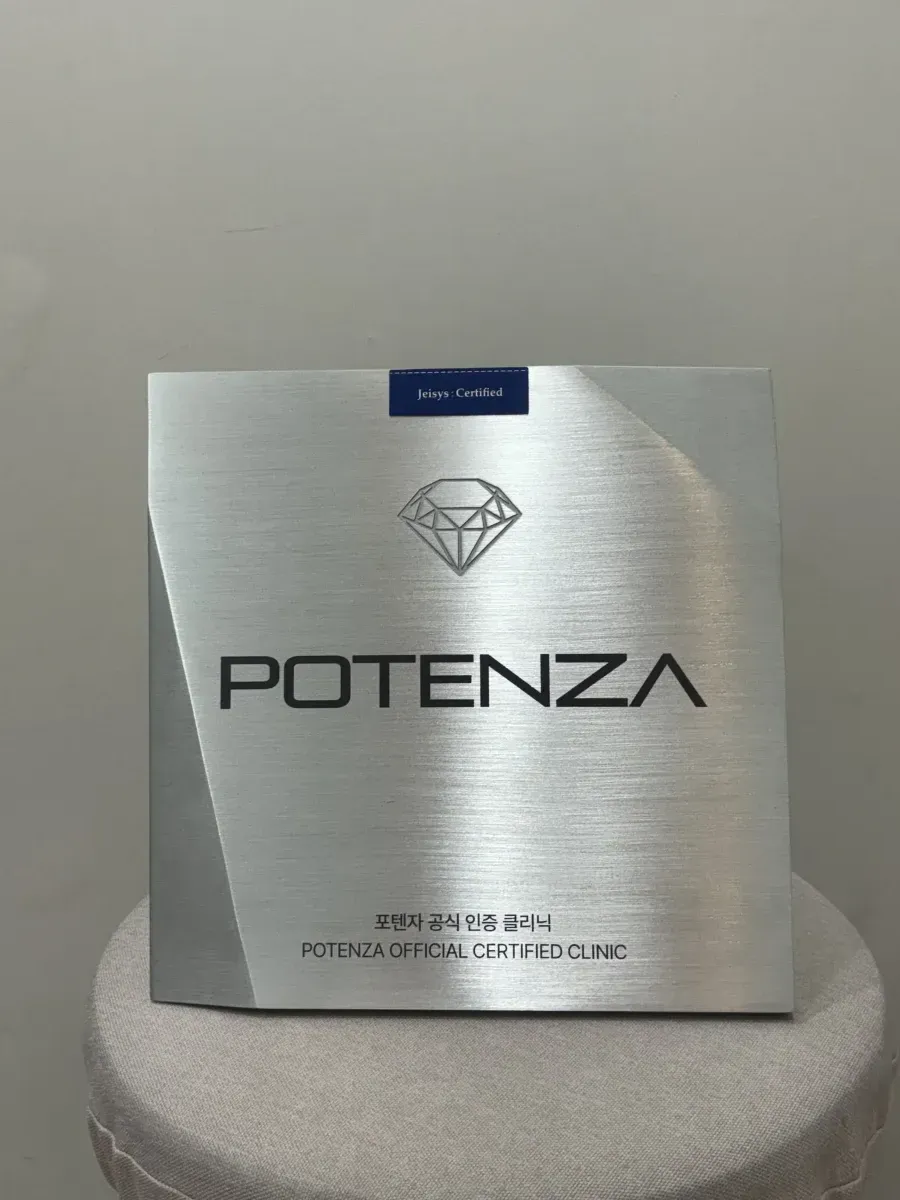
Brand-Authenticated Equipment & Training



Our doctors are certified by Korea’s top dermatological societies





Latest from Our Instagram
Real treatments, patient reactions, and behind-the-scenes from RE:BERRY.
Tap any video for sound & fullscreen
What our patients say
Real verified reviews from our Google Business Profile
Popped into Reberry Incheon while in Korea because I wanted to check out some local beauty treatments! The staff was super friendly. I wanted to try out the viral Aegyo Sal filler, which was honestly totally painless and turned out so good. It’s super conveniently located right near Incheon Airport (T1 & T2), Unseo...
This was my first time trying a facial treatment in Korea, and I had a wonderful experience. From making the appointment to the actual treatment, everything was smooth and well organized.
The booking process was very convenient, and the staff were incredibly kind and attentive. They explained each step clearly, made s...
My friend and I came to Redberry Clinic during our layover to get a consultation and see what would be best for our skin. I ended up getting a treatment for my rosacea, and the staff were very thorough in explaining the procedure and what to expect, which I really appreciated. Everyone was also super friendly and welco...
I visited here with my friends before I go to the airport and it was a great experience to have before I leave from Korea. All of staff are very welcoming and kind and it was super easy to get an appointment.(They said it’s possible for walk-ins as well.)
I would come back here again if I have a chance to come to Korea...
Highly recommend. We will return next time we have a layover in Seoul. Easy communication on whatsapp to book the appointment. 15 minutes away from Incheon airport. White jade injection took only 15 minutes. Very professional and clean operation.
Numbers That Tell Our Story
Real procedures performed.
Frequently Asked Questions About Microneedling vs Laser
Expert answers from RE:BERRY Incheon Airport’s skin rejuvenation specialists.
RE:BERRY Incheon Airport’s Dr Sunbeen Kim, an Aesthetic Medicine Specialist backed by 1,000,000+ treatments across RE:BERRY clinics (Gangnam, Myeongdong, Incheon Airport), personally evaluates every patient to determine the microneedling vs laser Korea protocol. His assessment includes Mark-Vu skin analysis, Fitzpatrick typing, and scar morphology classification. The same physician performs treatment — 100% continuity, unlike US chains where 60% of cases are handed off.
RE:BERRY Incheon Airport guarantees 100% physician-performed microneedling and laser sessions start-to-finish. Dr Sunbeen Kim is certified on POTENZA RF and Pico Fraxel, calibrating and operating both platforms personally. Korean boutique continuity exceeds US chain clinics where 60% of cases involve handoffs. Explore RE:BERRY Thermage for complementary care.
RE:BERRY Incheon Airport holds 5 active manufacturer certifications: POTENZA RF (Jeisys Medical), Pico Fraxel, Genesis 1064nm, LDM ultrasound, and Dermio Care. All 30+ devices are FDA or KFDA-approved — zero parallel imports. Dr. Sunbeen Kim and Dr Kim completed 200+ supervised cases each. Korean operators train 3x more than US counterparts for better outcomes.
RE:BERRY Incheon Airport prices microneedling vs laser Korea. Korea beats US pricing for identical FDA-cleared devices decisively — Korean volume discounts drive savings while maintaining quality standards international patients expect.
RE:BERRY Incheon Airport publishes all 6 microneedling vs laser Korea prices transparently across April 2026 with zero hidden fees. Korean transparency includes consultation, numbing, and post-care — unlike US clinics that add hidden device, room, and disposable fees afterwards.
RE:BERRY Incheon Airport combined microneedling vs laser Korea saves 60-75% versus US or UK clinics even when factoring round-trip flights and hotels. Korean combination protocols remain unmatched globally.
RE:BERRY Incheon Airport’s POTENZA RF penetrates 0.5-3.5mm for structural scar remodeling while Pico Fraxel targets surface texture — combined for 60-80% improvement after 3-5 sessions spaced 4 weeks apart.
| Feature | POTENZA | Pico Fraxel |
|---|---|---|
| Downtime | 1-2 days | 3-5 days |
RE:BERRY Incheon Airport provides 75% of patients with combined microneedling and laser in a single visit since technologies target different tissue layers. Korean combo protocols save more than US separate-visit models. Book.
RE:BERRY Incheon Airport data shows POTENZA RF reduces pore diameter 35-45% vs 20-30% for Pico Fraxel alone after 3 sessions at 4-week intervals. Korean combination outperforms US single-device plans decisively with better value.
RE:BERRY Incheon Airport charges, and sterile protocols across the board.
| Factor | Incheon | Gangnam |
|---|---|---|
| ICN travel | 15 min free | 60-90 min |
RE:BERRY Incheon Airport creates 100% individualized microneedling vs laser Korea protocols per patient while chains offer one-size-fits-all standardized packages instead.
| Feature | RE:BERRY | Chain |
|---|---|---|
| Consultation | 60-90 min | 15-20 min |
| Same doctor | 100% | 40% |
| Language support | 5 | 1-2 |
RE:BERRY Incheon Airport data: 90% of POTENZA RF patients fly within 24 hours; 85% of Pico Fraxel patients fly within 24-48 hours. Combined sessions may need 24-48 hours for optimal comfort. The clinic is 15 min from ICN Terminal 1 with free pickup. Korean airport proximity saves more travel than Seoul-central options.
RE:BERRY Incheon Airport reports POTENZA RF with insulated tips is 85% safer than conventional lasers for Fitzpatrick IV-VI skin, with PIH rates below 2%. Pico Fraxel’s picosecond pulses also minimize PIH risk through photomechanical vs thermal mechanisms. 40% of patients are Fitzpatrick IV-VI. Korean expertise outperforms US options. Add boosters.
RE:BERRY Incheon Airport recommends 2-3 days for combined microneedling and laser protocol. Day 1: arrive, free airport pickup, 90-min consultation + POTENZA session. Day 2: Pico Fraxel or sightseeing. Day 3: final check, depart. For 6-session programs, schedule trips 4-6 weeks apart. Korean 365-day availability beats US scheduling limits.
RE:BERRY Incheon Airport provides 90-day WhatsApp aftercare post-microneedling and laser. Photo-check reminders at days 3, 7, 30 allow Dr Sunbeen Kim to monitor recovery. Microneedling needs 48 hours barrier protection; laser requires 72 hours sun avoidance. Emergency video consultation within 2 hours. Korean remote monitoring saves return trips. Aftercare.
Ready to Transform Your Skin with Microneedling vs Laser Korea Expertise?
Book your microneedling vs laser Korea consultation with Dr. Sunbeen Kim at RE:BERRY Incheon Airport — Open 6 days a week, 15 minutes from ICN Terminal 1. POTENZA RF Pico Fraxel
Got a Layover in Korea? This Clinic Near Incheon Airport Offers Aesthetic Treatments in Under 4 Hours — Business Wire, 2026-04-13
Book Your Microneedling or Laser Consultation
Fill out the form and our multilingual team will confirm as soon as possible via your preferred contact method.
- ✓ Free consultation with our doctors
- ✓ 5-language support (EN, ZH-CN, ZH-TW, JA, ES)
- ✓ Inside Incheon International Airport
- ✓ Perfect for layover treatments
- ✓ Visa / Mastercard accepted
- ✓ Current promotion pricing available
Request an Appointment
How to Find RE:BERRY Incheon Airport
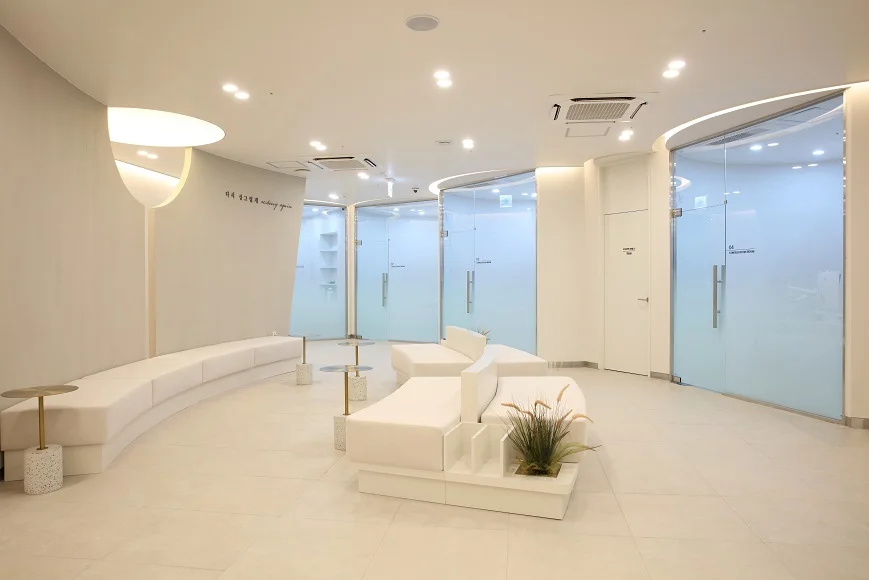
20 mins from Incheon Airport Terminal 1 by shuttle or taxi. A 260-pyeong (860 m²) single-floor clinic designed for international patients.
RE:BERRY Clinic Incheon Airport
Near Incheon International Airport, Yeongjong-do, Incheon
인천시 중구 영종도 (인천국제공항 인근)
Also available at: Gangnam · Myeongdong