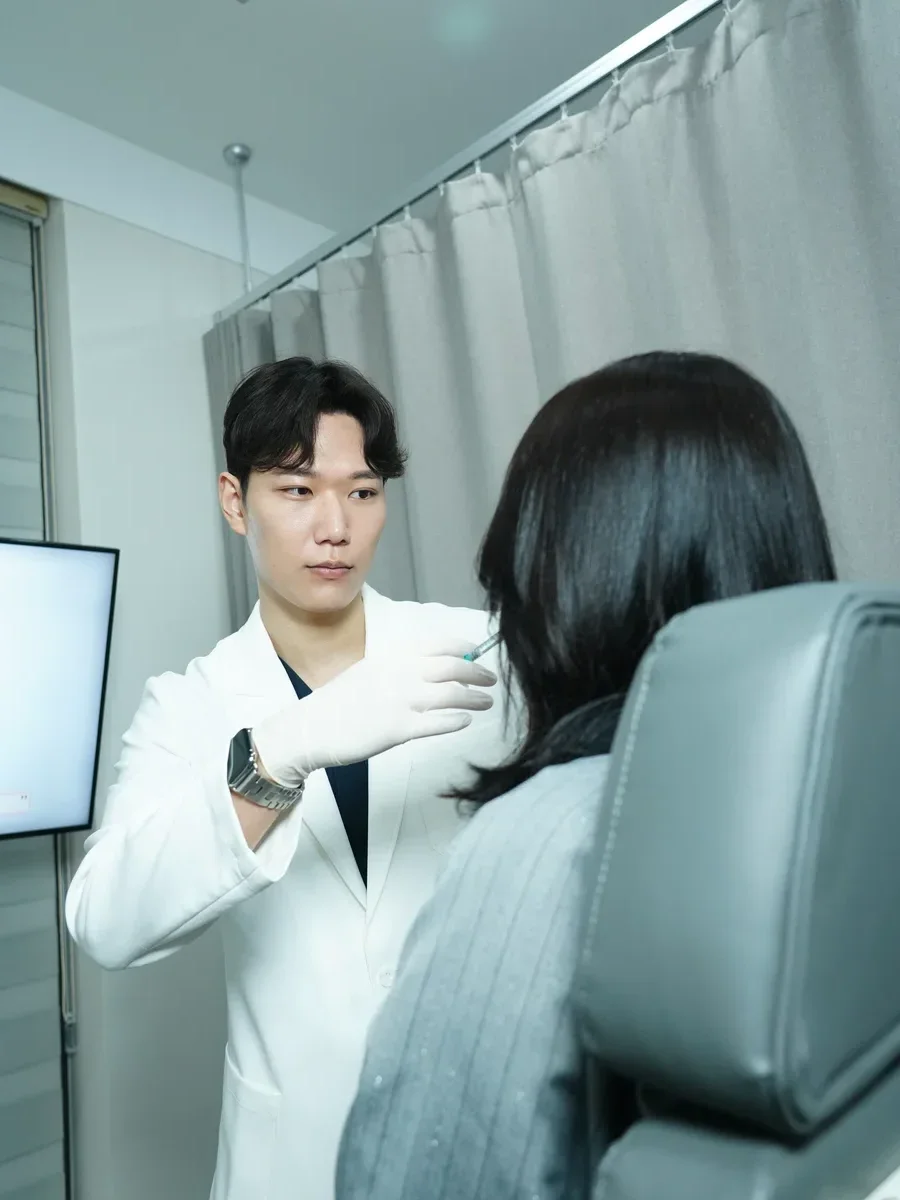
Nose Fillers Korea Non-Surgical Nose Reshaping at RE:BERRY Incheon Airport
Korea is the world leader in rhinoplasty — both surgical and non-surgical. Non-surgical nose filler uses hyaluronic acid to refine the nasal bridge, smooth dorsal humps, lift the tip, and correct asymmetry in just 15-20 minutes with zero downtime. At RE:BERRY Incheon Airport, physicians with deep expertise in Asian nasal anatomy perform all nose filler injections using KFDA-approved HA products that are fully reversible with hyaluronidase. The perfect ‘try before you commit’ option for patients considering rhinoplasty. Airport pickup, 8-language support, 365 days open.
What Are Nose Fillers and Why Get Them in Korea?
Non-surgical nose filler (liquid rhinoplasty) uses hyaluronic acid dermal filler injected along the nasal dorsum and tip to reshape the nose without surgery. The procedure takes 15-20 minutes, produces immediate results, requires zero downtime, and is fully reversible with hyaluronidase enzyme. Korea is the ideal destination because Korean physicians have the world’s most extensive experience with both surgical and non-surgical rhinoplasty, particularly for Asian nasal anatomy where bridge augmentation and tip refinement are the most common goals.
The nose is the central feature of the face, and even subtle changes can significantly impact facial harmony. Non-surgical nose filler can address several common concerns: low nasal bridge (adding height and definition), dorsal hump (camouflaging by filling above and below the bump), droopy nasal tip (lifting with strategic filler placement at the tip), mild asymmetry (correcting by adding volume to the deficient side), and post-rhinoplasty irregularities (smoothing contour issues). At RE:BERRY Incheon Airport, Dr. Cho Sung-Jun and Dr. Kim Dong-Young evaluate each patient’s nasal anatomy comprehensively, considering the relationship between nose, forehead, chin, and overall facial proportions. Korean aesthetic principles emphasize natural harmony over dramatic change. The treatment uses a fine needle (rather than cannula for the nose) with slow, controlled injection technique. Only HA fillers are used for nasal augmentation at RE:BERRY — never permanent or semi-permanent fillers like calcium hydroxylapatite, which carry higher complication risks in the nose’s complex vascular anatomy. HA’s reversibility with hyaluronidase provides a critical safety net. For patients considering rhinoplasty surgery in Korea, nose filler offers a risk-free preview: if you love the result, surgery can achieve a permanent version; if you want adjustments, the filler simply dissolves over 12-18 months. This ‘try before you commit’ approach is increasingly popular among international patients visiting Korea. At RE:BERRY Myeongdong, the LSCO 2 threads + Juvederm nose filler 1cc + bunny line Botox package is ₩790,000. Incheon Airport branch pricing is available upon consultation. Nose filler pairs with nasolabial fold filler, chin filler, and masseter Botox for complete facial contouring in a single visit.
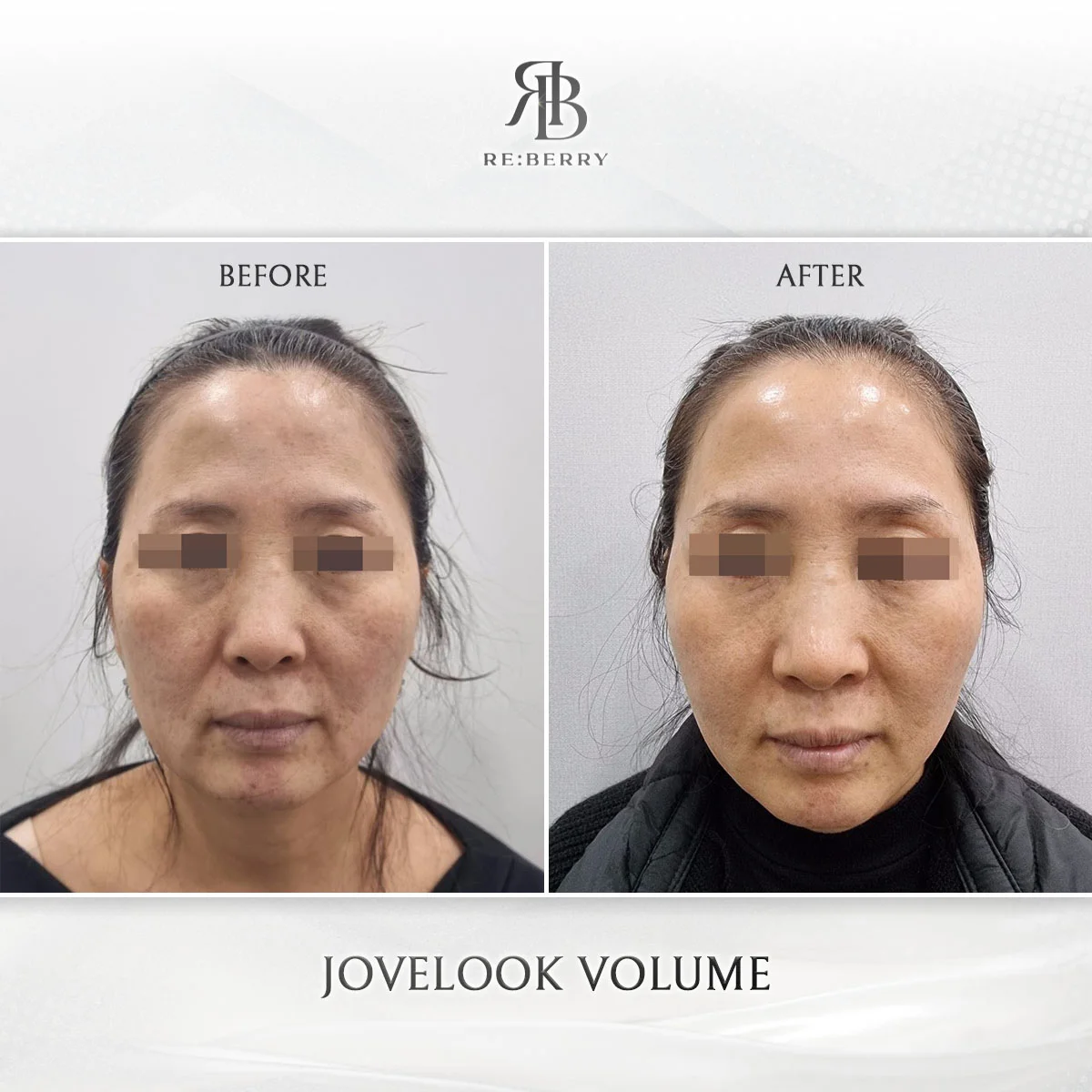
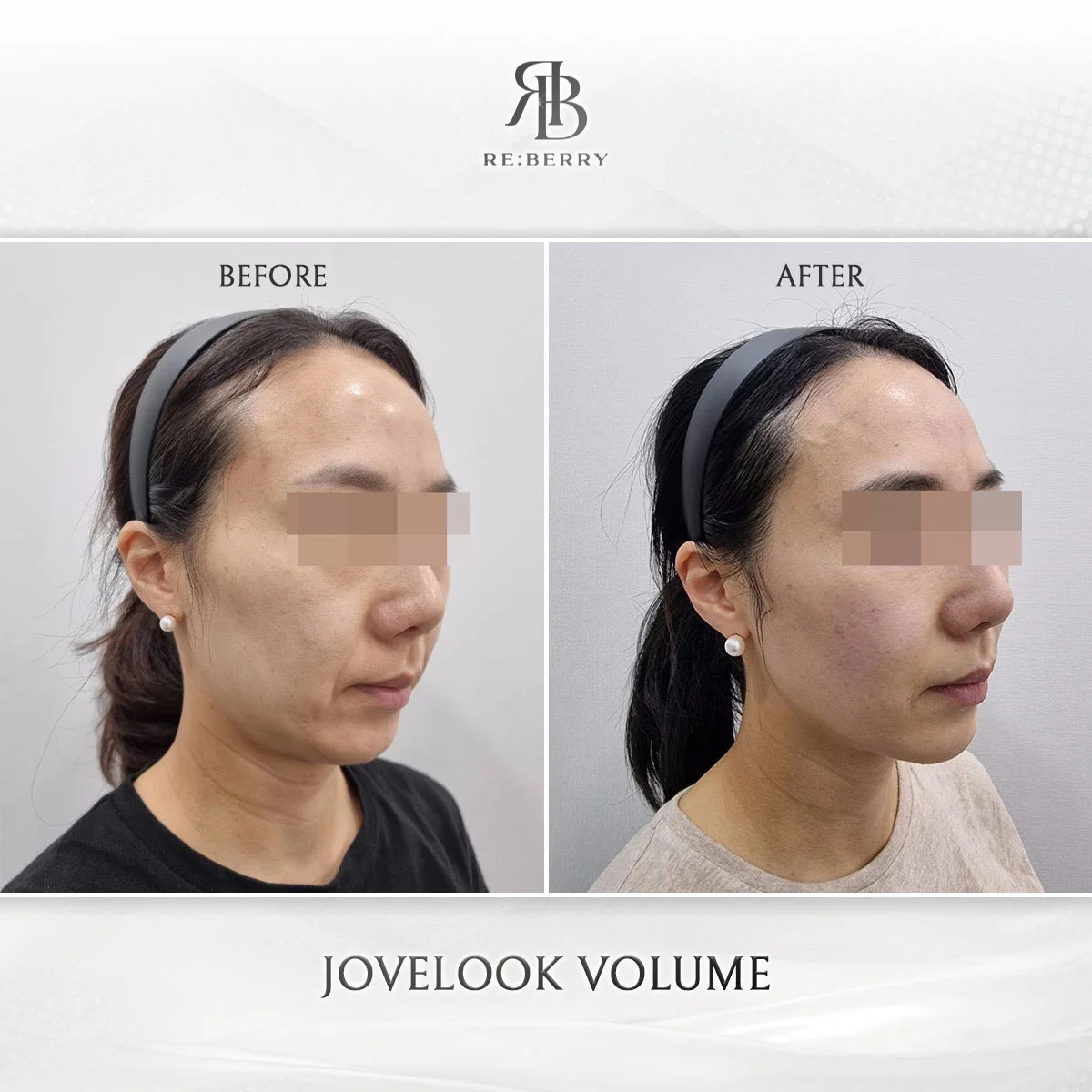
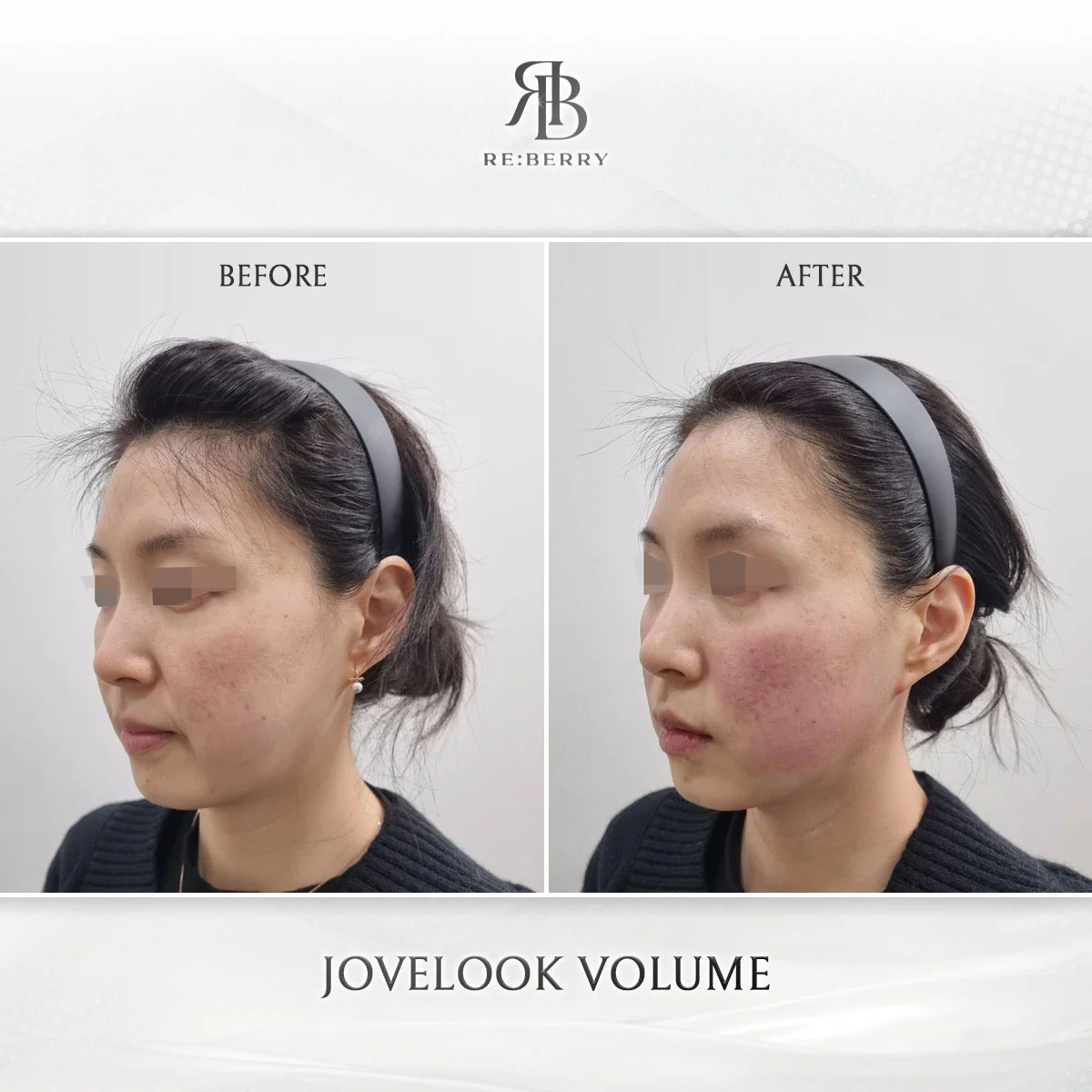
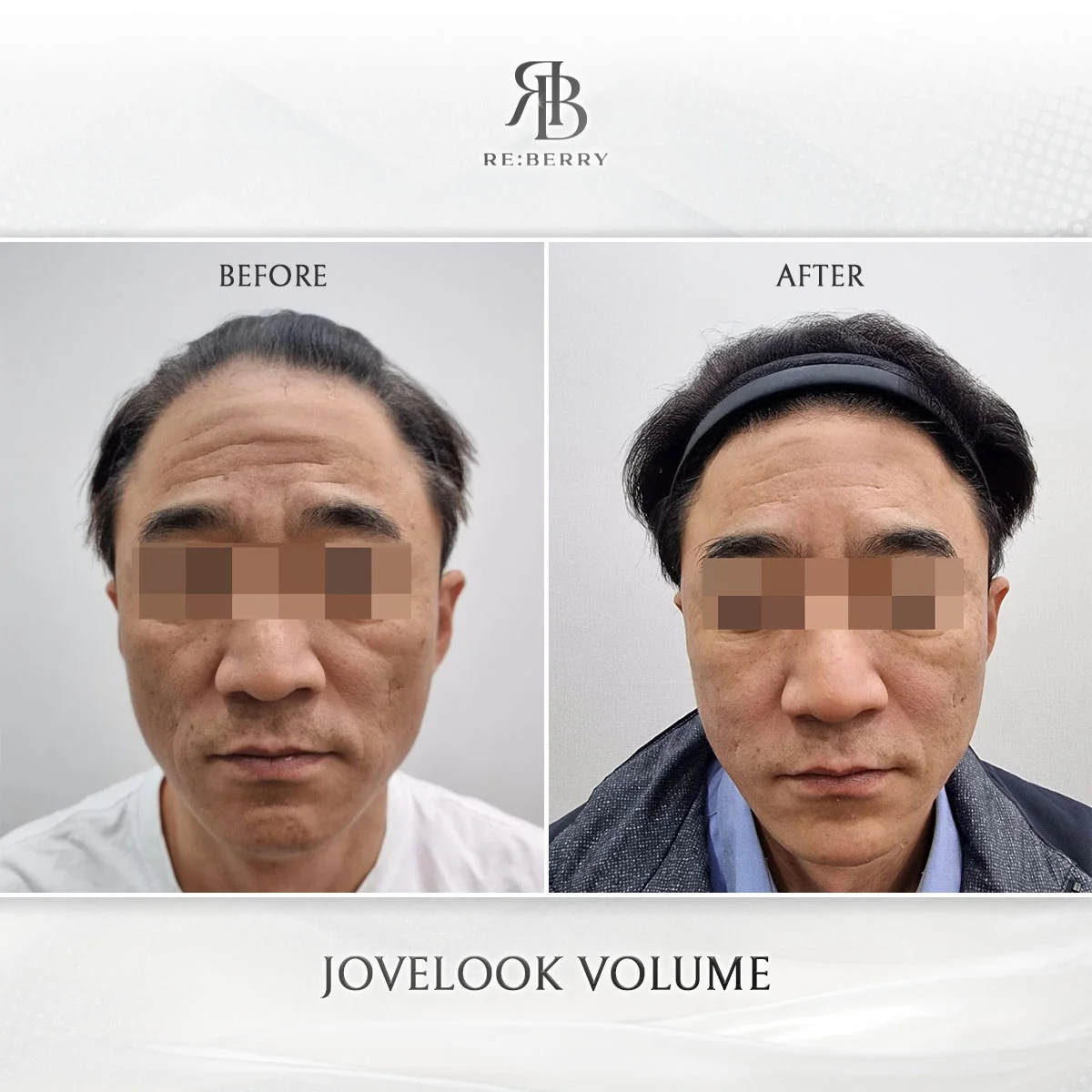
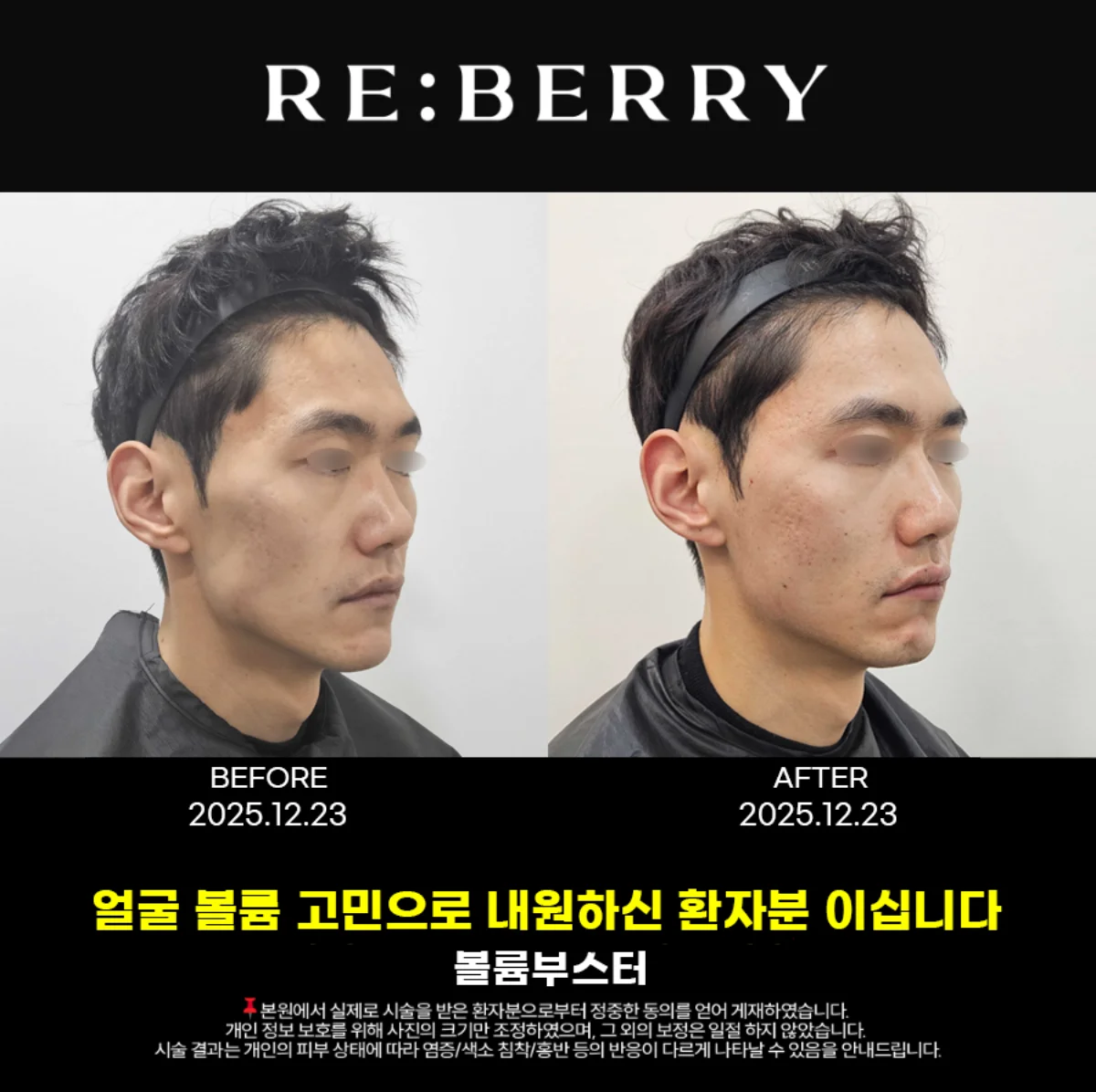
Filler Results at RE:BERRY Korea
Filler treatment outcomes at RE:BERRY Incheon Airport.
How Non-Surgical Nose Filler Works at RE:BERRY Korea
Korean-standard nose filler protocol emphasizing safety, precision, and natural results.
Nasal Anatomy Assessment & Goal Setting
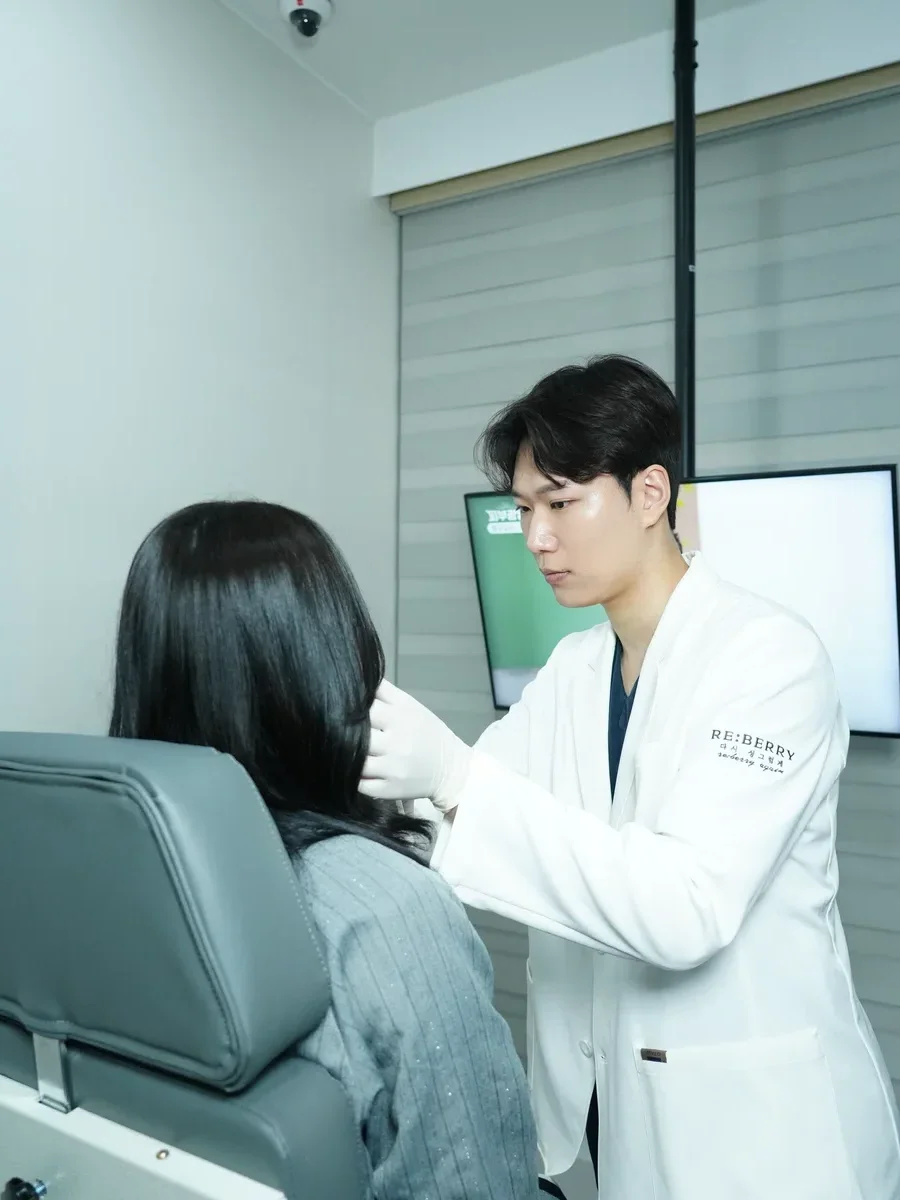
Dr. Cho or Dr. Kim performs a thorough nasal assessment, evaluating bridge height, dorsal profile (straight, humped, or scooped), tip projection, tip rotation, nostril symmetry, and skin thickness. The nose is assessed in relation to other facial features — forehead projection, midface depth, chin position — to determine the ideal nasal proportions for overall facial harmony. Korean aesthetic principles guide the assessment: natural refinement that enhances beauty without appearing artificial. The physician discusses which concerns filler can address (bridge height, hump camouflage, tip lift) and which require surgical rhinoplasty (size reduction, nostril narrowing). Photos may be taken for treatment planning.
Topical Numbing & Safety Preparation
Topical anesthetic cream is applied to the nose 20-30 minutes before injection. The nasal skin is cleaned with antiseptic. The physician marks injection points on the nose. HA filler is selected — typically a firmer formulation for the nasal dorsum (where structural support is needed) and potentially a softer formulation for the tip (where flexibility matters). Only HA fillers are used for nasal injection at RE:BERRY, never permanent fillers. Hyaluronidase (the HA dissolution enzyme) is prepared and immediately accessible as a safety precaution. Product authenticity is verified with sealed packaging.
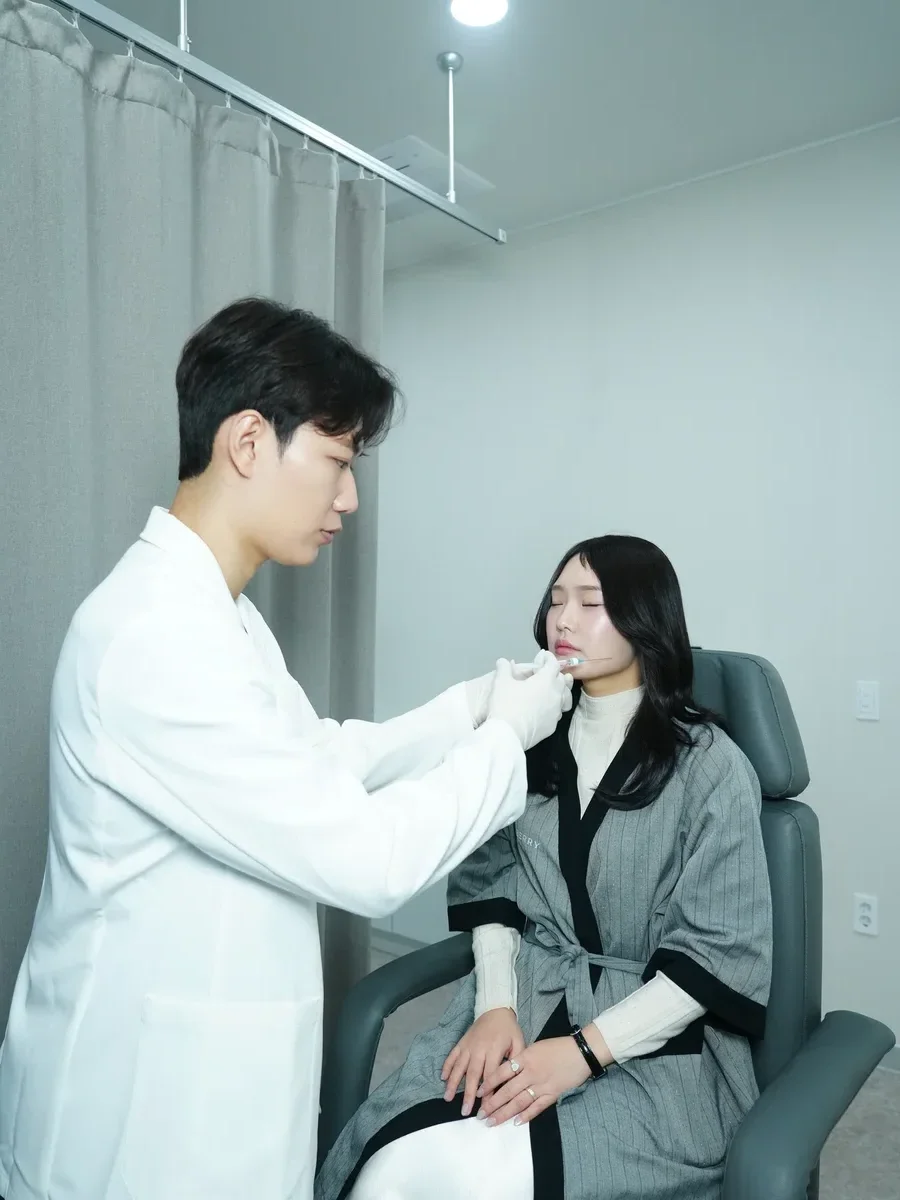
Precision Nasal Injection
Using a fine needle (27-30G), the physician injects HA filler along the nasal dorsum in the deep subcutaneous or supraperiosteal plane. Injection is performed extremely slowly — 0.05-0.1ml per injection point — with constant monitoring of skin color (blanching indicates vascular compromise and requires immediate attention). For bridge augmentation, filler is placed in a linear threading technique along the dorsum. For hump camouflage, filler is deposited above and below the hump to create a straight profile. For tip lift, a small bolus is placed at the tip-defining point. The physician constantly checks symmetry and profile from multiple angles. Total volume: typically 0.5-1.5cc. Total injection time: 10-15 minutes.
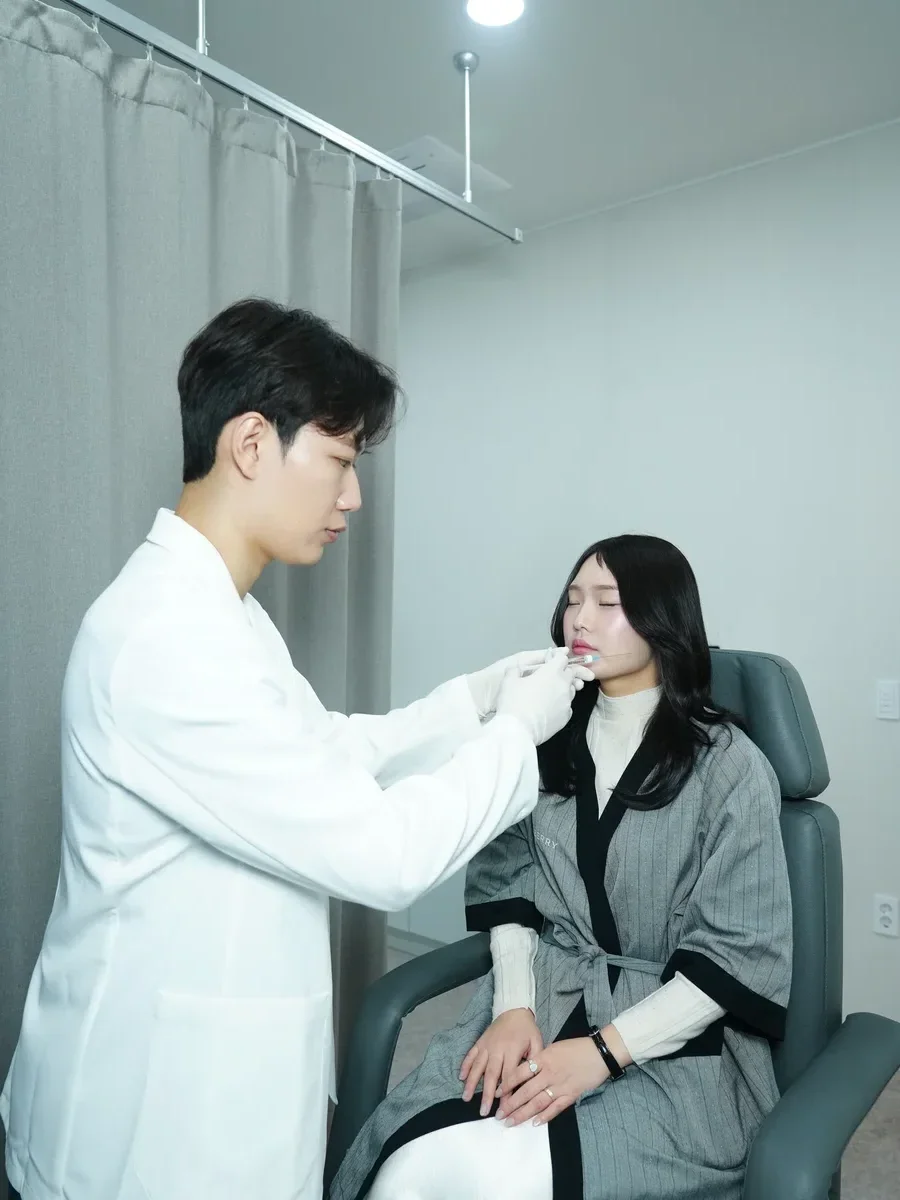
Sculpting & Travel-Friendly Recovery
The physician gently molds the injected filler for precise contour and smooth transitions. The patient views the result from multiple angles and discusses any final adjustments. Aftercare: do not press, squeeze, or massage the nose for 2 weeks (the filler needs to stabilize); avoid glasses on the bridge for 1-2 weeks if possible (use contacts); avoid strenuous exercise for 24 hours; sleep on your back for 2-3 nights. Mild swelling subsides in 1-3 days. Results are immediately visible and settle into their final form over 1-2 weeks. You can fly from Incheon Airport the same day. RE:BERRY provides aftercare instructions in your language.
Benefits of Non-Surgical Nose Filler in Korea
- Zero Downtime: Unlike rhinoplasty surgery (1-2 weeks splint, 2-4 weeks swelling), nose filler requires zero downtime. Fly same day, work tomorrow, no bandages.
- Immediate Results: See your new nose profile immediately after injection. No waiting weeks for swelling to resolve as with surgery.
- Fully Reversible: HA filler can be completely dissolved with hyaluronidase within hours if needed. The ultimate safety feature for nose reshaping.
- Korean Rhinoplasty Expertise: Korea performs more rhinoplasty procedures than any other country. This surgical understanding directly informs non-surgical technique, producing exceptionally refined results.
- Try Before You Commit: Nose filler lets you preview a reshaped nose before considering permanent surgery. Live with the result for 12-18 months and decide if you want to make it permanent.
- Cost-Effective: Non-surgical nose filler costs a fraction of rhinoplasty surgery. No hospital fees, no anesthesia costs, no recovery time. Ideal for subtle refinement.
| Timeline | What to Expect |
|---|---|
| Immediately | New nose profile visible. Bridge appears higher, straighter. Tip may appear more projected or lifted. Mild swelling adds temporary extra volume. |
| Day 1-3 | Mild swelling subsides. Filler settles. Avoid pressing on nose. Sleep on back. |
| Week 1-2 | Final result apparent. Swelling completely resolved. Filler integrated with tissue. Can resume wearing glasses. |
| Month 1-6 | Results stable and natural. The nose looks and feels normal. Filler maintains its shape in the low-movement nasal environment. |
| Month 6-12 | Minimal change. Nose fillers last longer than most facial zones due to minimal muscle movement along the dorsum. |
| Month 12-18 | Gradual softening. Touch-up recommended for maintained profile. Many patients retain visible improvement at 18+ months. |
Non-Surgical Nose Filler vs. Rhinoplasty Surgery in Korea
| Feature | Nose Filler (Non-Surgical) | Rhinoplasty Surgery | Thread Nose Lift |
|---|---|---|---|
| Procedure Time | 15-20 minutes | 1-3 hours | 30-45 minutes |
| Anesthesia | Topical numbing only | General or IV sedation | Local anesthesia |
| Downtime | None | 1-2 weeks (splint), 2-4 weeks swelling | 3-5 days |
| Results | Immediate | 3-6 months (swelling resolution) | Immediate |
| Duration | 12-18 months | Permanent | 6-12 months |
| Reversible | Yes (hyaluronidase) | No | Partially |
| Can Reduce Size | No | ✓ | No |
| Can Narrow Nostrils | No | ✓ | No |
| Can Augment Bridge | ✓ | ✓ | Mild |
| Can Lift Tip | Mild-moderate | Yes (full control) | ✓ |
| Risk Level | Low | Moderate-high | Low-moderate |
| Korea Price Range | Consultation-based | ₩3,000,000-10,000,000+ | ₩200,000-500,000/thread |
Nose Filler Pricing in Korea at RE:BERRY
Nose filler pricing at RE:BERRY Incheon Airport is available upon consultation. Reference pricing shown. All prices exclude VAT.
Non-Surgical Nose Filler
- HA filler (volume determined by goals)
- Physician-only precision injection
- Fine needle technique (not cannula)
- Immediate nose reshaping results
- 12-18 month duration
- Fully reversible with hyaluronidase
Reference: LSCO Threads + Juvederm Nose + Bunny Botox
- LSCO 2 threads for nose structure
- Juvederm nose filler 1cc
- Korean bunny line Botox
- Combined nose enhancement protocol
Complementary: Chin Filler + Chin Botox
- Juvederm 1cc chin filler
- Korean chin Botox
- Enhances nose-chin balance
- V-line facial proportion
Meet Your Doctor
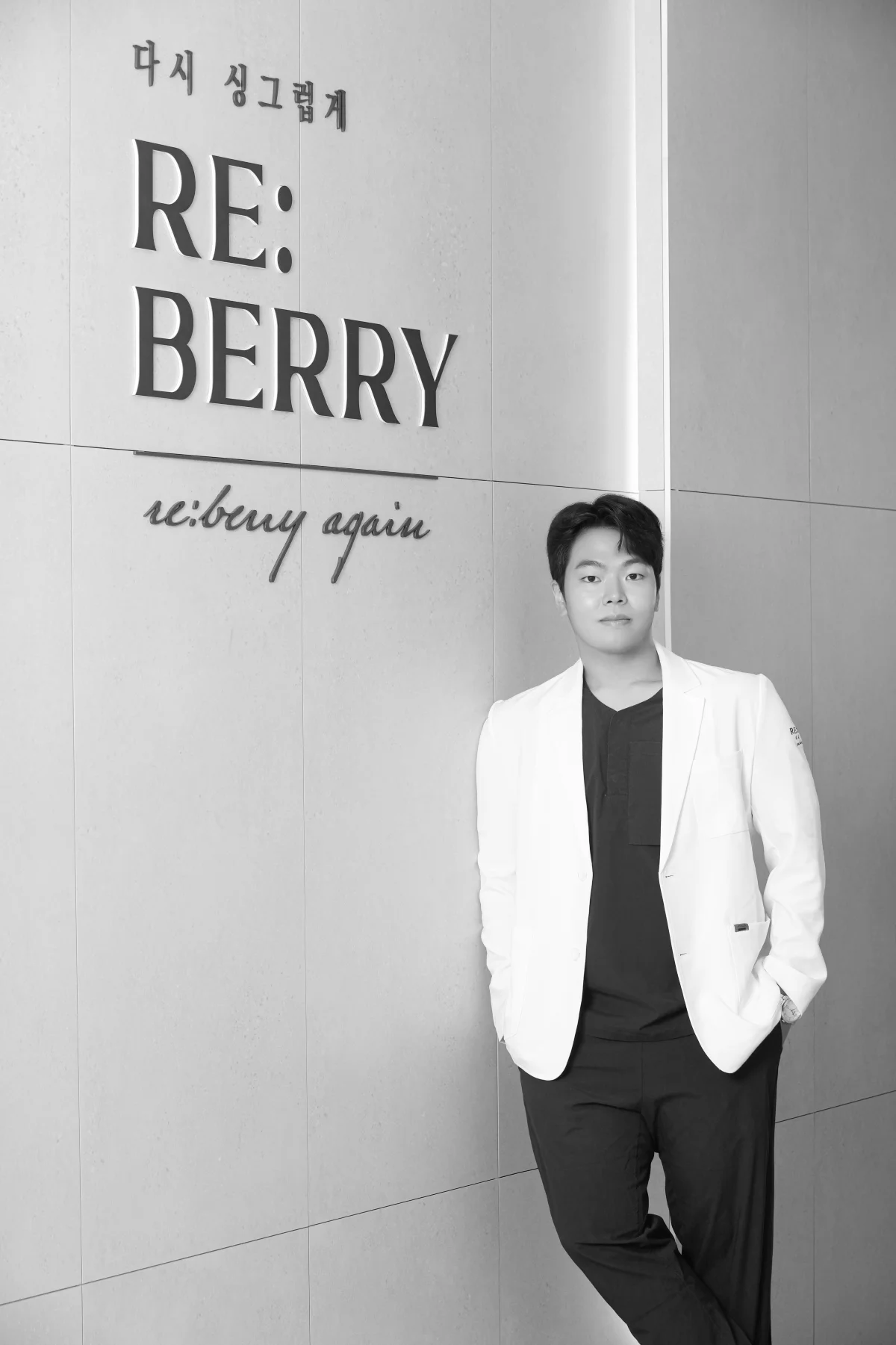
Dr. Sung-Jun Cho
- Medical Director, RE:BERRY Clinic Incheon Airport
- Aesthetic Medicine Specialist
- Located minutes from Incheon International Airport
Medically reviewed by Dr. Sung-Jun Cho, Medical Director / Aesthetic Medicine Specialist, RE:BERRY
The Science Behind Non-Surgical Nose Filler
Clinical evidence and anatomical considerations for safe, effective nasal HA filler injection.
Nasal Anatomy and Safe Injection Zones
The nose has complex vascular anatomy including the dorsal nasal artery, lateral nasal artery, and columellar artery. The angular artery (a terminal branch of the facial artery) runs along the nasolabial fold and supplies the nasal ala. Vascular occlusion is the most serious complication of nasal filler, potentially causing skin necrosis or, in rare cases, vision impairment via retrograde flow to the ophthalmic artery. Beleznay et al. (2015) in Dermatologic Surgery published a comprehensive review of filler-related vascular events, emphasizing the critical importance of: (1) slow injection speed, (2) small volume per injection point, (3) aspiration before injection, (4) constant monitoring for blanching, and (5) immediate availability of hyaluronidase. These principles guide every nasal filler procedure at RE:BERRY.
HA Filler Selection for the Nose
Nasal augmentation requires a filler with high G prime (firmness) to provide structural support and resist gravitational spread. Juvederm Voluma, Restylane Lyft, and similar high-viscosity HA formulations are preferred for the nasal dorsum. Softer fillers (Volbella, Belotero) are occasionally used for fine contour adjustments. The choice of HA over permanent fillers (Radiesse, Bellafill, PMMA) for nasal injection is strongly recommended because permanent fillers in the nose’s complex vascular territory carry unacceptable complication risk without reversibility option. Kim et al. (2014) in Aesthetic Plastic Surgery found that 82% of Korean physicians prefer HA fillers for non-surgical rhinoplasty due to the reversibility advantage.
Korean Non-Surgical Rhinoplasty Outcomes
Korea’s extensive experience with non-surgical rhinoplasty has produced robust outcome data. Park et al. (2017) in the Journal of Cosmetic Dermatology studied 120 Asian patients receiving HA nasal filler, reporting 93% satisfaction at 6 months with a complication rate under 2% (bruising, mild swelling). The study found that supraperiosteal injection on the nasal dorsum provided the longest-lasting results (mean 14 months) compared to subcutaneous placement (mean 10 months). The low complication rate reflects Korean physicians’ high-volume experience with nasal injection anatomy.
References: Beleznay K et al. Dermatol Surg. 2015;41(S1):S222-S233 (doi:10.1097/DSS.0000000000000558) | Kim JH et al. Aesthetic Plast Surg. 2014;38(2):327-331 (doi:10.1007/s00266-014-0274-4) | Park KY et al. J Cosmet Dermatol. 2017;16(4):504-509 (doi:10.1111/jocd.12348)
International Patients Share Their Korea Nose Filler Experience
“I came to Korea planning rhinoplasty surgery but Dr. Cho suggested trying filler first to see if it achieved my goal. The bridge augmentation was subtle but transformative — my nose profile went from flat to elegantly defined. 15 minutes, no pain, no downtime. I flew home the next day. Six months later I am so happy I went the non-surgical route. The result is natural and exactly what I wanted.”
“I had a small dorsal hump that always bothered me. Dr. Kim injected filler above and below the hump, creating a perfectly straight profile in minutes. The technique was incredibly precise — I felt nothing after the numbing cream. The result looks like I had surgery but with zero recovery time. Amazing Korean expertise.”
“The nose filler at RE:BERRY Incheon Airport was one of the best decisions I made during my Korea trip. Dr. Cho enhanced my bridge height and slightly lifted my tip, creating better proportion with my chin and forehead. The Chinese-speaking coordinator explained everything clearly. I will definitely come back for a touch-up next year.”
Frequently Asked Questions About Nose Fillers in Korea
Expert answers about non-surgical nose filler at RE:BERRY Incheon Airport, Korea.
Nose filler at RE:BERRY Incheon Airport is priced upon consultation based on volume needed (typically 0.5-1.5cc). Reference: LSCO threads + Juvederm nose filler + bunny Botox is ₩790,000 at RE:BERRY Myeongdong. Korean nose filler is significantly less expensive than Western countries.
Korea performs more rhinoplasty (surgical and non-surgical) than any other country. Korean physicians have unmatched experience with Asian nasal anatomy and aesthetic principles. KFDA product regulation, physician-only injection, and competitive pricing make Korea the top destination.
When performed by experienced physicians using HA filler with proper technique (slow injection, small volumes, aspiration, monitoring), nose filler is safe. The critical safety advantage is HA reversibility with hyaluronidase. RE:BERRY keeps hyaluronidase immediately accessible for all nose filler procedures.
12-18 months typically. The nasal dorsum has minimal muscle movement, so filler lasts longer than most facial zones. Some patients retain visible results at 18-24 months. Touch-up extends results.
Yes. HA filler can be completely dissolved with hyaluronidase enzyme within hours. This is the primary reason only HA fillers should be used in the nose — reversibility provides a critical safety net.
Filler can address: low bridge (augmentation), dorsal hump (camouflage), droopy tip (lift), mild asymmetry (correction). Filler cannot: reduce nose size, narrow nostrils, correct structural issues. It is ideal for refinement or as a trial before surgery.
Nasal dorsum (bridge), radix (between eyes), tip (projection and lift), columella (base), and dorsal hump camouflage. The physician determines which zones to treat during consultation based on your specific goals.
Topical numbing cream is applied 20-30 minutes before. Most patients rate discomfort 3-4/10. The nose is more sensitive than other facial zones, but modern numbing makes the procedure tolerable. Each injection point takes just seconds.
Essentially zero. Mild swelling 1-3 days. Possible bruising (rare with proper technique). Avoid pressing on nose 2 weeks. Avoid glasses on bridge 1-2 weeks if possible. Otherwise, resume all activities immediately.
Yes. You can fly from Incheon Airport the same day. Mild swelling does not prevent travel. Avoid pressing on nose or wearing heavy glasses during flight.
The nose has complex vascular anatomy. If vascular occlusion occurs, HA filler can be immediately dissolved with hyaluronidase, restoring blood flow. Permanent fillers (Radiesse, PMMA) cannot be dissolved, making complications much more serious. Patient safety is the priority.
When injected in the proper plane (supraperiosteal for the dorsum) by an experienced physician, nose filler maintains its position. Avoid pressing or massaging the nose for 2 weeks while the filler stabilizes. High G-prime (firm) HA fillers resist migration.
HA filler can be dissolved with hyaluronidase within hours, returning your nose to its pre-treatment appearance. This reversibility is the key advantage of non-surgical nose reshaping.
Yes, in many cases. Nose filler can address post-rhinoplasty irregularities, asymmetries, or contour issues. The physician assesses your surgical history and nasal anatomy during consultation to determine suitability.
Typically 0.5-1.5cc. Bridge augmentation only: 0.5-1cc. Bridge + tip: 1-1.5cc. Hump camouflage: 0.3-0.5cc. The physician determines the exact amount during consultation.
Yes. Popular combinations: nose filler + chin filler (nose-chin balance), + masseter Botox (V-line), + nasolabial filler. Comprehensive facial contouring in a single visit at RE:BERRY.
Yes. Non-surgical nose filler is one of the most popular aesthetic treatments for Asian patients, who commonly desire bridge augmentation and tip refinement. Korean physicians have unmatched experience with Asian nasal anatomy and aesthetic preferences.
Yes. Airport pickup service available. Near Incheon International Airport on Yeongjong-do. 8-language support. 365 days including holidays.
Before: avoid blood thinners, alcohol, NSAIDs 24-48h. After: avoid pressing/massaging nose 2 weeks, avoid glasses on bridge 1-2 weeks, no exercise 24h, sleep on back 2-3 nights. Sun protection always.
Korean physicians emphasize: (1) natural proportion over dramatic change, (2) slow, controlled injection with minimal volumes, (3) HA-only for nasal injection (safety), (4) comprehensive facial analysis (nose in context of forehead, chin, cheeks), (5) extensive experience with Asian nasal anatomy including thicker skin and lower dorsum.
Mildly. Filler can improve the appearance of mild asymmetry by adding volume to the deficient side. Significant structural crookedness requires surgical correction. The physician assesses during consultation whether filler can achieve a satisfactory improvement for your specific case.
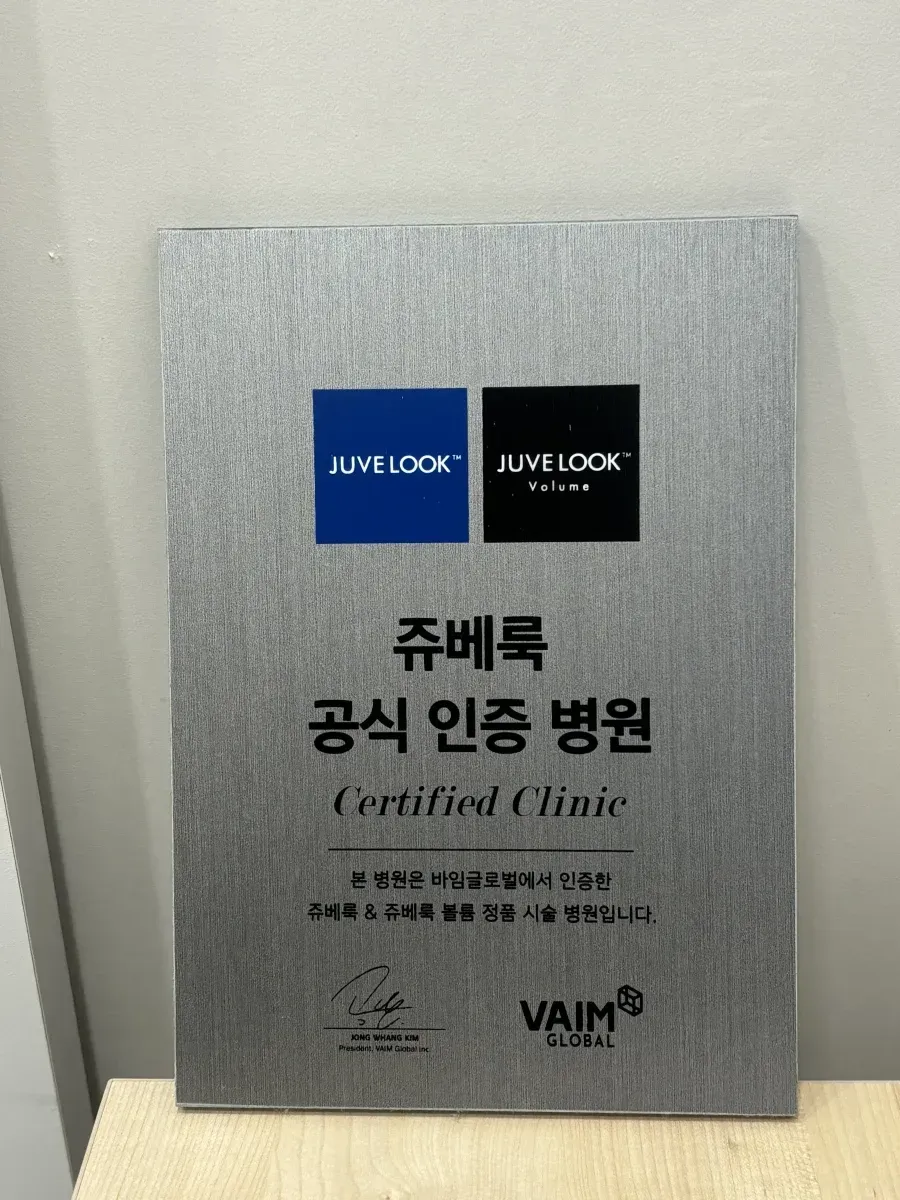
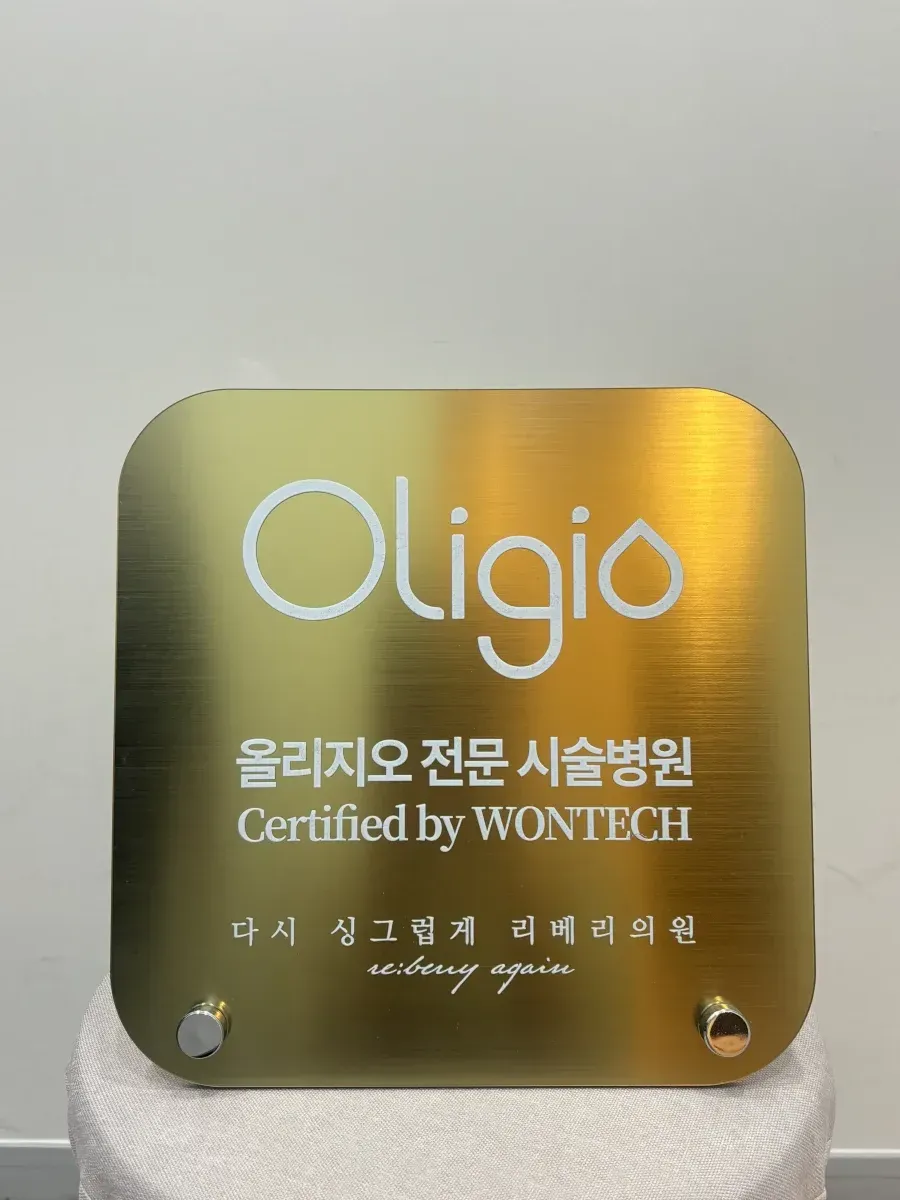
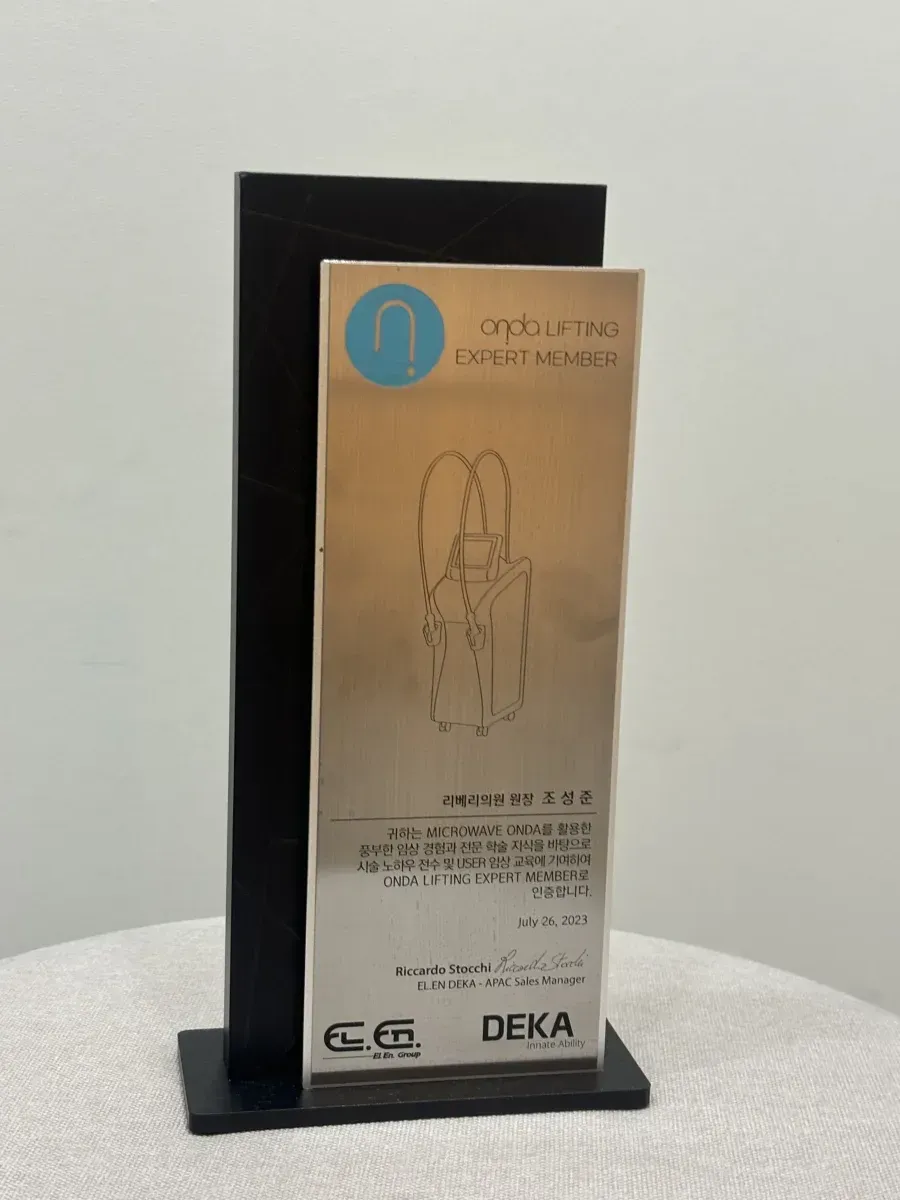
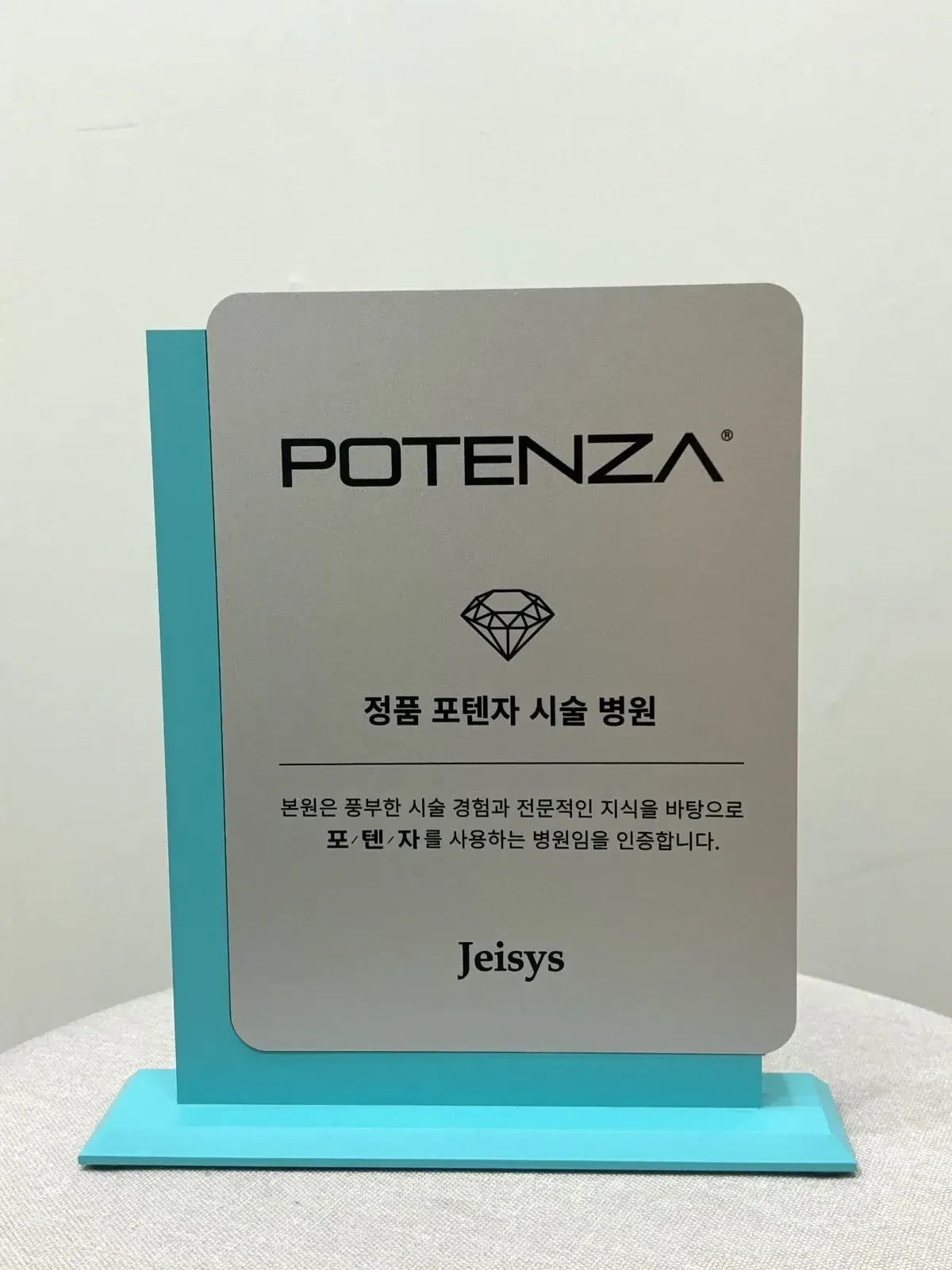
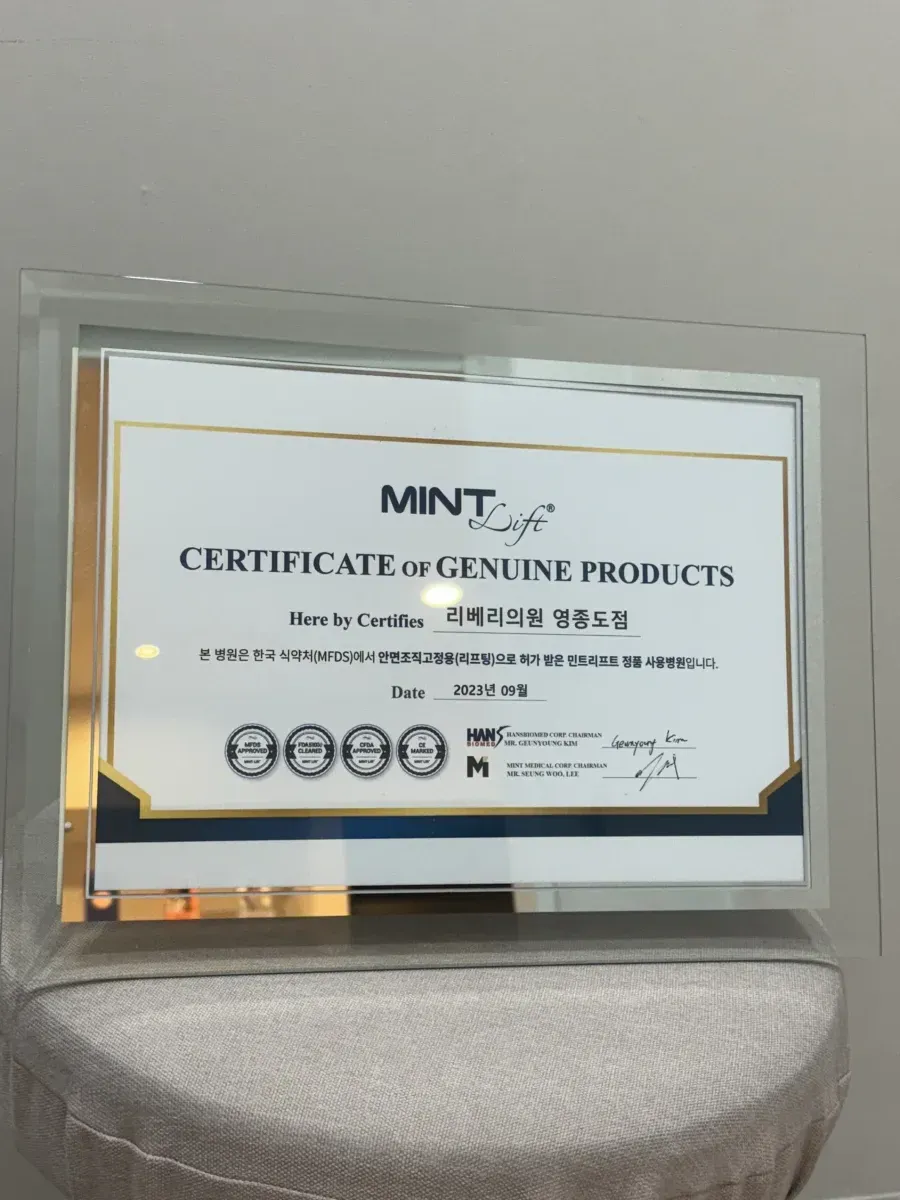
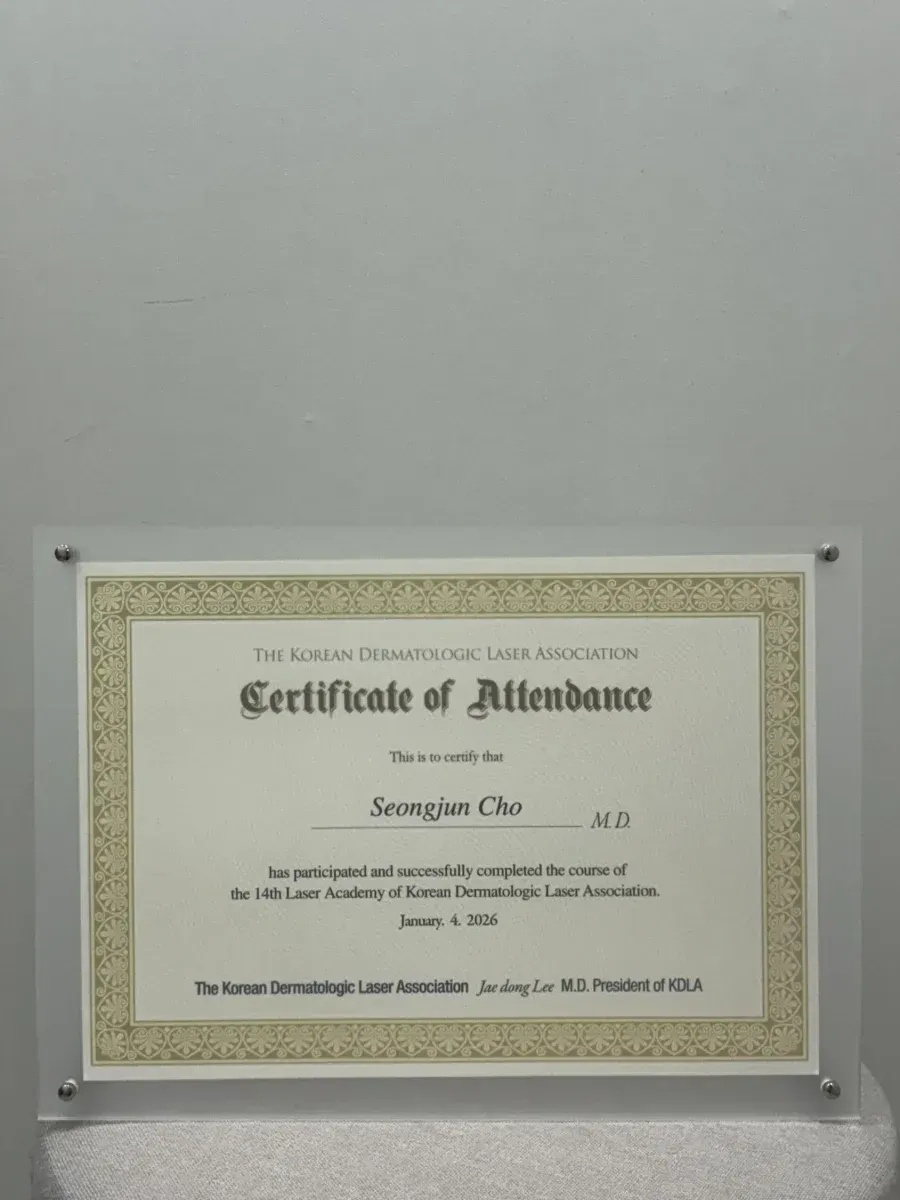
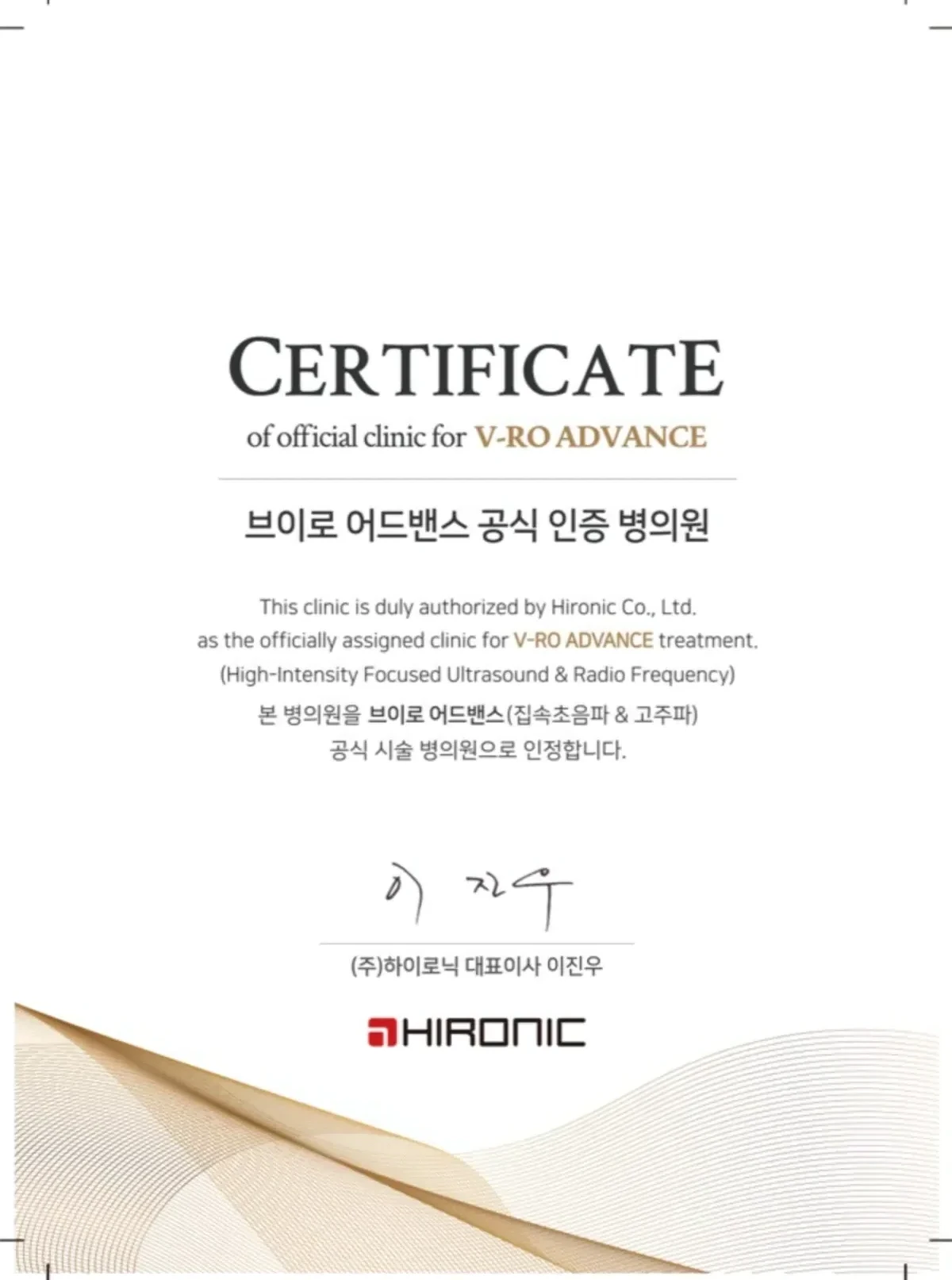
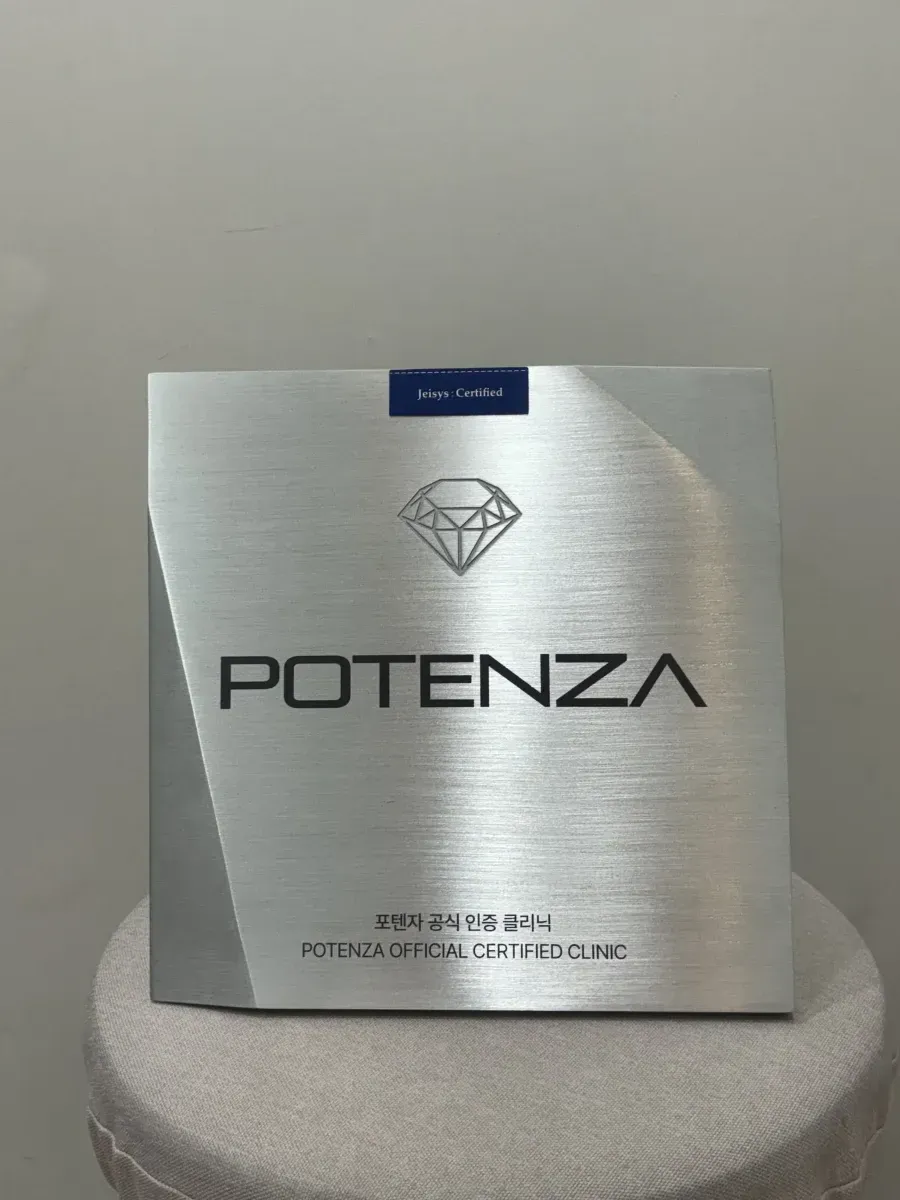
Only Authentic, Brand-Certified Equipment
Every device at RE:BERRY is MFDS-certified and manufacturer-verified. We never use counterfeit or grey-market equipment.
Ready for Non-Surgical Nose Reshaping in Korea?
Book your nose filler consultation at RE:BERRY Incheon Airport. Korean rhinoplasty expertise, zero downtime, fully reversible.
Book Your Nose Filler Consultation in Korea
Fill out the form and our multilingual team will confirm within 2 hours via your preferred contact method.
- ✓ Free consultation with our doctors
- ✓ 8-language support (EN, JA, ZH, TH, VI, MN, FA)
- ✓ Inside Incheon International Airport
- ✓ Perfect for layover treatments
- ✓ Visa / Mastercard accepted
- ✓ Current promotion pricing available