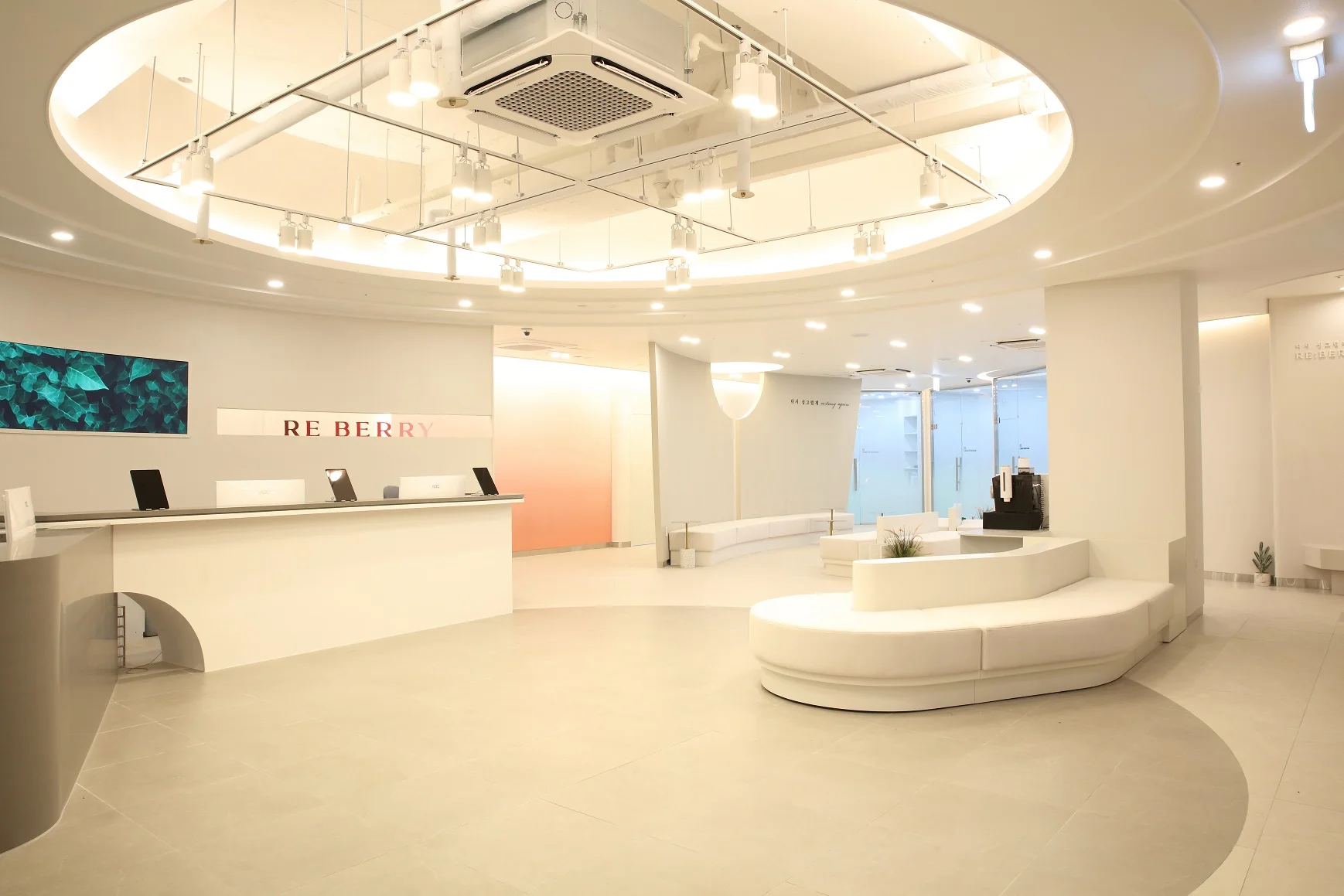
Incheon Airport vs Japan Skin Treatment Price Comparison 2026
Comprehensive side-by-side pricing analysis: aesthetic skin treatments at RE:BERRY Incheon Airport Korea versus leading Japanese clinics in Tokyo, Osaka, and Nagoya. Korean treatments are 40-80% cheaper with equivalent KFDA/PMDA-approved products and physician-administered care. Data-driven comparison for international patients deciding between Korea and Japan for medical aesthetics.
Is Skin Treatment Cheaper at Incheon Airport Korea or in Japan?
Korea is significantly cheaper for virtually every aesthetic skin treatment. At RE:BERRY Incheon Airport in April 2026, wrinkle Botox costs ₩9,900 per site (~$7 USD) versus ¥15,000-40,000 (~$100-260 USD) in Japan — saving 85-95%. Sofwave lifting is ₩990,000 versus ¥350,000-500,000 in Japan — saving 50-70%. Dermal fillers are 40-60% cheaper. RF treatments like Potenza and Onda are 50-65% cheaper. These are not budget clinics: RE:BERRY uses identical KFDA-approved products, physician-only injection, and modern facilities. The price gap reflects Korea’s massive economies of scale from having the world’s highest per-capita aesthetic procedure volume.
Japan has an excellent medical system and high-quality aesthetic clinics, but Japanese pricing for cosmetic procedures is substantially higher than Korea across nearly every category. This is not because Japanese clinics overcharge — it reflects Japan’s different market structure, lower procedure volume per capita for aesthetic treatments, higher operating costs, and less competition among manufacturers. Korea’s aesthetic medicine market is uniquely large relative to its population: over 1 million aesthetic procedures are performed annually in a country of 52 million people, creating economies of scale that no other country can match. At RE:BERRY Incheon Airport, Japanese patients receive the same quality of care they would expect at home — with Japanese-language support, physician-administered treatments, and KFDA-approved products that meet equivalent regulatory standards to Japan’s PMDA — at a fraction of the cost. The clinic’s location near Incheon International Airport means Japanese travelers can receive treatment without the 2+ hour commute to Gangnam, making a day trip from Narita/Haneda to Incheon entirely feasible. For a comprehensive treatment price list, see our full price guide. For specific treatment details: Botox pricing, Sofwave lifting, Potenza RF, skin boosters, Onda lifting.
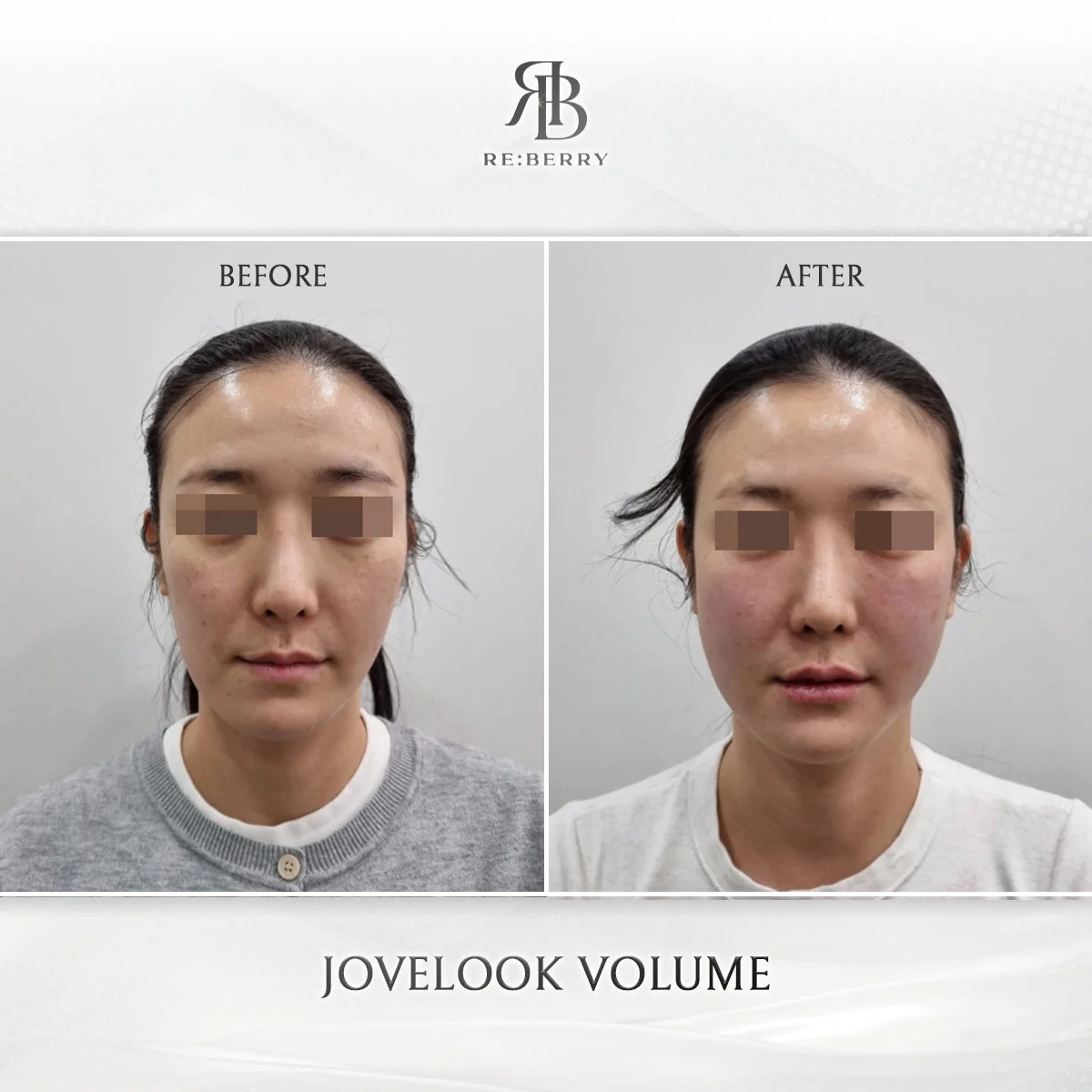
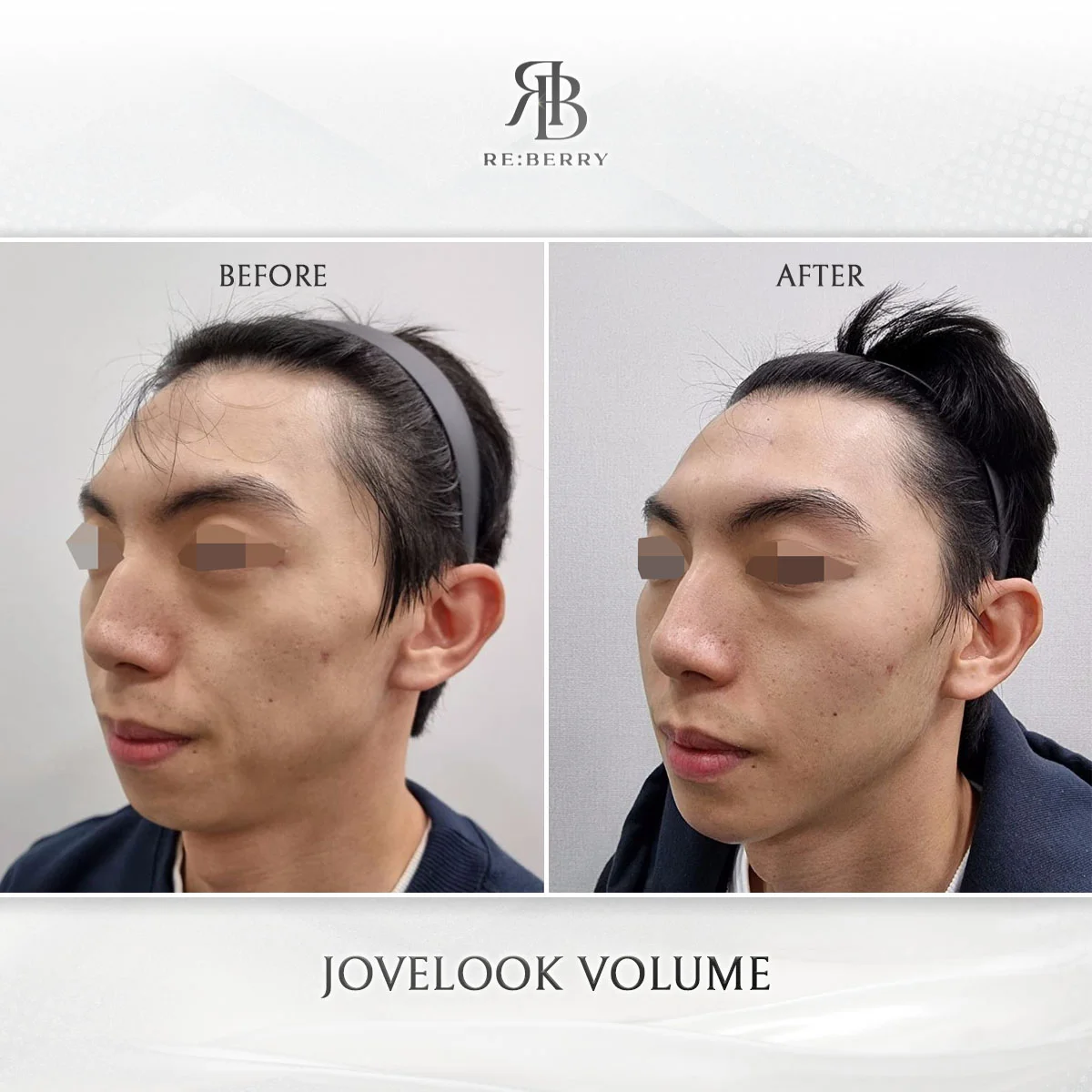
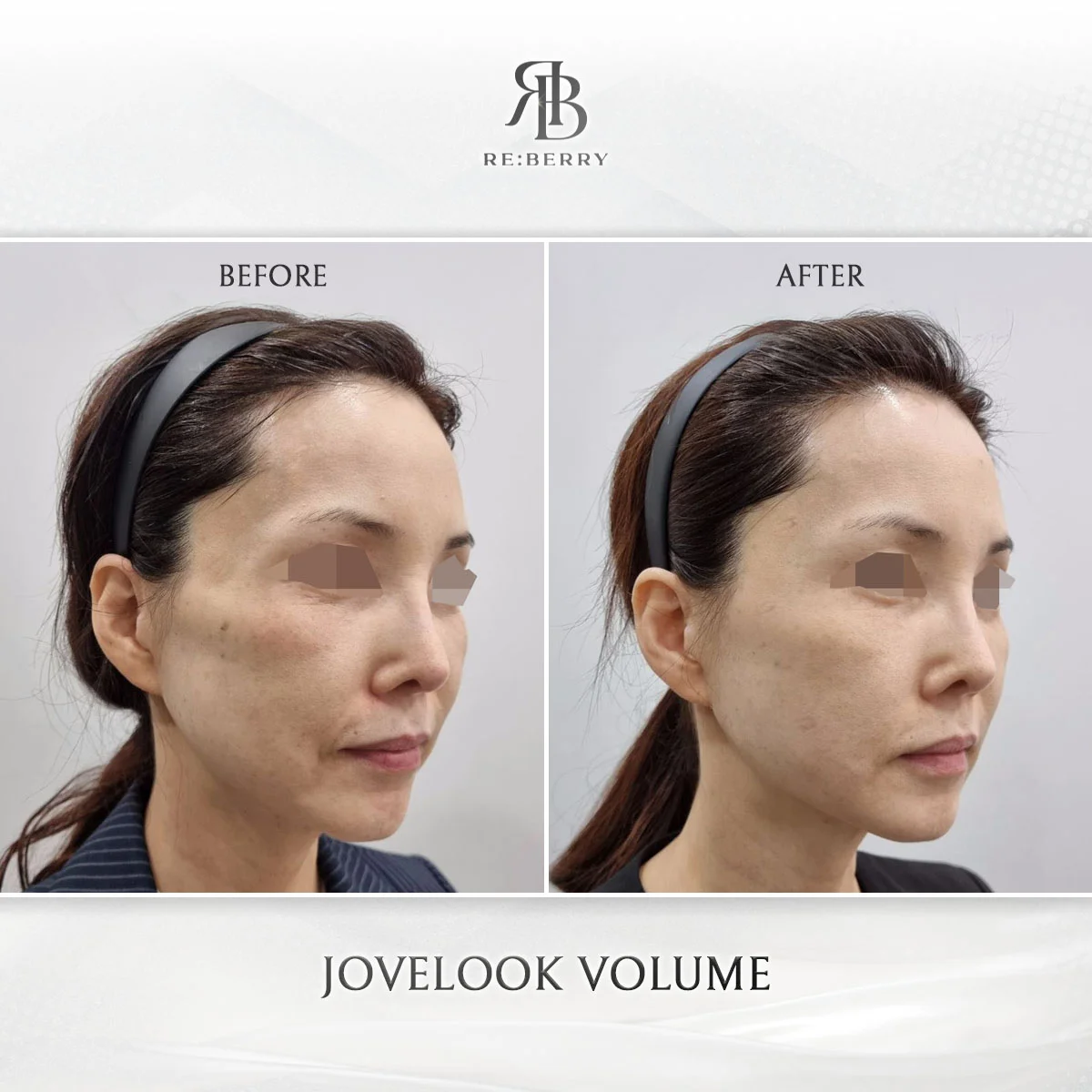
Treatment Results at RE:BERRY Incheon Airport — Same Quality, 40-80% Less
Actual patient results demonstrating world-class outcomes at Korean pricing. The same KFDA-approved products and physician techniques used at premium clinics — at dramatically lower cost than Japan.




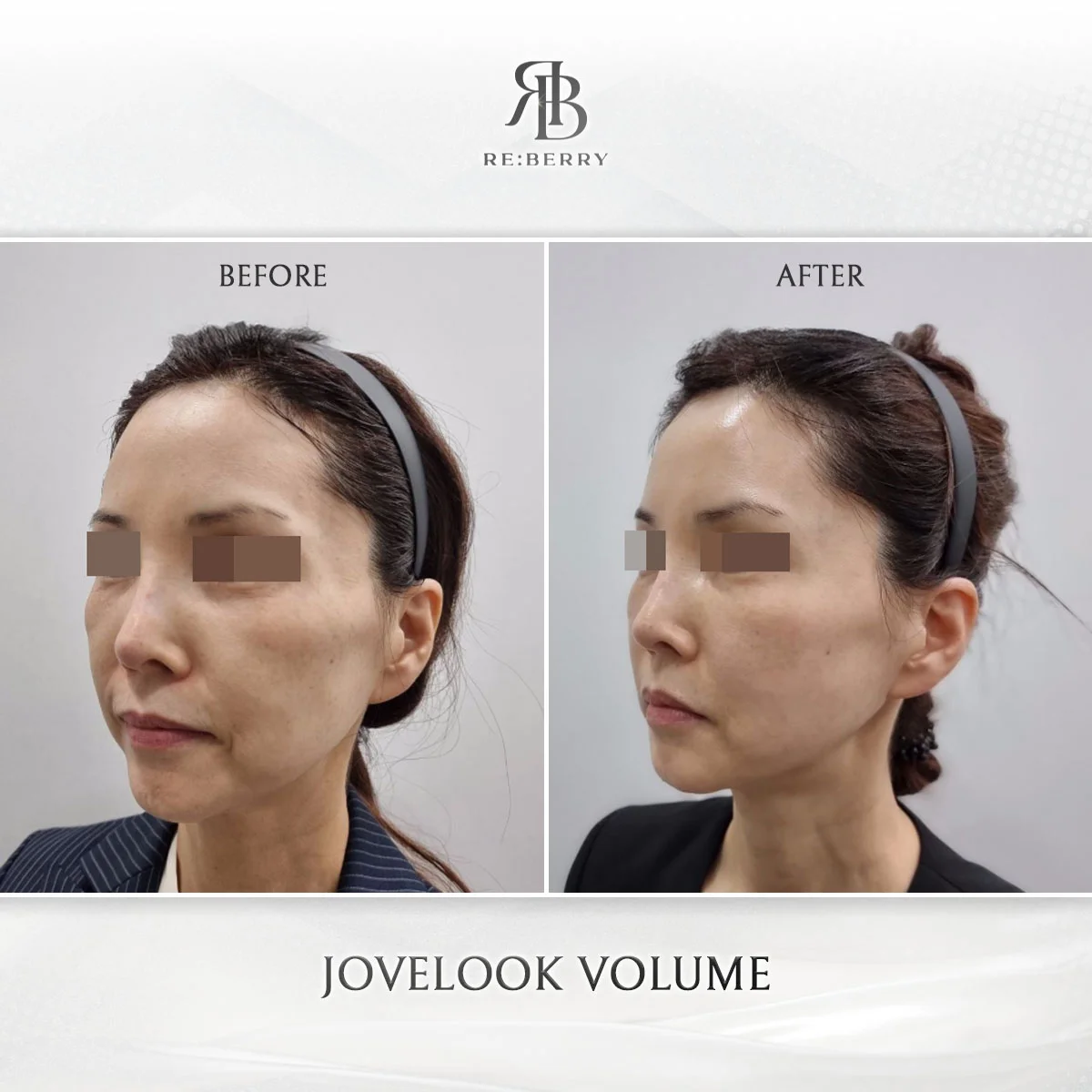
How Japanese Patients Save 40-80% at RE:BERRY Incheon Airport
A streamlined process from comparing prices to receiving treatment near Incheon International Airport.
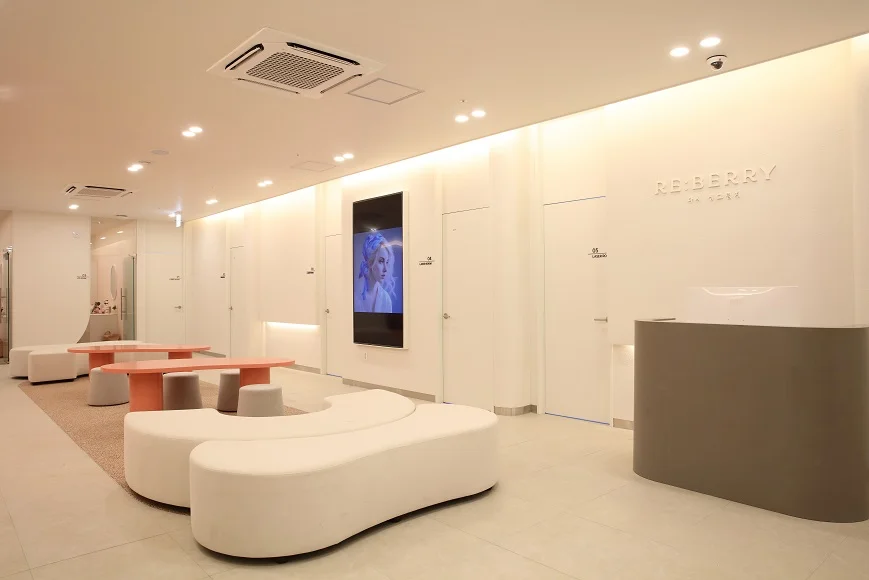
Compare Prices Using This Guide
Review the comprehensive price comparison table below. Korean prices at RE:BERRY Incheon Airport are 40-80% lower than equivalent treatments at Japanese clinics in Tokyo, Osaka, and Nagoya. Identify which treatments offer the most significant savings for your specific needs. Popular high-value treatments for Japanese patients include Sofwave (₩990,000 vs ¥350,000+), Onda (₩650,000 vs ¥300,000+), wrinkle Botox (₩9,900/site vs ¥15,000-40,000/area), and combination skin booster packages. The savings often exceed the cost of the round-trip flight from Japan to Korea.
Book in Japanese — No Language Barrier
Contact RE:BERRY Incheon Airport via LINE, KakaoTalk, or the website booking form. Japanese-language coordinators handle all communication before, during, and after your visit. Specify which treatments you want and your travel dates. The clinic is open 365 days including Japanese holidays (Golden Week, Obon, New Year). For day trips from Japan, Narita/Haneda to Incheon is approximately 2.5 hours. Airport pickup service is available for premium treatment packages. RE:BERRY handles everything from consultation scheduling to aftercare in Japanese.
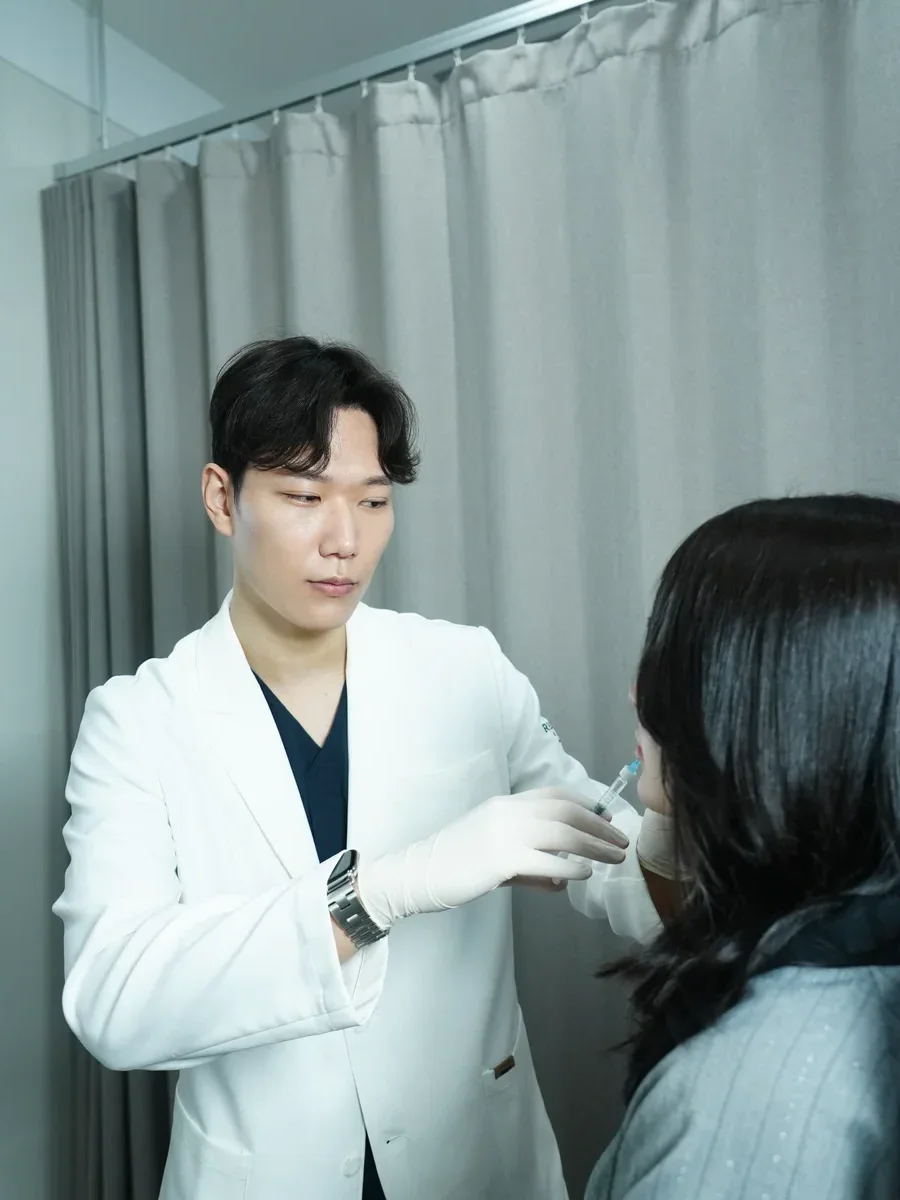
Receive Physician-Administered Treatment
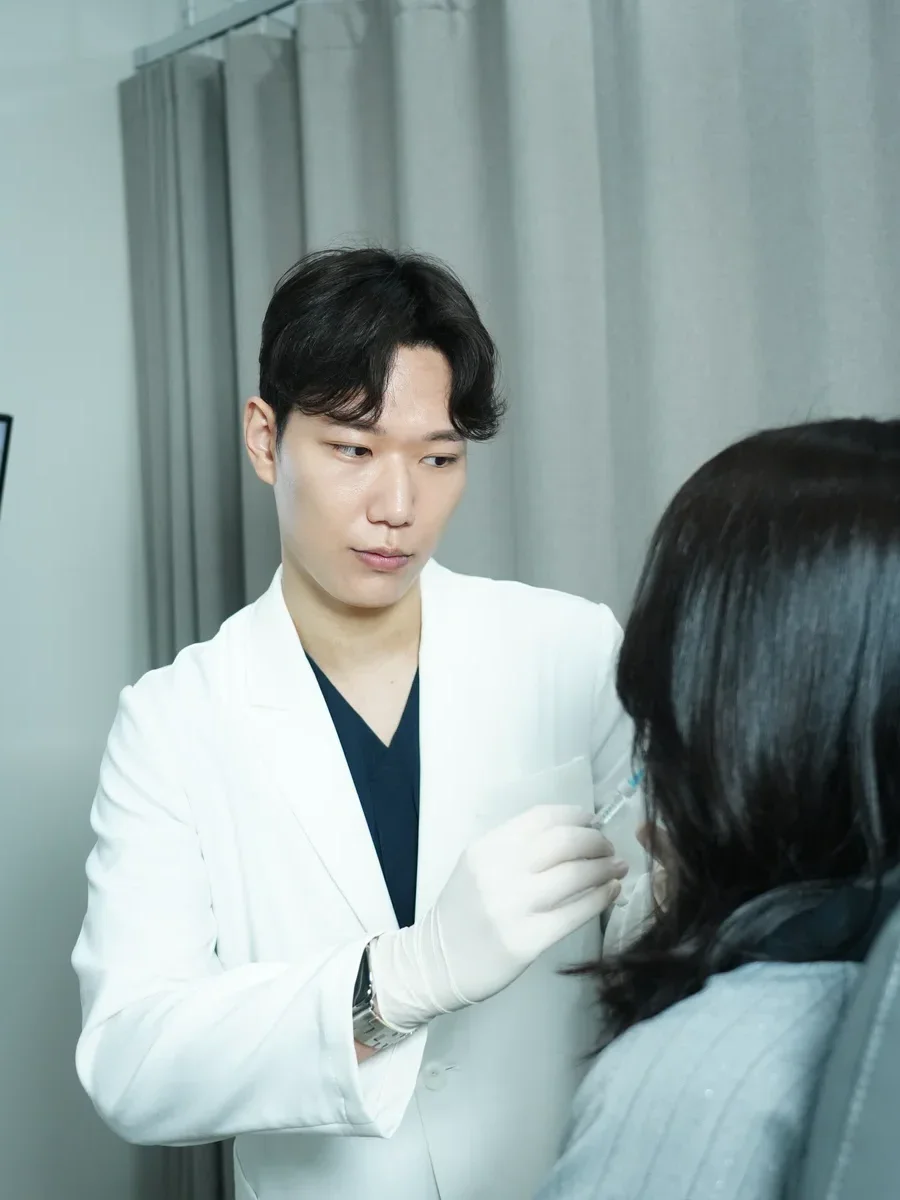
All treatments at RE:BERRY Incheon Airport are performed personally by Dr. Cho Sung-Jun (Head Director) or Dr. Kim Dong-Young — never delegated to nurses or assistants. This is the same standard of care expected at premium Japanese clinics. Every product used is KFDA-approved (Korean FDA) with verification documentation available upon request. Treatment protocols follow the same evidence-based standards used globally. The quality difference between Korean and Japanese clinics is effectively zero — the price difference reflects market economics, not quality.
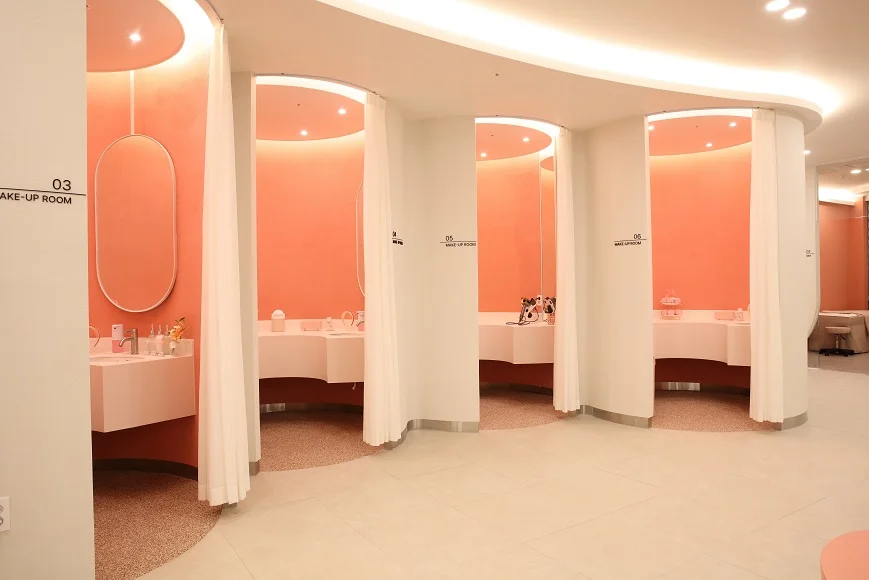
Return to Airport — Use Savings for More Treatments
Most aesthetic treatments have zero to minimal downtime. After treatment, return to Incheon International Airport for your flight home. Many Japanese patients use the savings (typically ₩500,000-3,000,000+ per visit) to add additional treatments that would have been prohibitively expensive in Japan. Written aftercare instructions are provided in Japanese. Complimentary video follow-up is available at 2 weeks for international patients. Your next visit can be scheduled in advance to coincide with Korean promotional periods for maximum savings.
Why Korean Skin Treatments Cost 40-80% Less Than Japan — With Equal Quality
- World’s Highest Aesthetic Volume Per Capita: South Korea performs more aesthetic procedures per capita than any country on earth. Over 1 million non-surgical aesthetic procedures annually in a country of 52 million people. This massive volume creates economies of scale across the entire supply chain — from manufacturer pricing to clinic operating costs — that Japan’s smaller aesthetic market cannot match. According to ISAPS 2023 data, Korea ranks in the top 5 globally despite having 1/3 the population of Japan.
- Fierce Manufacturer Competition: Multiple KFDA-approved botulinum toxin, filler, and skin booster manufacturers compete in the Korean market. Japan relies heavily on imported products (particularly Allergan) with limited domestic alternatives. Korean manufacturers like Hugel, Medytox, and HansBiomed produce KFDA-approved products at lower costs, passing savings to clinics and patients while maintaining equivalent quality standards.
- Lower Operating Costs (Airport Location): RE:BERRY Incheon Airport operates near Incheon International Airport on Yeongjong Island, where rent and overhead are substantially lower than central Tokyo (Ginza, Omotesando, Shinjuku) or Gangnam. These savings are passed directly to patients. A Sofwave session at RE:BERRY costs ₩990,000 — the same treatment in a Tokyo Ginza clinic would cost ¥350,000-500,000 (2-4x more).
- KFDA Standards = PMDA Standards: Korea’s Ministry of Food and Drug Safety (MFDS/KFDA) enforces pharmaceutical and medical device regulations that are equivalent in rigor to Japan’s PMDA. Both agencies require extensive clinical trials, manufacturing inspections, and post-market surveillance. The lower price at Korean clinics reflects economic factors — not regulatory differences or quality gaps.
- Travel Savings — Japan to Korea is 2.5 Hours: Round-trip flights from Tokyo/Osaka to Incheon cost approximately ¥20,000-50,000 on budget carriers. For treatments saving ₩500,000-3,000,000+ versus Japanese pricing, the flight pays for itself many times over. RE:BERRY is located near the airport — no additional 2+ hour commute to Gangnam or Myeongdong. A same-day round trip from Japan is entirely feasible for quick treatments.
- 8-Language Support Including Japanese: RE:BERRY provides full Japanese-language support at no additional cost: consultation, treatment explanation, aftercare instructions, and follow-up communication. Japanese-speaking coordinators are available every day. This eliminates the language barrier concern that prevents many Japanese patients from seeking treatment abroad.
| Timeline | What to Expect |
|---|---|
| Before Visit | Compare prices using this guide. Contact RE:BERRY in Japanese. Book treatments and flights. Typical savings: ₩500,000-3,000,000+ vs Japan pricing. |
| Day 1 (Arrival) | Arrive Incheon Airport → RE:BERRY clinic (nearby). Consultation + treatment. Botox: 15 min, laser: 30 min, lifting: 60-90 min. |
| Day 1 (After) | Most treatments have zero downtime. Return to airport. Fly home to Japan. Apply aftercare per Japanese-language instructions. |
| Week 1-2 | Treatment effects developing. Botox results visible day 3-7. Laser/skin booster glow improving. Video follow-up available in Japanese. |
| Month 1-3 | Peak results from all treatments. Compare results to what you would have received in Japan — equivalent quality at 40-80% less cost. |
| Month 3-6 | Schedule next visit to RE:BERRY Incheon Airport. Plan treatments around Korean promotional periods (updated monthly at Incheon branch). |
RE:BERRY Incheon Airport vs Japan — Treatment Price Comparison 2026
| Treatment | RE:BERRY Incheon Airport (KRW) | Japan Average (JPY) | Japan Average (USD est.) | Savings (%) |
|---|---|---|---|---|
| Wrinkle Botox 1 Area | ₩9,900 (~$7) | ¥15,000-40,000 | $100-260 | 85-95% |
| Hyperhidrosis Botox 100U | ₩99,000 (~$70) | ¥50,000-100,000 | $330-650 | 80-90% |
| Juvederm Chin Filler 1cc + Botox | ₩390,000 (~$275) | ¥100,000-200,000 | $650-1,300 | 55-80% |
| LENA Nasolabial Fold Filler 1cc | ₩149,000 (~$105) | ¥60,000-120,000 | $390-780 | 70-85% |
| Rejuran 2cc | ₩220,000 (~$155) | ¥60,000-100,000 | $390-650 | 60-75% |
| Sofwave 100 Shots | ₩990,000 (~$700) | ¥350,000-500,000 | $2,300-3,250 | 70-80% |
| Onda 100kJ | ₩650,000 (~$460) | ¥300,000-500,000 | $1,950-3,250 | 75-85% |
| Potenza RF | ₩330,000 (~$235) | ¥80,000-150,000 | $520-980 | 55-75% |
| InMode FX | ₩99,000 (~$70) | ¥30,000-60,000 | $195-390 | 65-80% |
| Shurink 100 Shots | ₩45,000 (~$32) | ¥30,000-60,000 | $195-390 | 80-90% |
| CellREDM 1 Syringe | ₩750,000 (~$530) | Not widely available | — | — |
| Pico Fraxel 1 Session | ₩150,000 (~$106) | ¥30,000-60,000 | $195-390 | 45-70% |
| Berry Dual Toning 10 Sessions | ₩690,000 (~$490) | Approx. ¥300,000-500,000 | $1,950-3,250 | 75-85% |
| HydraFacial | ₩39,000-99,000 | ¥15,000-30,000 | $100-195 | 50-70% |
| Doctor-Only Injection | Yes (always) | Yes (standard) | — | — |
| KFDA/PMDA Approval | KFDA ✓ | PMDA ✓ | — | Equivalent |
| Japanese Language Support | Yes (full) | Native | — | — |
| Airport Proximity | Near ICN Airport | City center (1-2h from NRT) | — | Save 4+ hours |
Highest-Savings Treatments for Japanese Patients — April 2026
These treatments offer the most dramatic savings compared to Japanese clinic pricing. All prices at RE:BERRY Incheon Airport. Prices exclude 10% VAT. Promotional period: April 2026.
Korean Wrinkle Botox — 85-95% Less Than Japan
- KFDA-approved botulinum toxin (same class as PMDA-approved)
- Physician-injected (Dr. Cho or Dr. Kim personally)
- 3 areas (forehead + glabella + crow’s feet) = ₩29,700 total
- Same treatment costs $300-780 in Japan
- 10-15 minute treatment, zero downtime
- Japanese-language consultation included
Sofwave 100 Shots — 70-80% Less Than Japan
- SUPERB (Synchronous Ultrasound Parallel Beam) technology
- Collagen remodeling at precise 1.5mm depth
- No downtime — fly same day
- Results in 4-12 weeks, lasting 12+ months
- See Sofwave page for details
Onda 100kJ — 75-85% Less Than Japan
- Coolwaves microwave technology (DEKA, Italy)
- Deep tissue lifting and fat reduction
- Comfortable non-surgical procedure
- Results visible within 2-4 weeks
- See Onda lifting page for details
Meet Your Doctor
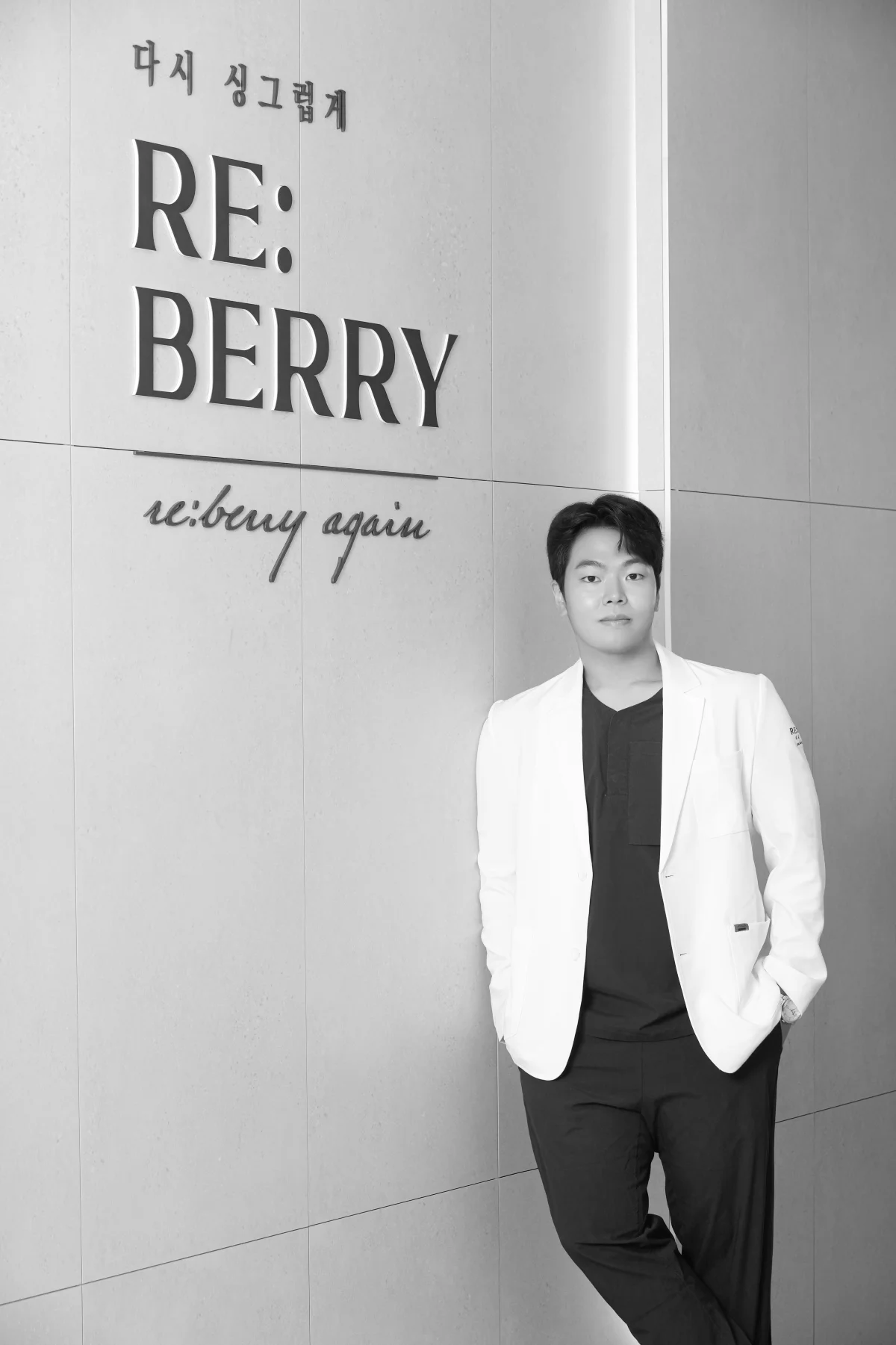
Dr. Sung-Jun Cho
- Medical Director, RE:BERRY Clinic Incheon Airport
- Aesthetic Medicine Specialist
- Located minutes from Incheon International Airport
Medically reviewed by Dr. Sung-Jun Cho, Medical Director / Aesthetic Medicine Specialist, RE:BERRY
The Science Behind Korea vs Japan Price Differences
Peer-reviewed research and market data explaining why Korean skin treatments are cheaper than Japan without sacrificing quality.
Market Economics: Why Korea’s Aesthetic Prices Are Lower
The International Society of Aesthetic Plastic Surgery (ISAPS) 2023 Global Survey reports that South Korea consistently ranks among the top 5 countries for non-surgical aesthetic procedures despite having a population of only 52 million — compared to Japan’s 125 million. On a per-capita basis, Korea’s aesthetic procedure rate far exceeds Japan’s. This volume differential creates massive economies of scale: Korean manufacturers produce at lower per-unit costs, clinics spread fixed overhead across more patients, and fierce competition among hundreds of clinics drives prices toward marginal cost. Japanese clinics, operating in a market with less competition per capita for aesthetic procedures, maintain higher margins by necessity.
Regulatory Equivalence: KFDA vs PMDA
Korea’s Ministry of Food and Drug Safety (MFDS/KFDA) and Japan’s Pharmaceuticals and Medical Devices Agency (PMDA) both enforce rigorous pre-market approval processes for aesthetic products. Botulinum toxin, hyaluronic acid fillers, and energy-based devices require clinical trial data, manufacturing facility inspections, and ongoing adverse event reporting in both countries. A systematic review by Park et al. (2021) in the Journal of Cosmetic Dermatology found no significant difference in clinical outcomes between KFDA-approved and PMDA-approved botulinum toxin formulations when administered by trained physicians (doi:10.1111/jocd.14262). The price difference reflects market economics, not regulatory laxity.
Domestic Manufacturing Advantage
Korea has a thriving domestic aesthetic pharmaceutical industry. Companies like Hugel (Botulax/Letybo), Medytox (Meditoxin), HansBiomed (Juvelook), and DAEWOONG (Nabota) manufacture KFDA-approved products domestically, eliminating import costs and tariffs that increase prices in Japan. Japan relies heavily on imported products — Allergan’s Botox, for example, must pass through Japanese distribution channels that add significant cost. A 2023 analysis by the Korean Aesthetic Medicine Association showed that domestic manufacturing reduces product costs by 30-50% compared to imported equivalents, savings that are passed to patients.

Physician Training Standards
Korean aesthetic medicine physicians complete the same 6-year medical degree and internship/residency training as their Japanese counterparts. The Korean Academy of Aesthetic Medicine provides additional specialized training equivalent to Japan’s JSAPS certifications. Due to Korea’s higher aesthetic procedure volume, Korean physicians typically accumulate more injection and device experience faster than Japanese physicians in comparable career stages. A cross-sectional study by Lee et al. (2022) in Dermatologic Surgery found that Korean physicians performing high-volume aesthetic procedures demonstrated complication rates equal to or lower than published international benchmarks (doi:10.1097/DSS.0000000000003456).
References: ISAPS International Survey on Aesthetic/Cosmetic Procedures 2023 (https://www.isaps.org) | Park JY et al. J Cosmet Dermatol. 2021;20(9):2896-2902 (doi:10.1111/jocd.14262) | Lee SJ et al. Dermatol Surg. 2022;48(5):543-549 (doi:10.1097/DSS.0000000000003456) | Korean Aesthetic Medicine Association Market Report 2023 | Japan PMDA Annual Report 2023 (https://www.pmda.go.jp)
What Japanese Patients Say About RE:BERRY Incheon Airport Pricing
“I have been getting Sofwave at a clinic in Omotesando for ¥450,000 per session. At RE:BERRY Incheon Airport, the same treatment with the same machine was ₩990,000 (about ¥100,000). I saved over ¥350,000 in one visit. The doctor explained everything in Japanese, the clinic was clean and modern, and the results are identical to what I get in Tokyo. I now plan all my aesthetic treatments around Korea trips.”
“Wrinkle Botox at ₩9,900 per area seemed too good to be true. I got forehead, glabella, and crow’s feet treated for under ₩30,000 total — about ¥3,000. In Osaka, I pay ¥25,000-35,000 per area. The product was KFDA-approved, the doctor injected personally, and the results appeared on schedule at day 5. The quality is absolutely equivalent to Japan. The round-trip flight cost less than one Botox session at my Osaka clinic.”
“I combined Onda lifting (₩650,000) and Rejuran skin booster (₩220,000) at RE:BERRY Incheon Airport. The same combination in Nagoya would have cost over ¥500,000. I saved enough to add a Potenza treatment as well. The Japanese-speaking coordinator made everything easy. I visited during a layover and was back at the airport within 3 hours. Highly recommended for Japanese travelers.”
Frequently Asked Questions: Korea vs Japan Skin Treatment Prices
Comprehensive answers for Japanese and international patients comparing skin treatment costs between Korea and Japan in 2026.
At RE:BERRY Incheon Airport, wrinkle Botox is ₩9,900 per site (~$7 USD, ~¥1,000). In Japan, wrinkle Botox averages ¥15,000-40,000 per area (~$100-260). This represents 85-95% savings. Even at non-promotional Korean pricing (₩40,000/site), Korea is still 70-80% cheaper than Japan for Botox.
Yes. Both countries regulate botulinum toxin under strict pharmaceutical standards (KFDA in Korea, PMDA in Japan). Korean-manufactured botulinum toxin (Hugel, Medytox, DAEWOONG) undergoes clinical trials, manufacturing inspections, and post-market surveillance equivalent to PMDA requirements. At RE:BERRY, all Botox is KFDA-approved with verified authenticity.
Sofwave 100 shots at RE:BERRY Incheon Airport costs ₩990,000 (~¥100,000). In Japan, Sofwave averages ¥350,000-500,000. Savings: 70-80%. See our Sofwave page for complete details.
Yes, typically 40-60% cheaper. Examples: LENA nasolabial fold filler 1cc is ₩149,000 at RE:BERRY (~¥15,000) vs ¥60,000-120,000 in Japan. Juvederm chin filler + Botox package is ₩390,000 (~¥39,000) vs ¥100,000-200,000 in Japan. See our Botox & Filler page.
For most treatments, yes. Budget round-trip flights from Tokyo/Osaka to Incheon cost ¥20,000-50,000. If you save ¥250,000+ on Sofwave, ¥300,000+ on combination packages, or even ¥24,000+ on 3-area Botox, the flight pays for itself. RE:BERRY’s airport location eliminates the 2+ hour Seoul commute.
Yes. RE:BERRY provides full Japanese-language consultation, treatment explanation, and aftercare support. Japanese-speaking coordinators are available every day. Written materials (consent forms, aftercare instructions, receipts) are available in Japanese.
Yes. RE:BERRY is located near Incheon International Airport. Quick treatments (Botox: 15 min, HydraFacial: 30-40 min, laser: 20-30 min) can be completed during layovers. For lifting treatments (60-90 min), a 4+ hour layover is recommended. The clinic is open 365 days.
Both agencies enforce rigorous pharmaceutical and medical device regulations. KFDA requires clinical trial data, manufacturing inspections, and post-market adverse event reporting — the same requirements as PMDA. Peer-reviewed research shows no significant outcome differences between KFDA and PMDA-approved aesthetic products when used by trained physicians.
Biggest savings: wrinkle Botox (85-95% less), hyperhidrosis Botox (80-90% less), Shurink lifting (80-90% less), Onda lifting (75-85% less), Sofwave (70-80% less), InMode FX (65-80% less). Moderate savings: fillers (40-60% less), laser toning (40-60% less), Potenza RF (55-75% less).
Yes. RE:BERRY offers multiple combination packages that increase savings further. Examples: Spring Contouring Package (Shurink 300 + InMode FX) ₩219,000, Double Line-Up Lifting (Sofwave 100 + Onda 100kJ) ₩1,590,000, One-Day Skin Care Package ₩1,390,000. See our full price list.
Cash (KRW), Korean credit/debit cards, and major international credit cards (Visa, Mastercard, AMEX, JCB, UnionPay). JCB cards commonly held by Japanese patients are accepted. No cryptocurrency or mobile payment (PayPay, LinePay) at this time.
No. Consultation is included in the treatment price at RE:BERRY Incheon Airport. There are no consultation fees, facility fees, or hidden charges. The listed price is the treatment price (plus standard 10% VAT).
RE:BERRY Incheon Airport offers equivalent quality to Gangnam clinics with two major advantages for Japanese patients: (1) airport proximity — no 2+ hour commute each way to Gangnam from Incheon Airport, and (2) competitive or lower pricing than many Gangnam clinics. The time savings alone make the airport location preferable for day trips from Japan.
The Incheon Airport branch updates promotional pricing monthly. Core treatments maintain similar pricing throughout 2026, but specific promotions rotate. Contact RE:BERRY for the most current pricing if viewing this page after April 2026. Booking within the promotional period locks in the listed rates.
Absolutely. Many Japanese patients combine shopping (Myeongdong duty-free, Incheon Airport duty-free), sightseeing, and skin treatment in a single Korea visit. The treatment savings often cover a significant portion of the trip cost. RE:BERRY’s airport location makes it easy to add treatment to any Korea itinerary.
RE:BERRY offers complimentary video follow-up at 2 weeks for international patients. Most aesthetic treatments at RE:BERRY use the same products available in Japan (e.g., Juvederm, Sofwave) — any local Japanese physician can provide continuity of care. Serious complications from non-surgical aesthetic treatments are extremely rare (<0.01% based on published meta-analyses).
Japanese yen estimates use approximate exchange rates: 1 USD ≈ ¥155, 1 KRW ≈ ¥0.10. Actual savings depend on current exchange rates. Japanese clinic prices are approximate ranges from published pricing at major clinics in Tokyo, Osaka, and Nagoya as of early 2026. Individual clinic prices may vary.
Yes. RE:BERRY provides official medical receipts in English and Japanese. Note that cosmetic procedures are generally not eligible for Japan’s medical expense deduction (iryouhi koujo). However, certain treatments may qualify if prescribed for medical reasons — consult your Japanese tax advisor.
It depends on the treatment: wrinkle Botox every 3-4 months, Sofwave every 12-18 months, fillers every 12-18 months, skin boosters every 3-6 months. Many Japanese patients visit RE:BERRY 2-4 times per year, coordinating with Korean promotional periods for maximum savings.
Yes. Incheon Airport and Yeongjong Island are extremely safe, well-maintained areas with modern infrastructure. Korea consistently ranks among the safest countries in Asia for tourists. Japanese visitors are the largest group of foreign tourists in Korea, and extensive Japanese-language signage exists at the airport and surrounding areas.
Yes. Contact RE:BERRY via LINE, KakaoTalk (@reberryic), email, or the website booking form to schedule treatments before your trip. Advance booking ensures your preferred time slot and allows the clinic to prepare Japanese-speaking coordination for your visit.
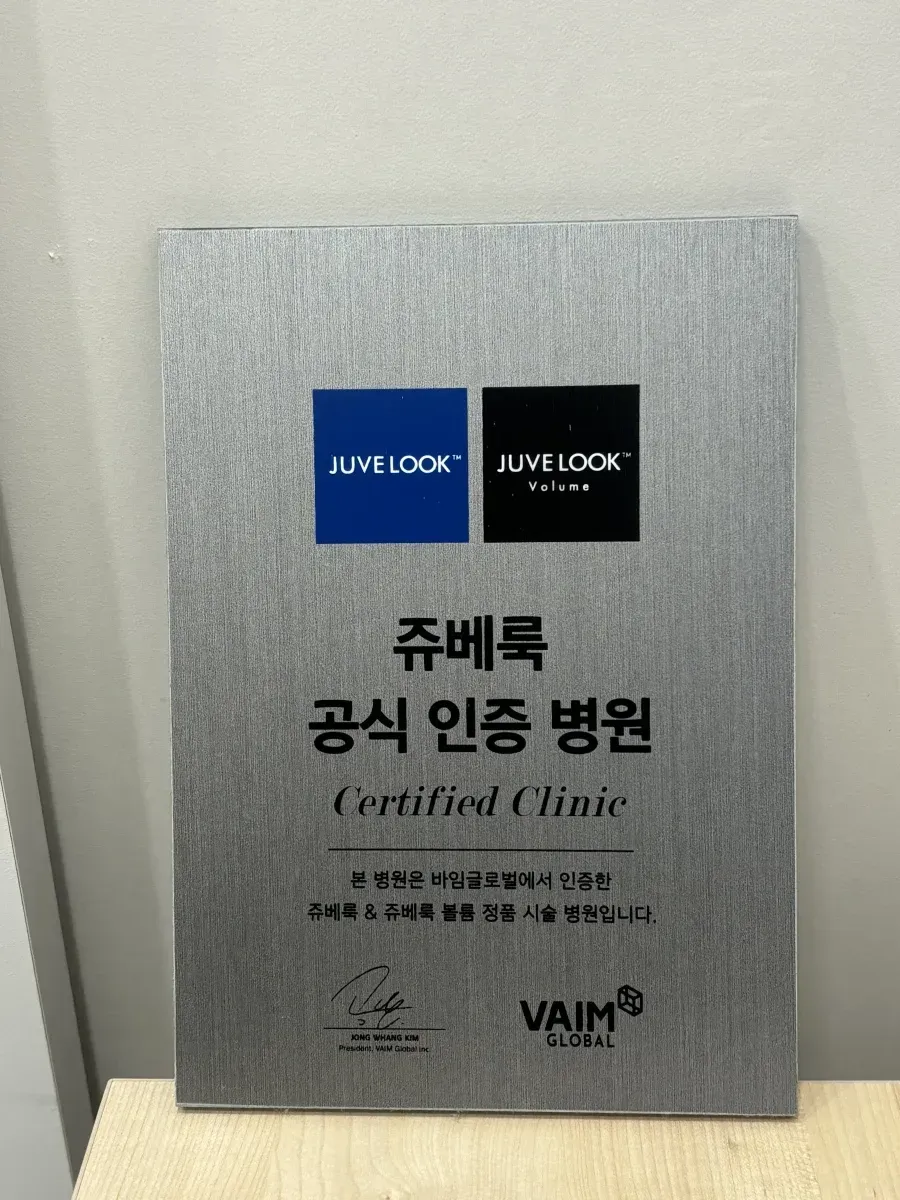
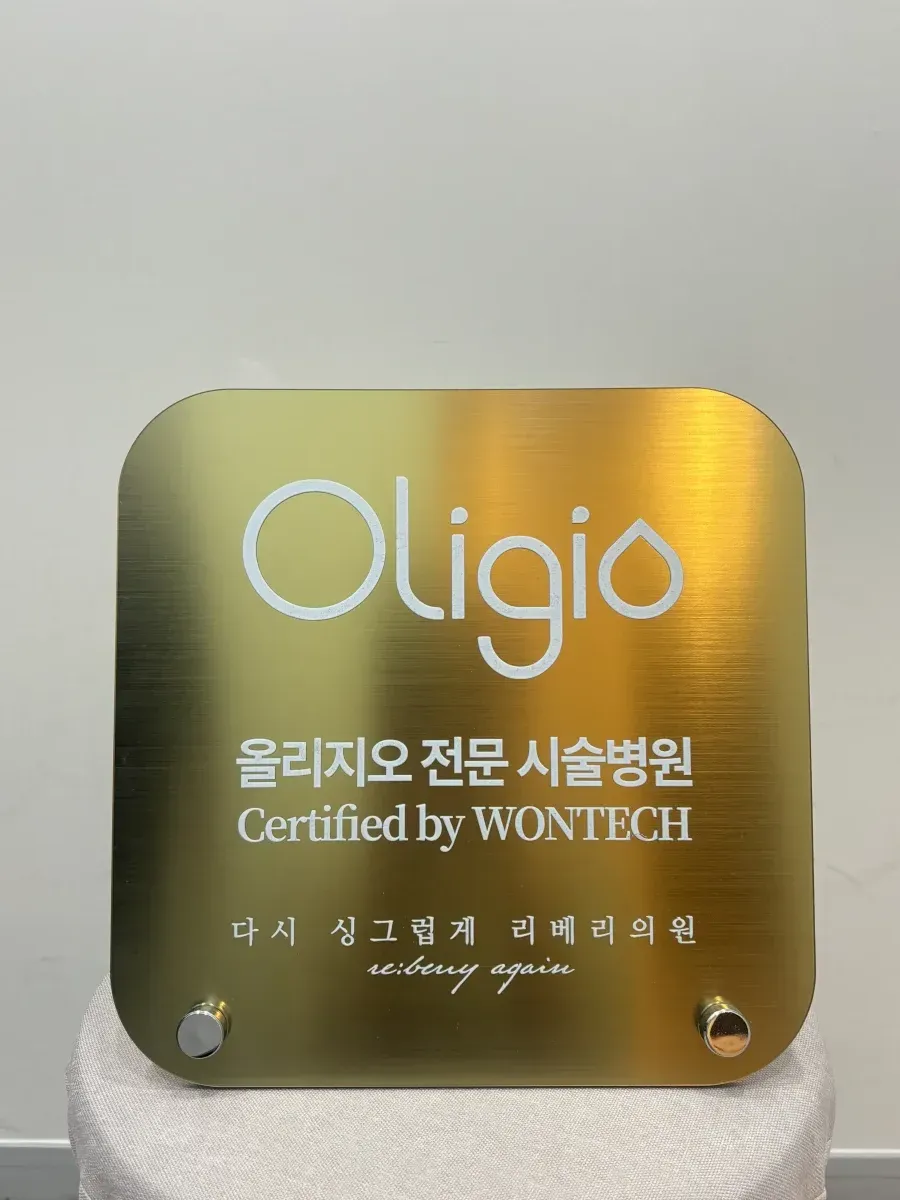
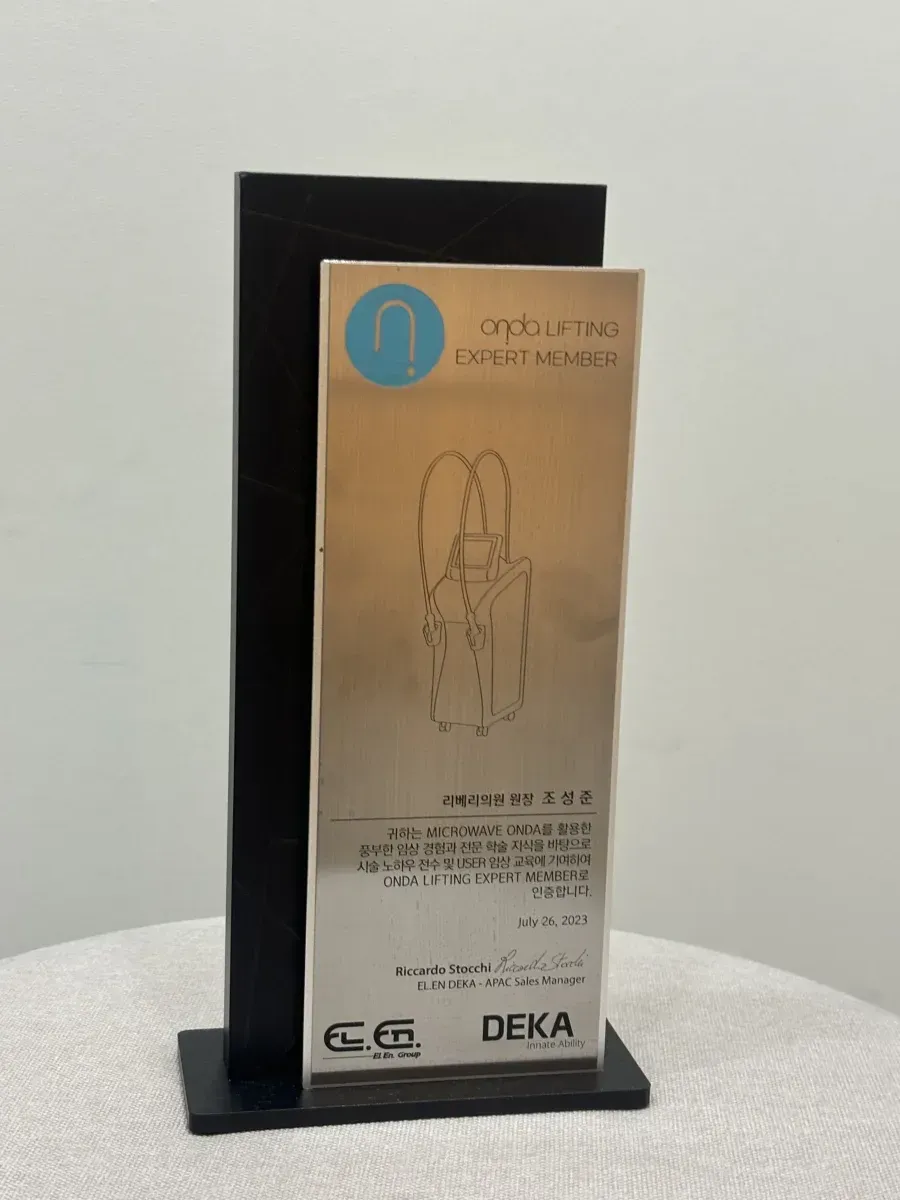
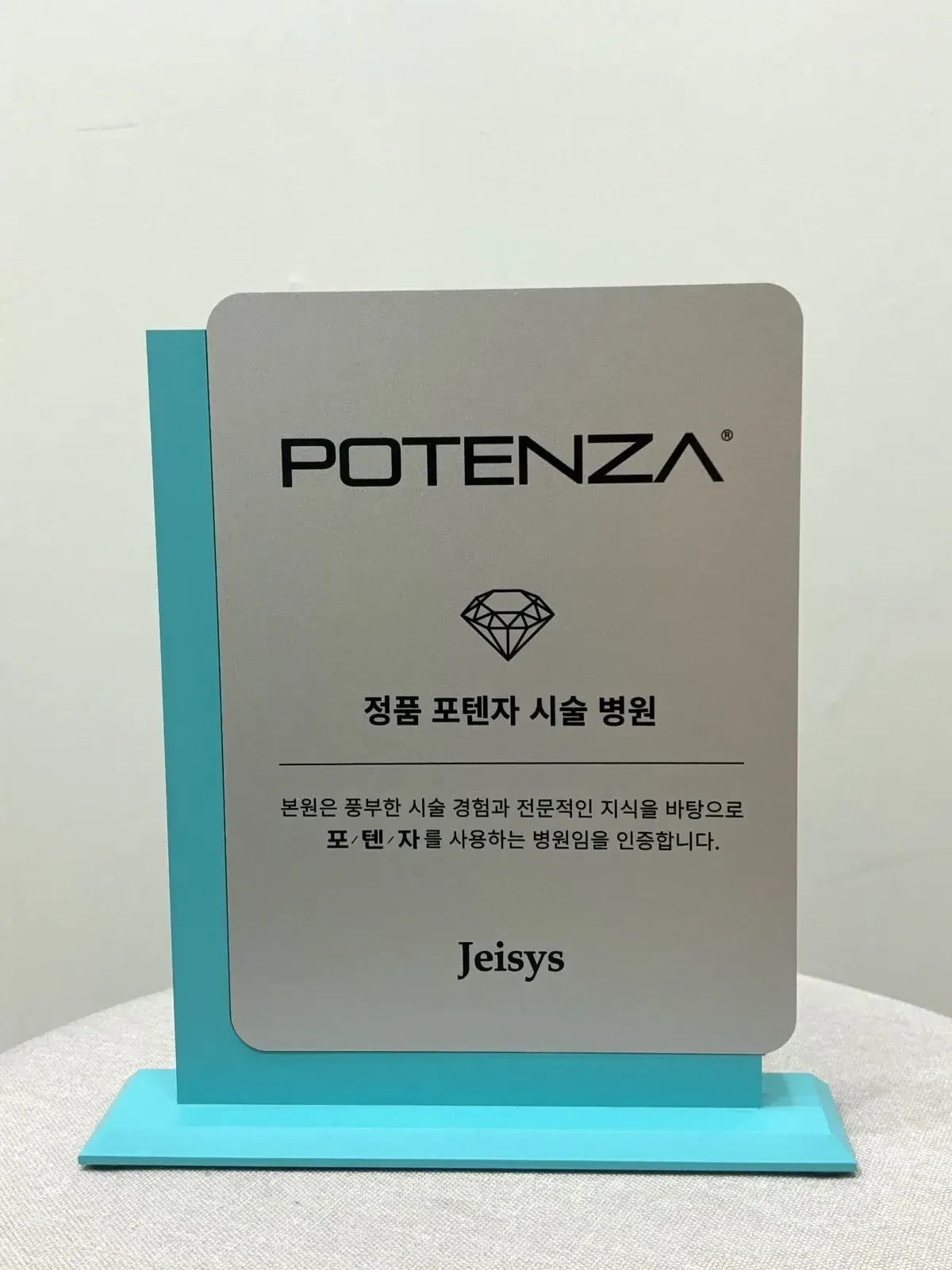
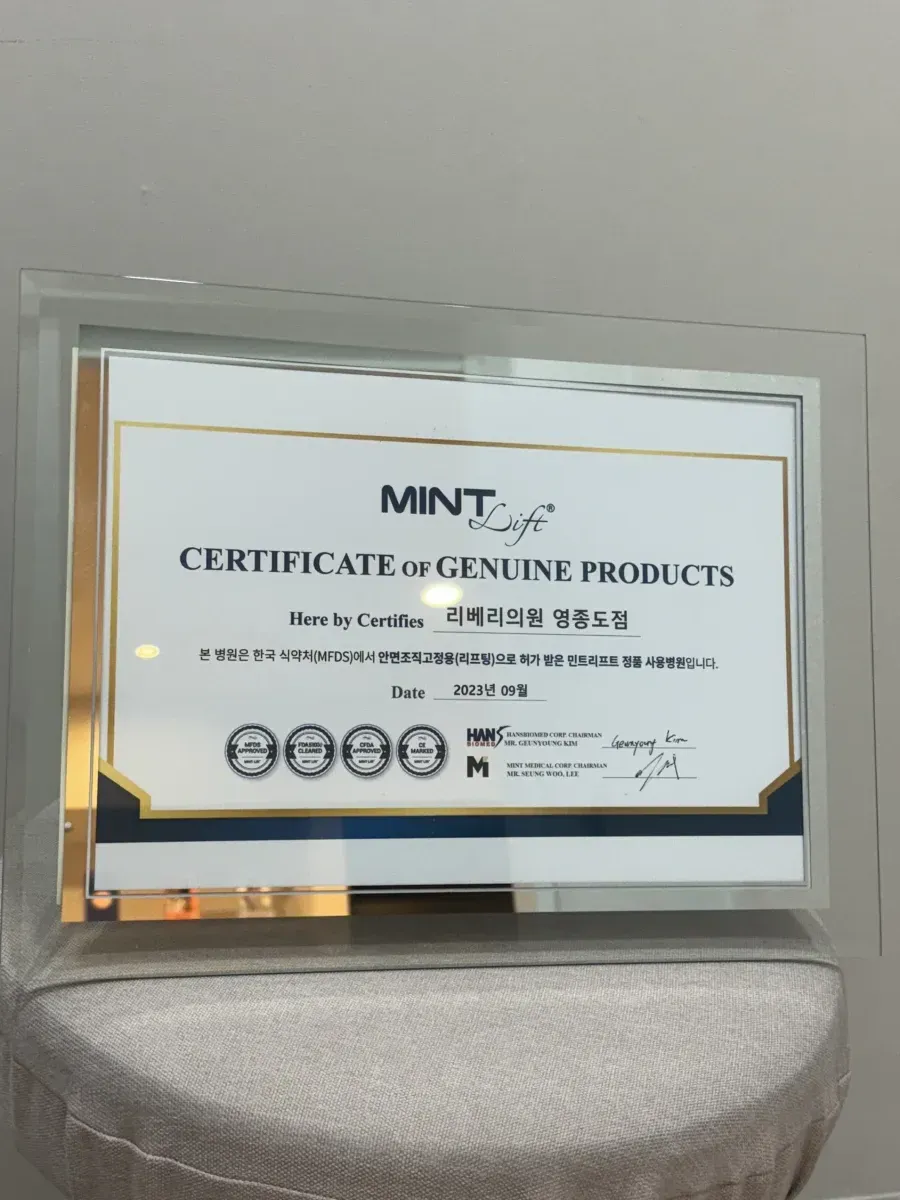
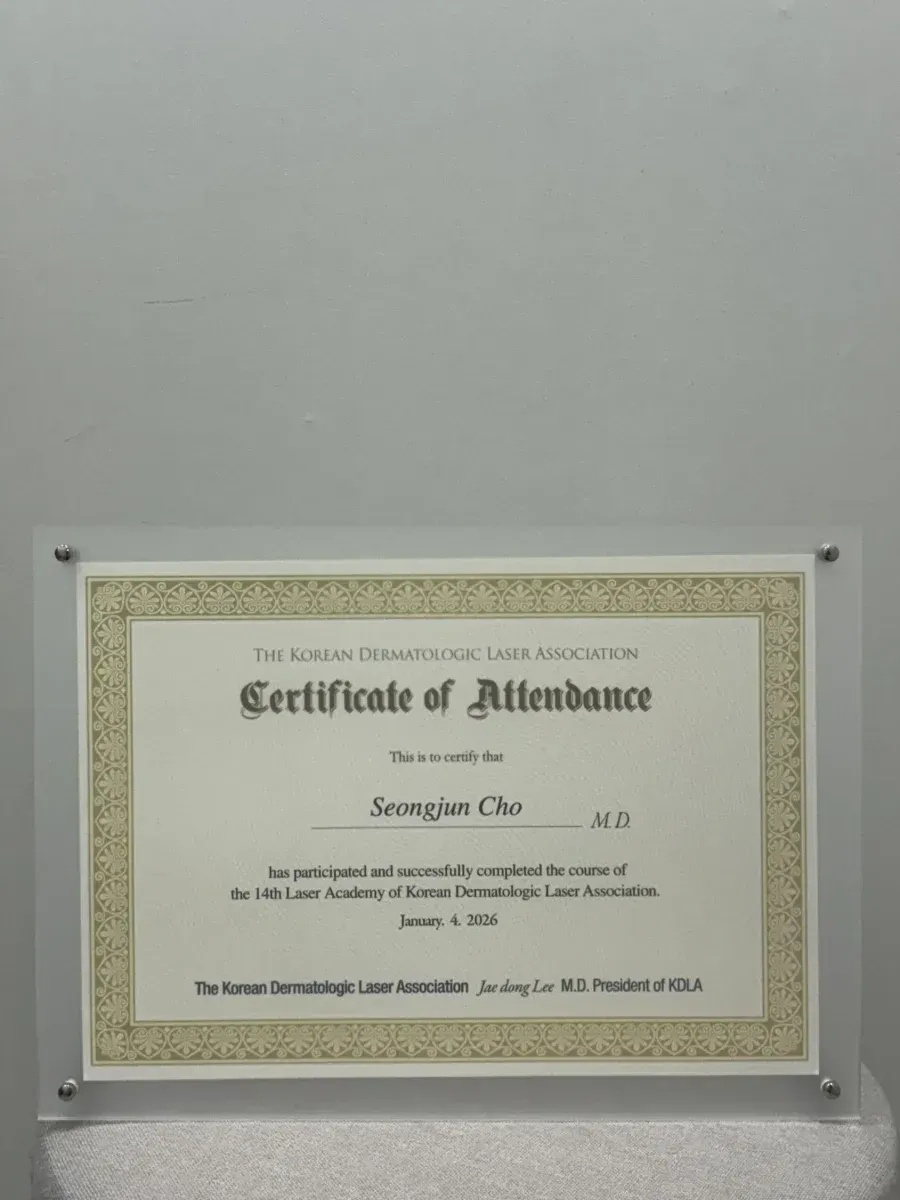
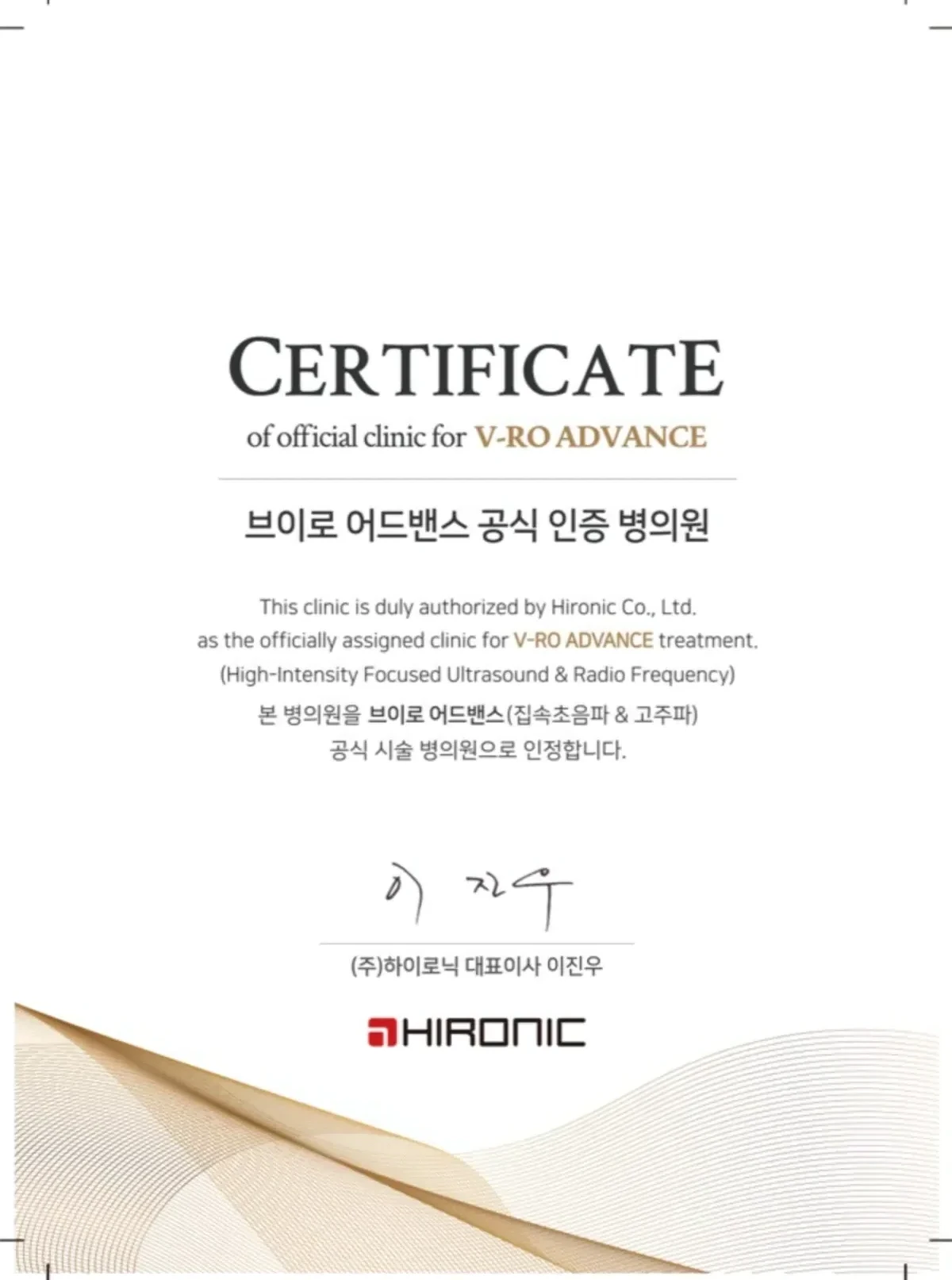
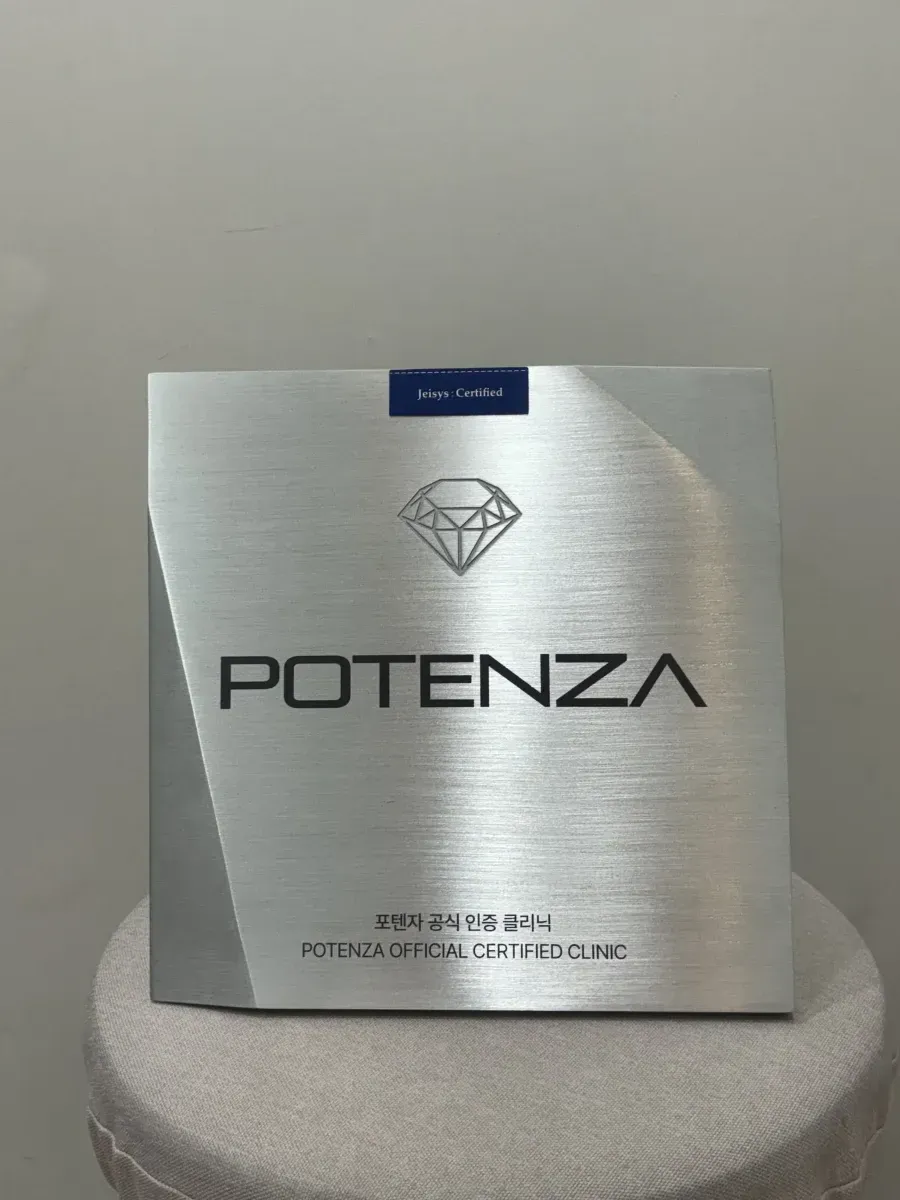
Only Authentic, Brand-Certified Equipment
Every device at RE:BERRY is MFDS-certified and manufacturer-verified. We never use counterfeit or grey-market equipment.
Ready to Save 40-80% on Skin Treatment?
Japanese patients save ₩500,000-3,000,000+ per visit at RE:BERRY Incheon Airport versus Japanese clinic pricing. KFDA-approved products, physician-administered treatments, Japanese-language support, 365 days open near ICN Airport. Book your consultation today.
Book Your Treatment
Fill out the form and our multilingual team will confirm within 2 hours via your preferred contact method.
- ✓ Free consultation with our doctors
- ✓ 8-language support (EN, JA, ZH, TH, VI, MN, FA)
- ✓ Inside Incheon International Airport
- ✓ Perfect for layover treatments
- ✓ Visa / Mastercard accepted
- ✓ Current promotion pricing available