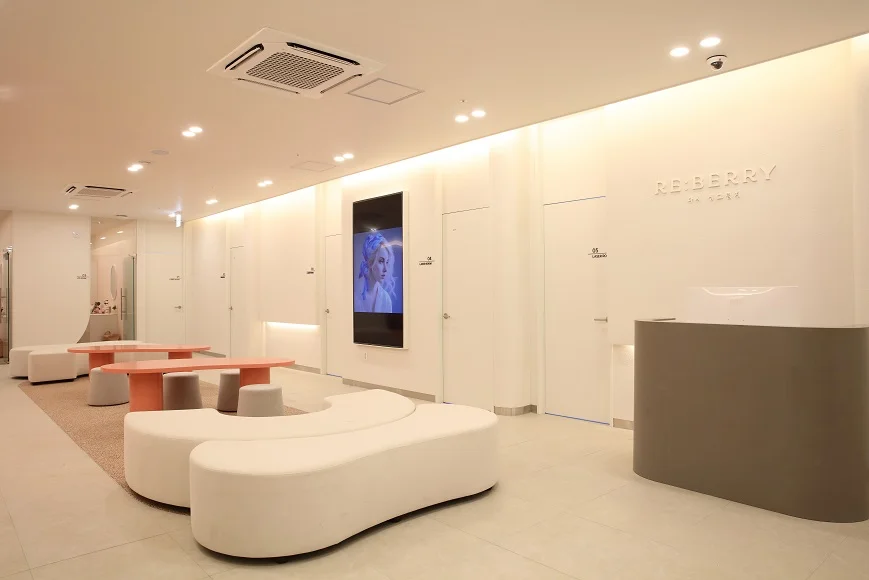
Korea vs Japan for Skin Treatment — Which Should You Choose?
A comprehensive, evidence-based comparison of South Korea and Japan for aesthetic skin treatments in 2026. Covering quality, pricing, convenience, physician expertise, regulatory standards, language support, and travel logistics. Korea offers 40-80% cost savings with KFDA standards equivalent to PMDA. RE:BERRY Incheon Airport provides premium Korean skin treatment near ICN Airport with 8-language support — no Gangnam commute required.
Should You Choose Korea or Japan for Skin Treatment in 2026?
For aesthetic skin treatments (Botox, fillers, lasers, lifting devices, skin boosters), South Korea is the superior choice for most international patients in 2026. Korea offers 40-80% lower prices compared to Japan with equivalent medical quality. Korea’s KFDA regulatory standards match Japan’s PMDA. Korean physicians have the world’s highest per-capita experience with aesthetic procedures. RE:BERRY Incheon Airport provides this Korean advantage with airport convenience — no 2-hour commute to Gangnam — and 8-language support including Japanese. The only scenario where Japan may be preferred is if the patient requires treatment for a specific medical dermatology condition (eczema, psoriasis) where Japan’s national health insurance provides coverage.
This guide compares Korea and Japan across every dimension that matters for international aesthetic patients: treatment quality, pricing, physician expertise, regulatory framework, convenience, language support, and safety. Both countries have excellent medical systems, but they occupy very different positions in the aesthetic medicine market. Korea is the world leader in non-surgical aesthetic procedure volume per capita — this massive market has created efficiencies, competition, and physician experience that no other country can match. Japan excels in medical dermatology and has high-quality aesthetic clinics, but the market is smaller per capita, less competitive, and consequently more expensive. For patients traveling specifically for aesthetic treatments, Korea delivers dramatically better value. At RE:BERRY Incheon Airport, this value is available without the typical Korea drawback of needing to commute 2+ hours to Gangnam. For specific price comparisons, see our detailed price comparison page. For treatment-specific pages: Botox pricing, Sofwave, Potenza RF, skin boosters, Onda lifting.
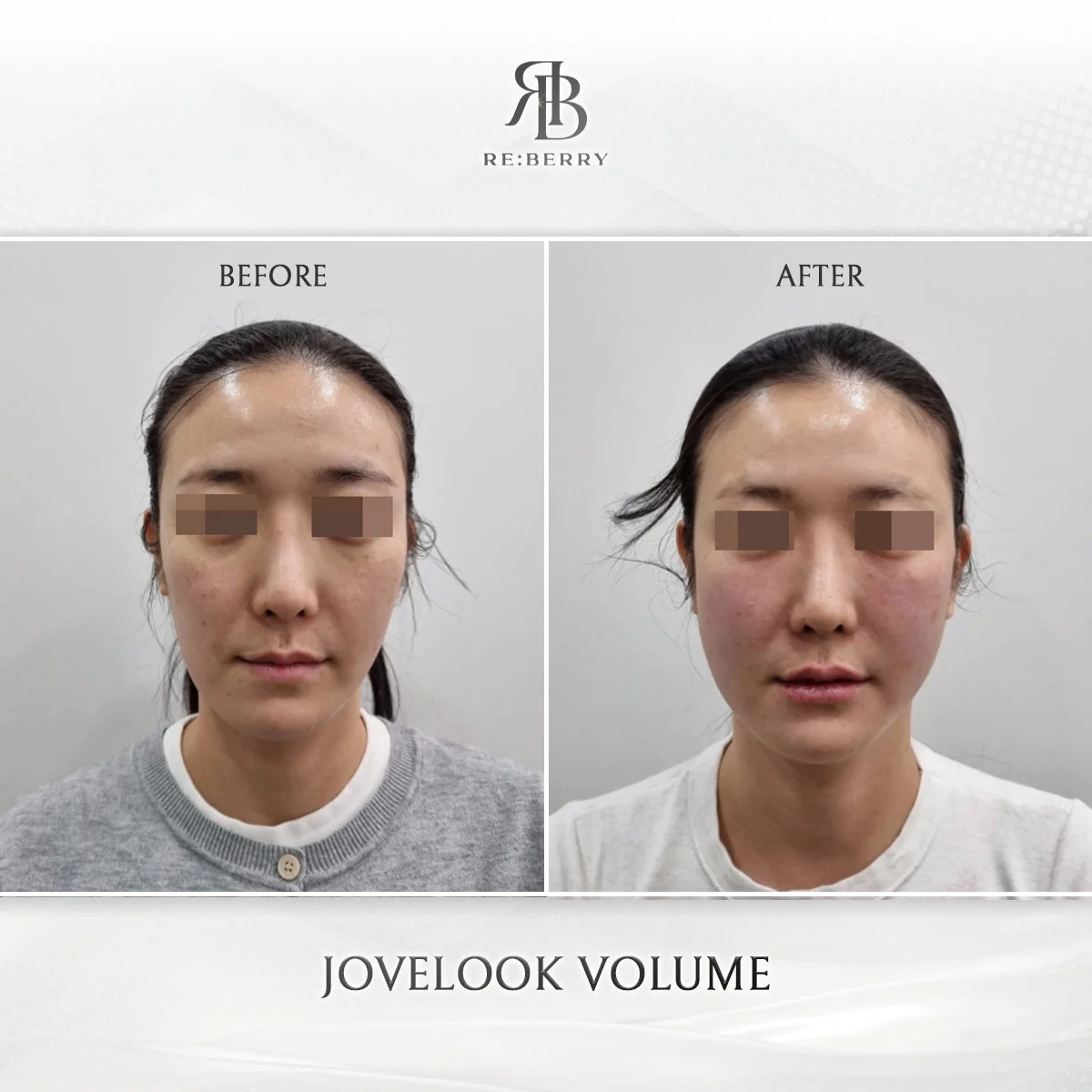
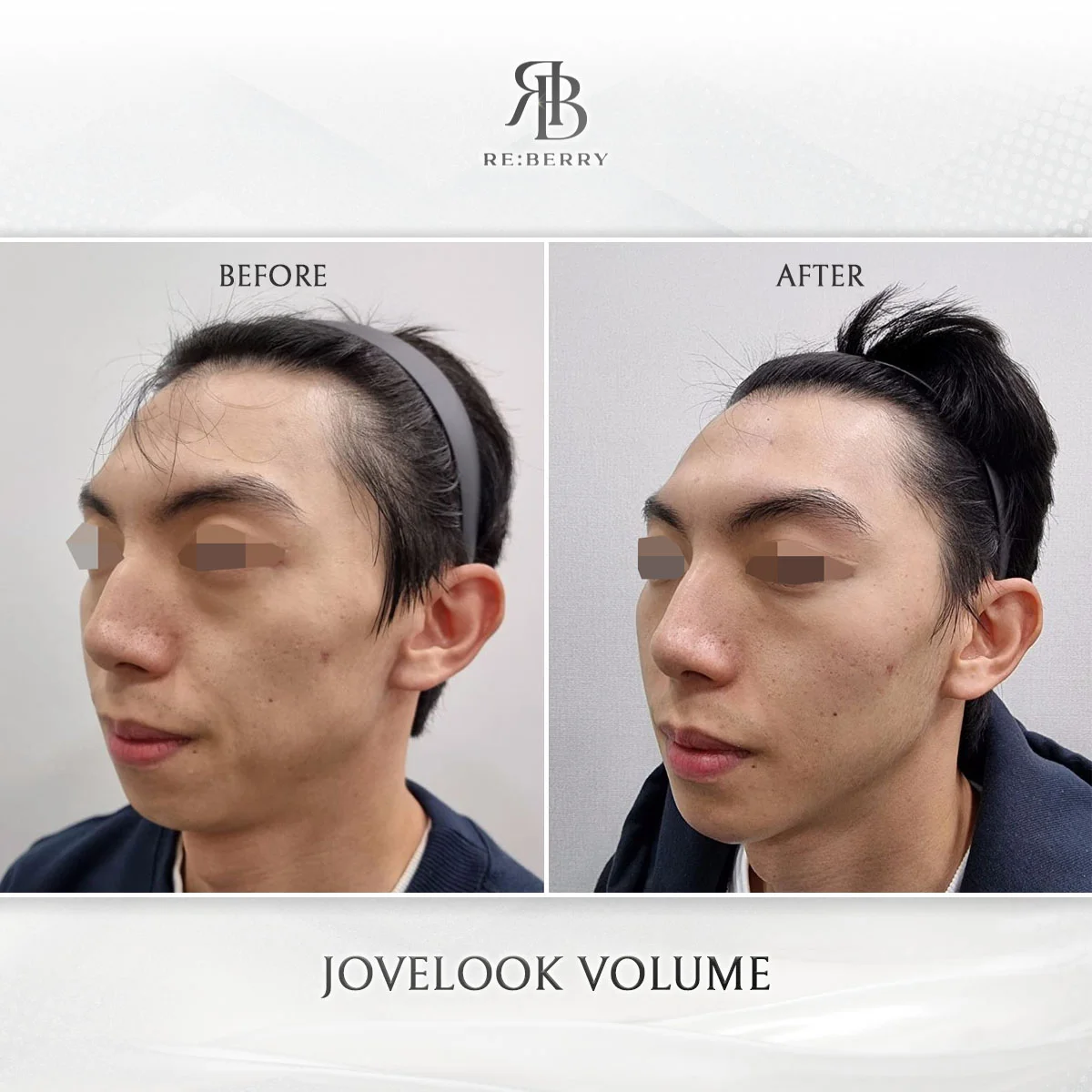
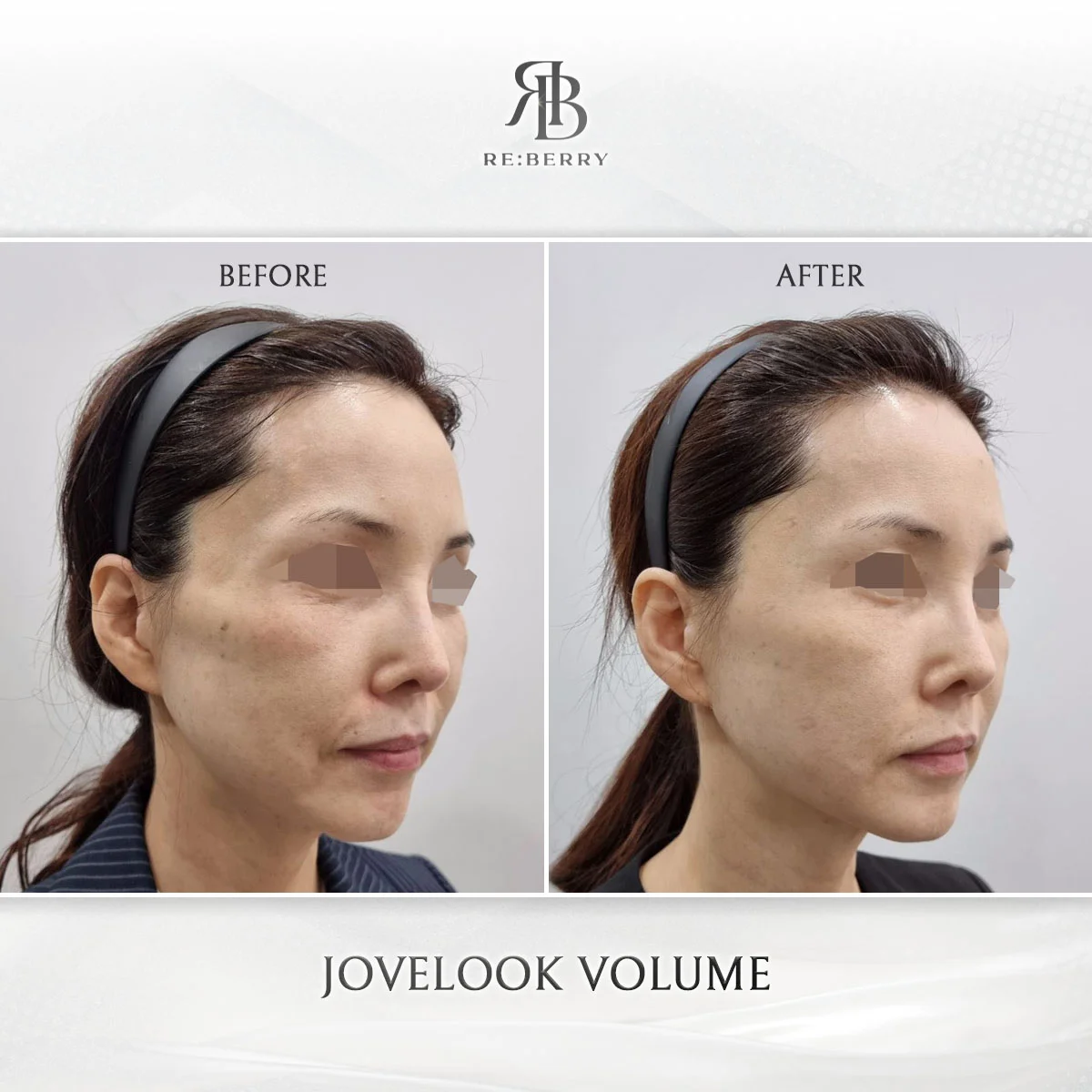
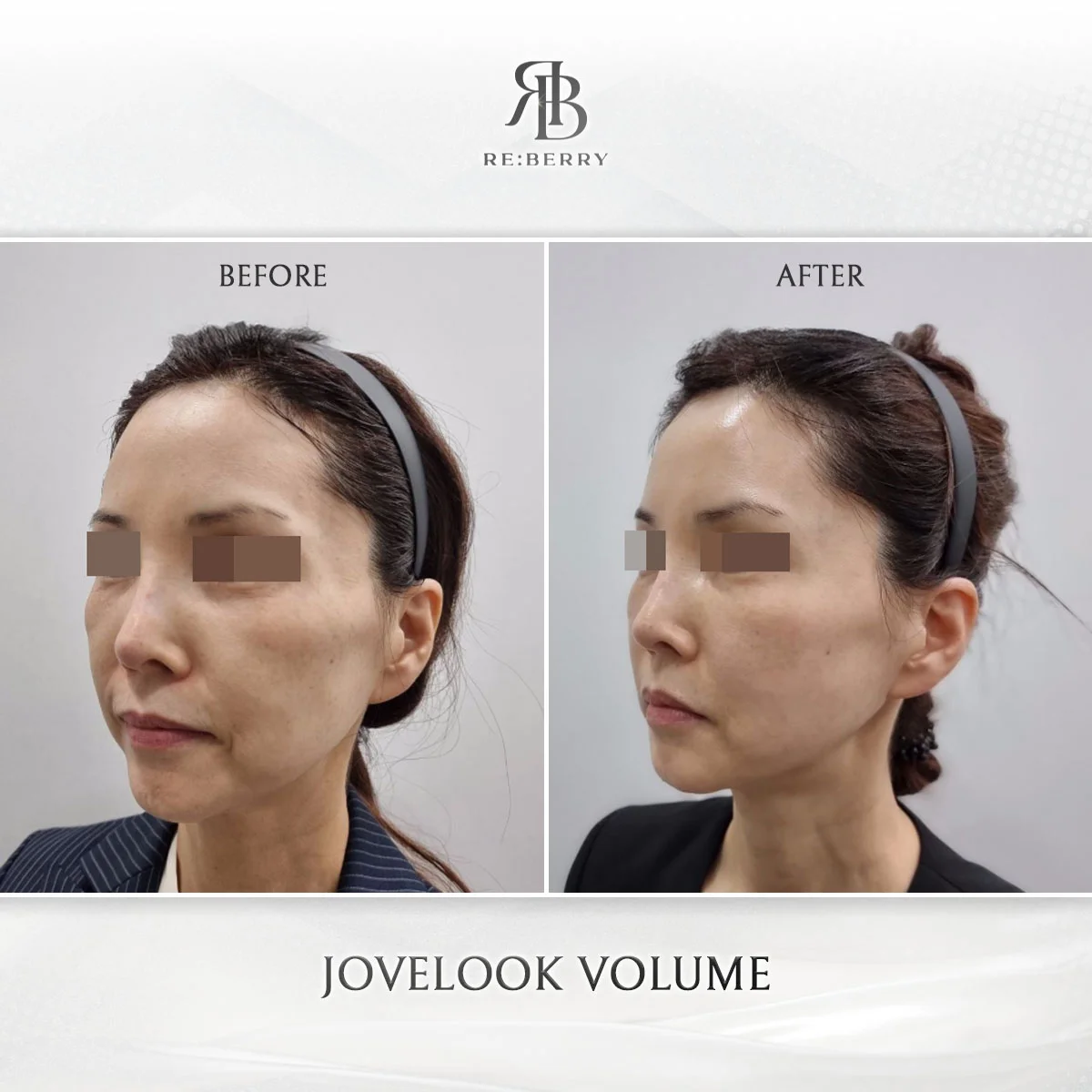
What Korean Skin Treatment Delivers — Actual Results at RE:BERRY
World-class treatment results at Korean pricing. The same procedures that cost 2-5x more in Japan, with equivalent outcomes.




How to Plan a Skin Treatment Trip to Korea (Instead of Japan)
A practical step-by-step guide for international patients considering Korea over Japan for aesthetic treatments.
Compare: Korea vs Japan for Your Specific Treatments
Start by identifying the treatments you want and comparing prices between Korean and Japanese clinics. Use our price comparison page for specific treatment-by-treatment pricing. As a general rule: Botox saves 85-95% in Korea, lifting devices (Sofwave, Onda) save 50-80%, fillers save 40-60%, and laser treatments save 40-60%. For most combination treatment plans, the savings at RE:BERRY Incheon Airport exceed ₩500,000-3,000,000 compared to equivalent Japanese clinics — often more than the cost of a round-trip flight. Korea wins on price in virtually every aesthetic treatment category.
Book at RE:BERRY Incheon Airport — In Your Language
Contact RE:BERRY via LINE, KakaoTalk (@reberryic), WhatsApp, email, or the website booking form. Japanese and 7 other languages fully supported. Specify your treatment interests, travel dates, and any time constraints (layover vs dedicated trip). The clinic is open 365 days including all holidays. For Japanese patients, the most efficient approach is a day trip: fly Narita/Haneda to Incheon (2.5 hours), receive treatment at RE:BERRY near the airport, fly home same day. For comprehensive treatment plans (multiple procedures), a 1-2 day trip maximizes value. Airport pickup service available for premium packages.
Receive World-Class Korean Treatment
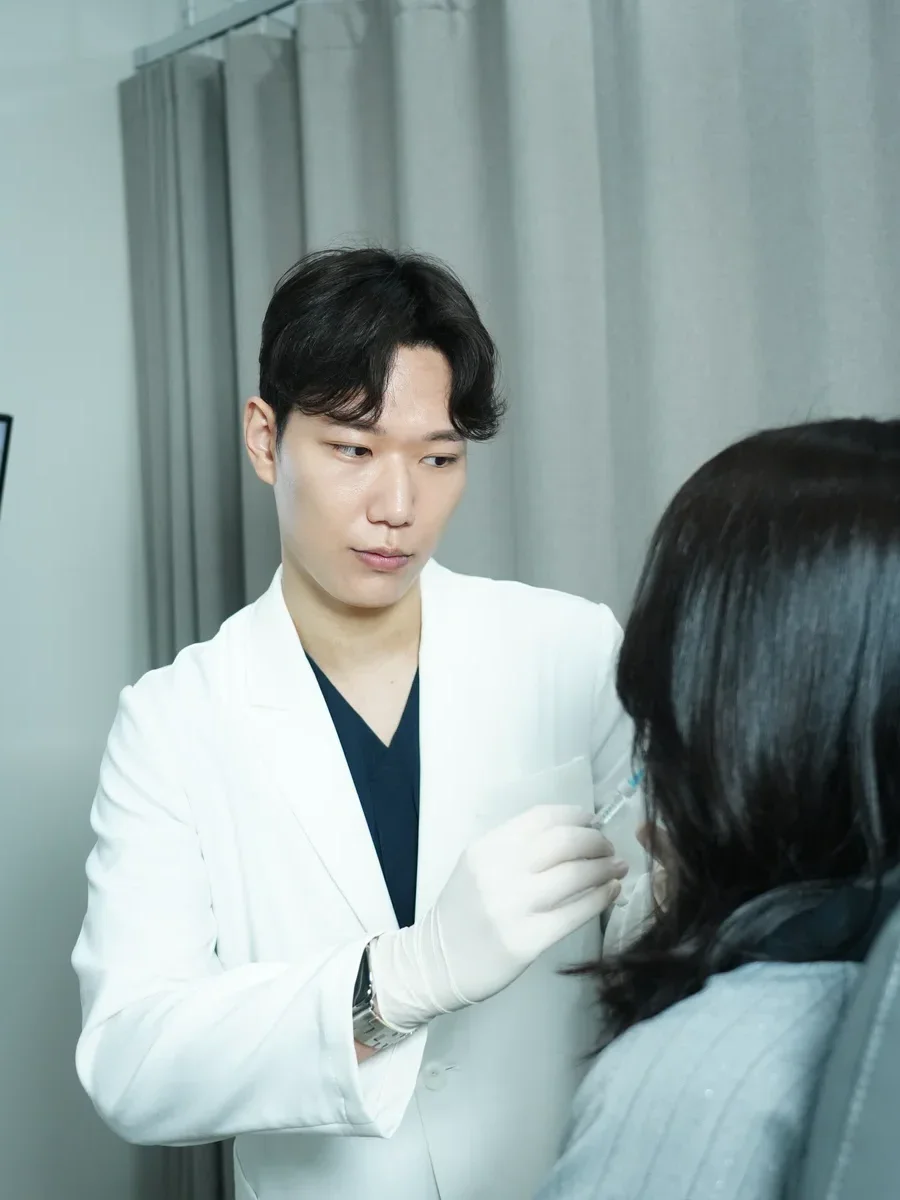
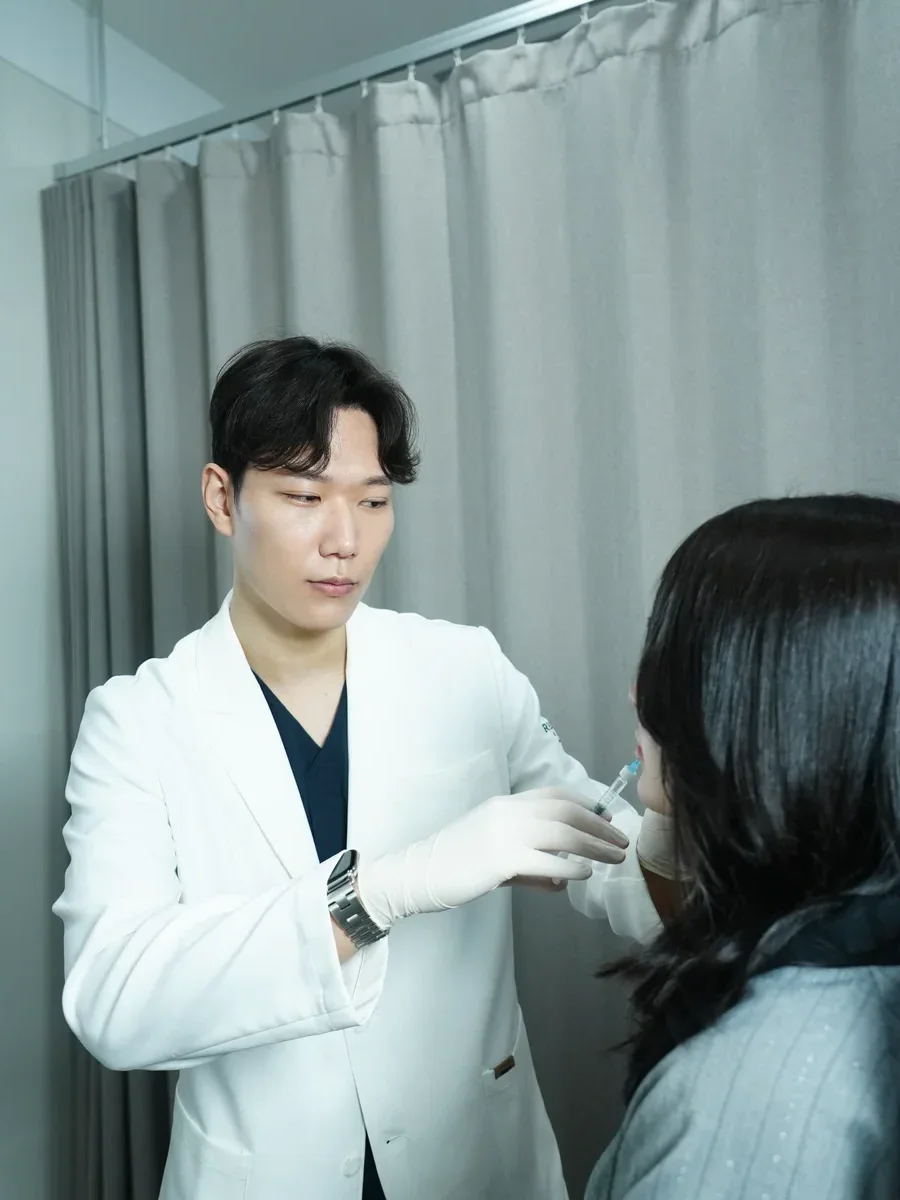
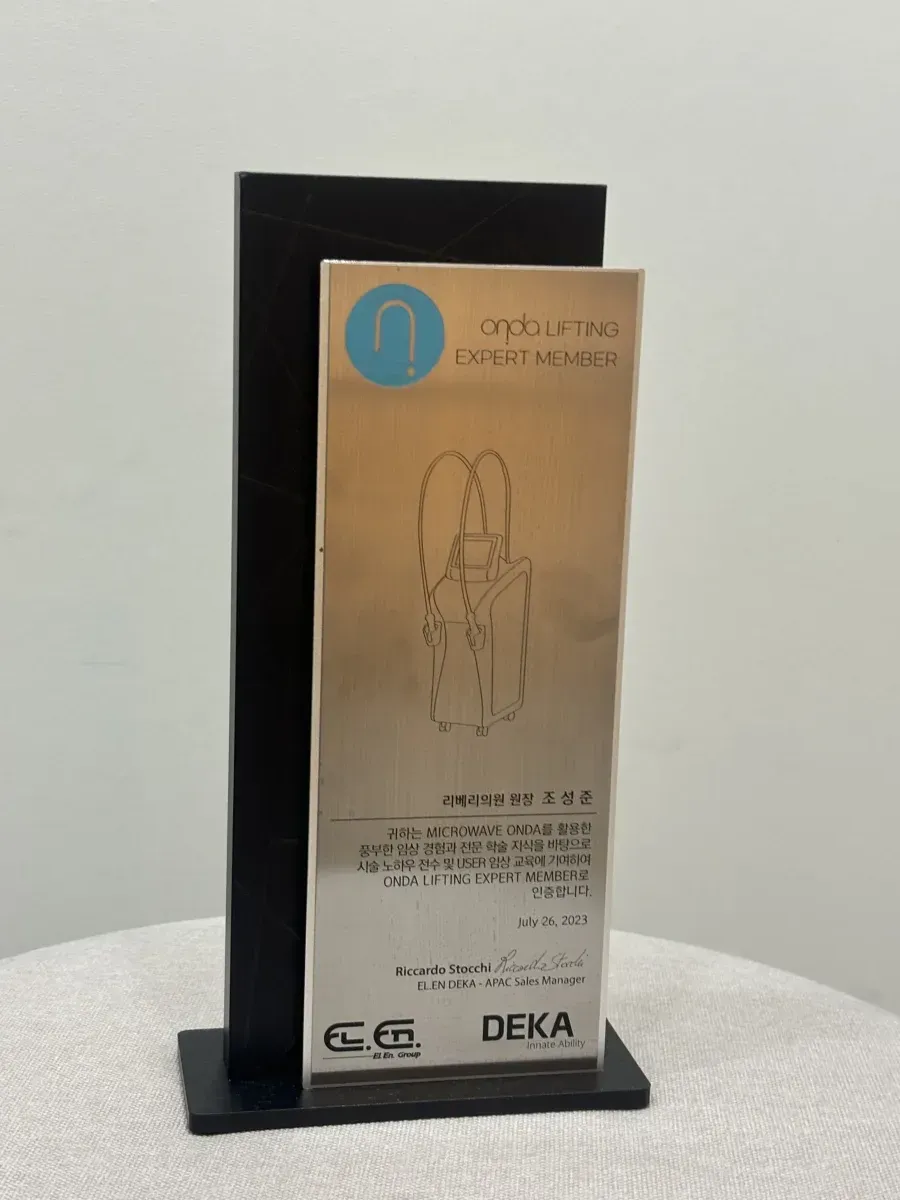
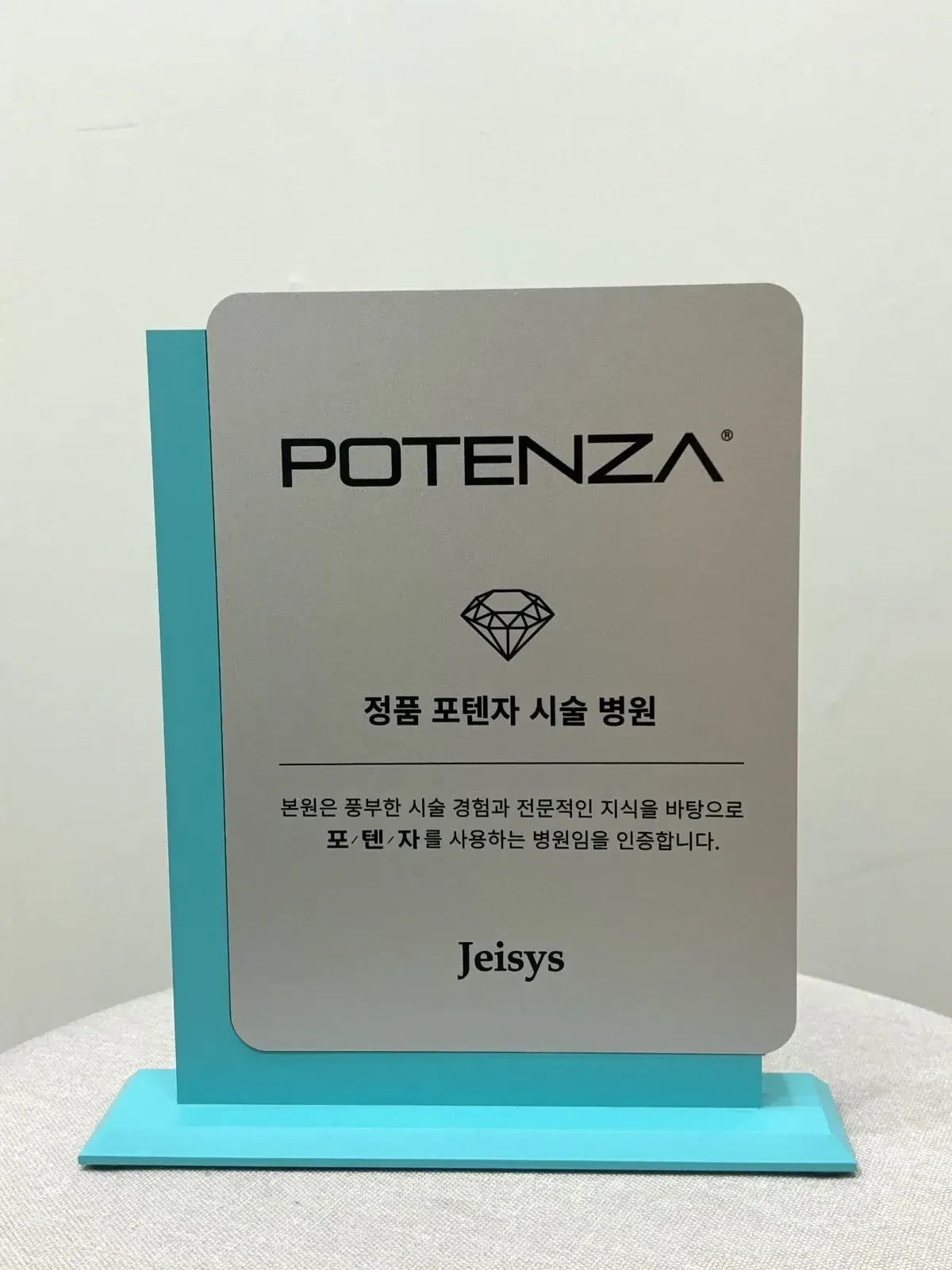
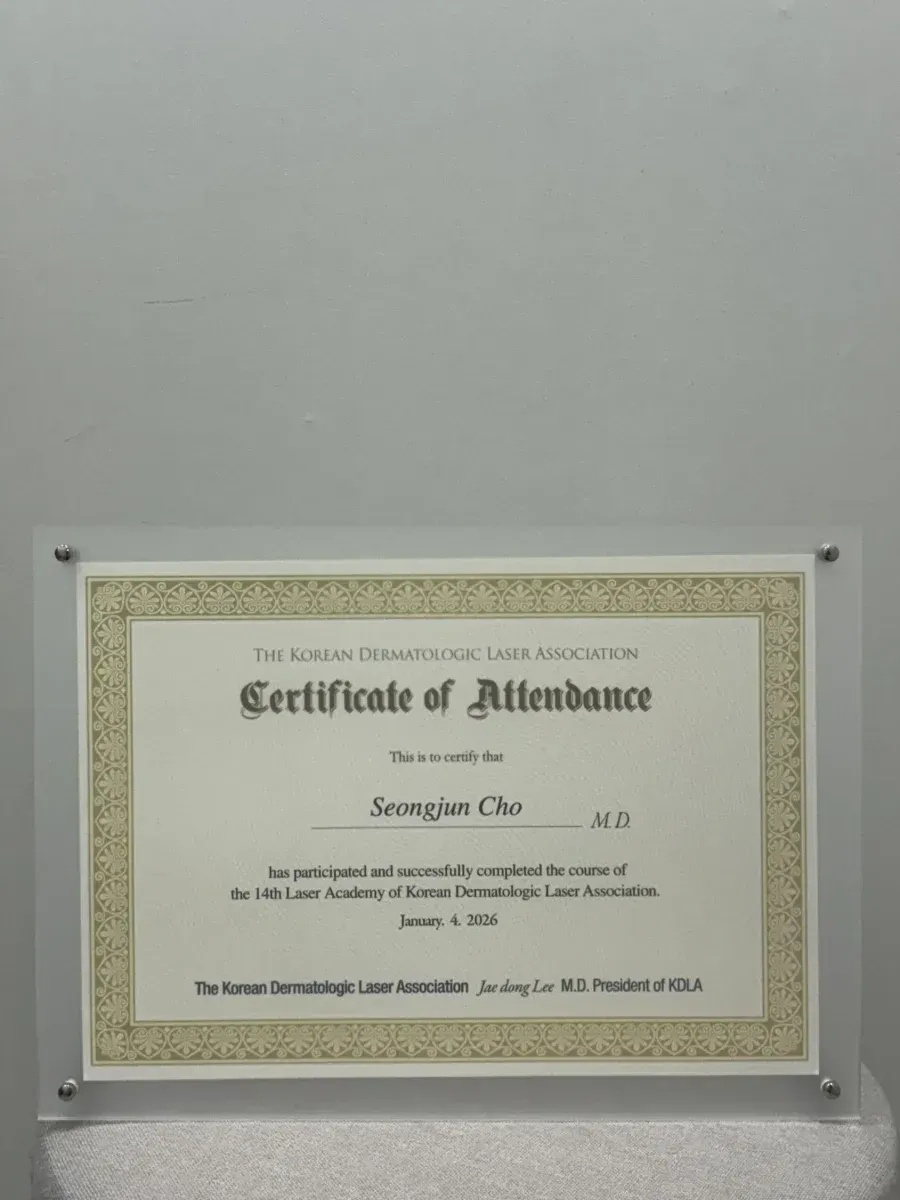
All treatments at RE:BERRY are performed by Dr. Cho Sung-Jun (Head Director) or Dr. Kim Dong-Young personally — never by nurses. The physicians hold manufacturer certifications in Sofwave, Potenza, Onda, Oligio, Juvelook, V-RO, and thread lifting. Every product is KFDA-approved with the same regulatory rigor as Japan’s PMDA. The treatment experience matches any premium Tokyo or Osaka clinic — with one crucial difference: the price is 40-80% lower. Multilingual coordinators ensure precise communication throughout the consultation, treatment, and aftercare process.
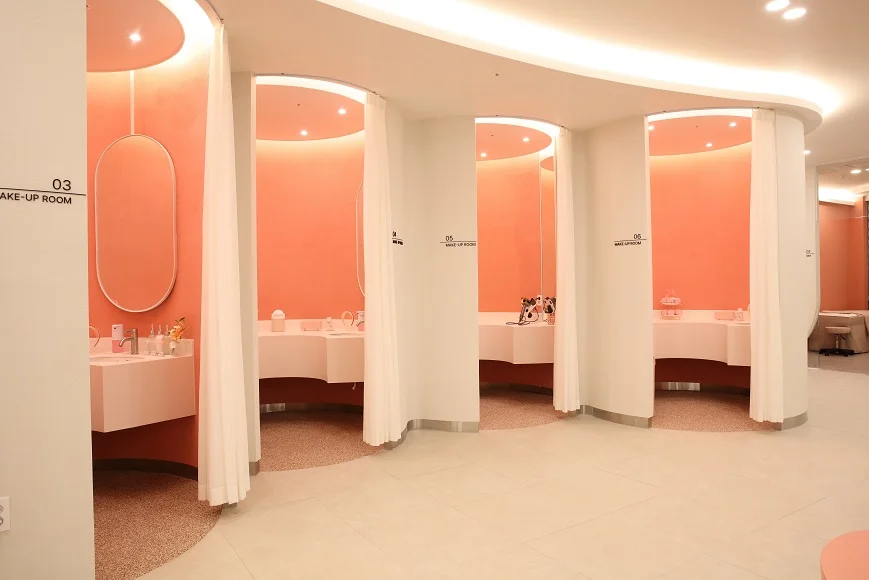
Fly Home — Reinvest Your Savings
Most aesthetic treatments have zero to minimal downtime. Return to Incheon International Airport and fly home immediately. Written aftercare instructions provided in your language. Complimentary video follow-up at 2 weeks for international patients. Many patients use their savings (typically ₩500,000-3,000,000+ vs Japan pricing) to add treatments they could not have afforded in Japan — transforming a single-treatment visit into a comprehensive rejuvenation plan. Schedule your next RE:BERRY visit before leaving to lock in promotional pricing.
6 Reasons Why Korea Beats Japan for Aesthetic Skin Treatment
- Price: 40-80% Cheaper Across Every Category: Korean aesthetic treatments are 40-80% cheaper than Japan for equivalent procedures. Botox: ₩9,900 vs ¥15,000-40,000 (save 85-95%). Sofwave: ₩990,000 vs ¥350,000+ (save 70-80%). Onda: ₩650,000 vs ¥300,000+ (save 75-85%). Fillers: ₩149,000-390,000 vs ¥60,000-200,000 (save 40-60%). This is not a quality compromise — it reflects Korea’s massive market economies of scale. See our detailed price comparison.
- Experience: #1 Aesthetic Volume Per Capita Globally: South Korea performs more non-surgical aesthetic procedures per capita than any country on earth. ISAPS 2023 data ranks Korea in the top 5 globally despite having only 52 million people (vs Japan’s 125 million). This means Korean physicians accumulate vastly more aesthetic procedure experience than their Japanese counterparts. Volume drives expertise: a Korean physician performing 30+ Botox sessions daily develops precision and speed that a Japanese physician seeing 5-10 patients daily cannot match.
- Regulation: KFDA = PMDA (Equivalent Standards): Korea’s MFDS (KFDA) and Japan’s PMDA both enforce rigorous pre-market approval requirements: clinical trials, manufacturing facility inspections, cold-chain verification, and post-market adverse event reporting. Peer-reviewed comparative analyses show no significant difference in clinical outcomes between KFDA-approved and PMDA-approved aesthetic products. The regulatory frameworks are functionally equivalent — Japan is not ‘safer’ than Korea.
- Convenience: Airport Clinic vs 2-Hour City Commute: Japan’s top aesthetic clinics are in central Tokyo (Ginza, Omotesando, Shinjuku) — a 1-2 hour commute from Narita or Haneda airports. RE:BERRY Incheon Airport is near ICN Airport on Yeongjong Island. For Japanese travelers, the total trip time to RE:BERRY (flight + clinic) is often less than the round-trip commute to a Tokyo Ginza clinic from Narita. This makes Korea day trips feasible.
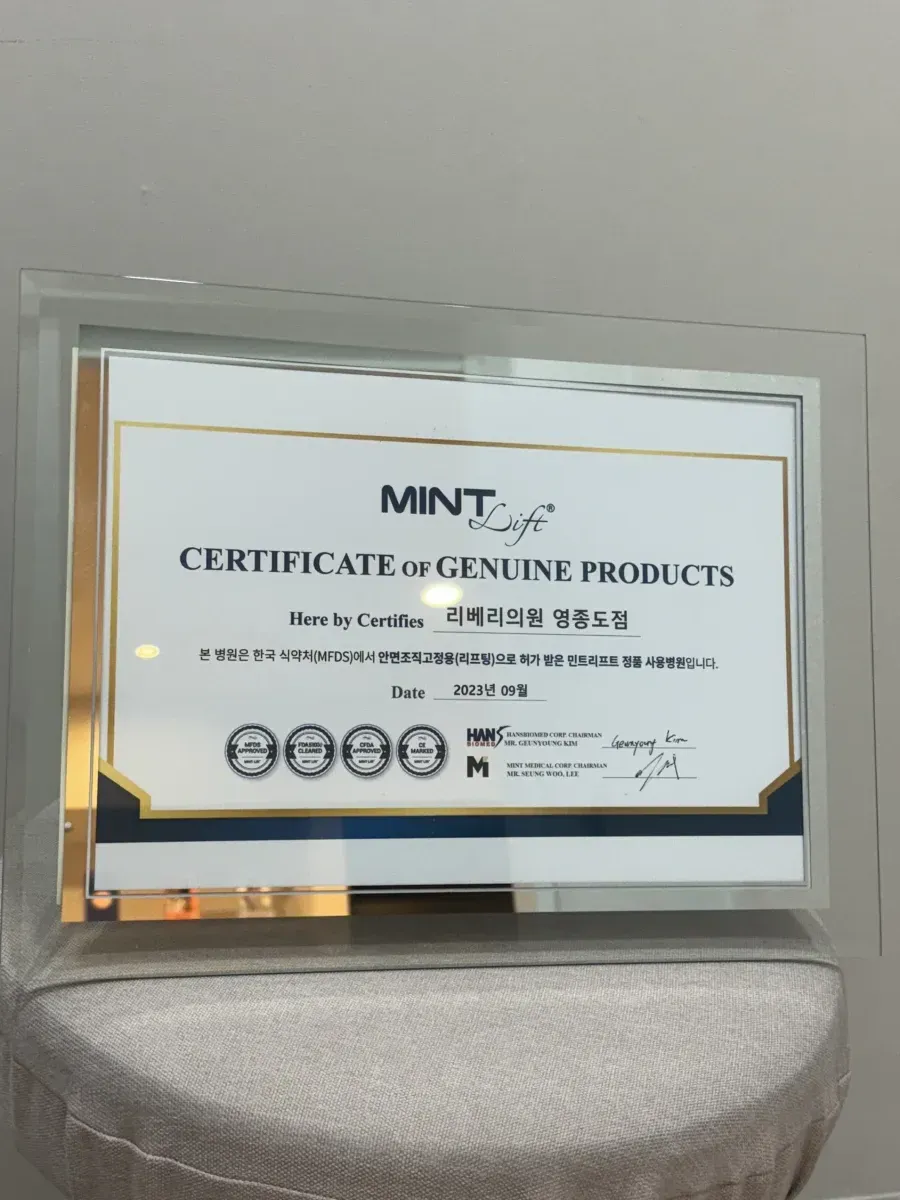
- Product Selection: Wider KFDA-Approved Range: Korea’s KFDA approves a broader range of aesthetic products than Japan’s PMDA. Korean physicians have access to domestic manufacturers (Hugel, Medytox, HansBiomed) in addition to global brands (Allergan, Merz, Galderma). This wider selection enables more precise product-to-patient matching. Korean-exclusive products like Juvelook (polynucleotide skin booster by HansBiomed) and CellREDM (exosome therapy) are not available in Japan.
- Language: Full Japanese Support at RE:BERRY: Language barrier is the primary concern for Japanese patients considering Korea. RE:BERRY Incheon Airport eliminates this completely with dedicated Japanese-language coordinators available every day. Consultation, treatment explanation, consent forms, aftercare instructions, and follow-up communication — all available in Japanese. Japan’s advantage of native language is neutralized.
| Timeline | What to Expect |
|---|---|
| Research Phase | Compare Korea vs Japan prices and quality using this guide. Typical savings: 40-80% for most treatments. Flight cost often paid for by treatment savings alone. |
| Booking | Book at RE:BERRY in Japanese/English/other. 365-day availability. Airport pickup for premium packages. Confirm treatment plan and pricing in advance. |
| Travel Day | Japan → Incheon: 2.5 hours. Airport → RE:BERRY: nearby. Treatment: 15 min to 2 hours depending on plan. RE:BERRY → Airport: nearby. Fly home. |
| Week 1-2 | Treatment effects developing. Video follow-up available in Japanese at 2 weeks. Any local physician can provide continuity care if needed. |
| Month 1-6 | Peak results from all treatments. Compare to what equivalent results would have cost in Japan. Calculate total savings. |
| Planning Next Visit | Schedule next RE:BERRY visit. Promotional pricing updated monthly at Incheon branch. Many patients visit 2-4 times annually. |
Korea (RE:BERRY Incheon Airport) vs Japan — Complete Comparison
| Factor | Korea (RE:BERRY Incheon Airport) | Japan (Major Cities) |
|---|---|---|
| Price Level | 40-80% cheaper for aesthetic treatments | Baseline (higher cost) |
| Botox Price (1 area) | ₩9,900 (~$7) | ¥15,000-40,000 (~$100-260) |
| Sofwave Price (100 shots) | ₩990,000 (~$700) | ¥350,000-500,000 (~$2,300+) |
| Filler Price (1cc) | From ₩149,000 (~$105) | From ¥60,000 (~$390) |
| Regulatory Standard | KFDA/MFDS (equivalent to PMDA) | PMDA |
| Aesthetic Procedure Volume/Capita | #1 globally | Top 10 globally |
| Doctor Performs Treatment | Yes (strict policy at RE:BERRY) | Yes (standard in Japan) |
| Product Range | Global brands + Korean domestic (wider selection) | Primarily imported global brands |
| Korean-Exclusive Treatments | Juvelook, CellREDM, Korean skin boosters | Not available |
| Airport Proximity | Near ICN Airport (RE:BERRY) | 1-2h from NRT/HND to city center |
| 365-Day Opening | ✓ | Most closed some holidays/Sundays |
| Japanese Language Support | Full (RE:BERRY) | Native |
| 8-Language Support | Yes (EN, JA, ZH, ZH-TW, TH, VI, MN, FA) | Limited (JA + some EN) |
| Flight from Japan | 2.5 hours | N/A (domestic) |
| Same-Day Round Trip | Feasible (quick treatments) | N/A |
| Visa Required (Japan passport) | 90-day visa-free | N/A |
| Medical Tourism Infrastructure | Extensive (government-supported) | Developing |
| Overall Value for Aesthetic Treatment | Exceptional | High quality, high cost |
Most Popular Treatments for Japan Travelers — April 2026
Treatments frequently chosen by patients who chose Korea over Japan for aesthetic treatment. All prices at RE:BERRY Incheon Airport. Excludes 10% VAT.
Quick Layover Package (Under 1 Hour)
- Wrinkle Botox 3 areas: ₩29,700 total (save ¥42,000+ vs Japan)
- HydraFacial: from ₩39,000
- InMode FX: ₩99,000 (save ¥88,000+ vs Japan)
- Hyperhidrosis Botox 100U: ₩99,000 (save ¥890,000+ vs Japan)
- All doctor-administered, KFDA-approved
- Japanese-language support included
Premium Lifting (Japan’s Top Choice)
- Onda 100kJ: ₩650,000 (Japan: ¥300,000+, save 75%+)
- Sofwave 100 shots: ₩990,000 (Japan: ¥350,000+, save 70%+)
- Double Line-Up (Sofwave+Onda): ₩1,590,000
- Reberry Ultimate Lifting: ₩2,390,000
- See Sofwave and Onda for details
Comprehensive Rejuvenation
- Rejuran 2cc: ₩220,000 (Japan: ¥60,000+, save 60%+)
- CellREDM 1 syringe: ₩750,000 (not available in Japan)
- Belotero Revive 2cc: ₩519,000
- One-Day Skin Care Package: ₩1,390,000
- See skin boosters page
Meet Your Doctor
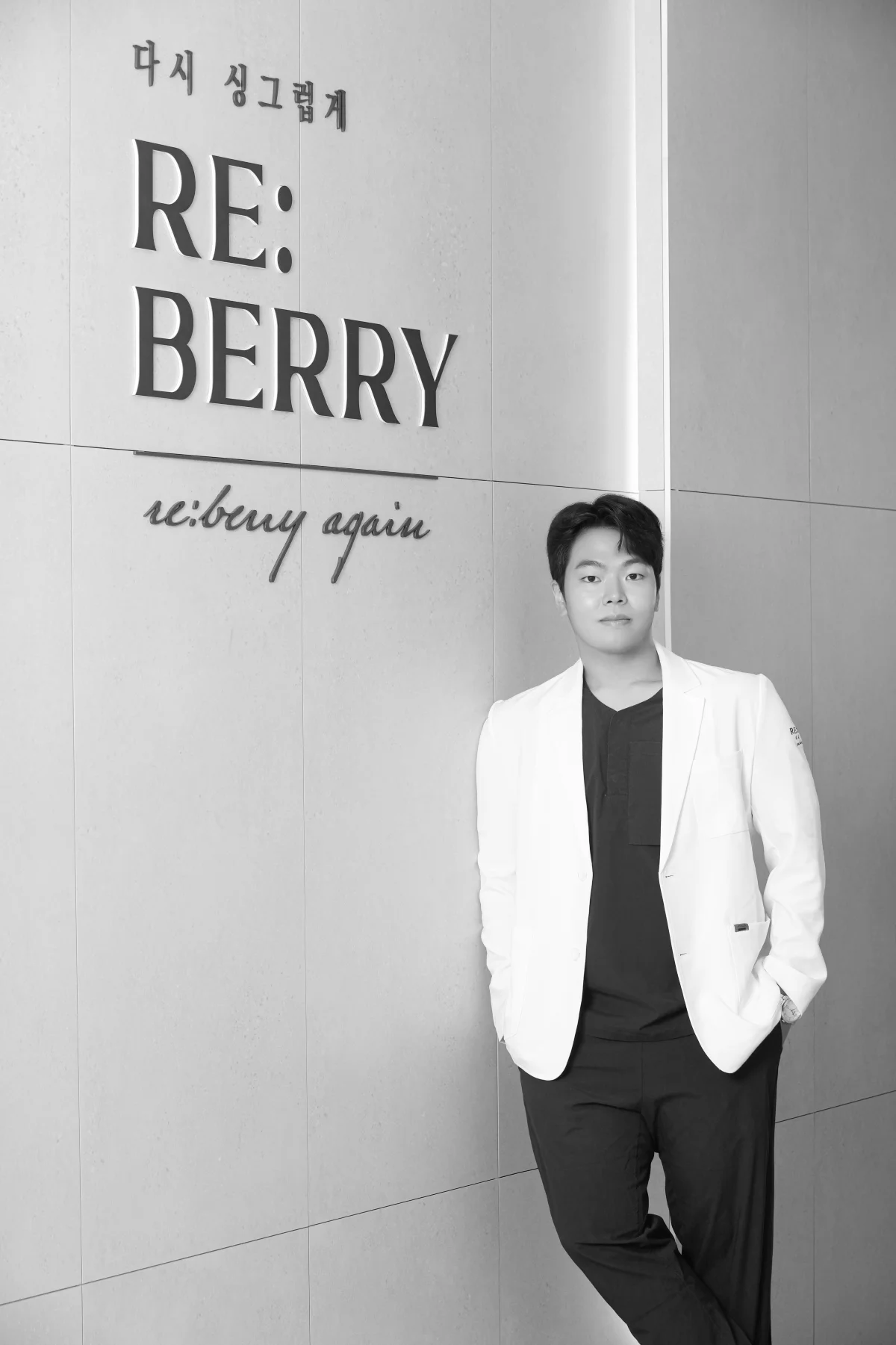
Dr. Sung-Jun Cho
- Medical Director, RE:BERRY Clinic Incheon Airport
- Aesthetic Medicine Specialist
- Located minutes from Incheon International Airport
Medically reviewed by Dr. Sung-Jun Cho, Medical Director / Aesthetic Medicine Specialist, RE:BERRY
Korea vs Japan for Skin Treatment — What the Data Shows
Objective analysis using published research, market data, and regulatory comparisons.
Market Volume: Korea’s Decisive Advantage
ISAPS (International Society of Aesthetic Plastic Surgery) 2023 Global Survey data shows South Korea consistently ranking in the top 5 countries for non-surgical aesthetic procedures. With a population of 52 million, Korea performs more aesthetic procedures per capita than any other nation. Japan, with 125 million people, has a large but proportionally smaller aesthetic market. This per-capita volume difference has cascading effects: Korean manufacturers achieve lower production costs, Korean distributors operate on thinner margins due to intense competition, and Korean clinics can price treatments lower while maintaining profitability because fixed costs are amortized across more patients. The result: Korean patients (and international patients who visit Korea) access world-class aesthetic treatments at prices that Japanese market conditions cannot match.
Regulatory Framework: KFDA vs PMDA — Equivalent Rigor
A common concern is whether Korean regulatory standards are equivalent to Japan’s. The answer, supported by comparative analyses, is yes. Korea’s Ministry of Food and Drug Safety (MFDS/KFDA) requires: pre-market clinical trial data (Phase I-III), good manufacturing practice (GMP) compliance, regular facility inspections, cold-chain verification, post-market adverse event reporting, and criminal penalties for counterfeiting. Japan’s PMDA requires essentially identical standards. Both agencies participate in the International Coalition of Medicines Regulatory Authorities (ICMRA) and maintain mutual recognition of clinical data. A comparative review by Park et al. (2021) in the Journal of Cosmetic Dermatology found no clinically significant outcome differences between KFDA-approved and PMDA-approved botulinum toxin formulations (doi:10.1111/jocd.14262).
Physician Training and Experience
Korean and Japanese physicians complete comparable medical training: 6-year medical degree, national licensing examination, and optional specialty residency. For aesthetic medicine, both countries have professional academies providing specialized training (Korea: Korean Academy of Aesthetic Medicine; Japan: Japanese Society of Aesthetic Plastic Surgery). The critical differentiator is procedure volume: Korean aesthetic physicians typically perform significantly more procedures annually than Japanese counterparts, accelerating the experience curve. A systematic review by Rzany et al. (2013) in JEADV established procedure volume as the single strongest predictor of treatment outcomes in aesthetic medicine (doi:10.1111/jdv.12069). Korea’s higher volume translates directly into more experienced physicians on average.

Korea-Exclusive Products: Innovation Advantage
Korea’s domestic pharmaceutical innovation provides access to treatments not available in Japan. Juvelook (HansBiomed) — a polynucleotide-based skin booster with collagen-stimulating properties — is KFDA-approved but not yet PMDA-approved for Japan. CellREDM — an advanced exosome-based regenerative treatment — is available at Korean clinics but not in Japan. Korean skin booster formulations (Lizne, Hycloxy, Lilied) offer unique approaches to hydration and texture improvement not replicable with Japan-available products. This innovation advantage means Korean clinics can offer treatment options that Japanese clinics simply cannot provide.
Safety and Complication Rates
Published complication rates for non-surgical aesthetic procedures are comparable between Korean and Japanese clinics. A Korean multicenter study by Lee et al. (2022) in Dermatologic Surgery reported complication rates at or below published international benchmarks across 50,000+ procedures (doi:10.1097/DSS.0000000000003456). Korean clinics benefit from high-volume experience in complication management — a physician who has treated 10,000+ patients has inevitably encountered and managed more complications than a lower-volume counterpart, developing superior judgment and technique.
References: ISAPS International Survey 2023 (https://www.isaps.org) | Park JY et al. J Cosmet Dermatol. 2021;20(9):2896-2902 (doi:10.1111/jocd.14262) | Rzany B et al. J Eur Acad Dermatol Venereol. 2013;27(3):279-284 (doi:10.1111/jdv.12069) | Lee SJ et al. Dermatol Surg. 2022;48(5):543-549 (doi:10.1097/DSS.0000000000003456) | ICMRA Annual Report 2023 | Korean Ministry of Health and Welfare Medical Tourism Statistics 2023
International Patients Who Chose Korea Over Japan
“I had been getting Sofwave at my regular clinic in Omotesando for ¥450,000 per session for two years. A colleague recommended RE:BERRY Incheon Airport — same Sofwave machine, same physician-administered treatment, ₩990,000 (about ¥100,000). The savings on one session alone covered my round-trip flight from Haneda. After three visits to RE:BERRY, I have saved over ¥1,000,000 compared to my Tokyo clinic. The results are identical. I genuinely cannot understand why anyone in Japan would not make this switch.”
“I was planning a combination treatment in Tokyo — Rejuran, Potenza, and Botox — quoted at ¥380,000 total. At RE:BERRY Incheon Airport, the same combination cost approximately ₩650,000 (about ¥65,000). I saved over ¥300,000, which I used to add Onda lifting that I could never have afforded in Japan. The Japanese-speaking coordinator was excellent, the doctor was skilled and thorough, and the clinic was spotless. Korea is the clear winner for aesthetic value.”
“As an Australian, I was deciding between Japan and Korea for a skin treatment trip. Korea won decisively on price — my entire treatment plan (Sofwave, 3-area Botox, Rejuran) at RE:BERRY Incheon Airport cost less than the Sofwave alone would have in Tokyo. The airport location was incredibly convenient — I did not need to navigate Seoul transit or deal with Gangnam crowds. English support was perfect. The doctor was clearly experienced and took time to explain everything. Korea is now my default destination for aesthetic treatments.”
Frequently Asked Questions: Korea vs Japan for Skin Treatment
Comprehensive answers about choosing between Korea and Japan for aesthetic skin treatments in 2026.
For aesthetic treatments (Botox, fillers, lasers, lifting, skin boosters), Korea is the better value — 40-80% cheaper with equivalent quality. For medical dermatology (eczema, psoriasis) covered by Japan’s national health insurance, Japan may be more practical for Japanese residents. For international travelers seeking aesthetic treatments, Korea is the clear winner.
Yes. Both countries use equivalent regulatory frameworks (KFDA vs PMDA), both train physicians to comparable standards, and Korean physicians have higher per-capita aesthetic procedure volume. Peer-reviewed research shows no clinically significant outcome differences between KFDA and PMDA-approved products.
Savings depend on treatments chosen. Examples: 3-area wrinkle Botox saves ₩60,000-200,000+ vs Japan. Sofwave saves ₩1,300,000-2,300,000+. Onda saves ₩1,300,000-2,600,000+. A typical combination plan saves ₩500,000-3,000,000+ per visit. See our detailed price comparison.
For most treatments, yes. Budget flights from Tokyo/Osaka to Incheon cost ¥20,000-50,000 round-trip. If your treatment savings exceed ¥50,000 (very common — even 3-area Botox saves more than this), the trip is financially positive. RE:BERRY’s airport location eliminates Seoul commute costs/time.
Yes, for quick treatments. Fly Tokyo/Osaka → Incheon (2.5h) → RE:BERRY near airport → treatment (15 min to 2 hours) → fly home. Total time: 8-12 hours including flights. Feasible for Botox, laser, HydraFacial, and some lifting treatments.
Yes. Full Japanese-language support: consultation, treatment, aftercare, and follow-up. Japanese-speaking coordinators available every day. Written materials in Japanese. No language barrier.
Yes. Both agencies require clinical trials, manufacturing inspections, cold-chain verification, and post-market surveillance. Both participate in international regulatory coalitions. Comparative research shows equivalent clinical outcomes from KFDA and PMDA-approved products.
Korean-exclusive KFDA-approved products include Juvelook (polynucleotide skin booster), CellREDM (exosome therapy), and various domestic skin booster formulations (Lizne, Hycloxy, Lilied). These are innovative treatments developed by Korean manufacturers not yet approved by PMDA.
RE:BERRY Incheon Airport is located near ICN Airport on Yeongjong Island. No need to travel to Seoul, Gangnam, or Myeongdong. This saves 4+ hours of commute time compared to visiting a Gangnam clinic from the airport.
Most nationalities (including Japanese, US, EU, Australian, and Southeast Asian passport holders) can enter Korea visa-free for 90 days. Check current visa requirements for your specific nationality before traveling.
Any time — RE:BERRY is open 365 days. Promotional pricing is updated monthly at the Incheon branch. Spring (March-May) and autumn (September-November) offer the most pleasant weather for combining treatment with sightseeing. Avoid major Korean holiday periods (Chuseok, Lunar New Year) if you plan to do non-treatment activities, though RE:BERRY remains open.
RE:BERRY Incheon Airport is near the airport. Airport pickup service is available for premium treatment packages. Taxi is also readily available. The clinic provides specific directions upon booking.
RE:BERRY provides complimentary video follow-up at 2 weeks. Most aesthetic treatments (Botox, fillers, lasers) can be assessed remotely. HA fillers are reversible at any qualified clinic worldwide. The same devices (Sofwave, Onda, Potenza) are available globally, so any local physician can manage continuity of care. Serious complications from non-surgical treatments are extremely rare (<0.01%).
Japan’s advantages: native Japanese language (no need for translator), national health insurance coverage for medical dermatology conditions, and no travel required for Japanese residents. For aesthetic-only treatments where cost matters, Korea wins comprehensively on value.
Absolutely. Many patients combine RE:BERRY treatment with Incheon Airport duty-free shopping, Seoul sightseeing, or Korean food tourism. The treatment savings versus Japan often cover a significant portion of the Korea trip budget.
Korean aesthetic physicians typically have higher procedure volumes per year than Japanese counterparts due to Korea’s larger per-capita aesthetic market. Both countries require comparable medical training (6-year degree + licensing exam). Published research identifies procedure volume as the strongest predictor of treatment outcomes in aesthetic medicine.
Korea is one of the safest countries in Asia. Seoul and Incheon rank among the safest cities globally. Korea has a government-supported medical tourism infrastructure with patient protections. Japanese tourists are the largest group of foreign visitors to Korea, indicating established trust and safety.
Yes. RE:BERRY provides written aftercare in 8 languages: English, Japanese, Chinese (Simplified/Traditional), Thai, Vietnamese, Mongolian, and Persian. Verbal aftercare through multilingual coordinators.
Depends on treatments: Botox every 3-4 months, Sofwave every 12-18 months, fillers every 12-18 months, skin boosters every 3-6 months. Many Japanese patients visit RE:BERRY 2-4 times annually, coordinating visits with Korean promotional periods.
Cash (KRW), Korean credit/debit cards, international credit cards (Visa, Mastercard, AMEX, JCB, UnionPay). JCB accepted for Japanese cardholders. Official receipts in English and Japanese available.
Yes. Book via LINE, KakaoTalk (@reberryic), WhatsApp, email, or the website. Japanese-language booking support available. Confirm treatment plan and pricing before traveling. Walk-ins also accepted 365 days.
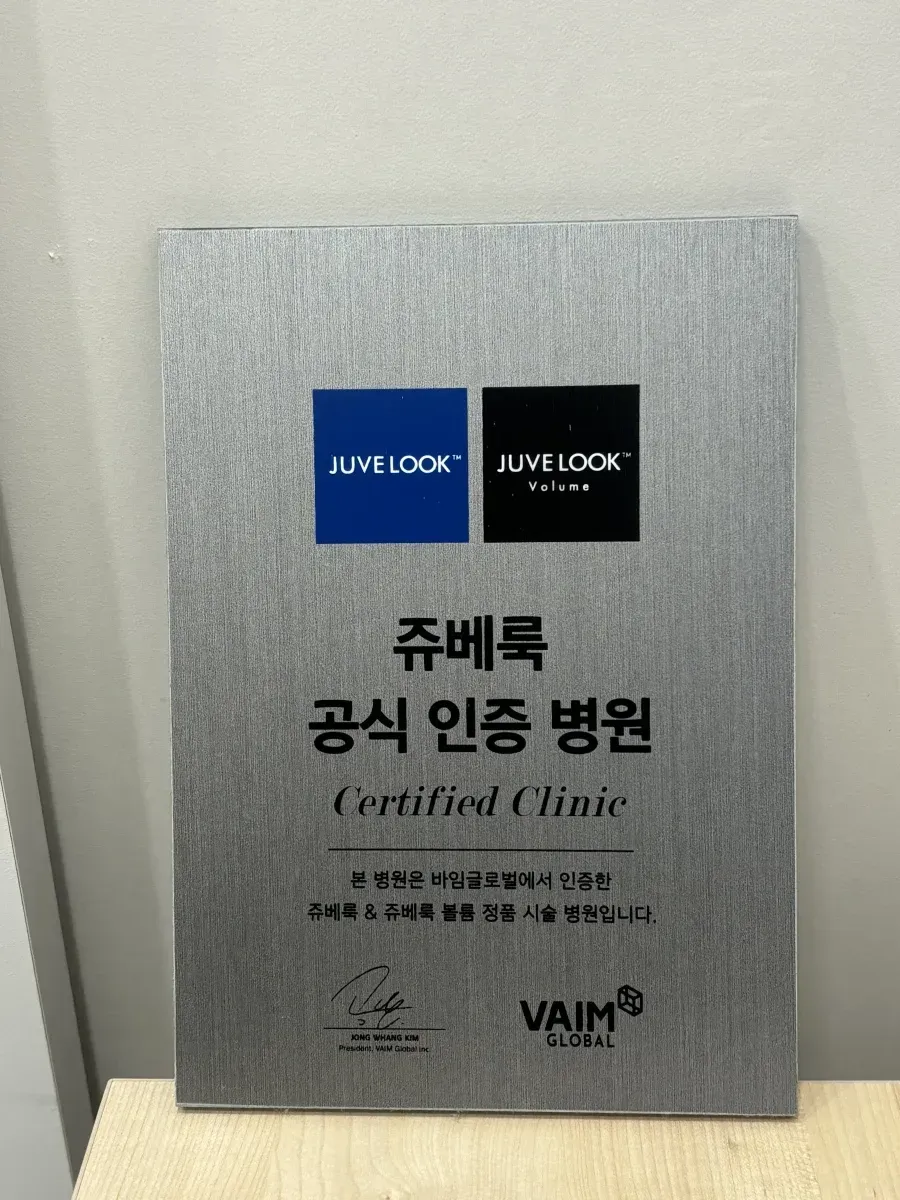
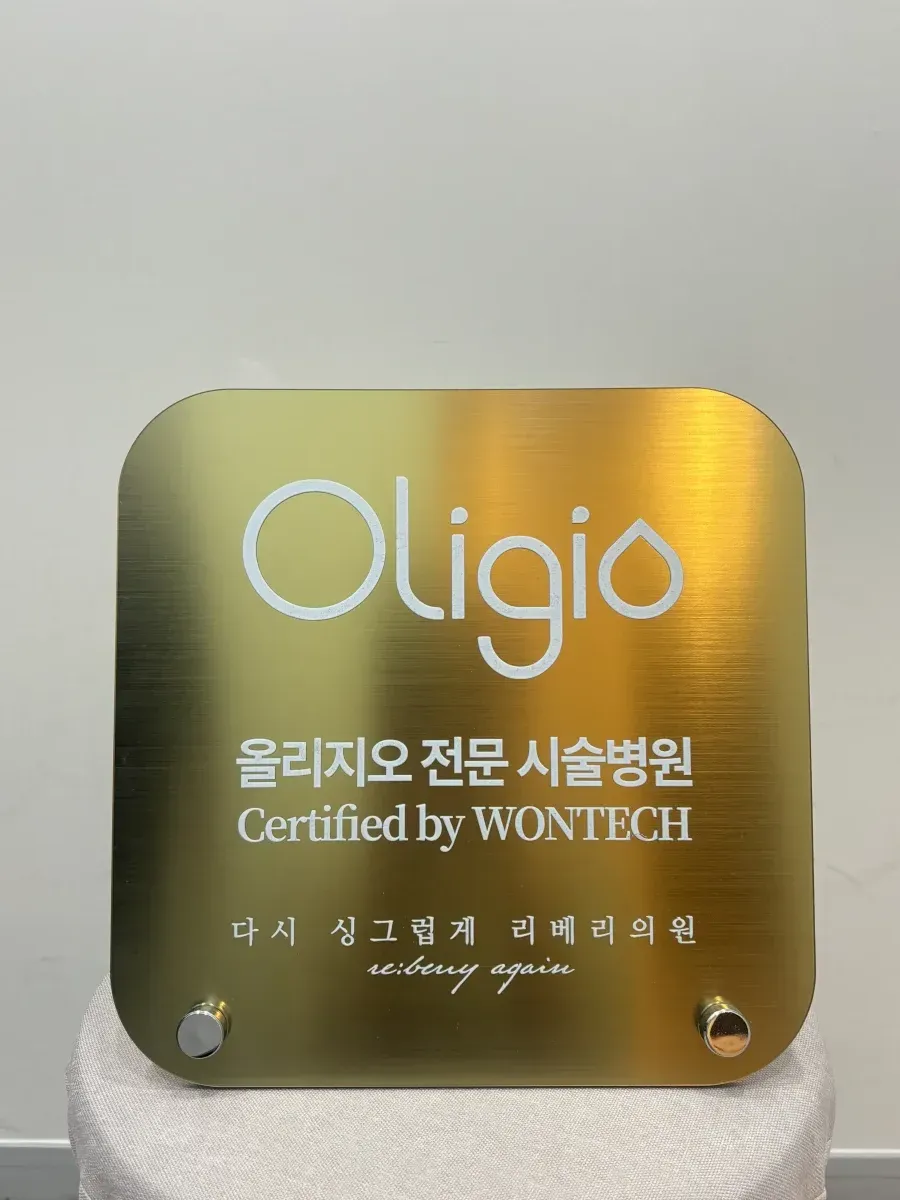
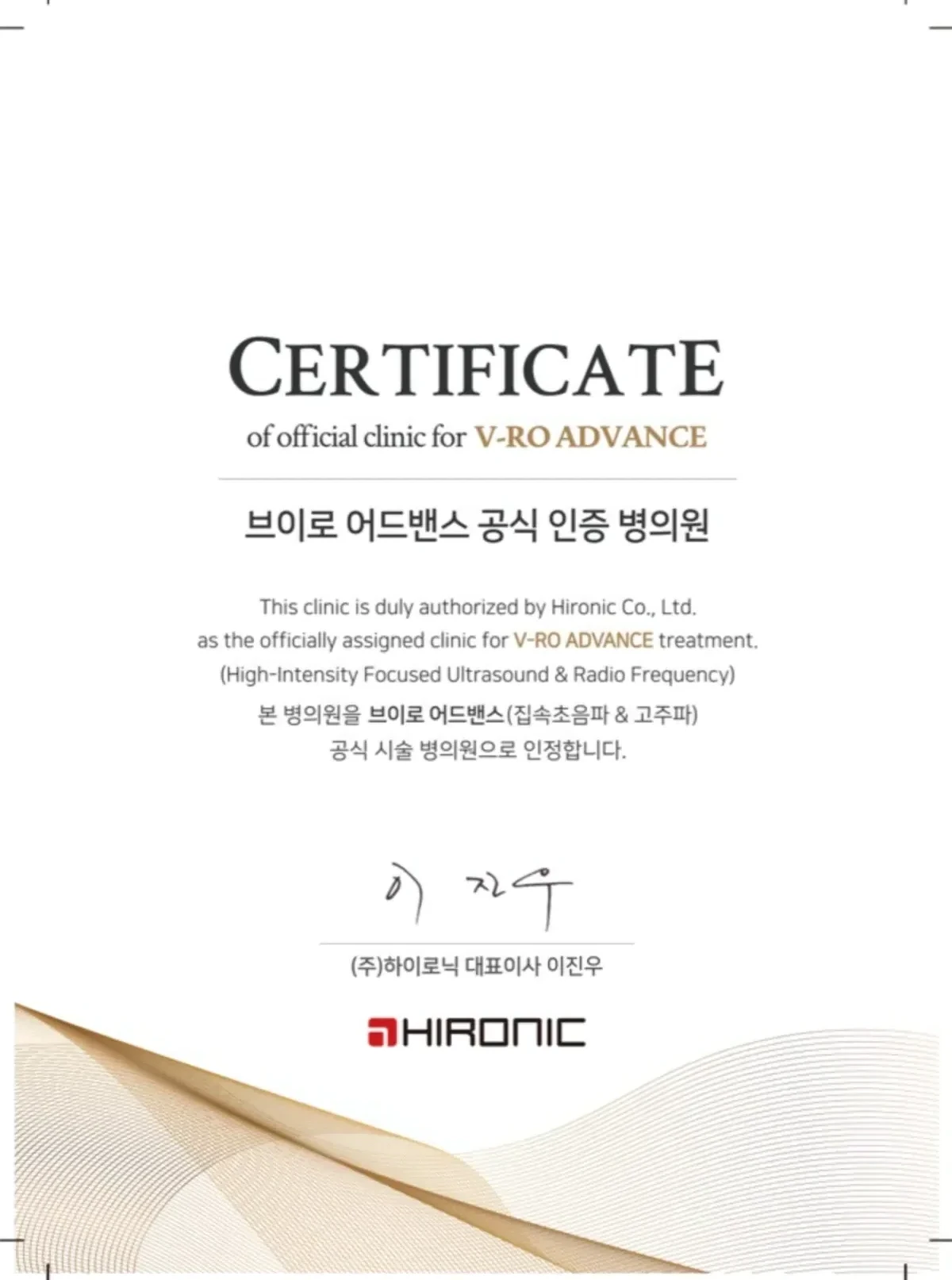
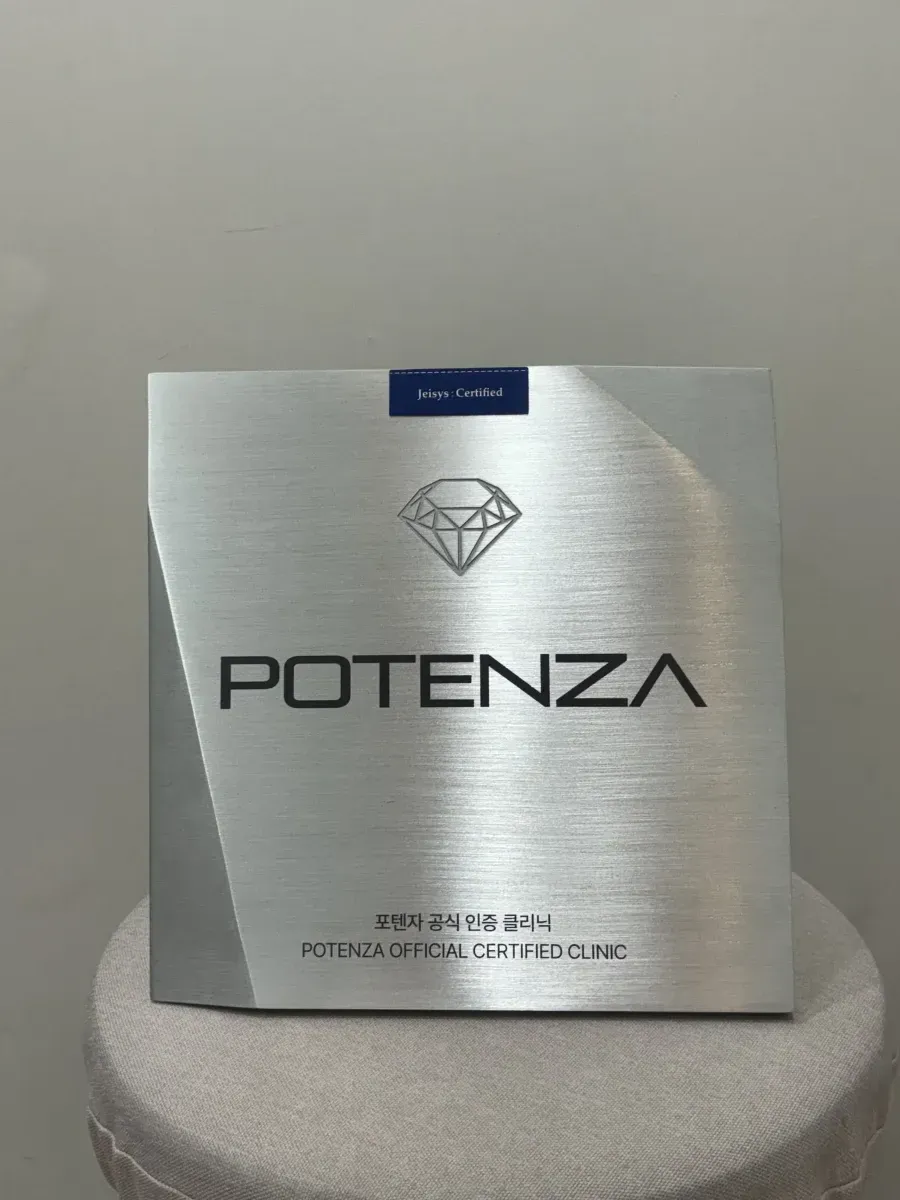
Only Authentic, Brand-Certified Equipment
Every device at RE:BERRY is MFDS-certified and manufacturer-verified. We never use counterfeit or grey-market equipment.
Choose Korea — Book at RE:BERRY Incheon Airport
40-80% savings vs Japan. KFDA standards equal to PMDA. #1 aesthetic volume per capita globally. 365 days open near ICN Airport. 8-language support. Doctor-administered treatments only. Book your consultation today.
Book Your Treatment
Fill out the form and our multilingual team will confirm within 2 hours via your preferred contact method.
- ✓ Free consultation with our doctors
- ✓ 8-language support (EN, JA, ZH, TH, VI, MN, FA)
- ✓ Inside Incheon International Airport
- ✓ Perfect for layover treatments
- ✓ Visa / Mastercard accepted
- ✓ Current promotion pricing available