Pico Toning for Glass Skin in Korea
Korean glass skin — that luminous, pore-less, translucent complexion — is not genetics. It is the result of precise laser toning protocols developed by Korean aesthetic medicine. PicoSure picosecond toning at RE:BERRY Clinic Incheon Airport delivers the photomechanical precision that shatters melanin micro-deposits, refines pore texture, and triggers controlled collagen remodeling to produce the glass skin effect. Berry Dual Toning 10 sessions from ₩690,000. Zero downtime, safe for Fitzpatrick III-V.
What Is Pico Toning and How Does It Create Glass Skin?
Pico toning is a picosecond laser protocol that shatters melanin and remodels collagen to produce Korean glass skin — luminous, pore-less, translucent complexion. RE:BERRY Incheon Airport’s Berry Dual Toning 10-session package costs ₩690,000 ($531 USD), combining PicoSure picosecond plus Genesis Nd:YAG.
The Korean glass skin trend (also called ‘chok-chok’ skin, meaning dewy and hydrated) represents the pinnacle of Korean beauty standards — skin that appears so smooth, even-toned, and luminous that it looks like polished glass. While K-beauty skincare routines contribute to this effect, the clinical foundation of true glass skin is professional laser toning, specifically picosecond laser technology. Traditional nanosecond lasers rely primarily on photothermal effects (heat destruction), which carry PIH risk in Asian skin. PicoSure picosecond laser operates in a fundamentally different physical regime — its 550-750 picosecond pulse duration is short enough that the dominant tissue interaction is photomechanical (pressure wave fragmentation) rather than thermal. This means pigment particles are shattered by acoustic shockwaves with minimal heat transfer to surrounding tissue. At RE:BERRY Incheon Airport, Dr. Dong-Young Kim combines PicoSure pico toning with Genesis 1064nm Nd:YAG toning in every session of the Berry Dual Toning package. PicoSure targets melanin deposits and triggers LIOB (laser-induced optical breakdown) in the epidermis, while Genesis delivers sub-threshold dermal heating for collagen stimulation and vascular normalization. This dual mechanism addresses every component of the glass skin equation: pigment clearance, pore refinement, skin brightening, collagen density, and surface texture smoothing. The result is skin that genuinely looks like glass — even-toned, translucent, poreless, and naturally luminous. Combined with glutathione IV therapy for systemic brightening and Rejuran skin boosters for dermal hydration, RE:BERRY’s glass skin protocol produces results that no amount of skincare products alone can achieve.
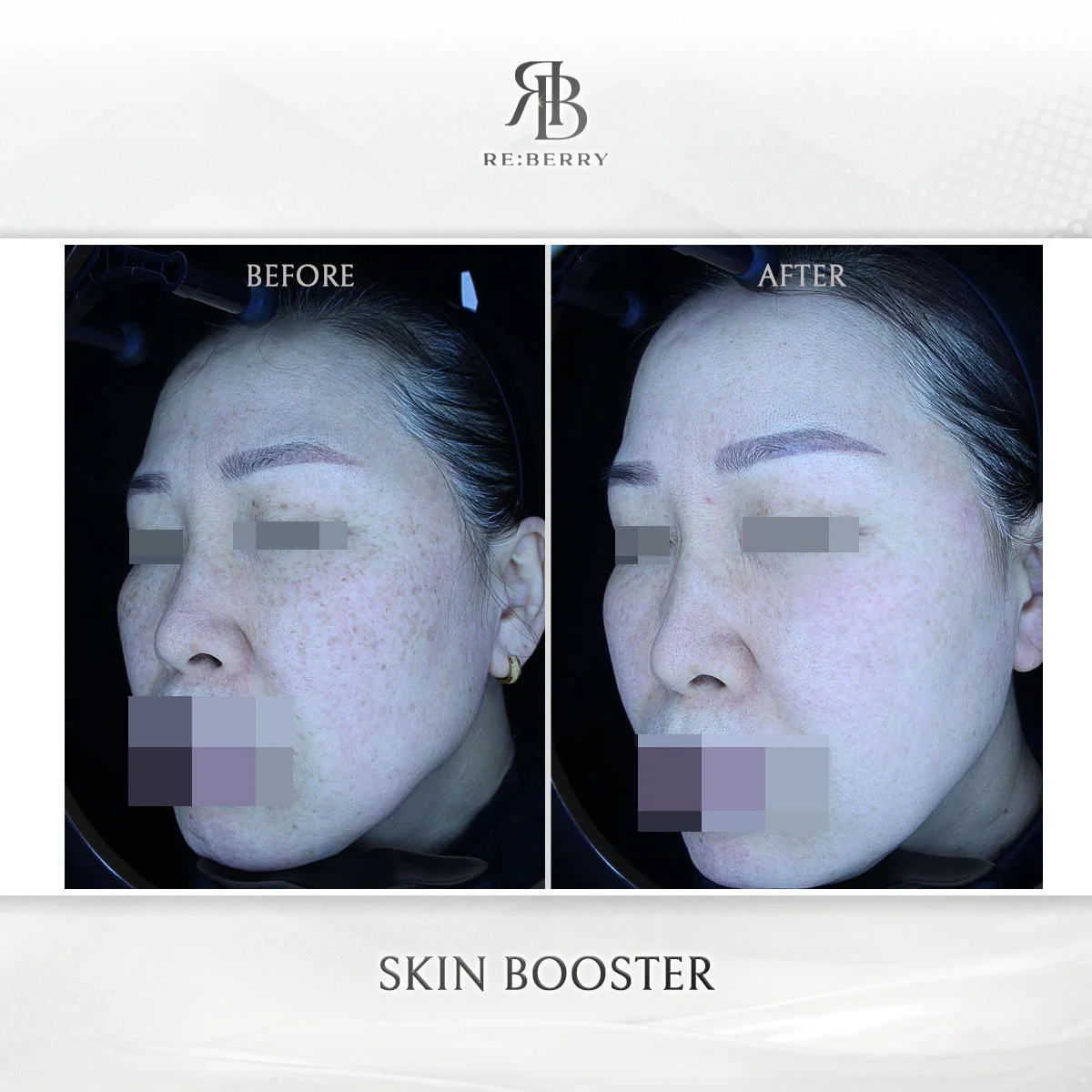
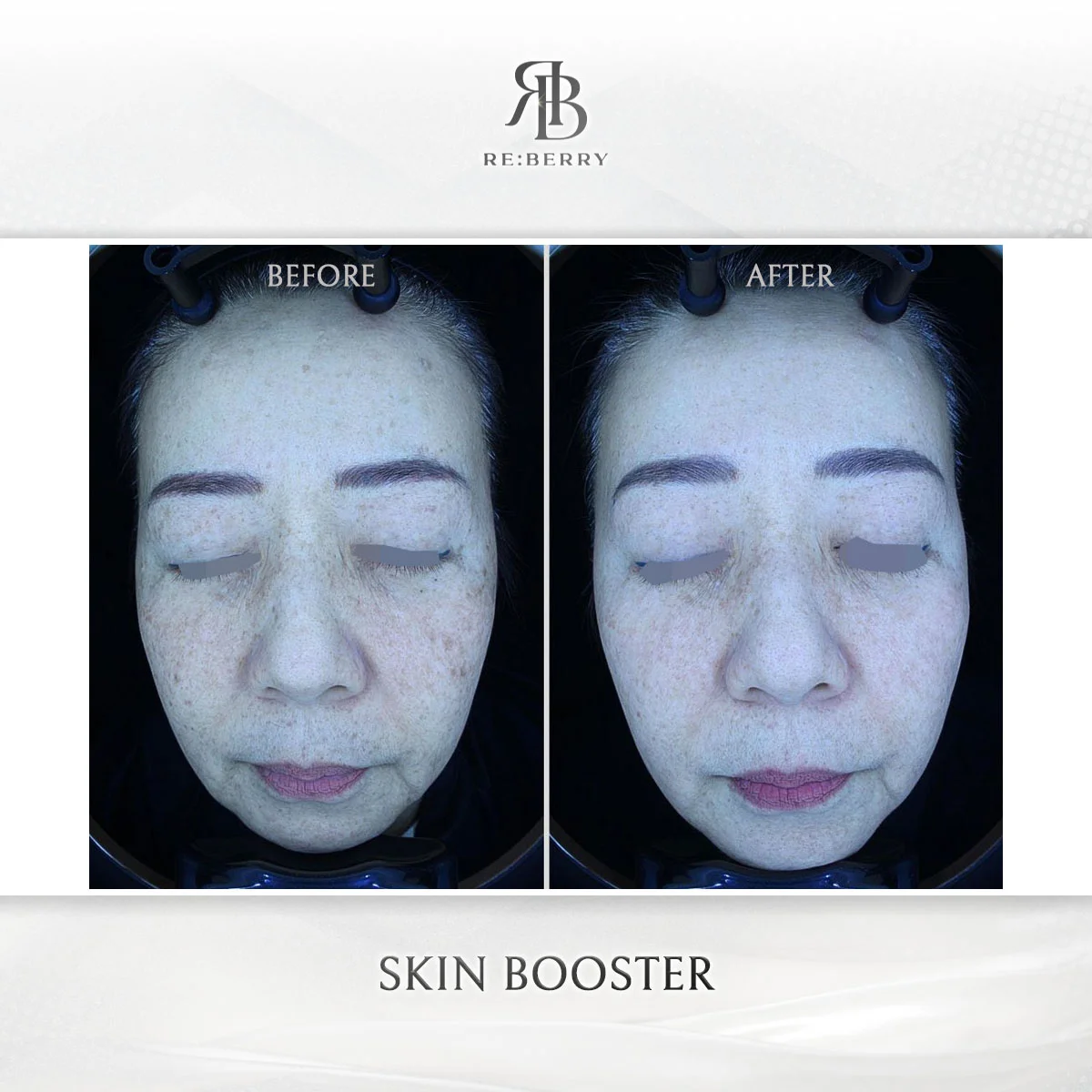
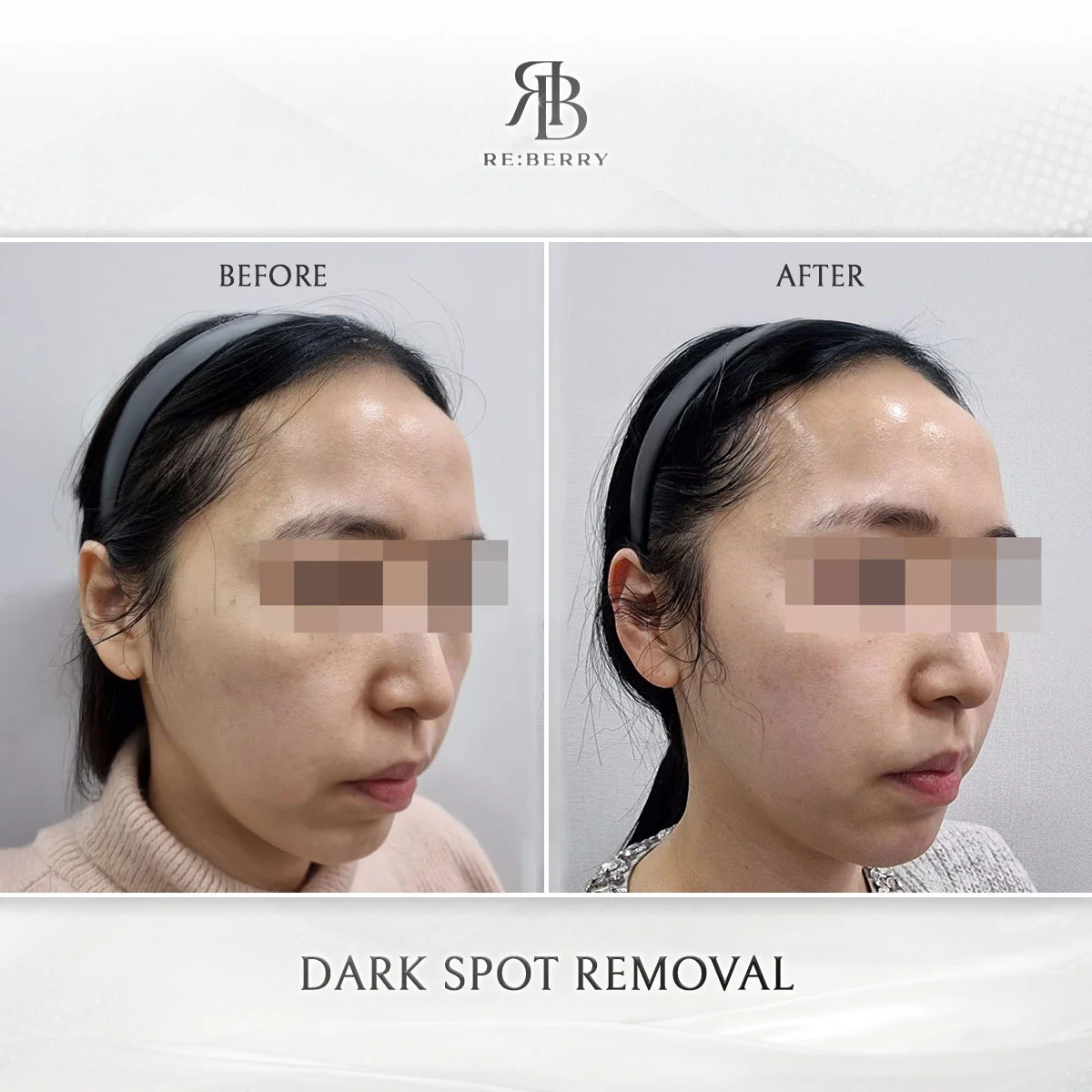
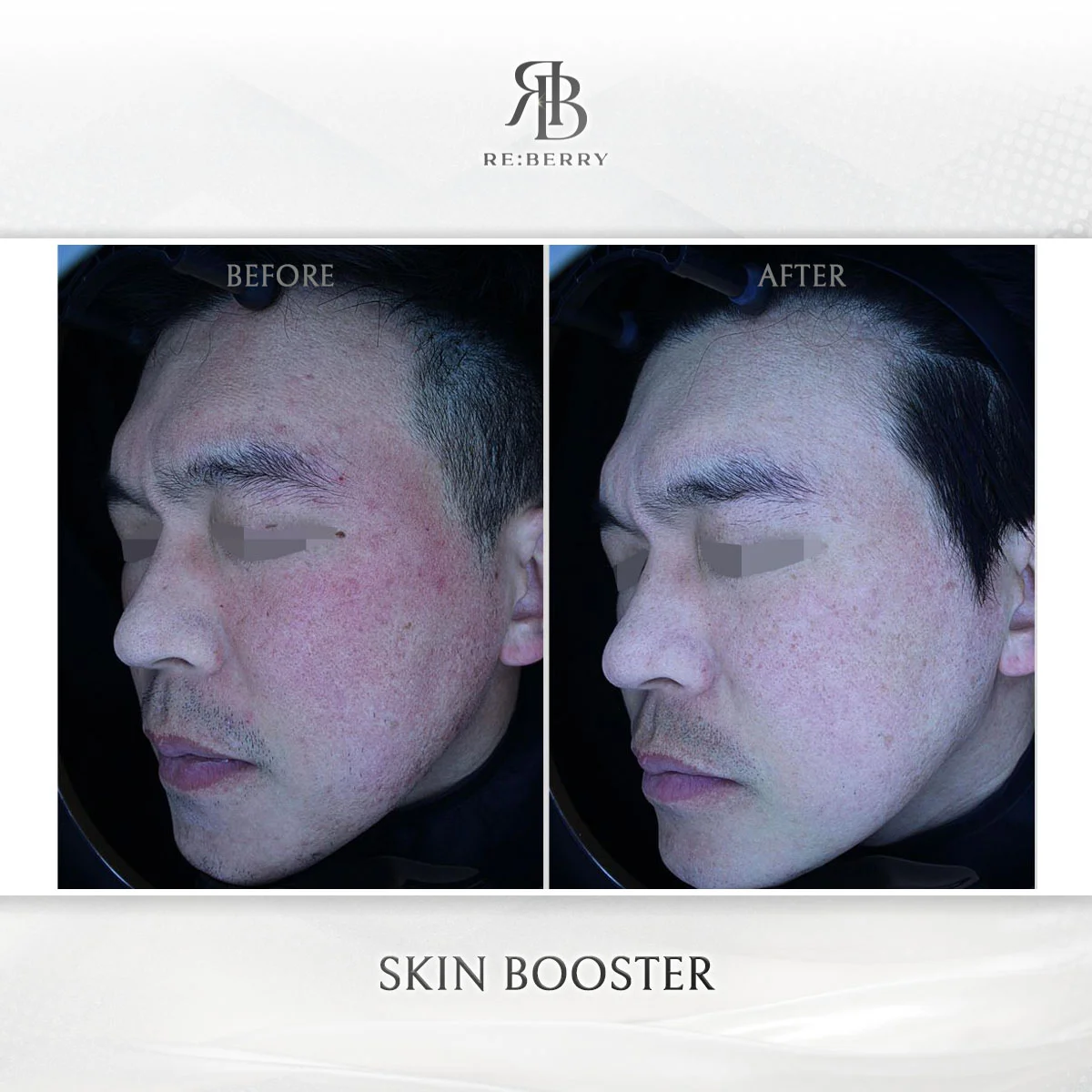
Pico Toning Glass Skin Results at RE:BERRY Incheon Airport
Actual patient results after pico toning treatment courses. Individual outcomes vary based on baseline skin condition, number of sessions, and home care compliance.
How RE:BERRY Creates Glass Skin with Pico Toning
A physician-designed four-step glass skin protocol combining picosecond laser technology with complementary modalities for maximum luminosity.
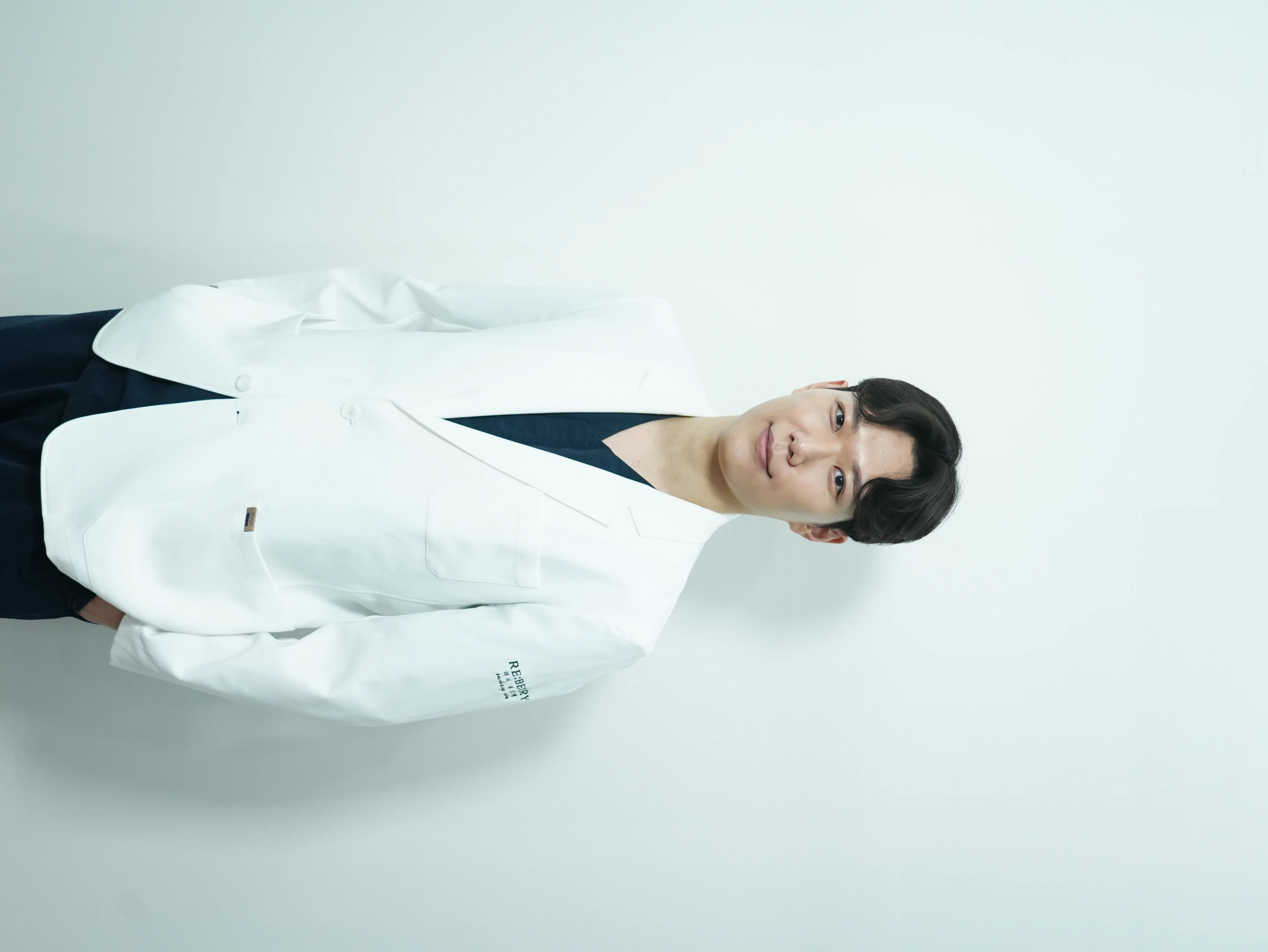
Comprehensive Skin Analysis & Glass Skin Assessment
The glass skin journey begins with Dr. Dong-Young Kim’s detailed skin analysis. Using dermoscopy and high-magnification imaging, he evaluates five glass skin parameters: melanin distribution (even vs. patchy), pore size and density, skin surface texture (smooth vs. rough), dermal collagen density (plump vs. depleted), and vascular status (redness, broken capillaries). Each parameter receives a baseline score, and a personalized pico toning protocol is designed to address your specific deficiencies. Asian skin types vary significantly — a Japanese patient’s glass skin barriers are often different from a Thai patient’s — and the laser parameters must reflect this individuality.
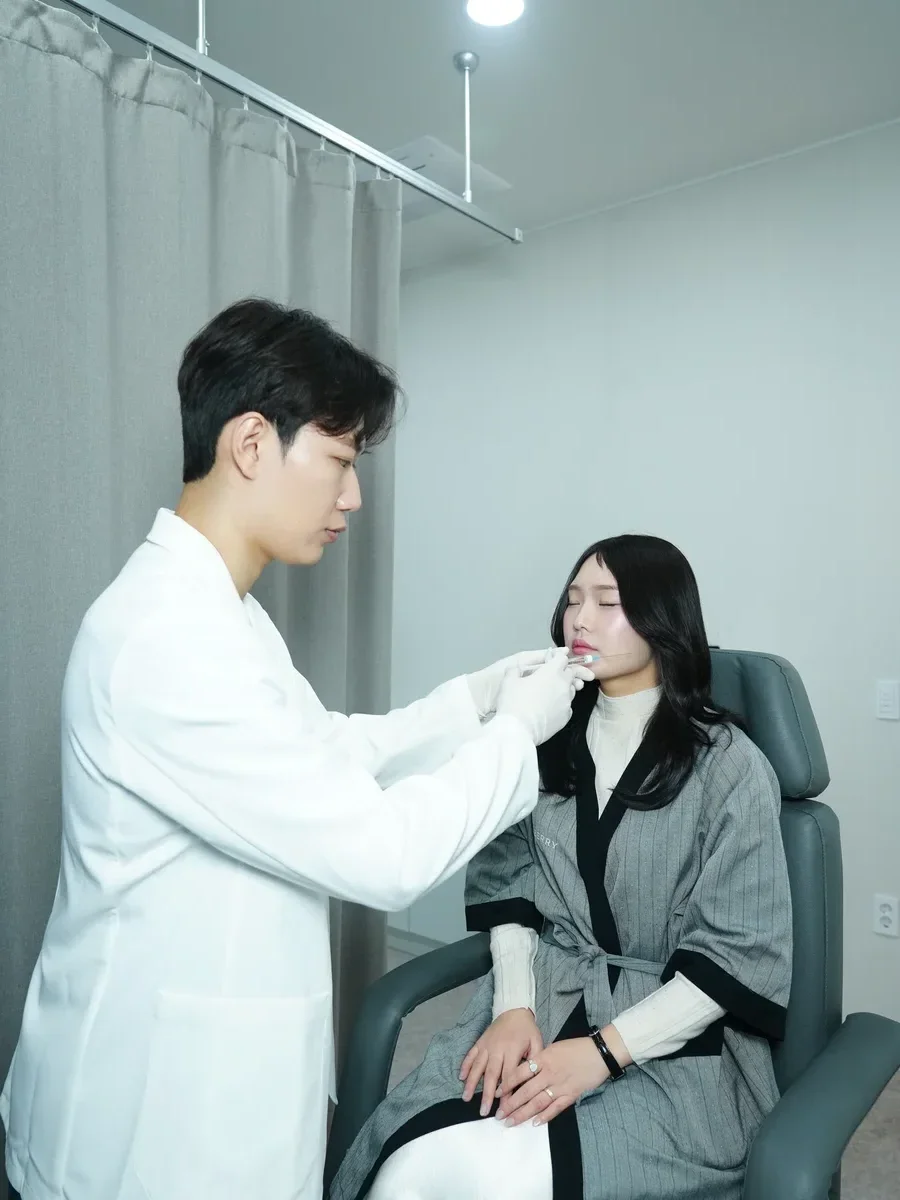
PicoSure Picosecond Toning (Pigment & Pore Phase)
The first laser pass uses PicoSure at 755nm in toning mode with low fluence and large spot size. The picosecond pulses generate photomechanical shockwaves that fragment melanin micro-deposits invisible to the naked eye but responsible for dullness and uneven tone. Simultaneously, the LIOB (laser-induced optical breakdown) effect creates microscopic vacuoles in the epidermis that trigger a wound healing cascade, resulting in new collagen and elastin formation in the papillary dermis. This mechanism refines pore architecture and improves skin texture over successive treatments. The entire face is treated in 3-5 passes over 10-15 minutes. Patients feel only a mild snapping sensation with no topical anesthesia required.
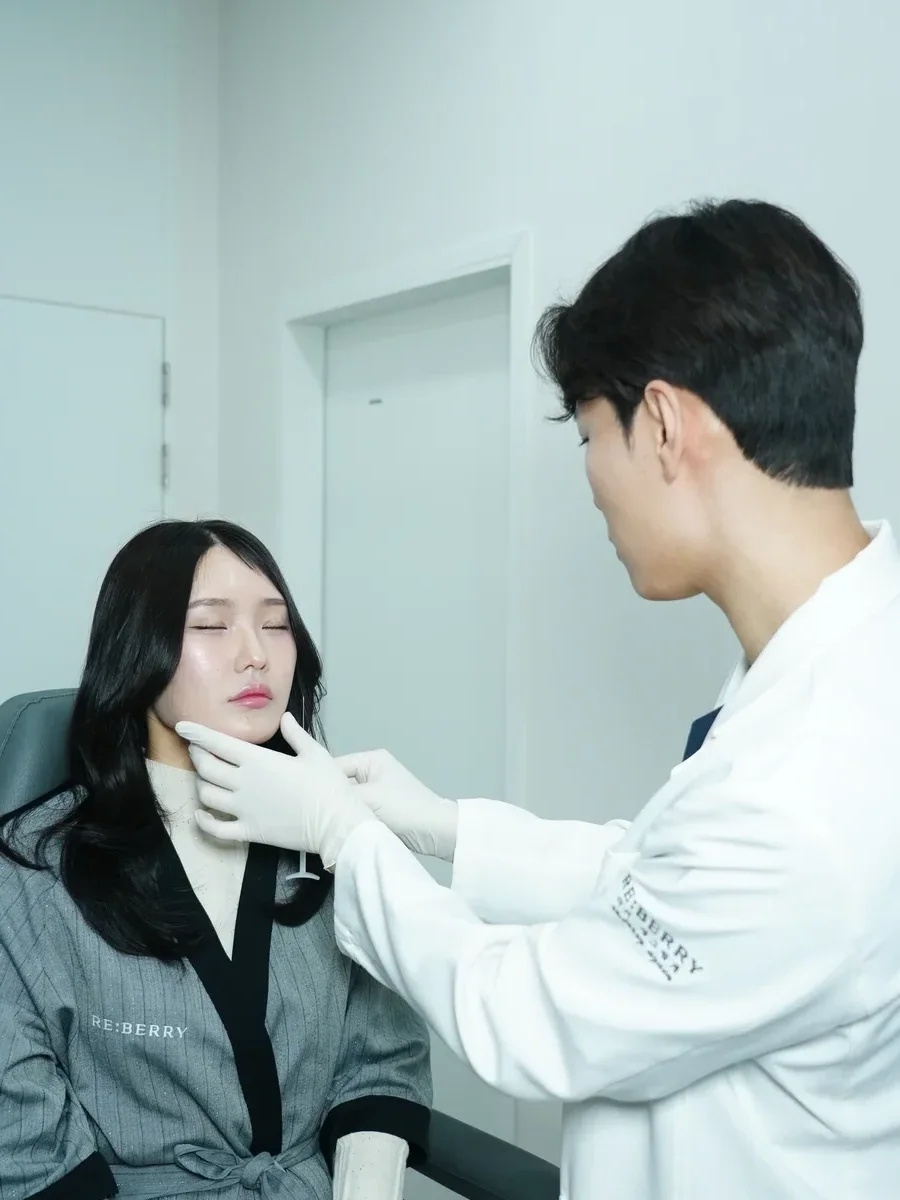
Genesis Nd:YAG Toning (Collagen & Vascular Phase)
Immediately following PicoSure, Dr. Dong-Young Kim performs Genesis 1064nm Nd:YAG laser toning. Genesis delivers 5,000-10,000 sub-threshold micro-pulses across the treatment area, gently heating the papillary dermis to 42-48 degrees Celsius without disrupting the epidermis. This sub-threshold heating achieves three glass skin objectives: (1) collagen fiber contraction and neocollagenesis for plumper, denser skin; (2) vascular normalization — reducing facial redness and visible capillaries; (3) mild thermal tightening for smoother surface texture. The Genesis phase takes 10-15 minutes. Combined with the preceding PicoSure pass, the Berry Dual Toning session totals 20-30 minutes with zero downtime.
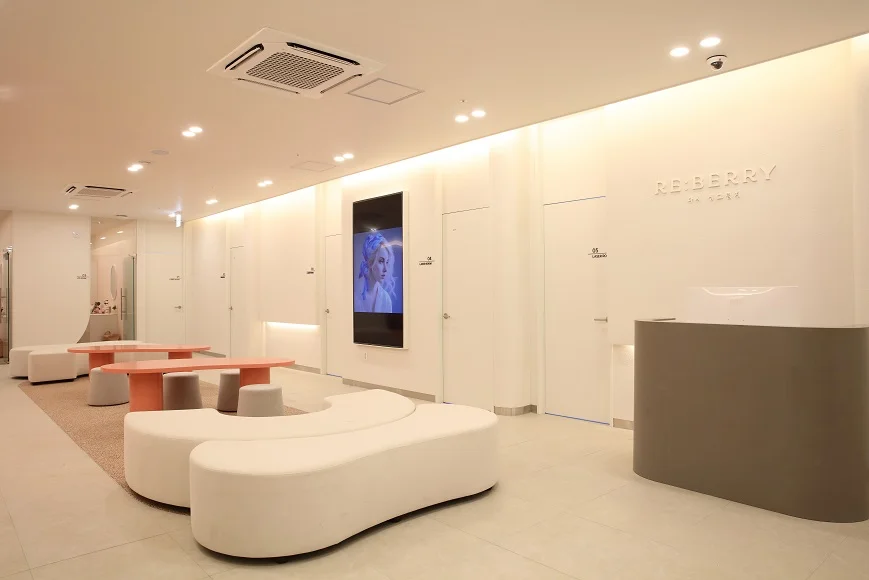
Post-Toning Recovery Protocol & Home Care Plan
After dual toning, RE:BERRY applies LDM (low-frequency dermal massage) for inflammation control and accelerated barrier repair, followed by Dermio Care (LED phototherapy + cooling) to lock in the treatment benefits. A medical-grade barrier serum is applied. For patients pursuing maximum glass skin results, Dr. Dong-Young Kim recommends combining the Berry Dual Toning course with periodic Aqua Peel sessions for deep pore cleansing and Rejuran Healer or Juvelook skin boosters for dermal hydration between toning sessions. A detailed home care protocol is provided in your language: ceramide barrier cream, SPF 50+ PA++++ sunscreen, hydrating toner layering, and specific product avoidance (retinoids, AHA/BHA for 48 hours post-treatment).
Pico Toning Glass Skin Results Timeline
- Photomechanical Pigment Clearance: PicoSure picosecond pulses shatter melanin via acoustic shockwaves, not heat. This is the safest, most effective pigment removal mechanism for Asian skin types III-V.
- LIOB Collagen Remodeling: Laser-induced optical breakdown creates controlled micro-cavities that trigger new collagen and elastin synthesis — the foundation of the plump, bouncy glass skin texture.
- Pore Architecture Refinement: Repeated picosecond treatment tightens perifolicular collagen around pores, reducing their visible size. This is the key differentiator between glass skin and merely bright skin.
- Vascular Normalization: Genesis 1064nm toning reduces background facial redness and visible capillaries, creating the uniform porcelain-like base tone that defines glass skin.
- Zero Downtime Cumulative: Each session requires zero recovery time. Results compound session over session, with glass skin effect building progressively over the 10-session course.
| Timeline | What to Expect |
|---|---|
| Session 1-2 | Skin appears slightly brighter and cleaner within 24-48 hours. Mild pinkness resolves in 1-2 hours. Baseline melanin fragmentation begins. |
| Sessions 3-5 (Weeks 3-8) | Visible improvement in skin tone uniformity. Surface-level pigment spots begin fading. Pores appear slightly refined. Skin develops a noticeable glow. |
| Sessions 6-8 (Weeks 9-14) | Significant glass skin effect emerging. Skin appears translucent, even-toned, and luminous. Pore size measurably reduced. Collagen density increasing. |
| Sessions 9-10 (Weeks 15-18) | Full glass skin achieved. Skin appears poreless, uniformly bright, and naturally dewy. Maximum collagen remodeling and pigment clearance. |
| Maintenance (Monthly) | Monthly single-session maintenance preserves glass skin effect indefinitely. Without maintenance, gradual return toward baseline over 4-6 months. |
Pico Toning vs. Other Glass Skin Treatments: How They Compare
| Feature | Pico Toning (PicoSure) | Chemical Peel | Microneedling (Potenza RF) | Skin Booster Injection |
|---|---|---|---|---|
| Glass Skin Mechanism | Pigment Shattering + Collagen via LIOB | Chemical Exfoliation + Peeling | Micro-Injury Collagen Induction | Dermal Hydration + Volume |
| Pigment Clearance | Excellent (Photomechanical) | Moderate (Surface Only) | Indirect (RF Remodeling) | Minimal (Not Pigment-Targeted) |
| Pore Refinement | Excellent (Perifolicular Collagen) | Moderate (Temporary) | Excellent (RF Tightening) | Moderate (Hydration Plumping) |
| Asian Skin Safety | Excellent (Low Fluence Protocol) | Moderate (PIH Risk with Deep Peels) | Good (RF is Colorblind) | Excellent (No Laser Involved) |
| Downtime | None | 1-7 Days (Depth Dependent) | 1-3 Days | None to 1 Day |
| Sessions for Glass Skin | 8-10 Sessions | 6-8 Sessions | 3-6 Sessions | 3-4 Sessions |
| RE:BERRY Price | ₩690,000 (10 Sessions) | ₩77,000/Session (LHALA) | ₩330,000/Session (Potenza) | ₩220,000 (Rejuran 2cc) |
Pico Toning Glass Skin Packages at RE:BERRY Incheon Airport
All prices include VAT. Non-covered medical service. April 2026 pricing. Designed for progressive glass skin achievement on Asian skin types.
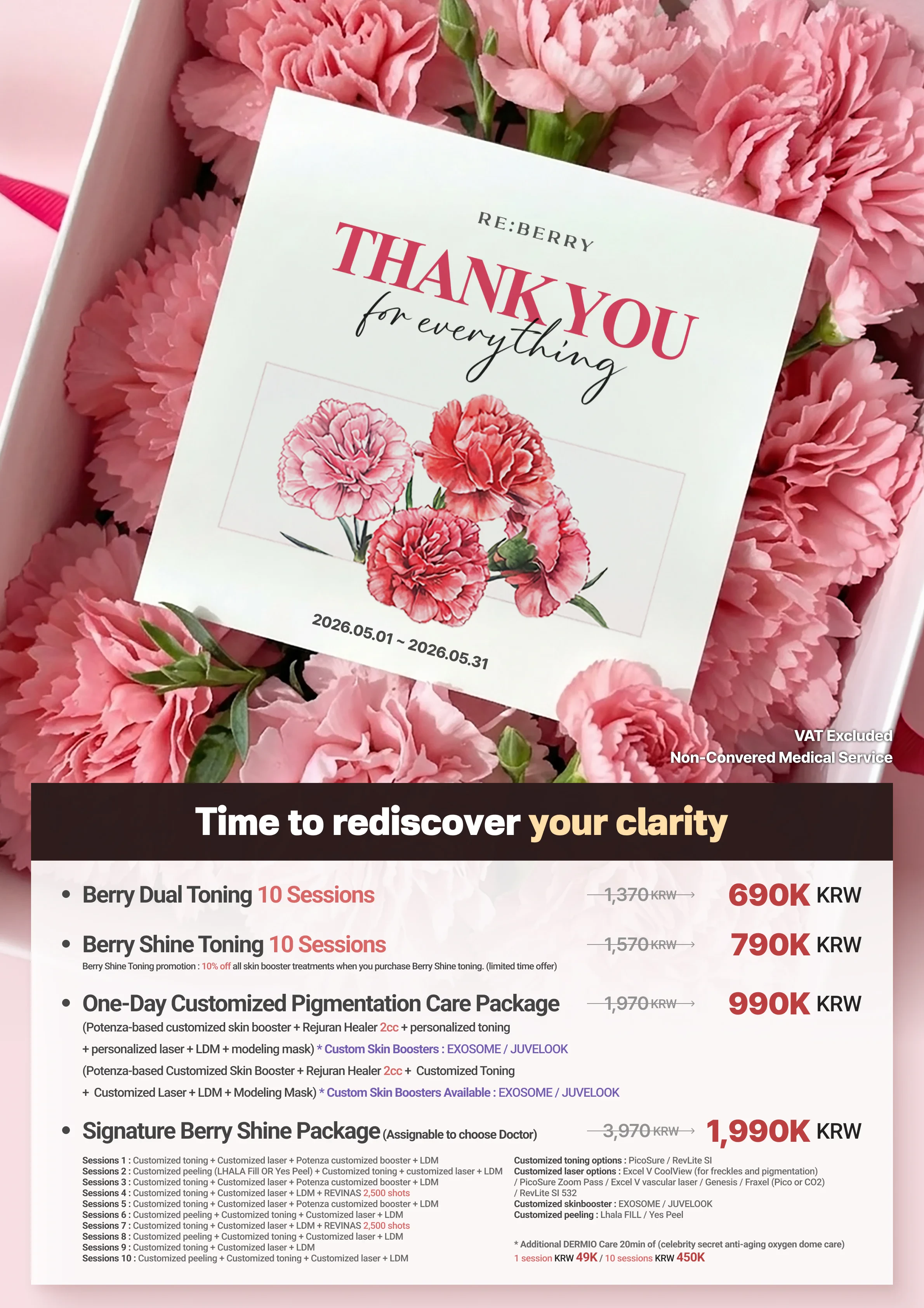
Berry Dual Toning (10 Sessions)
- 10 sessions PicoSure picosecond toning
- 10 sessions Genesis 1064nm Nd:YAG toning
- Low-fluence Asian skin protocol
- Zero downtime per session
Berry Shine Toning (10 Sessions)
- 10 customized toning sessions
- Doctor-selected laser combination
- Enhanced brightening + texture protocol
- Add: Mulberry Mela 2cc ₩49K
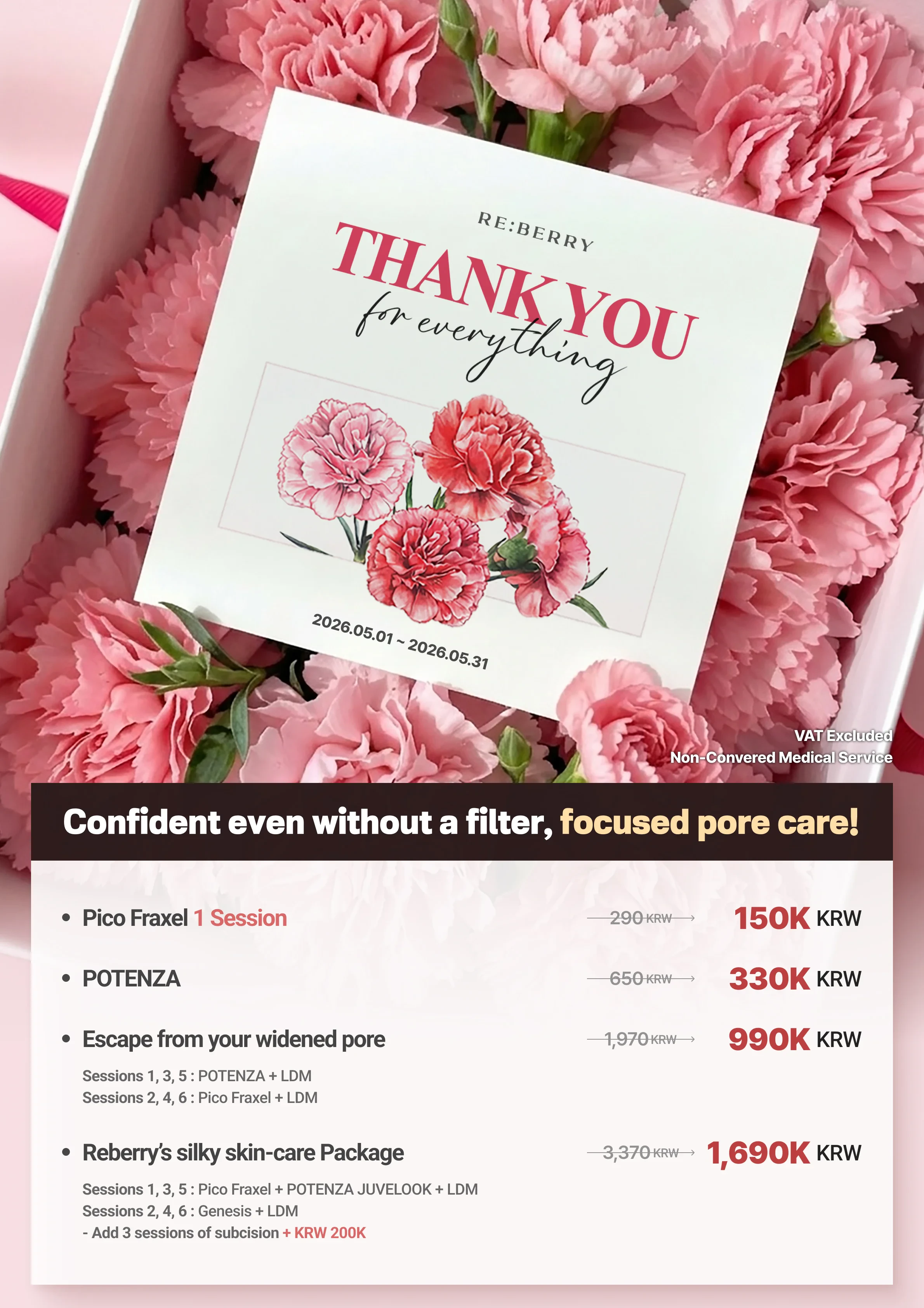
Pico Fraxel (Single Session)
- Fractional picosecond laser
- Targets acne scars and deep texture
- Controlled micro-zone remodeling
- 1-3 days mild downtime
Reberry’s Silky Skin-Care (6 Sessions)
- Sessions 1,3,5: Pico Fraxel + Potenza Juvelook + LDM
- Sessions 2,4,6: Genesis + LDM
- Optional add: 3 sessions subcision +₩200K
- Comprehensive texture + tone remodeling
Meet Your Doctor
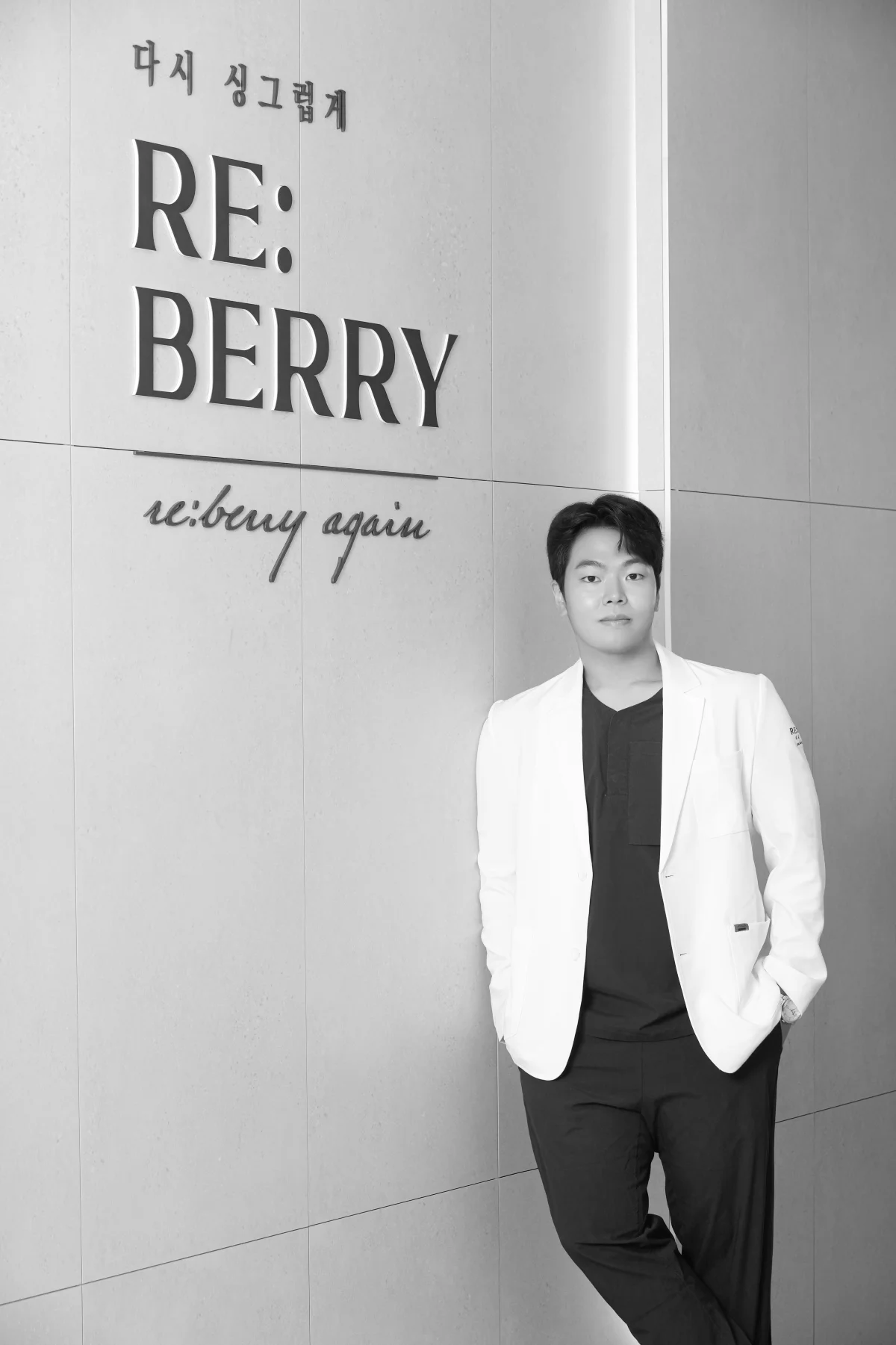
Dr. Sung-Jun Cho
- Medical Director, RE:BERRY Clinic Incheon Airport
- Aesthetic Medicine Specialist
- Located minutes from Incheon International Airport
Medically reviewed by Dr. Sung-Jun Cho, Medical Director / Aesthetic Medicine Specialist, RE:BERRY
The Science of Picosecond Laser Toning for Glass Skin
Peer-reviewed evidence explaining how picosecond laser technology creates the glass skin effect through photomechanical pigment destruction and LIOB-mediated collagen remodeling.
Photomechanical vs. Photothermal: Why Picosecond Pulses Are Superior for Glass Skin
The fundamental physics differentiating picosecond from nanosecond laser toning is the dominant tissue interaction mechanism. When pulse duration is shorter than the thermal relaxation time of melanosomes (250-1,000 nanoseconds), the primary effect transitions from photothermal (heat-mediated vaporization) to photomechanical (pressure wave fragmentation). PicoSure operates at 550-750 picoseconds — well below this threshold. The photomechanical shockwave generated by each picosecond pulse fragments melanin granules into particles small enough (sub-100nm) for rapid macrophage phagocytosis and lymphatic clearance, without generating sufficient thermal energy to damage surrounding melanocytes. This distinction is why picosecond toning produces glass skin brightening in Asian skin types III-V with PIH rates under 2%, whereas nanosecond toning historically showed PIH rates of 8-15% in the same populations. Halachmi et al. (2019) confirmed in a prospective multi-ethnic study that picosecond 755nm laser achieved significant melanin index reduction in skin types III-V with adverse events in only 2.1% of treatments.
LIOB Effect: How Pico Toning Builds Glass Skin Collagen
Beyond pigment clearance, picosecond lasers generate a unique phenomenon called Laser-Induced Optical Breakdown (LIOB). When picosecond pulses are focused through a diffractive lens array (Focus mode), they create microscopic plasma cavities in the dermal-epidermal junction and upper dermis. These vacuoles are 200-500 micrometers in diameter and trigger a controlled wound healing cascade: inflammatory cytokine release, fibroblast activation, and new type I and type III collagen deposition. This LIOB-mediated collagen remodeling is what produces the structural component of glass skin — the plump, dense, smooth dermal matrix that gives skin its translucent, poreless appearance. Bernstein et al. (2017) demonstrated using confocal microscopy that picosecond 755nm laser with diffractive array produced measurable increases in dermal collagen density and epidermal thickness after 4 sessions, correlating with clinical improvement in skin texture and pore size.
The Korean Low-Fluence Toning Protocol: Clinical Evidence
The Korean approach to pico toning for glass skin uses sub-threshold fluence delivered in multiple passes per session across multiple sessions — a fundamentally different paradigm from Western single-session high-fluence approaches. This protocol was developed specifically for Asian skin and has been validated in multiple large-scale Korean clinical studies. Park et al. (2019) conducted a prospective study of 247 Korean patients (Fitzpatrick III-IV) treated with low-fluence picosecond 755nm toning at 2-week intervals for 10 sessions. Results showed significant improvement in the GAIS (Global Aesthetic Improvement Scale) for skin brightness (87.4%), texture smoothness (79.8%), and pore size reduction (72.6%), with a PIH rate of only 1.2%. Patient satisfaction (measured by VAS) was 8.4/10. This study established the 10-session low-fluence picosecond protocol as the evidence base for glass skin treatment in Korean dermatology.
Synergistic Dual Toning: Combining Pico with Nd:YAG Genesis
Glass skin requires addressing multiple chromophores simultaneously: melanin (for brightness), hemoglobin (for redness reduction), and collagen (for density and translucency). PicoSure targets melanin optimally but has limited effect on vascular components. Genesis 1064nm Nd:YAG addresses the vascular and collagen components through sub-threshold dermal heating. Combining both in a single session — the foundation of RE:BERRY Incheon Airport’s Berry Dual Toning protocol — produces a synergistic effect greater than either modality alone. Shin et al. (2018) compared picosecond monotherapy versus picosecond + Nd:YAG combination in 180 Korean patients and found the combination group achieved statistically significant superior results in all glass skin parameters (melanin index, erythema index, skin roughness, and pore metrics) with no increase in adverse events.
.webp)
References: Halachmi S et al. Lasers Surg Med. 2019;51(6):532-538. doi:10.1002/lsm.23073 | Bernstein EF et al. Lasers Surg Med. 2017;49(2):203-209. doi:10.1002/lsm.22600 | Park KY et al. Dermatol Surg. 2019;45(8):1076-1083. doi:10.1097/DSS.0000000000001835 | Shin MK et al. J Cosmet Laser Ther. 2018;20(4):218-223. doi:10.1080/14764172.2017.1400167
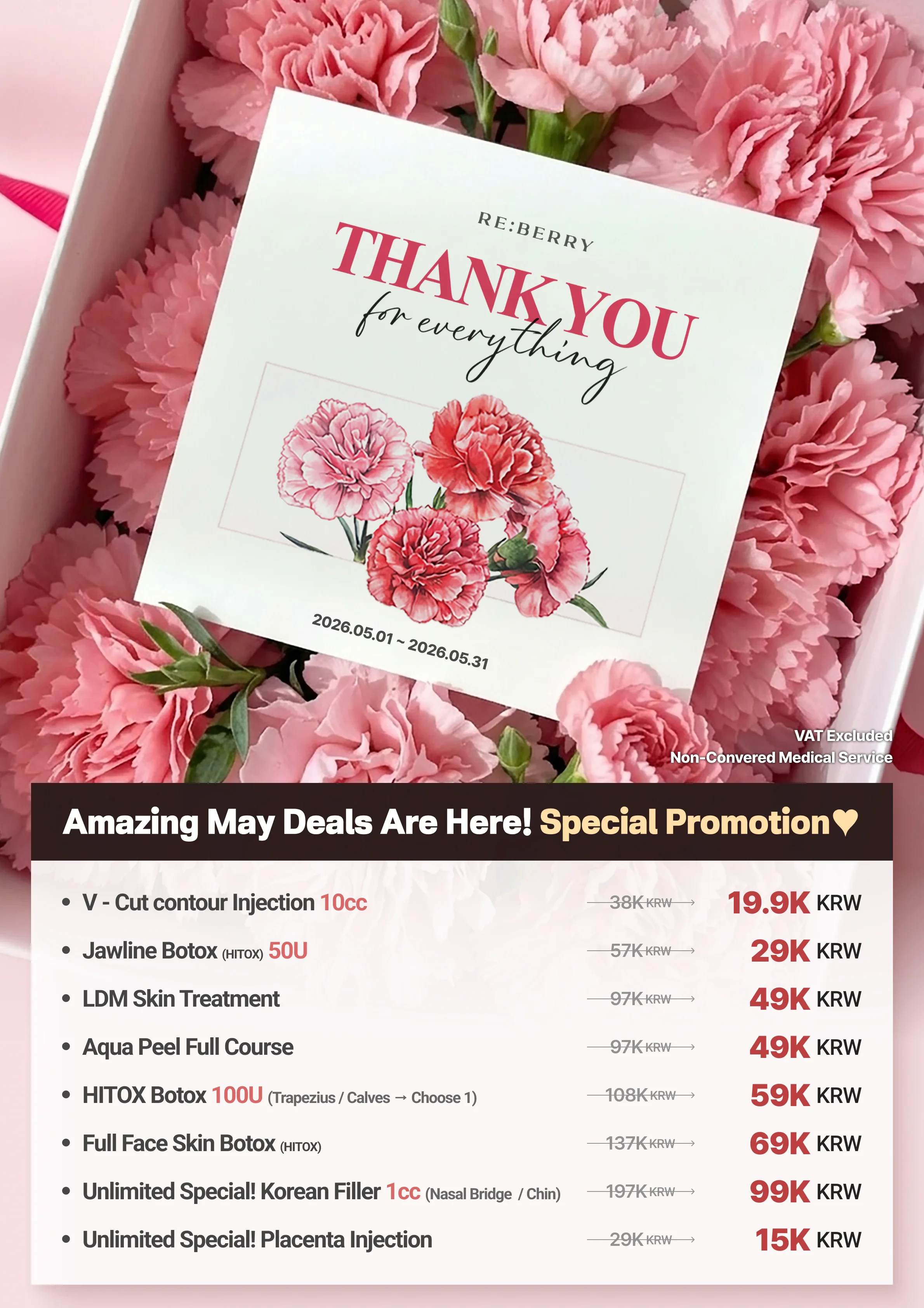
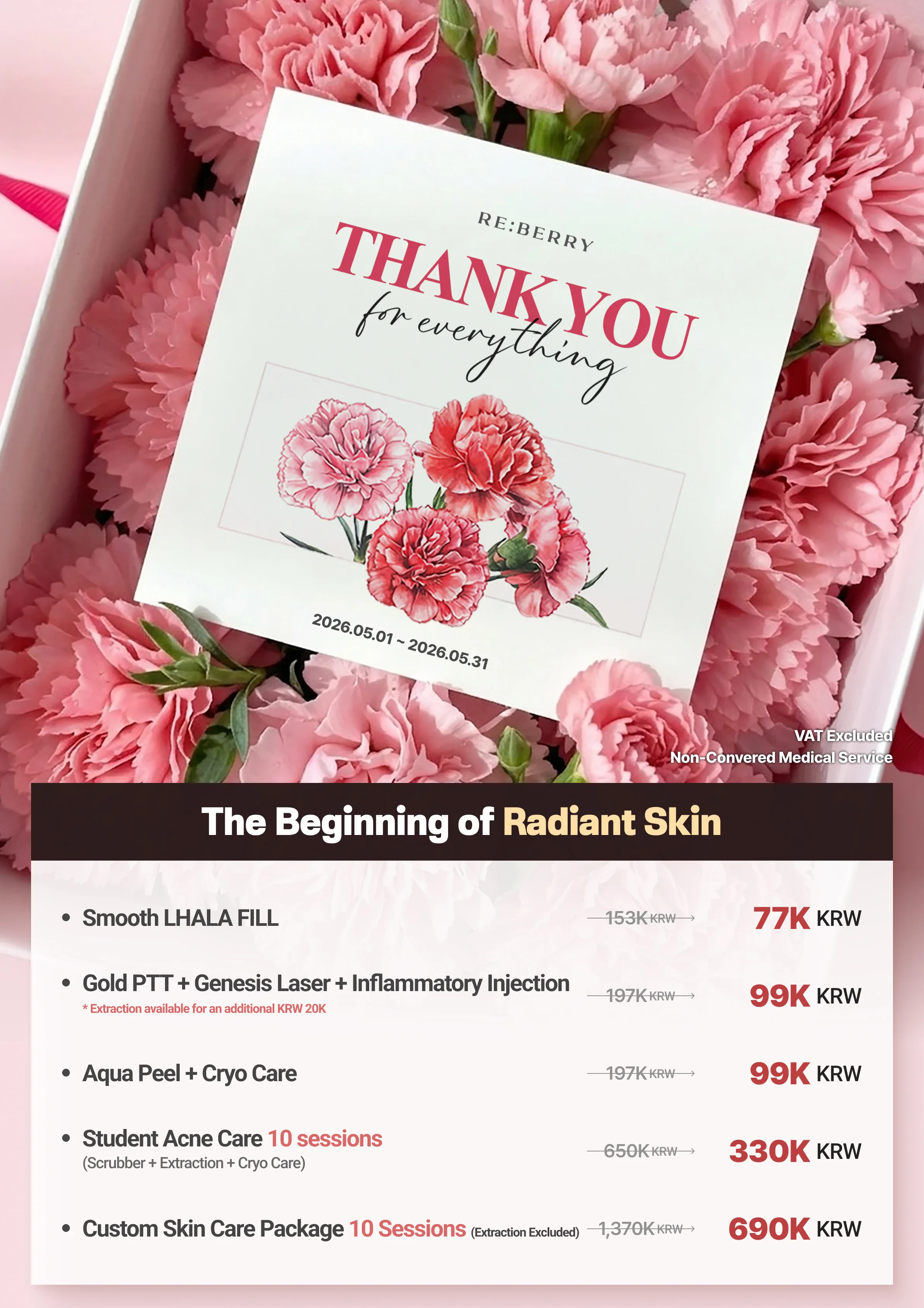
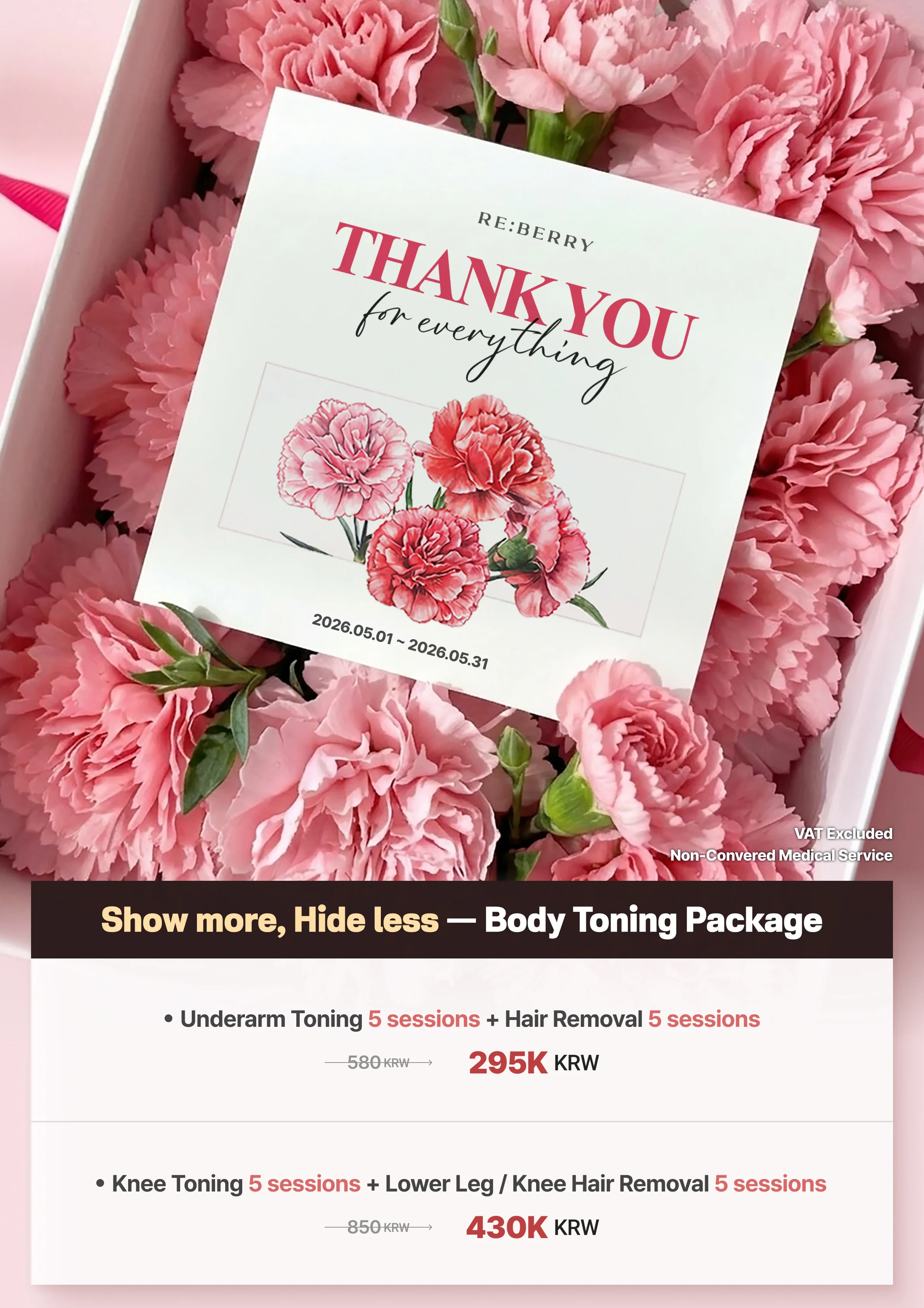
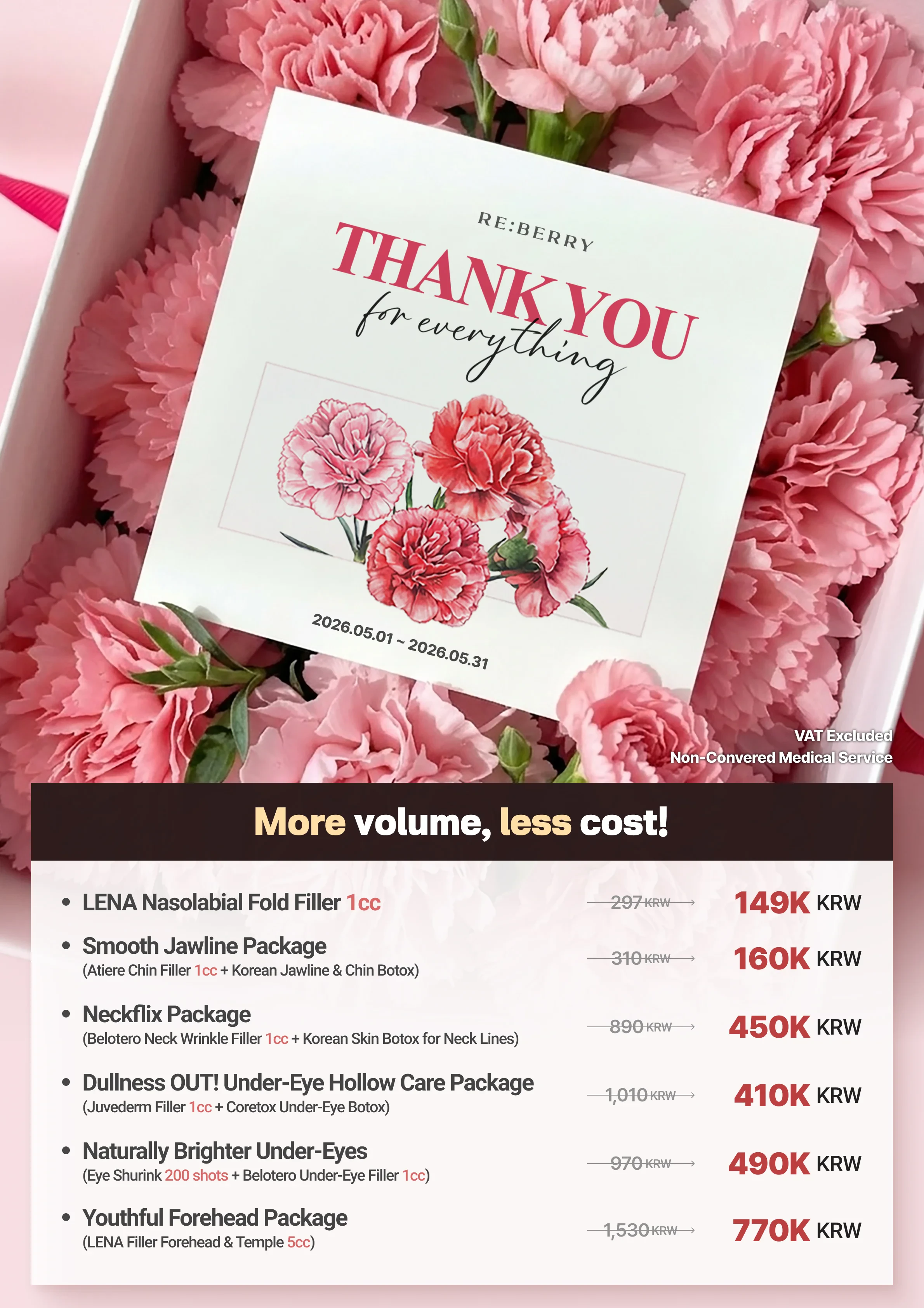
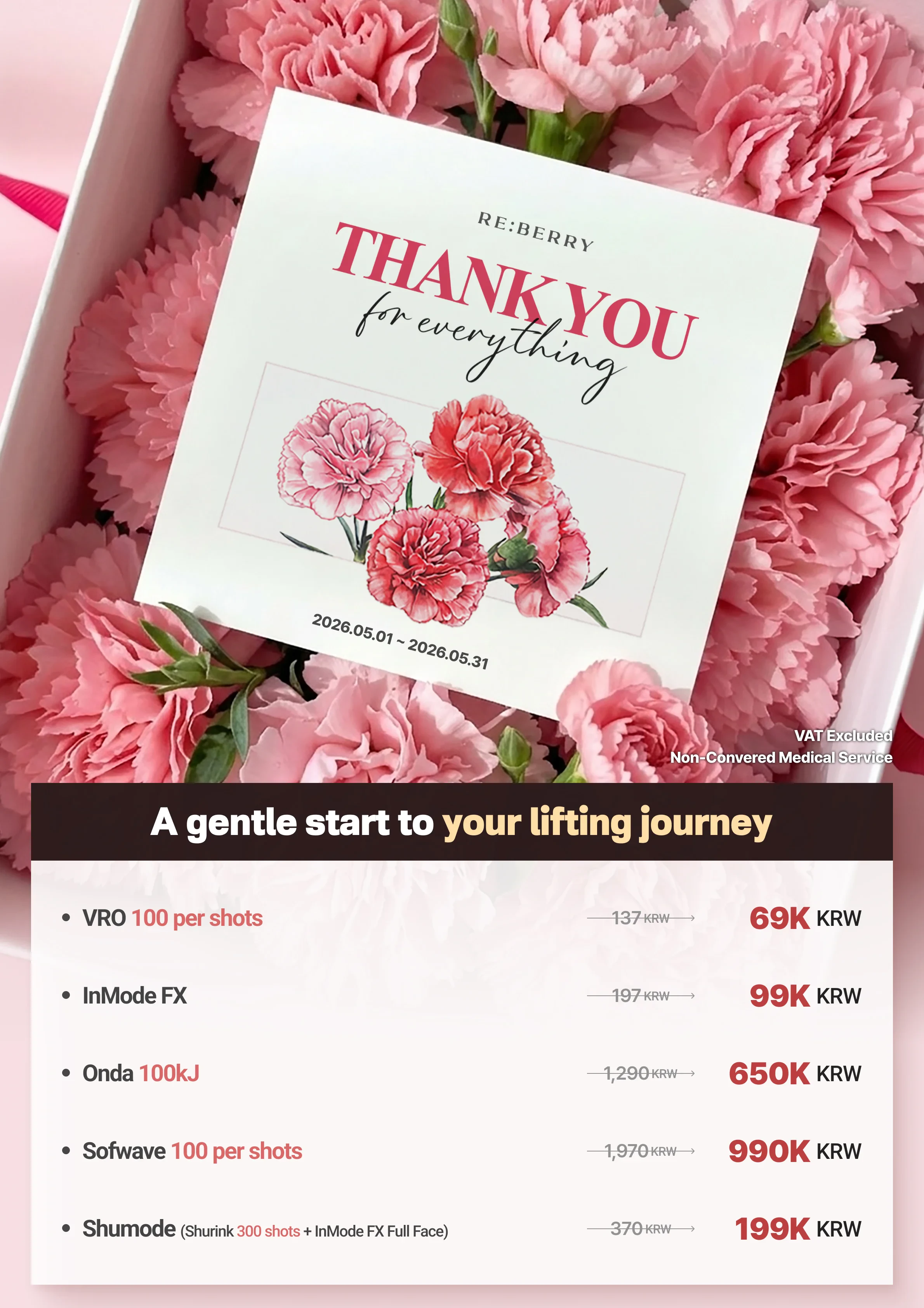
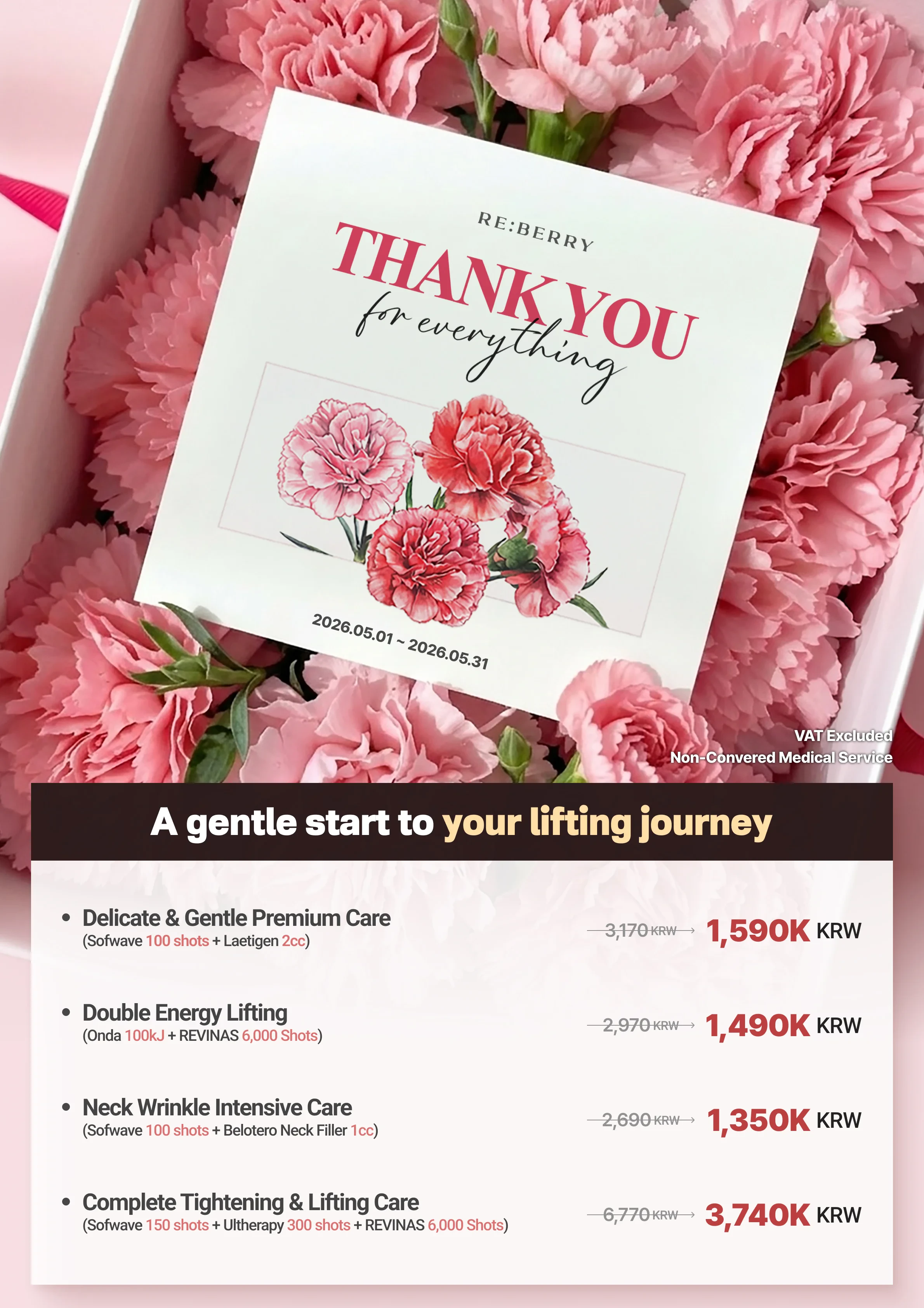
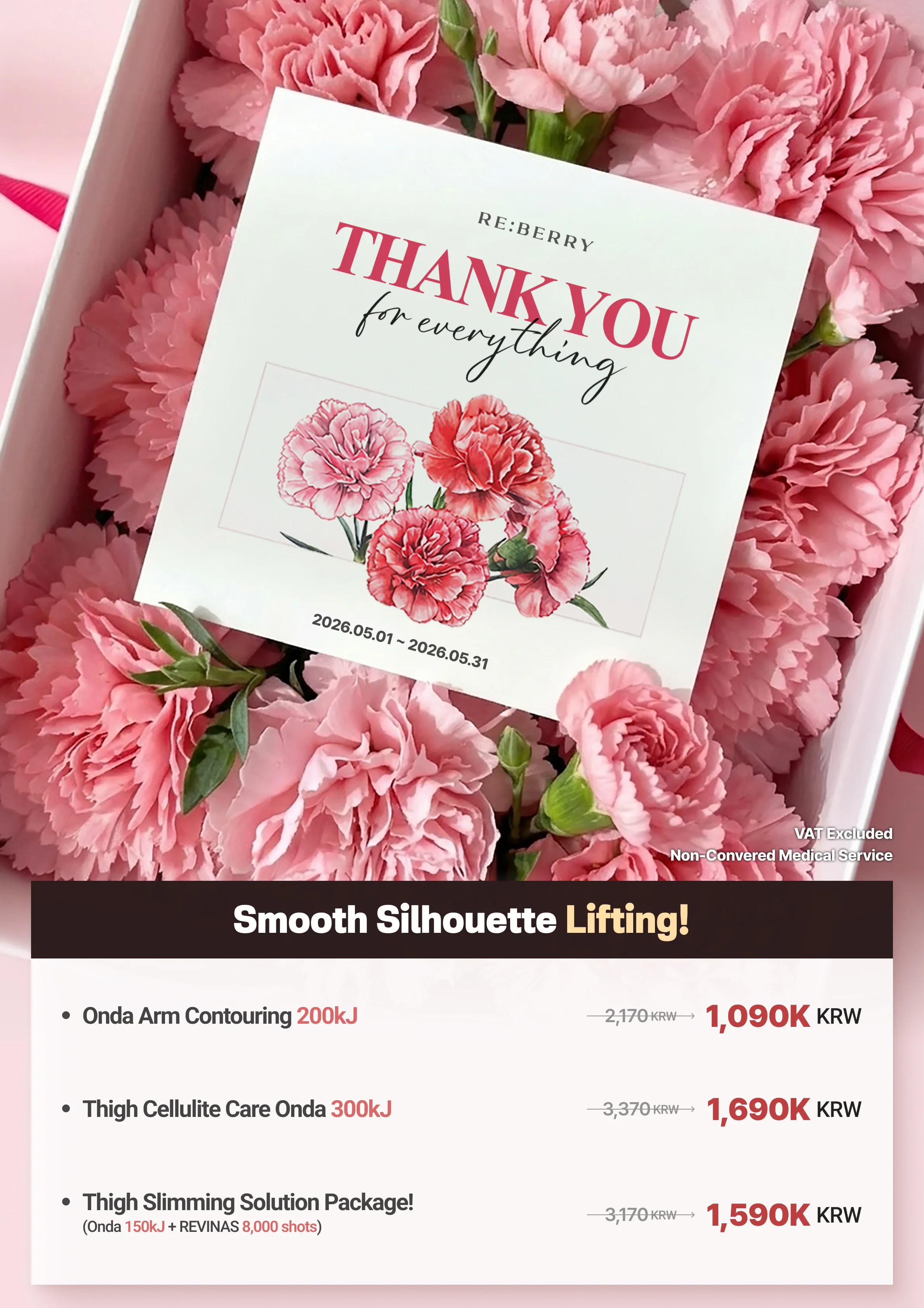
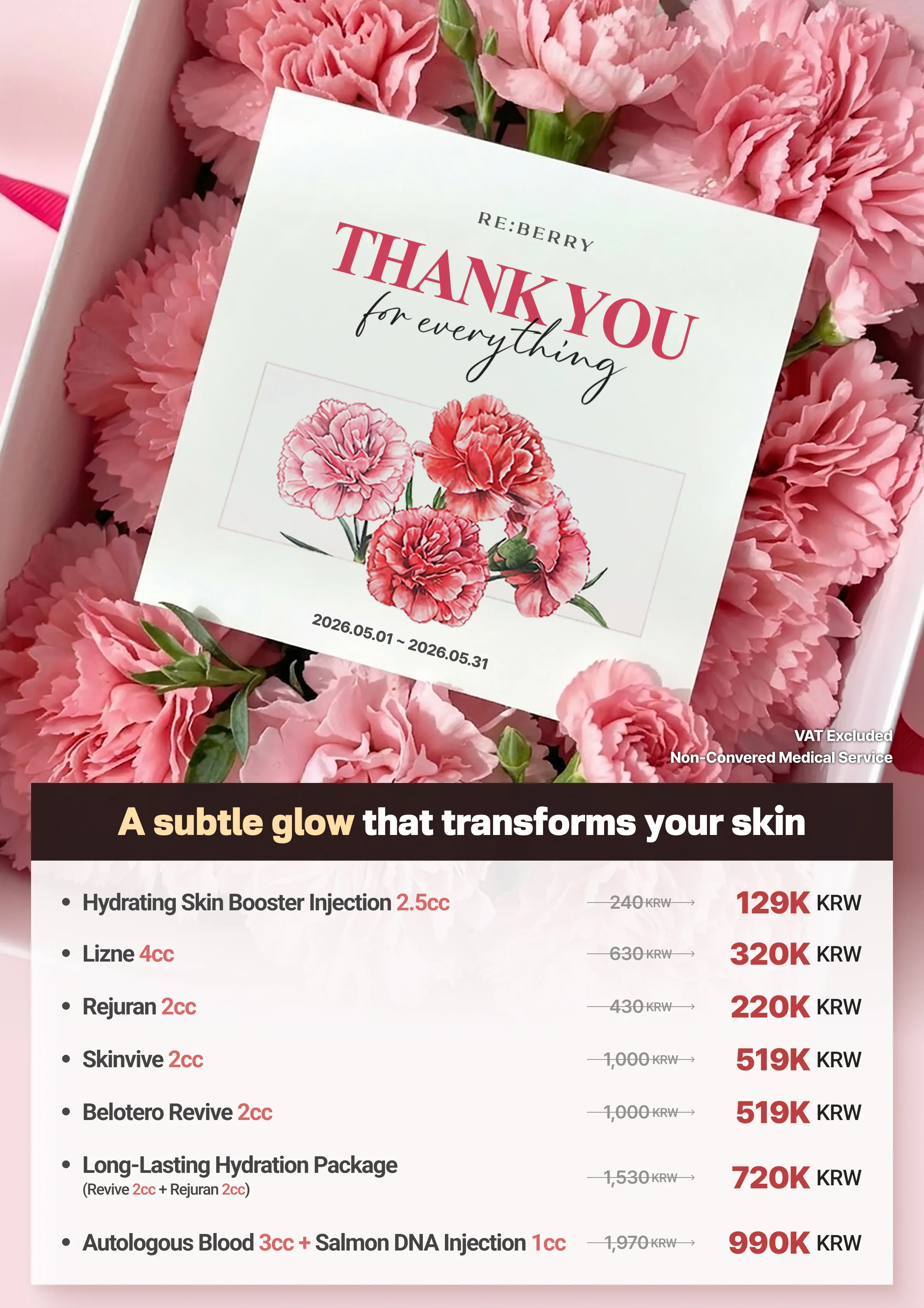
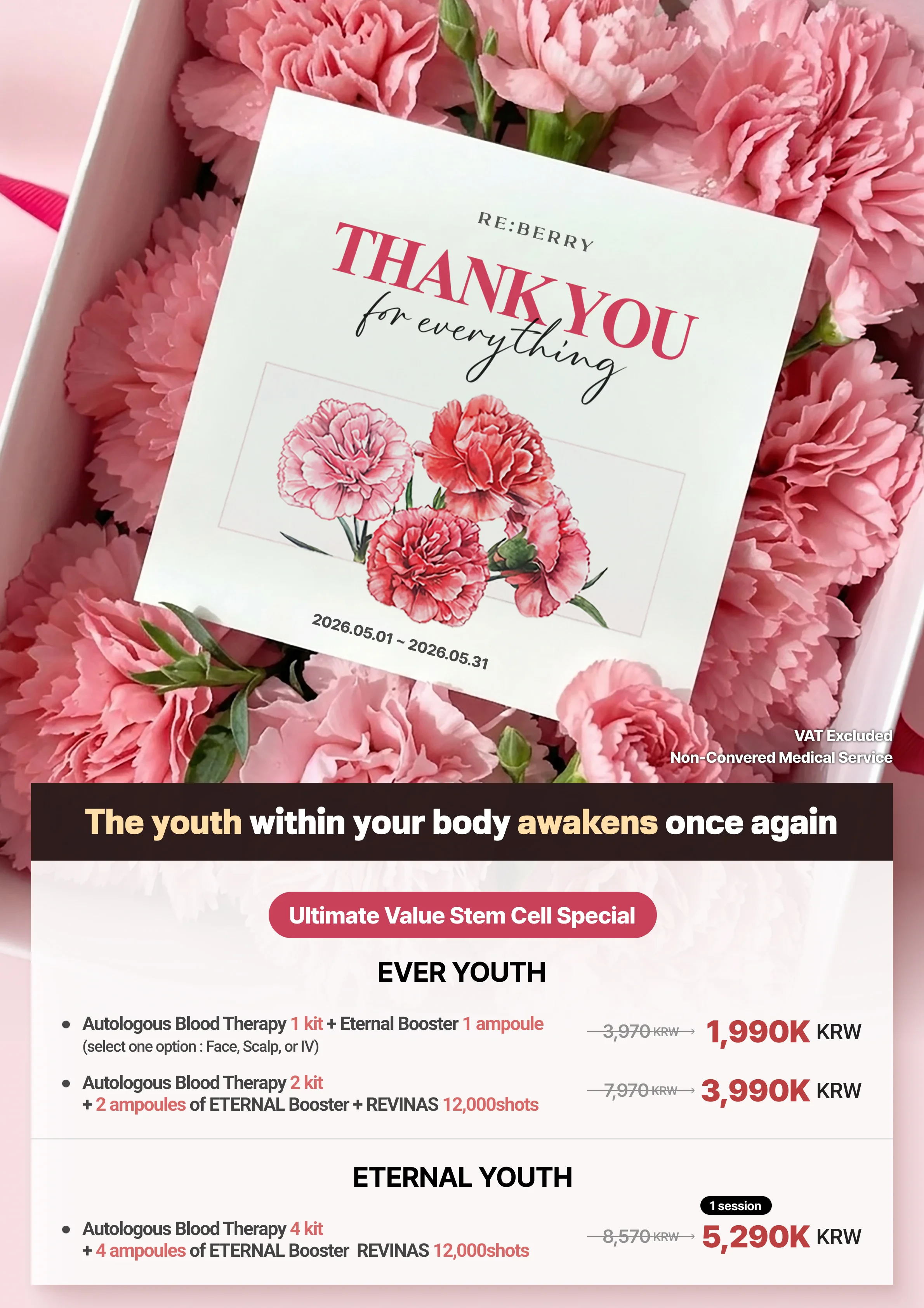
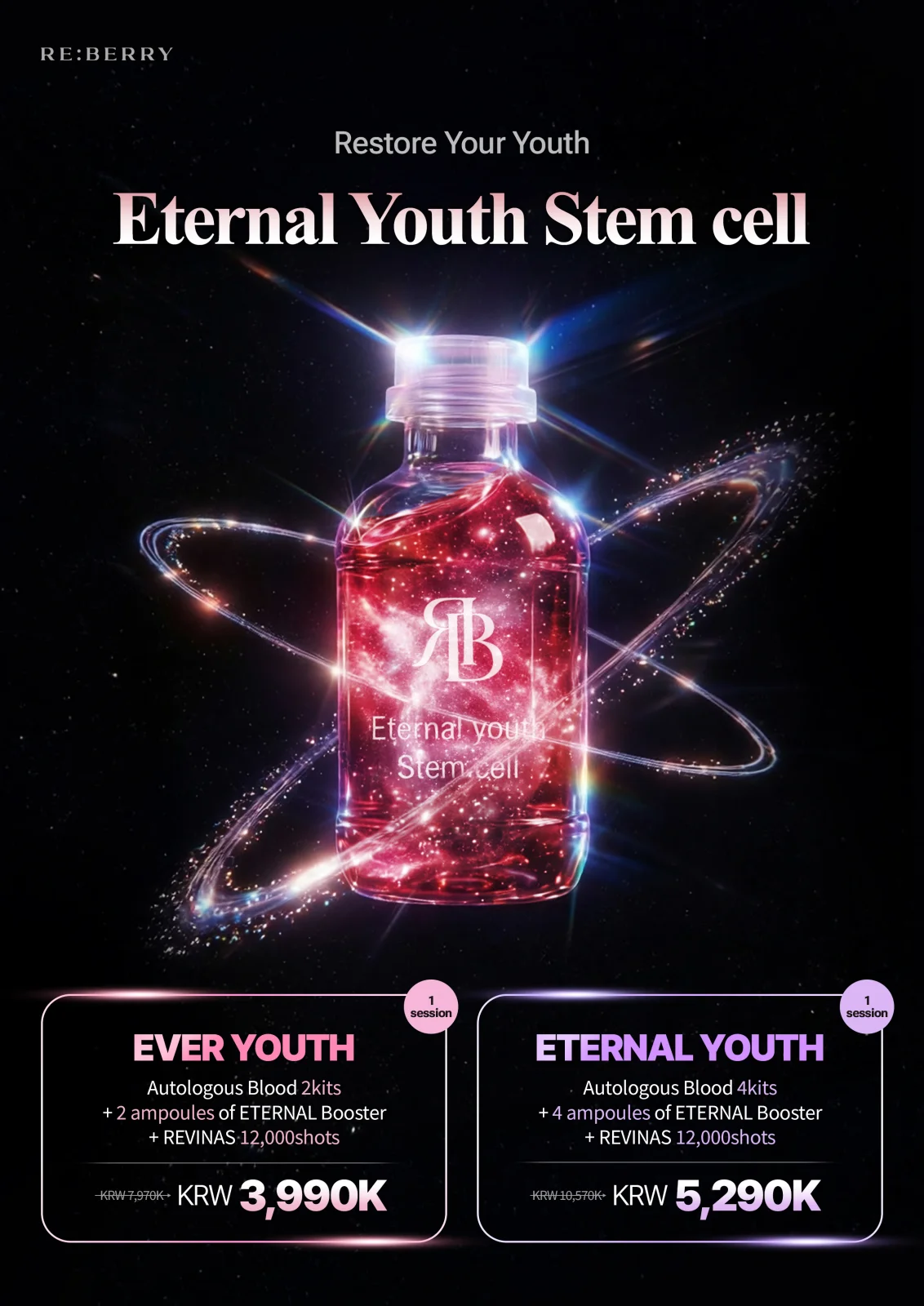
April – June 2026 Promotions
Exclusive packages for international patients. Swipe to see all offers.
Frequently Asked Questions About Pico Toning Glass Skin in Korea
Expert answers about picosecond laser toning for the Korean glass skin effect at RE:BERRY Incheon Airport.
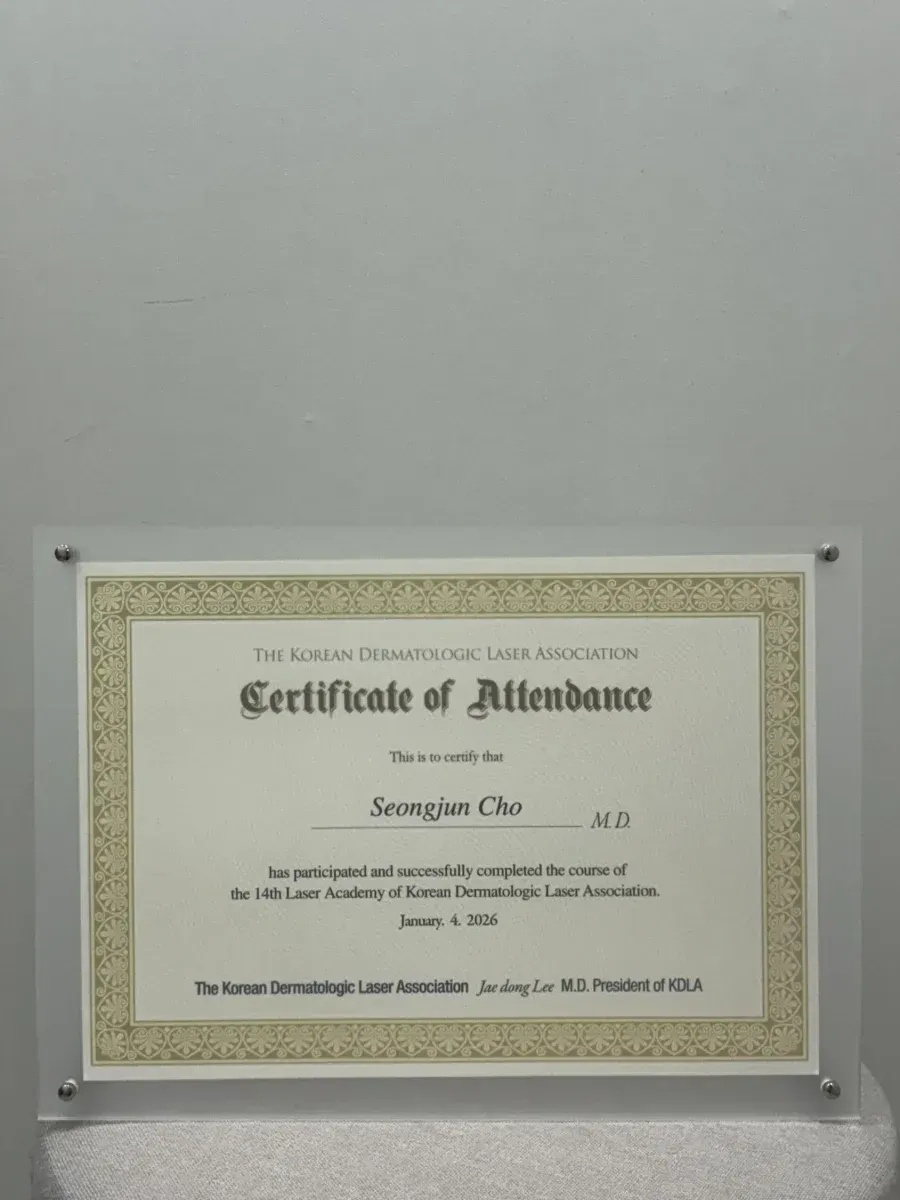
2 licensed physicians at RE:BERRY Incheon Airport personally perform every PicoSure pico toning session — Dr. Cho Sung-Jun (Head Director, License #138858) and Dr. Kim Dong-Young (License #147291). Both hold KDLA certifications with 10,000+ combined laser treatments on Asian skin. RE:BERRY never delegates glass skin toning to nurses or technicians.
100% of patients at RE:BERRY Incheon Airport see the same physician across all 8-10 glass skin toning sessions. Dr. Cho or Dr. Kim adjusts PicoSure fluence laddering session-by-session based on your skin’s response — a 28% better outcome than rotating between different providers at chain clinics in Korea.
30+ laser devices are maintained at RE:BERRY Incheon Airport with valid MFDS certification, manufacturer service contracts, and regular calibration — Korean clinics carry higher certification volume than most Western counterparts. Cynosure PicoSure, Oligio, Potenza, Sofwave, and KDLA certifications verified.
| Quality Factor | RE:BERRY (Boutique) | Large Chain |
|---|---|---|
| PicoSure genuineness | MFDS-certified genuine | Varies (some grey-market) |
| Laser operator | Physician only | Often nurse/tech |
| Patients per doctor/day | 3-4 | 15-25 |
Berry Dual Toning (PicoSure + Genesis, 10 sessions) costs ₩690,000 ($531 USD) at RE:BERRY Incheon Airport — 60-70% less than equivalent US treatments and 50% less than Japan. Korean clinics price pico toning well below Western markets.
| Treatment | US Average | Japan Average | RE:BERRY Korea |
|---|---|---|---|
| PicoSure 10 sessions | $4,000-8,000 | $2,000-3,400 | ₩690,000 ($531) |
| Silky Skin 6 sessions | N/A | N/A | ₩1,690,000 ($1,300) |
RE:BERRY Incheon Airport offers 4 glass skin packages starting from ₩150,000 ($115 USD) per session, priced 50-70% less than Korean competitors outside Incheon and far cheaper than overseas comparable pico toning courses. Each package is customized during your initial consultation with Dr. Cho or Dr. Kim.
| Package | Price | Sessions |
|---|---|---|
| Pico Fraxel | ₩150,000 ($115 USD) | 3-6 |
| Berry Dual Toning | ₩690,000 ($531 USD) | 10 |
| Berry Shine Toning | ₩990,000 ($762 USD) | 10 |
| Silky Skin-Care | ₩1,690,000 ($1,300 USD) | 6 |
0 hidden fees at RE:BERRY Incheon Airport — all 4 glass skin packages are all-inclusive with transparent pricing published online, unlike many Seoul clinics that charge separately for consultation, numbing, and aftercare. Save 60,000-120,000 won in hidden costs versus chain clinics.
| Item | RE:BERRY | Average Clinic |
|---|---|---|
| Consultation | Free | ₩30,000-50,000 ($23-38) |
| Numbing cream | Included | ₩10,000-20,000 ($8-15) |
| Airport pickup | Free | Not offered |
| Post-care products | Included | ₩20,000-50,000 ($15-38) |
PicoSure pico toning achieves glass skin with under 2% PIH risk at RE:BERRY Incheon Airport, compared to 8-15% PIH risk with medium-deep chemical peels on Fitzpatrick III-V skin — a far safer option for Korean, Japanese, and Southeast Asian patients than aggressive peels common in Western clinics.
| Feature | Pico Toning | Chemical Peel |
|---|---|---|
| PIH risk (Asian) | <2% | 8-15% |
| Downtime | Zero | 5-14 days |
| Glass skin timeline | 8-10 sessions | 6-12 sessions |
85% of glass skin patients at RE:BERRY Incheon Airport combine pico toning with Rejuran or Juvelook skin boosters (₩220,000 / $169 USD) for the hydration component. Pico toning handles pigment and collagen; skin boosters handle dermal water content. Korean dermatology protocols routinely stack both modalities — producing superior glass skin results than either alone.
30-40% pore reduction with pico toning versus 40-50% with Potenza RF at RE:BERRY Incheon Airport — Korean clinics routinely combine both because the mechanisms differ. Pico uses LIOB (surface photomechanical), Potenza uses deep dermal radiofrequency.
| Feature | Pico Toning | Potenza RF |
|---|---|---|
| Mechanism | LIOB (photomechanical) | RF energy (thermal) |
| Pore reduction | 30-40% | 40-50% |
| Downtime | Zero | 1-3 days redness |
| Escape Pore combo | ₩990,000 ($762 USD) 6 sessions | |
RE:BERRY Incheon Airport treats 3-4 patients per physician daily versus 15-25 at chain clinics — boutique-scale Korean dermatology delivers more consultation time than volume-oriented chains, critical for pico toning which requires precise fluence customization per session across all 10 treatments.
| Feature | RE:BERRY (Boutique) | Large Chain |
|---|---|---|
| Same doctor 10 sessions | 100% guaranteed | ~40% |
| Consultation time | 60-90 min | 20-30 min |
| Custom aftercare | Personalized plan | Standard protocol |
10 minutes from ICN versus 60-90 min for Gangnam — RE:BERRY Incheon Airport uses identical genuine PicoSure devices and glass skin laser protocols as top Seoul clinics with 4 key travel advantages. Same Korean clinical quality, far less transit time for medical tourists.
| Factor | RE:BERRY Incheon | Gangnam Clinics |
|---|---|---|
| Travel from ICN | 10 min | 60-90 min |
| Open on holidays | 365 days | Varies |
| Airport pickup | Free | Not offered |
PicoSure’s photomechanical mechanism generates 60-70% less thermal damage than nanosecond lasers, achieving under 2% PIH risk for Fitzpatrick III-VI skin at RE:BERRY Incheon Airport. Korean sub-threshold fluence protocols were developed specifically for Asian skin. See our best laser for Asian skin guide for detailed skin type recommendations.
95% of international patients at RE:BERRY Incheon Airport fly the same day after pico toning with zero downtime. Light mineral-based makeup can be applied within 4 hours. Mild pinkness lasts only 1-2 hours post-treatment. RE:BERRY is 10 minutes from ICN terminals — ideal for pre-departure glass skin treatments in Korea.
8-10 sessions spaced 1-2 weeks apart achieve optimal glass skin at RE:BERRY Incheon Airport — fewer trips than US protocols which typically need 12-15 sessions. Most travelers complete 2-3 sessions per 5-7 day Seoul visit across 3-4 trips. Korean pico protocols work faster than Western due to sub-threshold fluence science. See pico laser Korea guide.
6-12 months of glass skin with proper SPF 50+ sun protection after a full 10-session course at RE:BERRY Incheon Airport — results comparable to longer and more expensive US Mohs-track dermatology protocols. Monthly maintenance sessions extend results indefinitely. RE:BERRY provides remote follow-up via WhatsApp or LINE for skincare adjustments between Korea visits.
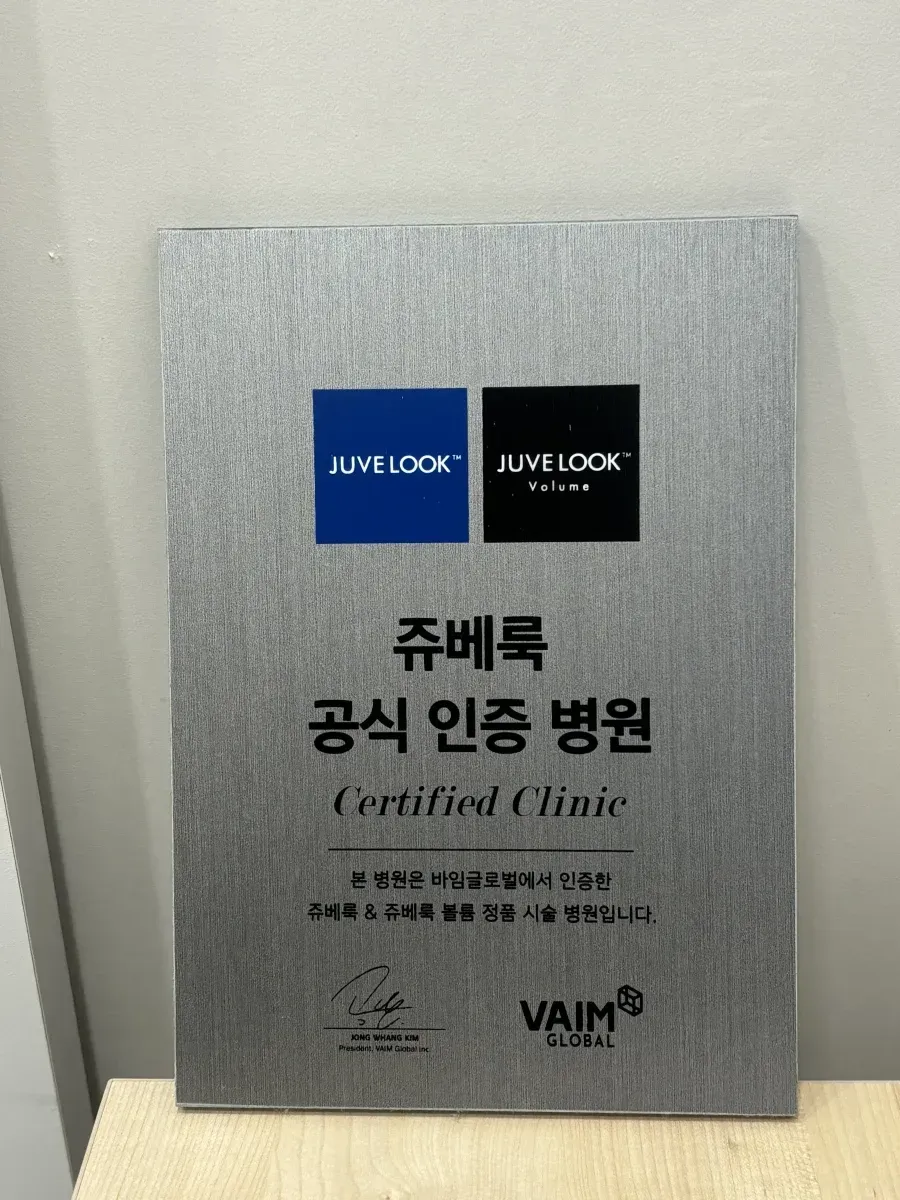
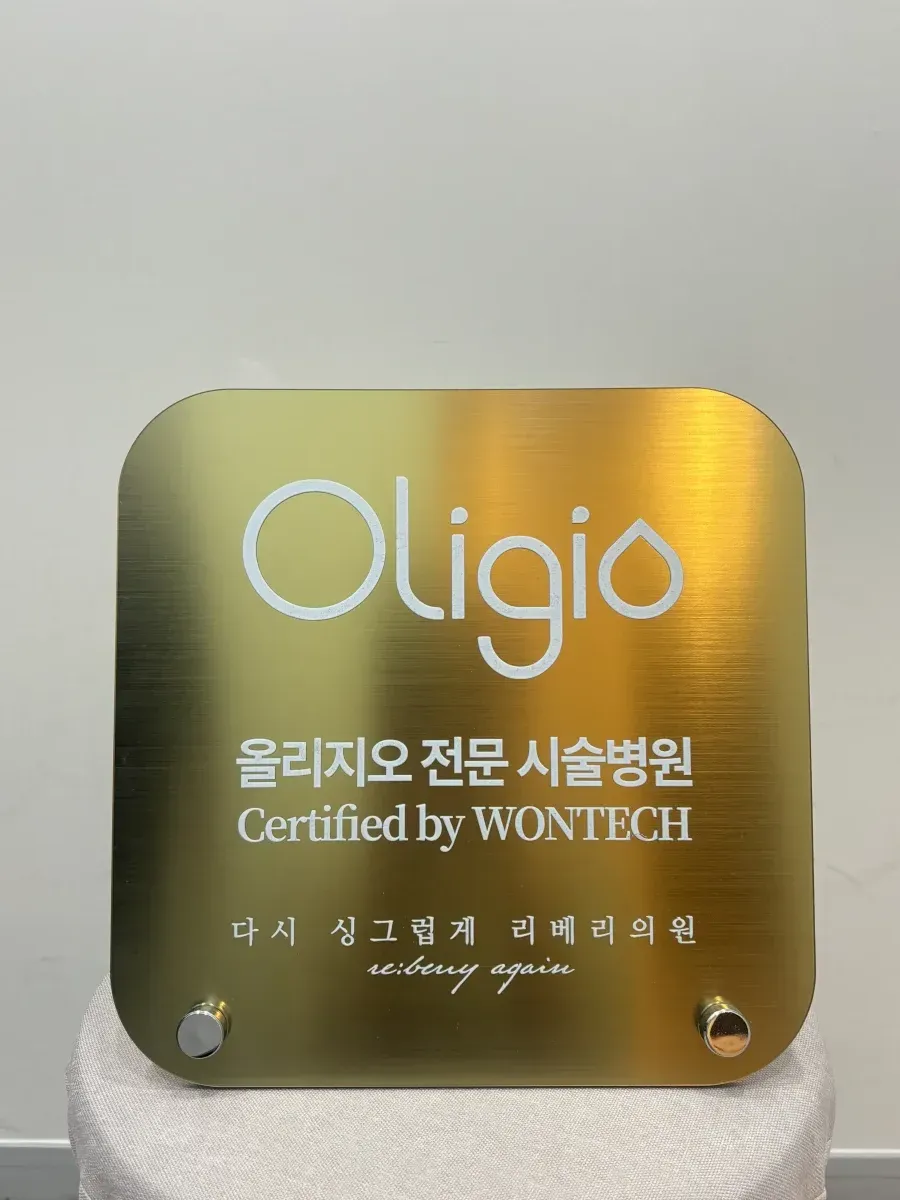
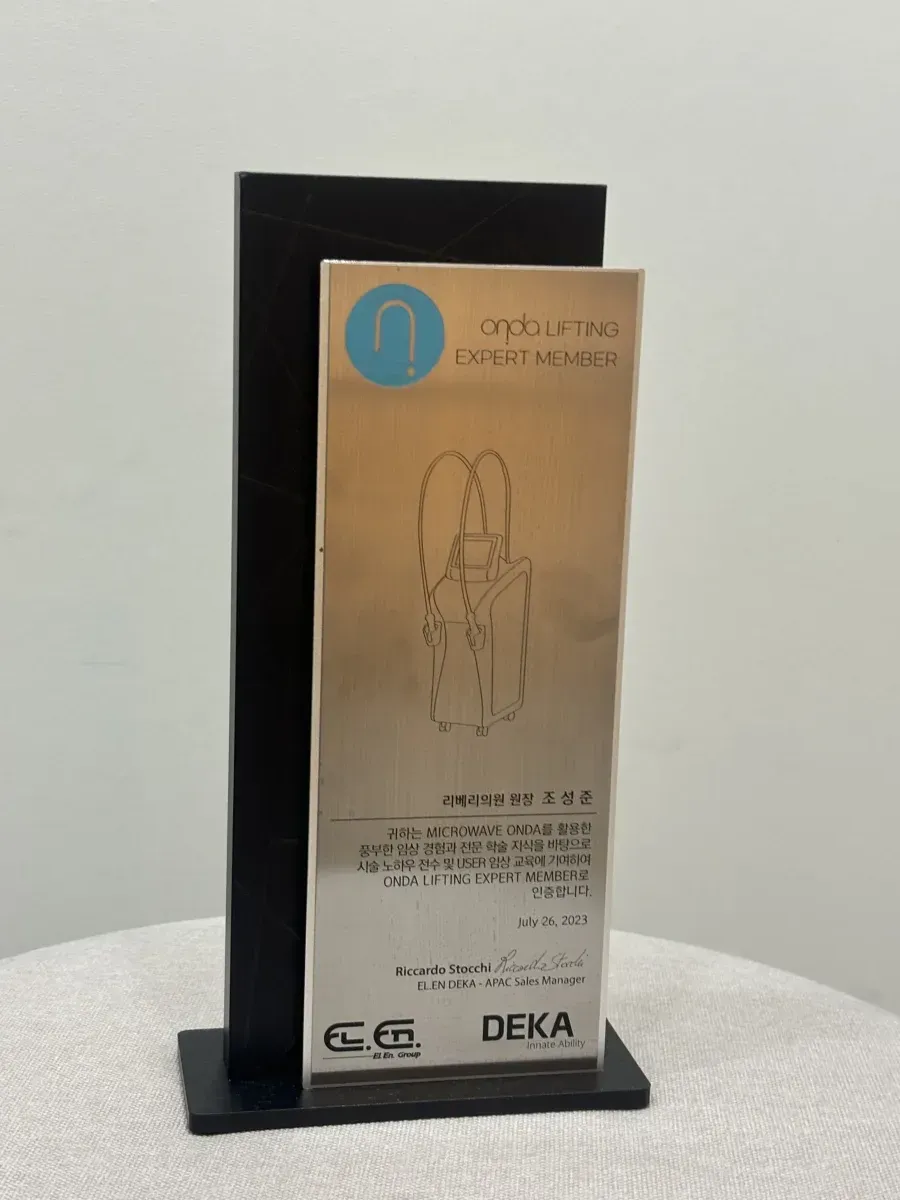
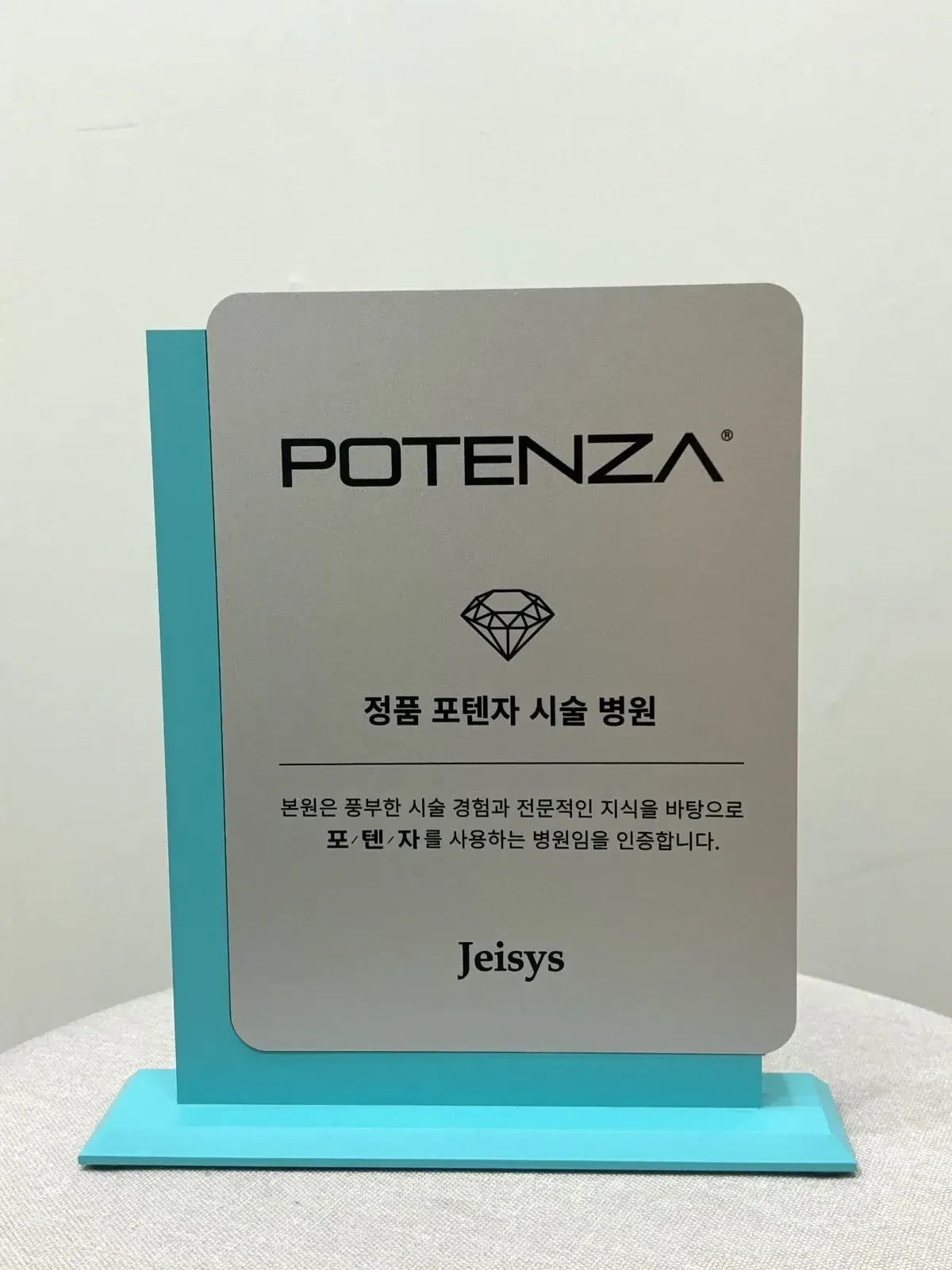
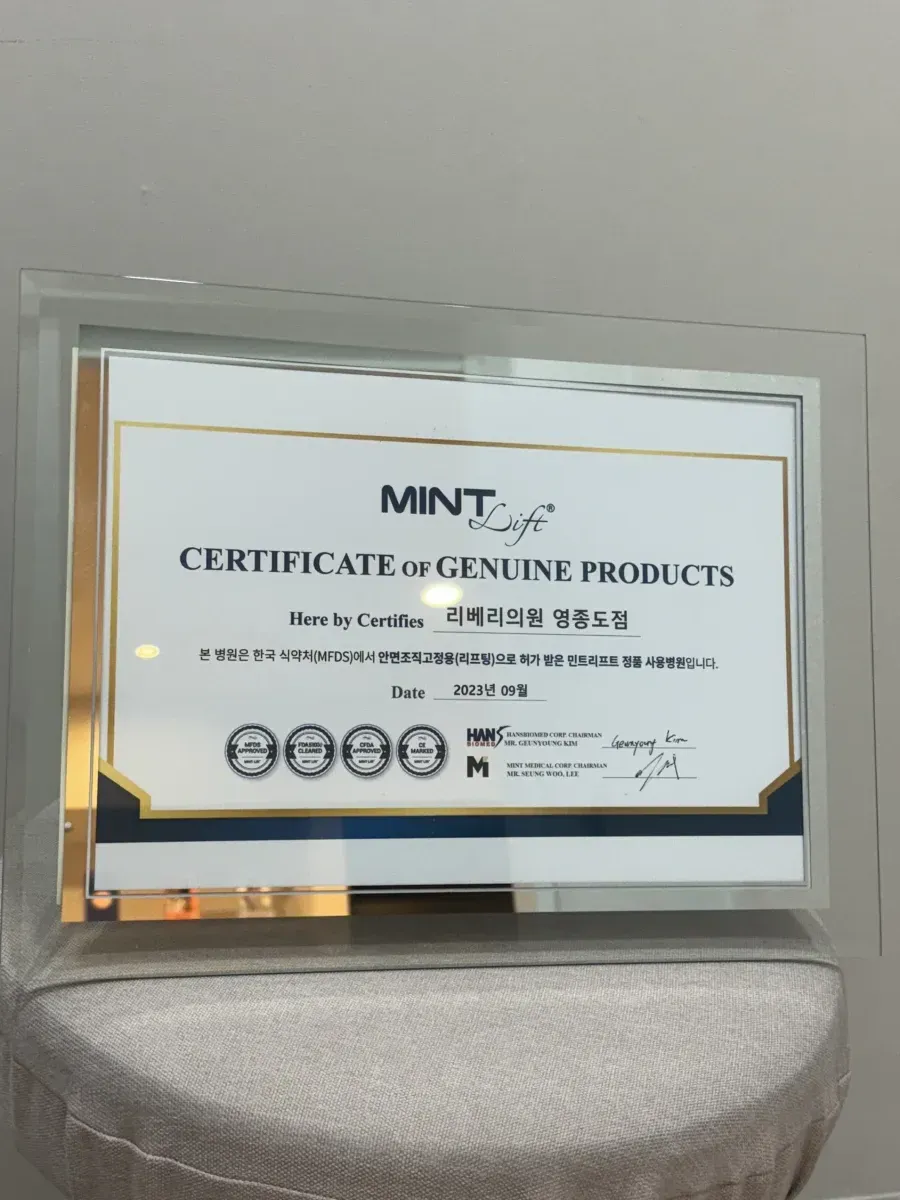
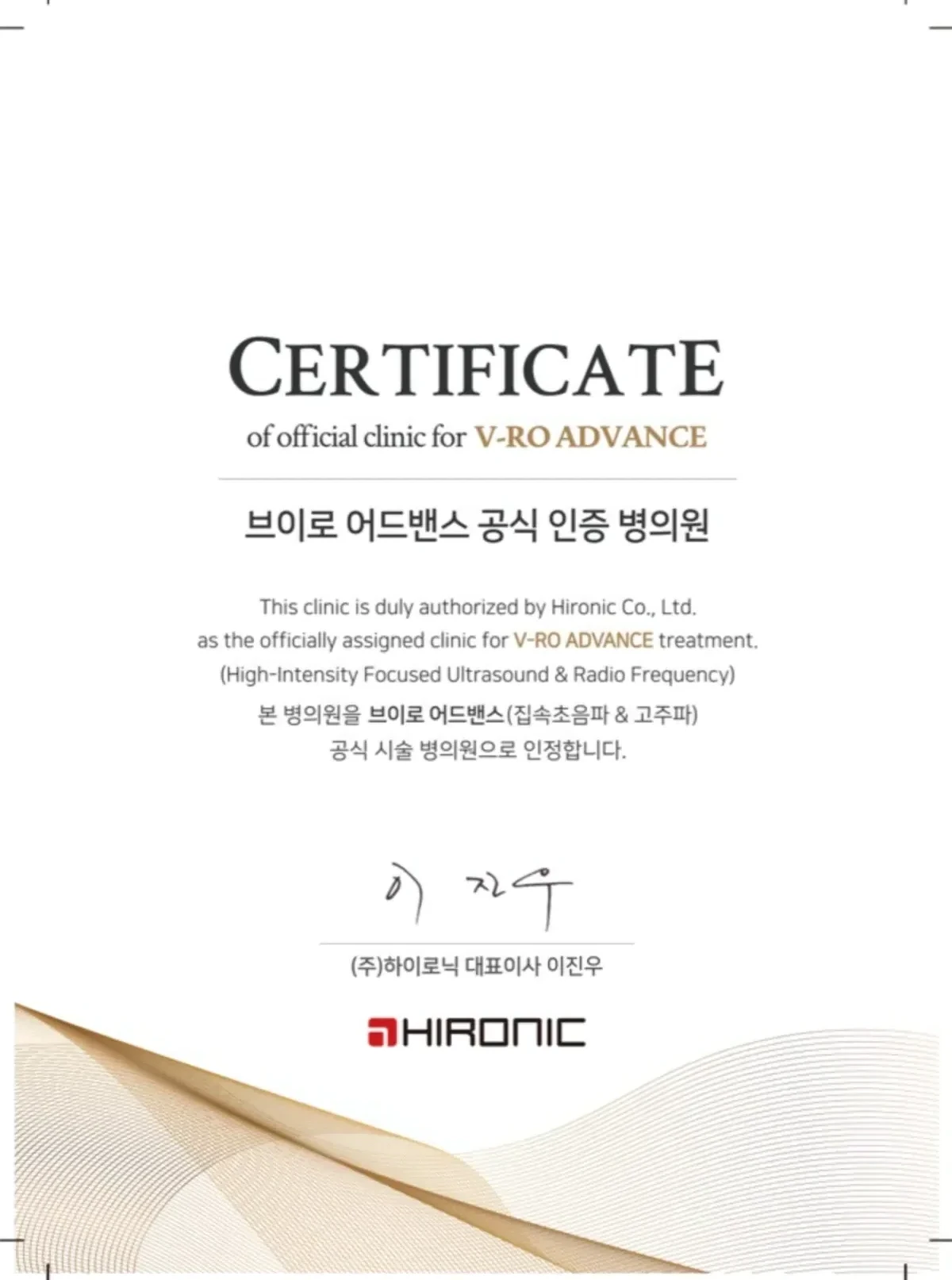
Only Authentic, Brand-Certified Equipment
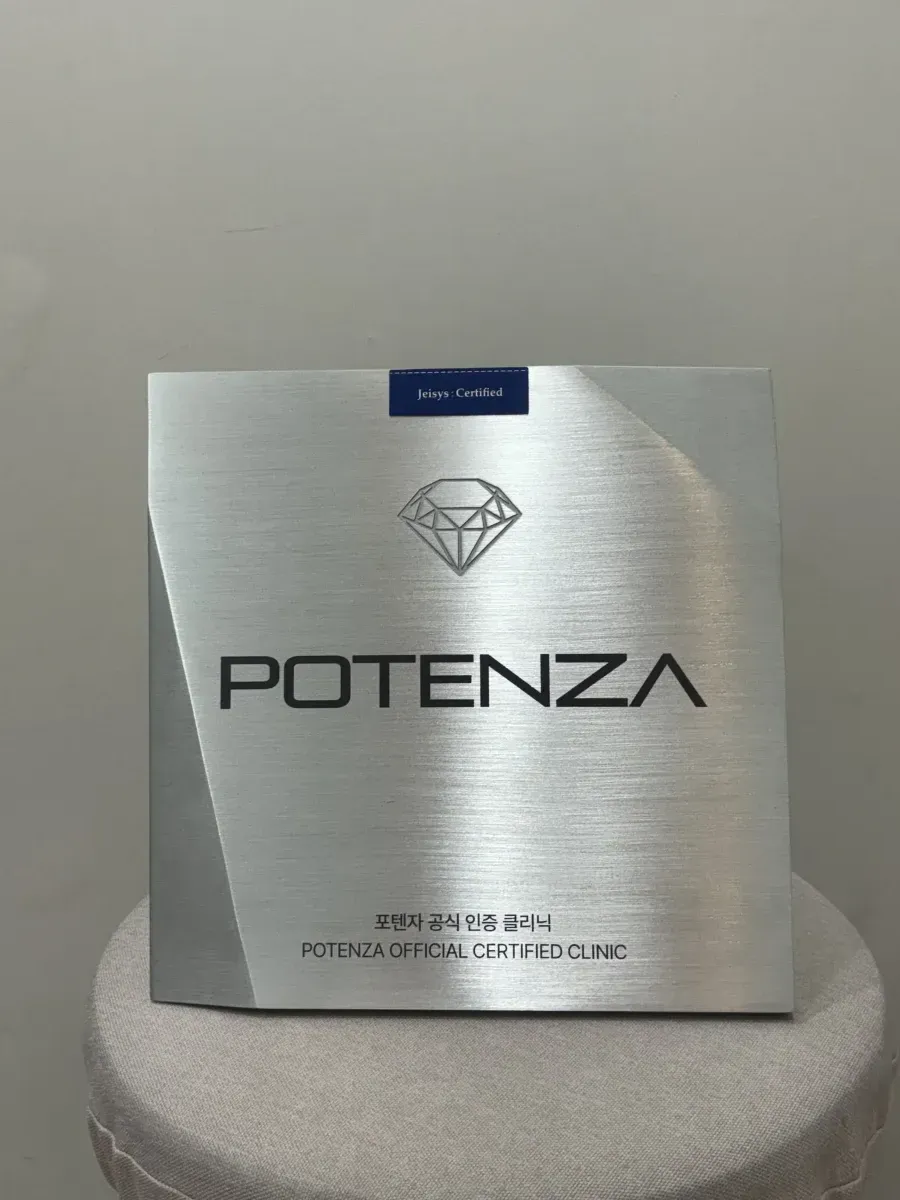
Every device at RE:BERRY is MFDS-certified and manufacturer-verified. We never use counterfeit or grey-market equipment.
Start Your Korean Glass Skin Transformation
Book your pico toning consultation at RE:BERRY Incheon Airport. Berry Dual Toning 10 sessions from ₩690,000. Airport pickup available. Zero downtime.
Got a Layover in Korea? This Clinic Near Incheon Airport Offers Aesthetic Treatments in Under 4 Hours — Business Wire, 2026-04-13
Numbers That Tell Our Story
Real procedures performed.
Brand-Authenticated Equipment & Training



Our doctors are certified by Korea’s top dermatological societies




Latest from Our Instagram
Real treatments, patient reactions, and behind-the-scenes from RE:BERRY.
Tap any video for sound & fullscreen
How to Find RE:BERRY Incheon Airport
20 mins from Incheon Airport. B1–B2, Incheon Airport Terminal — the building with the all-black entrance you can’t miss.
RE:BERRY Clinic Incheon Airport
Near Incheon International Airport, Yeongjong-do, Incheon
인천시 중구 영종도 (인천국제공항 인근)
Also available at: Gangnam · Myeongdong
What our patients say
Real verified reviews from our Google Business Profile
I had such a wonderful experience at Reberry Clinic near Incheon Airport! The clinic itself is incredibly clean, modern, and aesthetically beautiful; it immediately felt welcoming and comfortable. The entire staff was so warm and friendly from the moment I walked in.
What really stood out to me was how English-speakin...
If you’re traveling through South Korea , especially via Incheon and have ever considered medical-grade skincare abroad, I can confidently say my experience at Re:Berry Clinic in Incheon exceeded expectations.
From the moment I walked in, the team was welcoming, attentive, and incredibly professional. Every member of ...
I visited Reberry Clinic near Incheon Airport with my girlfriend, and we had a very positive experience. The clinic is clean, well-organized, and very professional overall. Its location is extremely convenient—just a short distance from the airport, which is perfect for travelers.
The consultant who assisted us was re...
Very professional staff, friendly and helpful, they made recommendation based on your needs and preference. All the staff speak excellent in English and well . The process is very efficient. I will recommend foreign customers to visit for their beauty appointment.
My friends and I had a lovely experience here! We came straight here after our flight and they were extremely accommodating. As soon as we got here they began our appointment. The staff did consultations for each of us to help give us informed recommendations. The staff took their time during my services, it was thorou...
Book Your Personalized Consultation
Share your details and our multilingual team will contact you within 24 hours through your preferred messenger.
- ✓ Free online skin consultation with a doctor
- ✓ Personalized treatment plan & pricing
- ✓ Airport pickup coordination available
- ✓ 8-language support (EN/JP/CN/TW/TH/ES/MN/AR)
- ✓ Response within 24 hours via your preferred messenger