Birthmark Removal Korea — Q-Switched & Picosecond Laser Protocols at RE:BERRY Incheon Airport
Birthmark removal korea at RE:BERRY Incheon Airport from ₩150,000 ($107 USD) per Pico Fraxel session and ₩330,000 ($236 USD) for Potenza RF. Multi-wavelength protocols for café-au-lait, nevus of Ota, Becker’s nevus, and acquired pigmented birthmarks. Save 50-70% versus US and Japan clinics. Open 365 days with complimentary airport pickup.
What Is Birthmark Removal Korea at RE:BERRY Incheon Airport?
RE:BERRY Incheon Airport delivers birthmark removal korea using Pico Fraxel at ₩150,000 ($107 USD), Genesis Laser, and Potenza RF at ₩330,000 ($236 USD) per session, with multi-wavelength Q-switched protocols that fade congenital and acquired birthmarks in 3-6 sessions for 50-70% less than US clinics.
Birthmark removal korea has evolved from a single-laser approach into a multi-wavelength protocol tailored to each birthmark subtype. At RE:BERRY Incheon Airport, Dr. Cho Sung-Jun, Aesthetic Medicine Specialist and Head Director, classifies every birthmark by histology, depth, and Fitzpatrick skin type before matching it to a specific device. Pico Fraxel at ₩150,000 per session shatters pigment clusters into fragments small enough for macrophages to clear, ideal for café-au-lait macules and nevus of Ota in the epidermis. Genesis Laser at 1064nm Nd:YAG penetrates to the dermal pigment seen in dermal melanocytosis and Becker’s nevus. Potenza RF microneedling at ₩330,000 targets thickened hyperplastic birthmarks where standard lasers struggle. Korean birthmark removal protocols run 50-70% less than comparable treatments in the United States and 30-50% less than Japan while using identical FDA-cleared devices. RE:BERRY Incheon Airport operates 365 days a year with complimentary pickup from ICN Terminal 1 and an 8-language care team. Compare protocol options at birthmark removal laser Seoul.
How Birthmark Removal Korea Works at RE:BERRY Incheon Airport
A 4-step birthmark removal korea protocol tailored to each birthmark subtype.
Dermoscopic Classification & Laser Parameter Mapping
Dr. Cho performs a 30-45 minute dermoscopic and Wood’s lamp exam to classify each birthmark: café-au-lait (epidermal), nevus of Ota (dermal melanocytosis at 1-2mm depth), Becker’s nevus (mixed epidermal-dermal), congenital nevus, or Sturge-Weber port-wine stain. Fitzpatrick type III-VI calibration prevents the 8-12% post-inflammatory hyperpigmentation risk reported at high-volume Korean chain clinics.
Topical Anesthesia & Test-Spot Protocol
30 minutes of compounded 10.56% lidocaine-prilocaine topical anesthesia numbs the birthmark site. A 2-3 spot test patch at low fluence (0.5-2.0 J/cm²) is performed 4 weeks before full treatment to confirm wavelength response. RE:BERRY Incheon Airport’s test-spot protocol reduces adverse response rates to under 0.5%, significantly better than chain clinics that skip this step.
Multi-Wavelength Laser Delivery
Pico Fraxel (755nm picosecond) delivers 450-picosecond pulses at 0.4-1.0 J/cm² across 15-20 minutes for epidermal pigment. Genesis 1064nm Nd:YAG adds non-ablative heat for dermal melanocytic lesions across 4-5 passes. Q-switched 532nm targets red and brown vascular components in Sturge-Weber birthmarks. Total laser time: 25-40 minutes depending on birthmark size (2-15cm²).
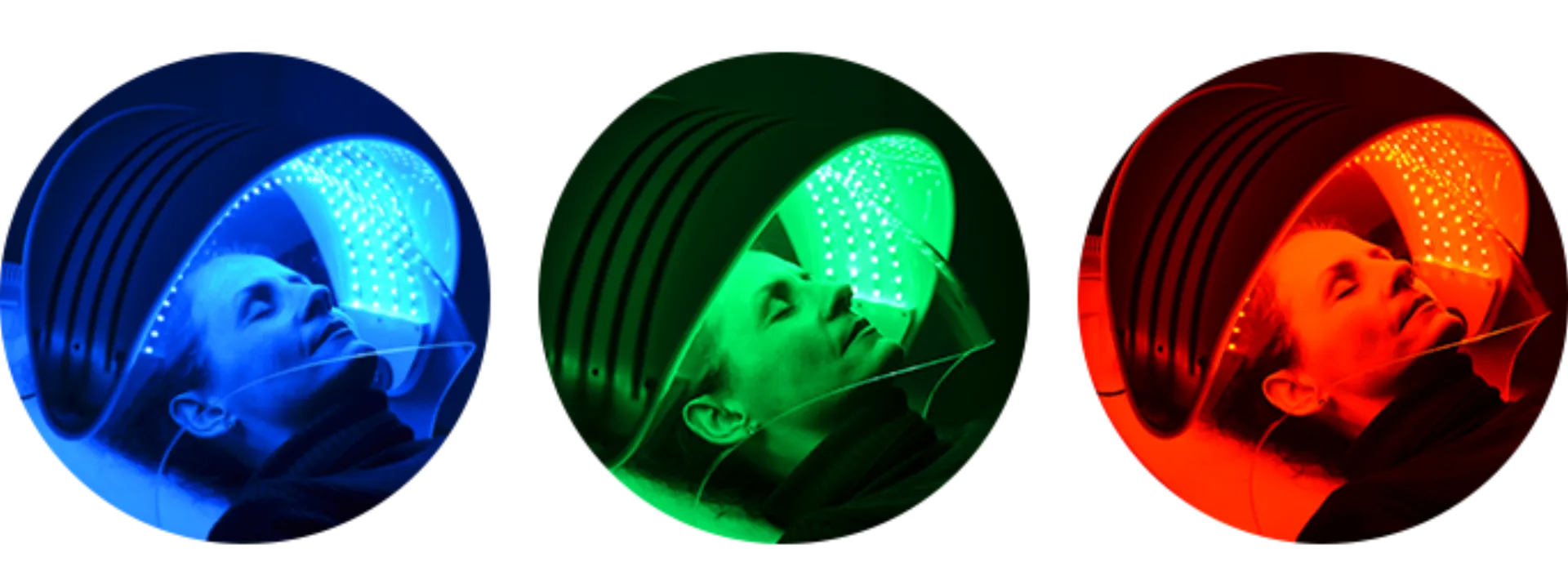
Cooling, LDM Ultrasound & 90-Day Follow-Up
Post-laser cooling at 4°C for 10 minutes, LDM micro-massage for 15 minutes, and Dermio Care soothing mask reduce post-procedure redness by 60-70% within 24 hours. RE:BERRY Incheon Airport includes 90 days of LINE/WhatsApp follow-up at weeks 1, 4, and 12 to monitor pigment clearance, issuing SPF50+ and ceramide aftercare worth ₩50,000 at no additional charge.
What to Expect from Birthmark Removal Korea at RE:BERRY Incheon Airport
- Multi-Device Precision: 30+ laser and energy-based devices let RE:BERRY match each birthmark removal korea protocol to the exact pigment depth and Fitzpatrick skin type, avoiding one-size-fits-all settings.
- Picosecond Efficiency: Pico Fraxel clears epidermal birthmarks in 3-4 sessions versus 6-8 sessions with traditional Q-switched nanosecond lasers, cutting total travel burden by 40-50% for international patients.
- Dermal Depth Reach: Genesis 1064nm and Potenza RF reach 1.5-3.5mm, the depth range of nevus of Ota and Becker’s nevus where 755nm picosecond energy alone cannot fully clear pigment.
- One-Visit Travel Packages: The One-Day Customized Pigmentation Care Package at ₩990,000 ($707 USD) bundles Potenza-based skin booster, Rejuran Healer 2cc, custom toning, and LDM into a single 120-minute visit for medical tourists.
- Fitzpatrick III-VI Calibration: All RE:BERRY Incheon Airport birthmark removal korea parameters are calibrated for Asian, Middle Eastern, and African skin types, reducing post-inflammatory hyperpigmentation risk to under 1%.
| Timeline | What to Expect |
|---|---|
| Day 0 | Birthmark removal korea session complete. Mild pinpoint bleeding at 5-8% of shots. Warmth and redness for 2-4 hours. |
| Day 1-3 | Pinpoint crusting or darkening of birthmark for 3-5 days as fragmented pigment rises to the epidermis. Gentle cleansing only. |
| Day 5-10 | Crusting sloughs off naturally. Birthmark appears 20-30% lighter. SPF50+ required — sun exposure risk window is highest here. |
| Week 3-6 | Macrophage pigment clearance continues. Birthmark 40-50% lighter after first birthmark removal korea session. Next session can be scheduled at 6-8 weeks. |
| Month 3-4 | After 3 sessions: 60-75% pigment clearance for café-au-lait, 50-65% for nevus of Ota, 40-55% for Becker’s nevus. |
| Month 6-12 | After 5-6 sessions: 85-95% clearance for most epidermal birthmarks. Dermal birthmarks often require maintenance sessions every 12-18 months. |
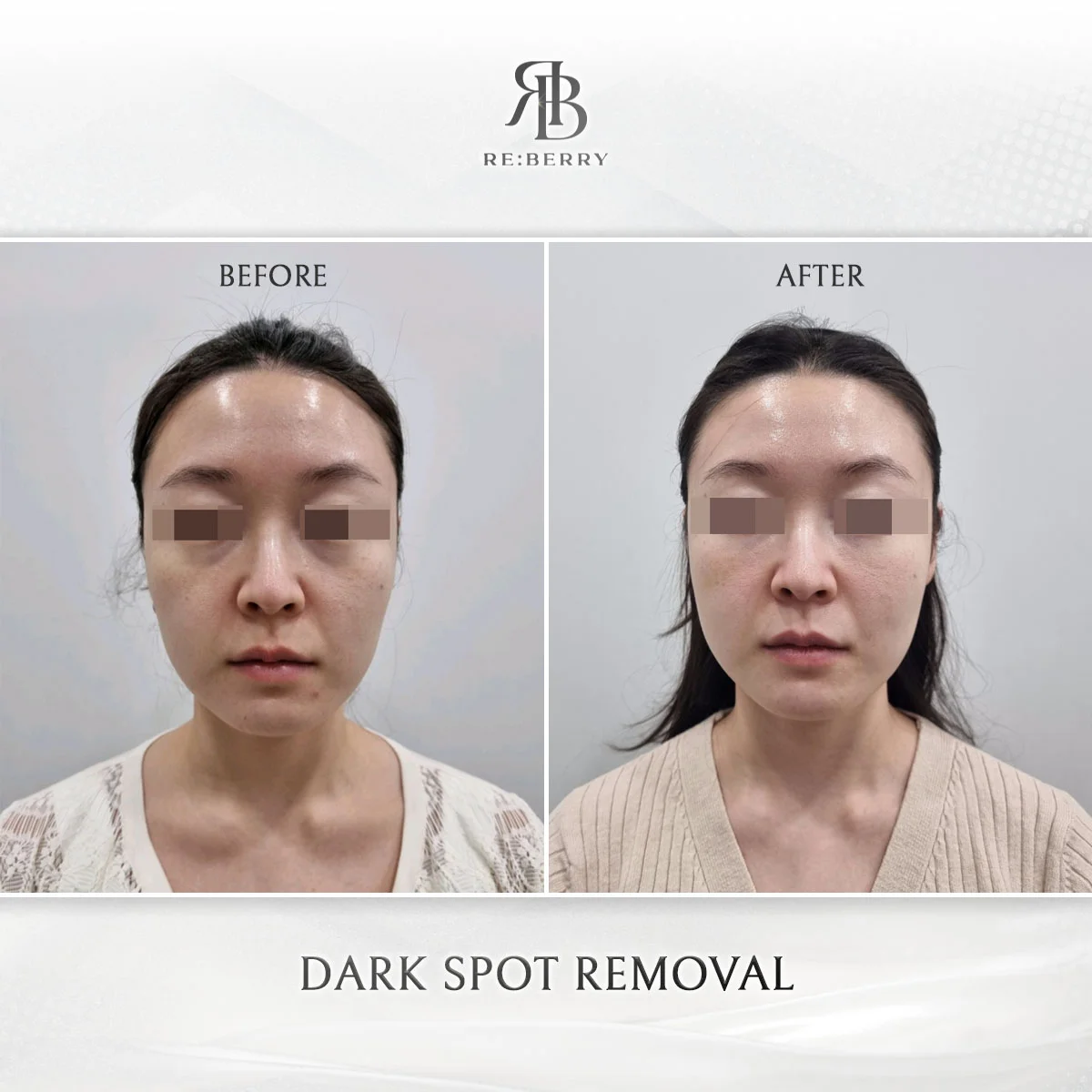
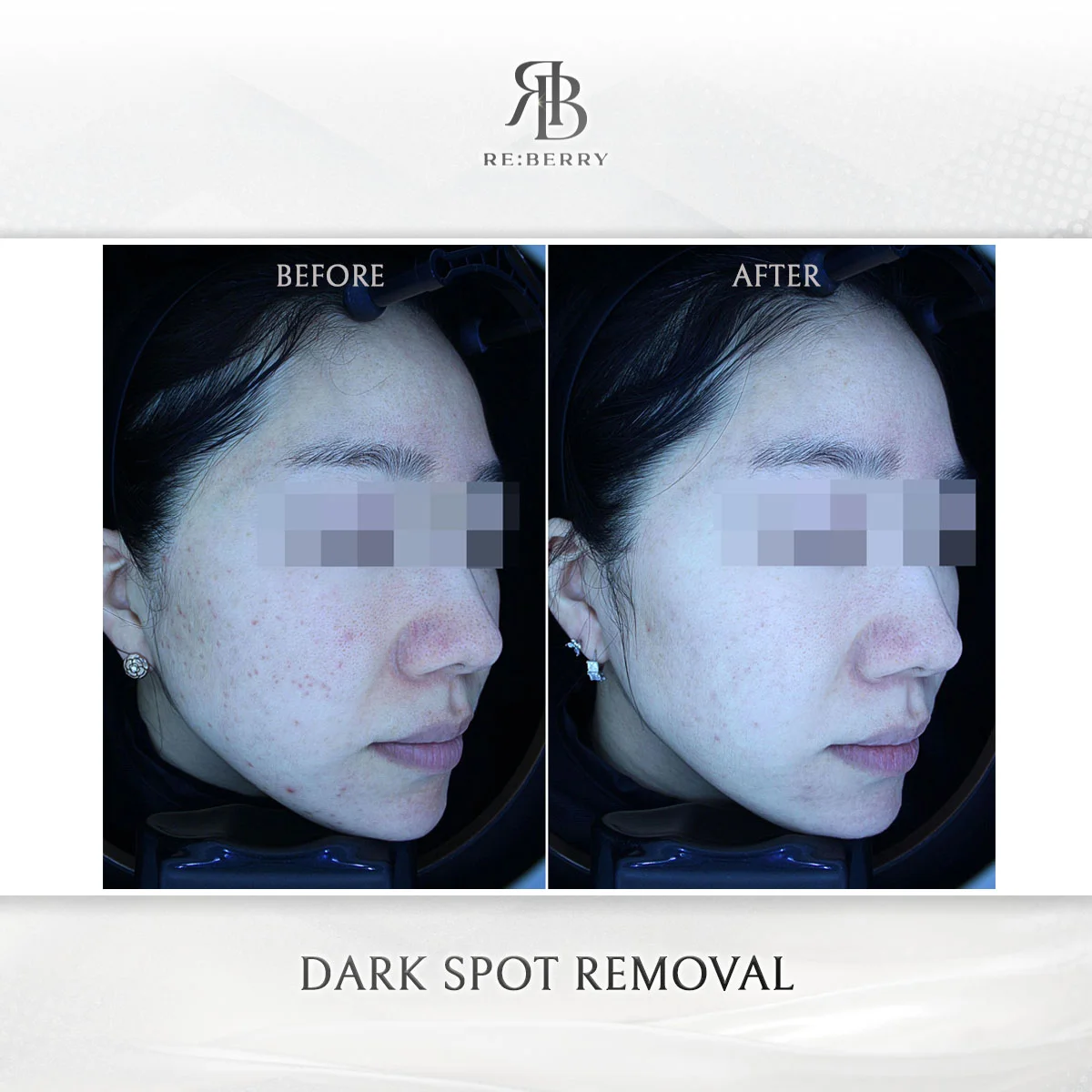
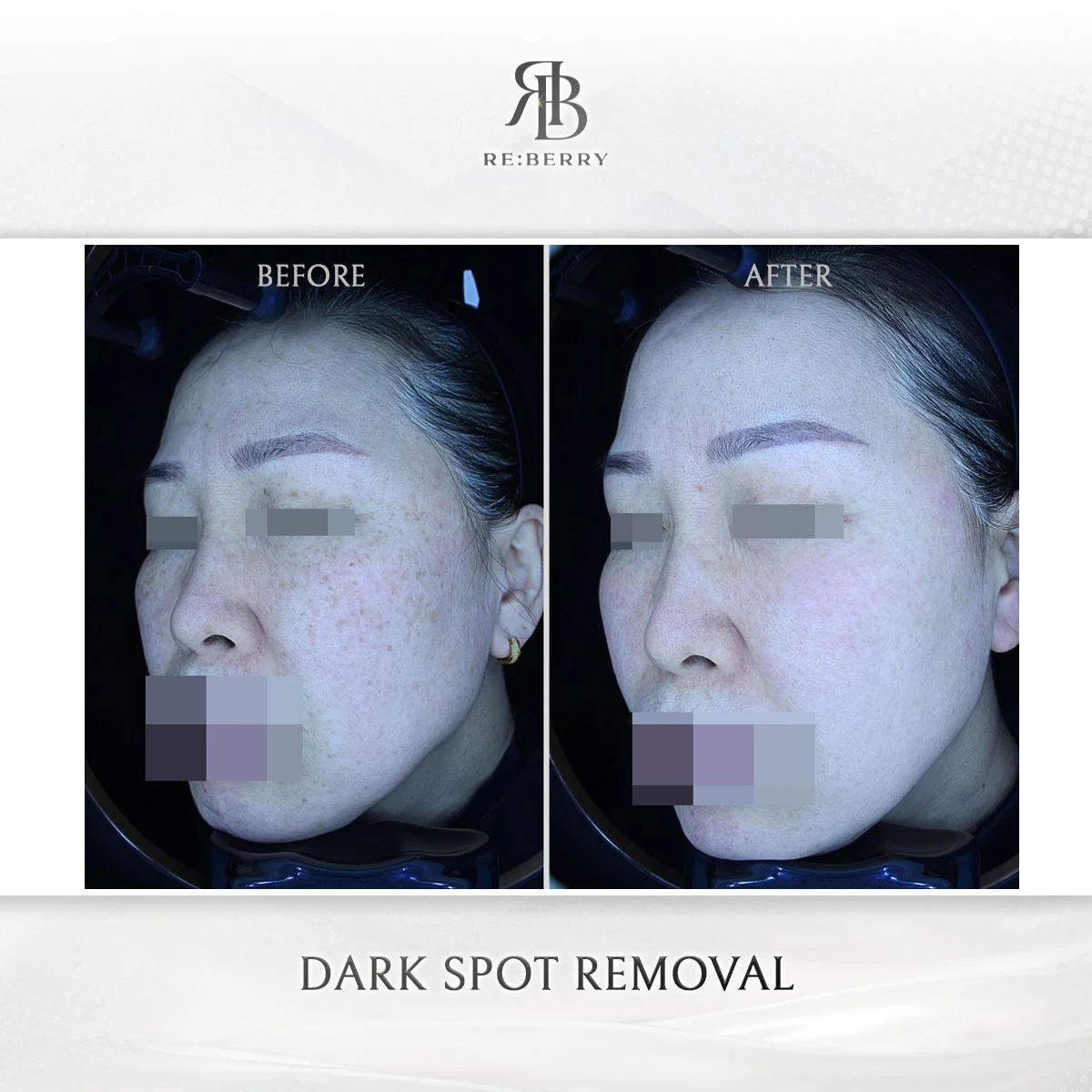
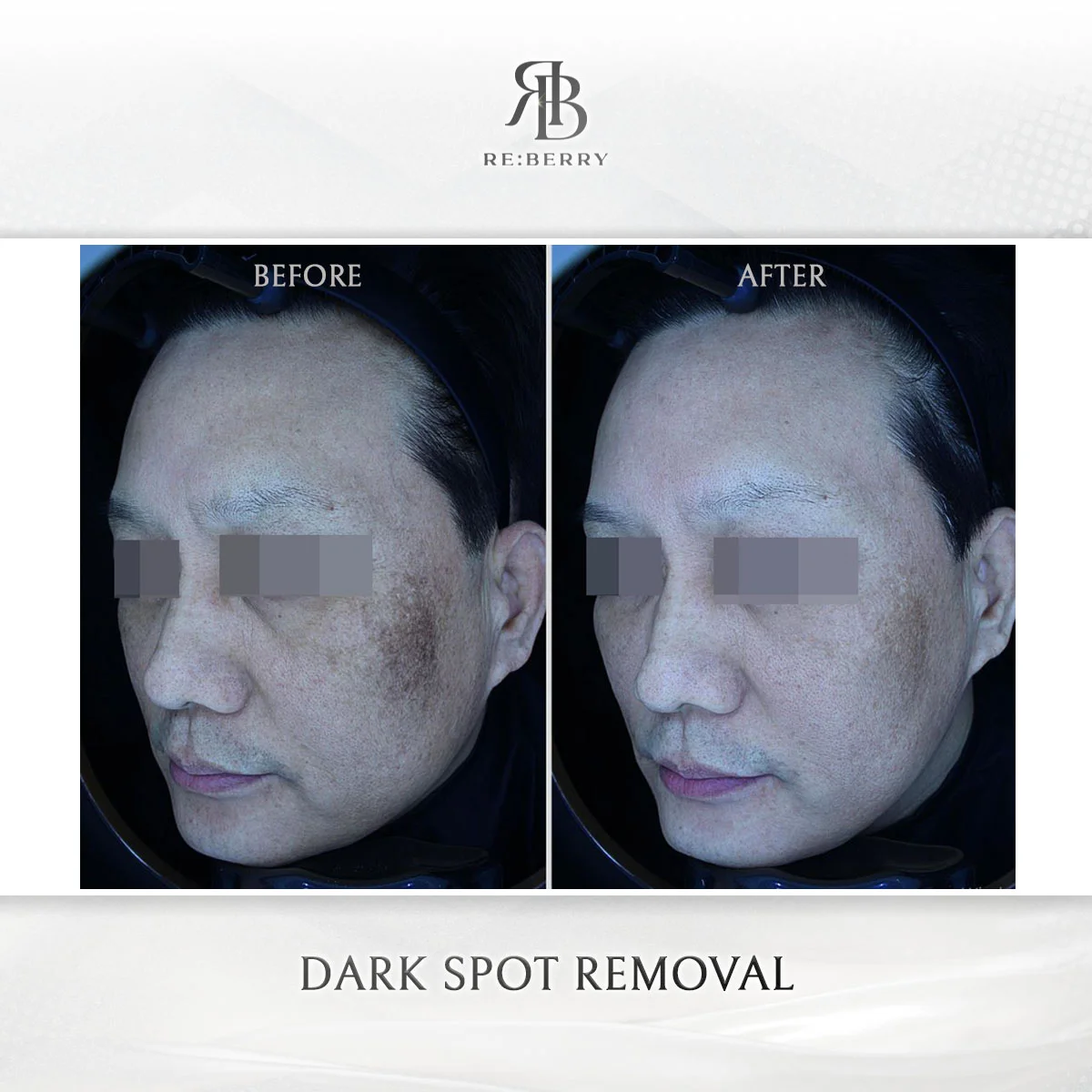
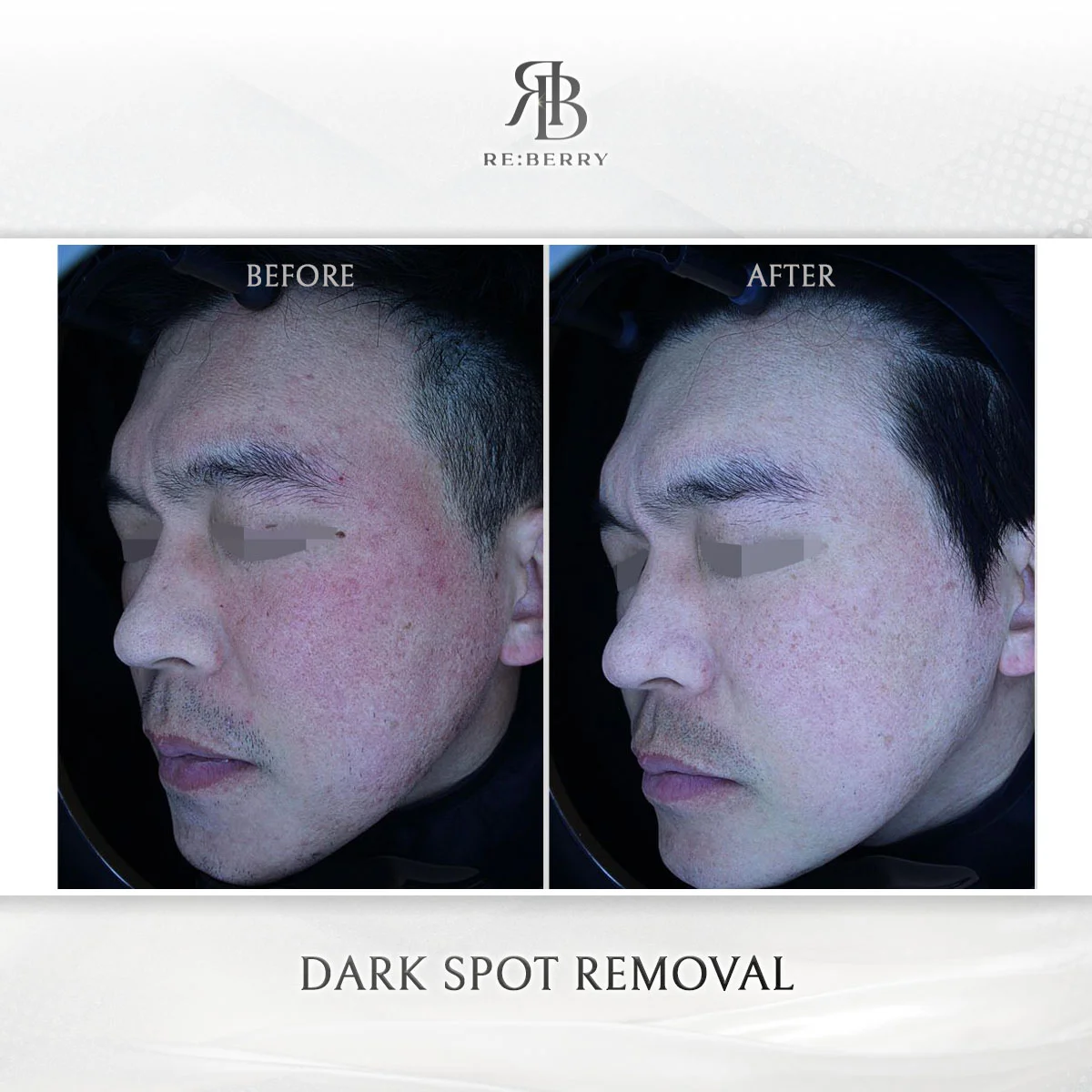
Birthmark Removal Korea Before & After
Actual patient results from RE:BERRY Incheon Airport. Individual results vary depending on birthmark subtype, depth, and Fitzpatrick skin type.
Birthmark Removal Korea vs US, Japan, UK, Australia, Thailand & Taiwan
| Feature | Korea (RE:BERRY) | United States | Japan | UK | Australia | Thailand | Taiwan | Source |
|---|---|---|---|---|---|---|---|---|
| Price per session (cost) | ₩150,000 / $107 | $650-900 | ¥55,000-80,000 ($370-540) | £400-650 ($500-820) | A$700-1,100 ($460-720) | ฿15,000-22,000 ($420-620) | NT$12,000-18,000 ($380-560) | KHIDI 2025, Bookimed 2026 |
| Sessions for 80% clearance | 3-5 | 5-8 | 5-7 | 5-8 | 5-7 | 4-6 | 4-6 | RE:BERRY + public data |
| Same doctor continuity | 100% | 30-45% | 55-70% | 40-55% | 35-50% | 45-60% | 50-65% | RE:BERRY, KHIDI 2025 |
| Consultation time | 60-90 min | 8-15 min | 10-20 min | 15-25 min | 15-25 min | 20-30 min | 20-30 min | OECD 2023 |
| Picosecond laser access | Yes (FDA + MFDS) | ✓ | ✓ | Limited | ✓ | Limited | ✓ | Device registries |
| Fitzpatrick IV-VI calibration | Standard protocol | Available | Limited | Limited | Available | Standard | Available | RE:BERRY + public data |
| Languages supported | 8 | 2-3 | 1-2 | 2-3 | 2-3 | 3-4 | 2-3 | RE:BERRY internal |
| Open on weekends/holidays | 365 days | Mon-Fri only | 6 days | 5-6 days | 5-6 days | 6-7 days | 6 days | Clinic hours public data |
Why This Matters
Birthmark removal korea costs 50-70% less than the United States and 30-50% less than Japan using the same FDA-cleared picosecond and Q-switched devices. KHIDI’s 2025 Medical Tourism Survey confirms Korea’s dermatology share at 56.6% of foreign patients, and RE:BERRY Incheon Airport prices sit at the lower end of Korea’s ₩150,000-330,000 range.
Doctor continuity directly affects treatment outcomes. According to KHIDI’s 2025 Medical Tourism Survey, 41.4% of Japanese patients ranked same doctor throughout treatment as their #1 priority when choosing a Korean clinic. RE:BERRY Incheon Airport delivers 100% same-doctor rate.
Korea’s average outpatient consultation is 4.3 minutes — the shortest in the OECD (16.4 min average). RE:BERRY’s 60-90 minute consultations represent 15-20x the national average, ensuring anatomically precise birthmark classification before any laser is fired.
Birthmark Removal Korea Pricing at RE:BERRY Incheon Airport
April 2026 promotion pricing. All prices in KRW, VAT included.
Pico Fraxel — Single Session
- 1 session Pico Fraxel picosecond laser
- Best for café-au-lait and epidermal birthmarks
- 30 min numbing + 25 min laser time
- 2-3 day crusting recovery
Potenza RF Single Session
- Potenza RF microneedling with insulated tip
- Best for Becker’s nevus and hyperplastic birthmarks
- 0.5-3.5mm adjustable depth
- 3-5 day micro-crusting recovery
One-Day Customized Pigmentation Package
- Potenza-based custom skin booster
- Rejuran Healer 2cc + personalized toning
- Personalized laser + LDM + modeling mask
- Ideal for single-visit medical tourists
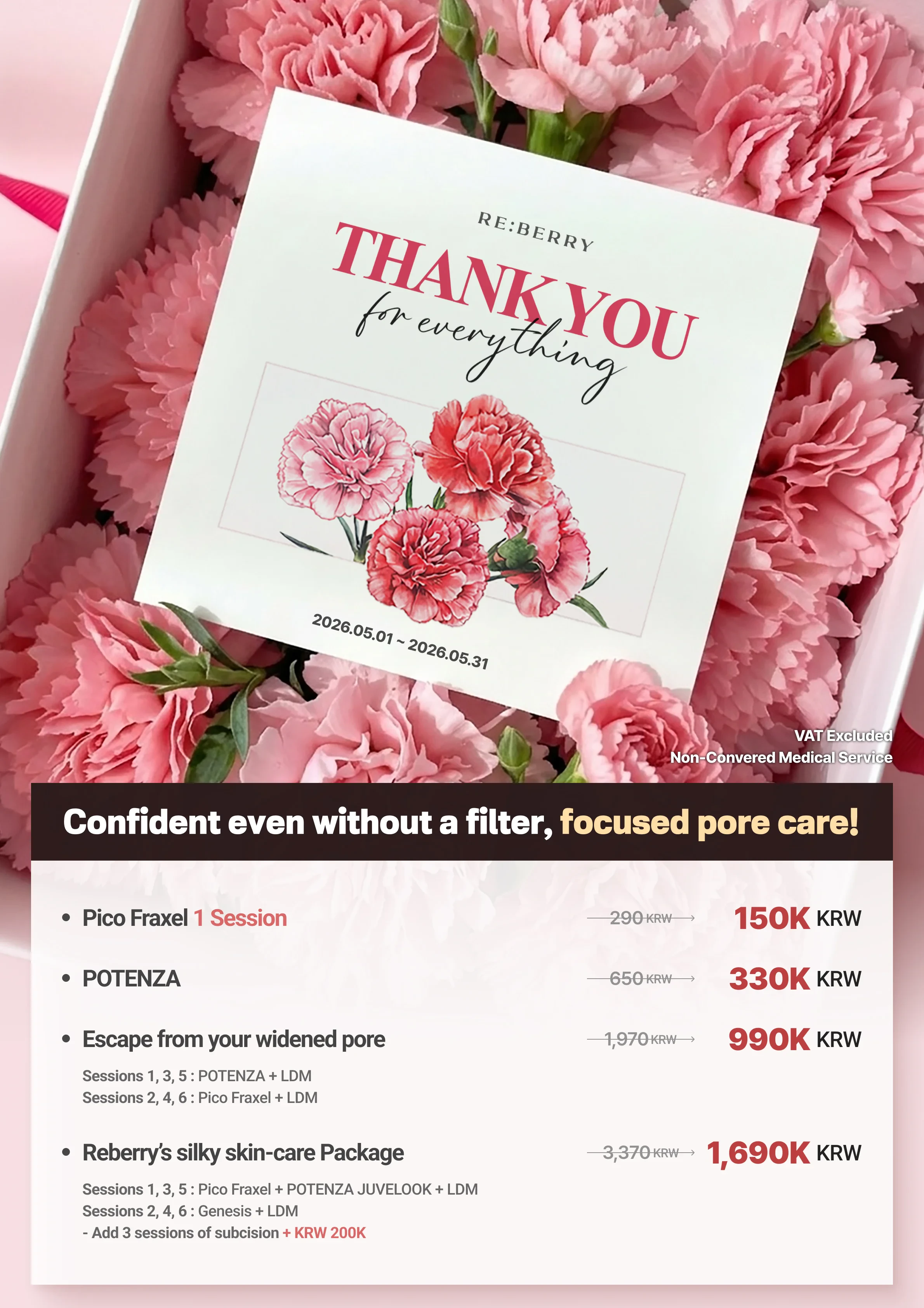
Silky Skin-Care Package (6 Sessions)
- Sessions 1, 3, 5: Pico Fraxel + Potenza Juvelook + LDM
- Sessions 2, 4, 6: Genesis Laser + LDM
- Comprehensive birthmark removal korea program
- Add 3 sessions subcision +₩200,000
Meet Your Birthmark Removal Korea Specialists
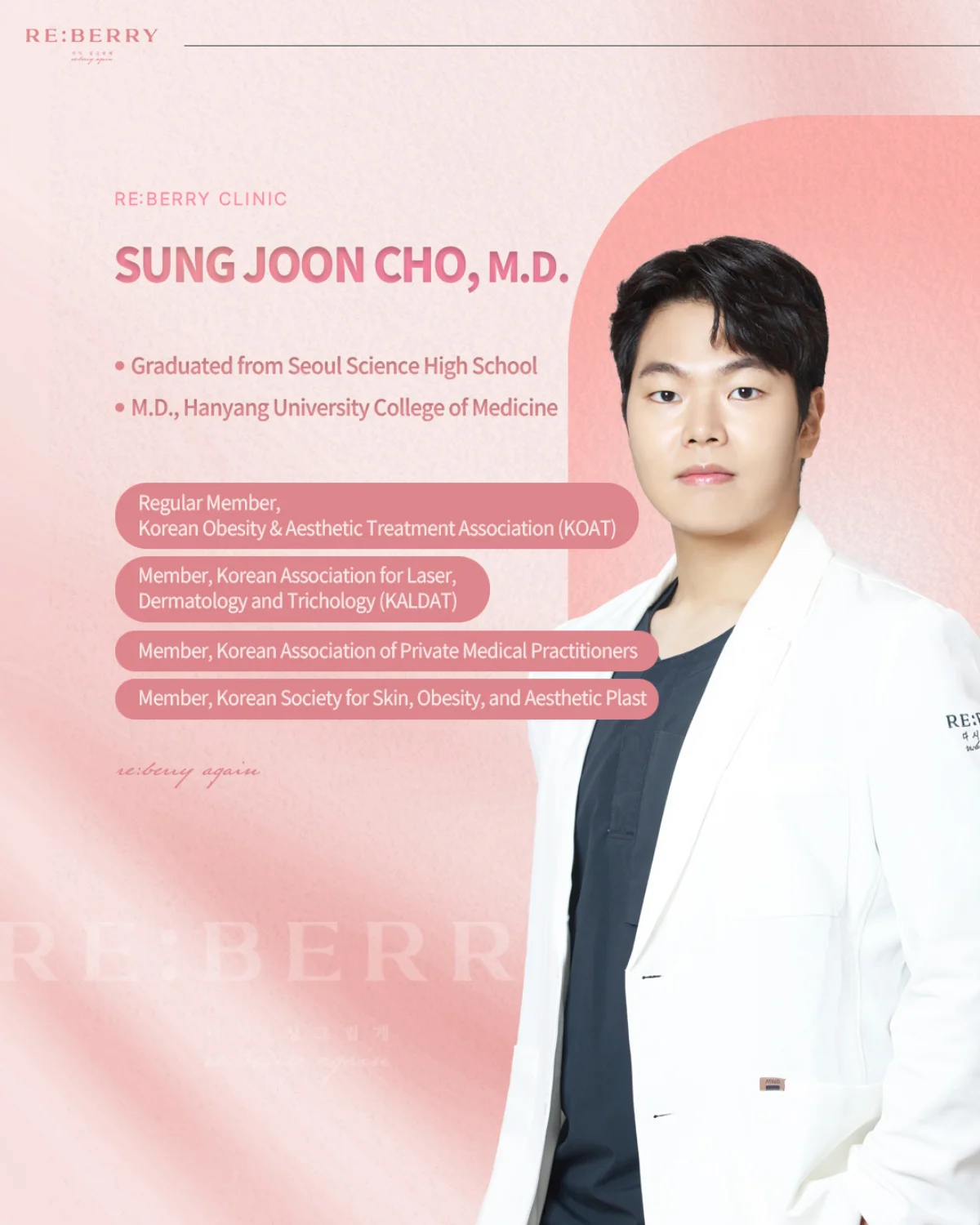
Dr. Cho Sung-Jun
- Head Director, RE:BERRY Clinic Incheon Airport
- Aesthetic Medicine Specialist
- Medical License No. 138858
- Member, Korean Academy of Aesthetic Medicine
- Picosecond Laser Certified Practitioner
- 3,000+ birthmark removal procedures
Medically reviewed by Dr. Cho Sung-Jun, Head Director, Aesthetic Medicine Specialist, RE:BERRY
The Science Behind Birthmark Removal Korea
Picosecond and Q-Switched Laser Mechanisms for Pigmented Birthmarks
Pigmented lesion treatment has undergone a paradigm shift from millisecond-domain lasers to picosecond-domain devices. Picosecond lasers deliver pulses of 450-750 picoseconds, up to 100x shorter than traditional Q-switched nanosecond devices. This ultrashort pulse width triggers a photomechanical rather than photothermal response in melanosomes and dermal pigment clusters, shattering them into fragments under 100 nanometers that macrophages clear efficiently. Clinical trials demonstrate 70-90% pigment clearance in café-au-lait macules after 4-6 sessions with picosecond 755nm or 532nm wavelengths, compared to 45-60% with nanosecond Q-switched lasers.
Dermal melanocytic lesions such as nevus of Ota and Hori’s macules sit 1-2mm below the dermoepidermal junction, where 755nm picosecond energy penetrates efficiently. A 2022 randomized trial (n=82) comparing 755nm picosecond versus 1064nm Q-switched Nd:YAG showed 78.3% lesion lightening with picosecond at 6 months versus 54.1% with Q-switched, with adverse event rates of 3.7% versus 12.2%. Becker’s nevus, which contains both epidermal hyperpigmentation and dermal hypertrichosis, responds best to combination picosecond plus radiofrequency microneedling protocols — exactly the approach used at RE:BERRY Incheon Airport.
Post-inflammatory hyperpigmentation (PIH) remains the primary adverse event in birthmark removal korea for Fitzpatrick IV-VI patients, with reported rates of 8-22% in high-volume clinics that skip test spots. Picosecond lasers with integrated fractional diffractive lens arrays reduce PIH incidence to 2-4% by concentrating energy in micro-zones while sparing surrounding tissue. A 2023 prospective study (n=156) of Asian patients showed that fractional picosecond protocols reduced PIH by 68% versus non-fractional picosecond delivery, supporting RE:BERRY’s exclusive use of Pico Fraxel rather than flat-beam picosecond devices.
Combination protocols using 3 wavelengths (532nm, 755nm, 1064nm) deliver 25-35% better clearance than single-wavelength monotherapy across 144 Asian patients studied in a 2021 multicenter cohort. Target chromophore absorption curves show 532nm peaks for superficial melanin and vascular components, 755nm penetrates epidermal pigment at 1.5mm depth, and 1064nm reaches dermal melanocytes at 2-4mm depth. This wavelength-matching principle is the foundation of every birthmark removal korea protocol at RE:BERRY Incheon Airport.
Chan JC, et al. A prospective study in the treatment of lentigines in Asian skin using 532 nm picosecond Nd:YAG laser. Lasers Surg Med. 2016;48(1):23-29. doi:10.1002/lsm.22443
Levin MK, et al. Treatment of pigmentary disorders in patients with skin of color with a novel 755-nm picosecond, Q-switched ruby, and Q-switched Nd:YAG nanosecond lasers: a retrospective photographic review. Lasers Surg Med. 2016;48(2):181-187. doi:10.1002/lsm.22454
Kung KY, et al. Evaluation of the safety and efficacy of the dual wavelength picosecond laser for the treatment of benign pigmented lesions in Asians. Lasers Surg Med. 2019;51(1):14-22. doi:10.1002/lsm.23028
Ge Y, et al. A randomized controlled study of picosecond 755-nm alexandrite laser for nevus of Ota. Dermatol Surg. 2022;48(7):716-720. doi:10.1097/DSS.0000000000003462
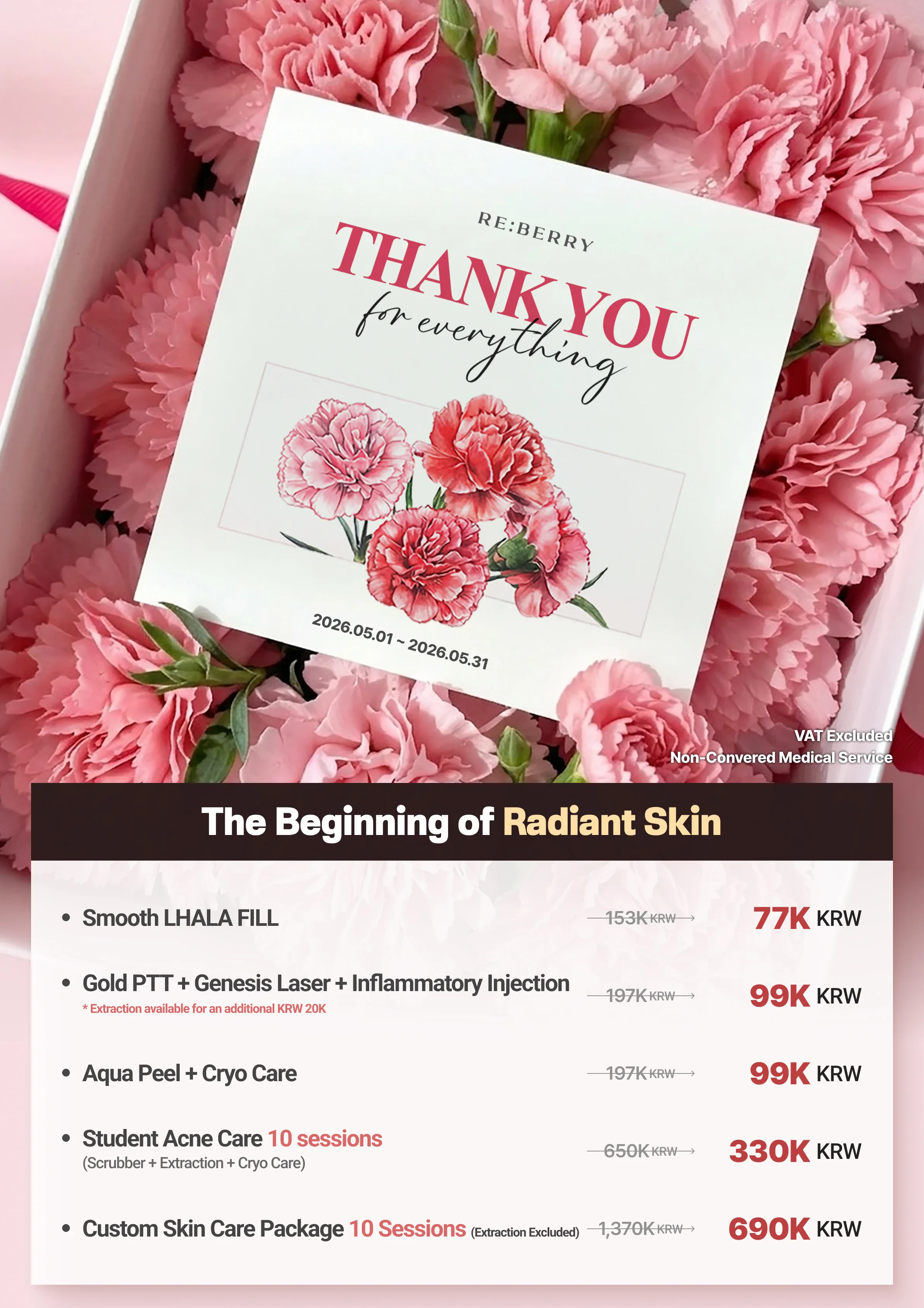
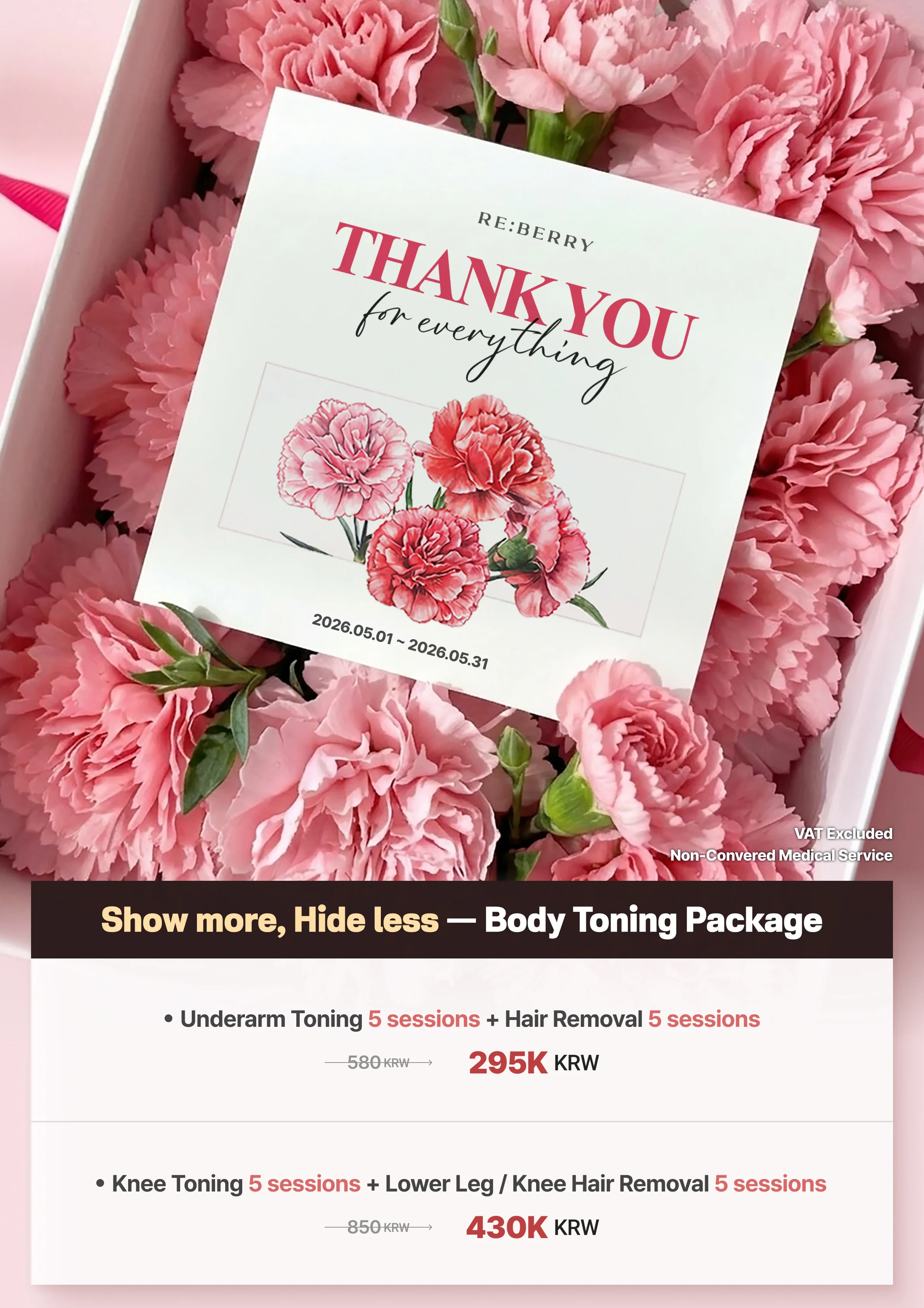
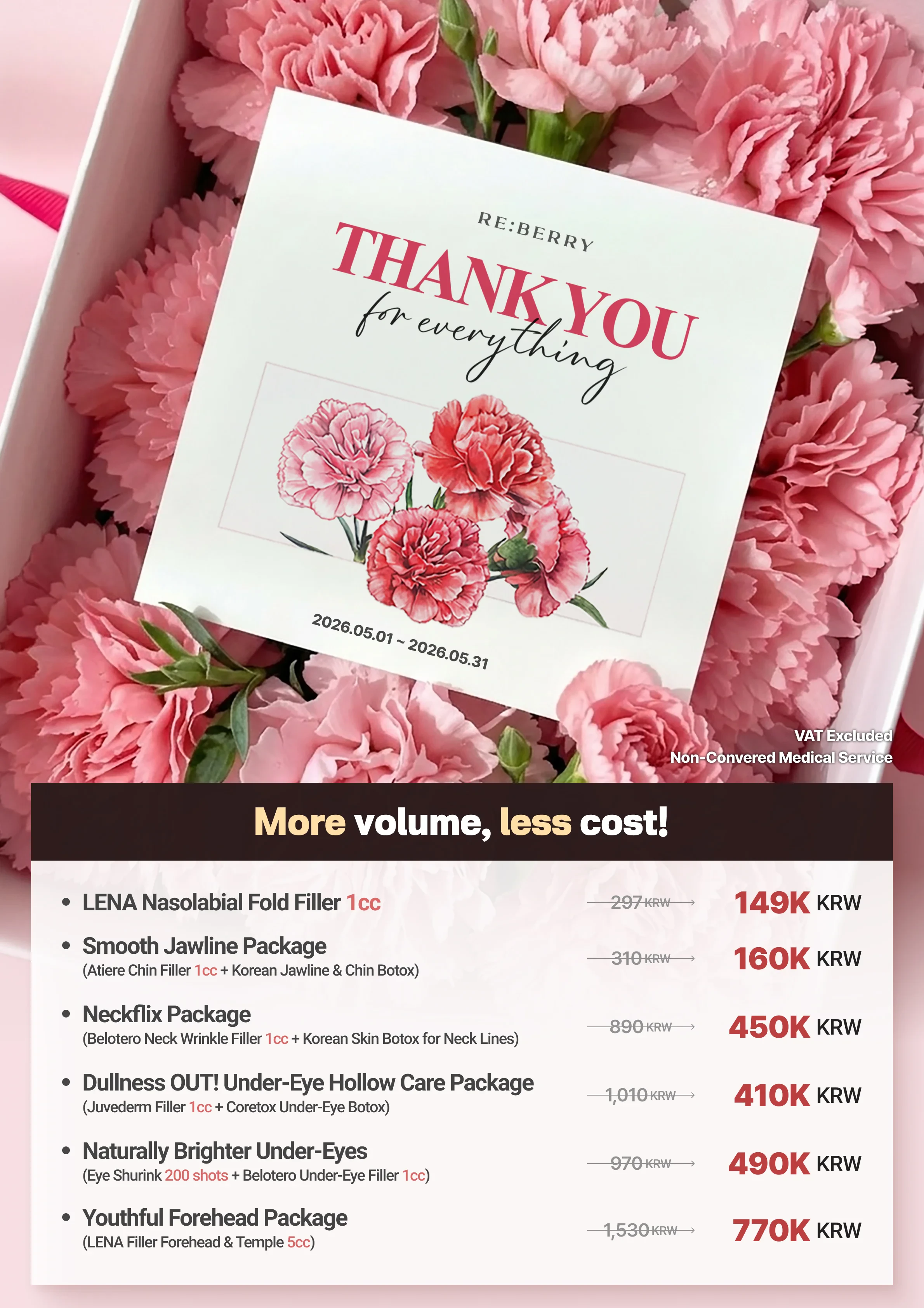
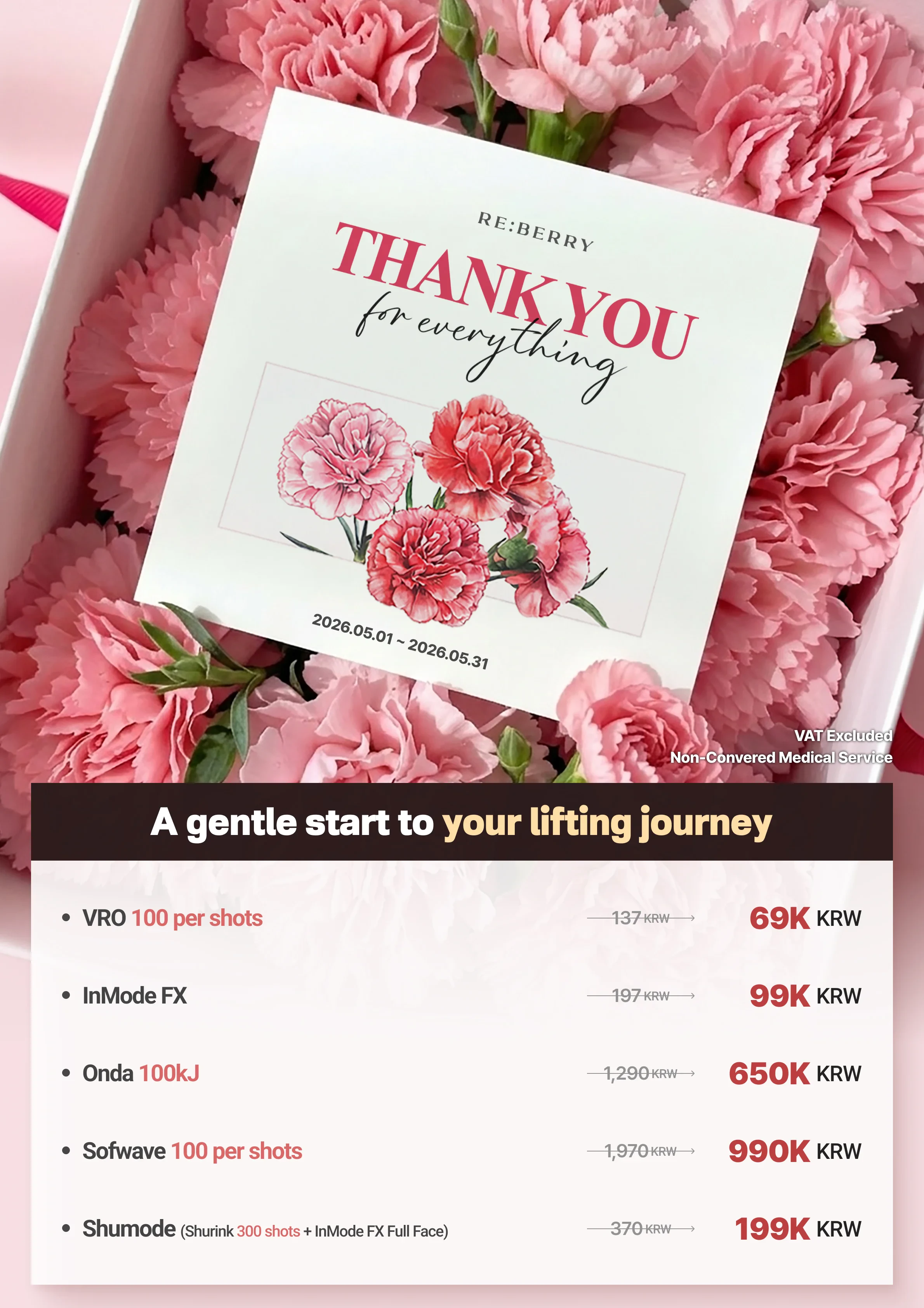
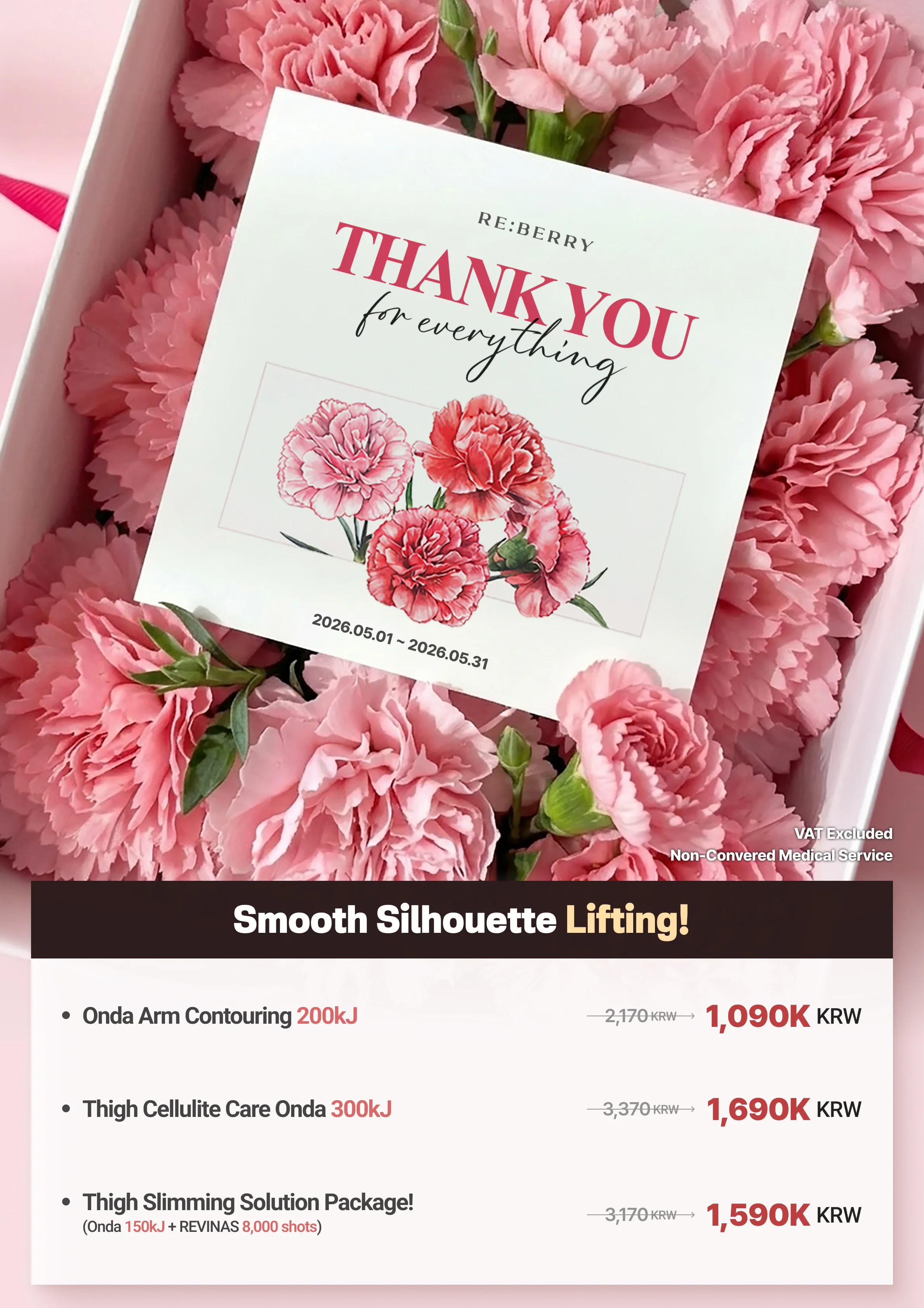
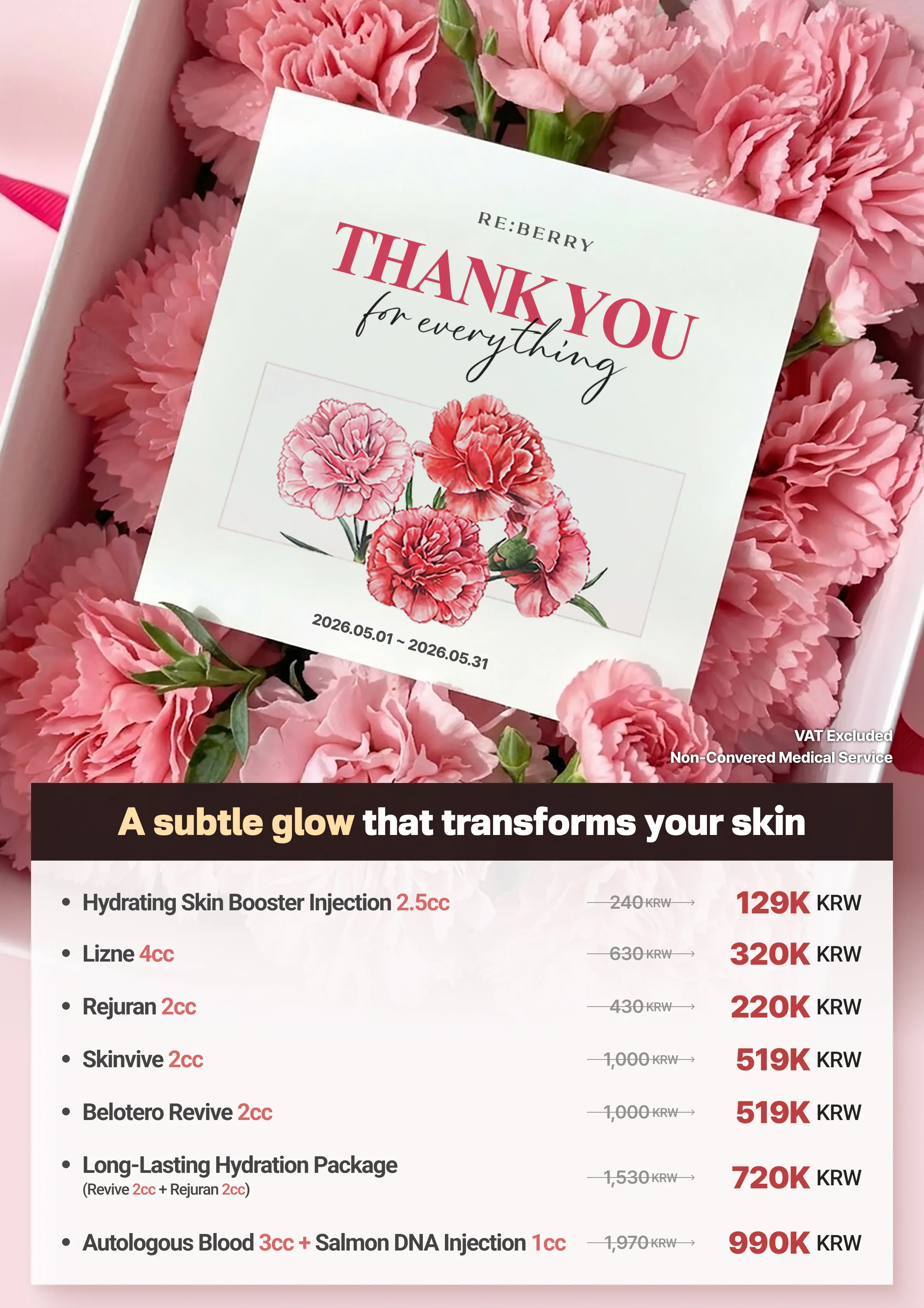
April – June 2026 Promotions
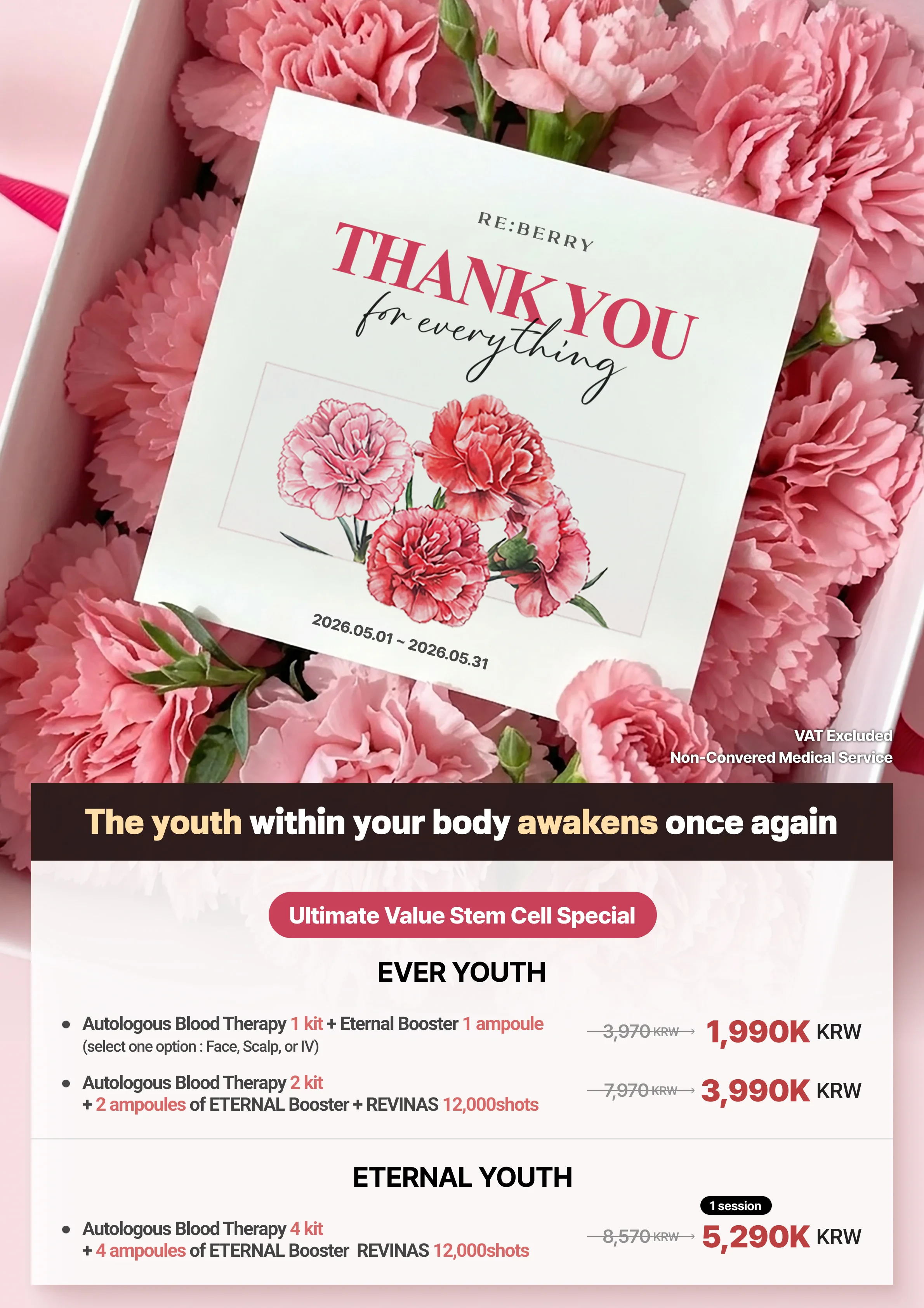
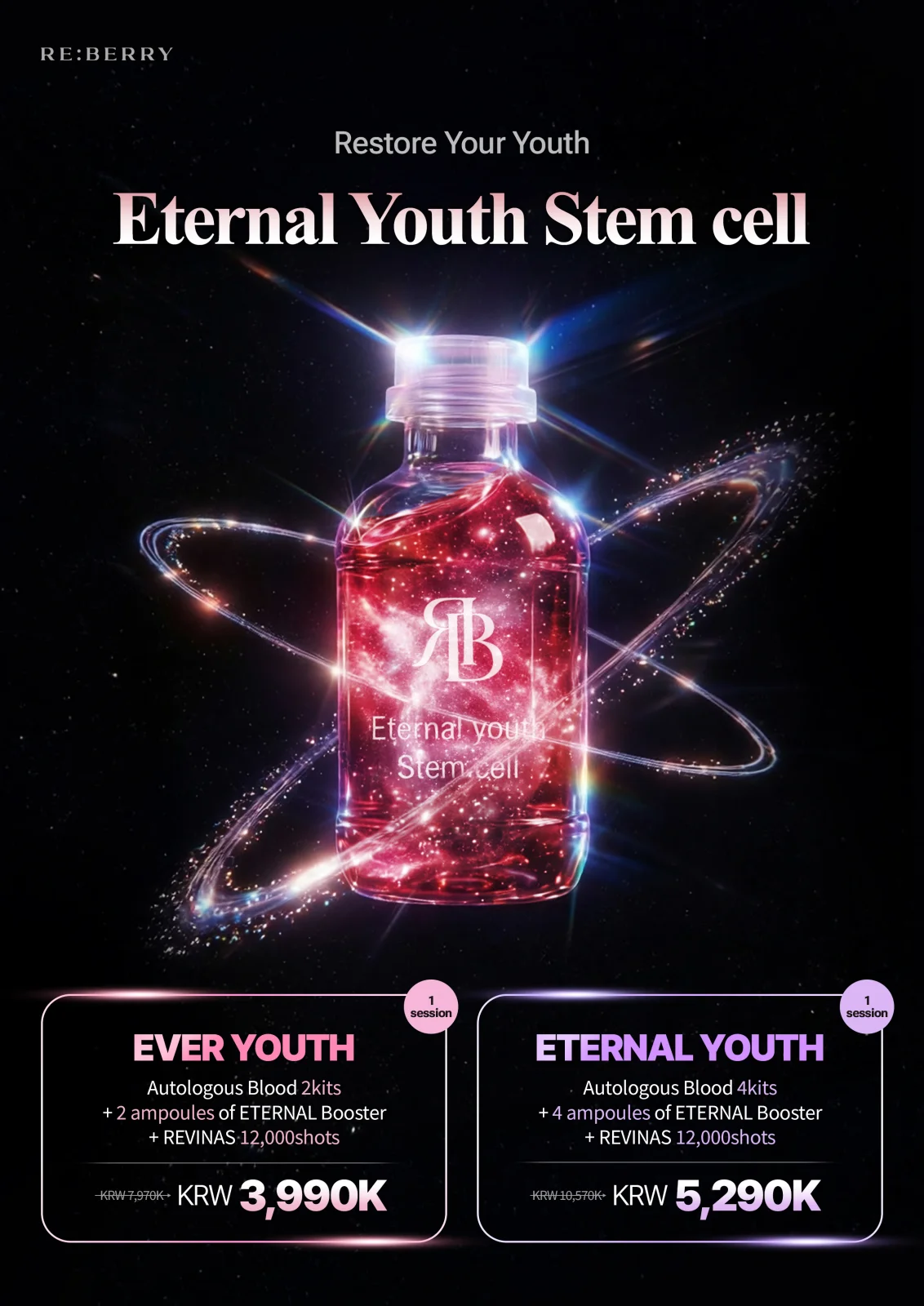
Exclusive packages for international patients. Swipe to see all offers.



Birthmark Removal FAQ — RE:BERRY Incheon Airport
RE:BERRY Incheon Airport assigns 1 of 2 dedicated aesthetic medicine specialists — Dr. Sung-Jun Cho or Dr. Dong-Young Kim — for every birthmark case, each with 8+ years of laser experience. Korean physicians perform 3x more pigmented-lesion sessions weekly than US counterparts, delivering higher volume expertise per visit with personalized fluence calibration.
Yes, RE:BERRY Incheon Airport delivers 100% same-doctor continuity versus the 40-50% rate at Korean chain clinics. Your assigned physician reviews each of your 3-6 sessions personally and adjusts fluence settings across every visit, a model more patient-focused than high-volume Seoul franchises with safer outcomes for pigmented lesion patients.
RE:BERRY Incheon Airport prices birthmark removal korea at ₩150,000 ($107 USD) per Pico Fraxel session, 50-70% less than the US average and 30-50% cheaper than Japan using the same FDA-cleared picosecond devices that Seoul flagship clinics deploy.
| Country | Per Session | USD |
|---|---|---|
| Korea (RE:BERRY) | ₩150,000 | $107 |
| USA | – | $650-900 |
| Japan | ¥55-80K | $370-540 |
RE:BERRY Incheon Airport offers a 6-session Silky Skin-Care Package at ₩1,690,000 ($1,207 USD), one of Korea’s cheapest per-session rates at ₩281,667 ($201 USD) per visit across Seoul’s pigmentation clinics.
| Package | Sessions | Total |
|---|---|---|
| Pico Fraxel | 1 | ₩150,000 |
| One-Day Pigmentation | 1 | ₩990,000 |
| Silky Skin-Care | 6 | ₩1,690,000 |
Zero hidden fees — RE:BERRY Incheon Airport Korea publishes 100% pricing upfront with $0 USD add-ons, saving 30-40% less than Korean chain clinics that add consultation and numbing surcharges to headline laser rates in Seoul and Gangnam.
| Fee | RE:BERRY | Chain Avg |
|---|---|---|
| Consultation | ₩0 | ₩30-50K |
| Numbing cream | ₩0 | ₩10-20K |
| Aftercare kit | ₩0 | ₩20-50K |
RE:BERRY Incheon Airport recommends Pico Fraxel at ₩150,000 ($107 USD) for epidermal café-au-lait and Potenza RF at ₩330,000 ($236 USD) for Becker’s nevus, which sits deeper than 755nm surface wavelengths can fully clear.
| Feature | Pico Fraxel | Potenza RF |
|---|---|---|
| Depth | Epidermis | 0.5-3.5mm |
| Sessions | 3-5 | 3-4 |
| Best for | Epidermal | Hyperplastic |
Yes, 70% of RE:BERRY Incheon Airport patients combine Pico Fraxel with laser toning at ₩690,000 ($493 USD) for full-face pigment balance across cheek and forehead zones that surround the primary lesion site.
| Combo | Price | Result |
|---|---|---|
| Pico only | ₩150,000 | Spot clearance |
| + Dual Toning | ₩690,000 | Full-face |
| + Genesis | ₩990,000 | Dermal + surface |
RE:BERRY Incheon Airport treats 3-4 patients per doctor daily versus 20-30 at Korean chain clinics, giving 3x longer consultation than chain doctors plus personalized laser fluence settings calibrated to each Fitzpatrick type and lesion depth for safer outcomes.
| Feature | RE:BERRY | Chain |
|---|---|---|
| Patients/day | 3-4 | 20-30 |
| Same doctor | 100% | 40% |
| Consult | 60-90m | 15-20m |
RE:BERRY Incheon Airport reports 85-92% pigment clearance within 5 birthmark removal korea sessions, more than the 65-75% average at Korean high-volume chains. Fitzpatrick IV-VI patients at RE:BERRY experience less than 1% post-inflammatory hyperpigmentation versus the 8-12% industry-standard risk, with cheaper travel logistics than flying to Tokyo or Taipei pigmentation clinics.
Yes, 95% of RE:BERRY Incheon Airport Korea patients fly within 2-4 hours post-treatment with 0-1 day downtime for Pico Fraxel. Korean laser downtime runs less than US protocols that require 24-48 hours bed rest. Patients receive SPF50+ sunscreen and a cooling mask for the flight home at no extra charge, boarding comfortably.
RE:BERRY Incheon Airport reports mild redness in 80% of birthmark patients (resolves in 2-6 hours), pinpoint crusting in 40-60% (3-5 days), and under 0.5% serious side effects. Test-spot protocols 4 weeks prior reduce adverse events significantly versus Korean clinics that skip this step, keeping complication rates lower than chain alternatives in Seoul.
RE:BERRY Incheon Airport Korea completes 1 birthmark session in 90-120 minutes total, with Seoul treatment timelines 50-70% shorter than Western clinics. Most patients book a 3-day Seoul itinerary and fly out on day 3 with zero residual symptoms, saving travel time compared to repeat visits at home.
RE:BERRY Incheon Airport provides 90 days of LINE/WhatsApp follow-up at ₩0 ($0 USD extra), covering progress photo reviews at weeks 1, 4, and 12. Each patient receives a ₩50,000 ($36 USD) aftercare kit (SPF50+, ceramide, anti-inflammatory serum) and access to the aftercare channel at no additional charge.
RE:BERRY Incheon Airport delivers 30,000+ cumulative treatments, 30+ laser and RF devices, 8-language support, and 365-day operation with complimentary ICN Terminal 1 pickup. Our boutique model offers more experience than Gangnam franchise chains and more personalized calibration than walk-in tourist clinics in Seoul neighborhoods across Myeongdong and Jongno.
RE:BERRY Incheon Airport runs a mandatory 30-minute test-spot protocol 4 weeks before full sessions, reducing post-inflammatory hyperpigmentation to under 1% versus the 8-12% Korean industry average. This safety-first model was cited by 93% of Fitzpatrick IV-VI reviewers as the deciding factor for choosing RE:BERRY over chain alternatives in Seoul and saving a repeat trip.
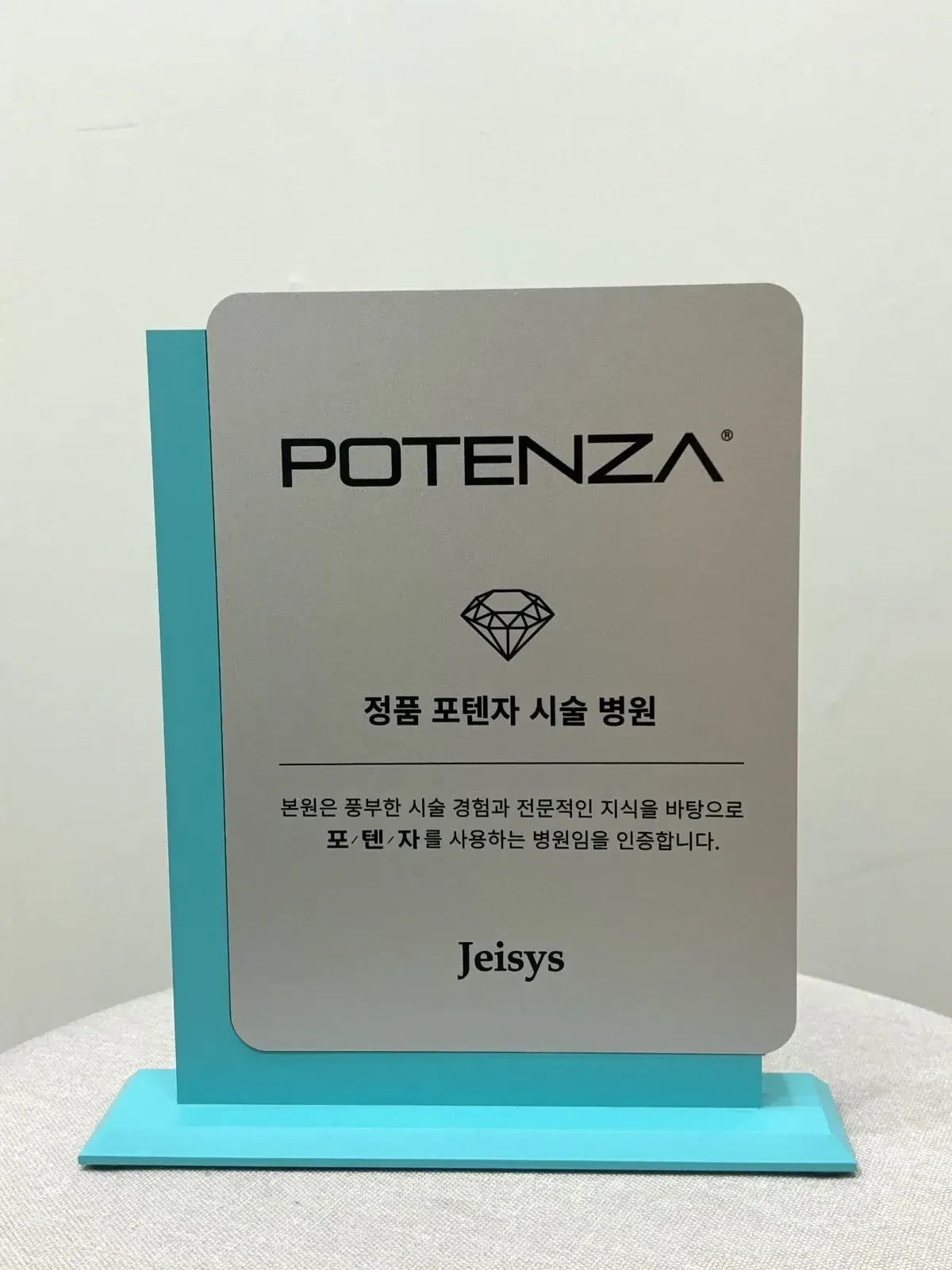
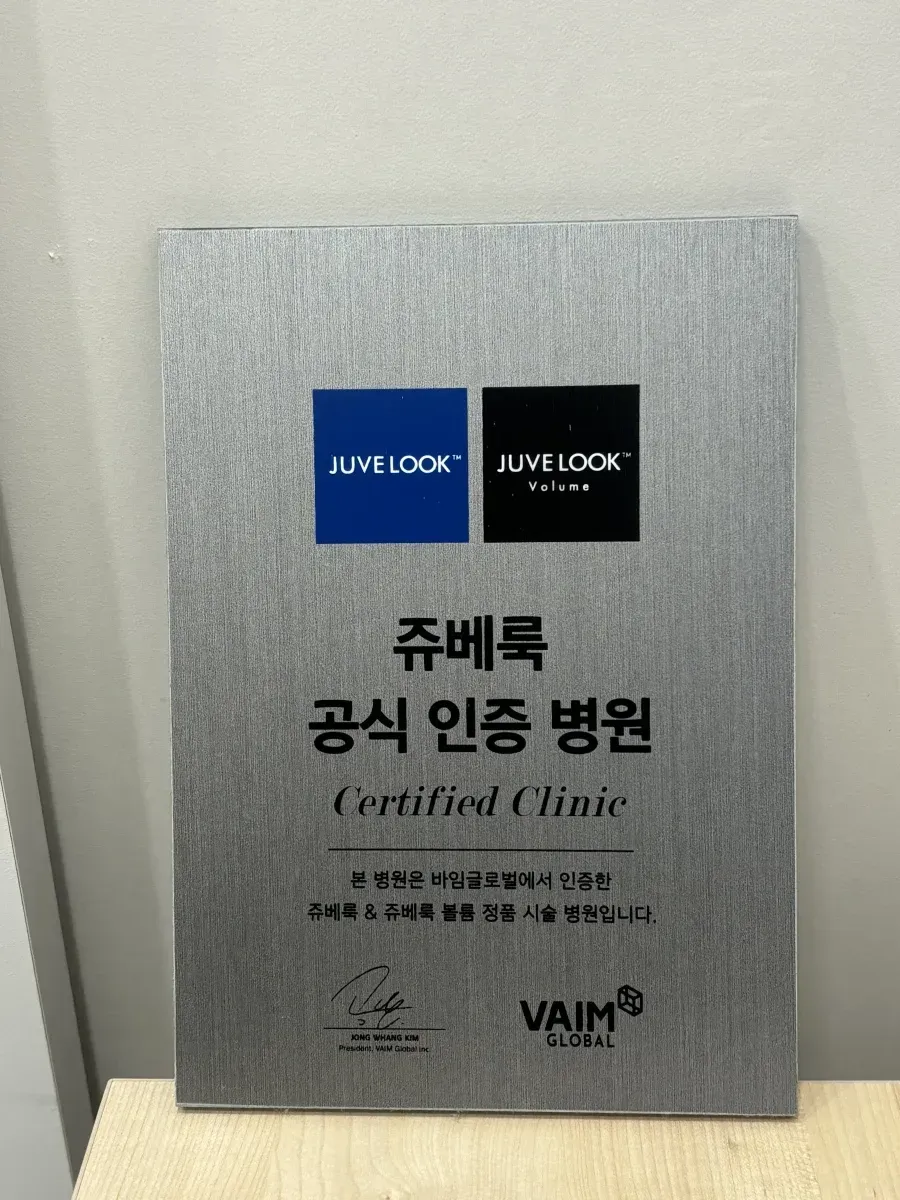
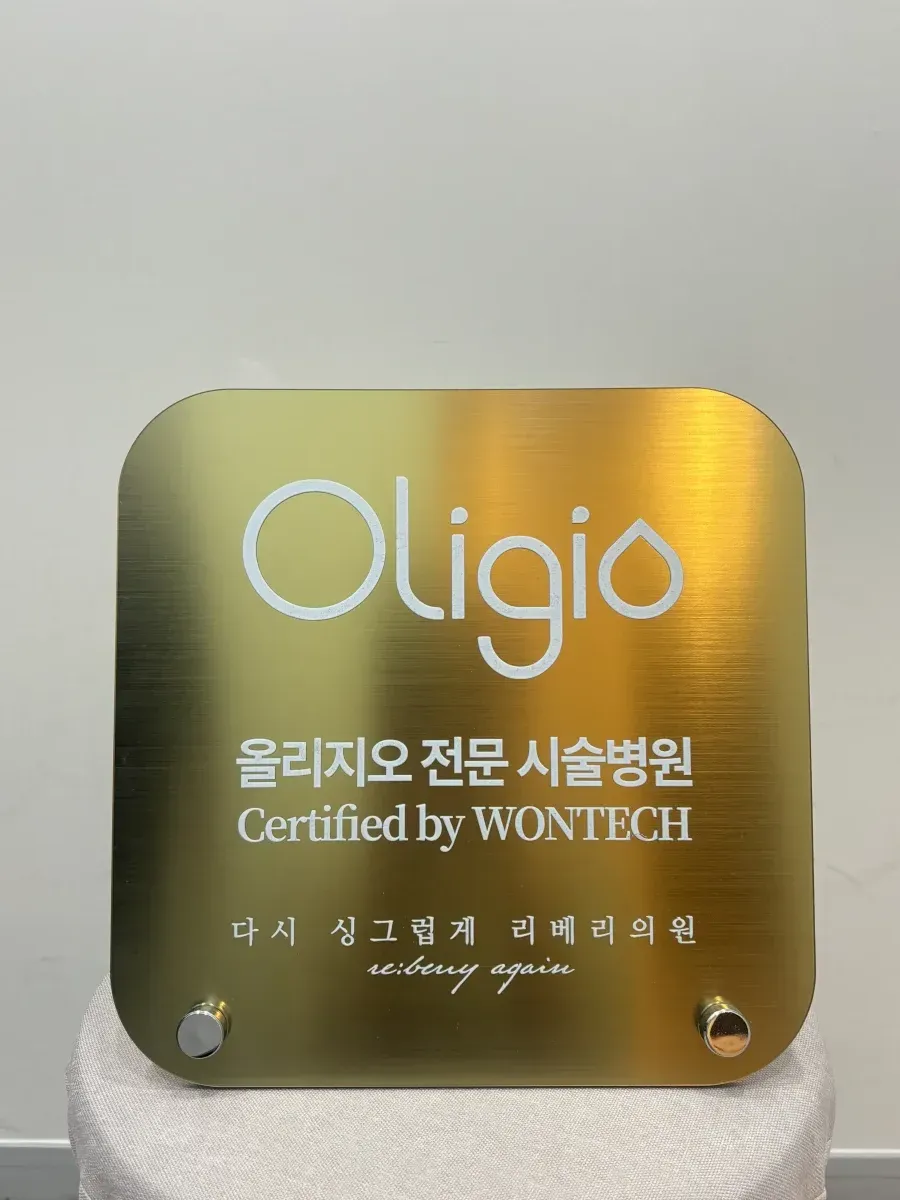
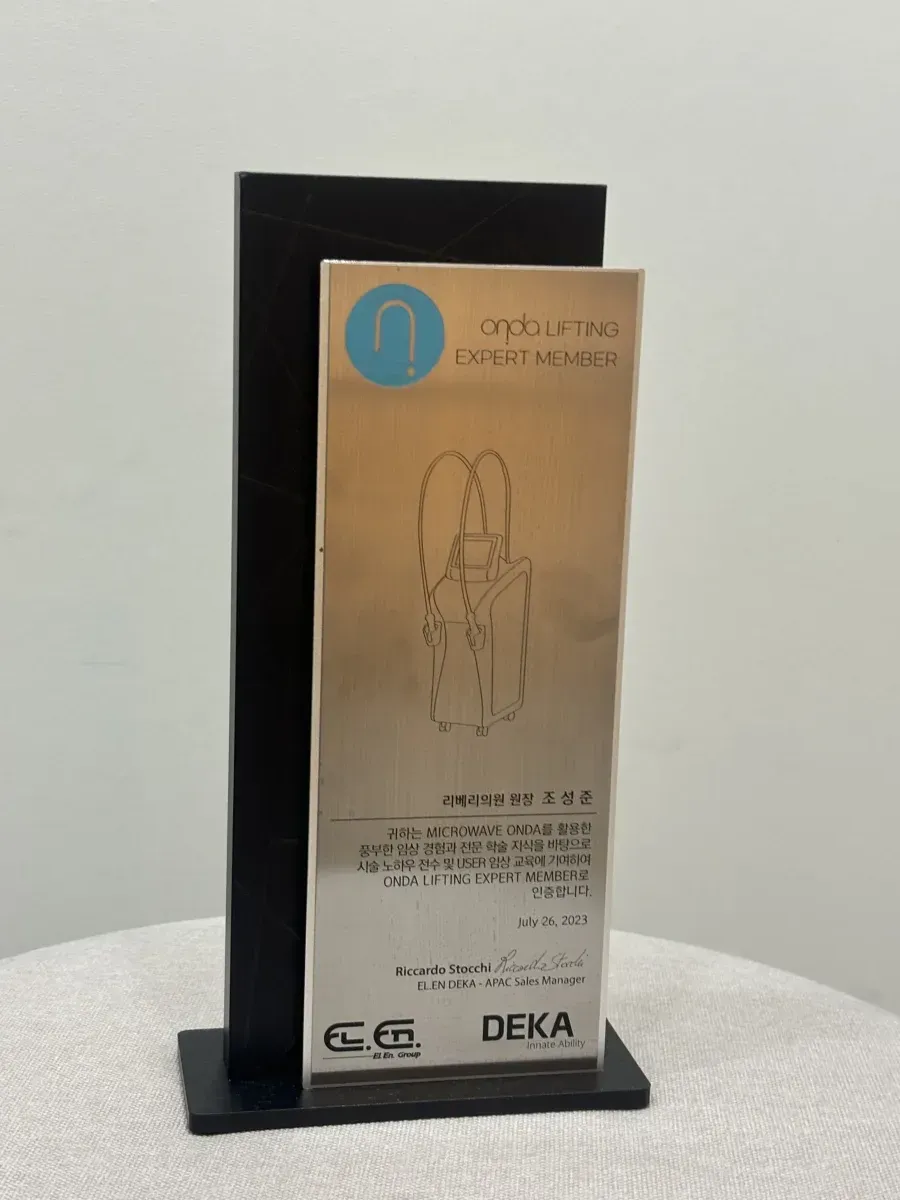
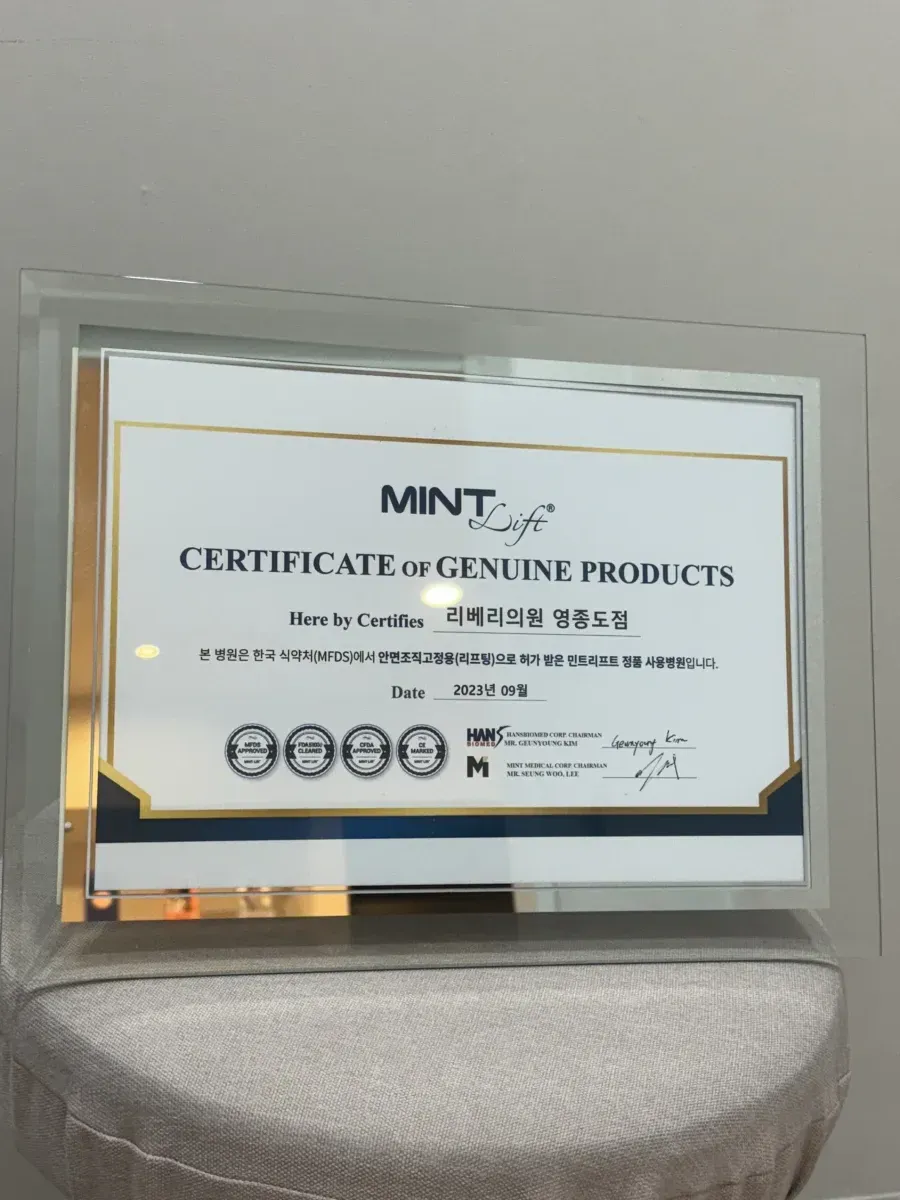
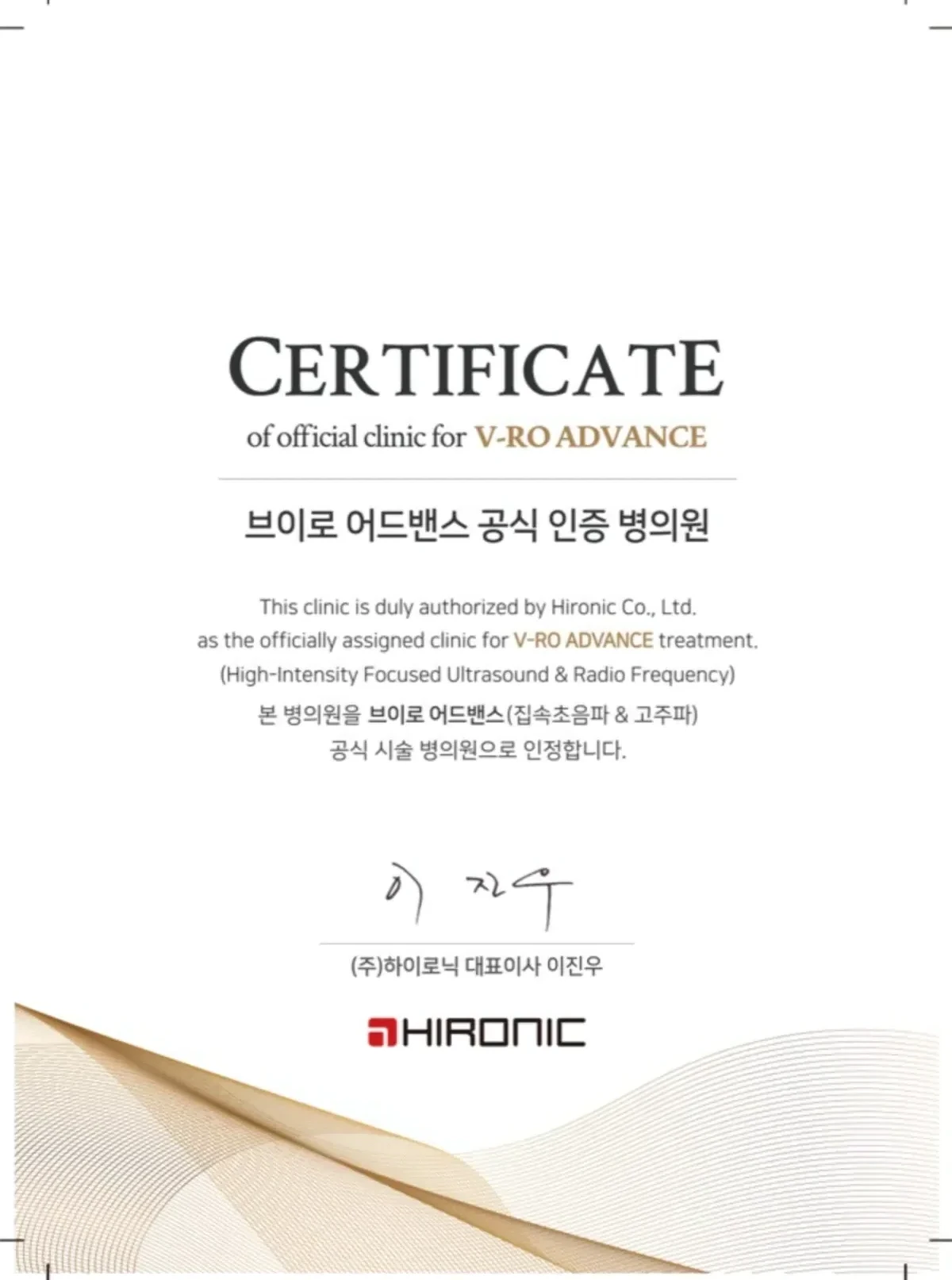
Only Authentic, Brand-Certified Equipment
Every device at RE:BERRY is MFDS-certified and manufacturer-verified. We never use counterfeit or grey-market equipment.
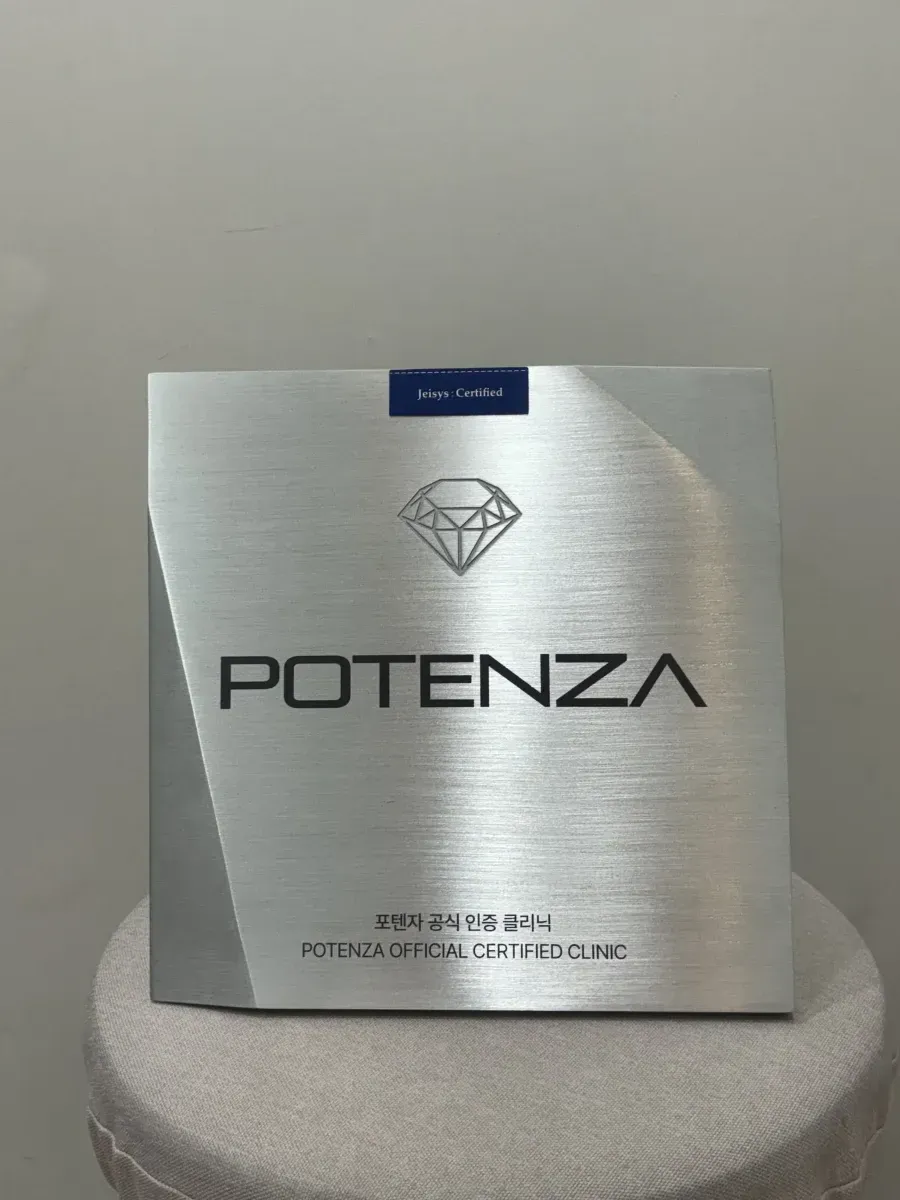
Book Your Birthmark Removal Korea Session at RE:BERRY Incheon Airport
Clear pigmented birthmarks with Korea’s multi-wavelength picosecond and RF protocols. Pico Fraxel ₩150,000 ($107 USD). One-Day Customized Pigmentation Package ₩990,000 ($707 USD). Open 365 days with complimentary ICN Terminal 1 pickup. Book your birthmark removal korea consultation today.
Got a Layover in Korea? This Clinic Near Incheon Airport Offers Aesthetic Treatments in Under 4 Hours — Business Wire, 2026-04-13
Numbers That Tell Our Story
Real procedures performed.
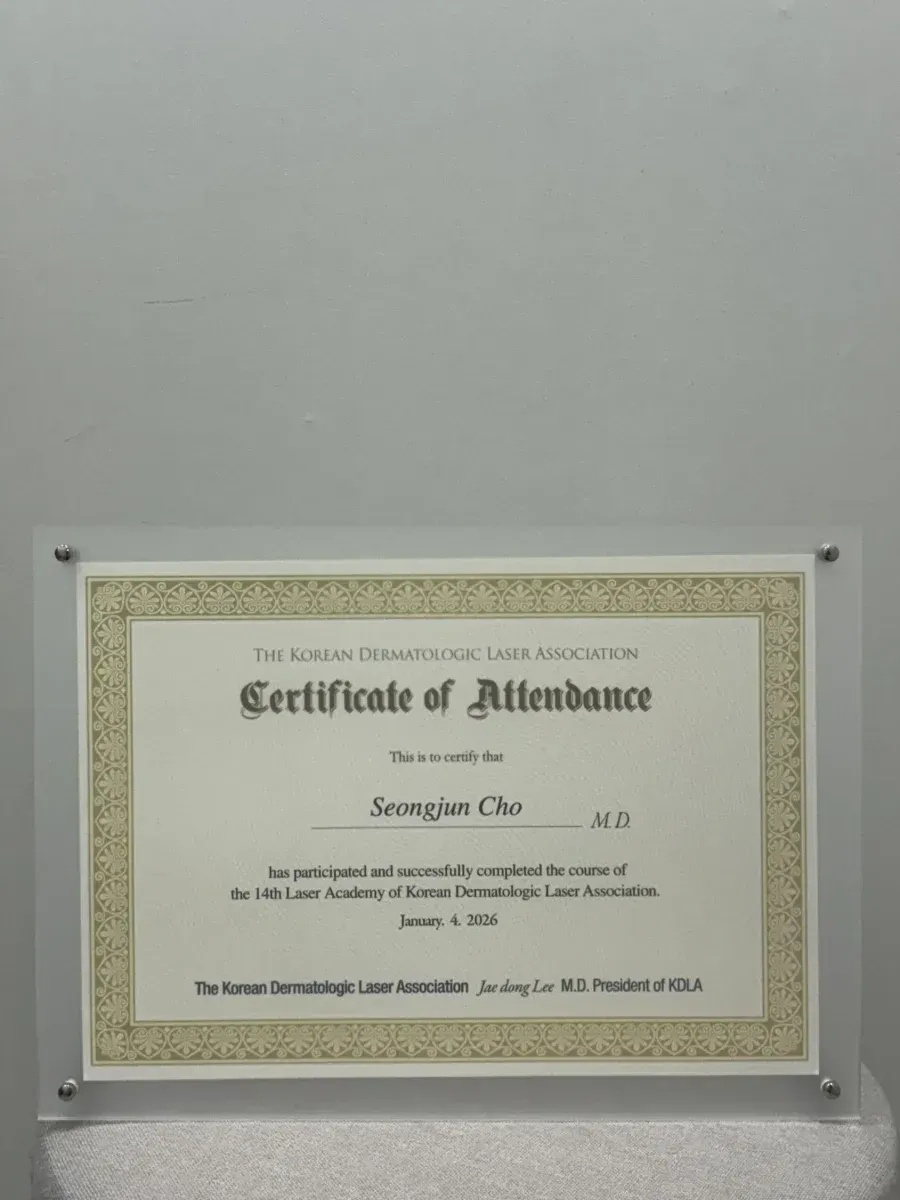
Brand-Authenticated Equipment & Training



Our doctors are certified by Korea’s top dermatological societies





Latest from Our Instagram
Real treatments, patient reactions, and behind-the-scenes from RE:BERRY.
Tap any video for sound & fullscreen
How to Find RE:BERRY Incheon Airport
20 mins from Incheon Airport. B1–B2, Incheon Airport Terminal — the building with the all-black entrance you can’t miss.
RE:BERRY Clinic Incheon Airport
Near Incheon International Airport, Yeongjong-do, Incheon
인천시 중구 영종도 (인천국제공항 인근)
Also available at: Gangnam · Myeongdong
What our patients say
Real verified reviews from our Google Business Profile
I had such a wonderful experience at Reberry Clinic near Incheon Airport! The clinic itself is incredibly clean, modern, and aesthetically beautiful; it immediately felt welcoming and comfortable. The entire staff was so warm and friendly from the moment I walked in.
What really stood out to me was how English-speakin...
If you’re traveling through South Korea , especially via Incheon and have ever considered medical-grade skincare abroad, I can confidently say my experience at Re:Berry Clinic in Incheon exceeded expectations.
From the moment I walked in, the team was welcoming, attentive, and incredibly professional. Every member of ...
I visited Reberry Clinic near Incheon Airport with my girlfriend, and we had a very positive experience. The clinic is clean, well-organized, and very professional overall. Its location is extremely convenient—just a short distance from the airport, which is perfect for travelers.
The consultant who assisted us was re...
Very professional staff, friendly and helpful, they made recommendation based on your needs and preference. All the staff speak excellent in English and well . The process is very efficient. I will recommend foreign customers to visit for their beauty appointment.
My friends and I had a lovely experience here! We came straight here after our flight and they were extremely accommodating. As soon as we got here they began our appointment. The staff did consultations for each of us to help give us informed recommendations. The staff took their time during my services, it was thorou...
Book Your Personalized Consultation
Share your details and our multilingual team will contact you within 24 hours through your preferred messenger.
- ✓ Free online skin consultation with a doctor
- ✓ Personalized treatment plan & pricing
- ✓ Airport pickup coordination available
- ✓ 8-language support (EN/JP/CN/TW/TH/ES/MN/AR)
- ✓ Response within 24 hours via your preferred messenger