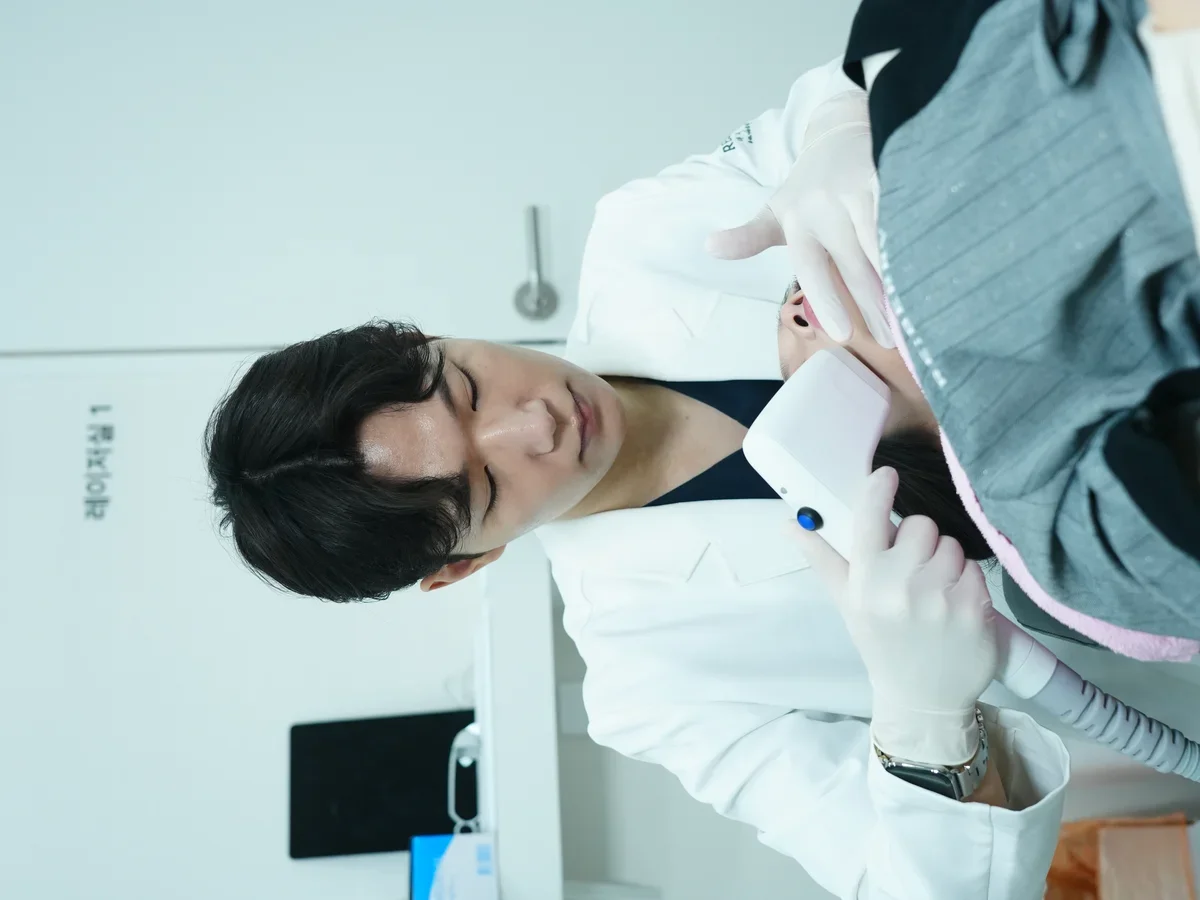
Ablative vs Non-Ablative Laser: What Is the Difference? Expert Guide from RE:BERRY Incheon Airport
The difference between ablative and non-ablative laser treatment determines your results, downtime, and candidacy. RE:BERRY Incheon Airport offers both categories across 30+ KFDA-approved devices — from aggressive ablative CO2 fractional laser to gentle non-ablative Genesis and Pico toning. Treatments from ₩99,000. Open 365 days with airport pickup.
What Is the Difference Between Ablative and Non-Ablative Laser?
Ablative lasers (CO2, Erbium) vaporize skin tissue to remove damaged layers with 7-14 days downtime, while non-ablative lasers (Pico, Genesis, Sofwave) heat deeper tissue without surface removal and require only 0-3 days recovery — RE:BERRY Incheon Airport offers both from ₩99,000 across 30+ certified devices.
The difference between ablative and non-ablative laser is the fundamental mechanism of action — and understanding this distinction is essential for choosing the right treatment for your skin concern. Ablative lasers work by vaporizing (ablating) the outermost layers of skin. The CO2 laser at 10,600nm and the Erbium:YAG laser at 2,940nm are the two primary ablative wavelengths. By physically removing damaged tissue, ablative lasers force the body to regenerate entirely new skin from the wound bed up — producing dramatic improvement in deep wrinkles, severe acne scars, and textural irregularities. The tradeoff is significant downtime: 7-14 days of open wound healing, redness lasting 2-6 months, and higher risk of complications including infection and scarring. Non-ablative lasers, by contrast, deliver energy that passes through the epidermis to heat the dermis without destroying the skin surface. Devices like Genesis Laser (1064nm Nd:YAG), Pico Laser toning (755nm/1064nm), and Sofwave HIFU (1.5mm focused ultrasound) stimulate collagen remodeling from within while leaving the epidermis intact. Downtime ranges from zero to 3 days of mild redness. Results are more gradual, typically requiring 3-10 sessions, but the treatment is safer for darker skin types and compatible with busy schedules. A third category — fractional technology — can be applied to both ablative and non-ablative lasers. Fractional lasers treat microscopic columns of tissue while leaving surrounding skin untouched, creating a grid pattern that dramatically accelerates healing. Fractional ablative lasers like CO2 fractional deliver ablative-grade results with 4-7 days downtime instead of 14. Fractional non-ablative lasers like Pico Fraxel produce improvement with just 1-2 days of mild bronzing. At RE:BERRY Incheon Airport, Dr. Cho Sung-Jun, Aesthetic Medicine Specialist and Head Director, evaluates your skin condition, Fitzpatrick type, available downtime, and treatment goals to recommend the optimal laser category. For international patients with limited recovery time, non-ablative and fractional non-ablative options are most commonly recommended.
How Ablative and Non-Ablative Lasers Work Differently
Understanding the mechanism behind each laser category helps you choose the right treatment at RE:BERRY Incheon Airport.
Ablative Laser Mechanism — Tissue Vaporization
Ablative lasers emit wavelengths (10,600nm CO2 or 2,940nm Erbium:YAG) that are highly absorbed by water in skin tissue. This absorption causes instantaneous vaporization — literally removing the epidermis and a controlled depth of dermis. The body then regenerates entirely new tissue from stem cells in hair follicles and wound margins. This ablative process is the most powerful resurfacing method available, producing 50-70% wrinkle improvement in a single session. CO2 fractional ablative laser reduces downtime by treating only 20-30% of the skin surface per session while delivering ablative-depth energy to those micro-columns.
Non-Ablative Laser Mechanism — Subsurface Heating
Non-ablative lasers deliver wavelengths that pass through the epidermis to deposit energy in the dermis. The 1064nm Nd:YAG (Genesis), 755nm Alexandrite (Pico), and 1550nm Erbium fiber wavelengths all heat dermal collagen fibers without surface damage. This thermal stimulus triggers fibroblast activation and new collagen synthesis (neocollagenesis) over 2-6 months. At RE:BERRY Incheon Airport, non-ablative options like Pico Laser toning sessions start at ₩150,000 and require zero downtime — you can apply makeup the same day.
Fractional Technology — The Best of Both Worlds
Fractional technology applies to both ablative and non-ablative lasers by dividing the treatment beam into thousands of microscopic columns. Each column penetrates to a controlled depth while leaving surrounding tissue intact for rapid healing. Fractional ablative (CO2 fractional, Erbium fractional) delivers deep resurfacing with 4-7 day recovery instead of 14. Fractional non-ablative (Fraxel, Pico Fraxel) provides gradual improvement with 1-2 days of mild bronzing. The difference between ablative and non-ablative laser is amplified or softened by fractional delivery — RE:BERRY offers both fractional categories.
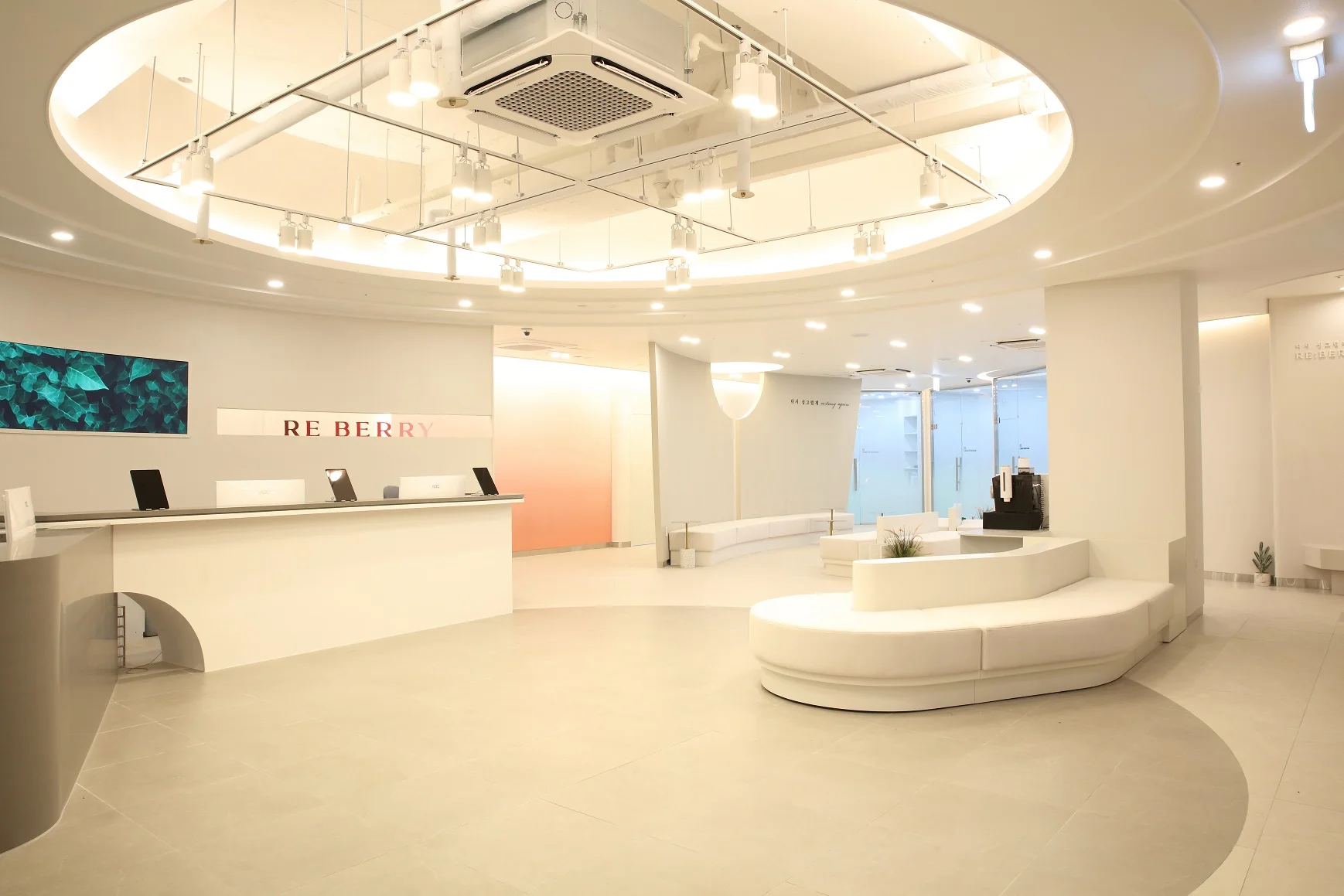
Your Consultation — Matching Laser Category to Your Needs
Dr. Cho Sung-Jun assesses your Fitzpatrick skin type, target condition (wrinkles, scars, pigmentation, pores, texture), available downtime, and session budget to recommend ablative vs non-ablative laser. Patients with Fitzpatrick IV-VI skin are typically directed toward non-ablative or RF-based devices like Potenza RF to minimize hyperpigmentation risk. Travelers with 1-2 days in Korea are ideal candidates for non-ablative treatments. Those with deep scars and 7+ days recovery time benefit most from fractional ablative options.
Ablative vs Non-Ablative Laser Benefits and Recovery Timeline
- Ablative — Maximum Single-Session Results: 50-70% improvement in wrinkles and 40-60% scar reduction from one fractional CO2 session. Best for severe acne scars, deep wrinkles, and textural damage where dramatic improvement outweighs longer recovery.
- Non-Ablative — Minimal Downtime: 0-3 days recovery for non-ablative laser treatments at RE:BERRY. Genesis Laser, Pico toning, and Sofwave allow patients to return to normal activities — including flying — within 24-48 hours.
- Non-Ablative — Safer for Dark Skin: Non-ablative 1064nm wavelengths and RF-based devices carry significantly lower risk of post-inflammatory hyperpigmentation for Fitzpatrick IV-VI patients, making them the preferred choice for Asian, Middle Eastern, and African skin types.
- Fractional — Accelerated Healing: Fractional delivery reduces ablative laser downtime from 14 days to 4-7 days and non-ablative downtime to virtually zero, while preserving 80-90% of the treatment efficacy of full-field lasers.
- Combination Protocols — RE:BERRY Approach: Many patients benefit from combining non-ablative maintenance (monthly toning) with occasional fractional ablative sessions (quarterly). RE:BERRY’s 30+ device arsenal enables customized ablative and non-ablative laser combination protocols.
| Timeline | What to Expect |
|---|---|
| Day 0 — Ablative | Treated skin appears raw and weeping (full ablative) or shows pinpoint bleeding and redness (fractional ablative). Prescribed ointment applied. No makeup for 5-7 days. |
| Day 0 — Non-Ablative | Mild redness and warmth lasting 1-4 hours. Pico Laser: slight bronzing. Genesis: no visible change. Sofwave: mild swelling resolving in hours. Makeup can be applied in 24 hours. |
| Day 3-5 | Ablative: crusting and peeling phase. Non-ablative: any mild bronzing/peeling complete. The difference between ablative and non-ablative laser recovery is most evident during this period. |
| Week 1-2 | Ablative: new pink skin visible as crusts shed. Avoid sun exposure strictly. Non-ablative: skin appears smoother with initial tightening visible. Normal activities resumed. |
| Month 1-3 | Both categories: collagen remodeling produces progressive tightening and texture improvement. Ablative results are typically visible after 1 session. Non-ablative requires 3-5 sessions for comparable improvement. |
| Month 6-12 | Peak results for both laser types. Ablative: residual redness fully resolved, final collagen maturation. Non-ablative: cumulative results from multiple sessions plateau. Maintenance sessions recommended every 3-6 months. |
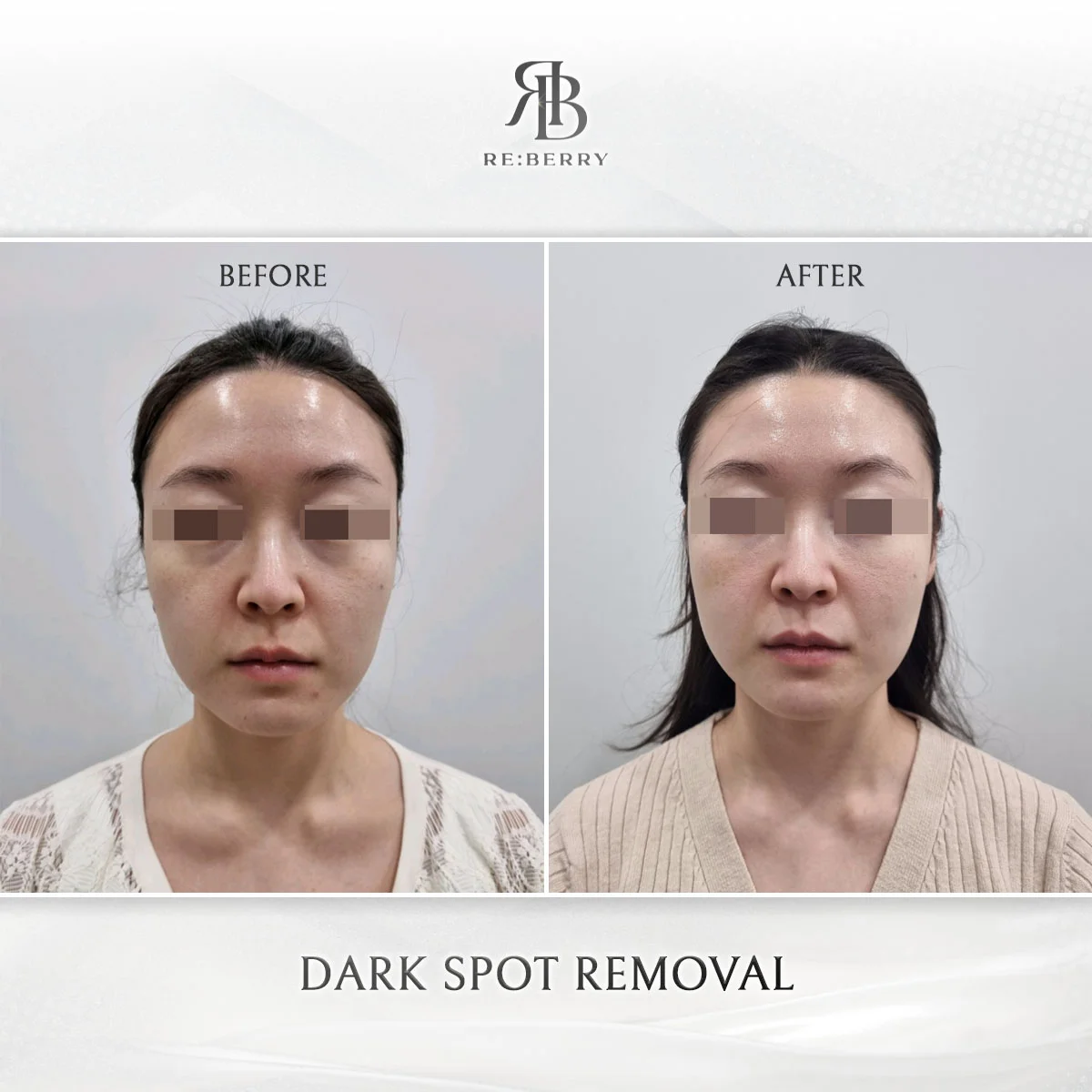
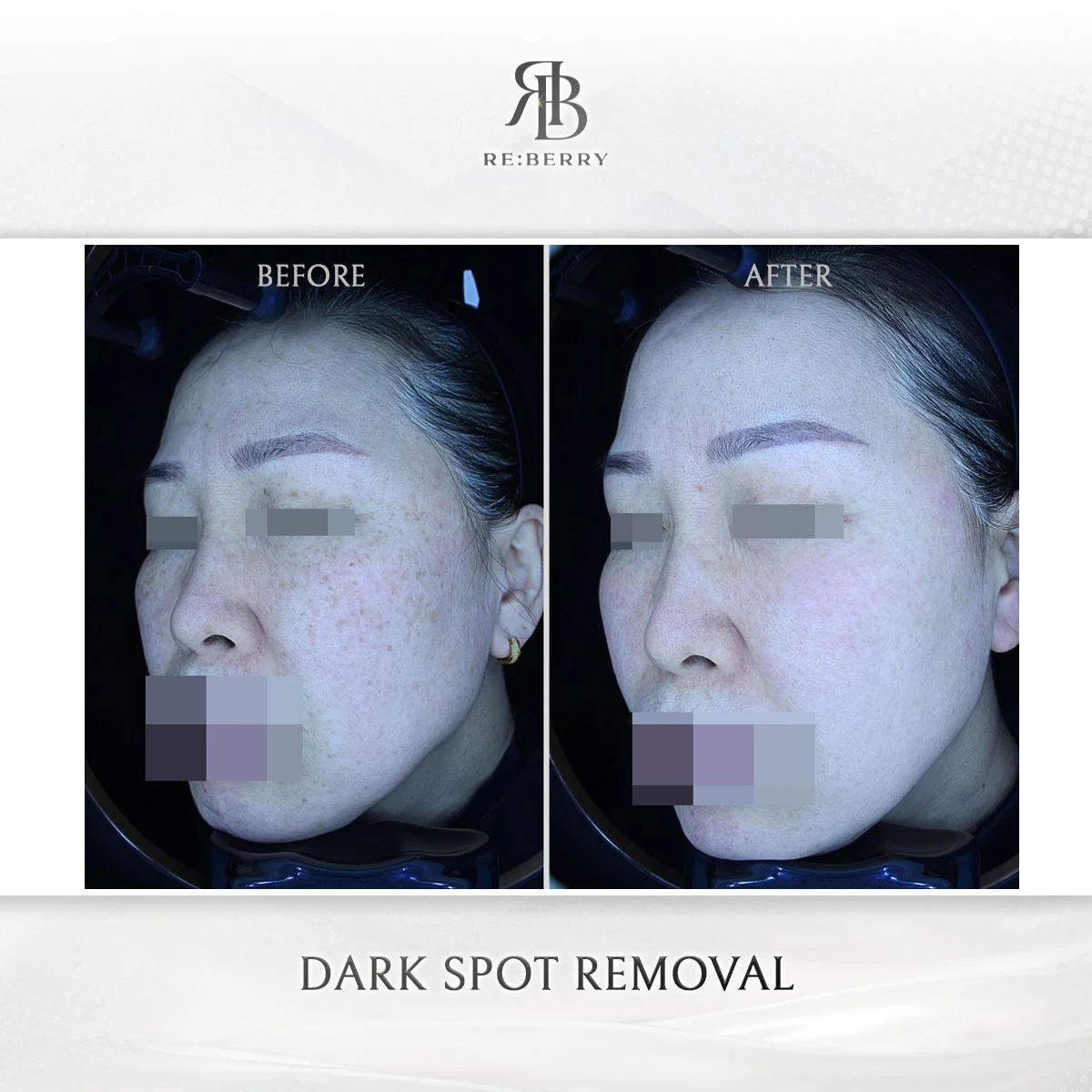
Ablative and Non-Ablative Laser Treatment Results
Actual patient results from RE:BERRY Incheon Airport using both ablative and non-ablative laser protocols.
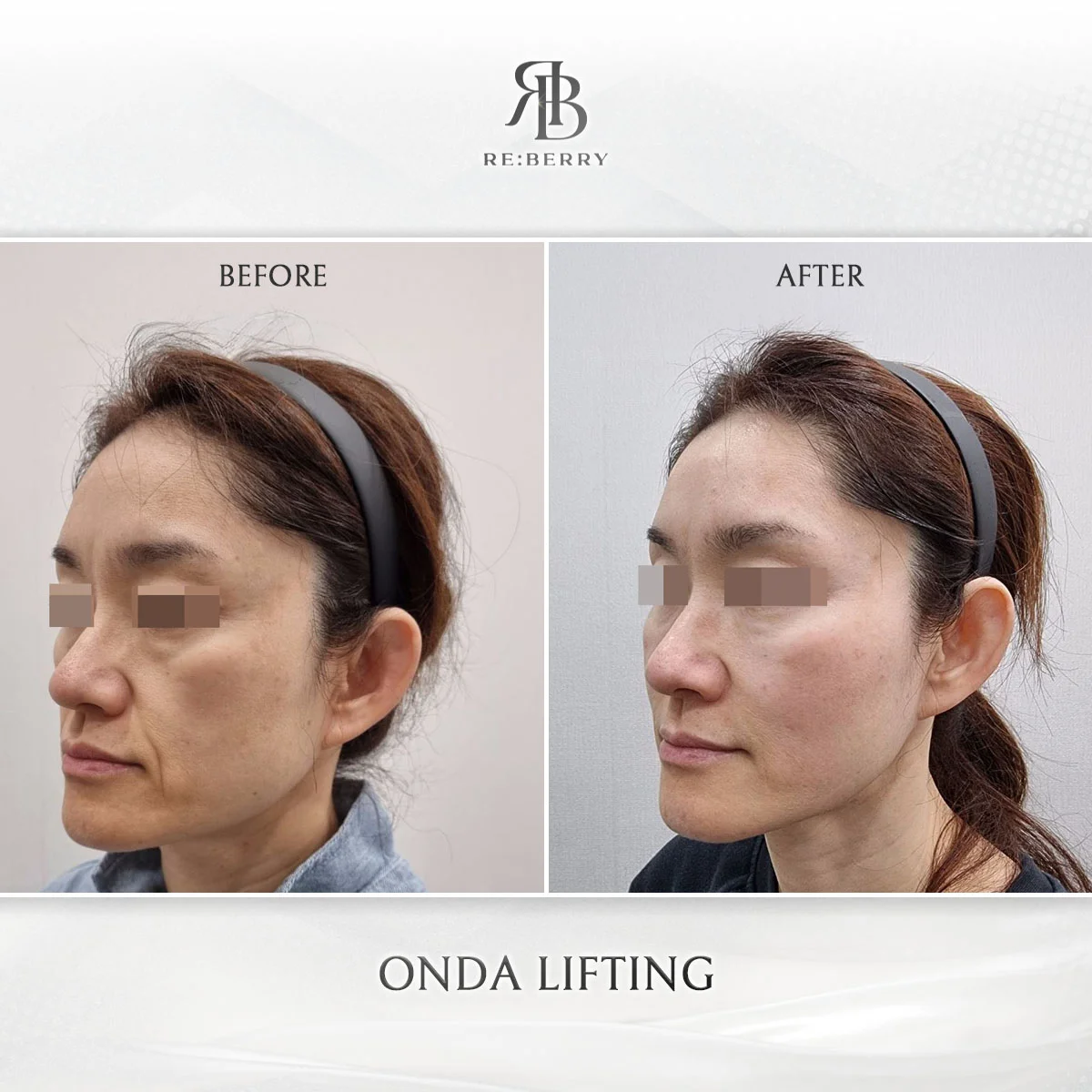
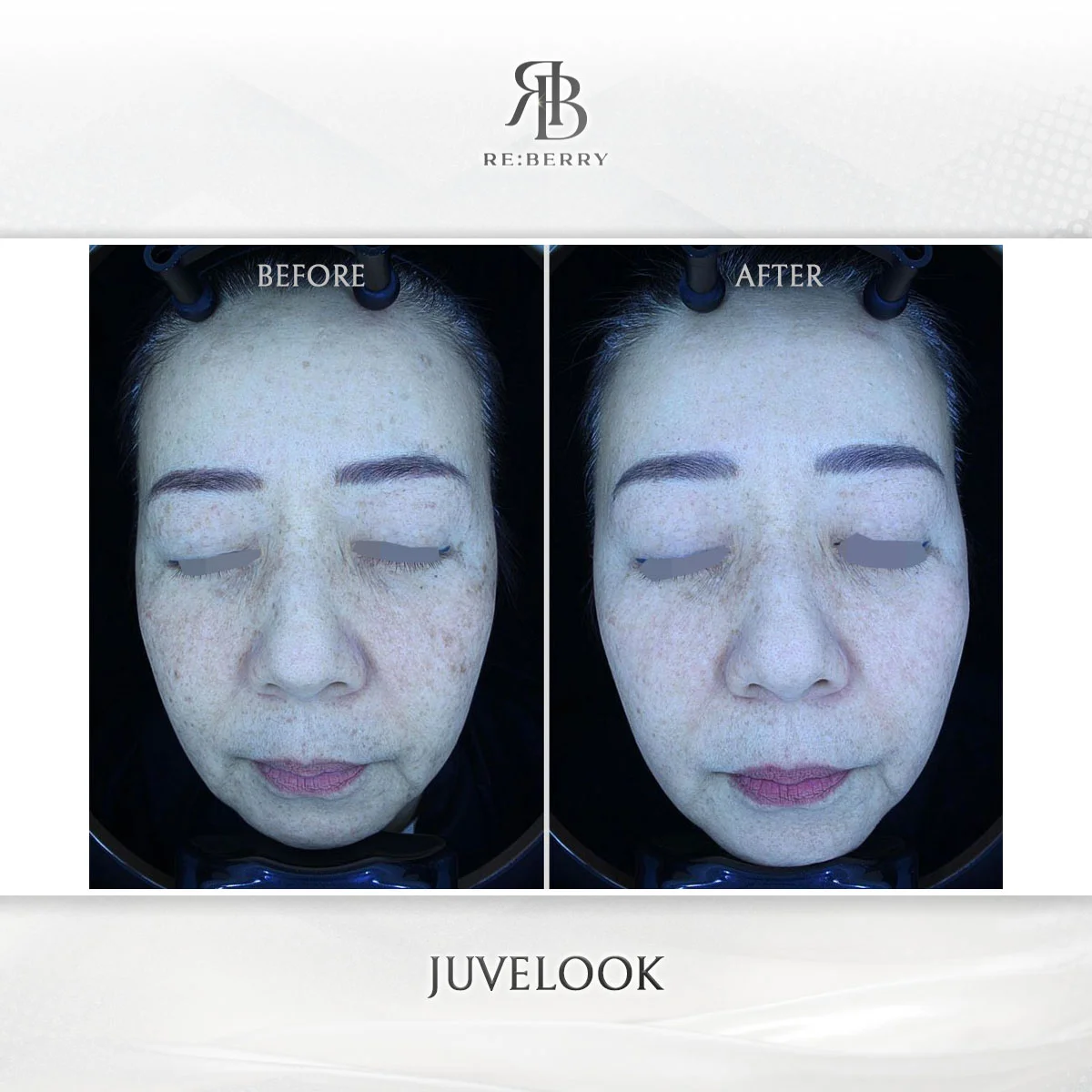
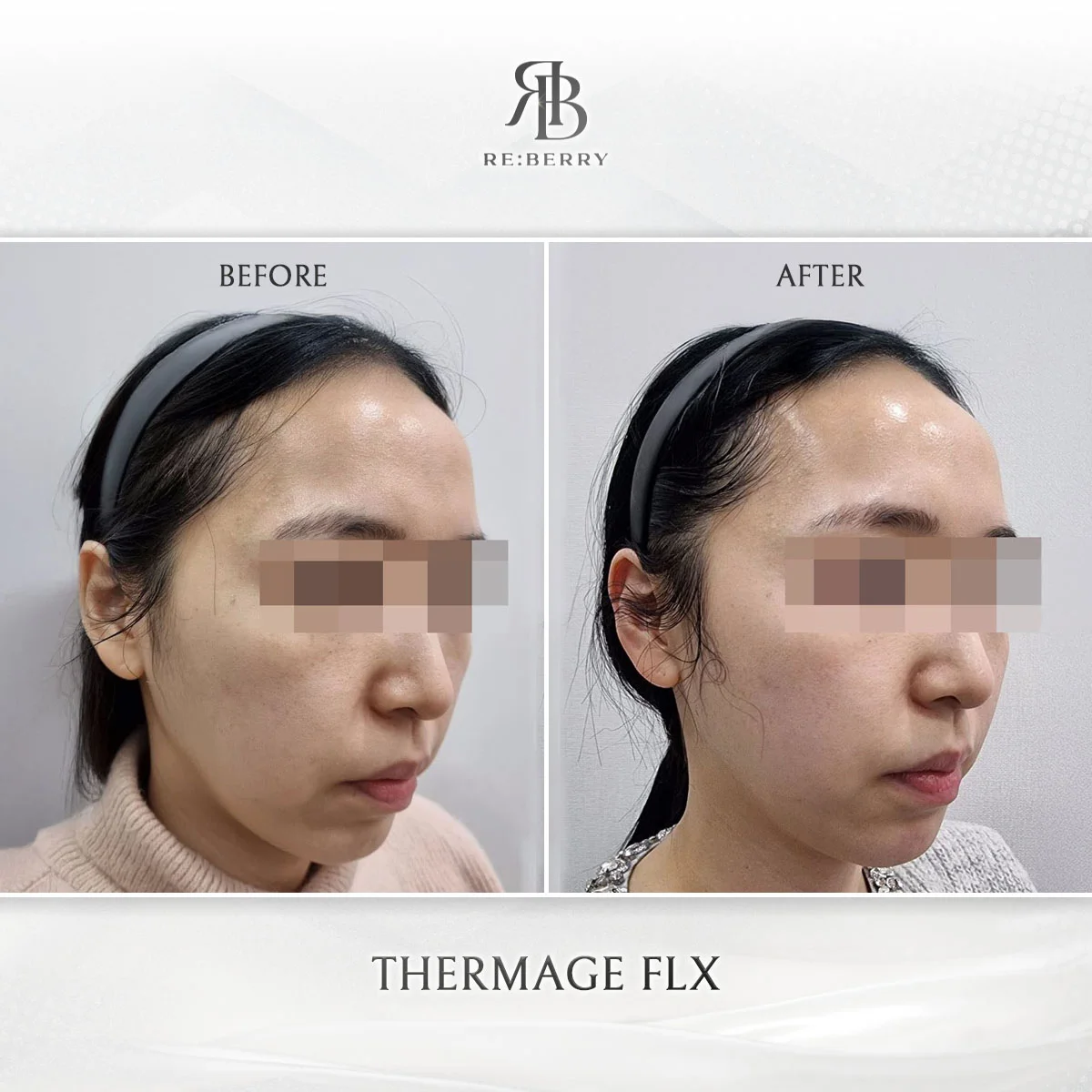
Ablative vs Non-Ablative Laser — Full Comparison at RE:BERRY Incheon Airport
| Feature | Ablative Laser | Non-Ablative Laser | Fractional (Either) |
|---|---|---|---|
| Mechanism | Vaporizes skin layers | Heats dermis, epidermis intact | Micro-columns of treatment |
| Common Devices | CO2, Erbium:YAG | Pico, Genesis, Sofwave, Onda | CO2 fractional, Pico Fraxel |
| Downtime | 7-14 days | 0-3 days | 1-7 days (depends on type) |
| Sessions for Result | 1-2 sessions | 3-10 sessions | 2-5 sessions |
| Best For | Deep scars, severe wrinkles | Mild-moderate concerns, maintenance | Moderate concerns, balanced approach |
| Dark Skin Safe | Higher PIH risk (Fitzpatrick IV+) | Safe with calibration | Safer than full ablative |
| Price at RE:BERRY | Consultation required | From ₩99,000 | From ₩150,000 |
| Traveler-Friendly | Requires 7+ days recovery | Fly in 24 hours | Varies: 2-7 days |
Ablative and Non-Ablative Laser Pricing at RE:BERRY Incheon Airport
April 2026 promotion pricing. All prices in KRW, VAT included.
Non-Ablative — Entry Level
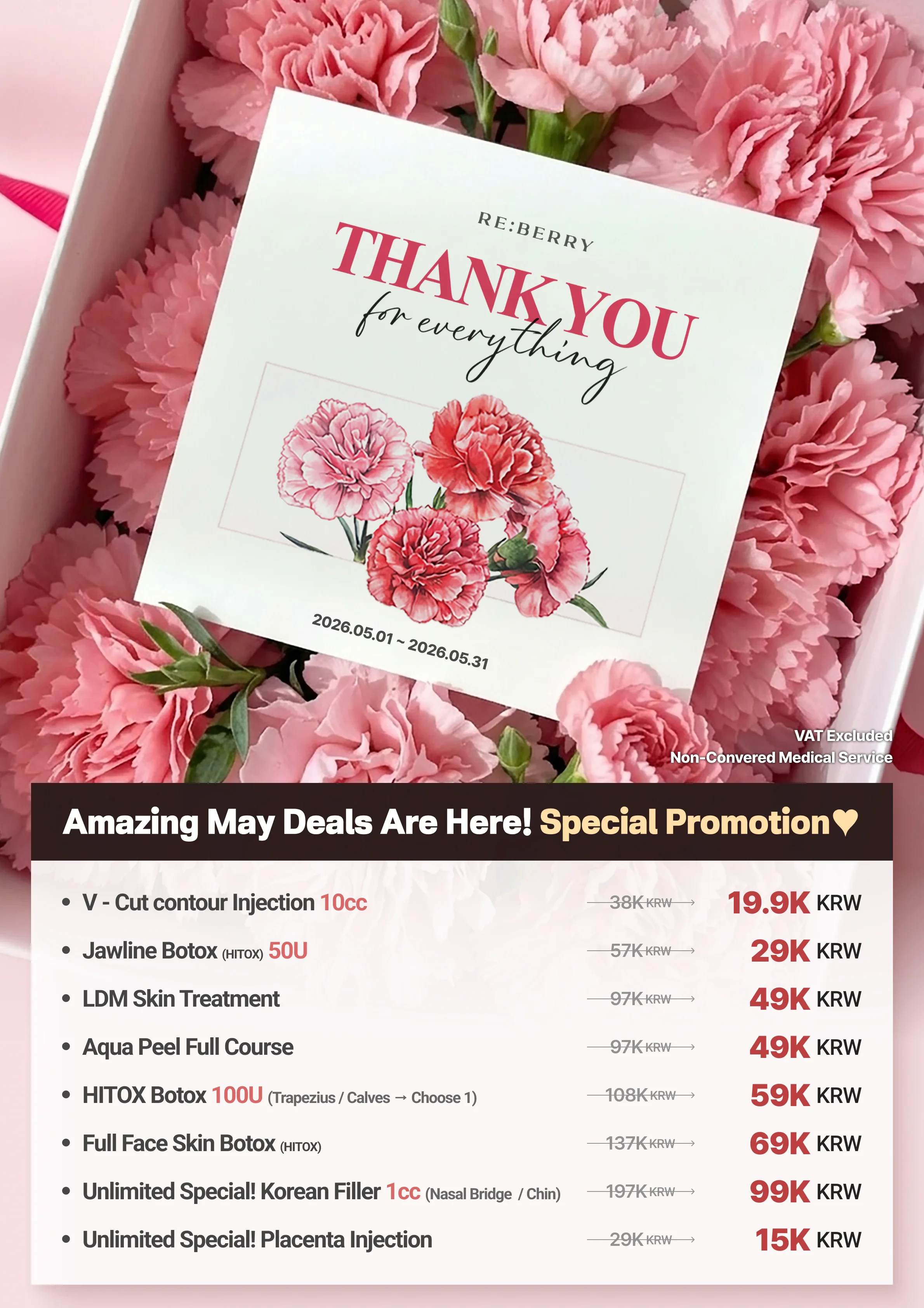
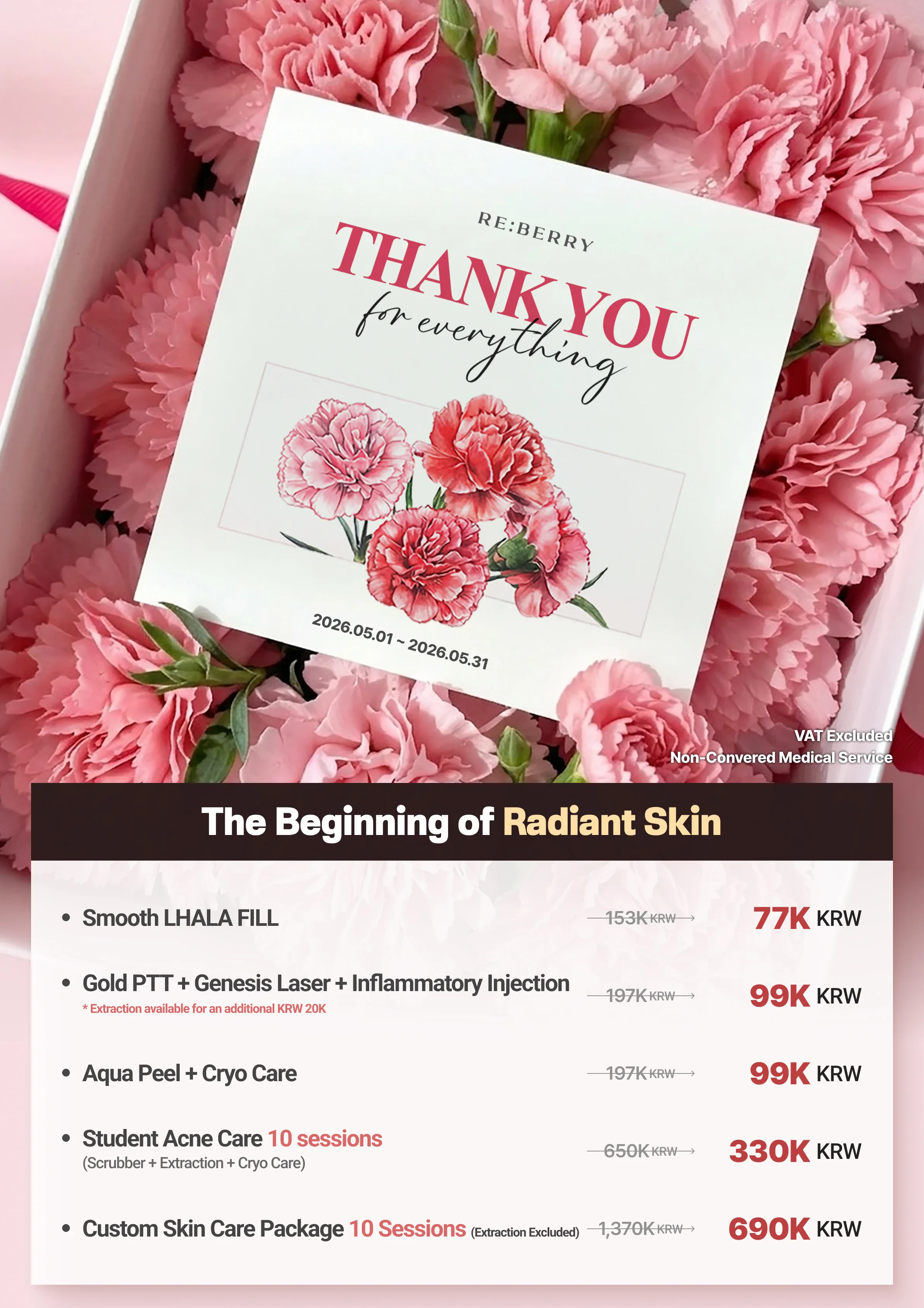
- Gold PTT + Genesis Laser + Anti-inflammatory — ₩99,000
- InMode FX — ₩99,000
- Pico Fraxel 1 session — ₩150,000
- Potenza RF — ₩330,000
Non-Ablative — Toning Packages
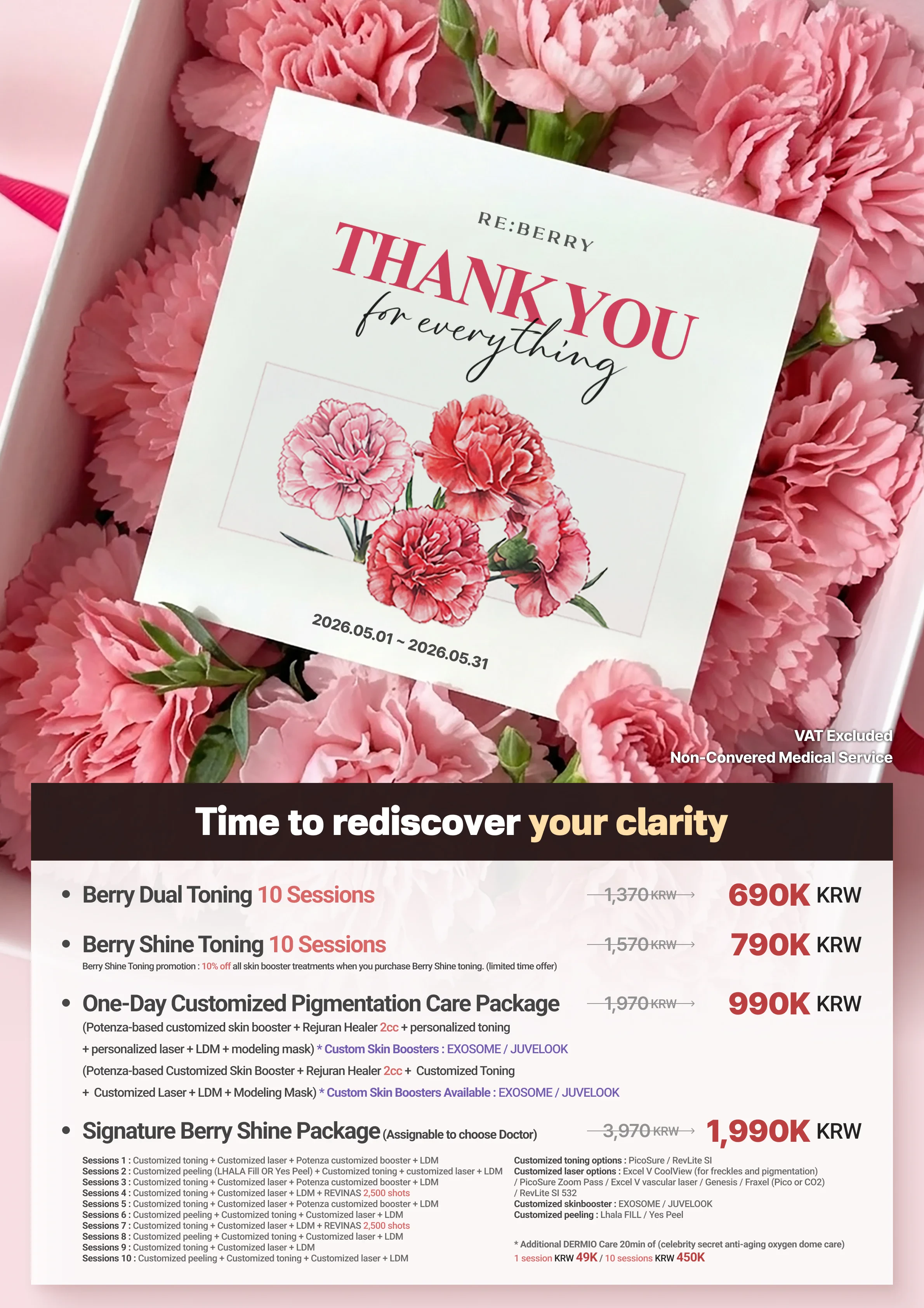
- Berry Dual Toning 10 Sessions — ₩690,000
- Berry Shine Toning 10 Sessions — ₩990,000
- Escape from Widened Pore 6 Sessions — ₩990,000
- Signature Berry Shine 10 Sessions — ₩1,990,000
Non-Ablative — Lifting Devices
- Spring Contouring (Shurink + Inmode FX) — ₩219,000
- Sofwave 100 shots — ₩990,000
- Onda 100kJ — ₩650,000
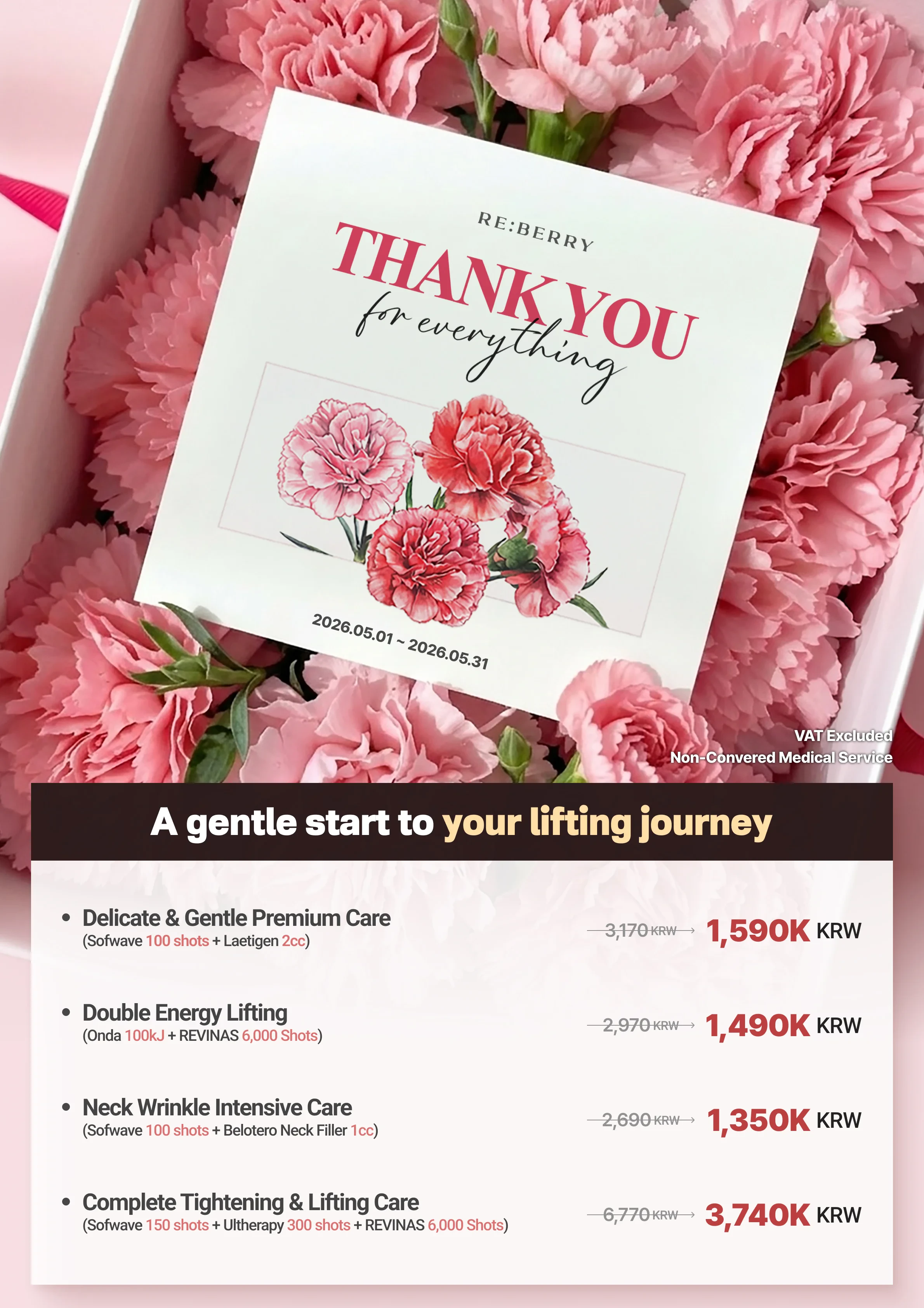
- Double Line-Up Lifting (Sofwave + Onda) — ₩1,590,000
Fractional — Comprehensive Packages
- One-Day Acne Scar Package — ₩750,000
- One-Day Pore Perfect Package — ₩990,000
- Silky Skin-Care 6 Sessions — ₩1,690,000
- One-Day Skin Care Package — ₩1,390,000
Ablative and Non-Ablative Laser Specialists at RE:BERRY
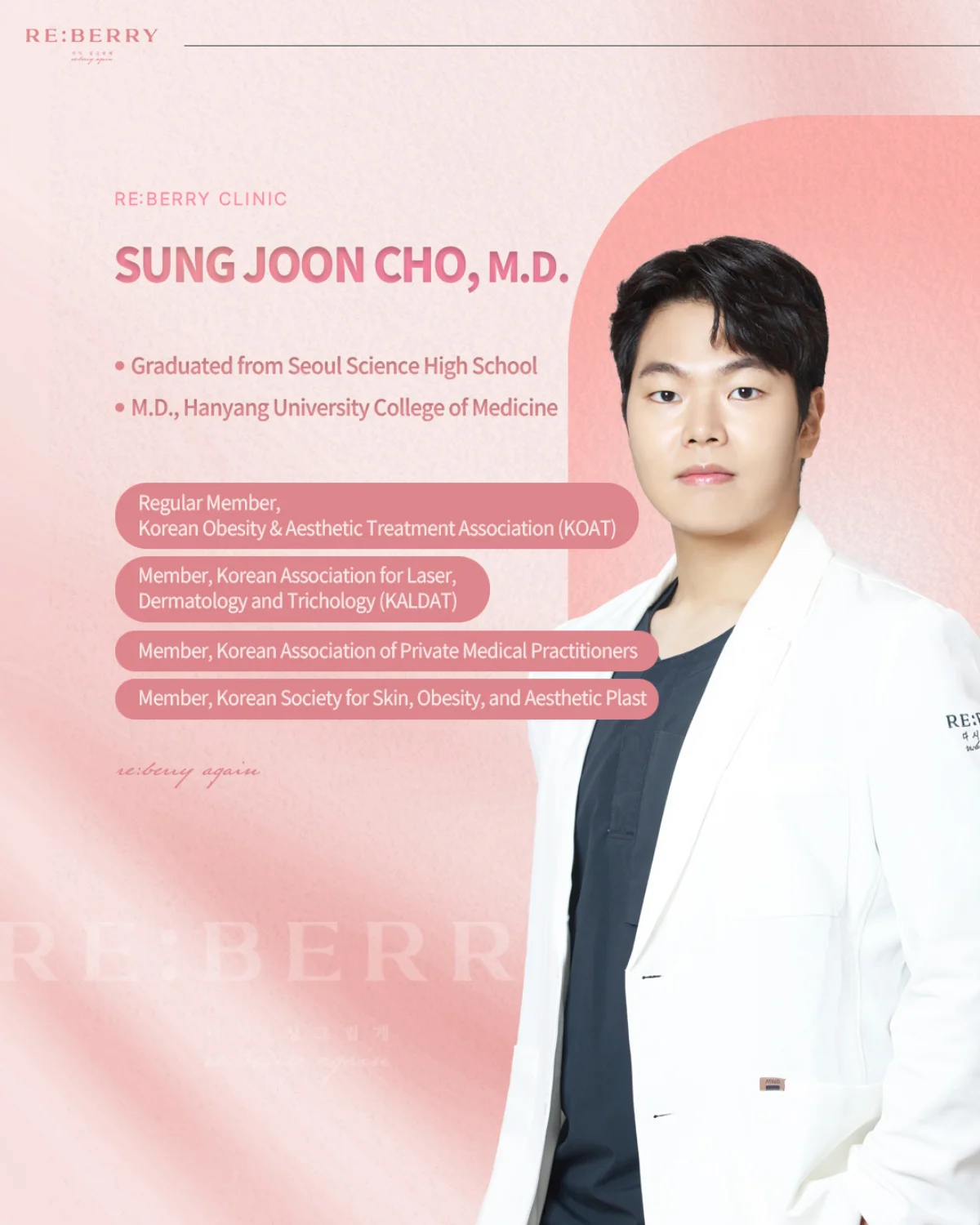
Dr. Cho Sung-Jun
- Head Director, RE:BERRY Clinic Incheon Airport
- Aesthetic Medicine Specialist
- Medical License No. 138858
- Member, Korean Academy of Aesthetic Medicine
- Certified in 15+ laser and energy-based devices
- Specialist in Fitzpatrick-calibrated protocols
Medically reviewed by Dr. Cho Sung-Jun, Head Director, Aesthetic Medicine Specialist, RE:BERRY
The Science of Ablative vs Non-Ablative Laser Treatment
Tissue Response: Ablative Wound Healing vs Non-Ablative Collagen Remodeling
The fundamental difference between ablative and non-ablative laser treatment lies in the tissue response each category triggers. Ablative lasers create a controlled thermal wound by vaporizing water-containing tissue at temperatures exceeding 100 degrees Celsius. The CO2 laser (10,600nm) achieves the deepest ablation due to its high water absorption coefficient, while the Erbium:YAG laser (2,940nm) offers more precise, shallower ablation with less residual thermal damage. The resulting wound healing cascade — inflammation, proliferation, and remodeling — generates entirely new collagen architecture that replaces the damaged tissue. Histological analysis shows a 40-80% increase in dermal collagen density 6 months after a single full-field ablative CO2 session.
Non-ablative lasers induce a fundamentally different tissue response. By maintaining sublethal dermal temperatures (typically 45-65 degrees Celsius), non-ablative wavelengths trigger heat shock protein (HSP) expression in fibroblasts, which upregulates collagen I and III synthesis without wound creation. The 1064nm Nd:YAG wavelength used in Genesis Laser and Pico toning penetrates to the mid-dermis (2-5mm) with minimal melanin absorption — critical for Fitzpatrick IV-VI skin types common among Asian, Middle Eastern, and South Asian patients. Picosecond lasers add a photomechanical component: ultra-short pulses (300-750 picoseconds) create laser-induced optical breakdown (LIOB) that stimulates collagen remodeling through mechanical rather than purely thermal mechanisms.
Meta-analyses comparing ablative and non-ablative fractional laser outcomes for acne scarring consistently find ablative fractional lasers produce greater single-session improvement (ECCA scale reduction of 1.5-2.5 points) versus non-ablative fractional (0.5-1.5 points per session). However, when cumulative improvement across multiple non-ablative sessions is measured, the gap narrows significantly — and non-ablative protocols carry substantially lower complication rates (PIH incidence 2-5% vs 8-15% for ablative in Fitzpatrick III-V patients). The clinical decision between ablative and non-ablative laser therefore balances speed of result against safety profile and recovery requirements.
Hantash BM, et al. In vivo histological evaluation of a novel ablative fractional resurfacing device. Lasers Surg Med. 2007;39(2):96-107. doi:10.1002/lsm.20468
Manstein D, et al. Fractional photothermolysis: a new concept for cutaneous remodeling using microscopic patterns of thermal injury. Lasers Surg Med. 2004;34(5):426-438. doi:10.1002/lsm.20048
Chapas AM, et al. Fractional laser resurfacing: a review and comparison of ablative and non-ablative approaches. Dermatol Surg. 2008;34(12):1653-1668. doi:10.1111/j.1524-4725.2008.34355.x
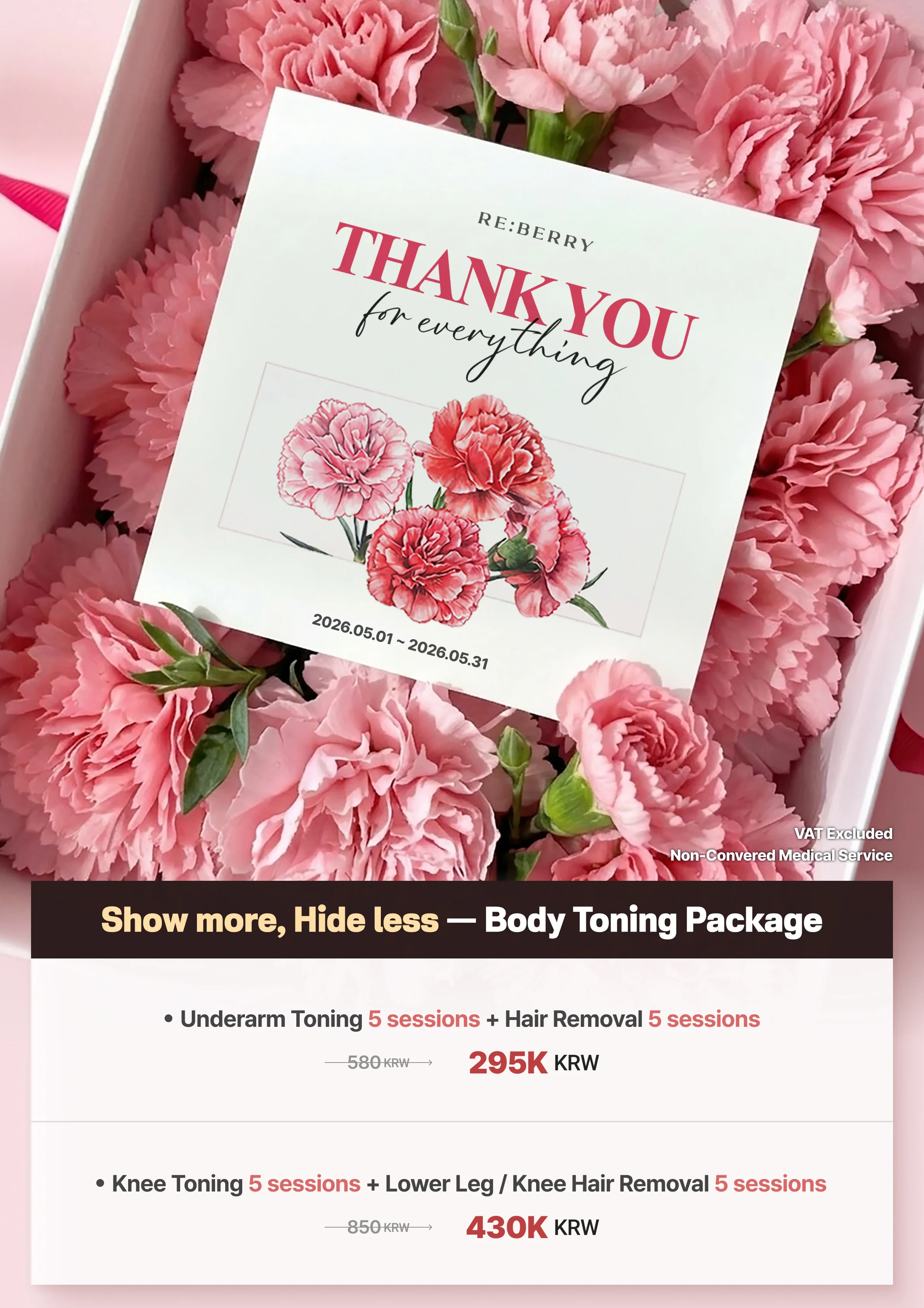
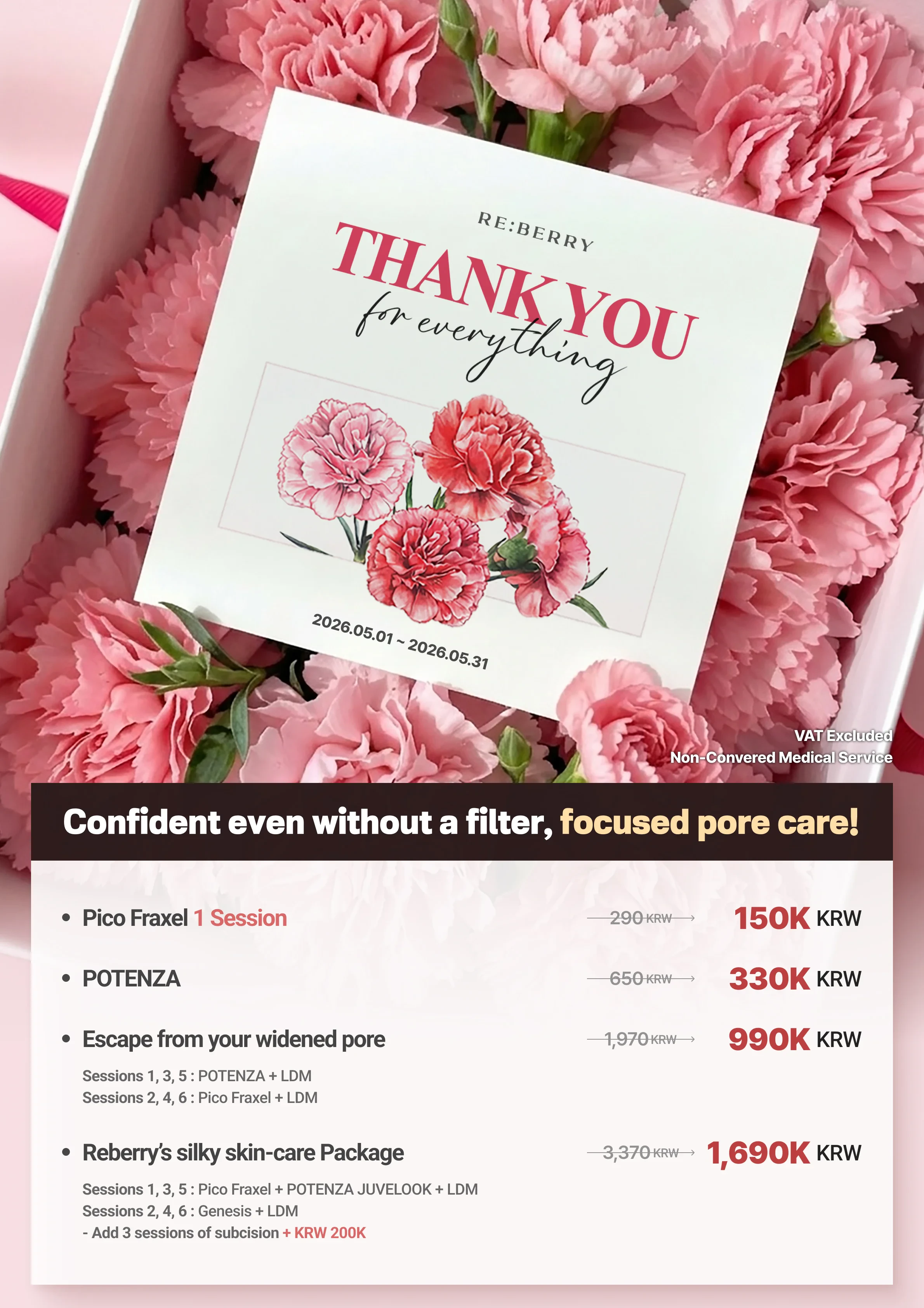
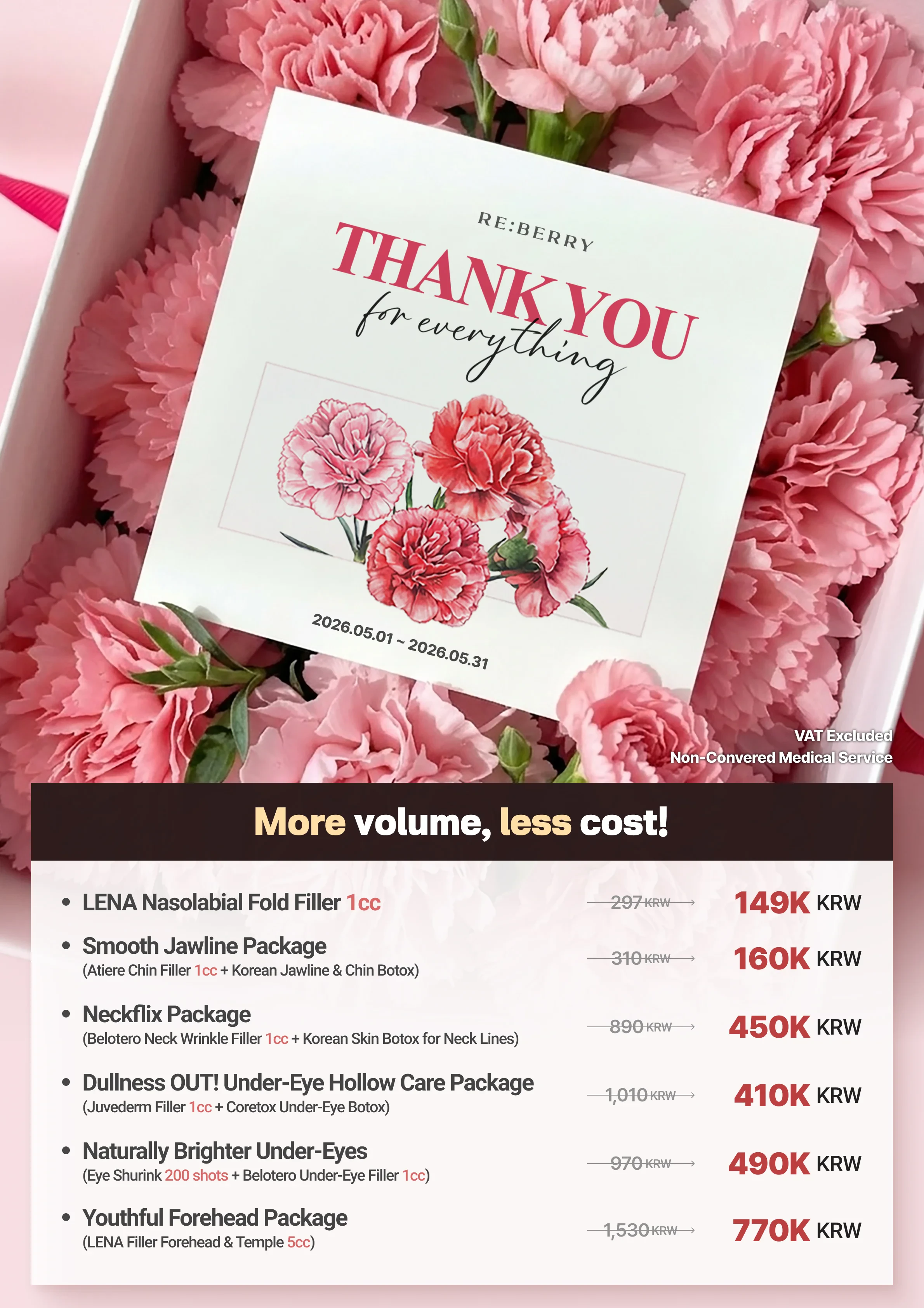
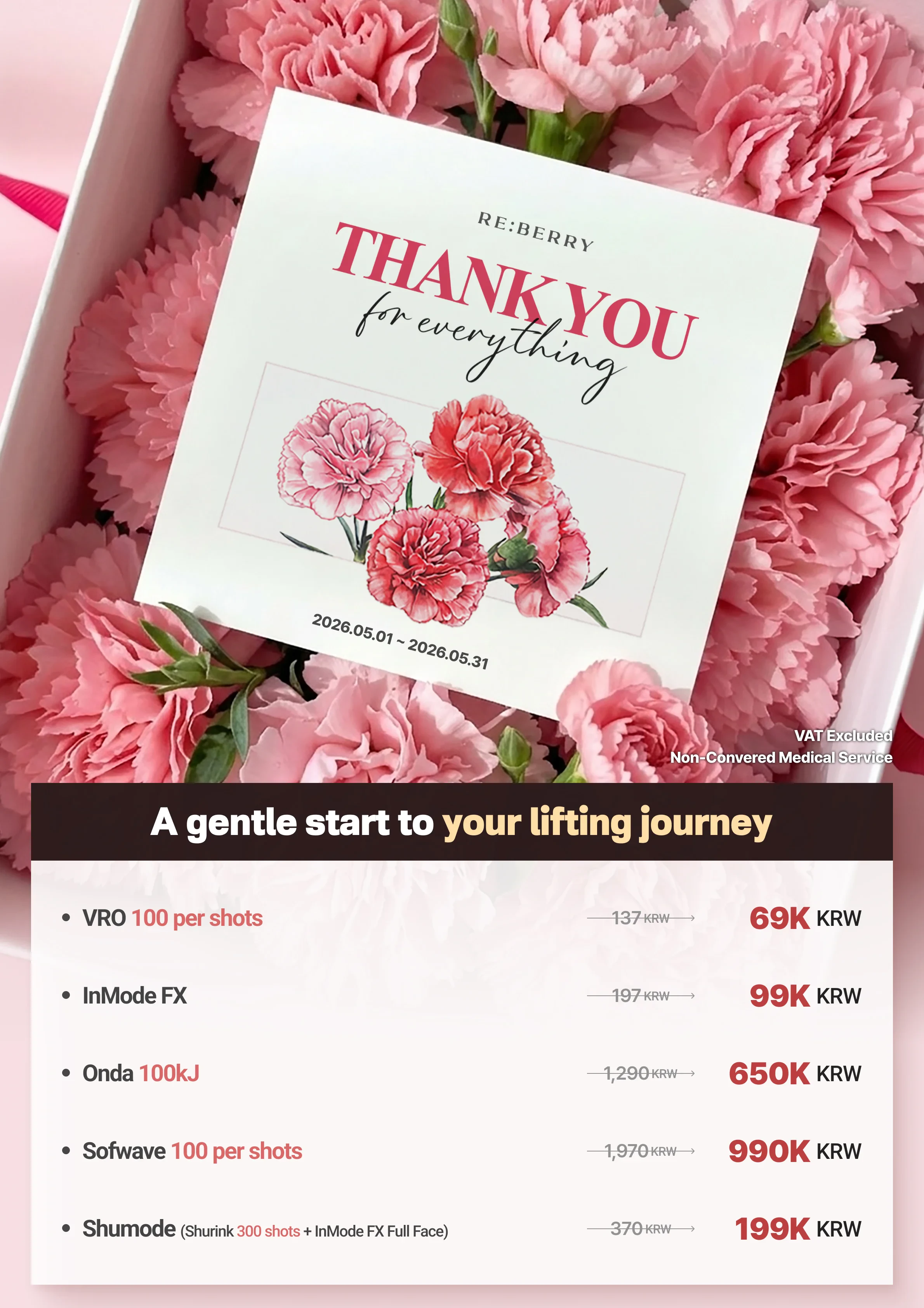
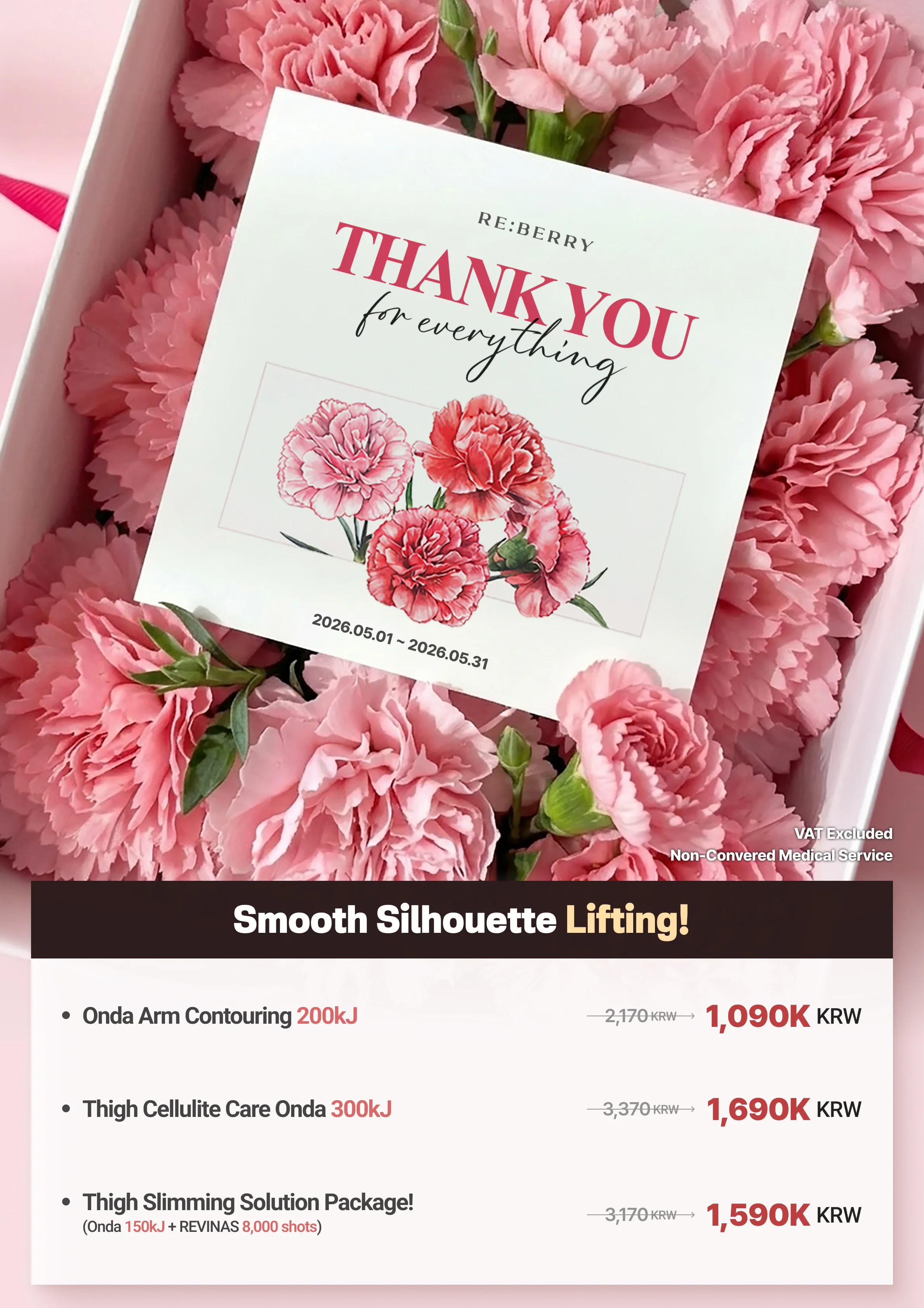
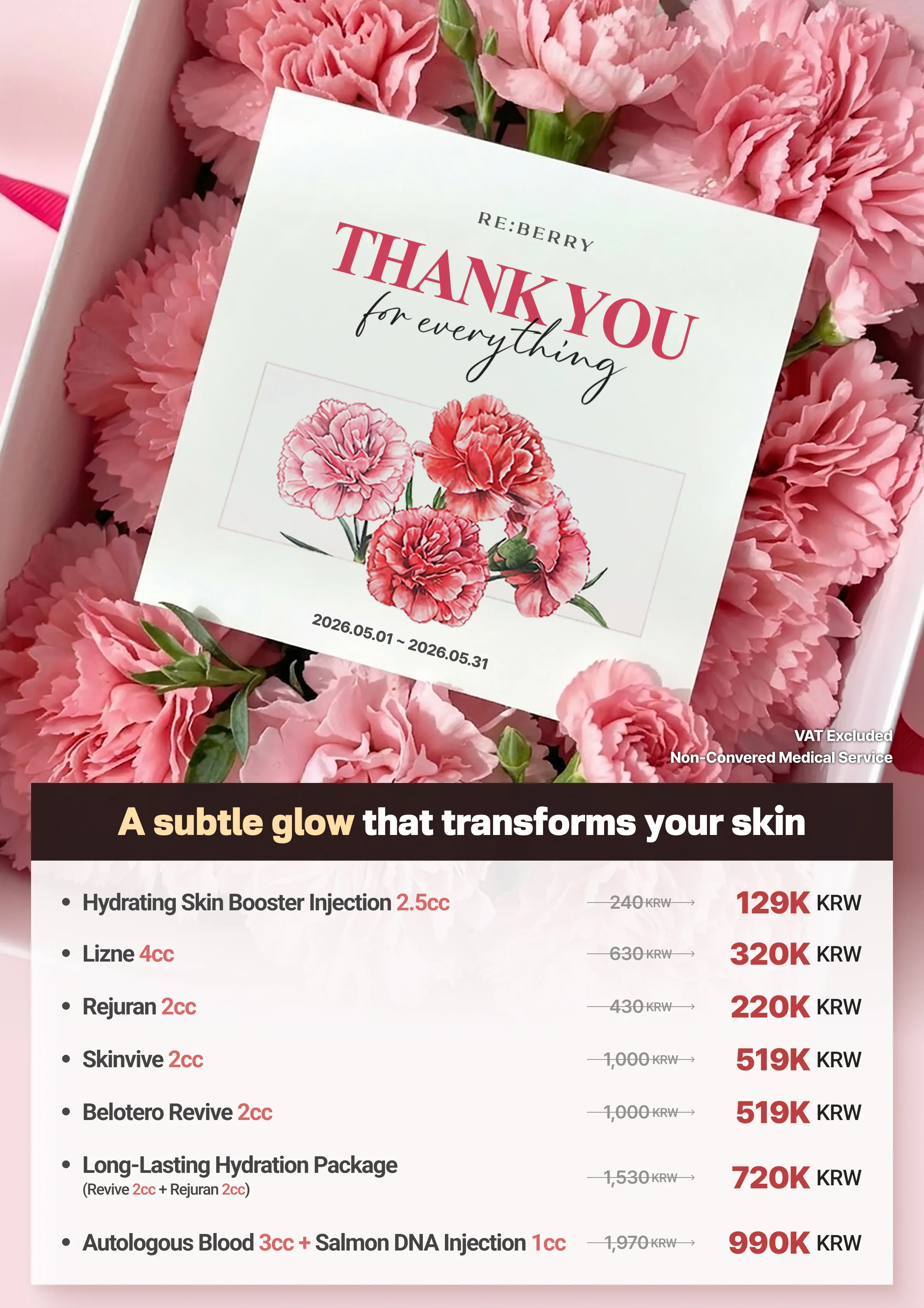
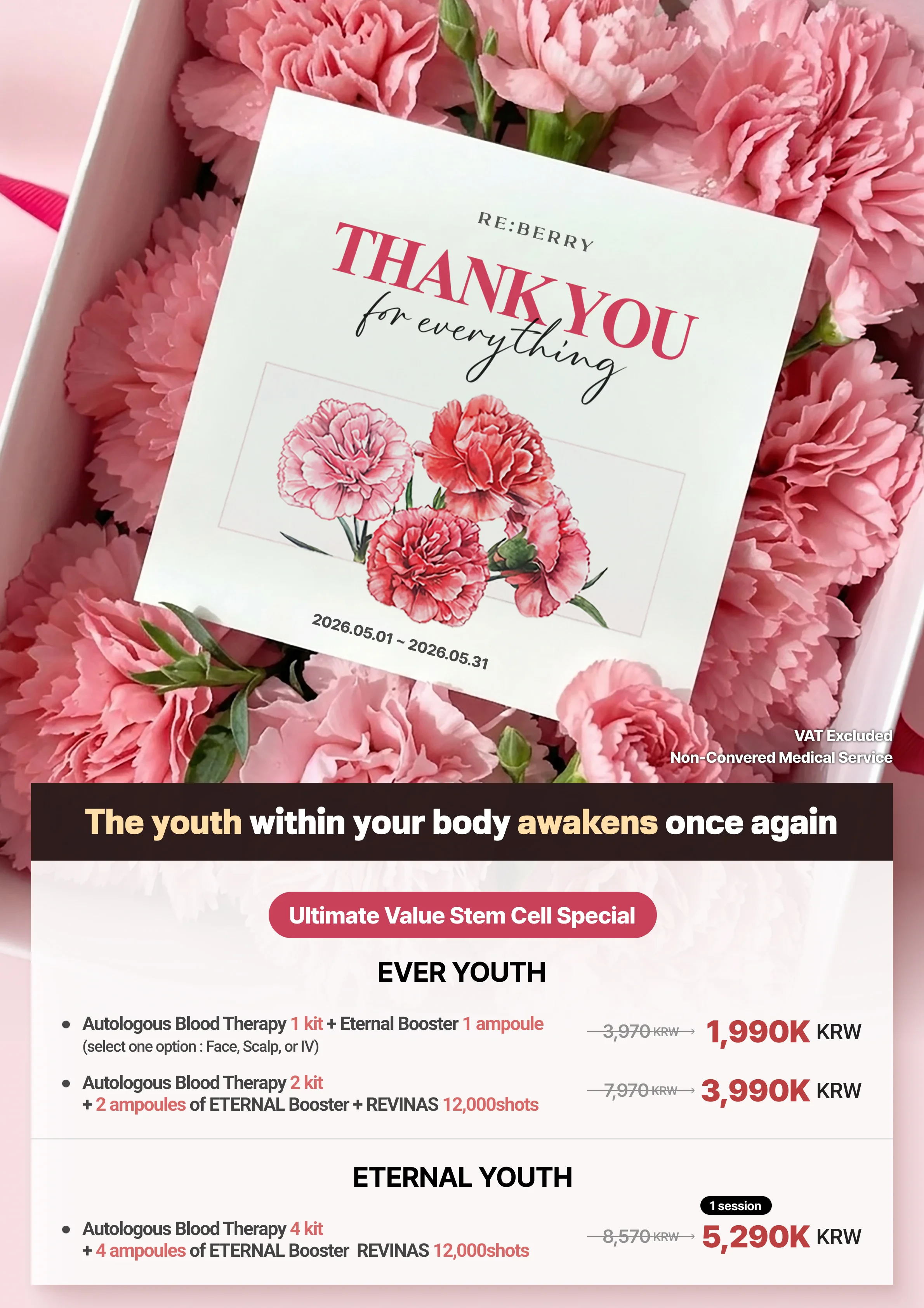
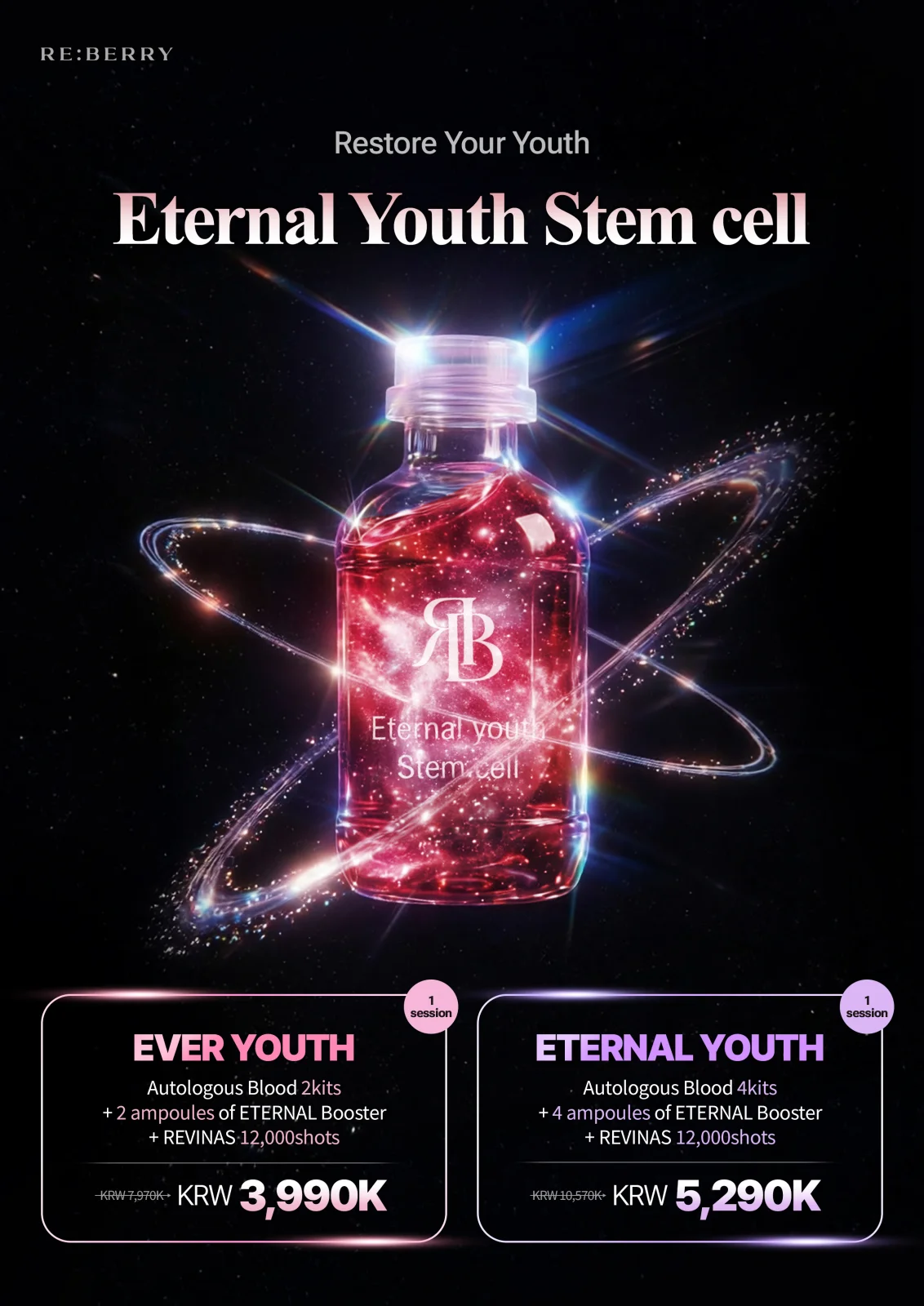
April – June 2026 Promotions
Exclusive packages for international patients. Swipe to see all offers.
Ablative vs Non-Ablative Laser FAQ — RE:BERRY Incheon Airport
1 core difference: ablative lasers remove skin tissue (vaporize it), while non-ablative lasers heat tissue beneath the surface without removing it. Ablative = stronger results with 7-14 days downtime. Non-ablative = gentler improvement with 0-3 days downtime.
₩150,000 for Pico Fraxel (fractional non-ablative) per session. Potenza RF at ₩330,000. Non-ablative Genesis Laser from ₩99,000 in combination packages. Full ablative CO2 pricing is determined during consultation based on treatment area and depth.
₩99,000 for Gold PTT + Genesis Laser combination. InMode FX at ₩99,000. Berry Dual Toning 10 sessions at ₩690,000. Sofwave 100 shots at ₩990,000. Non-ablative treatments range from ₩99,000 to ₩1,990,000 depending on device and session count.
40-60% scar improvement per ablative session vs 15-25% per non-ablative session. For deep ice pick and boxcar scars, ablative fractional delivers faster results. For mild-moderate scarring, non-ablative Pico Fraxel across 3-5 sessions achieves comparable cumulative improvement with far less downtime.
Non-ablative is significantly safer for Fitzpatrick IV-VI skin. Post-inflammatory hyperpigmentation (PIH) incidence is 2-5% for non-ablative vs 8-15% for ablative in darker skin types. RE:BERRY calibrates all lasers for Asian skin to minimize this risk.
7-10 days minimum wait before flying after full ablative treatment due to open wound and infection risk. Fractional ablative: 3-5 days. Non-ablative: safe to fly in 24 hours. For travelers, our flight-after-laser guide provides detailed timelines.
3-10 sessions depending on the condition. Mild pigmentation: 3-5 Pico toning sessions. Pore reduction: 6 Potenza RF sessions. Skin tightening: 1-3 Sofwave sessions. Berry Shine Toning packages include 10 sessions for comprehensive skin improvement.
Fractional means the laser beam is divided into thousands of micro-columns instead of treating the entire surface. Fractional can be either ablative (CO2 fractional) or non-ablative (Pico Fraxel, Fraxel). Fractional reduces downtime by 50-70% compared to full-field treatment.
Non-ablative. Pico Laser delivers ultra-short picosecond (trillionths of a second) pulses that create photomechanical disruption without thermal ablation. The epidermis remains intact while collagen remodeling is triggered at depth. Downtime is 1-2 days of mild bronzing.
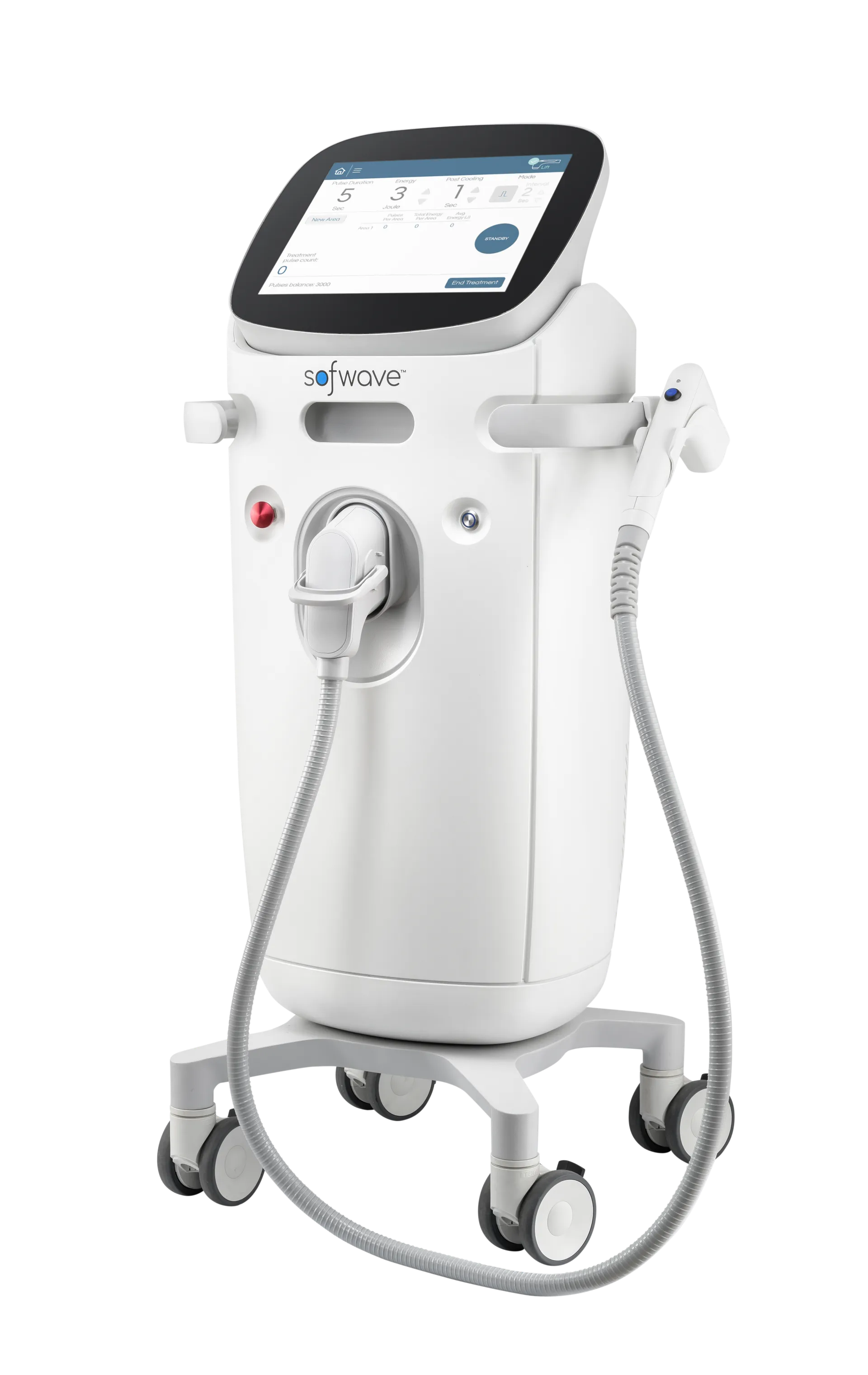
100% non-ablative. Sofwave uses focused ultrasound energy (SUPERB technology) delivered at 1.5mm depth to stimulate collagen without any surface disruption. Zero downtime — most patients return to normal activities immediately. Available at RE:BERRY from ₩990,000 per 100 shots.
Non-ablative with micro-injury. Potenza RF creates microscopic needle channels (not laser ablation) and delivers radiofrequency energy at depth. Insulated tips protect the epidermis. Downtime is 3-5 days of micro-crusting — significantly less than ablative laser.
7-14 days for full ablative, 4-7 days for fractional ablative, 0-3 days for non-ablative. The difference between ablative and non-ablative laser downtime is the most important practical consideration for international patients with limited time in Korea.
Yes — 60% of RE:BERRY patients use combination protocols. A typical plan: fractional ablative session for deep scars every 2-3 months, with non-ablative toning sessions monthly for maintenance and pigment control. Dr. Cho designs customized combination protocols during consultation.
Sofwave and Onda are the top non-ablative lifting devices at RE:BERRY. Sofwave targets 1.5mm depth for collagen stimulation (₩990,000 per 100 shots). Onda uses Coolwaves microwave technology for deeper tissue tightening (₩650,000 per 100kJ). The Double Line-Up Lifting package combines both for ₩1,590,000.
Non-ablative lasers improve deep wrinkles by 20-40% over multiple sessions — less dramatic than ablative (50-70% in one session) but with minimal risk. For patients wanting maximum wrinkle reduction without ablative downtime, combining Sofwave lifting with Pico toning produces significant improvement.
Lidocaine 5% topical numbing is applied 20-30 minutes before both ablative and non-ablative treatments at RE:BERRY. Ablative procedures may also use injectable local anesthetic. Non-ablative treatments like Genesis Laser require no numbing (pain level 1-2/10).
2 considerations: older skin (50+) has slower healing, making ablative recovery longer but potentially more transformative. Younger skin (20-40) typically responds well to non-ablative treatments. RE:BERRY doctors factor in skin age, collagen reserve, and skin laxity when recommending ablative vs non-ablative laser.
Yes — fractional ablative is the middle ground. Also, Potenza RF with non-insulated tips creates a semi-ablative effect at the needle entry points while remaining non-ablative at the RF delivery depth. Erbium:YAG at low fluence settings creates a micro-ablative peel with 2-3 day downtime.
Pico Laser (non-ablative picosecond) is the gold standard for tattoo removal, shattering ink particles through photomechanical effect without ablating tissue. RE:BERRY uses multi-wavelength Pico systems to target different ink colors. Sessions spaced 6-8 weeks apart.
3 factors determine the choice: severity of concern (deep scars/wrinkles favor ablative, mild-moderate concerns favor non-ablative), available downtime (7+ days = ablative option, 0-3 days = non-ablative), and skin type (Fitzpatrick IV+ = non-ablative preferred). Book a consultation at RE:BERRY for personalized assessment.
30+ devices spanning both categories. Non-ablative: Pico Laser, Genesis, Sofwave, Onda, InMode FX, Shurink, V-RO, Oligio. Fractional: Pico Fraxel, CO2 fractional. RF-based: Potenza, Thermage FLX. This is the widest device selection of any clinic near Incheon Airport.
18+ for most laser treatments. Patients under 18 require parental consent. There is no upper age limit, though ablative treatments are approached more conservatively in patients over 65 due to slower wound healing. Non-ablative treatments have no practical age restriction.
3 reasons: 30+ devices covering every laser category (ablative, non-ablative, fractional, RF — most clinics have 5-10), doctor-performed procedures with Fitzpatrick calibration, and airport-adjacent location with complimentary pickup for travelers comparing ablative and non-ablative laser options.
RE:BERRY’s consultation is device-agnostic — Dr. Cho Sung-Jun recommends the optimal laser category based on your specific condition, skin type, and recovery timeline rather than pushing a single device. With 30+ options, the recommendation is genuinely personalized, not limited by equipment availability.
Yes — many patients start with non-ablative sessions and upgrade to fractional ablative when they want more aggressive improvement. Your treatment file at RE:BERRY tracks all previous settings and responses, allowing seamless escalation from non-ablative to ablative laser on subsequent visits.
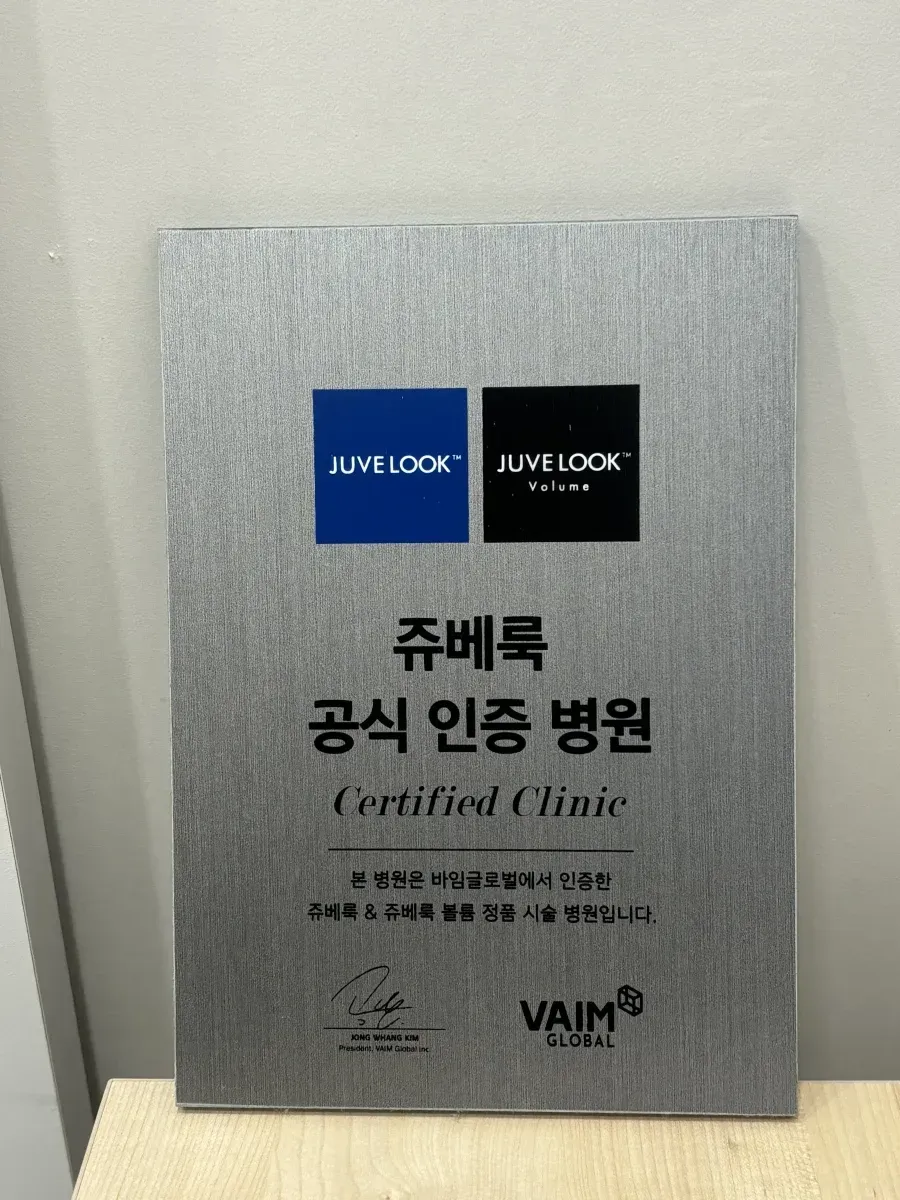
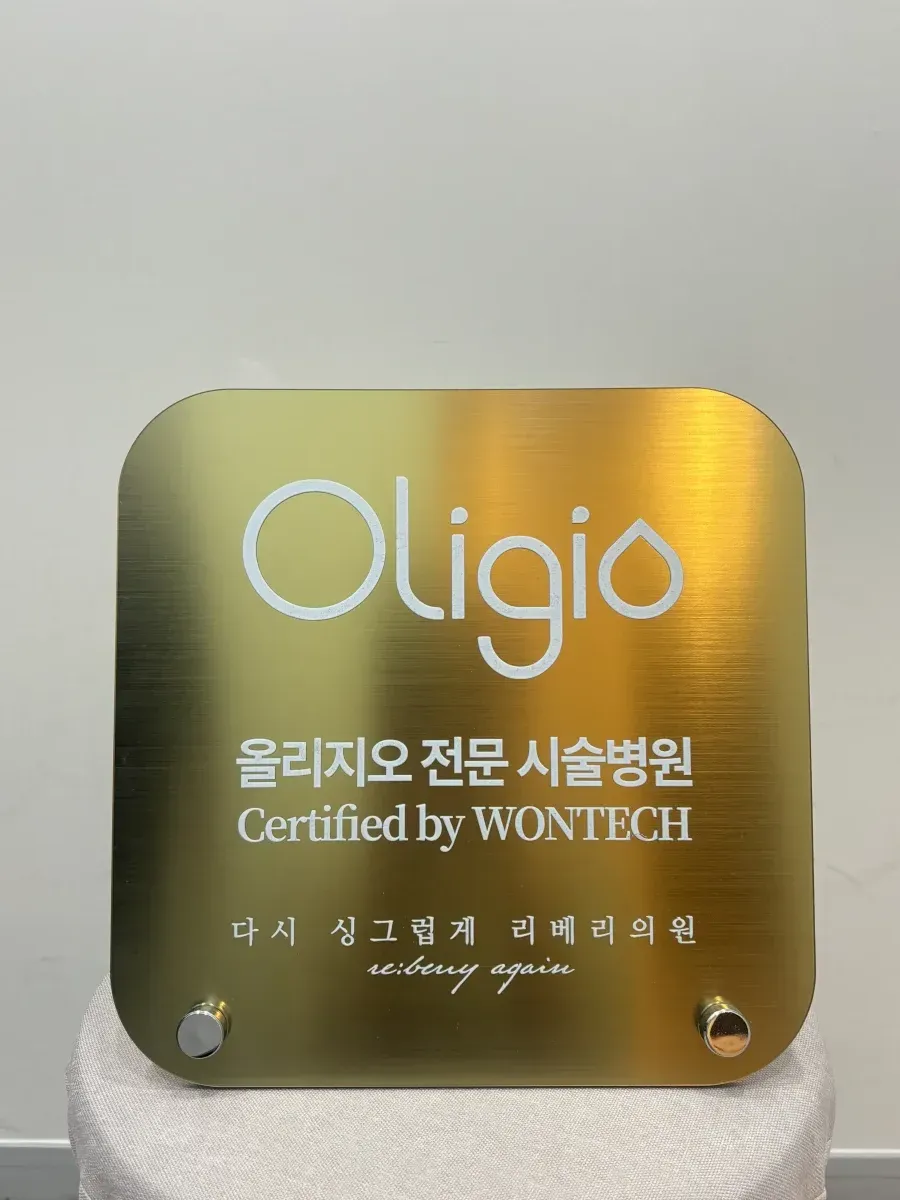
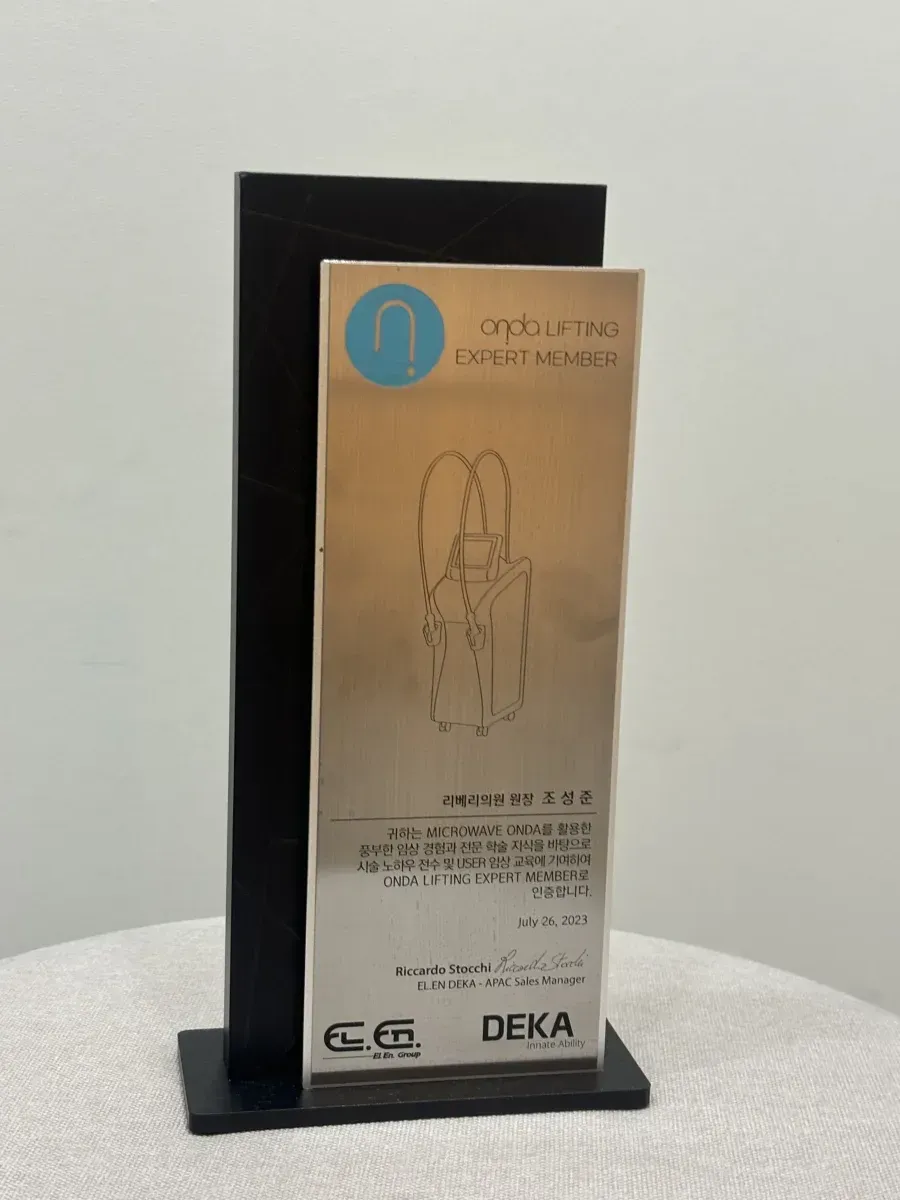
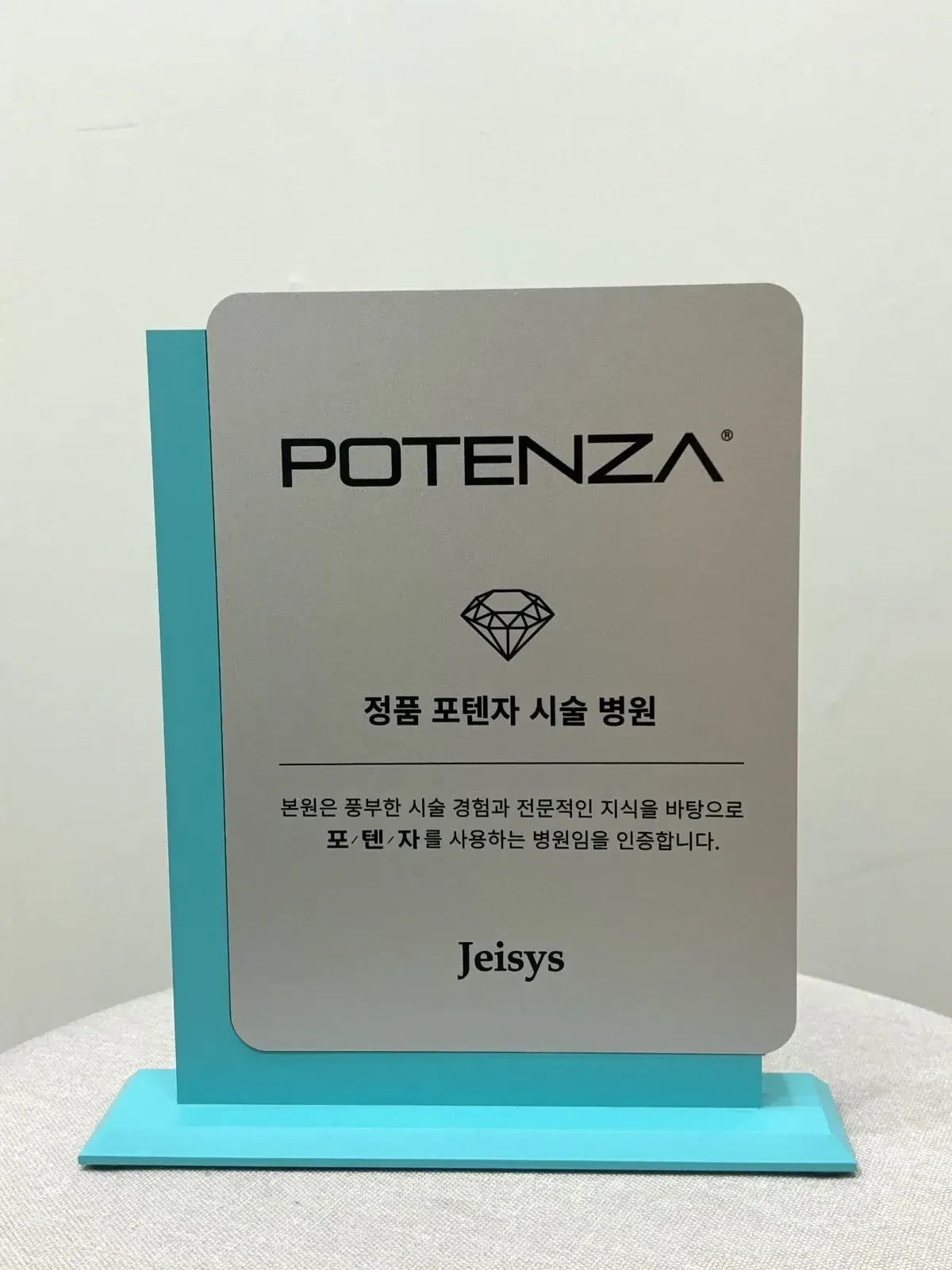
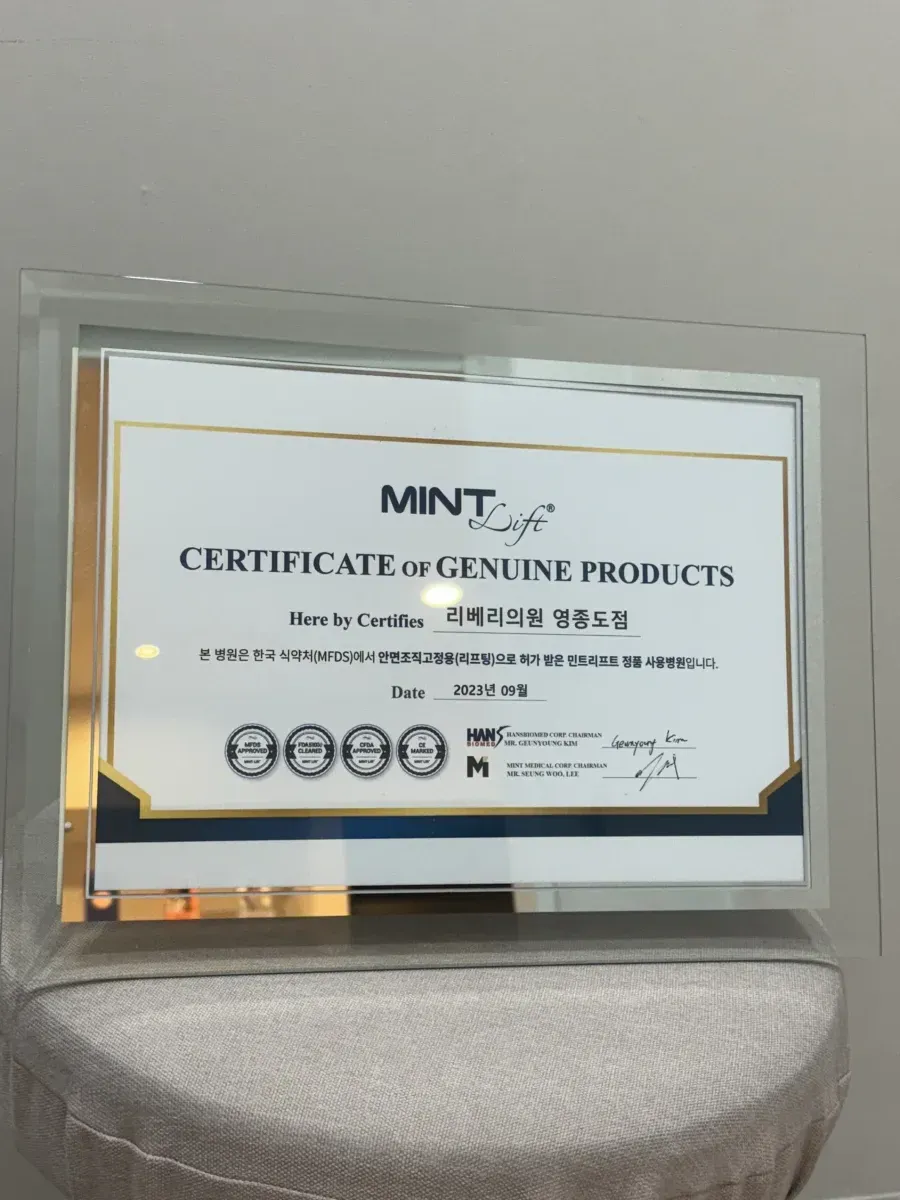
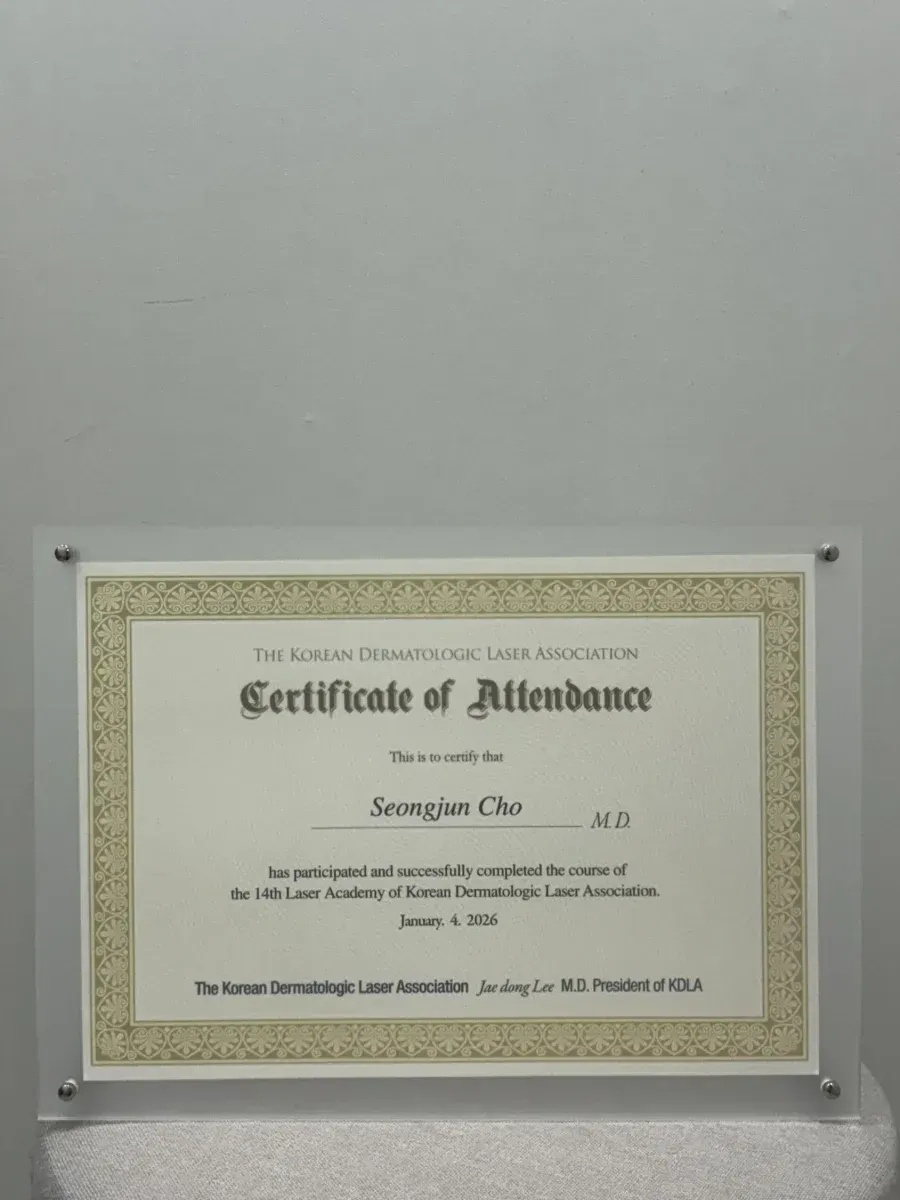
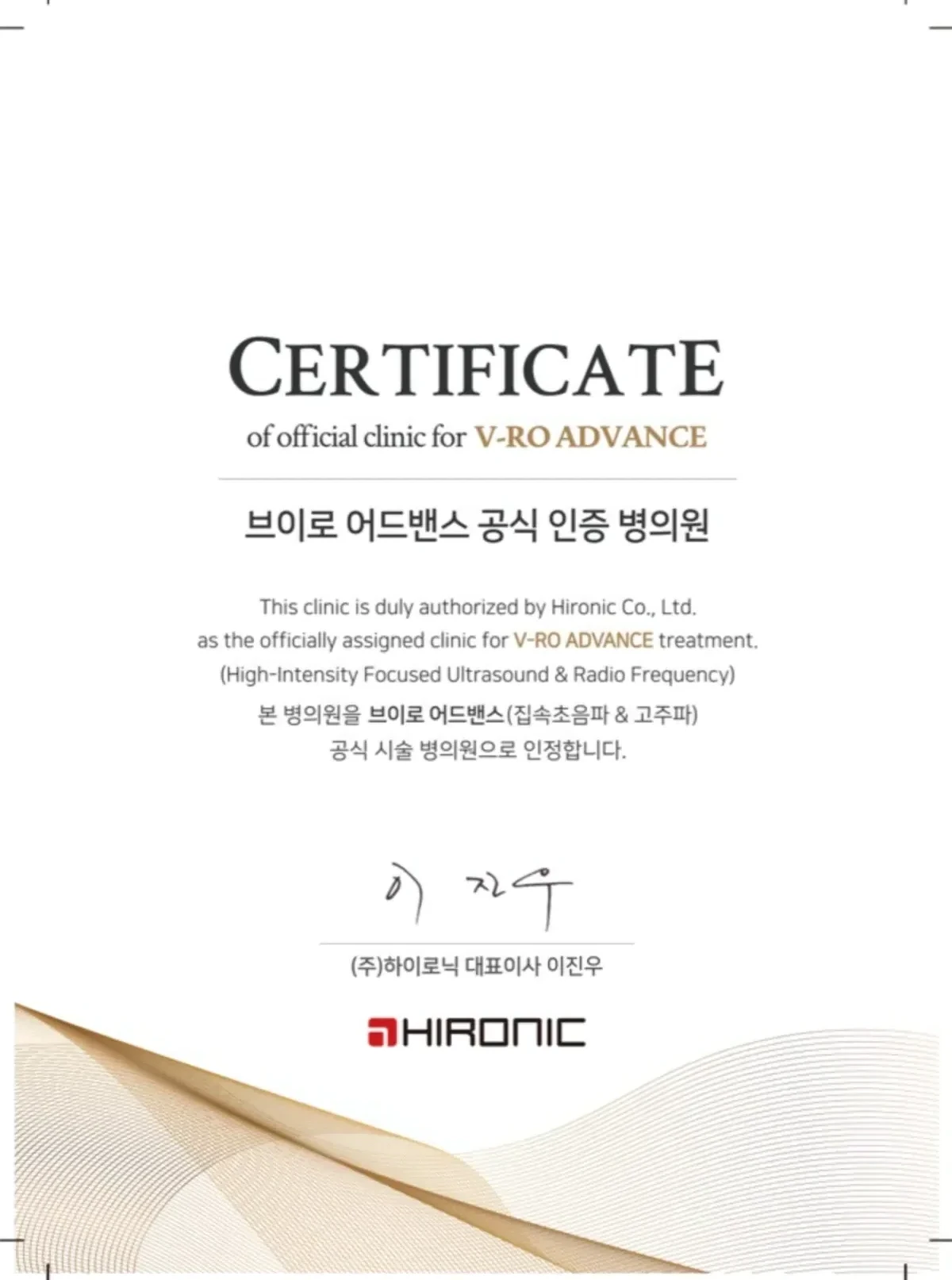
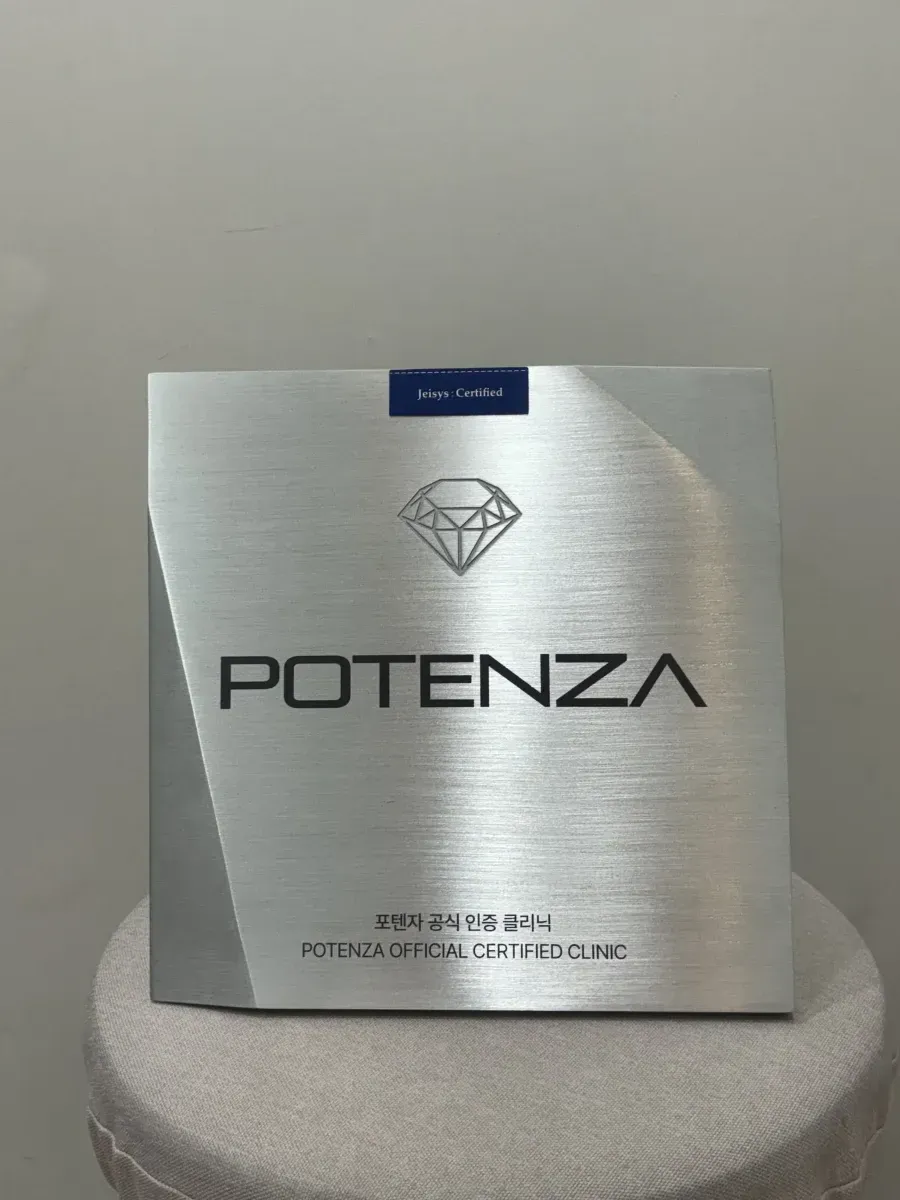
Only Authentic, Brand-Certified Equipment
Every device at RE:BERRY is MFDS-certified and manufacturer-verified. We never use counterfeit or grey-market equipment.
Find Your Ideal Ablative or Non-Ablative Laser at RE:BERRY Incheon Airport
Not sure whether you need ablative or non-ablative laser? Book a consultation at RE:BERRY Incheon Airport and let our Aesthetic Medicine Specialists match you with the right device from 30+ KFDA-approved options. Non-ablative treatments from ₩99,000. Open 365 days. Airport pickup included.
What our patients say
Real verified reviews from our Google Business Profile
I had such a wonderful experience at Reberry Clinic near Incheon Airport! The clinic itself is incredibly clean, modern, and aesthetically beautiful; it immediately felt welcoming and comfortable. The entire staff was so warm and friendly from the moment I walked in.
What really stood out to me was how English-speakin...
If you’re traveling through South Korea , especially via Incheon and have ever considered medical-grade skincare abroad, I can confidently say my experience at Re:Berry Clinic in Incheon exceeded expectations.
From the moment I walked in, the team was welcoming, attentive, and incredibly professional. Every member of ...
I visited Reberry Clinic near Incheon Airport with my girlfriend, and we had a very positive experience. The clinic is clean, well-organized, and very professional overall. Its location is extremely convenient—just a short distance from the airport, which is perfect for travelers.
The consultant who assisted us was re...
Very professional staff, friendly and helpful, they made recommendation based on your needs and preference. All the staff speak excellent in English and well . The process is very efficient. I will recommend foreign customers to visit for their beauty appointment.
My friends and I had a lovely experience here! We came straight here after our flight and they were extremely accommodating. As soon as we got here they began our appointment. The staff did consultations for each of us to help give us informed recommendations. The staff took their time during my services, it was thorou...
Book Your Laser Consultation
Fill out the form and our multilingual team will confirm within 2 hours via your preferred contact method.
- ✓ Free consultation with our doctors
- ✓ 8-language support (EN, JA, ZH, TH, VI, MN, FA)
- ✓ Inside Incheon International Airport
- ✓ Perfect for layover treatments
- ✓ Visa / Mastercard accepted
- ✓ Current promotion pricing available
Request an Appointment





Latest from Our Instagram
Real treatments, patient reactions, and behind-the-scenes from RE:BERRY.
Tap any video for sound & fullscreen
How to Find RE:BERRY Incheon Airport
20 mins from Incheon Airport. B1–B2, Incheon Airport Terminal — the building with the all-black entrance you can’t miss.
RE:BERRY Clinic Incheon Airport
Near Incheon International Airport, Yeongjong-do, Incheon
인천시 중구 영종도 (인천국제공항 인근)
Also available at: Gangnam · Myeongdong