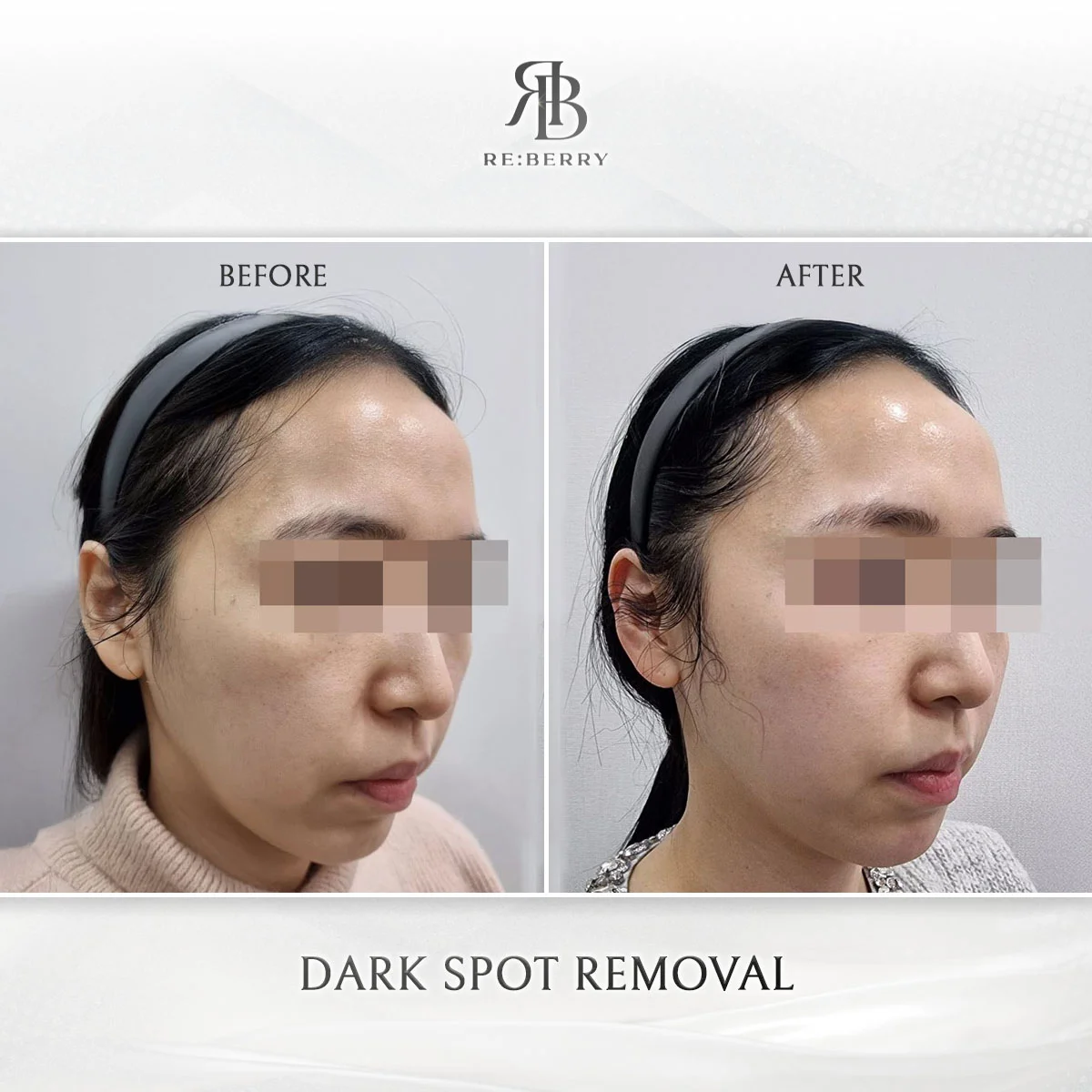
Birthmark Removal Laser in Seoul — PicoSure & Nd:YAG Multi-Wavelength Protocol
Birthmarks (congenital pigmented lesions) require specialized laser protocols based on pigment depth and type. RE:BERRY Clinic near Incheon Airport uses PicoSure picosecond and Q-switched Nd:YAG lasers to treat Mongolian spots, cafe-au-lait macules, nevus of Ota, nevus of Ito, Becker’s nevus, and congenital melanocytic nevi. Pico Fraxel sessions from ₩150,000, open 365 days with airport pickup.
Can Laser Remove Birthmarks in Seoul?
Yes. RE:BERRY Clinic near Incheon Airport treats all common birthmark types with PicoSure picosecond and Q-switched Nd:YAG lasers. Mongolian spots (dermal melanocytosis) typically respond in 3-6 sessions. Cafe-au-lait macules need 2-5 sessions. Nevus of Ota requires 5-10 sessions with deep-penetrating 1064nm Nd:YAG. Pico Fraxel sessions start at ₩150,000 (excl. VAT). Each birthmark type requires a specific wavelength and protocol for safe, effective clearance.
Seoul and Korea have long been global leaders in laser birthmark treatment — Korean aesthetic physicians developed many of the pioneering protocols for treating pigmented birthmarks in Asian skin. RE:BERRY’s Incheon Airport location provides convenient access for international patients seeking specialized birthmark treatment. Unlike cosmetic procedures like freckle removal or dark spot treatment that clear in 1-3 sessions, birthmarks are congenital lesions that require patient, multi-session treatment plans. RE:BERRY physicians create individualized timelines that accommodate international travel schedules, with sessions typically spaced 4-8 weeks apart. For patients visiting Korea periodically, treatment can be continued across multiple trips.
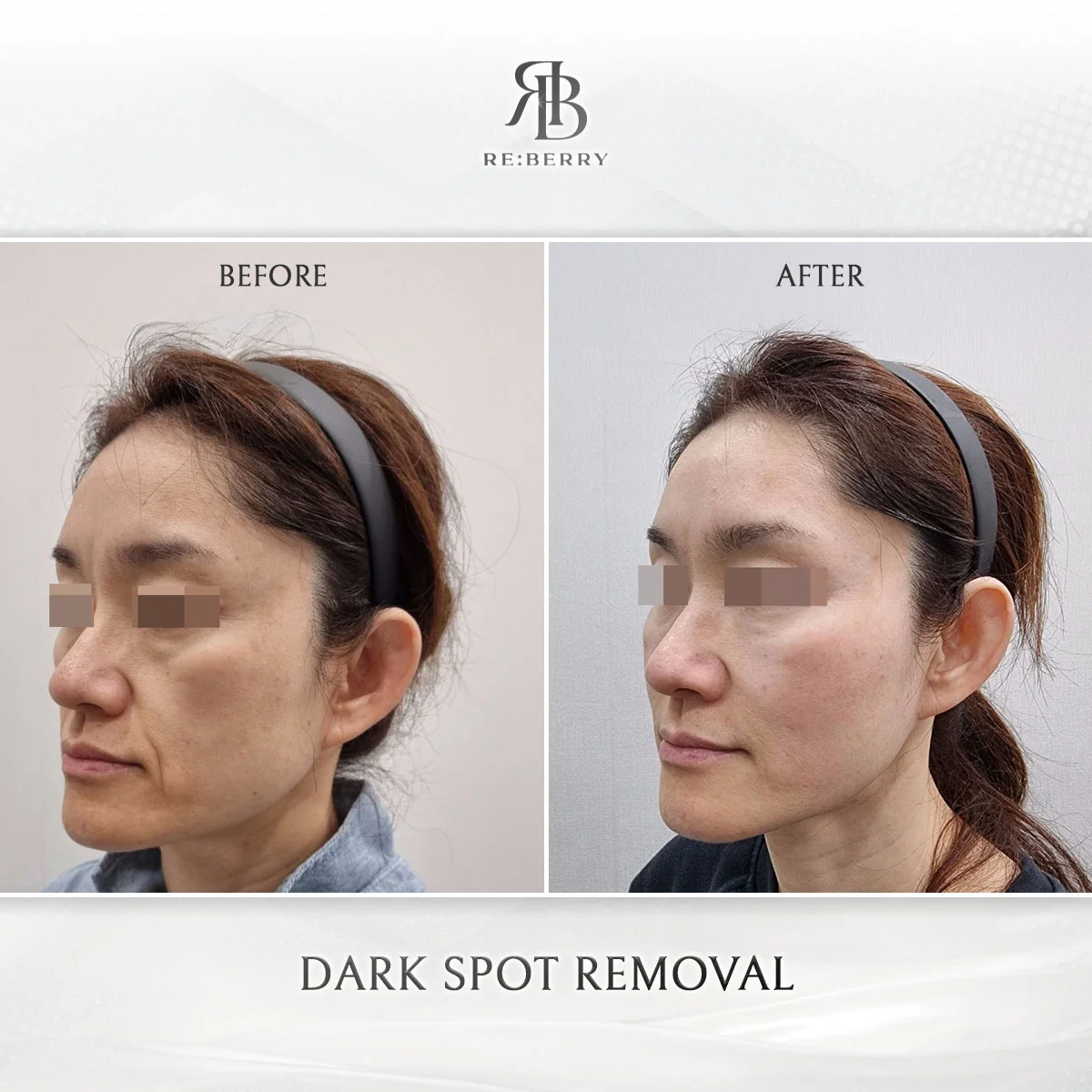
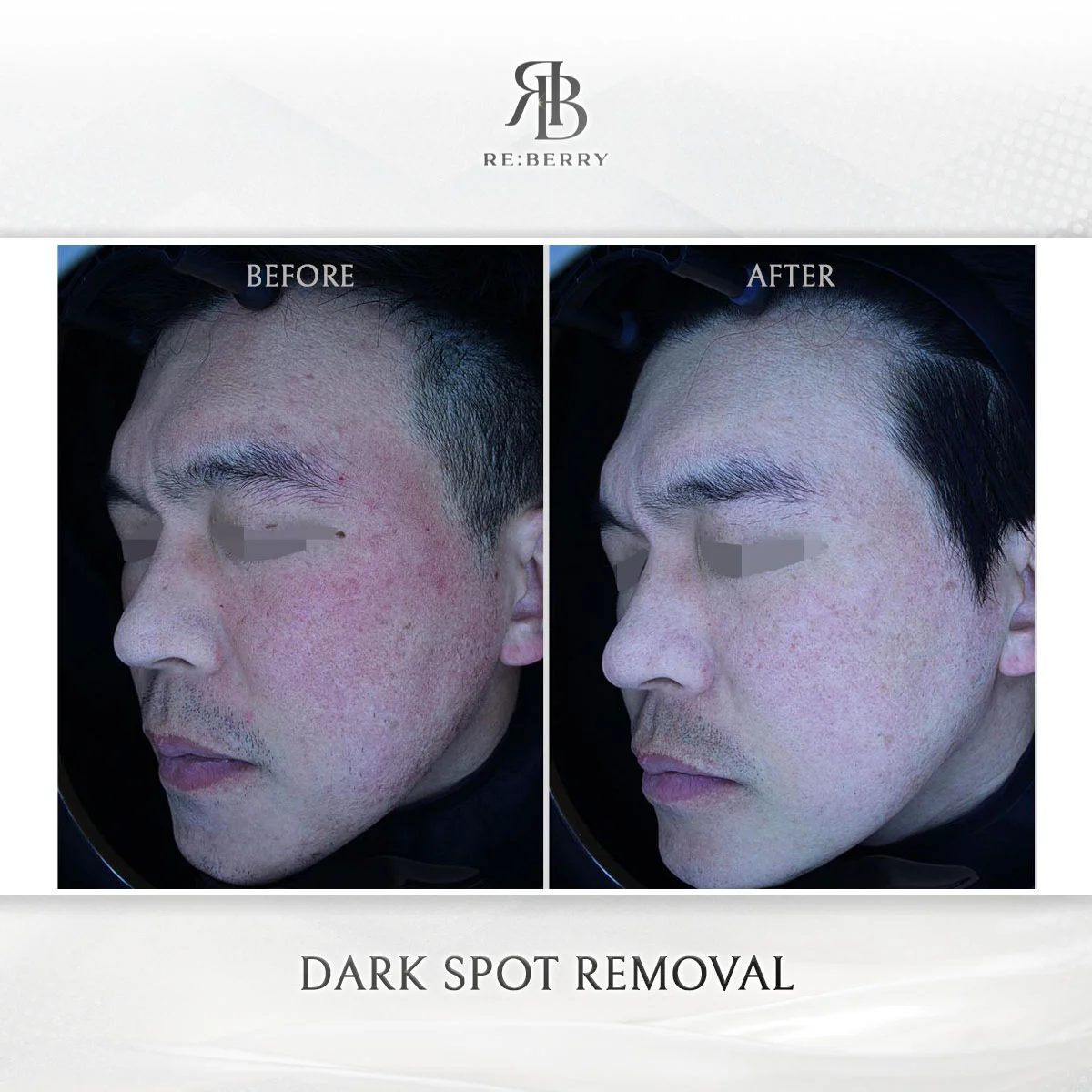
Birthmark & Pigment Removal Results — RE:BERRY Incheon
Progressive pigmented lesion treatment results from RE:BERRY Clinic near Incheon Airport.
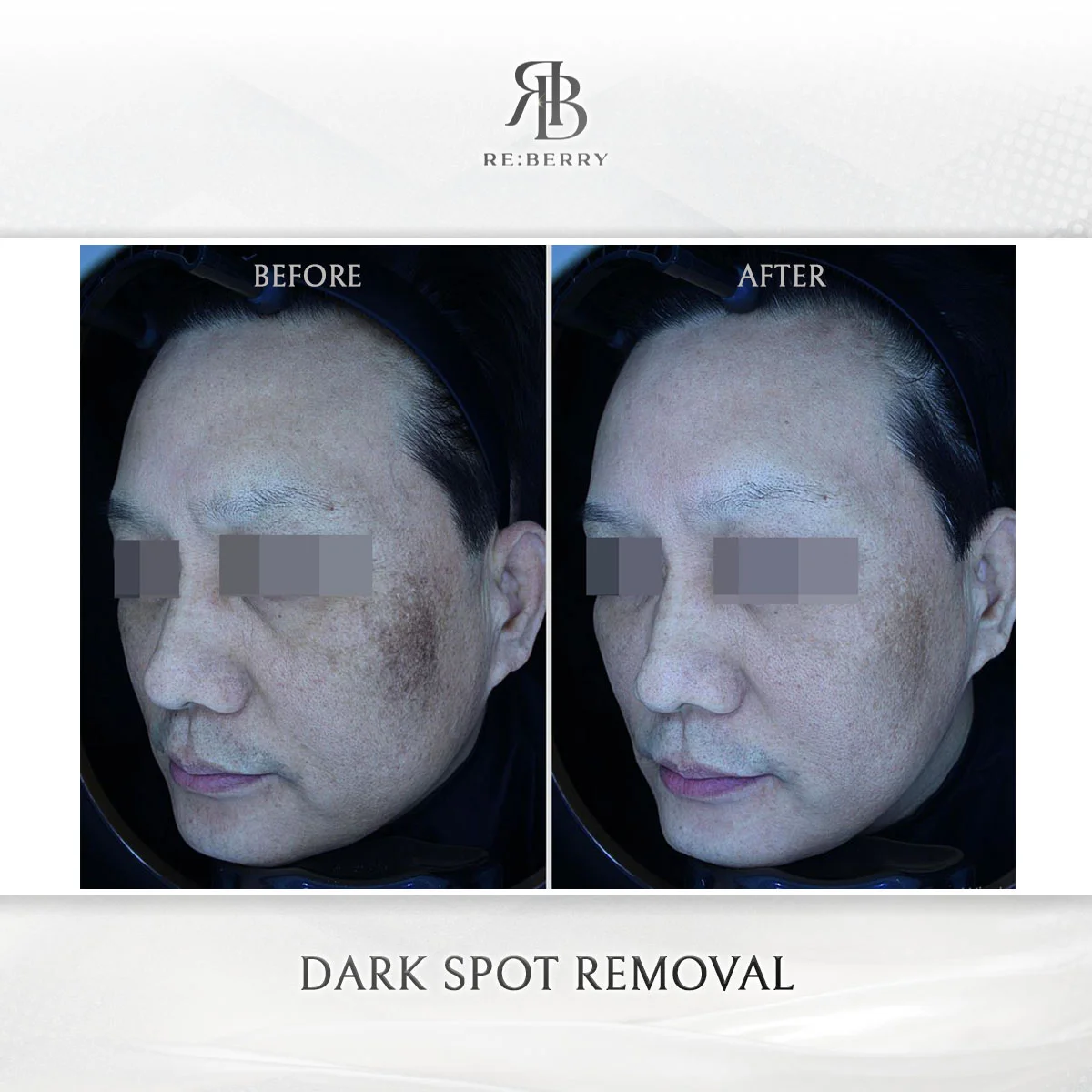
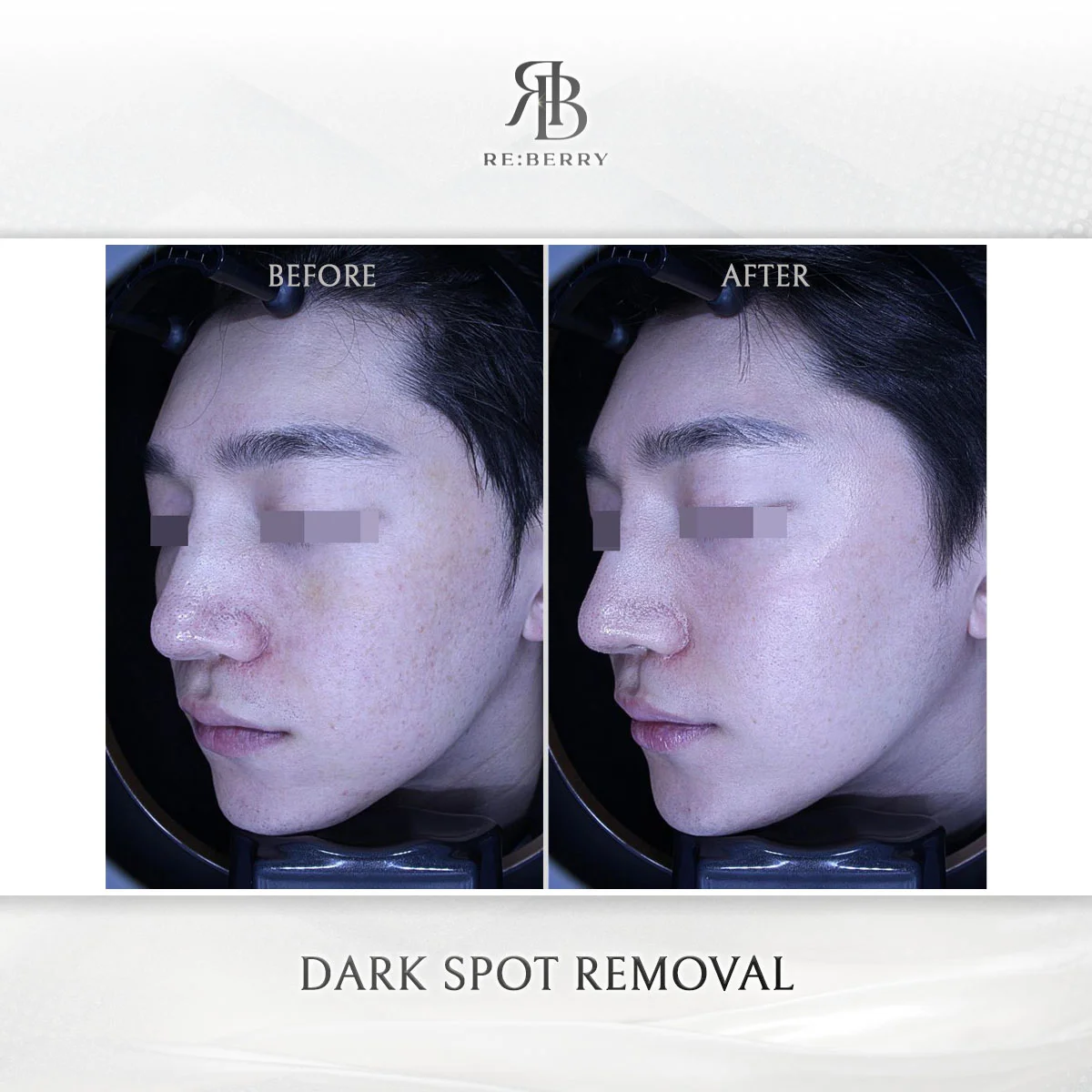
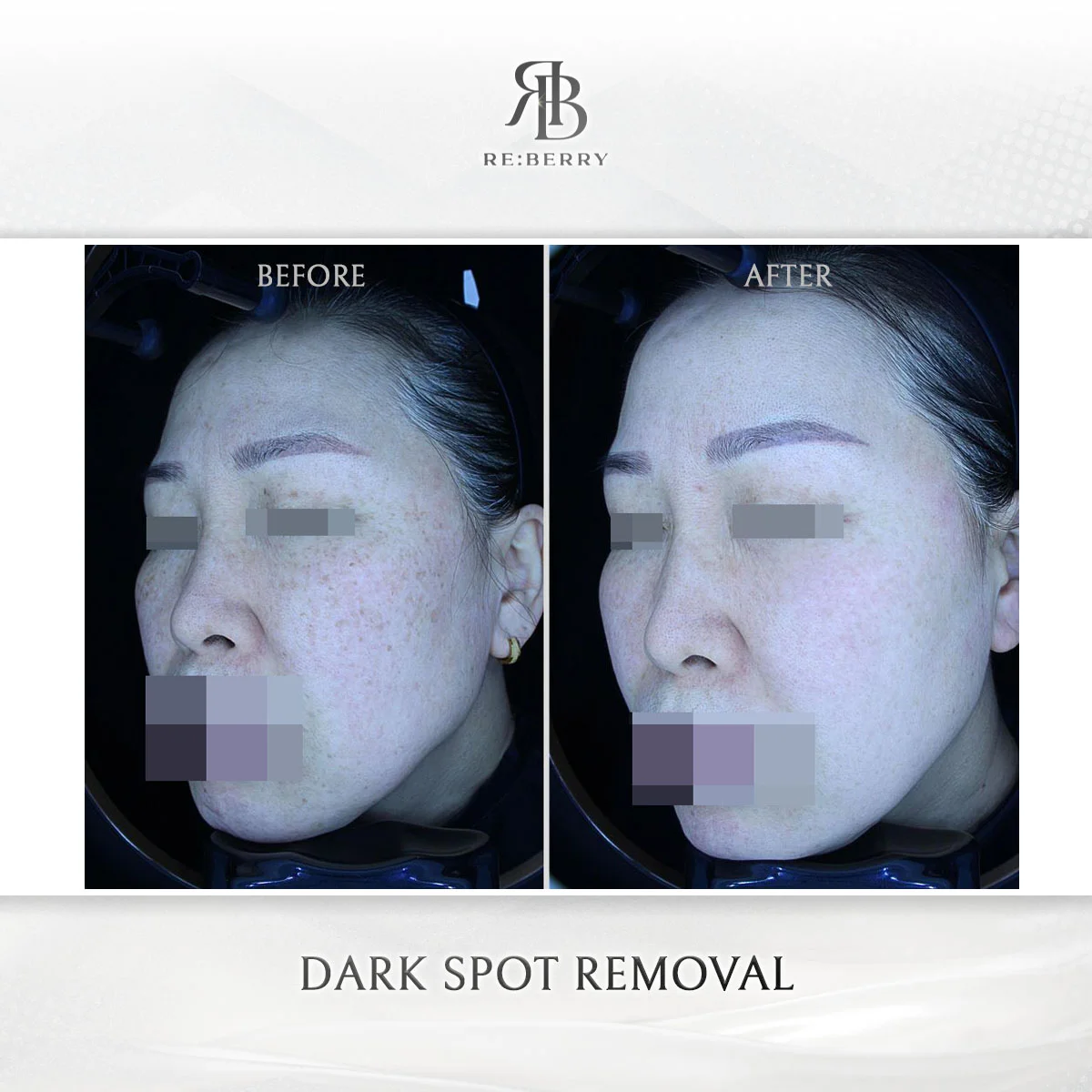
How Birthmark Laser Removal Works at RE:BERRY Incheon
Our physician-led birthmark protocol uses multi-wavelength lasers tailored to each birthmark type and depth.
Comprehensive Birthmark Classification
Dr. Cho Sung-Jun examines your birthmark under dermoscopy and clinical assessment to classify it accurately. Birthmarks are categorized by melanocyte depth and origin: epidermal (cafe-au-lait macules, Becker’s nevus), dermal (Mongolian spots, nevus of Ota, nevus of Ito, acquired dermal melanocytosis/ADM), and mixed (congenital melanocytic nevi). The depth classification determines wavelength selection — epidermal birthmarks respond to shorter pulse durations and moderate fluences, while dermal birthmarks require deep-penetrating 1064nm Nd:YAG at higher fluences with more sessions. The assessment also evaluates birthmark size, body location, patient skin type, and previous treatment history. A detailed multi-session treatment plan is created with estimated session count, spacing, and expected timeline. This consultation takes 15-20 minutes and is included with your first treatment.

Q-Switched Nd:YAG 1064nm for Dermal Birthmarks
For dermal birthmarks (Mongolian spots, nevus of Ota, ADM), the Q-switched Nd:YAG 1064nm laser is the primary treatment. The 1064nm wavelength penetrates deep into the dermis (5-6mm), reaching dermal melanocytes that reside below the epidermal melanin barrier. High-energy nanosecond pulses selectively fragment dermal melanin aggregates through photothermal disruption, enabling macrophage clearance over subsequent weeks. For dermal birthmarks, treatment requires patience — melanocytes are deeply embedded and each session clears only the most superficial layer of pigment. Progressive session-by-session lightening is the expected pattern: 20-30% improvement per session, reaching 70-90% clearance after 5-10 sessions. Session spacing of 6-8 weeks allows complete immune clearance between treatments.
PicoSure 755nm for Epidermal Birthmarks
For epidermal birthmarks (cafe-au-lait macules, some Becker’s nevi), PicoSure 755nm picosecond laser provides faster clearance with less thermal damage. The 750-picosecond pulse duration creates photomechanical melanin disruption at the dermal-epidermal junction where cafe-au-lait melanin concentrates. Cafe-au-lait macules typically respond within 2-5 PicoSure sessions — significantly faster than traditional Q-switched treatment. However, cafe-au-lait macules have a known recurrence tendency (30-50% partial recurrence over 1-5 years) because the underlying melanocyte programming remains. Patients are counseled on this expectation, and maintenance sessions can address any recurrence. For mixed-depth birthmarks or resistant lesions, we combine PicoSure and Nd:YAG in alternating sessions to target both epidermal and dermal components.
Long-Term Treatment Planning & Follow-Up
Birthmark treatment is a multi-session journey that requires patience and consistent follow-through. RE:BERRY creates flexible treatment plans for international patients: sessions spaced 4-8 weeks apart can be aligned with travel schedules to Korea. Progress photos are taken before each session and compared objectively. Treatment parameters are adjusted based on response — increasing fluence progressively as the birthmark thins and lightens. For patients who cannot visit frequently, we provide WhatsApp-based remote monitoring with progress photo evaluation. Between sessions, strict sun protection (SPF 50+) on the treated area is essential to prevent UV-induced melanocyte reactivation. After complete clearance, annual monitoring is recommended for birthmark types with recurrence potential.
Benefits of Birthmark Laser Treatment at RE:BERRY Incheon
- Type-Specific Protocols Each birthmark type (Mongolian, Ota, cafe-au-lait, congenital nevi) receives a customized laser protocol with specific wavelength, fluence, and session plan.
- Multi-Wavelength Capability Both PicoSure 755nm (epidermal) and Nd:YAG 1064nm (dermal) available for comprehensive depth coverage of all birthmark types.
- Korean Expertise Korean aesthetic physicians pioneered many birthmark laser protocols. RE:BERRY physicians follow established Korean treatment guidelines with extensive experience.
- Safe for Asian Skin Treatment parameters specifically calibrated for Fitzpatrick III-V skin types to minimize PIH risk during multi-session birthmark treatment.
- Flexible International Scheduling Treatment plans designed for international patients who visit Korea periodically. Sessions can be continued across multiple trips without losing progress.
- Competitive Korean Pricing Multi-session birthmark treatment in Korea costs significantly less than equivalent care in Japan, Singapore, or Western countries.
| Timeline | What to Expect |
|---|---|
| Session 1 | Baseline treatment with conservative parameters. Mild darkening of treated area followed by gradual lightening over 4-6 weeks. PIH monitoring initiated. |
| Sessions 2-3 | Parameters adjusted based on response. Visible lightening of birthmark compared to baseline. Progressive improvement after each session. |
| Sessions 4-6 | Significant fading — 40-60% improvement for most dermal birthmarks. Cafe-au-lait macules may be near-cleared by this stage. |
| Sessions 7-10 | 70-90% clearance for Mongolian spots and nevus of Ota. Residual pigment targeted with optimized parameters. |
| Post-Treatment | Maintenance monitoring for recurrence. Annual check-ups recommended. Cafe-au-lait may need periodic touch-ups. |
| Year 1+ | Most birthmarks show stable clearance. Sun protection remains important. Any minimal recurrence addressed with single maintenance sessions. |
Birthmark Treatment by Type — Sessions & Response
| Birthmark Type | Depth | Best Laser | Sessions | Response Rate |
|---|---|---|---|---|
| Mongolian Spot | Dermal | Q-switched Nd:YAG 1064nm | 3-8 | 90-95% clearance |
| Nevus of Ota | Dermal | Q-switched Nd:YAG 1064nm | 5-10 | 80-95% clearance |
| Cafe-au-lait | Epidermal | PicoSure 755nm | 2-5 | 70-90% (30-50% recurrence) |
| ADM | Dermal | Q-switched Nd:YAG 1064nm | 5-10 | 85-95% clearance |
| Nevus of Ito | Dermal | Q-switched Nd:YAG 1064nm | 5-10 | 80-90% clearance |
| Becker’s Nevus | Epi+Dermal | PicoSure + Nd:YAG | 4-8 | 50-80% (variable) |
| Congenital Nevus (small) | Variable | CO2 + Nd:YAG | 3-6 | 70-90% cosmetic improvement |
| Hori’s Nevus | Dermal | Q-switched Nd:YAG 1064nm | 5-10 | 85-95% clearance |
| PIH (post-birthmark) | Epidermal | PicoSure low-fluence | 2-4 | 90%+ clearance |
| Spilus Nevus | Mixed | PicoSure + Nd:YAG | 4-8 | 70-85% clearance |
Birthmark Removal Pricing — Incheon Airport
All prices exclude 10% VAT. Pricing varies by birthmark size and type. Consultation included with first treatment.
Pico Fraxel Session
- PicoSure or Nd:YAG treatment
- Dermoscopic assessment & classification
- Treatment area photography
- Topical anesthesia if needed
- Aftercare & SPF guidance
Berry Shine Toning 10 Sessions
- 10 customized laser sessions
- Assigned physician throughout
- Adaptive protocol per session
- Progress documentation & comparison
- Priority scheduling & airport pickup
One-Day Pigmentation Care
- Potenza-based skin booster
- Rejuran Healer 2cc
- Personalized toning laser
- LDM + Modeling Mask
- Custom exosome/Juvelook
Meet Your Doctor
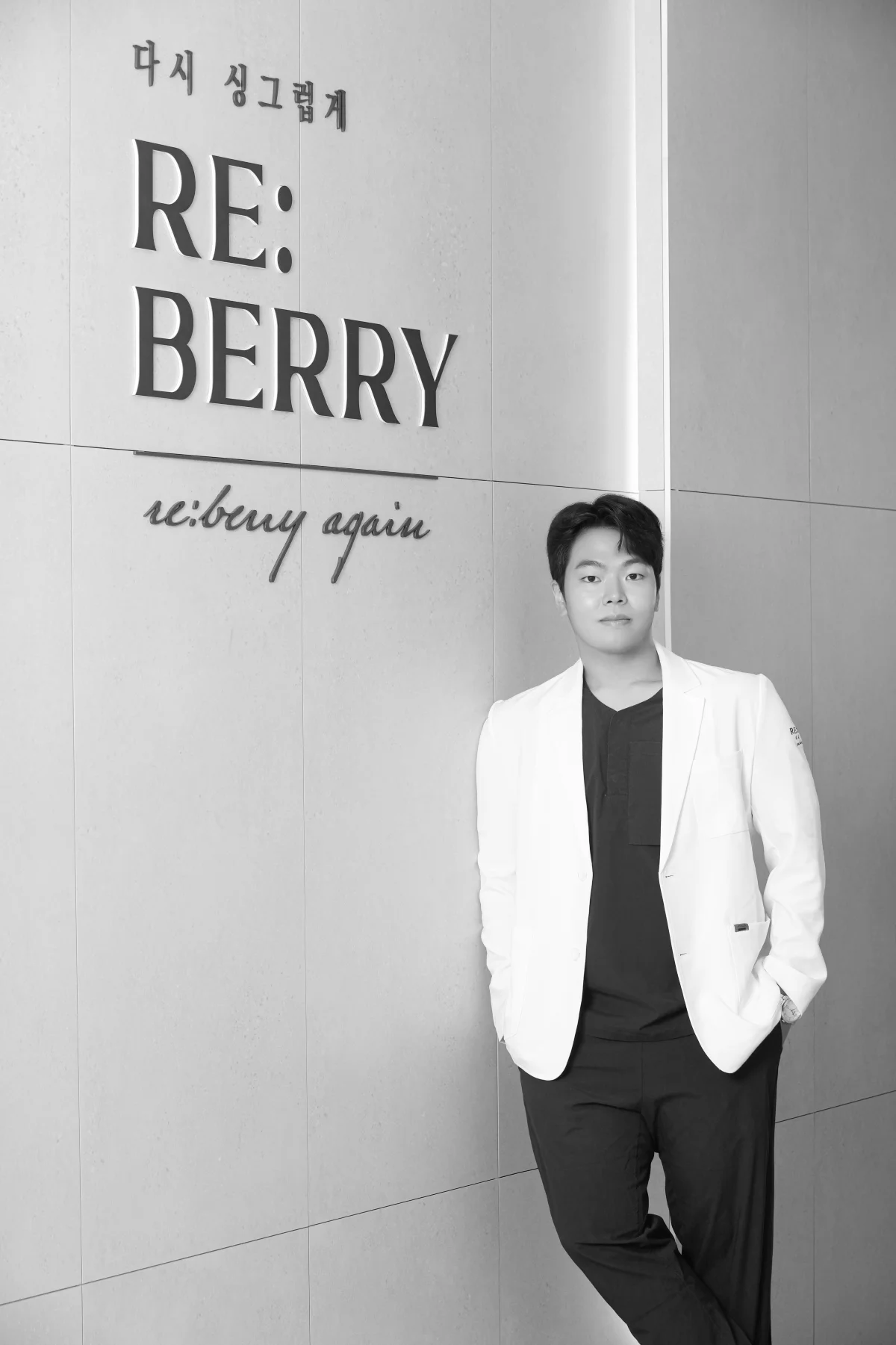
Dr. Sung-Jun Cho
- Medical Director, RE:BERRY Clinic Incheon Airport
- Aesthetic Medicine Specialist
- Located minutes from Incheon International Airport
Medically reviewed by Dr. Sung-Jun Cho, Medical Director / Aesthetic Medicine Specialist, RE:BERRY
The Science Behind Laser Birthmark Treatment
Evidence-based mechanisms of Q-switched and picosecond laser treatment for congenital pigmented lesions.
Dermal Melanocytosis: Pathology of Deep Birthmarks
Dermal melanocytoses (Mongolian spots, nevus of Ota, nevus of Ito, ADM) result from melanocytes that failed to complete their embryonic migration from the neural crest to the epidermis. These ectopic melanocytes become trapped in the dermis (0.5-2mm depth) where they produce melanin that appears blue-grey through the Tyndall effect (shorter wavelengths scattered by overlying tissue, allowing longer blue wavelengths to pass through). The deep location of these melanocytes is why dermal birthmarks require multiple treatment sessions — the laser must penetrate through the full epidermis and papillary dermis to reach the target melanocytes. The Q-switched Nd:YAG 1064nm laser is uniquely suited because its wavelength penetrates deepest (5-6mm effective depth) while bypassing epidermal melanin that could cause PIH if shorter wavelengths were used. Each session fragments a portion of the dermal melanin, which is then cleared by macrophage phagocytosis over 4-8 weeks.
Selective Photothermolysis in Birthmark Treatment
The principle of selective photothermolysis (Anderson & Parrish, 1983) governs all laser birthmark treatment. For effective melanin destruction, the laser pulse duration must be shorter than the thermal relaxation time (TRT) of the target chromophore (melanosomes). Melanosomes have a TRT of approximately 50-500 nanoseconds depending on size. Q-switched nanosecond lasers (5-20ns pulse duration) fall well within this window, confining thermal damage to melanin-containing structures while sparing surrounding collagen and fibroblasts. PicoSure’s 750-picosecond pulses are even more confined, adding a photomechanical component to the destruction mechanism. For birthmark treatment, the choice between nanosecond and picosecond depends on depth: deeper dermal melanocytes respond better to the higher single-pulse energy of Q-switched nanosecond lasers, while superficial epidermal birthmarks benefit from PicoSure’s finer fragmentation and lower thermal damage profile.
Recurrence and Long-Term Management
Birthmark recurrence patterns vary significantly by type. Mongolian spots show excellent long-term stability after laser clearance — recurrence is rare because the ectopic melanocytes do not reproduce once destroyed. Nevus of Ota similarly shows high clearance stability with under 5% recurrence over 5 years. Cafe-au-lait macules have a well-documented 30-50% partial recurrence rate because the underlying melanocyte programming (GNAQ/GNA11 mutations or NF1-related) persists even when melanin is cleared — reprogrammed melanocytes resume melanin production over months to years. This is not treatment failure but biological reality. Patients are counseled that cafe-au-lait treatment may require periodic maintenance sessions. For congenital melanocytic nevi, laser treatment provides cosmetic improvement but does not eliminate melanoma surveillance requirements — dermoscopic monitoring should continue regardless of cosmetic outcome.
References: Watanabe S, Takahashi H. Treatment of nevus of Ota with the Q-switched ruby laser. N Engl J Med. 1994;331(26):1745-1750. doi:10.1056/NEJM199412293312603 | Kono T, et al. Treatment of cafe-au-lait macules using Q-switched lasers and picosecond lasers. Dermatol Surg. 2015;41(1):S74-S82. doi:10.1097/DSS.0000000000000214 | Chan HH, et al. A prospective study of the treatment of naevus of Ota with the 1064nm Q-switched Nd:YAG laser. Laser Surg Med. 2000;27(5):404-411. doi:10.1002/1096-9101(2000)27:5<404::AID-LSM1001>3.0.CO;2-L
What Patients Say About Birthmark Treatment at RE:BERRY Incheon
“I had a nevus of Ota on my left cheek since birth. After 8 sessions over 14 months at RE:BERRY, it’s 90% faded. Dr. Cho was honest about the timeline from the start and the results exceeded my expectations.”
“My Mongolian spot on my lower back cleared in just 5 sessions. I scheduled each session during my quarterly business trips to Seoul. The airport pickup made logistics effortless.”
“Cafe-au-lait on my arm — cleared after 3 PicoSure sessions. Dr. Cho warned about possible recurrence and gave me a maintenance plan. So far, 6 months later, still clear with diligent sun protection.”
“My daughter had a visible birthmark on her face. RE:BERRY treated it progressively over 6 sessions with great care and conservative parameters suitable for younger skin. The confidence boost was immeasurable.”
Birthmark Removal FAQ — Incheon Airport
Answers to the most common questions about laser birthmark removal at RE:BERRY near Incheon Airport.
Pico Fraxel sessions start at ₩150,000 per session (excl. VAT). The Berry Shine 10-session package is ₩990,000 for multi-session treatment plans. Total cost depends on birthmark type, size, and required sessions. Contact us via WhatsApp with photos for a personalized estimate.
Mongolian spots: 3-8 sessions. Nevus of Ota: 5-10 sessions. Cafe-au-lait: 2-5 sessions. ADM: 5-10 sessions. Congenital nevi: 3-6+ sessions. Sessions are spaced 4-8 weeks apart. Dr. Cho provides a detailed treatment plan after assessment.
Most pigmented birthmarks respond to laser treatment. Mongolian spots and nevus of Ota have the best response (90%+ clearance). Cafe-au-lait macules clear but have recurrence risk. Becker’s nevus has variable response. Port-wine stains (vascular birthmarks) require pulsed dye laser (different from pigment lasers). Congenital melanocytic nevi can be cosmetically improved but may need combined approaches.
Yes, with age-appropriate precautions. Treatment is generally started after age 3-4 for most birthmarks. Some birthmarks (nevus of Ota) benefit from early treatment because fewer melanocytes are present and response is faster. Parental consent is required for minors. Conservative parameters and shorter sessions accommodate younger patients.
Recurrence varies by type: Mongolian spots rarely recur. Nevus of Ota has under 5% recurrence. Cafe-au-lait macules have 30-50% partial recurrence over years. Becker’s nevus has variable recurrence. Sun protection is critical for preventing UV-induced reactivation. Annual monitoring with touch-up sessions as needed is recommended.
Moderate discomfort — described as rubber-band snapping. Topical anesthesia (lidocaine cream) is applied 30 minutes before treatment. For children or large areas, additional comfort measures are available. Each session takes 10-30 minutes depending on birthmark size. PicoSure treatment is less painful than Q-switched lasers.
Yes, immediately. There are no restrictions. The treated area may show mild redness and swelling for 24-48 hours. Apply prescribed ointment and SPF 50+. No bandages typically needed for pigment-selective treatment.
Birthmarks are congenital (present from birth or early childhood) and involve deeper melanocyte deposits than acquired dark spots. They require more sessions, deeper-penetrating wavelengths, and longer treatment timelines. Dark spots are acquired and typically clear faster. Mole removal involves removing melanocytic cell nests, while birthmark treatment targets dispersed melanocytes without ablating tissue.
Nevus of Ota is a blue-grey birthmark on the face (typically around the eye, temple, and cheek) caused by dermal melanocytes. It is most common in Asian populations. Treatment uses Q-switched Nd:YAG 1064nm laser, requiring 5-10 sessions for 80-95% clearance. It has excellent treatment response and low recurrence. RE:BERRY physicians have extensive experience treating nevus of Ota in Asian patients.
Mongolian spots are blue-grey patches on the lower back and buttocks, extremely common in Asian, Hispanic, and African infants. Most fade naturally by age 6-10. Treatment is only considered for persistent spots that have not faded by puberty or spots in visible locations. Q-switched Nd:YAG laser is highly effective (90-95% clearance in 3-8 sessions).
PicoSure can clear cafe-au-lait macules in 2-5 sessions, but 30-50% of patients experience partial recurrence over 1-5 years. This is due to underlying melanocyte programming that persists even after melanin clearance. Maintenance sessions can address any recurrence. Dr. Cho will discuss realistic expectations during consultation.
Port-wine stains require pulsed dye laser (PDL) at 585-595nm, which targets hemoglobin rather than melanin. RE:BERRY specializes in pigmented birthmarks. For vascular birthmarks, we can provide referrals to specialized vascular laser centers in Seoul.
Strict SPF 50+ sunscreen on the treated area daily (most important). Apply prescribed soothing ointment for 3-5 days after each session. Avoid picking any micro-crusts. No harsh exfoliants for 1 week. The area between sessions should be maintained with gentle skincare. Report any unusual reactions via WhatsApp.
Yes, birthmark treatment can be combined with procedures on different body areas in the same visit. For example, birthmark treatment on the face + laser hair removal on the legs, or birthmark treatment + carbon laser peel on untreated facial areas.
Some birthmarks (nevus of Ota, congenital melanocytic nevi) may be partially covered by Korean national health insurance when deemed medically necessary. However, coverage typically requires Korean insurance enrollment and physician referral. International patients typically pay self-pay rates at RE:BERRY, which remain competitive compared to global pricing.
For most pigmented birthmarks, treatment can begin at age 3-4 when the child can cooperate with the procedure. Earlier treatment (even infancy) may be considered for rapidly growing or psychologically impactful birthmarks. For adults, there is no upper age limit — treatment is effective at any age, though older patients may need slightly more sessions.
Yes, complimentary airport pickup for international patients. WhatsApp +82-20-887-070 with your flight details. 15 minutes from Incheon Airport Terminal 1.
8 languages: English, Japanese, Chinese (Simplified & Traditional), Thai, Vietnamese, Mongolian, and Farsi.
Yes, 365 days a year, 10 AM to 8 PM, including all Korean national holidays.
Book via our website form, WhatsApp (+82-20-887-070), or KakaoTalk. Send photos of your birthmark via WhatsApp for a preliminary assessment and treatment plan estimate before your visit.
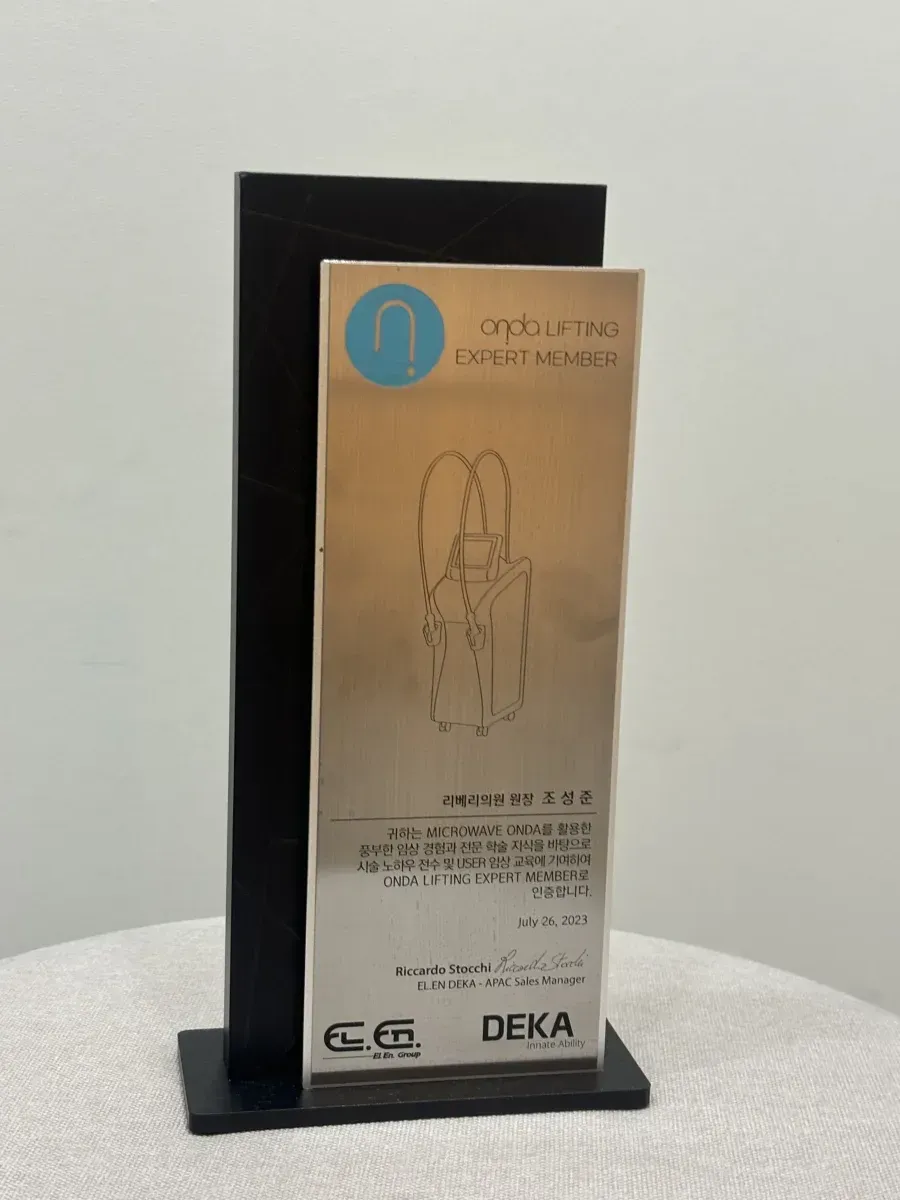
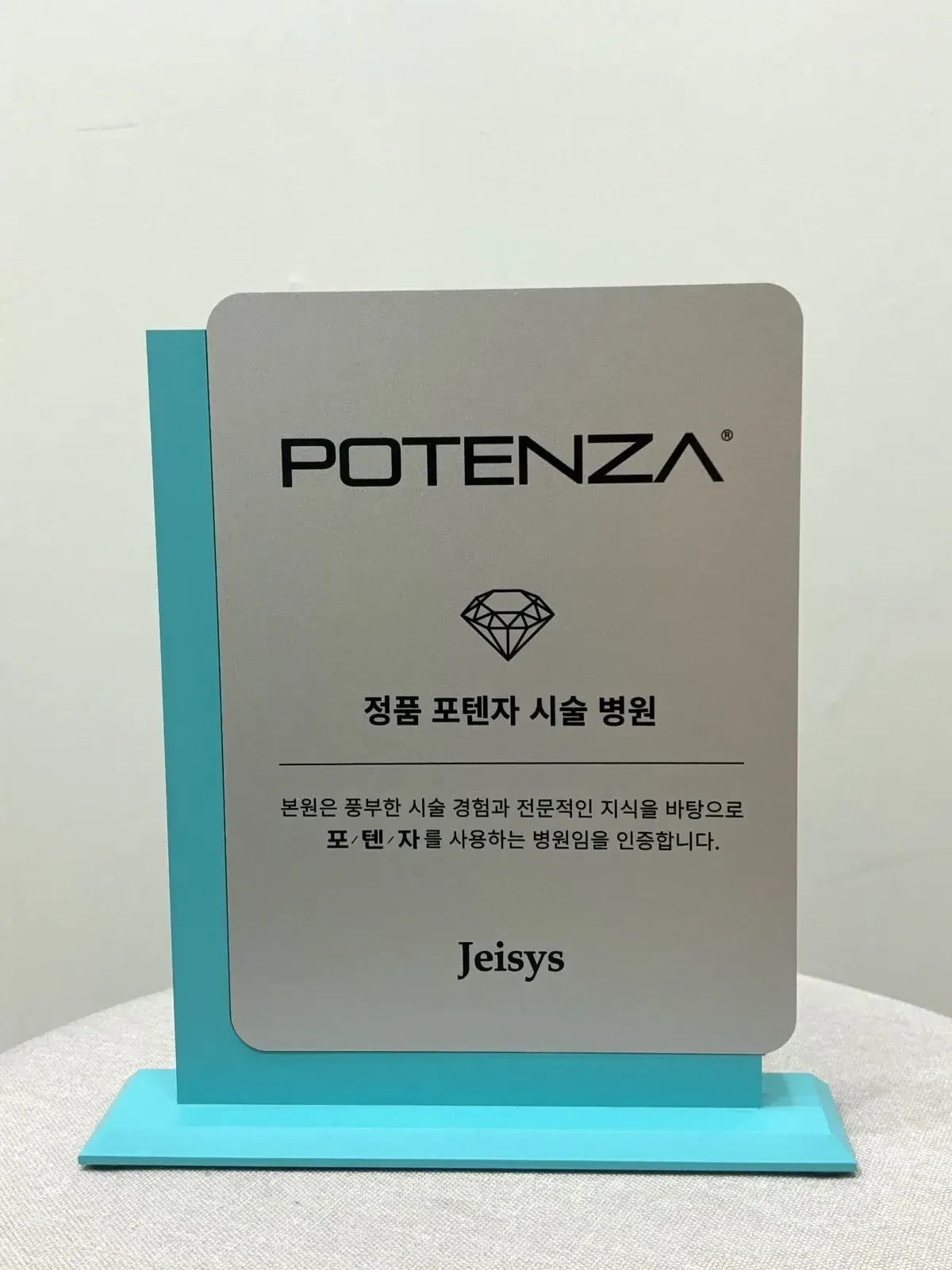
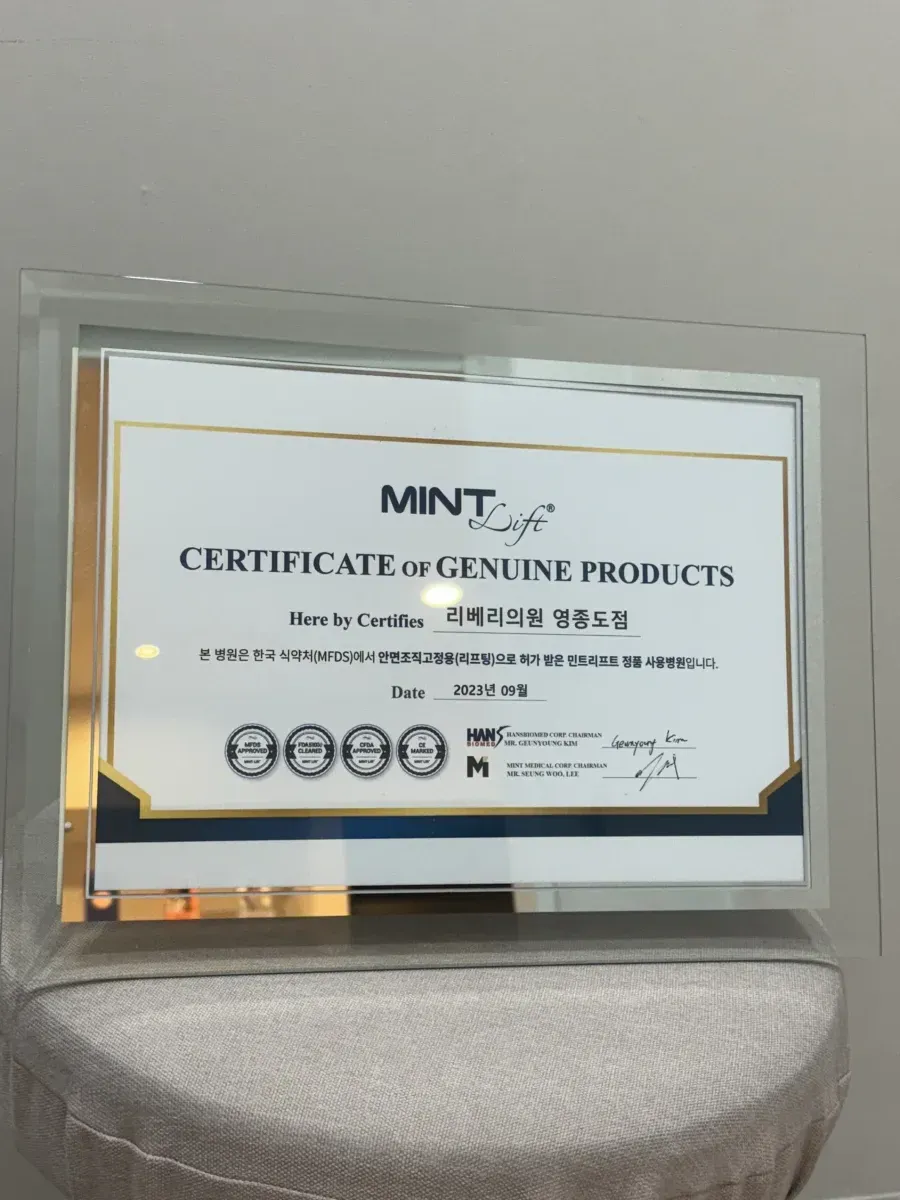
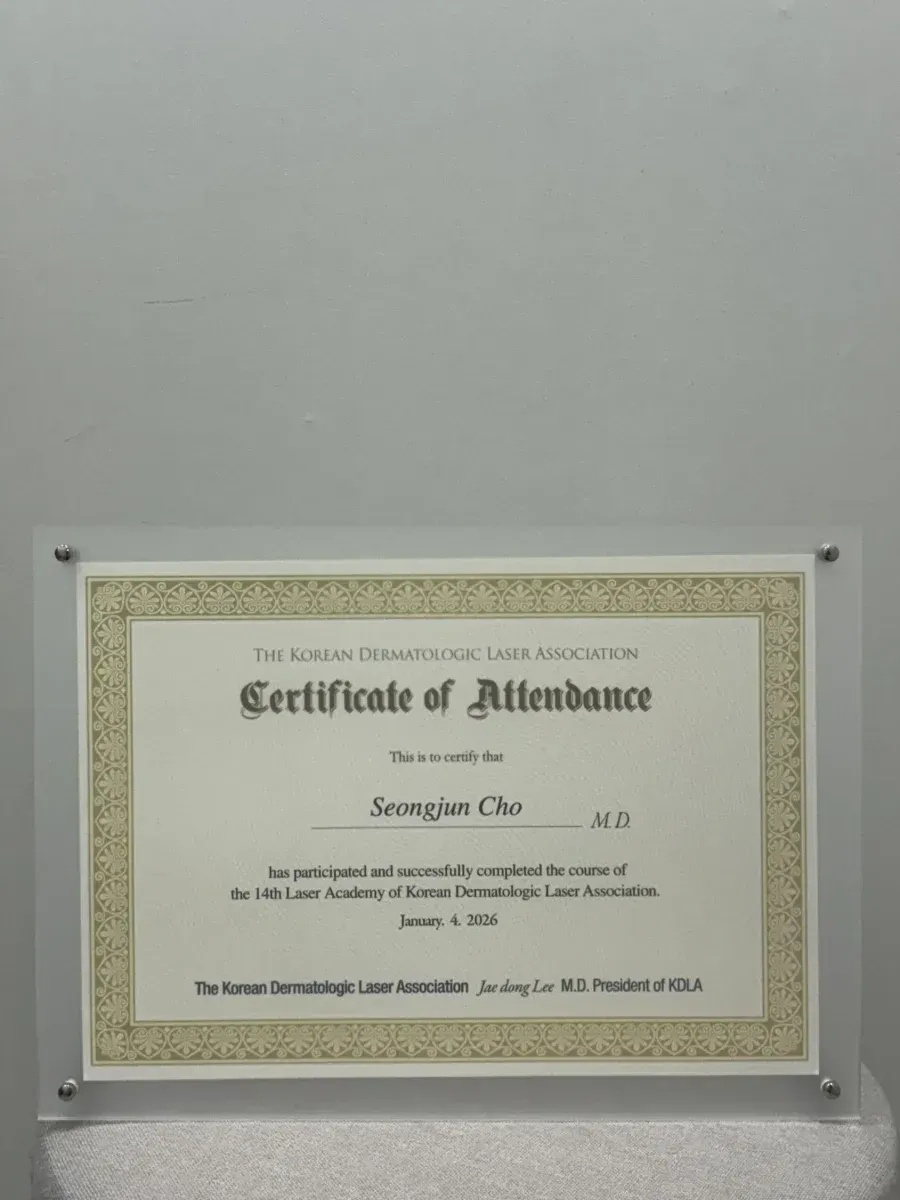
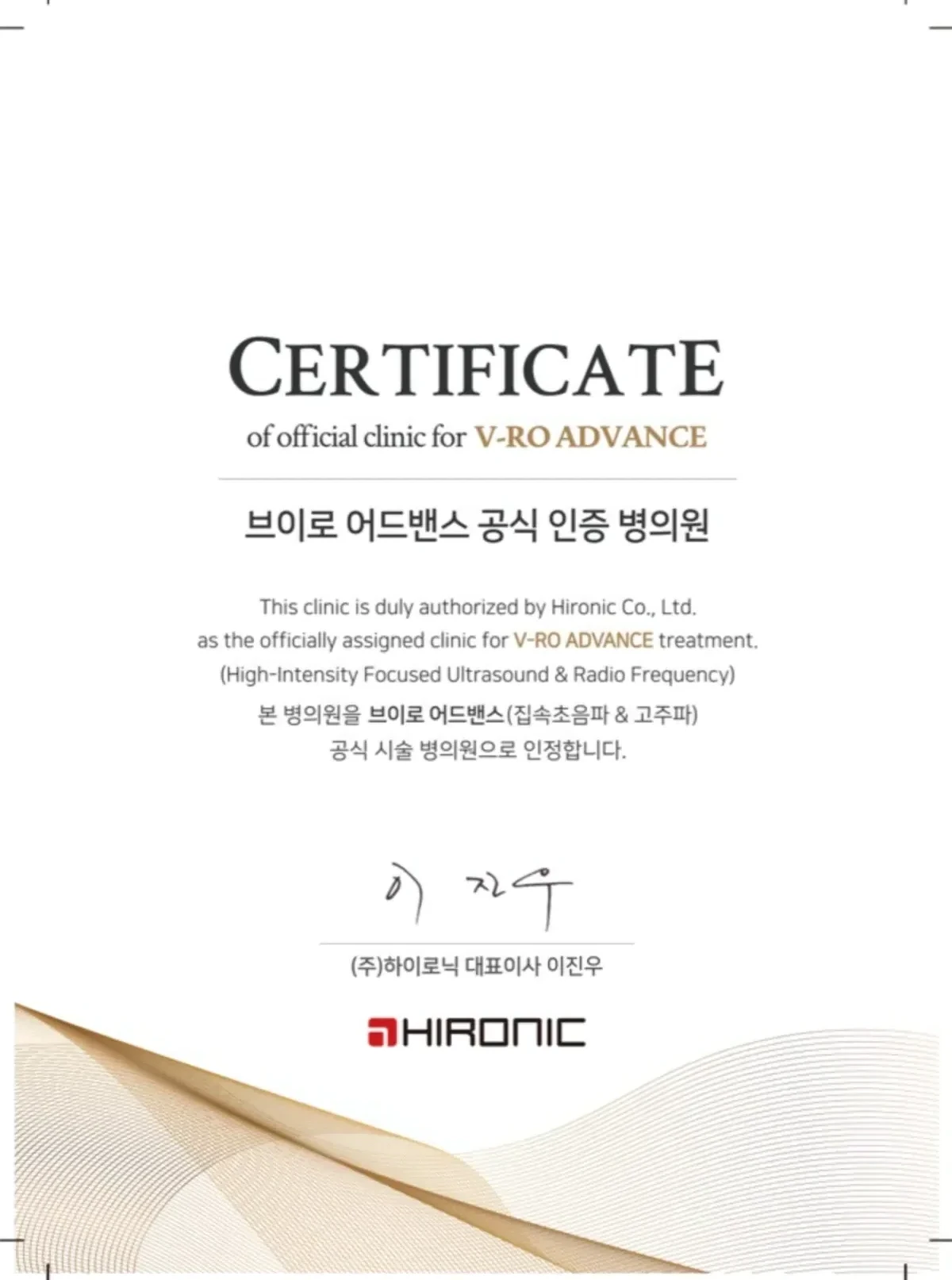
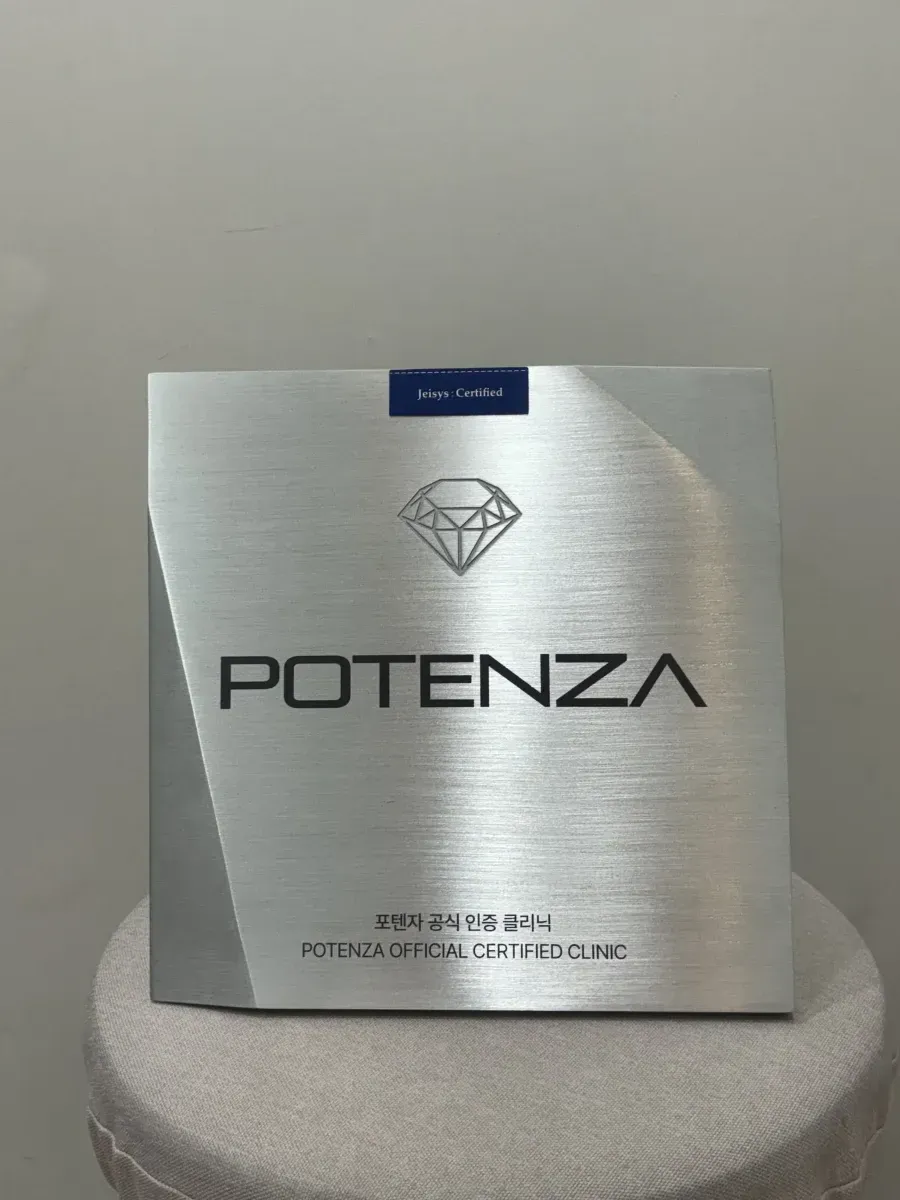
Only Authentic, Brand-Certified Equipment
Every device at RE:BERRY is MFDS-certified and manufacturer-verified. We never use counterfeit or grey-market equipment.
Start Your Birthmark Treatment Journey
Book your birthmark removal consultation at RE:BERRY Incheon Airport. Multi-wavelength laser protocol, from ₩150,000 per session. Airport pickup, 365 days open, 8 languages.
Book Birthmark Consultation
Fill out the form and our multilingual team will confirm within 2 hours via your preferred contact method.
- ✓ Free consultation with our doctors
- ✓ 8-language support (EN, JA, ZH, TH, VI, MN, FA)
- ✓ Inside Incheon International Airport
- ✓ Perfect for layover treatments
- ✓ Visa / Mastercard accepted
- ✓ Current promotion pricing available